SUMMER PROJECT
ANALOGUE
ABSTRACT
INTERDISCIPLINARY
VISUAL ARTIST
GEOMETRICAL
My name is Elzbieta Skorska and I am a Polish-born cosmopolitan. After spending a few years hitch-hiking around Europe and living between France and England, I settled in the UK. I study Photography at Manchester School of Art and currently I am on a student exchange at UCLM in Cuenca, Spain, where I study Fine Arts.
I am a photographer and a visual artist with my main focus on abstract analogue photography with a brutalist undertone inspired by architecture and the exploration of the city. Studying fine arts in Spain resulted in developing a multi-disciplinary practice and fascination with painting, video art and experimental cinema.
My interest in creating art from our subconscious, tapping into visceral memory and allowing things to flow and channel through us is expressed by manipulating light and shadow, focusing on geometrical shapes and collaborating with chance.
IMAGE SELECTION


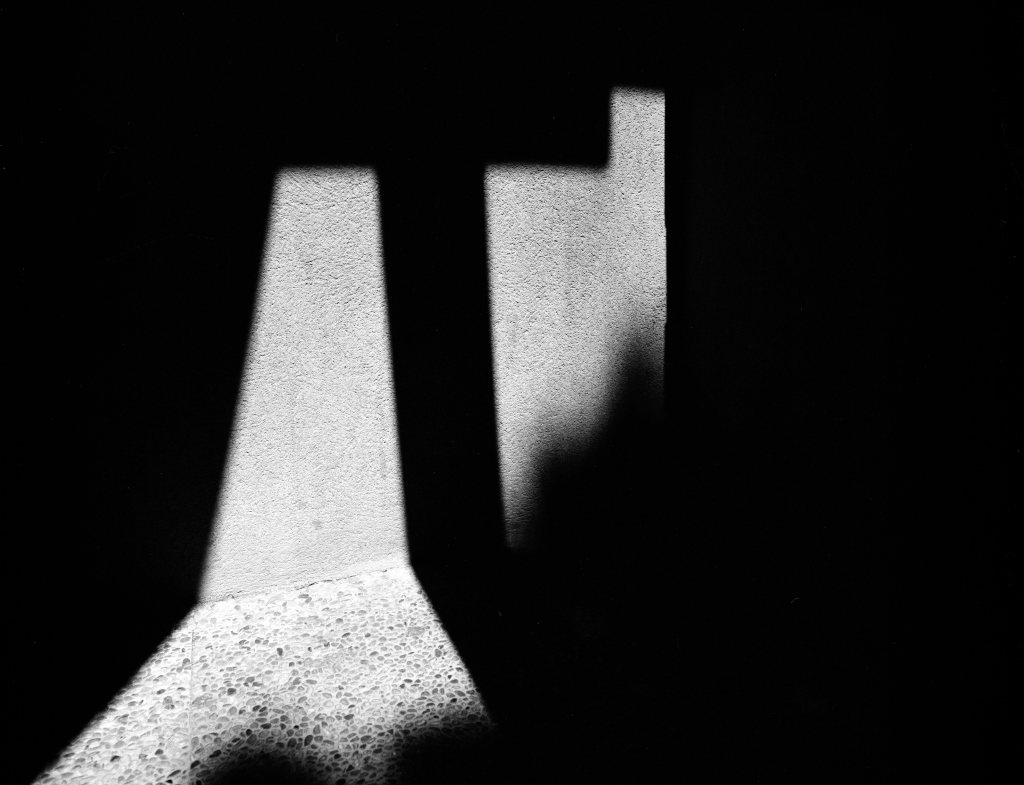
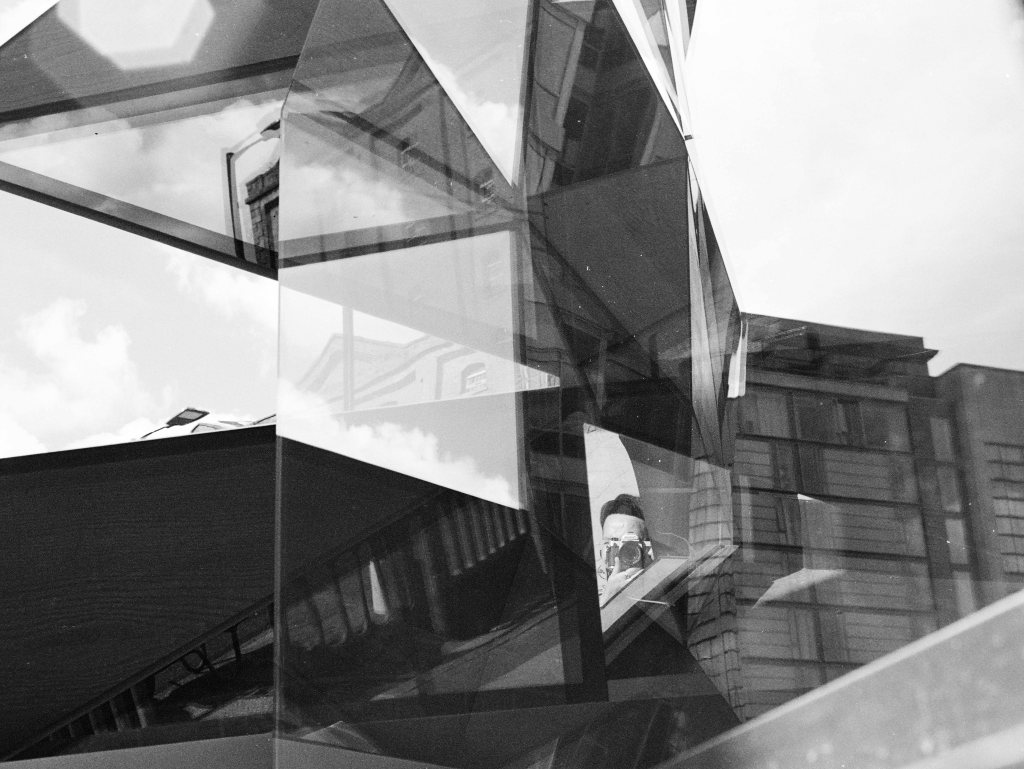
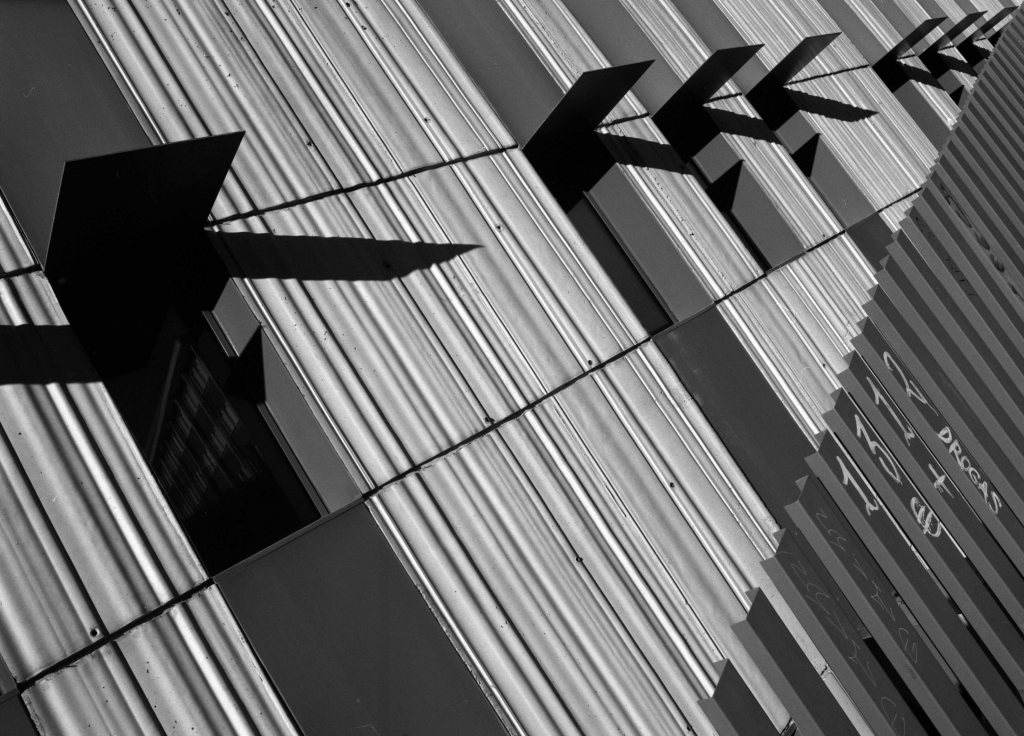
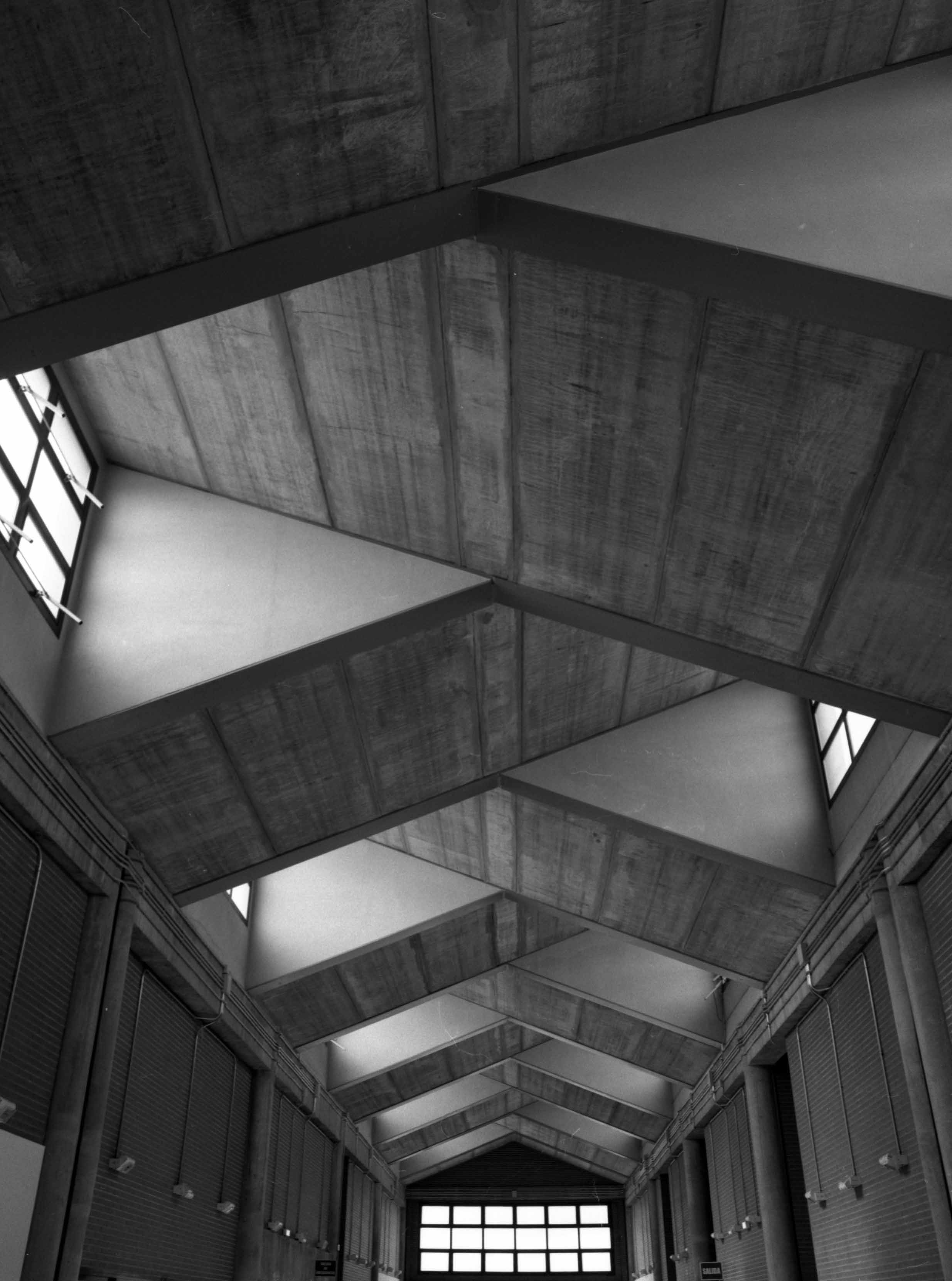
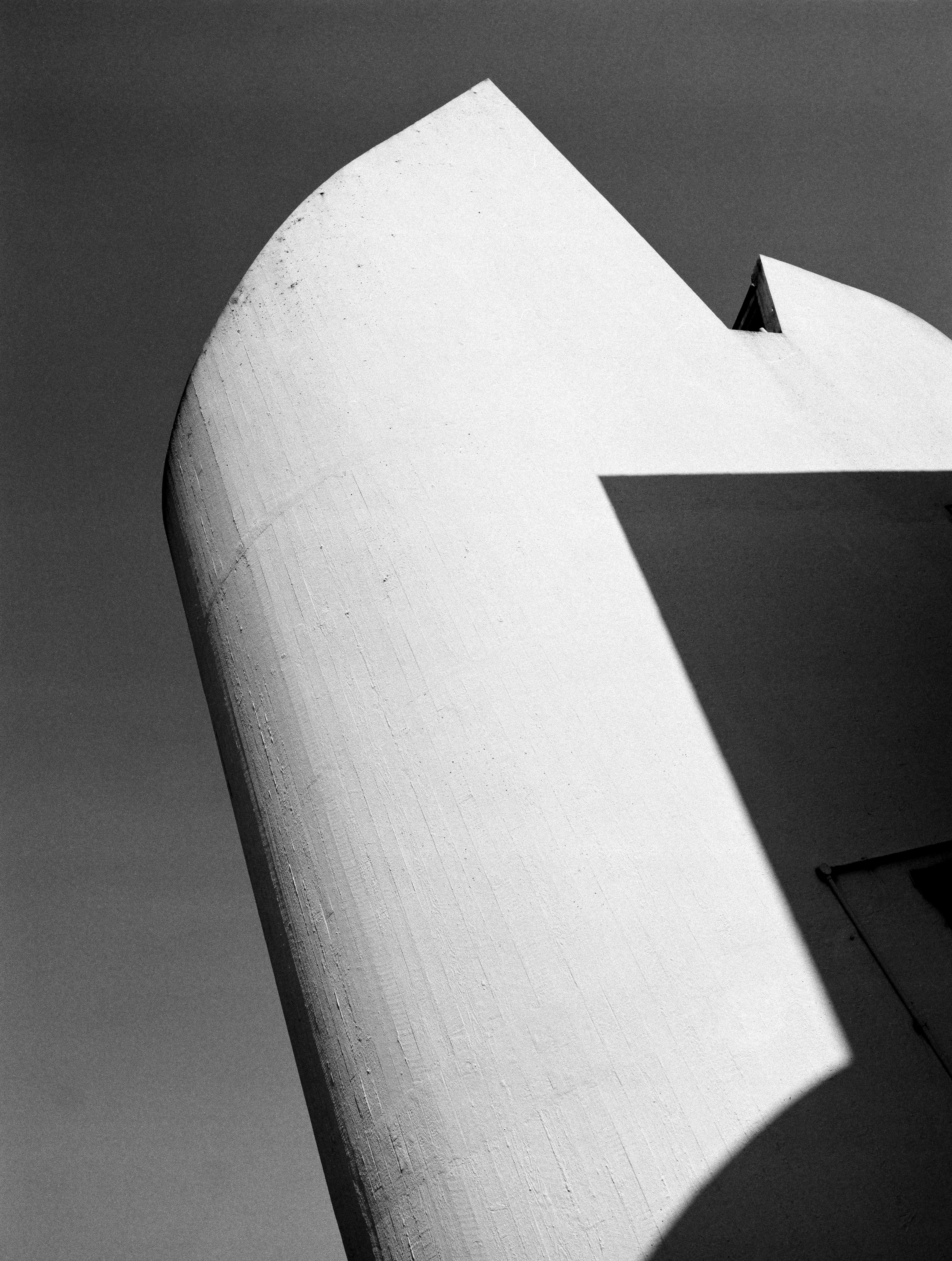
A few things are notably predominant in my photography, things that draw my attention the most, things that entice and excite me to photograph them.
- LIGHT AND SHADOW
- BOLD SHAPES
- GEOMETRIC SHAPES
- ANGLES
- GETTING CLOSER/DETAILS
- BRUTALIST ARCHITECTURE
- ABSTRACT REALITY
- CREATING THROUGH COLLABORATION WITH CHANCE (PREFERABLY ONLY WORKING LIKE THAT)
BOOK SELECTION
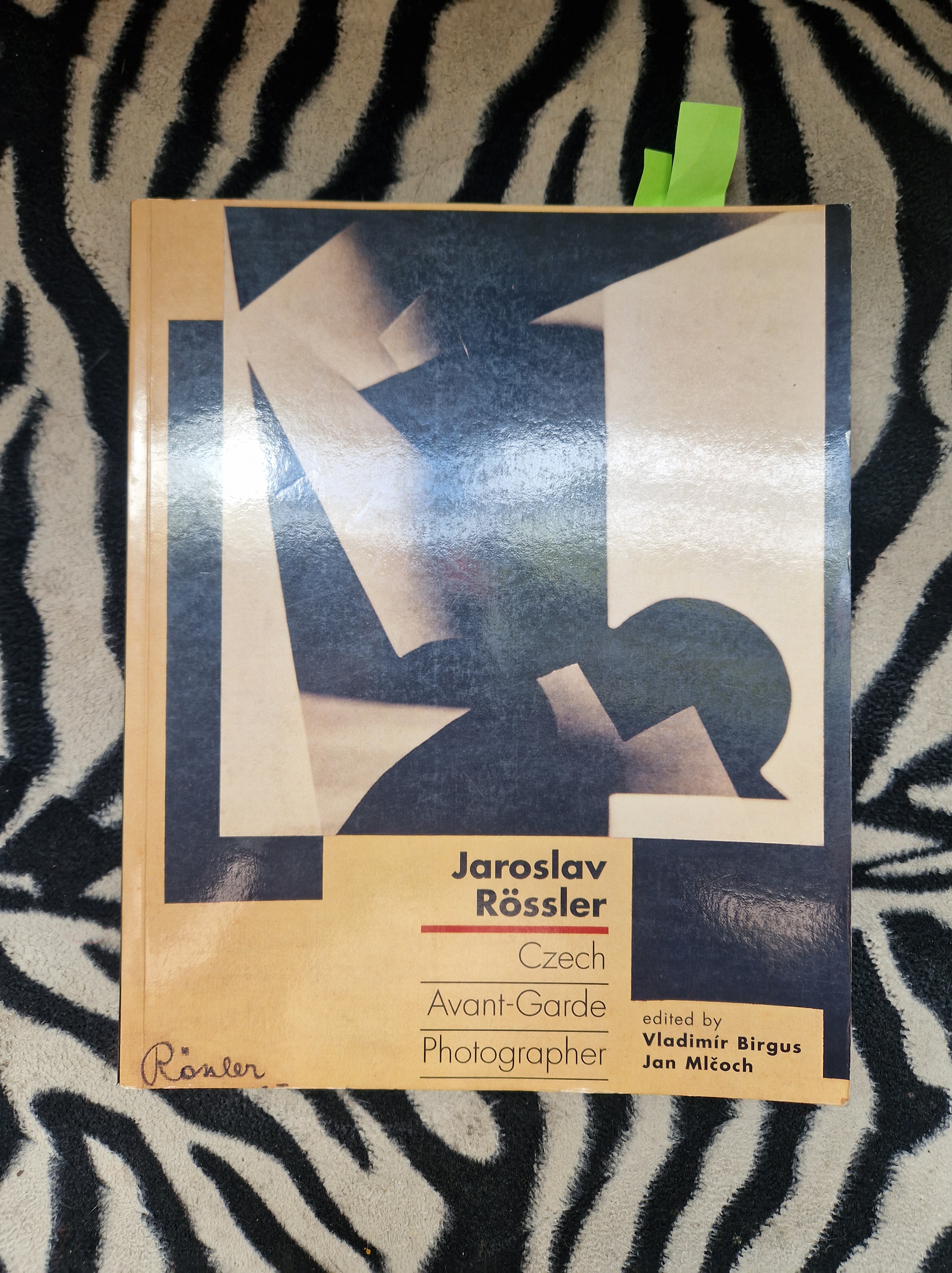
Jaroslav Rössler Czech Avant–Garde Photographer by Vladimir Birgus, Jan Mlcoch, Karel Srp, Roberto Silverio, Matthew S. Witkovsky

This is the work of Jaroslav Rossler, one of the most important photographers of the Czech avant-garde of the first half of the twentieth century. Jaroslav Rossler (1902-1990) was one of the Czech avant-garde photographers of the first half of the twentieth century whose work has only recently become known outside Eastern Europe. Czech photography in the twenties and thirties produced radical modernist work that incorporated principles of abstract art and constructivism; Jaroslav Rossler was one of the most important and distinctive artists of the period. From 1927 to 1935 he lived and worked in Paris, producing work influenced by constructivism and new objectivity. He used the photographic techniques and compositional approaches of the avant-garde, including photograms, large details, diagonal composition, photomontage, and double exposures, and experimented with colour advertising photographs and still lifes produced with the carbro print process. After his return to Prague, he was relatively inactive until the late 1950s, when he reconnected with Czech artistic and photographic trends of that period, including informalism. This book documents each stage of Rossler’s career with a generous selection of duotone images, some of which have never been published before. The photographs are accompanied by texts by Vladimir Birgus, Jan Mlcoch, Robert Silverio, Karel Srp, and Matthew Witkovsky.
REFLECTIONS: It was a crucial reading of this summer, essential for me in many ways. As a massive fan of Rossler’s work, I enjoyed this book, learning about his life, personality, artistic and life journey, but most of all, his revolutionary, ground-breaking style, defying the standards of photography of his times. When others were living in the world of pictorialism, he was making photo collages with photos and mixed media, overlaying negatives, photograms and anything you could imagine without conforming to conventions and expectations. He was a visionary persona and was way ahead of his times. I have certainly learned a lot from this book.
The Unconscious – by Sigmund Freud
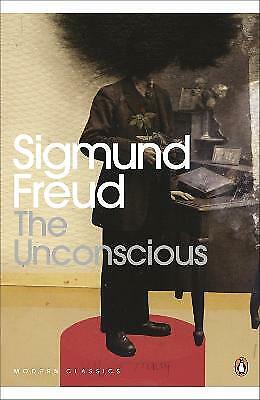
One of Freud’s central achievements was to demonstrate how unacceptable thoughts and feelings are repressed into the unconscious, from where they continue to exert a decisive influence over our lives.
This volume contains a key statement about evidence for the unconscious, and how it works, as well as major essays on all the fundamentals of mental functioning. Freud explores how we are torn between the pleasure principle and the reality principle, how we often find ways both to express and to deny what we most fear, and why certain men need fetishes for their sexual satisfaction. His study of our most basic drives, and how they are transformed, brilliantly illuminates the nature of sadism, masochism, exhibitionism and voyeurism.
REFLECTIONS: My first psychology book. I decided to read it because I am interested in Freudian's theory of subconscious and subconsciousness in general in relation to how we create art. This book touched on that specifically only very slightly, but it was an interesting and valuable read nevertheless, which I see as a starting point for my future investigation of this topic.
Camera Lucida: Reflections on Photography – Roland Barthes

Examining the themes of presence and absence, the relationship between photography and theatre, history and death, these ‘reflections on photography’ begin as an investigation into the nature of photographs. Then, as Barthes contemplates a photograph of his mother as a child, the book becomes an exposition of his own mind.
REFLECTIONS: I thoroughly enjoyed this classic photography book. Barthes shines a new light on photography and the act of looking. Personal, insightful and profound, it definitely broadened my horizons and taught me something new - opened my eyes and encouraged me to take a moment to stop and breathe, mindfully observe and feel the photograph.
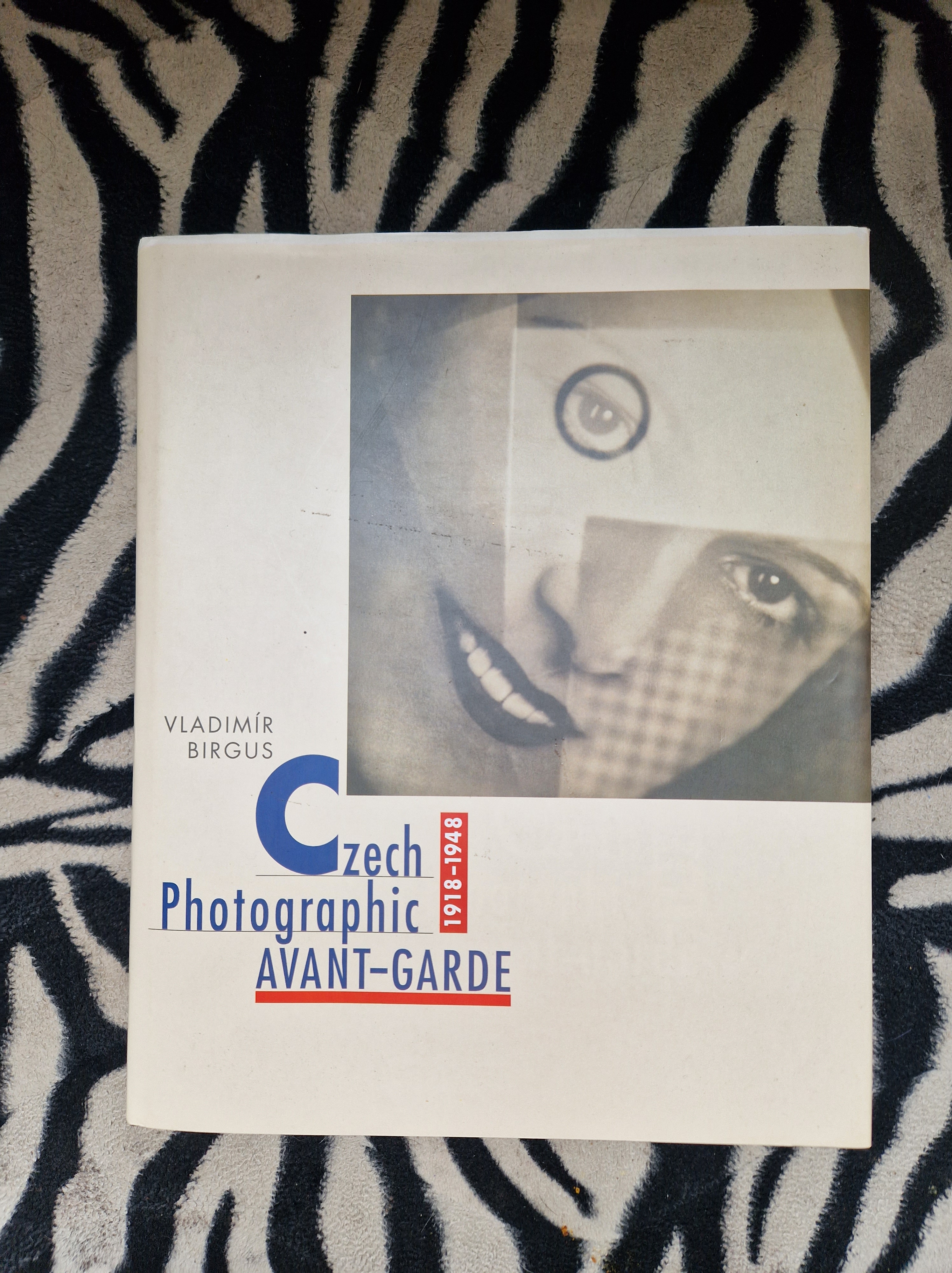
Czech Photographic Avant-Garde, 1918-1948 by Vladimír Birgus
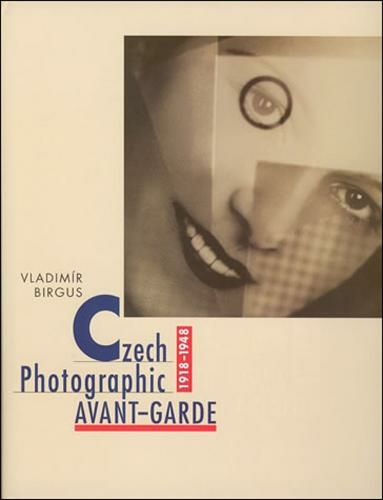
The first comprehensive survey of Czech avant-garde photography of the first half of the twentieth century.Not until the fall of the communist regime in 1989 and the end of Czechoslovakia’s cultural isolation did the world begin to appreciate the Czech avant-garde photographers of the first half of the twentieth century. This first survey of Czech avant-garde photography introduces the important work of Frantisek Drtikol, Jaromir Funke, Jaroslav Rossler, Jindoich Styrsky, Josef Sudek, and numerous others whose work made Czech photography synonymous with visions of modernity. The essays introduce the period and explore the background and connections among the photographers. Biographical profiles are also included. But the book’s main attraction is its outstanding collection of duotone and color images, many published here for the first time. The Czech edition of this book received the “Best Photographic Publication of 1999-2000” award from Primavera Fotografica in Barcelona and from Month of Photography in Bratislava and was one of six finalists for the 2001 Kraszna-Krausz Photography Book Award.
REFLECTIONS: I only just started reading this book, and I am really looking forward to diving even deeper into my favourite era of photography - the Czech Avant-garde of the 1920-1940’s. From the previous book which I mentioned about Jaroslav Rossler, I learned quite a lot about this period, the artists who were active at that time and their style, so I see this book as an expansion of my newly gained knowledge and perspective.
Surrealism Beyond Borders by Stephanie D’Alessandro and Matthew Gale
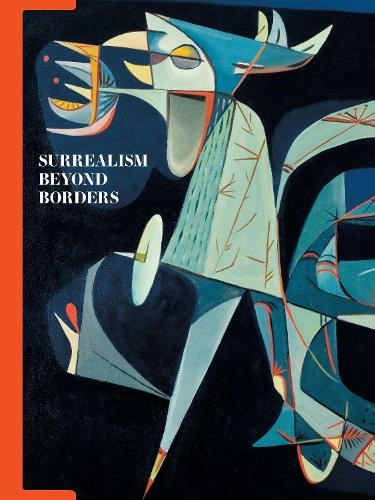
A telephone receiver that morphs into a lobster. A miniature train that rushes from a fireplace.
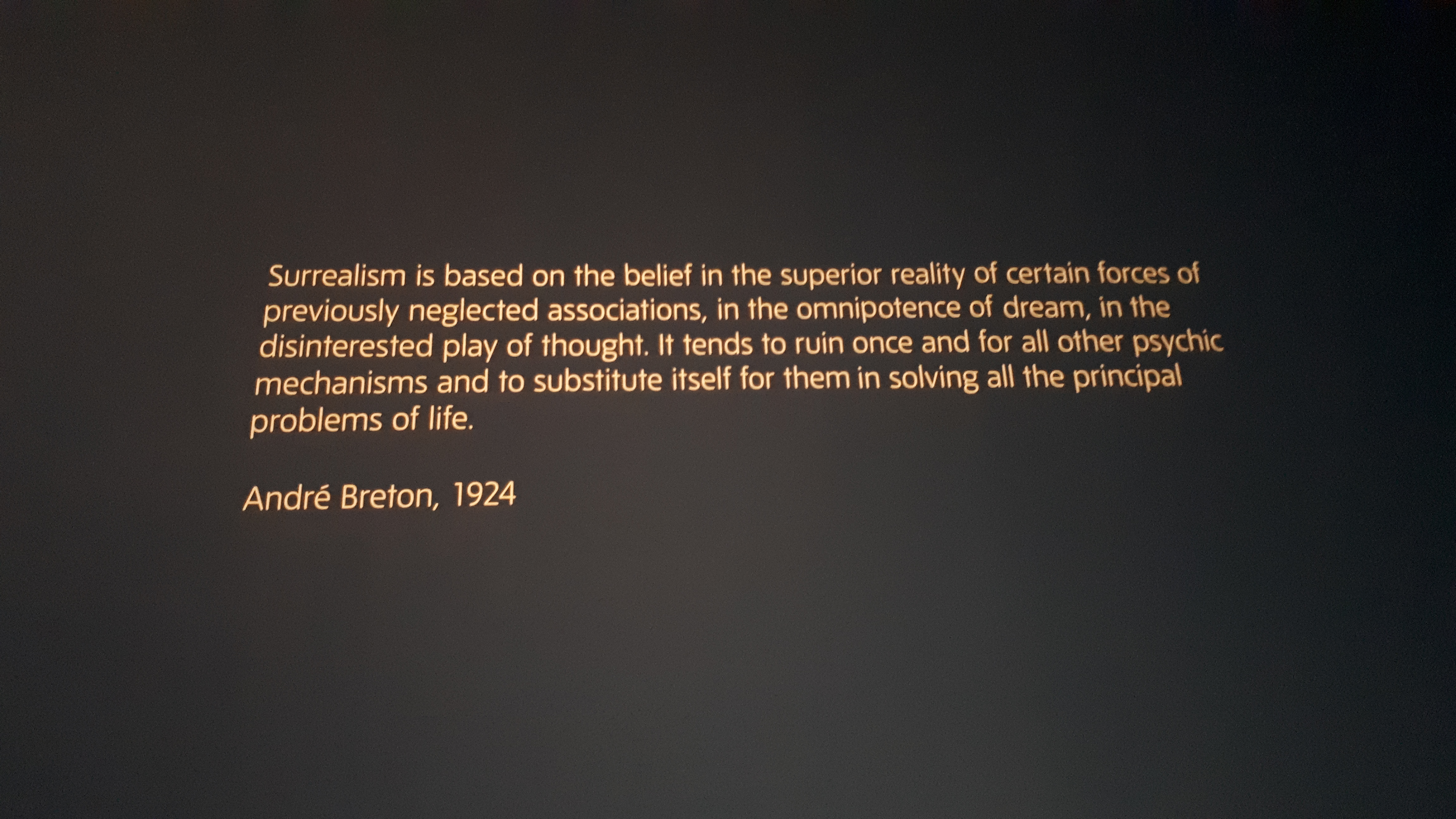
These are just a few of the familiar images associated with Surrealism, a revolutionary idea sparked in Paris around 1924 that asserted the unconscious and dreams over the familiar and every day. While Surrealism could generate often poetic and even humorous works, it was also taken up as a far more serious weapon in the struggle for political, social, and personal freedom, and by many more artists around the world.
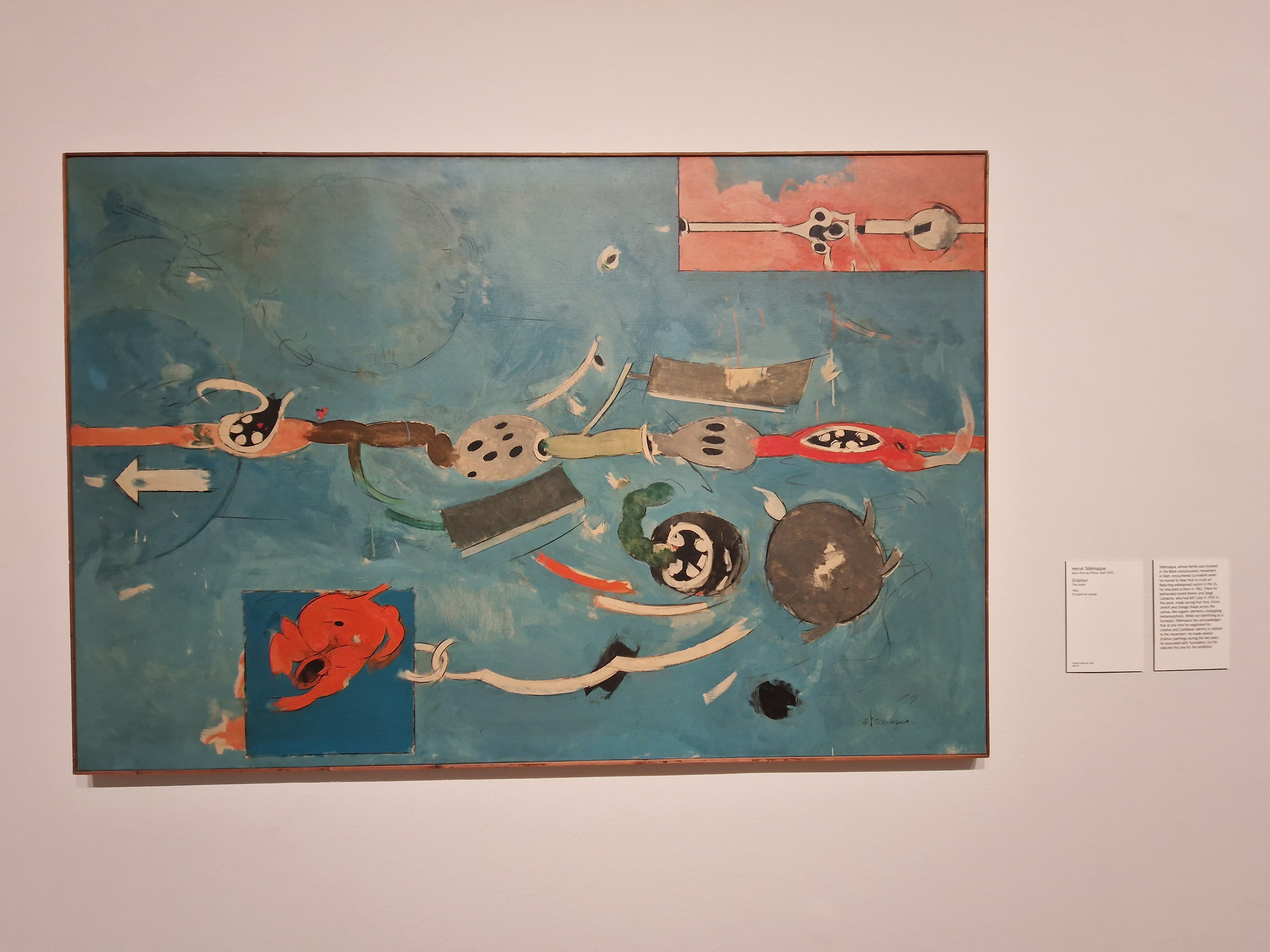
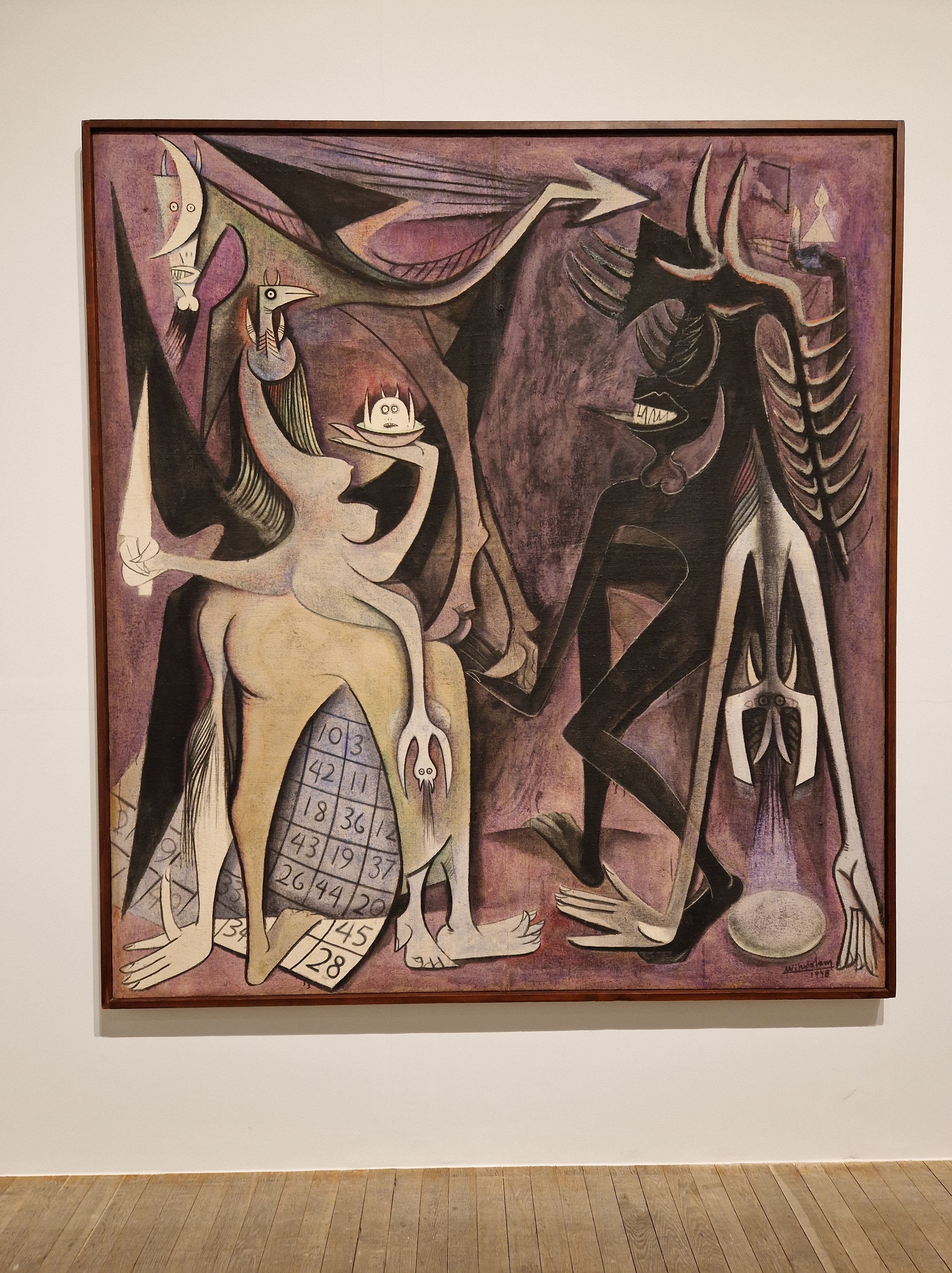
Nearly from its inception, Surrealism has had an international scope, but knowledge of the movement has been formed primarily through a Western European focus. This exhibition reconsiders the true “movement” of Surrealism across boundaries of geography and chronology—and within networks that span Eastern Europe to the Caribbean, Asia to North Africa, and Australia to Latin America. Including almost eight decades of work produced across 45 countries, Surrealism Beyond Borders offers a fresh appraisal of these collective concerns and exchanges—as well as historical, national, and local distinctions—that will recast appreciation of this most revolutionary and globe-spanning movement.
REFLECTIONS: One of the most important exhibitions I have been to (which took place at TATE Modern) resulted in buying this fantastic book which was based on the exhibition. I was incredibly impressed by this collection and how well curated it was, combining in a perfect balance the very famous works as well as lesser-known (to me) while not compromising quality in the slightest. Additionally, I was very excited by the photography selection, which represented the era very well and yet again impressed with the quality of the work. As an abstract photographer, I take enormous inspiration from Surrealism, and this book is my artistic bible and mind-opening and perspective-shifting tool.
ARTIST SELECTION
JAROSLAV ROSSLER (1902 -1990) – Pioneer of Czech avant-garde photography
https://kochgallery.com/artists/jaroslav-rossler/
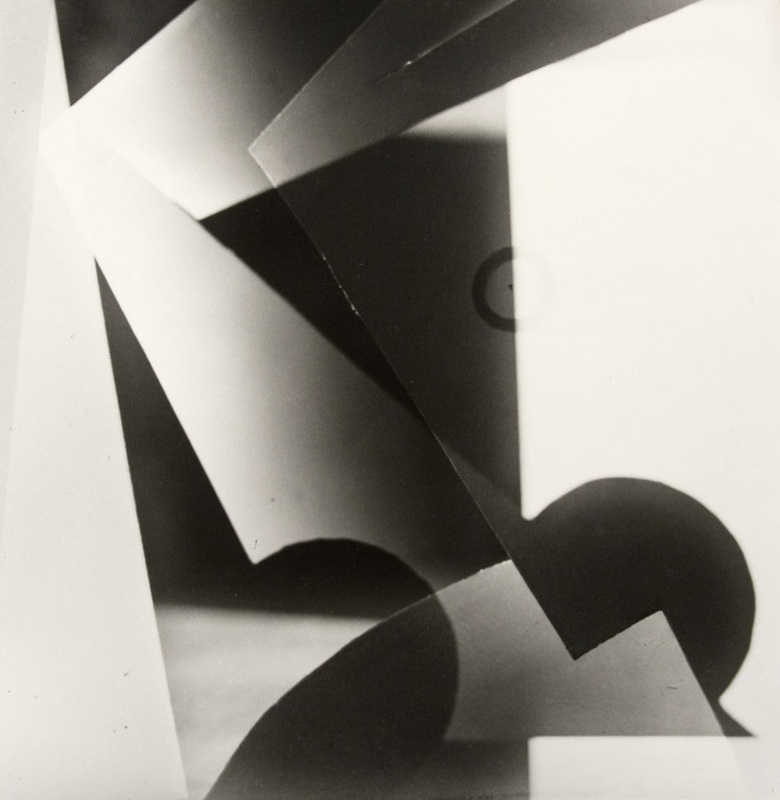
J.Rossler is my biggest inspiration of the past two years. I am both fascinated and mesmerised with his use of light in shadow as well as geometry in his photographs, photomontages and paintings. It has an enormous influence on my work and will continue to have as I can analyse and admire endlessly his works of art. The simplicity of the forms and materials in Rosslers work makes a striking, unforgettable impact on me, imprinting forever on photographic and artistic sensibility, guiding me the way.
MONICA ALCAZAR-DUARTE – Contemporary Photographer
https://www.monicaalcazarduarte.com/
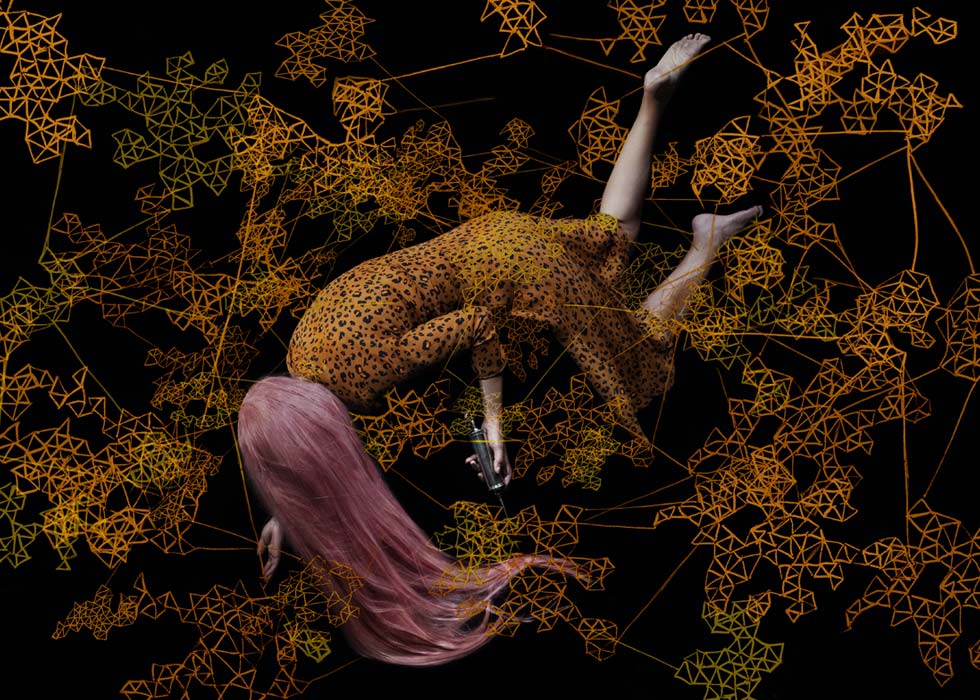
This artist’s photography is very different to everything else that I take my inspiration from, nevertheless, not less valuable to me.
Because of Monica, I became interested in the photography-science approach. As a person who loves to learn, I found her artwork not just aesthetically pleasing but stimulating my mind and my learning about the world we are living in. It seems so obvious when you think of it, to create projects that are beautiful and stimulating for the eyes and the mind. It made me reflect on my photography and about what I want to say through my artwork; what is the message and what can others learn from it?
RICHARD SERRA – Sculptor
https://gagosian.com/artists/richard-serra/

Upon discovering this site-specific, large-scale sculpture artist while studying sculpture on my exchange in Spain, I was immediately drawn to Serra’s philosophy behind his work and the bold, overwhelming forms of his sculptures.
Simplicity, geometry and grandiose of his work appeals to me as these subjects are predominant in my photography and visual art. I feel very inspired by this artist as exploration of his work makes me think about sculpture in completely different terms, and opens my imagination and further evolution to site-specific works of art that connect the viewer not only to the artwork itself but the environment that they are in.
MICHAEL JACKSON – Cameraless Photography
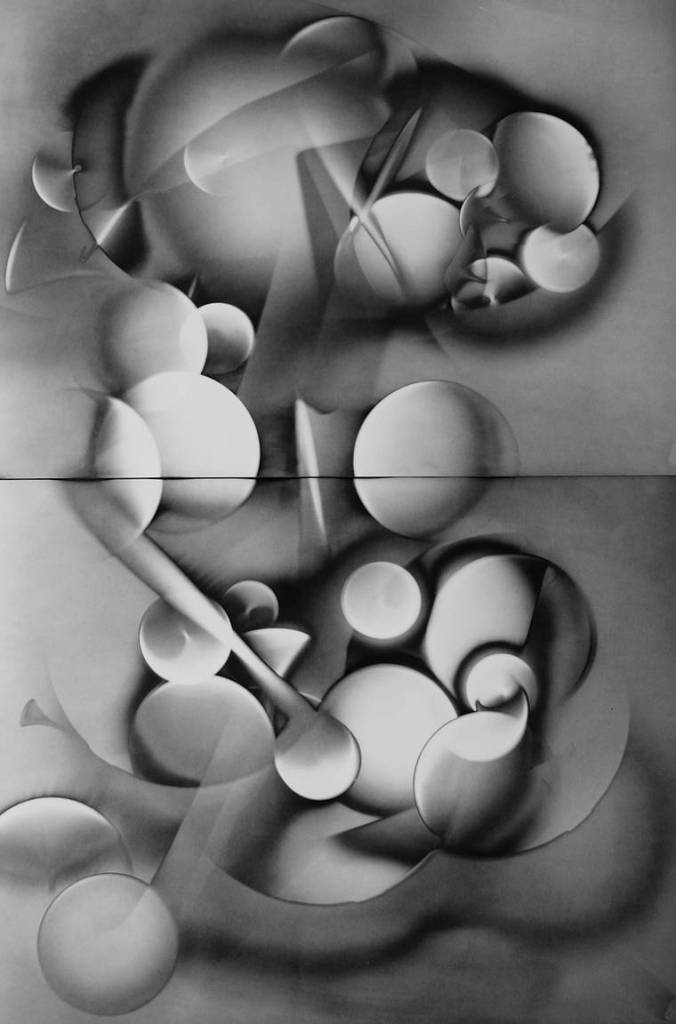
I have been a fan of Jackson’s work for a few years now, and following his works, he never stops to amaze me. As a practitioner of cameraless photography I find his artwork sublime and mysterious, something that I seek to convey in my photography. Excellent shapes and form that dominate his photograms, inspire me to explore the possibilities of photographic paper, and encourage me to spend hours in the darkroom experimenting and simply having fun, allowing planned out compositions, but also randomness and mistakes to dictate the outcome, and learn from it.
MARY ADELA MARTIN (1907–1969) – Geometric Abstract Painter
https://www.tate.org.uk/art/artists/mary-martin-1586
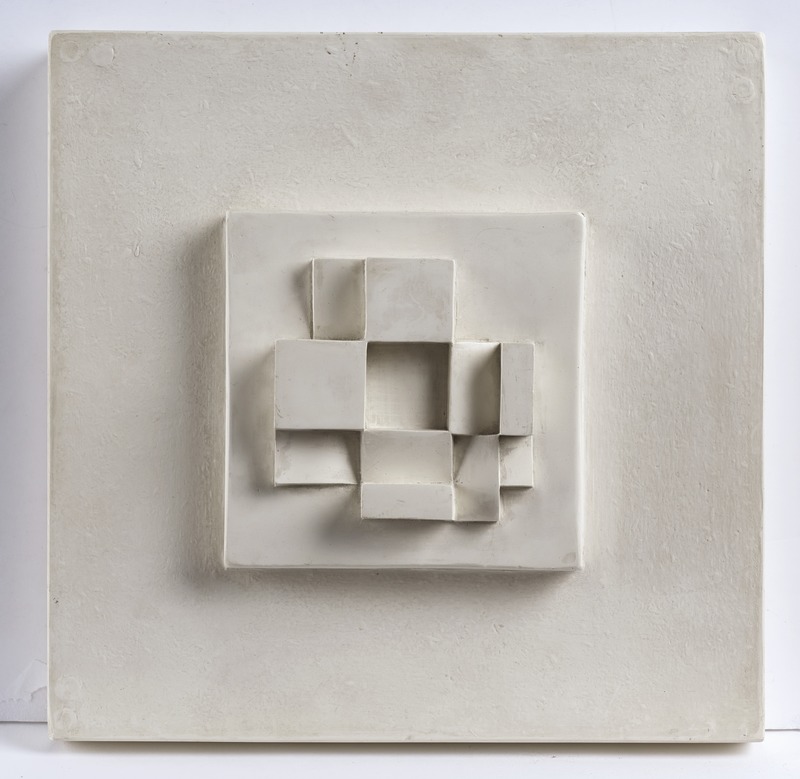
After seeing Martin’s abstract painting-sculptures at the PostWar Modern exhibition at Barbican last year, I can’t stop thinking about it. I have never before seen a painting that is also a sculpture, transgressing from its frame into the sculpture realm, unstoppably breaking the rules that were made to be broken. My mind was blown and from that explosion the ideas started flowing. I am yet to make an artwork inspired by this amazing artist but I definitely have ideas constantly brewing in my mind as a result of this incredible encounter. Yet again the simplicity and geometry of her art appeals to me enormously and it seems to be a running theme throughout my points of interest.
QUESTIONS TO MYSELF
Who am I as a photographer, artist and image maker?
What is my practice?
My practice is very analogue-based. Whether it’s a film or movie camera, I am interested in the realism of it, the image on the negative, and the film on a roll. What captivates me is a pinch of ephemeral in these mediums. It gives me the feeling of being fortunate and privileged to have been able to experience and work with these mediums and immense satisfaction when things go to plan – from composing to processing, developing and scanning. Nothing else gives me that sensation of that artistic rush, I really love the whole process.
After my experience on student exchange in Spain where I studied fine art and video art, I found myself looking outside photography (but with photography at heart). I grew especially fond of painting and video art, which I discovered to mesmerize and pull me like a magnet into hours of ‘work’ where I forget myself and the world around me while I create a painting or video.
Where do my interests lie (in photography, in art, in culture)?
My interests lie practically, apart from a few exceptions, everywhere else but photography.
I love painting of all sorts, from classical to graffiti – but almost always abstract, sculpture – massive, bold, taking space and holding strength like Richard Serra’s creations or elegant and powerfully elementary compositions of Mary Martin, to name a few.
I am also interested in video art, particularly analogue experimental films like Maya Deren’s Meshes of the Afternoon and others from that era, and filming with Super 8. Additionally, I am curious about science and psychology, but I have a long way to go when exploring these broad and new to me topics. I think that they are inextricably connected to my future as an artist as I embark on a journey of building an understanding of MY CREATIVE PROCESS.
I am a strong believer in exposing yourself to as many new experiences as possible as I think it enriches one’s life and consequently, it positively influences the artist’s eye, making them more sensitive, tuned in and responsive to their surroundings.
What is my subject?
In my practice, I am interested in the abstract approach created mainly with light and shadow: shape, form, geometry, angles, boldness, details/getting closer, simplicity of materials and subject matter.
I love the kind of art that is created from the subconscious, art that flows out of you naturally without thinking like it’s some kind of magic, the unkept secret of you.
I am heavily influenced by brutalist architecture and the city, an environment which I adore to explore, tune into my surroundings and find visual treasures in the shadows and light whilst collaborating with chance.
BOOKS FOR RESEARCH AND INSPIRATION
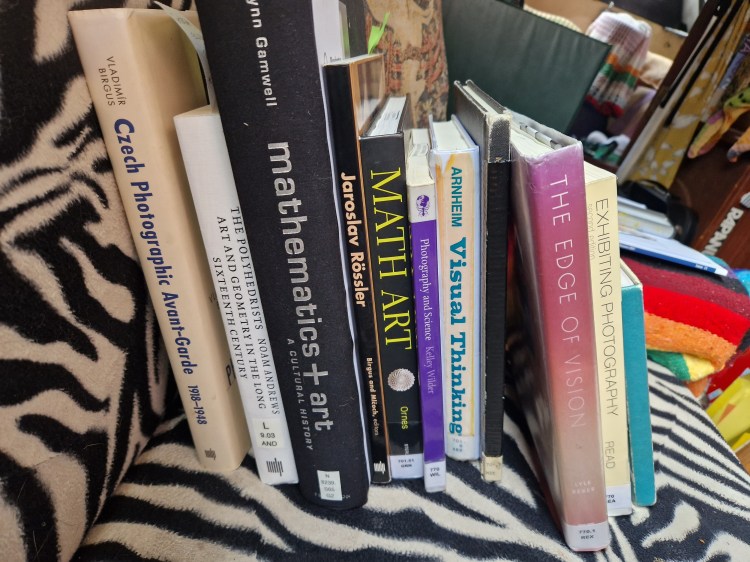
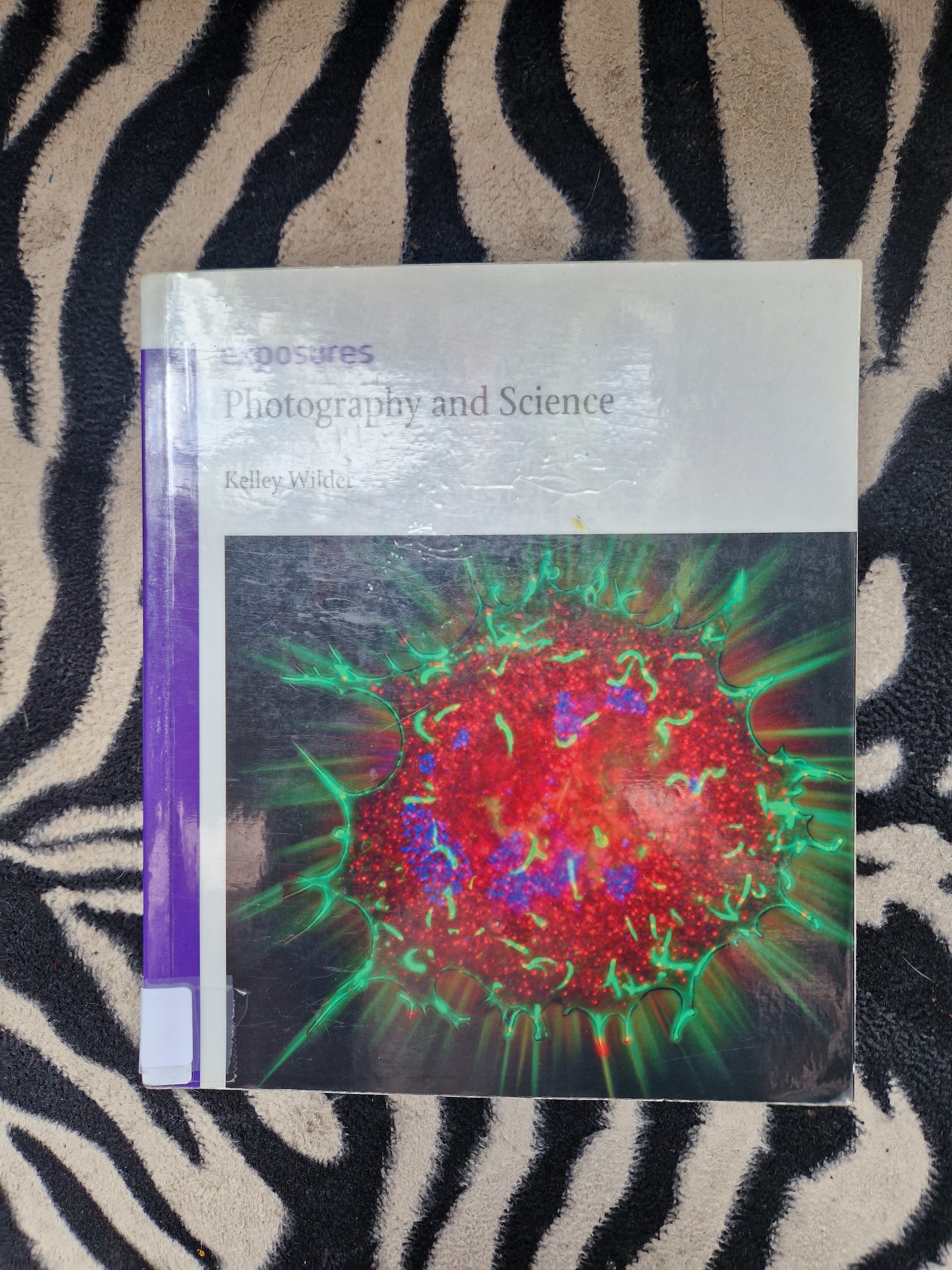
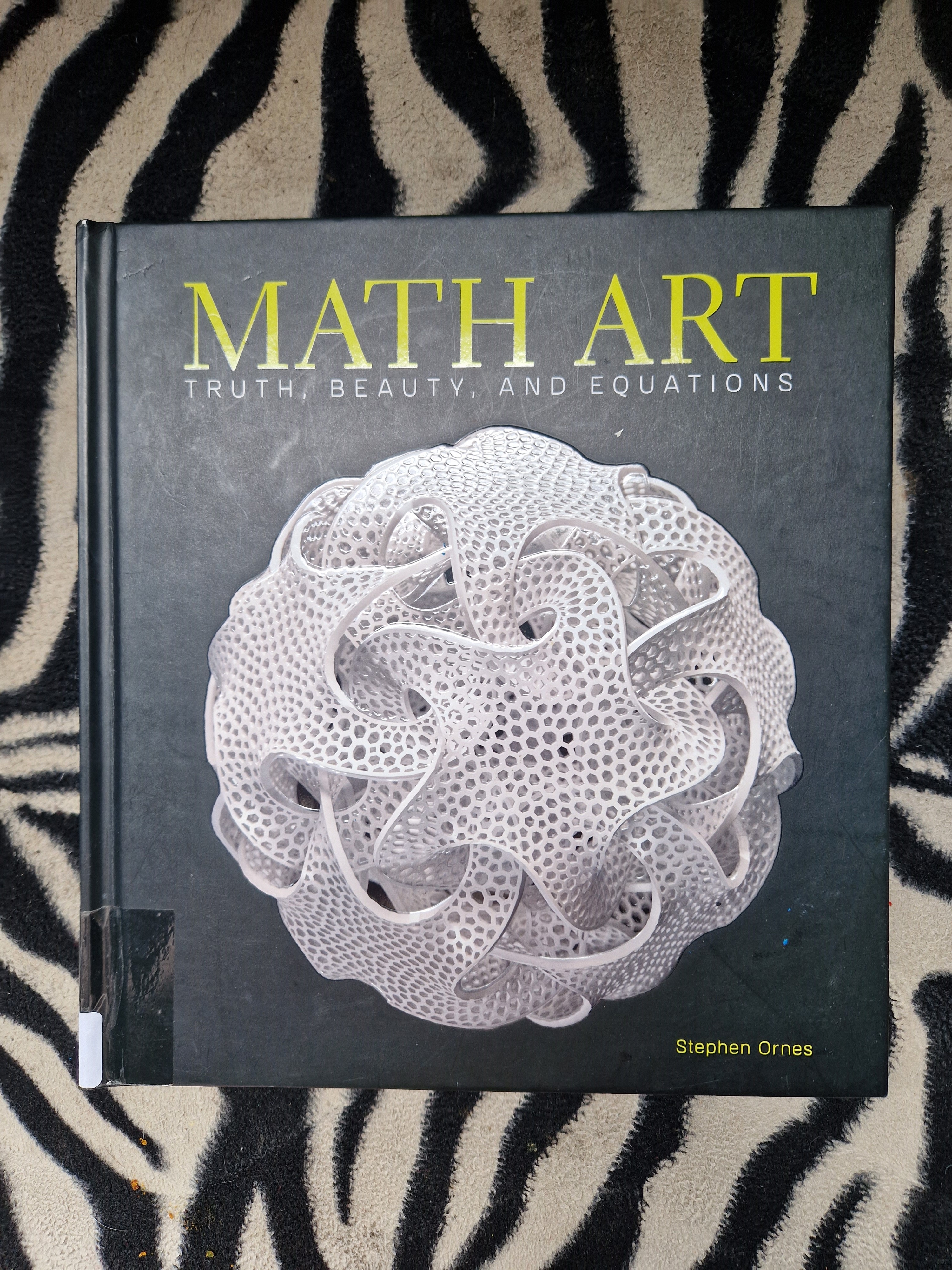
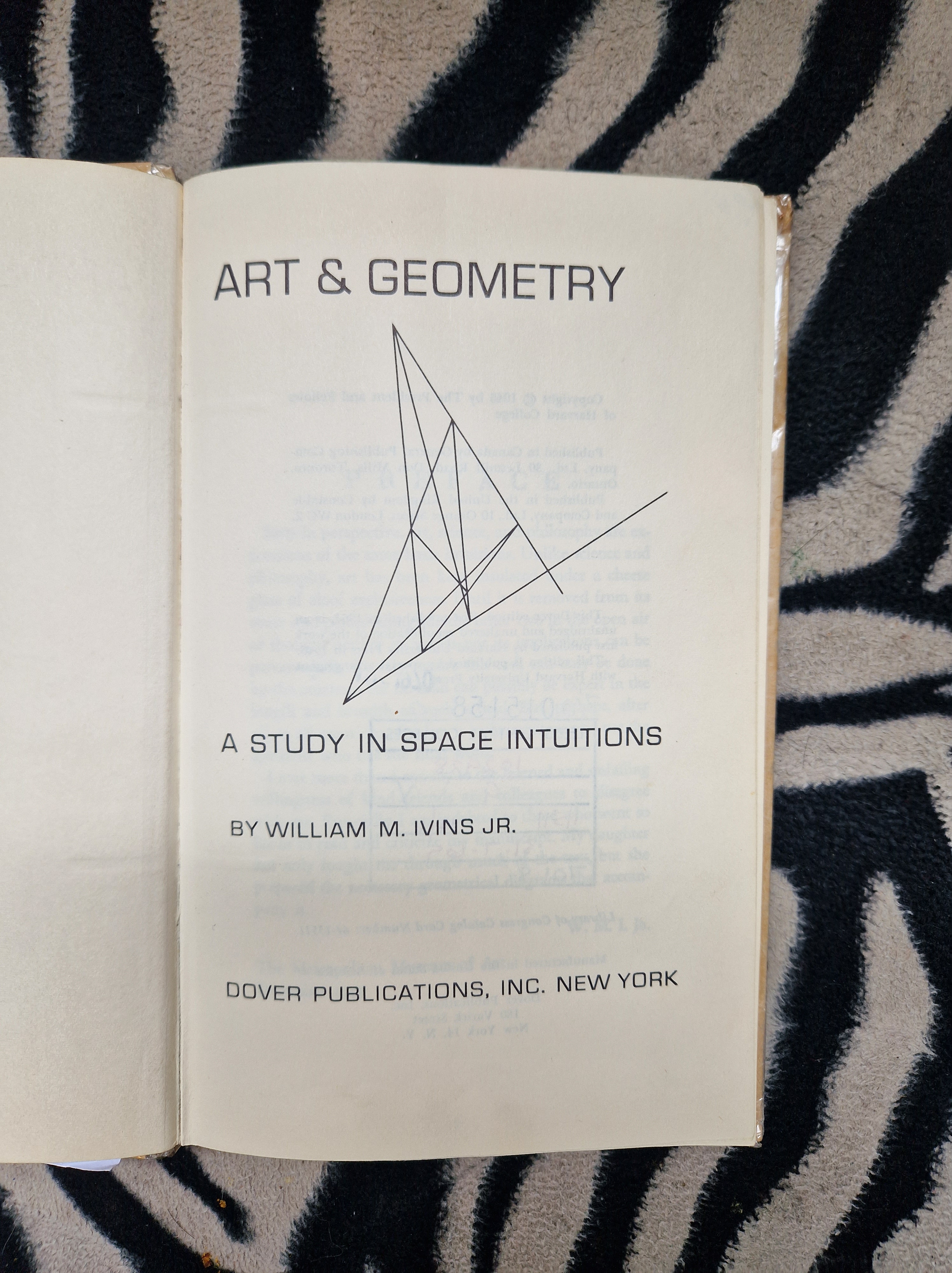
I borrowed many books from the library and even had some ordered and delivered from external sources (other libraries).
They cover the subjects I am interested in – art, geometry/maths, Czech Avant-Garde photography, my favourite photographerJaroslav Rossler, Visual Thinking, Light and a few others.
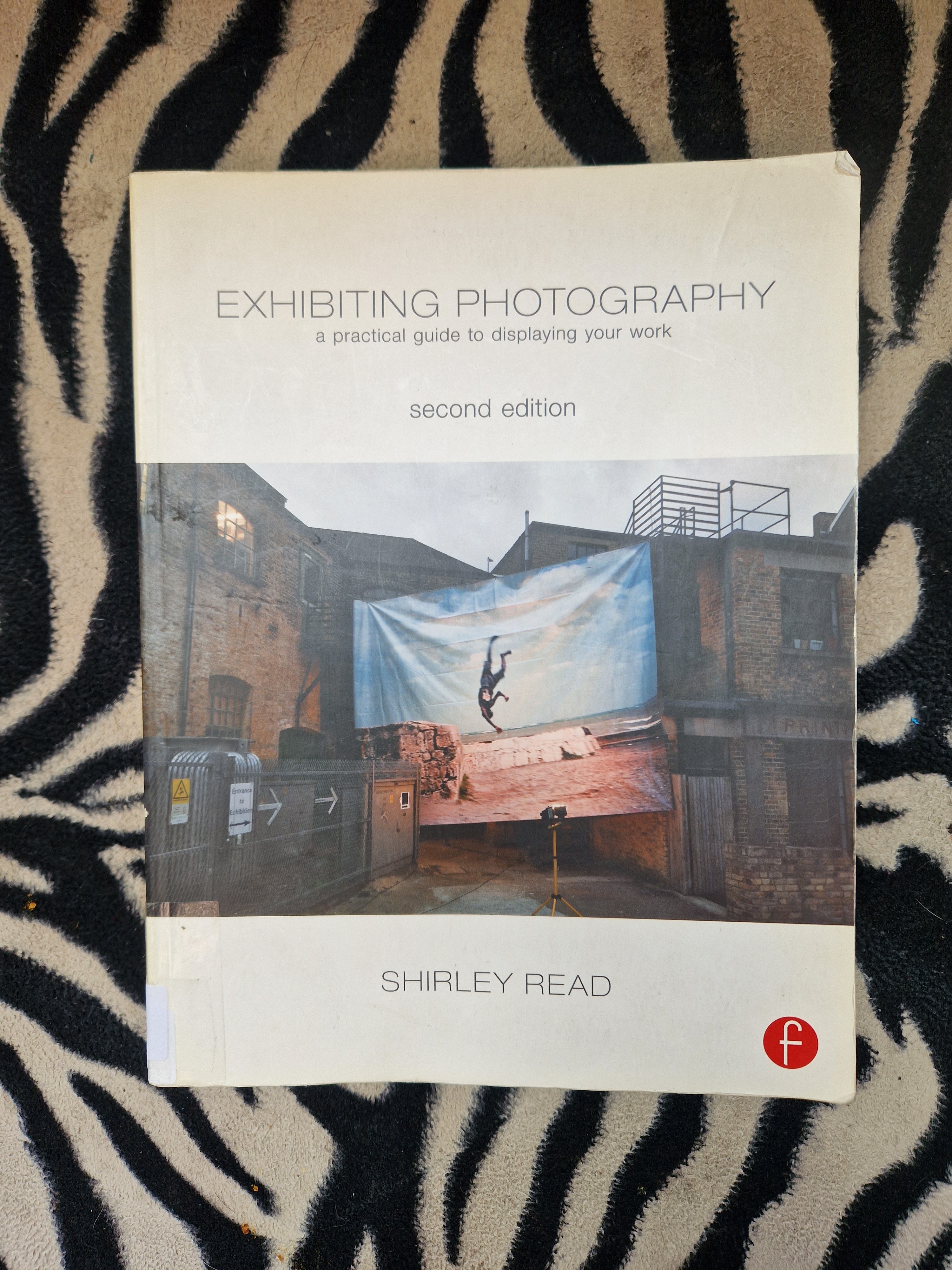
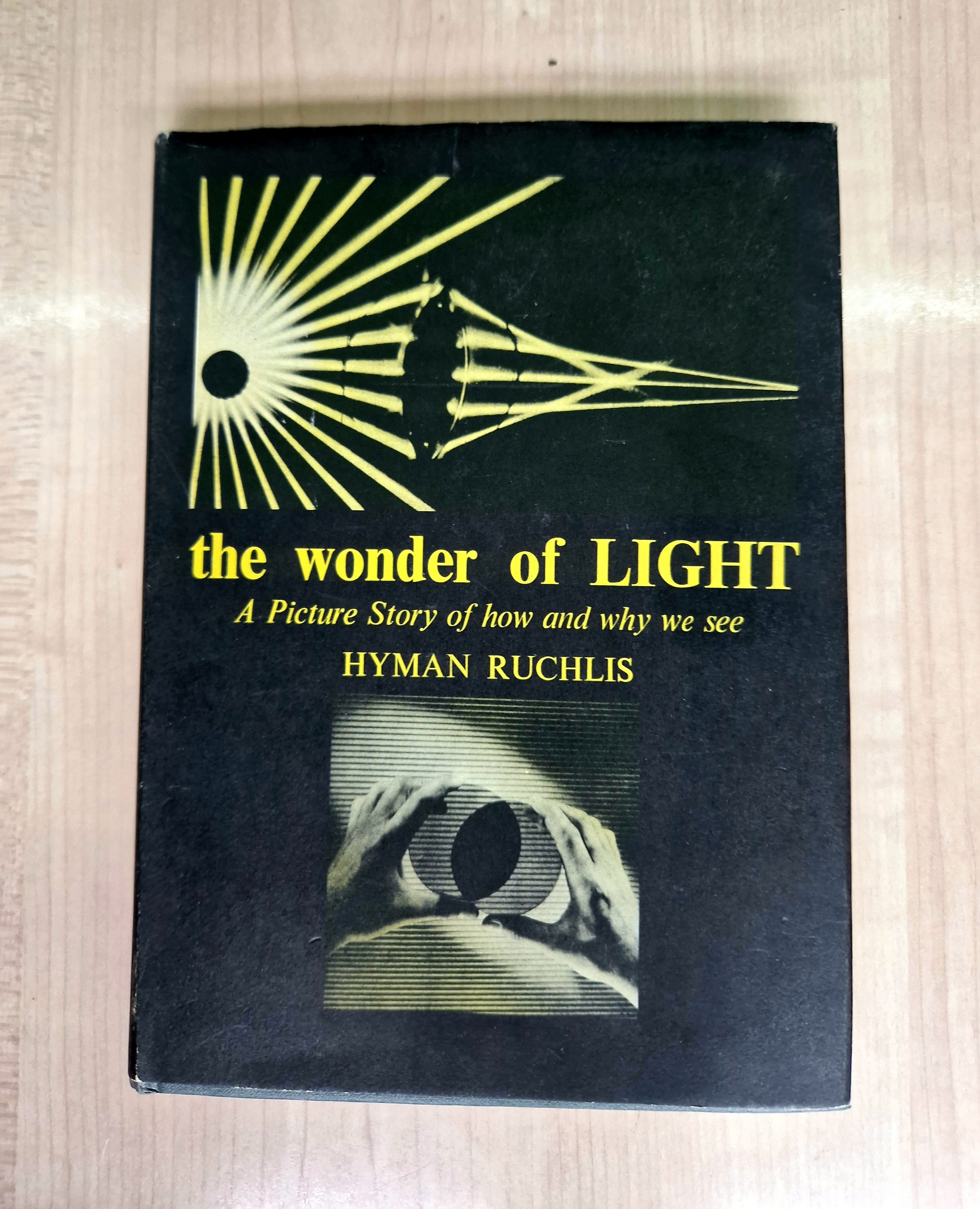
I also borrowed a book on exhibiting photography as I believe this is the next thing I ought to develop and get accustomed to.
I plan to have several exhibitions over the next year and become comfortable and knowledgeable at exhibiting my work.



MENTORING AND TALKS OUTSIDE THE UNIVERSITY
ARTS ADMIN CREATIVE SUPPORT SESSION MEETING WITH VALENTINA VELA
I decided to take on a free opportunity offered by Arts Admin and signed up for an hour-long session with Valentina Vela.
During our chat, I focused our conversation on the subject of exhibiting and how I could improve my skills in this area and gain confidence.
I chose Valentina based on her profile.
ABOUT: My name is Valentina. You can call me V, Val, Vale, or Valentina. I use she/her pronouns. I am a Colombian-born queer brown migrant artist and creative producer. I speak Spanish as well as English. I have studied and worked in the US, the UAE, and now the UK. At Artsadmin, I look after our Artist Support Programme.
I am keen to engage in conversations with artists and arts workers around practice, vision, strategy, budgeting, networking, and collaborating; and to sit in the sticky bits of art and art making. I am particularly passionate about supporting migrant artists and artists of the global majority, as well as queer artists and other underrepresented folks, as these are elements of my identity and lived experience that permeate my practice, politics, and personal belief systems.
During these sessions, I will hold space for us to listen to what is going on under the surface, and I look for ways to challenge you. I will ask you questions about what is driving you, what would be ideal, and how I can best support you in the time we spend together. I will listen, reflect back, and push you to unpick your own statements, beliefs, and plans.
You don’t have to prepare anything, but feel free to spend some time setting intentions and expectations, and we can begin our time checking in about why we are meeting and what we hope to do together. You can also send me anything you’d like me to look at or read beforehand, or to have handy during our session, to valentina@artsadmin.co.uk.
Before we meet, I suggest you take a look at our Resources Directory, just in case some of the things you’re curious about or looking for are already there.
NOTES FROM THE SESSION
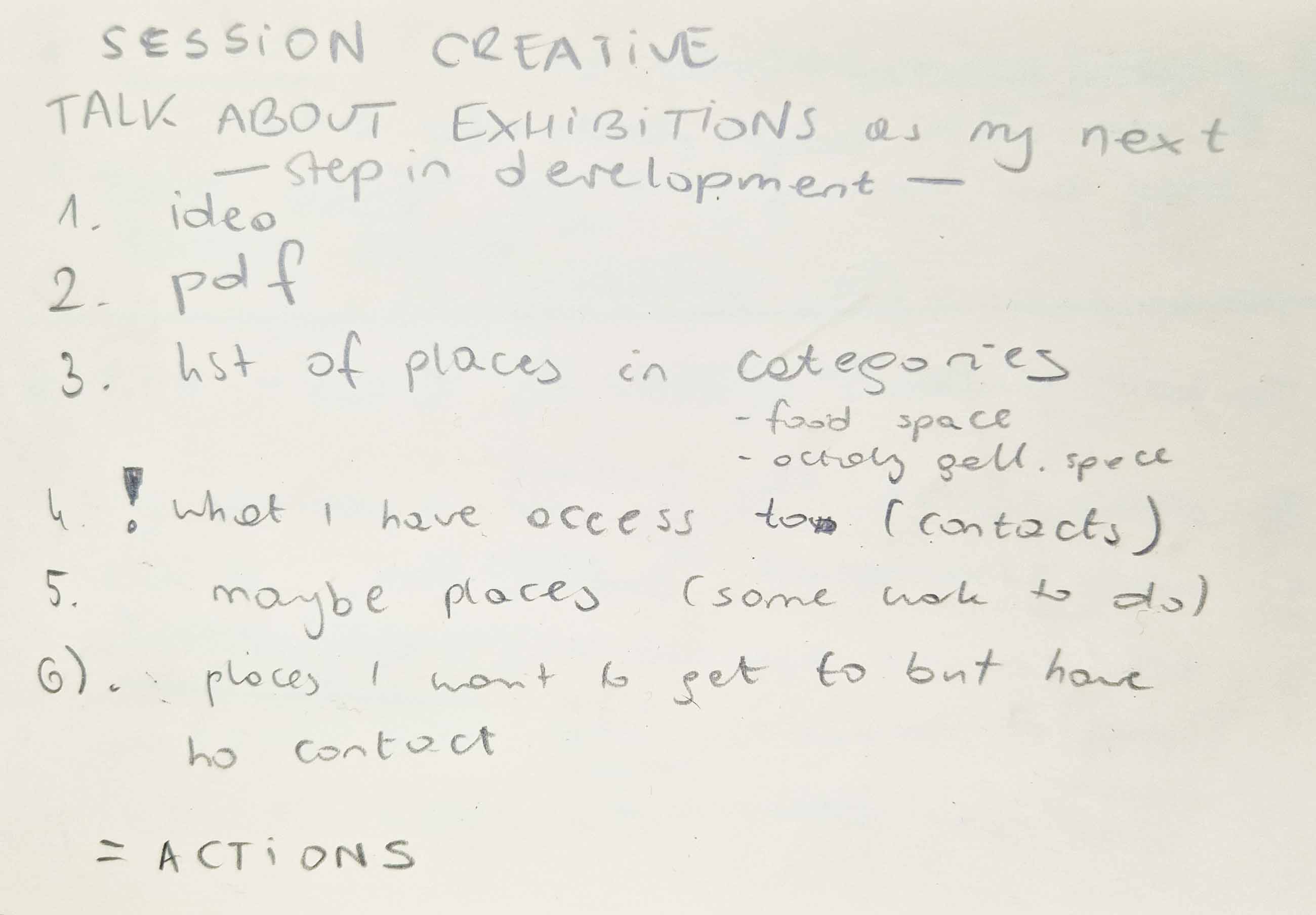


Based on my notes, I made a list of things to do to improve my exhibition skills = visibility, and an order in which to develop:
- come up with an idea
- put it in a PDF (like a presentation)
- make a list of places where I could exhibit and categorise them (from e.g. coffee shops/restaurants to actual gallery spaces)
- ask myself what I have access to! (contacts/spaces)
- make a list of places that might be used but involve some work to put into securing them
- make a list of places I want but have no contact with = take ACTION to secure it (most work to put in)
- work on my pitch/presentation – they should reflect me as an artist but also address what THEY are getting out of it. TAILOR YOUR PITCH TO PLACES!
- contact places that have events
- make a deal in a place (secure exhibition) – Arts Council Application – PROJECT GRANT (under and over 30,000)
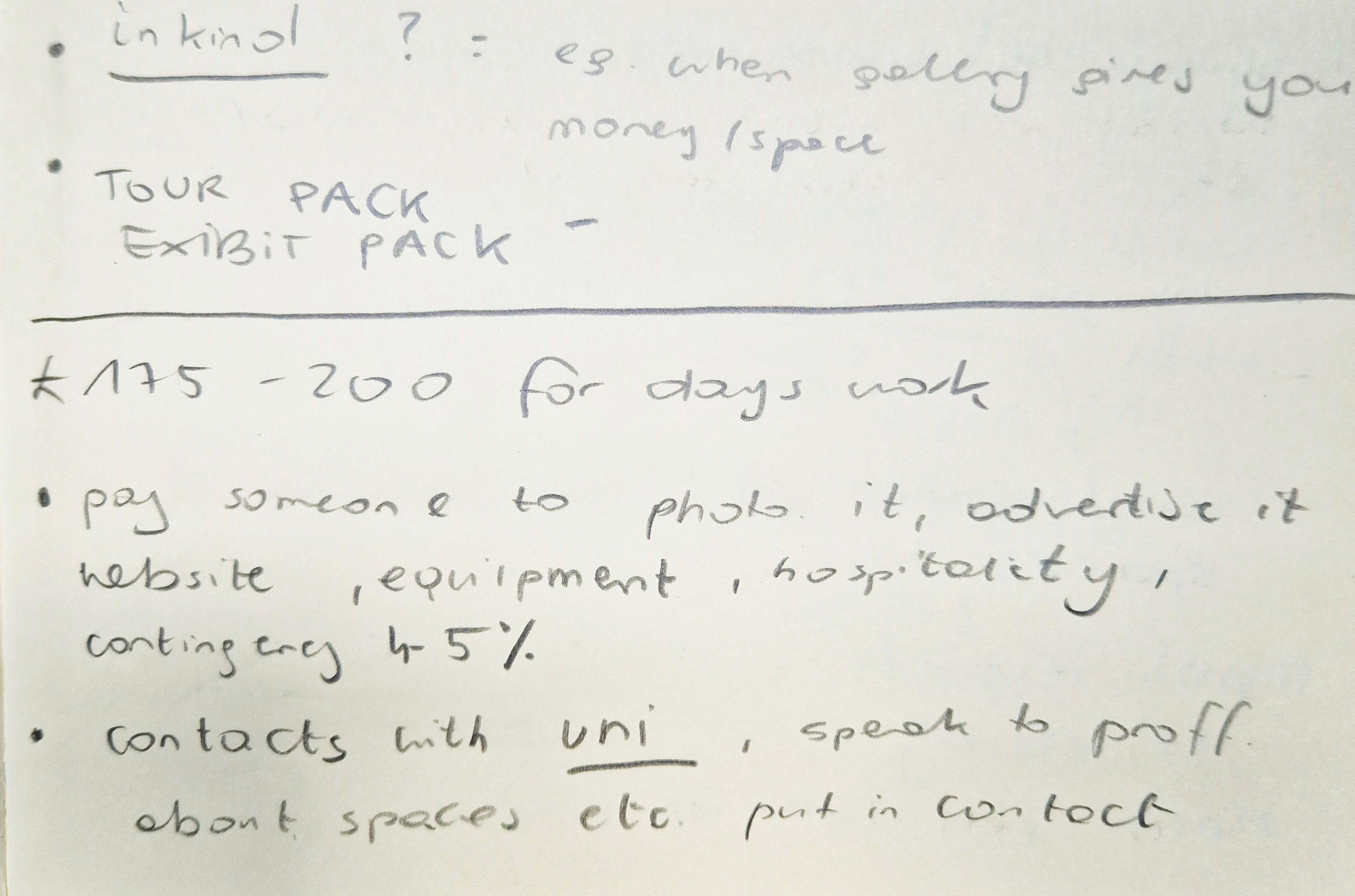
- INKIND (Payment-in-kind (PIK) is the use of a good or service as payment instead of cash), when a gallery gives you money/space
- tour pack/exhibit pack
- I should be paying myself 175-200 pounds for a day of work
- when I do have an exhibition, pay someone to photograph it, advertise it on the website, equipment, hospitality, and contingency (4.5%)
- use my contacts with uni, speak to professors about spaces etc., and ask them to put me in contact with people they know
- always be aware of who are you speaking to, the size of the event, who is going to come, why you paint photographs, what is it about shapes and angles, a mural poster of the inside of spaces (mural resonates with Manchester, connects my working-class background with Manchester spirit)
- Manchester has a lot of funding for artists
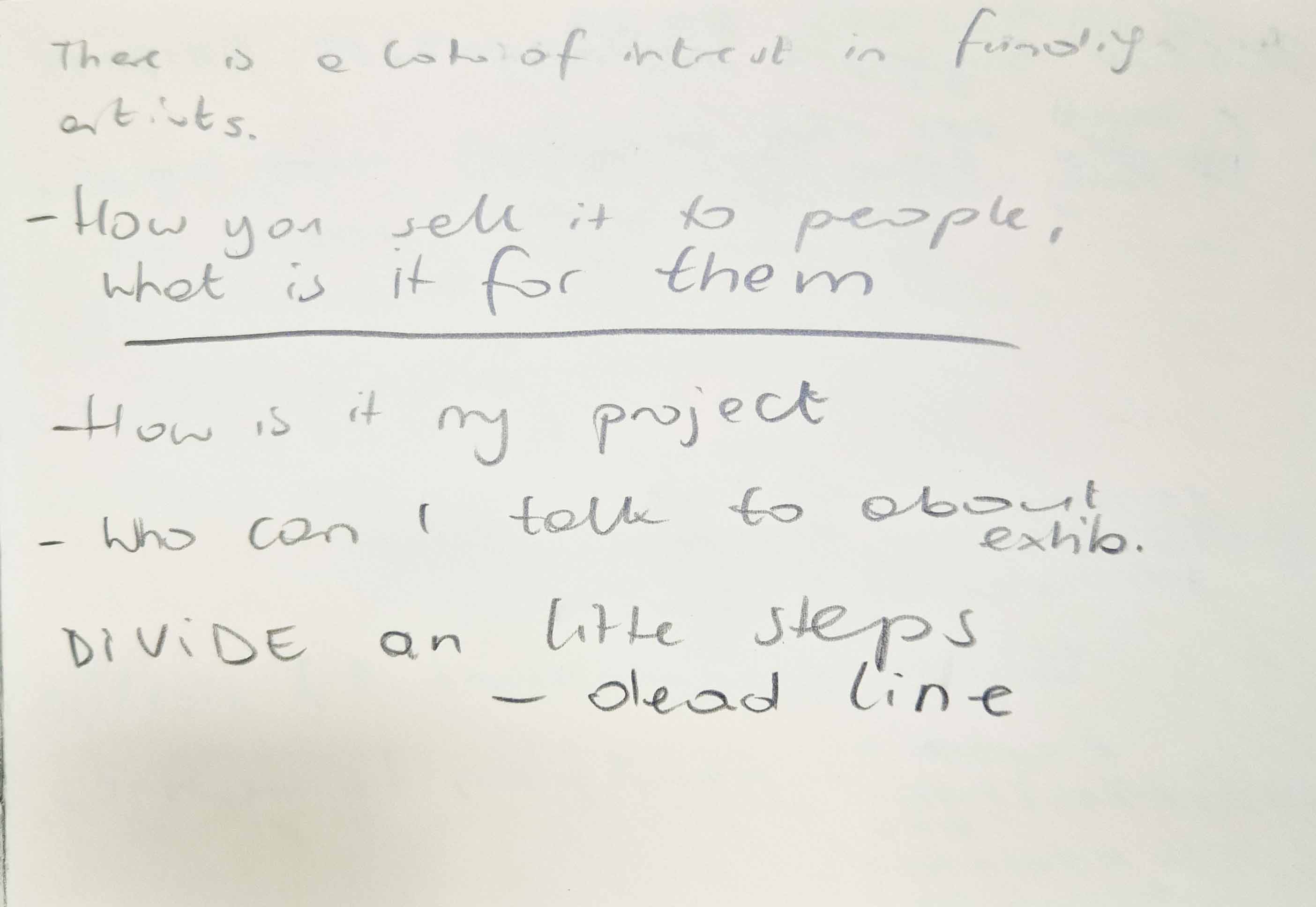
- it’s very important HOW YOU SELL IT TO PEOPLE (what is in it for them)
- How is it MY PROJECT?
- Who can I talk to about exhibiting?
- DIVIDE this overwhelming task into little steps and set yourself a DEADLINE!
- you can access a Support Worker to help you apply for funding with the Arts Council
- you can get funding from the city
REFLECTIONS: It was an incredibly valuable session that I will definitely use as a basis for my future development and gaining experience and confidence in exhibiting my work. I think my next steps will be to apply for a Project Grant that would allow me to achieve that by providing the capital necessary to prepare/print and frame my work, advertising, paying for exhibition space etc.
CASTLEFIELD GALLERY FUNDING TALK


NOTES
- align your fundraising with the type of person/organisation that will be the fundraiser
- TYPES OF FUNDING: individual giving, legacy, crowdfunding, trusts and foundations, corporate (foundation, staff and giving, affinity relationship CSR)
- most commonly used are TRUSTS and FOUNDATIONS
- fundraising is about SELLING A STORY, but the story has to be meaningful to you!
- case for support = elevator pitch (2-5 pages max), something anyone can understand
5 PHASES OF GETTING FUNDING:
- research
- identification (plan)
- ask
- solicitation (if you had a yes)
- stewardship (updating on progress)
DO YOU HAVE RESOURCES TO BUILD YOUR CASE FOR SUPPORT?
- time
- people
- access
- skills
Fundraising is about SELLING A STORY, but the story has to be meaningful to YOU!
Case for support = Elevator Pitch (2-5 pages max), something ANYONE can understand
WHAT TO INCLUDE:
- vision and mission
- project length
- impact
- clear, concise info about beneficiaries
- budget and cash flow
- project breakdown
- partnership information
- testimonials and quotes
CORE DOCUMENT SHOULD HAVE:
- info about you/organisation
- what will funds go towards
- case for support must be clear and concise
- use infographics to demonstrate point
- usually case for support is a written document but you can transform it into other medium
- let your audience know what your vision is for the future and how they can play a part and make a difference – ENGAGE!
- your outputs and outcomes
TRUSTS AND FUNDS:
- Granada Foundation
- National Lottery Foundation
- ACEngland
- We Love Manchester
OTHER:
- Fundraising Regulator
- CIOF (!)
- CAF
- Elephant Trust
- Freelance Foundation
- New Contemporaries
AUTHENTICITY IS THE KEY, BE REALISTIC, HAVE A CLEAR VISION, THINK IN ADVANCE, SMALL SCALE PROJECTS MATTER!
REFLECTIONS: I think the amount of notes and useful information I got from this session speaks for itself. It's certainly one of the most important talks I attended and I will be actively using this info in my future career.
SELF-STUDY in the SUMMER
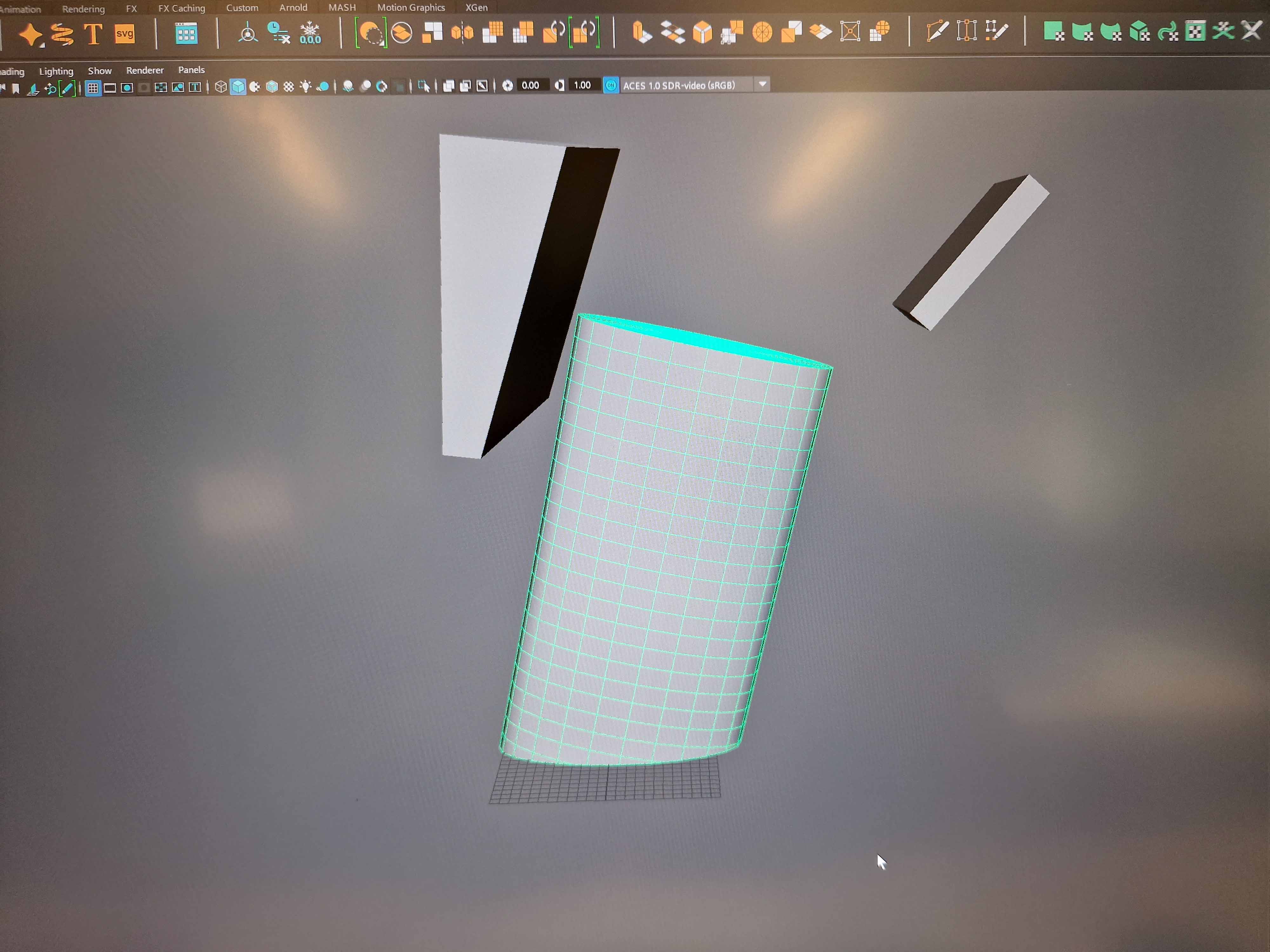
I spent the summer going to the university and learning a 3D modelling program with Dan Hobson.
I came to the digital media bar 2-3 times a week and slowly and surely learned the basics of the Maya program, which allowed me to build my 3D model.
I have been thinking over the summer about my yearly projects, development and also my degree show, and I decided to already start laying the foundation for my future ventures.
One of my main ideas is to use my photographs as designs to continue giving them life in other art disciplines, like I did with turning them into murals and paintings.
This year’s main project is to use my photographs as designs for a 3D printed model.
Let the journey begin!
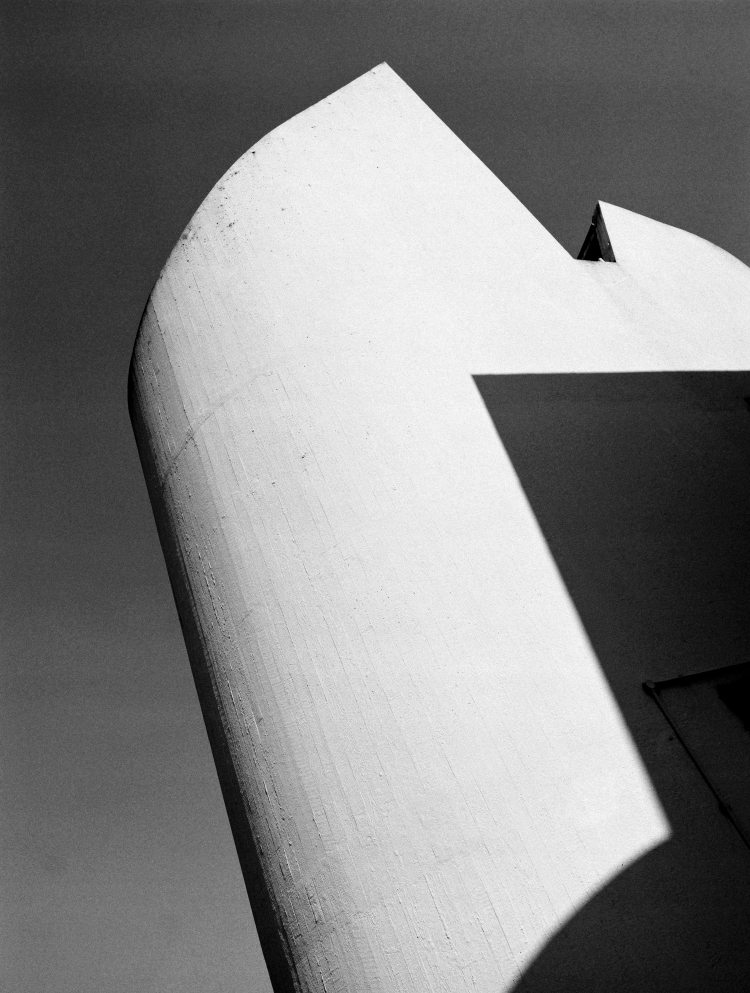
POTENTIAL PHOTOS FOR 3D PRINTED MODEL
I looked through many of my images and considered these for the project.


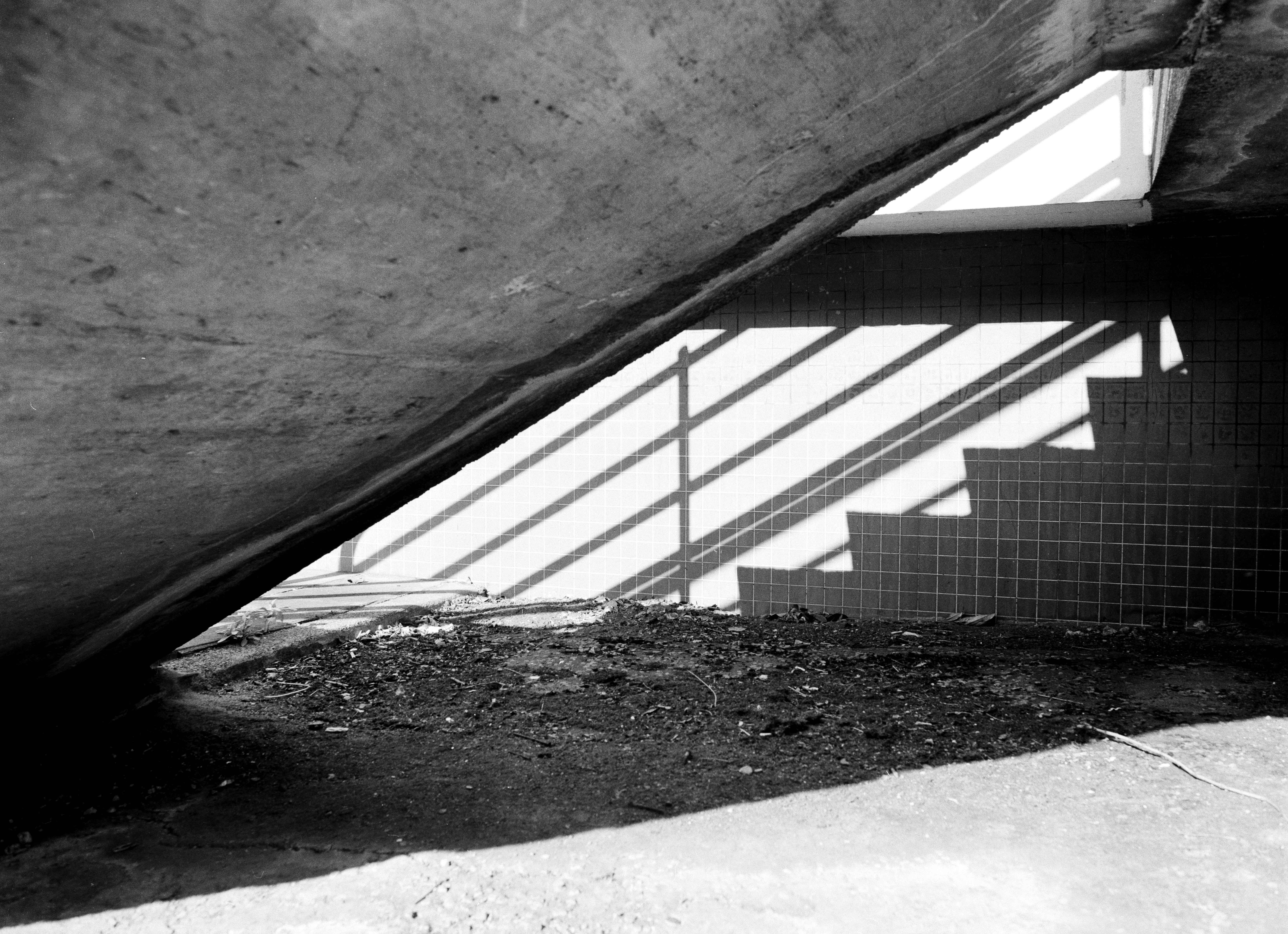
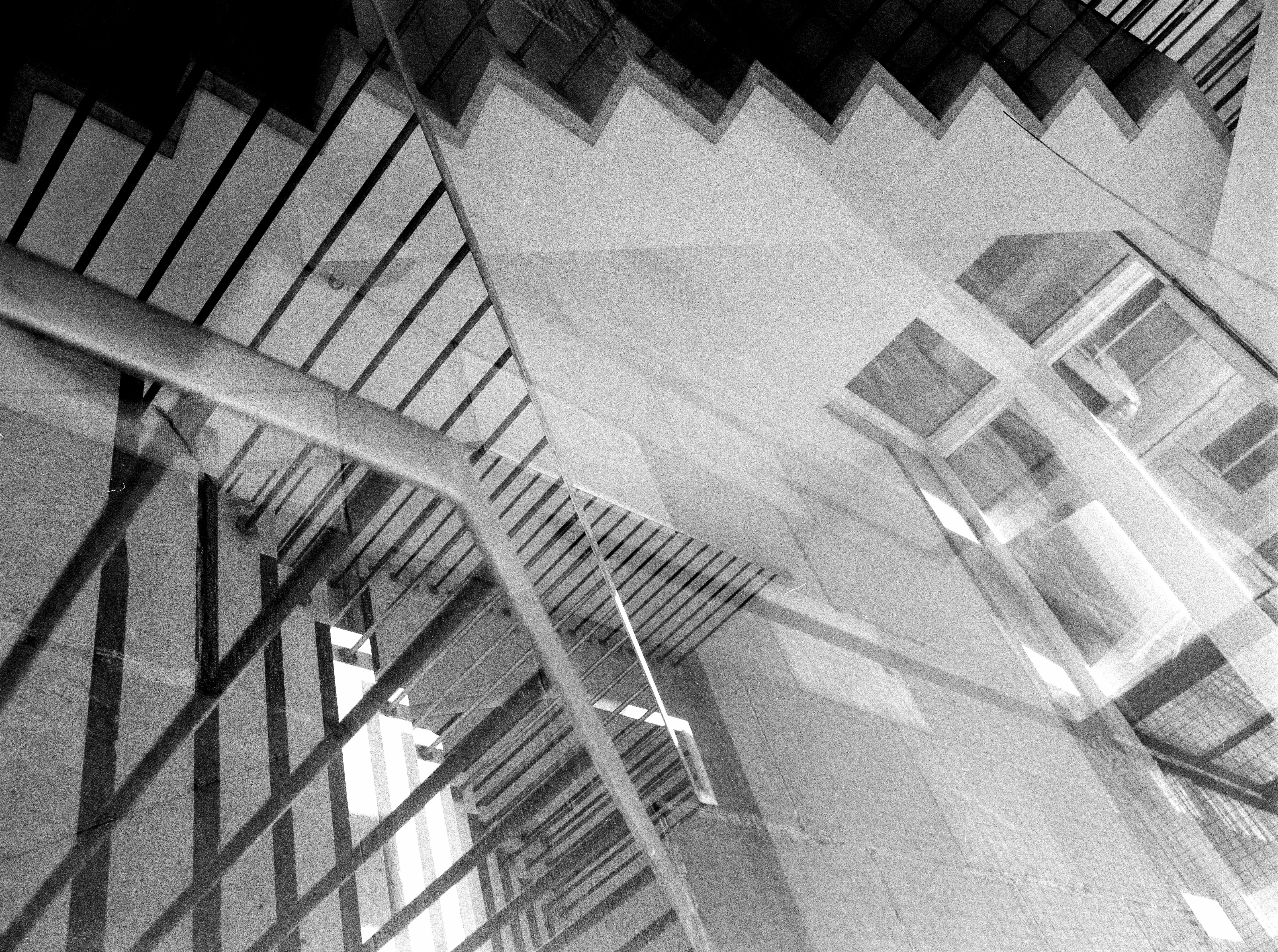
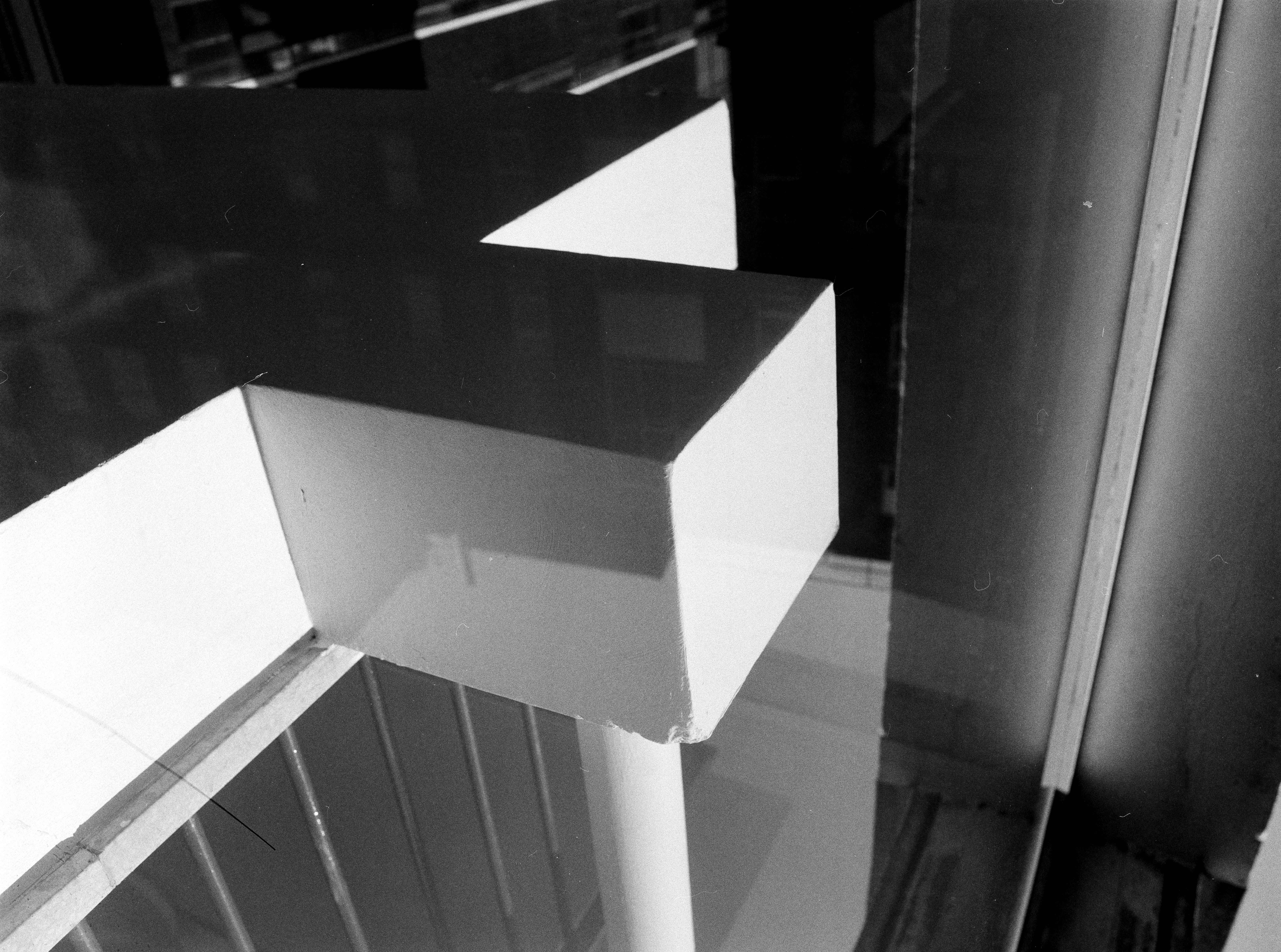
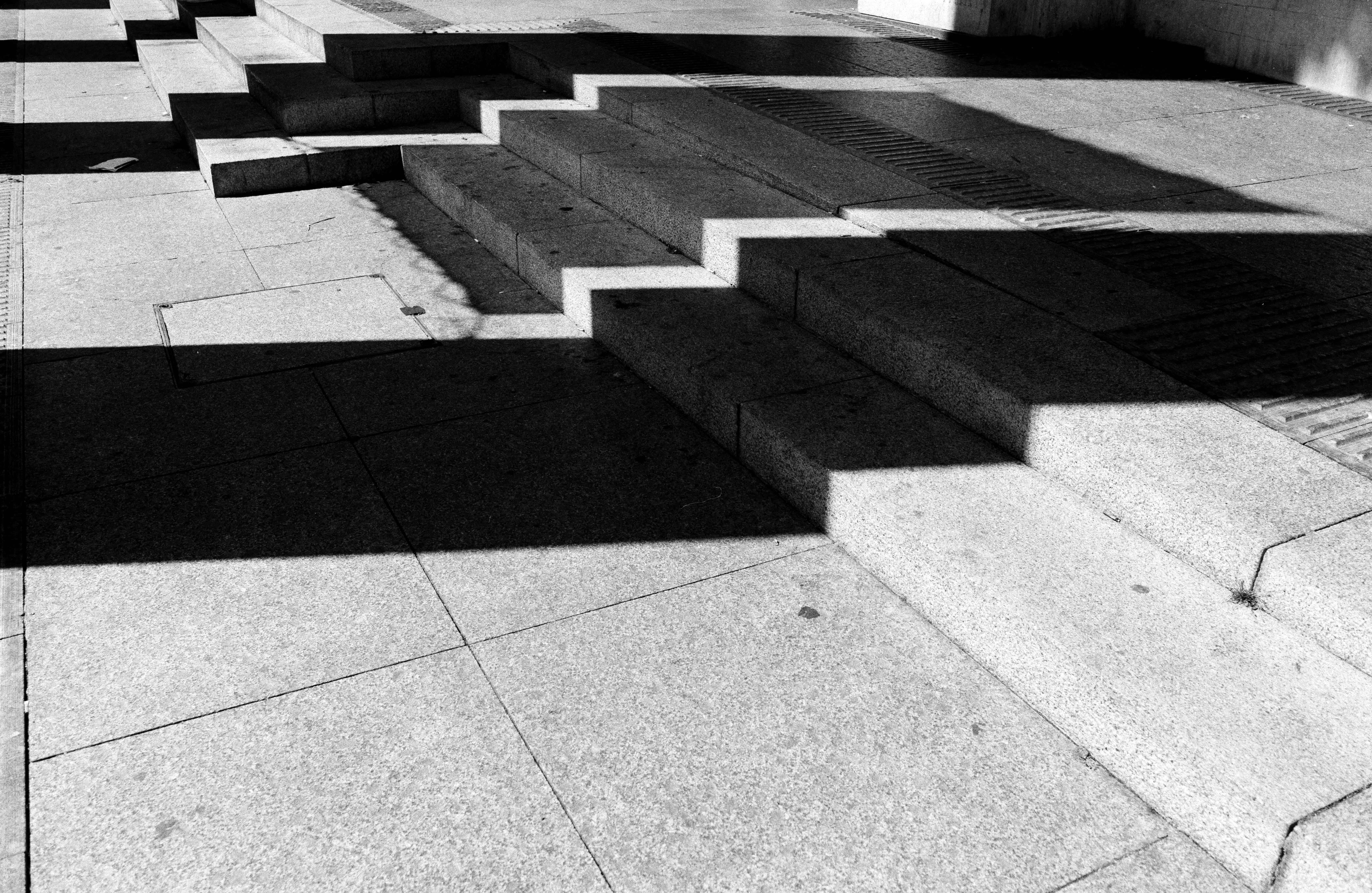
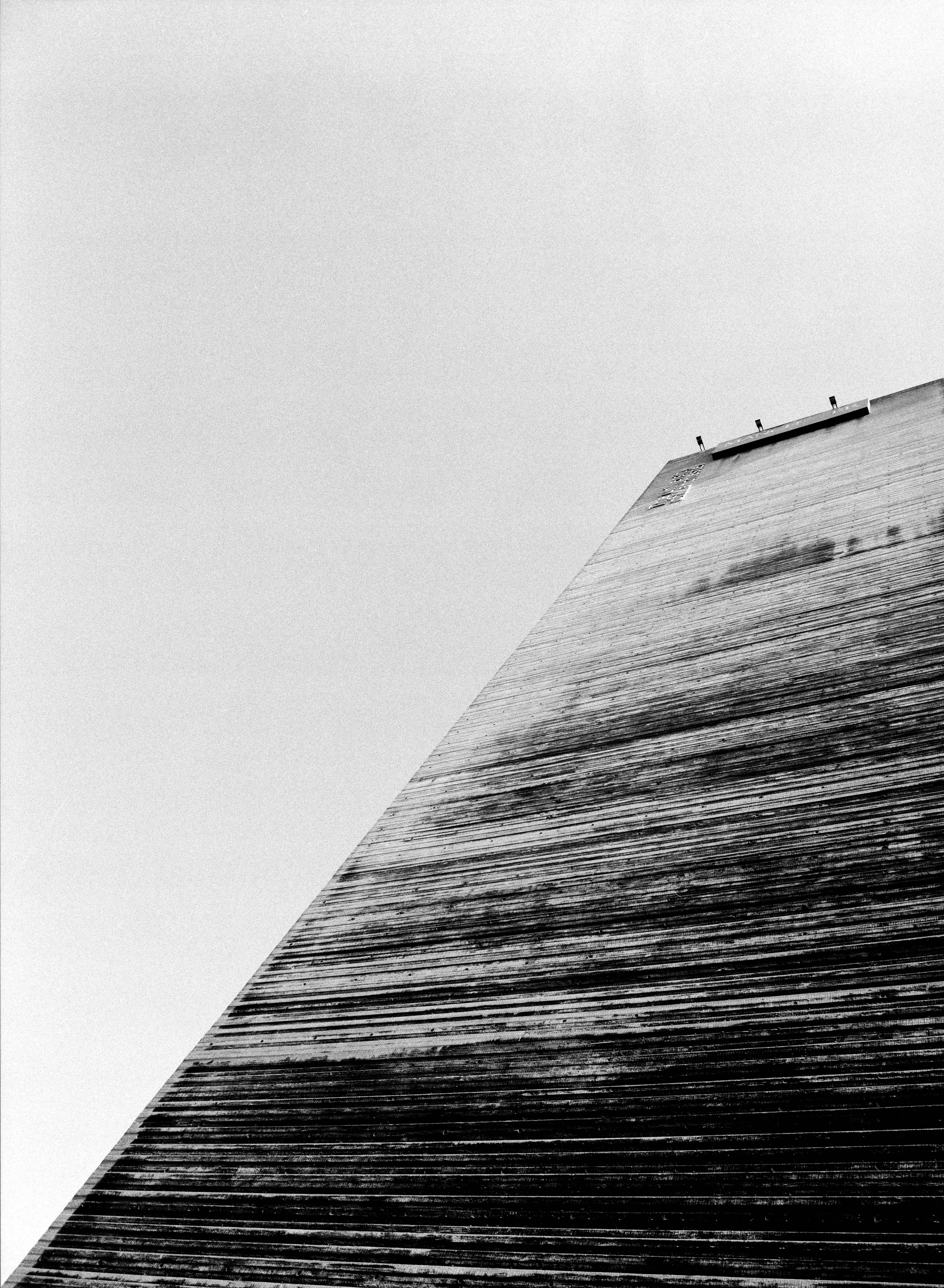
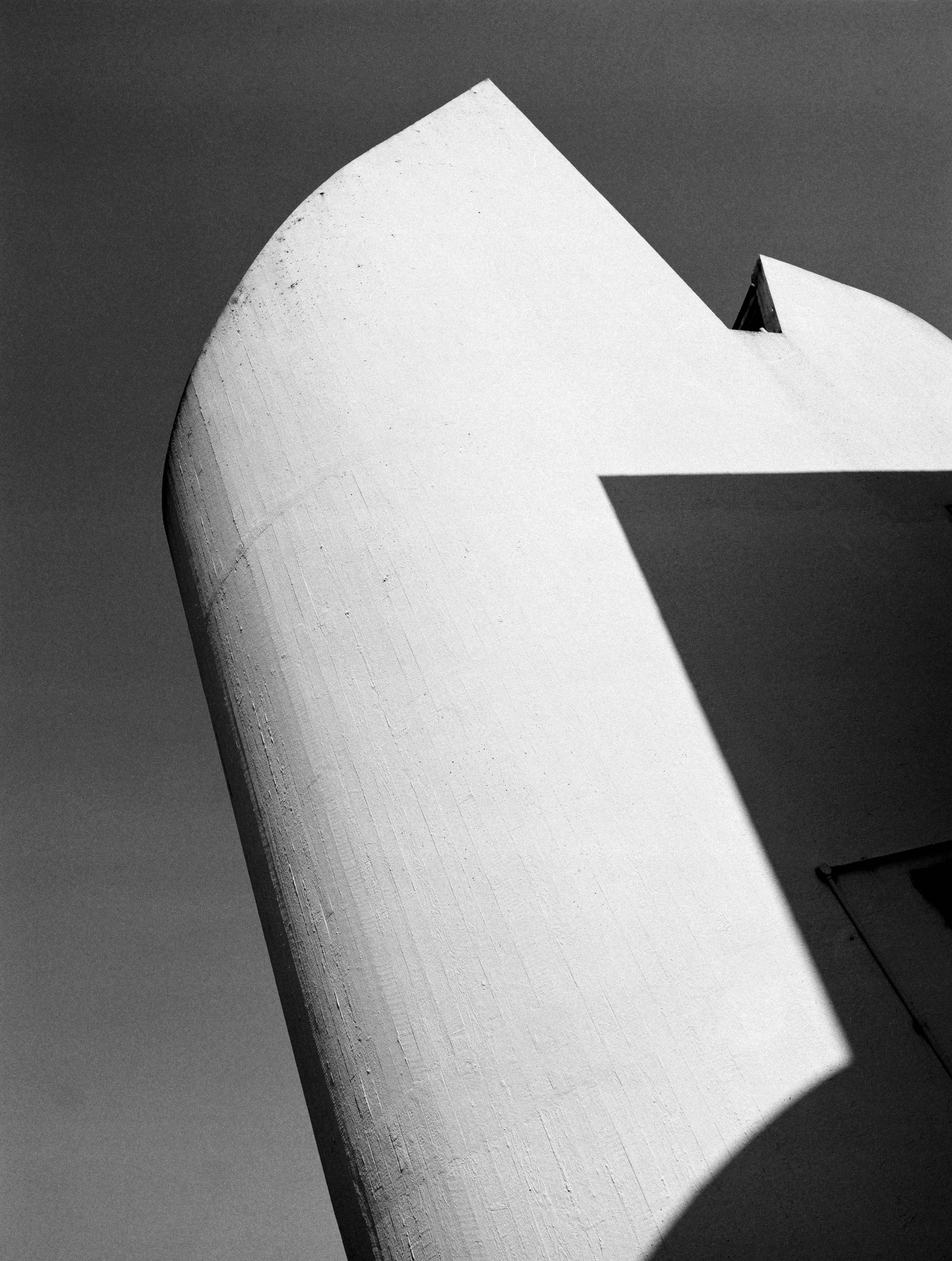
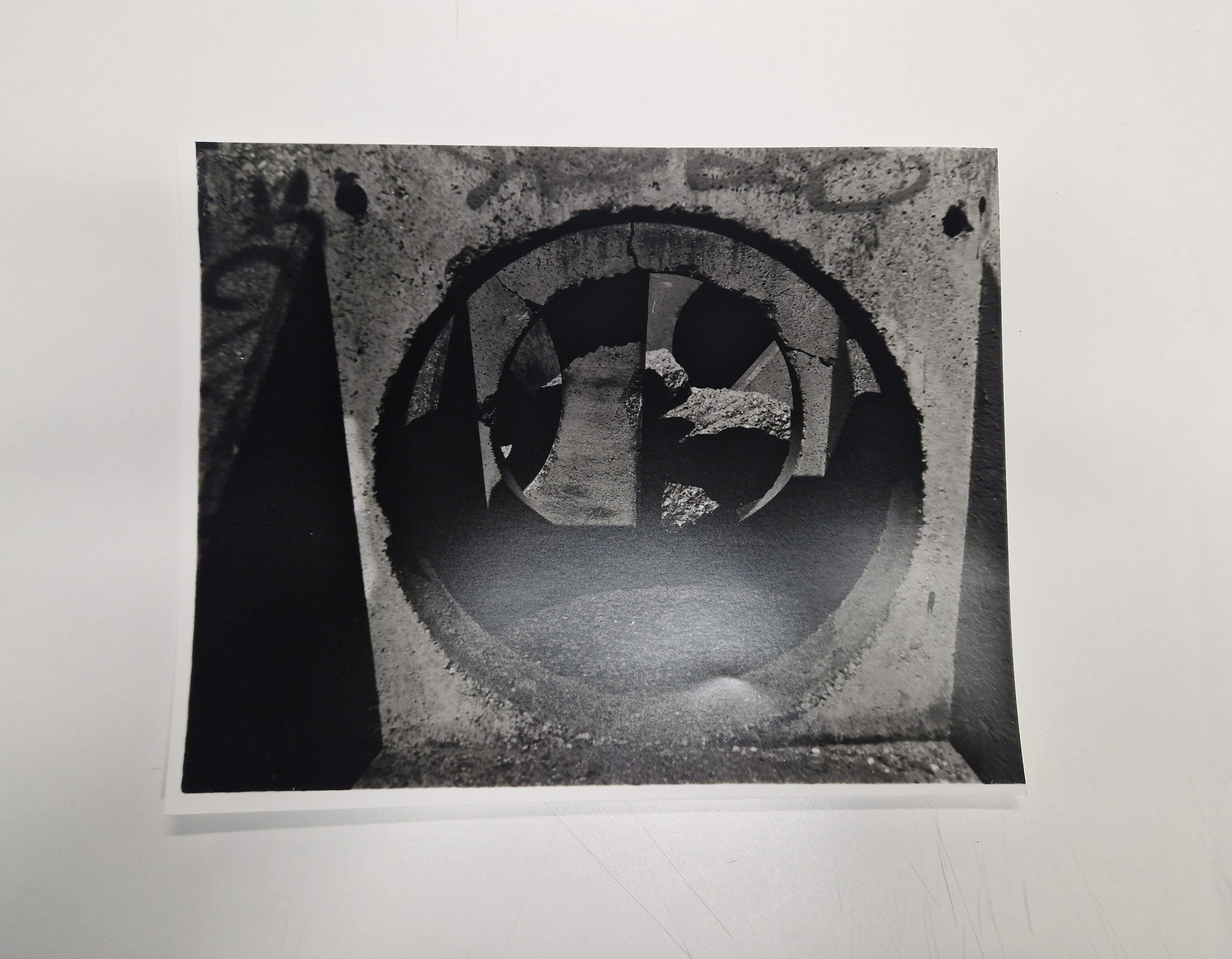
I decided to build a 3D printed model from this image
Beginning of learning Maya – 3D modelling software
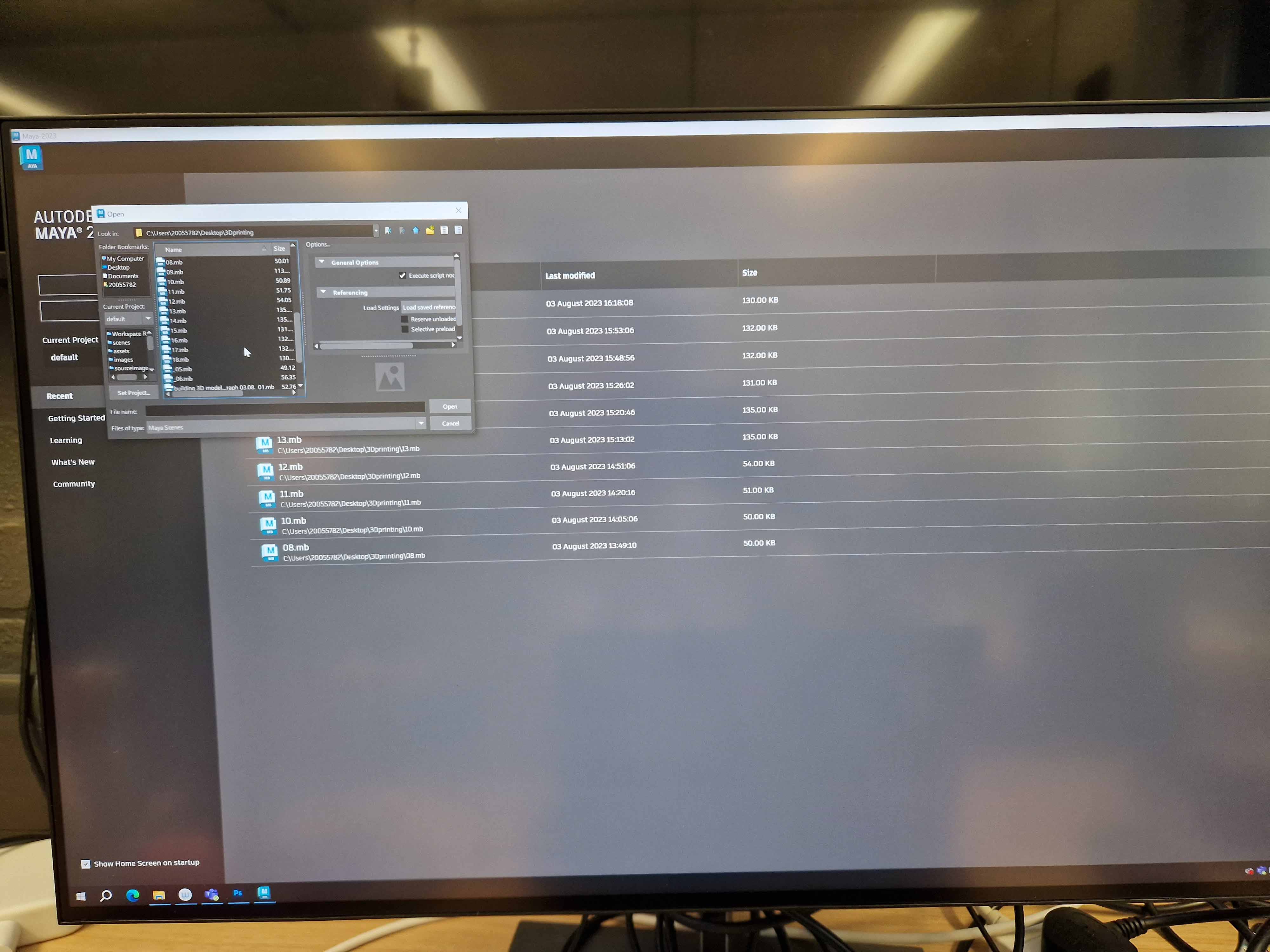
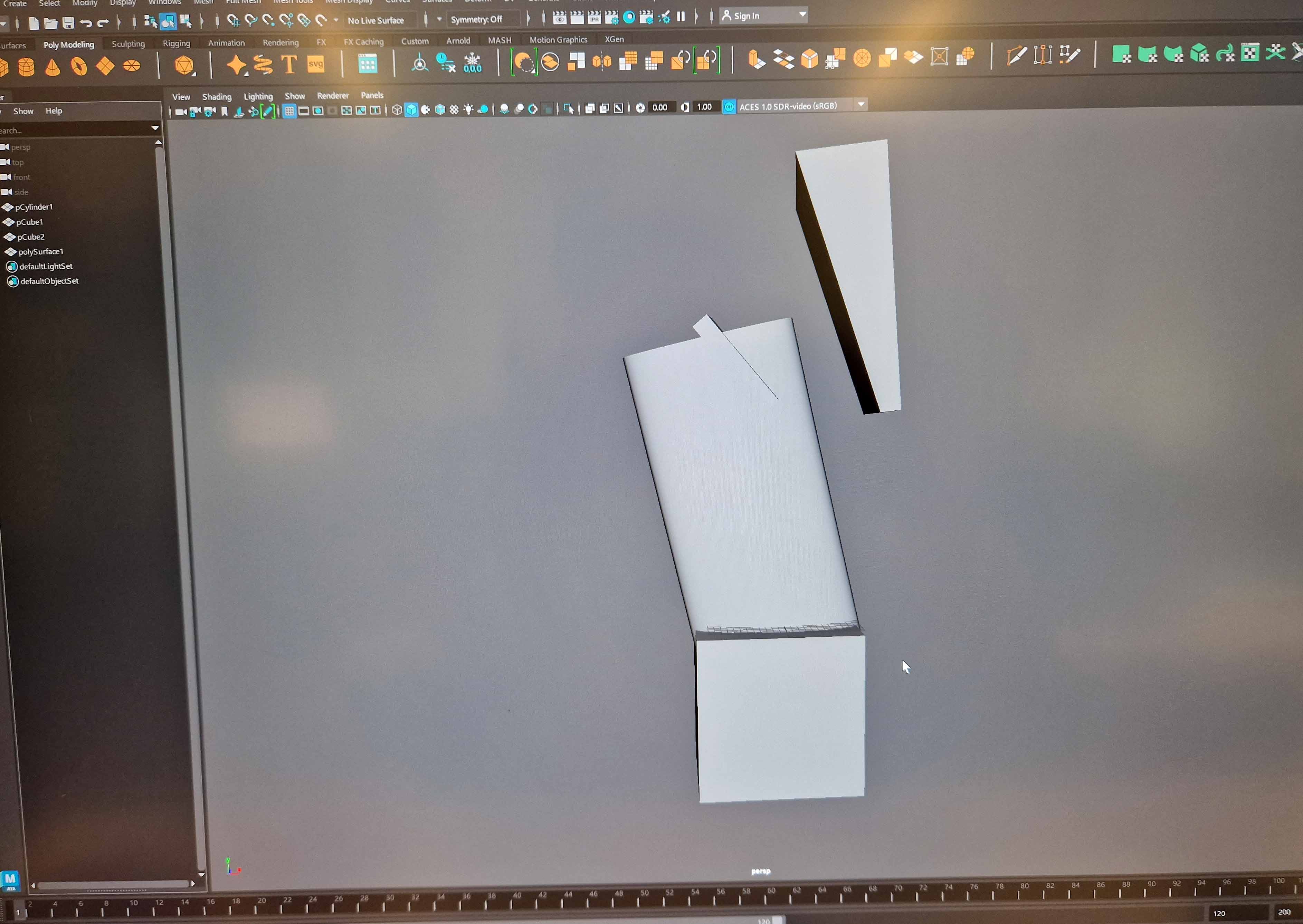
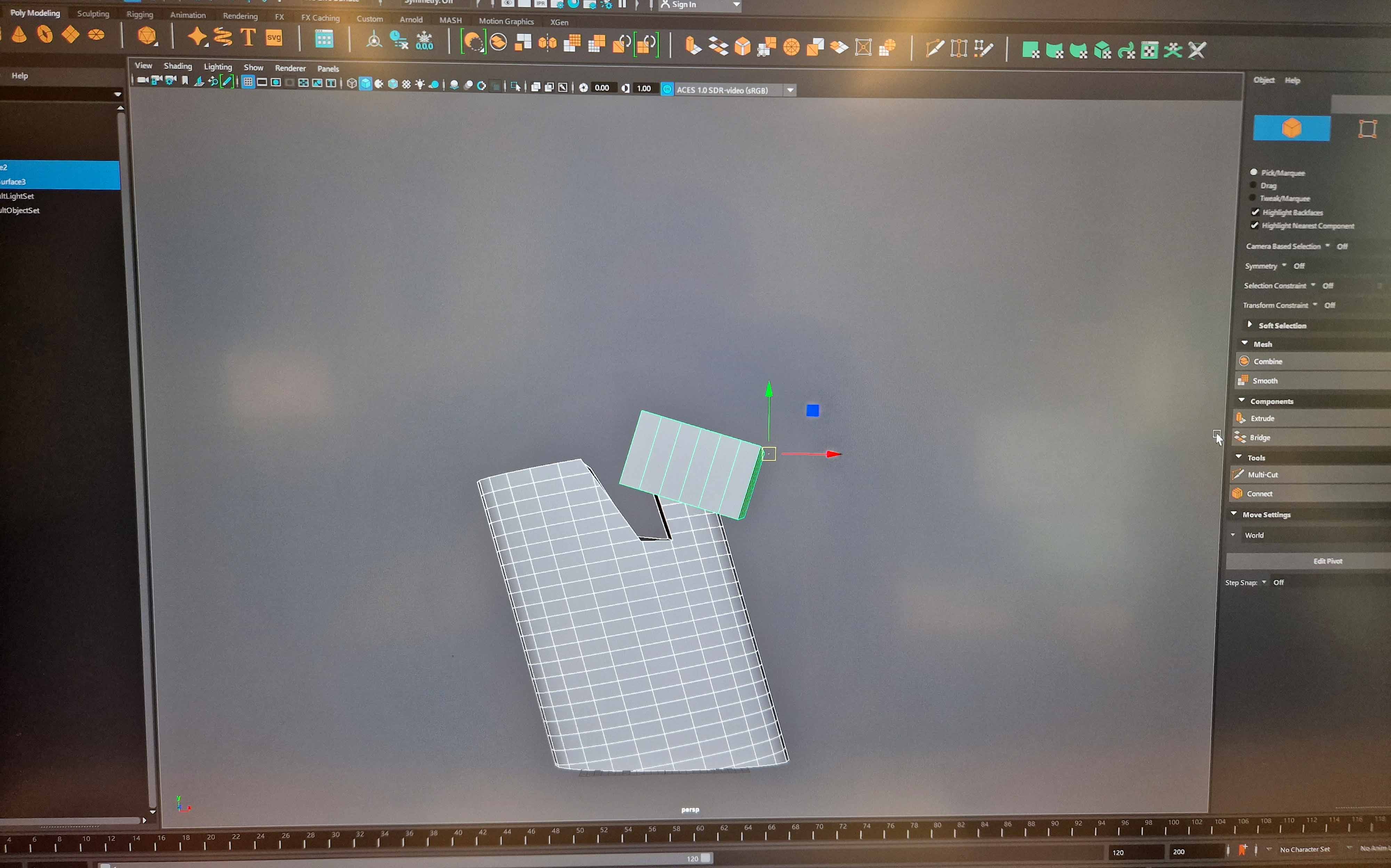

NOTES
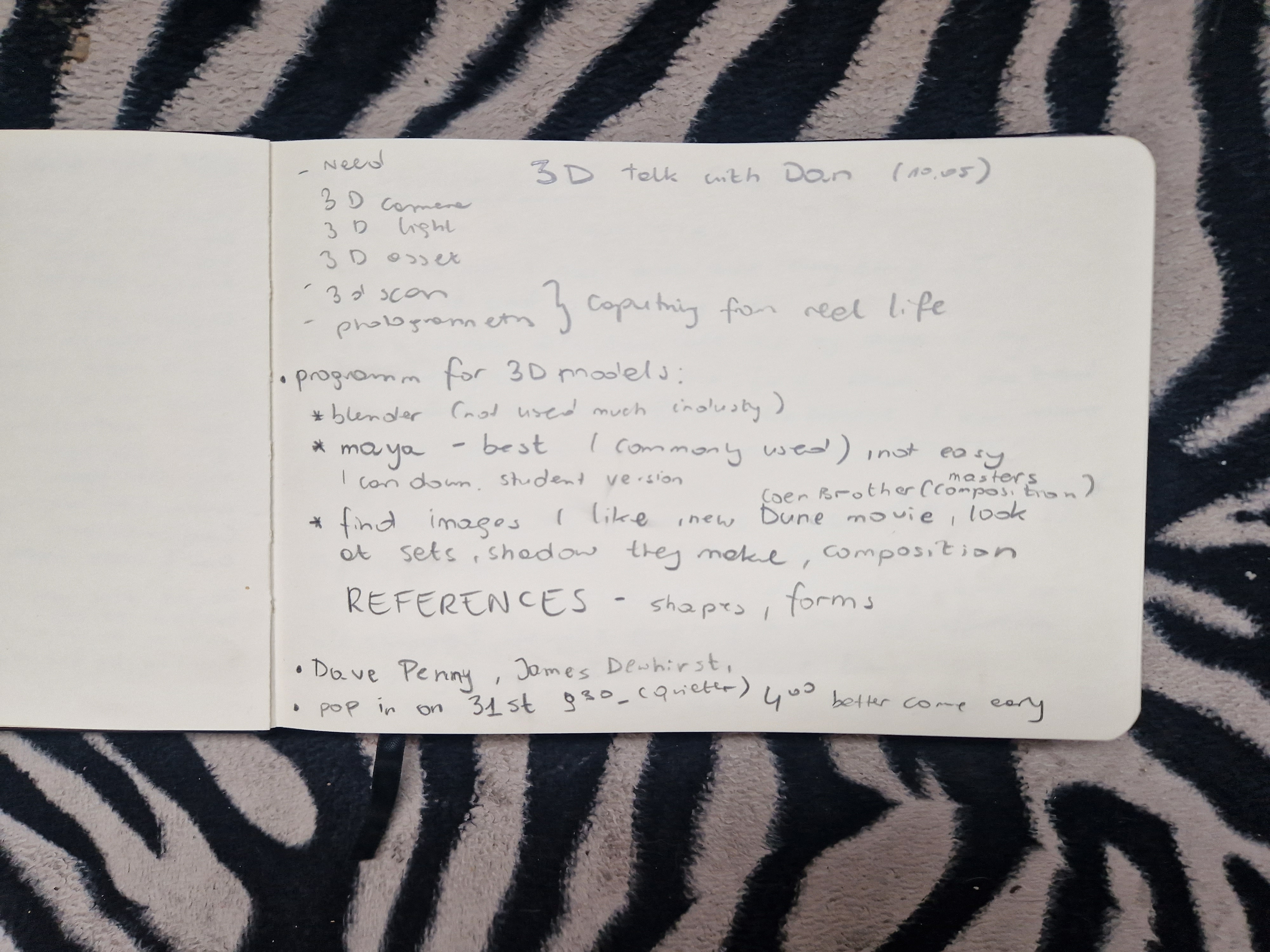
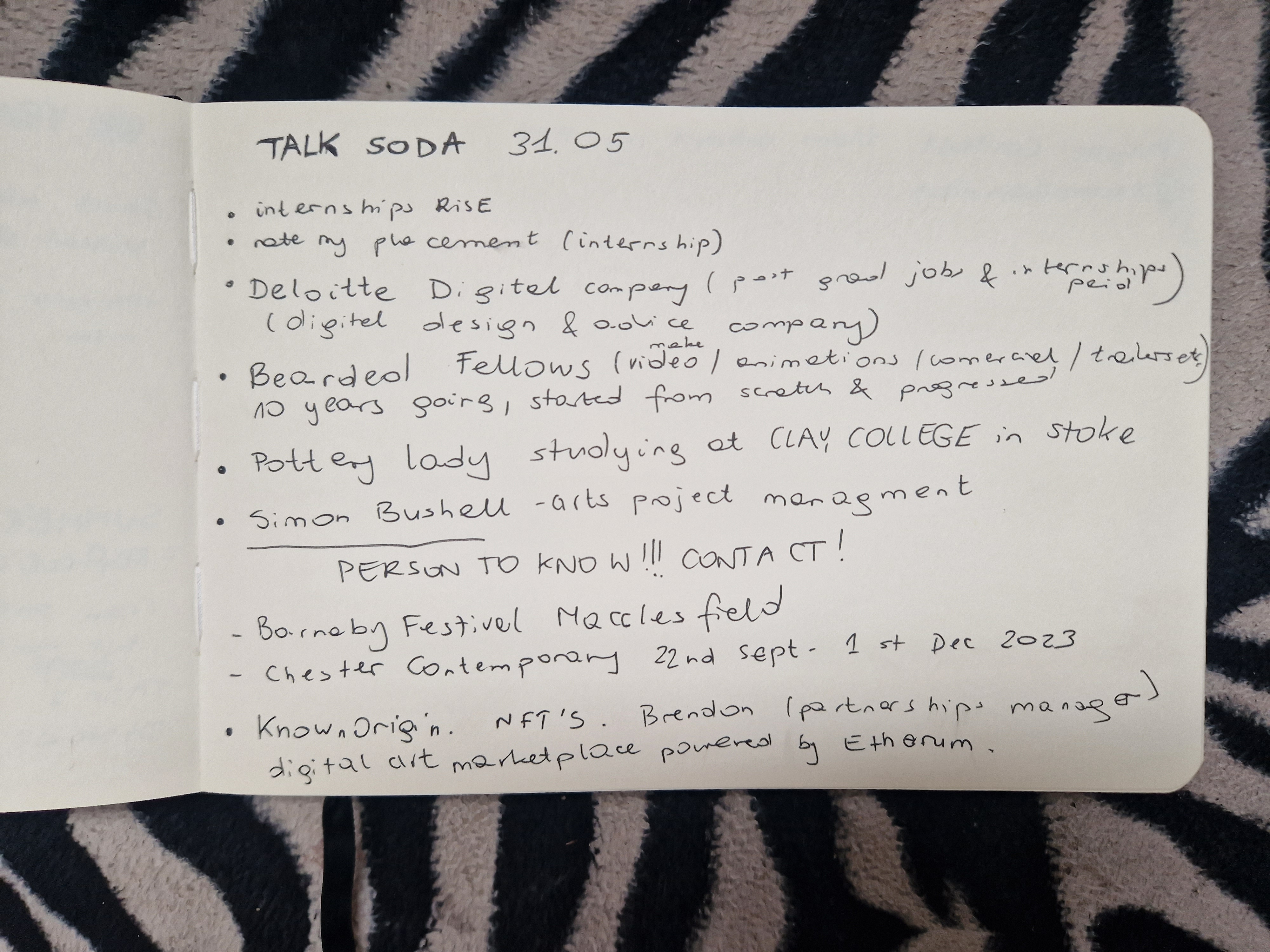
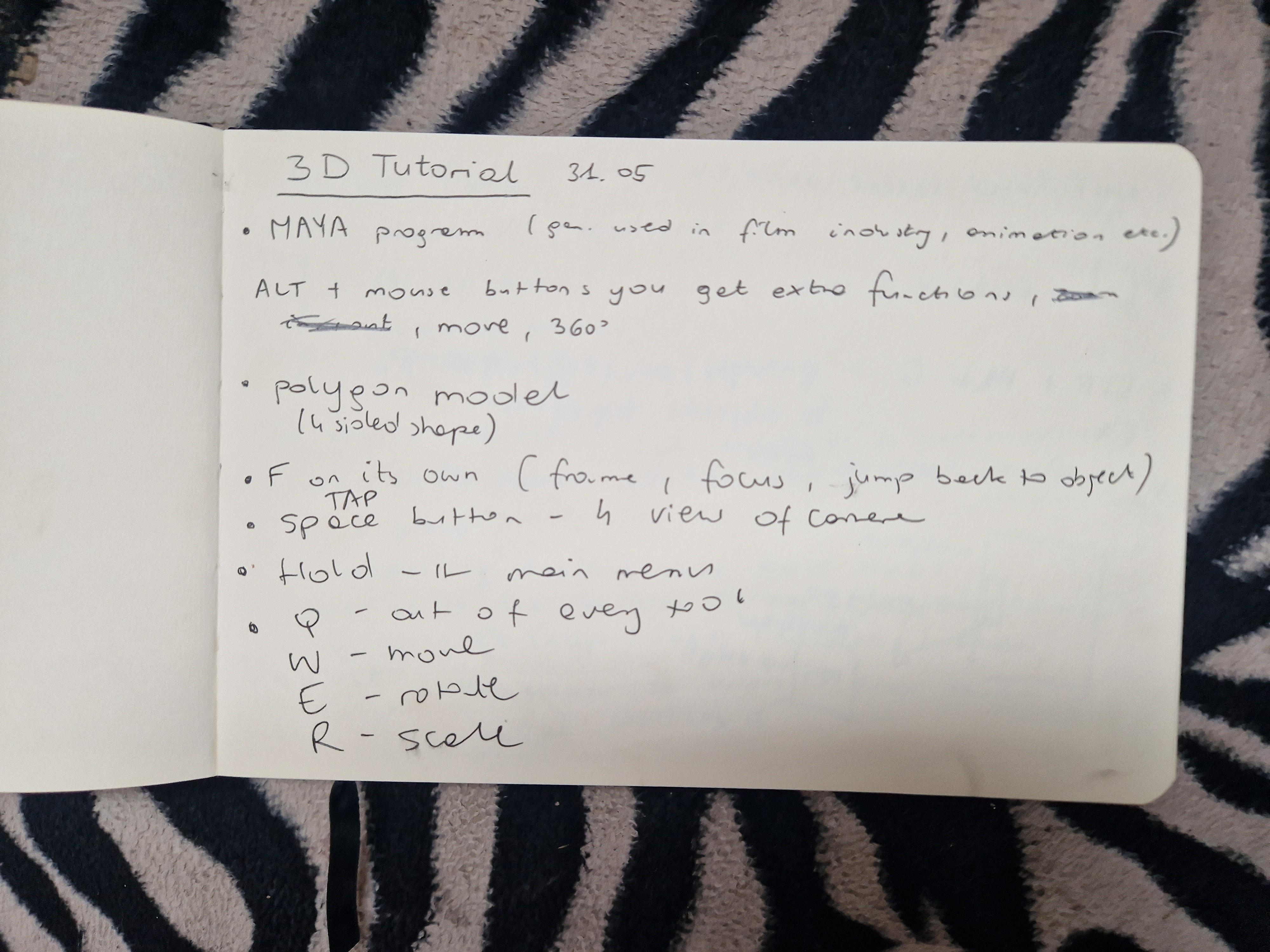
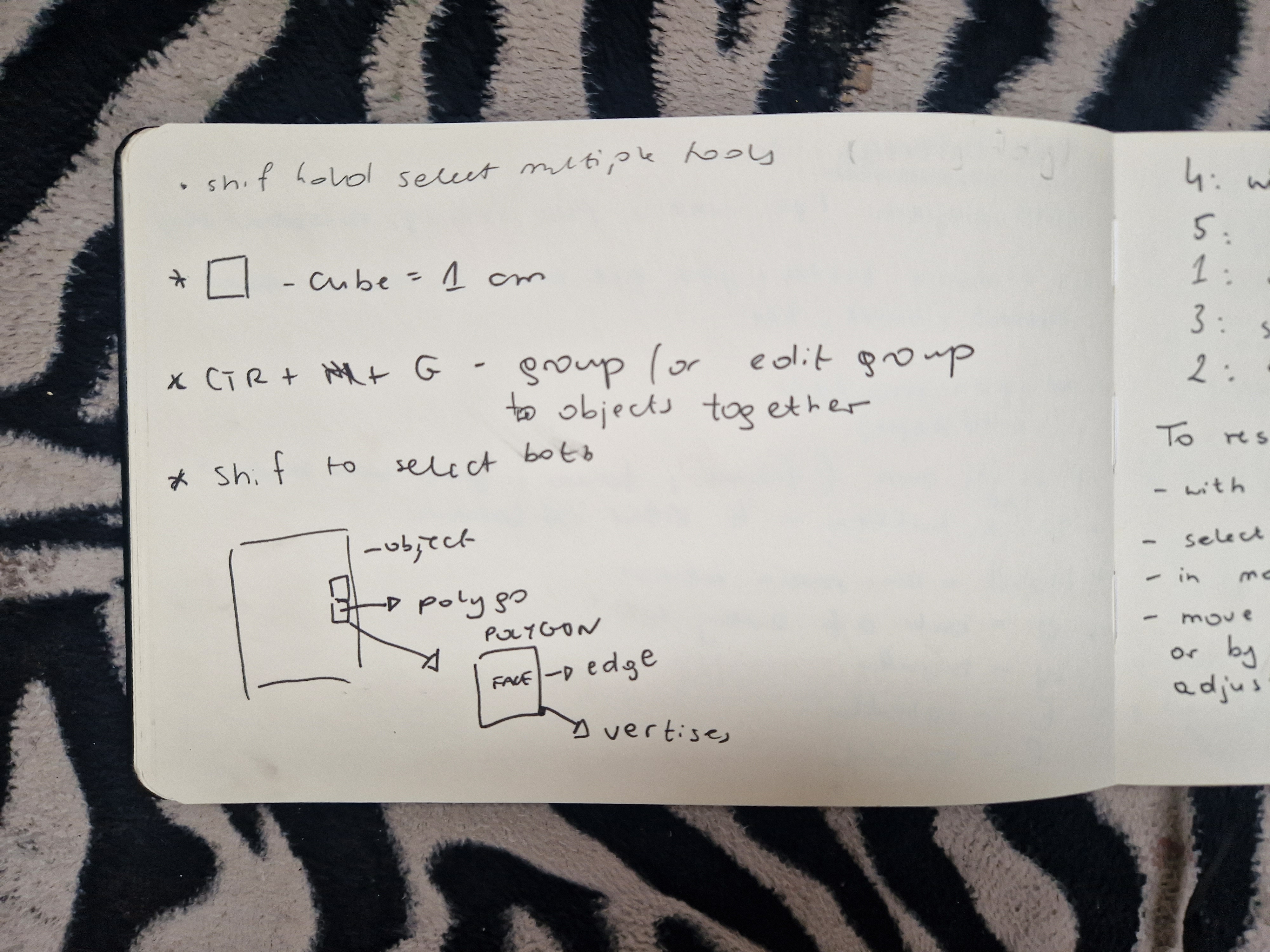
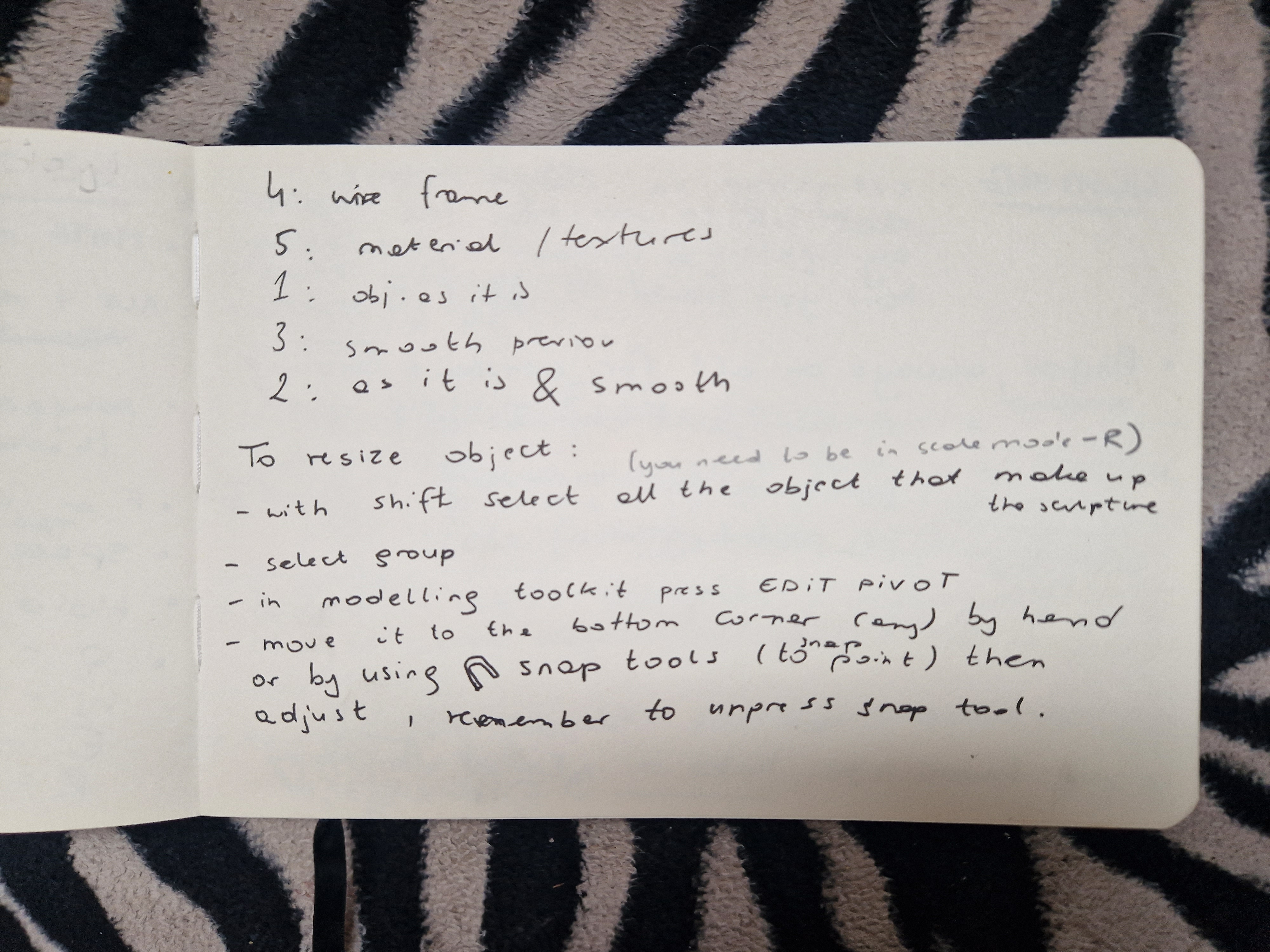
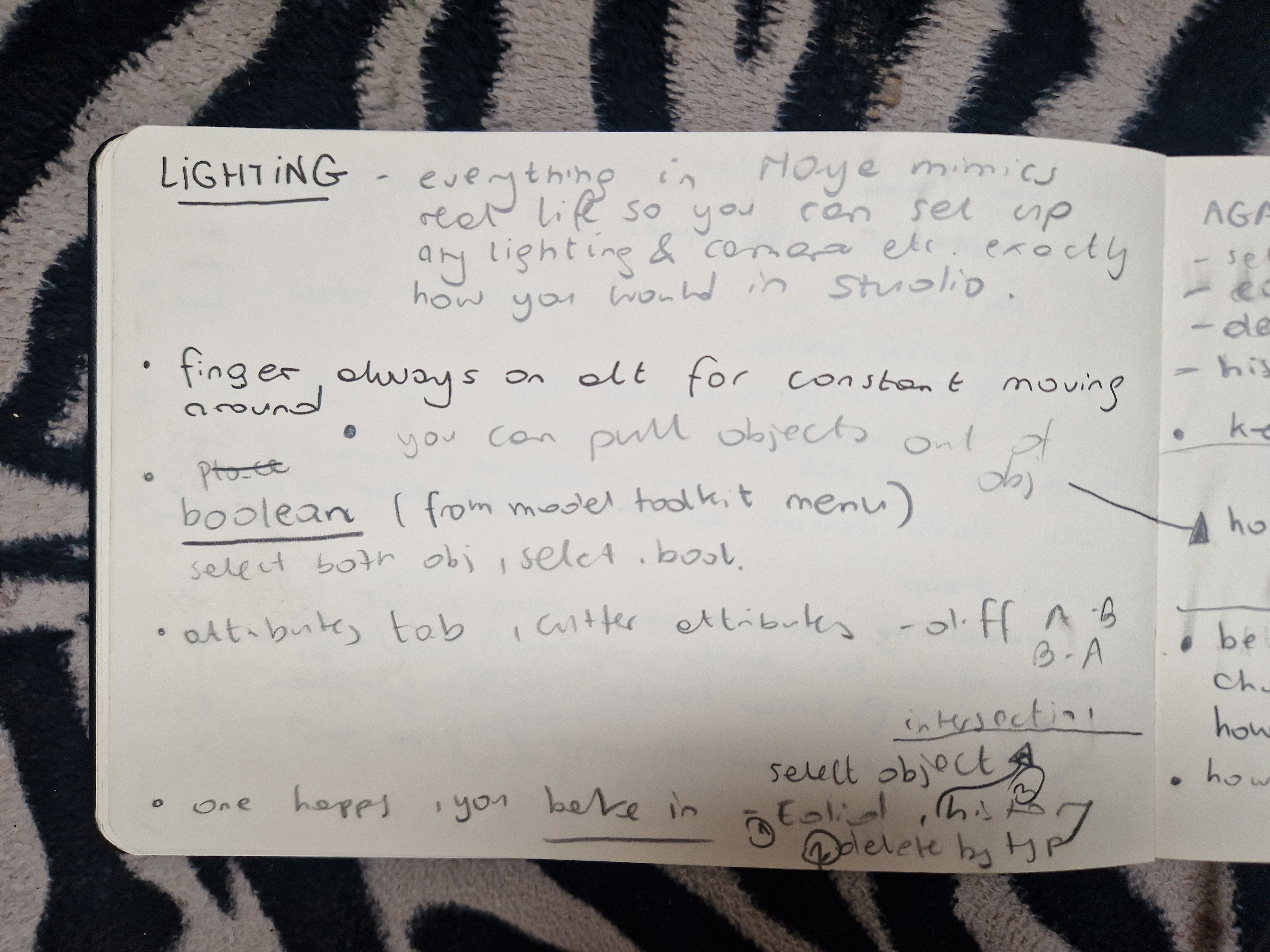
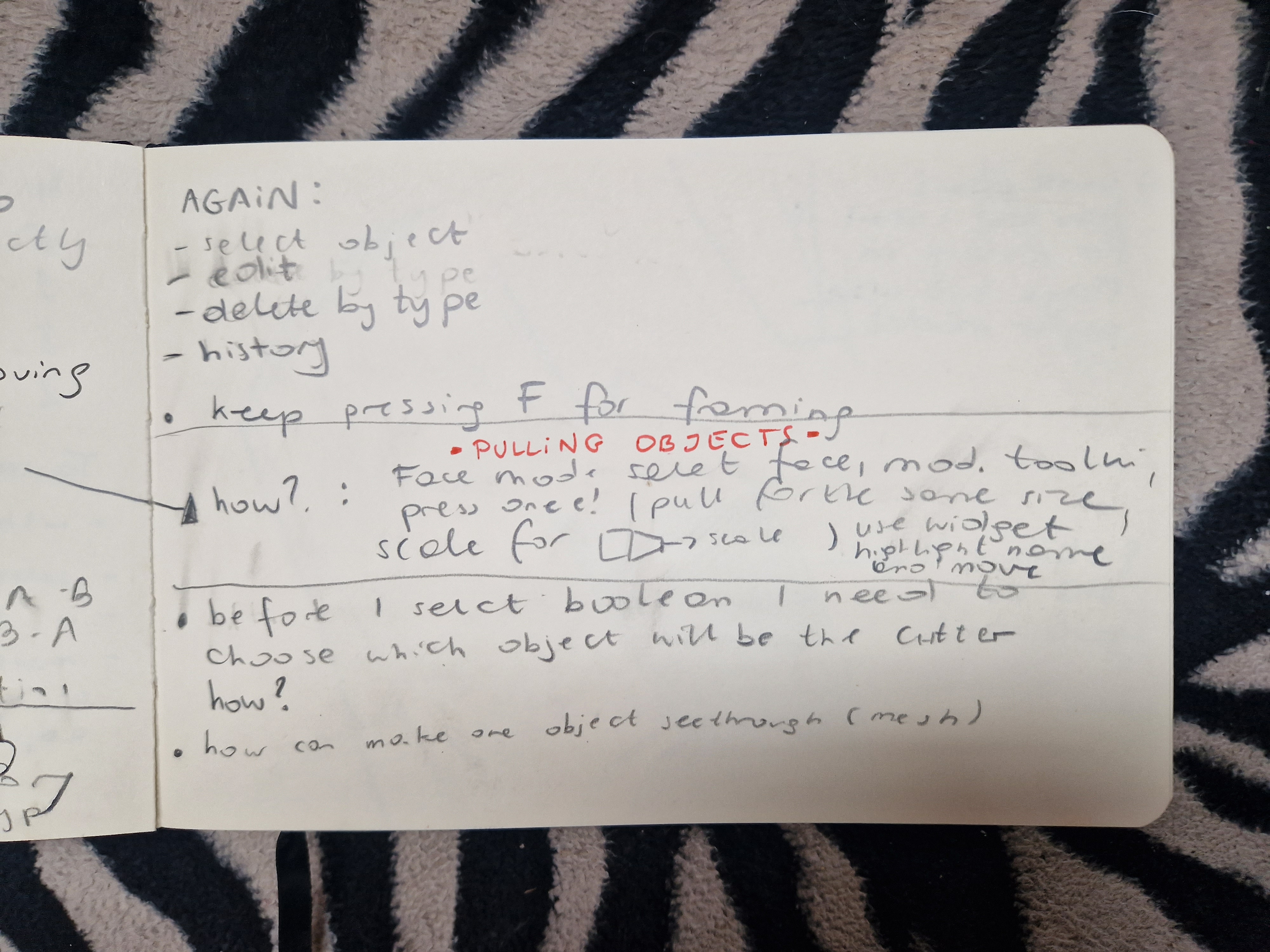

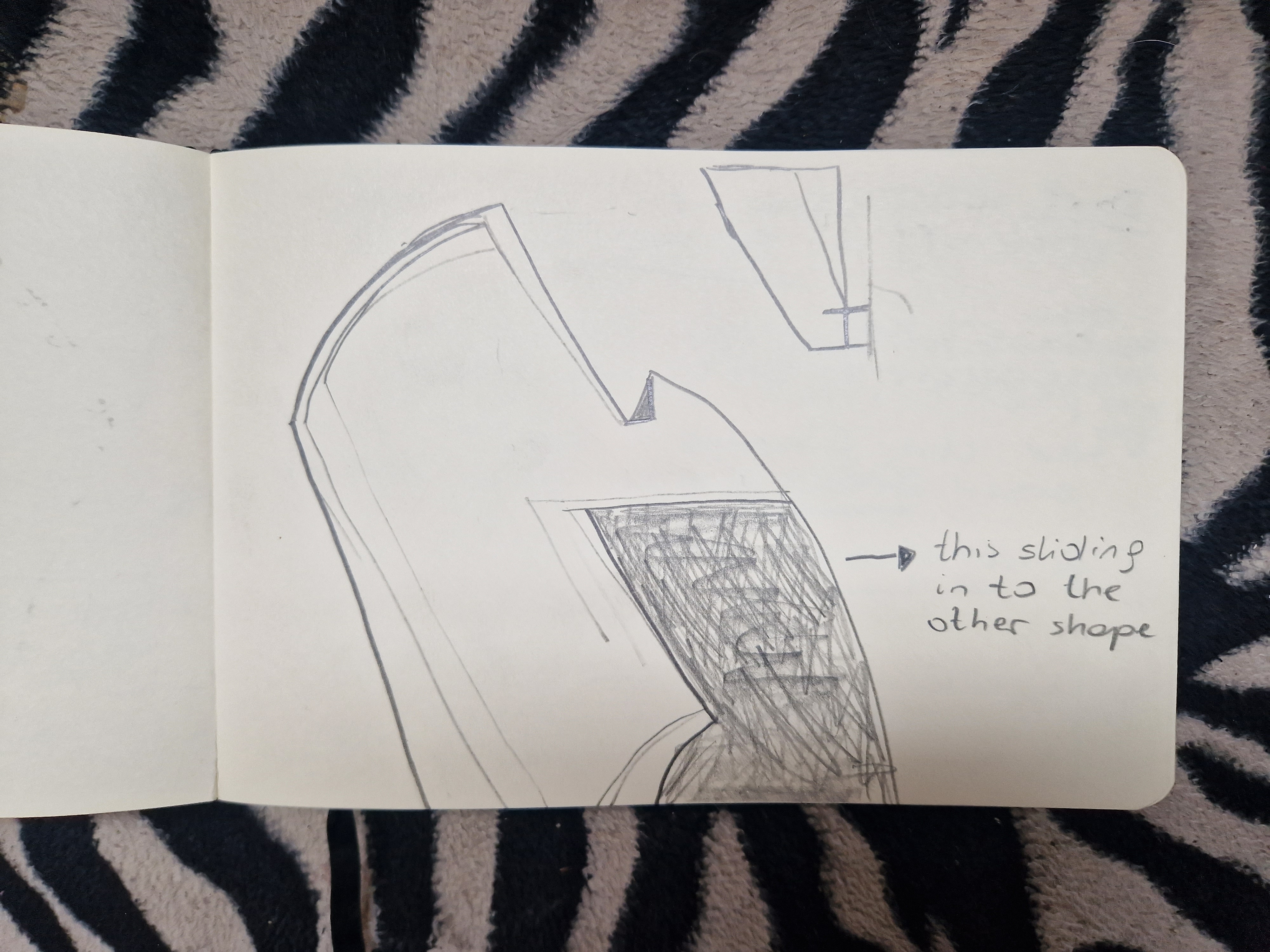
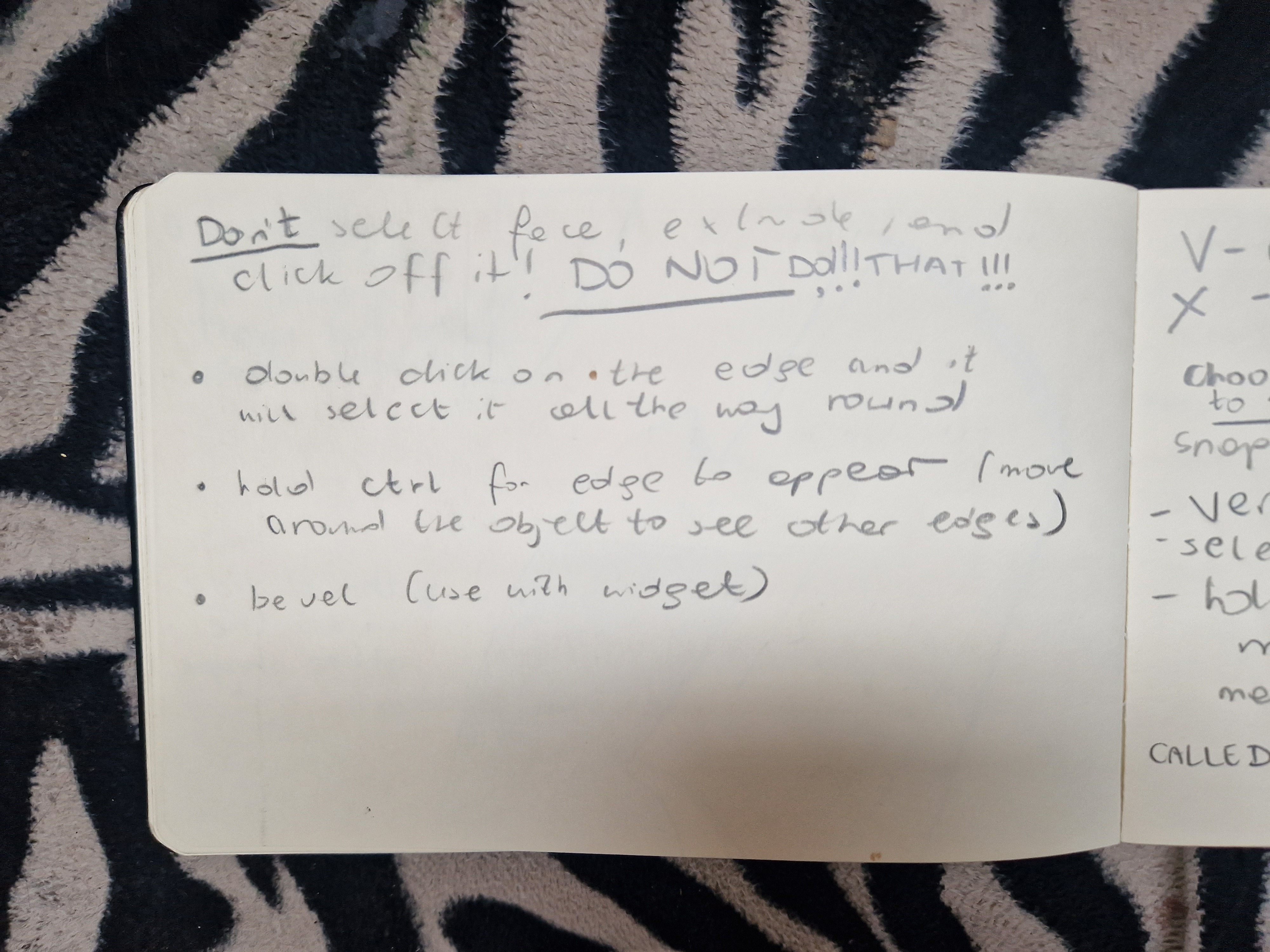
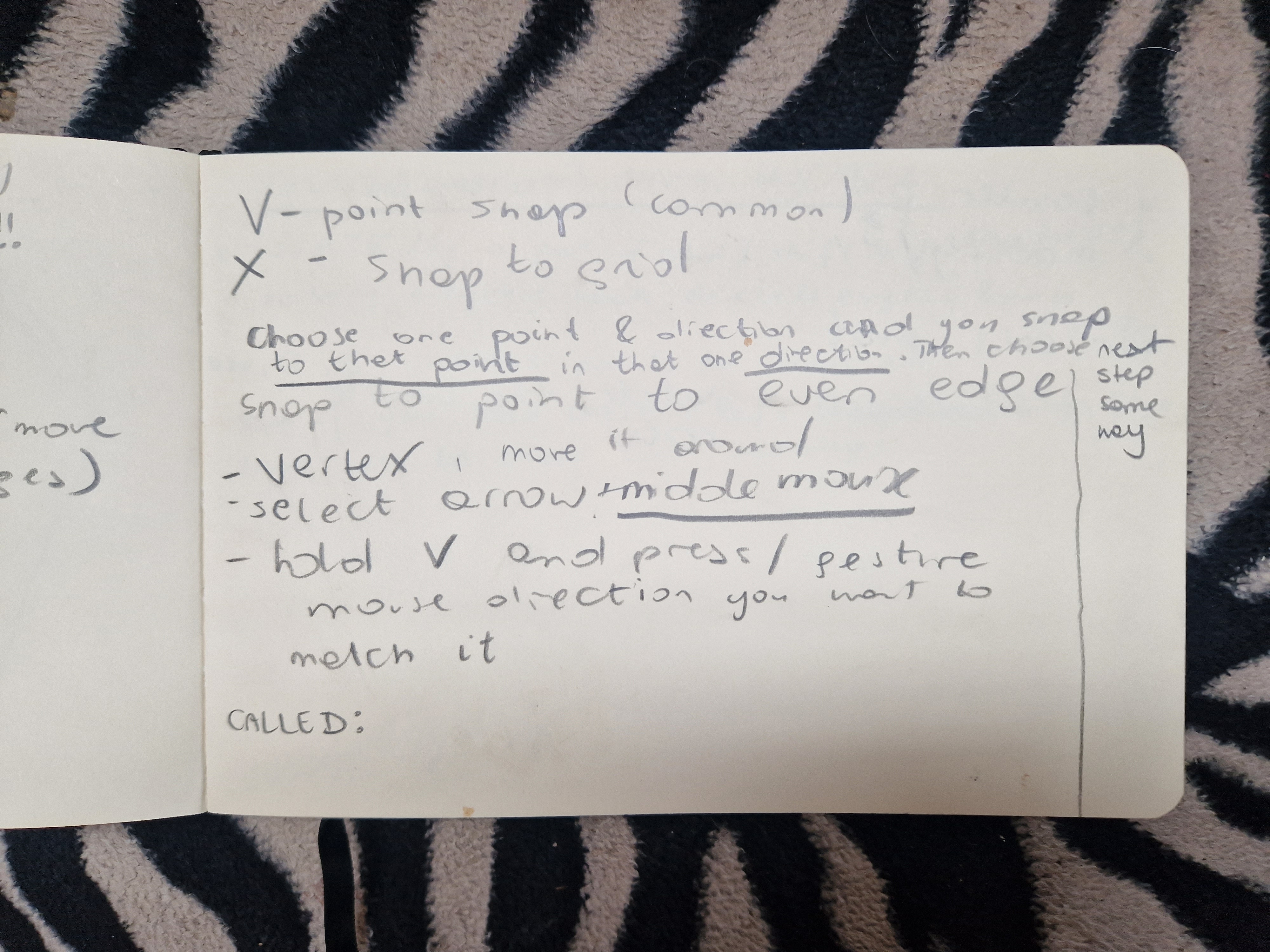
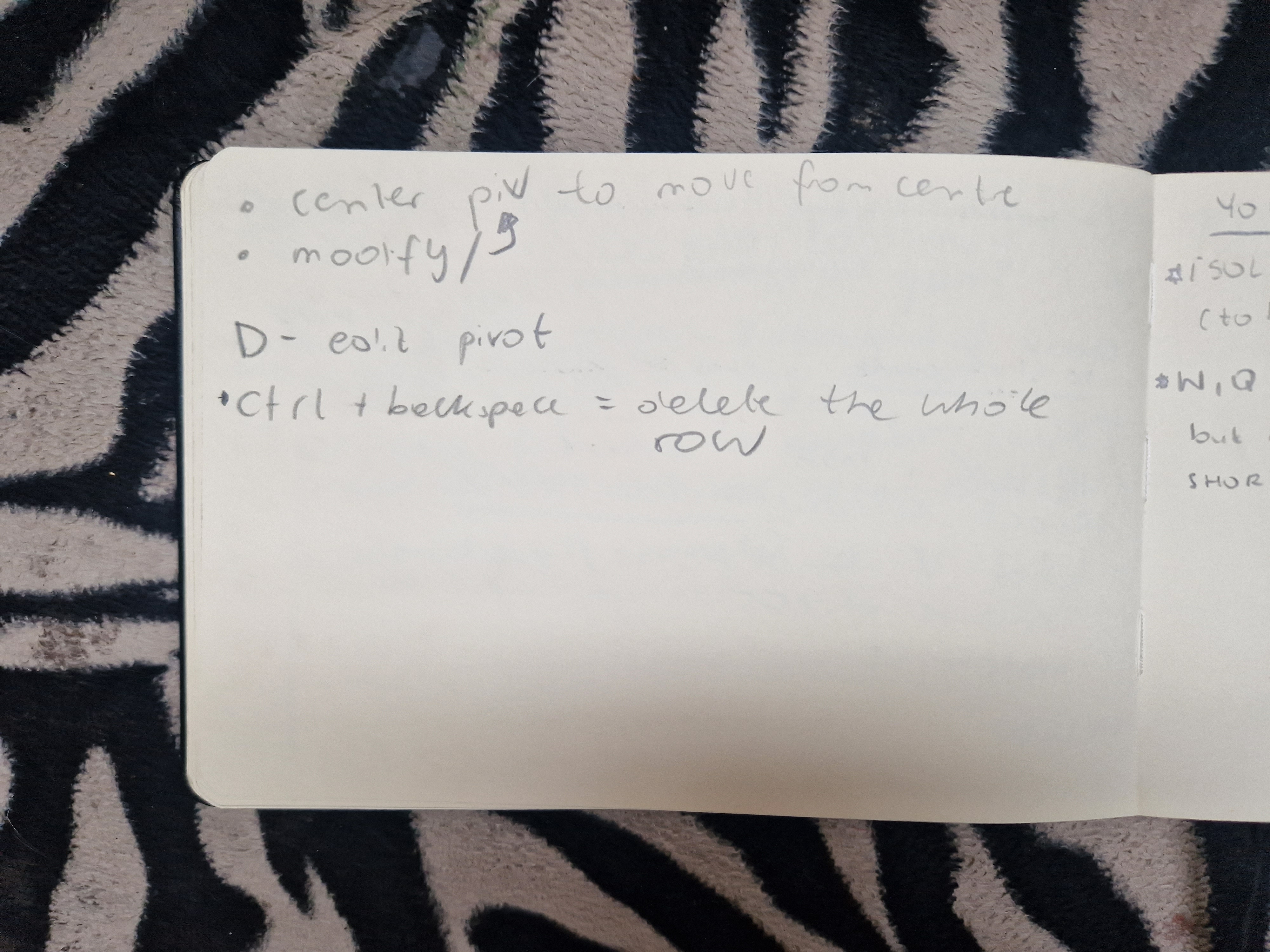
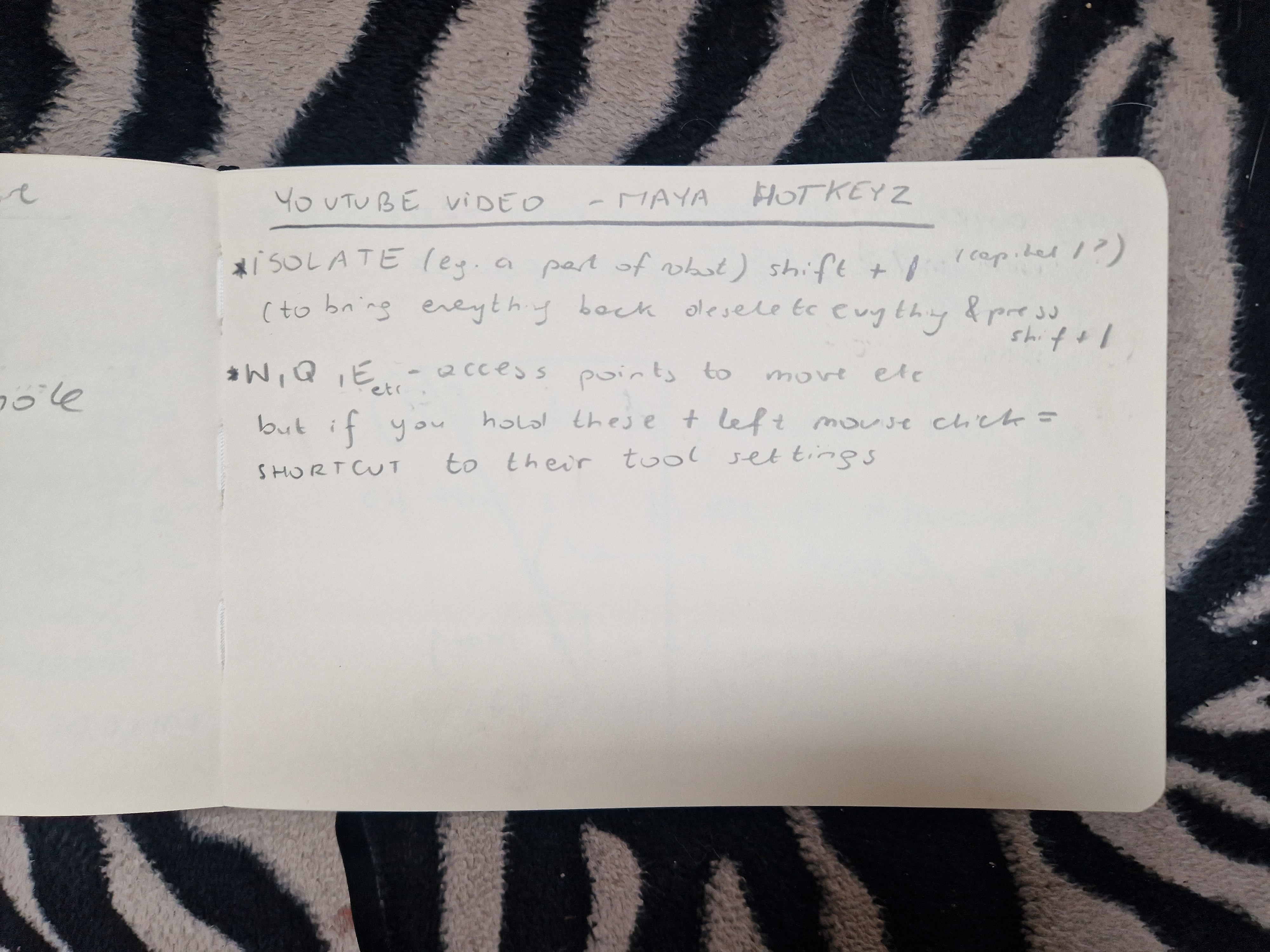
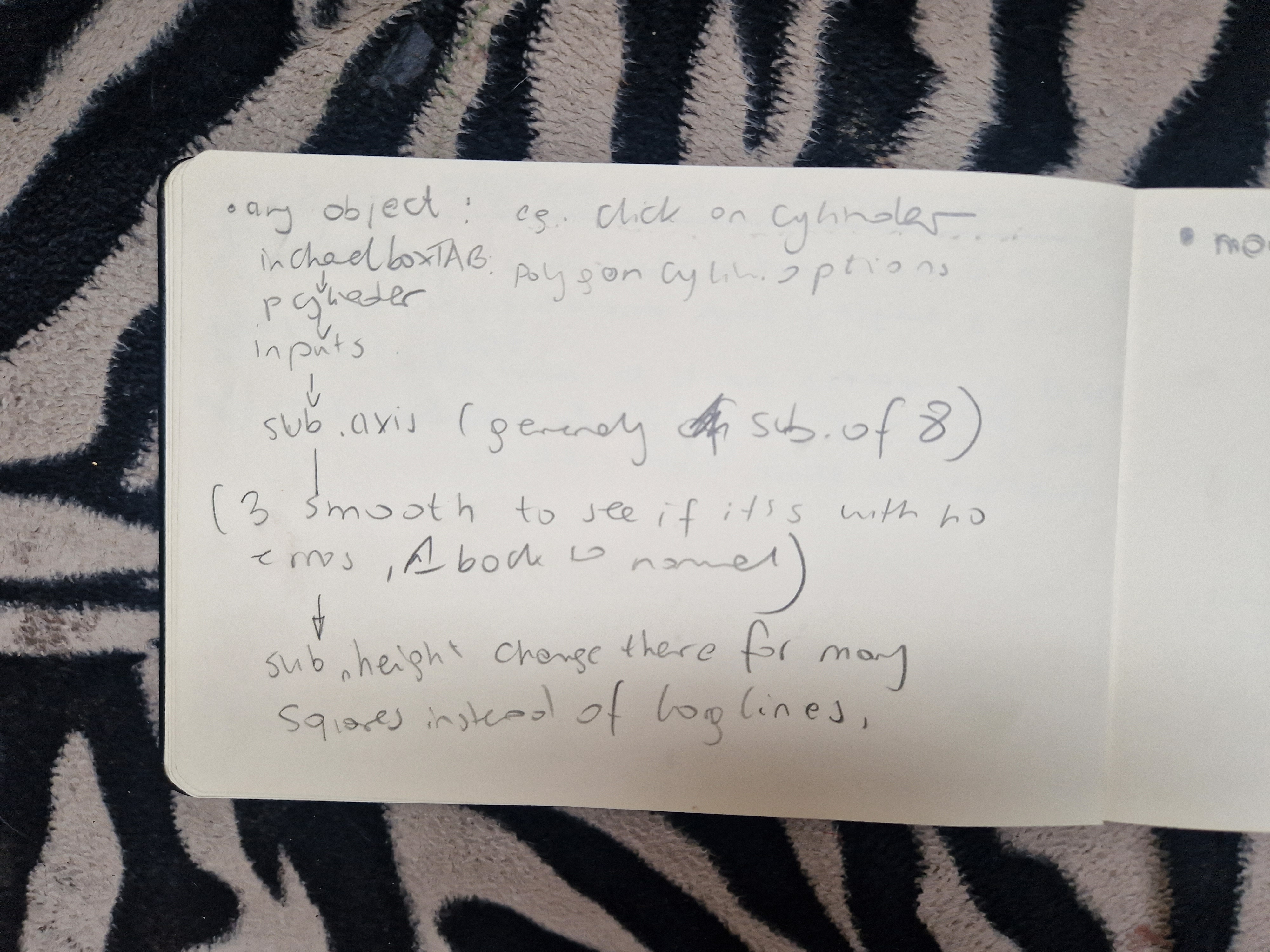
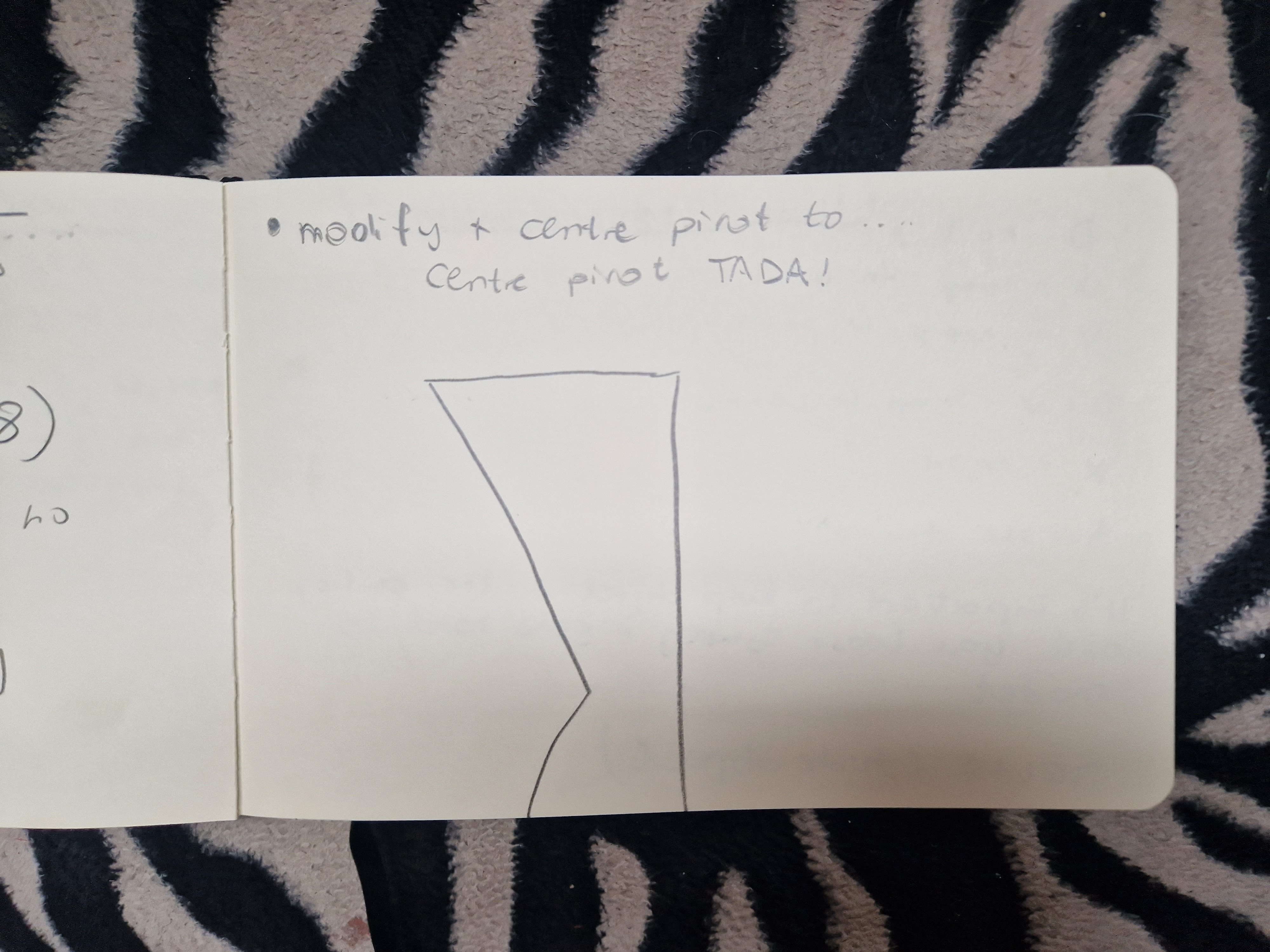
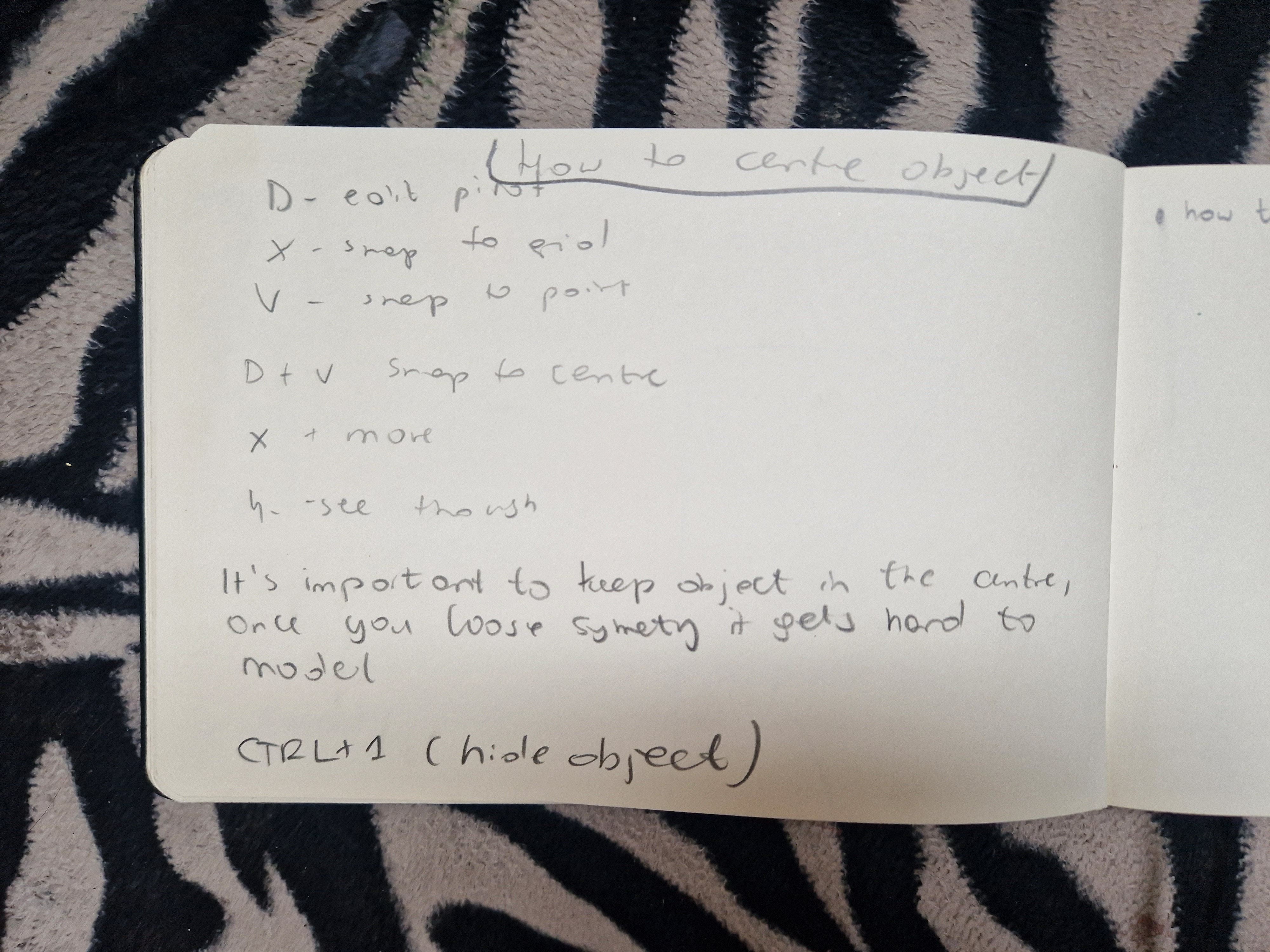
REFLECTIONS: After the first few sessions, I am very glad I already started to learn the program in the summer - it's very interesting but also incredibly complicated and it will take me a long time to learn. I am feeling positive though, given the early start and the excellent guidance from Dan, I believe I can achieve my goals and have a sculpture ready for the degree show.
RESEARCH
I found a very interesting article at https://www.photopedagogy.com/abstract-forms.html , where I found a stimulating exercise and a few new abstract photography artists.
The enemy of photography is the convention, the fixed rules of ‘how to do’. The salvation of photography comes from the experiment.
— Laszlo Moholy-Nagy
EXERCISE: Abstract constructions
The following artists demonstrate what can be achieved with very simple materials – paper and light. Each of them seems more interested in the formal (abstract) elements of photography than in representing the subject naturalistically. In his entry in the Photographers Playbook (Fulford and Halpern, 2014), Denis Defibaugh suggests:
Make thirty-six unique, beautiful photographs of one piece of white bond paper. You may not cut or tear the paper, but you can fold it, roll it, or crumple it. Shoot on a white background in a studio with spotlights and soft light. Use colour filters on the spotlights, if you desire. There should be nothing else in the photographs but one piece of bond paper. Explore lighting and change the lighting for each photograph.
I decided to do this photographic exercise later on in my creative practice.
Francis Bruguière
Bruguière was an American photographer who moved to London in 1928 where he began to experiment with non representational photography. Of these, the cut paper abstractions are particularly beautiful. The photographer exploits the endlessly subtle qualities of both paper and light, manipulating both in order to create complex patterns of texture and form.
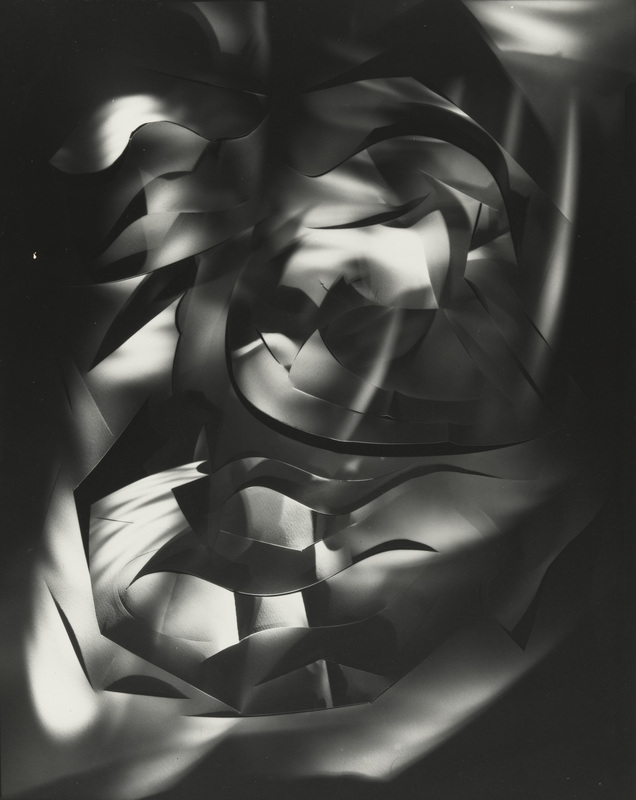
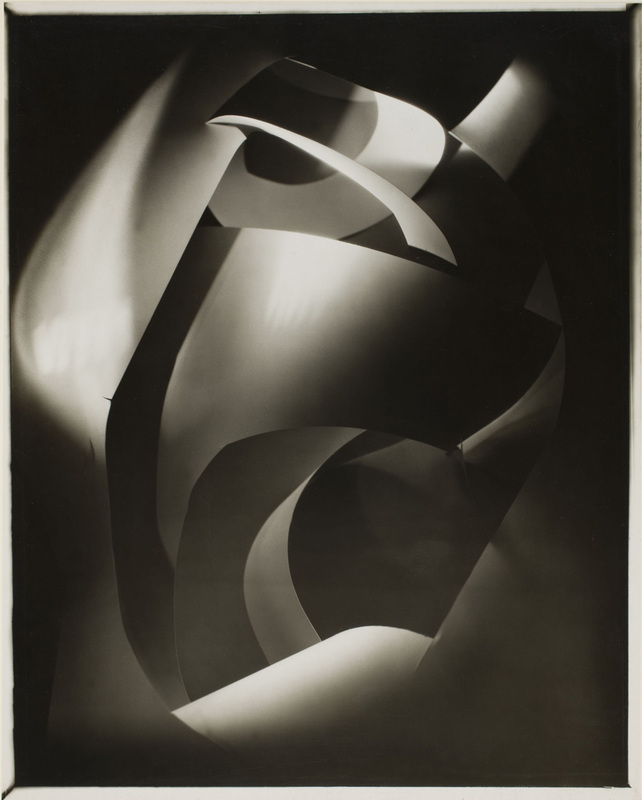
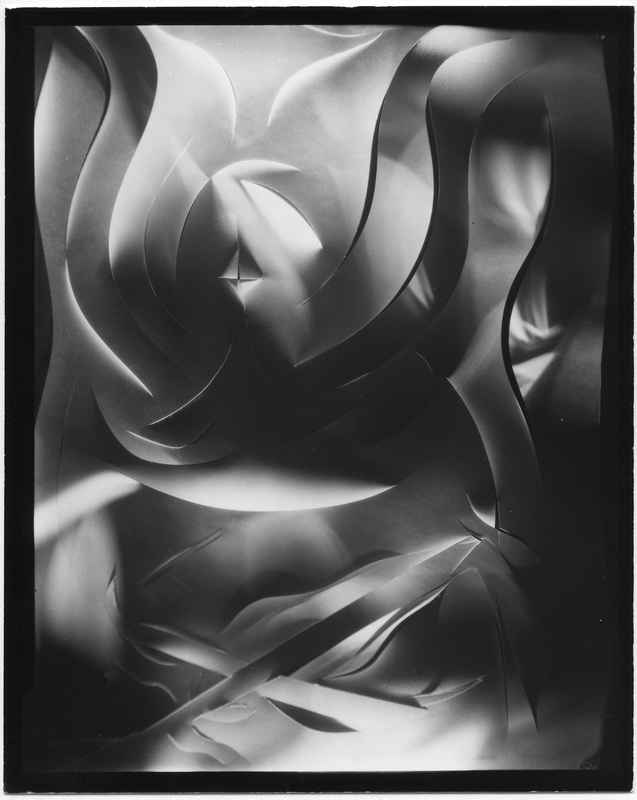
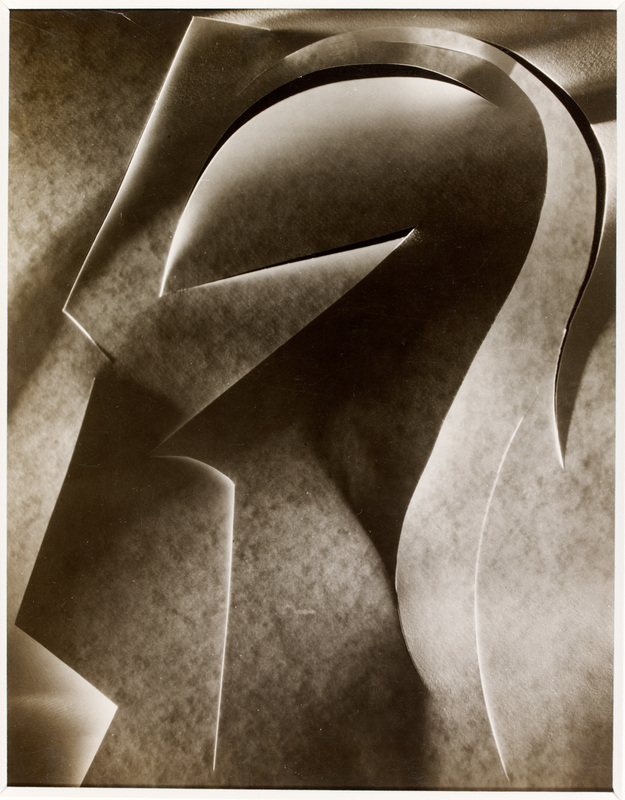

REFLECTIONS: I am having a growing realisation that I will be working a lot with paper. I love the simplicity and the potential of this material and I am continuously amazed by what other photographers can do with it - the versatility and results are so breath-taking and give me this out of this world feeling.
Vjeko Sager
Sager is a contemporary artist whose series ‘Antimatter‘ combines cut paper abstractions reminiscent of those by Francis Bruguière with charcoal drawings. Whereas Bruguière’s images explore dramatic contrasts of light and shade, Sager’s photographs are much lighter in tone. The cuts in the paper are mostly located in the central section of the paper. They tend to be shorter and straighter, producing subtle disruptions of the paper’s surface that remind me of architects’ models.
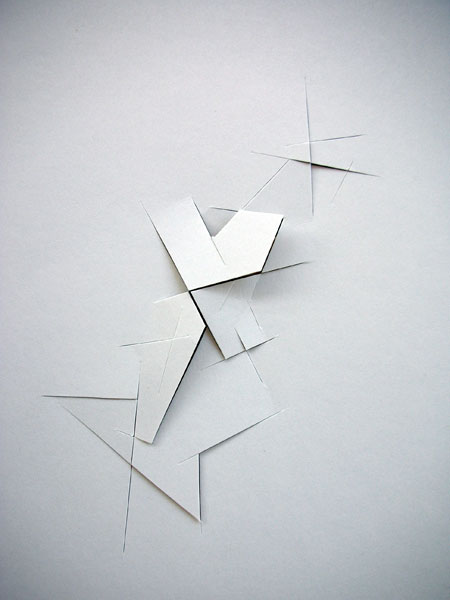

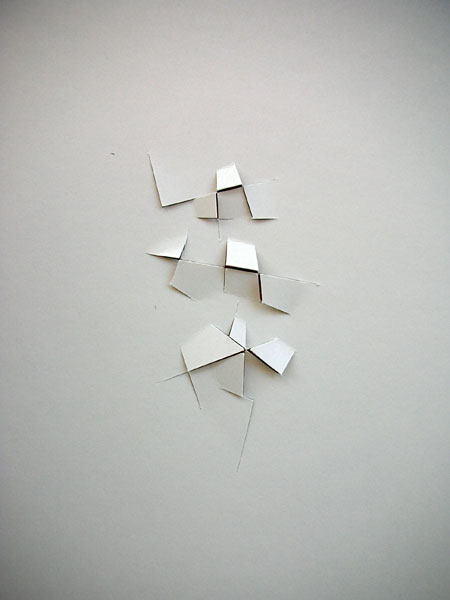
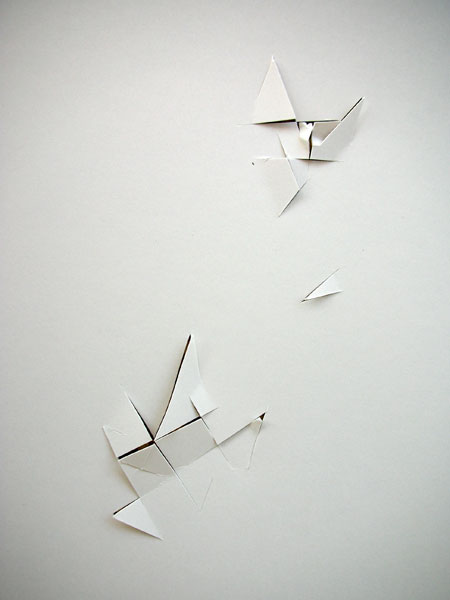


REFLECTIONS: Another fantastic take on the use of imagination and paper. It's very inspiring too, as I have never seen this approach to the material, something I consider to experiment with in my practice.
Jerry Reed
“Over time, I have come to see that what motivates me is the result of my having redirected how I make images, turning from the externally directed position of witness to that of author. In so doing, I accept the entire authorship of the creative process from my creation of the paper sculpture to making of the fine art print. Paper Work, my current three-year project is comprised of twenty-six images. In my studio, I shaped two-dimensional art papers giving them edges and volumes, then lit them dramatically utilizing Fresnel lighting to emphasize their three-dimensional forms. Though ephemeral, my forms are preserved photographically.”
Photographer Jerry Reed cites both Rössler and Bruguière as influences on his work. His objective and analytical approach to documenting visual effects may reflect his early career as a scientist.
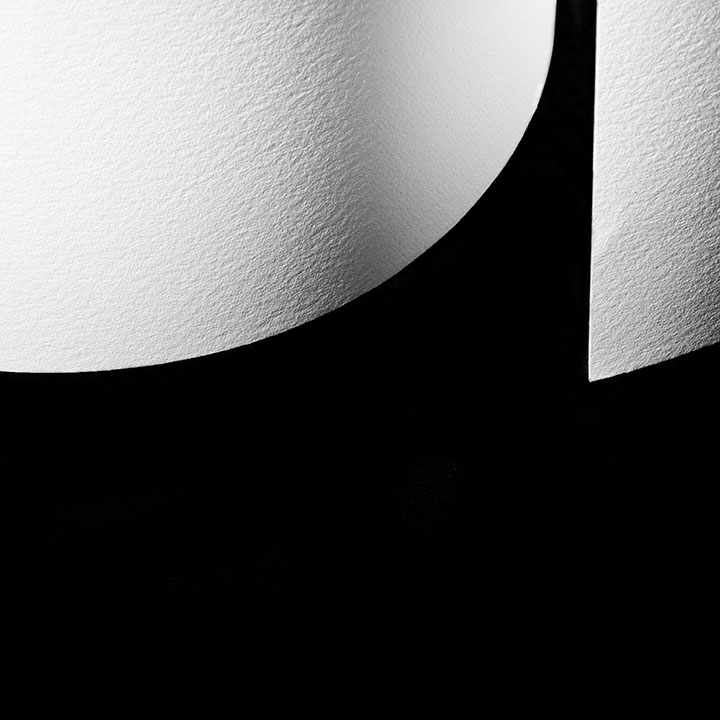
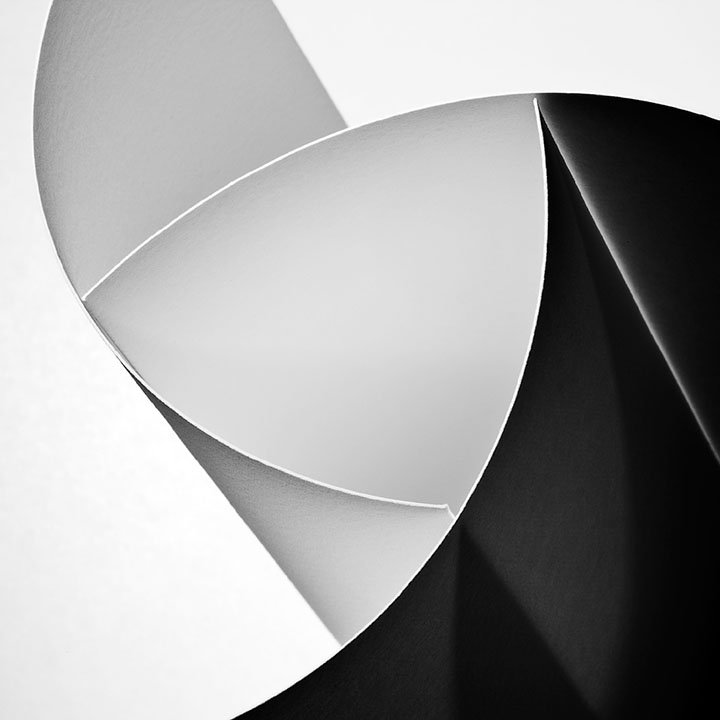



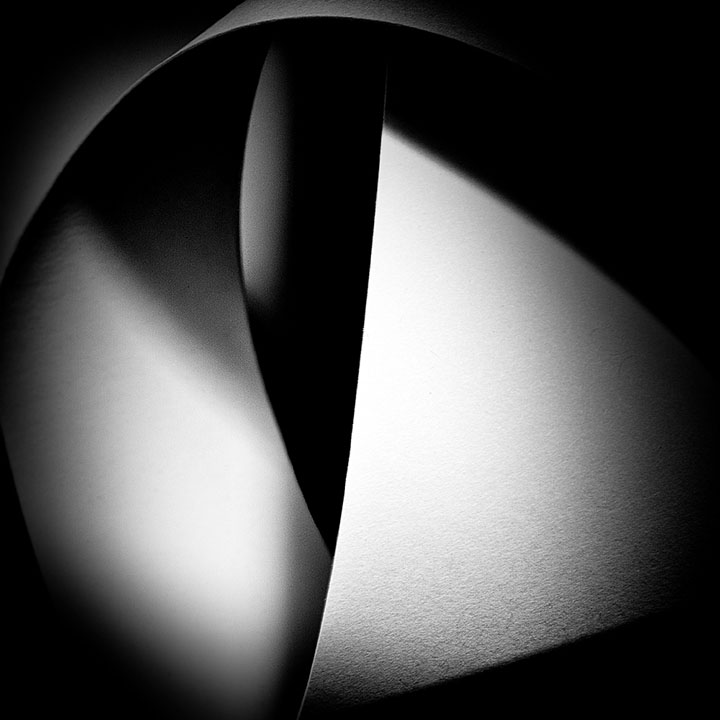
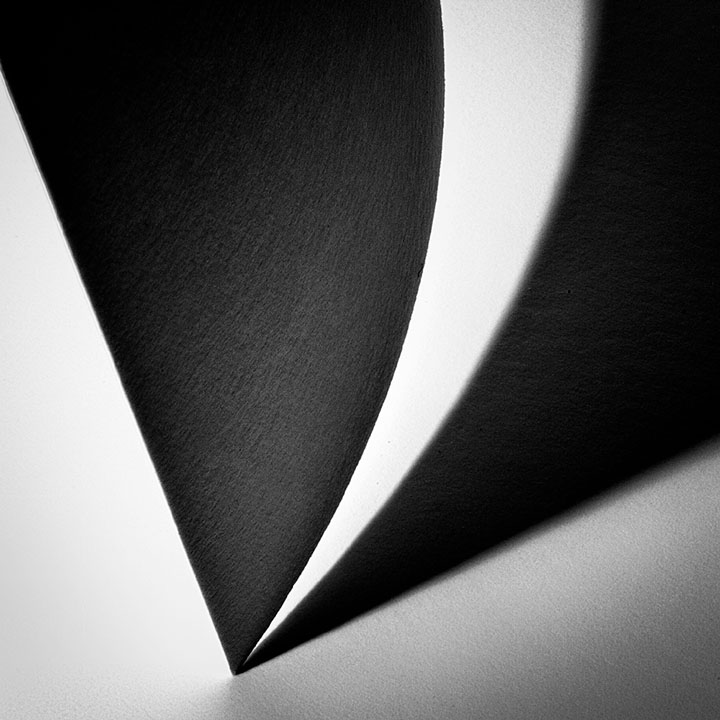
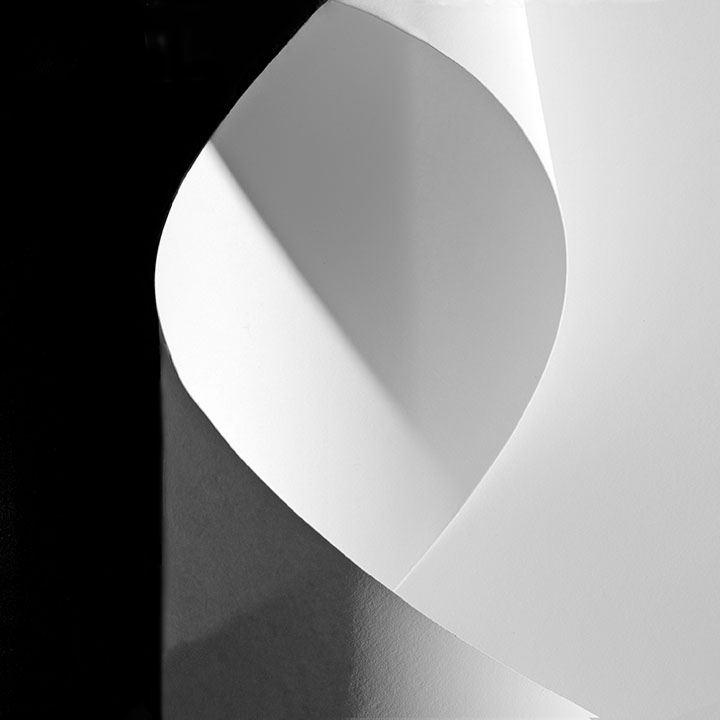

Question from the article is – what is Fresnel light?
Why you need a Fresnel for Portrait Photography
In today’s video I am going to discuss what a Fresnel is, and how it shapes light. Long a staple of the film industry, a Fresnel a great choice the next time you want to create hard light that resembles sunlight, yet is more forgiving – making it the perfect choice for a beauty photoshoot.
REFLECTIONS: I love the textures on this one, and plan on renting a macro lens for my Mamiya camera in order to create some work based on this sort of light and shadow and paper play. The possibilities are endless!
Tamara Lorenz
German artist Tamara Lorenz creates various constructions which she then photographs to exploit their abstract properties. The addition of strong planes of colour provide another source of contrast in addition to those of line, shape, tone and texture.
Rather than photographs of things, each image seems to create its own reality. Consequently, the viewer is unable to recognise a conventional subject and is occupied with the business of looking.
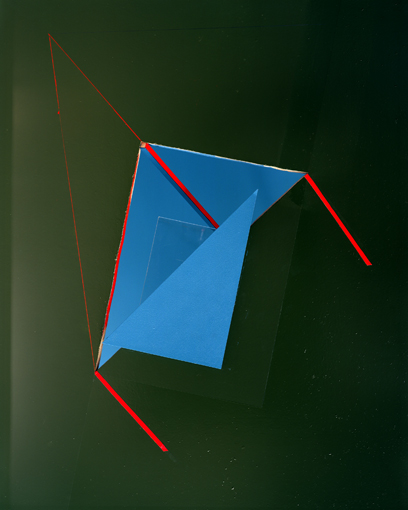
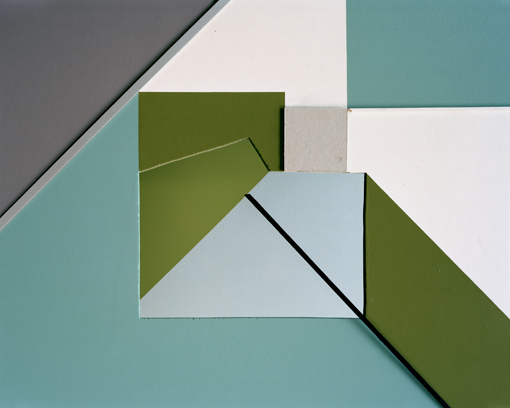
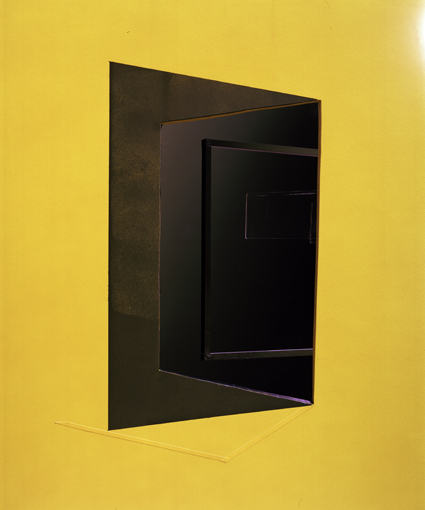
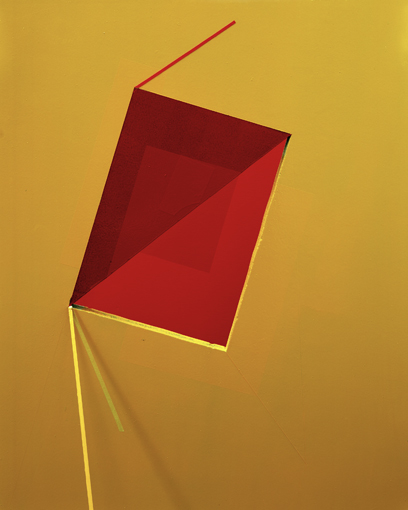
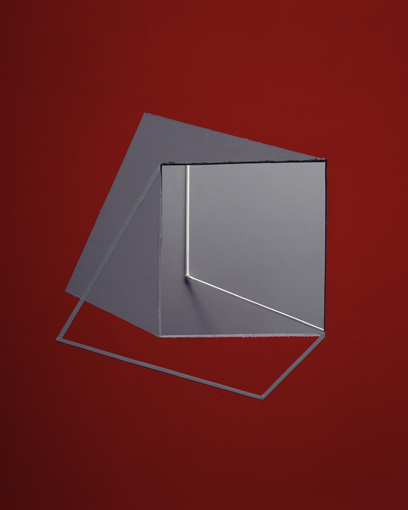
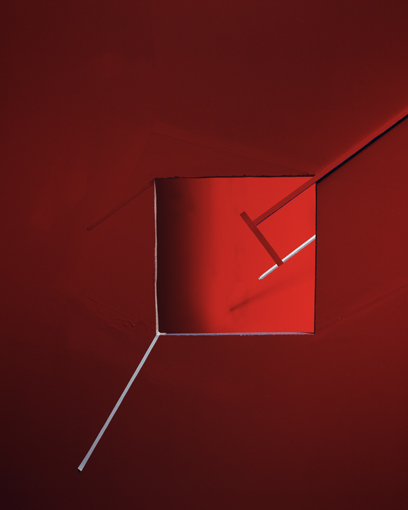
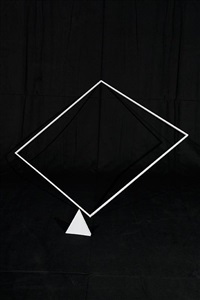
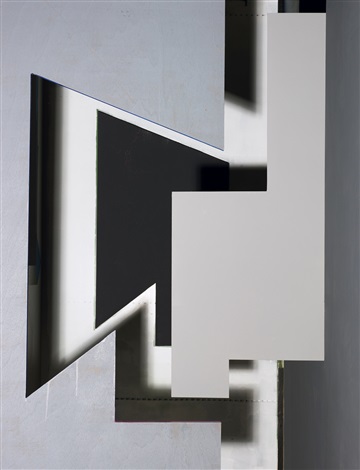

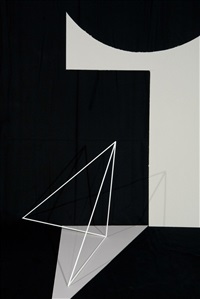
REFLECTIONS: A more colour inspired paper compositions. I still like them and appreciate them, but my eye is instantly drawn to the monochrome ones. What is it about black and white, reality stripped naked, that fascinates me so much and makes me feel so much more than any colour does (when it comes to art)?
James Welling
Although these images, entitled ‘Abstract Photographs‘ resemble sheets of paper they are, in fact, made from filo (phyllo) pastry dough. The artist explains: “A lot of my work is intuitive and comes from just trying different things. With the money from the sale of my first aluminum foil photograph, I bought a wooden 8-by-10 camera and started photographing draped cloth. At the same time I was also photographing crumpled shards of dry phyllo dough. Without much premeditation, I combined the two, and sprinkled dough on the draped cloth. Against the dark fabric, the dough suggested, perhaps, torn book pages from the diary I’d photographed, or geological debris fallen from above.” Welling has also experimented with other unlikely materials such as tinfoil, gelatin and ceramic tiles.


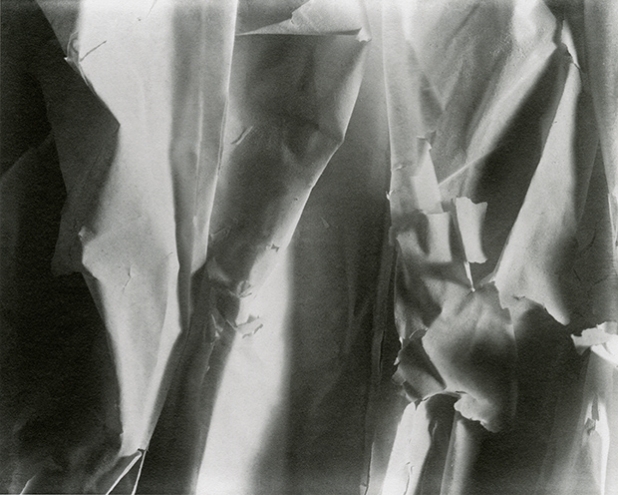
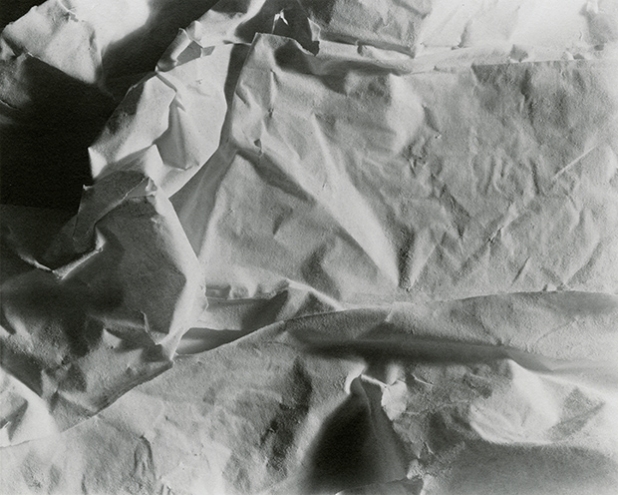
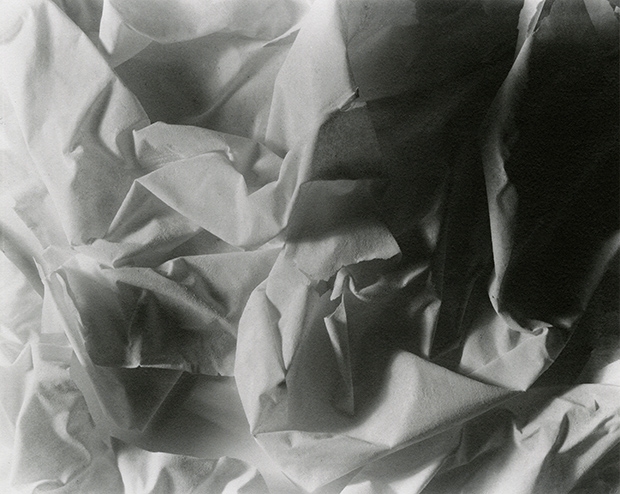

REFLECTIONS: Interesting take on materiality of pastry dough and cloth in order to resemble paper. Kind of reverse of the approach seen in work of previous artists, where they manipulate paper in order to resemble something else. We just love to disguise things, create new worlds, play and confuse. It's what being an artist is !
Brendan Austin
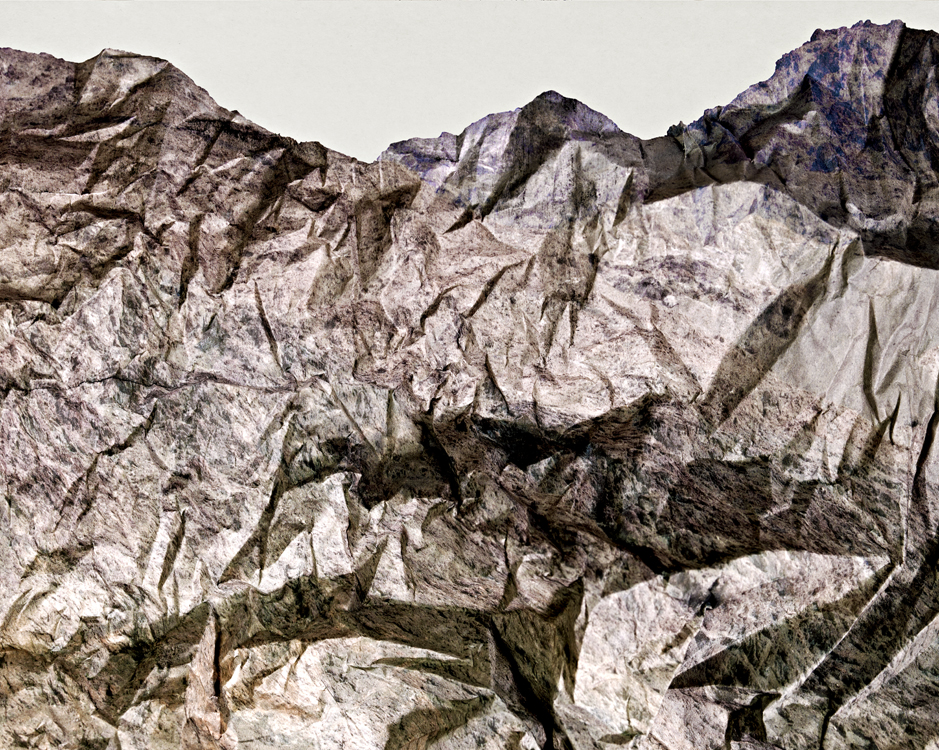
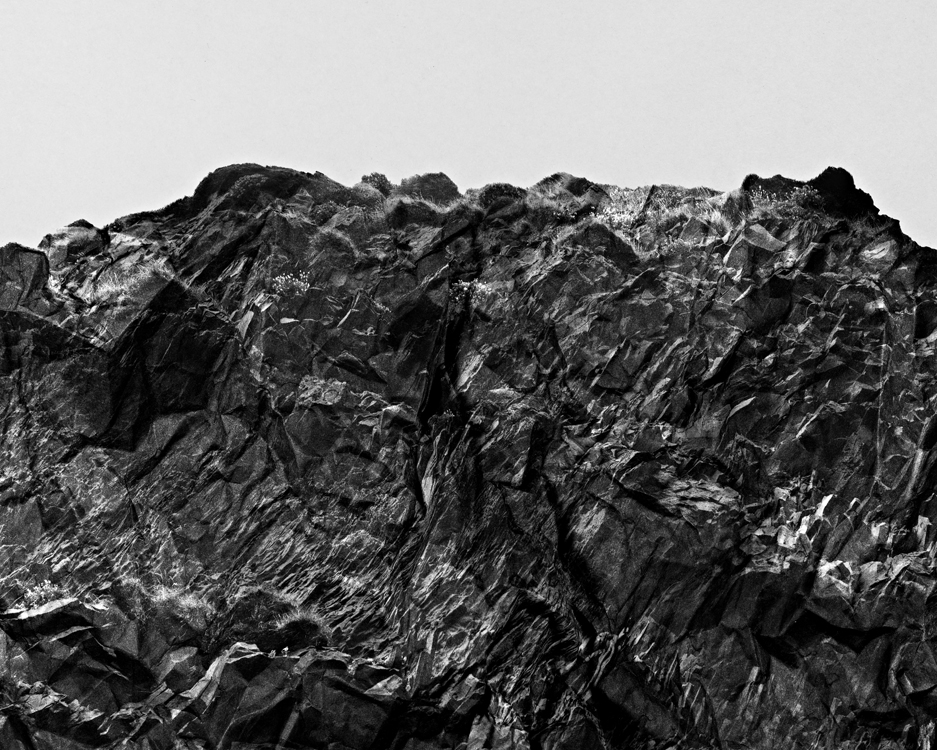
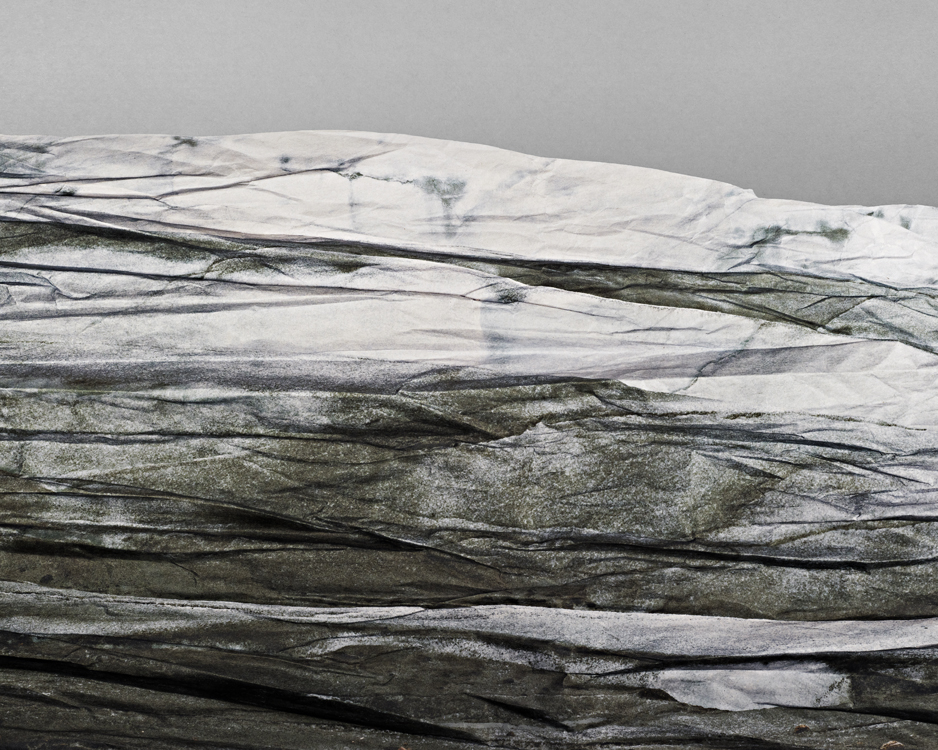
Brendan Austin creates imaginary landscapes out of crumpled pieces of paper. He calls them ‘Paper Mountains‘. Austin examines what we mean by nature and the way humans have impacted upon it. “The isolated desert city running on oil generators, the mars like landscapes of a volcanic environment and the mountains made from paper all attempt to start a conversation concerning the loss of meaning and reality.” The resulting images appear both recognisable as landscapes but also suggest a sense of artifice. Humble materials are made to carry an important message.



Aperture Panel: Abstraction in Photography, Hammer Museum
From the beginning, abstraction has been intrinsic to photography, and its persistent popularity reveals much about the medium. Artists Susan Rankaitis and James Welling and UCLA Associate Professor of Art History George Baker debate a host of approaches to the abstract photographic experience in this panel discussion moderated by Lyle Rexer, the author of The Edge of Vision: The Rise of Abstraction in Photography.
REFLECTIONS: As many people there are, there are that many ways to reflect in their own ways to a subject or material. It gives me an idea to organise an exhibition in response, instead of the theme, prompt, to the material. I think it would be very interesting to see how different artists in my nearest environment would respond to this idea. Perhaps something to develop in the second semester as part of my creative practice.
EXHIBITIONS
During the summer in Spain and in the UK, and over the months of our first semester, I attended many exhibitions to broaden my horizons and inspire my art. Each of them is unique in its way and absolutely invaluable to my progress.
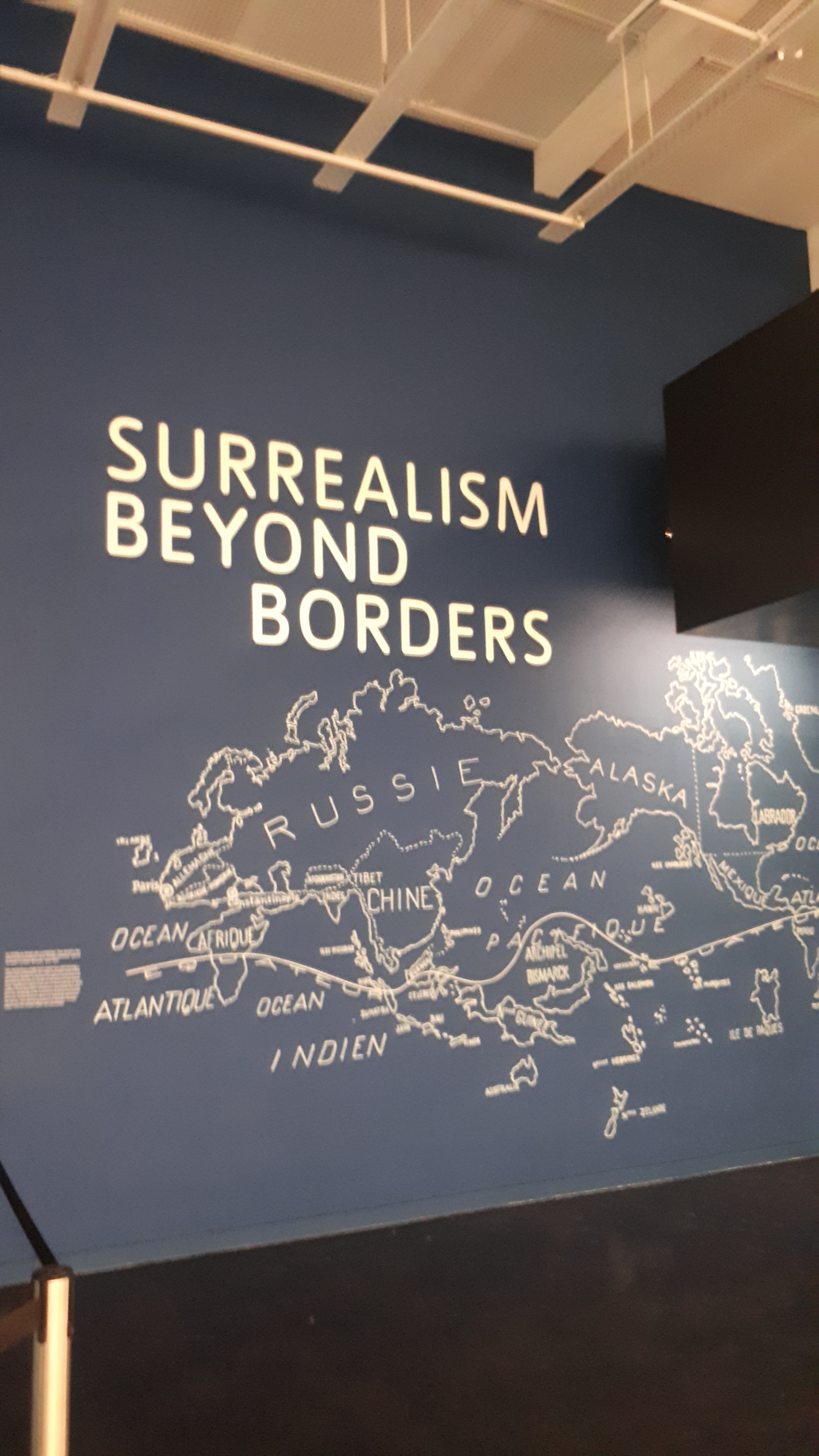
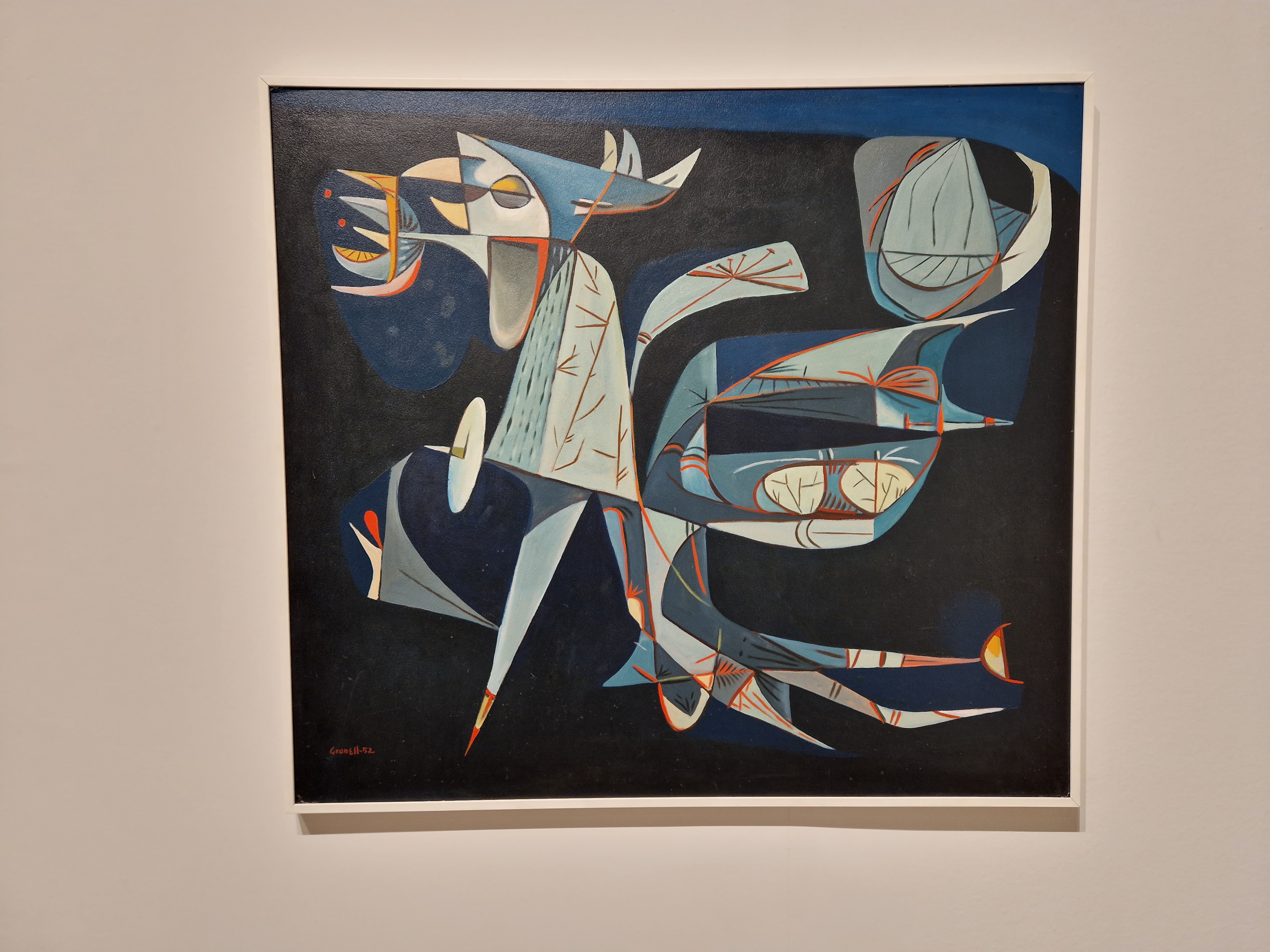
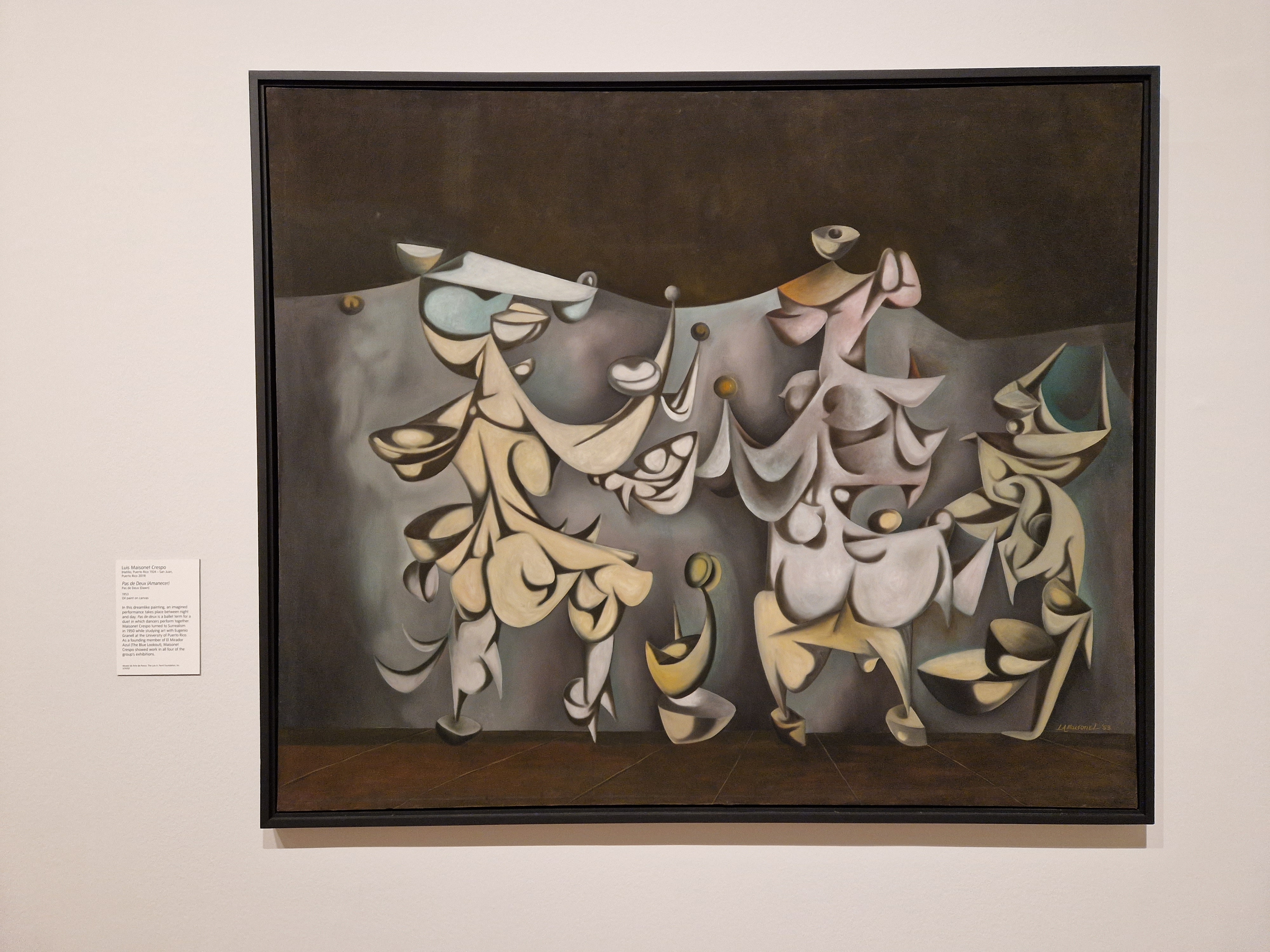
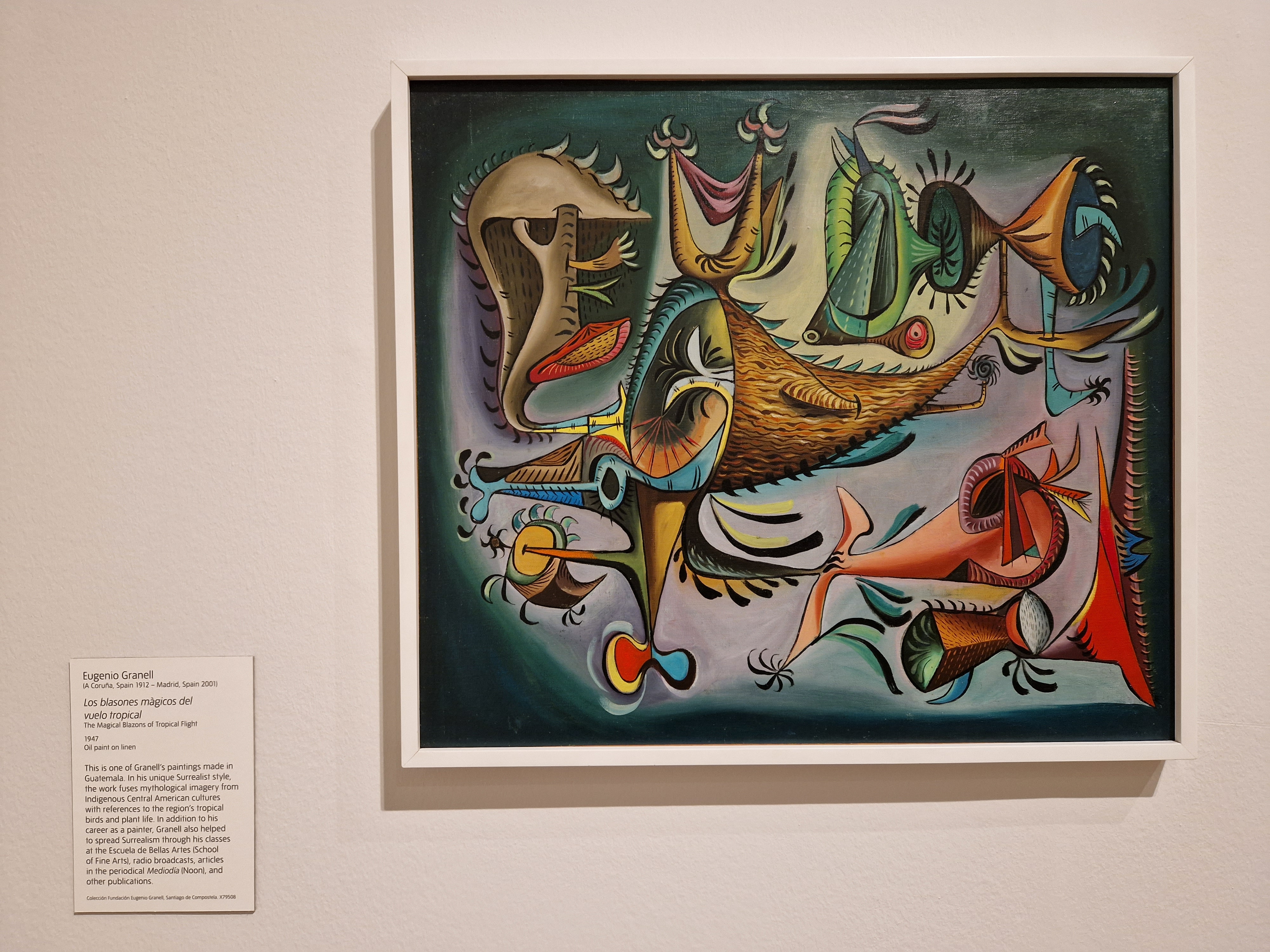
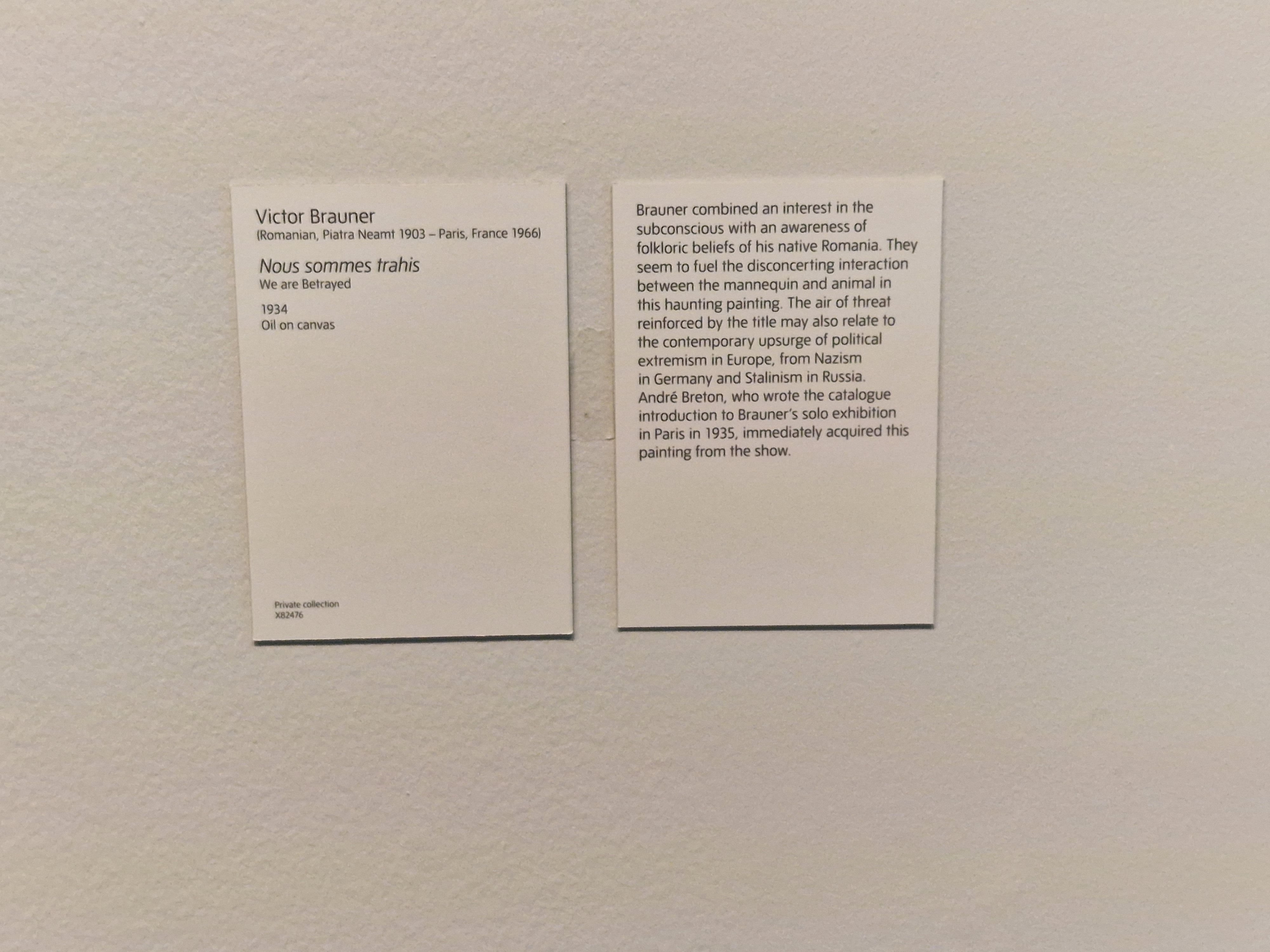
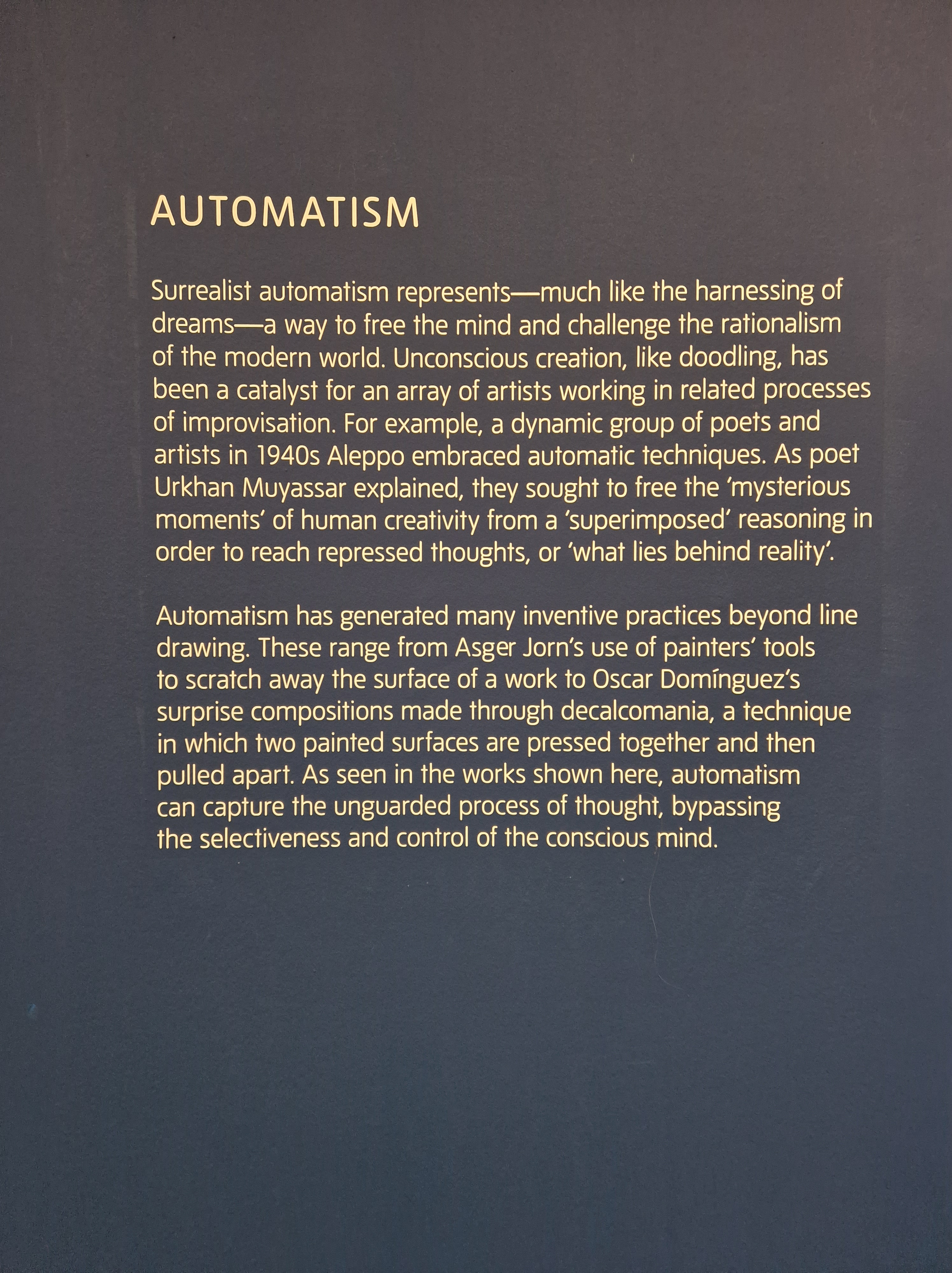
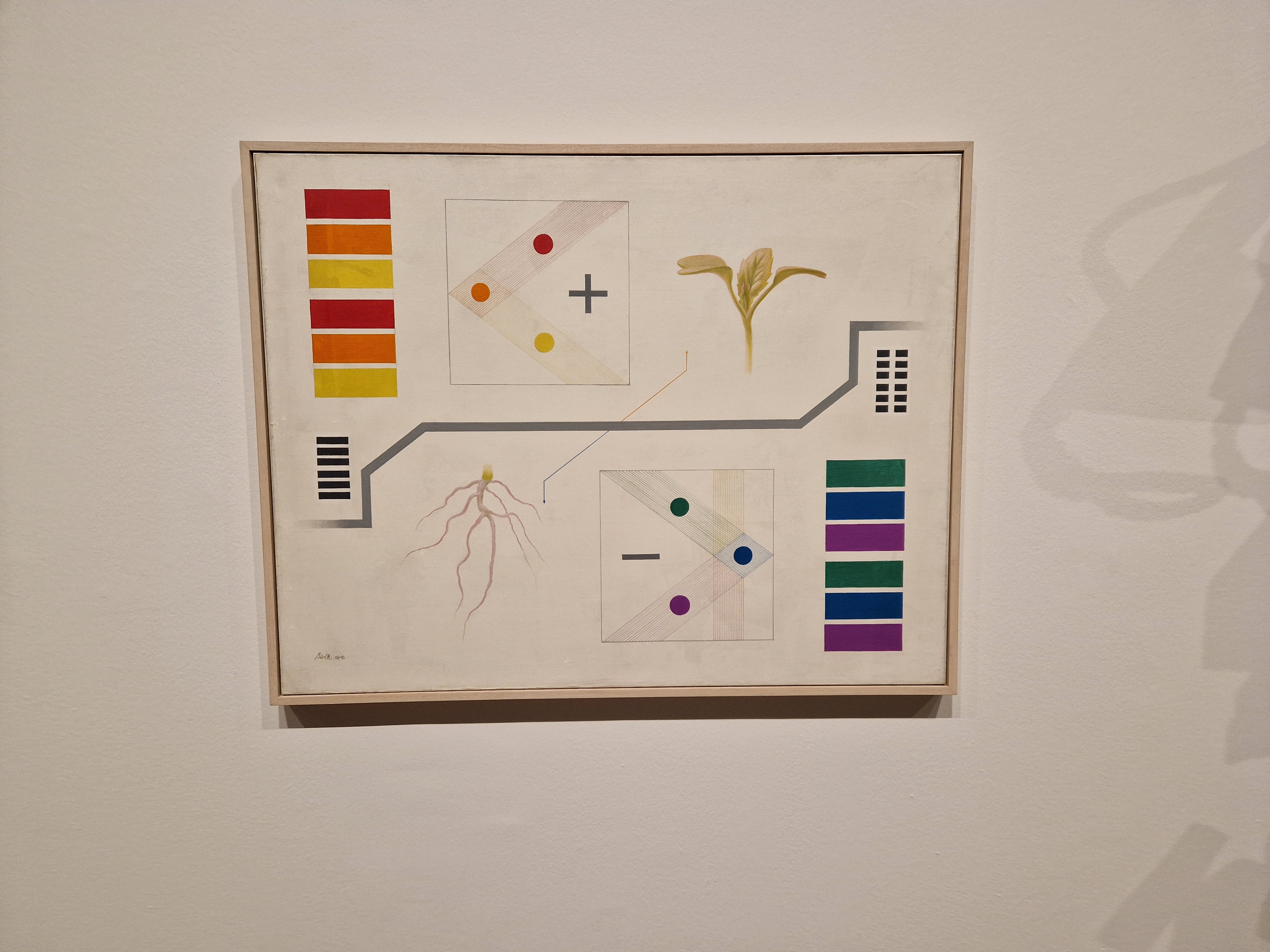
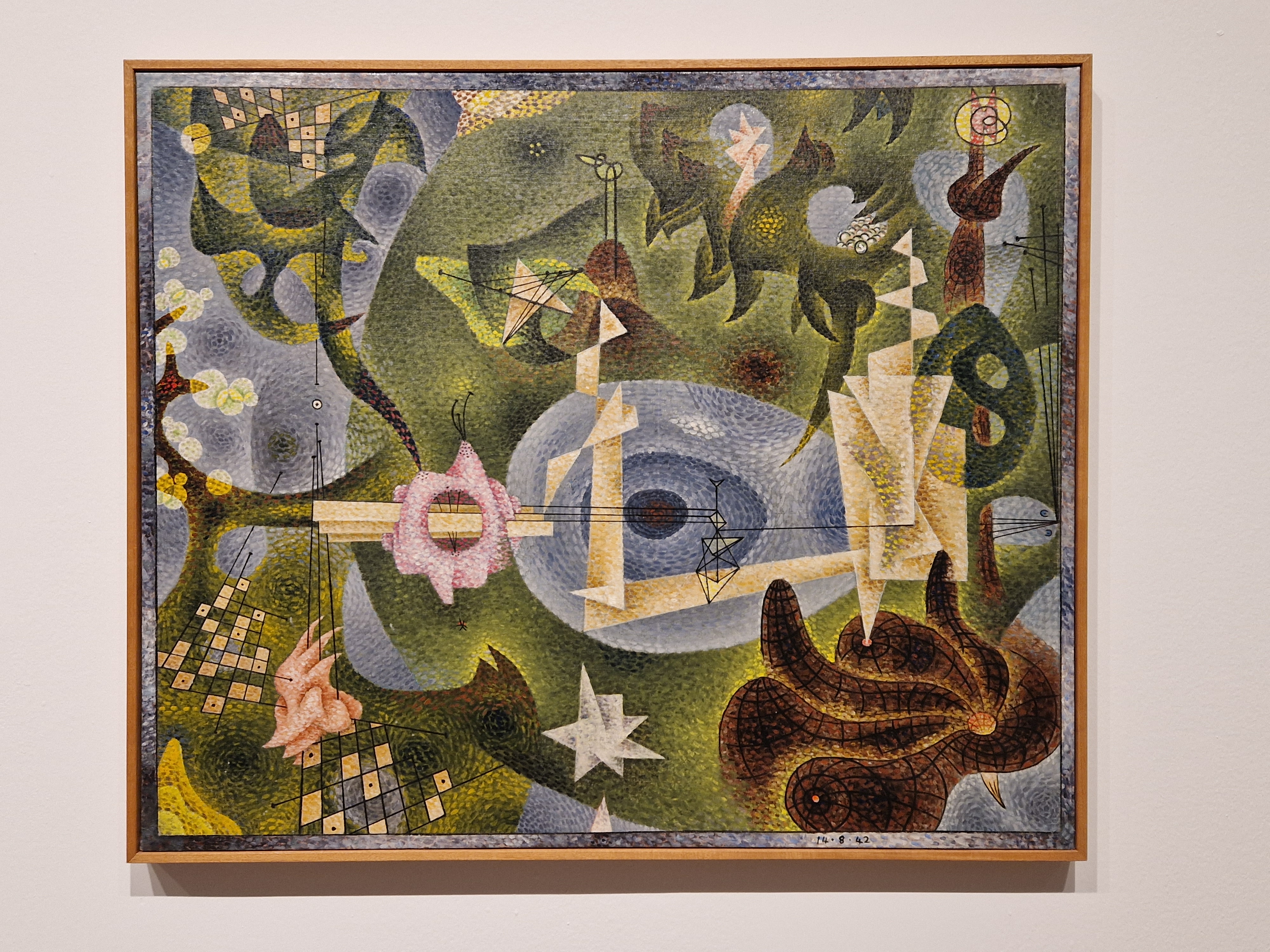
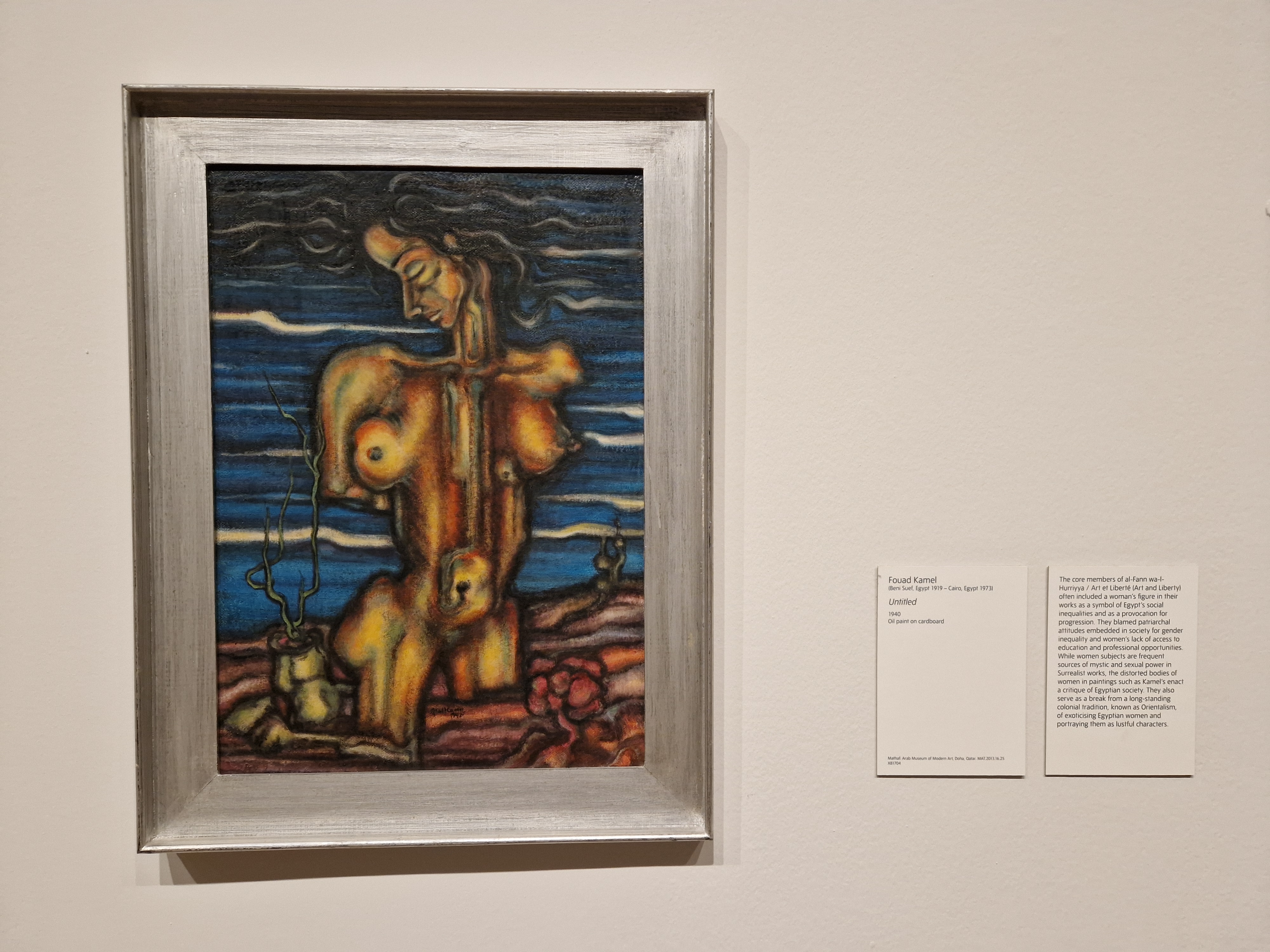
SURREALISM BEYOND BORDERS AT TATE MODERN
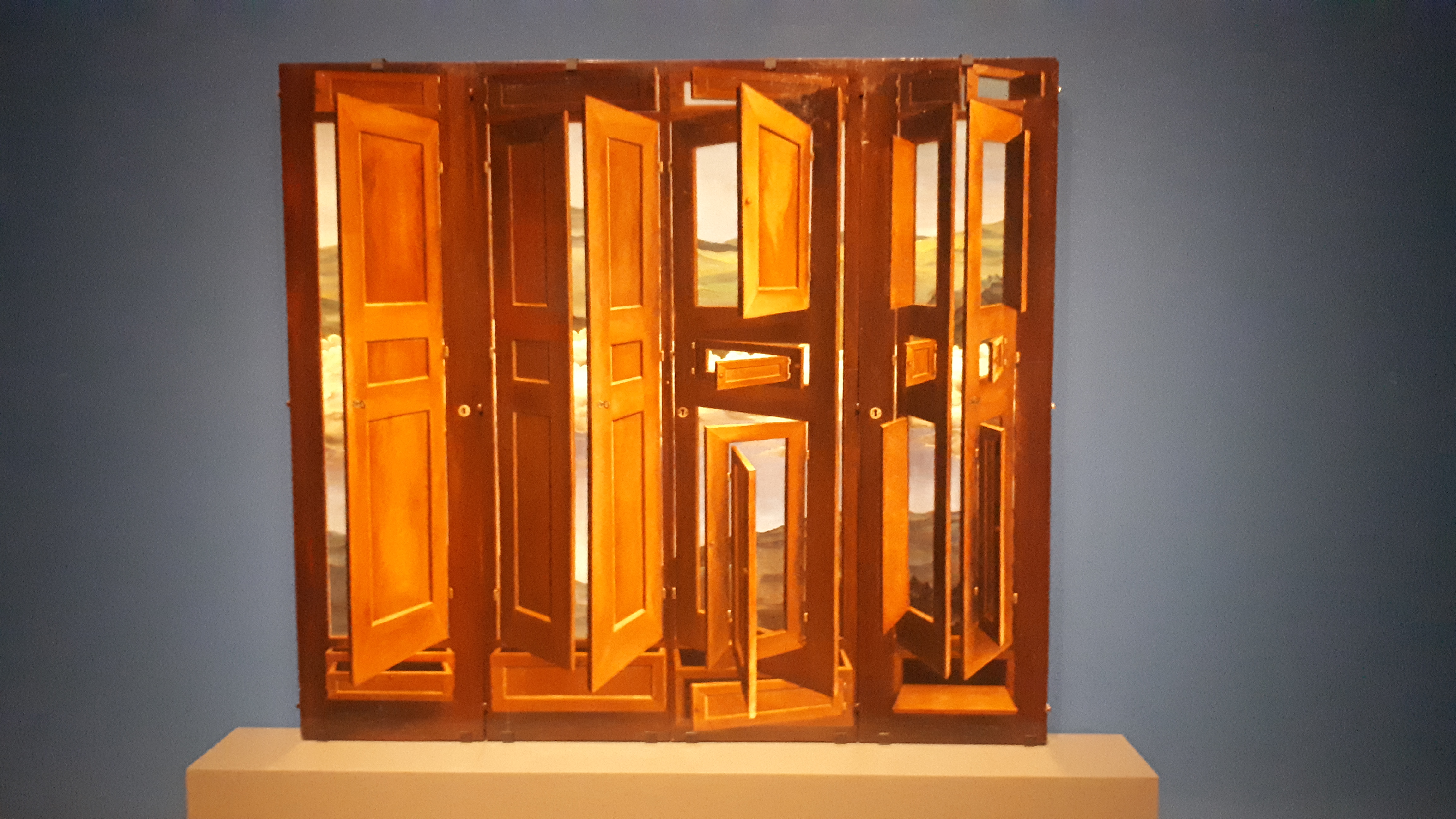
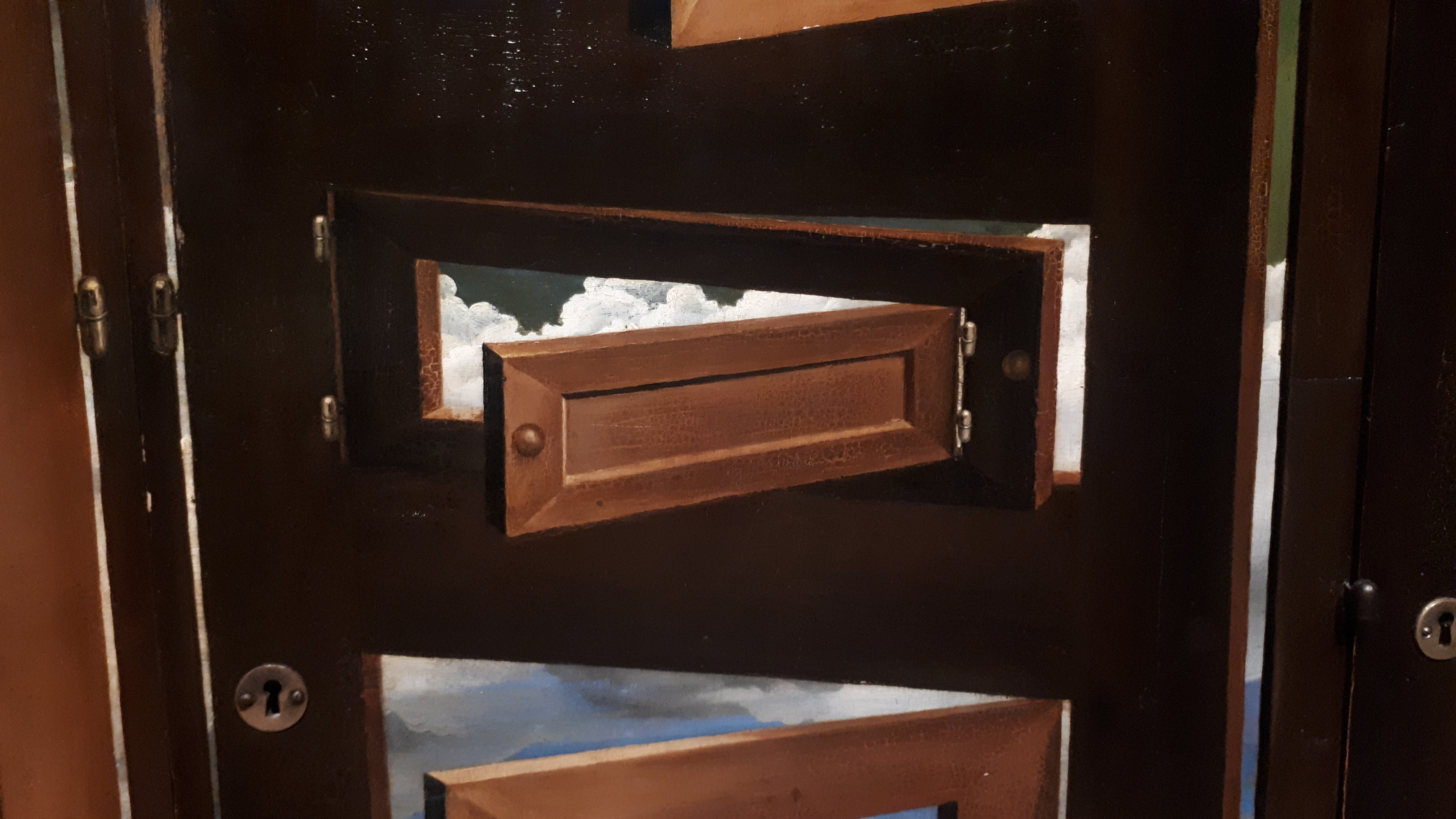
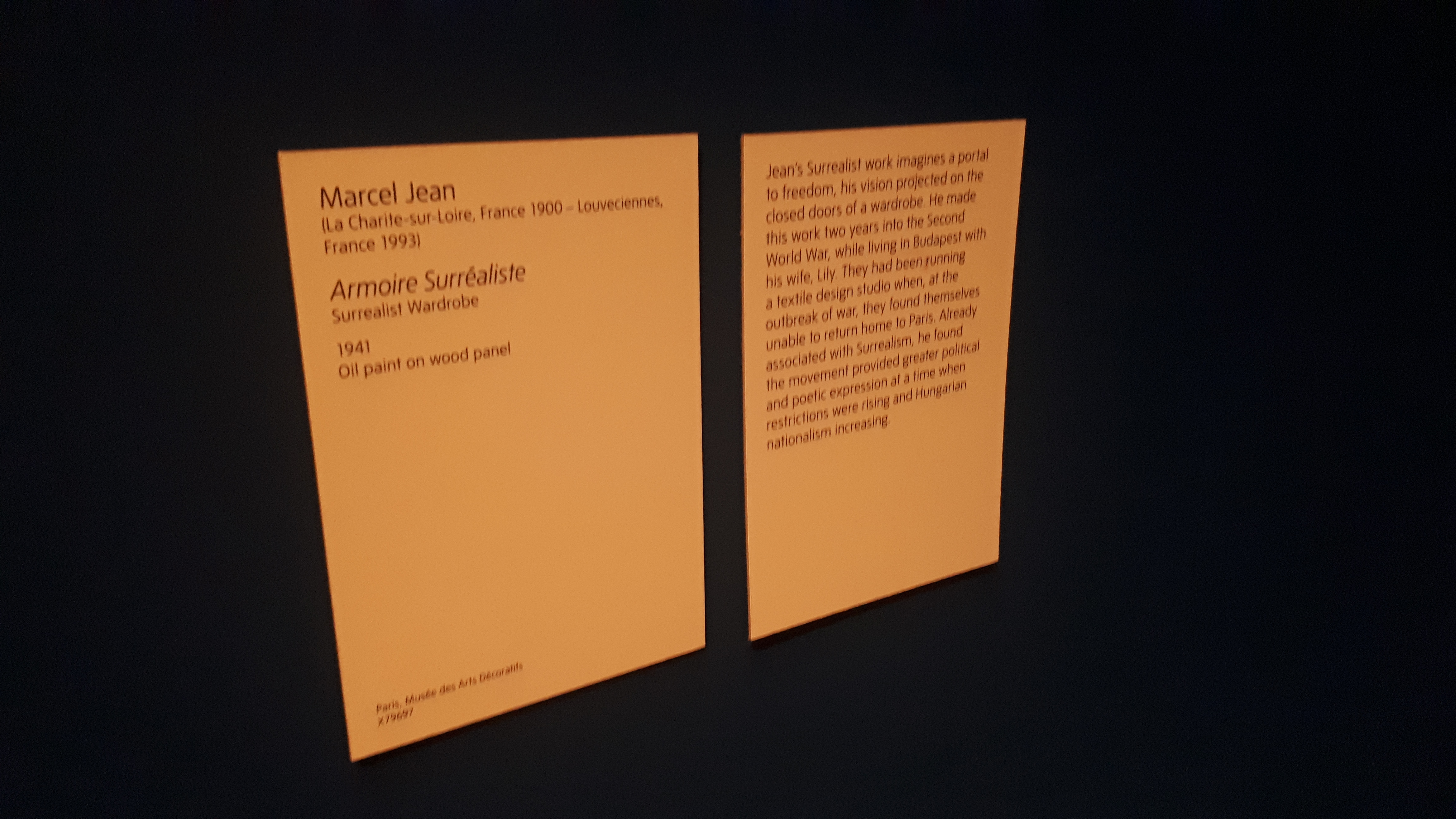
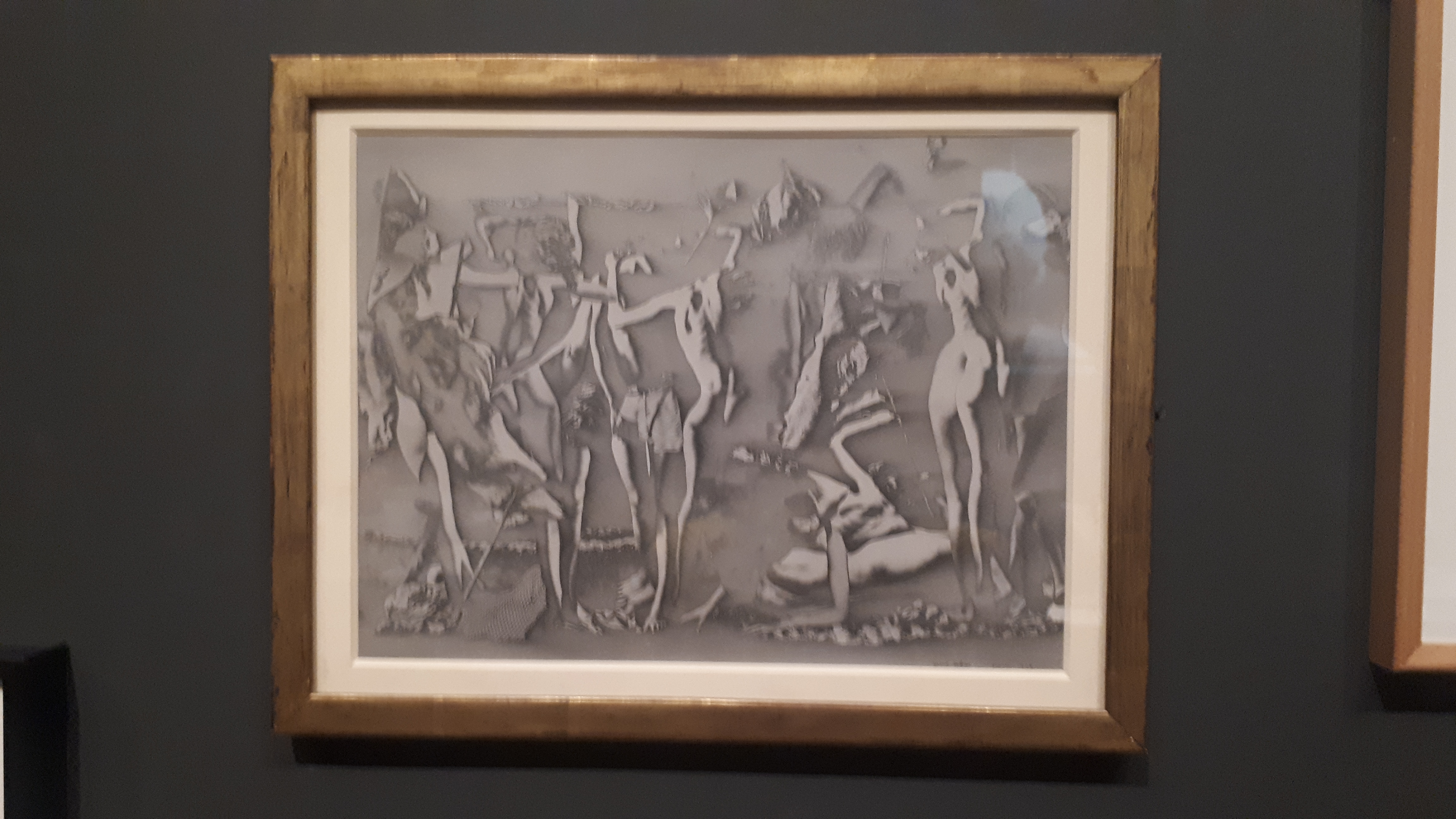
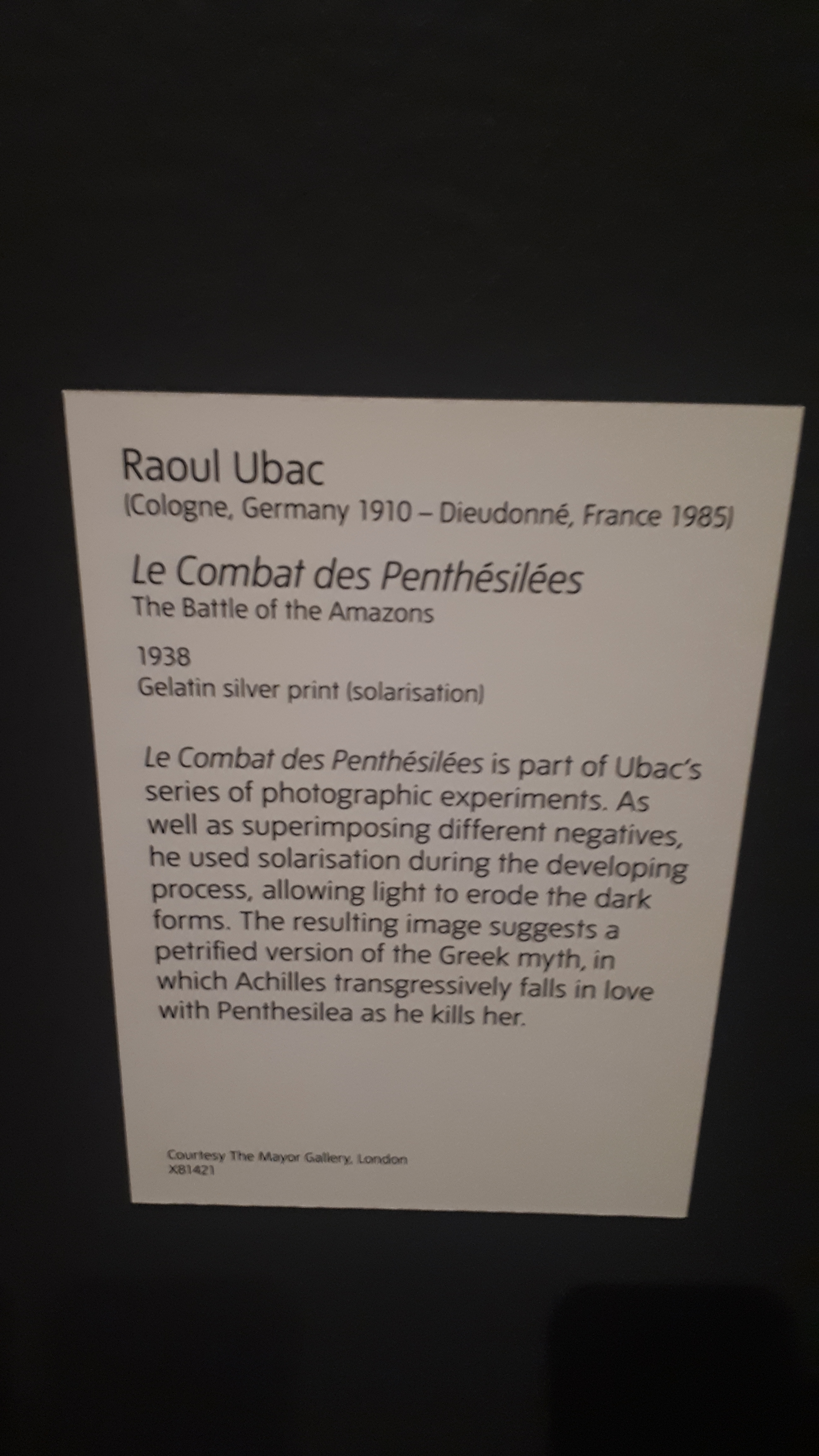
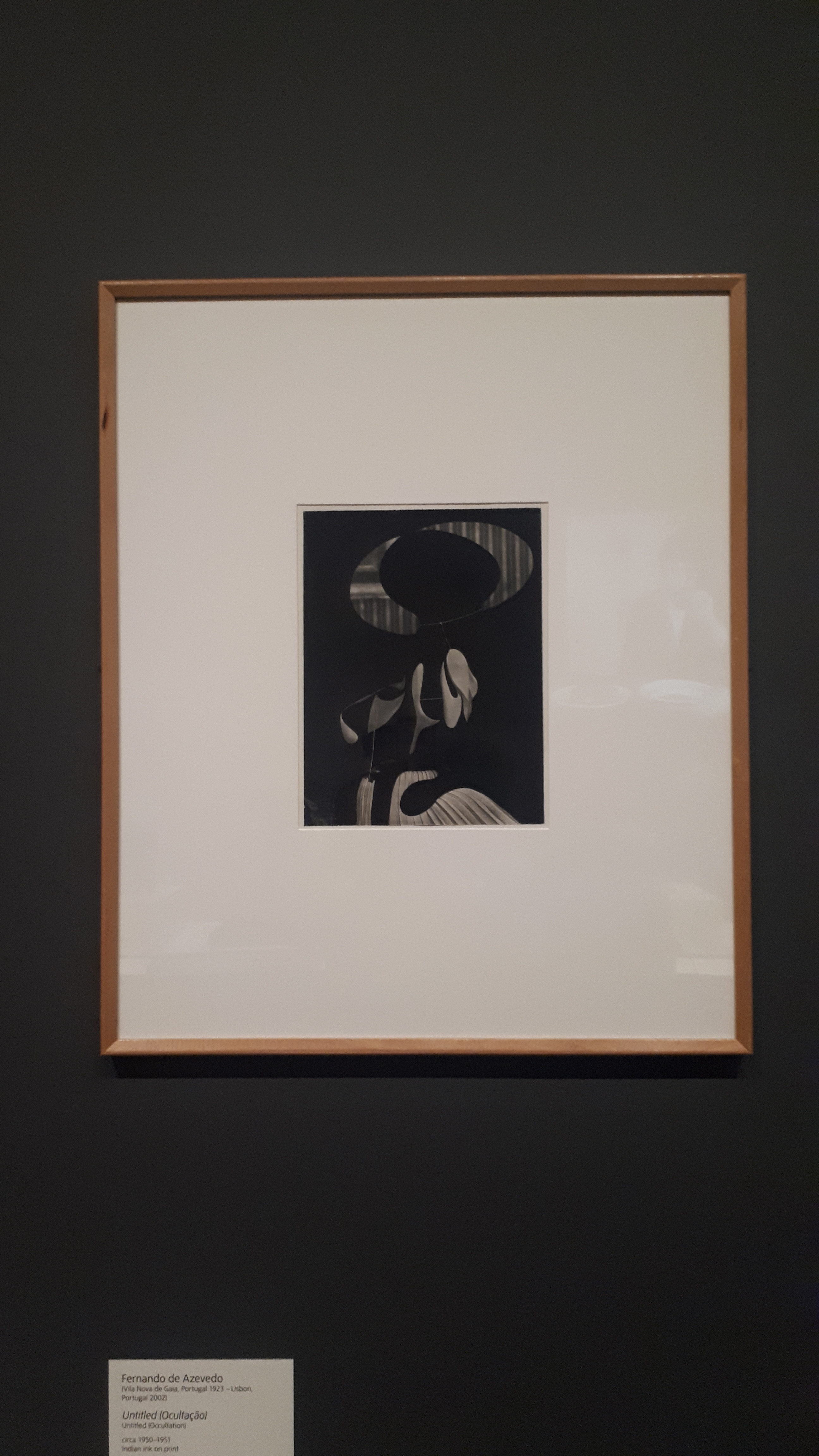

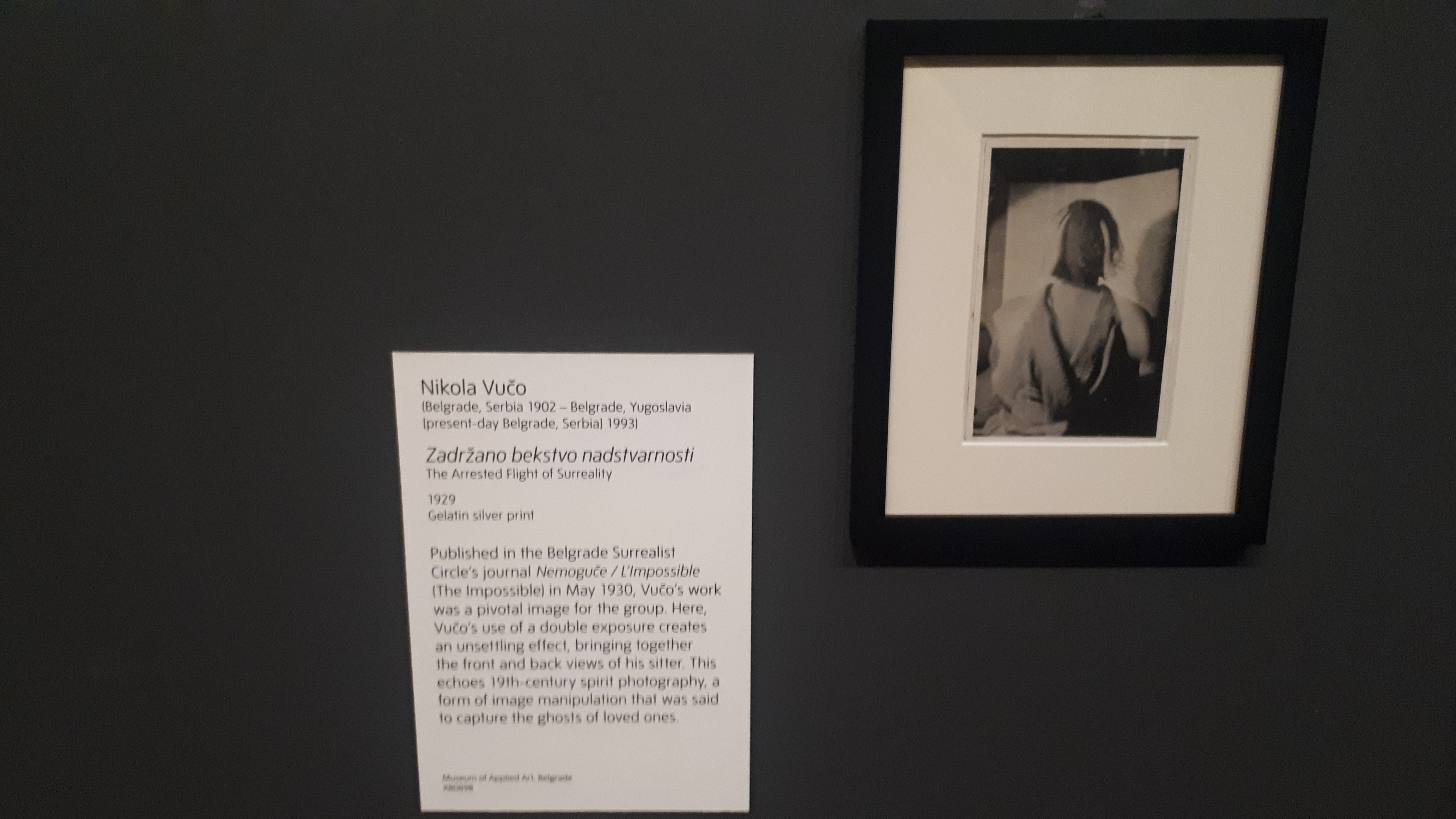
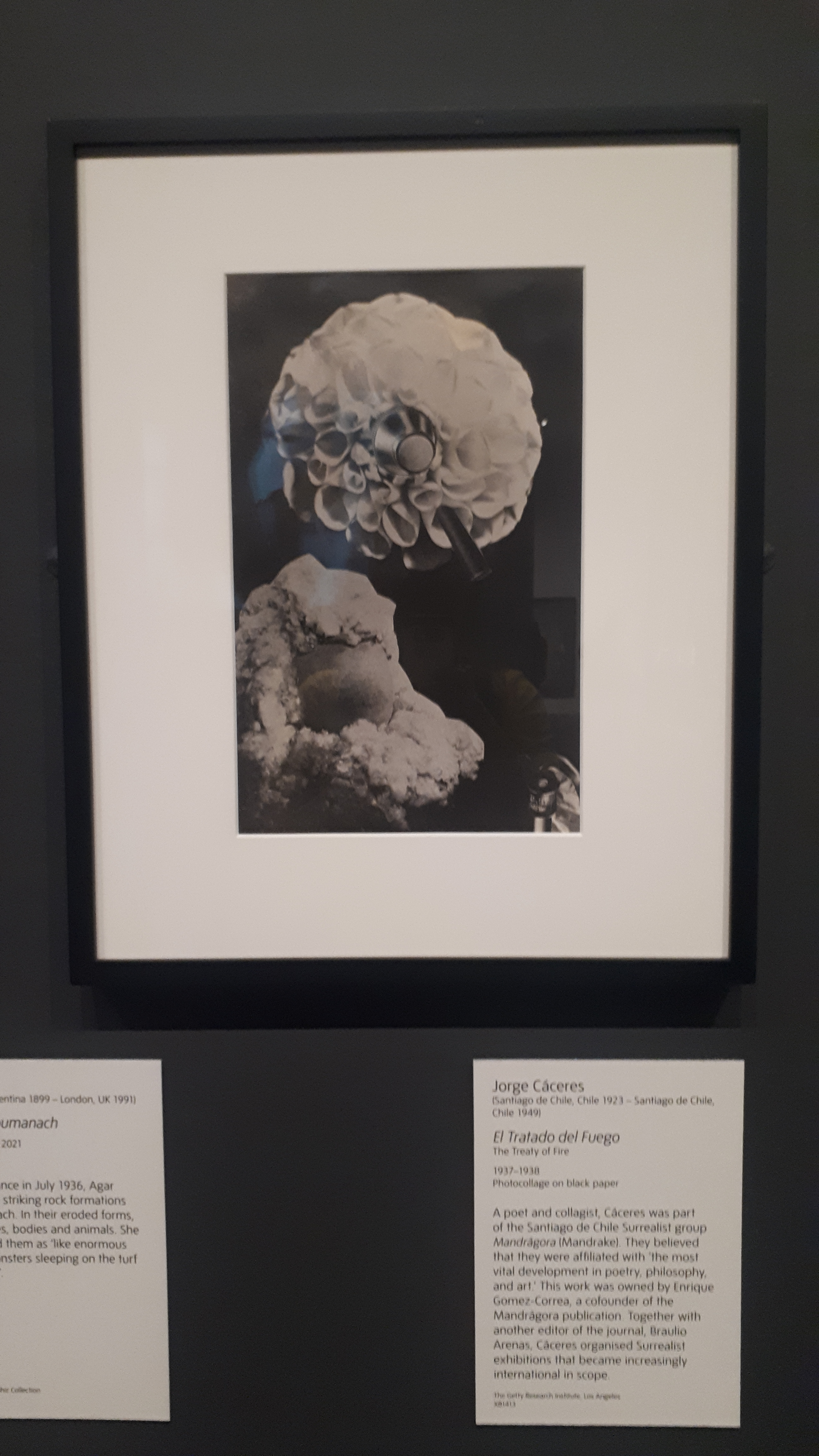

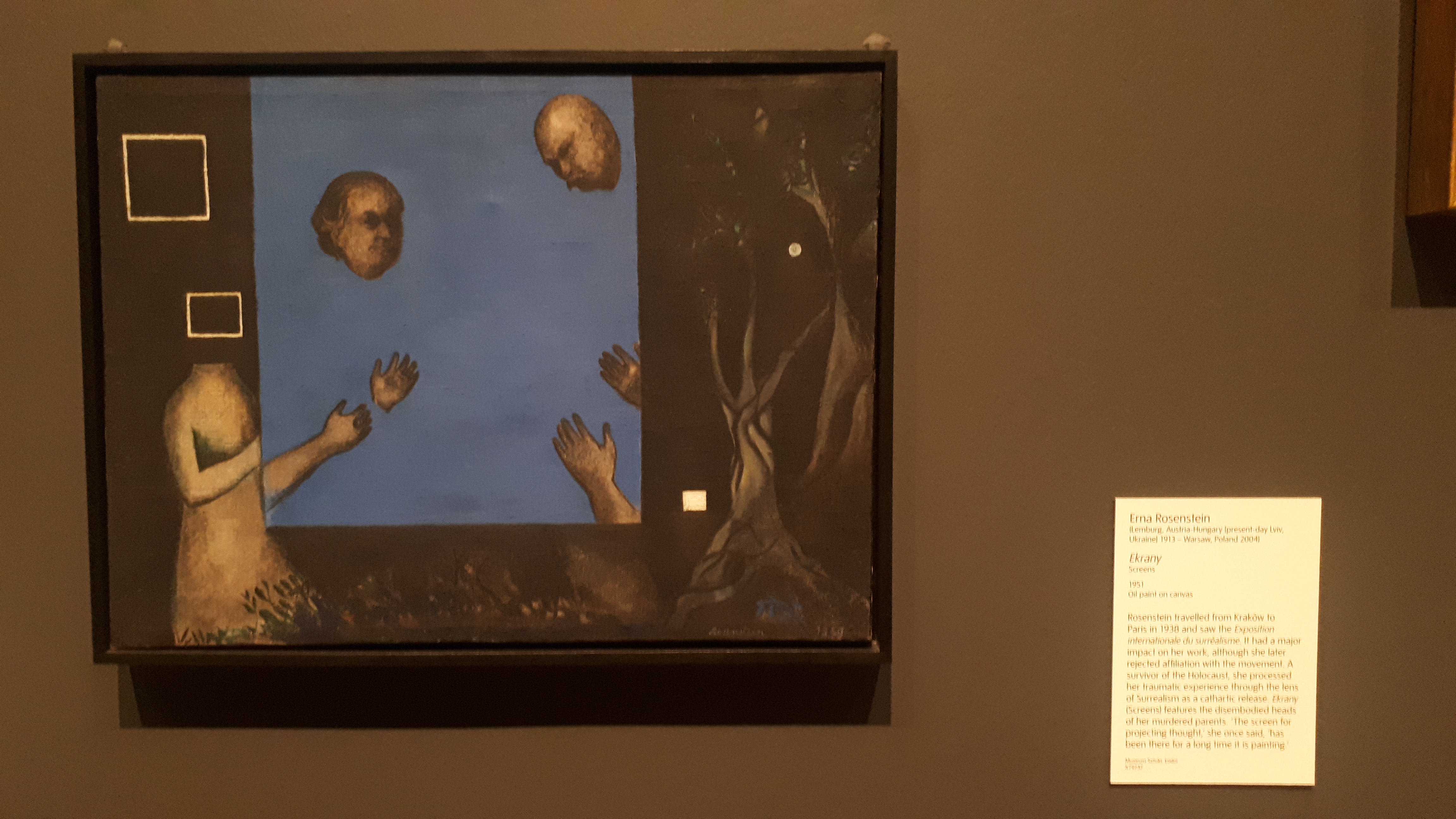
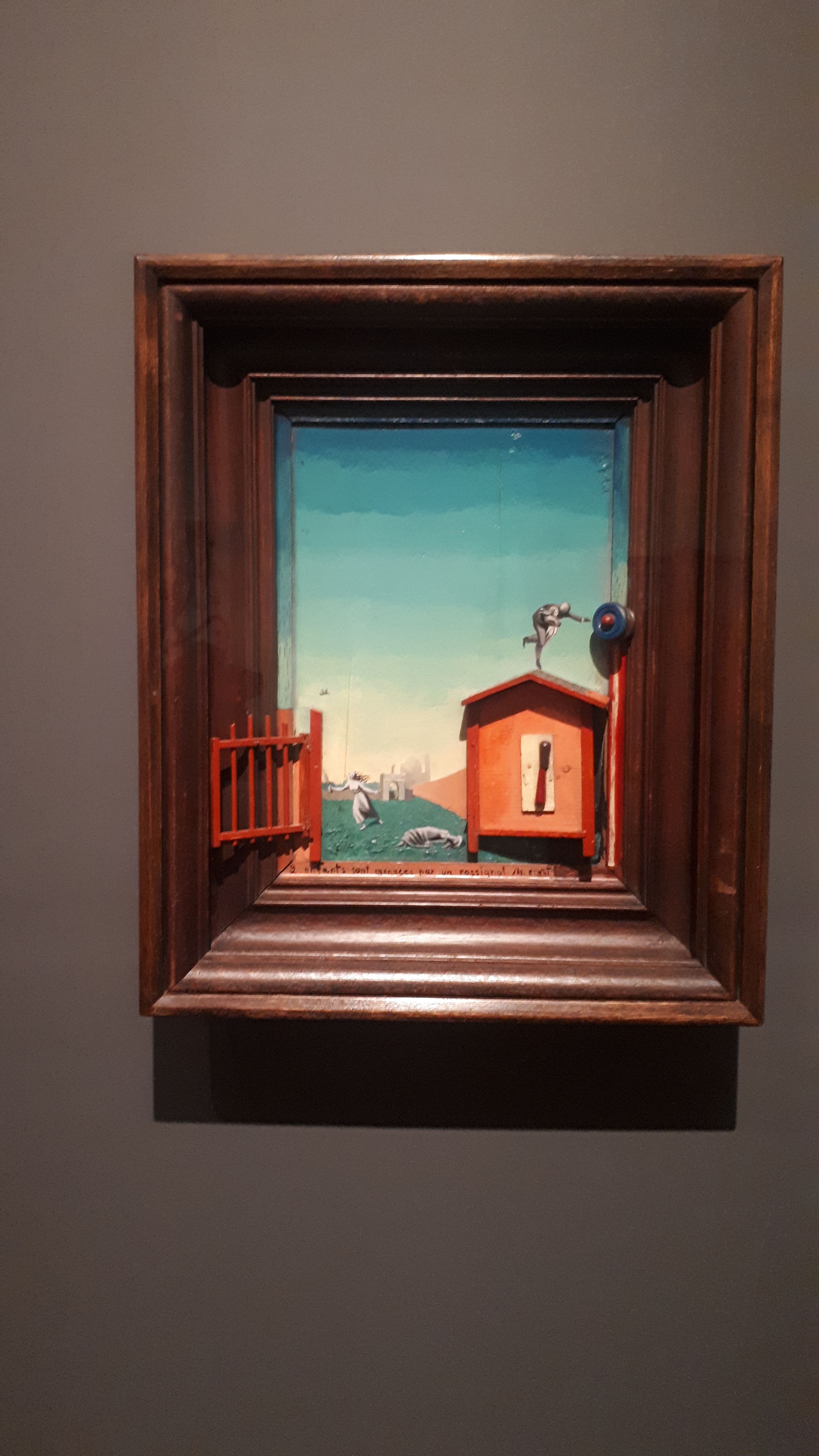
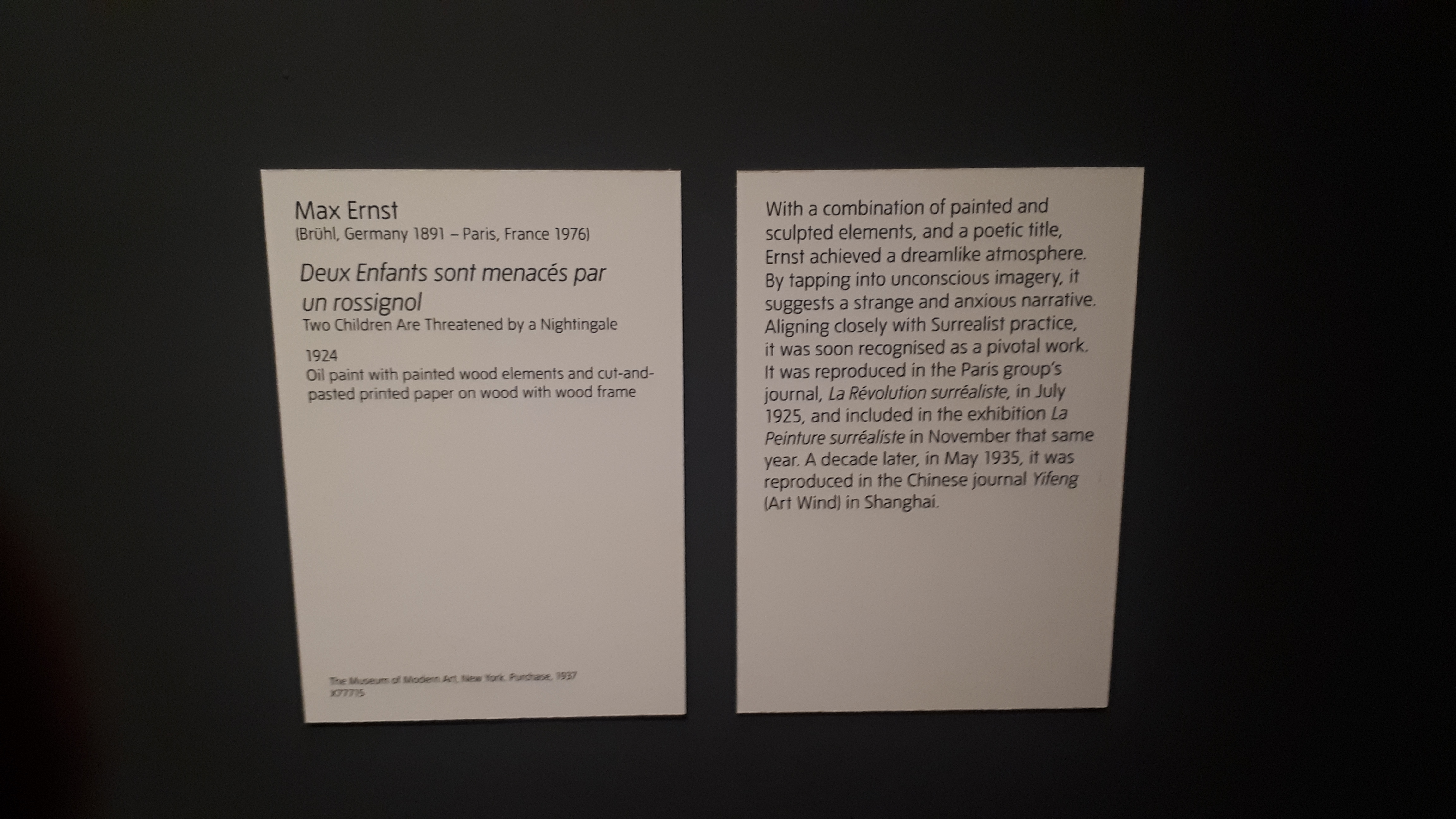
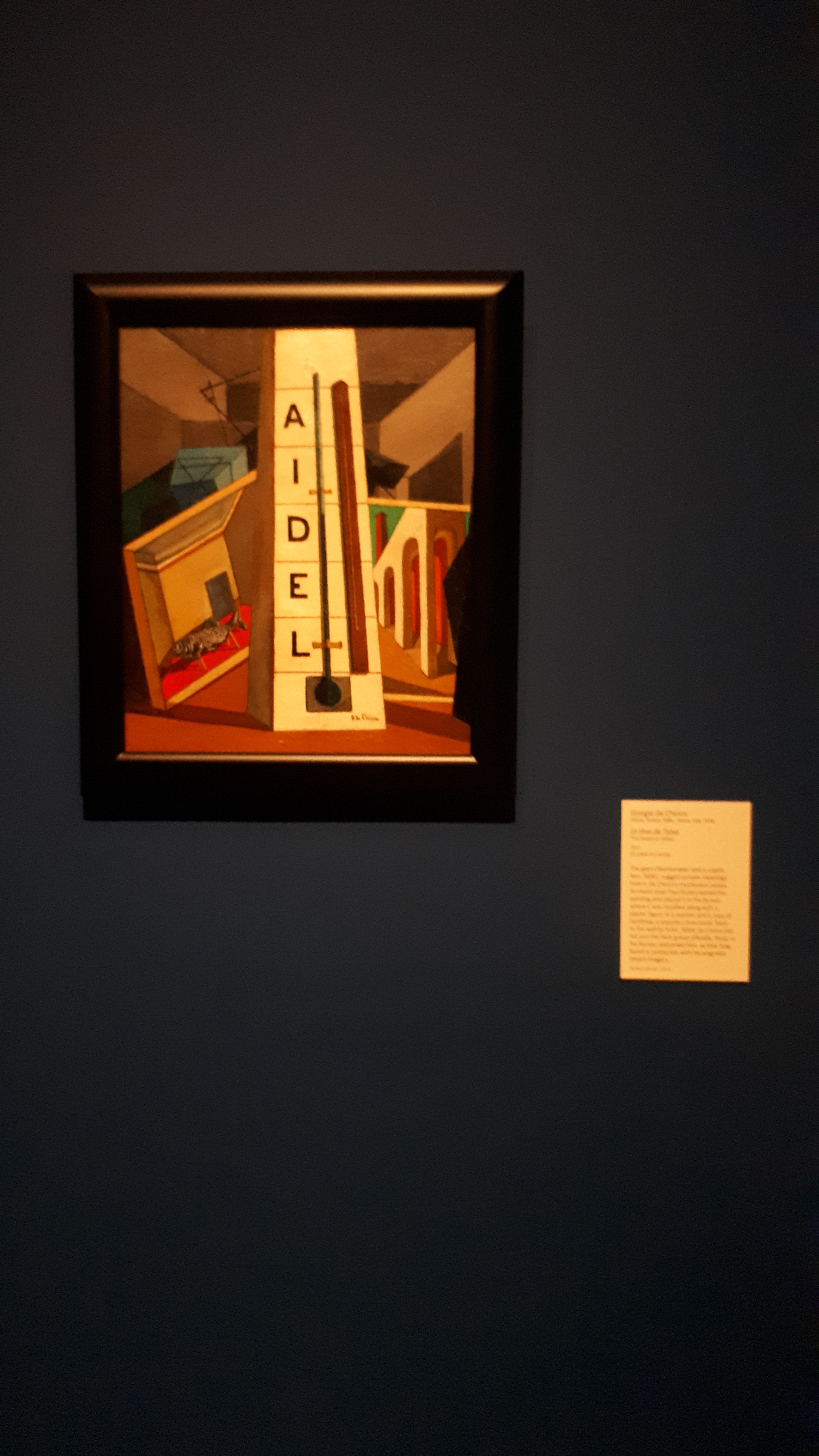

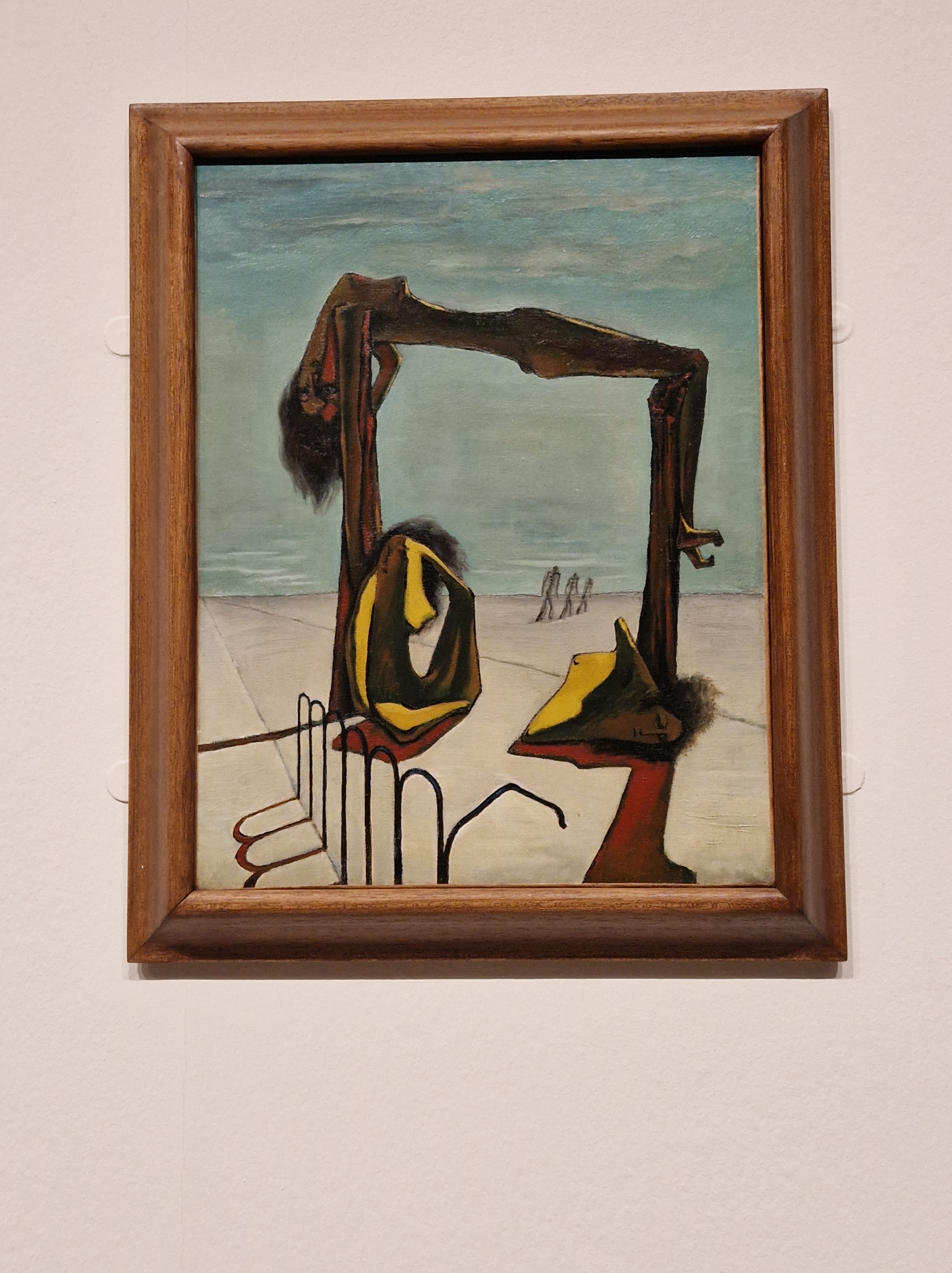
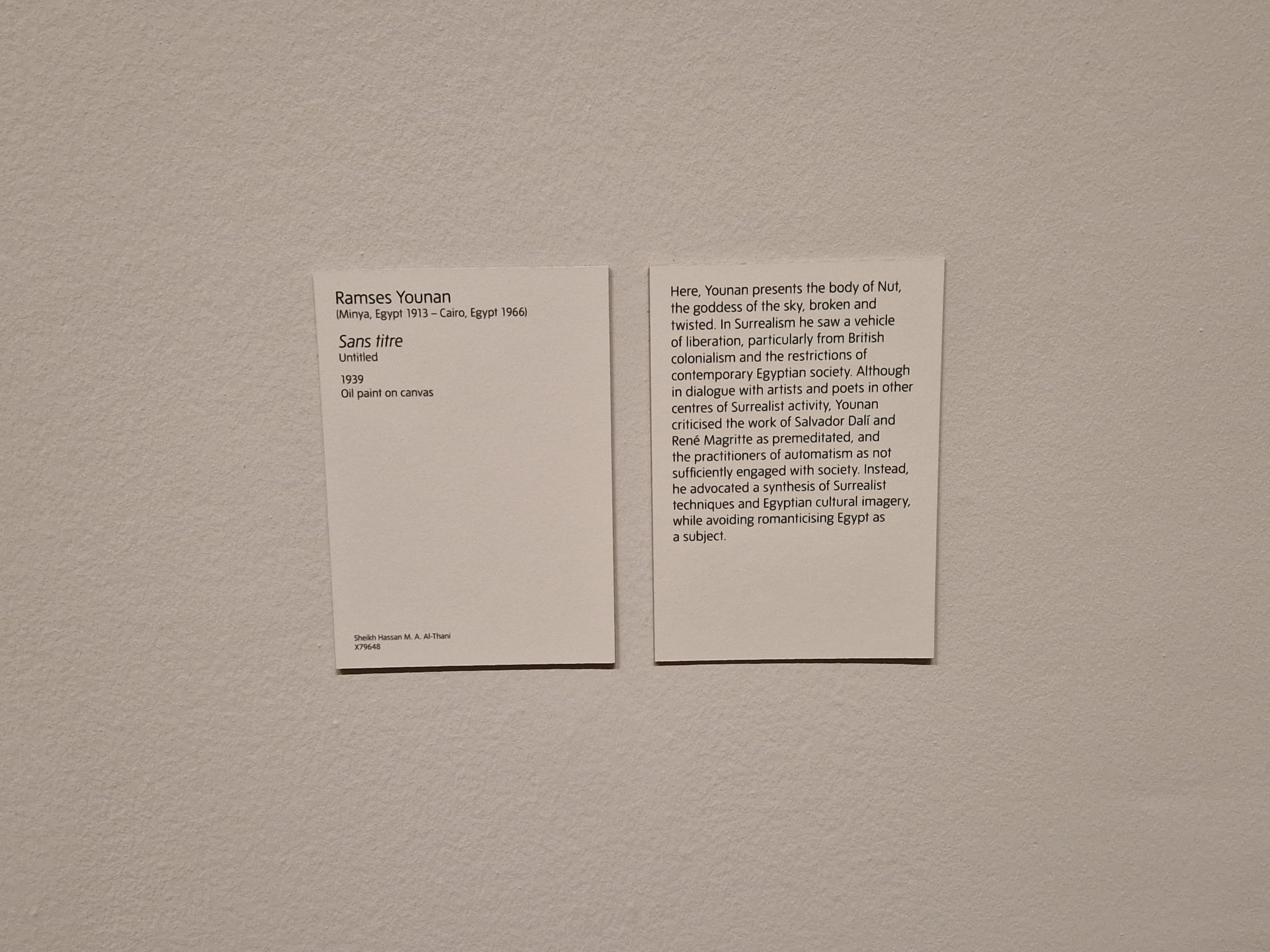
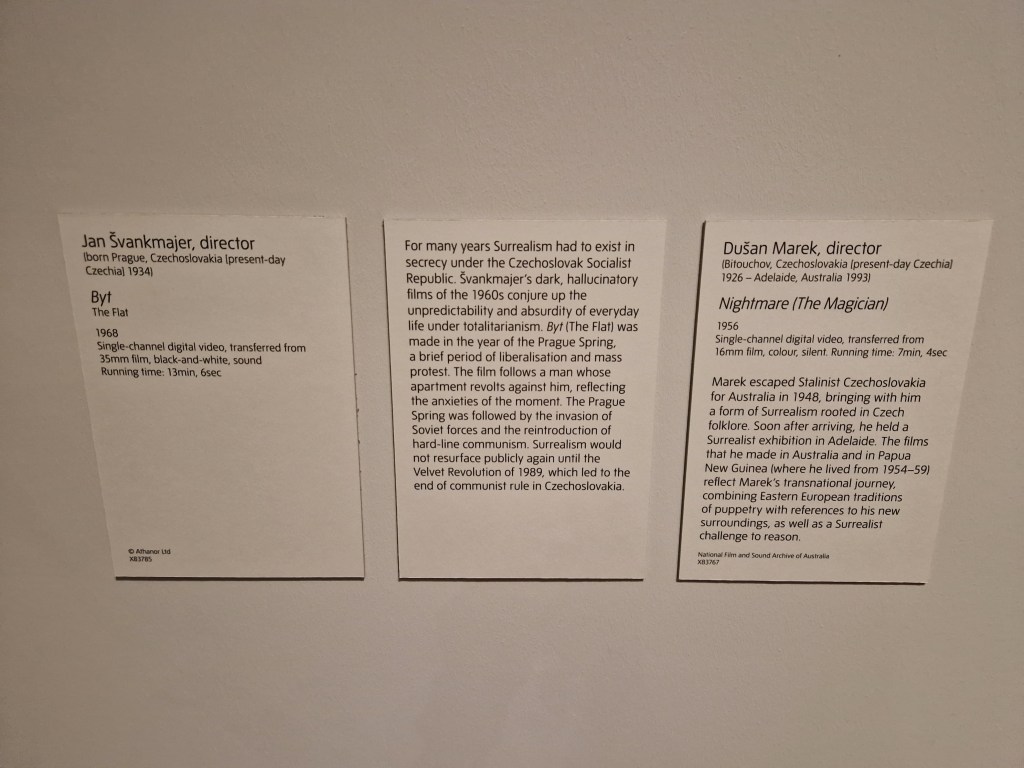
OTHER EXHIBITIONS AT TATE
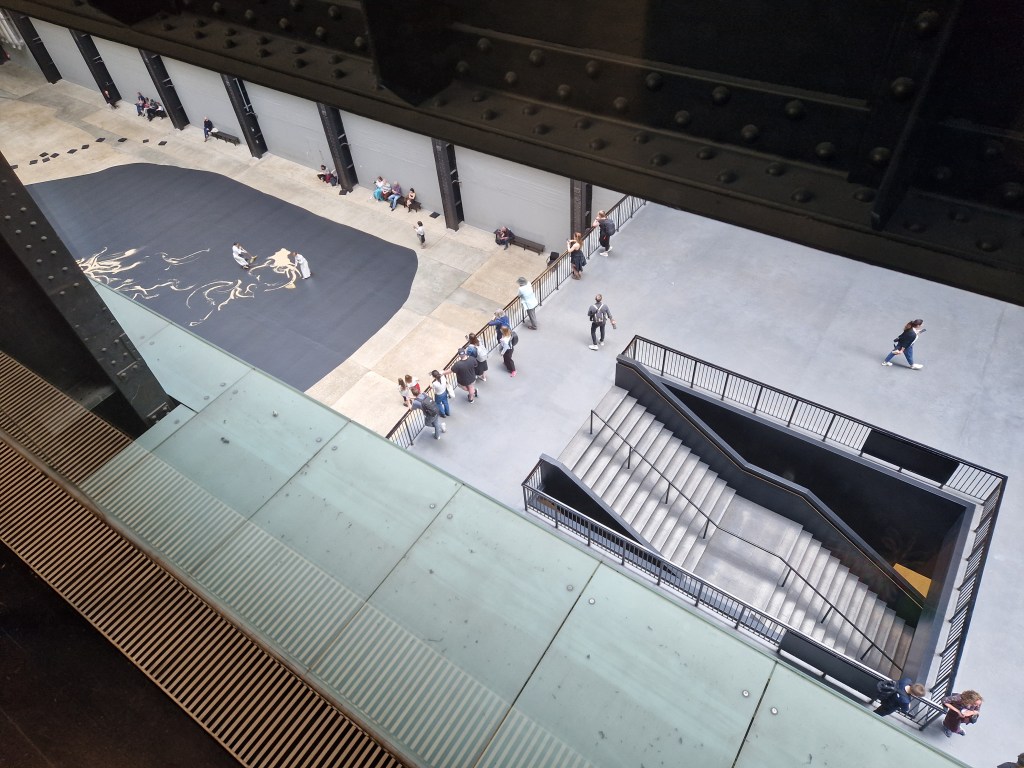
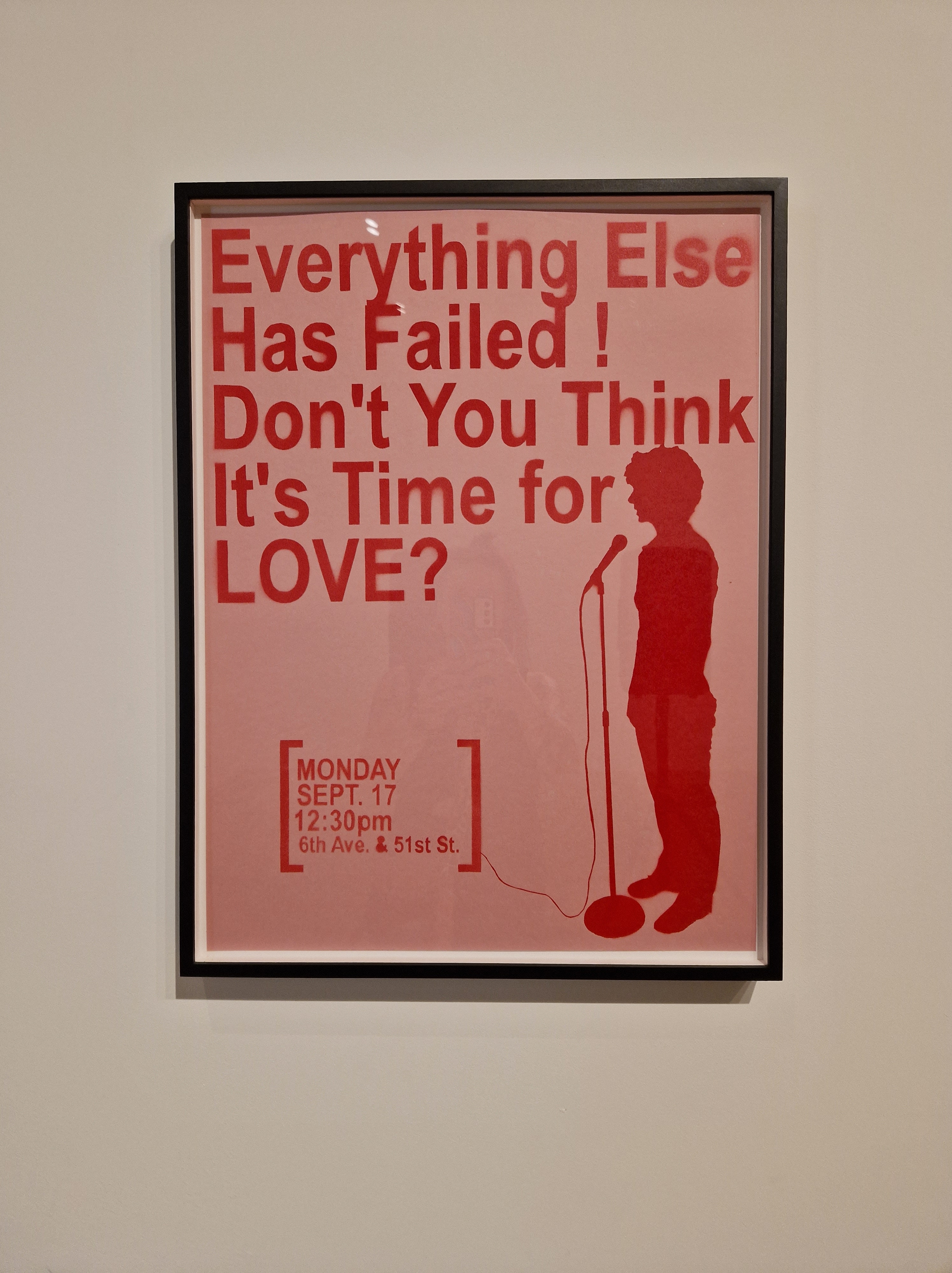
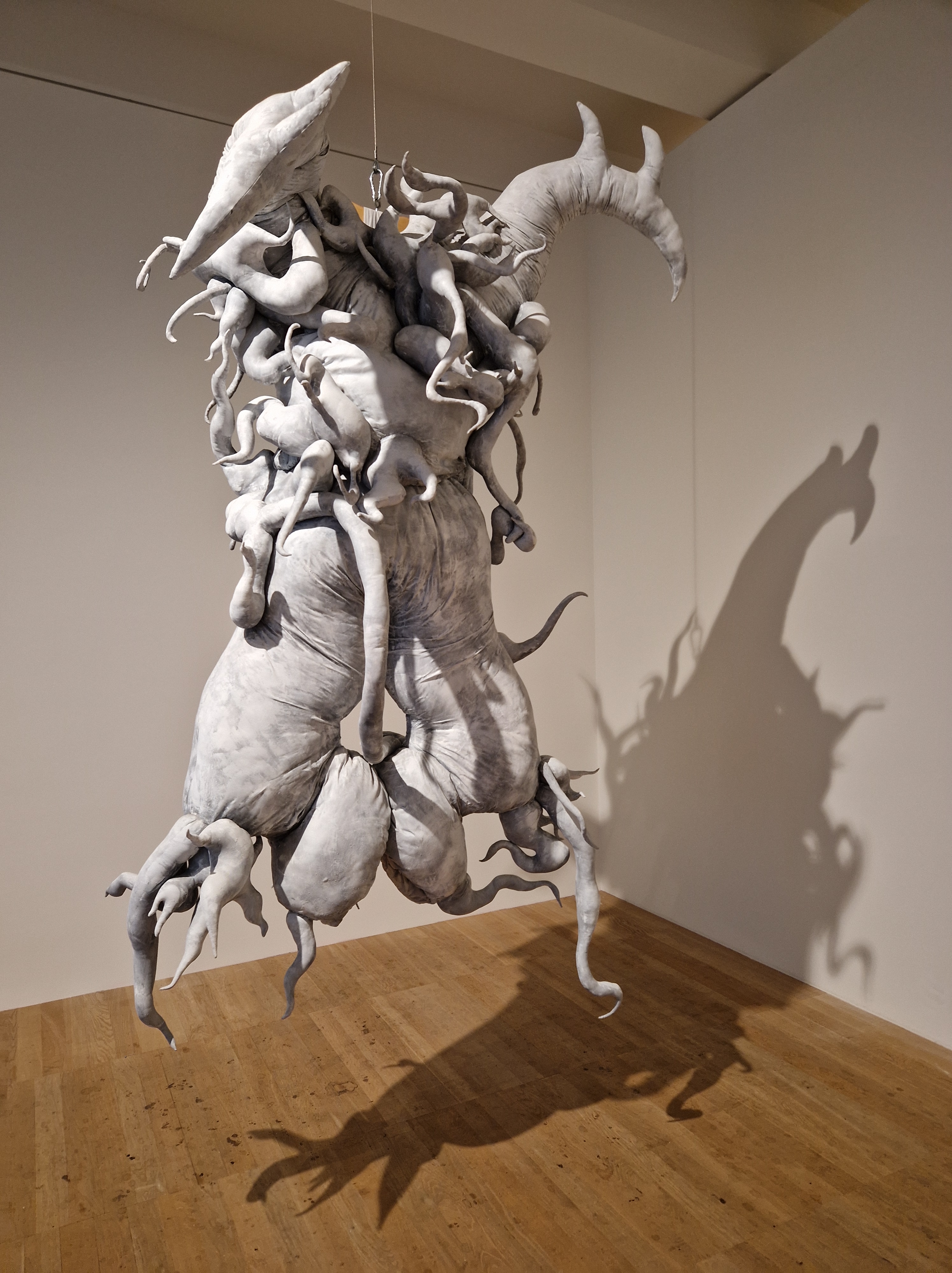
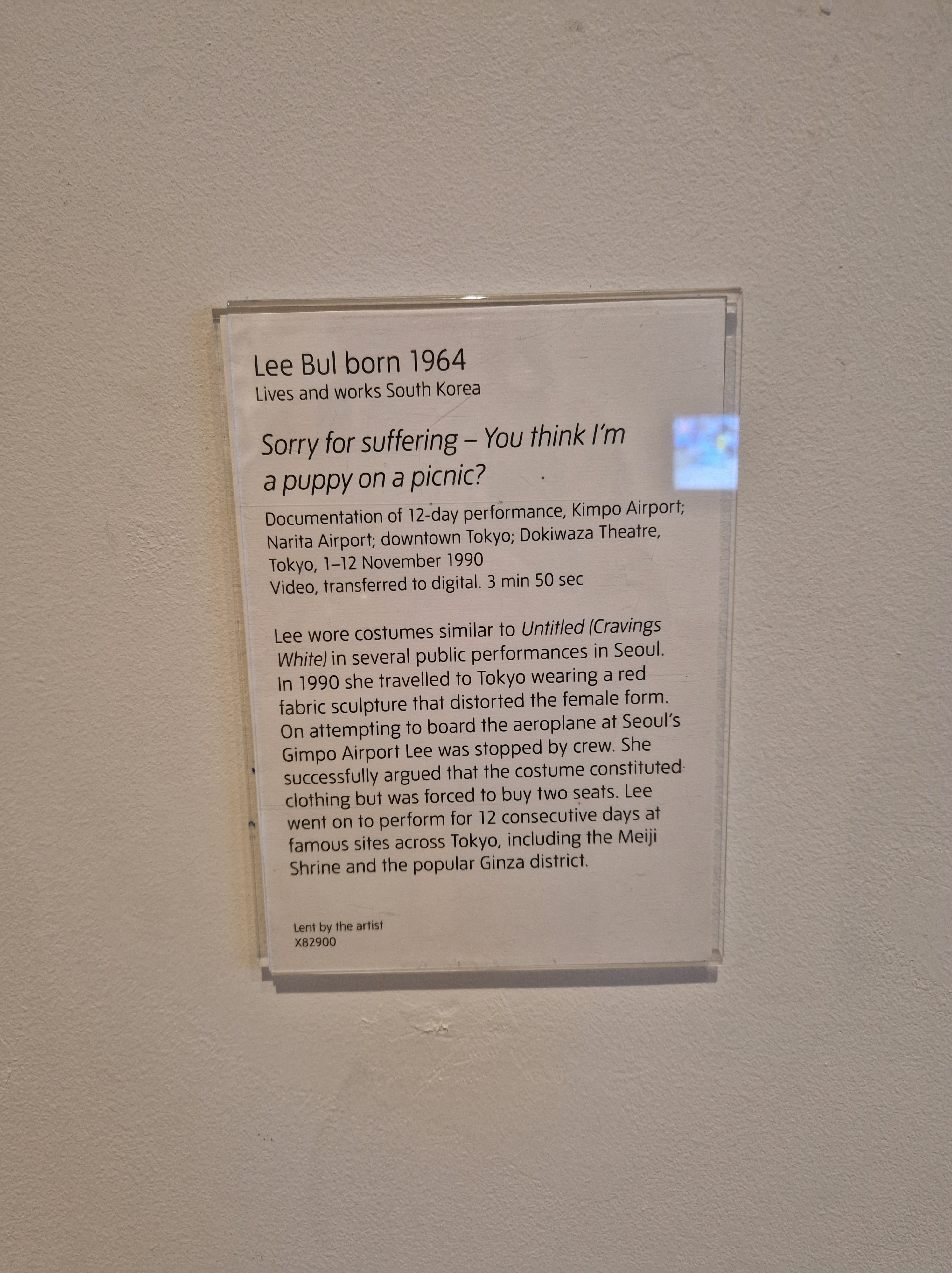
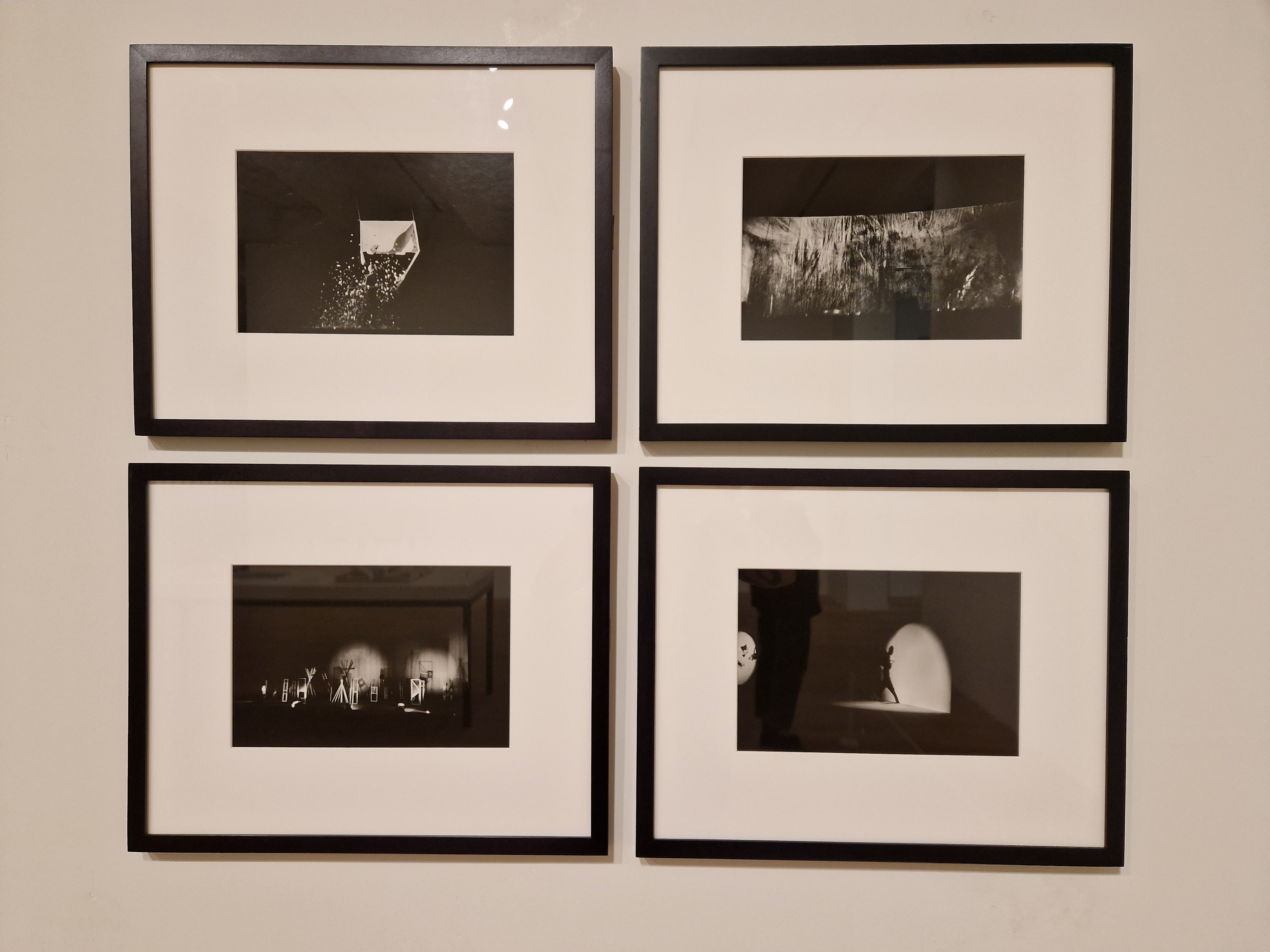

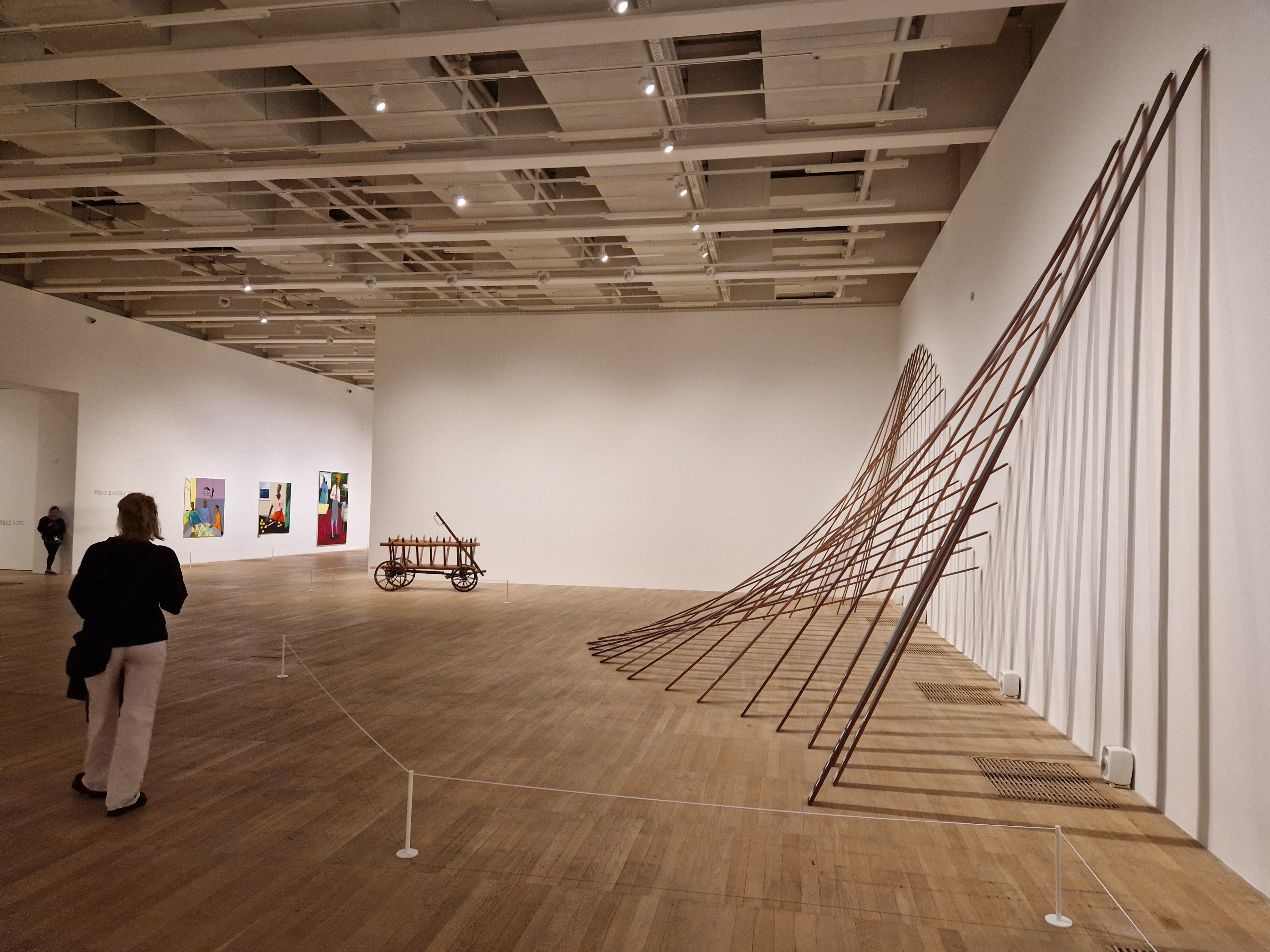
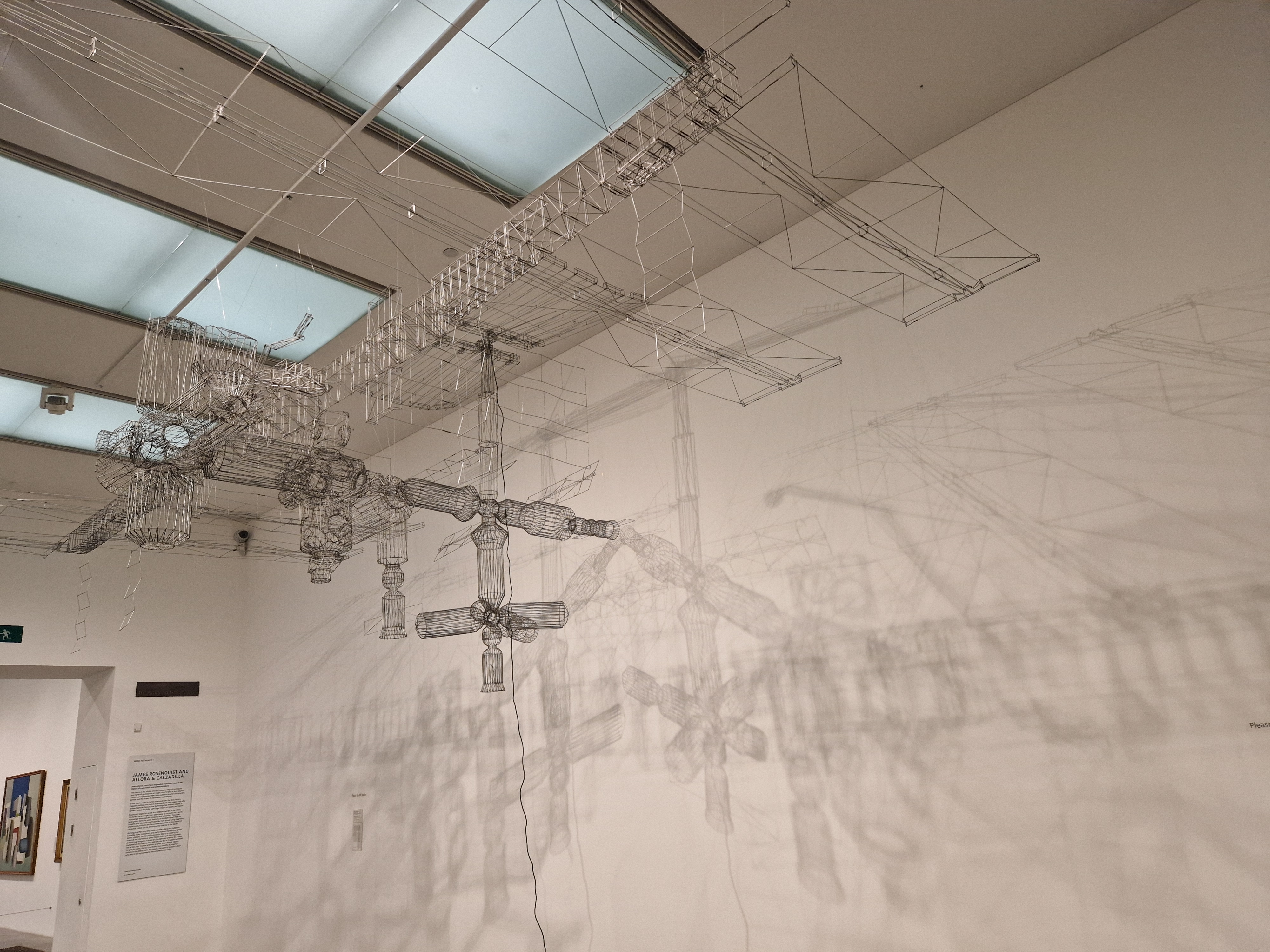
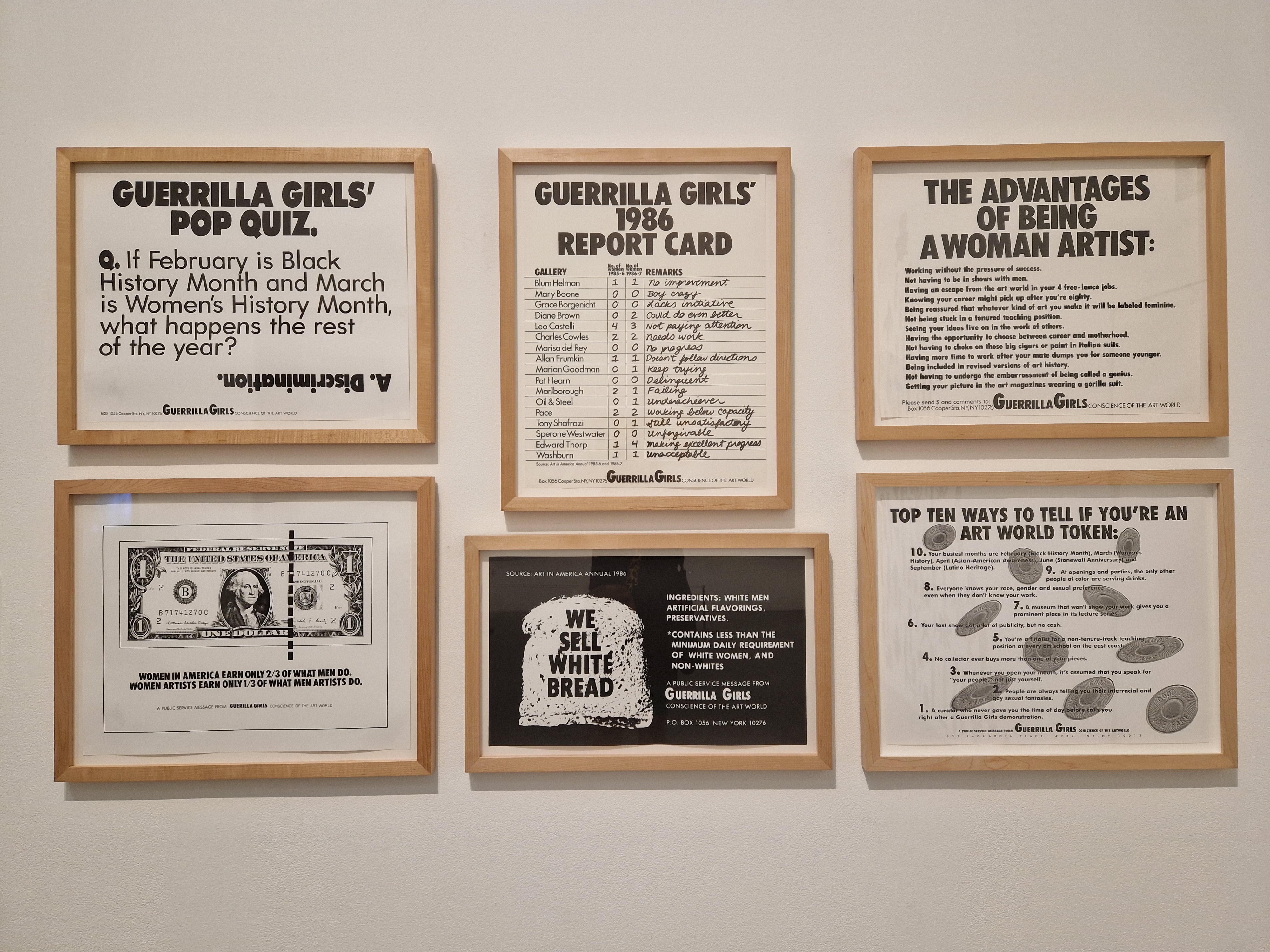
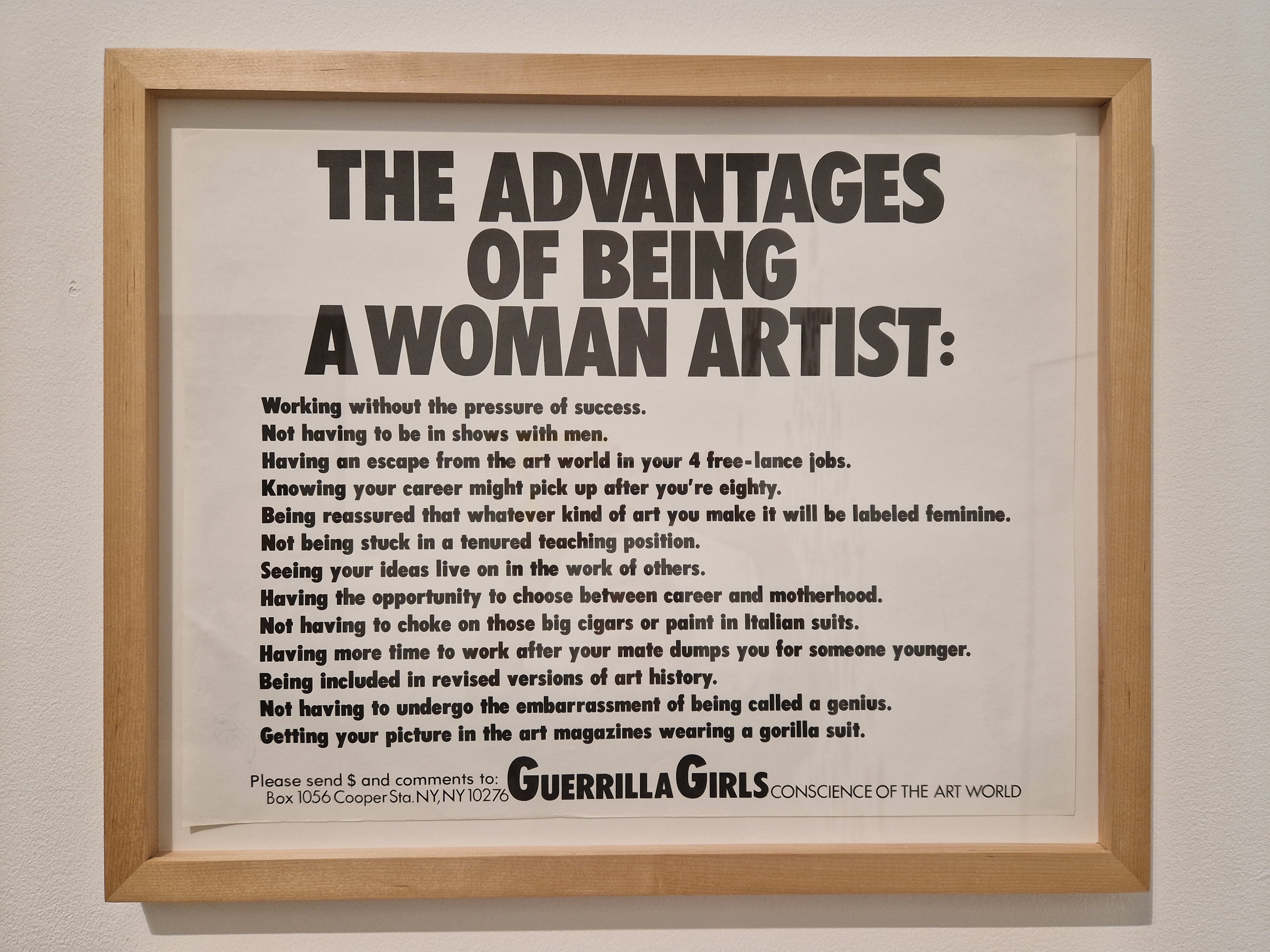
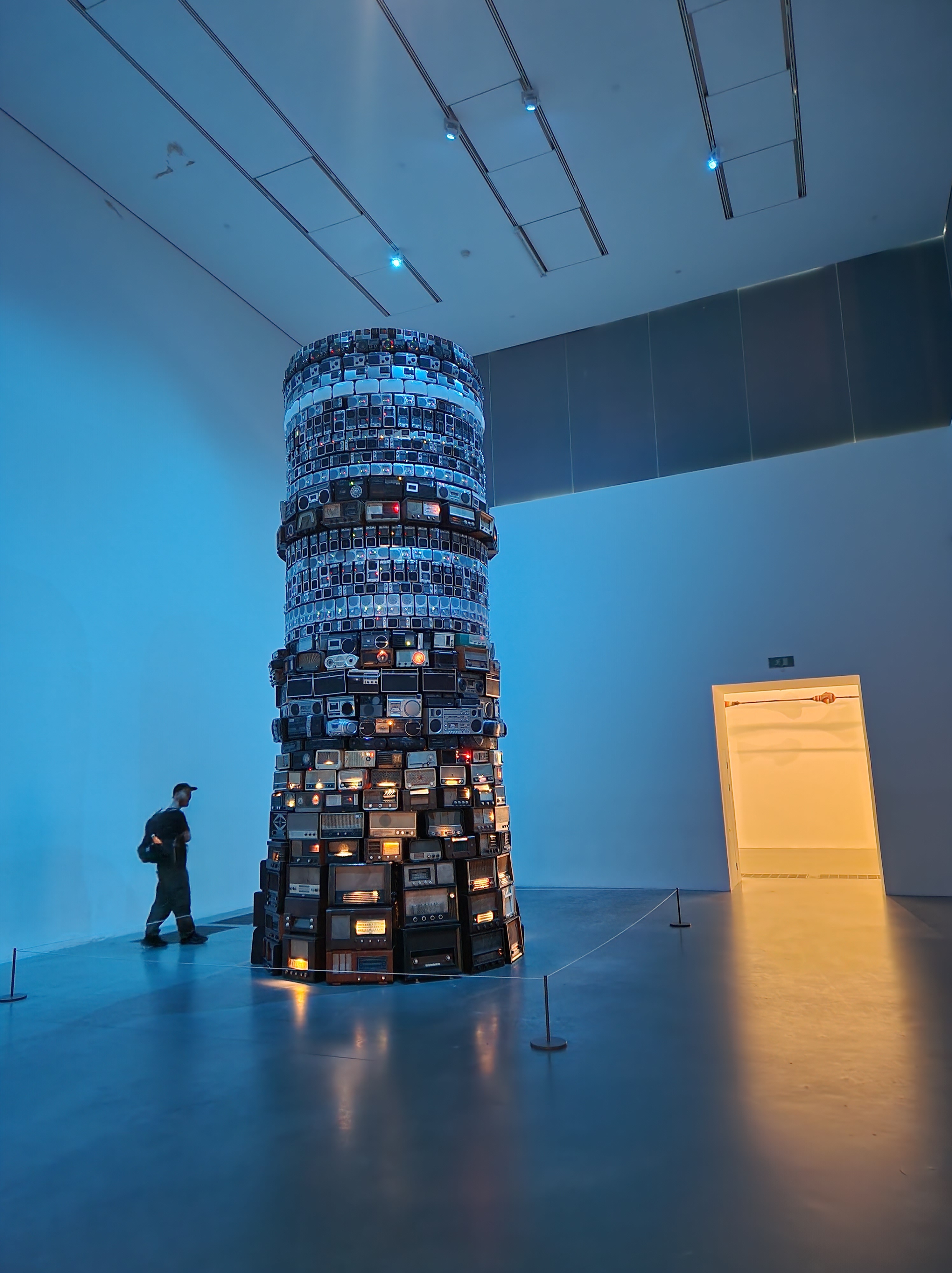
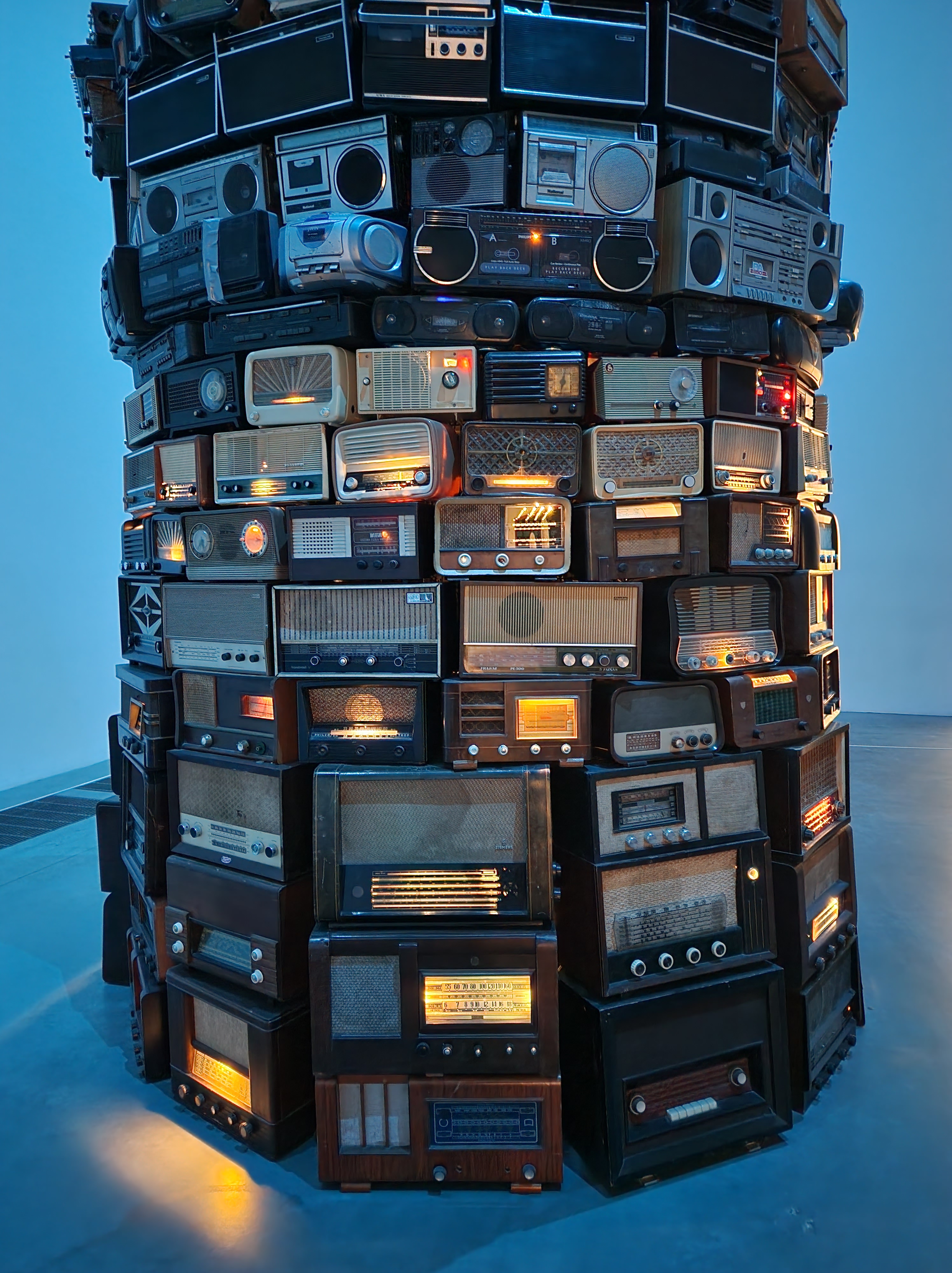
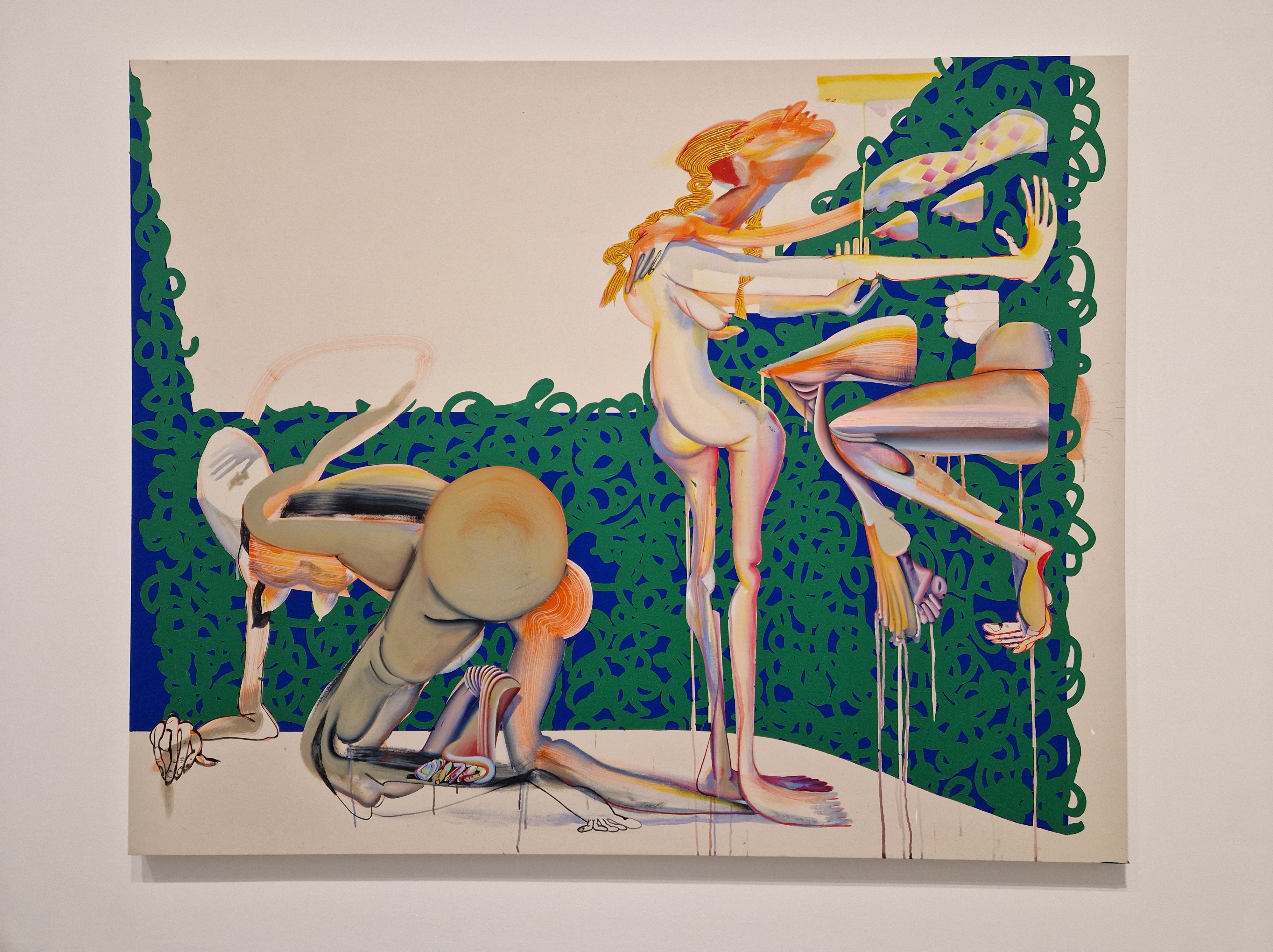
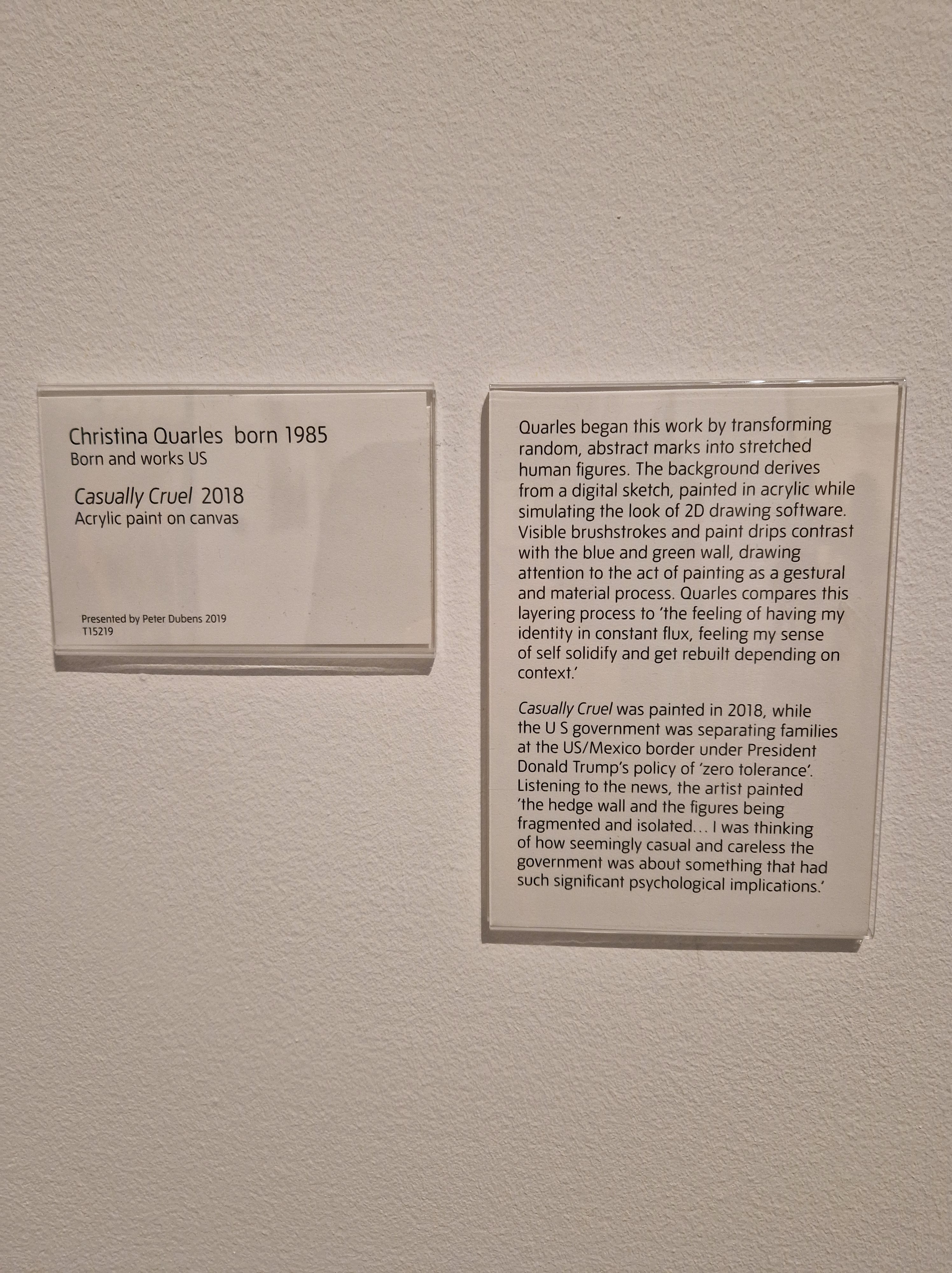
REFLECTIONS: That was without a doubt, one of the most important exhibitions I visited. We went in twice as it was so much to take in, and we didn't want to miss anything. We even got a book as we felt like we needed it in our life.
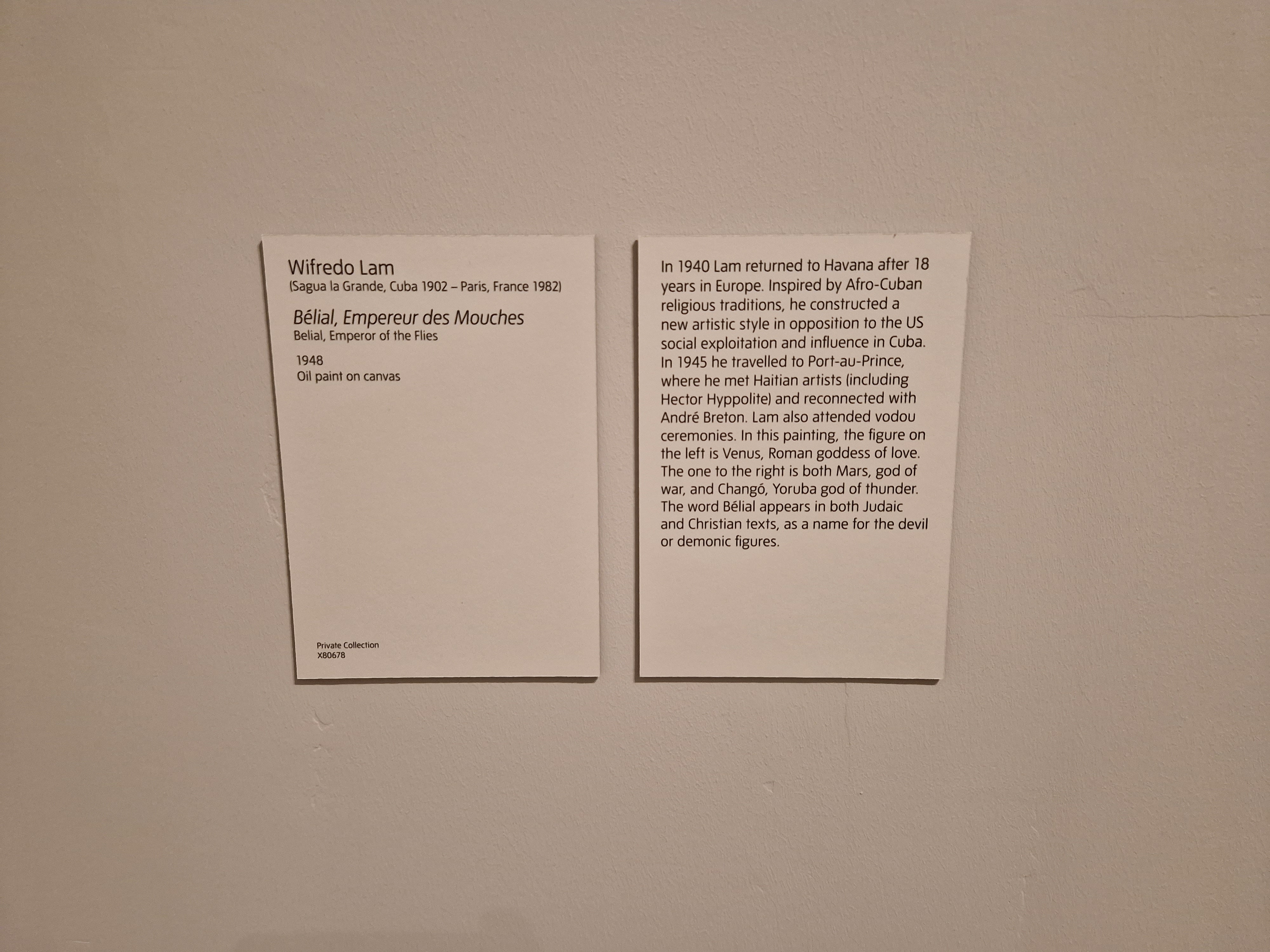
The exhibition was incredibly well curated with a mixture of very famous artists like Marcel Duchamp or Max Ernst and less-known but equally impressive pieces (which made me wonder why they are lesser-known, as they were excellent).
I thought that photography was especially well represented, and I was again impressed with the curation of the images.
I have taken a lot of inspiration from this exhibition, both in a straight-up visual way and the contagious, rebellious mindset of the surrealist times.

Do what you love, what feels right, no matter what anybody thinks and how they judge you. Do what you love, no matter how weird and misunderstood. Do what you love, and your time will come.
POSTWAR MODERN BARBICAN
A revelatory new take on art in Britain after the Second World War, a period when artists had to make sense of an entirely altered world.
Postwar Modern explores the art produced in Britain in the wake of a cataclysmic war. Certainty was gone, and the aftershocks continued, but there was also hope for a better tomorrow. These conditions gave rise to an incredible richness of imagery, forms and materials in the years that followed.
Focusing on ‘the new’, Postwar Modern features 48 artists and around 200 works of painting, sculpture, photography, collage and installation. It explores the subjects that most preoccupied artists, among them the body, the post-atomic condition, the Blitzed streetscape, private relationships and imagined future horizons. As well as reconsidering well-known figures, the exhibition foregrounds artists who came to Britain as refugees from Nazism or as migrants from a crumbling empire, in addition to female artists who have tended to be overlooked.
Postwar Modern: New Art in Britain 1945–1965
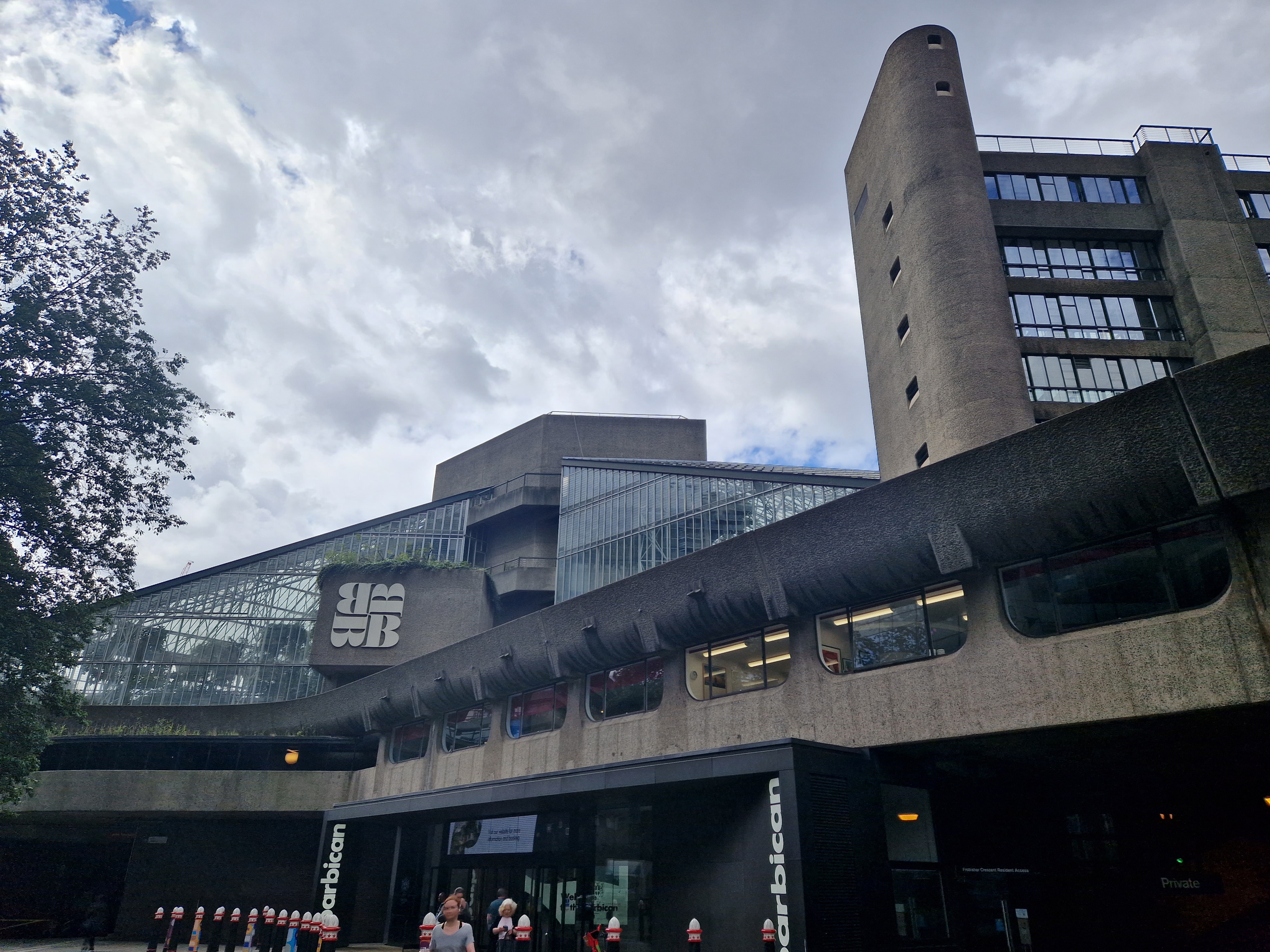
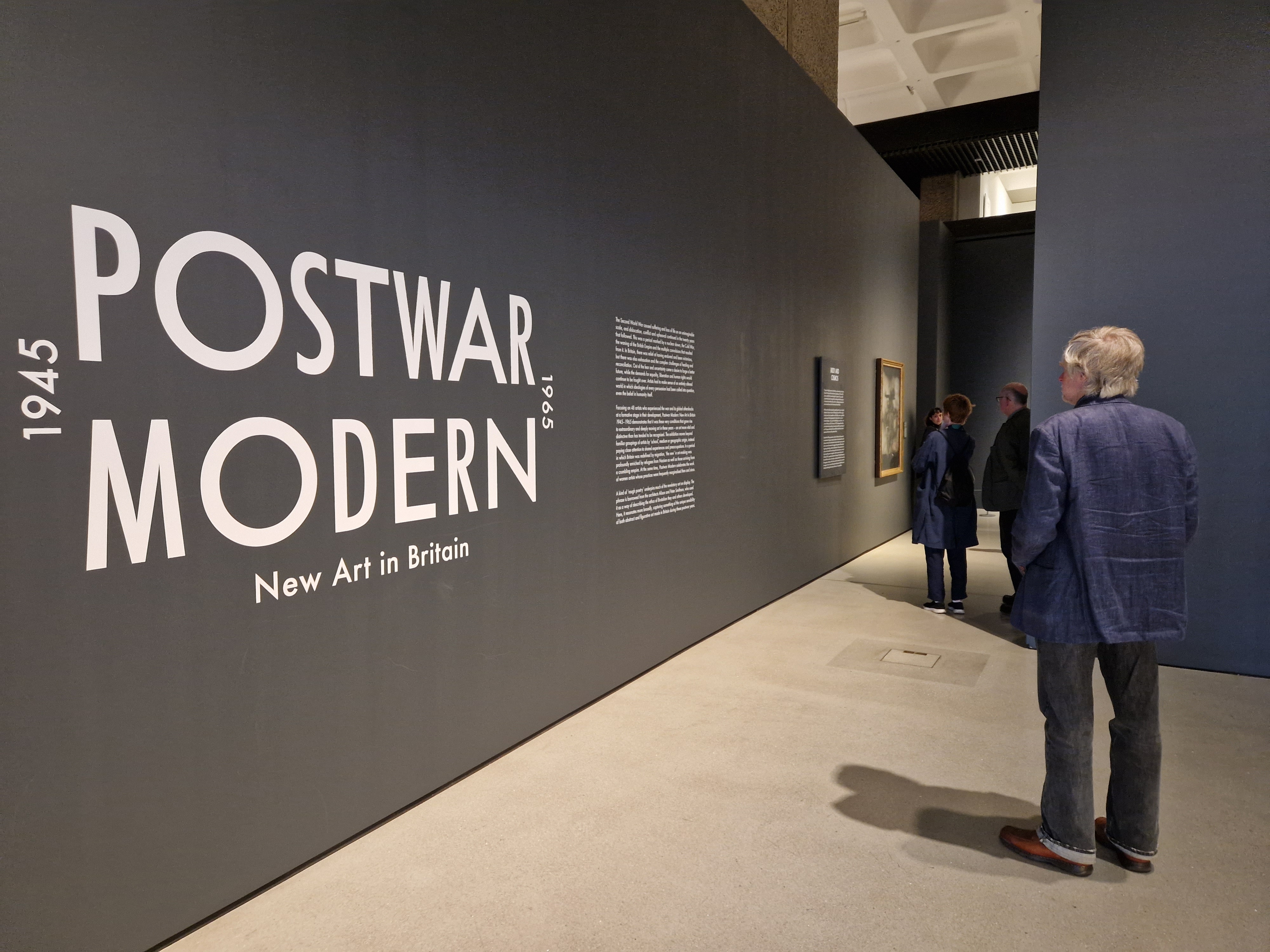
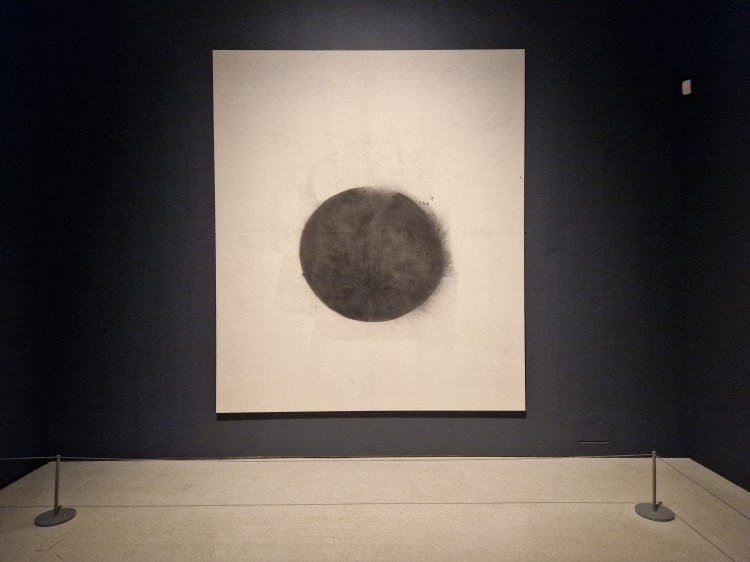

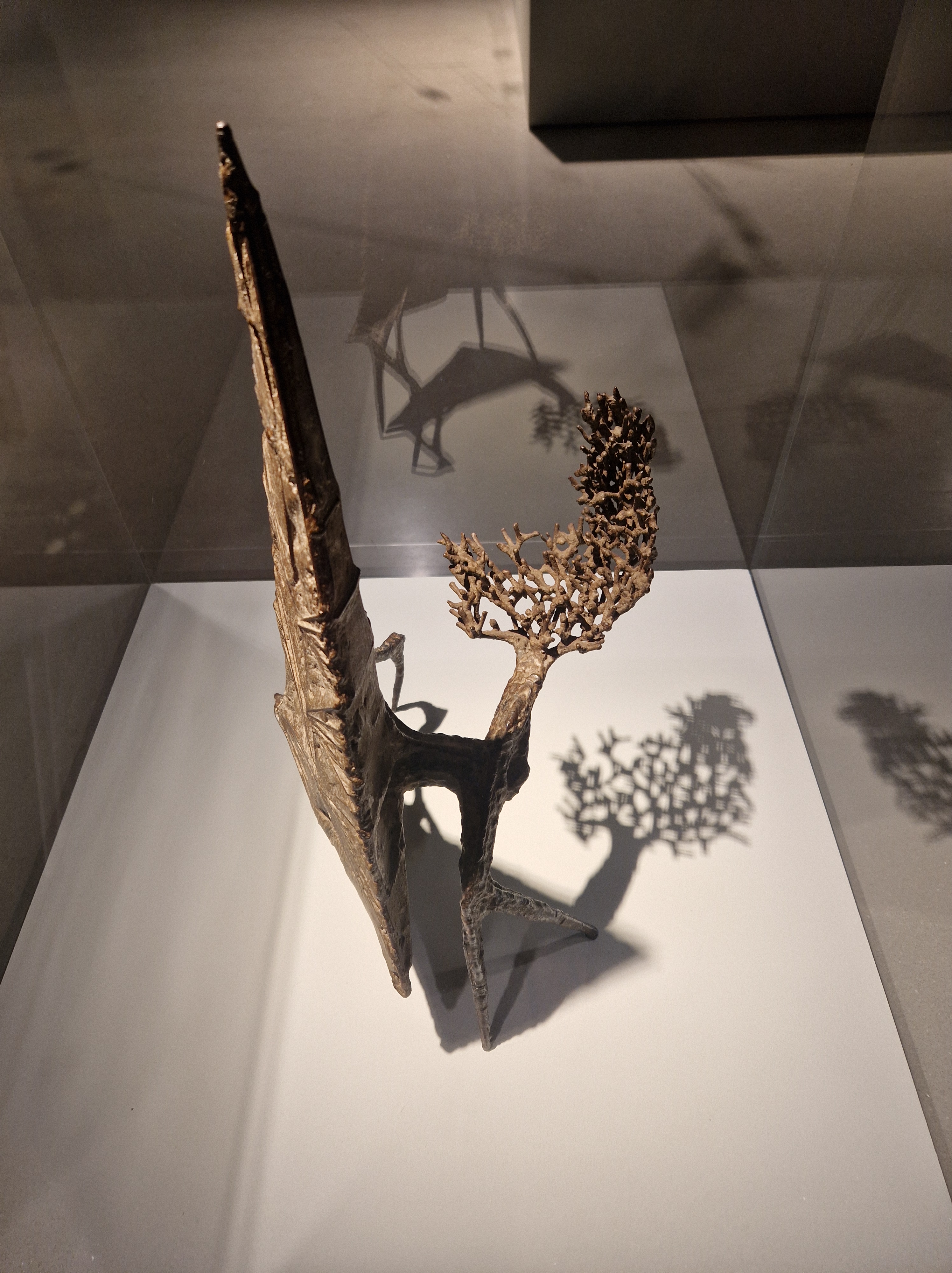
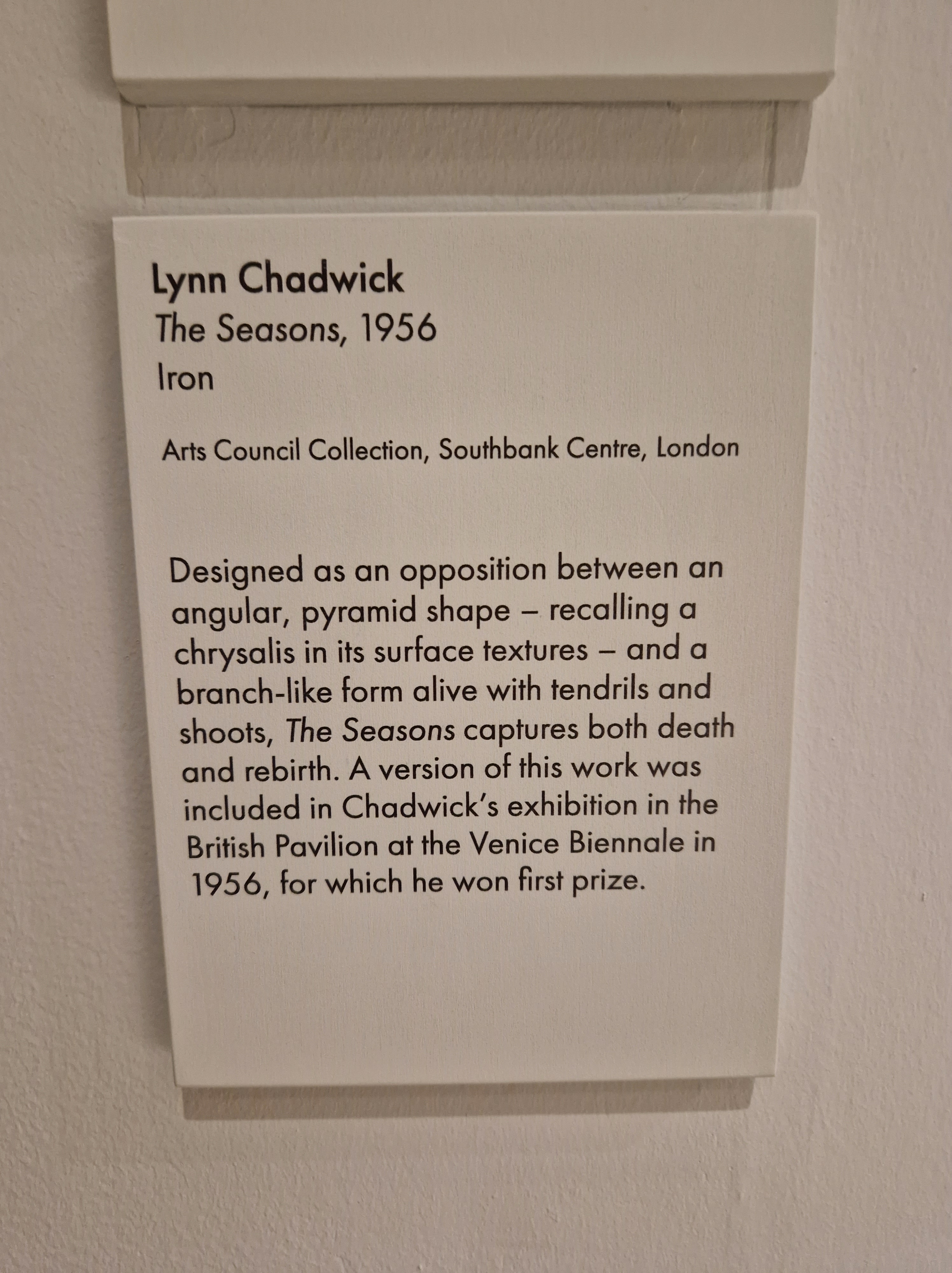
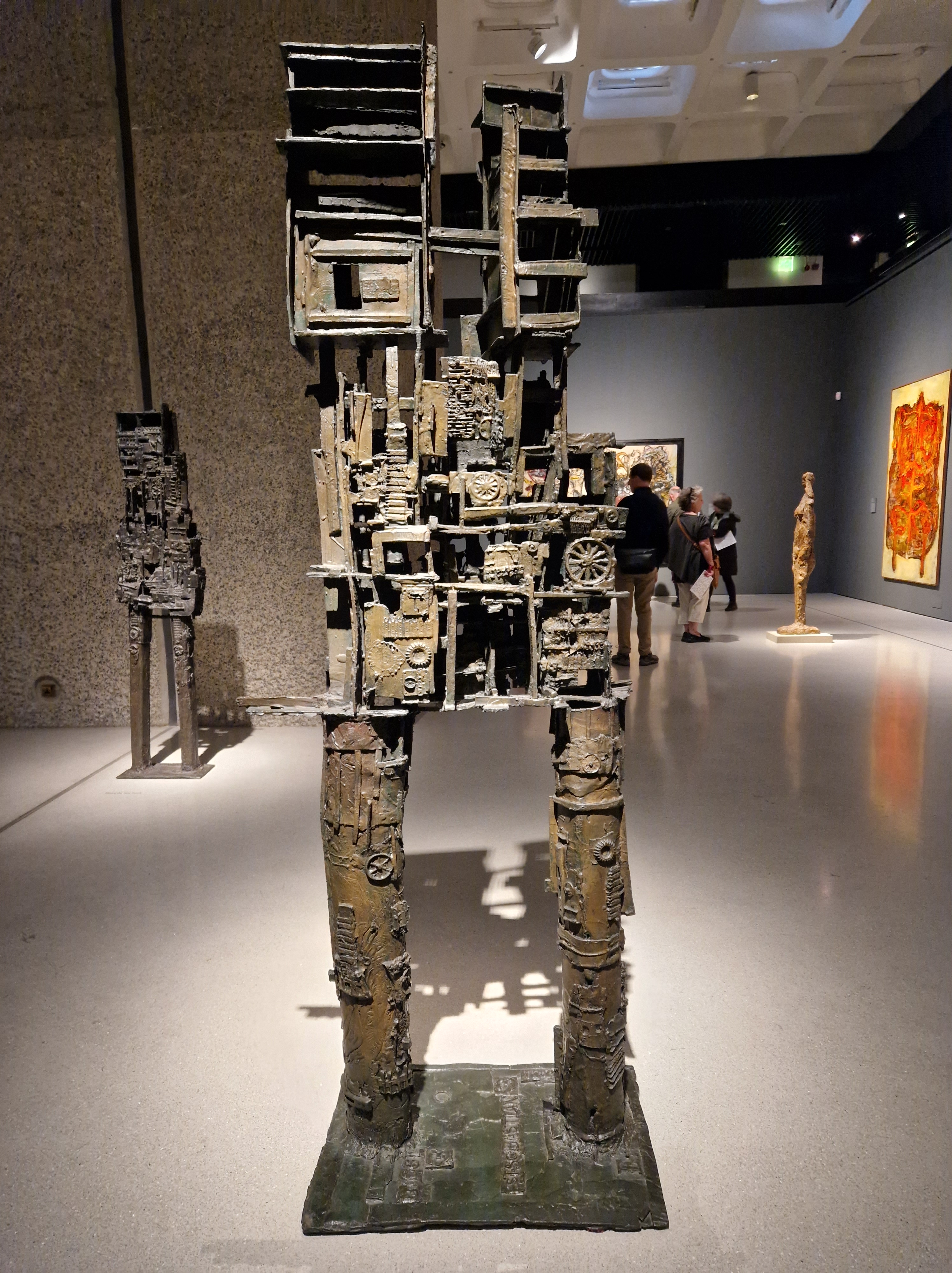

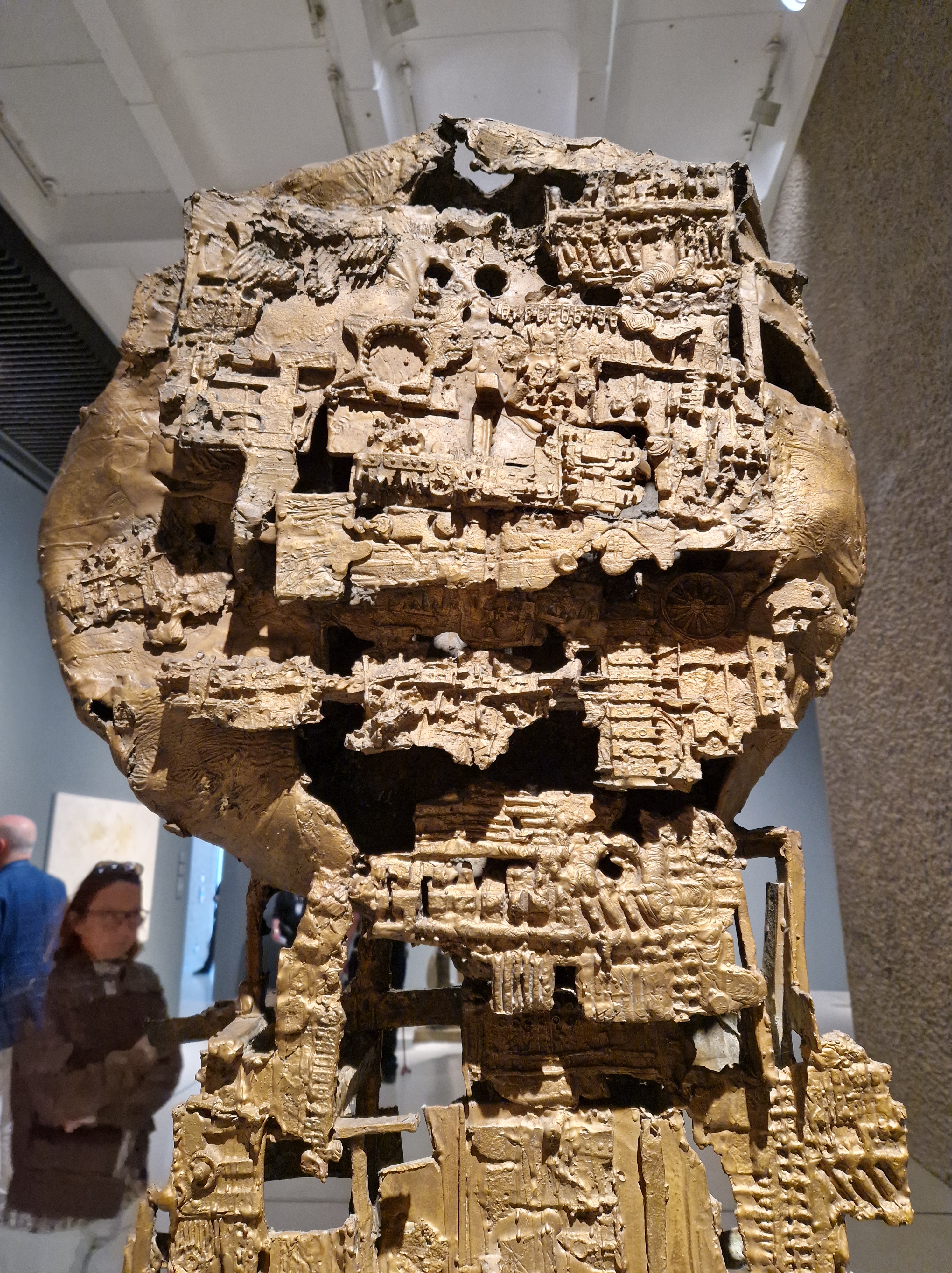


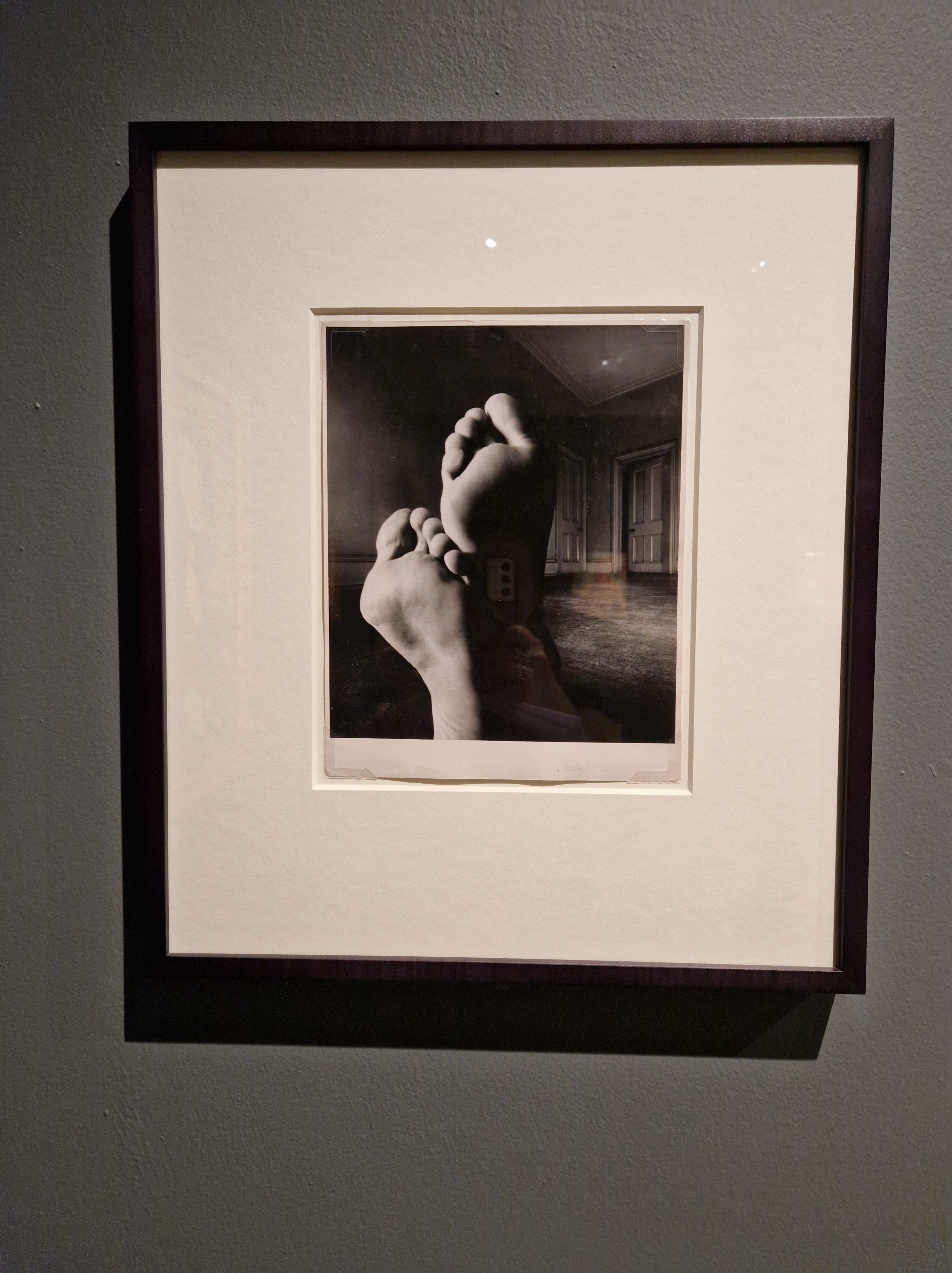
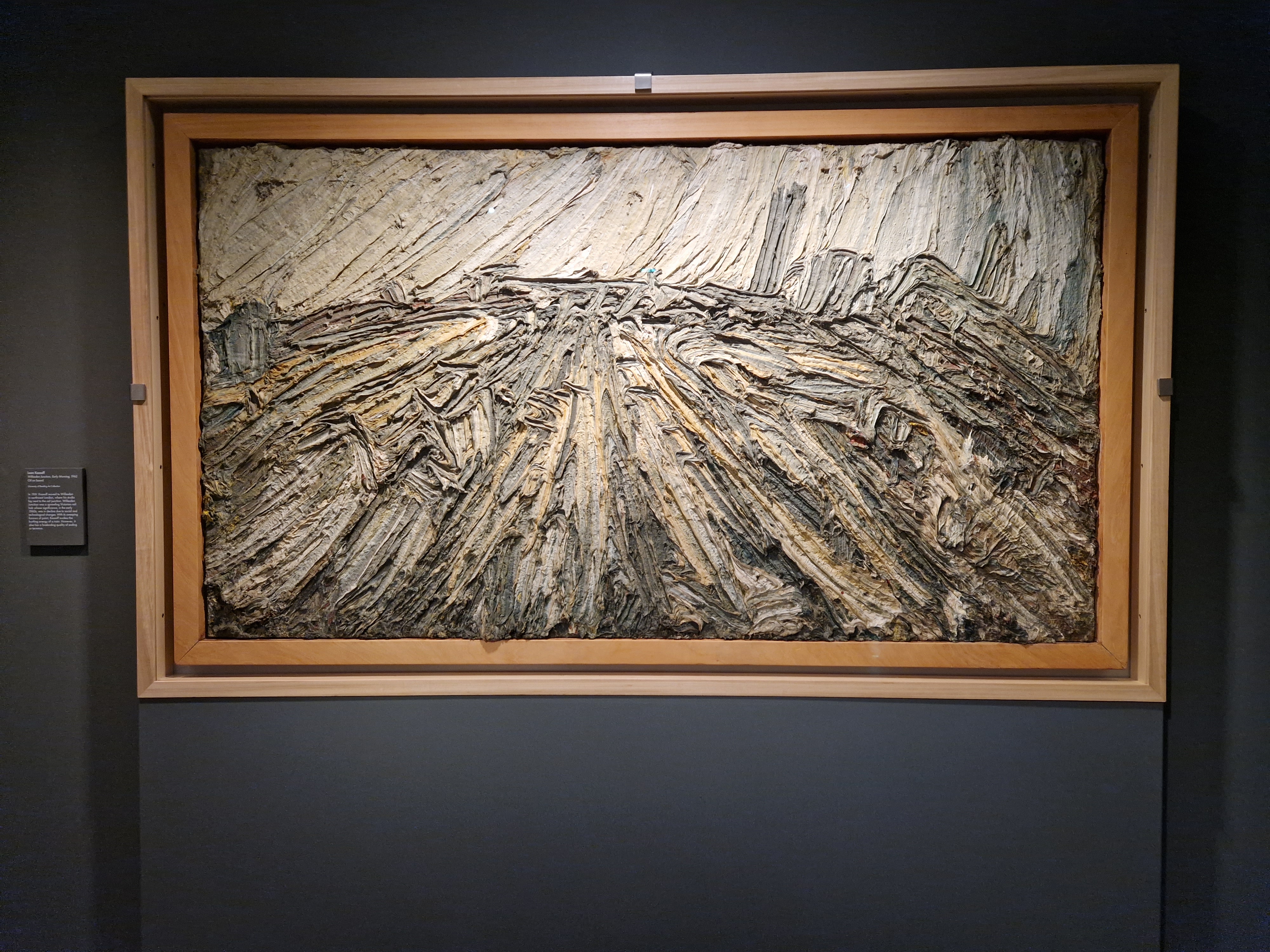
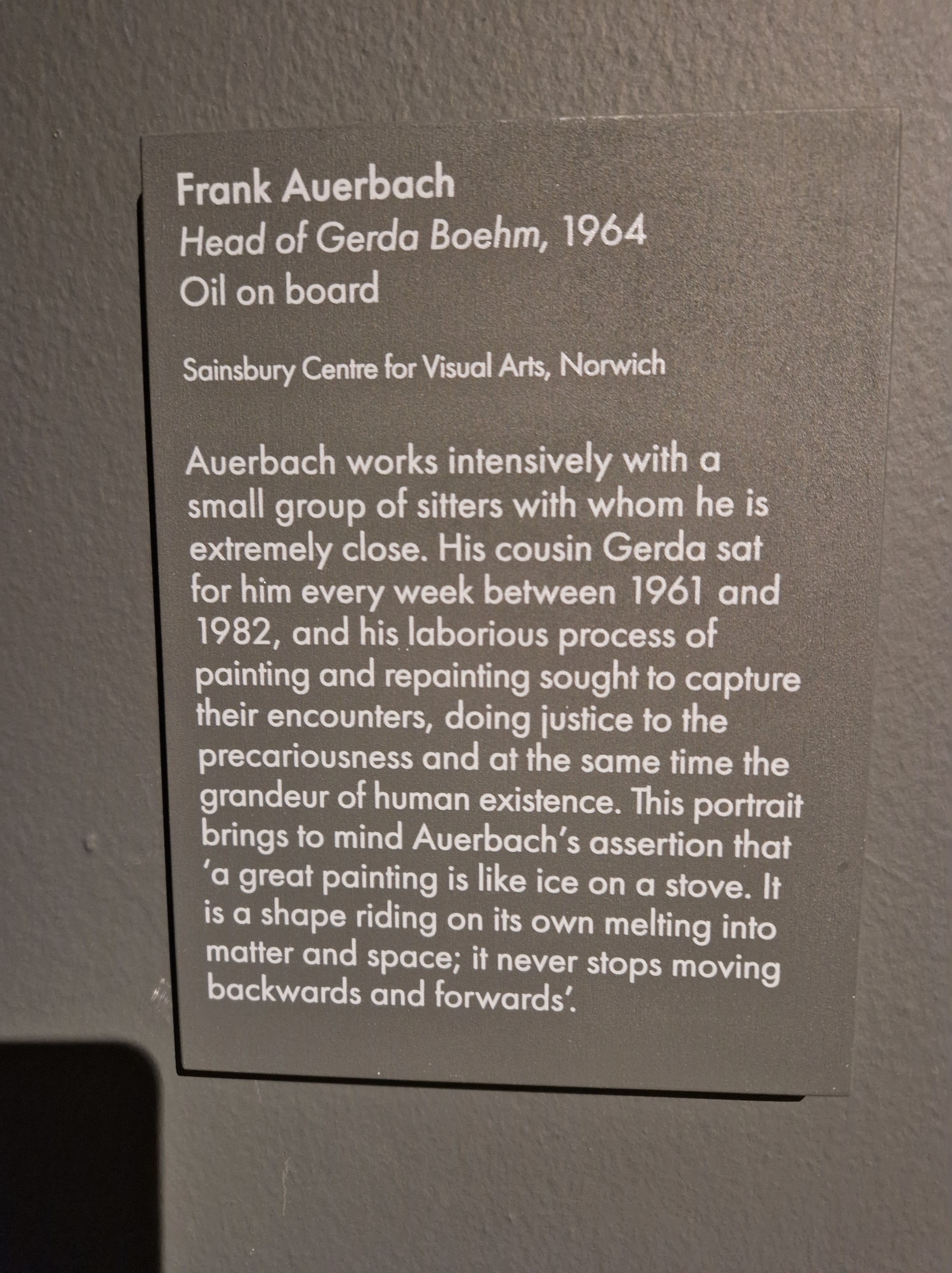
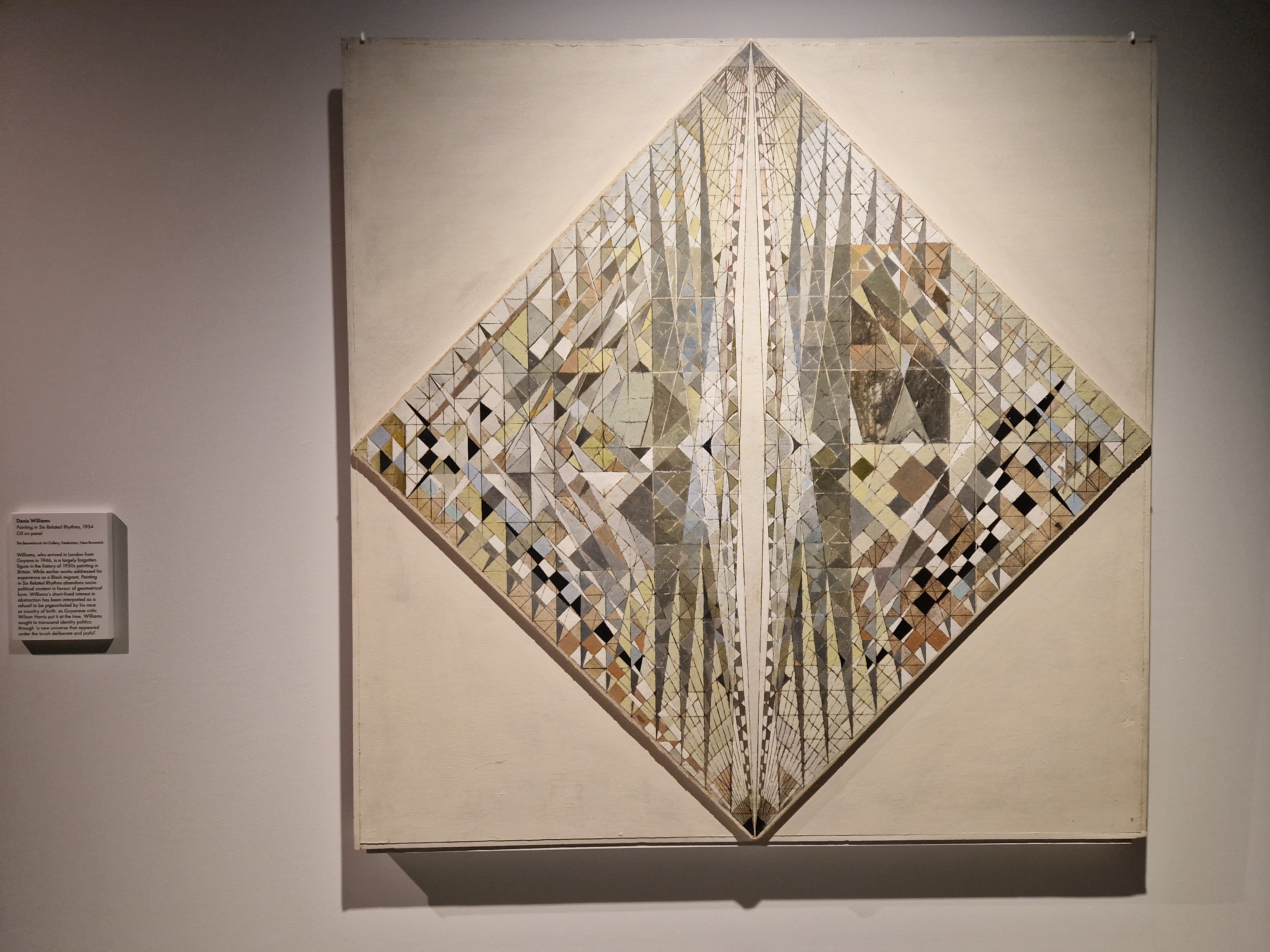
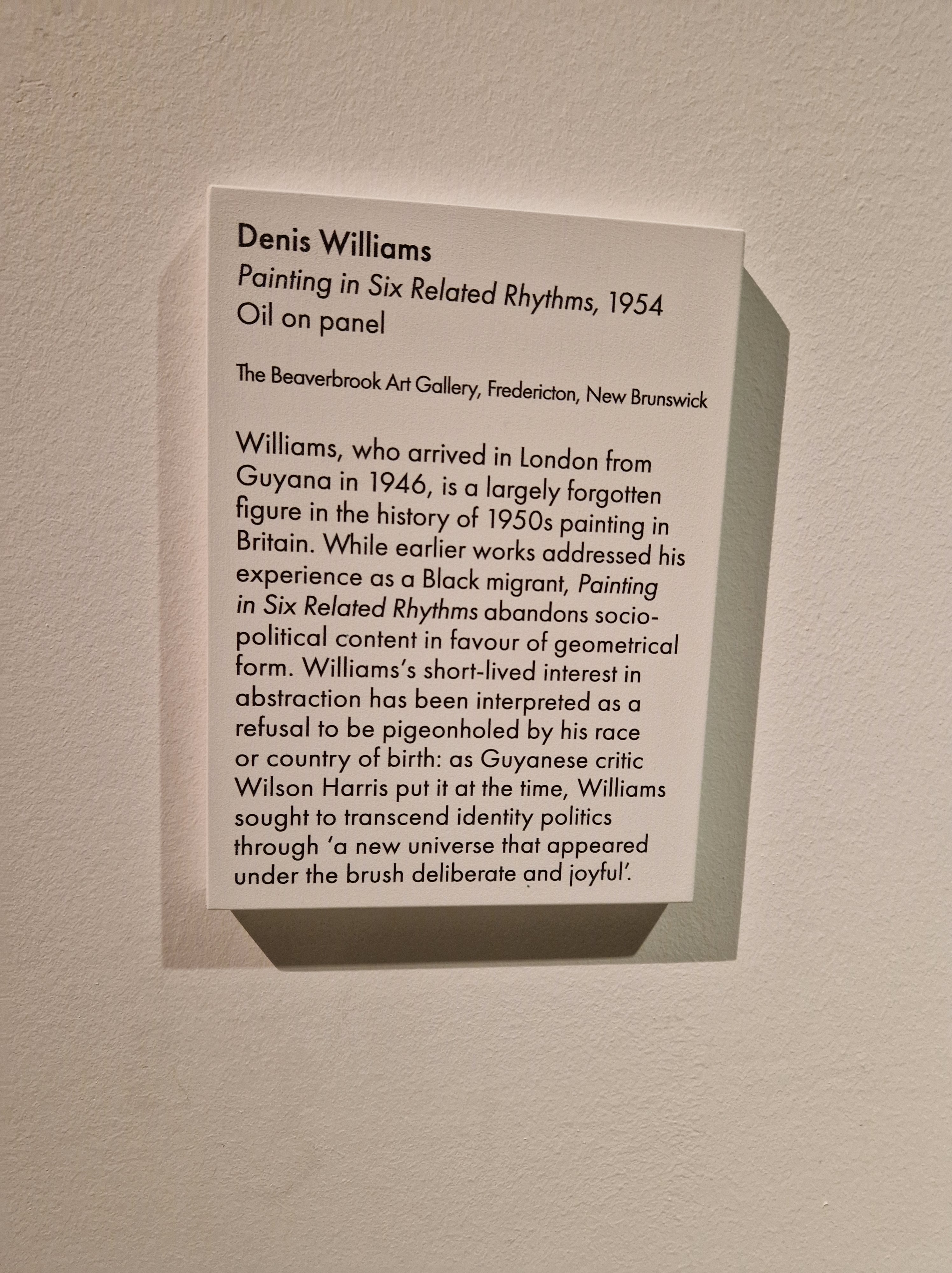

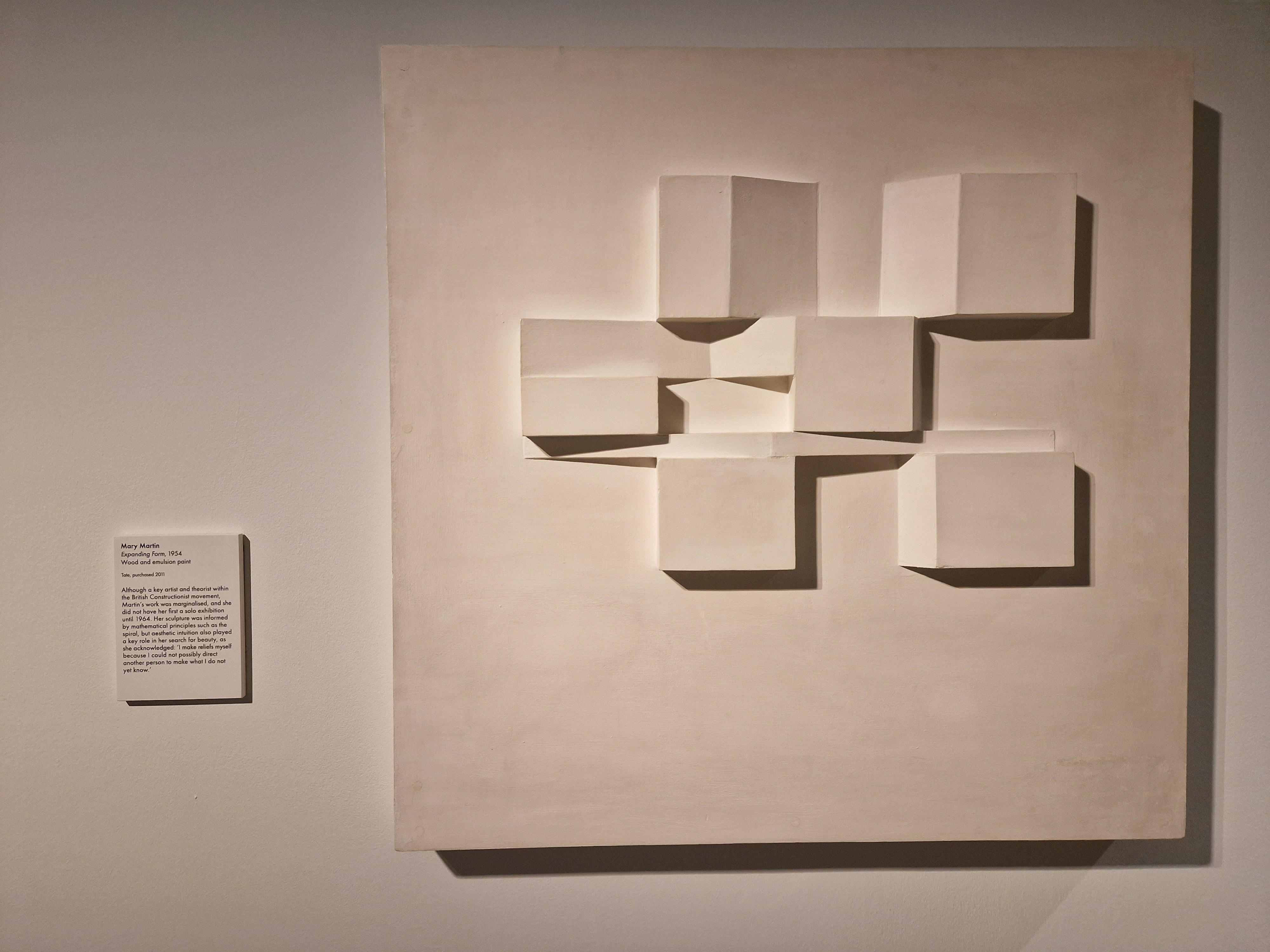
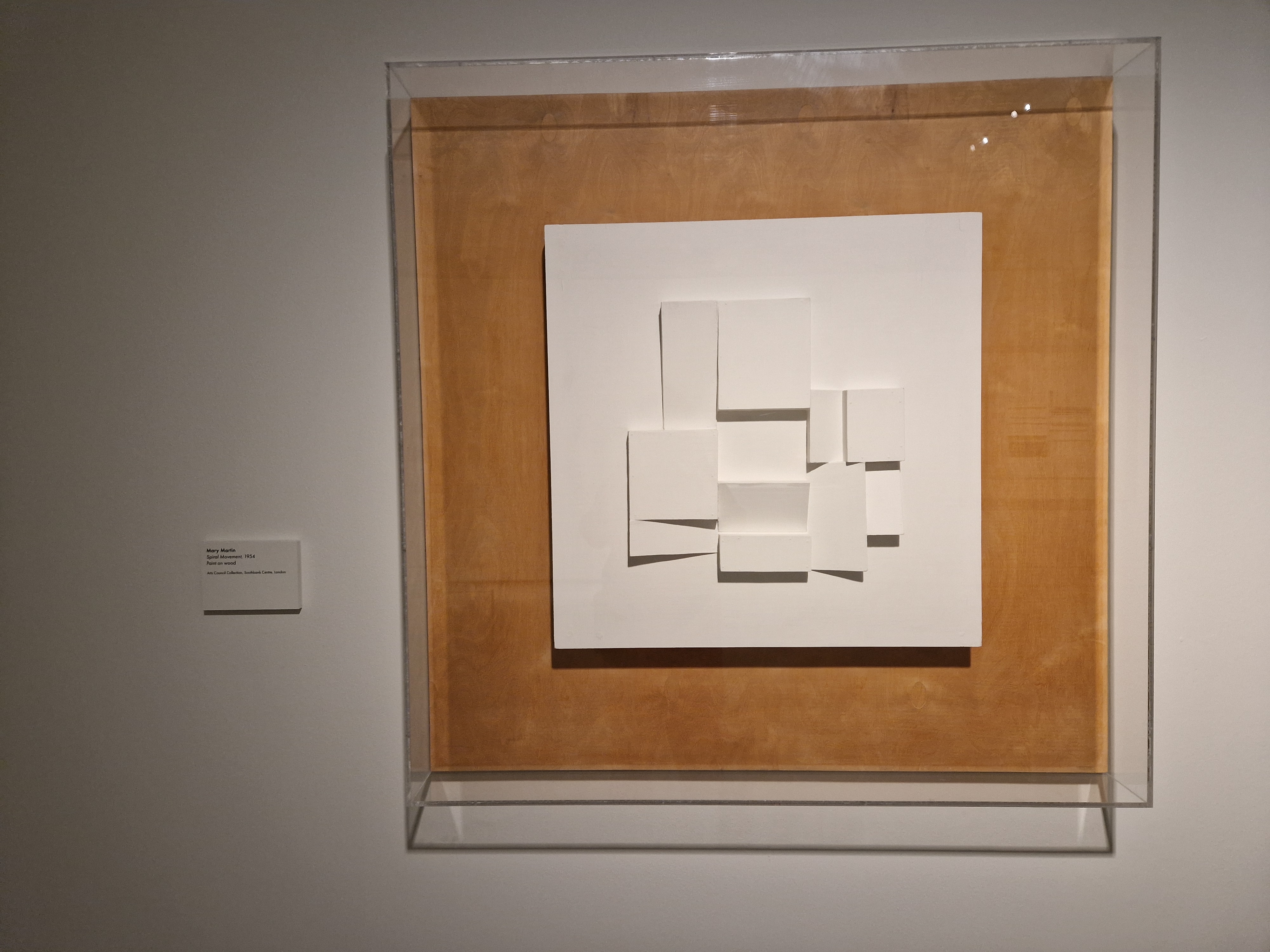

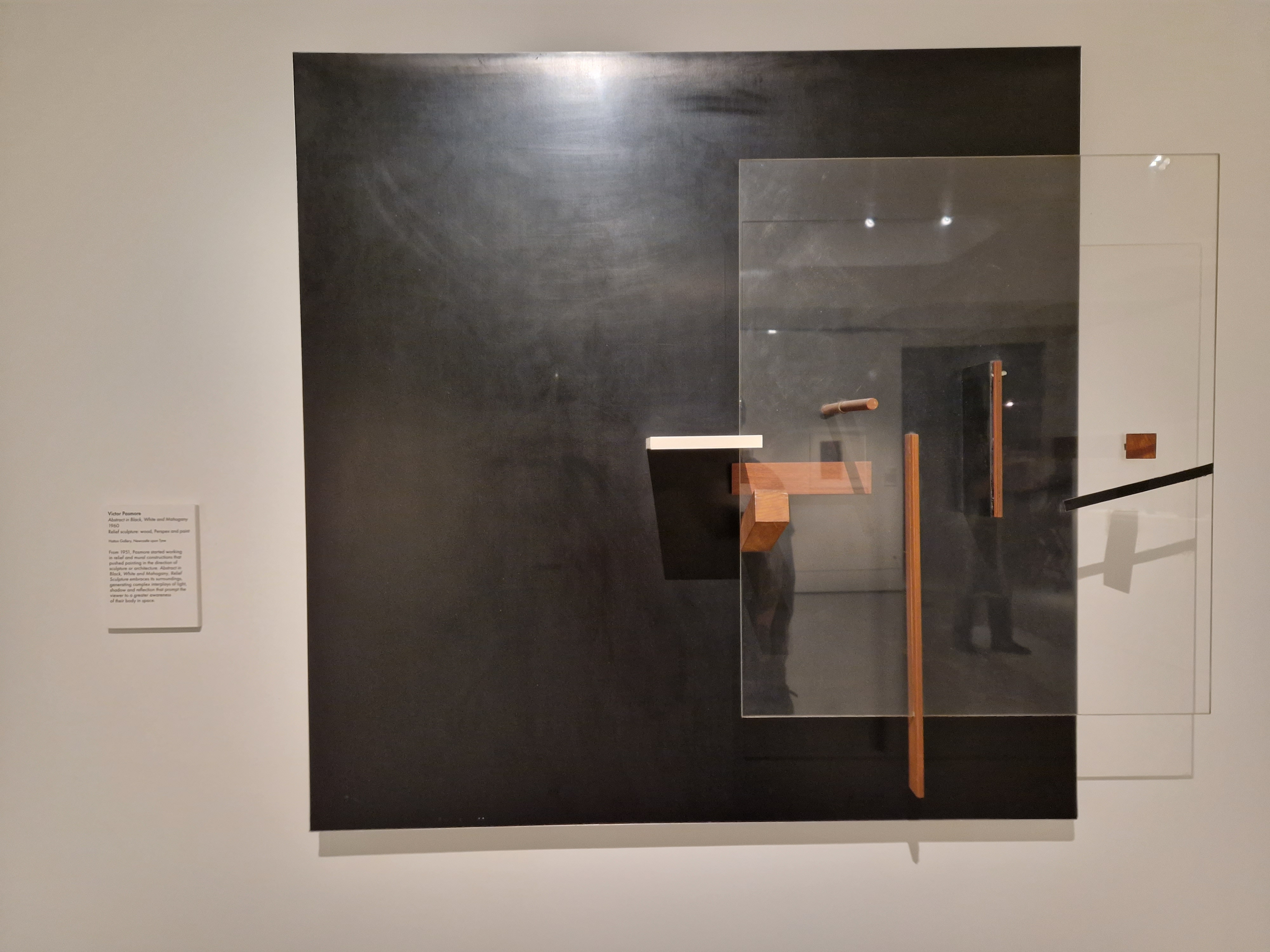
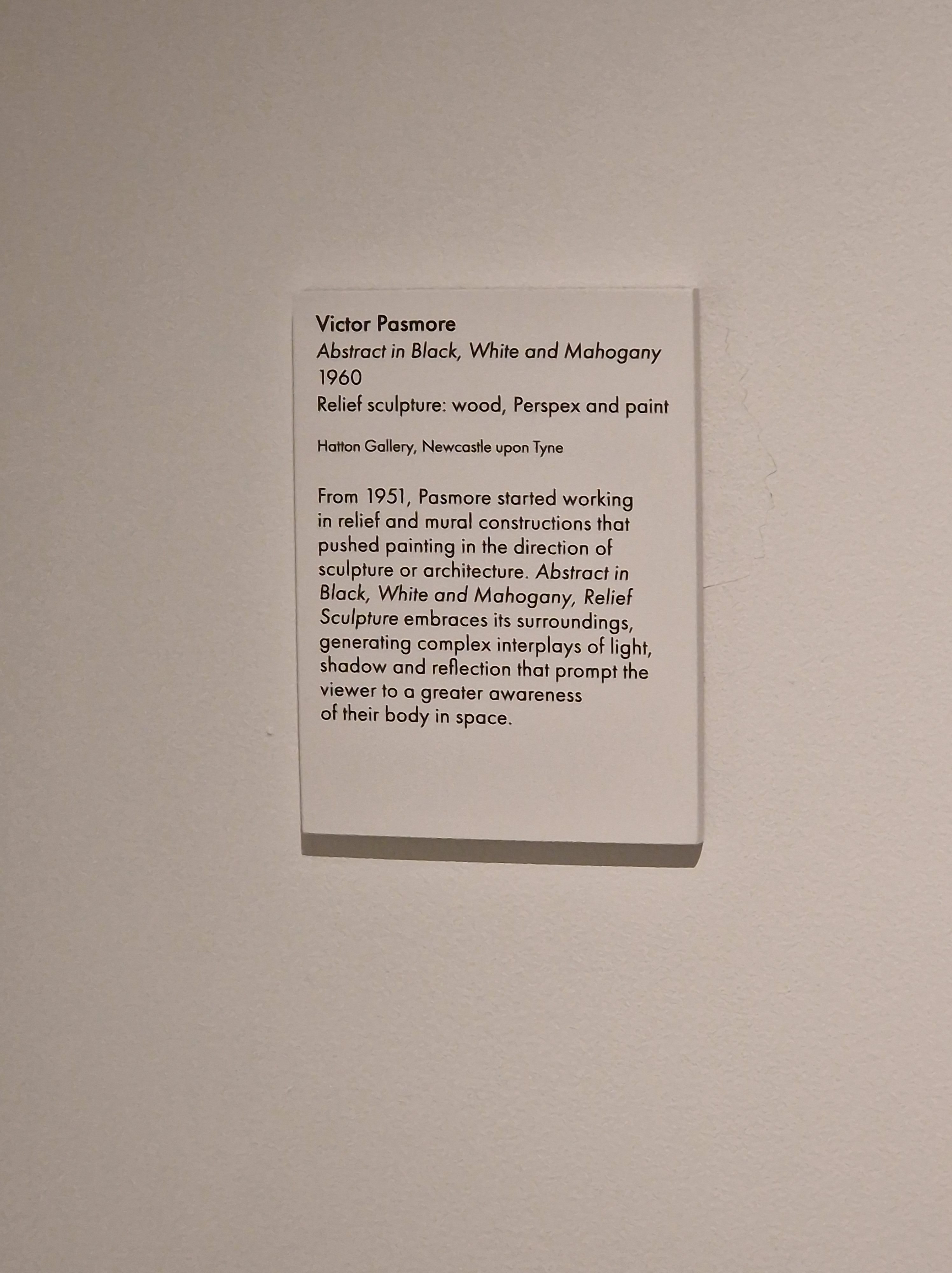
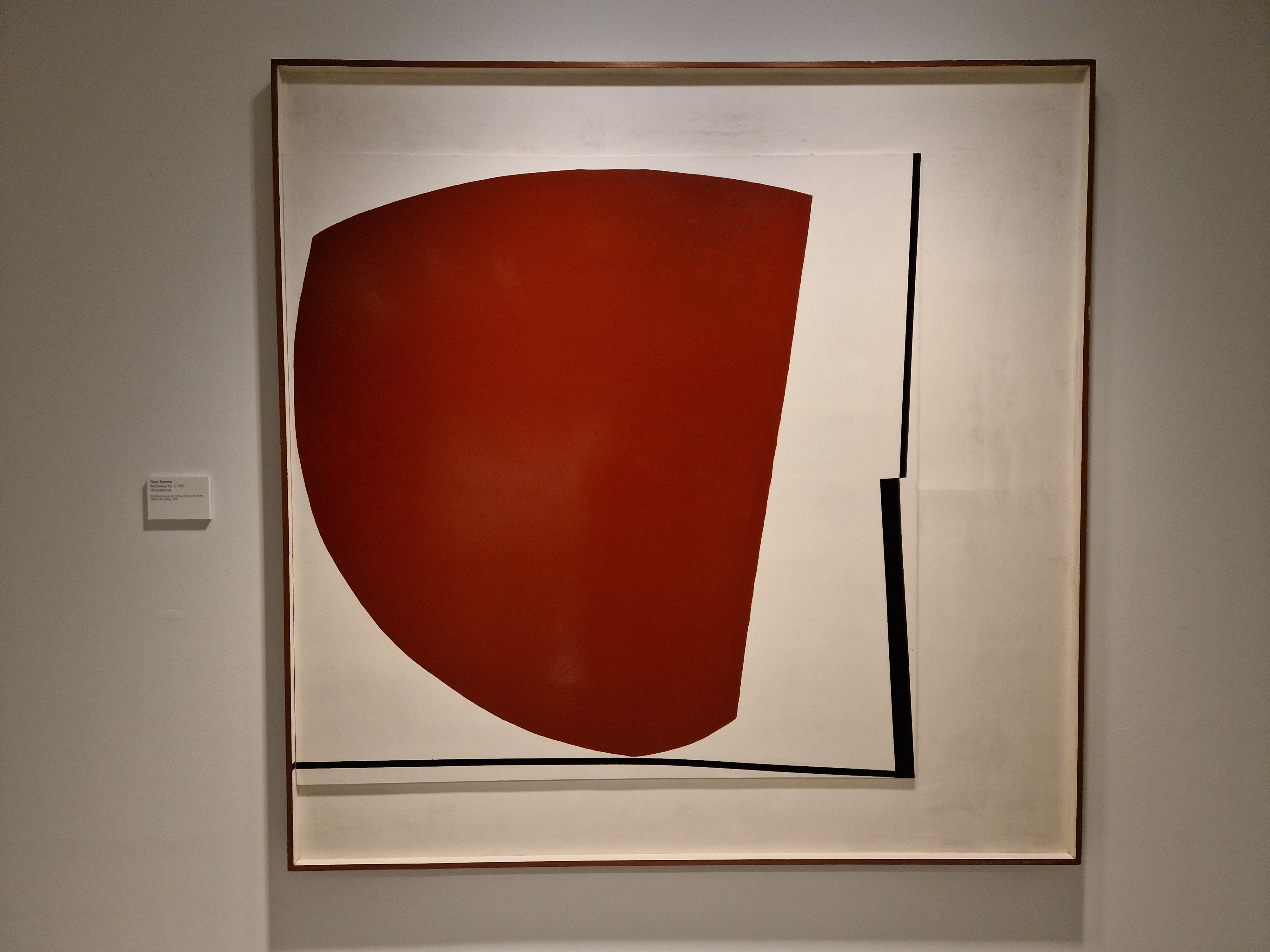
REFLECTIONS: Another top exhibition of 2023 and another excellent curation. I was so impressed with it that I was, for the first time, taking notes on who curated it (Jane Alison).
The highlight of this unforgettable exhibition was discovering the sculptures of Mary Martin, which completely shifted my understanding of sculpture and ways of displaying and making work. She entered the list of my favourite artists, and since then, I often look at and contemplate her work. The whole event was a great source of inspiration and motivation to really think outside the box.
YAYOI KUSAMA – INFINITY MIRRORS AT TATE MODERN
Step into infinite space.
Tate presents a rare chance to experience two of Yayoi Kusama’s Infinity Mirror Rooms. These immersive installations will transport you into Kusama’s unique vision of endless reflections.
Infinity Mirrored Room – Filled with the Brilliance of Life is one of Kusama’s largest installations to date and was made for her 2012 retrospective at Tate Modern. It is shown alongside Chandelier of Grief, a room which creates the illusion of a boundless universe of rotating crystal chandeliers.
A small presentation of photographs and moving image – some on display for the first time – provides historical context for the global phenomenon that Kusama’s mirrored rooms have become today.
Born in 1929 in Matsumoto, Japan, Kusama came to international attention in 1960s New York for a wide-ranging creative practice that has encompassed installation, painting, sculpture, fashion design and writing. Since the 1970s she has lived in Tokyo, where she continues to work prolifically and to international acclaim.
Yayoi Kusama: Infinity Mirror Rooms at Tate Modern | Tate
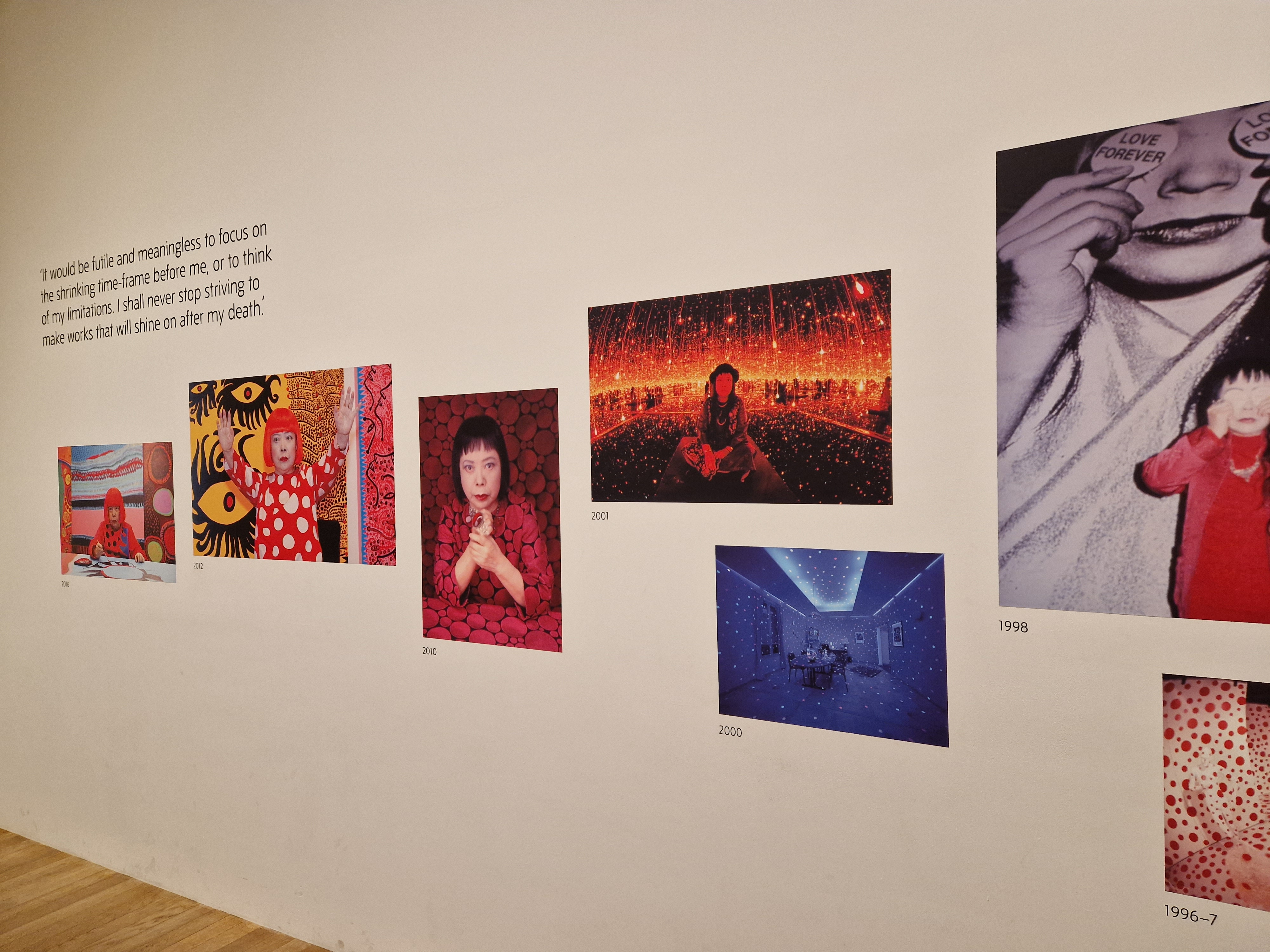
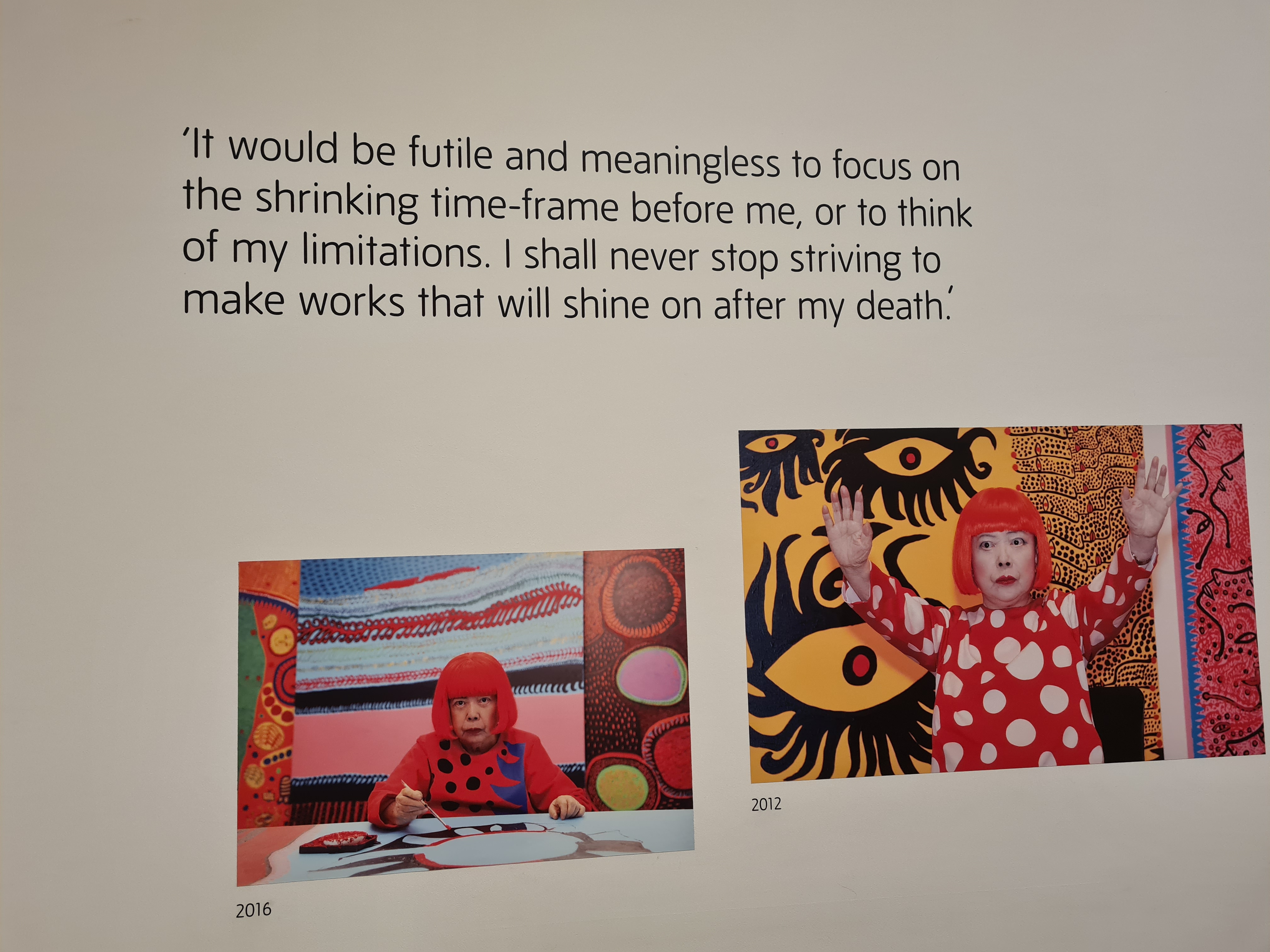
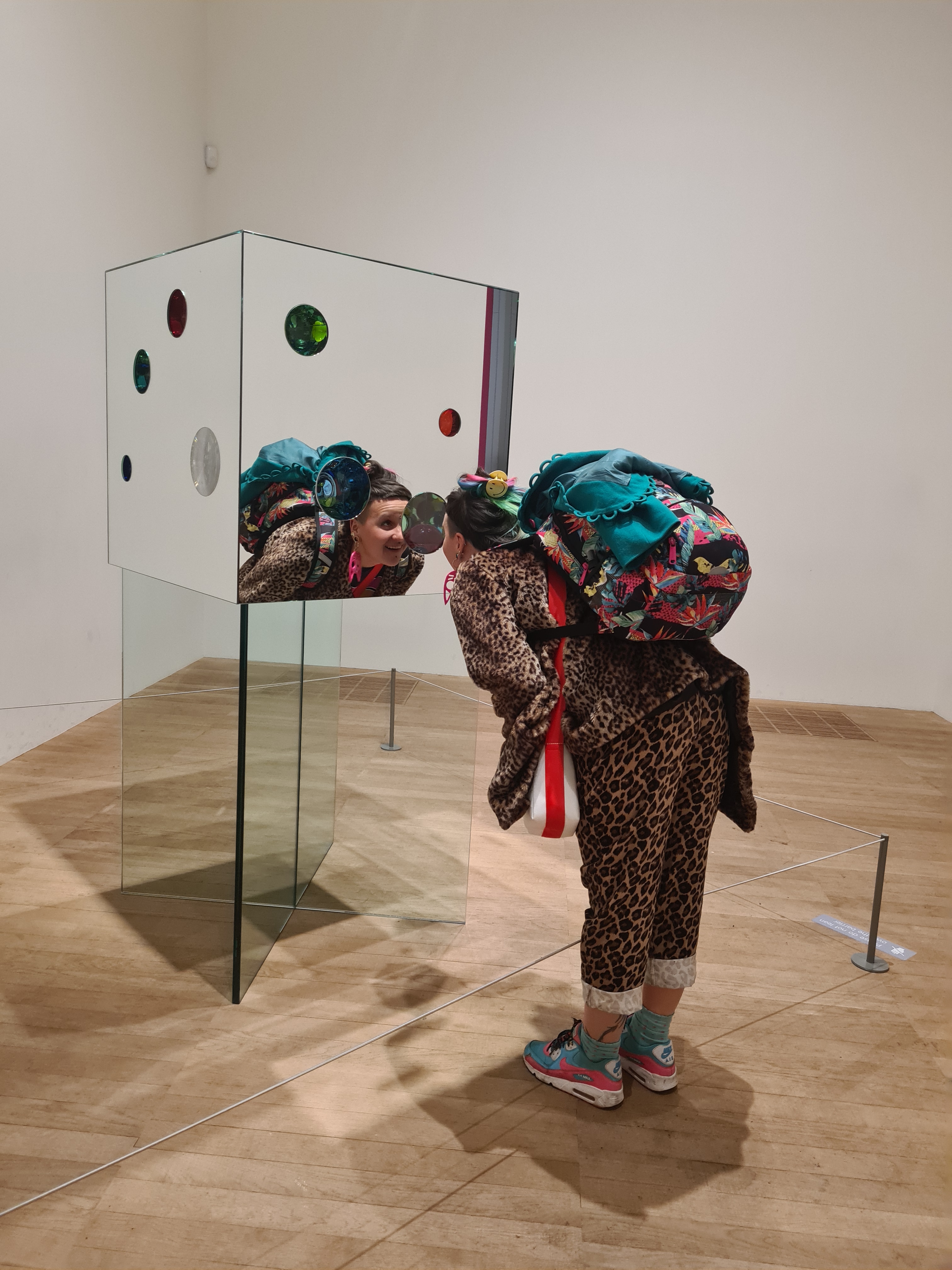
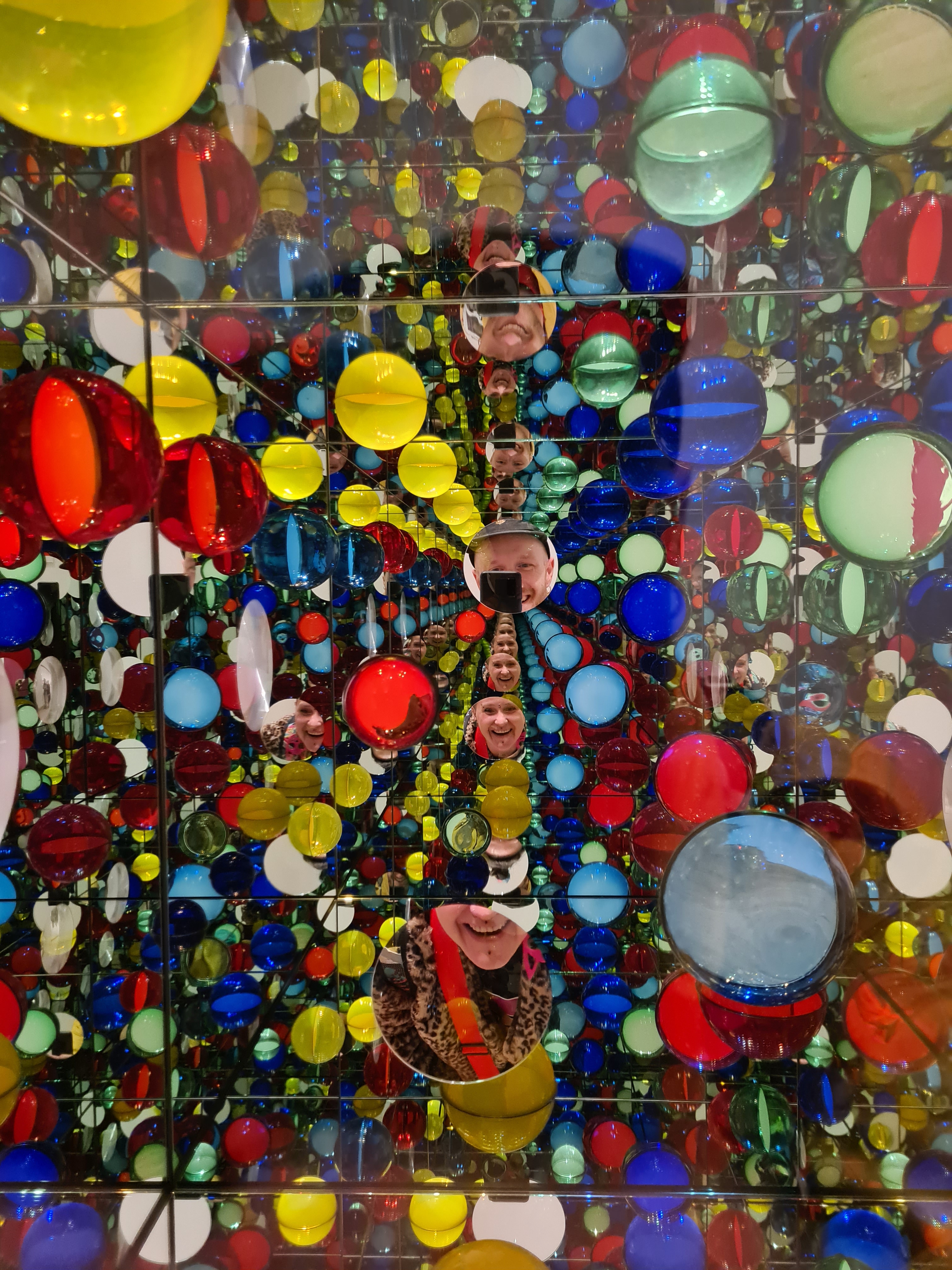

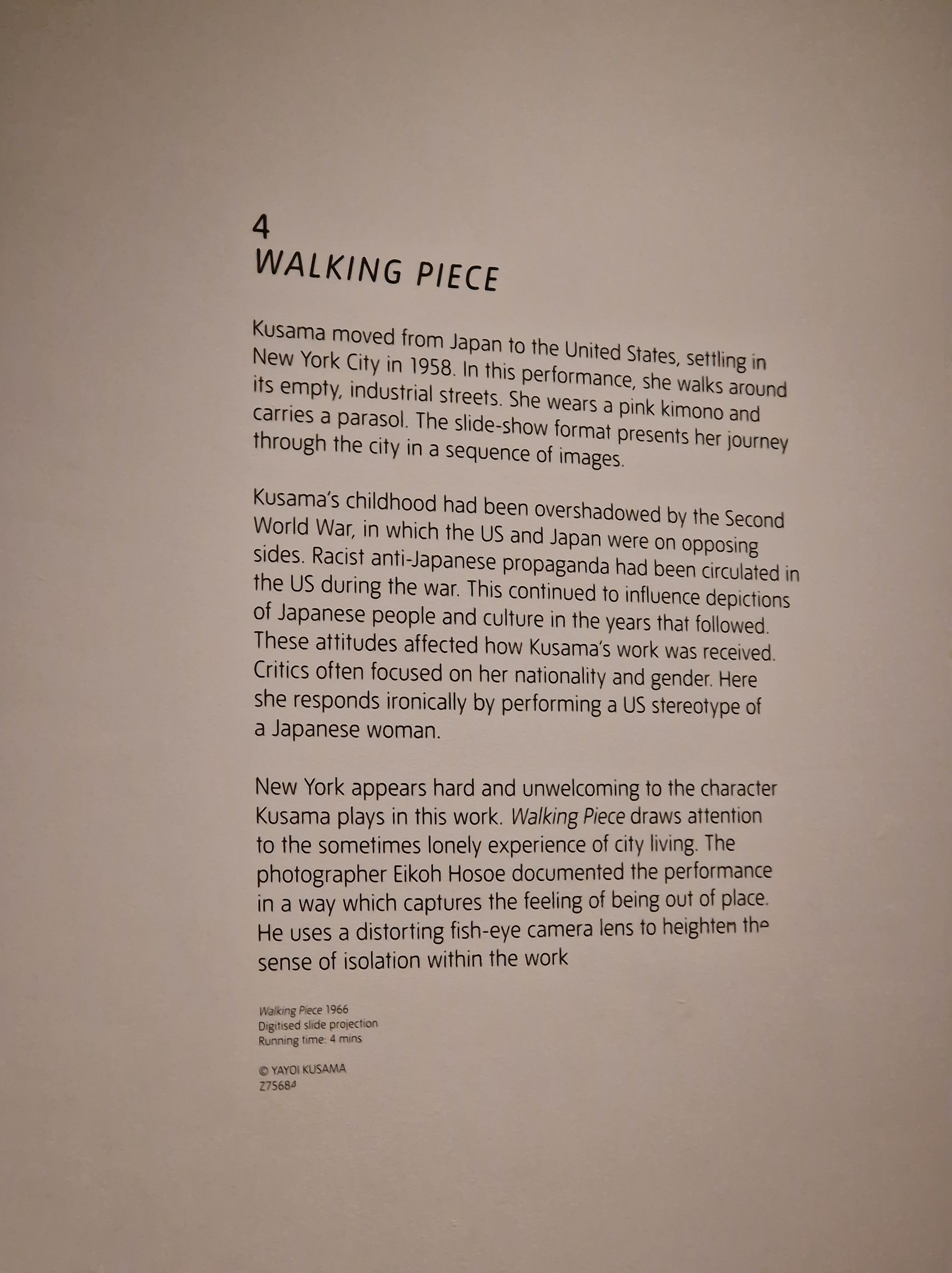

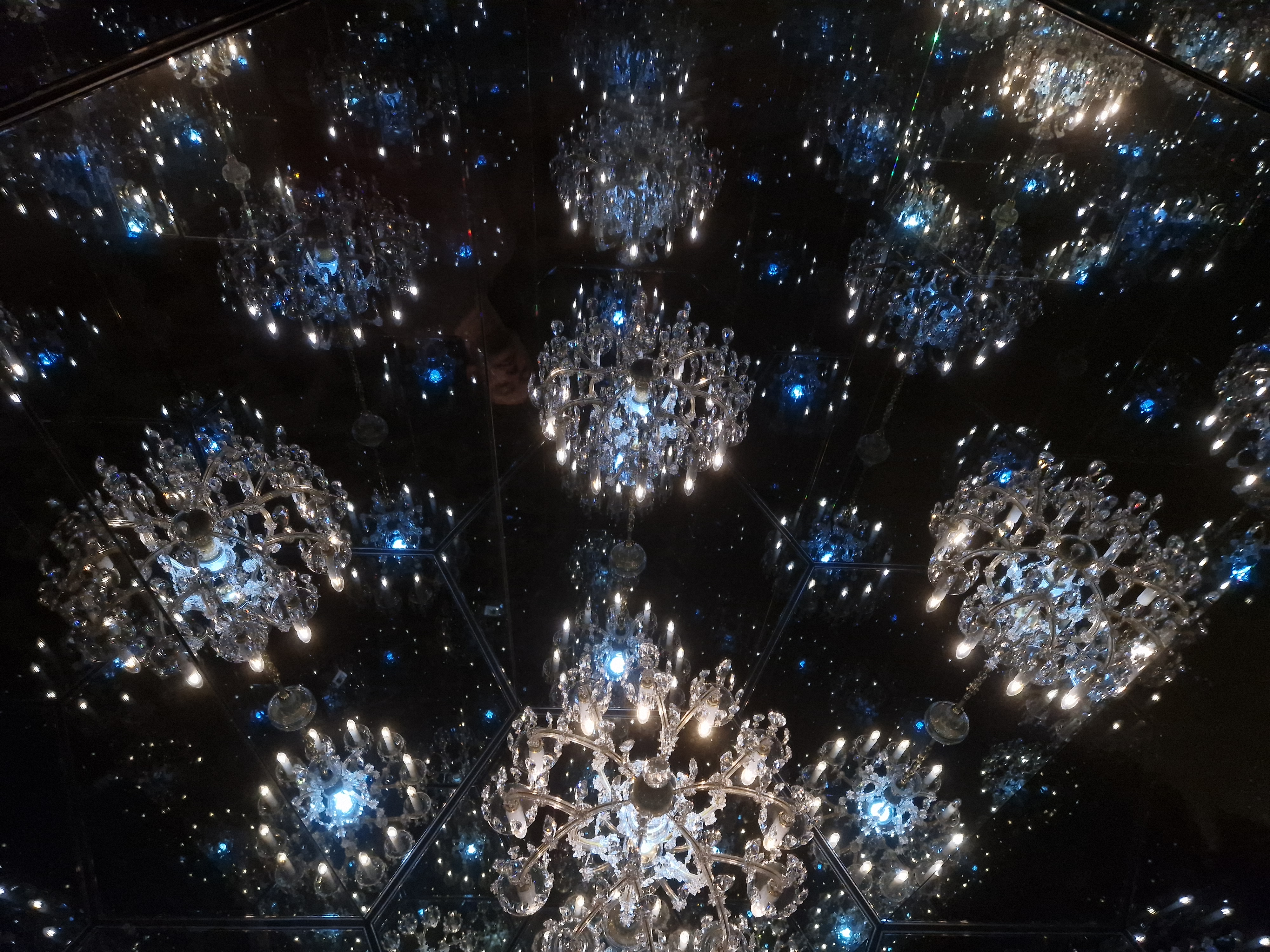
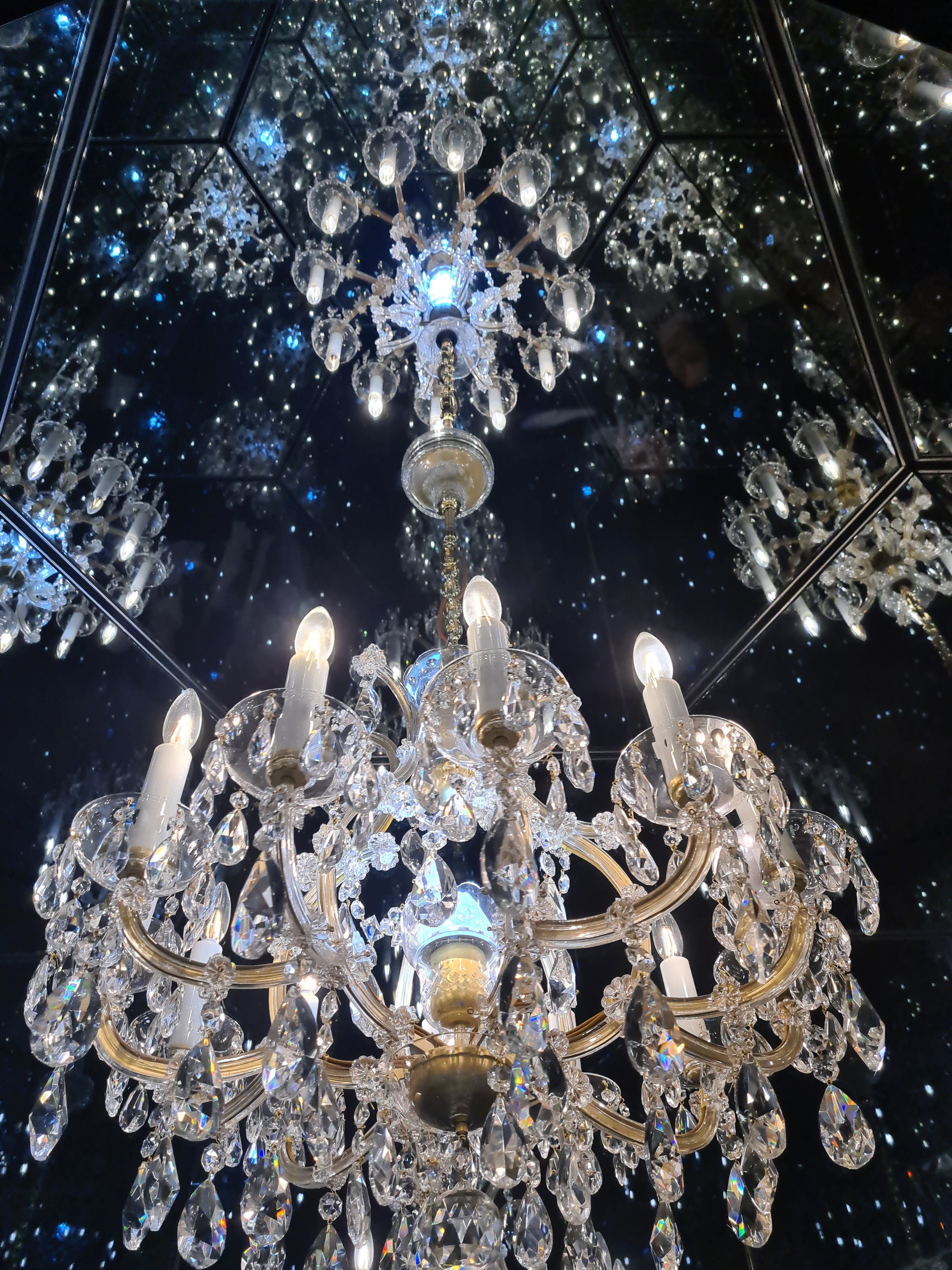


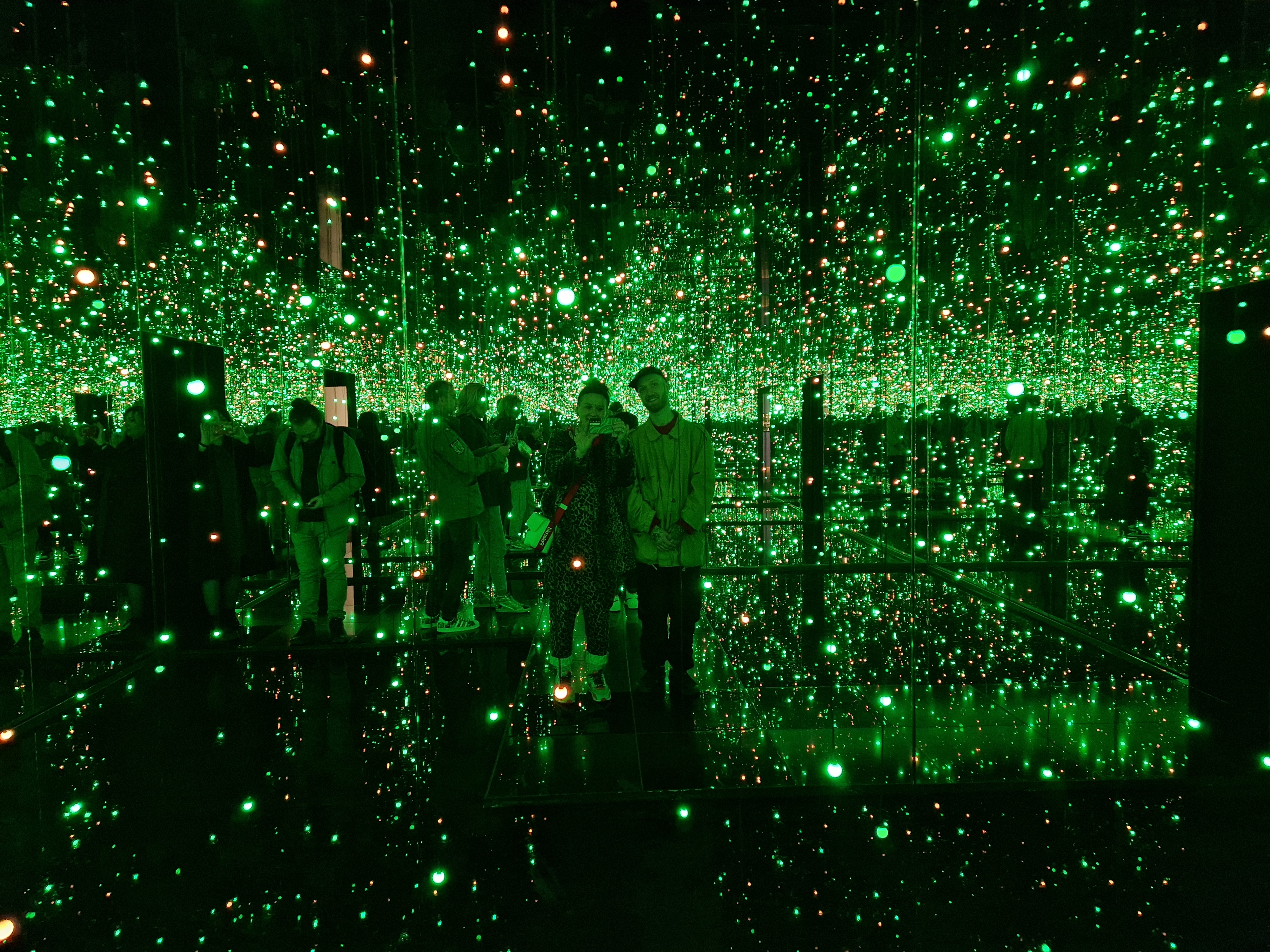

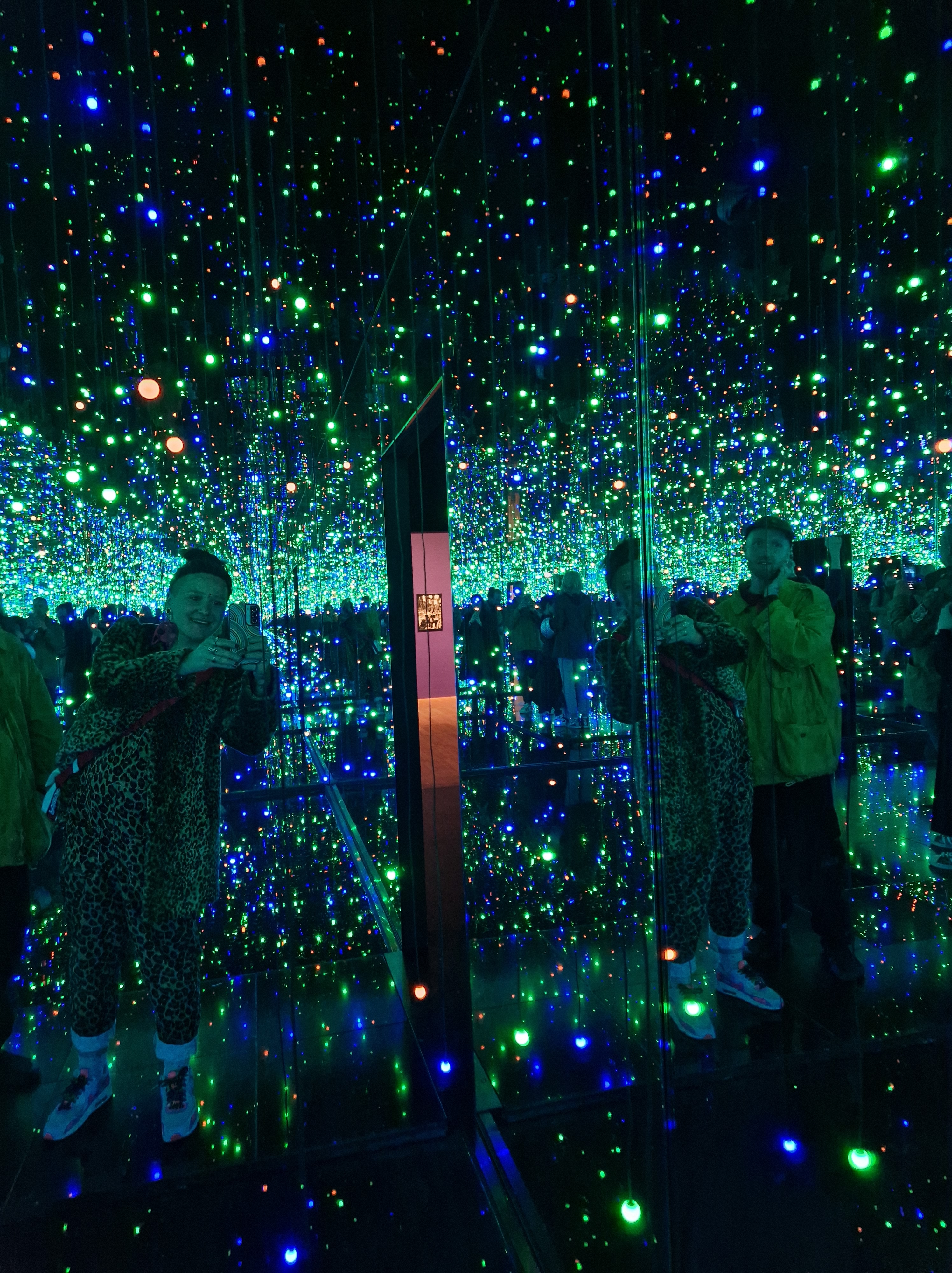
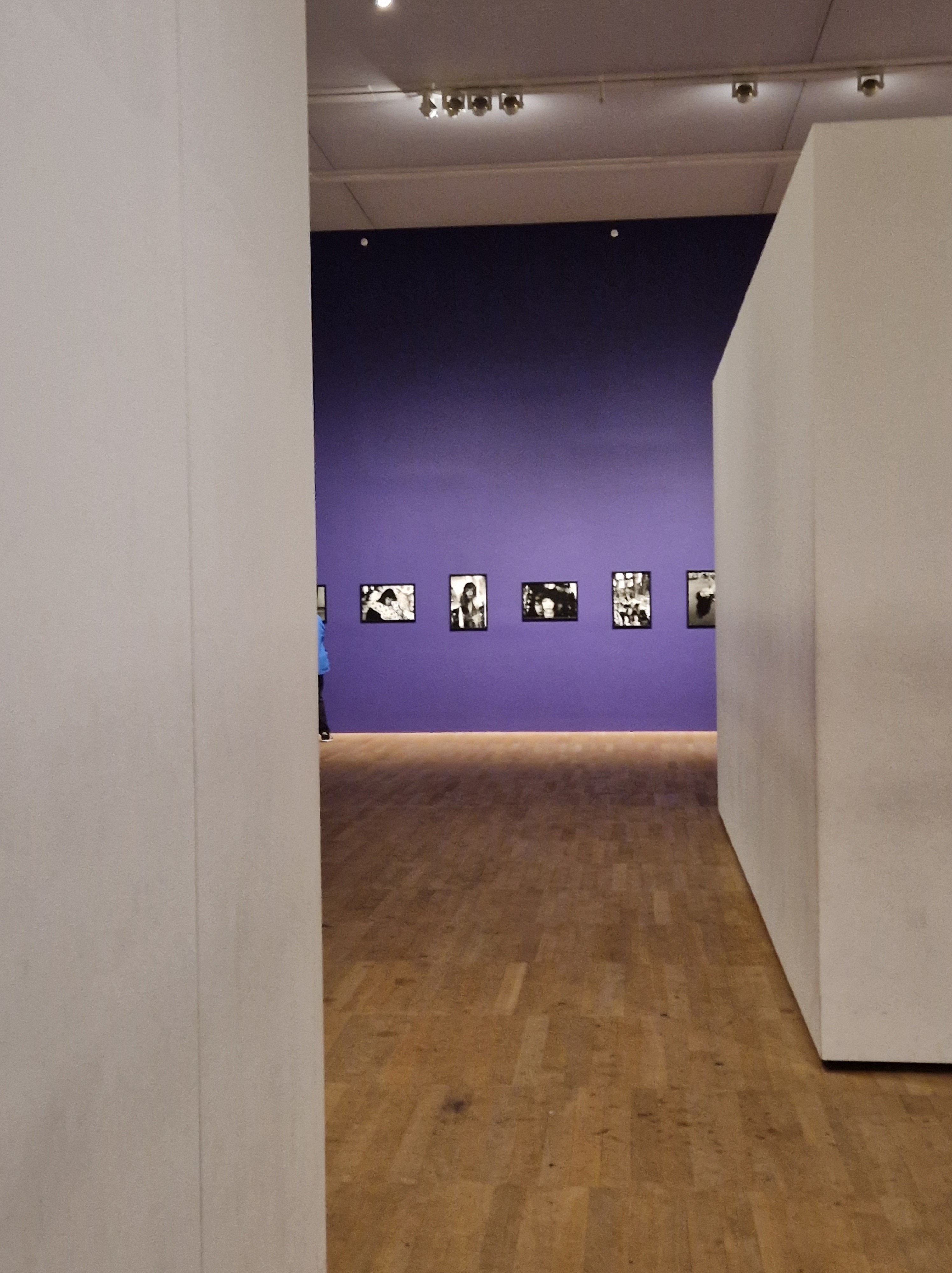

REFLECTIONS: A wonderful exhibition with a profound, universal meaning, making you reflect on your significance and your space in the universe. Both rooms and everything surrounding them was a visual masterpiece, but actually, what stayed with me the most was the photography part of an exhibition, where we learnt about Kusama's beginnings as an artist and her work in the 70s when she began concepting the idea for the Infinity Mirrored Room in the simplest way imaginable, drawing dots on walls and naked bodies. You can clearly see how this was the seed planted and nurtured over many years to result in this astonishing exhibition at Tate Modern.

Lesson: you have to start somewhere, even if it's in the simplest way possible. Plant the seed and work hard feeding your vision because if you do, one day, your dreams WILL become reality!
YAYOI KUSAMA – YOU, ME AND THE BALLOONS (MANCHESTER)
Yayoi Kusama is bringing her largest-ever immersive environment to Manchester. Conceived especially for the soaring spaces of our new home, Yayoi Kusama: You, Me and the Balloons celebrates three decades of the pioneering Japanese artist’s inflatable artworks, which are brought together for the first time in this major exhibition. Journey through Kusama’s psychedelic creations – many over 10m tall – including giant dolls, spectacular tendrilled landscapes and a vast constellation of polka-dot spheres.
Kusama is renowned and adored for her surreal world of dots and pumpkins amongst other artistic motifs. Her hallucinatory paintings, sculptures, and immersive environments, such as her Infinity Mirror Rooms, take us beyond ourselves and make us feel part of something greater. Unique in her ability to conjure wonder while also asking bigger questions about human existence, millions of people queue for hours to spend just a minute in Kusama’s cosmos.
Kusama’s career spans eight decades and she is now a global phenomenon. In Yayoi Kusama: You, Me and the Balloons you will experience the vastness of her playful and kaleidoscopic universe.
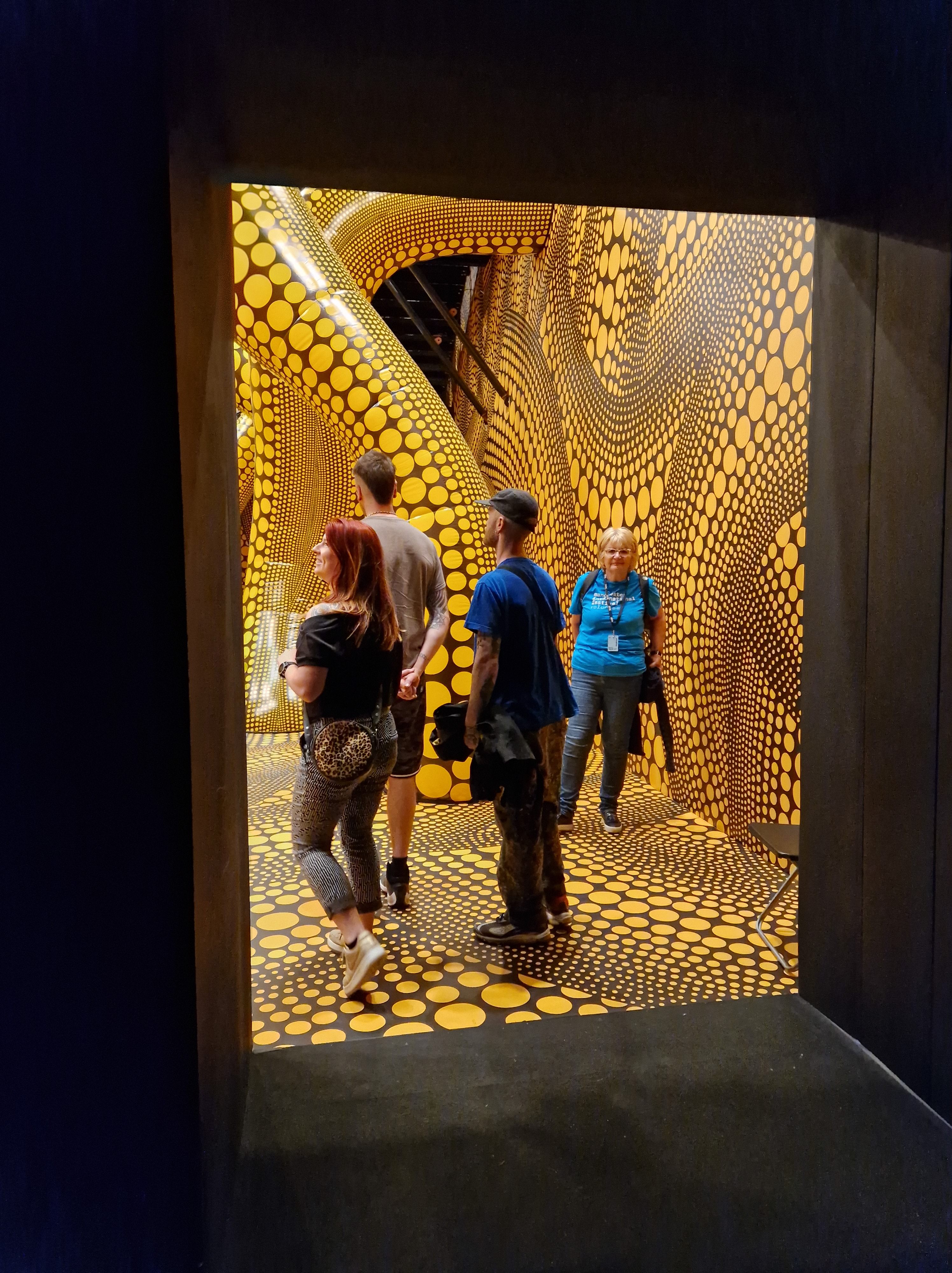
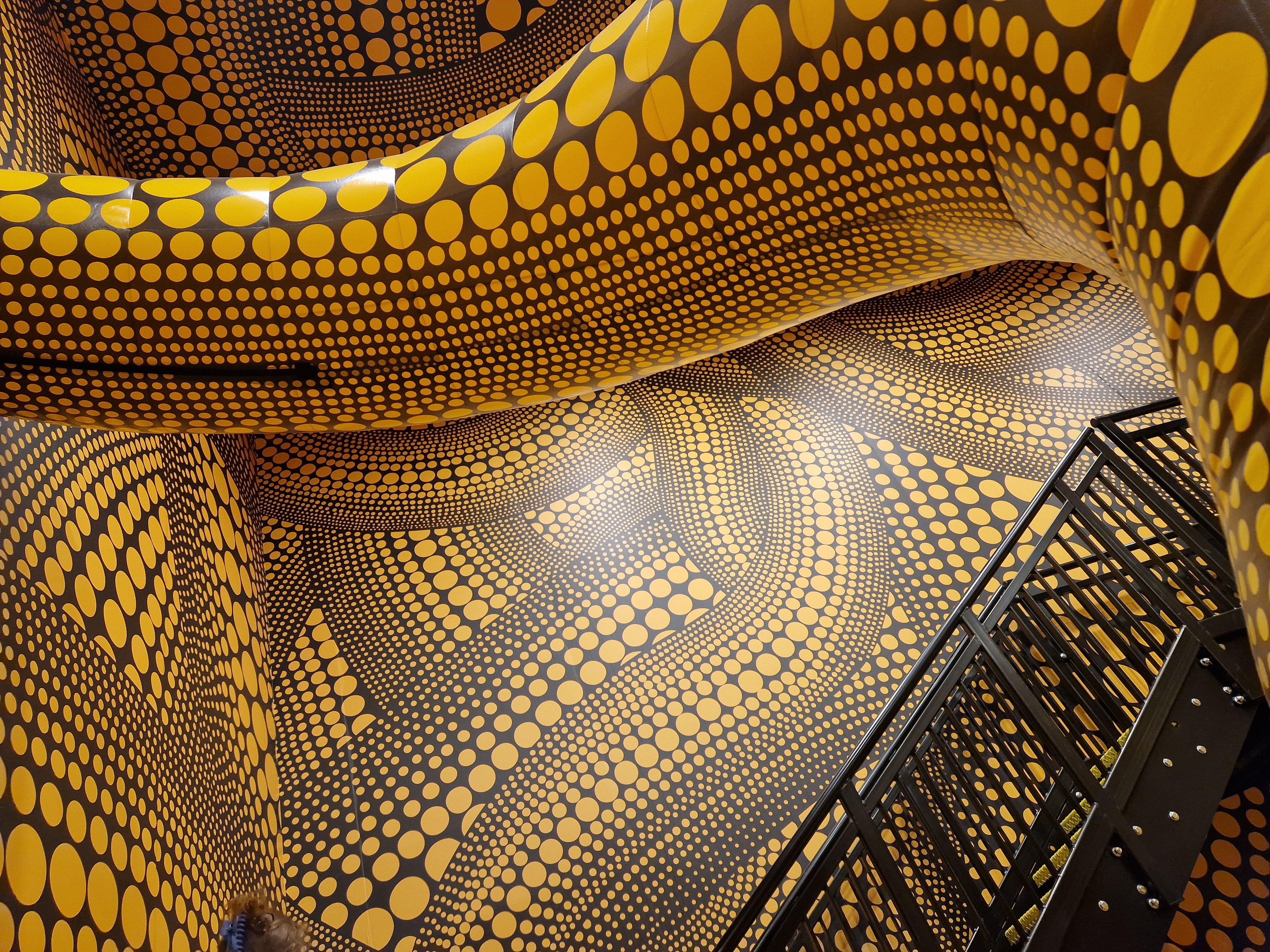

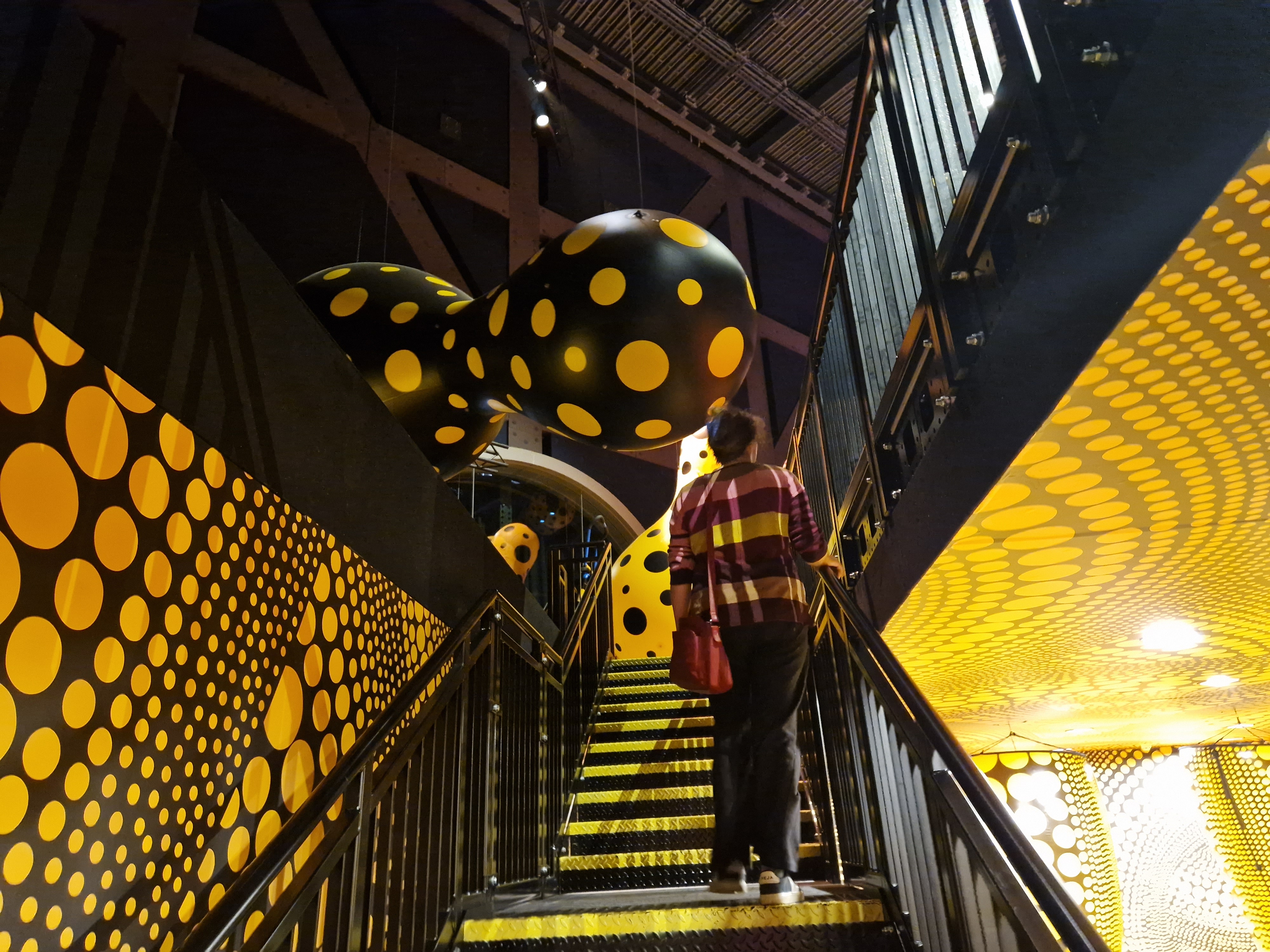

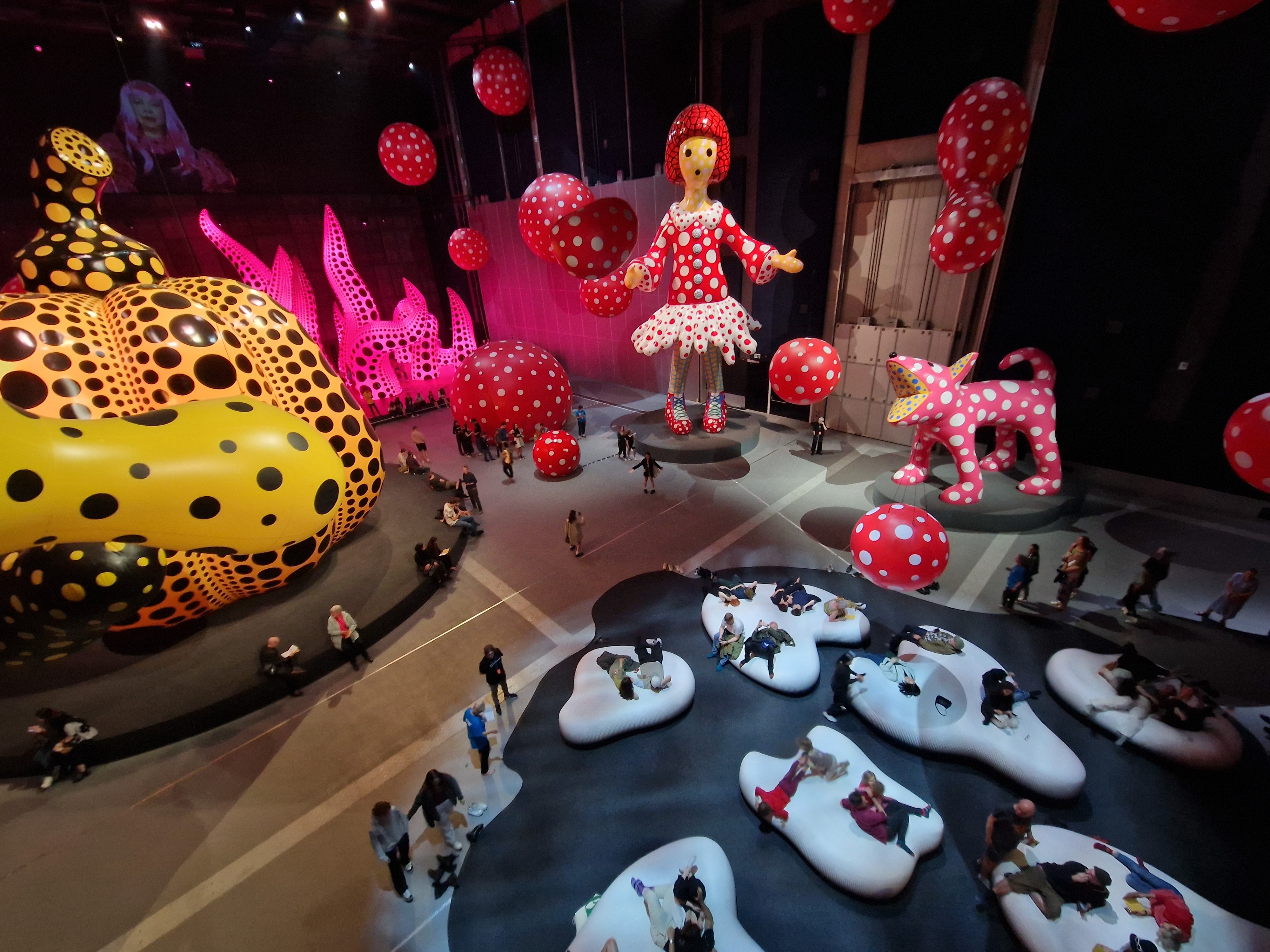
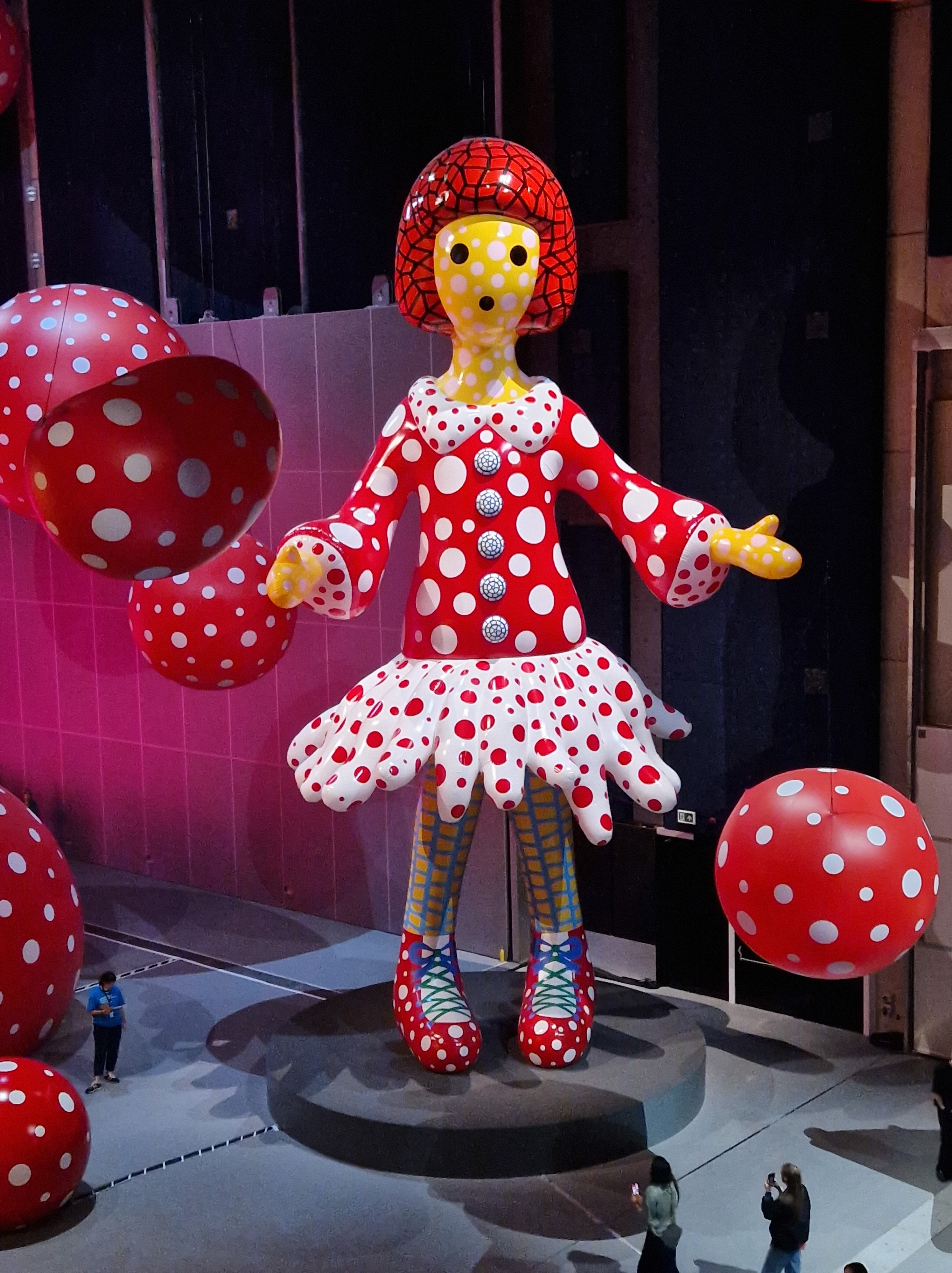
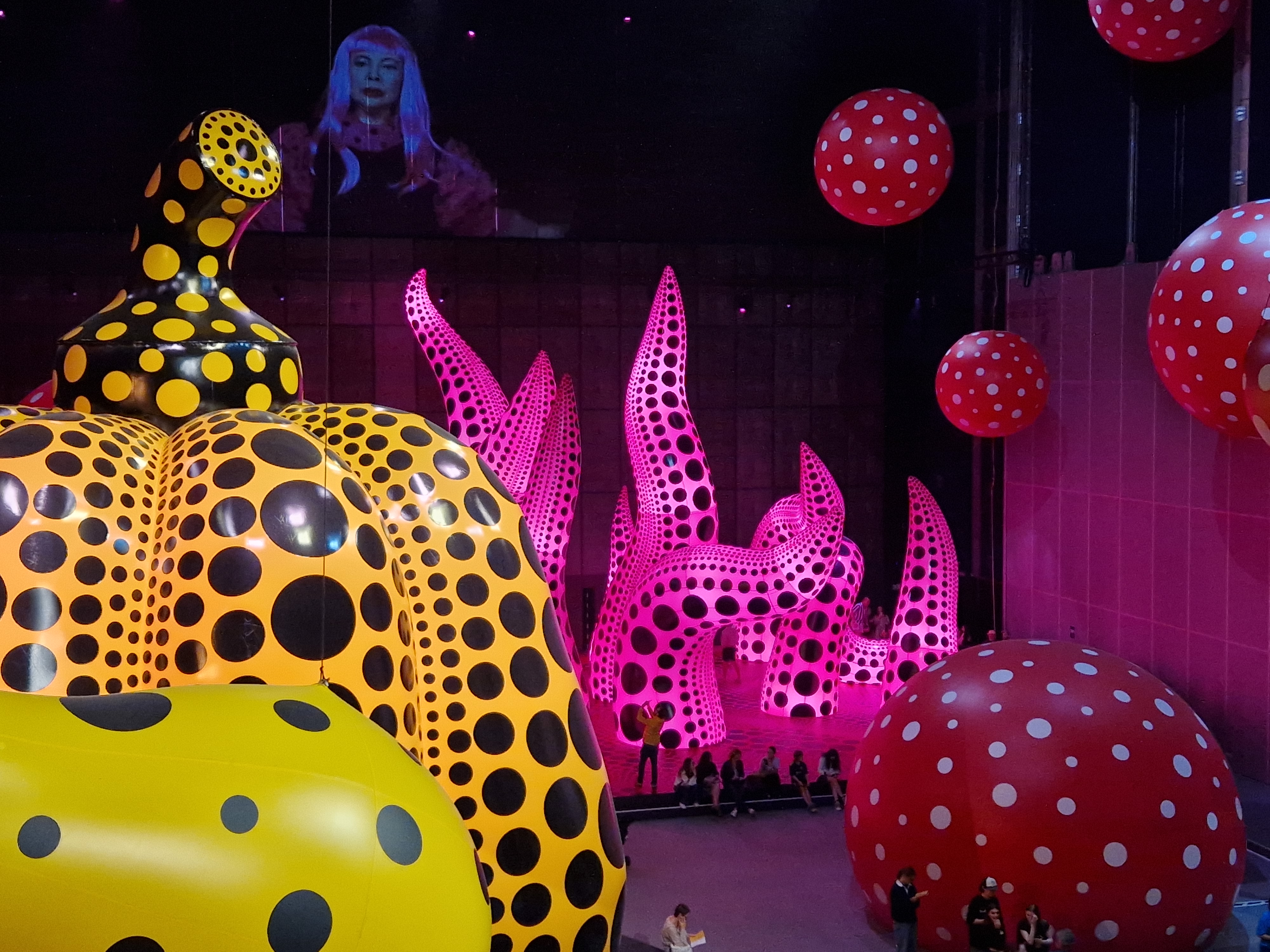
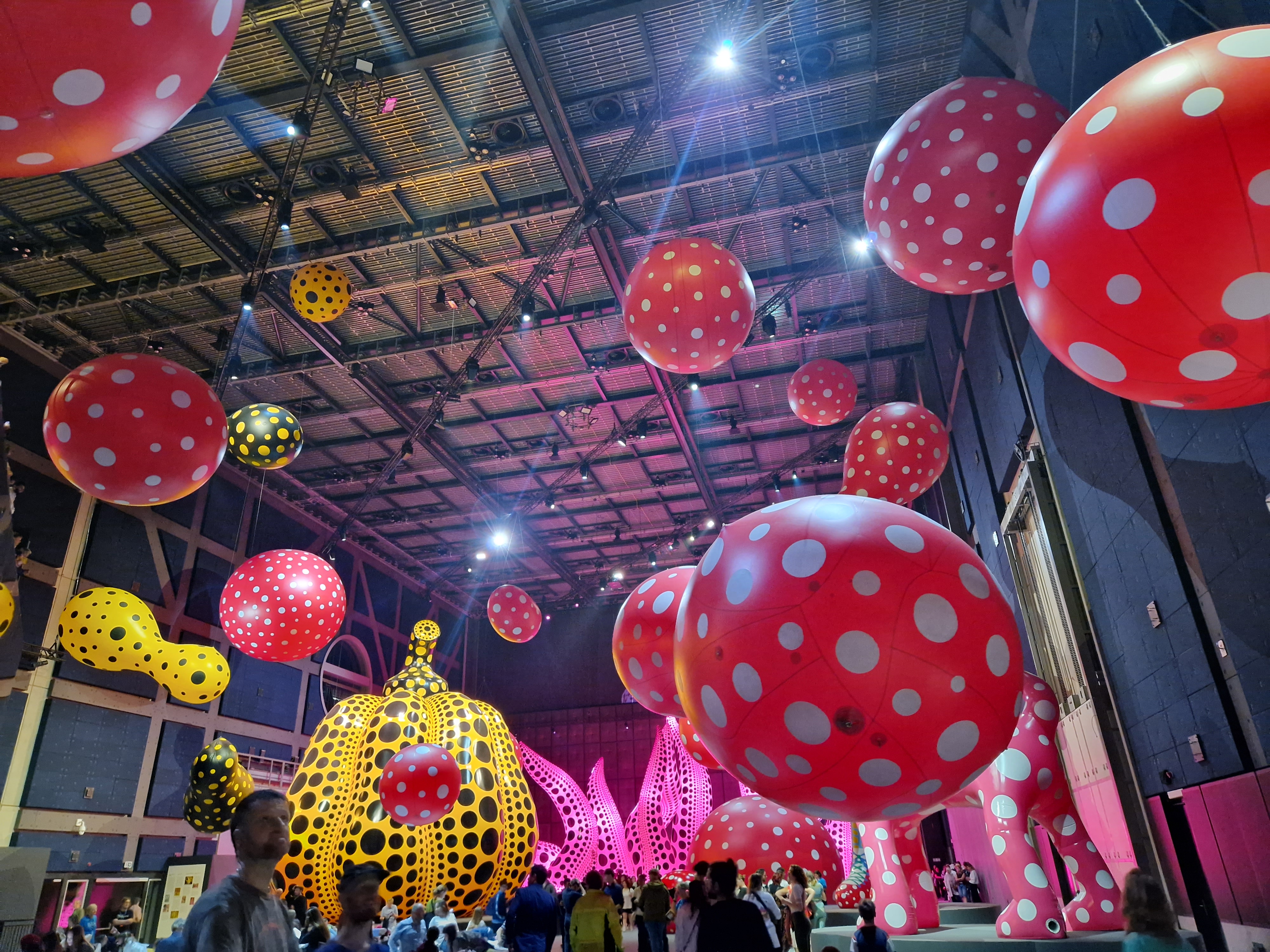
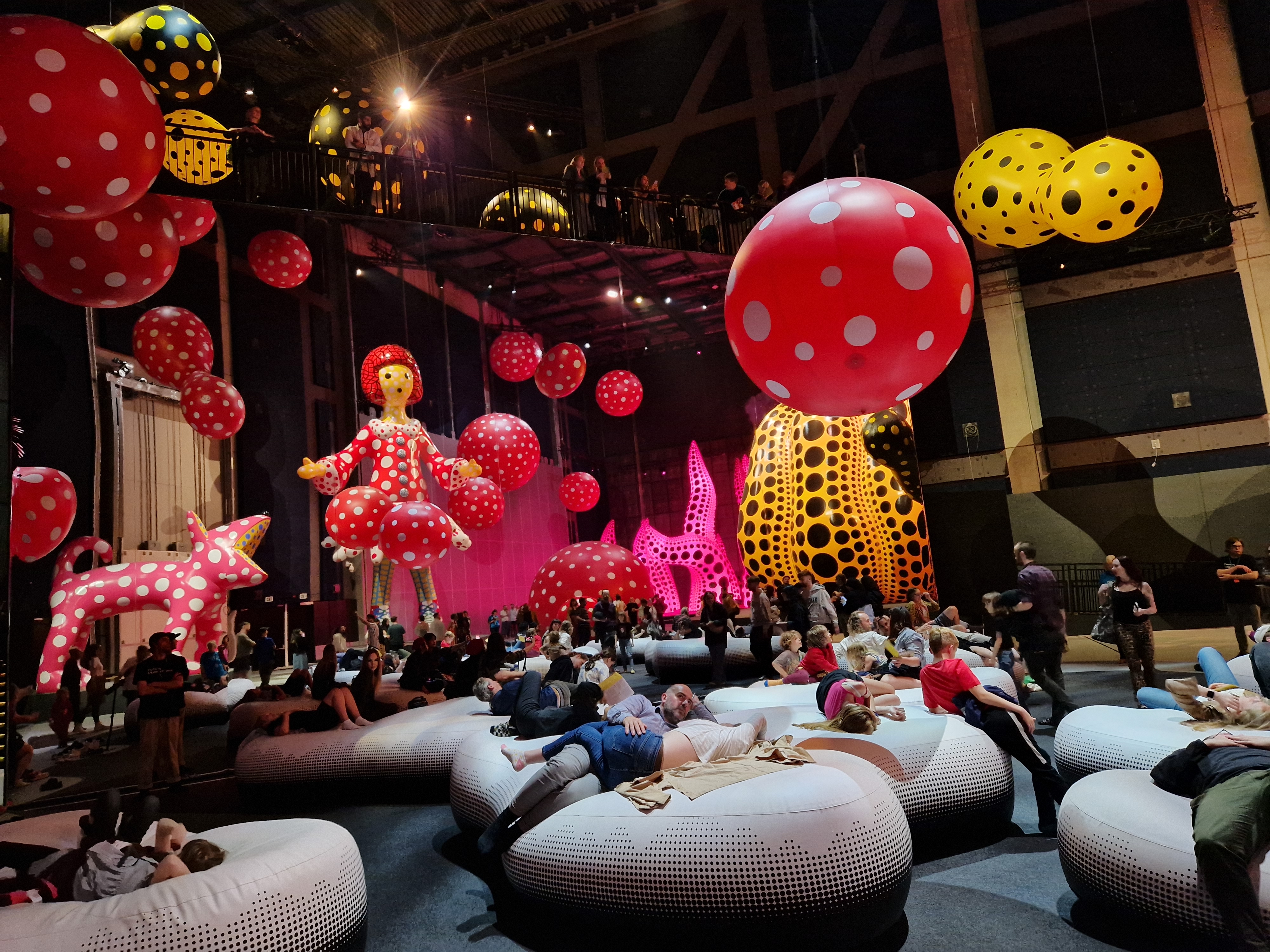
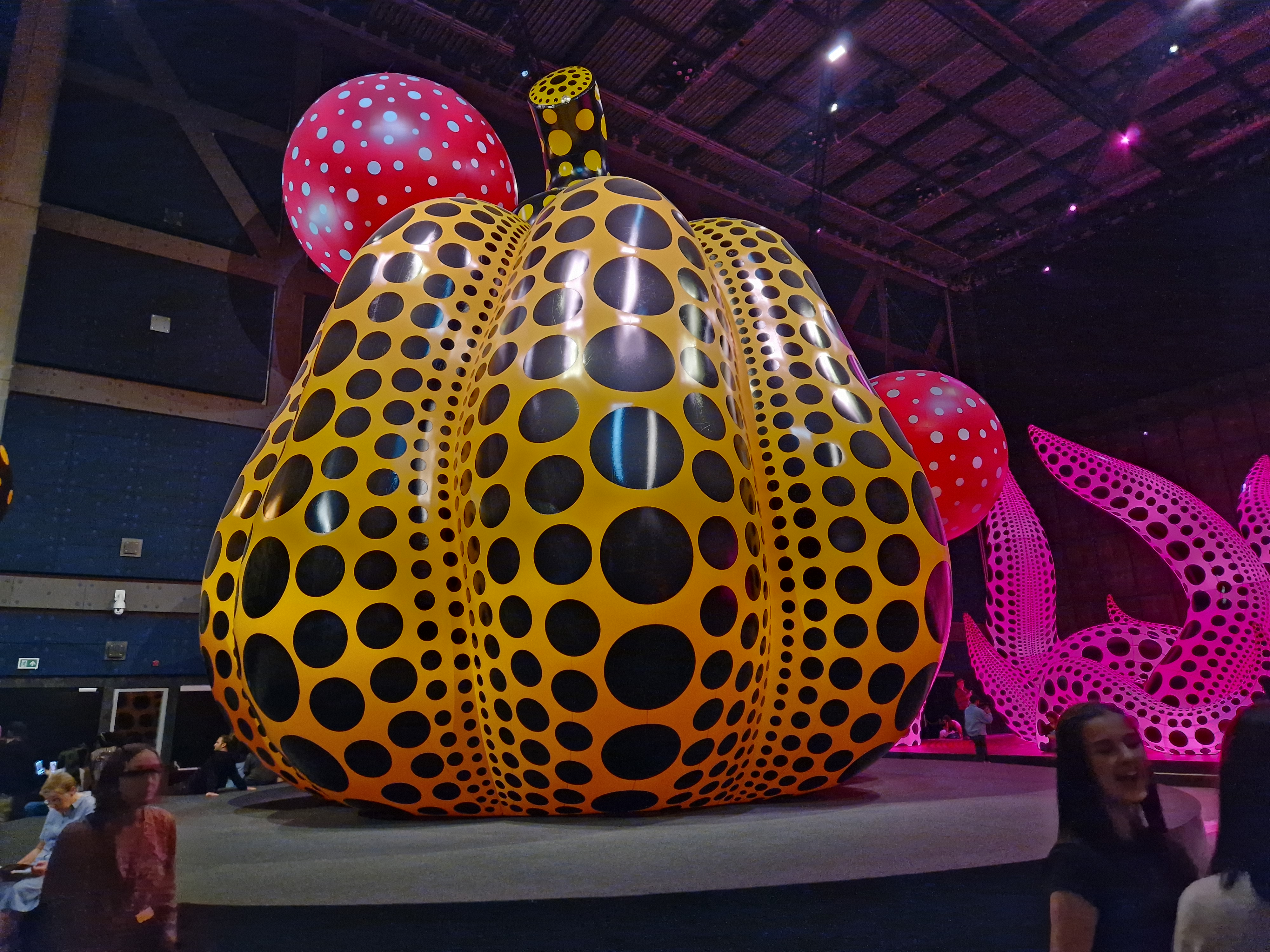
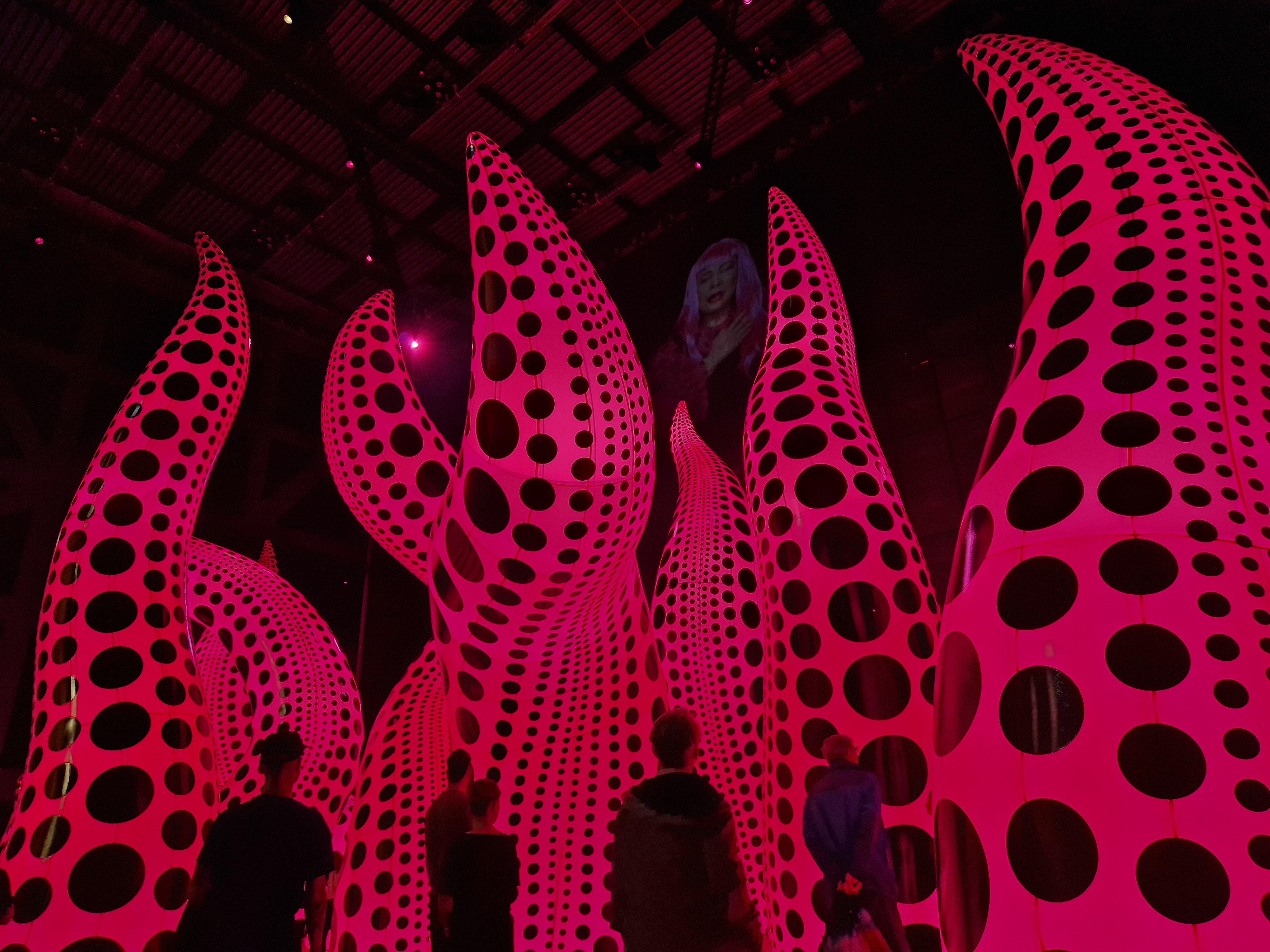
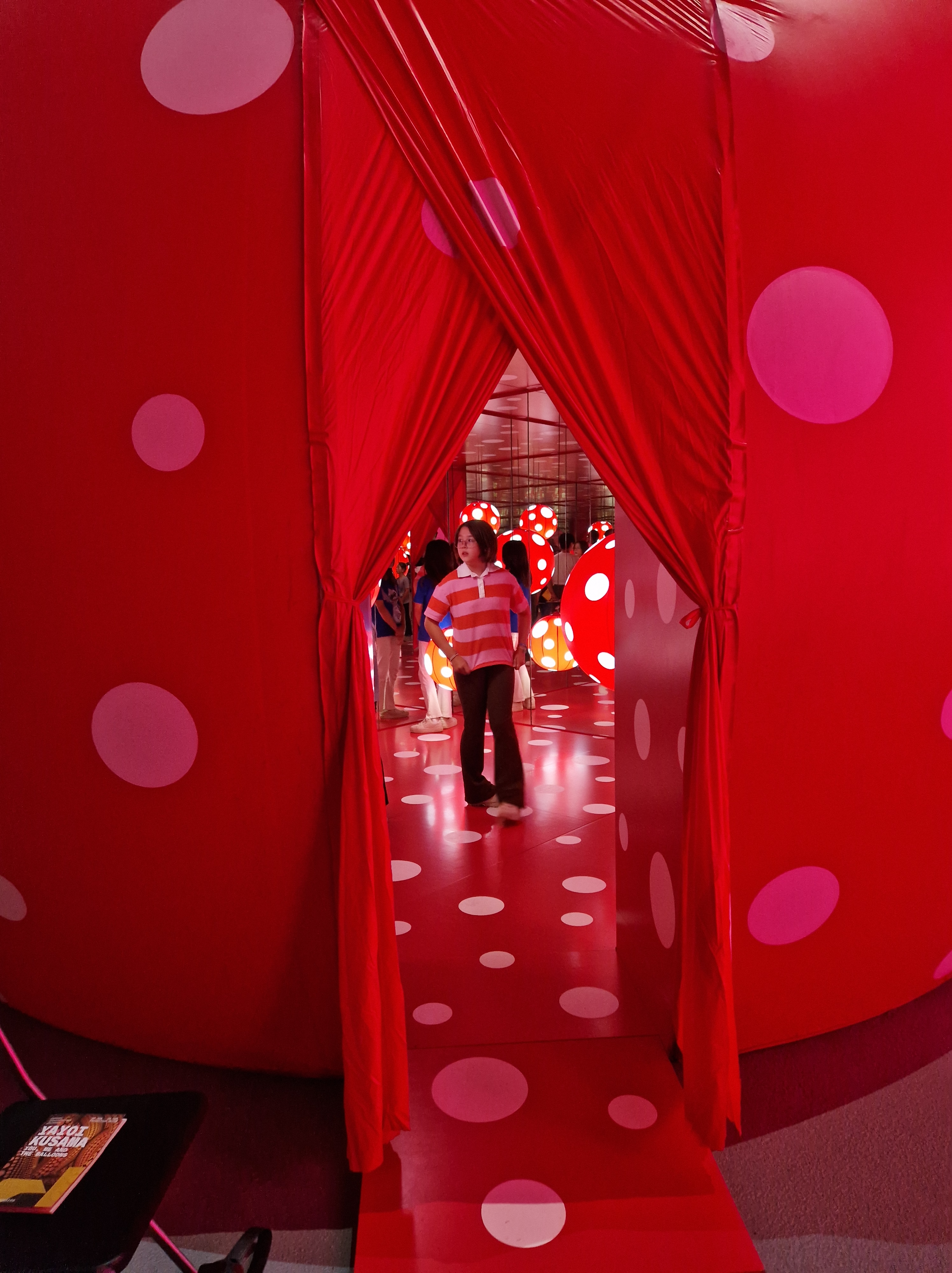
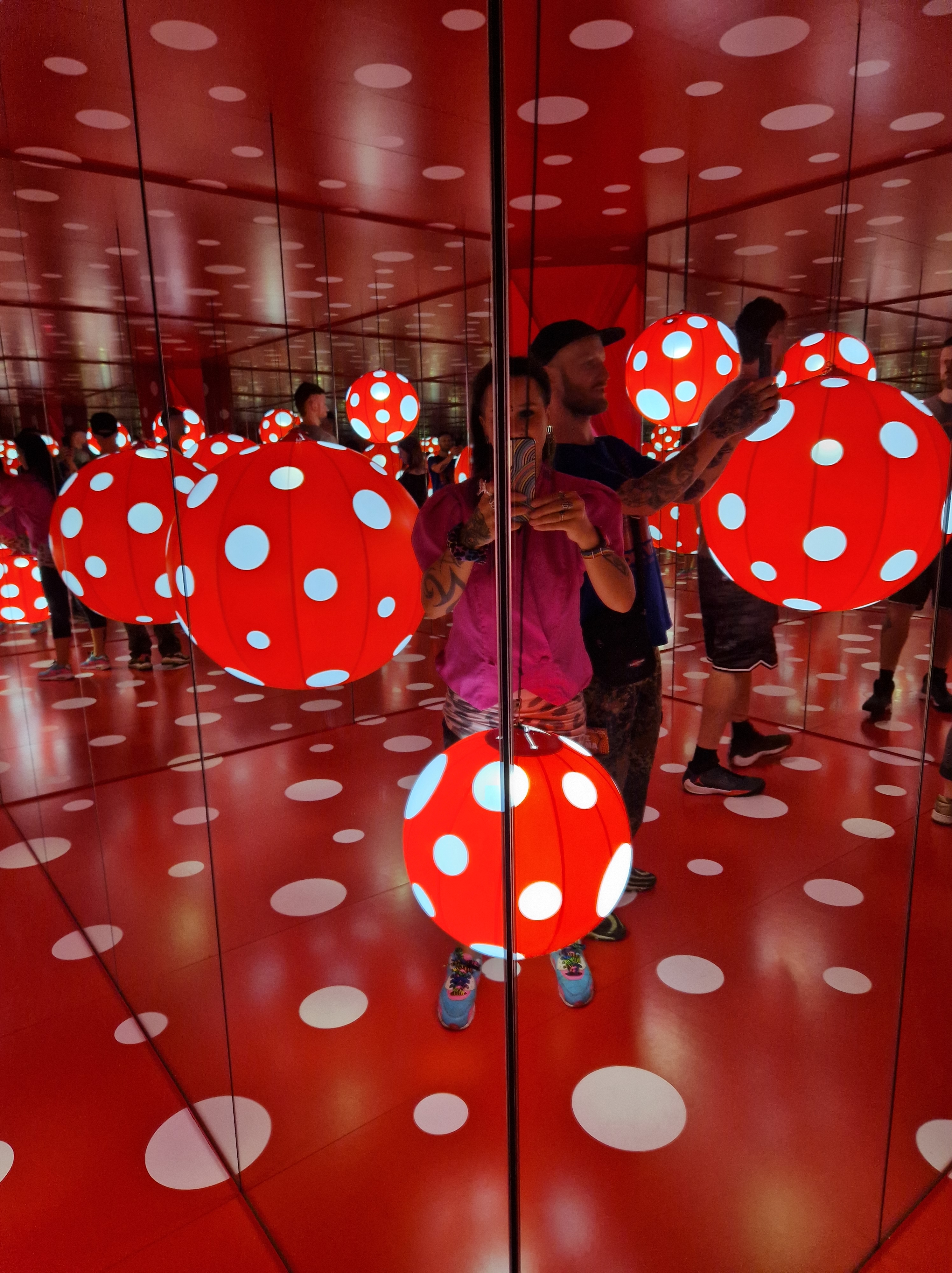
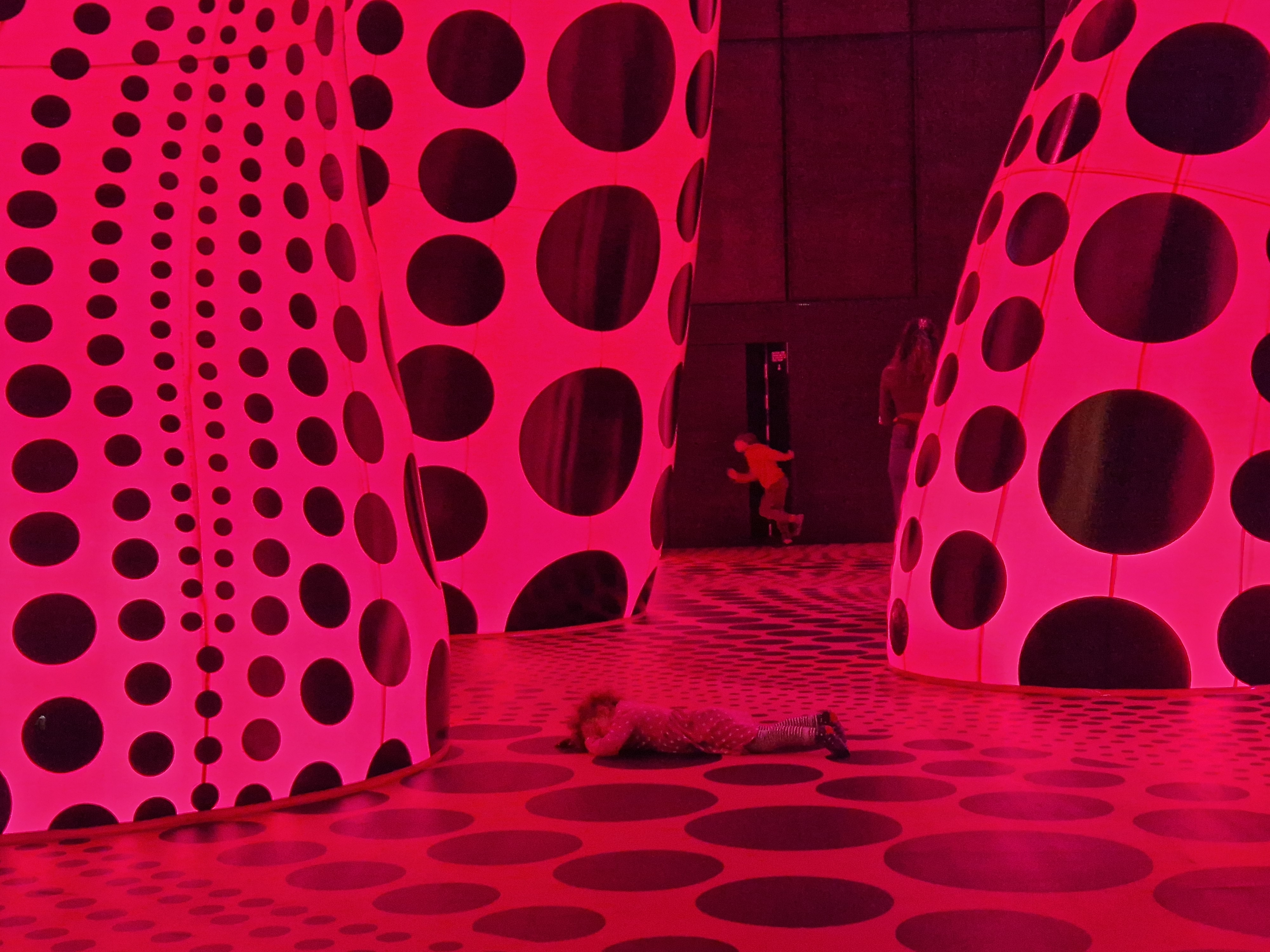


REFLECTIONS: Accurately described as playful, this exhibition takes you to another world, a world you couldn't even imagine before, but once in it, everything makes sense somehow.
Kusama successfully stimulates your imagination, making you feel that anything is possible when it comes to art and projecting your imagination.
REINA SOFIA MADRID
An important landmark on Madrid’s famous Art Walk, the Reina Sofía Museum is home to a large collection of modern and contemporary Spanish art renowned throughout the world. Inside find works by Dalí, Miró and Juan Gris.
Selection of my favourite artwork from the Museum.
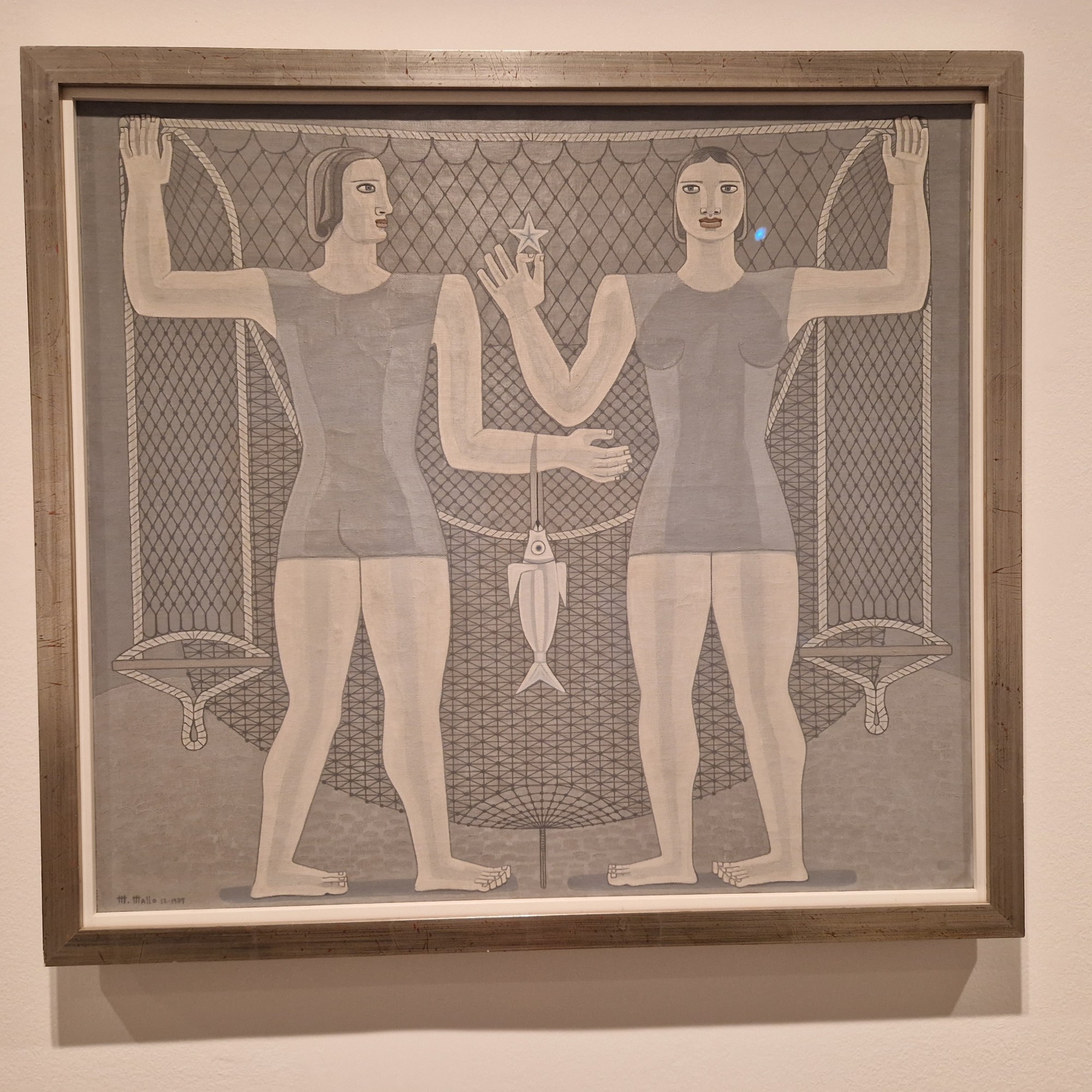
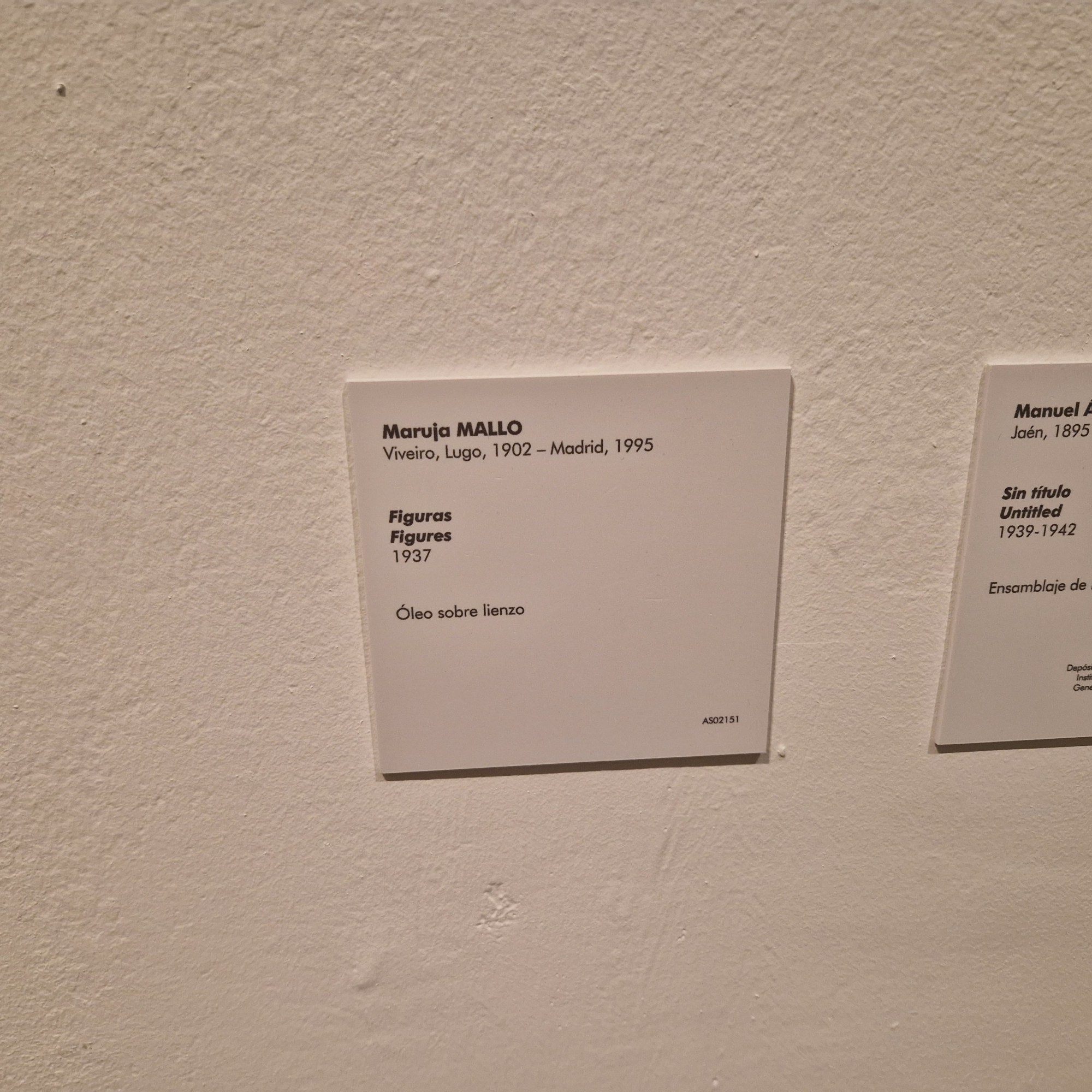
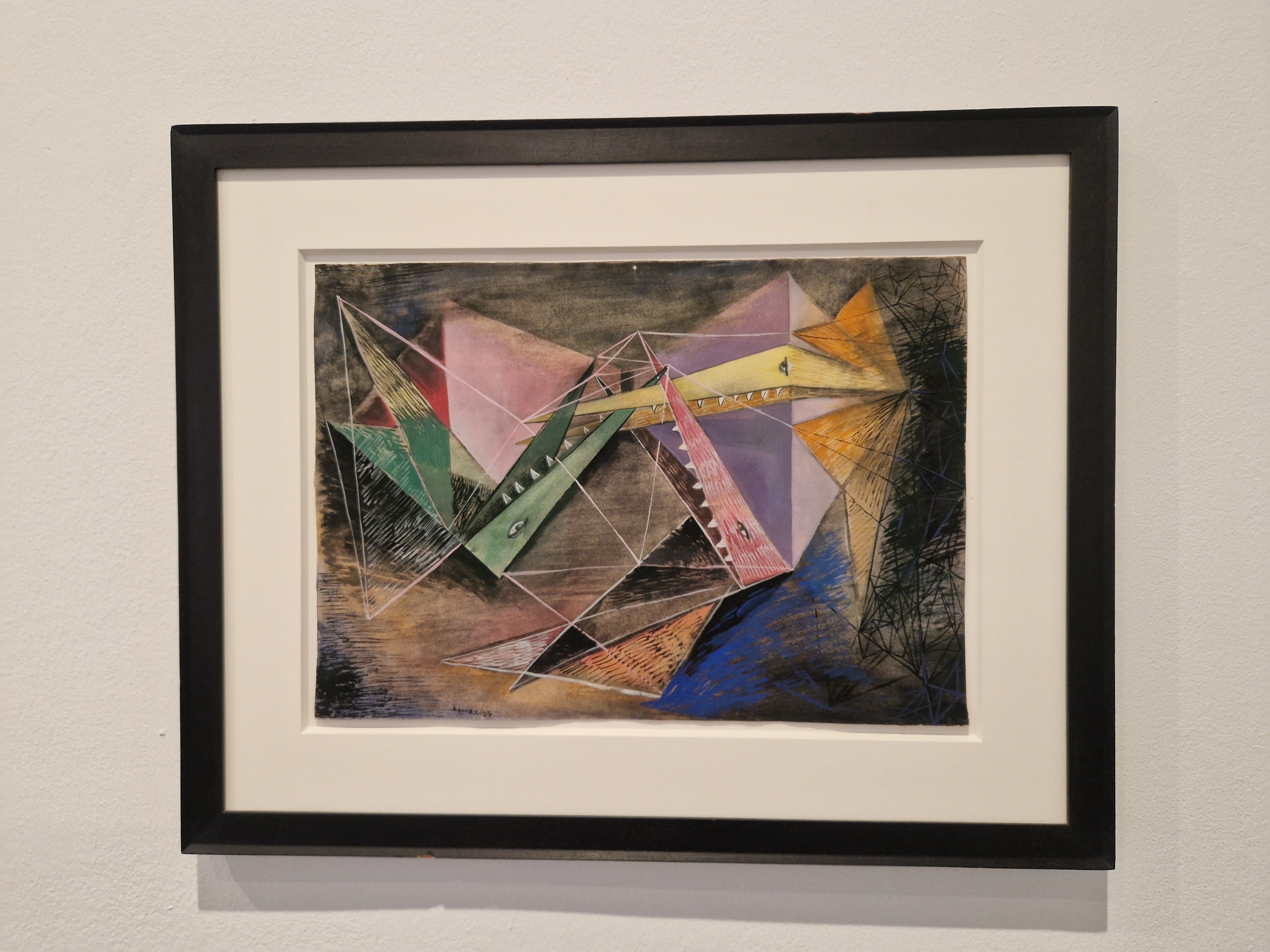
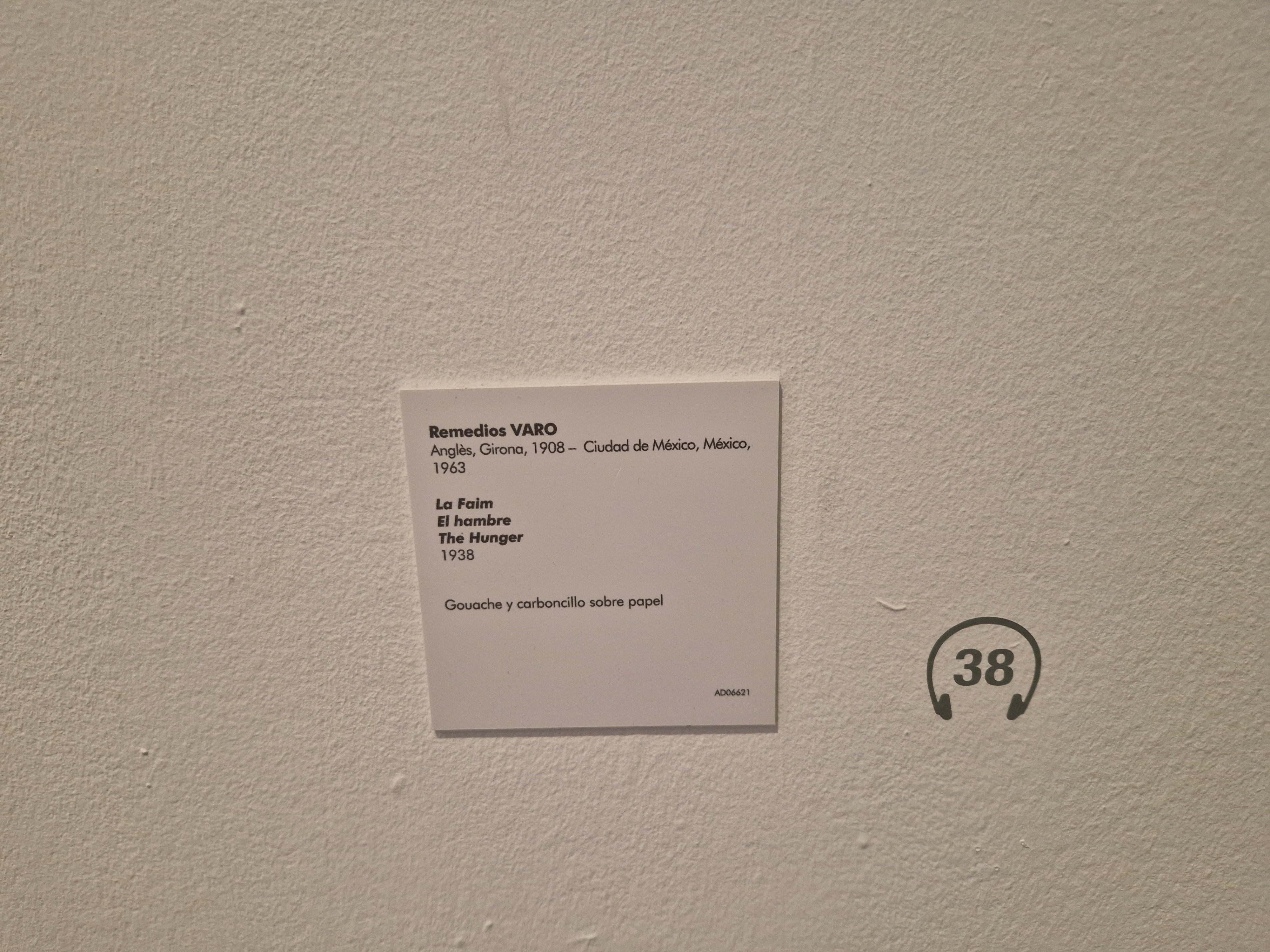
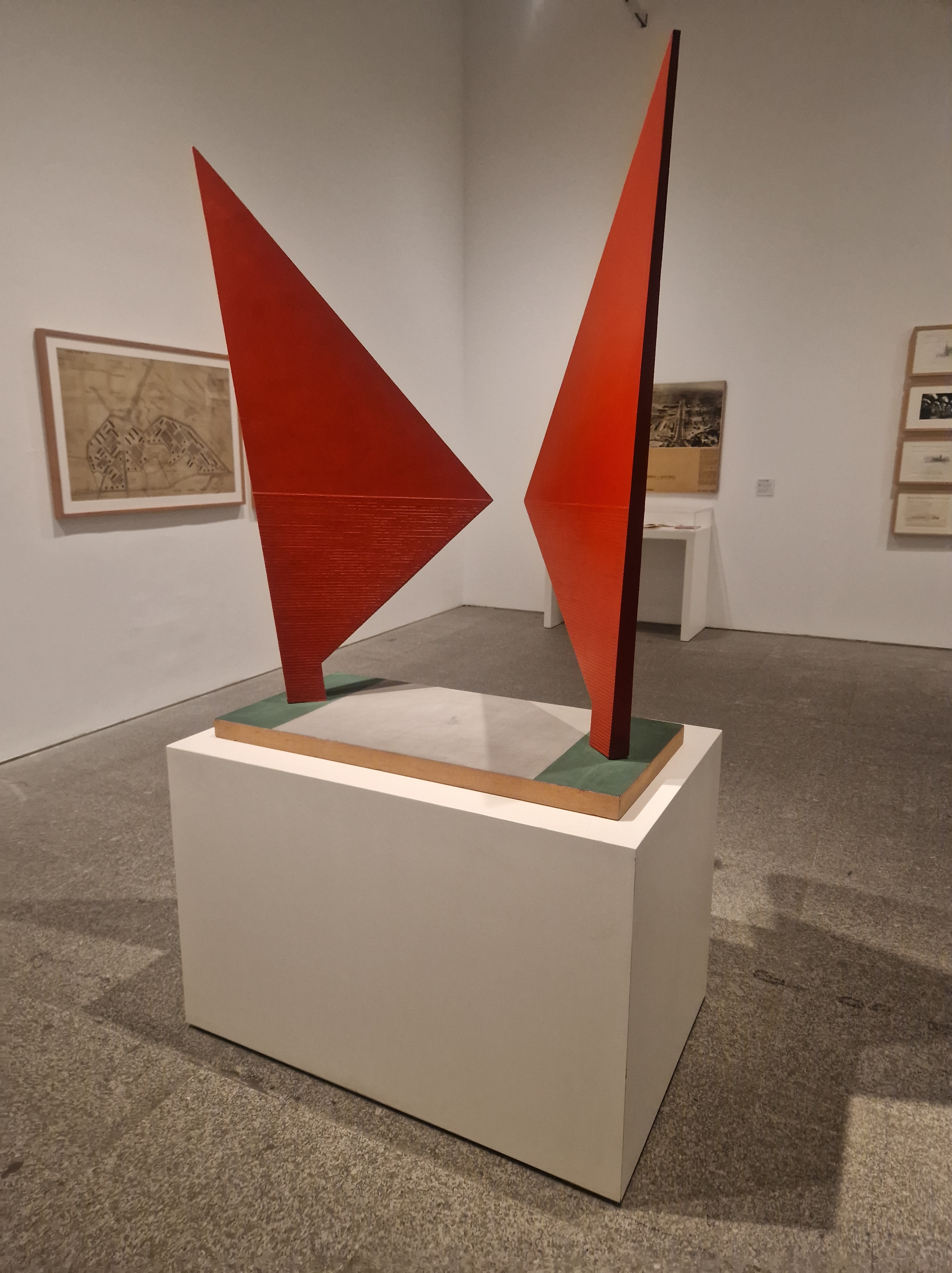
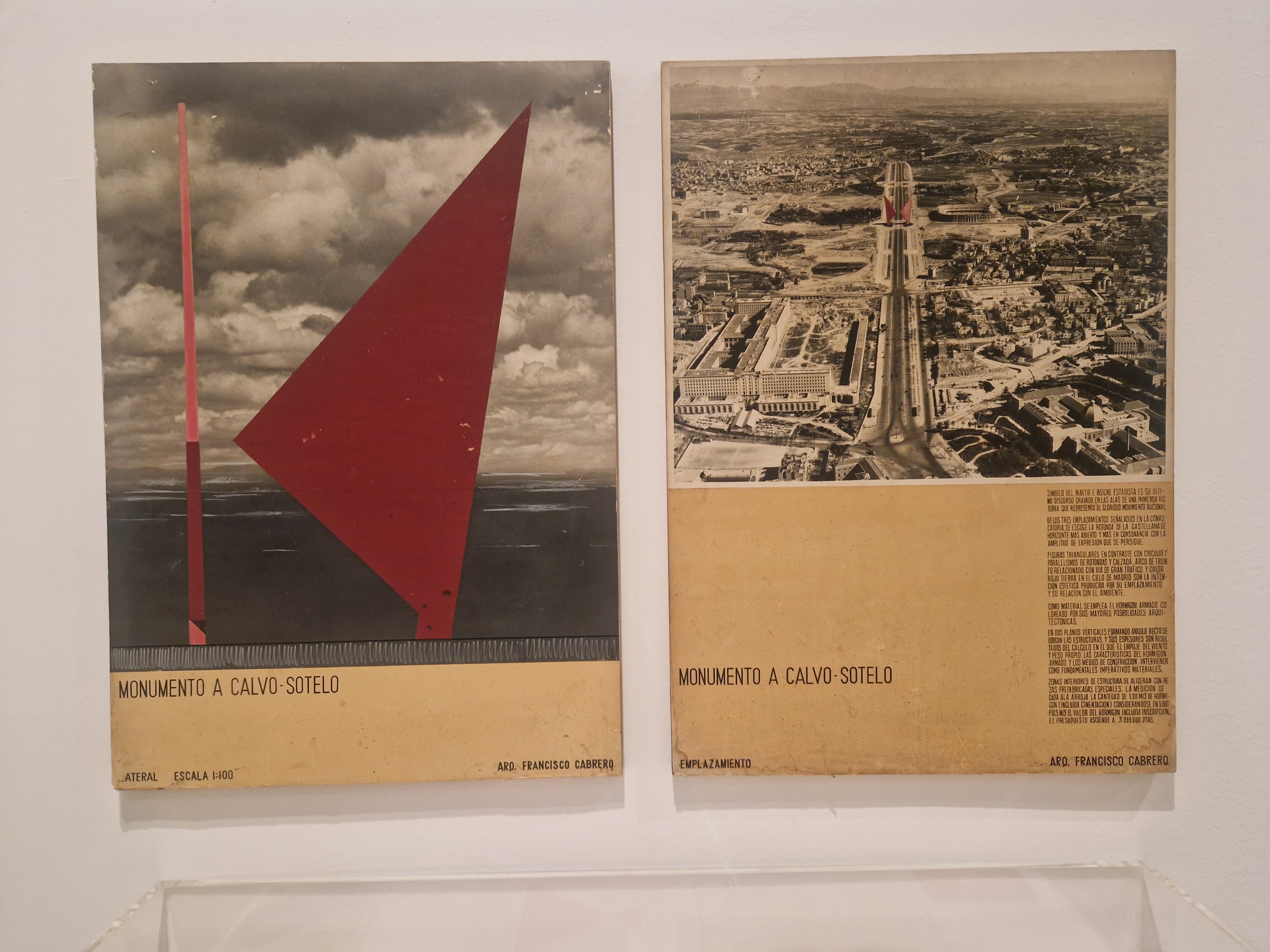
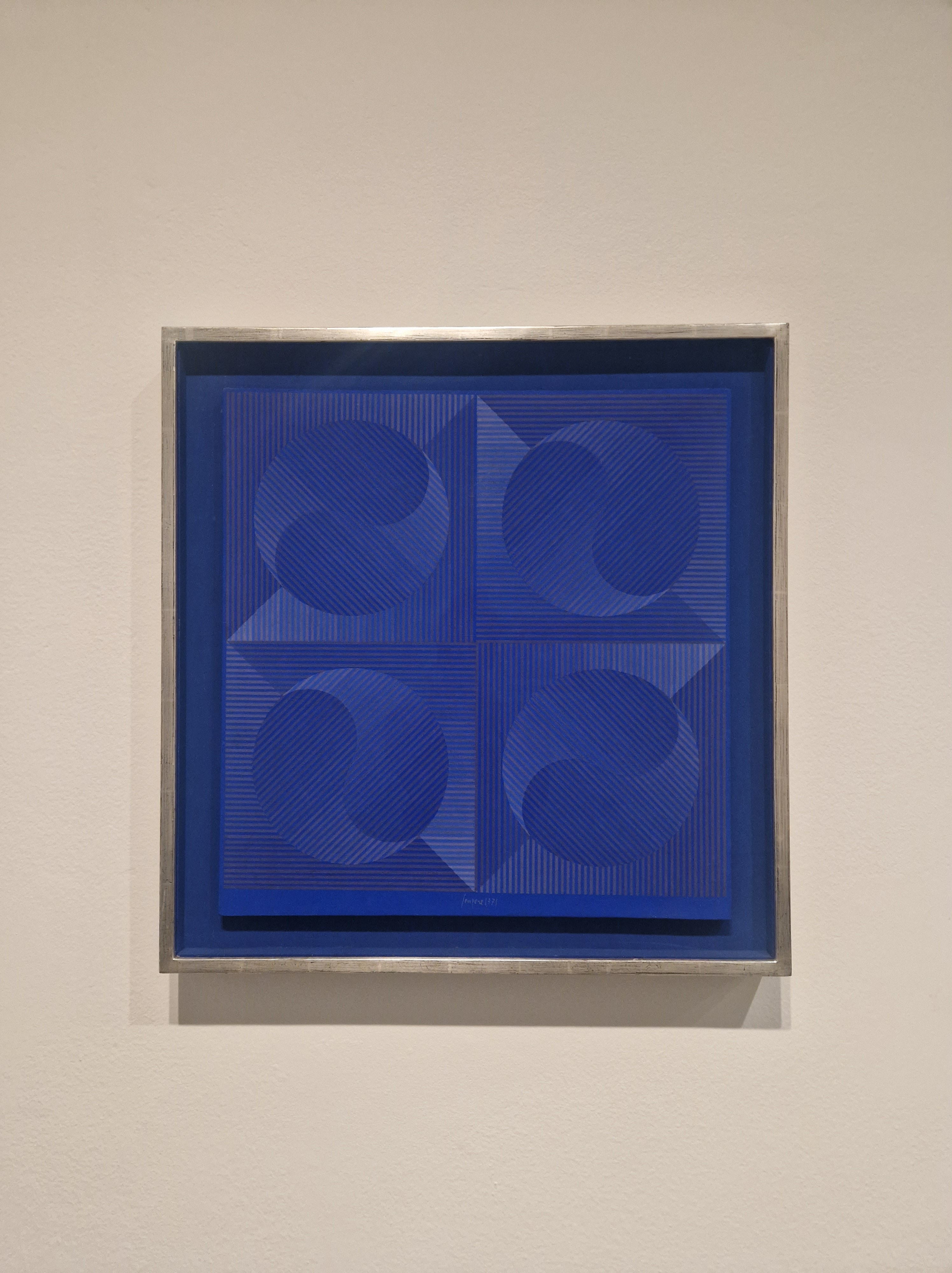

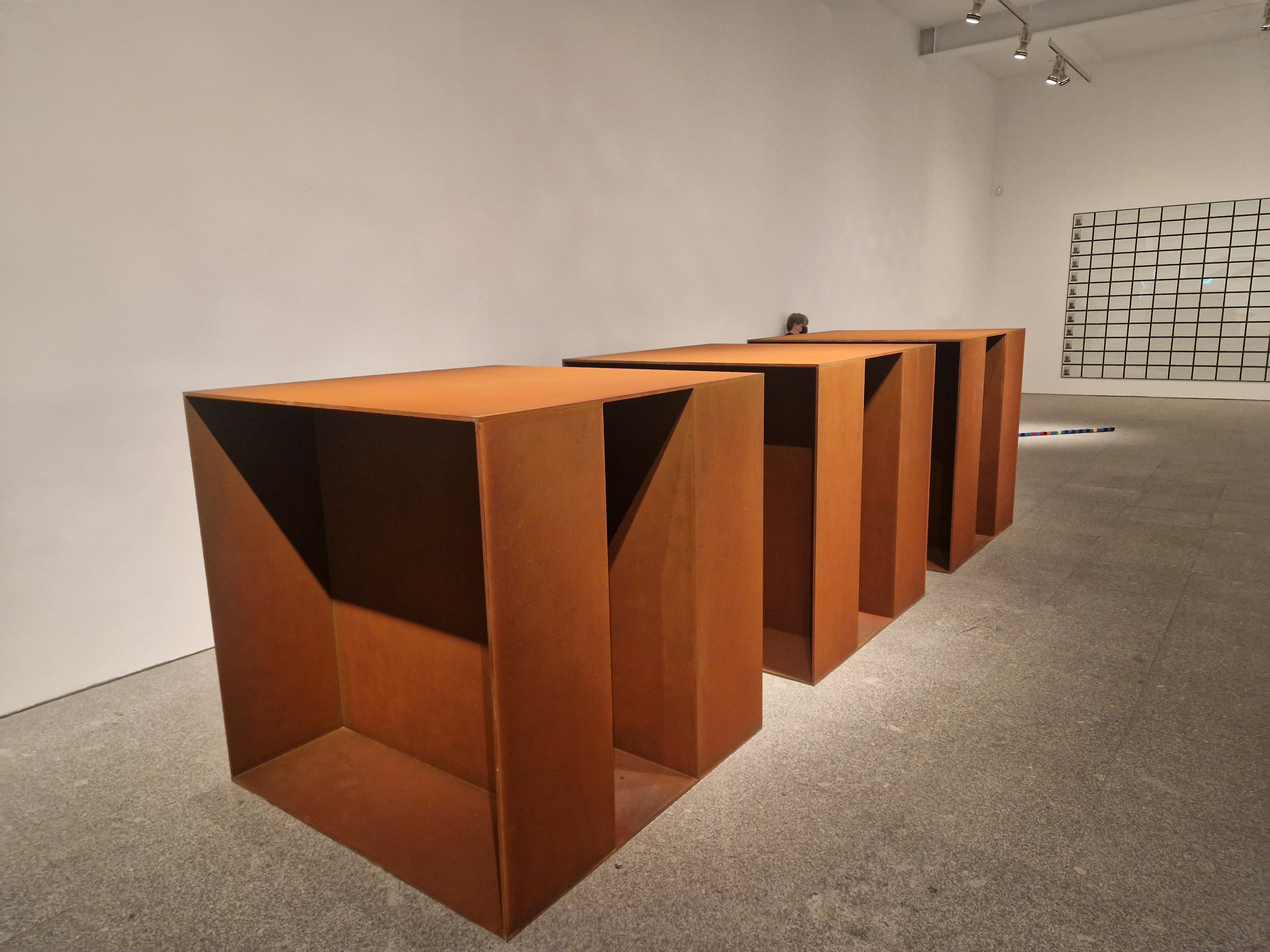


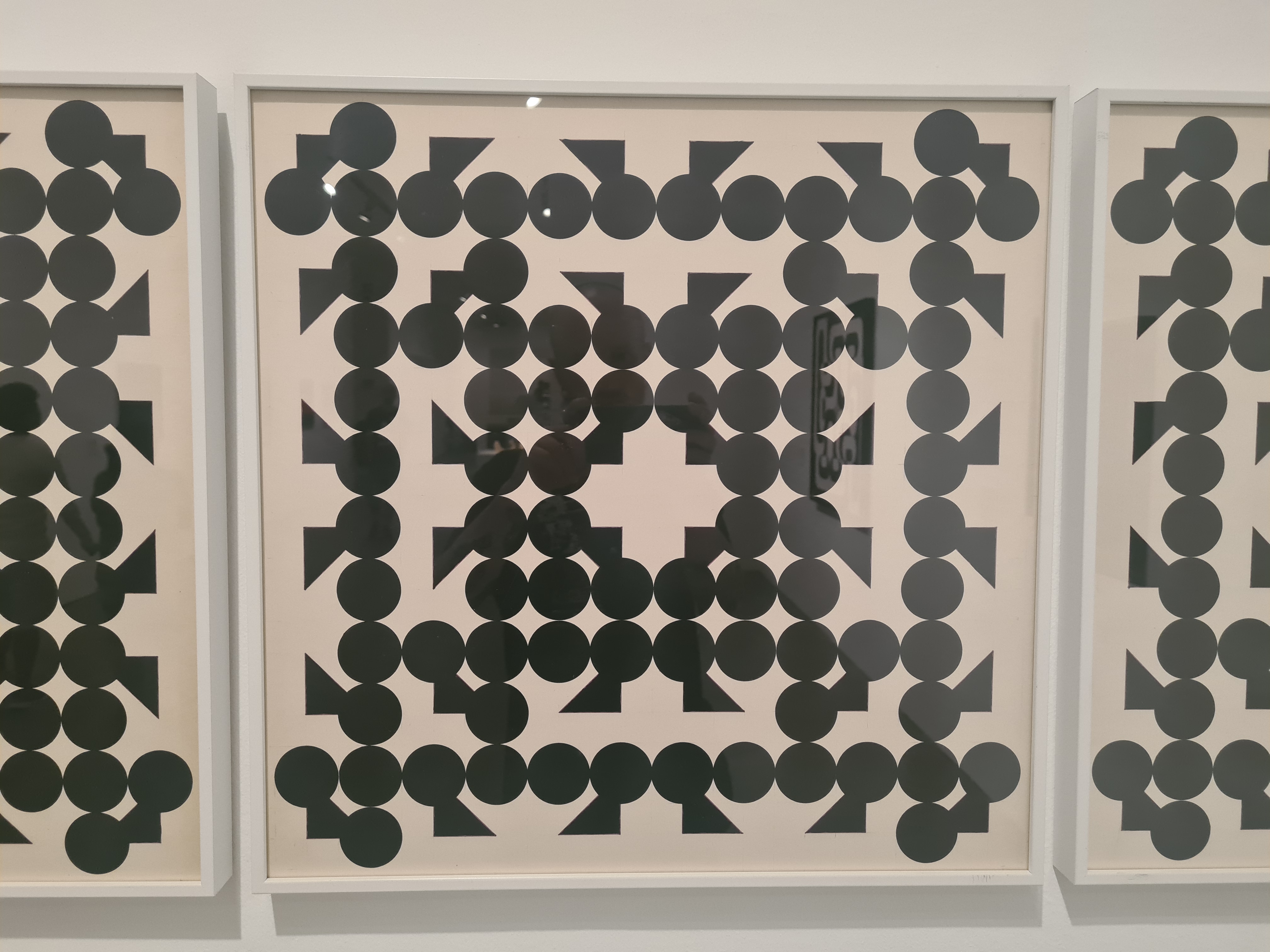
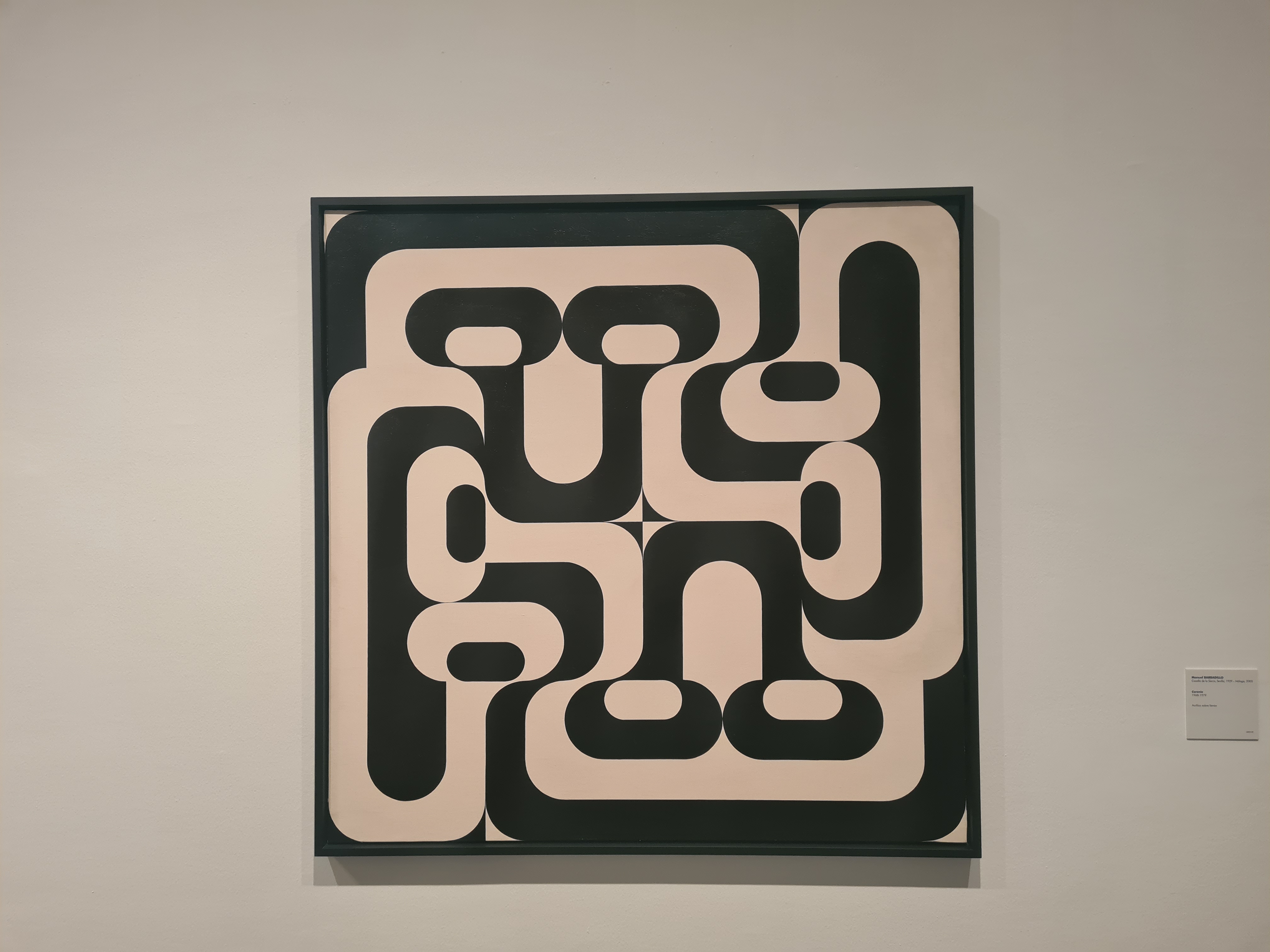


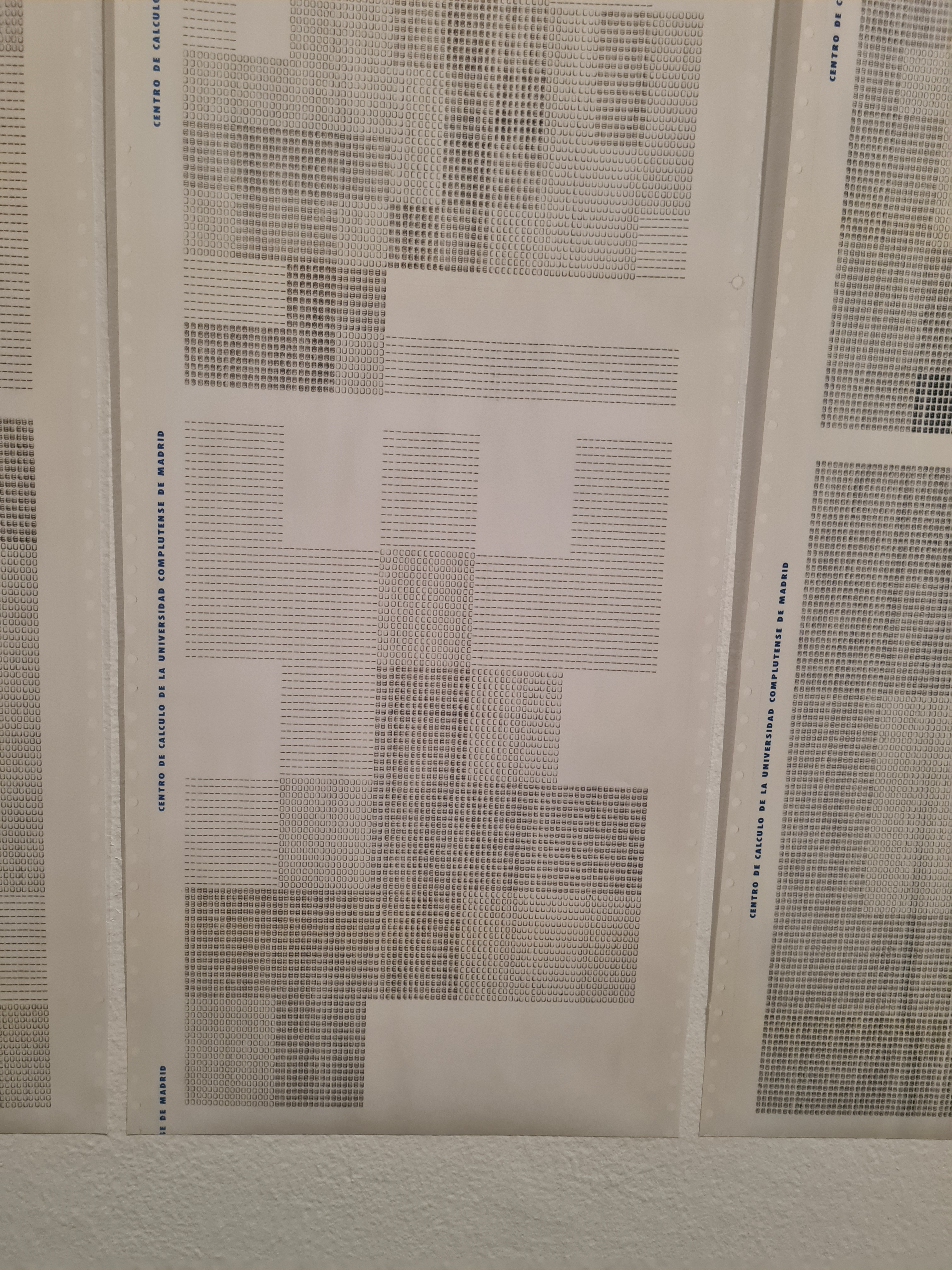
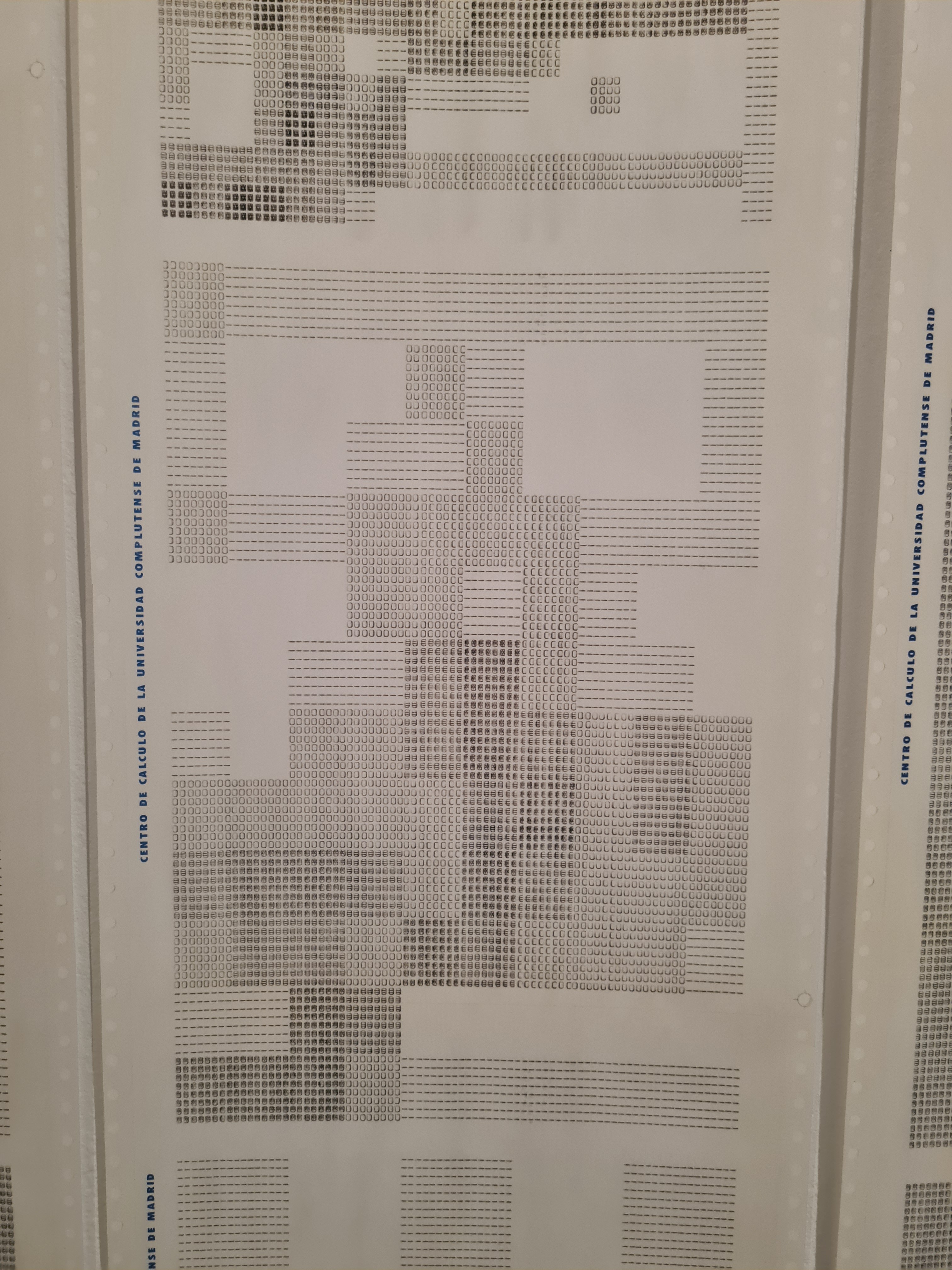
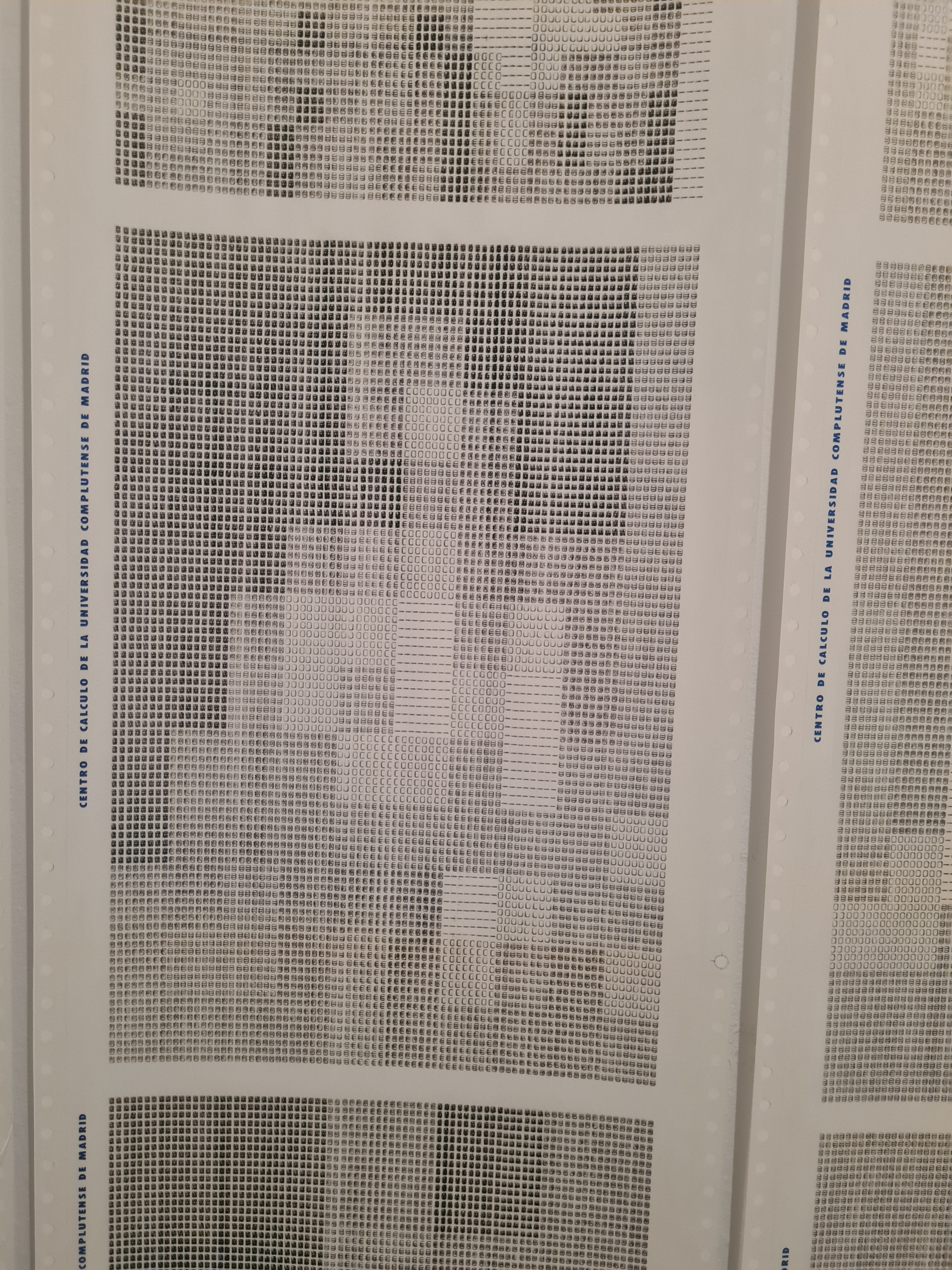
REFLECTIONS: Absolutely fantastic museum. I wish I had more time to explore as I haven’t seen everything. This beautiful building is filled with incredible, classic and famous pieces, but also so much great art I haven’t seen before. Yet again, I find myself increasingly drawn to sculptures, fascinated with the way they occupy space and the impact that has on me.
Perhaps it is because, at the back of my head, I know that I will be working on a 3D-printed sculpture throughout the upcoming months (or even a year), so I am hyper-focused on this craft. But maybe it is simply because they ARE so impactful. One thing I wish I could do is touch them. I want a full experience of all my senses, and most sculptures have such wonderful and tempting textures that I really have to stop myself from touching them (and sometimes I lose this internal battle).
The decision has been made, I want my future sculpture to be interactive and invite the viewer to play with it and touch it. Feel it and experience it through the maximum senses.
PRADO MUSEUM MADRID
The Prado Museum, officially known as Museo Nacional del Prado, is the main Spanish national art museum, located in central Madrid. It is widely considered to house one of the world’s finest collections of European art, dating from the 12th century to the early 20th century, based on the former Spanish royal collection, and the single best collection of Spanish art. Founded as a museum of paintings and sculpture in 1819, it also contains important collections of other types of works. The Prado Museum is one of the most visited sites in the world and is considered one of the greatest art museums in the world. The numerous works by Francisco Goya, the single most extensively represented artist, as well as by Hieronymus Bosch, El Greco, Peter Paul Rubens, Titian, and Diego Velázquez, are some of the highlights of the collection. Velázquez and his keen eye and sensibility were also responsible for bringing much of the museum’s fine collection of Italian masters to Spain, now one of the largest outside of Italy.
In Prado, you are not allowed to take any photos and there are MANY security guards making sure that you don’t, hence only a couple of sneaky shots of some amazing art I discovered there.
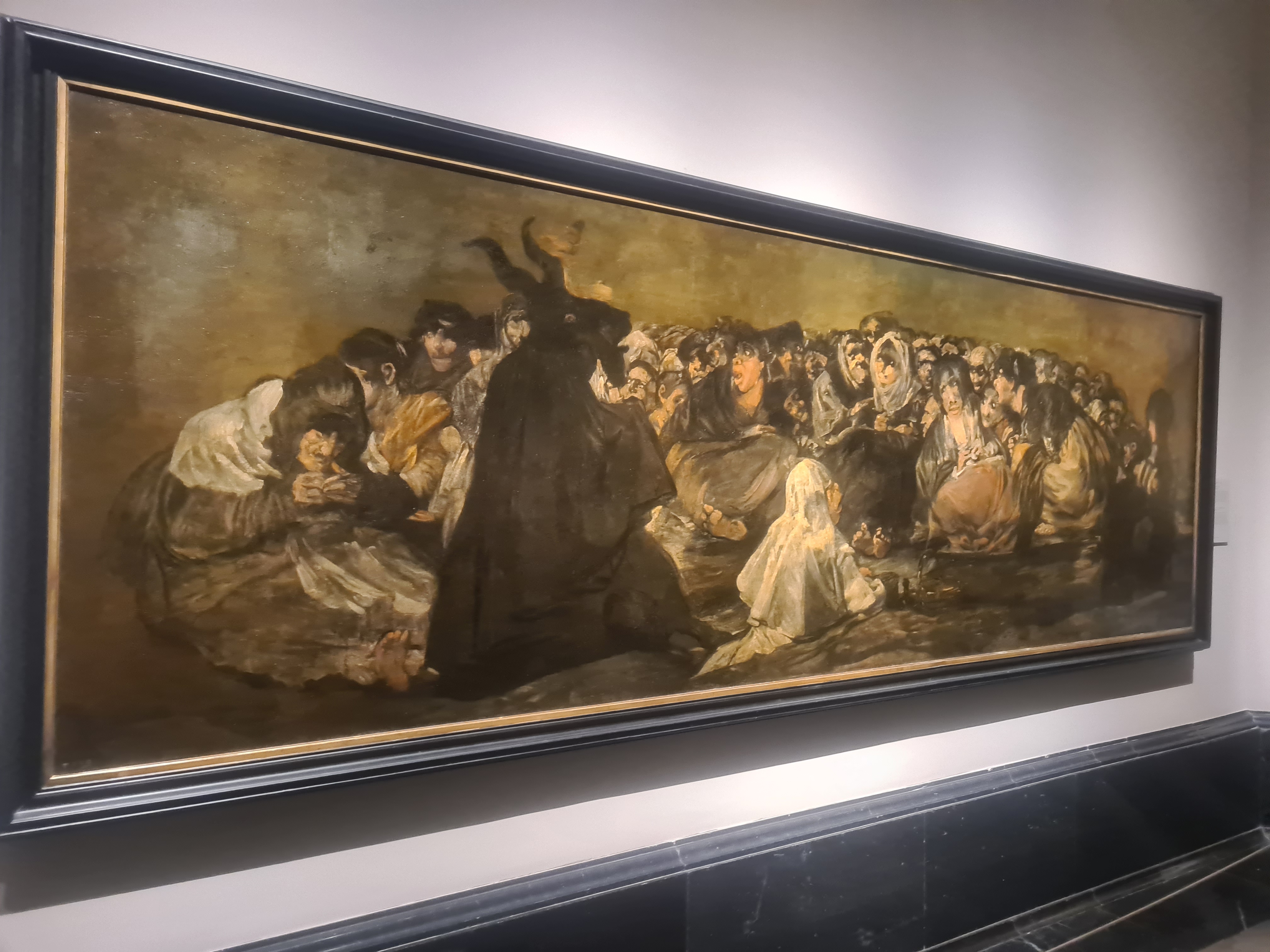
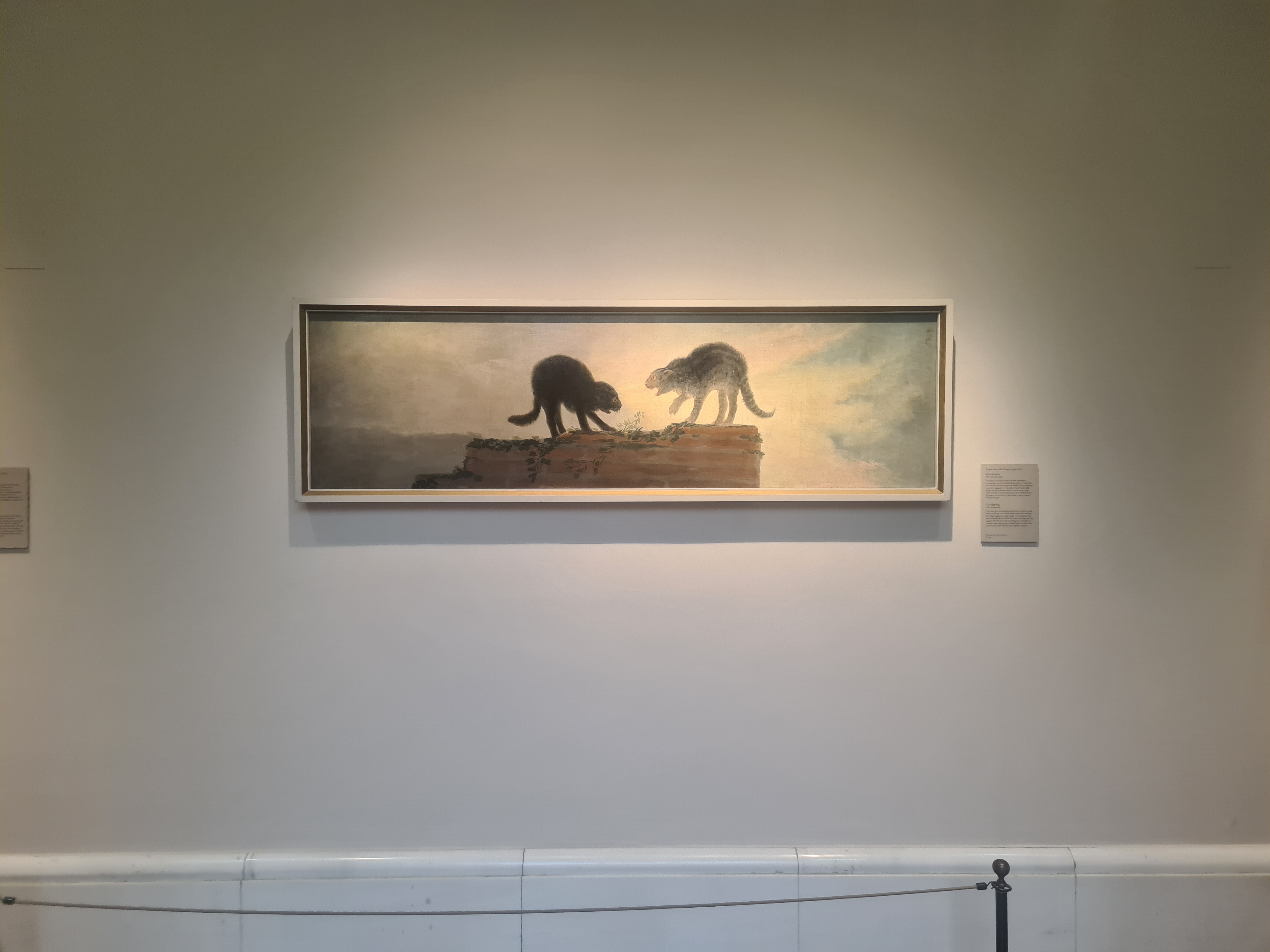


REFLECTIONS: I decided to visit this museum, as it's, of course, legendary and my sculpture teacher in Spain told me I MUST go there. He said it is essential to my practice as I need to build an understanding of the origins. My first impression was RELIGION, BLOOD and DEATH. I mean, it was just so much of it that I actually felt a bit uneasy and queasy after spending the first hour looking at paintings of Jesus being killed or tortured in a variety of interpretations...I am not religious, so it's not personal, it was just the sheer amount of gore that I found overwhelming. I really did not enjoy this part.
Yes, I will agree with my teacher that it is essential to see this period of art, however, I was not as impressed or inspired as I was after visiting Reina Sofia (sorry, classical art). Sure, it was all very grand, technical and representational but it doesn't touch me the same way abstract art does. I actually think that it takes more skill to create abstract art that various people can interpret differently and yet imbue it with a feeling that each person will understand=feel alike on a certain level.
I think I dislike the obviousness. A girl sitting under the tree with a dog is a girl sitting under the tree with a dog, no more, no less.
I want art to confuse me, provoke emotions, make me wonder, search and discover.
Two masterpieces that did exactly that were:

We both gazed at this magnificent, way ahead of its times, a piece for at least half an hour. There is so much to look at, inspect and admire.
I will never forget this experience and the impression it left on me.
I am blown away by Bosch's vision and his skills as a painter (also dedication, as this artwork took him around 20 years to complete). Patience really is a virtue!
I know I was a bit hard on representational paintings, but when they are done like this, I take my hat off.

The second artwork that left a huge impression on me was collections of Francisco Goya's Black Paintings.


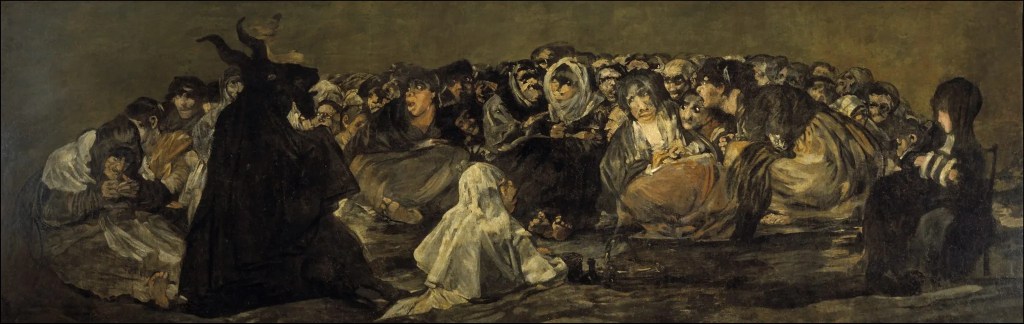
The Black Paintings of Francisco Goya are some of the most important and influential paintings of the Romantic period. These 14 dark and mysterious works were painted between 1819 and 1823, towards the end of Goya’s life.
Goya was known for his dark and moody paintings, and the Black Paintings are some of his most famous works. These paintings are named for their black backgrounds, which Goya used to create a sense of foreboding and mystery.
The Black Paintings are considered to be some of Goya’s most personal and emotionally charged works. They offer a glimpse into the mind of one of the most important artists of the Romantic period, and provide insight into the dark side of human nature.
These paintings are a powerful reminder of the tragedy and horror of war, and the fragility of human life. They are a testament to Goya’s genius, and to the power of art to confront the darkness within us.
Francisco Goya was born in 1746 in the small town of Fuendetodos in Aragon, Spain. He began his career as an apprentice to Jos Luzn, a painter from Seville. In 1763, he moved to Madrid to study at the Royal Academy of Fine Arts.
Goya achieved great success as a court painter to the Spanish Crown. His work often depicted the luxury and excess of the nobility. However, his paintings also showed the harsh realities of life for the poor and downtrodden.
During the Napoleonic Wars, Goya’s paintings often depicted the horrors of war. In his 1808 series of etchings known as the ‘Disasters of War’, Goya showed the brutal reality of warfare. These images were shocking in their depiction of death and destruction.
“Black Paintings” – dark and disturbing images were painted directly onto the walls of his house. These works are characterized by their somber tones and themes of death, fear, and despair. They reflected Goya’s growing sense of paranoia and isolation. Goya created the Black Paintings towards the end of his life, when he was in self-imposed exile. Many believe that they were inspired by the artist’s dark experiences during the Napoleonic Wars and the Spanish Inquisition. Others believe that they were simply the expression of Goya’s dark and morbid imagination.
Goya retired to Bordeaux, France in 1824, where he died in 1828. His legacy as one of the great artists of his time is secure. Goya’s paintings provide a window into the world of 18th and 19th century Spain. They show us the contrasts between the rich and the poor, the beauty and the horror of war, and the darkness that can lurk within the human soul.
I know now that these are exceptionally famous paintings, but I didn't know them before, and this has truly been an important discovery.
It was very interesting to see his other commissioned works and then walk into the room with Black Paintings. They seemed like they were created by a different person (in a positive way). It made me wonder about the compromises that artists of the old and nowadays have to endure in order to live from their art.
But most importantly, I was very impressed by the Black Paintings, so full of emotion, spectacular and fascinatingly terrifying. They draw you in, never to let go, forever imprinted on you. I still think about them regularly.
HILMA AF KLIMT AND PIET MONDRIAN AT TATE MODERN
This is a unique chance to discover the visionary work of Swedish painter Hilma af Klint and experience Dutch painter Piet Mondrian’s influential art in a new light.
Although they never met, af Klint and Mondrian both invented their own languages of abstract art rooted in nature. At the heart of both of their artistic journeys was a shared desire to understand the forces behind life on earth.
Best known for his abstract work, Mondrian in fact began his career – like af Klint – as a landscape painter. Alongside Mondrian’s abstract compositions, you will see the rarely exhibited paintings of flowers he continued to create throughout his life. Also on display will be enigmatic works by af Klint in which natural forms become a pathway to abstraction.
Both artists shared an interest in new ideas of scientific discovery, spirituality and philosophy. Af Klint was also a medium, and this exhibition showcases the large-scale, otherworldly paintings she believed were commissioned by higher powers.
Visitors will be immersed in these ideas through the vibrant signs, shapes and colours in both artists’ beautiful, complex work.
Hilma af Klint & Piet Mondrian: Forms of Life | Tate
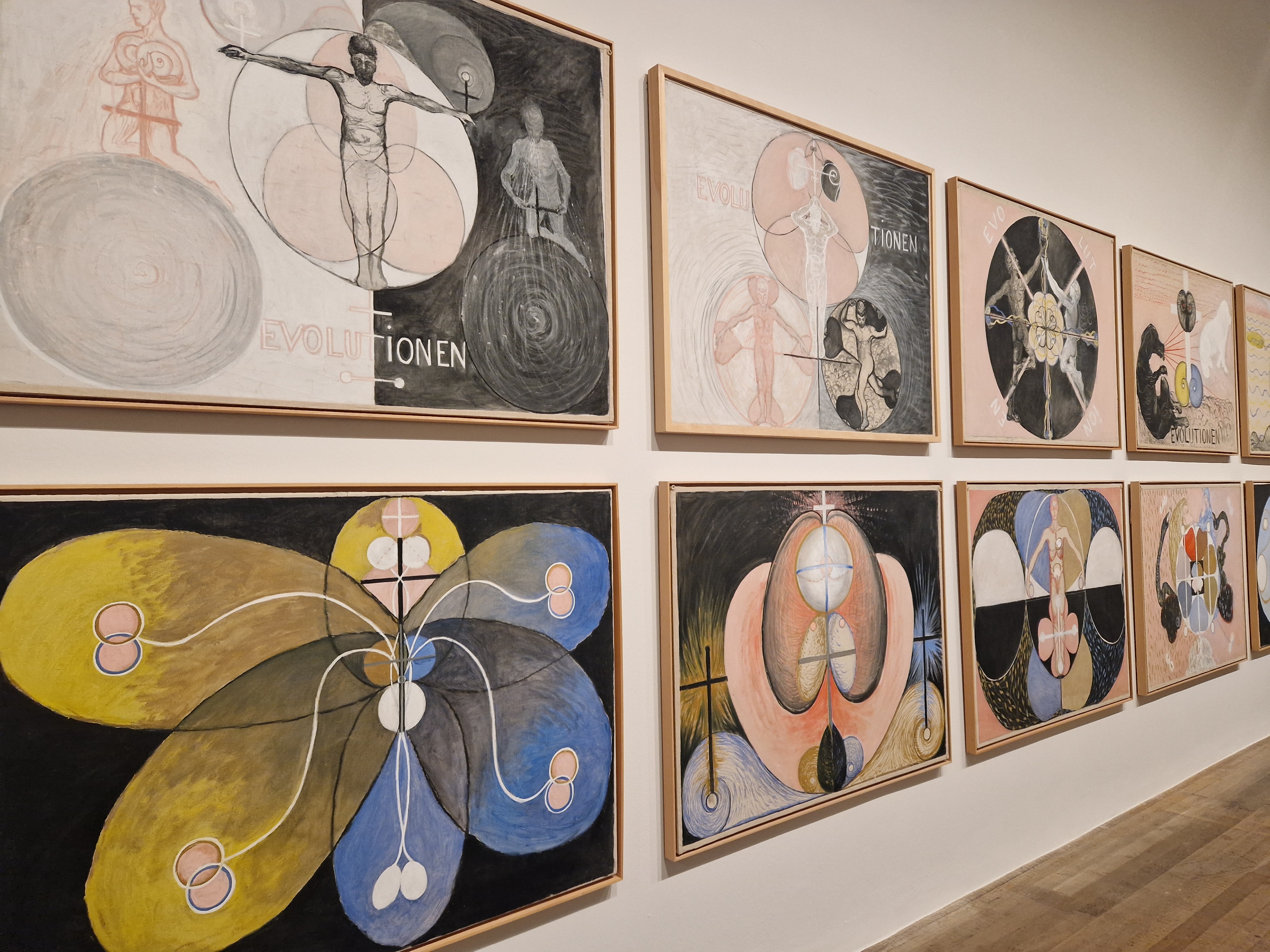
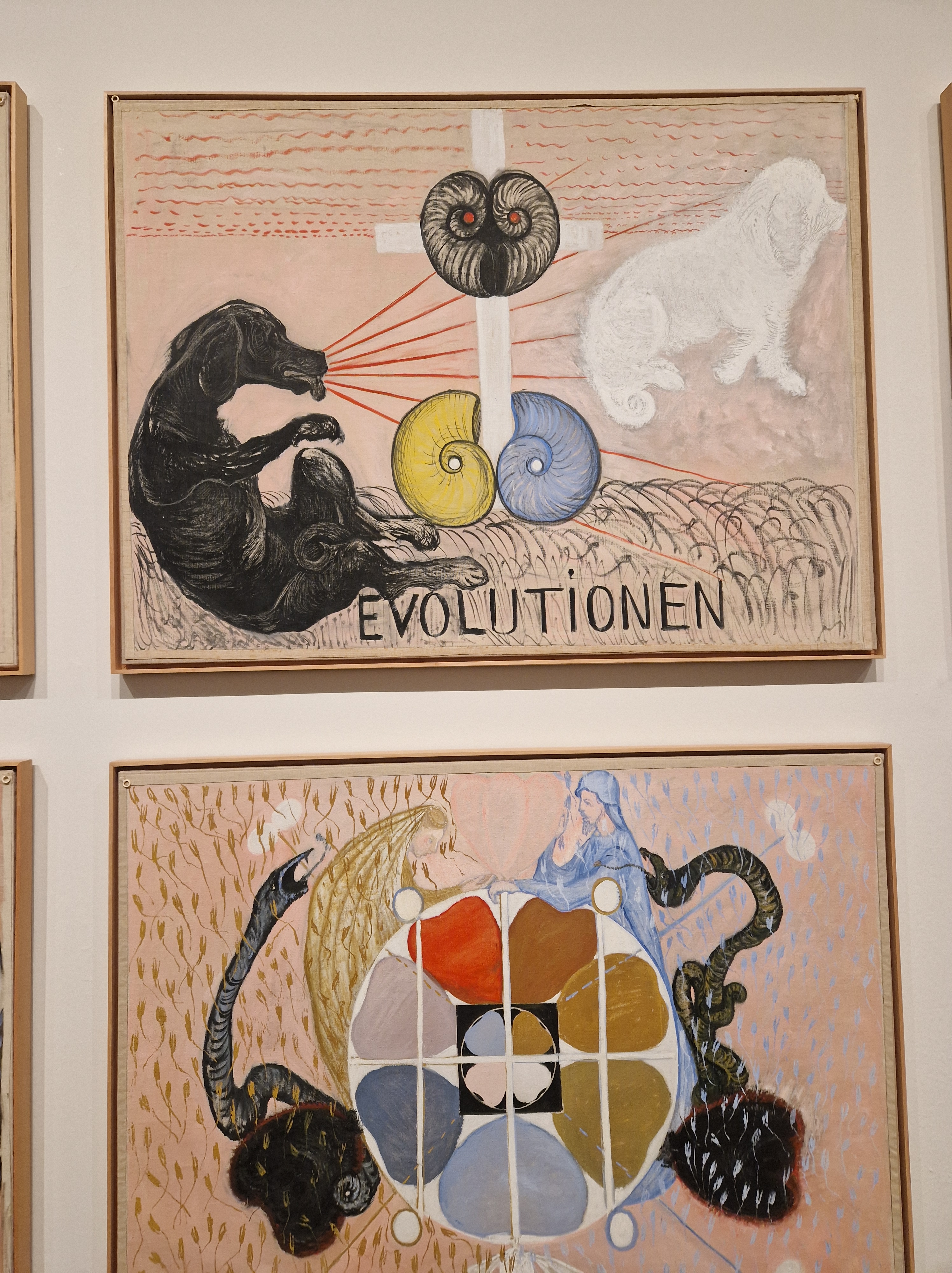
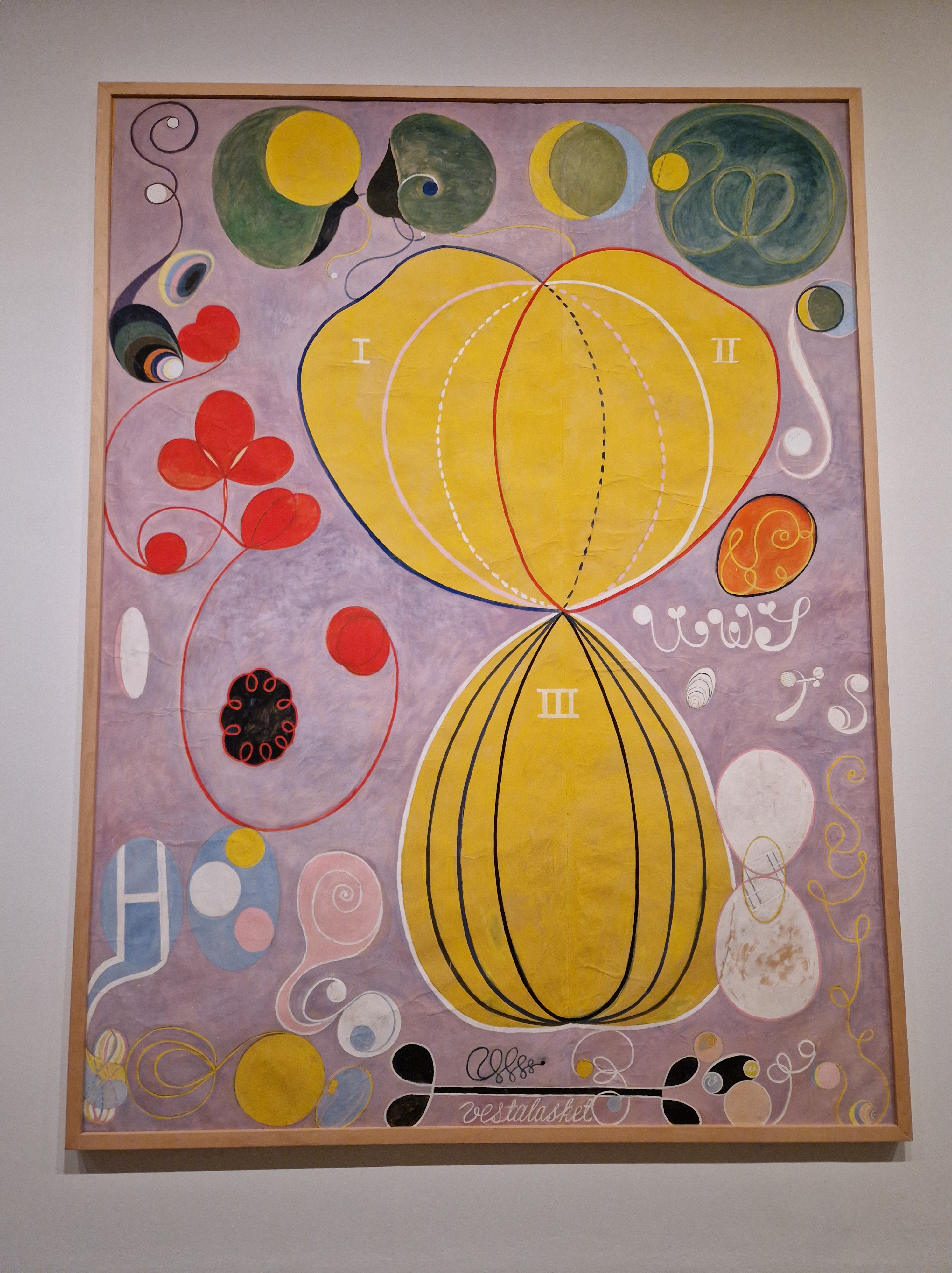
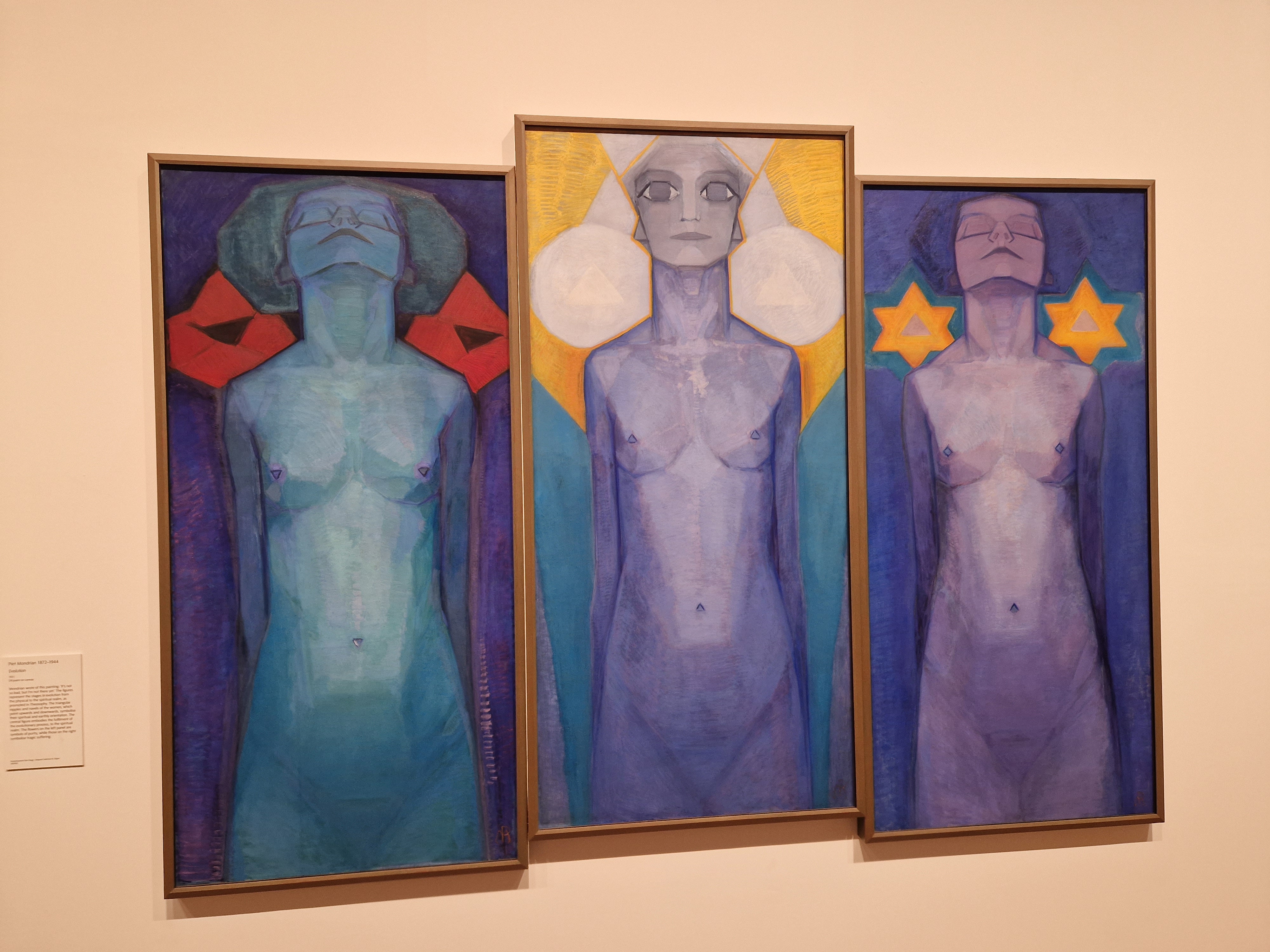
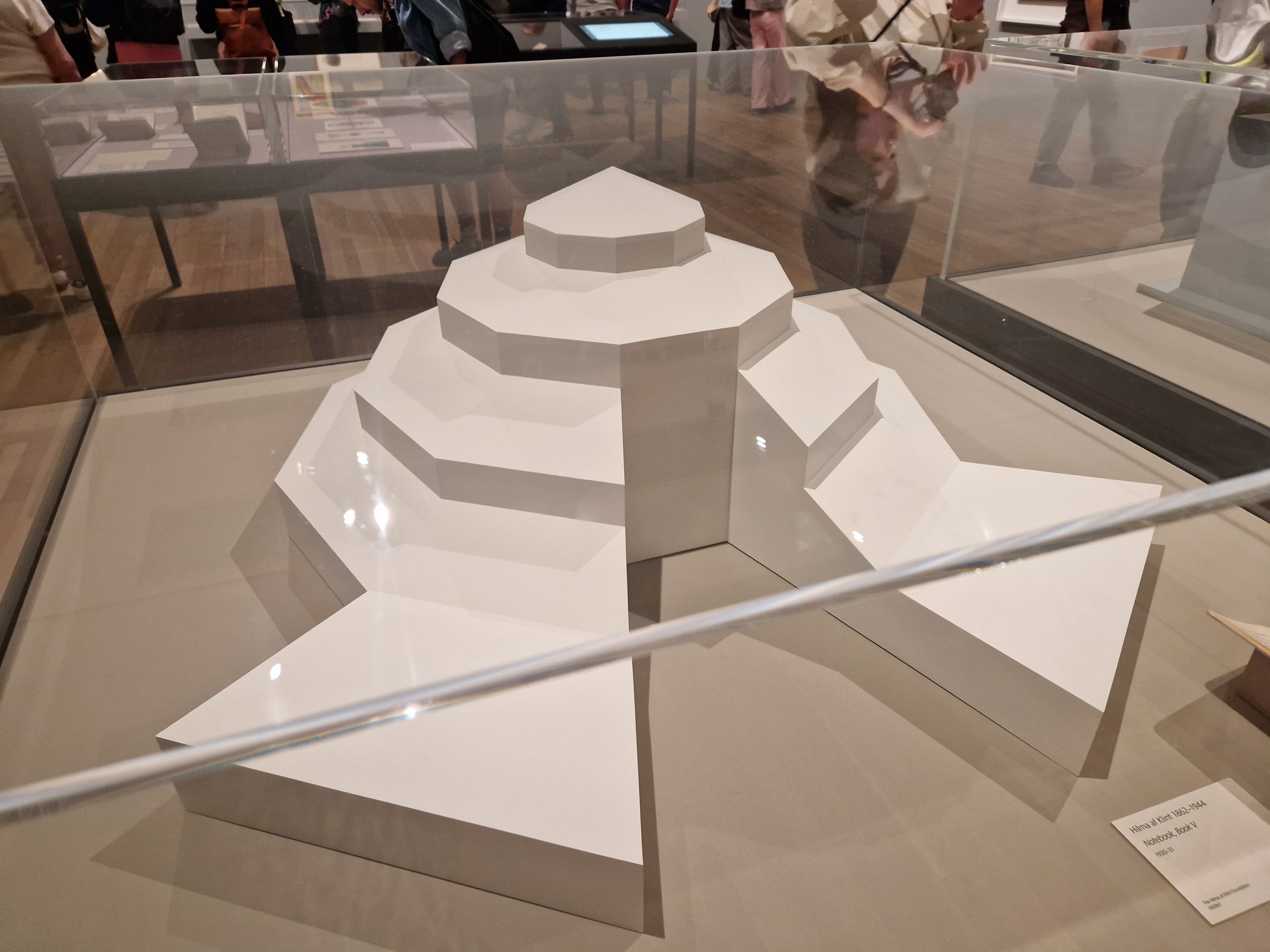
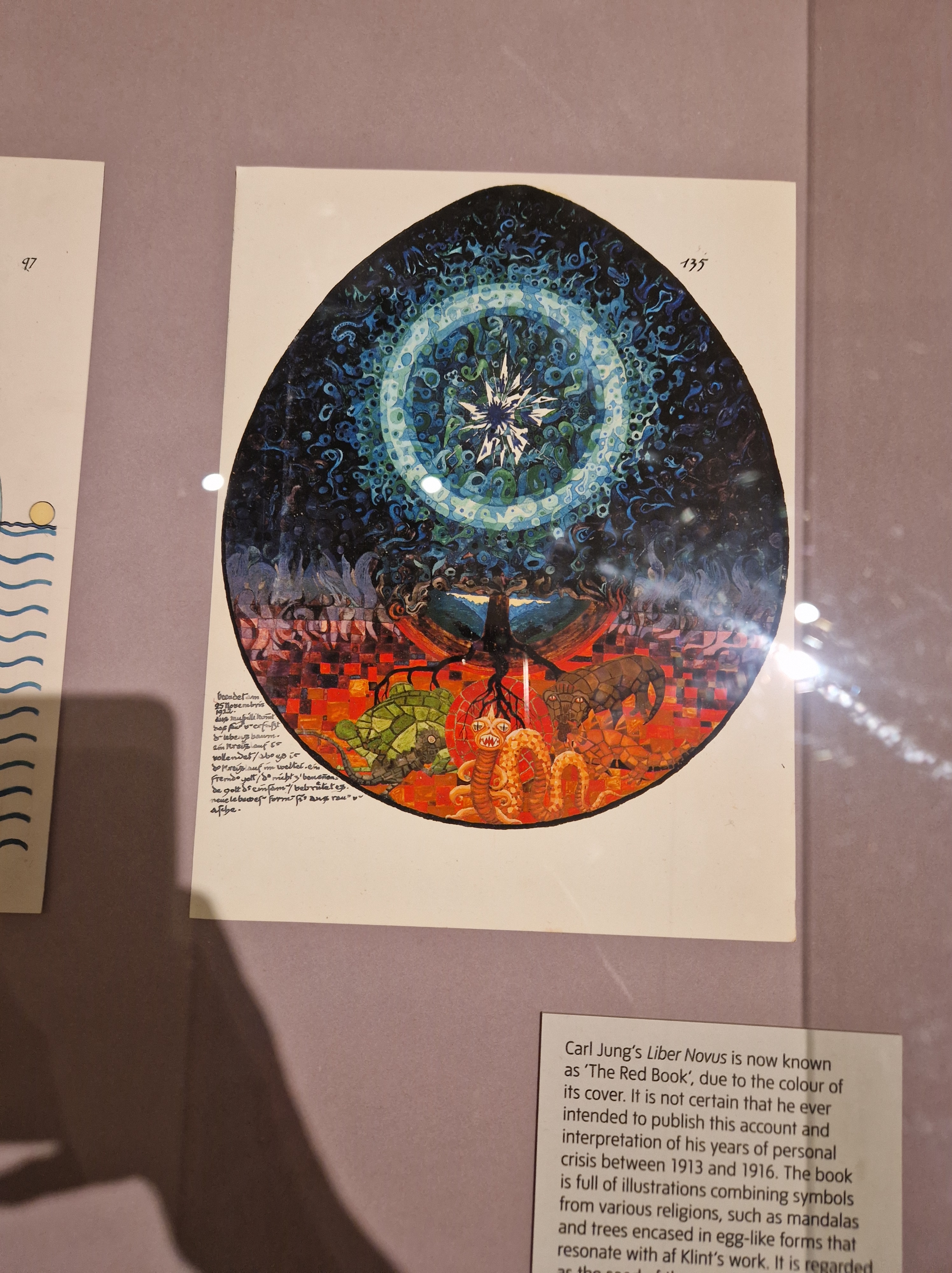
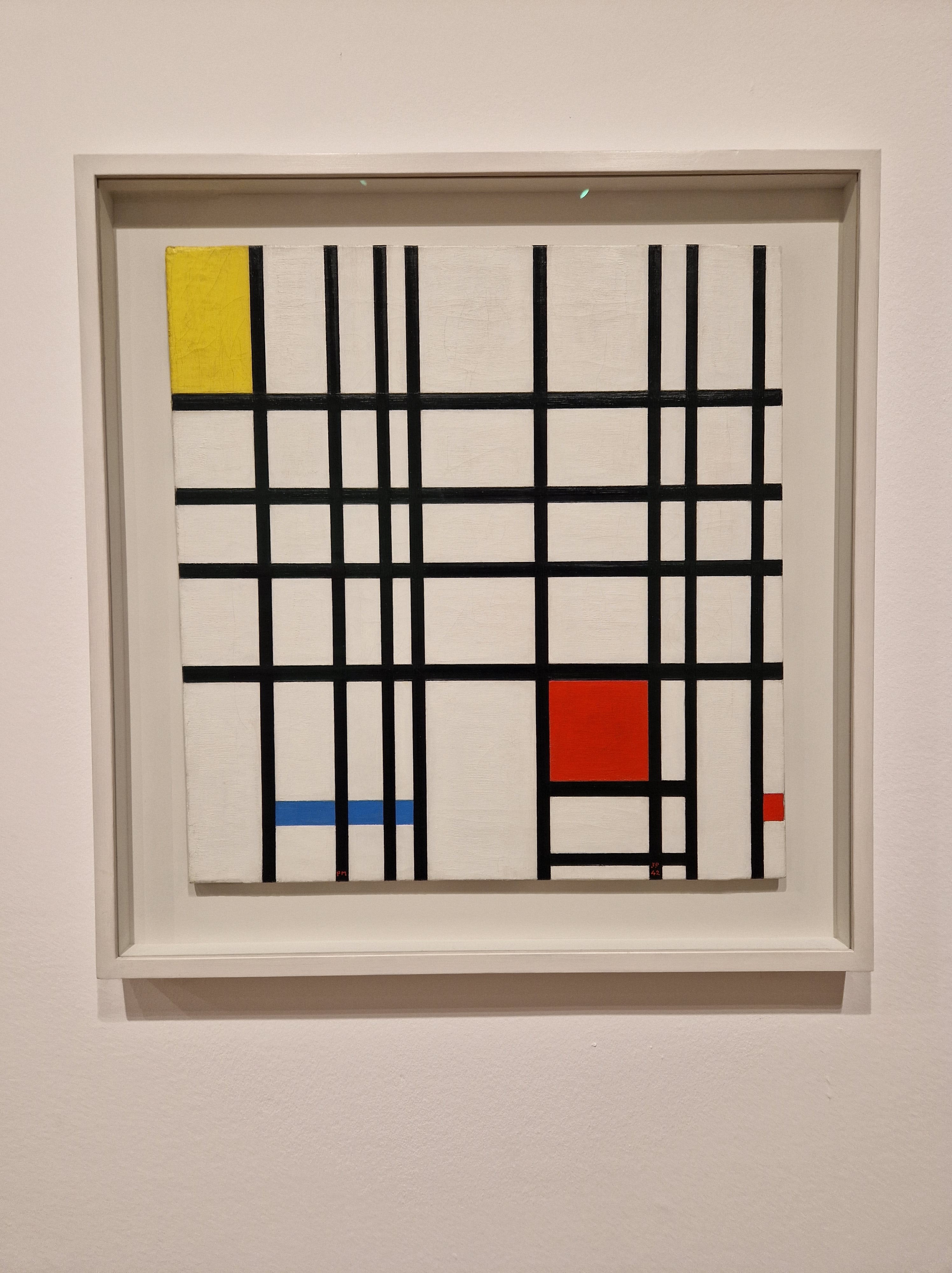
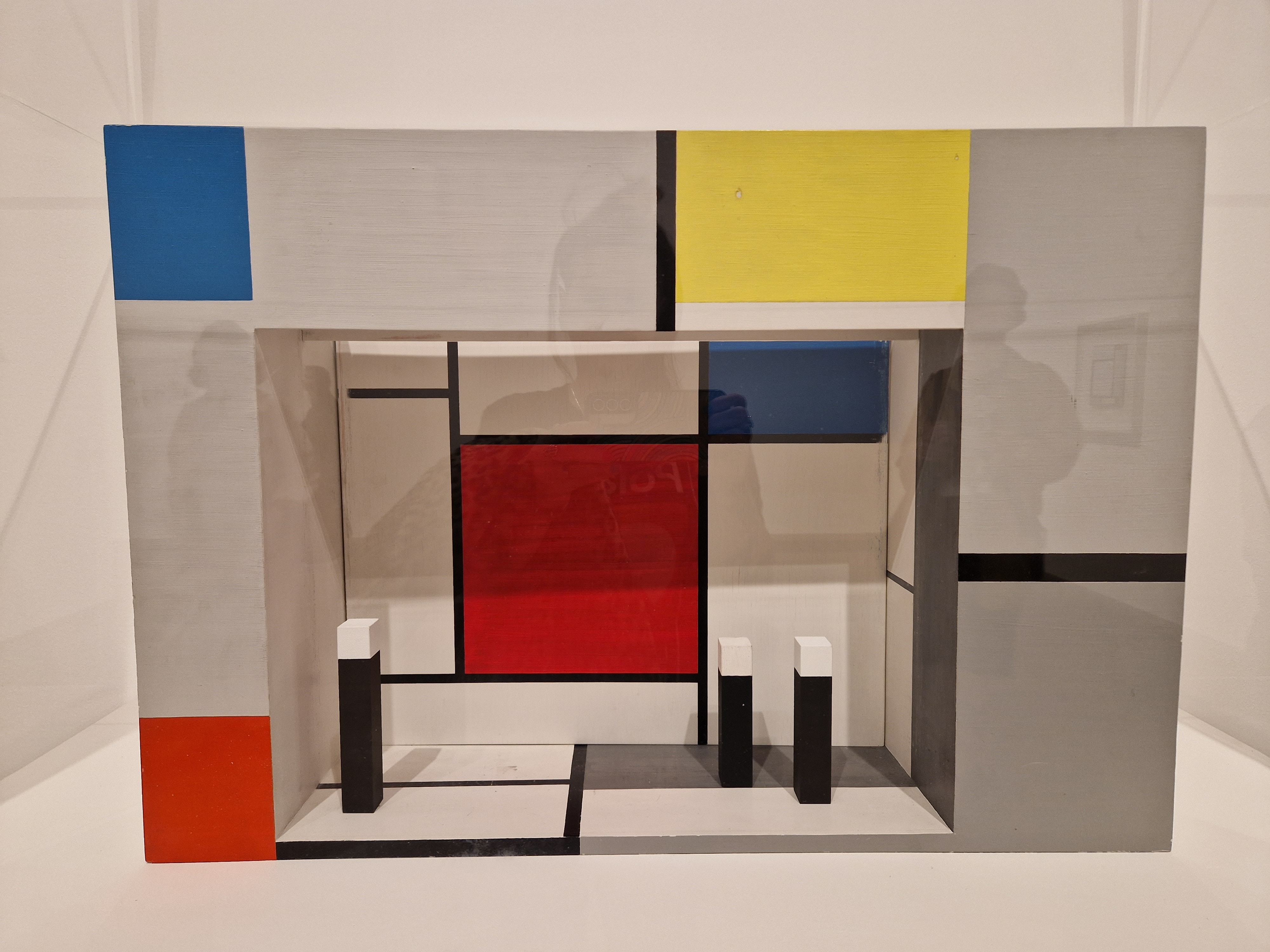
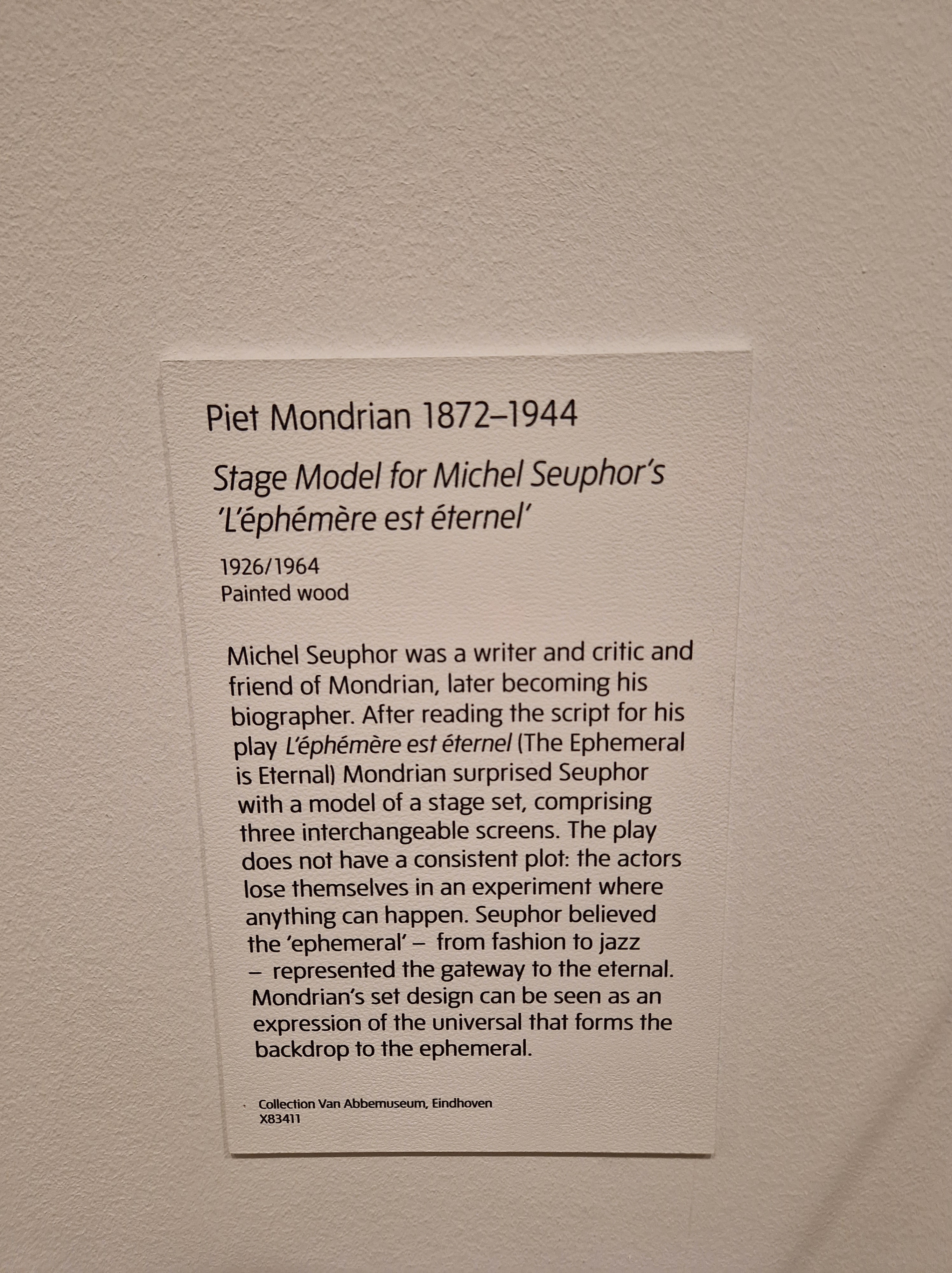

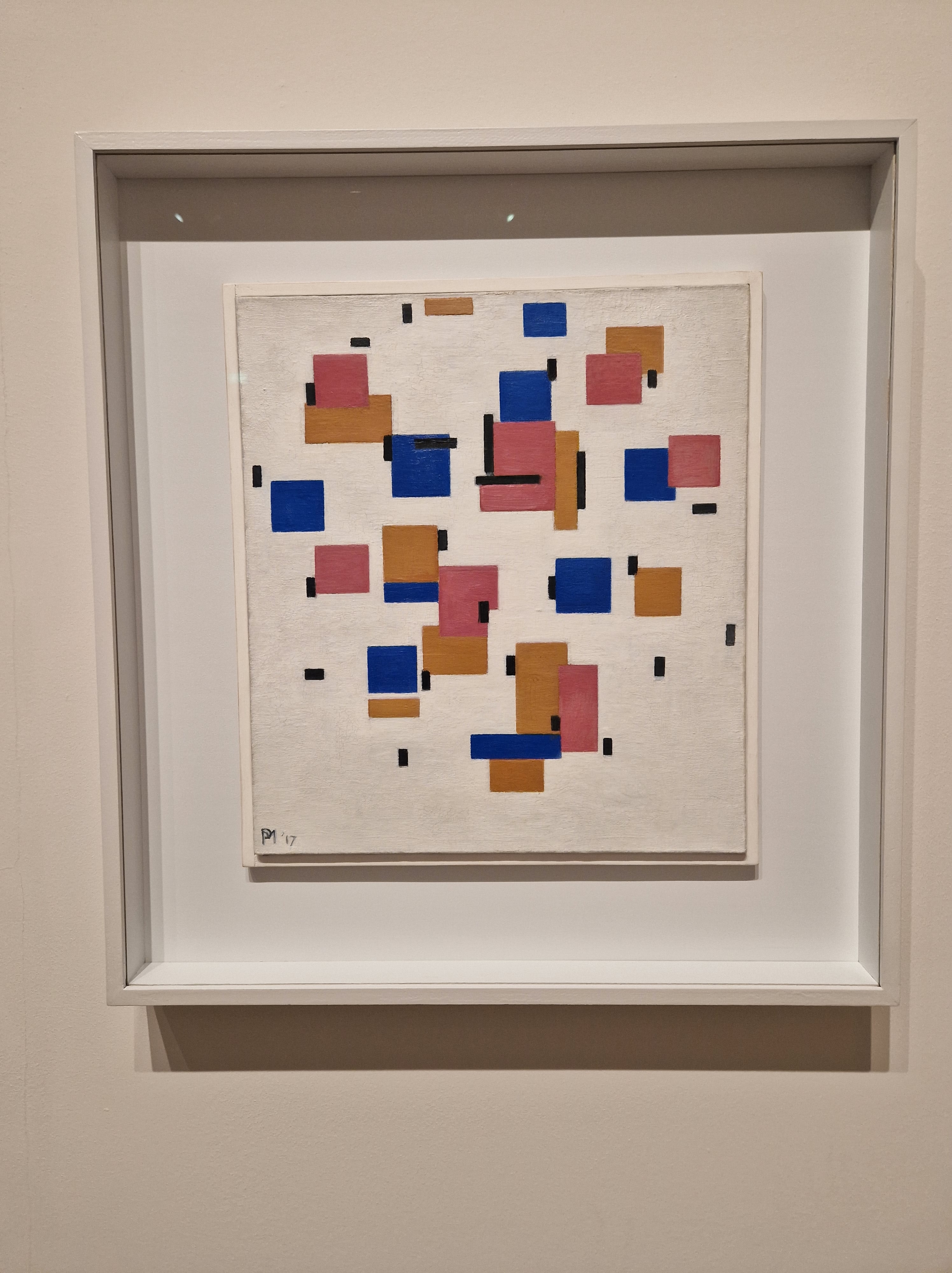

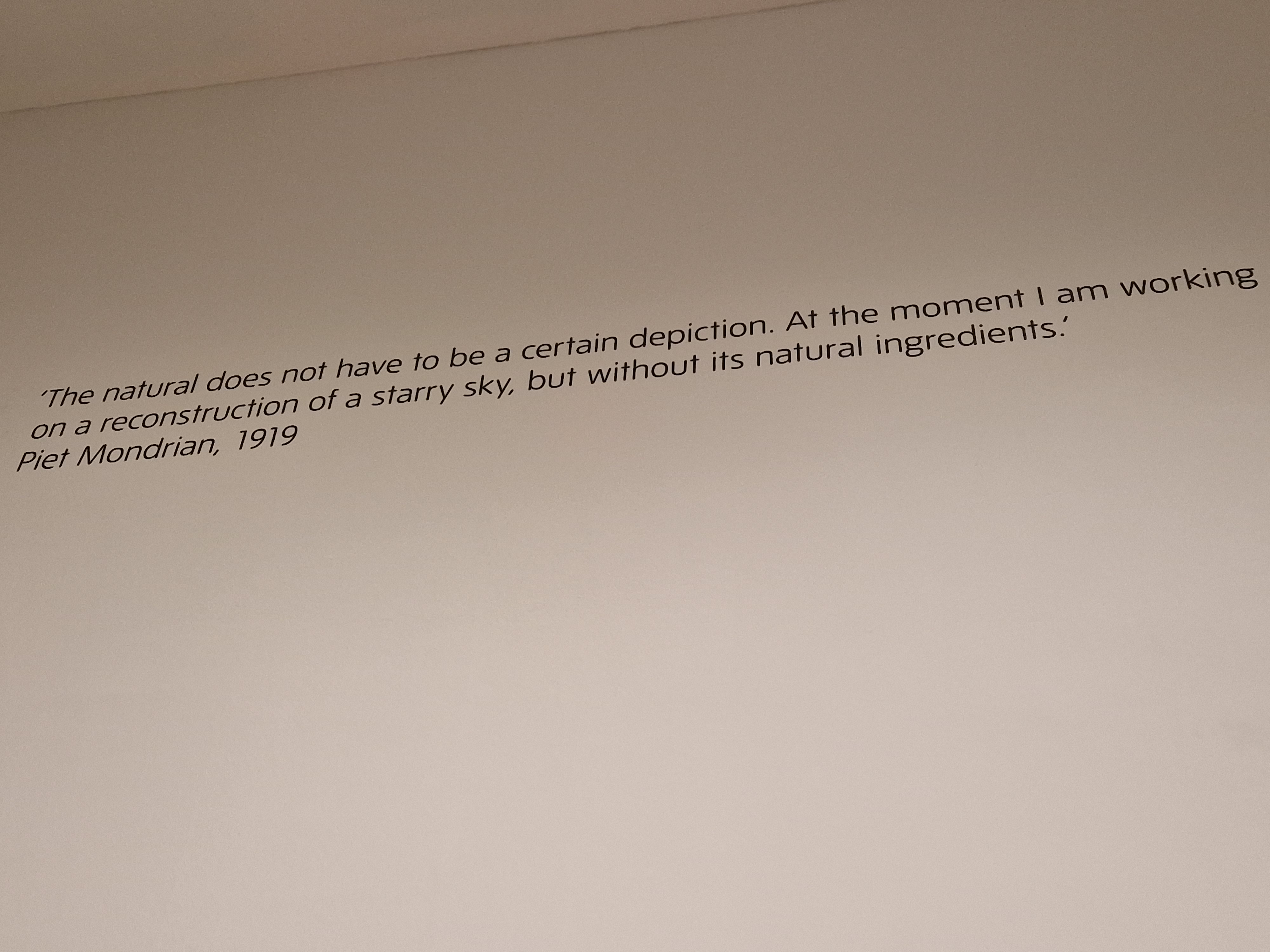
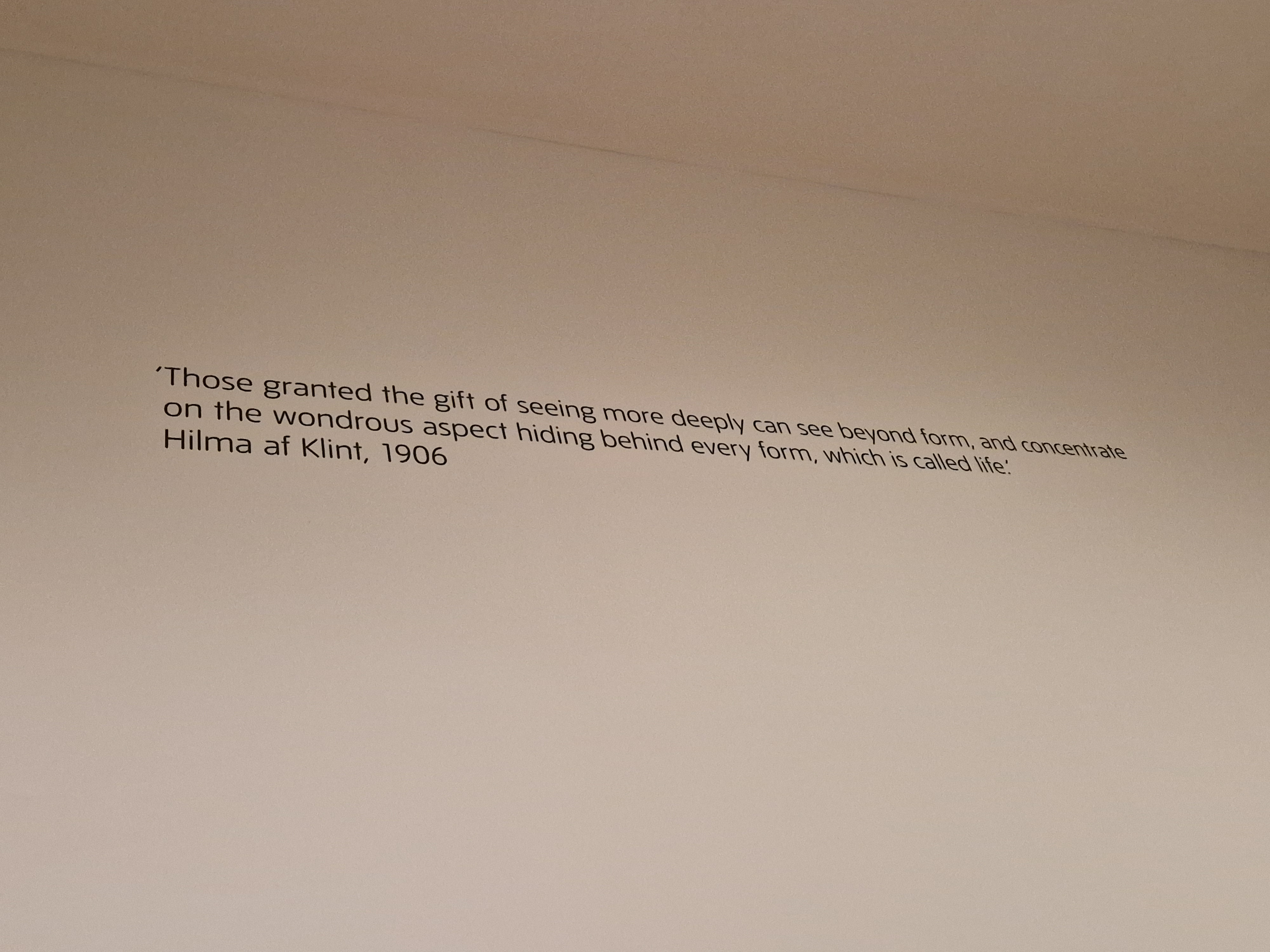
REFLECTIONS: I heard about both artists a little bit but didn't know their work very well, so this visit to Tate was a perfect opportunity to change that. I don't know what would be the proper art term for this experience, but if I had to summarise it in my own words, it would be magic (Hilma af Klint), sublime simplicity (Piet Mondrian) and calmness (all of it).

There was almost a certain healing energy that I felt filled with when at the exhibition. Apart from impressive paintings and the story behind them, the exhibition had some very interesting sculptural pieces, profound quotes from artists placed all over, and even some works of Carl Jung, which I didn't expect to see as I didn't know he created art.

Overall, it was another outstanding and inspiring exhibition and confirmation that getting a TATE yearly membership was the best idea ever!
WHITWORTH GALLERY
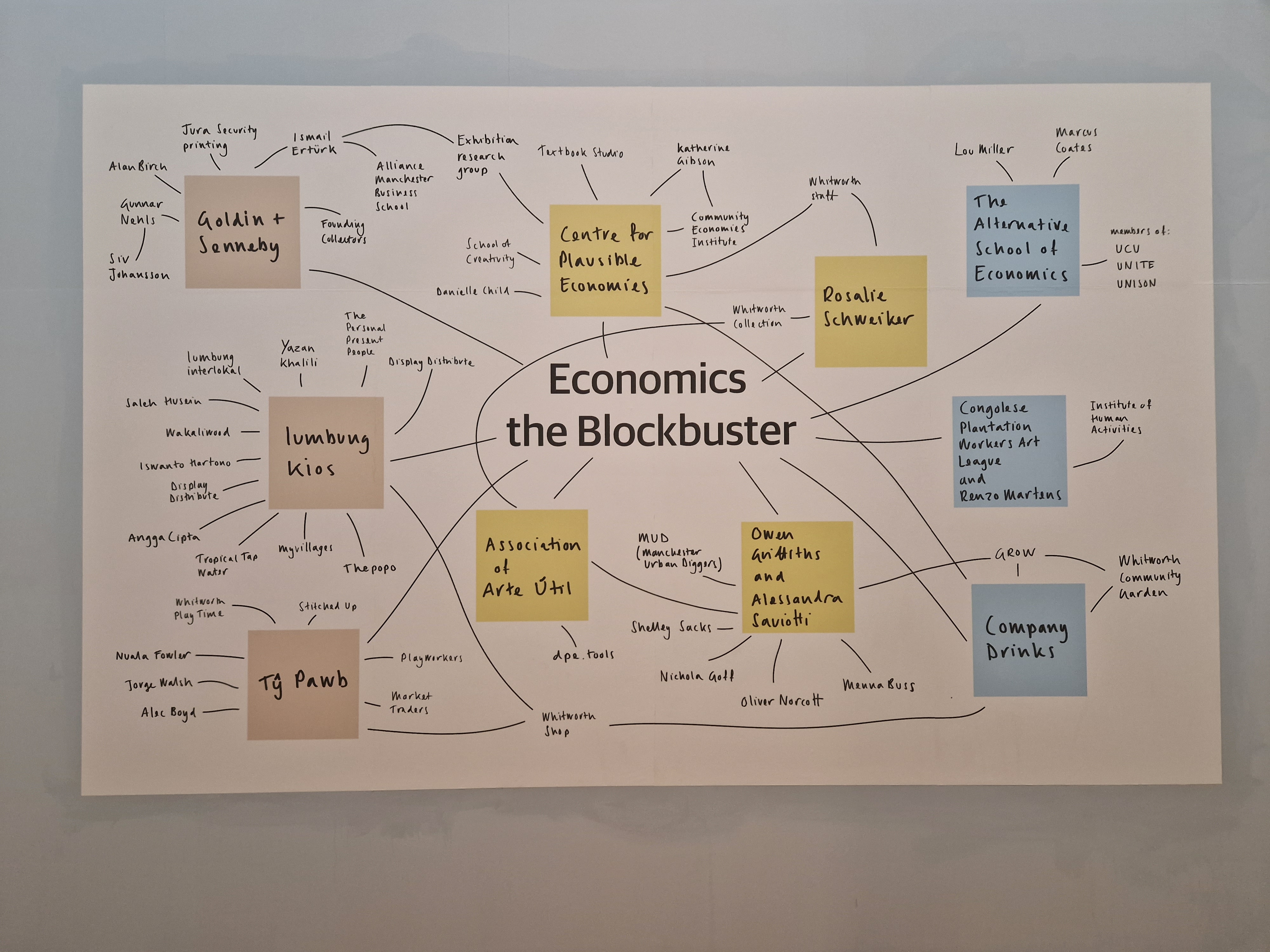
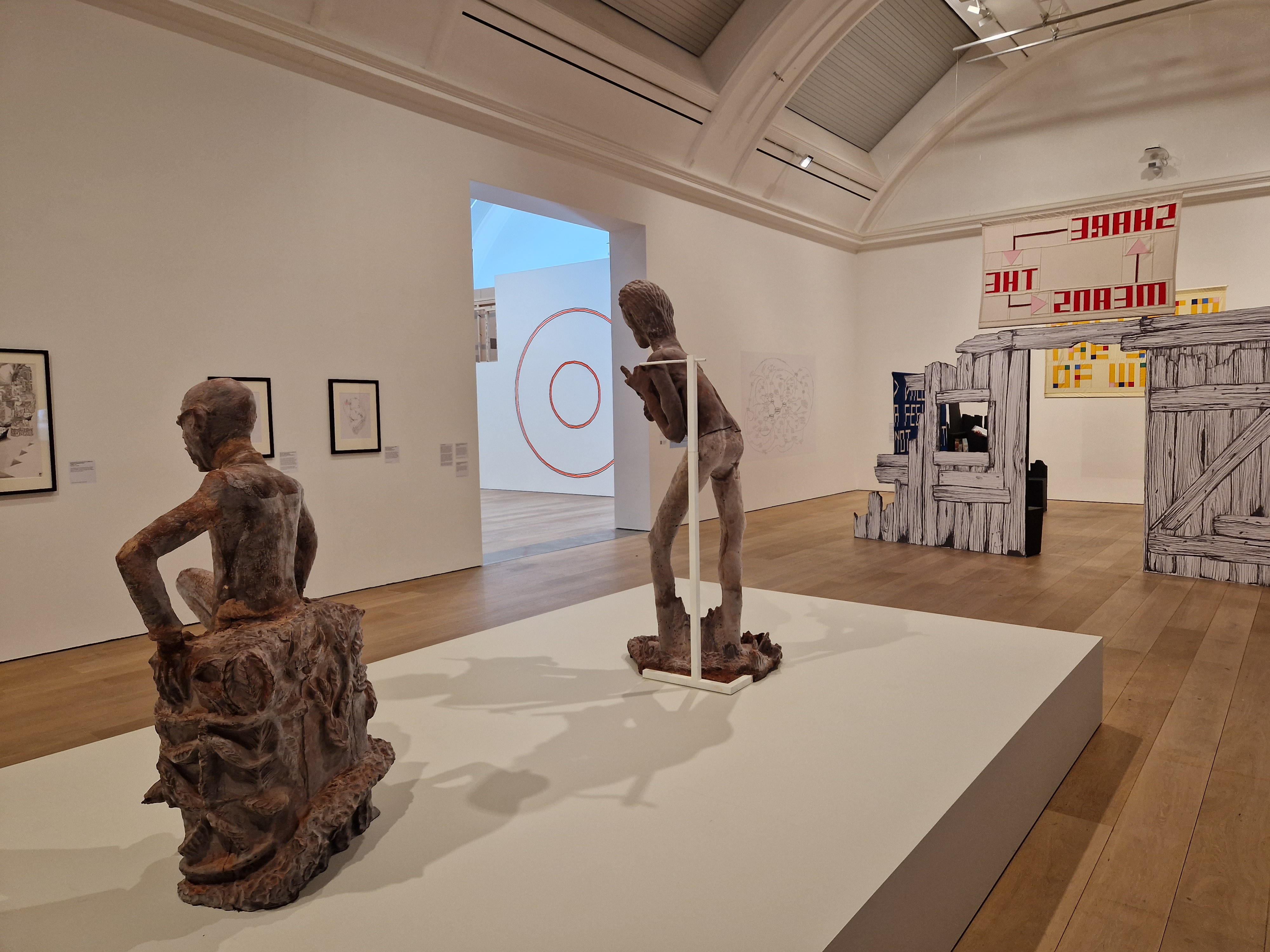

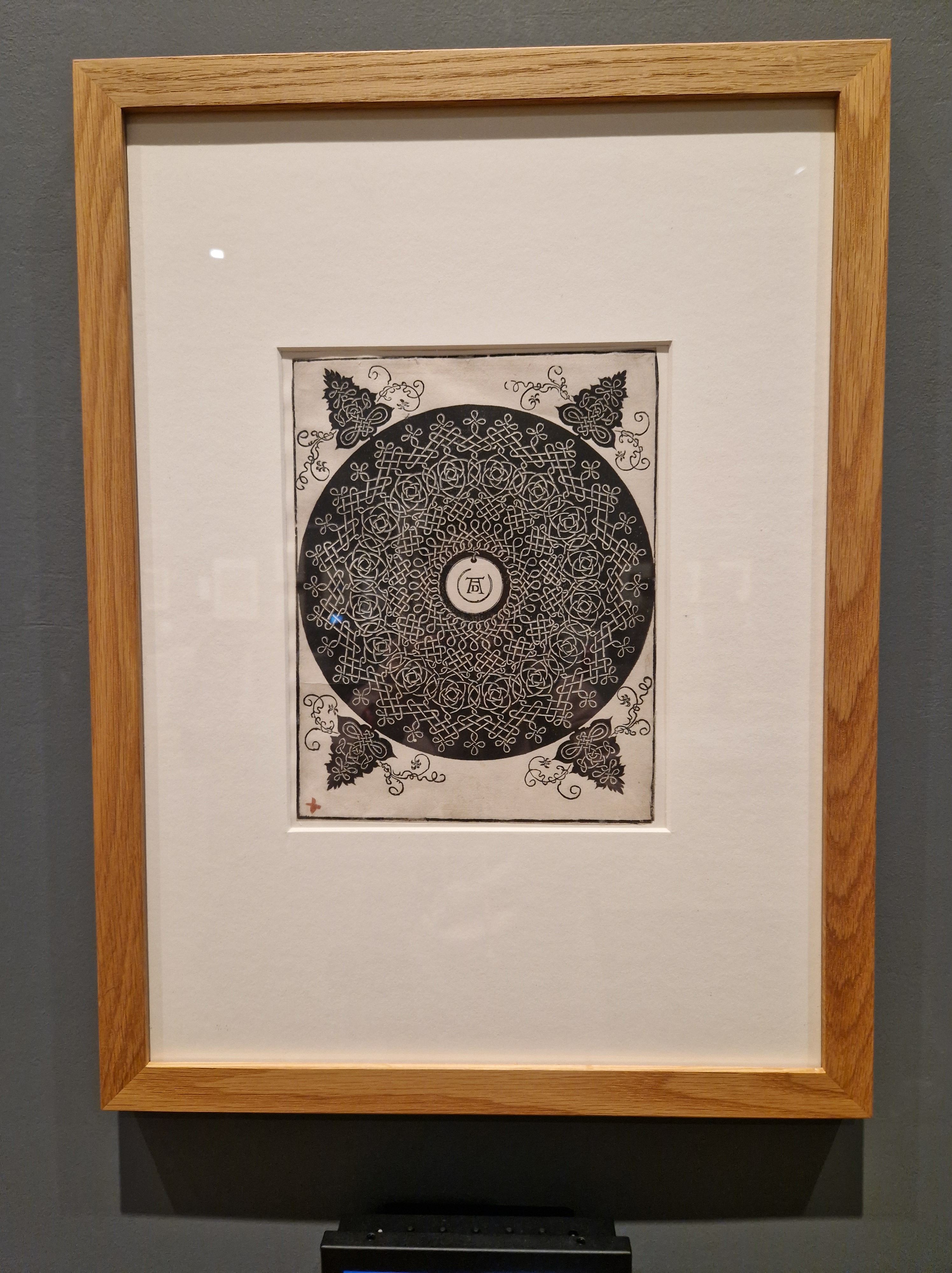
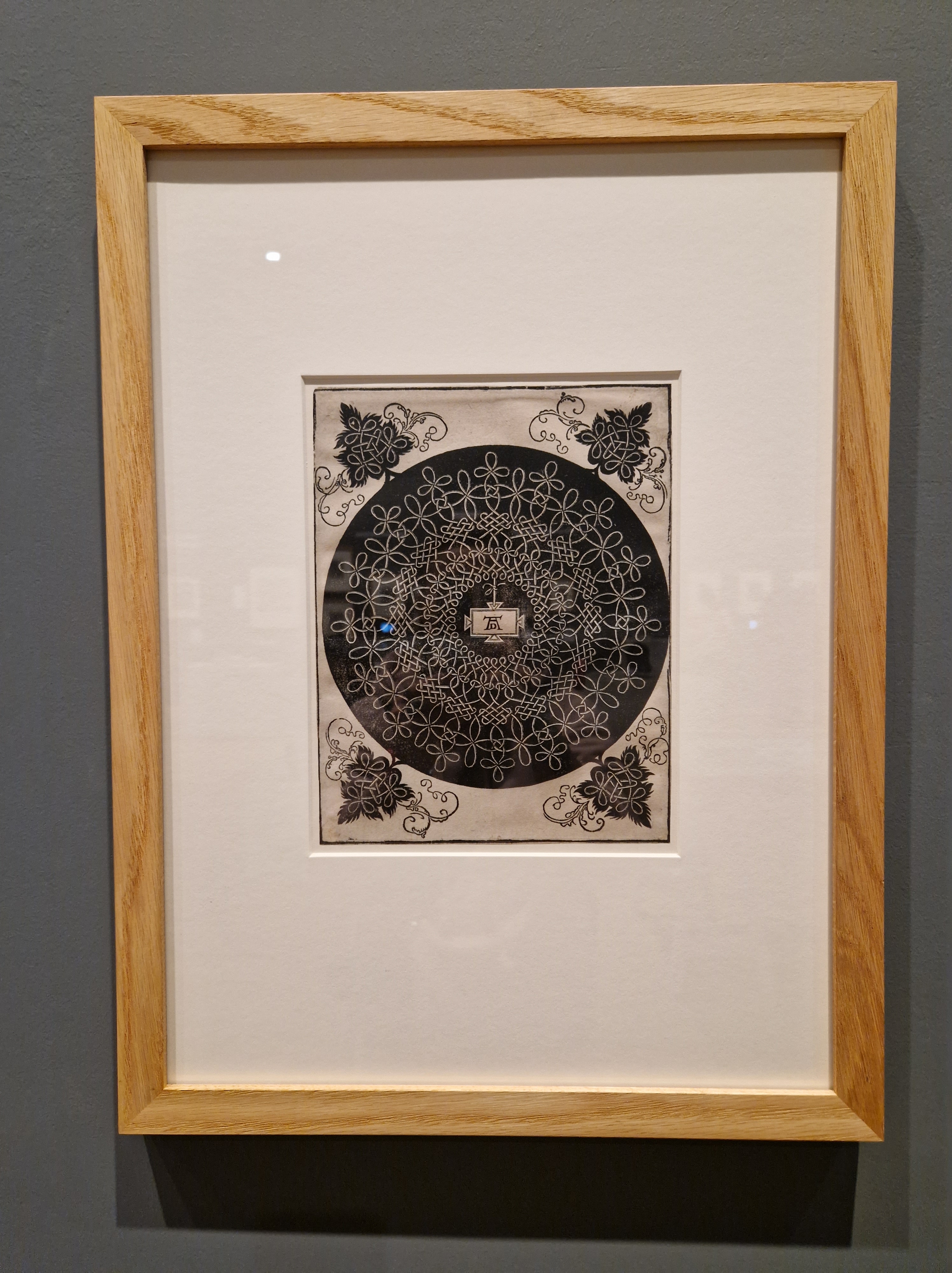
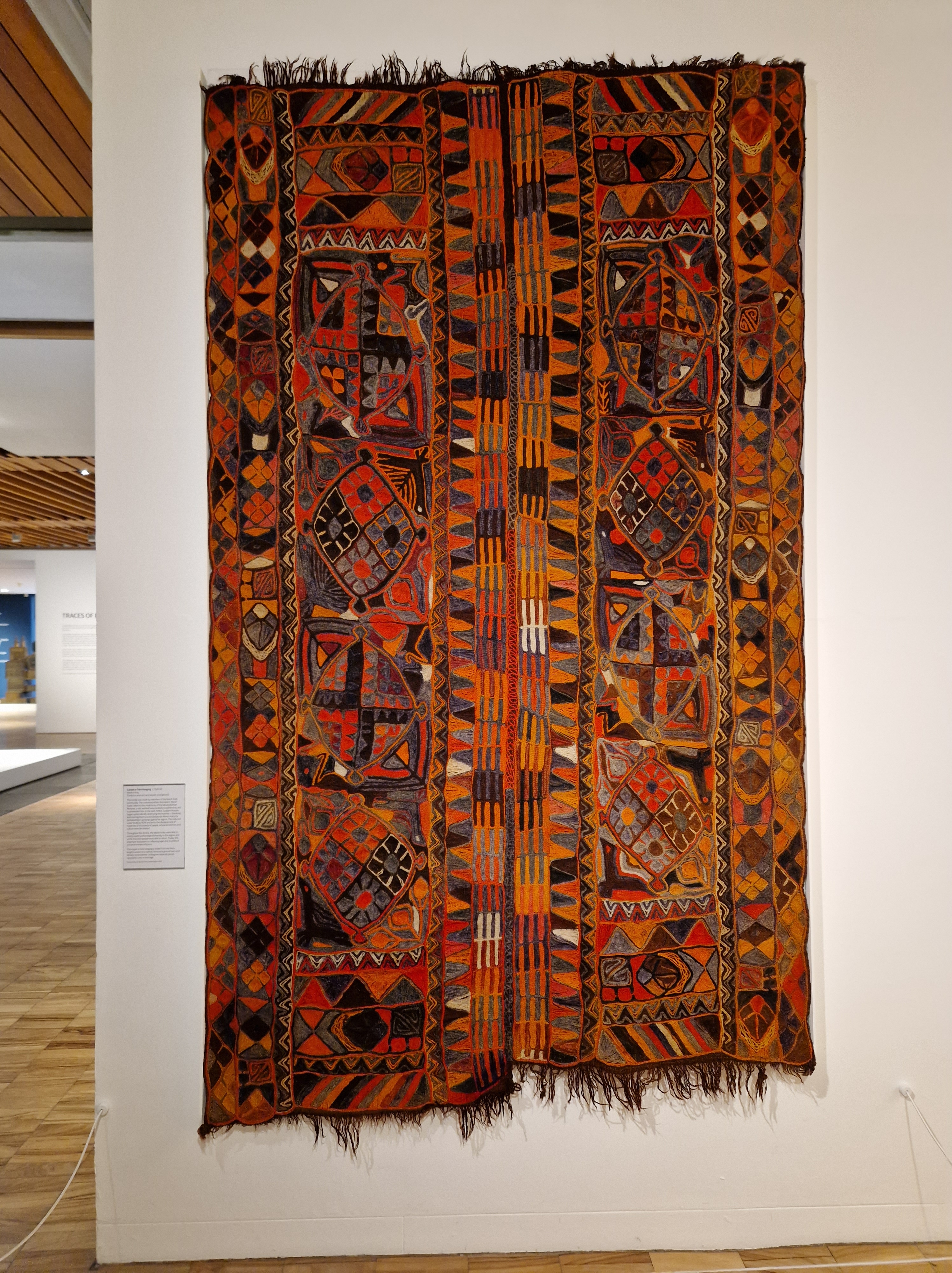
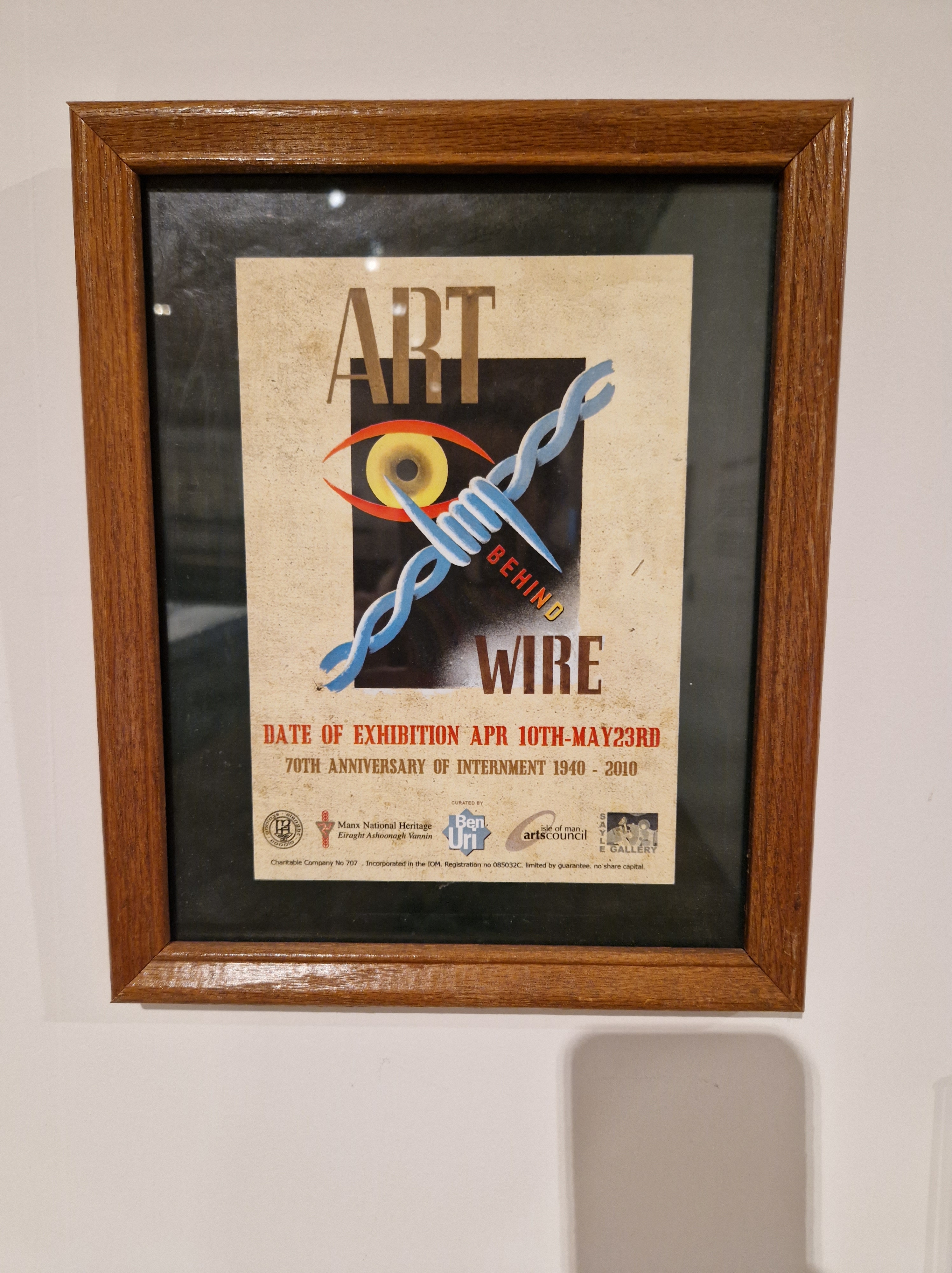
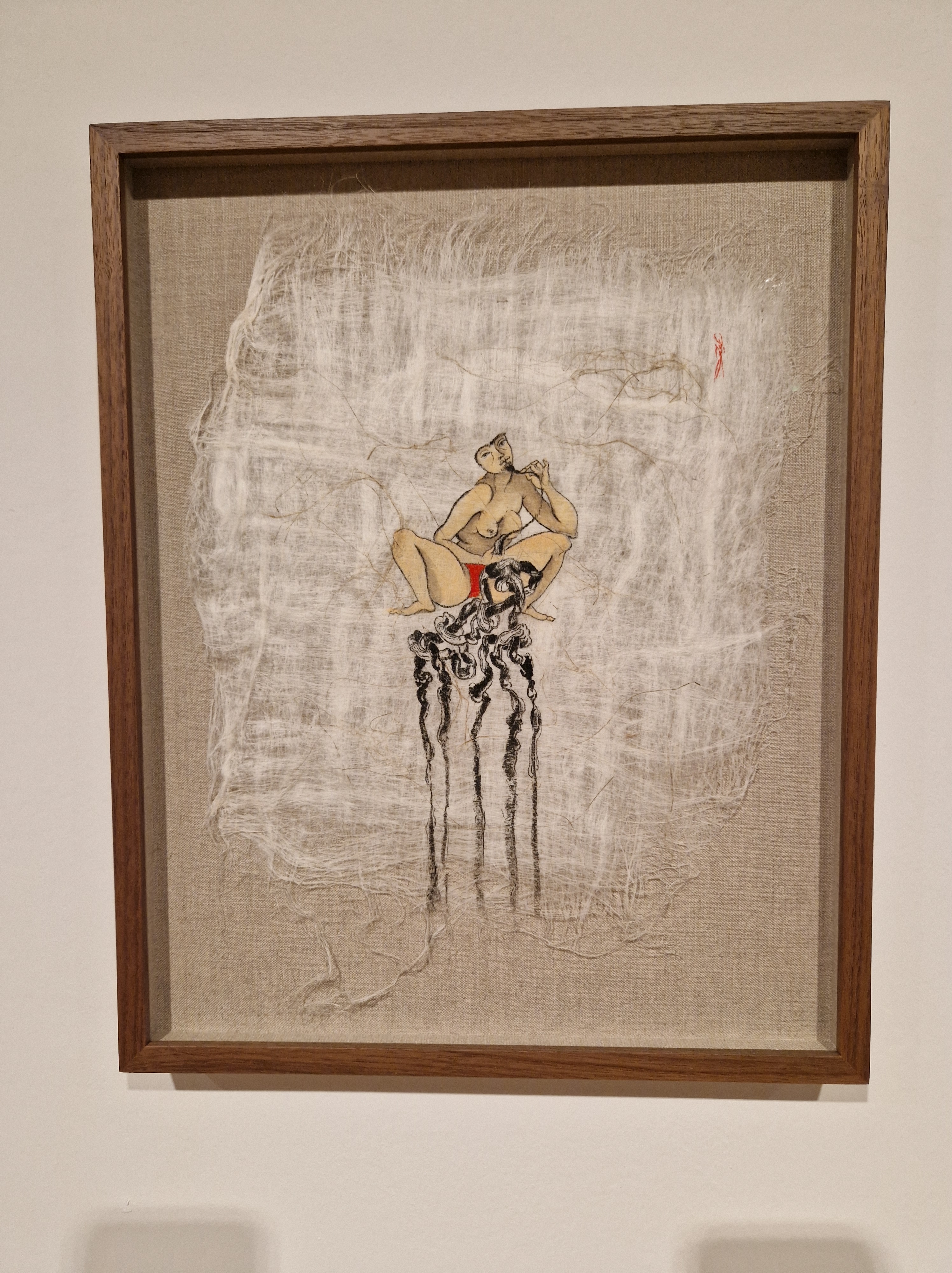
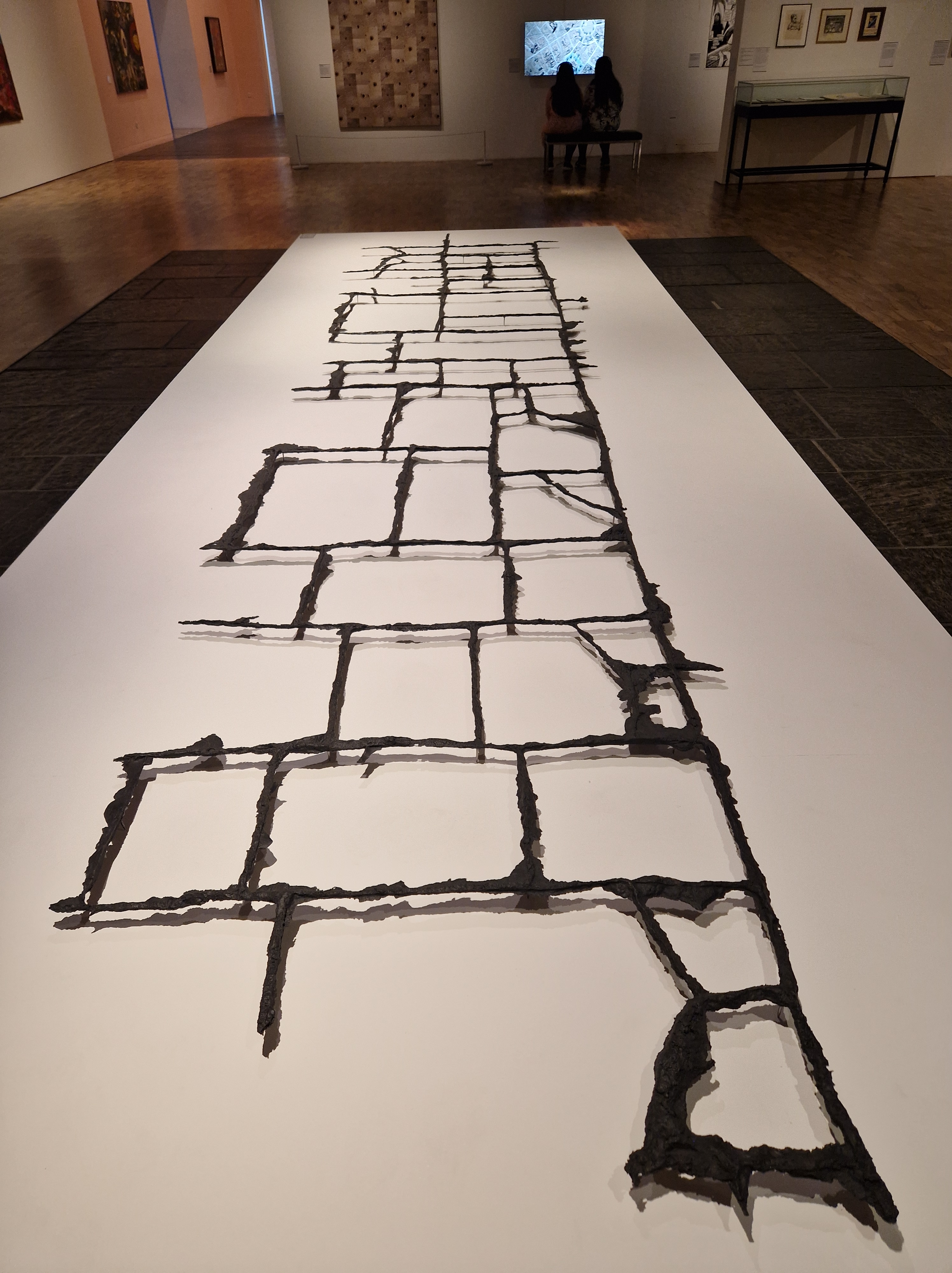
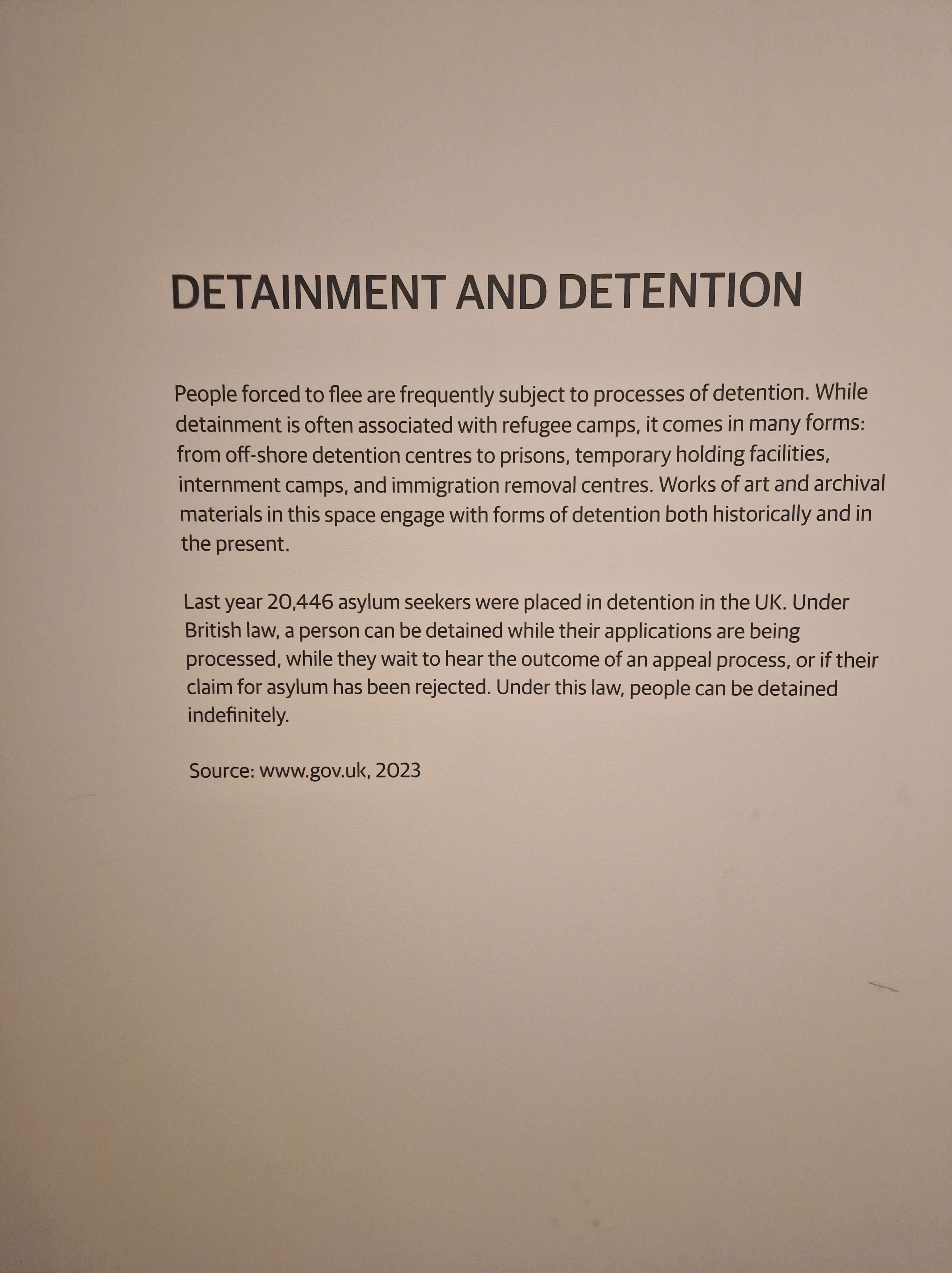
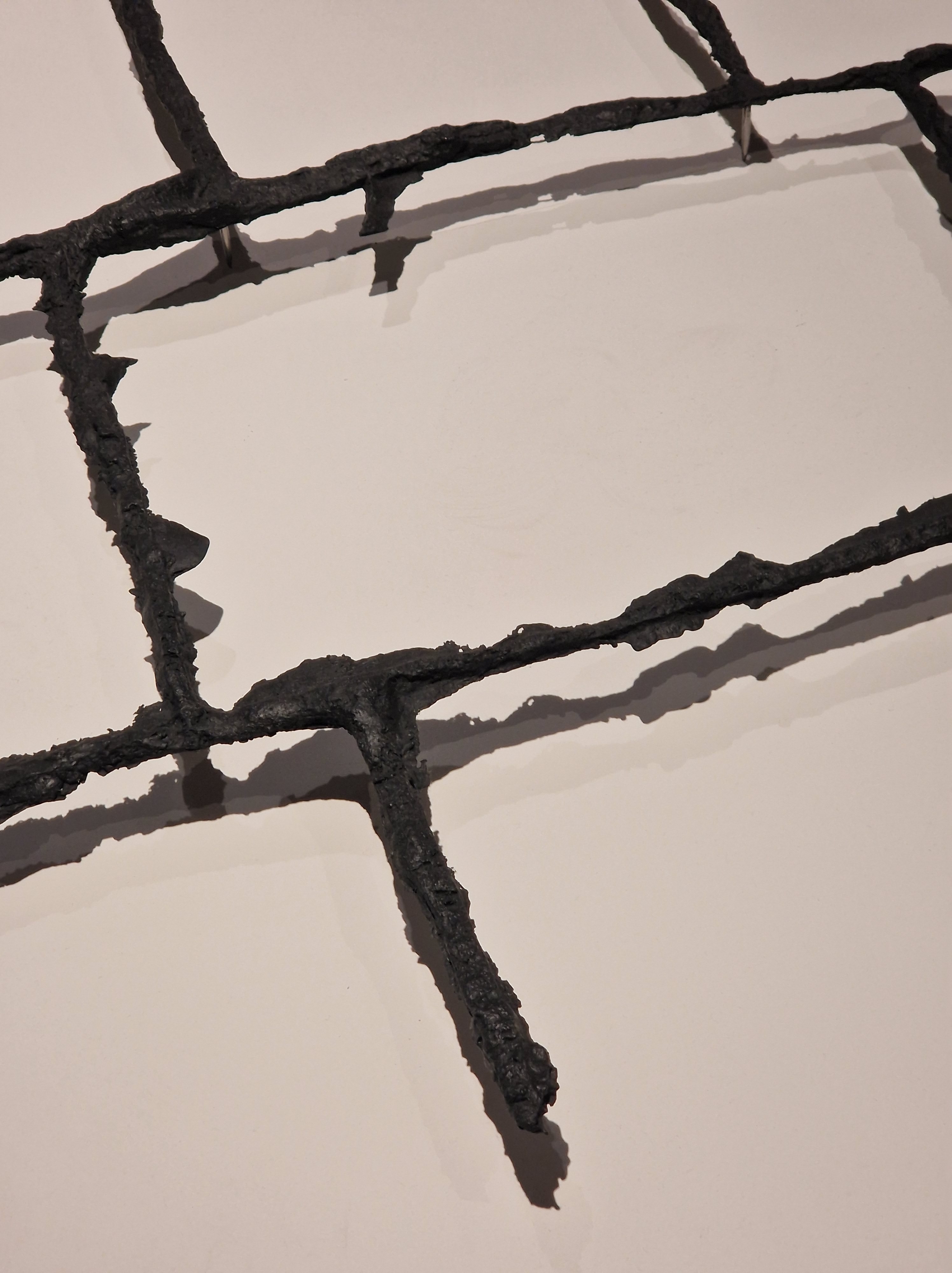
REFLECTIONS: As always at this gallery, you can find a wide range of works that vary from artworks that I find engaging to the contrary. It makes me wonder how one ends up being a part of an exhibition in an institution like this. Do they get contacted by the gallery’s curators, or do they get in touch with them? I shall find out!
WEEK 1: 25/09-01/10
MONDAY and WEDNESDAY
UNIT BRIEF
INFO FROM THE DAY:
- late openings are only on Monday and Wednesday – till 8, normally till 5
- deadline Monday 15th of January (campus reopens a week before that)
- winter break Friday 15th of December
- Monday is the most important day – always come in!
- portfolio should be between 15-25 photos
THURSDAY
PRESENTING SUMMER PROJECT
It was a very productive day – it was interesting to see other people’s work and to present mine. It was a good opportunity to share my work with others and a chance to self-reflect on my practice.
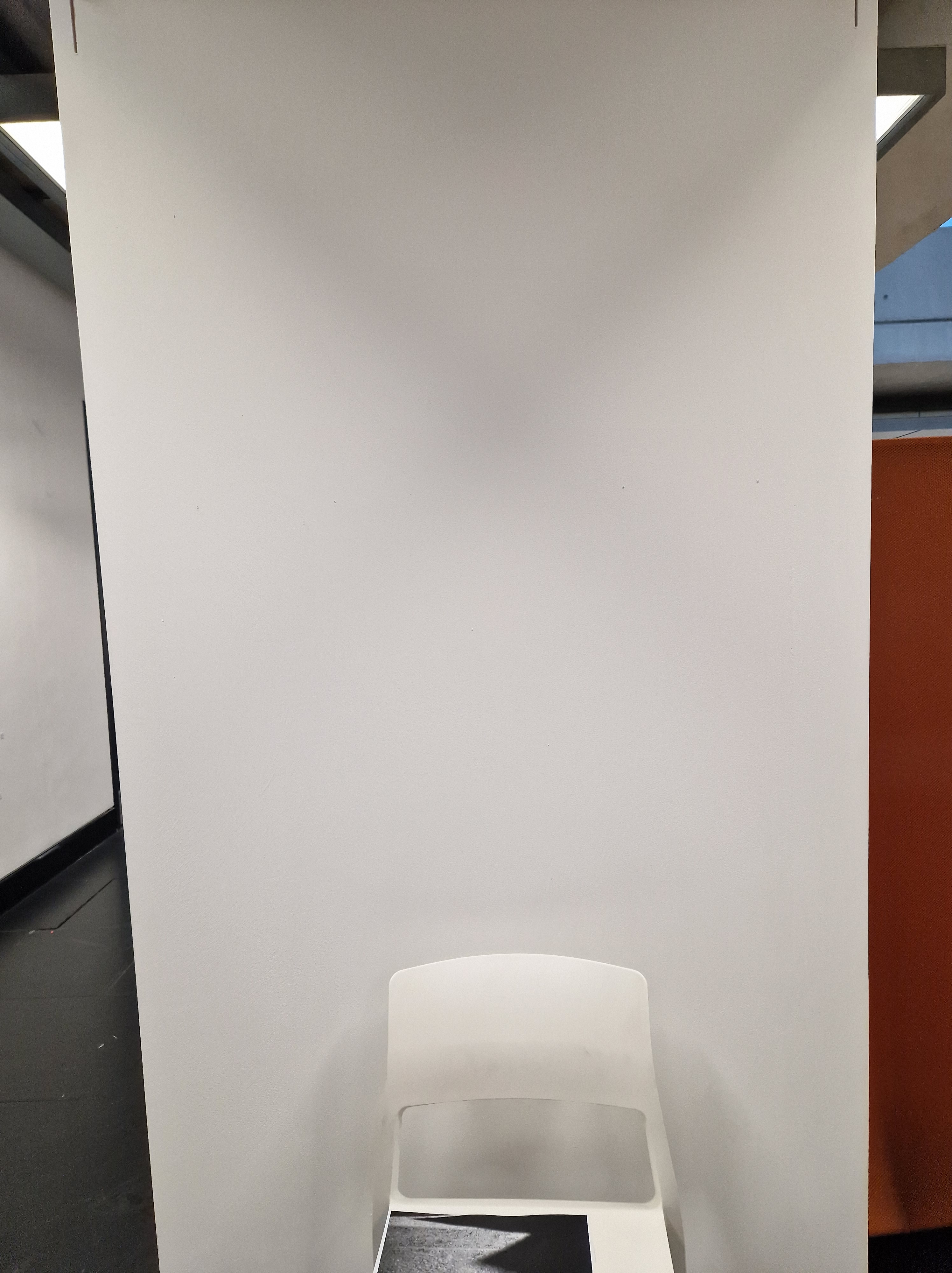
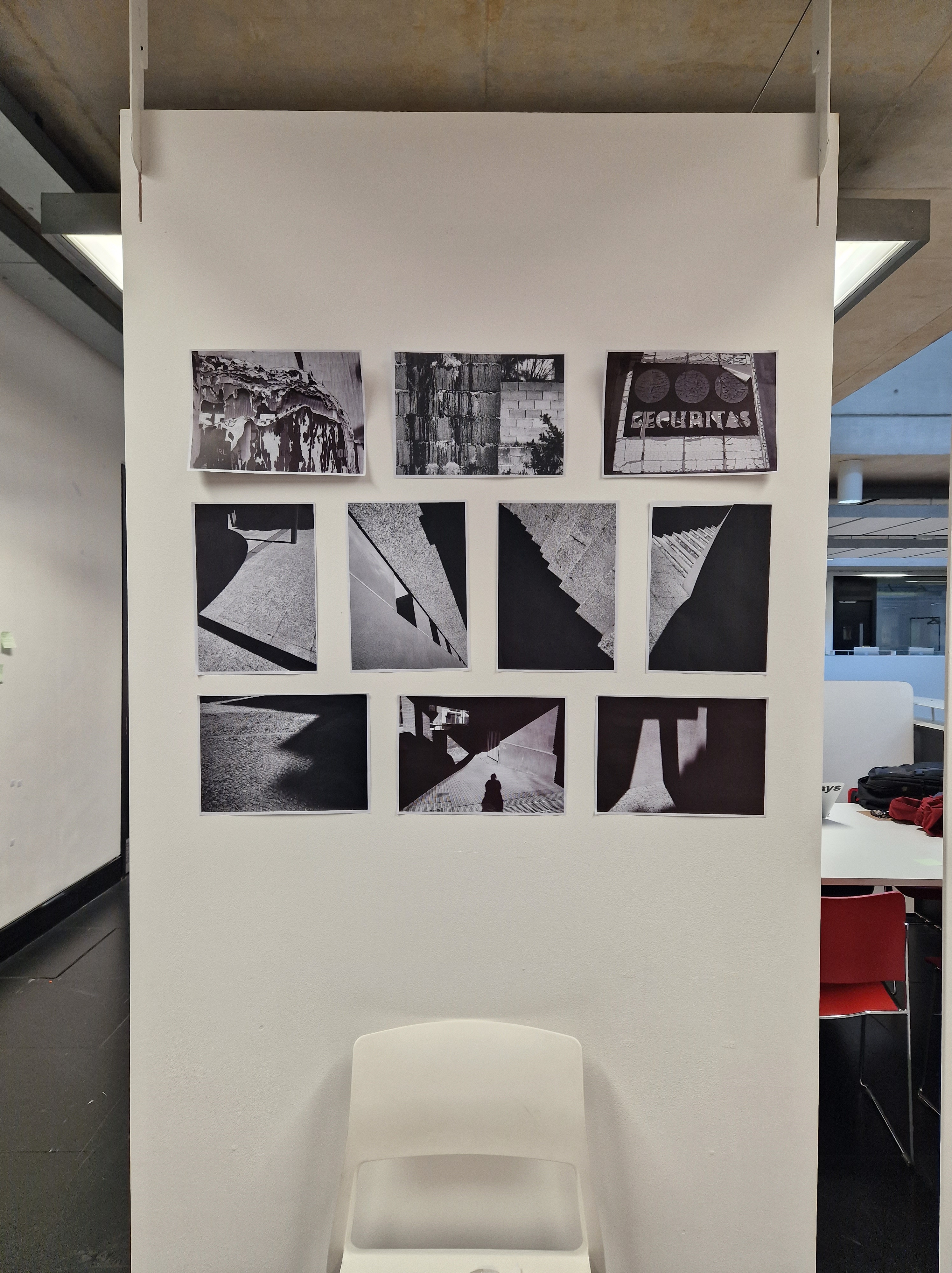
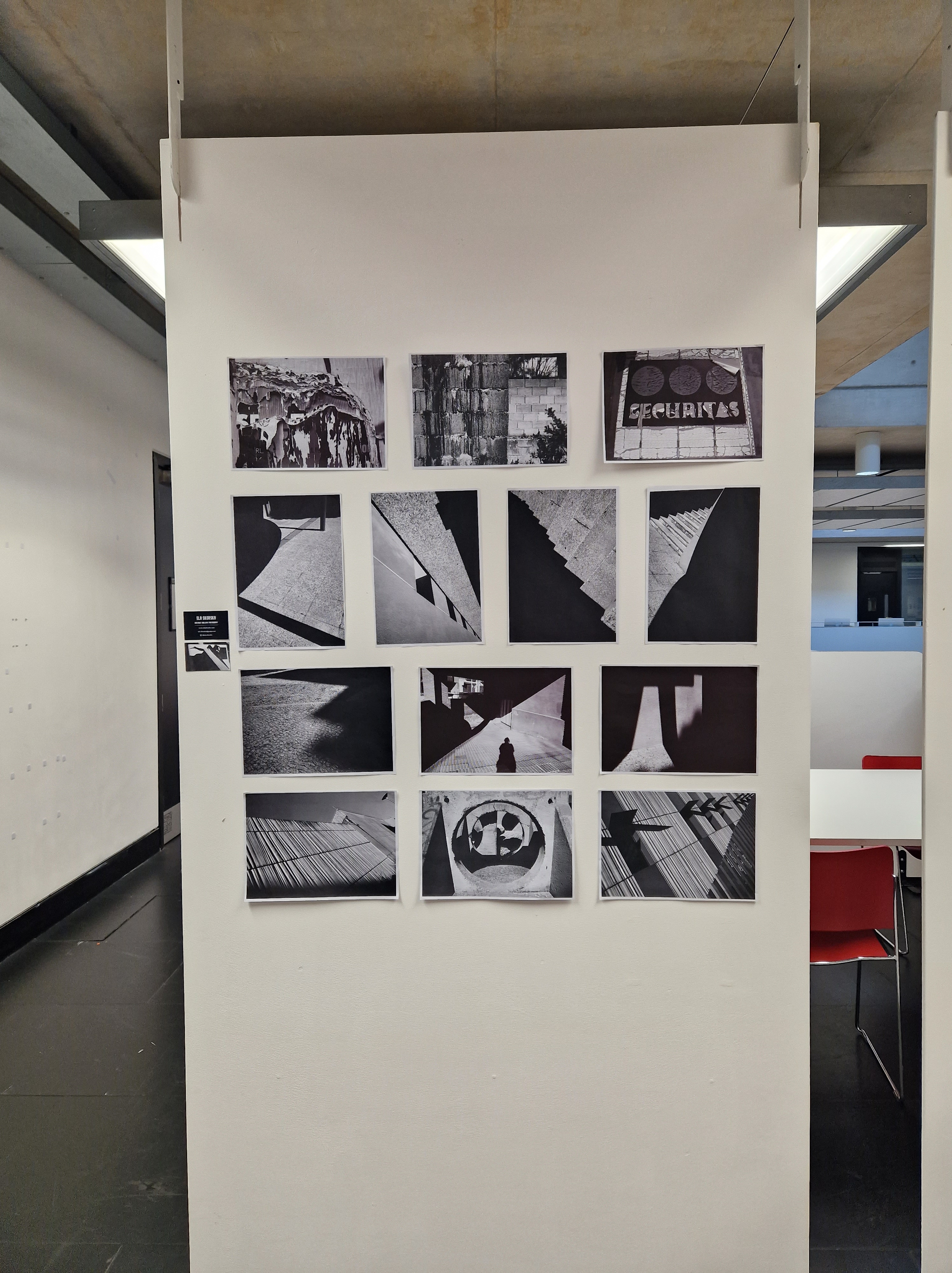


REFLECTIONS: I identified themes I like working with and methods, and I worked out a way to structure my practice in order to progress:

1. work more in LARGE FORMAT: book studio and experiment with paper and light and anything really, but get myself loose on the large format and simply experiment. It will give me a fresh outlook on the world and allow me to shoot better and more inquisitively when I am out on the street treasure seeking.

2. THEMES: bold, geometric, angles, light and shadow, architecture, destruction (is creation), getting closer - details

3. playing with photographs once they are taken - spend time in the darkroom overlaying negatives, cropping, photo collaging etc. to achieve a more abstract effect - think, what Jaroslav Rossler would do?

4. shoot more DOUBLE EXPOSURE - really put time into this, I think there is a potential there for my evolution
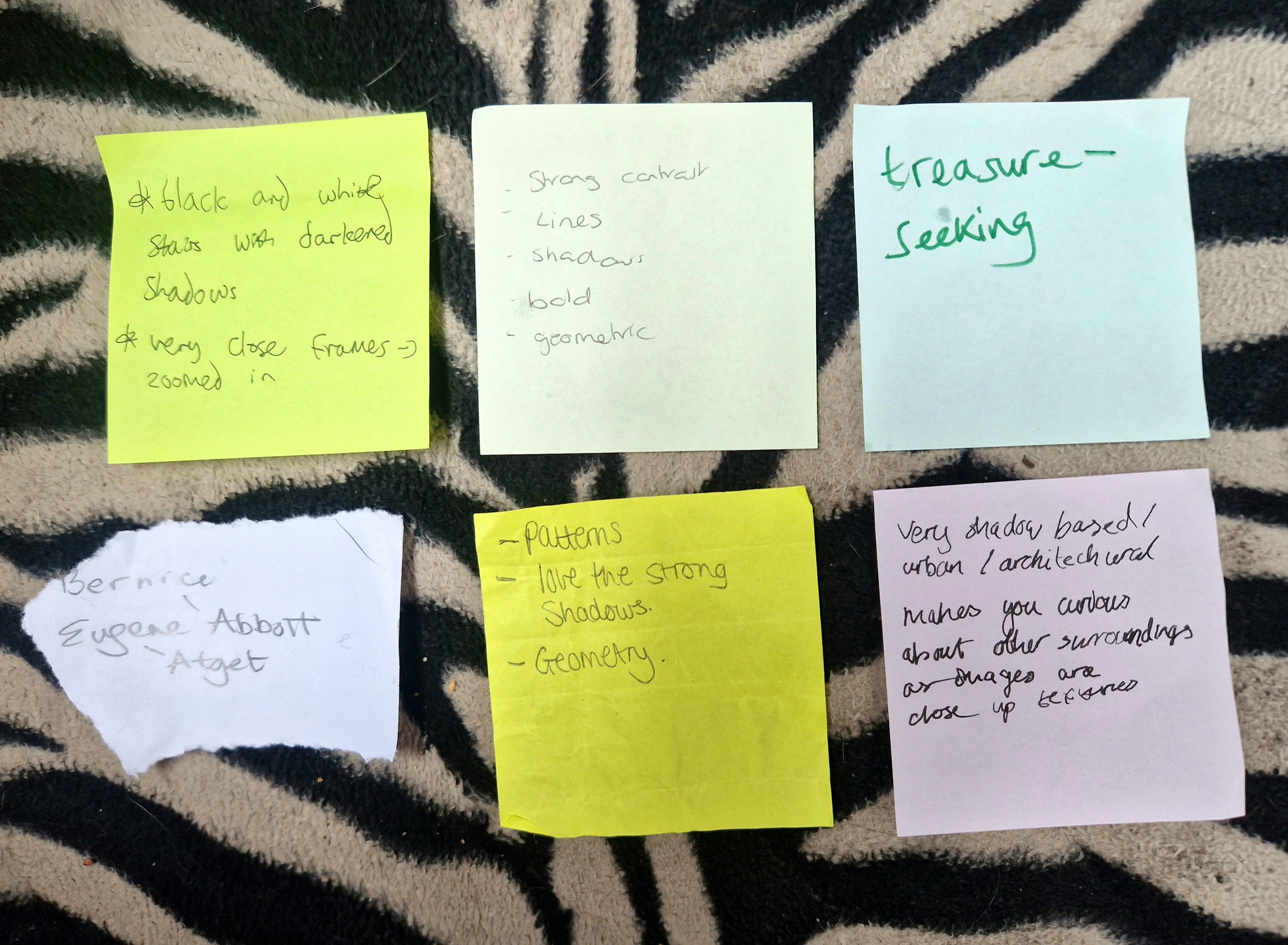
NOTES FROM PEERS AND TUTOR

WEEK 2: 02-08/10/23
MONDAY
HOUSEKEEPING AND STUDIO DAY
On this day, we have been presented with a series of tasks that helped us re-imagine our work and push us to think outside the box and use our imagination
TASK 1:
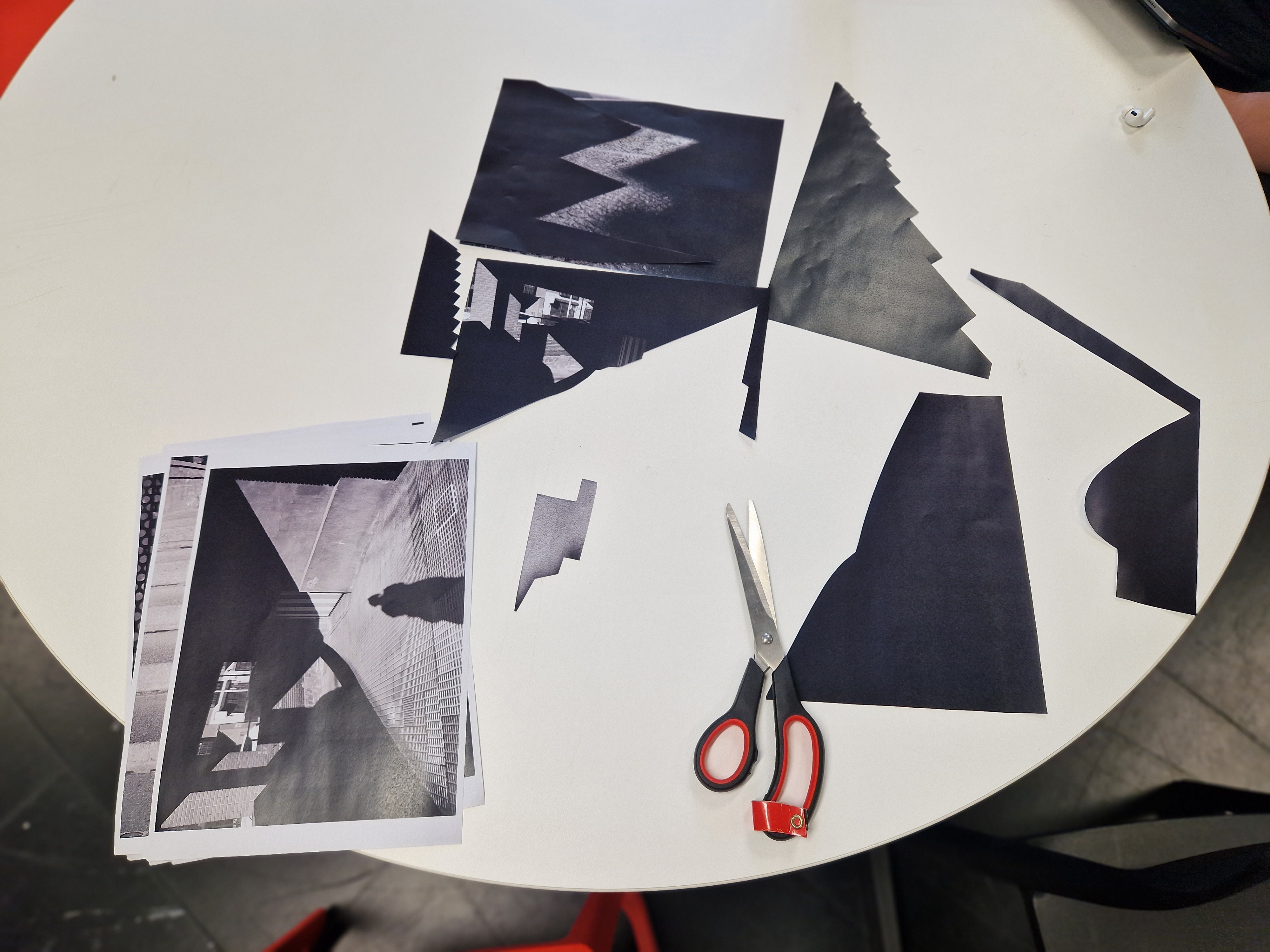
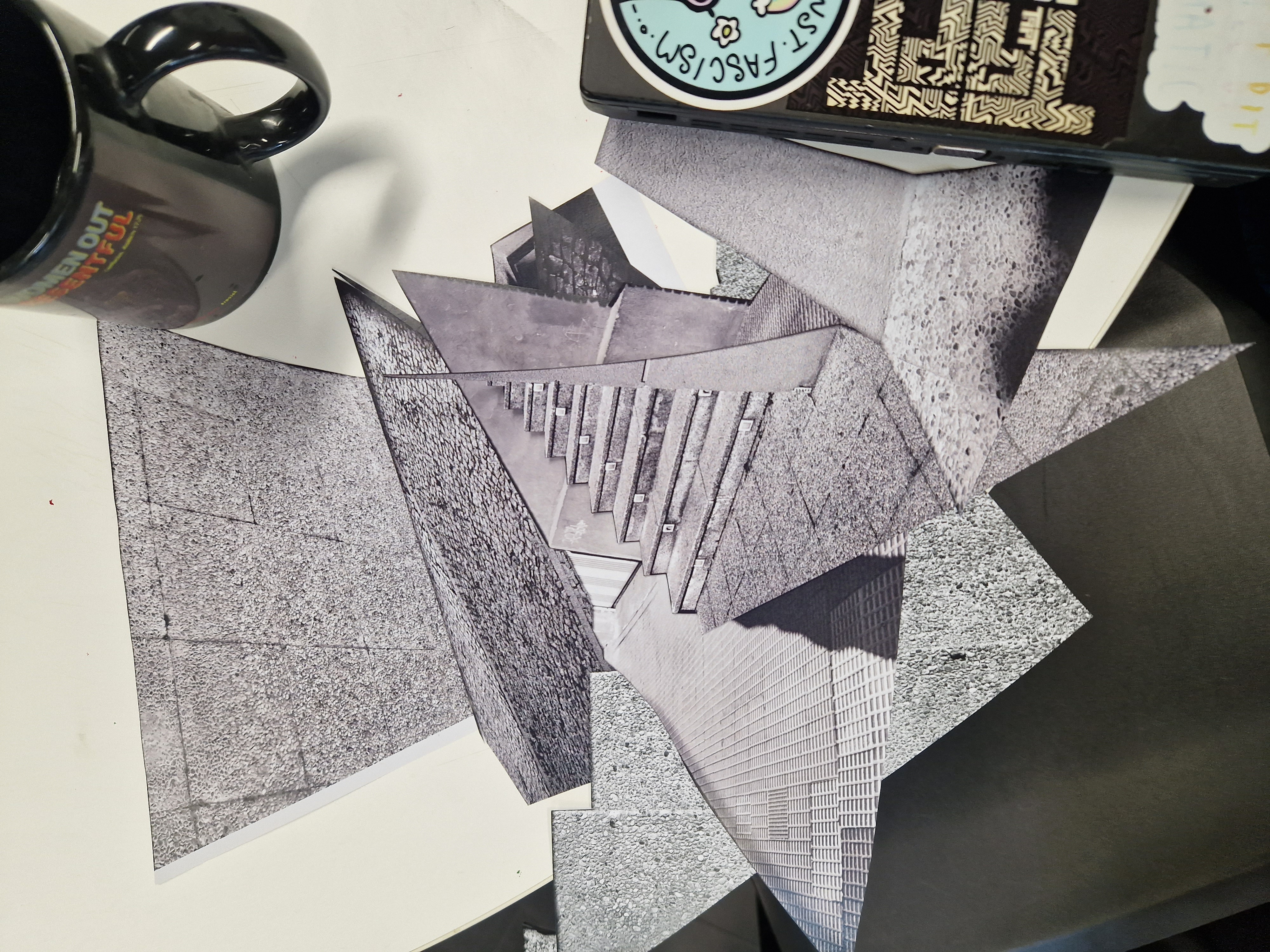
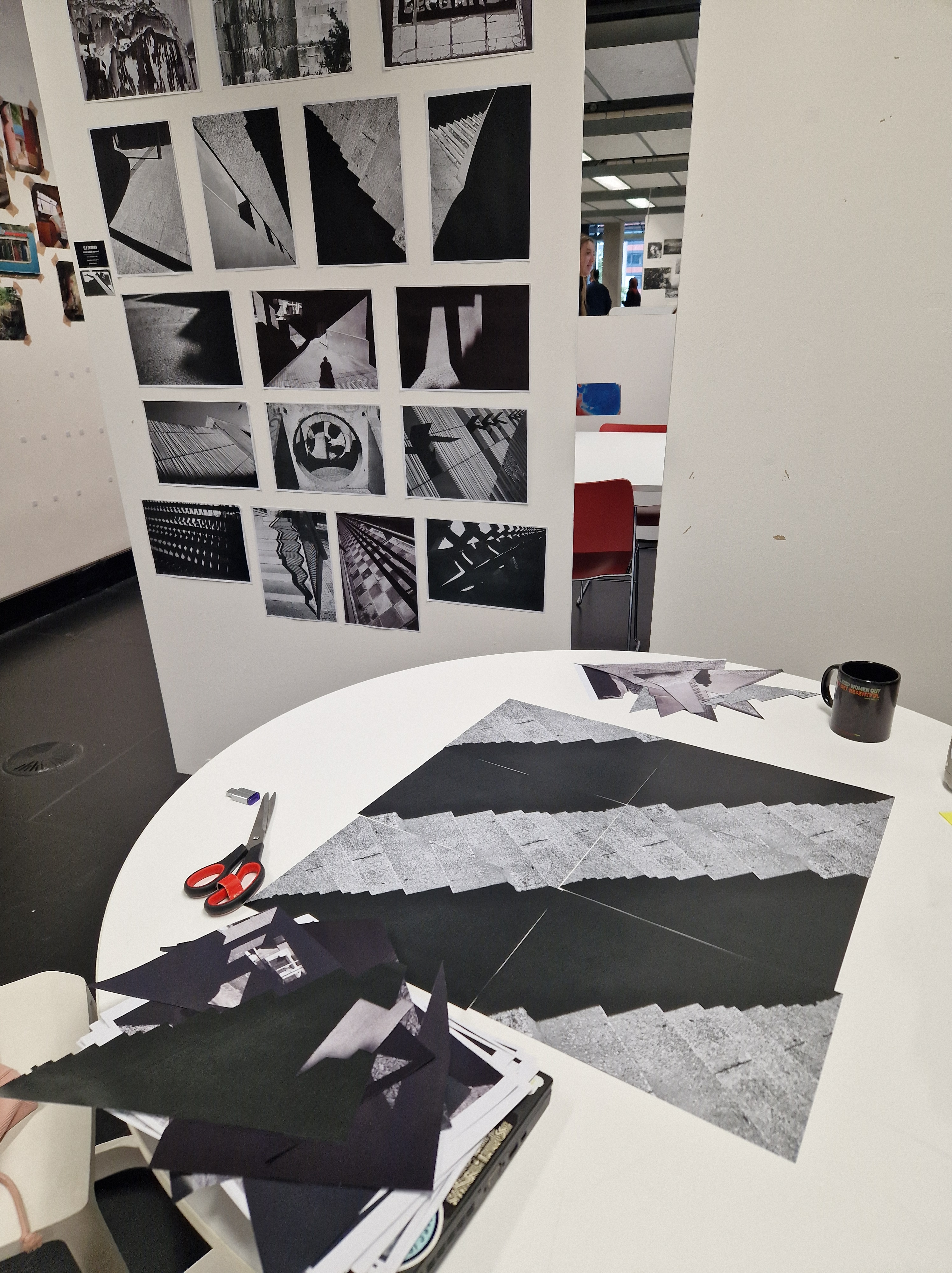
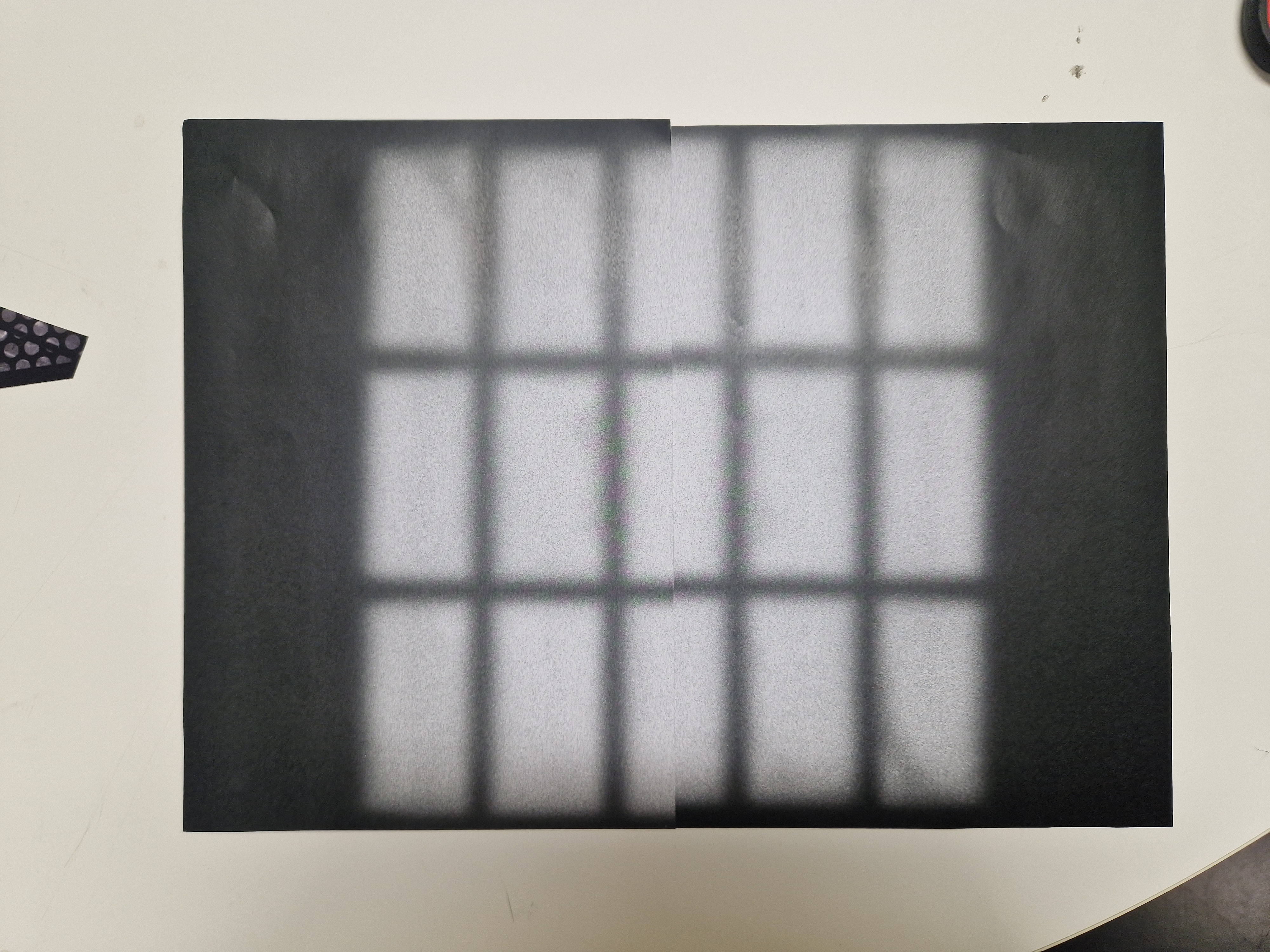
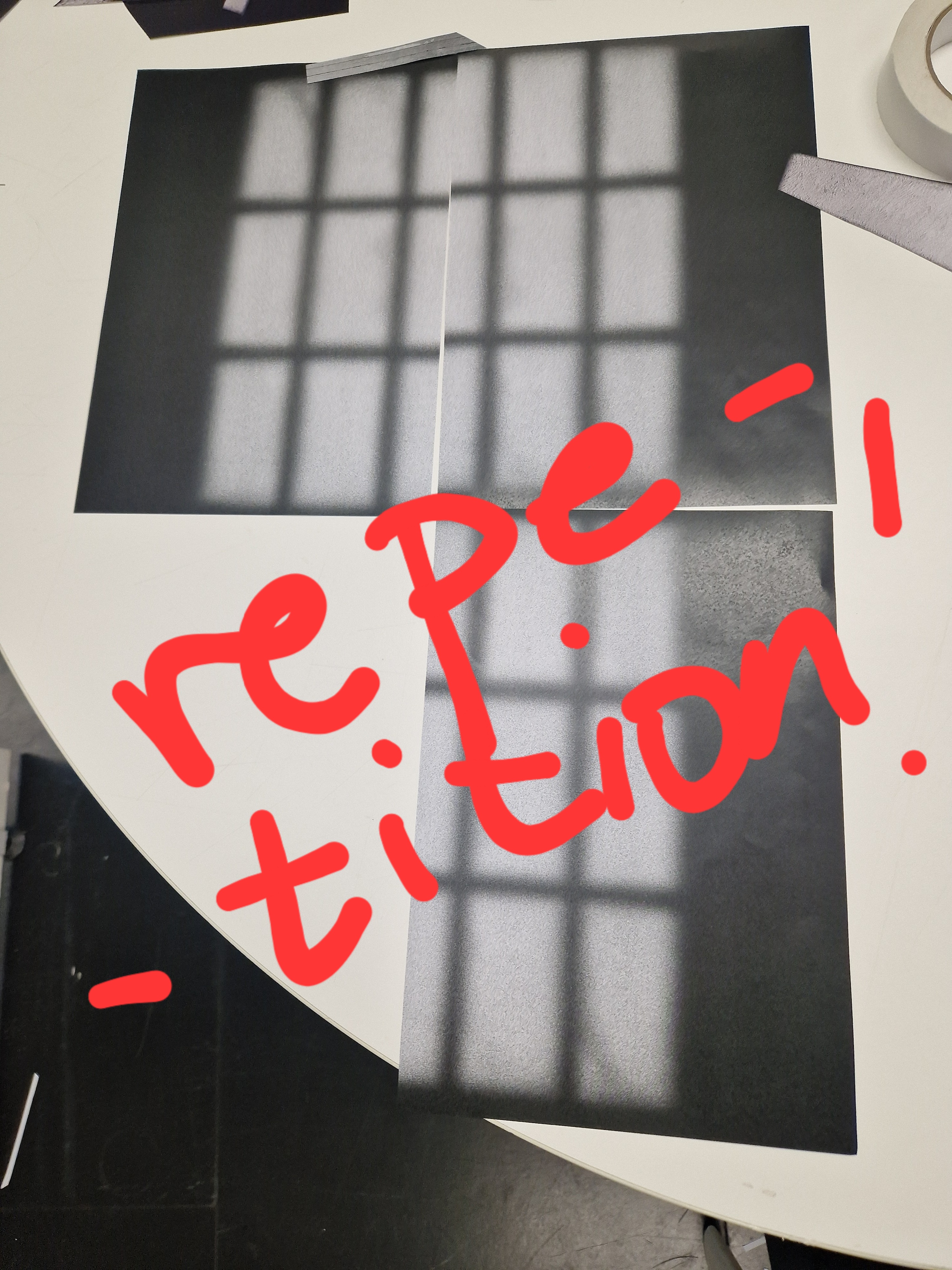
Remake an existing image of yours.
Idea: print and repeatedly collage. Not possible that day because of the strikes but normally go to the darkroom and play with overlaying negatives.

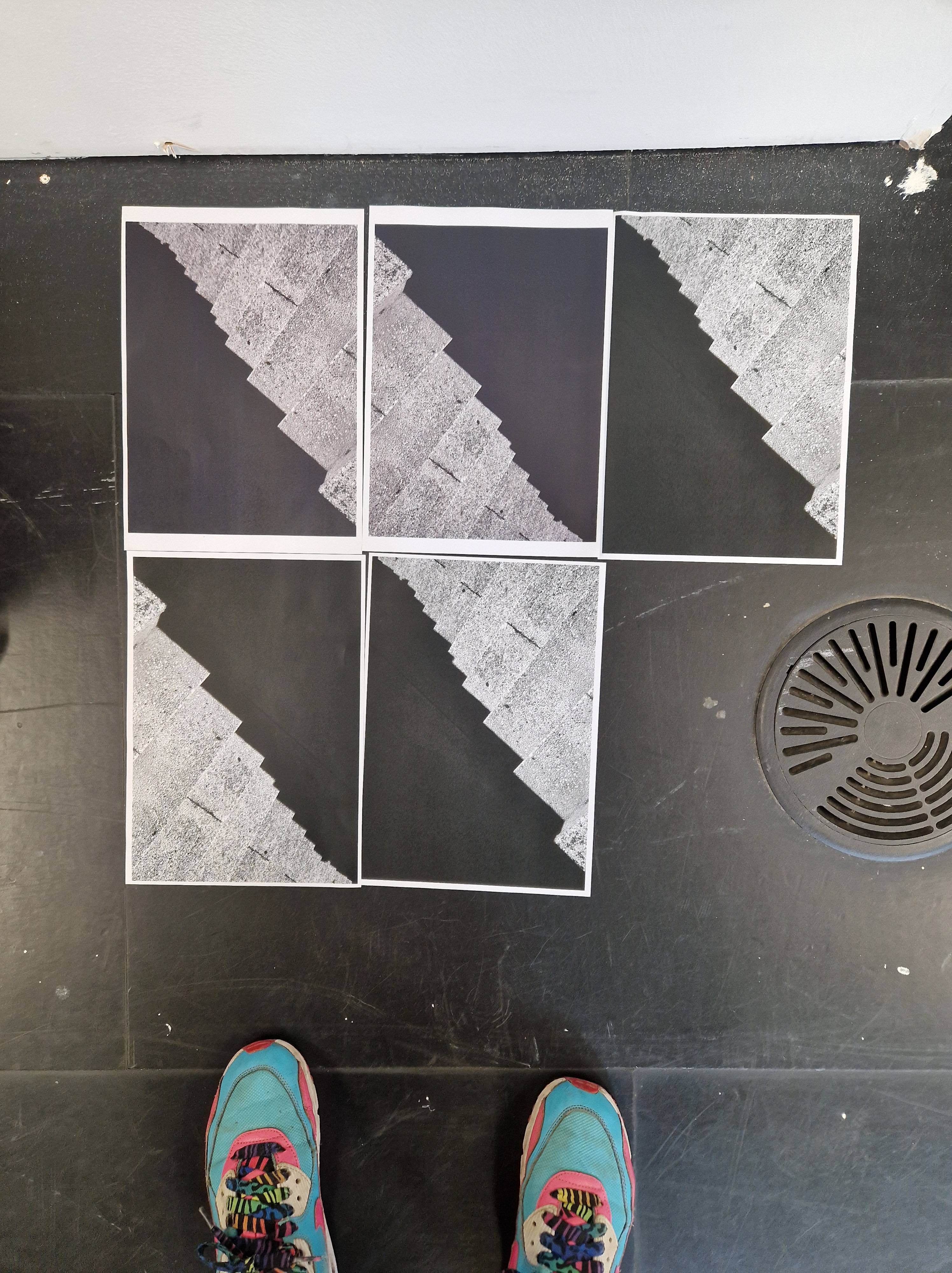
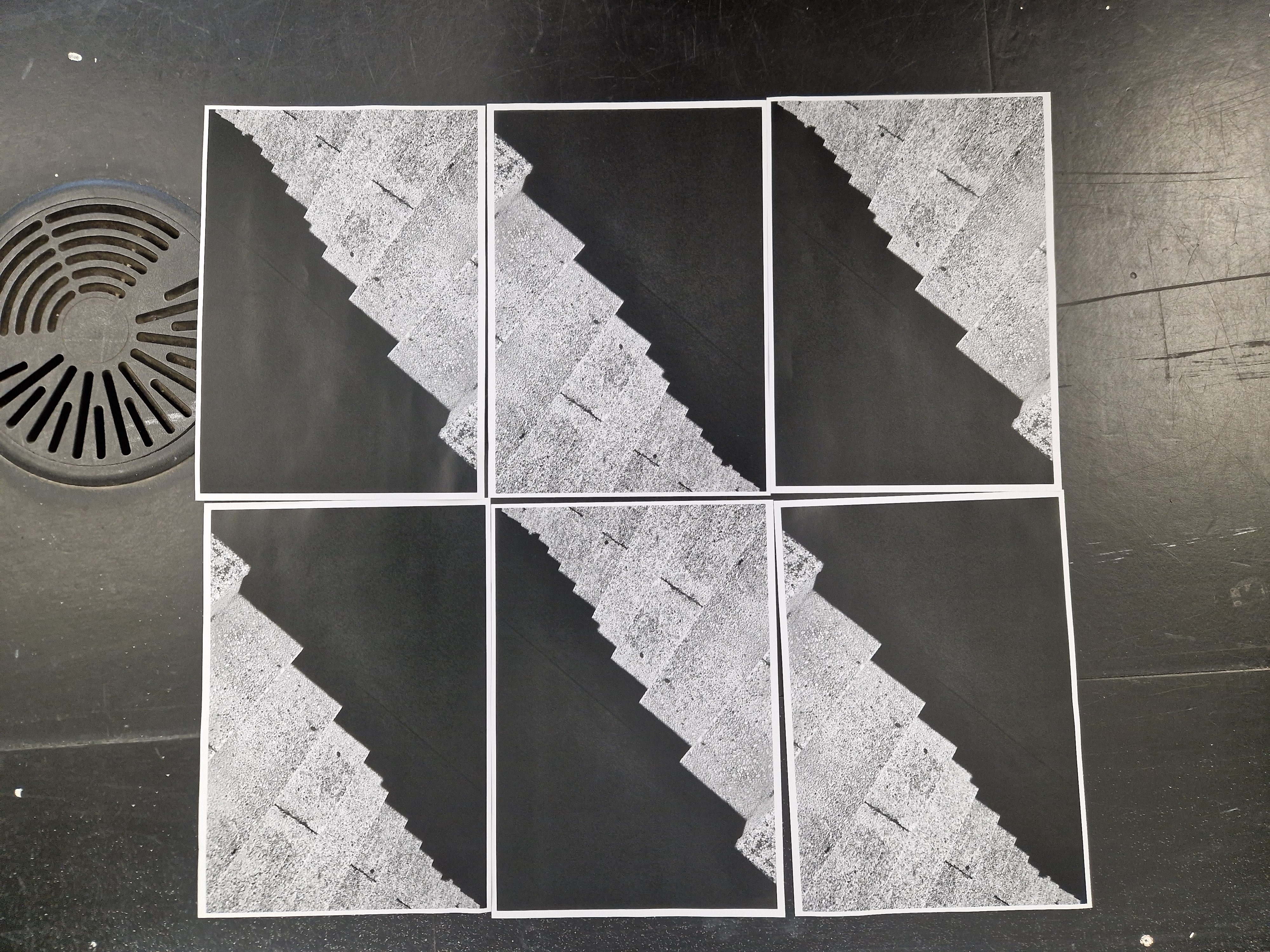
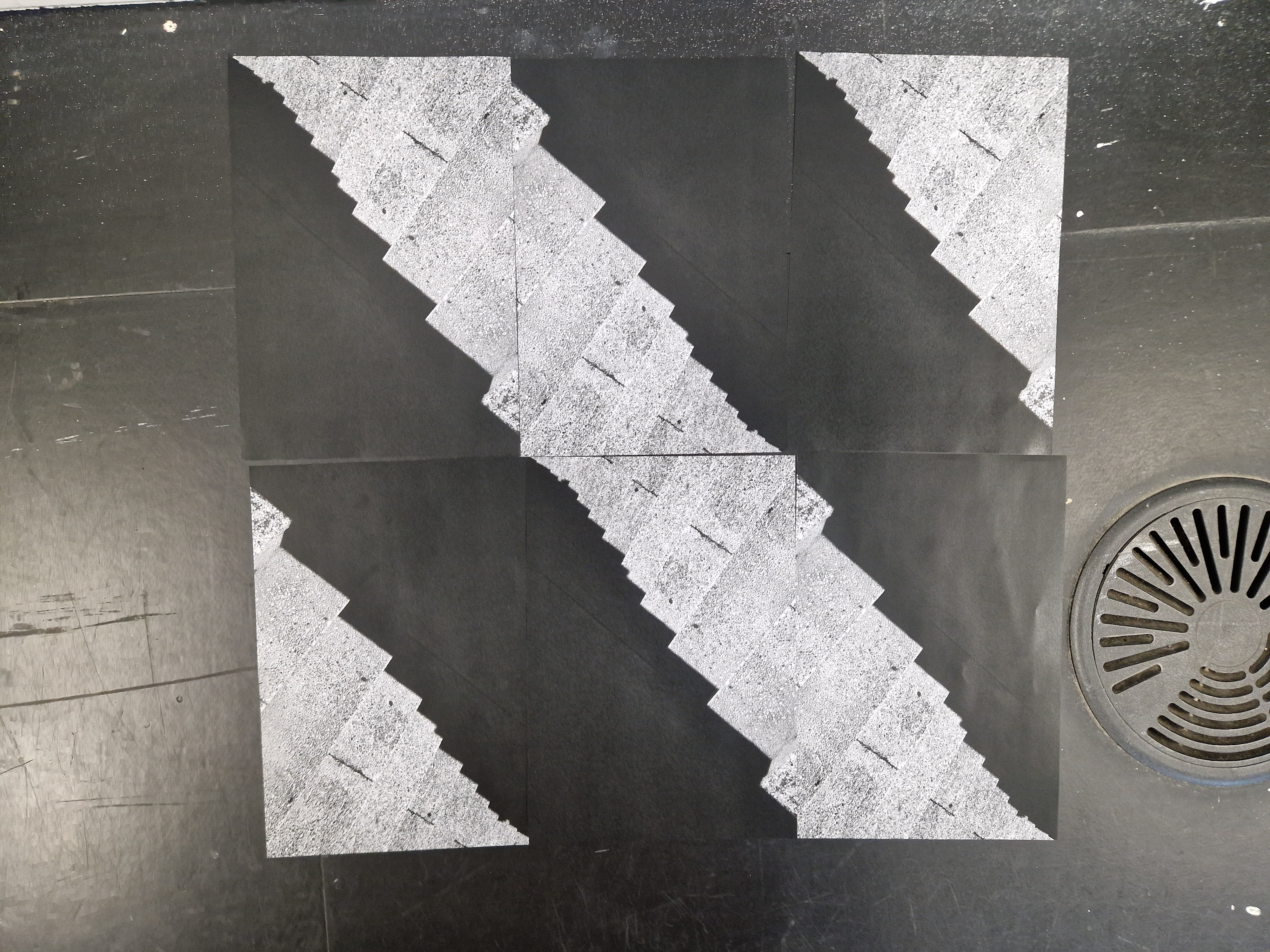
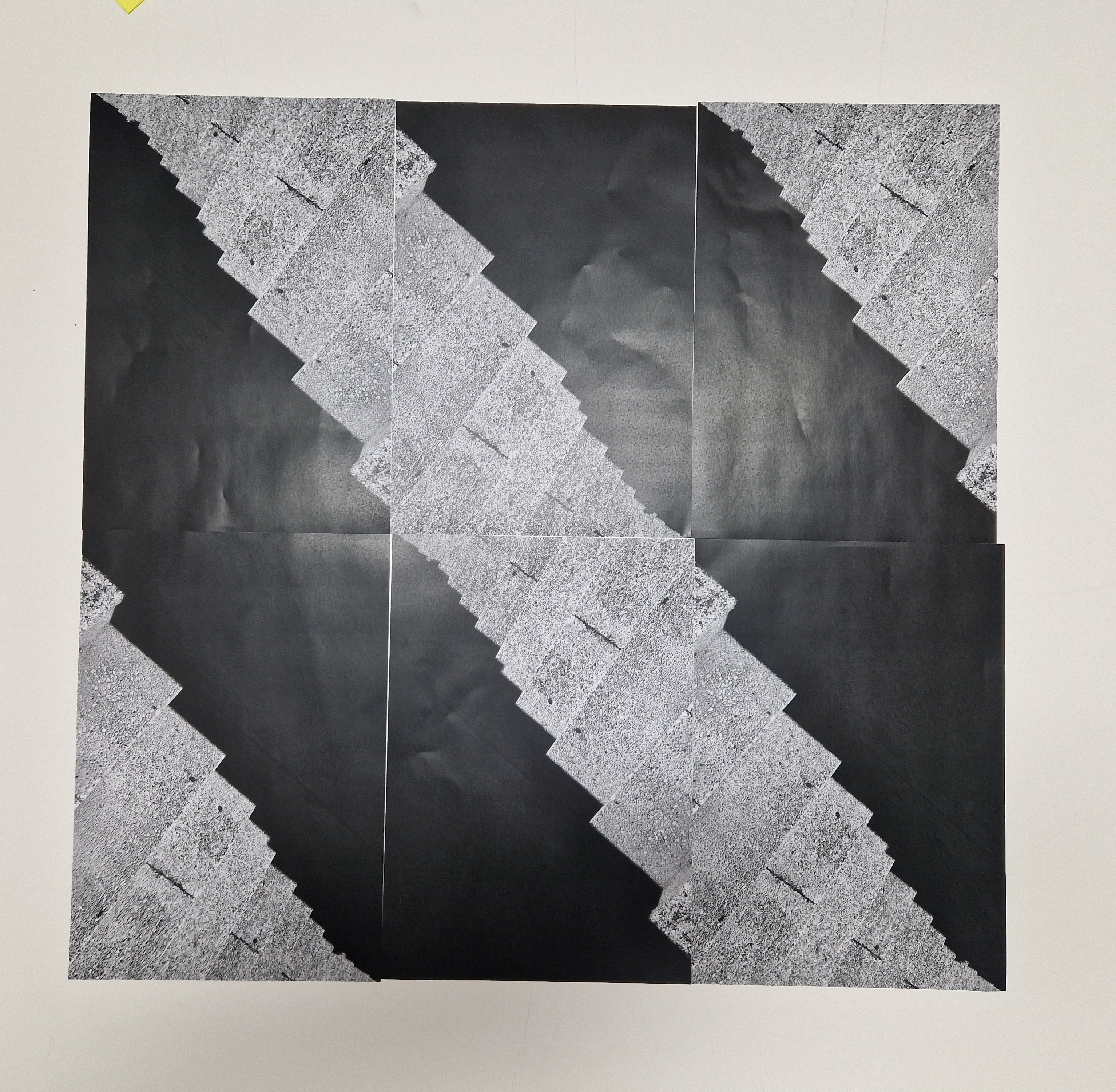
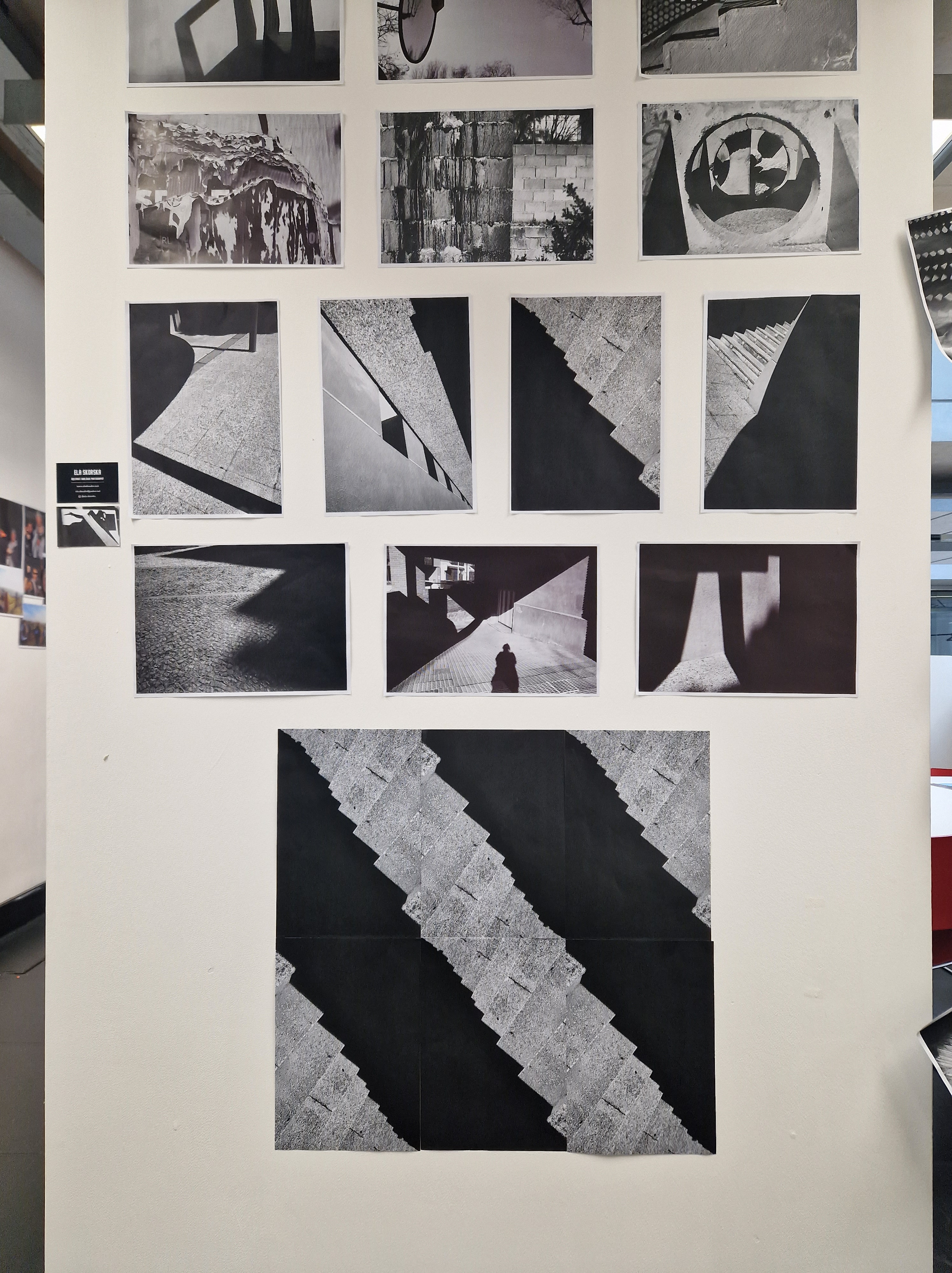
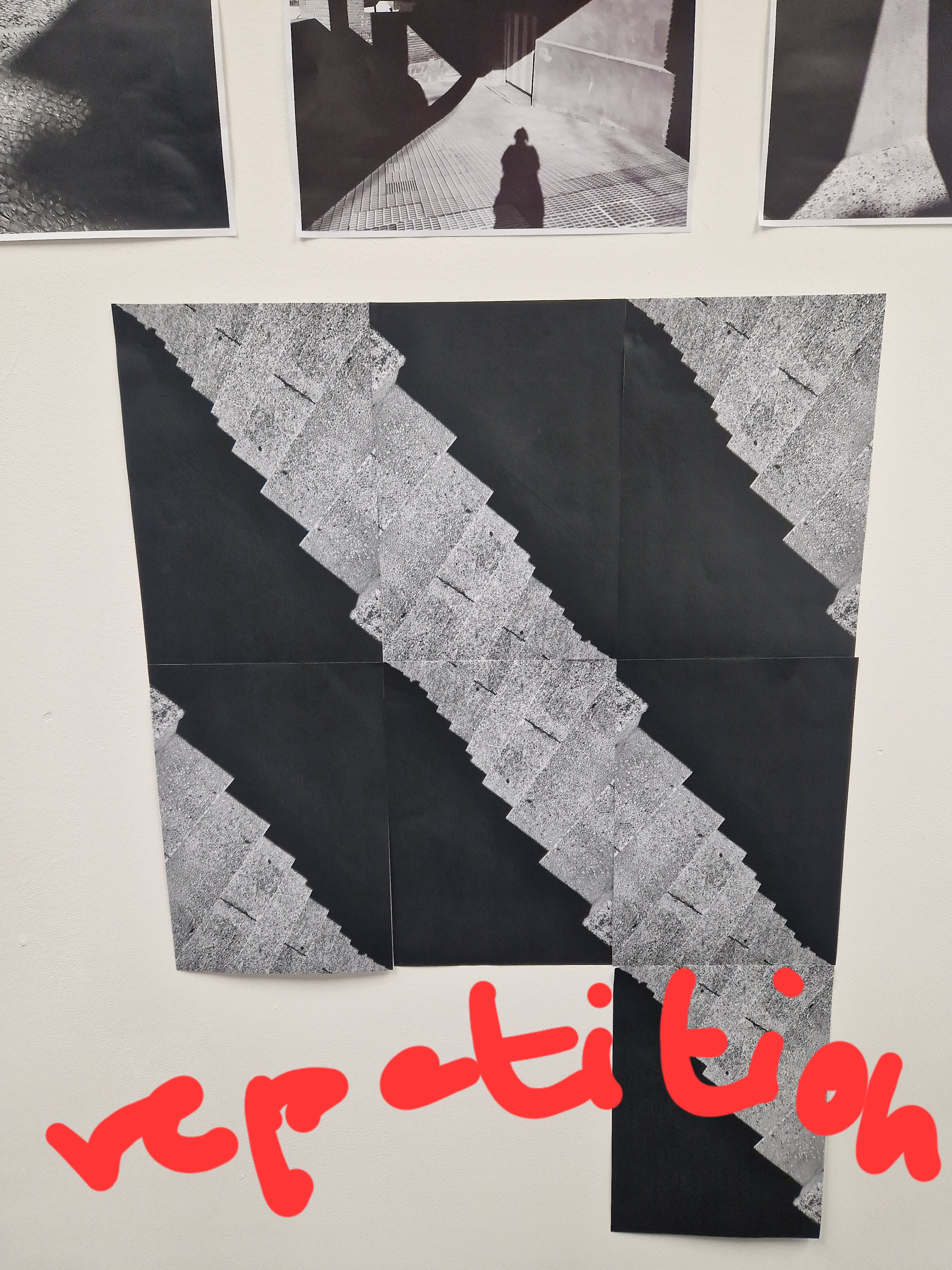
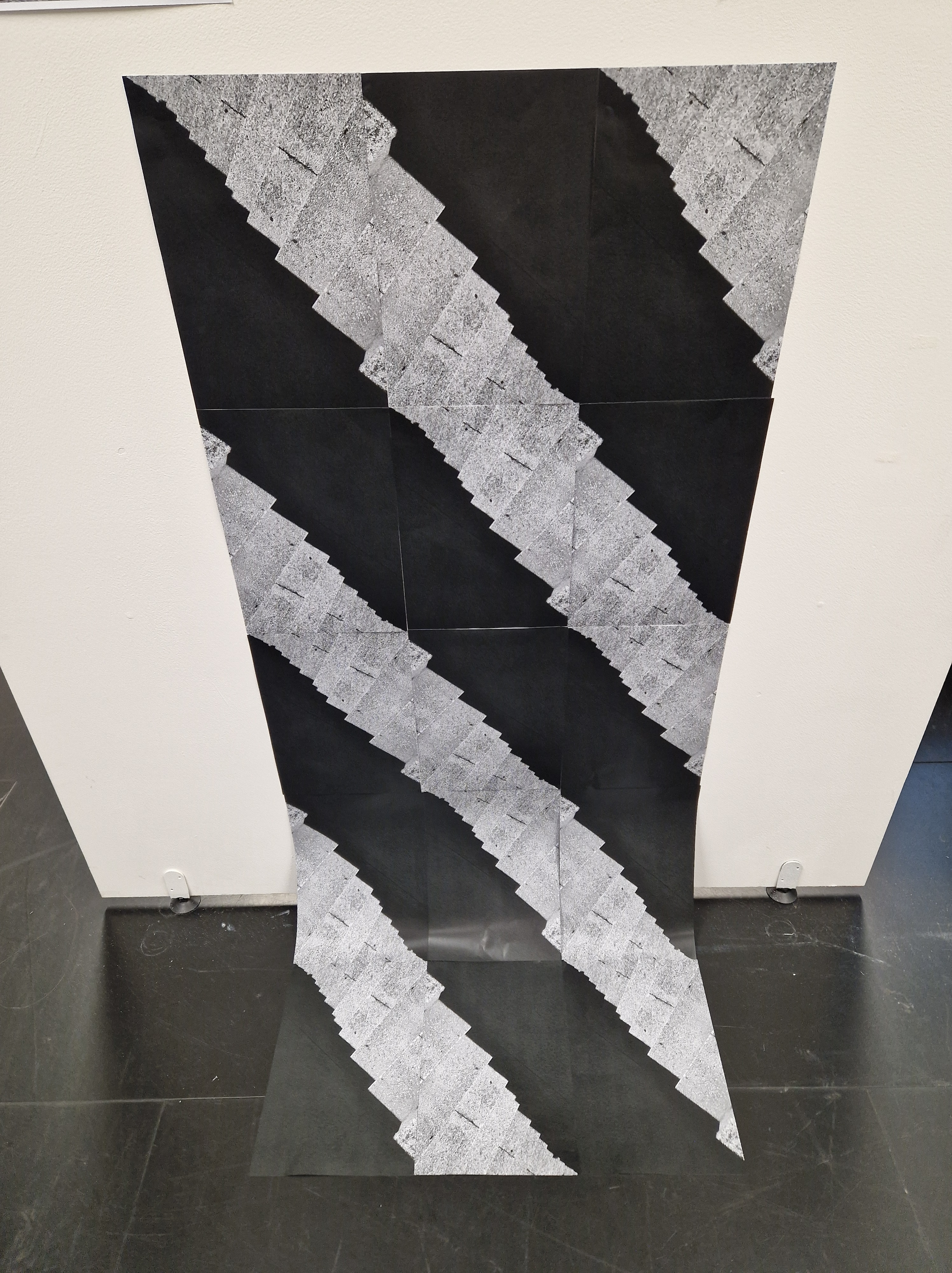
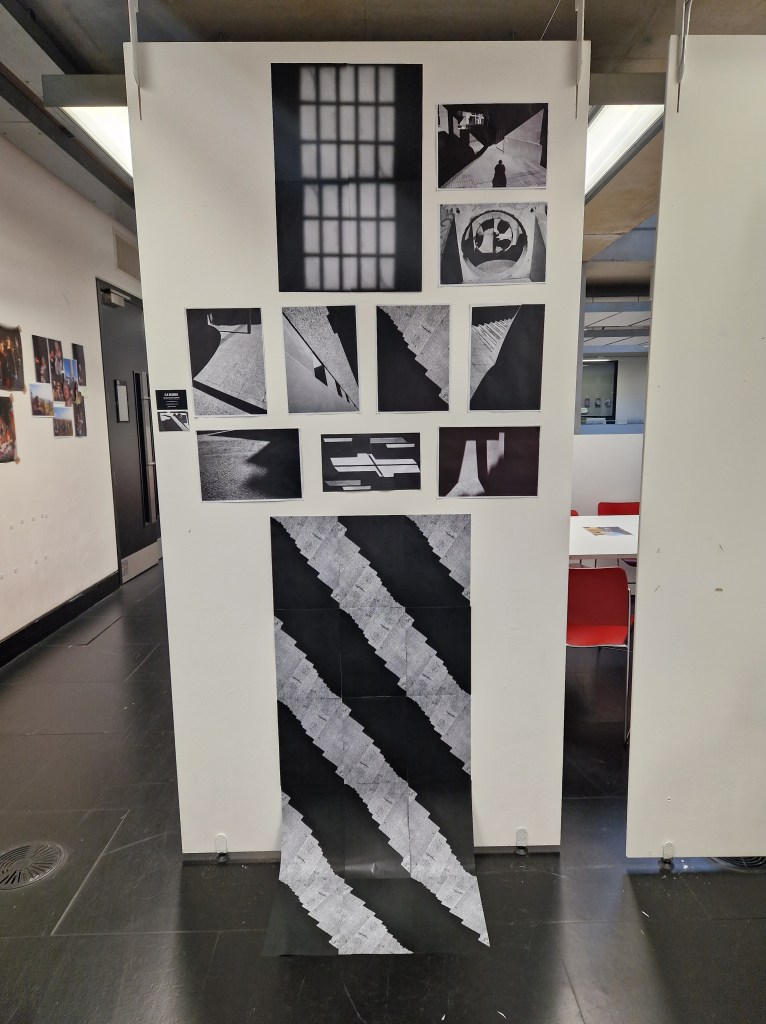
TASK 2:
Be your favourite photographer and how would you approach your work with them in mind – think, what would Jaroslav Rossler do?
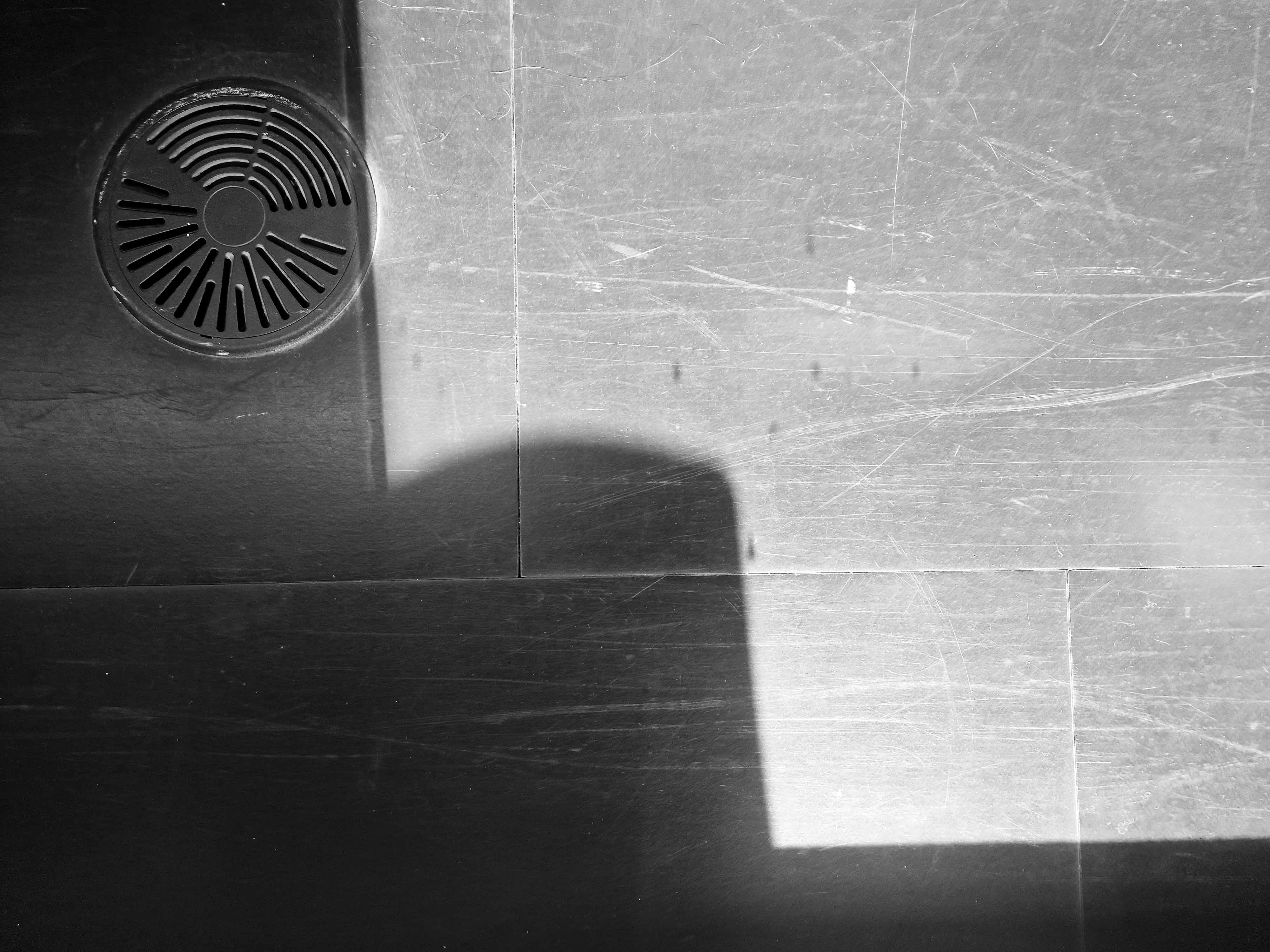
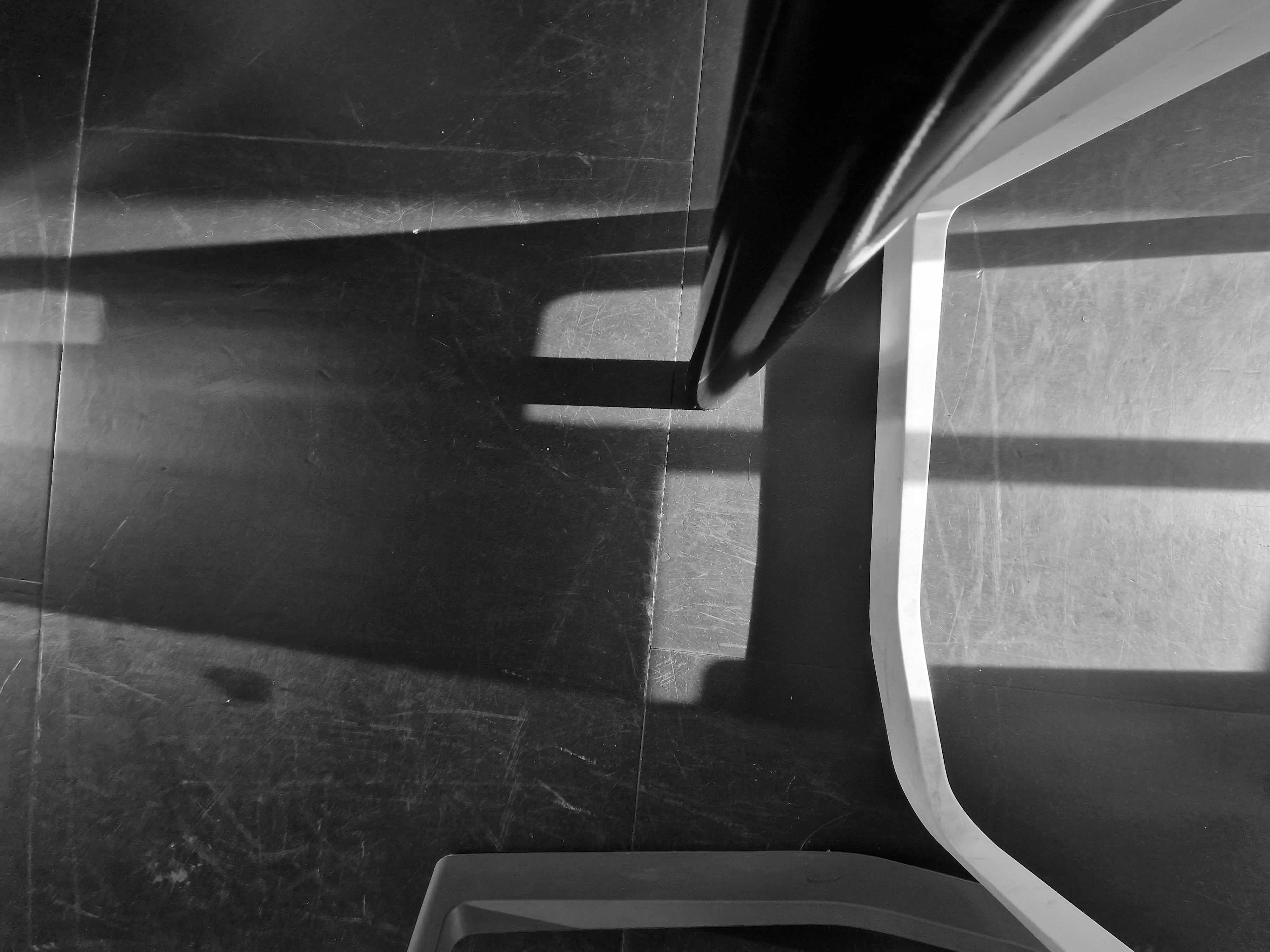
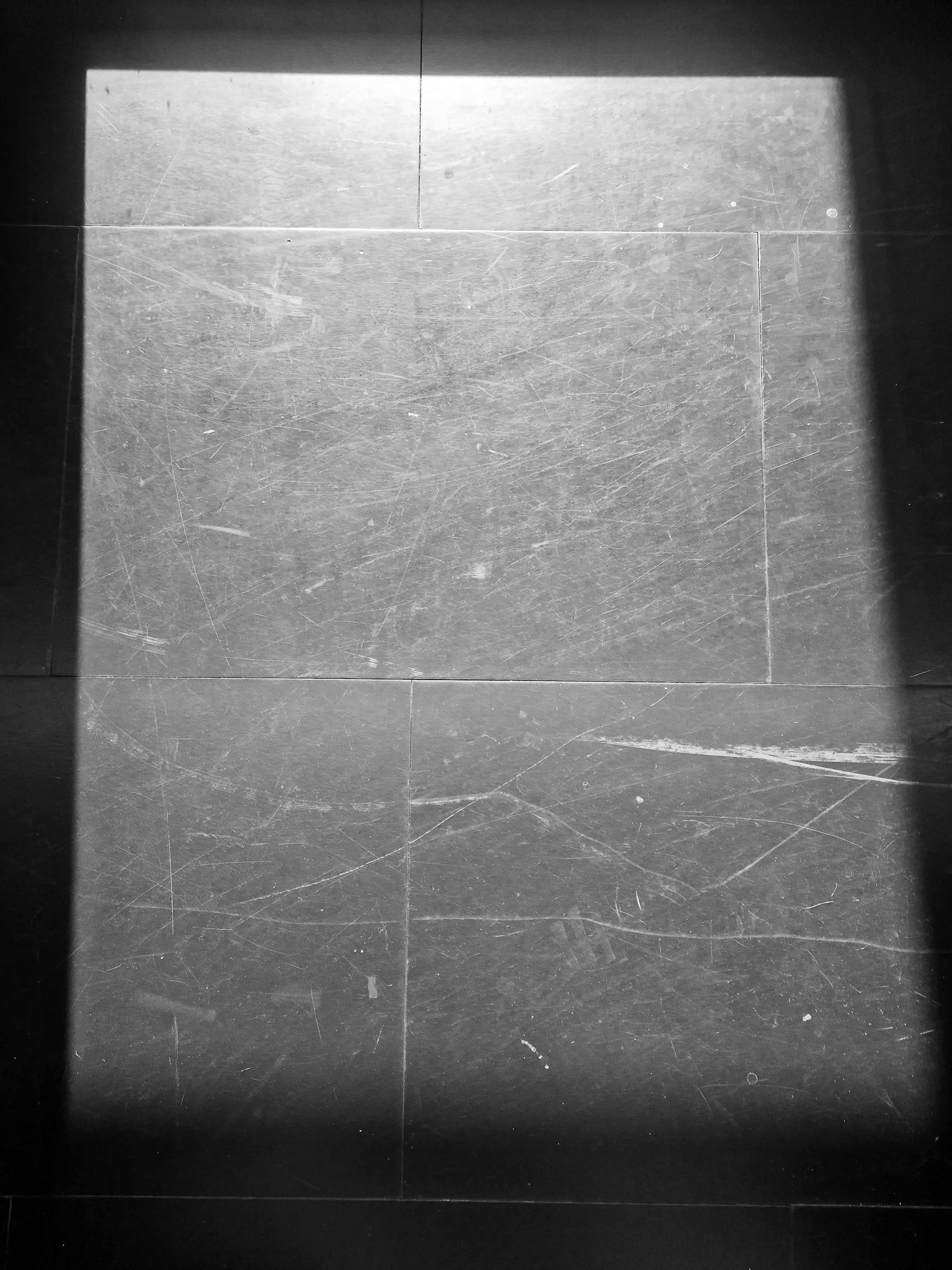
I walked around the 3rd floor, taking snaps, keeping in mind the intention of the task.
J.R would look for light compositions, bold, daring and then probably he would play with it further arranging it in the darkroom or collaging together and/or with paper.
I managed very quickly to produce the basis for the task and enjoyed being quite loose with the camera, as I normally shoot film, being playful and fast.
RESULTS


TASK 3:
For the next task – do some research. Find two images that link to your practice. This could be a visual link, a technical link, a subject/conceptual link. The images should be new to you, so it might be somebody you have come across already, but never yet looked at properly, or you could nip across to the library and browse the journals and book shelves, or do an image search.
Anything goes as long as there is some relevance to your own work. Make a note of the artist/photographer/where you found it so that you can reference it in your journal. It doesn’t have to be photographic….It can be contemporary or historical….it could be from an instruction manual rather than an art book…..
IMAGE 1

Australian architectural photographer Rhiannon Slatter has channelled her fascination with the scale of industrial production into a series titled ‘Concrete’; photographing aspects of her surrounding environment, and arranging them into layered, abstract compositions.
The series celebrates the stark beauty and ubiquity of concrete, but also brings into question its pervasiveness in the construction and development of the modern world. Concrete is the most widely used material on earth—it’s difficult to overstate the fundamental role it plays in the infrastructure of societies, and even more so, the effects it has on the environment. In ‘Concrete’, Slatter presents austere buildings as convergent planes in varying shades of grey, creating a visual study of their geometric shapes and rough textures. “By isolating and exaggerating sections of a structure or even combining with another structure, I’m able to bring out what I find so striking about this subject matter”, Slatter explains to IGNANT. By overlaying photographs of these compelling structures, she has “worked to build compositions that have an architecture of their own”, whereby the placement of every line and angle is “considered at length and manipulated in an effort to achieve relational concord”.
When asked why it was important to portray the intersecting geometry of buildings in her compositions, Slatter explains: “I find it amazing to consider the sheer volume of mining and manufacture going on at any given time, indeed constantly. I imagine the subsequent movement of materials and products across water and land as a complex web of motion, never stopping as human populations continue to create and consume”. The work therefore responds to the visual impact that extensive construction is having on the environment.
IMAGE 2/3
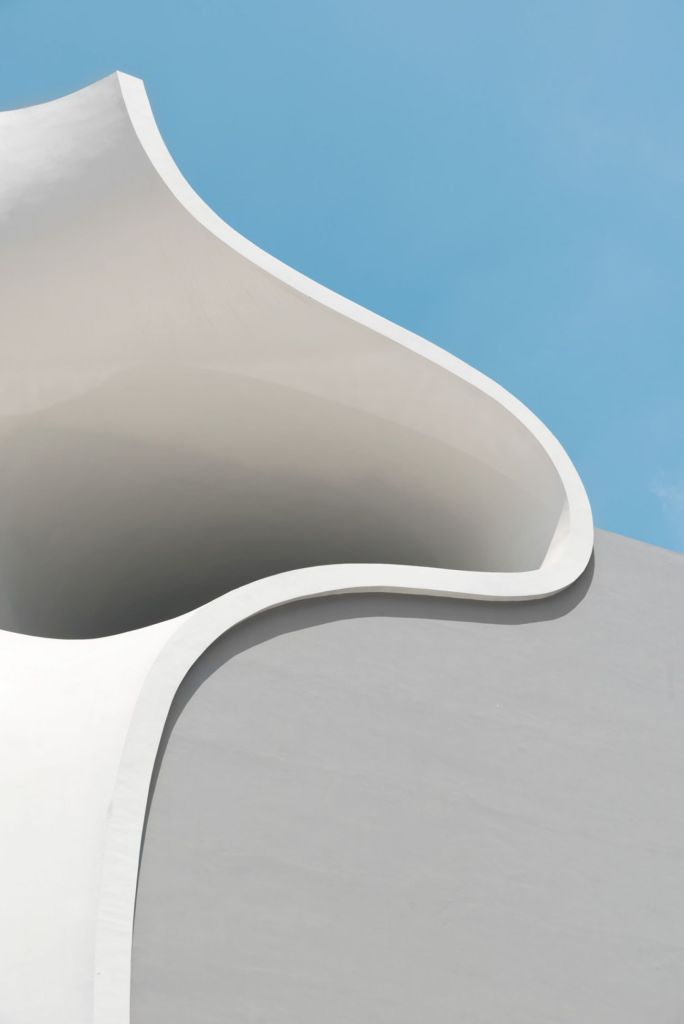

Smooth curves, geometric shapes and mesmerising silhouettes catch the eye of Spanish photographer Andrés Gallardo Albajar who has travelled the globe to capture some of the world’s most exciting buildings.
Focusing on symmetry, line, shadow and colour, his photographs are often shot against a backdrop of a bright blue sky, allowing the abstract and contemporary architecture to stand out and demand our attention.
From Bilbao to Beijing, Stockholm to Seoul, Andrés is drawn to buildings as famous as the Guggenheim Bilbao or Muralla Roja, the labyrinthine apartment complex built in 1968 by Ricardo Bofill. You’d think this fascination came from being the son of architects, but it wasn’t until he got his first DSLR camera in 2012 that he developed an interest in architecture and built environments.
BUILT ENVIRONMENTS – I really like this phrasing.
Before Andrés visits a city, he certainly researches the architecture but once there, he merely enjoys wandering aimlessly to be surprised by what he discovers. So if you’re expecting a roundup of the world’s most famous structures, you’ve come to the wrong place.
THIS IS HOW I WORK!
Zooming in on the incredible details of beautifully designed buildings, we see the world through Andrés’s eyes. As Rachel writes in the book’s intro: “There are some truly spectacular individual examples of architecture celebrated here, but more than that, the series calls on us, wherever we are, to tune into the buildings and urban planning that we might not otherwise notice but nonetheless create the spatial soundtrack to our everyday lives.”
Urban Geometry by Andrés Gallardo Albajar is published by Hoxton Mini Press.
After familiarizing myself with this artist I decided to purchase his aforementioned book.
4. make something that connects us to our images (I made a collage) – scan it and hang it
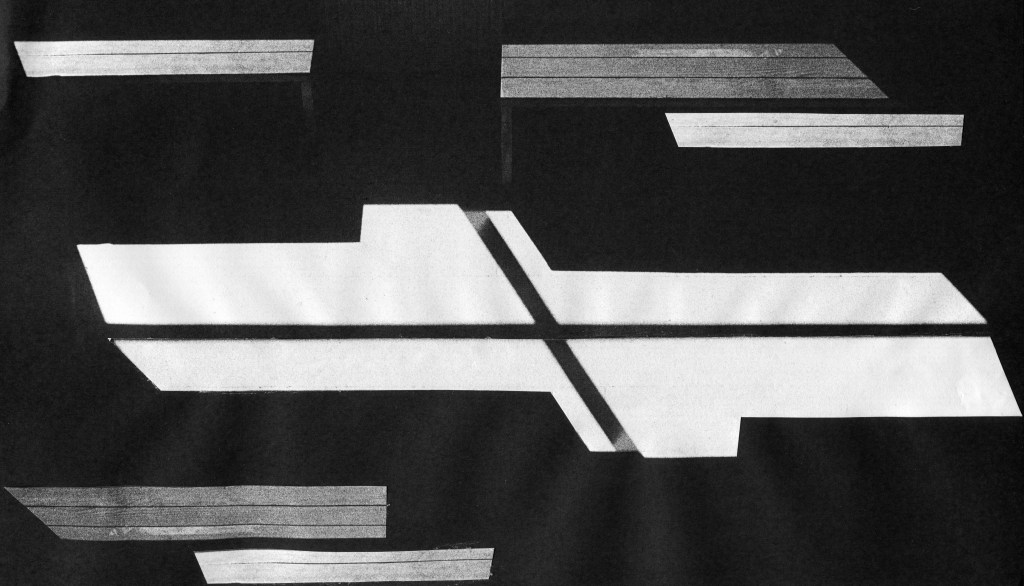
I DECIDED TO CUT UP SOME OF MY PHOTOGRAPHS AND MAKE COLLAGES OUT OF THEM
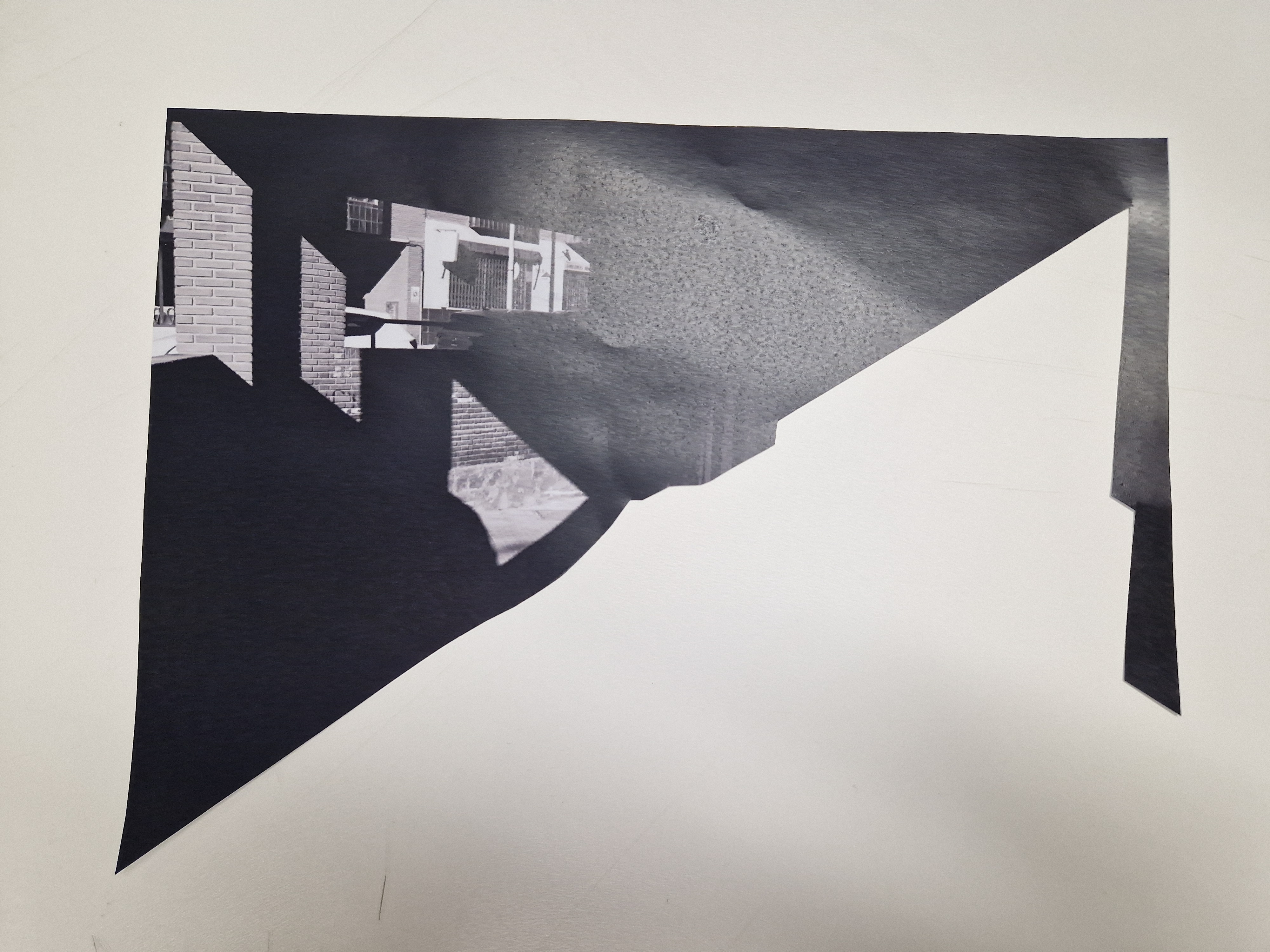
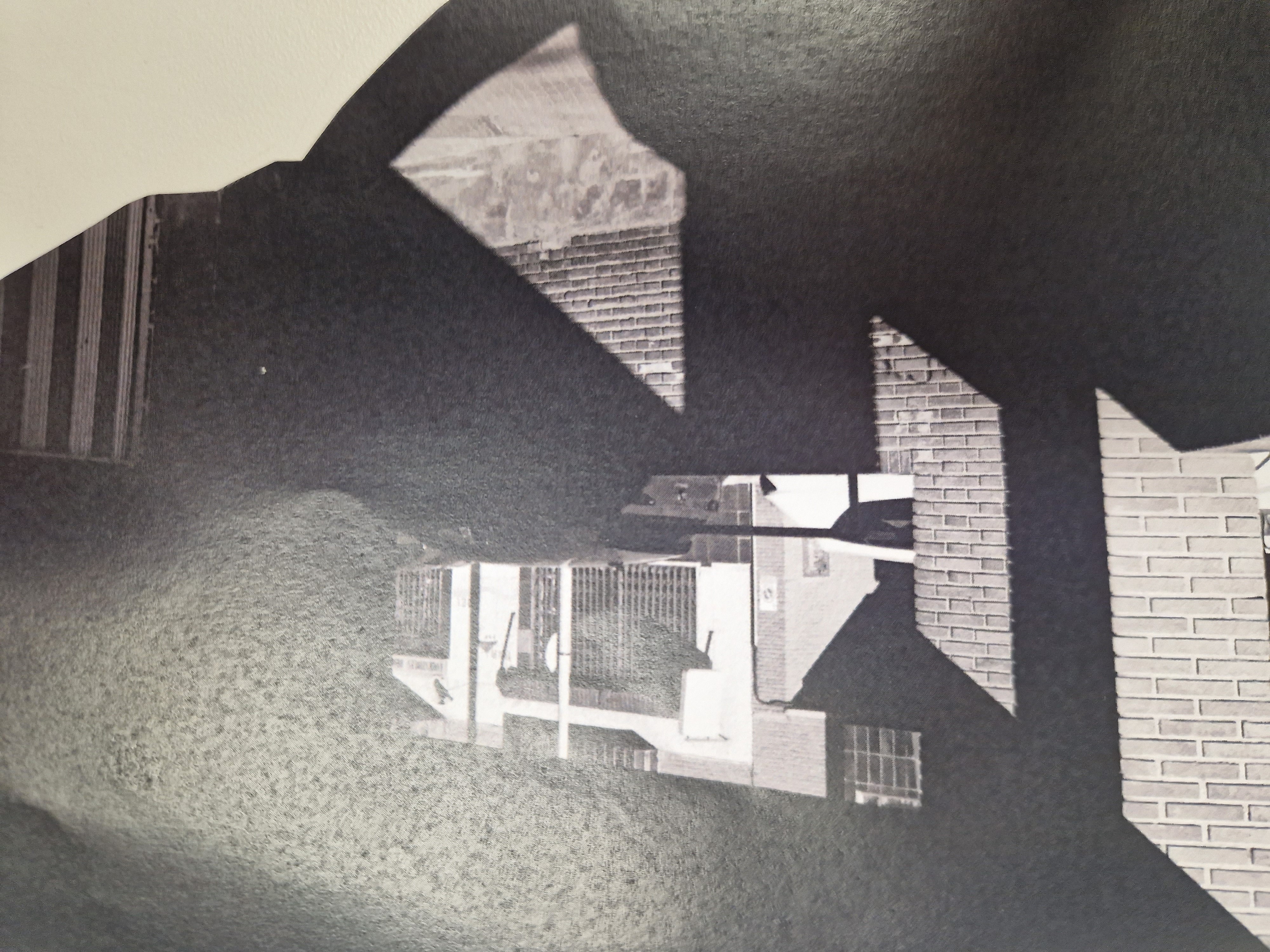
COLLAGE 1
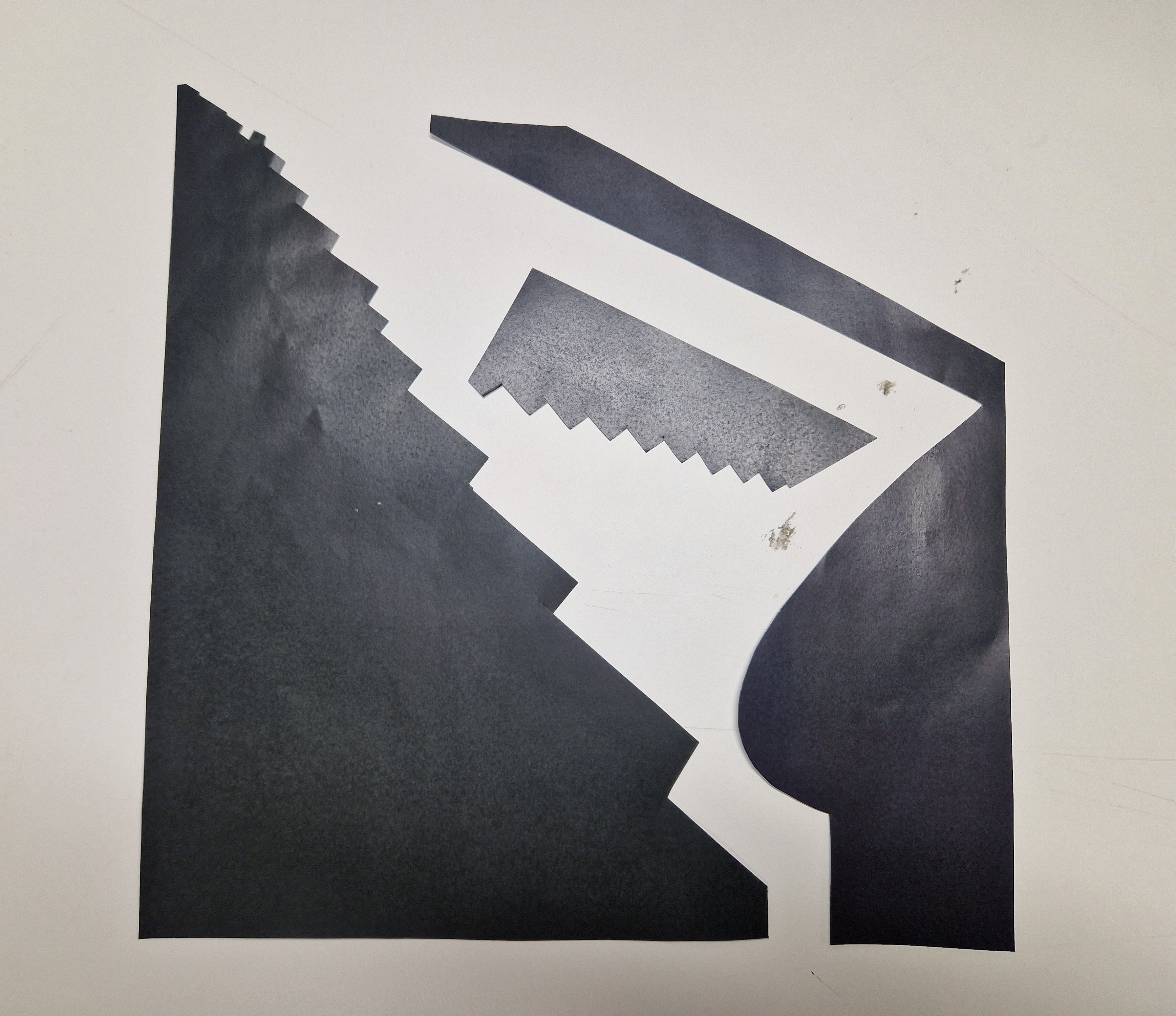
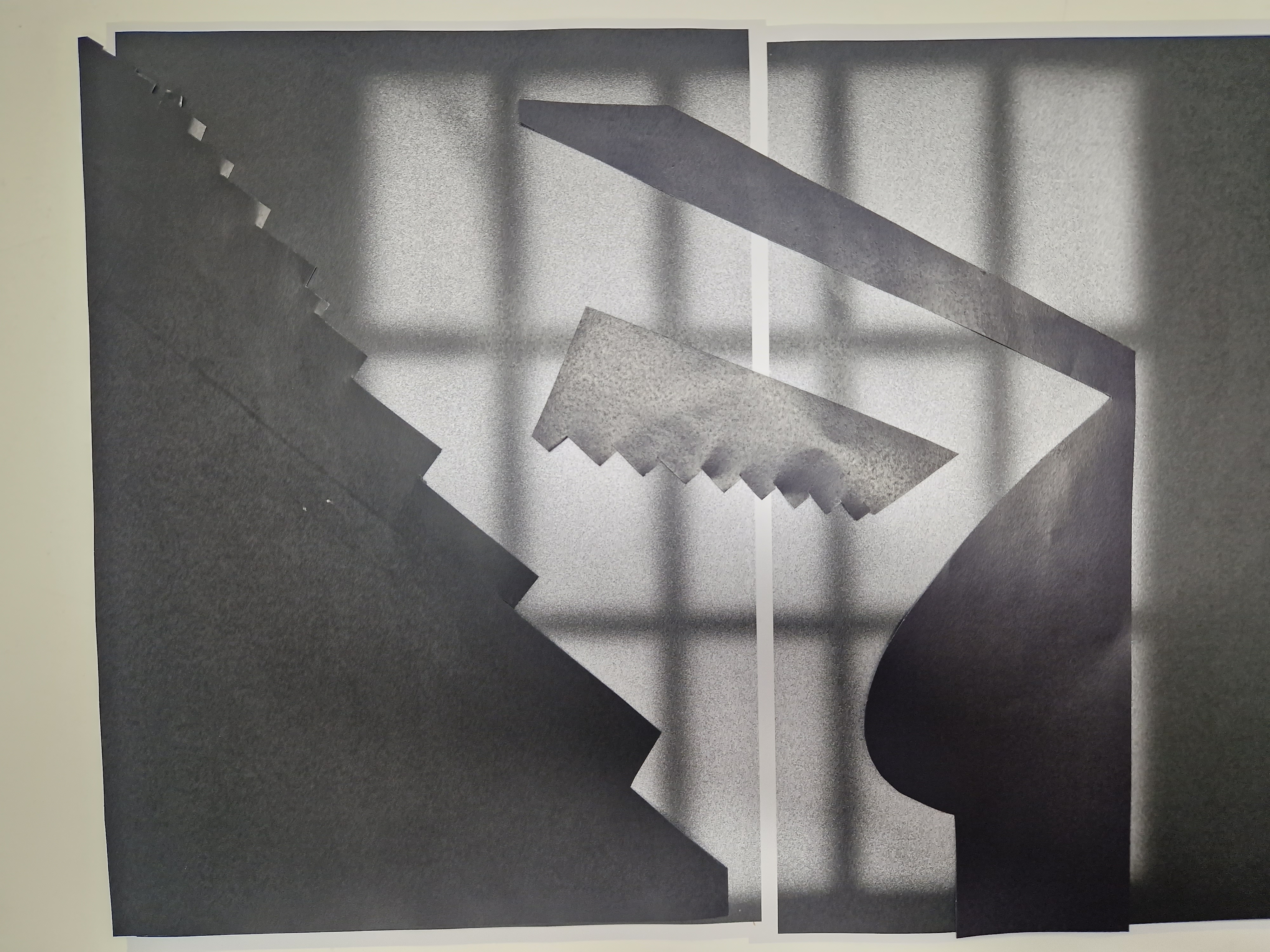

GIF FROM THIS COLLAGE
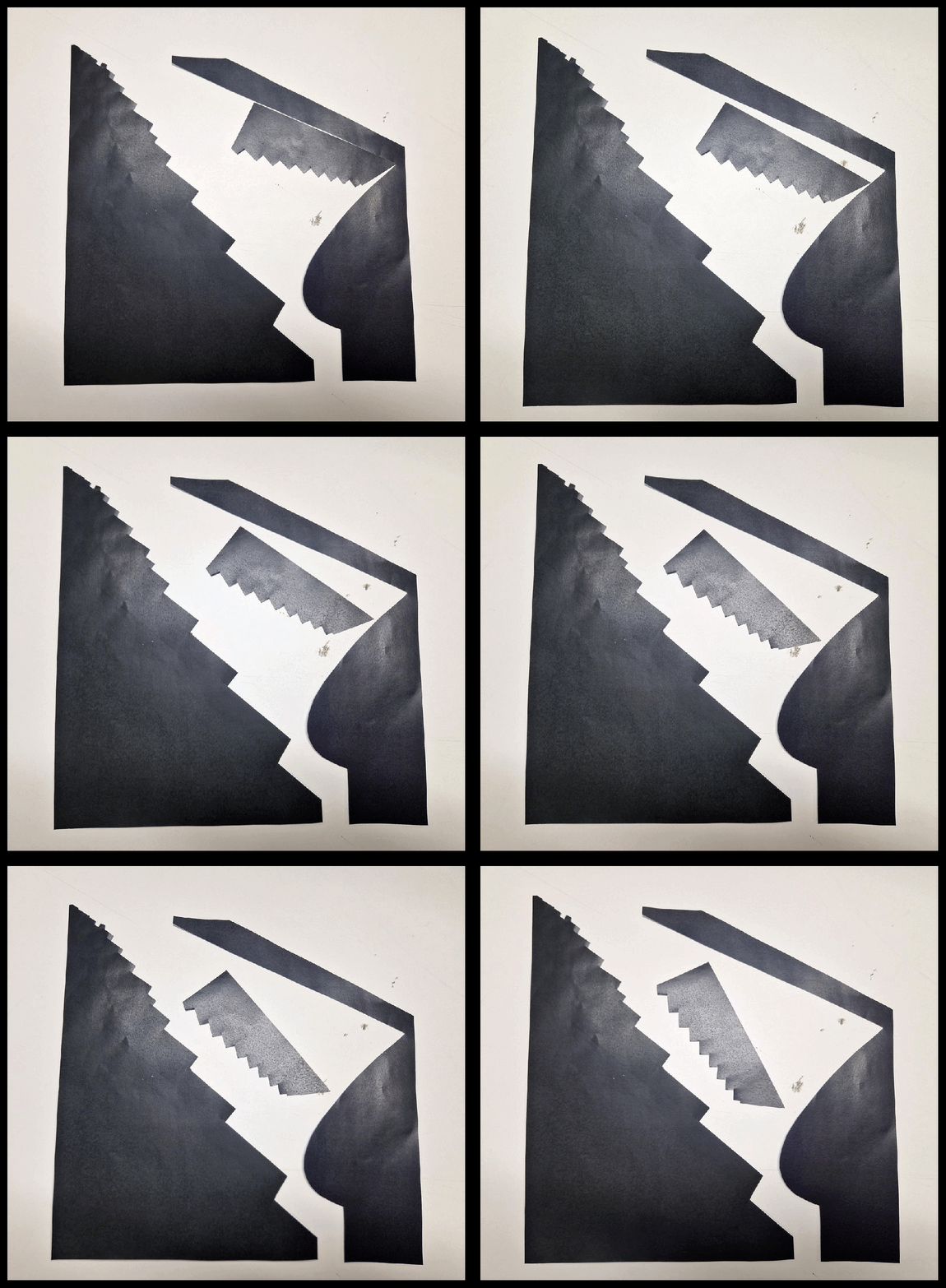
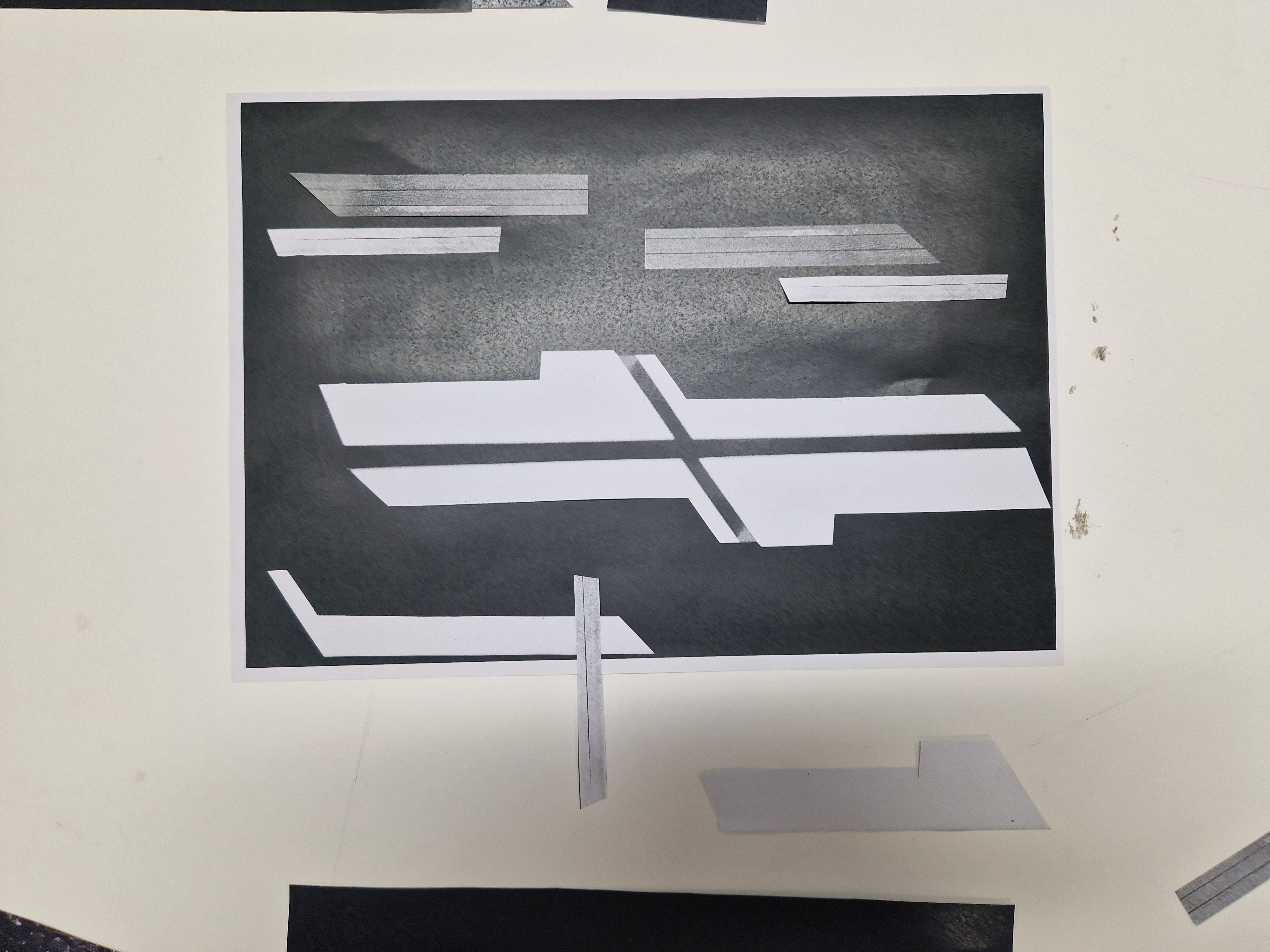
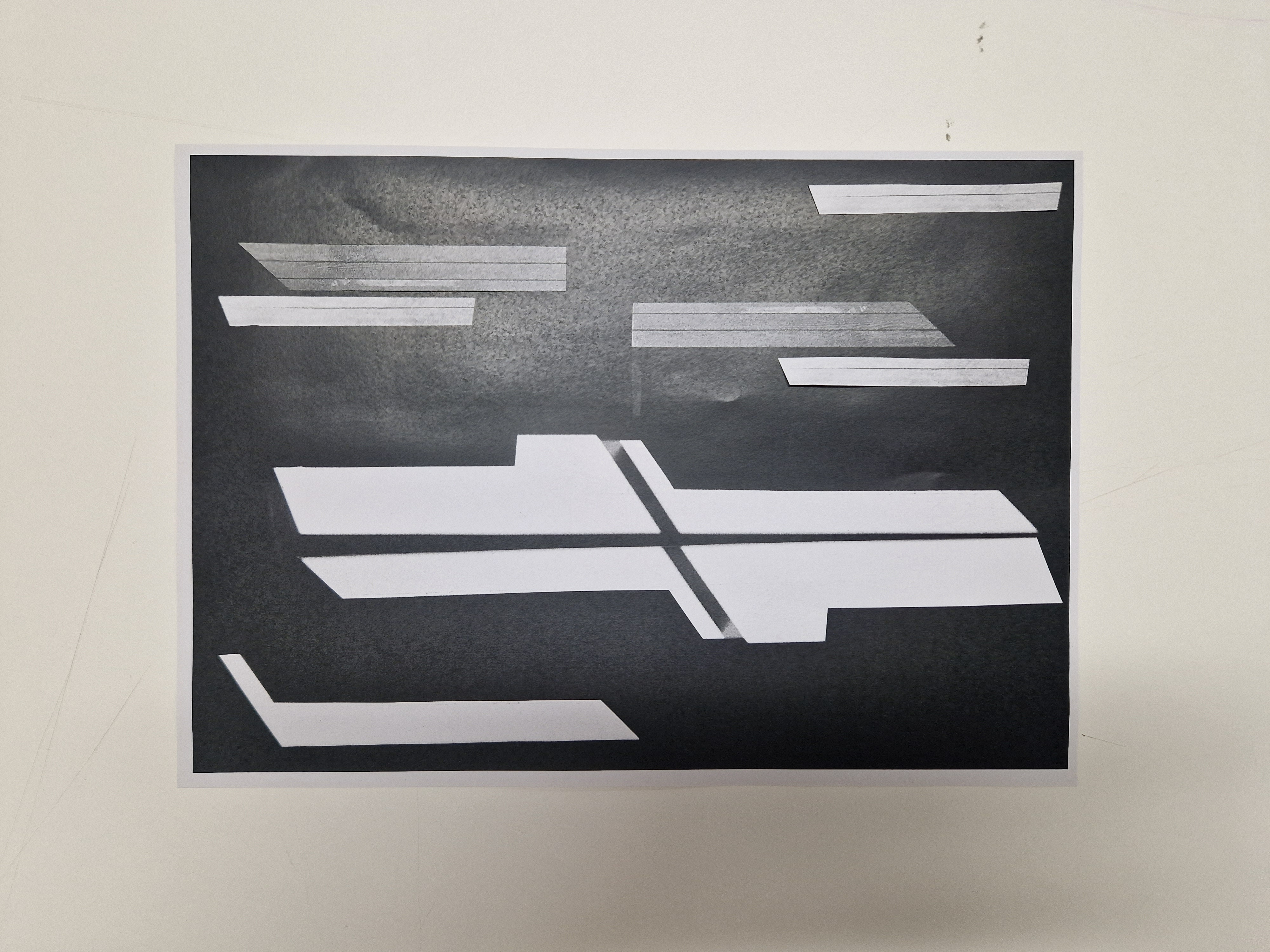
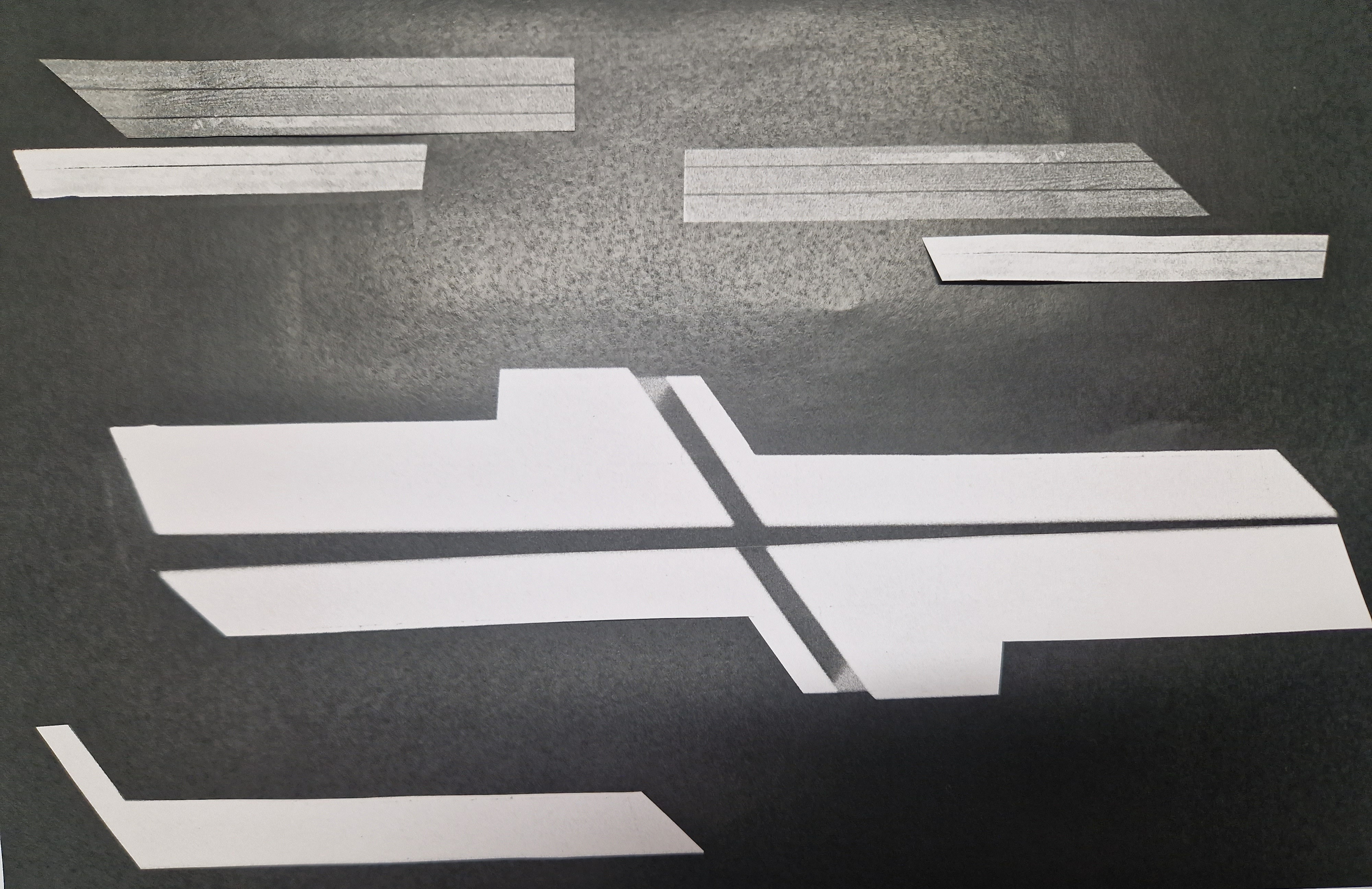
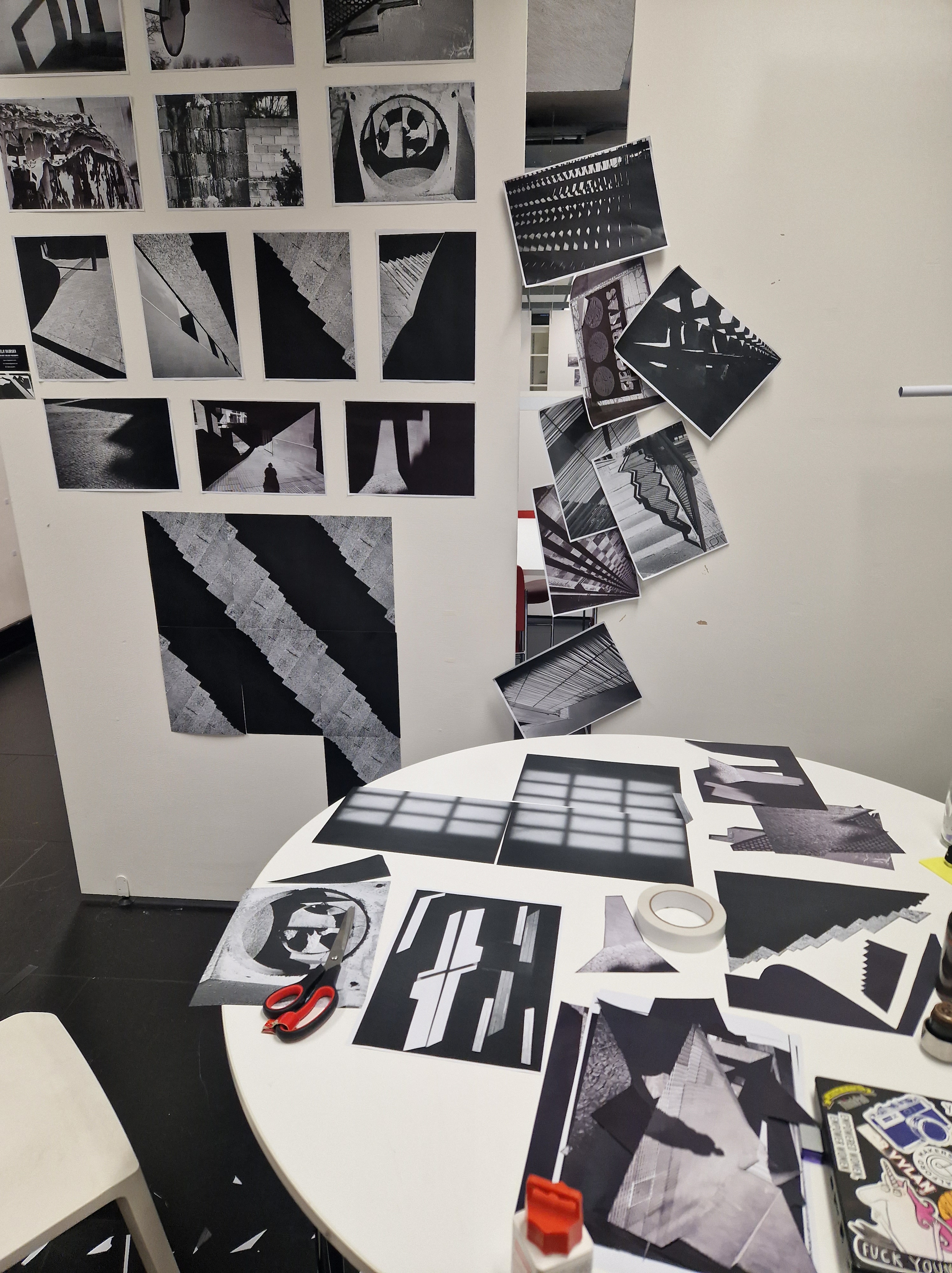
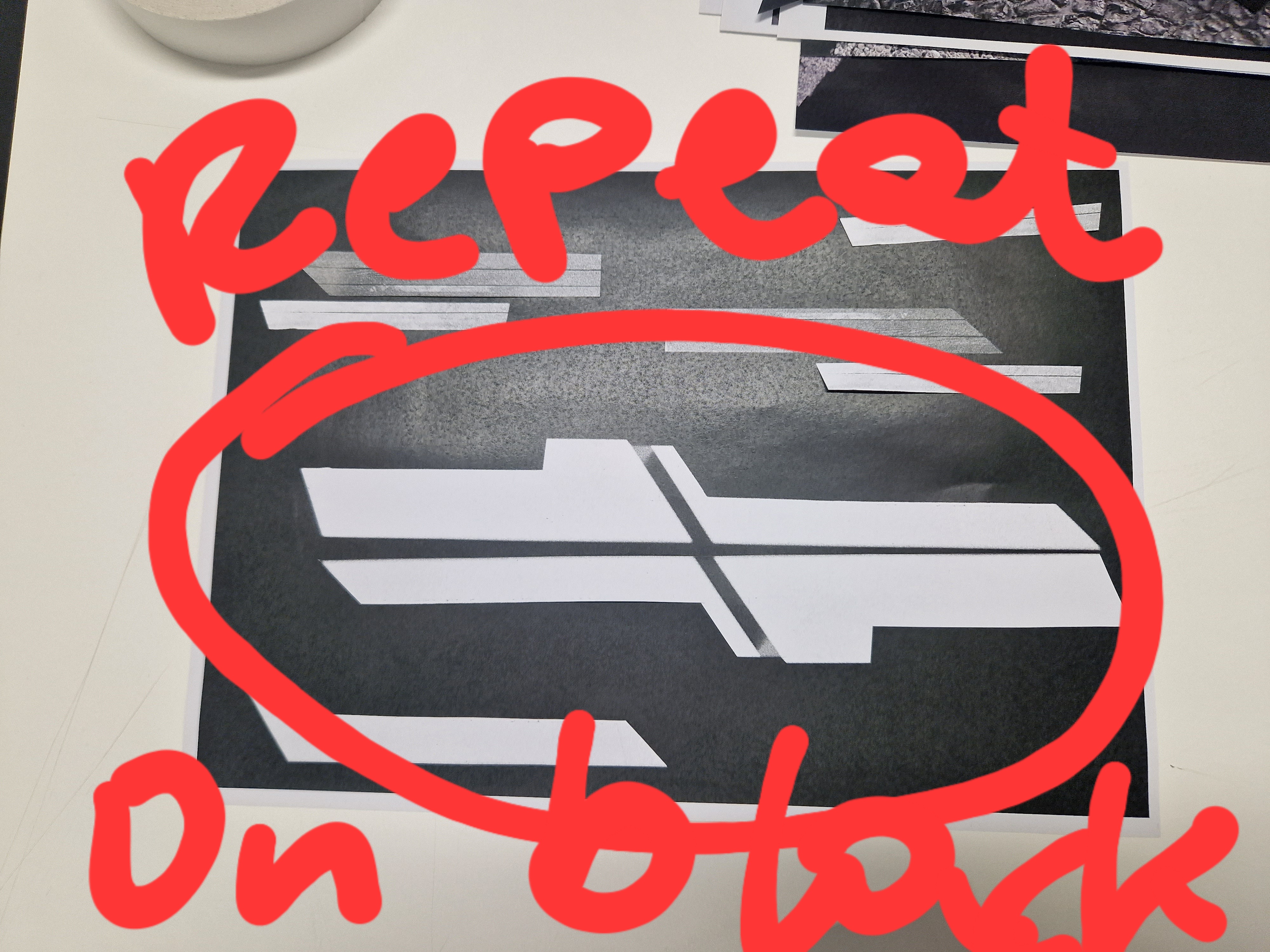

COLLAGE 2
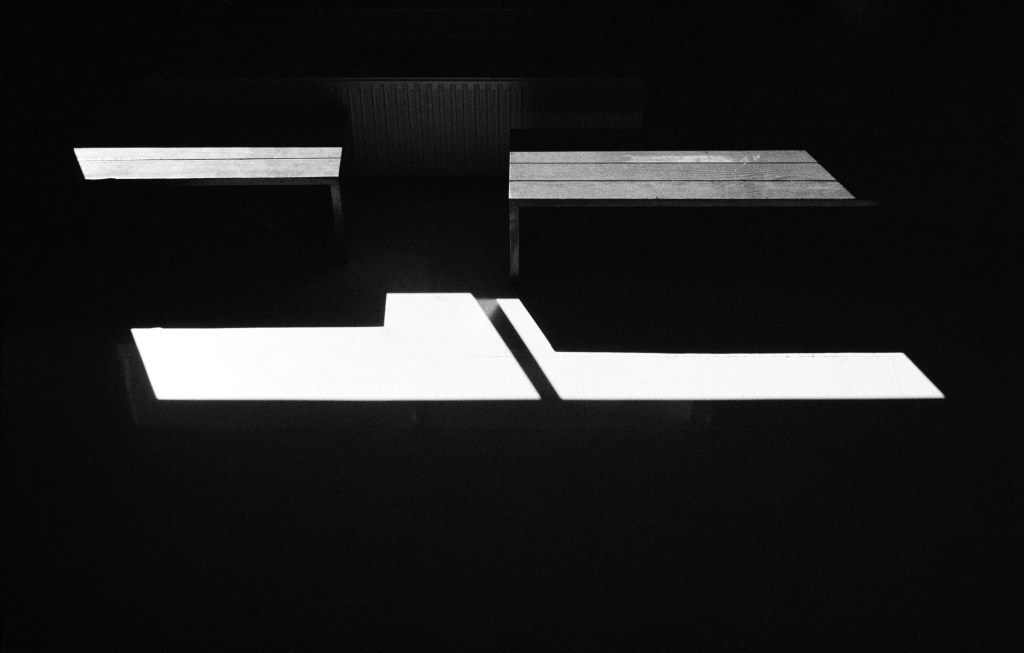
ORIGINAL IMAGE
COLLAGE MADE OUT OF THIS IMAGE
REFLECTIONS: It was a great day of creativity. I really enjoyed all the tasks through which I continued to express myself in my favourite ways, like photography and collage, but also pushed me to try new things and be very loose with the camera.
I think doing small exercises like this is essential to keep my practice fresh, as being playful, questioning things, and simply doing, more often than not, leads to unexpected results and a new outlook.
WEEK 3: 09-15/10/23
MONDAY
HOUSEKEEPING
- talk from Careers Service – one to utilise as they provide guidance and opportunities, they also provide workshops (coming soon) http://www.mmu.ac.uk/careers
- 8th of November – graduate jobs and placements fair
- talk to Sylvia about individual learning plan
- talk at Soda with Tom Bright
- 13th of November – review – put up work, presentation
- A Particular Reality – Tuesday and Wednesday events (31st and 1st)
- Village Green talk with Francesca Telling (APR workshop after 2-5)
- Block Projects Gallery
WEEK 4: 16-22/10/23
MONDAY
TALK with TOM BRIGHT
- Tom talked about his educational and photographic journey (MA at Goldsmiths – Photography and Urban Cultures), and about pros and cons of freelancing
- OPEN CALLS: Picter, Art Rabbit, Art Jobs, Art doc
- get in touch people companies to see if there is any funding/partial funding, there might be an opportunity there that is not outlined
WEDNESDAY
LECTURE WITH ROXANA ALISON
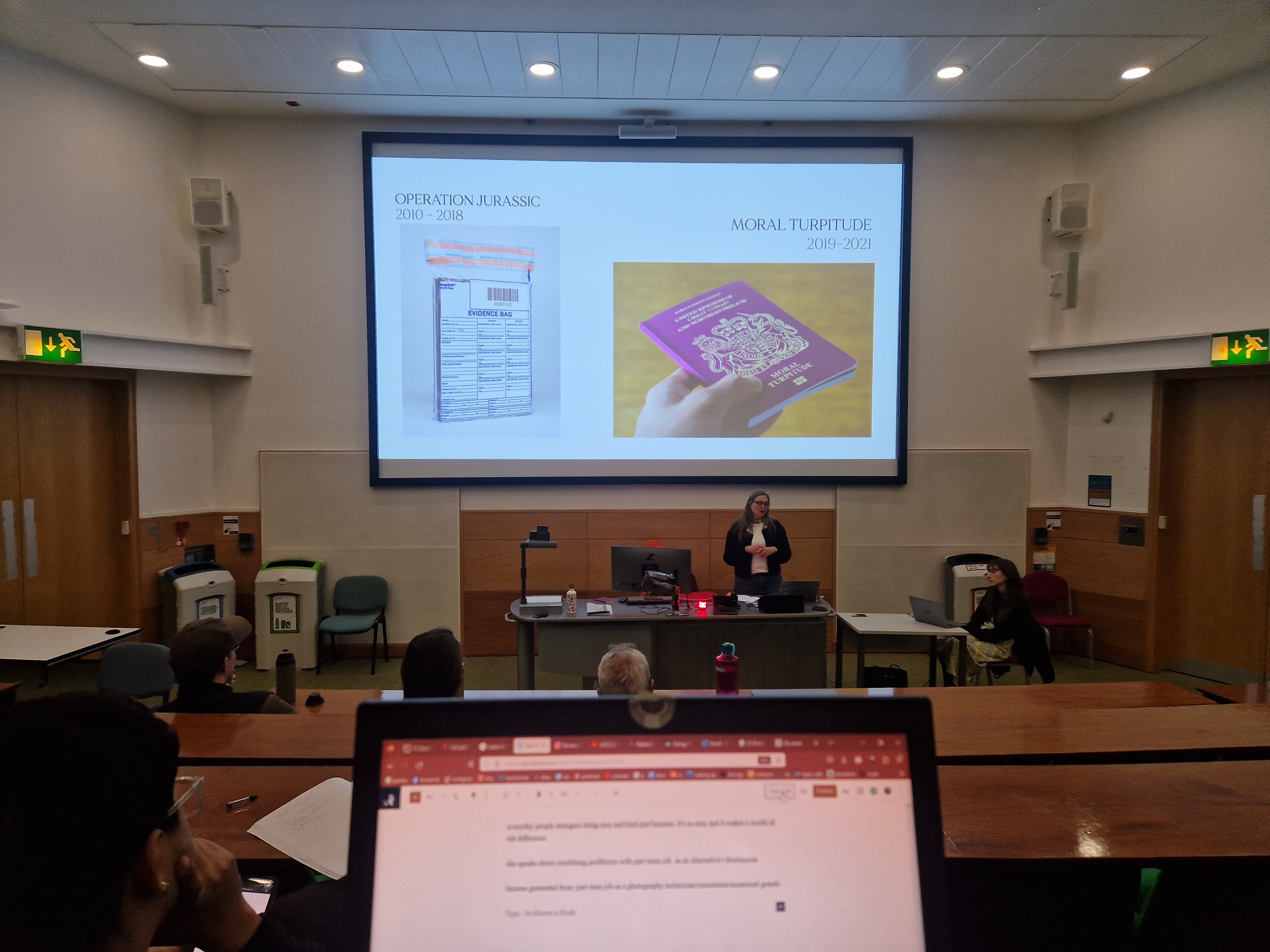
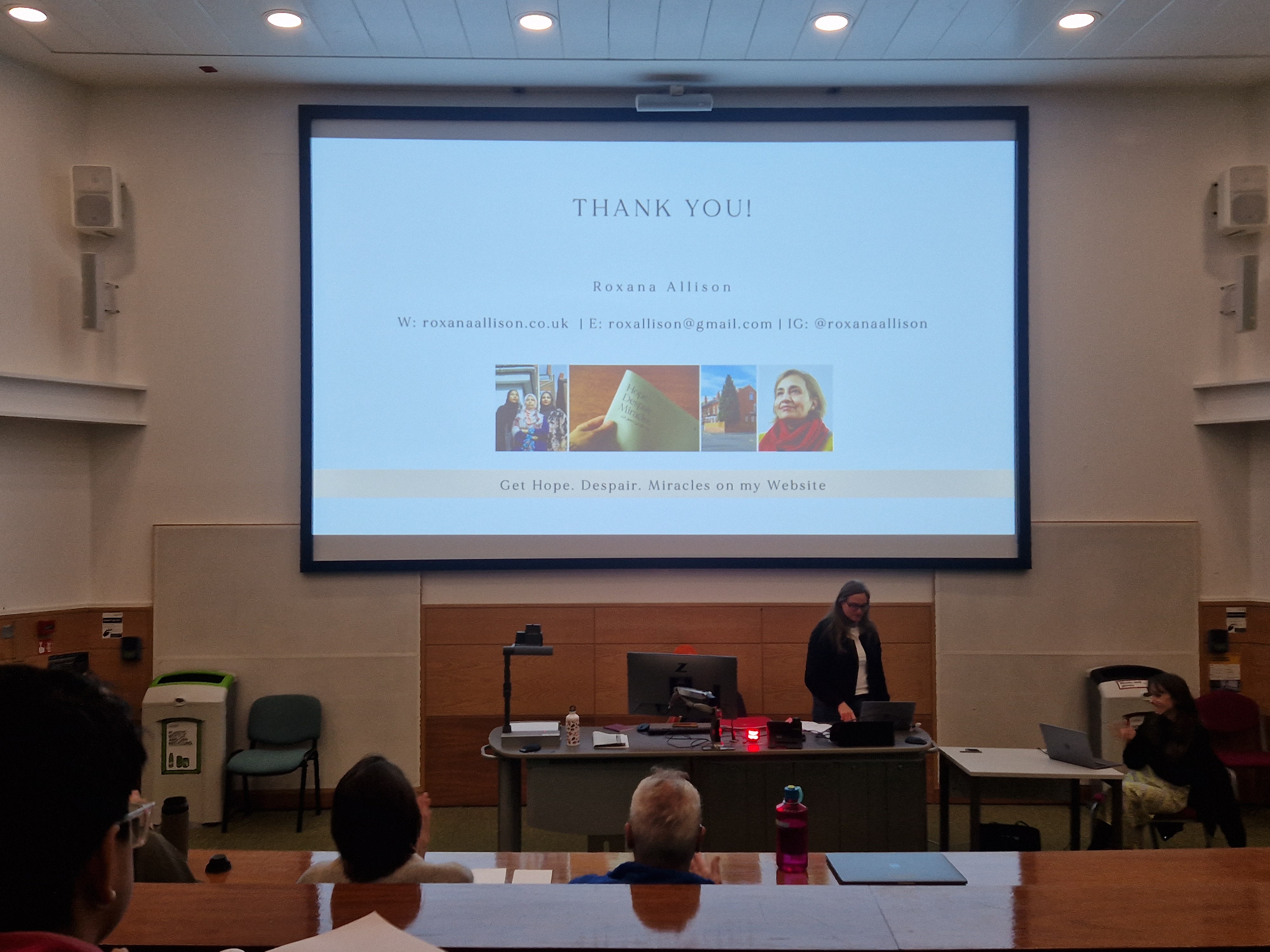
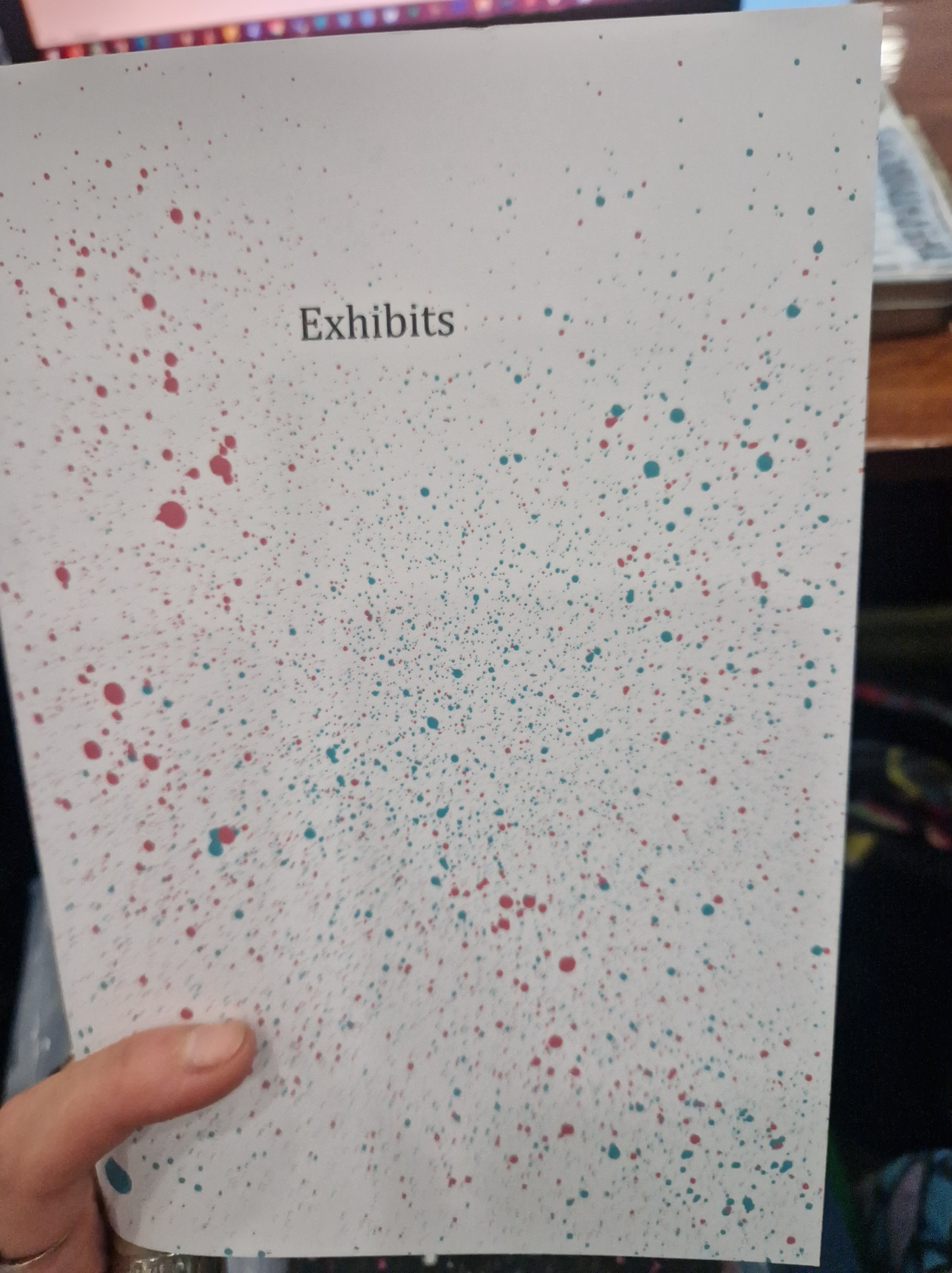
REFLECTIONS: Interesting lecture and a story behind the collaborative book put together by Roxana Alison and her brother. I was especially engrossed in his part of the story as a graffiti writer who got jailed for a long time for criminal damage. I grew up around graffiti writers and this story was in a way personal to me. I also enjoyed the community spirit shining through her work, and I appreciate her creativity and dedication in presenting her work on the streets of her neighbourhood, turning it into an outdoor gallery (funnily enough, it's what I think graffiti does precisely, at the end of the day art on the street is art for everyone - no exceptions).
THURSDAY
VISIT TO FUTURE EXHIBITION LOCATION
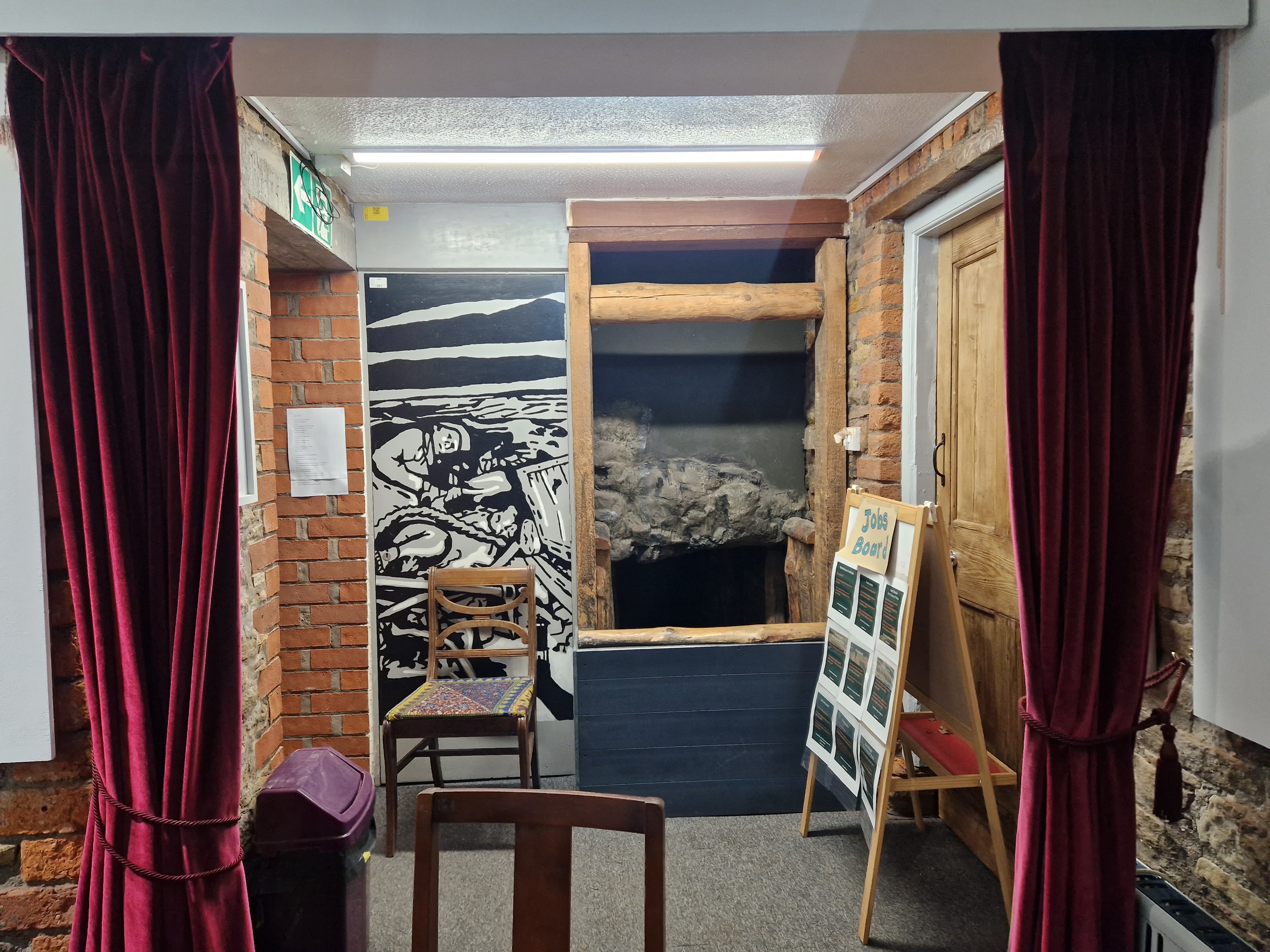
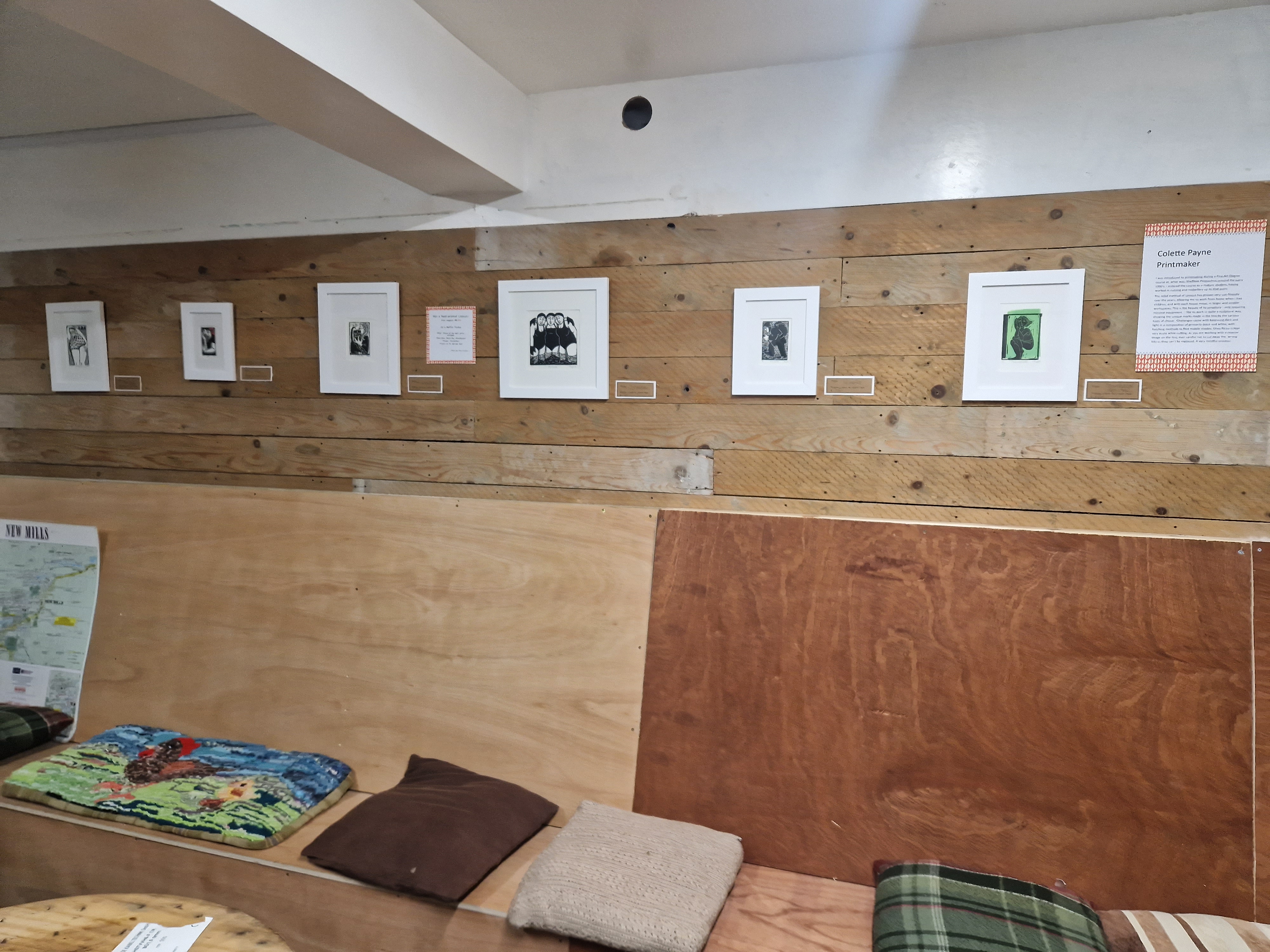
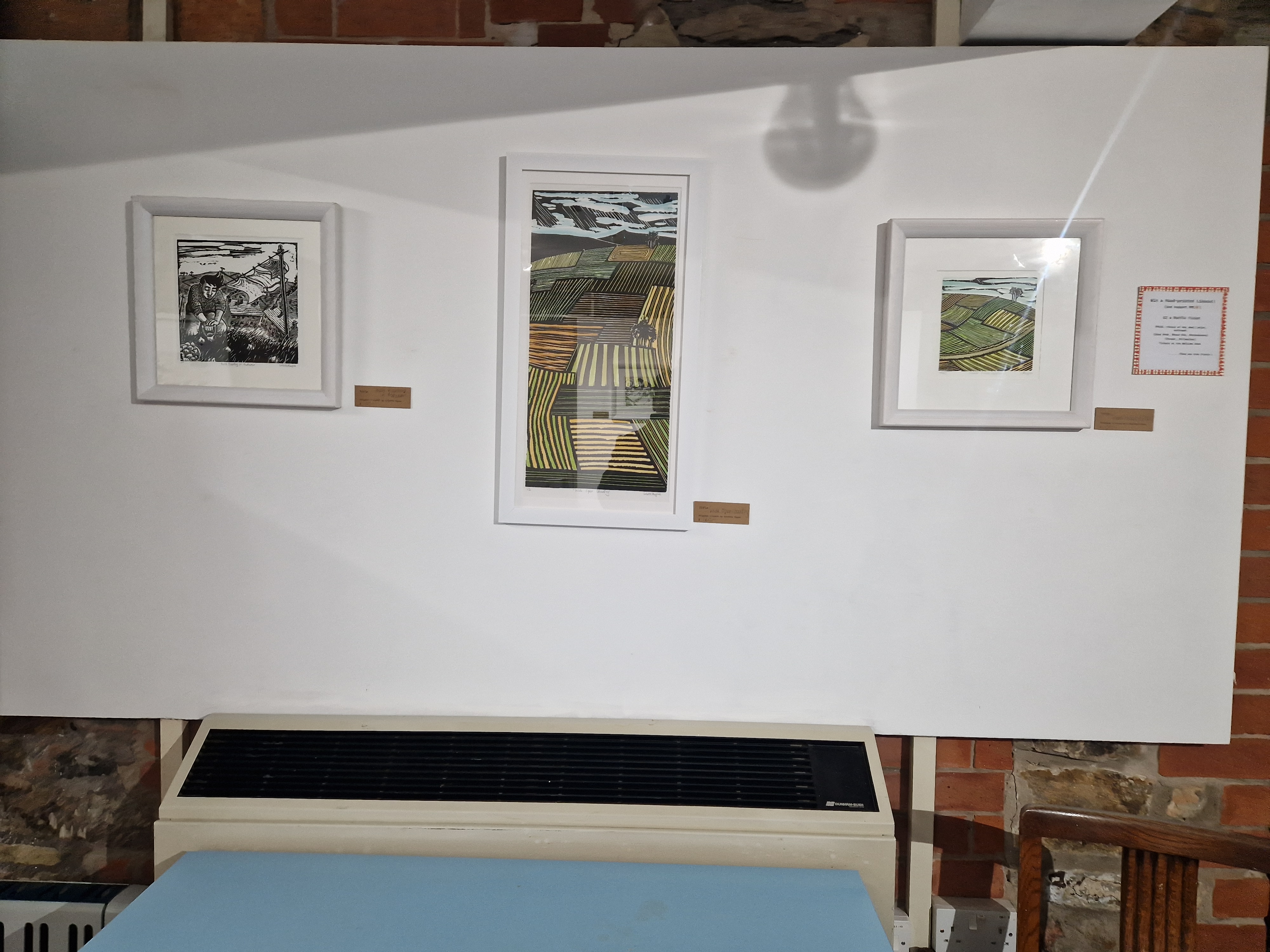
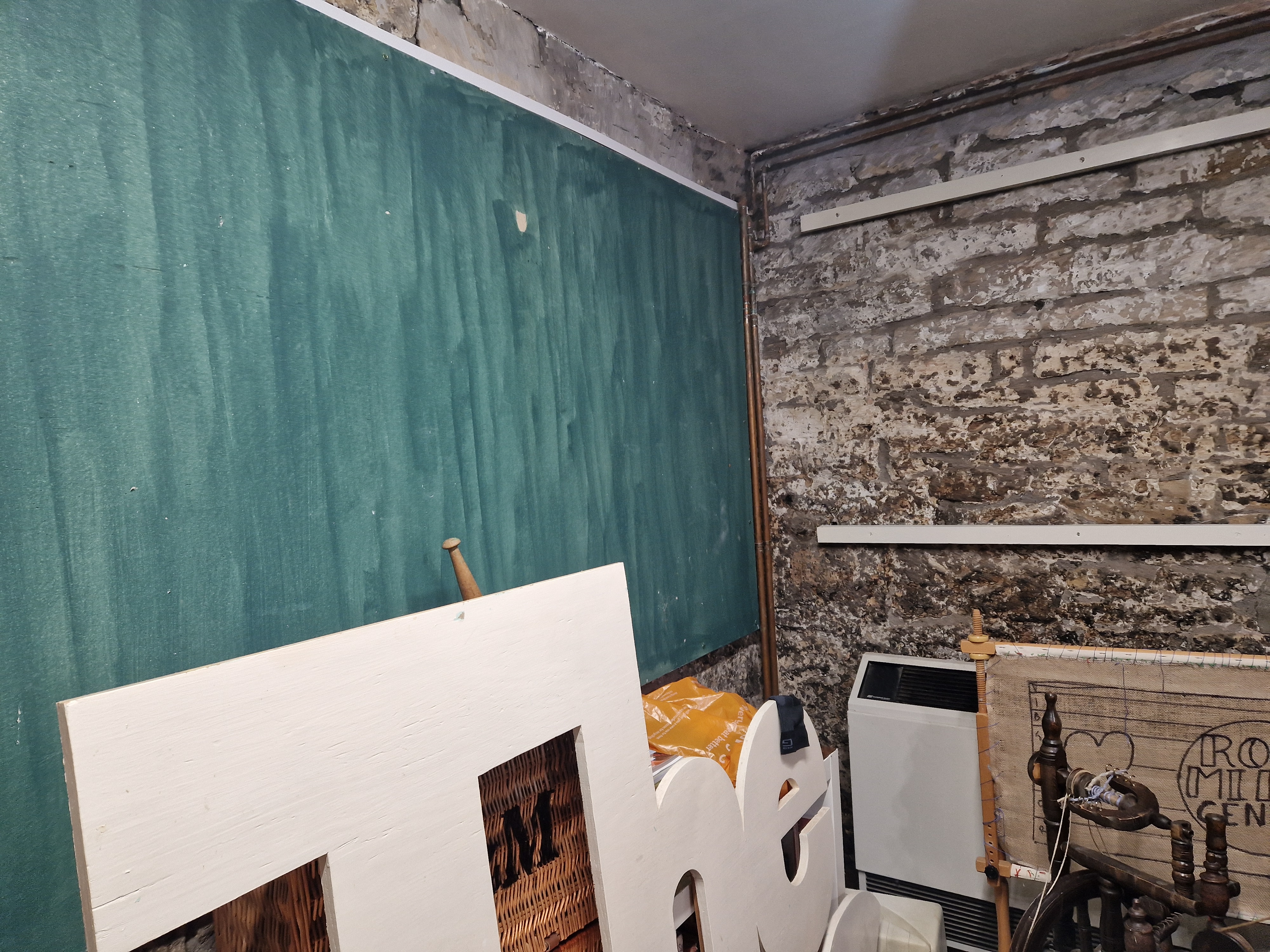
My partner and I decided to put on an exhibition together in our local town New Mills.
On this day we went to see our future exhibition space, take measurements and pictures, and curate work accordingly.


SATURDAY
NATURAL DYE AND EMBROIDERY WORKSHOP AT CASTLEFIELD GALLERY

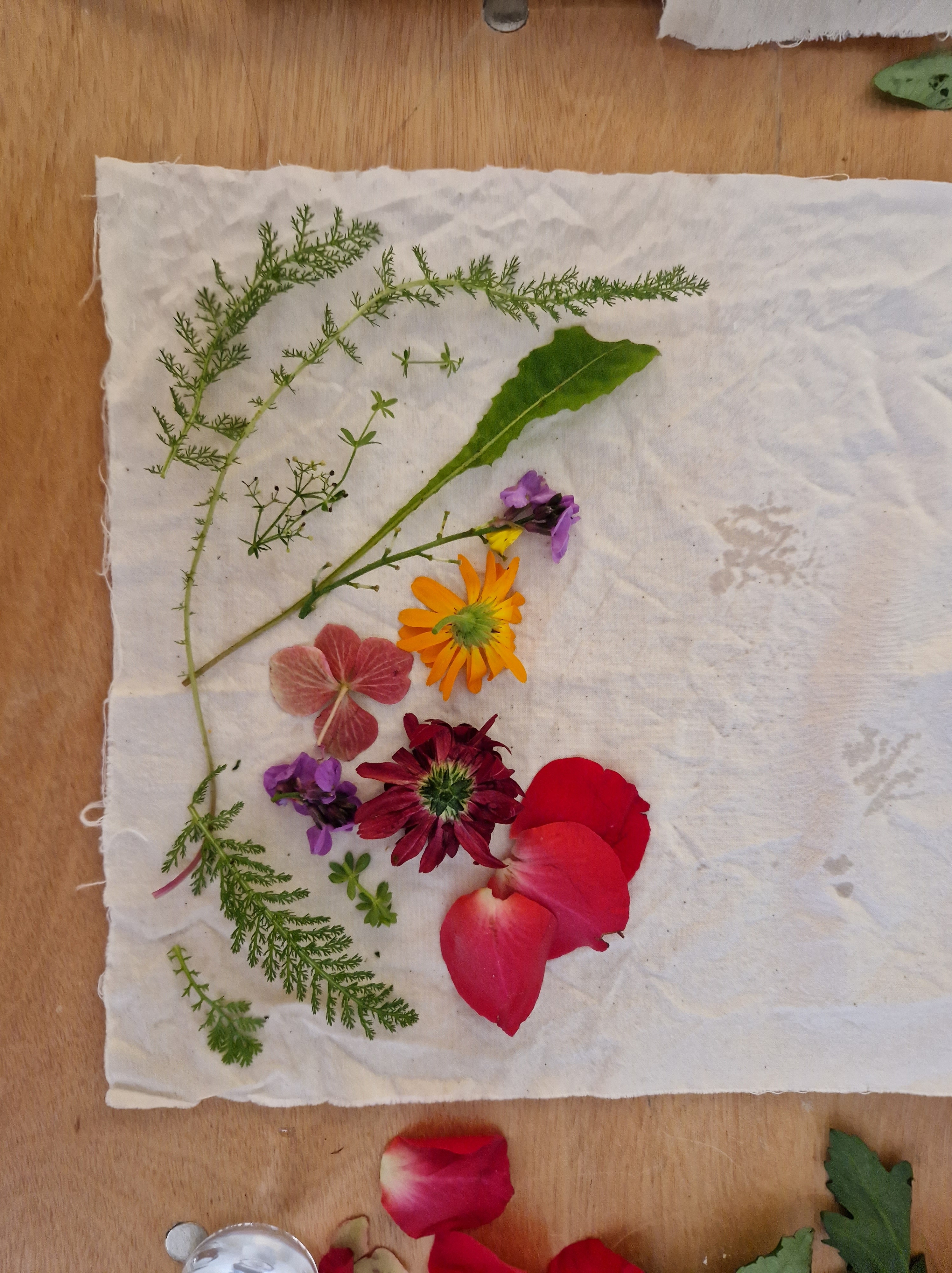

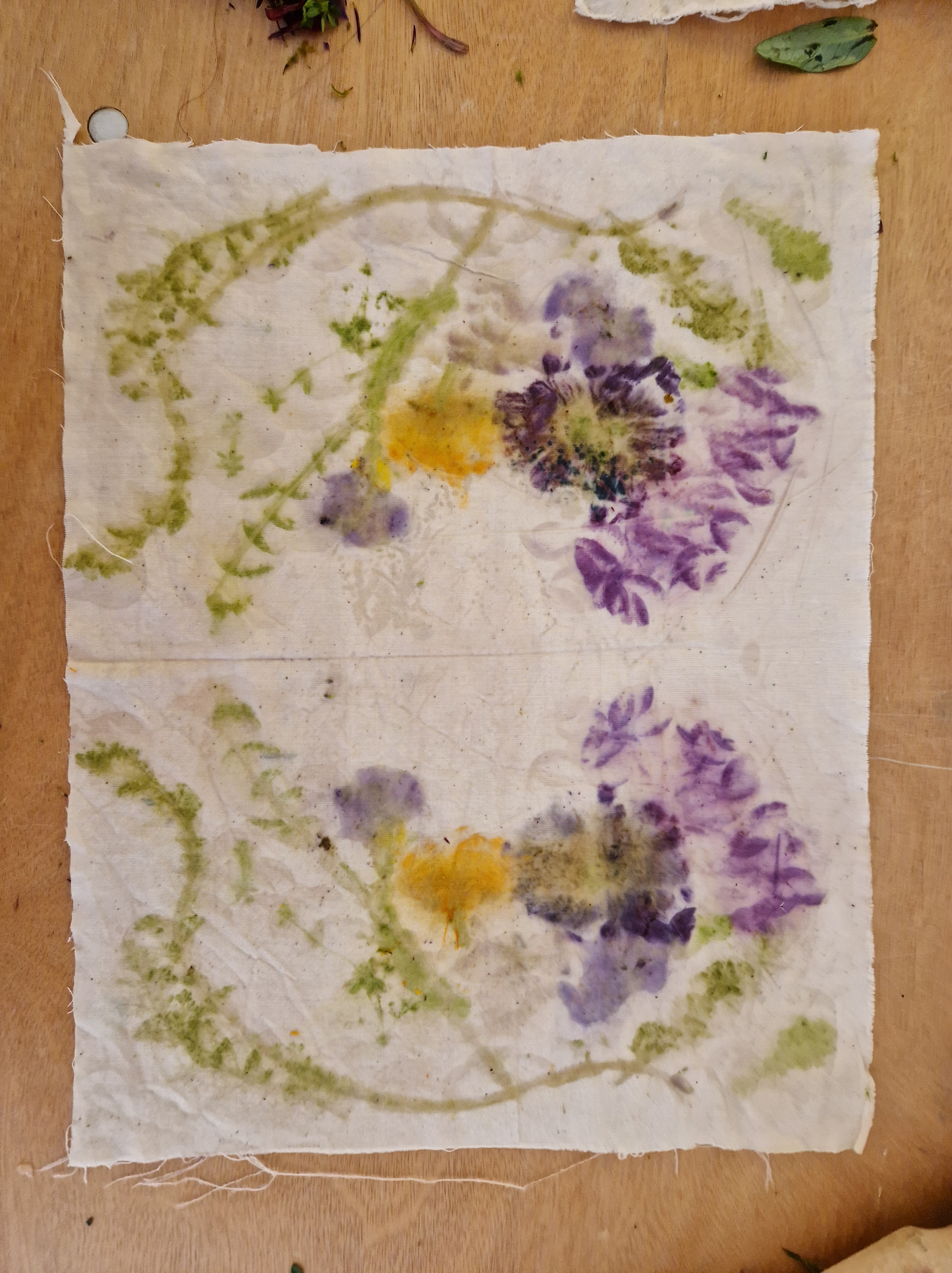
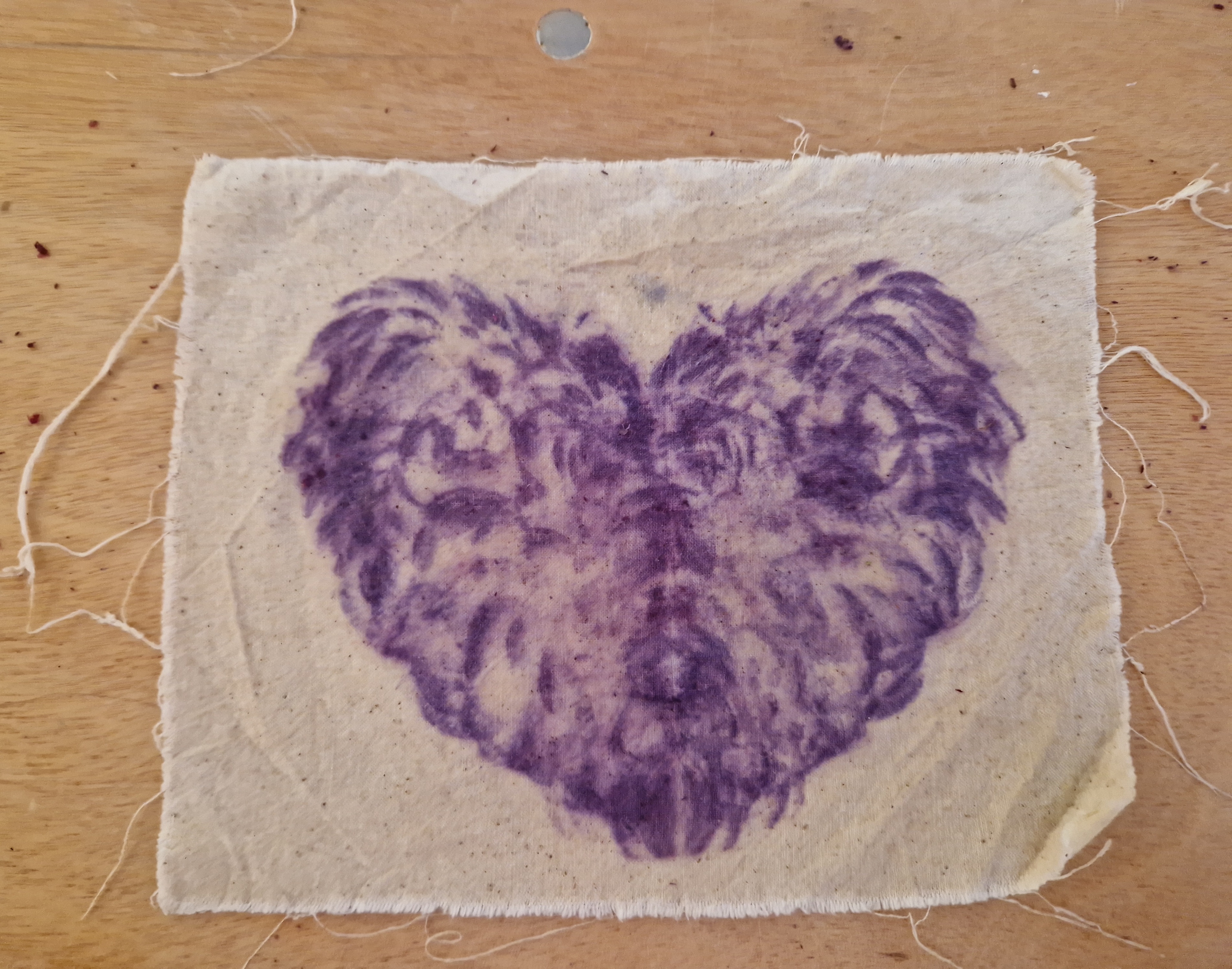
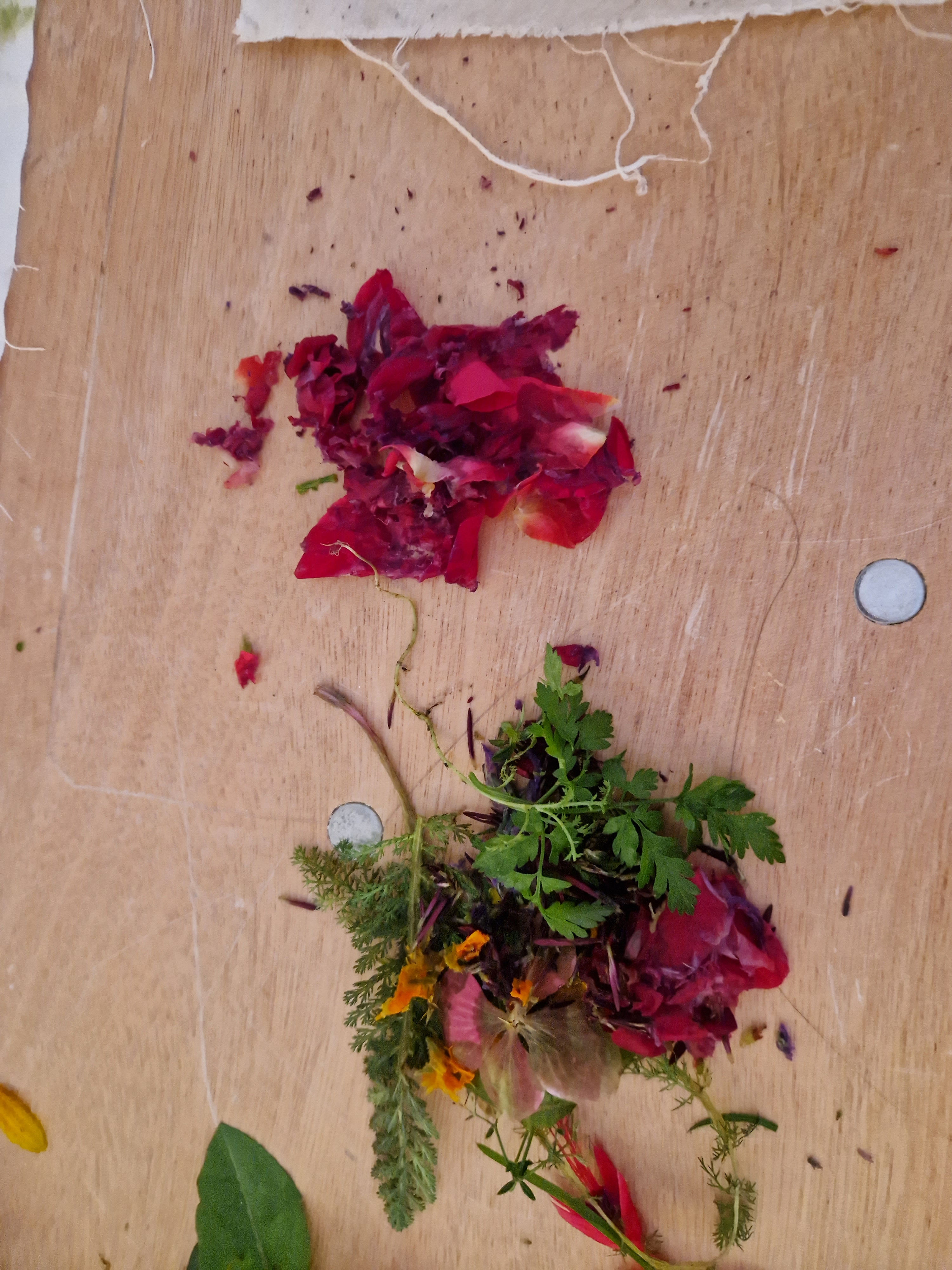
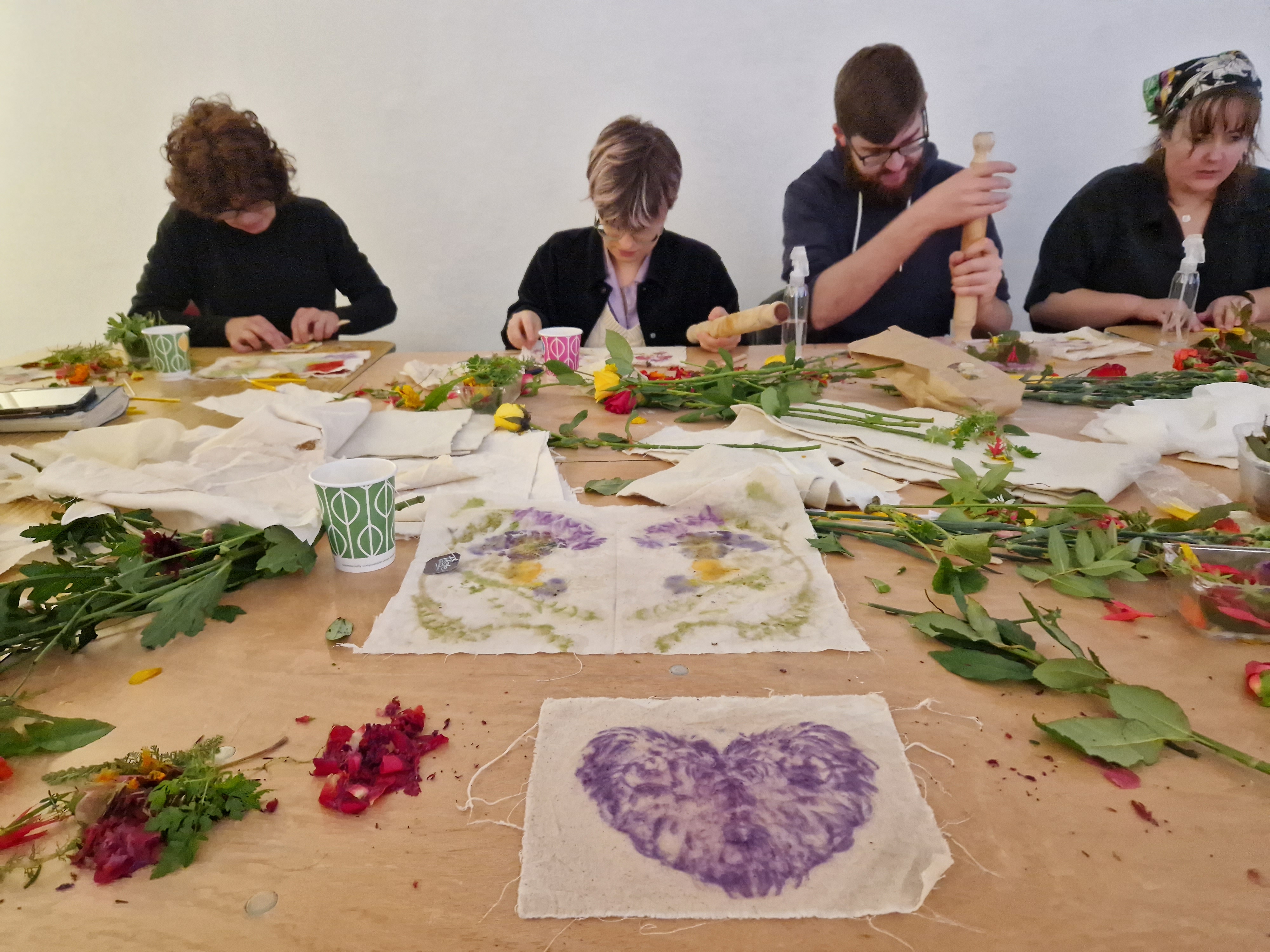
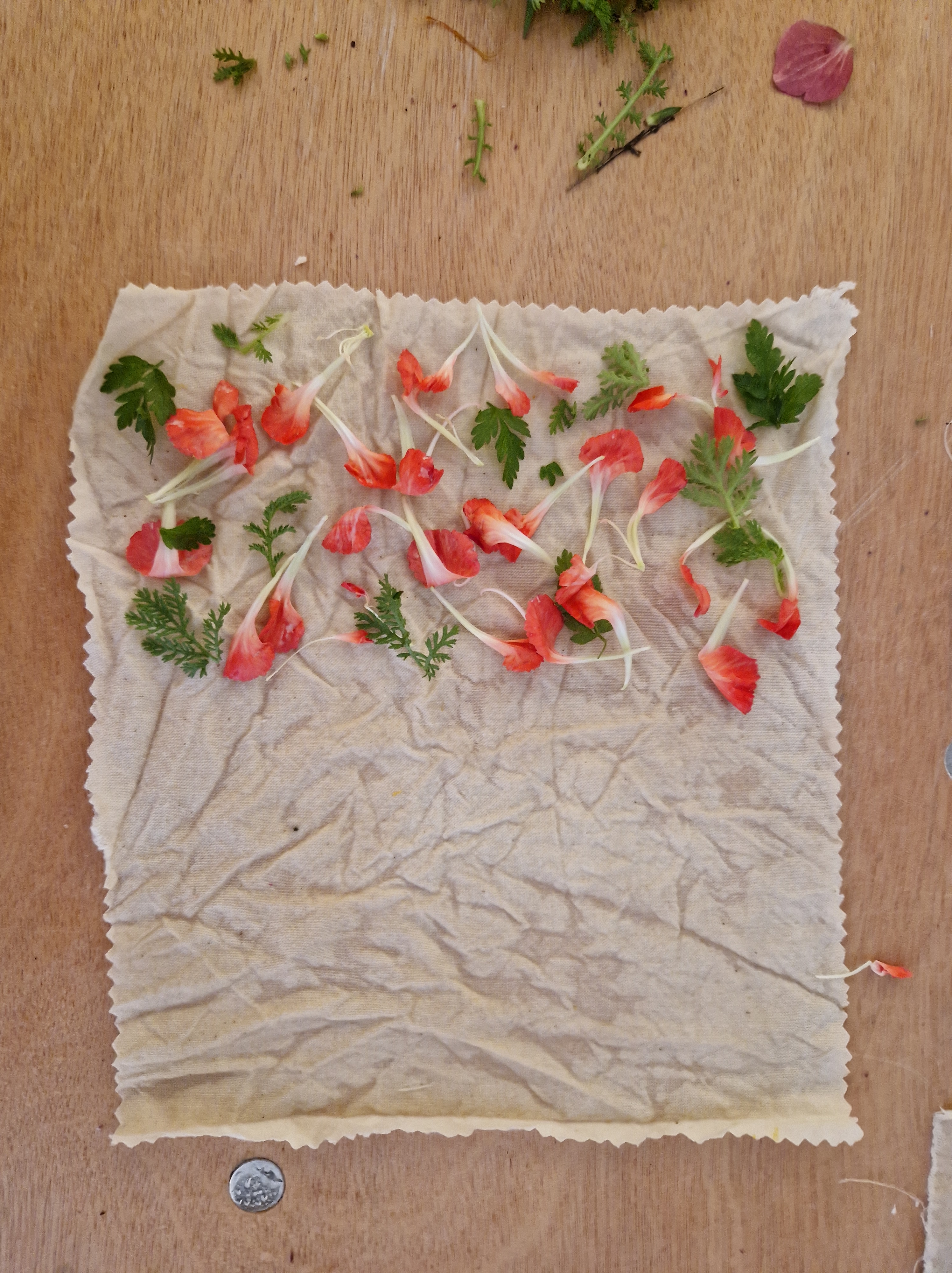
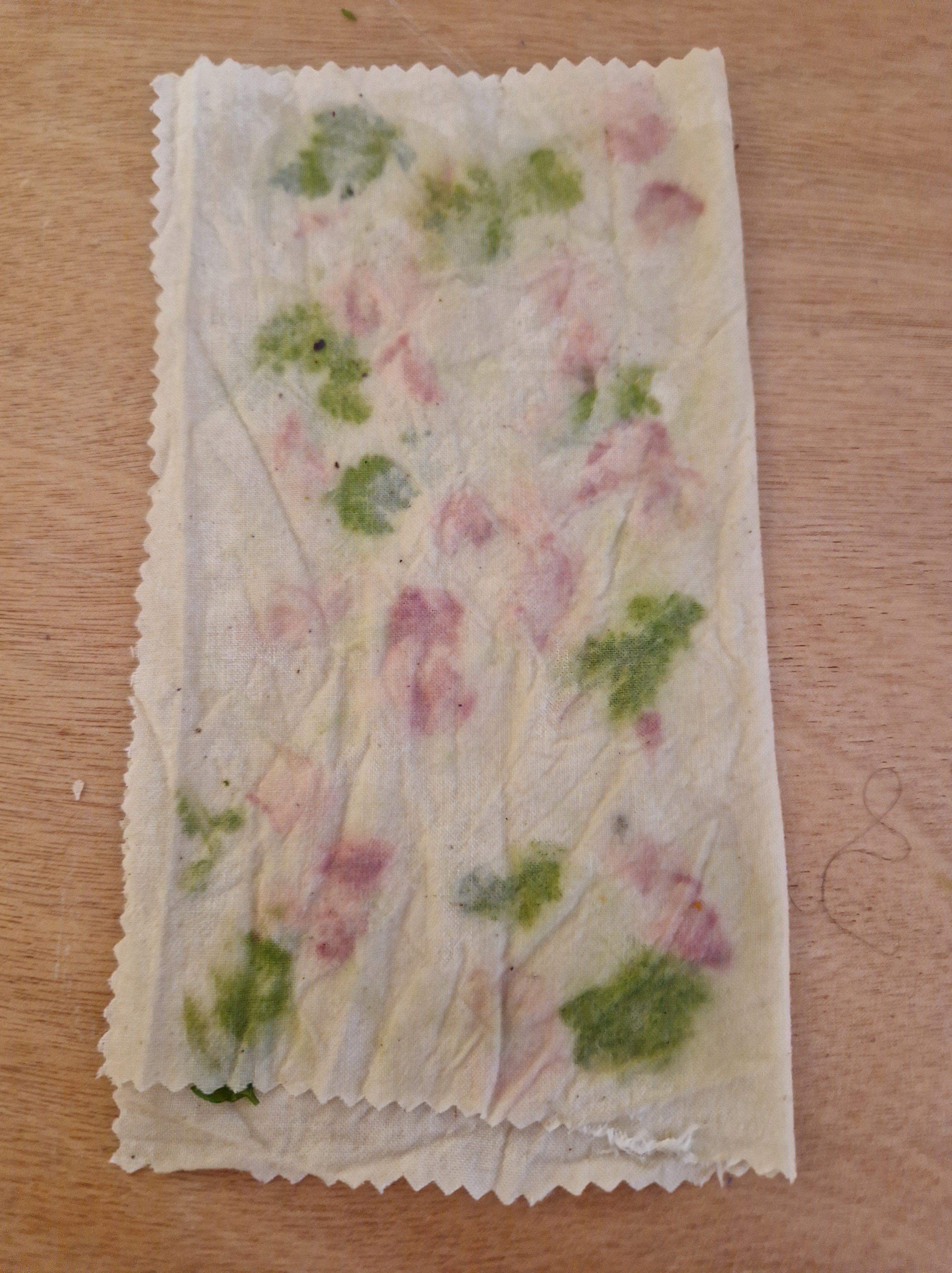
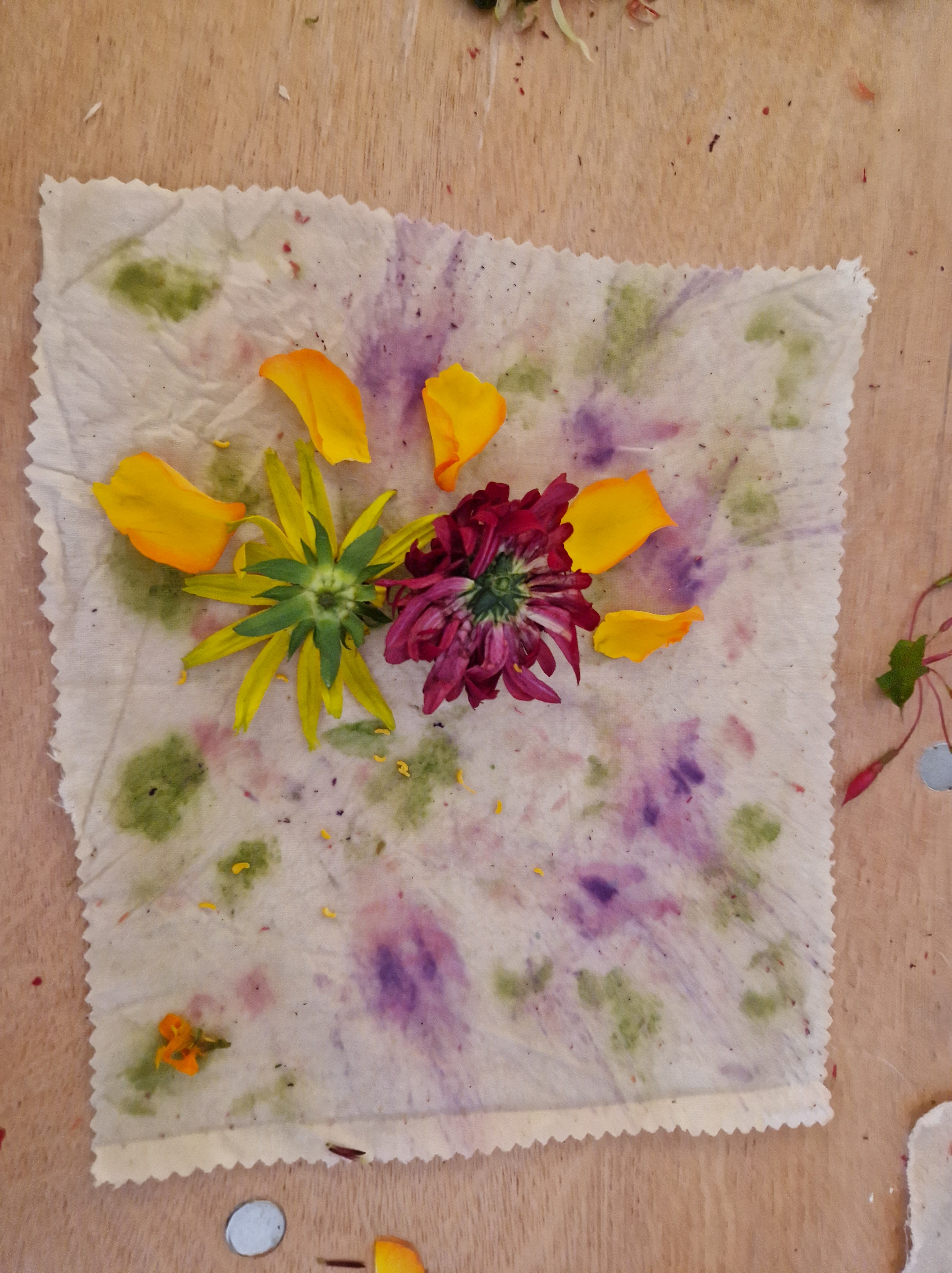
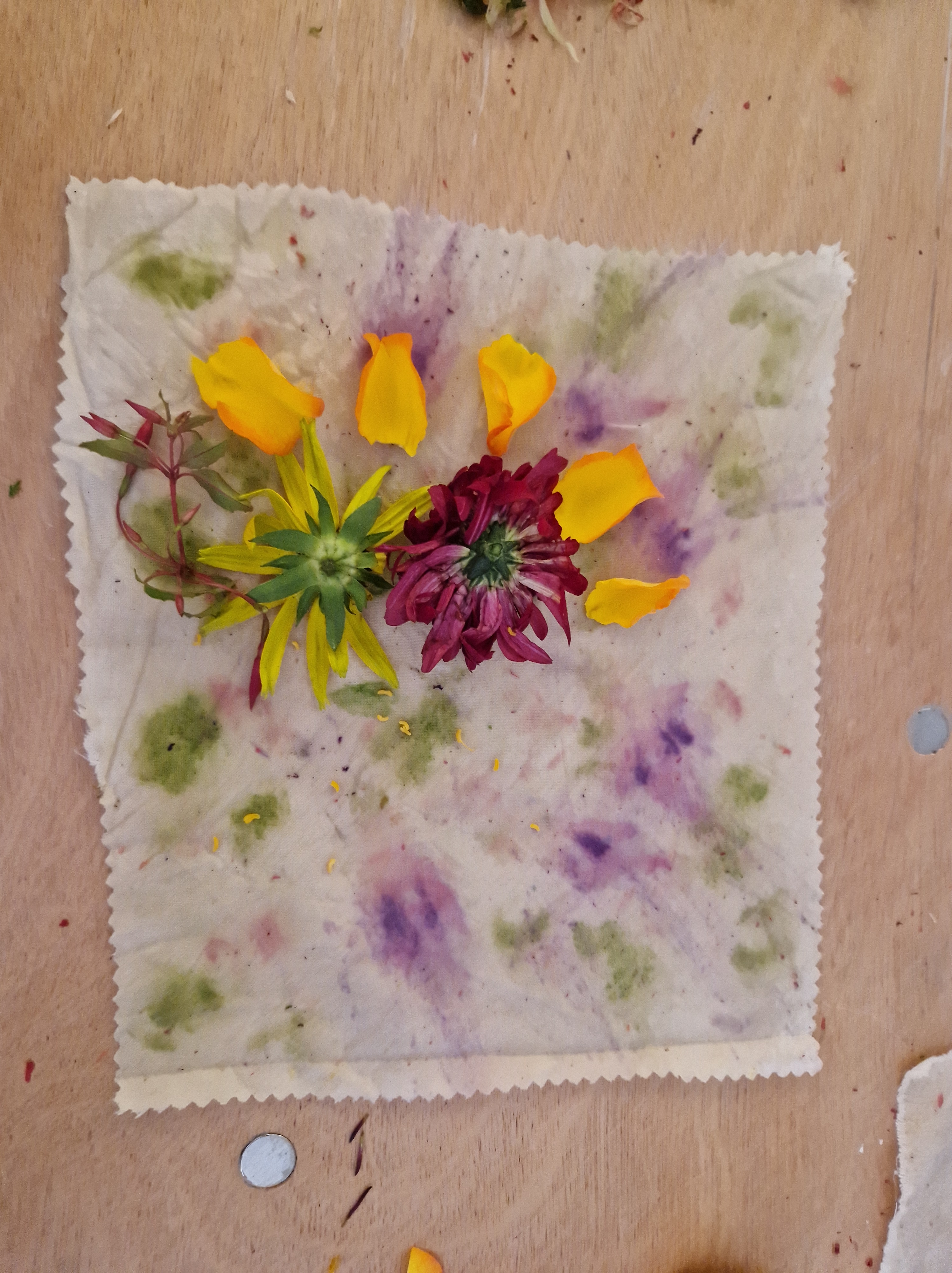
REFLECTIONS: A gratifying workshop that made me think about using nature's natural properties to create art. Naturally, the first example that comes to mind from photography is Cyanotype. I also heard of developing film with coffee and other organic materials, but what else can be done? Nature has so much to offer! Something to think about.
WEEK 5: 23-29/10/23 (SELF-STUDY WEEK)
MONDAY
LEARNING 3D MODELLING PROGRAM
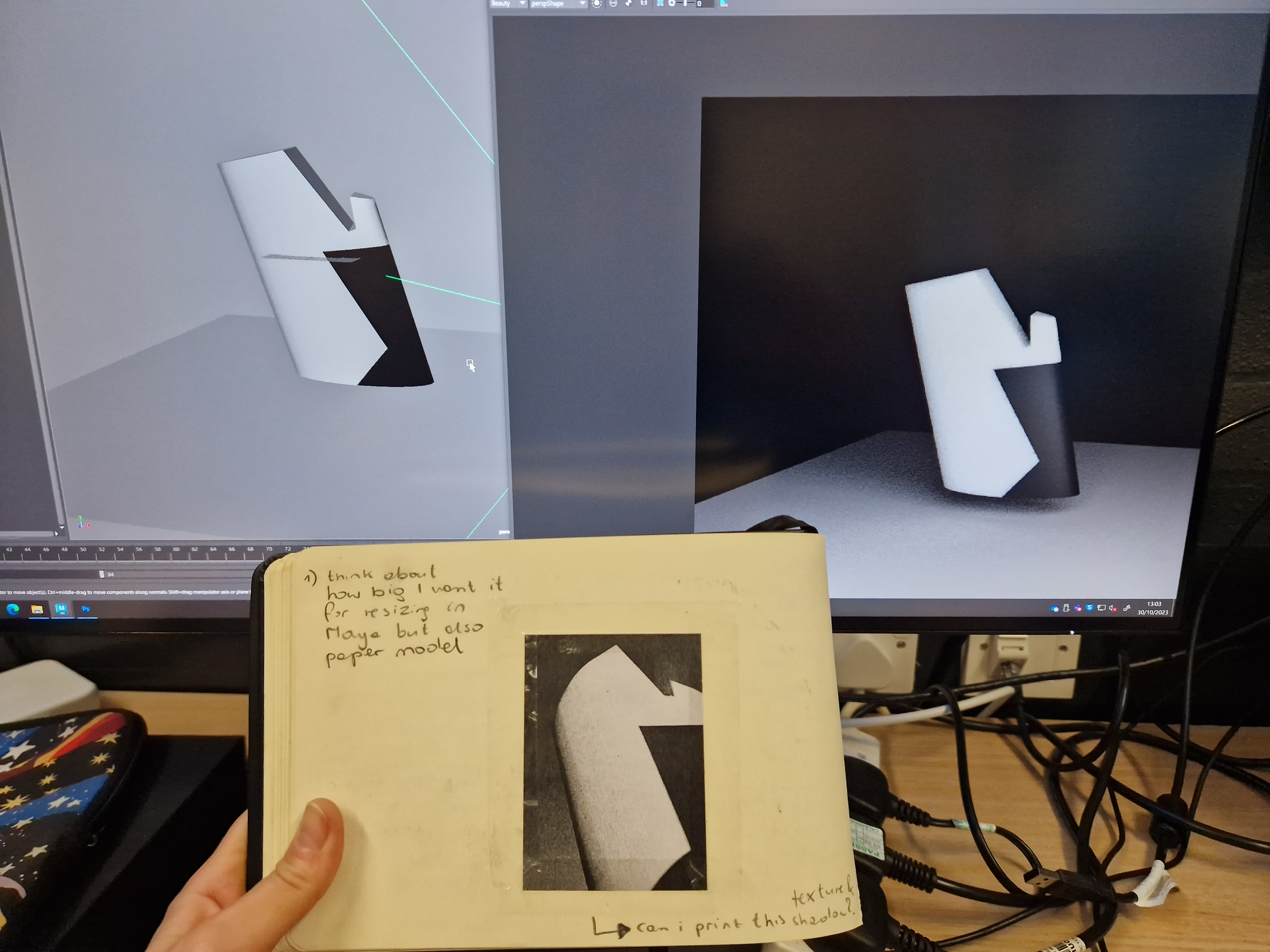
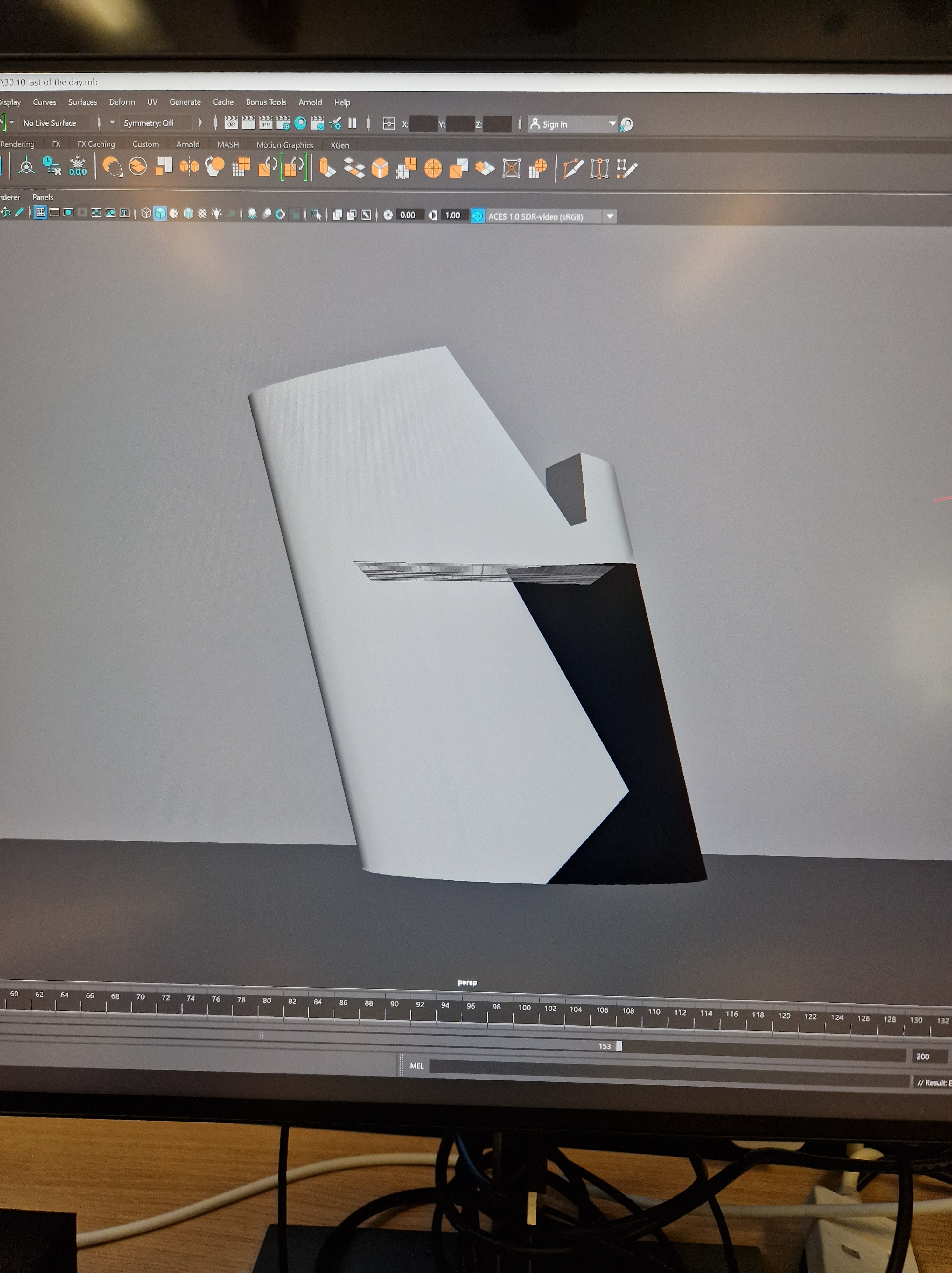
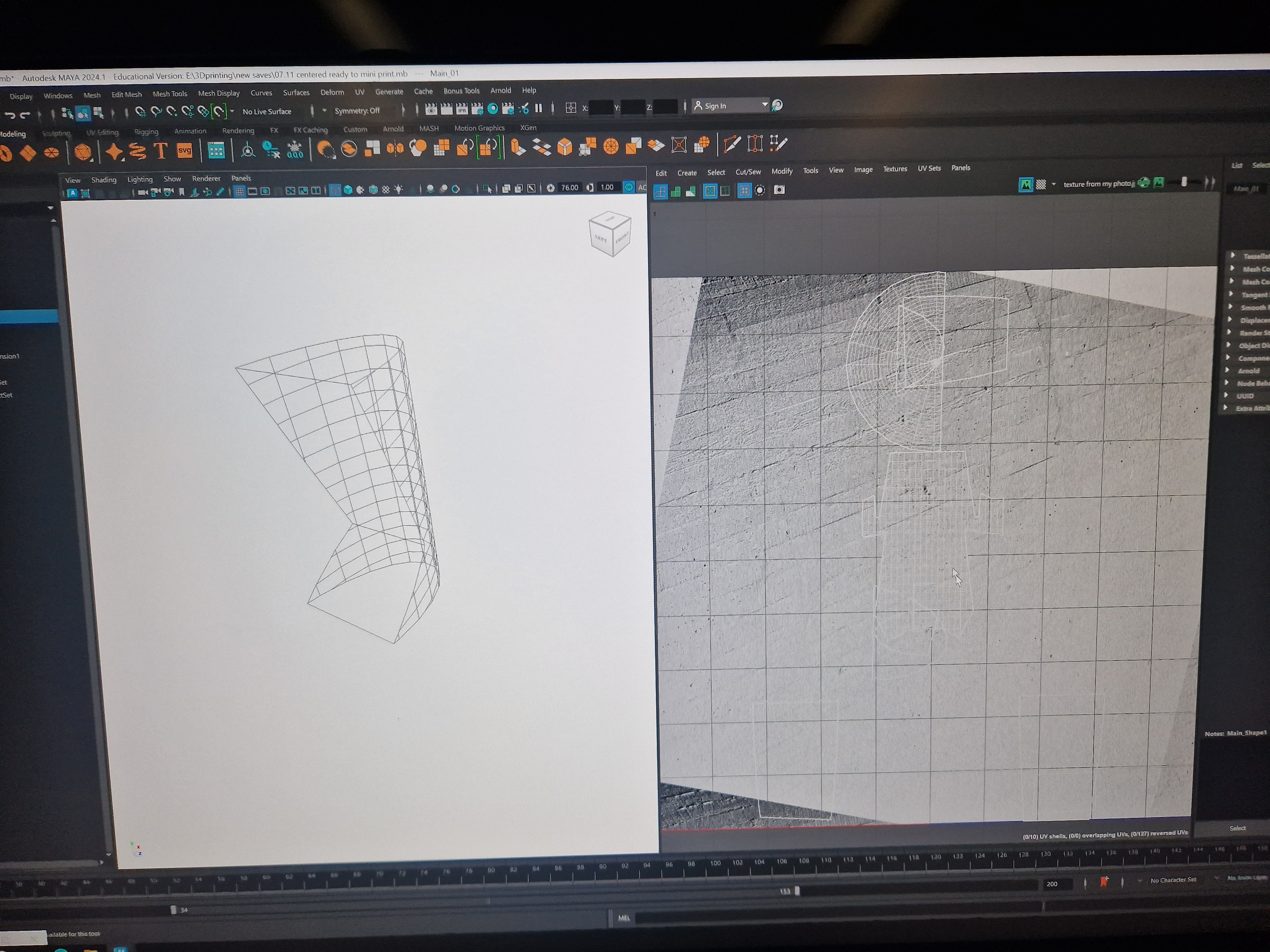
Today, we looked at rendering my model, and touched on some other options in Maya. We started discussing adding texture to the model and how to spread the texture design evenly.
TUESDAY
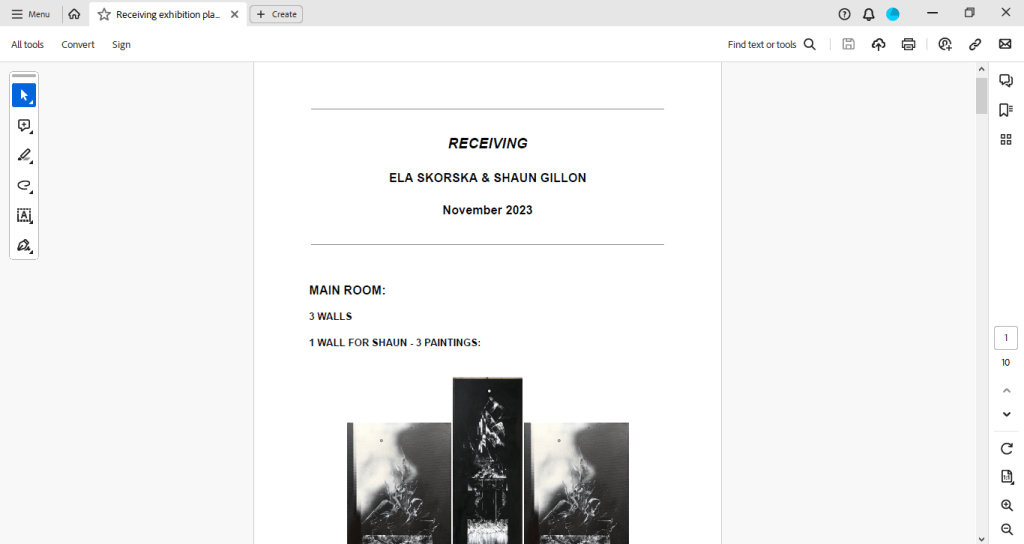
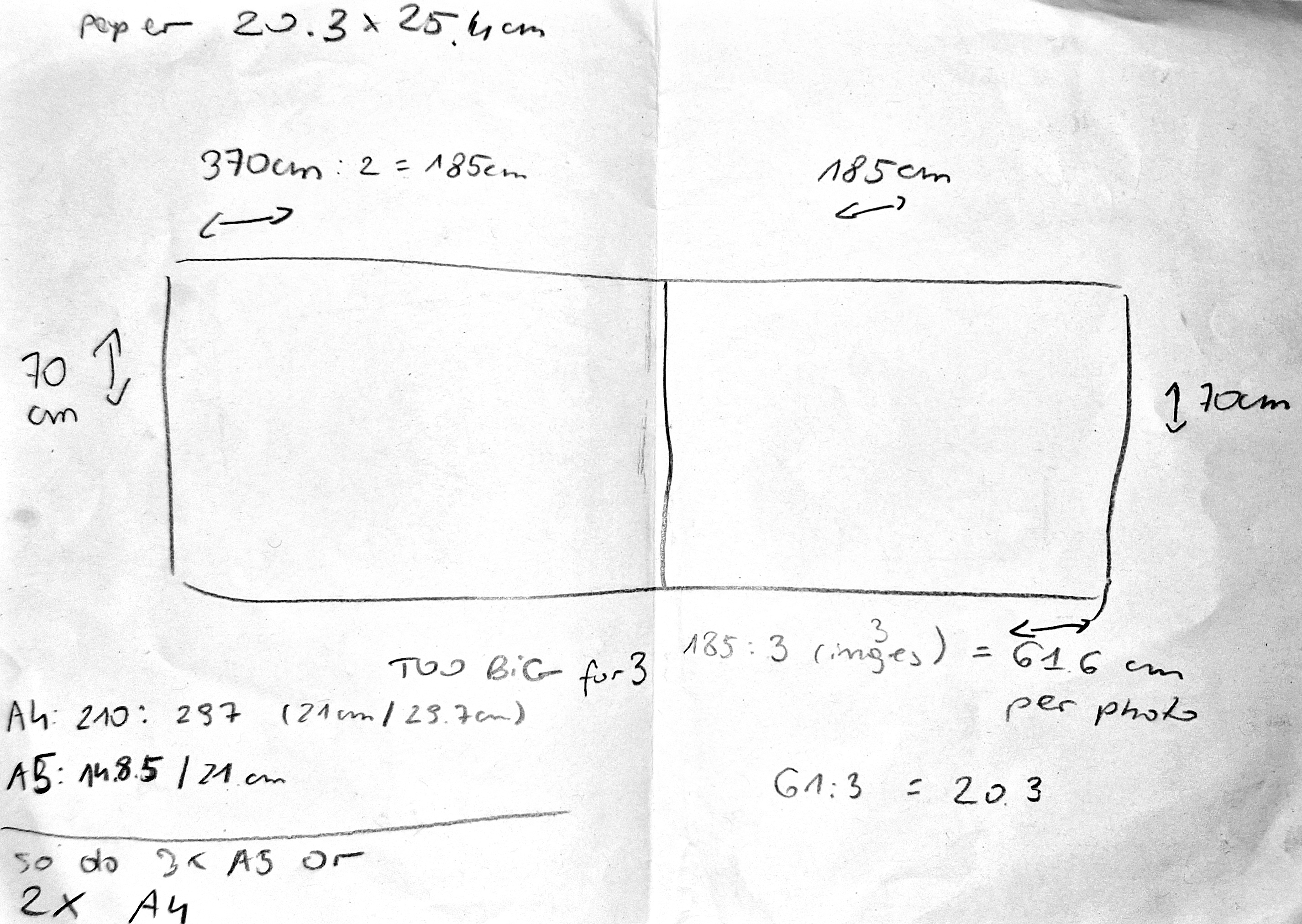
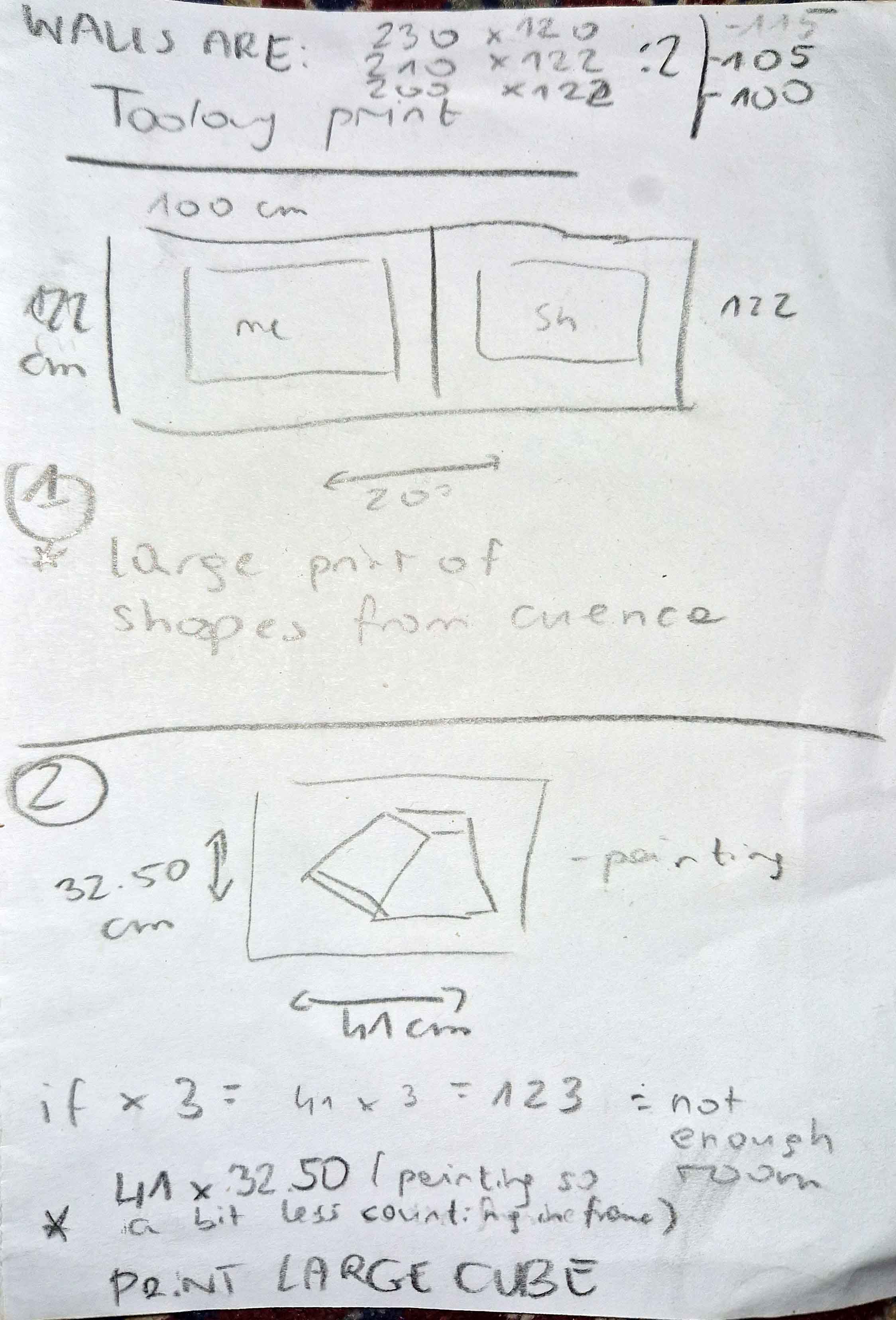
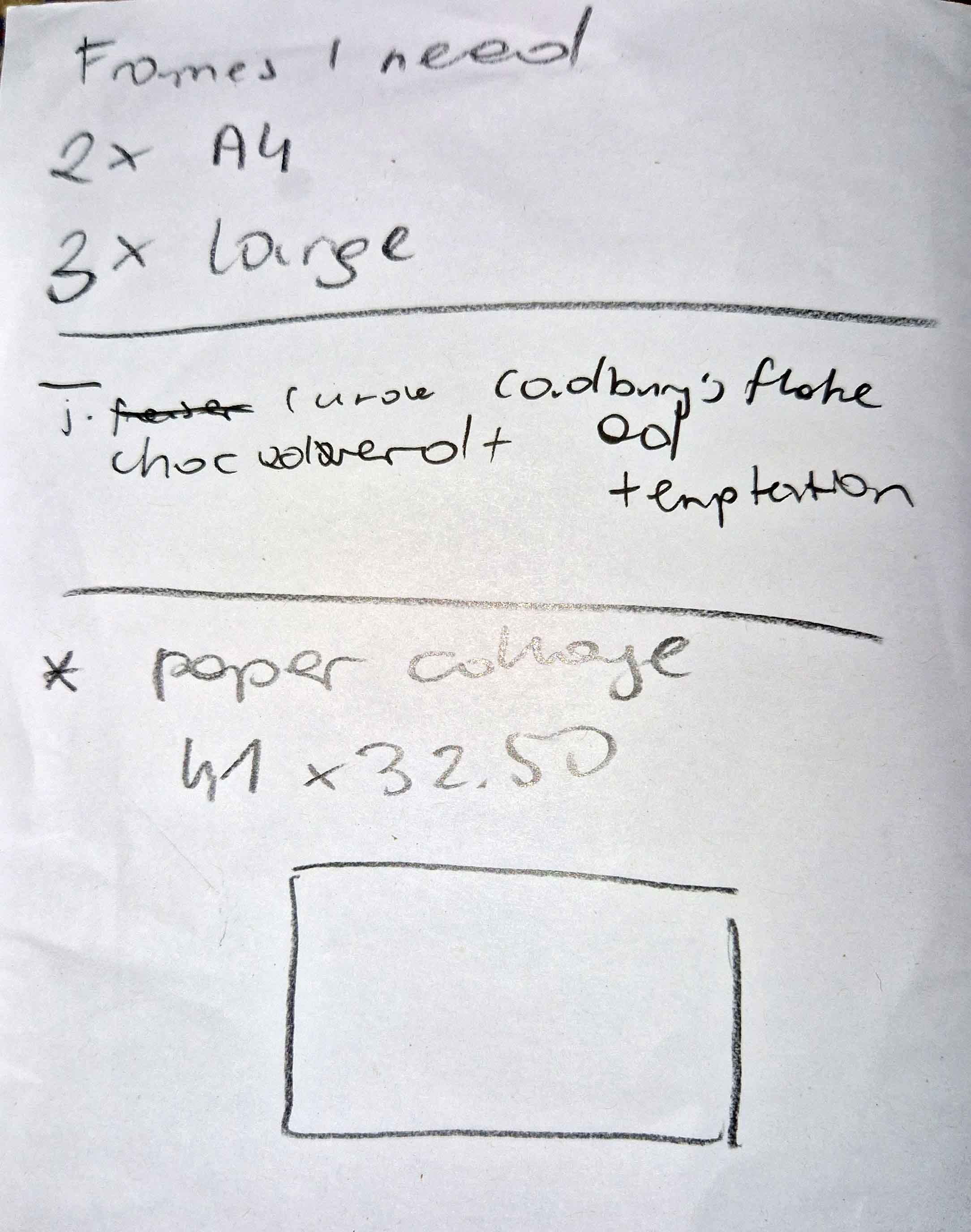
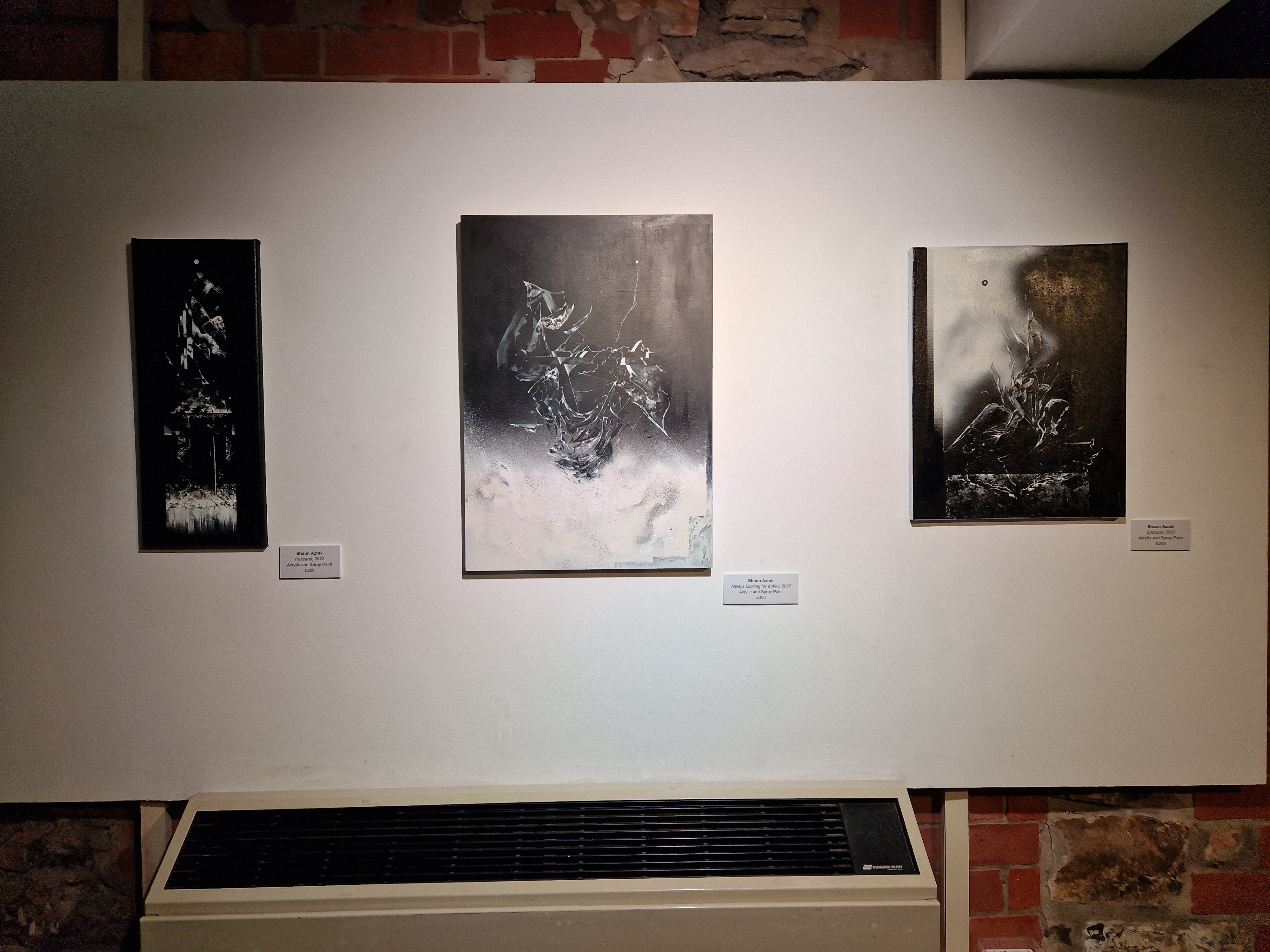
MAKING EXHIBITION PLAN WITH SHAUN AZRAK
We started by planning our exhibition: wall layout, positioning and making a list of which images I have to print, how many frames, and what size I need.
WEDNESDAY
STUDIO – MAMIYA, MACRO AND PAPER EXPERIMENTS
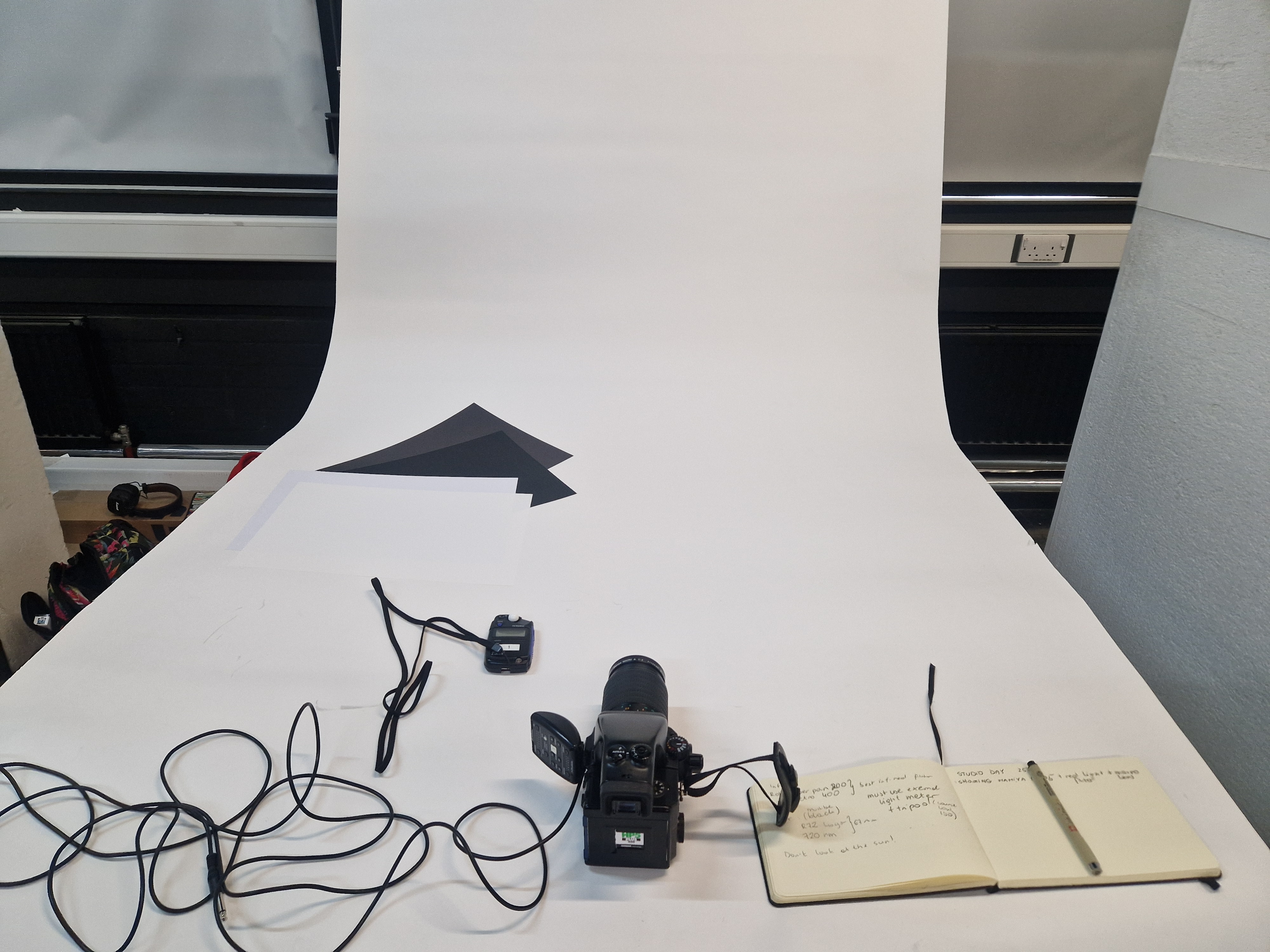

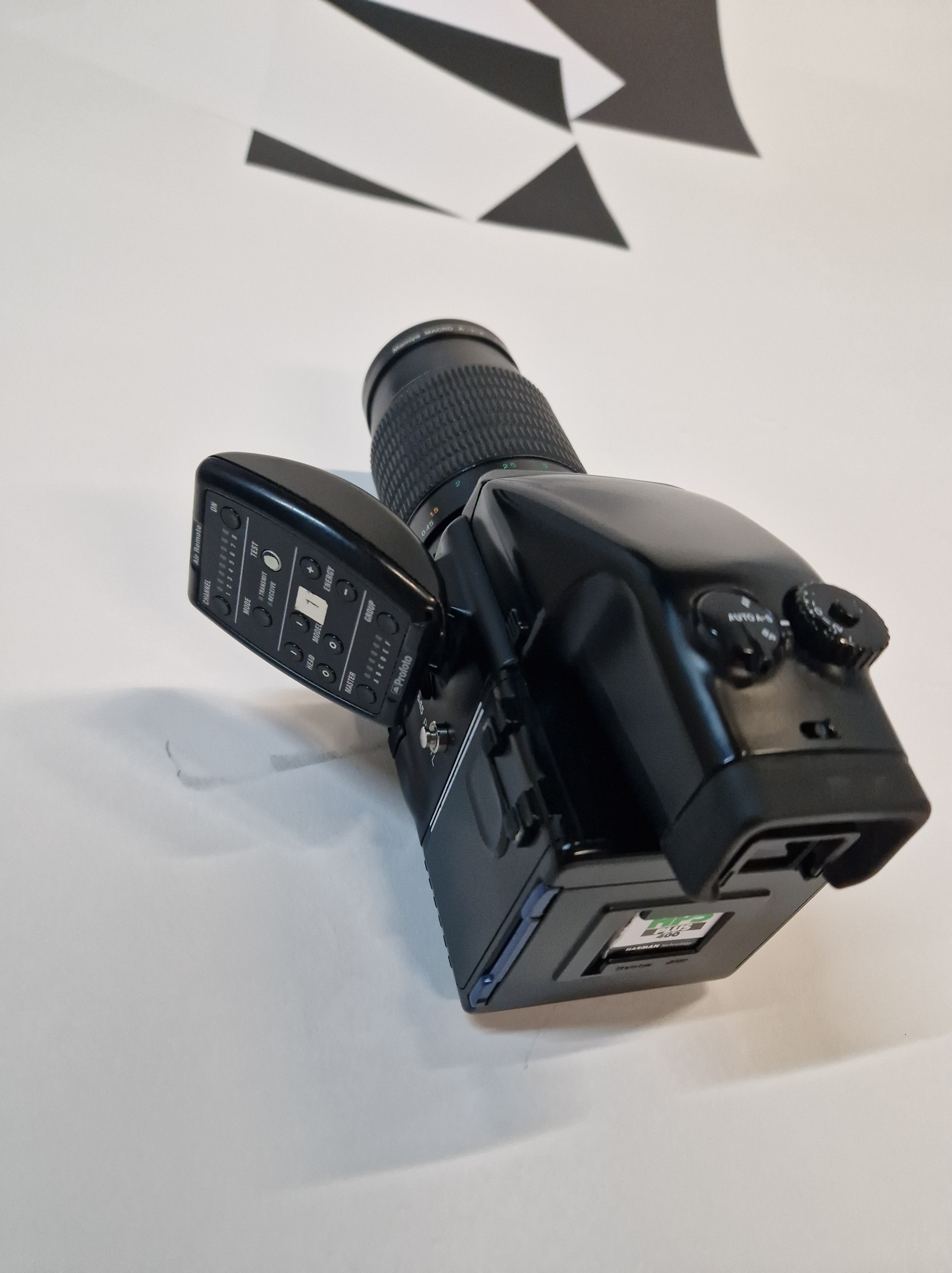
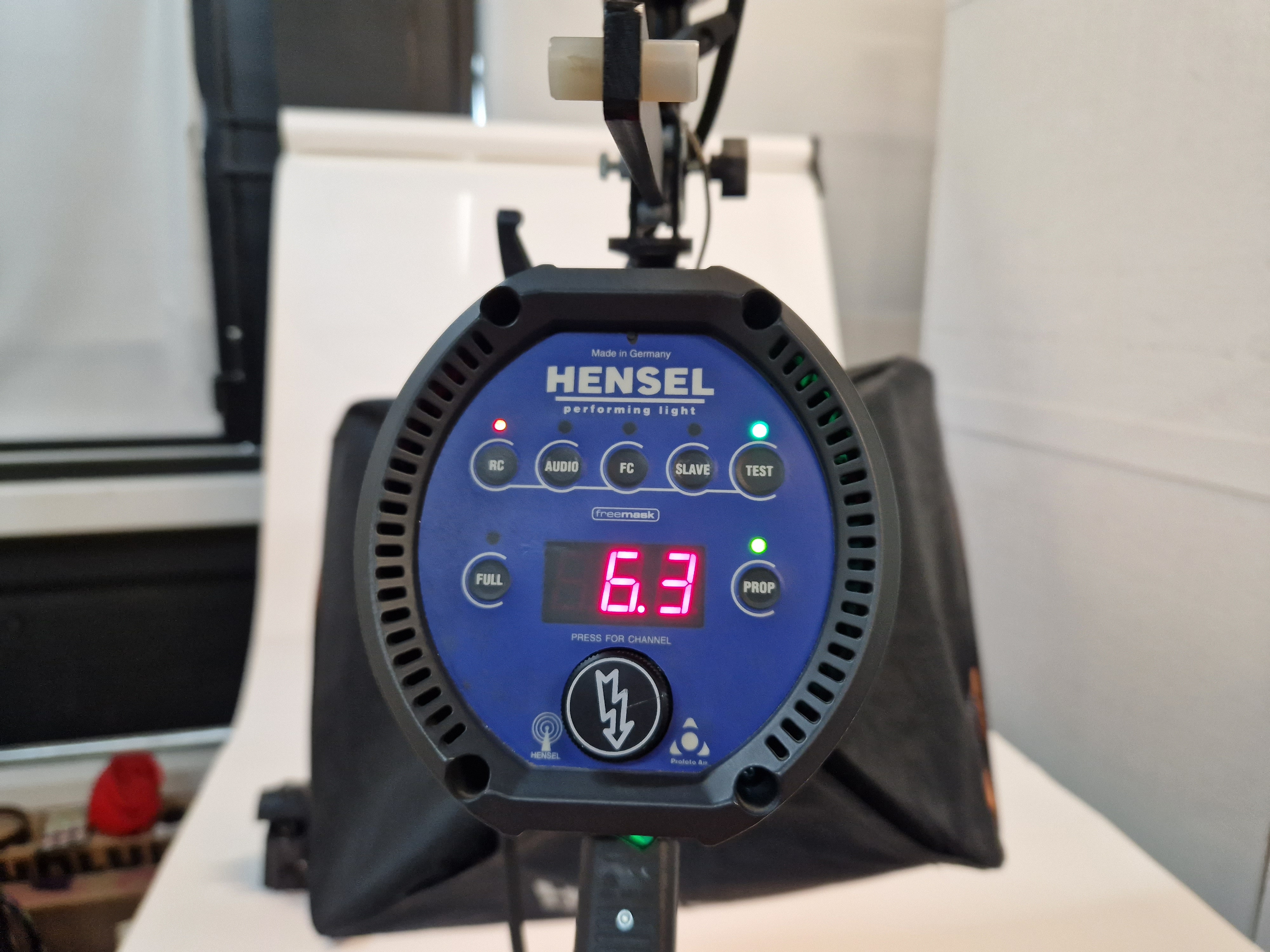
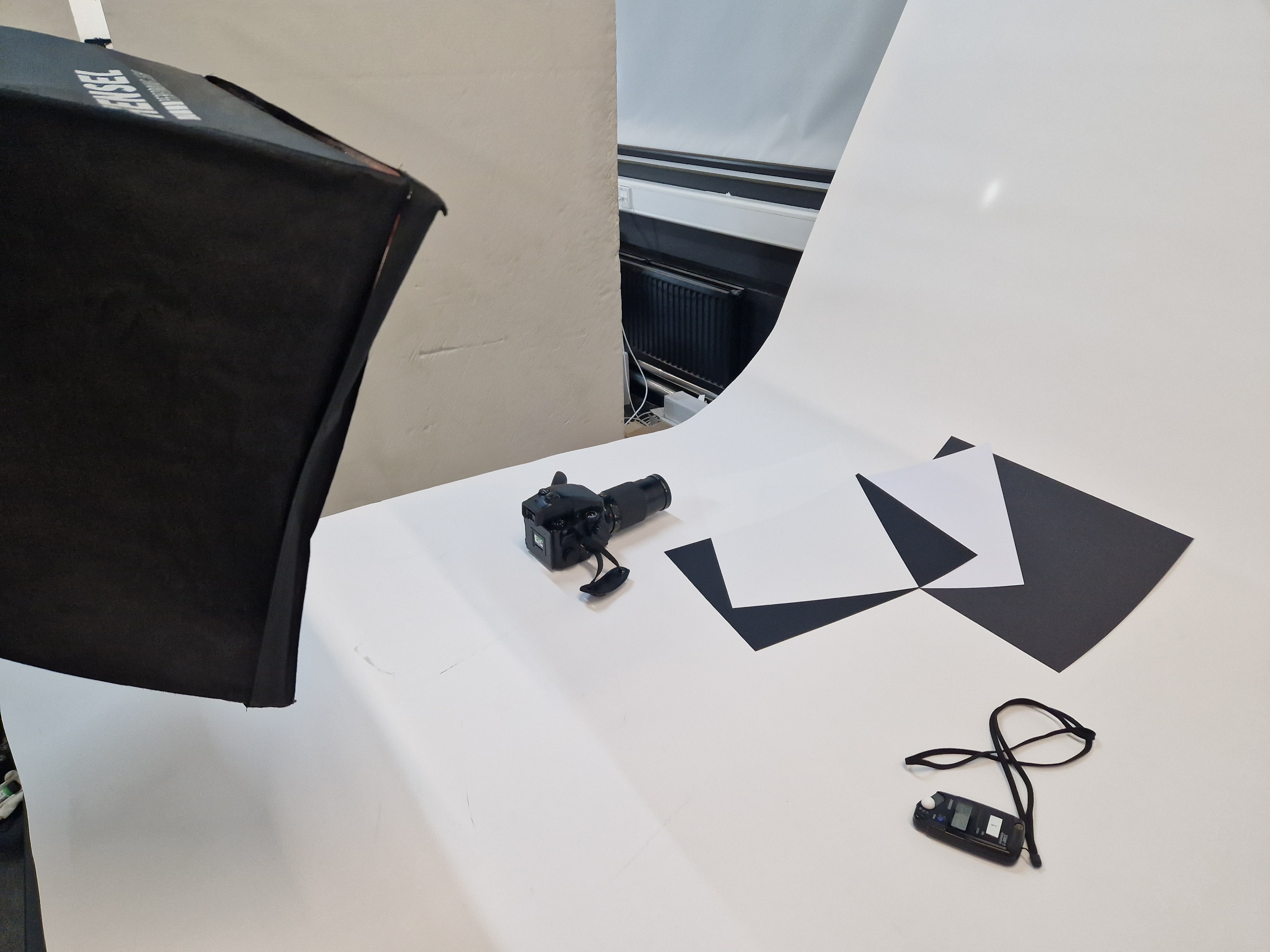
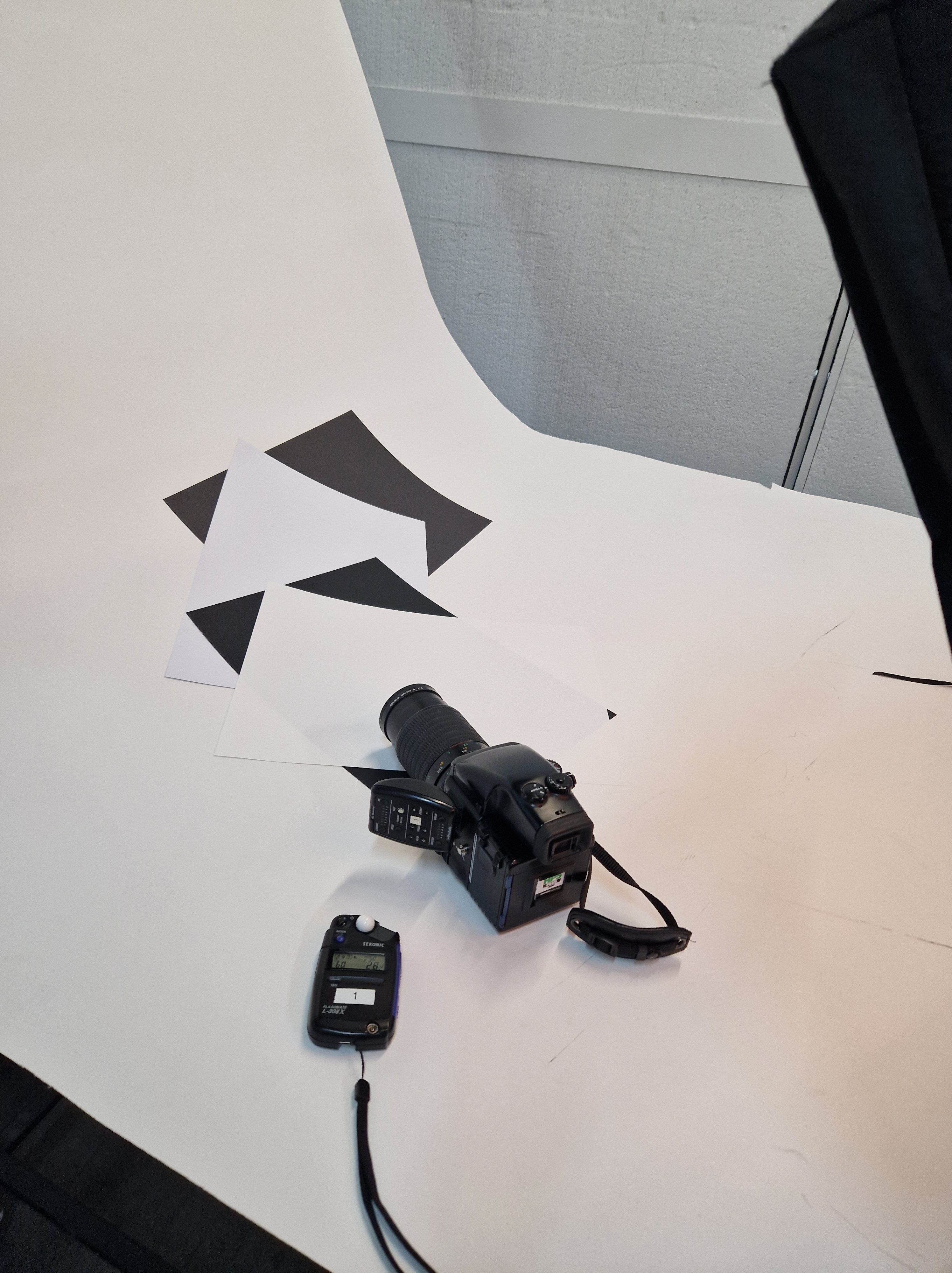
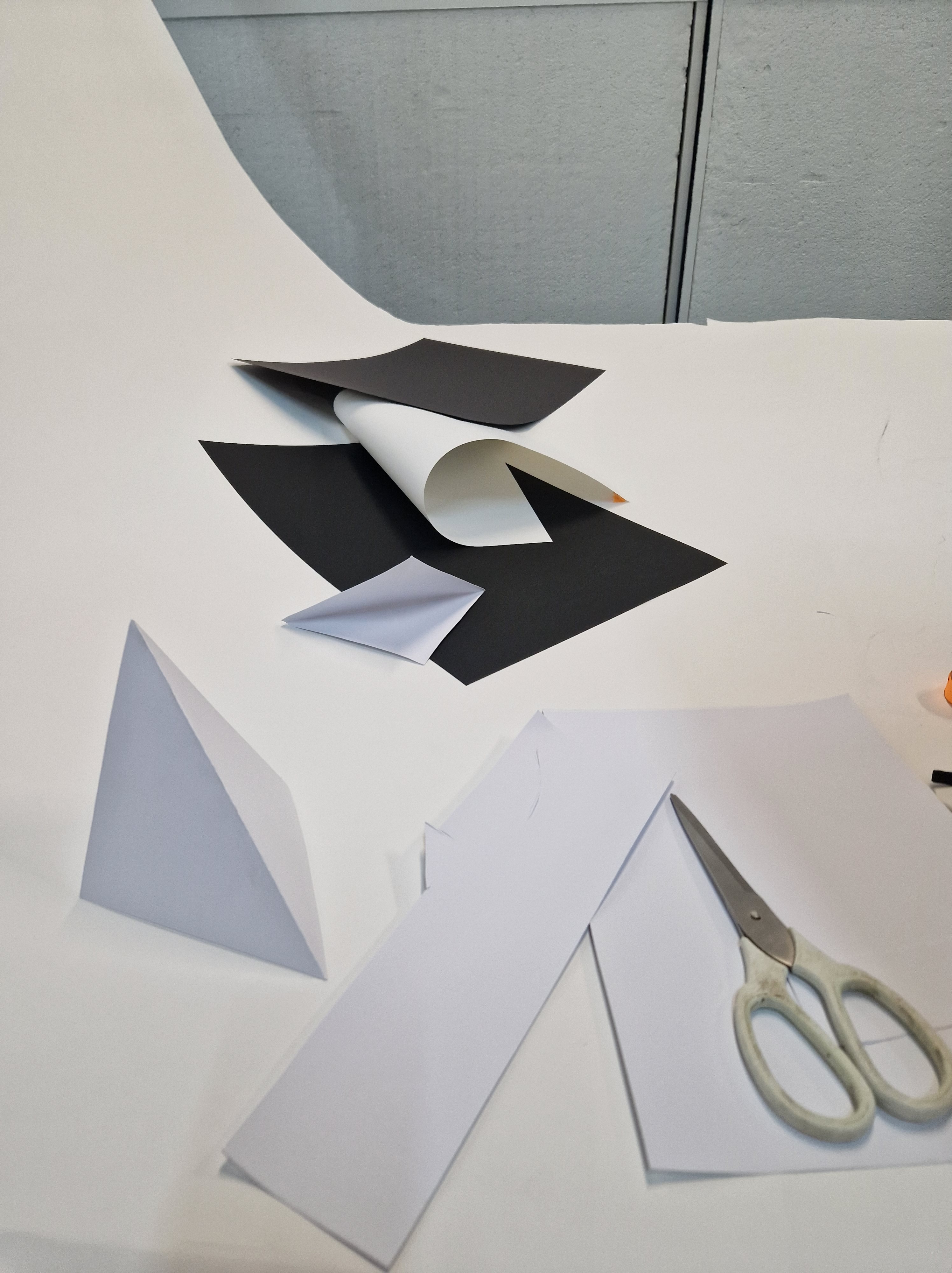
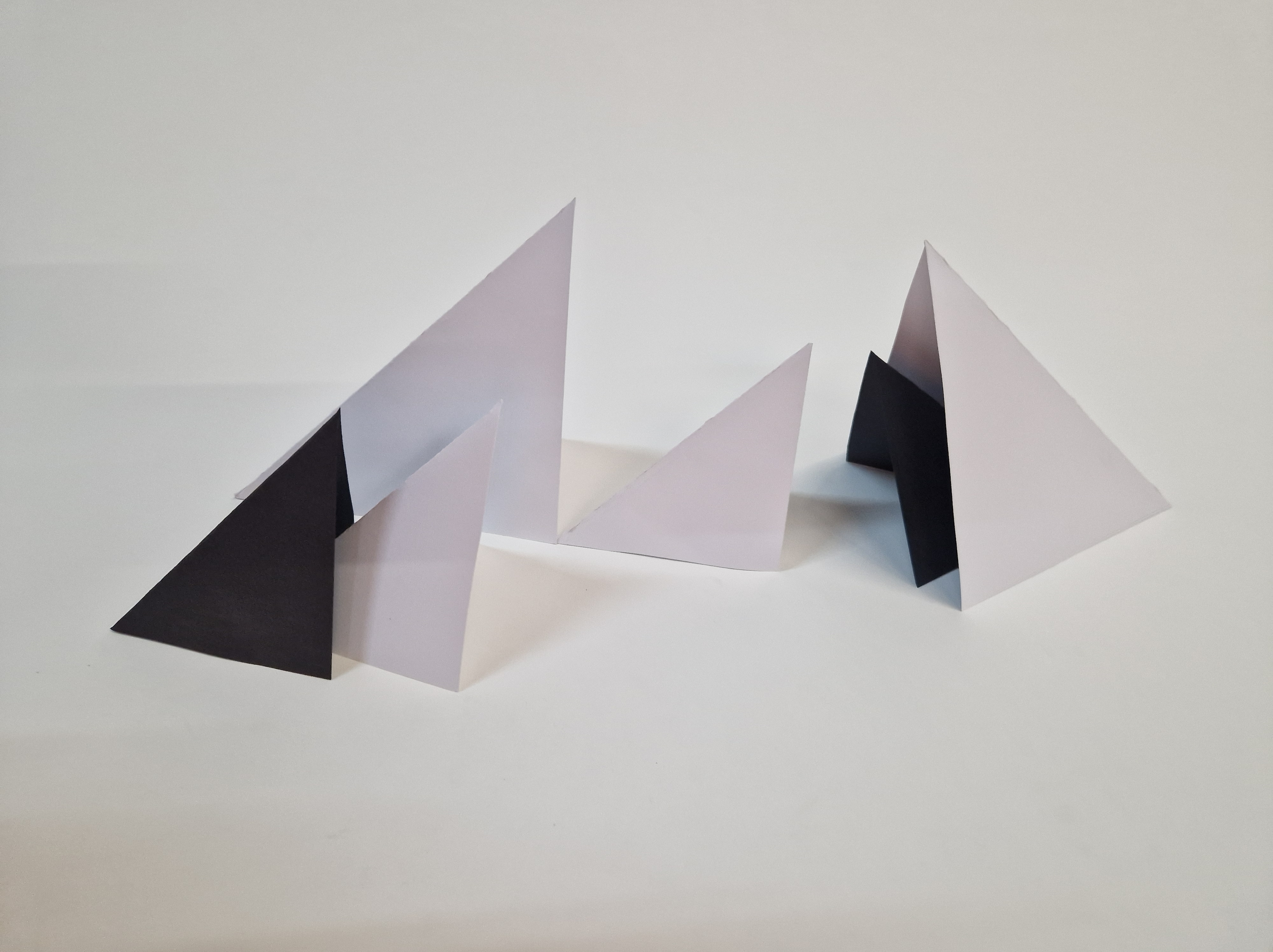
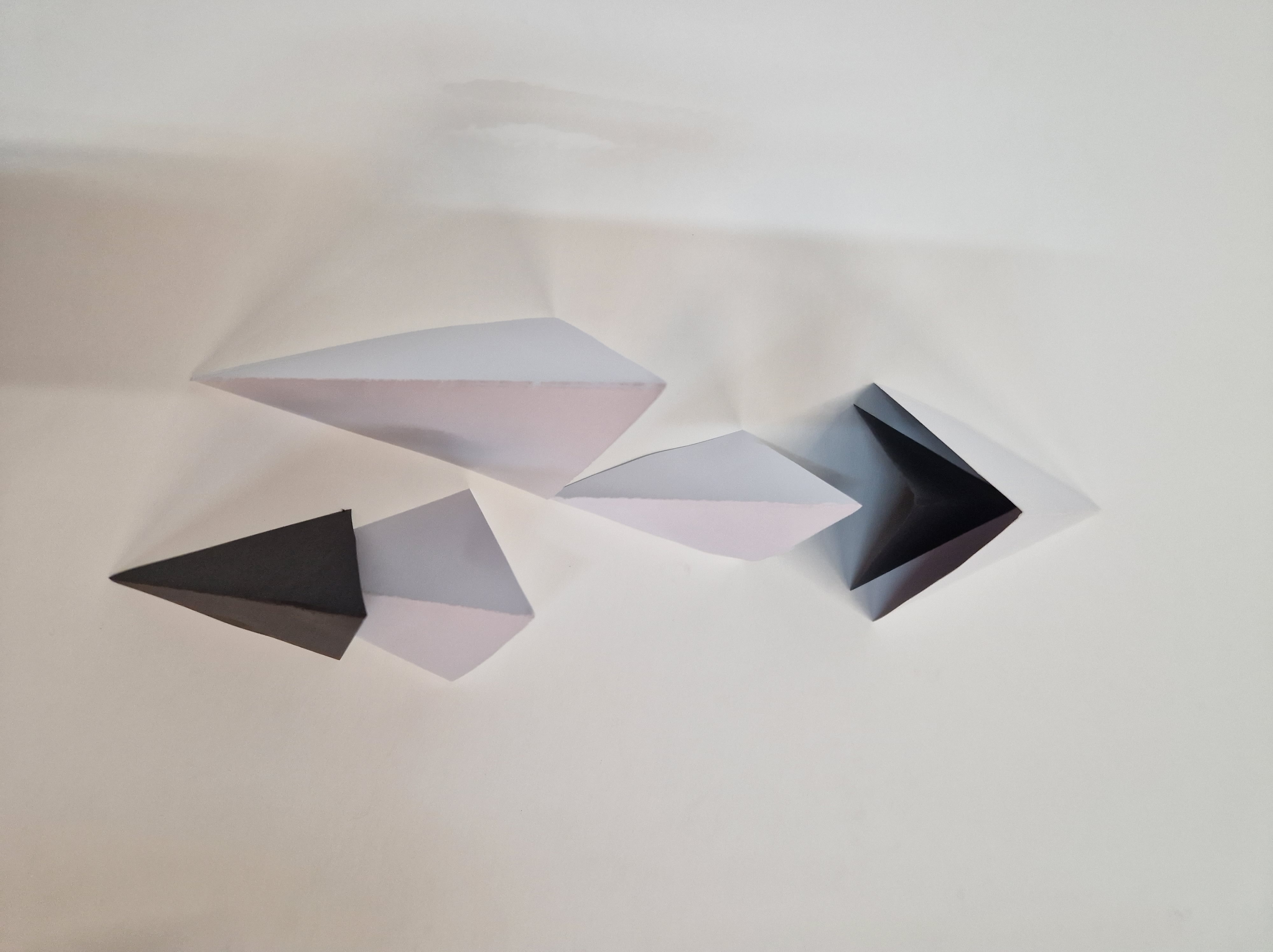
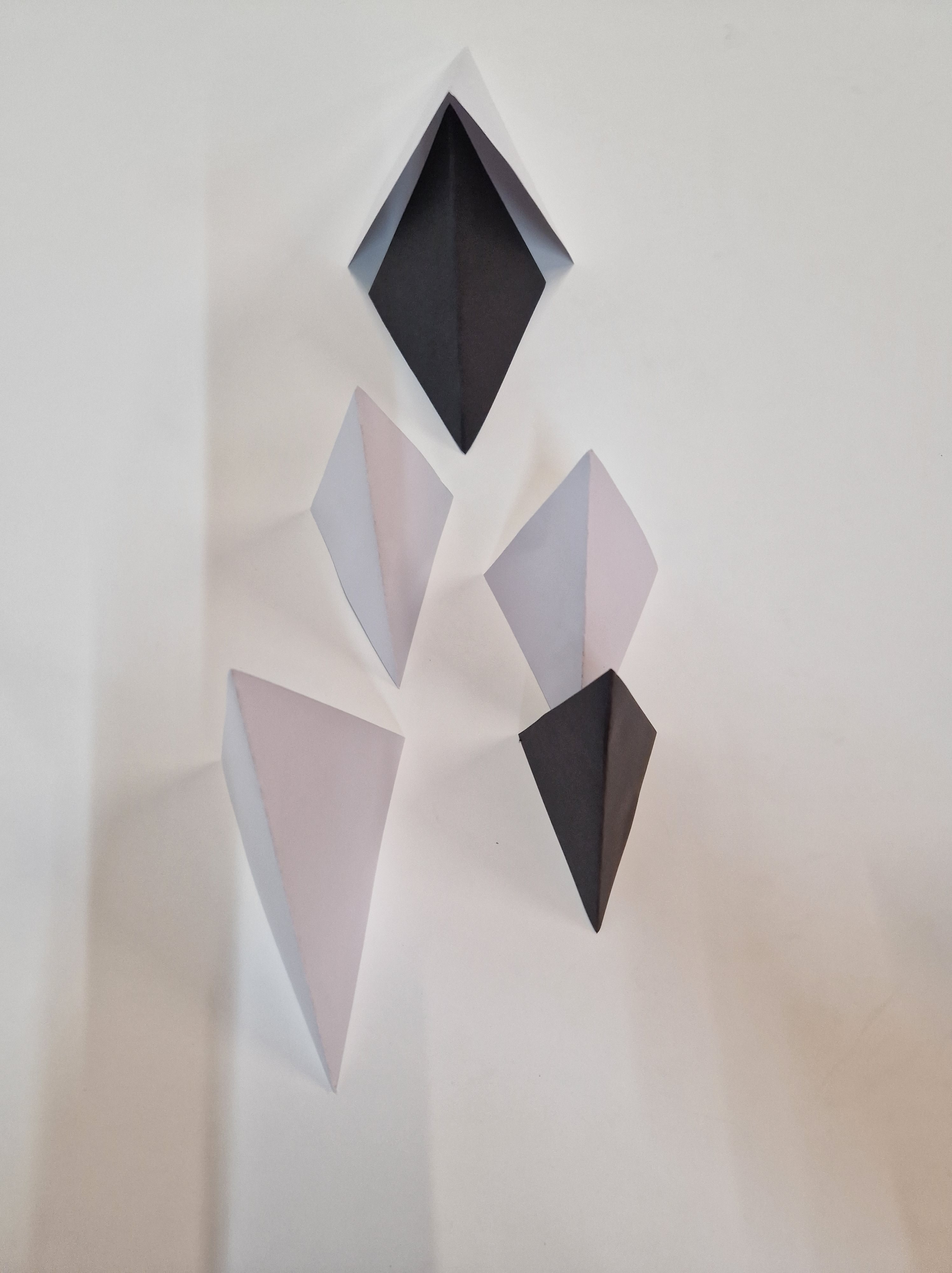
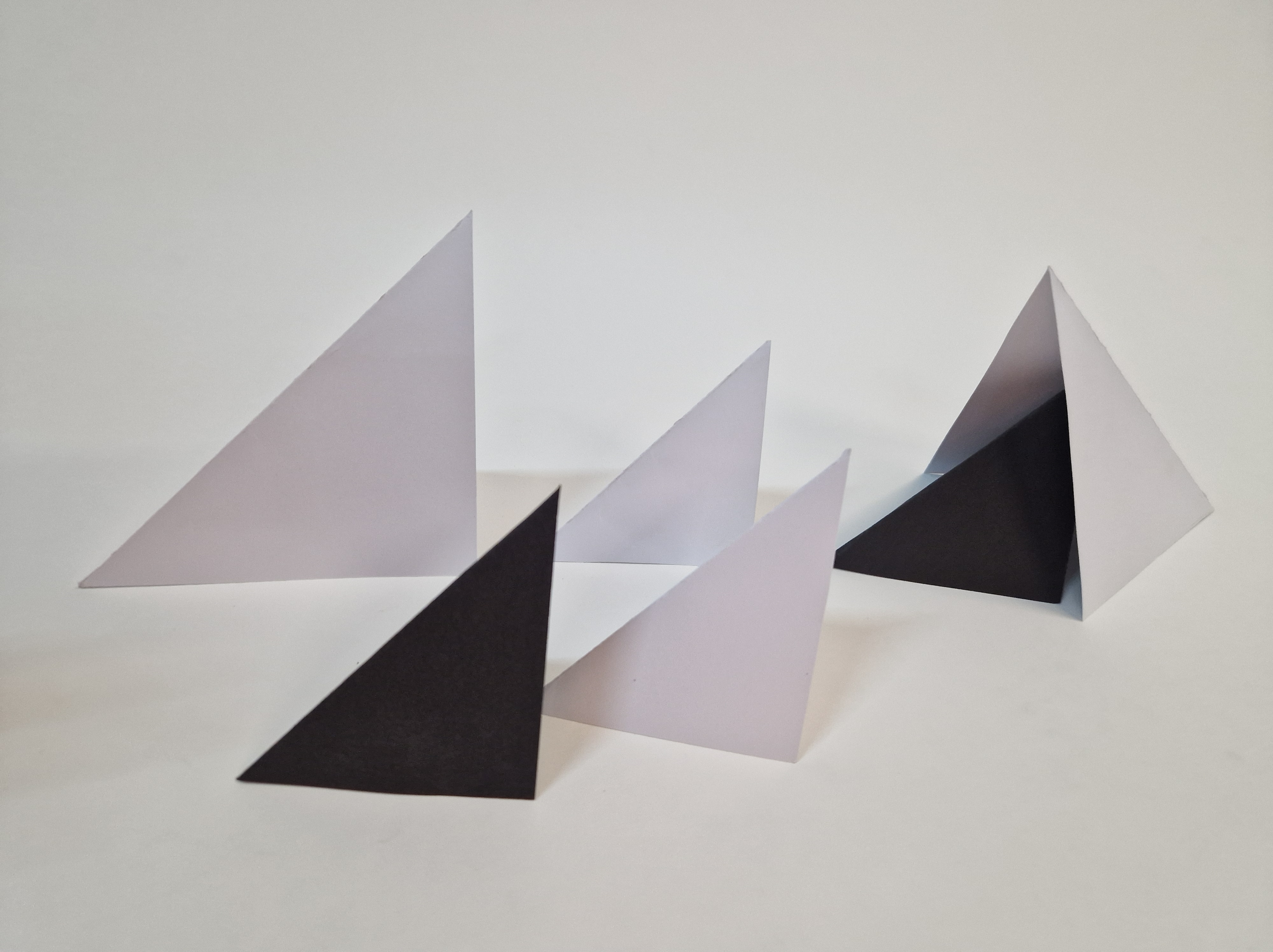
RESULTS
CONTACT SHEET

IMAGES
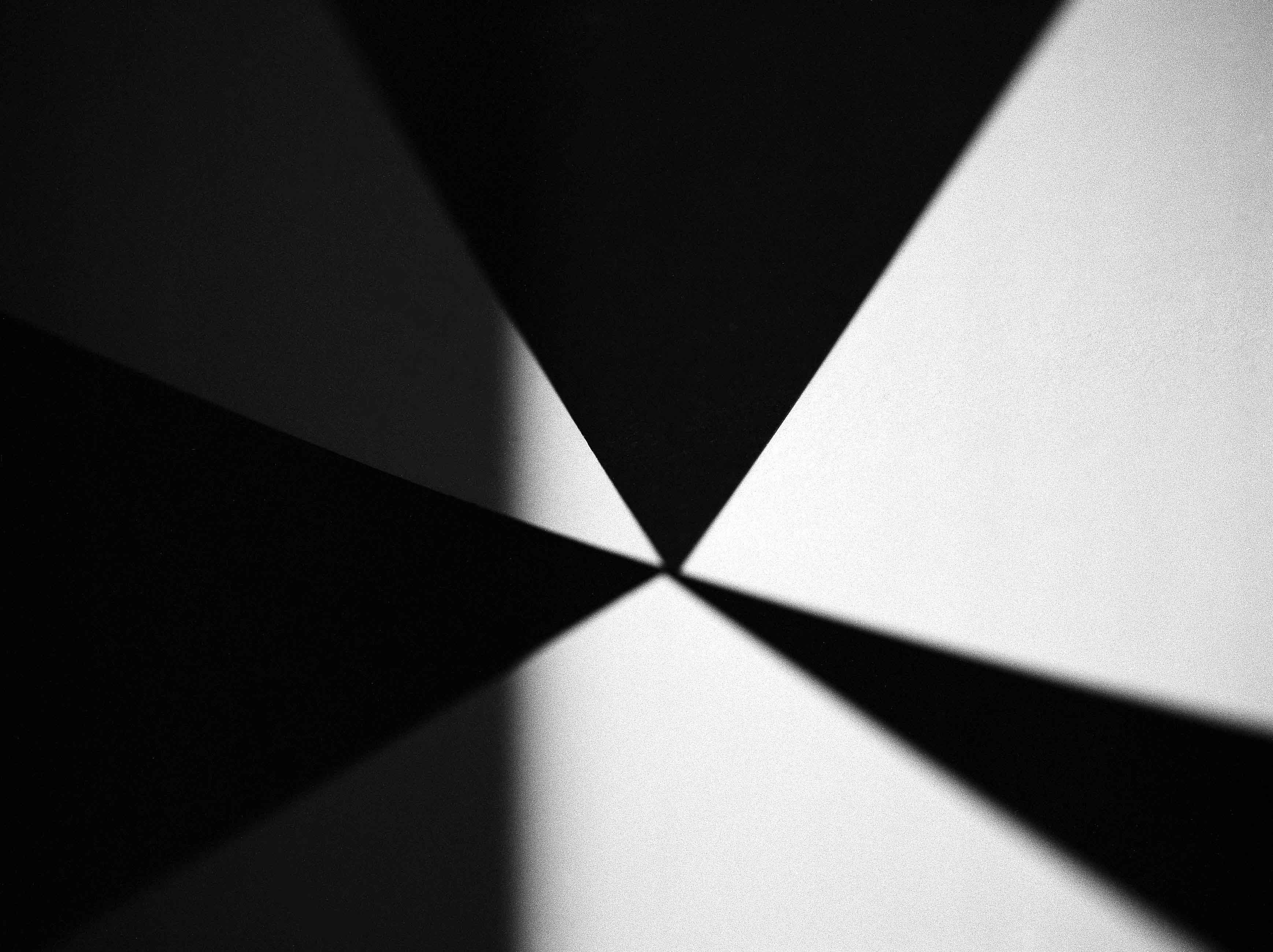
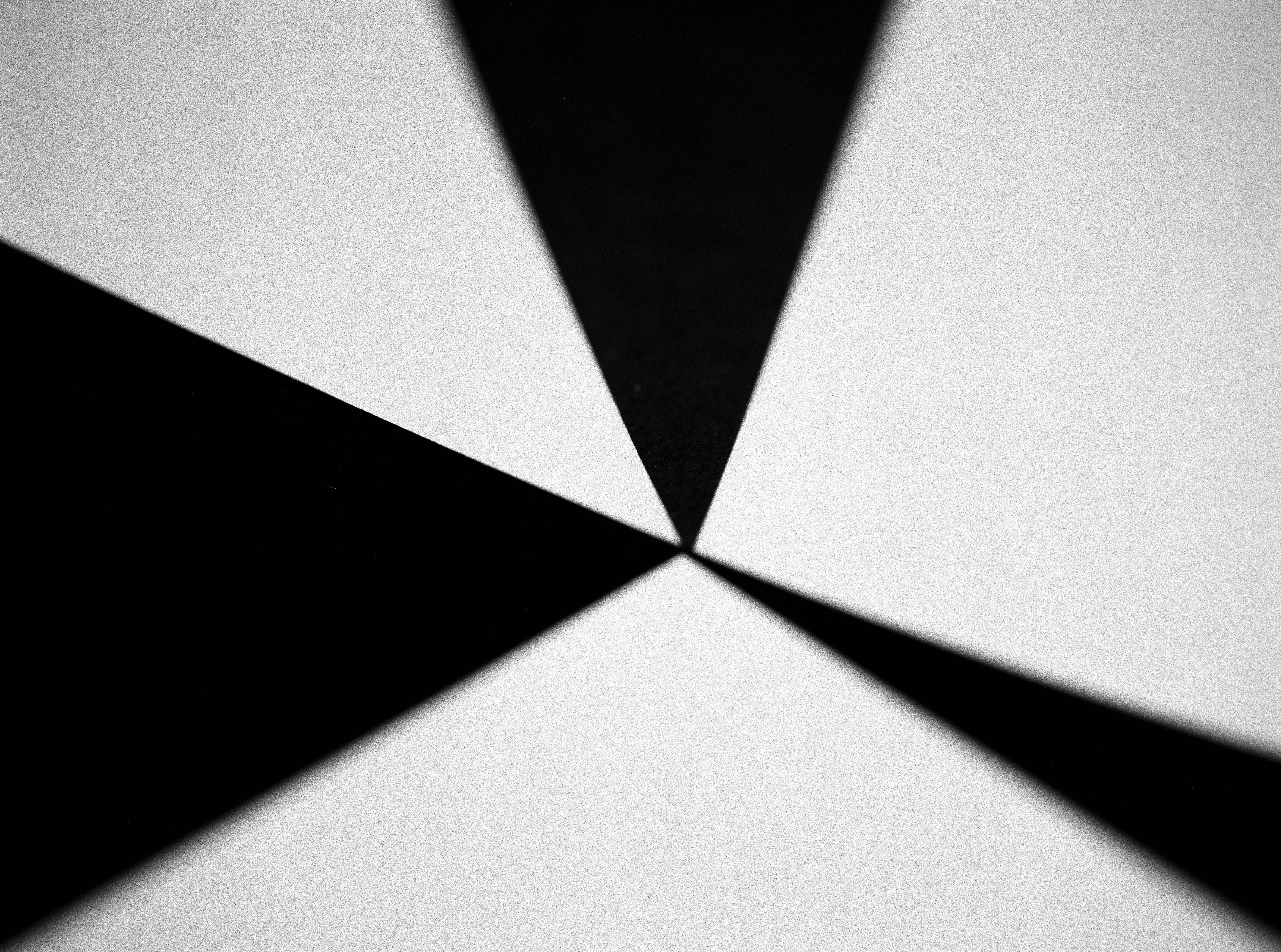
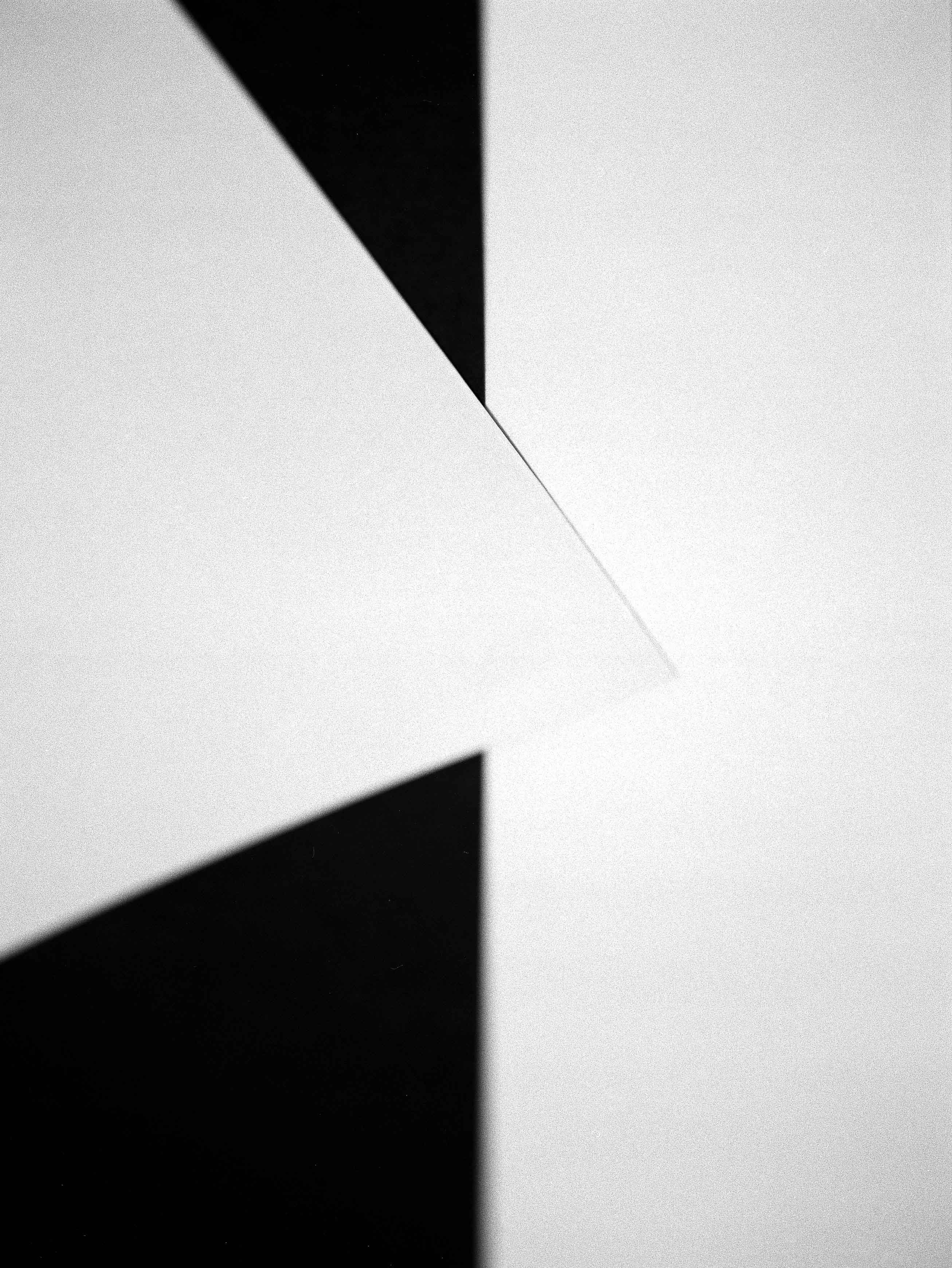
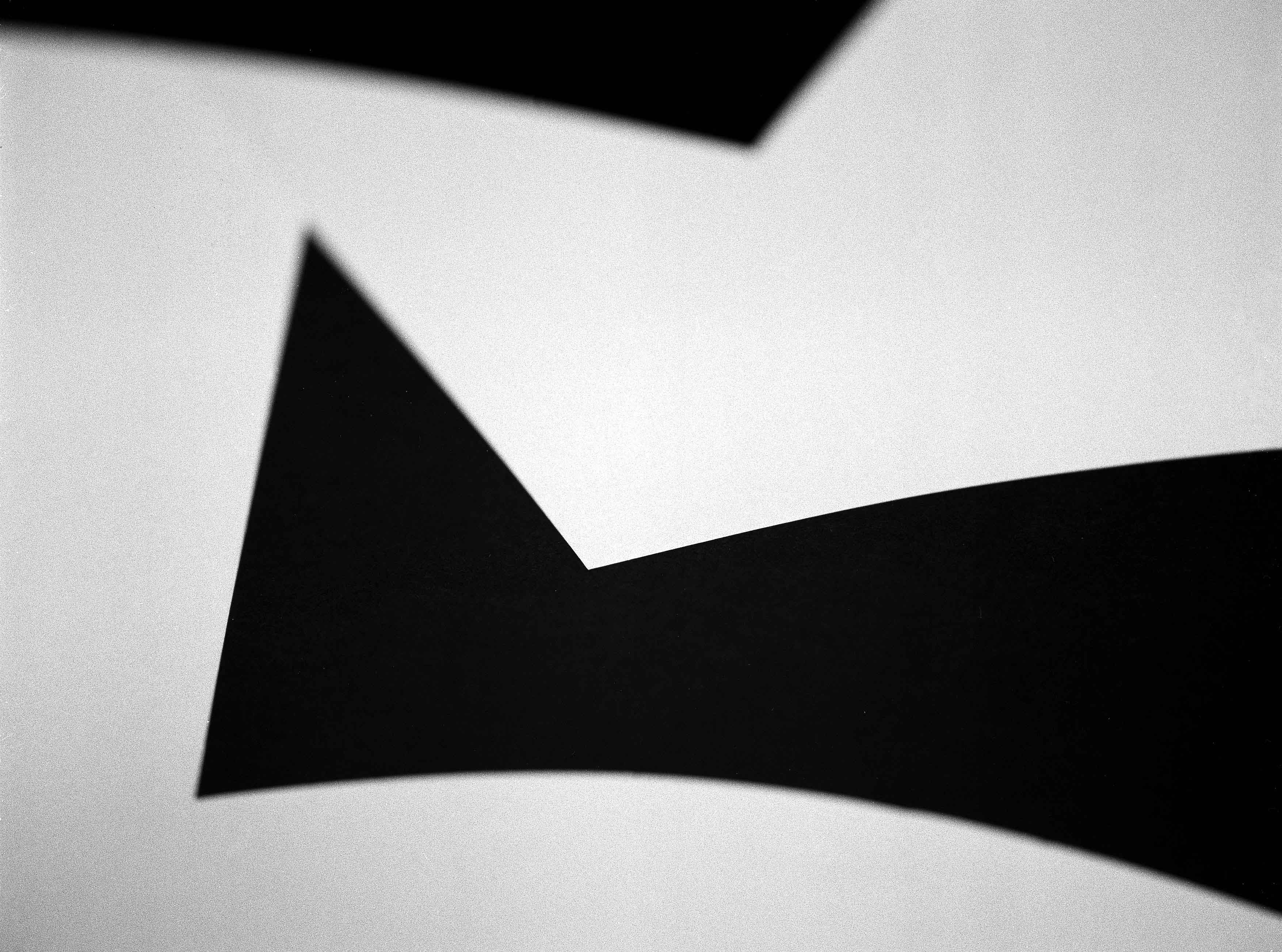
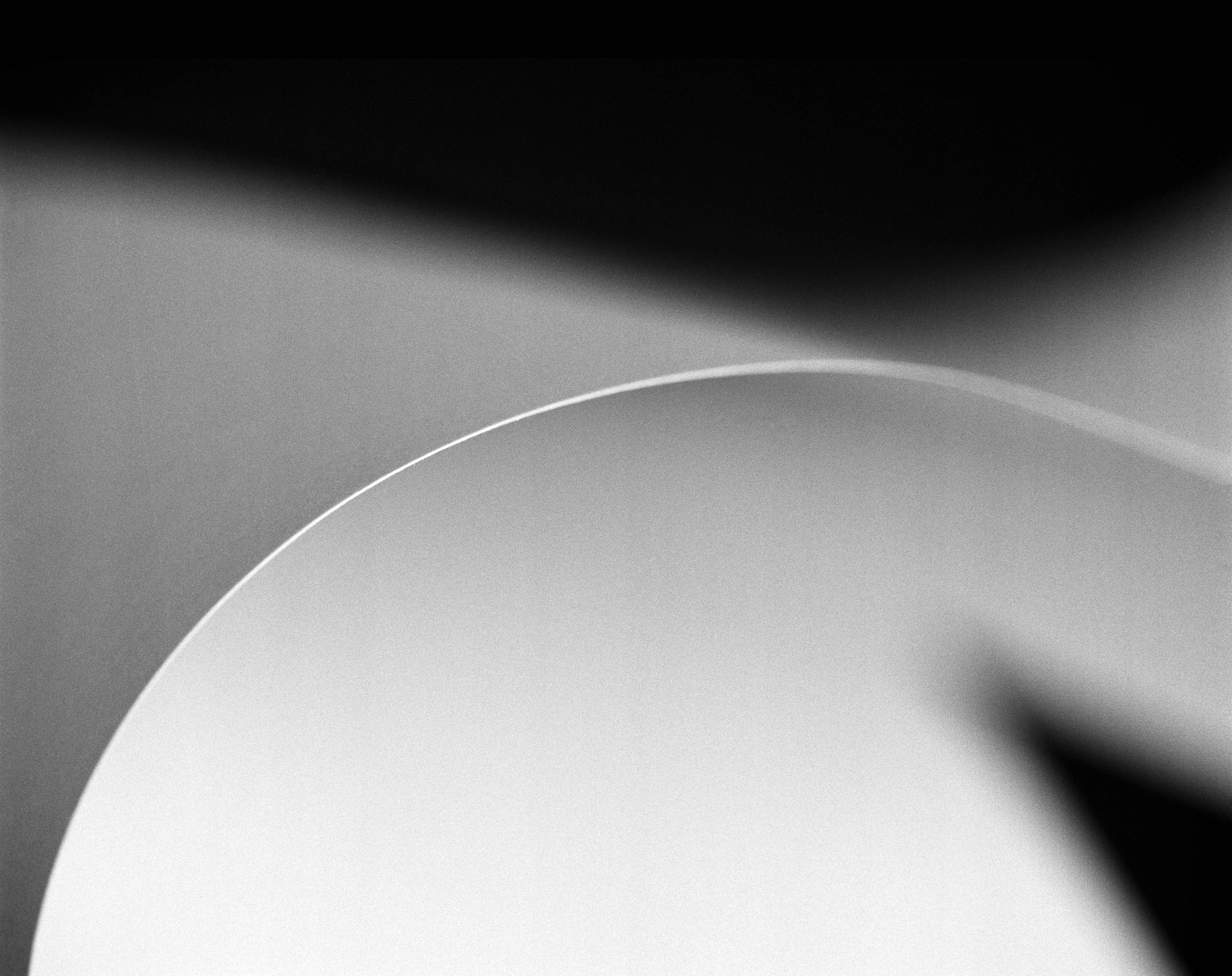

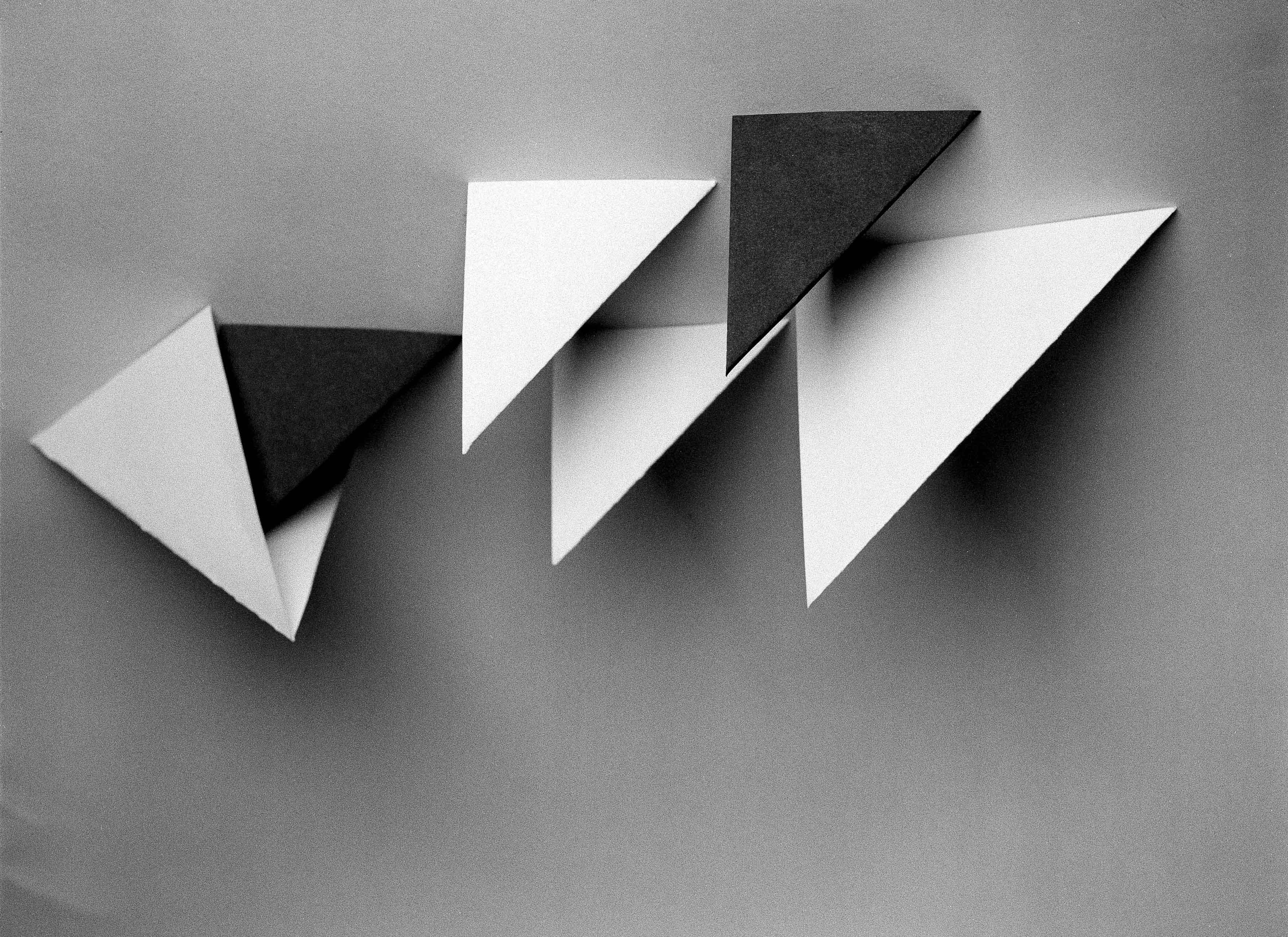
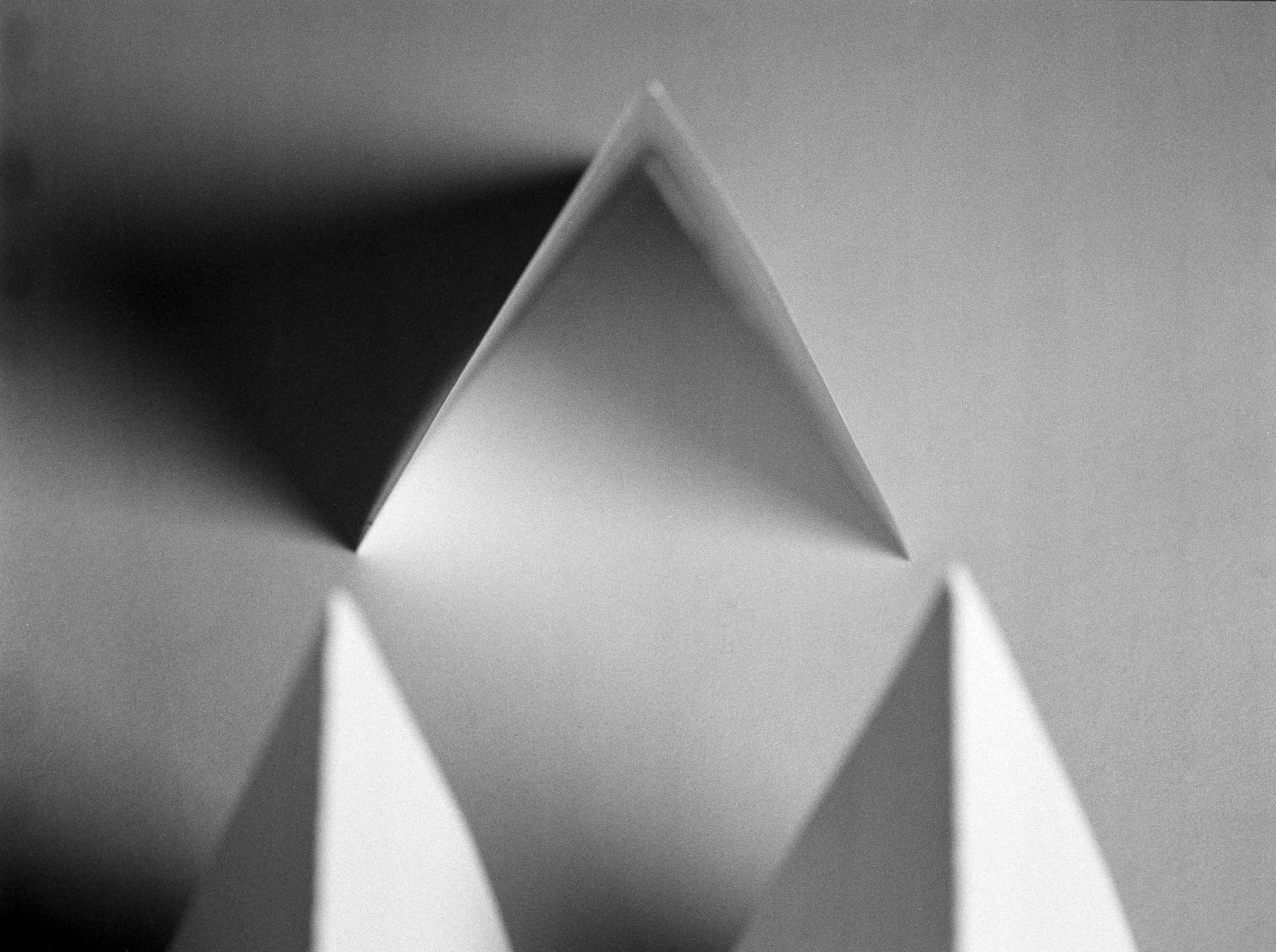

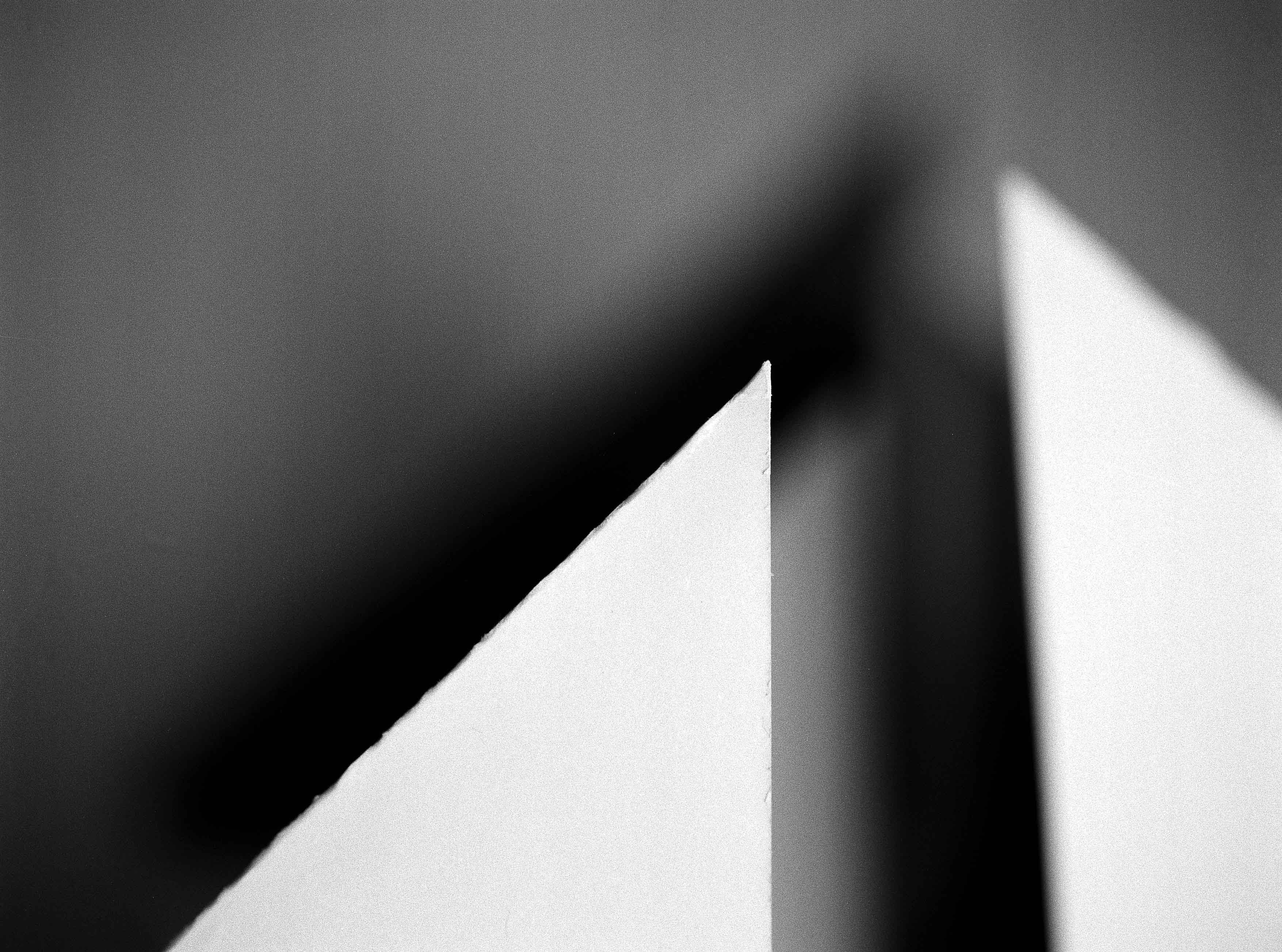

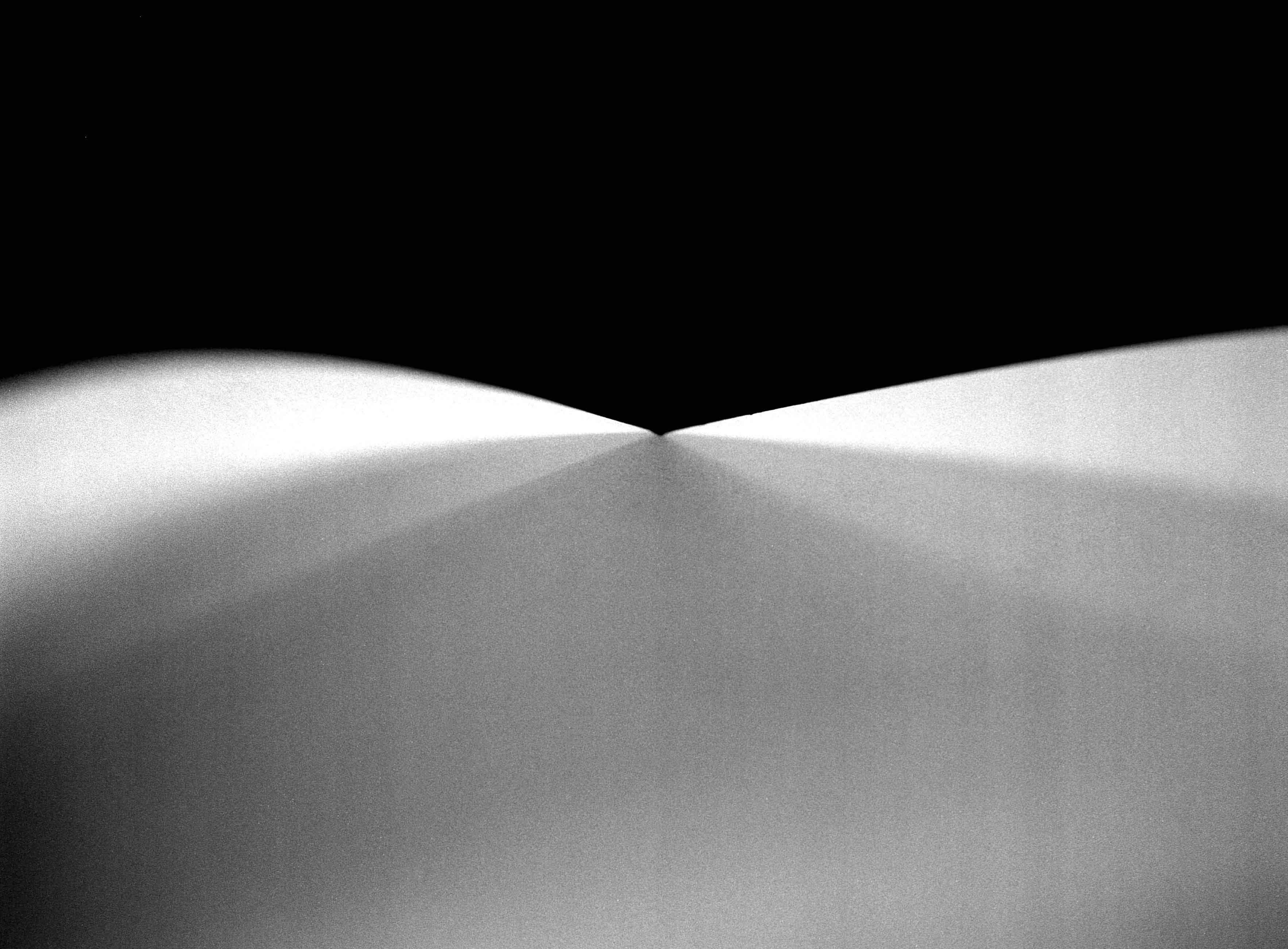
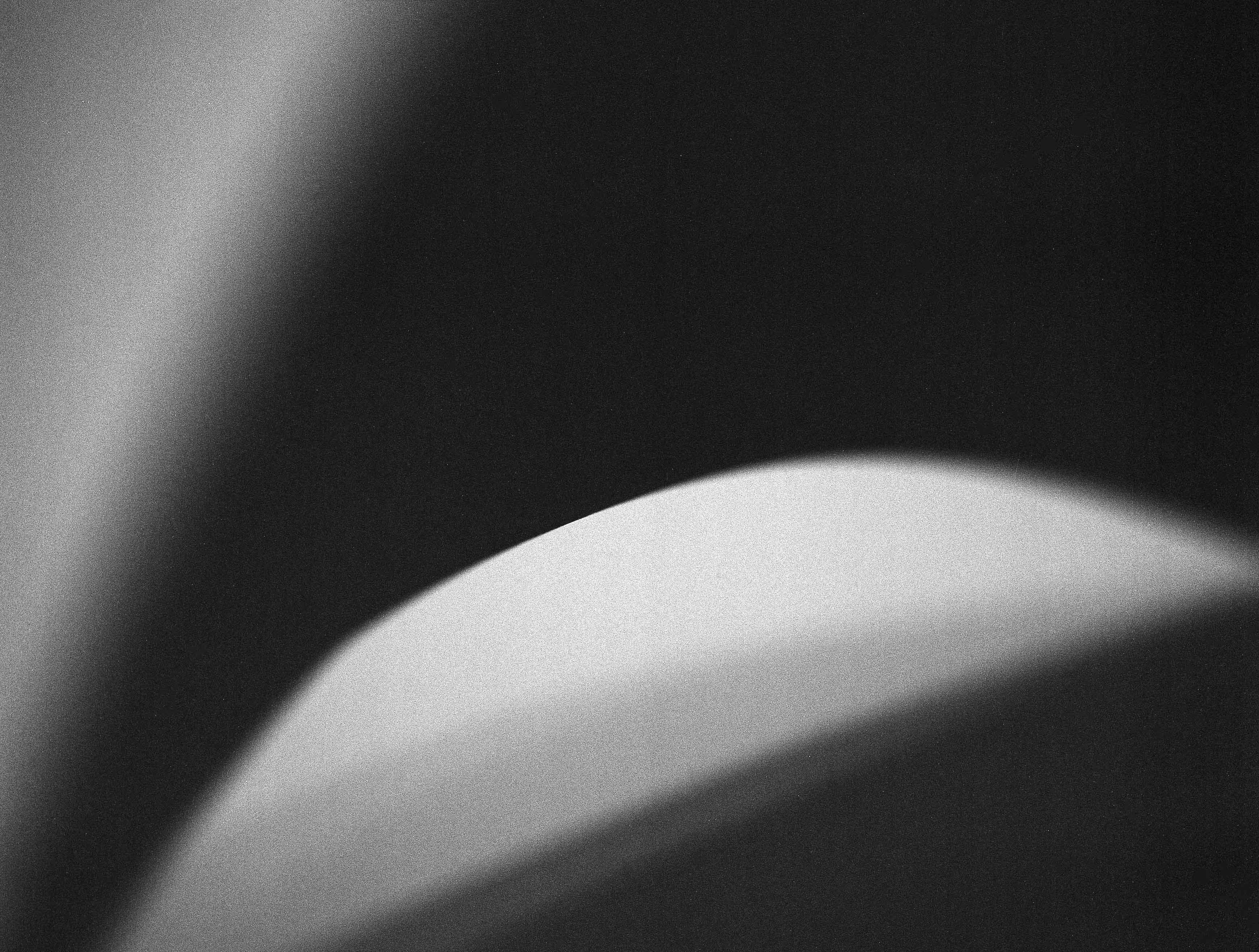
IMAGE OF THE DAY
REFLECTIONS: I decided to conduct this exercise that I found in an article about abstract photographers at the beginning of the semester.
It was a very satisfying experience - I love working with macro lenses, and it was equally enjoyable to be working with paper. I love this material, going with the flow and improvising paper sculptures and design sets on the spot.
It was a valuable experience that allowed me to explore something new.
I would definitely like to work like this again, and I intend to purchase a macro lens for my Mamiya. Again and again, I discovered that I love and should be working with paper. Something about the simplicity of this material that is so accessible and full of potential makes it a perfect candidate to explore in depth.
THURSDAY
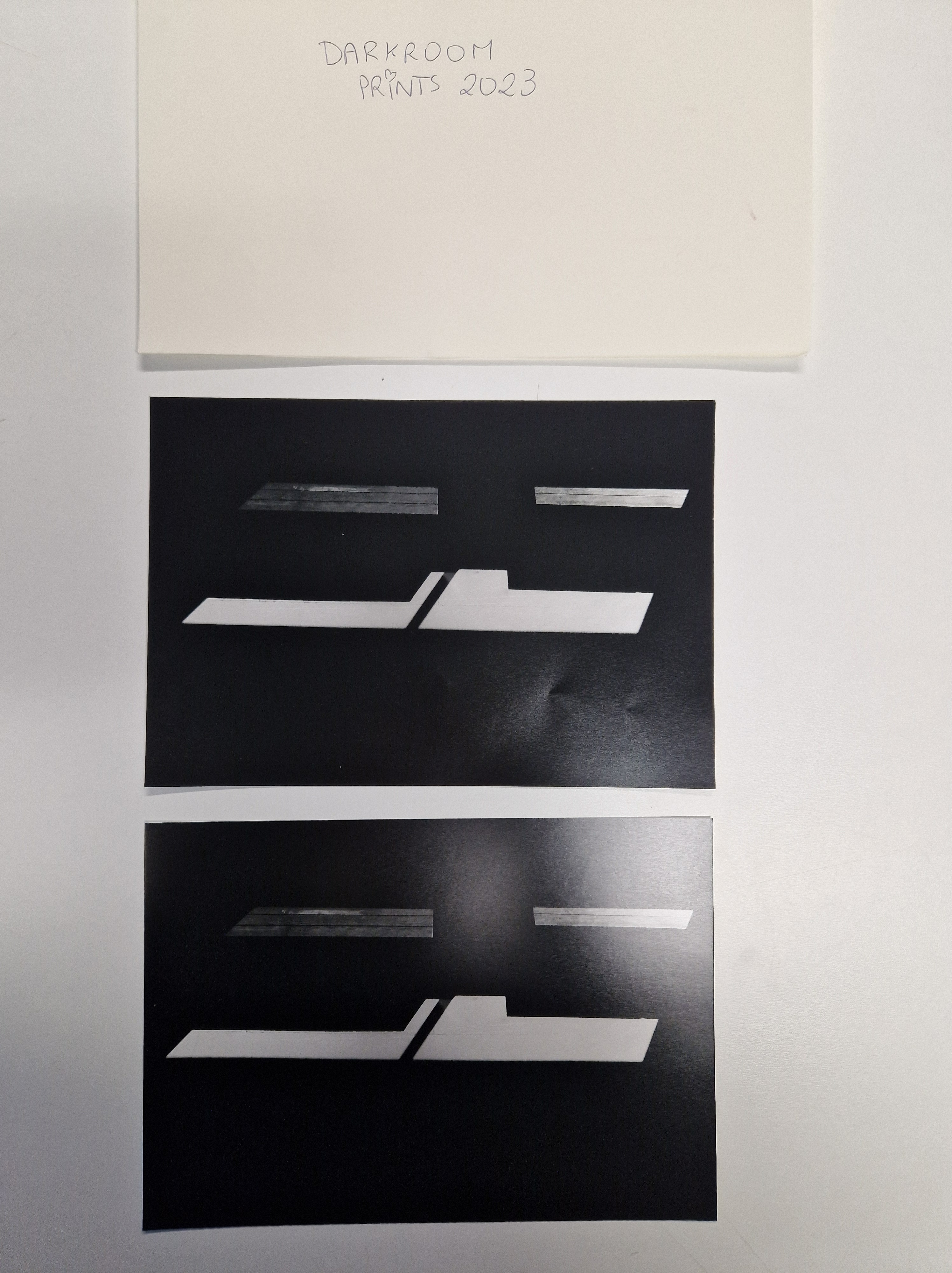
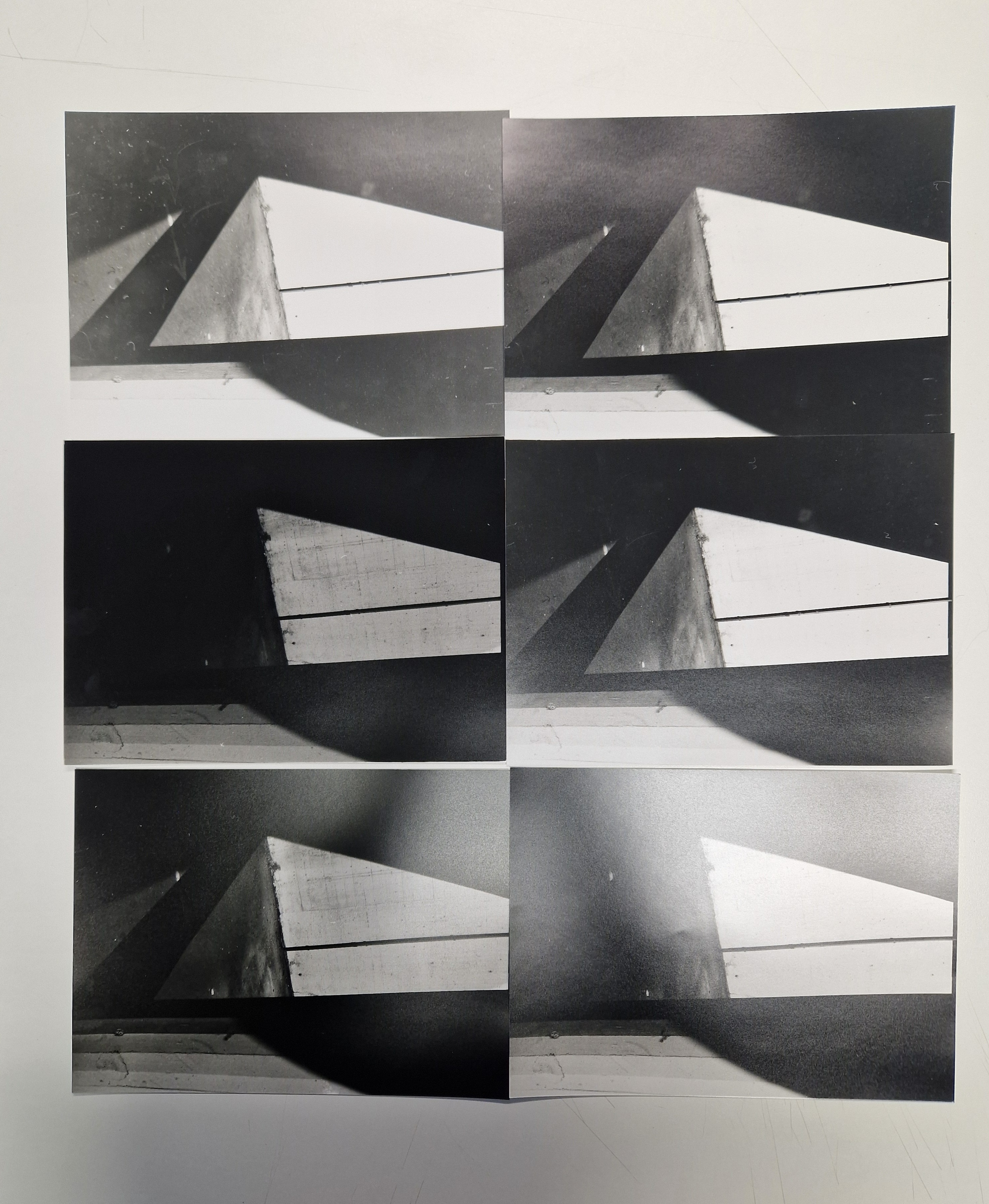
DARKROOM – PRINTING IMAGES FOR EXHIBITION
I spent the day in the darkroom printing some of the images I curated for our exhibition. It’s so good to be in the darkroom, I wish I had more time to be there. I will make a point of that in the next semester.
FRIDAY
SCAN AND PROCESS FILMS: I spent this day processing and scanning my recent films.
WEEK 6: 30/10-05/11/23
MONDAY
HOUSEKEEPING
- in two weeks we are having a mid-term review and crit, presenting work in SODA
- have something ready for the 13th of November
TUTORIAL with SIAN
SOFT SCULPTURES
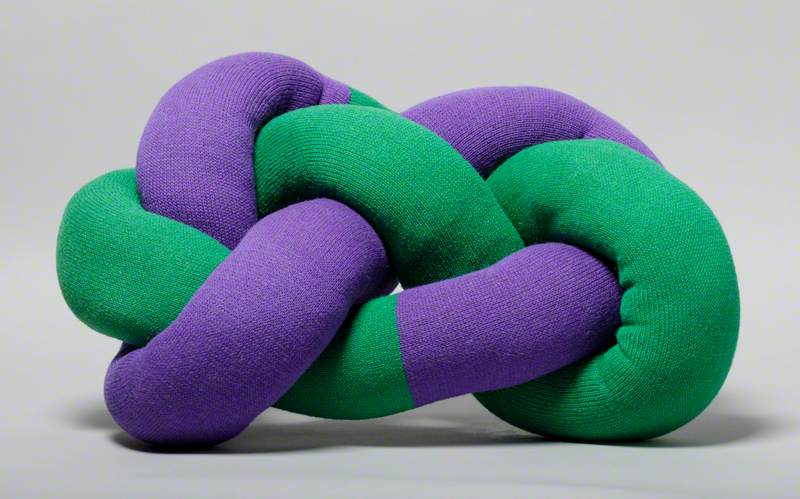
Small Mollington Knot Cushion 1973
Ann Sutton
A term used to describe sculpture made of non-rigid materials such as cloth, rubber, canvas, leather, or paper, it gained particular currency in the 1960s and 1970s. The best-known exponent was Claes Oldenburg whose giant sculptures of foodstuffs—such as ice-cream sundaes, hamburgers, or slices of cake—were made from stuffed vinyl and canvas. Possibly the earliest example of Soft art had been Marcel Duchamp’s typewriter cover exhibited on a stand of 1916.
Soft sculpture is a type of sculpture or three dimensional form that incorporates materials such as cloth, fur, foam rubber, plastic, paper, fibre or similar supple and nonrigid materials. Soft sculptures can be stuffed, sewn, draped, stapled, glued, hung, draped or woven. These materials and techniques distinguish soft sculptures from more traditional hard sculptures made from, for example, stone, bronze or wood that are then carved or modelled.
Soft sculpture is an old German technique very popular in Japan with artists like Yayoi Kusama boosting the heritages of this new and innovative medium for interior designers.
Soft sculptures were popularised in the 1960s by artists such as Claes Oldenburg and Yayoi Kusama. Claes Oldenburg and other members of the Art Pop Movement are accredited with the creation of soft sculpture. During this time period members of the Art Pop Movement created art with themes of the times such as pop culture, consumerism, and mass production. Oldenburg specifically would take average everyday items and make them larger than life; one of his most notable works of this time is the Floor Burger. The Floor Burger is primarily made out of canvas filled with rubber foam and cardboard. It contains a large hamburger patty nestled in the middle of two tan buns with a pickle for garnish on the top.Yayoi Kusama also is responsible for the rise of soft sculpture in the 1960s, although she believes that Claes Oldenburg copied some of her pieces. One of her most popular soft sculpture works is entitled Accumulation No. 1. Kusama hand sewed and painted projections she called “phalluses,” and placed them on an armchair. After this works first exhibition, people were surprised that Kusama had sexualized an everyday object.
Soft sculpture was also a key feature during the 1970s in Post-Minimalist art. Artists during this time would create sculptures using materials that they had around them. A key artist during this time was Eva Hesse. One of Eva’s most popular works does not have a title. It is composed of latex, string, rope and wire suspended from the ceiling.
The following is a list of other artists who have worked with soft sculpture:
- Magdalena Abakanowicz
- Lynda Benglis
- Joseph Beuys
- Louise Bourgeois
- Isabelle de Borchgrave
- Serena ChaCha
- Jann Haworth
- Eva Hesse
- Mark Jenkins
- Joel Jones
- Dylan Jones
- Annette Messager
- Robert Morris
- Senga Nengudi
- Susan Mohl Powers
- Xavier Roberts
- Faith Ringgold
- Richard Serra
- Marjorie Strider
- Lucy Sparrow
- Do-ho Suh
- Martha Nelson Thomas
- Megan Whitmarsh
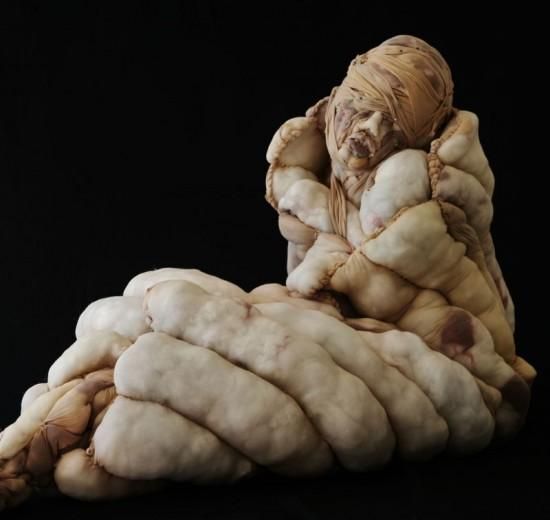
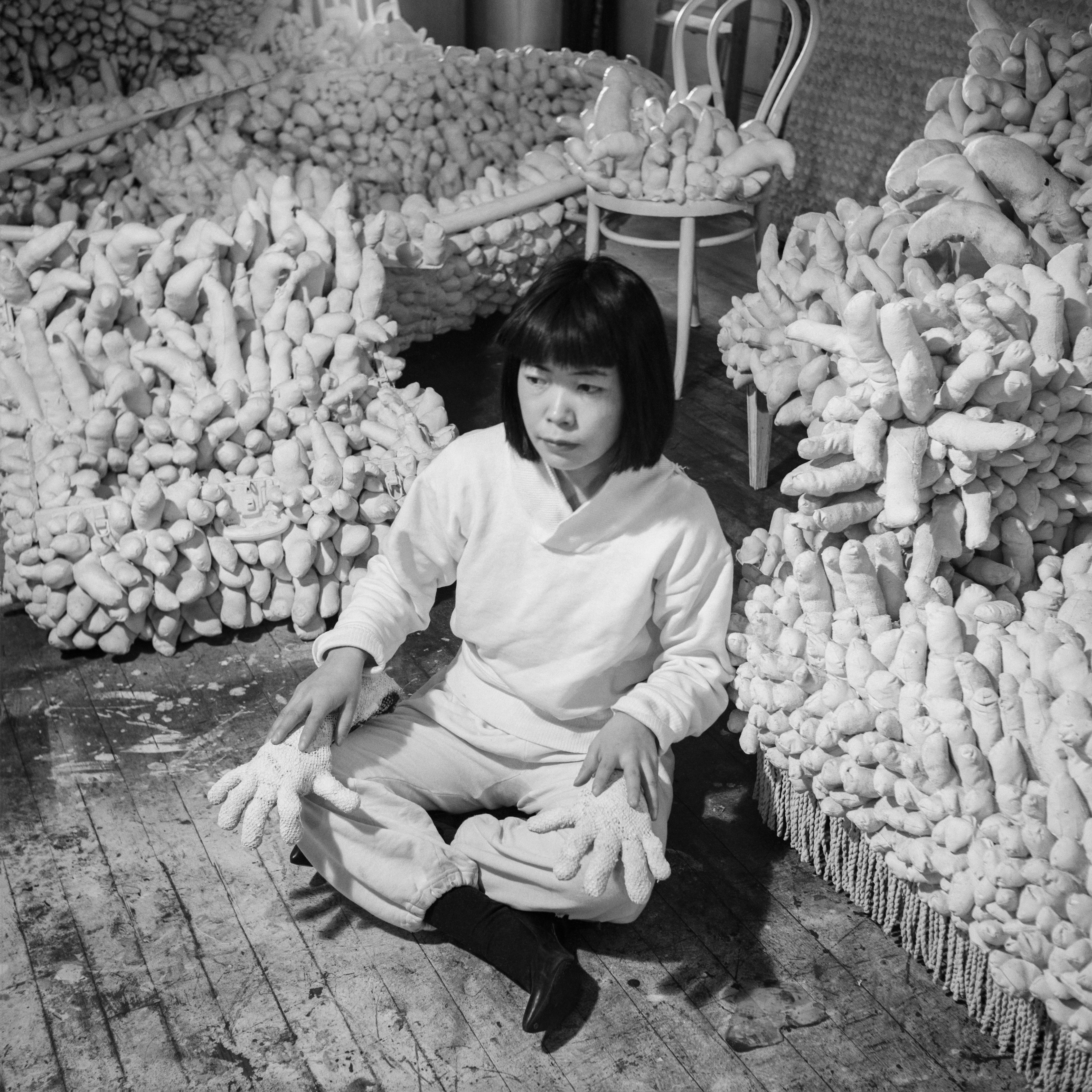
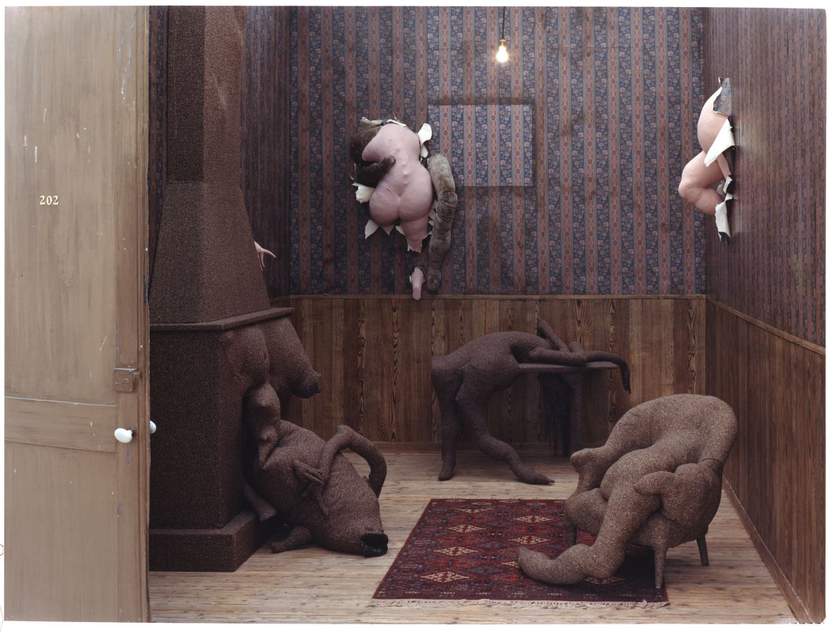
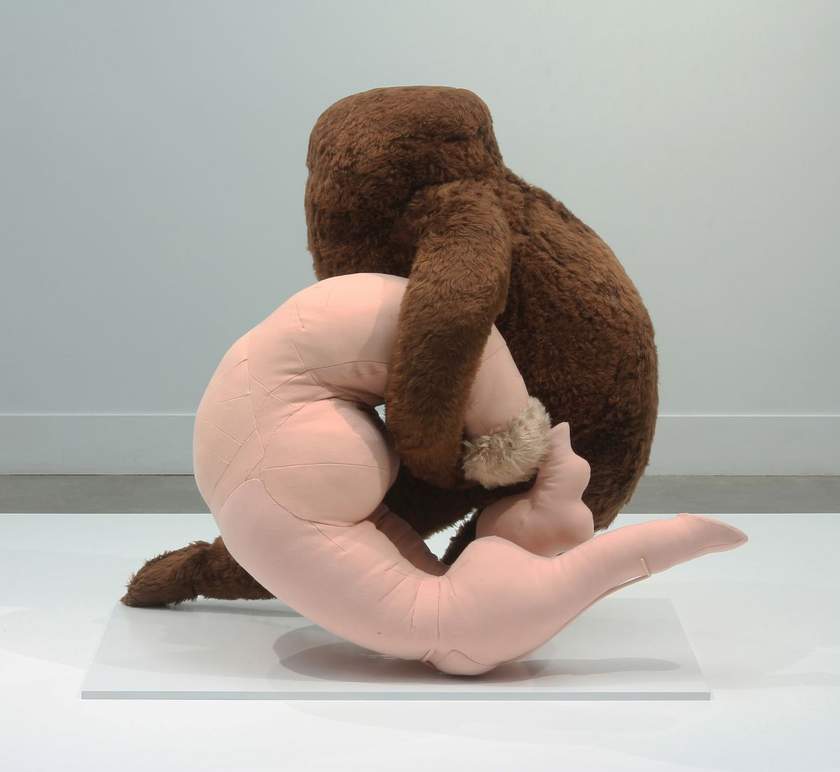
During the late 1960s Tanning started to make sculptures out of fabric. These are known as soft sculptures. Tanning gathered the fabric for these works from charity shops and stuffed them with wool. Sewn on her Singer sewing machine, they appear as bizarre, body-like shapes. In the artwork Hôtel du Pavot, Chambre 202 1970–73, Tanning brought several of these eerie, human forms together into an unsettling sculptural installation. Bodies break through the wallpaper and merge into furniture.
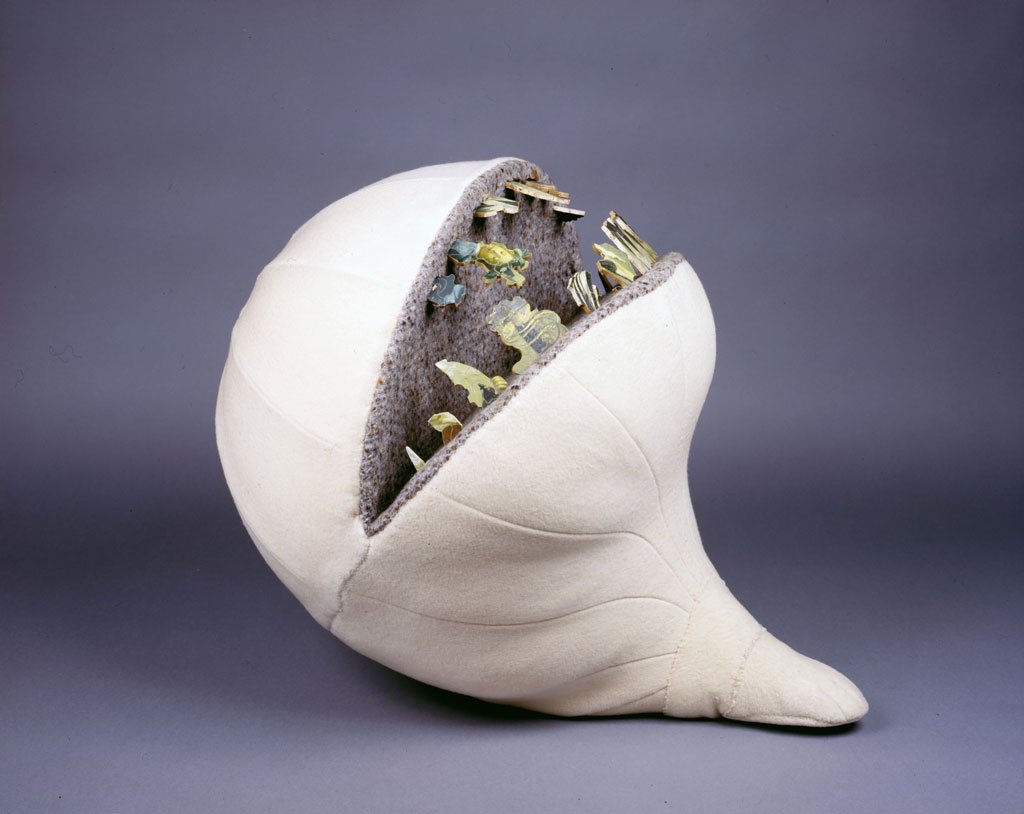

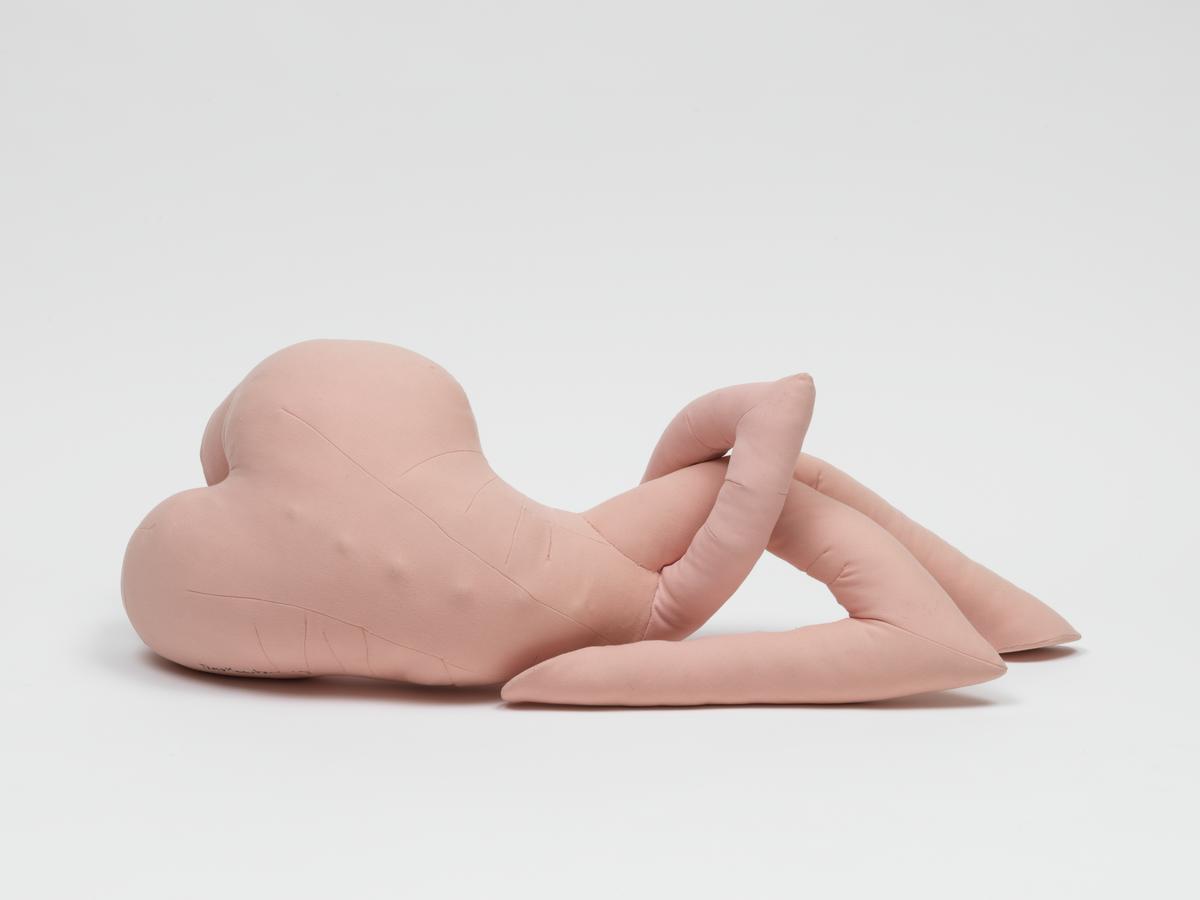

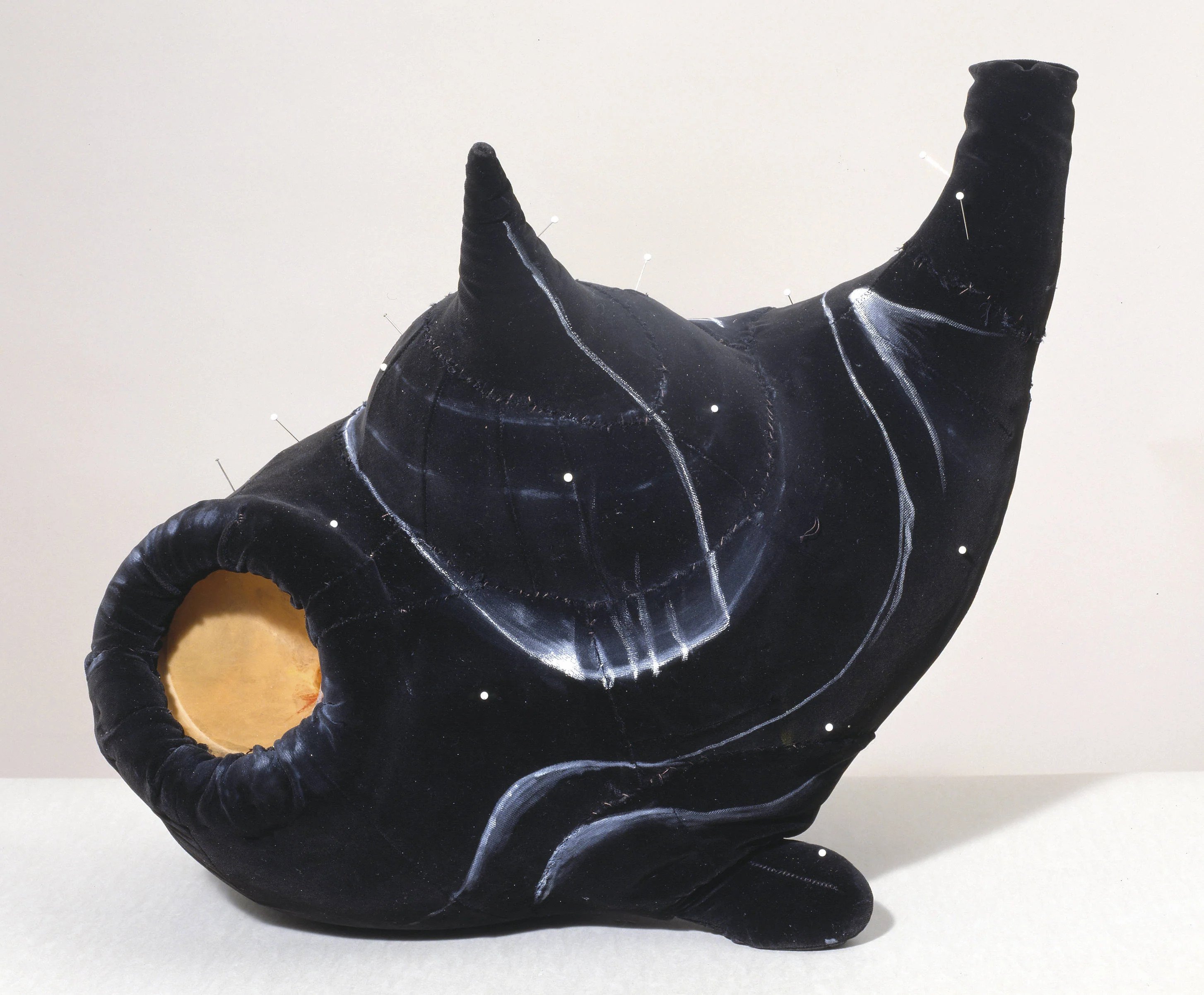
REFLECTIONS: After discussing with my tutor how I am interested in making sculptures that people can interact with - touch, she directed me towards the concept of Soft Sculptures. I like the playfulness and the grotesque that this way of sculpting allows you to explore. On the other hand, I think I am looking for something different. I am especially interested in rough textures, something that would add another level of experience to my sculpture.
TUESDAY
LEARNING 3D MODELLING PROGRAM
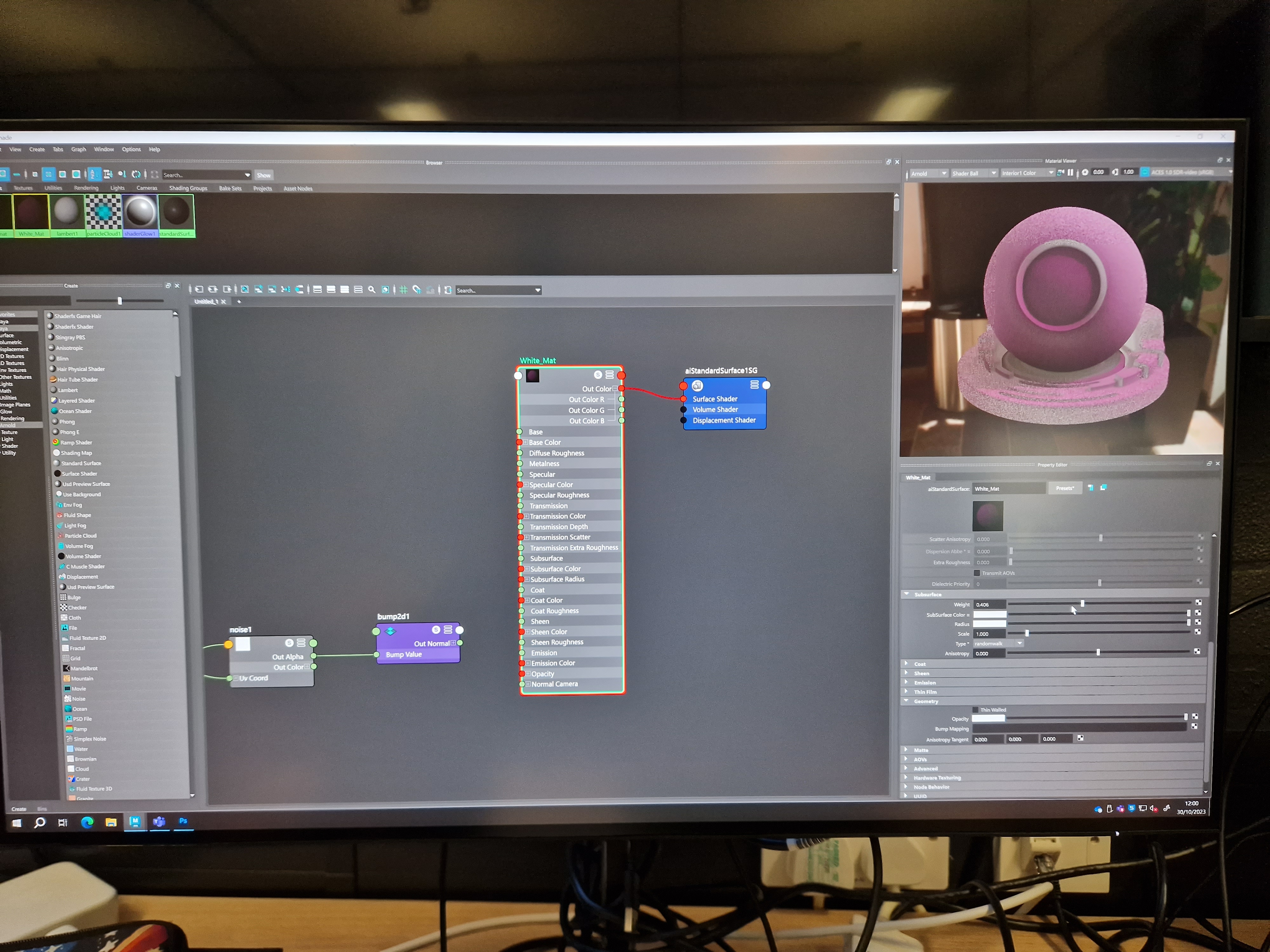
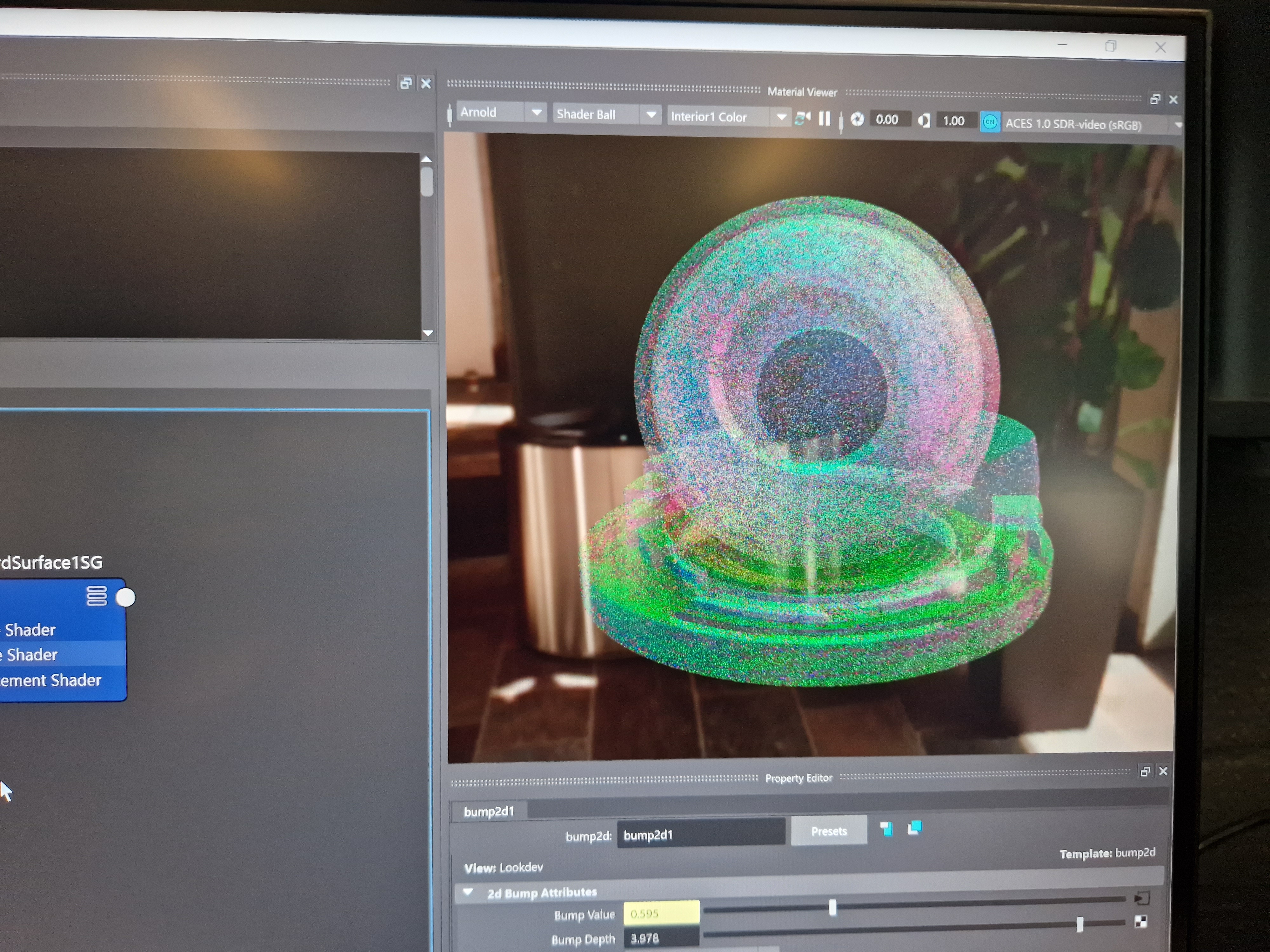
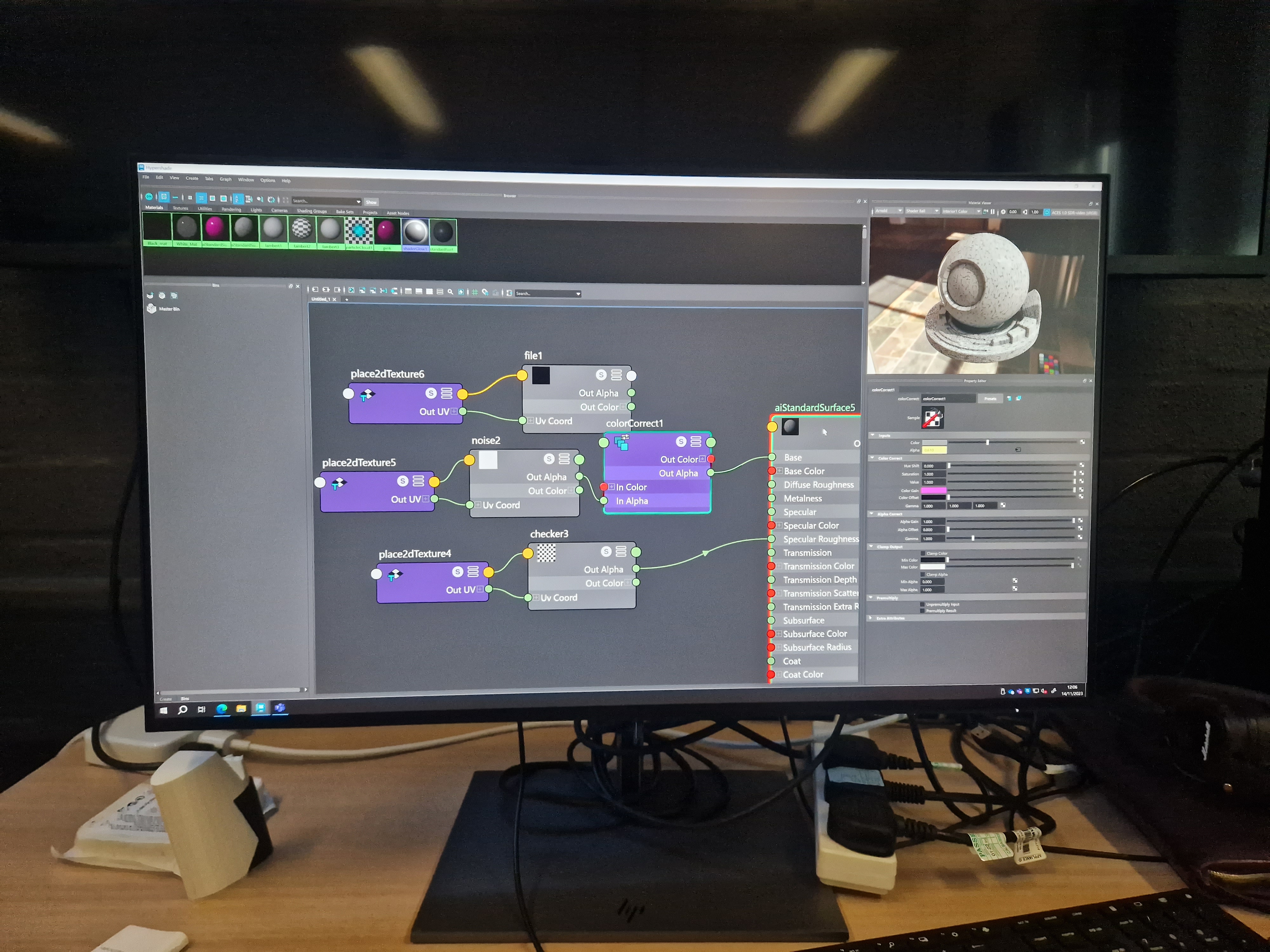
Progressing on the 3D modelling program, today I was introduced to texture maps. We explored a lot of different options and I had a play around to get used to this program within Maya.

DARKROOM – PRINTING REMAINING IMAGES FOR THE EXHIBITION
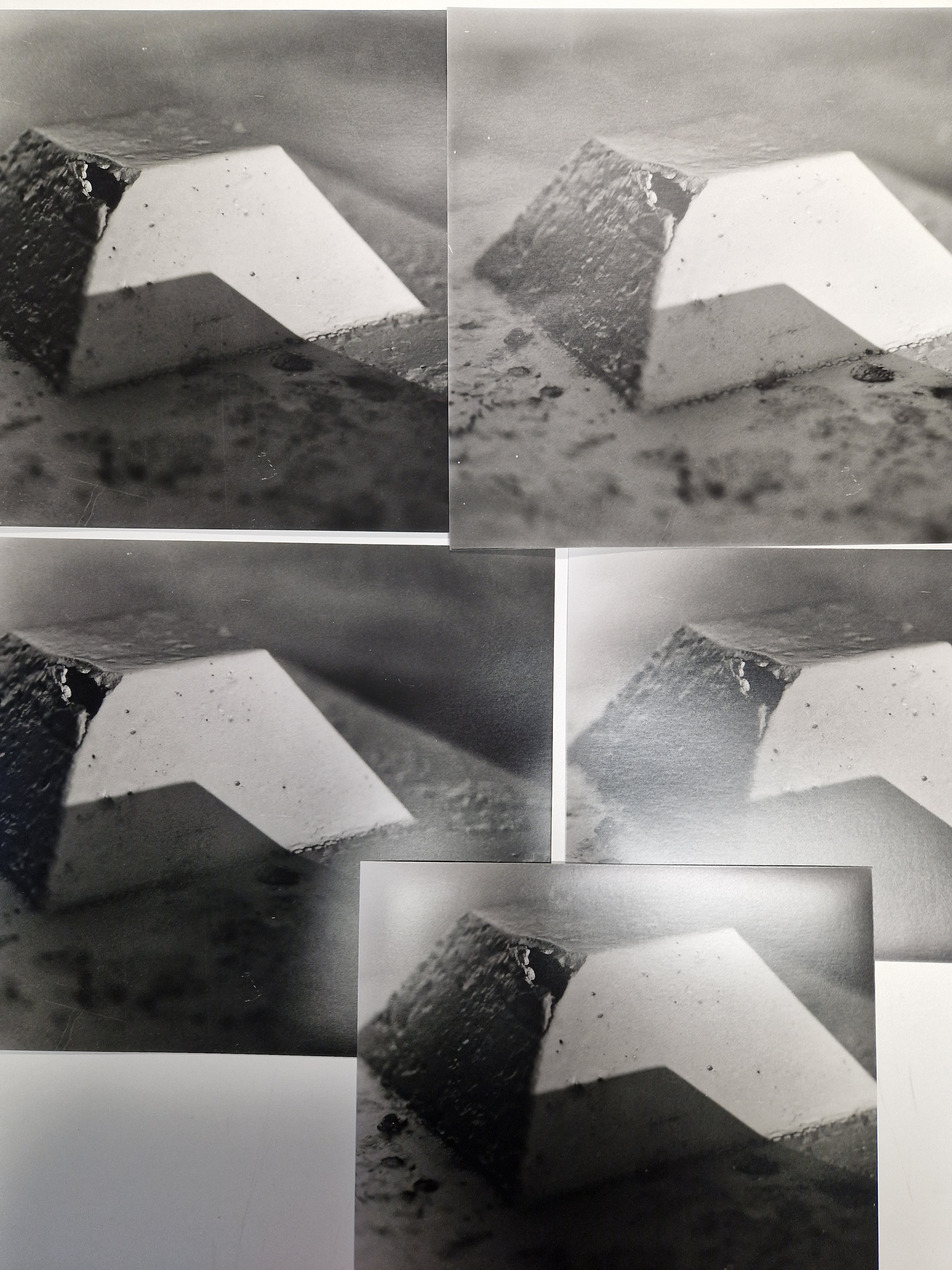
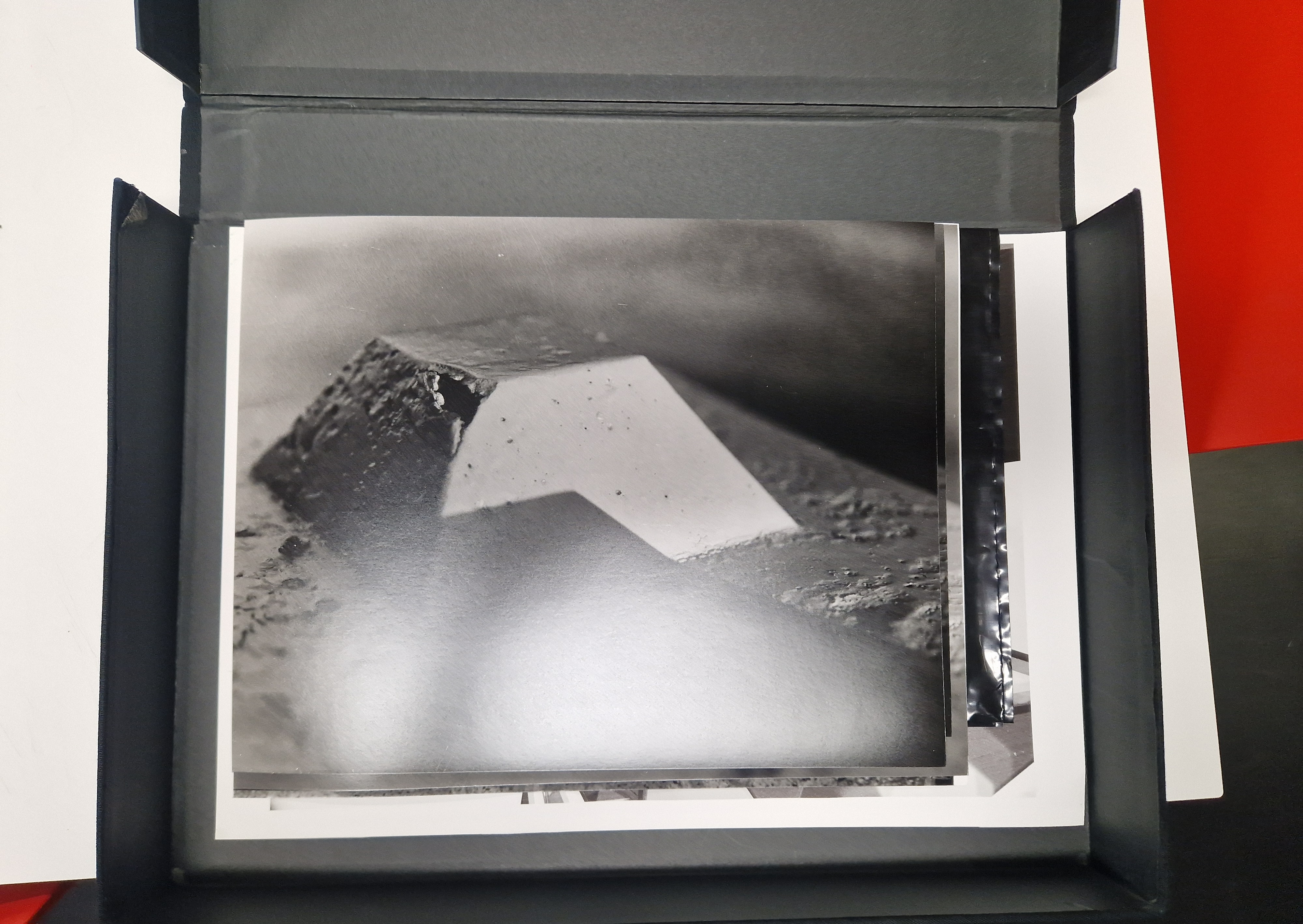
I finished the printing of the remaining images in the darkroom, all ready to be framed and exhibited shortly.
WEDNESDAY
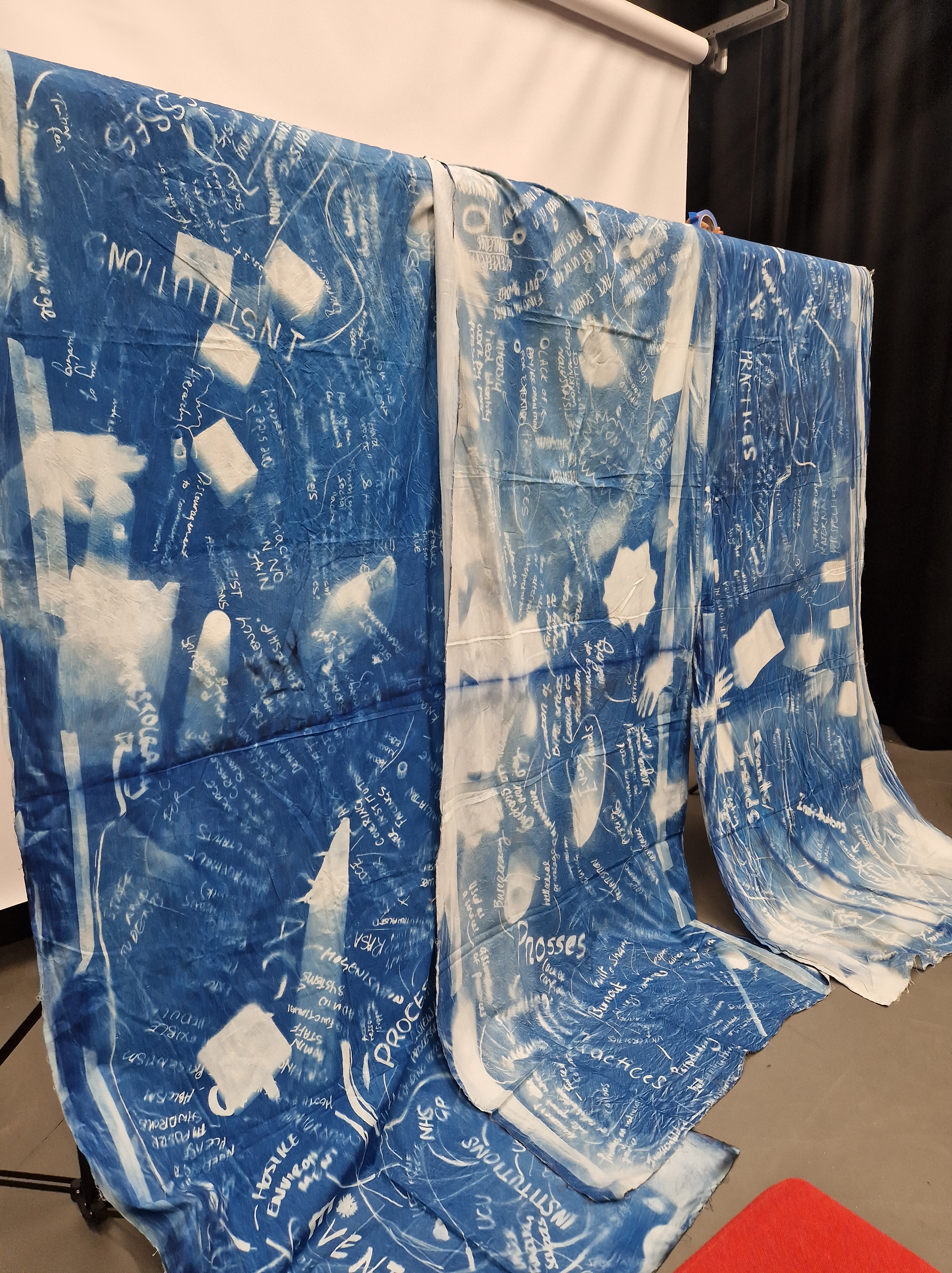
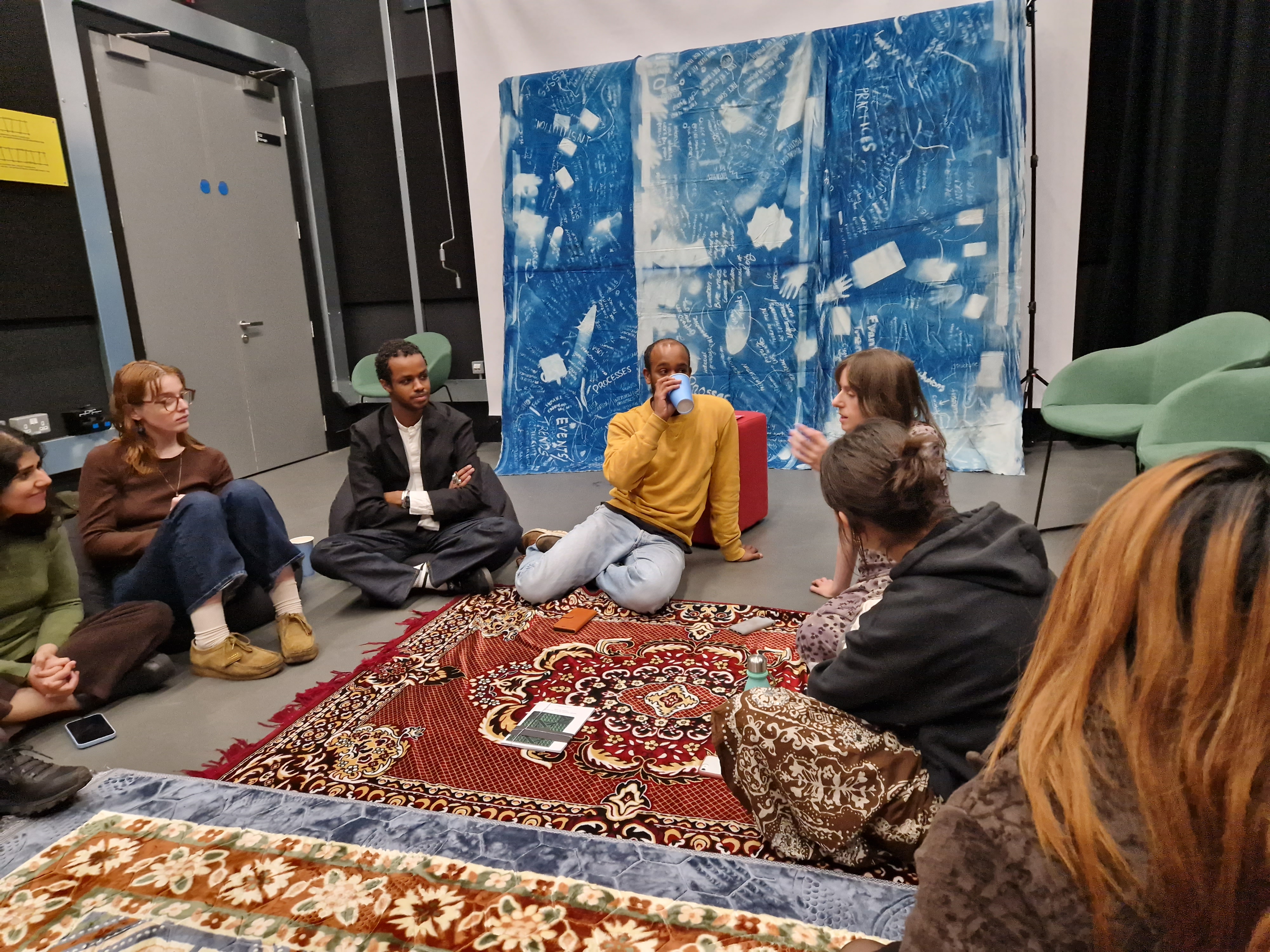
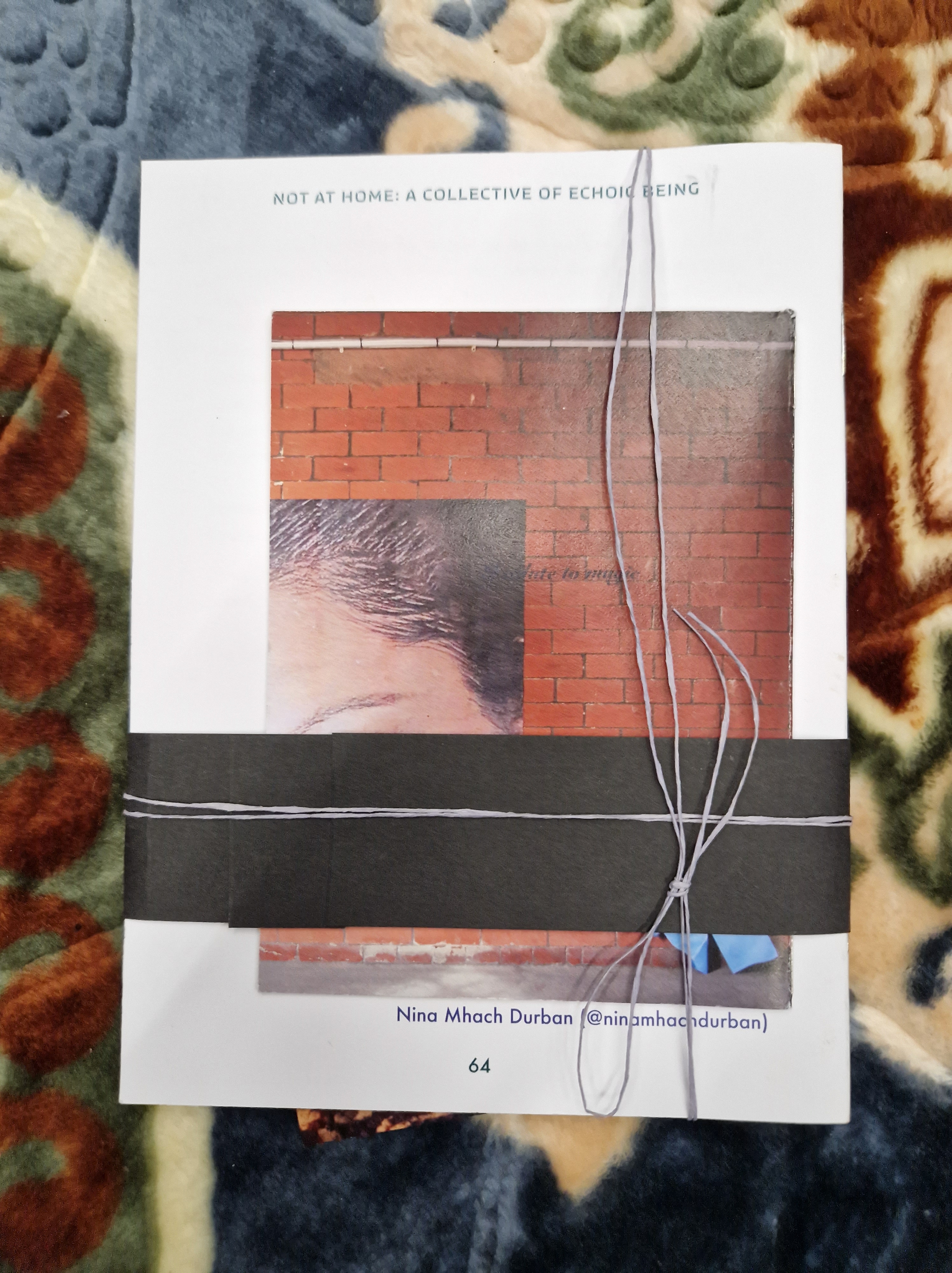
A PARTICULAR REALITY WORKSHOP

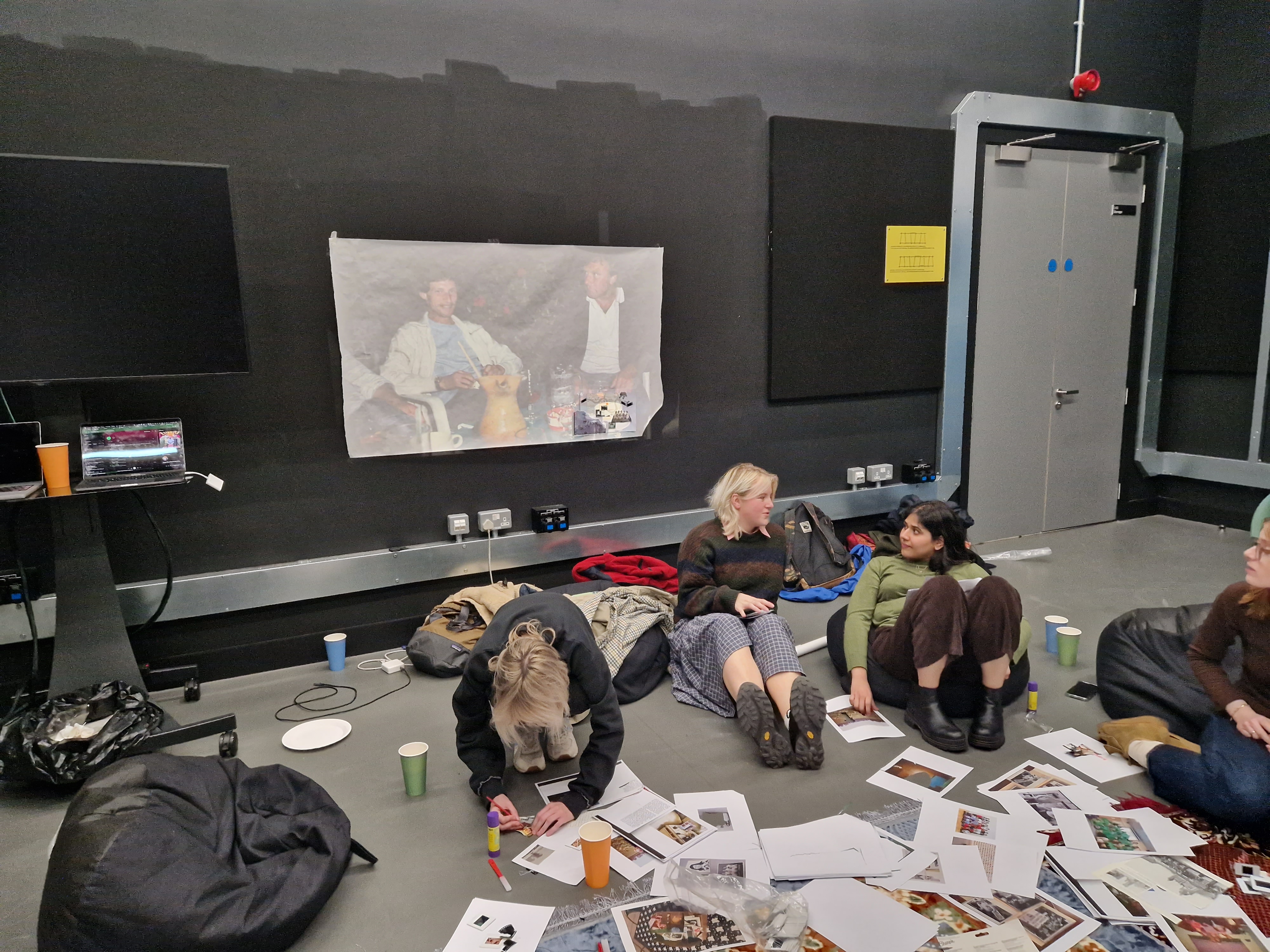
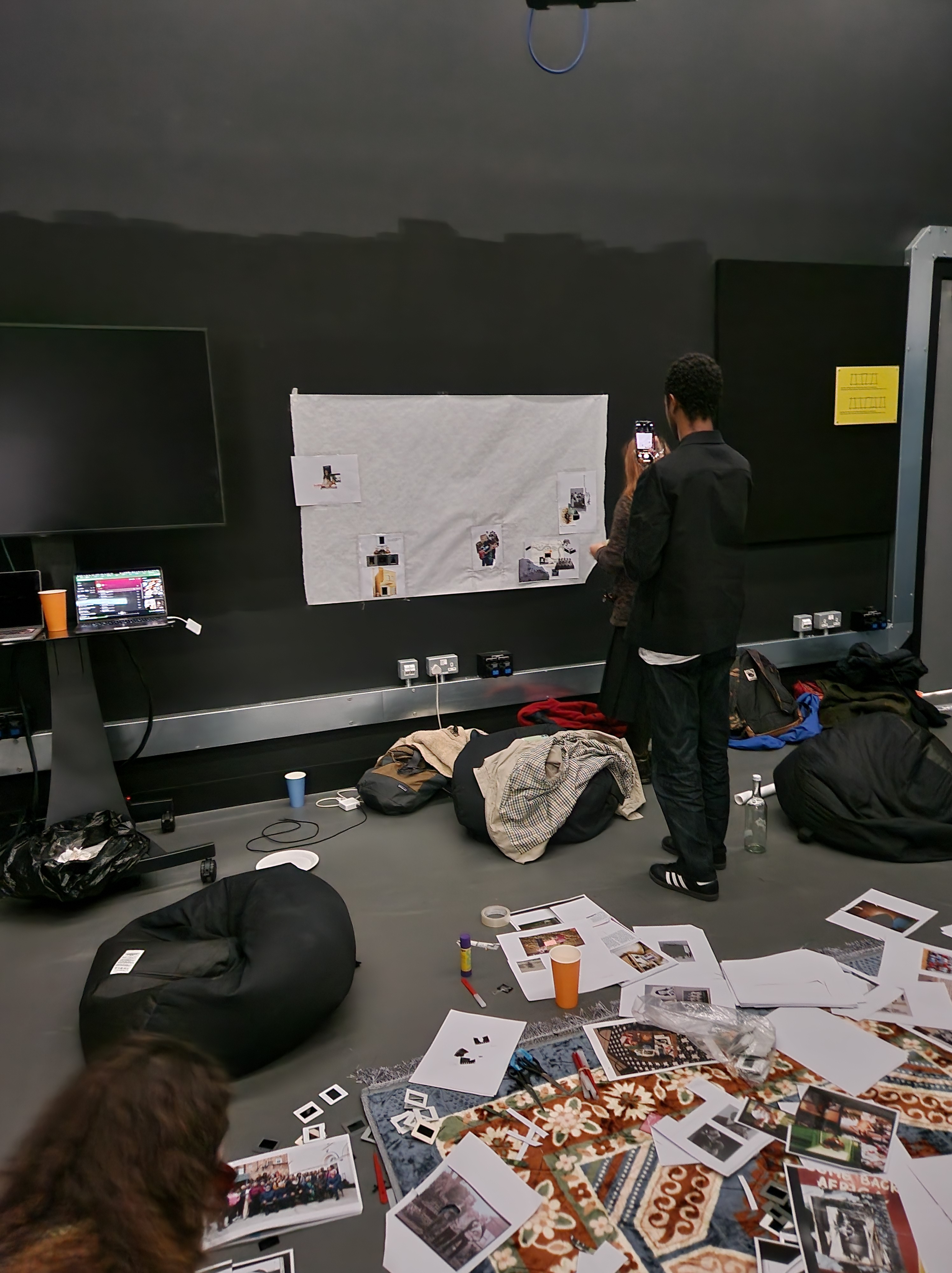
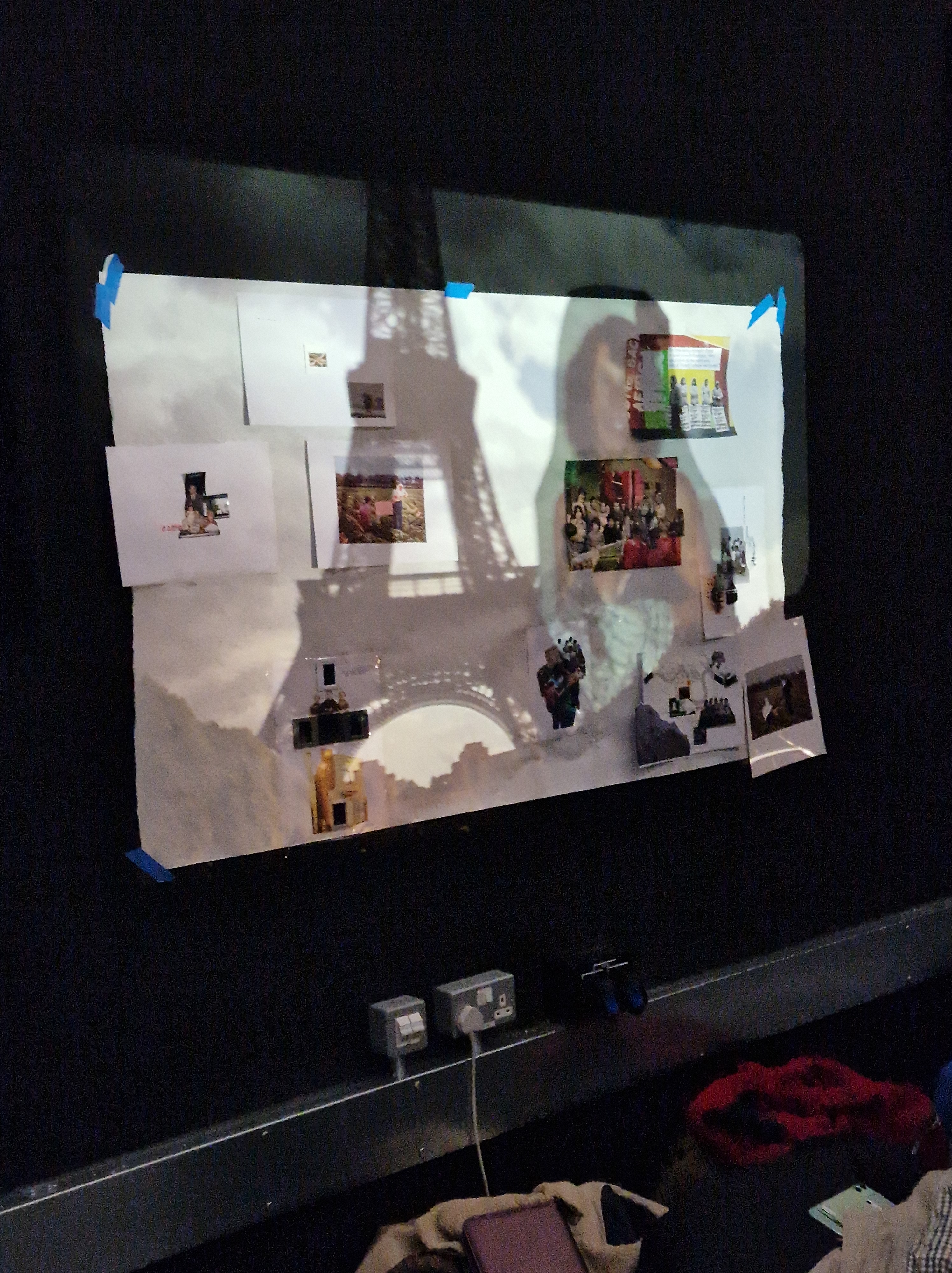
MY COLLAGE RESULTS
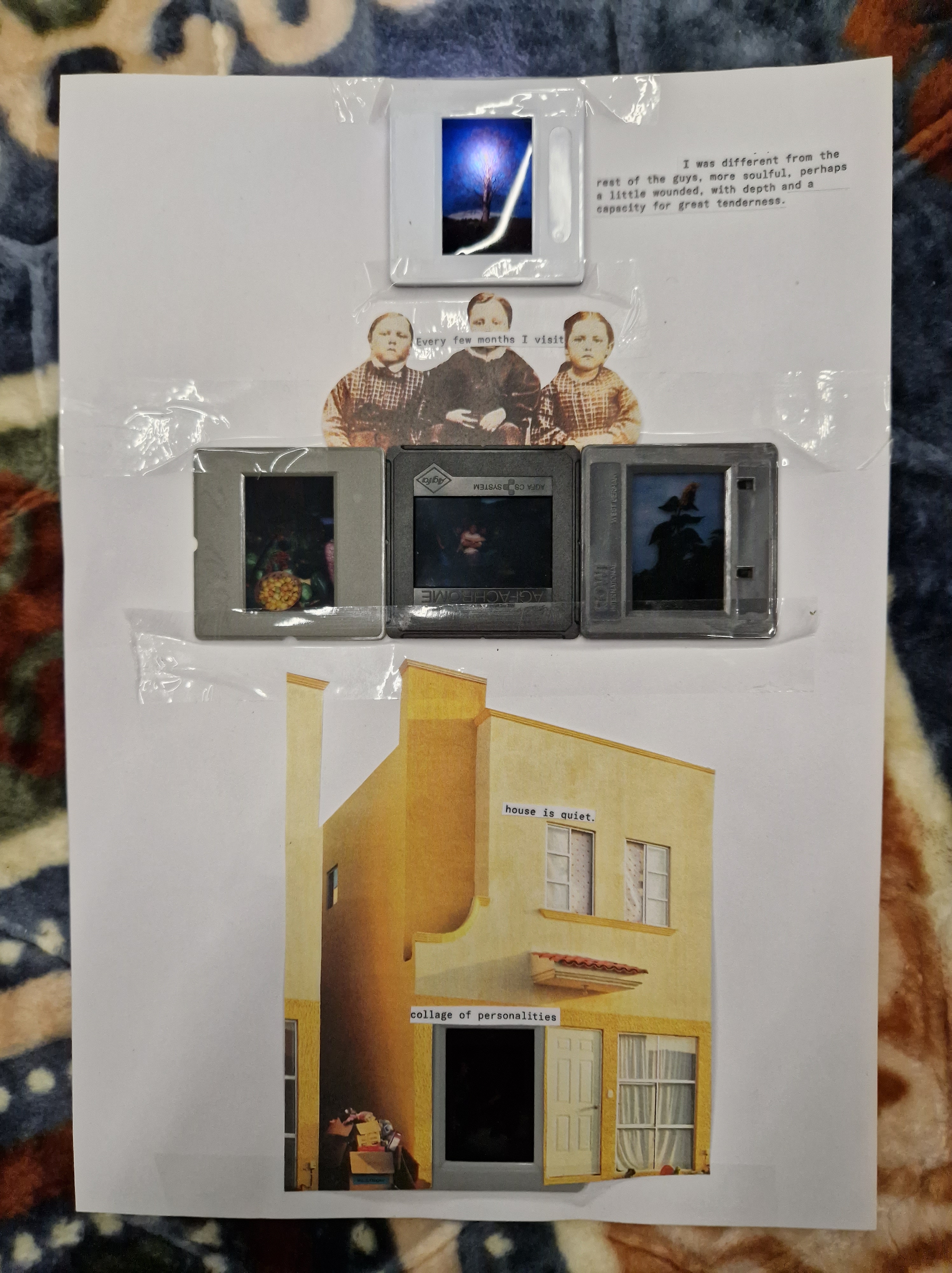
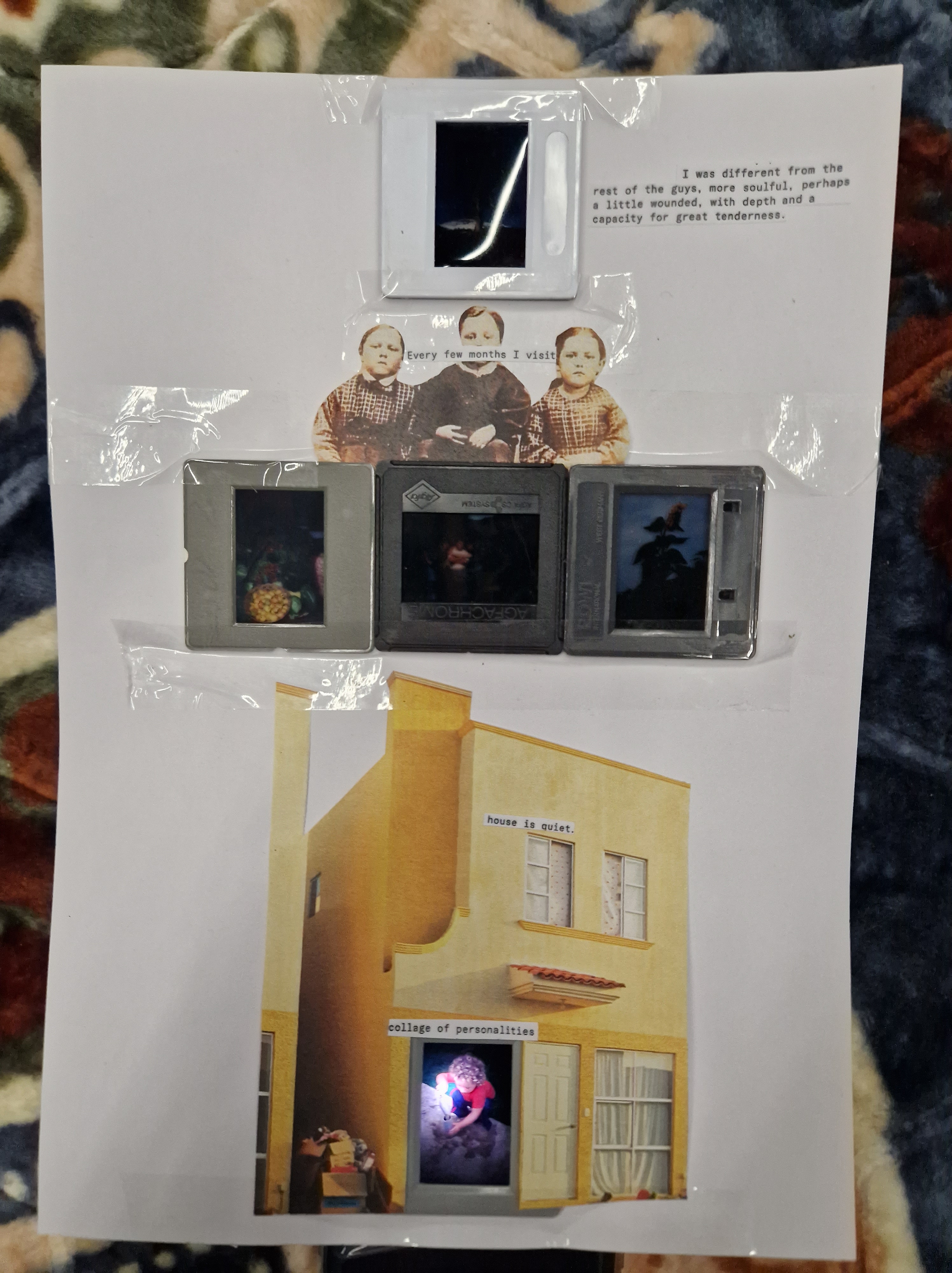
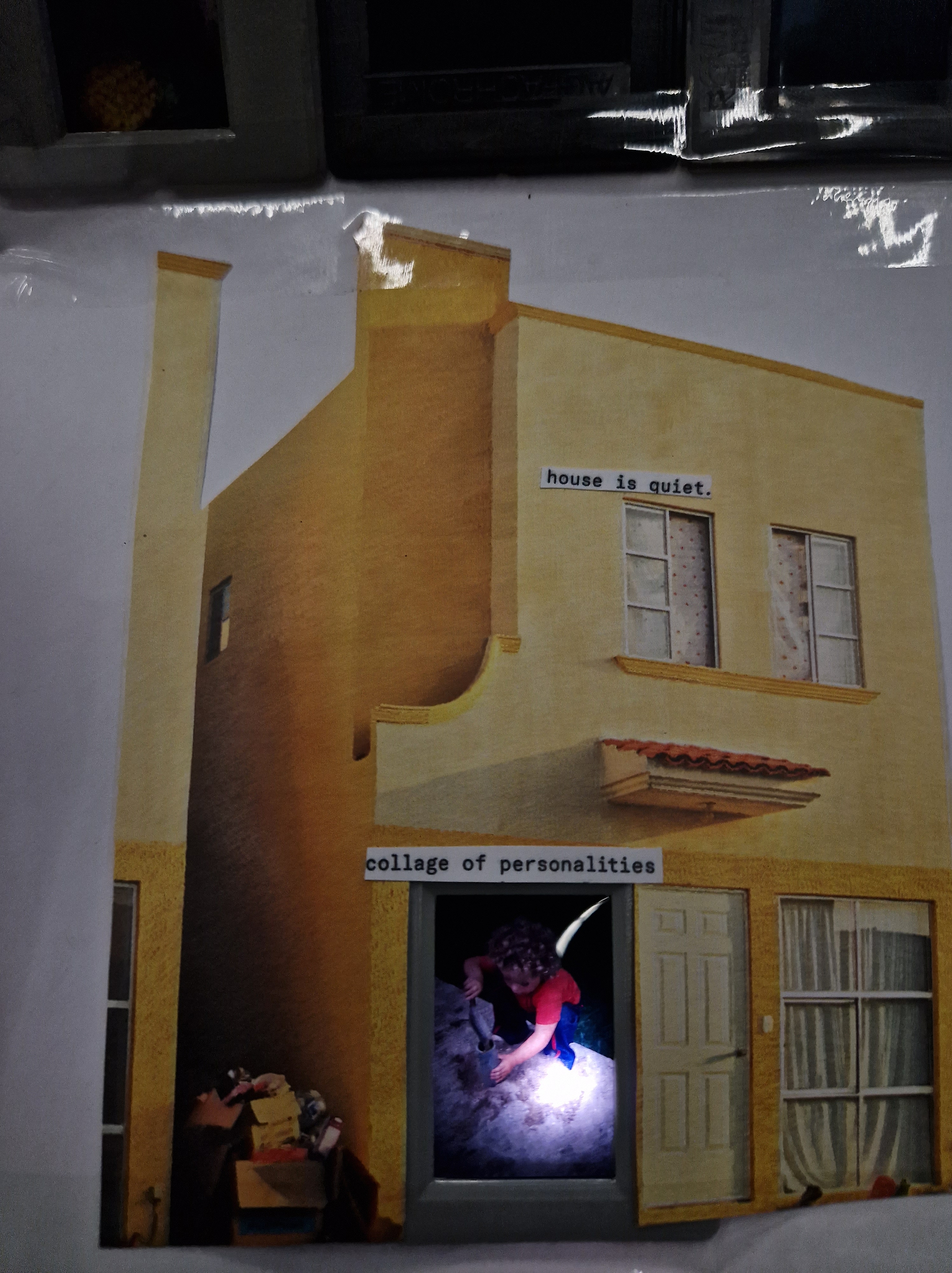
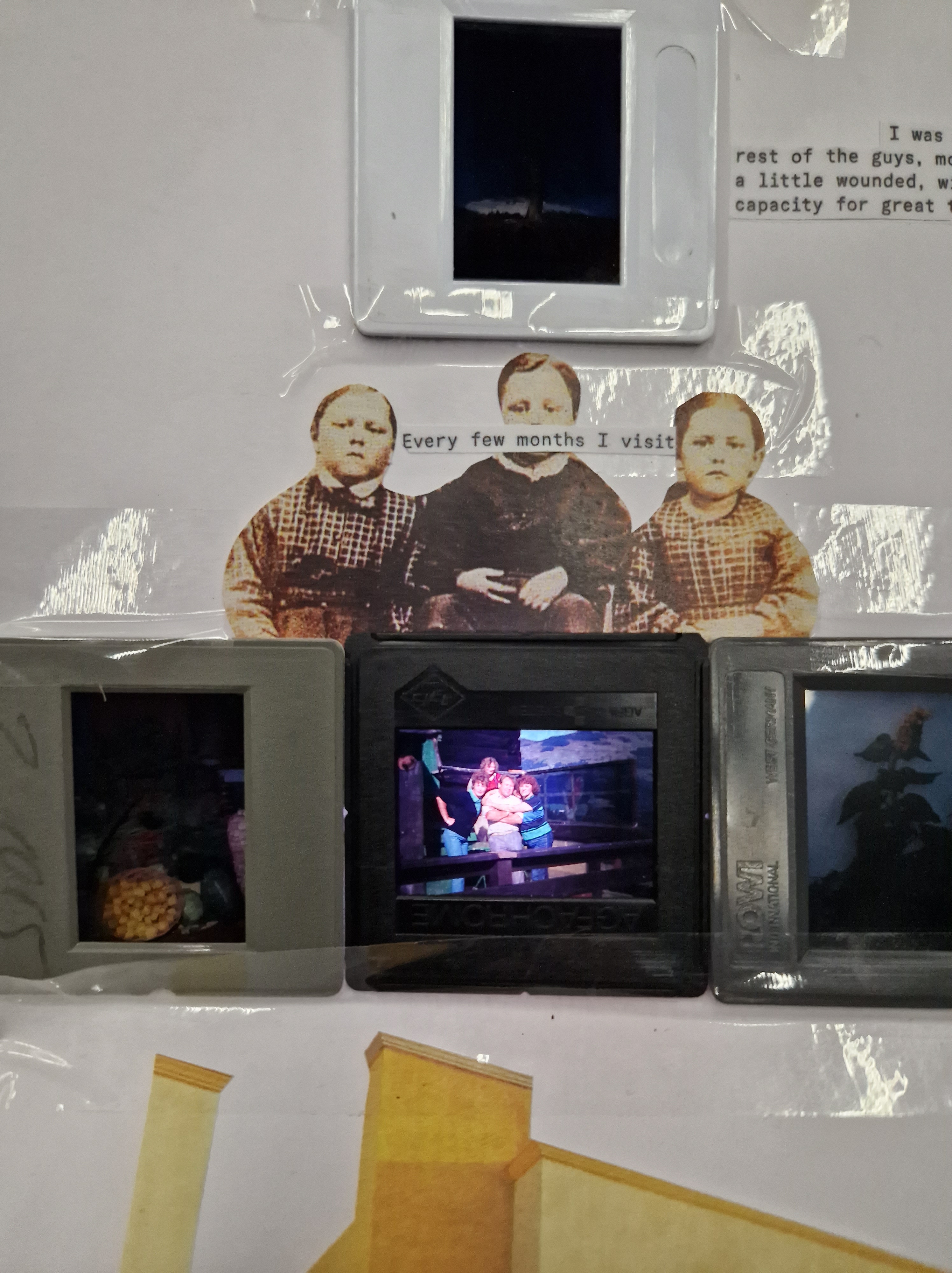
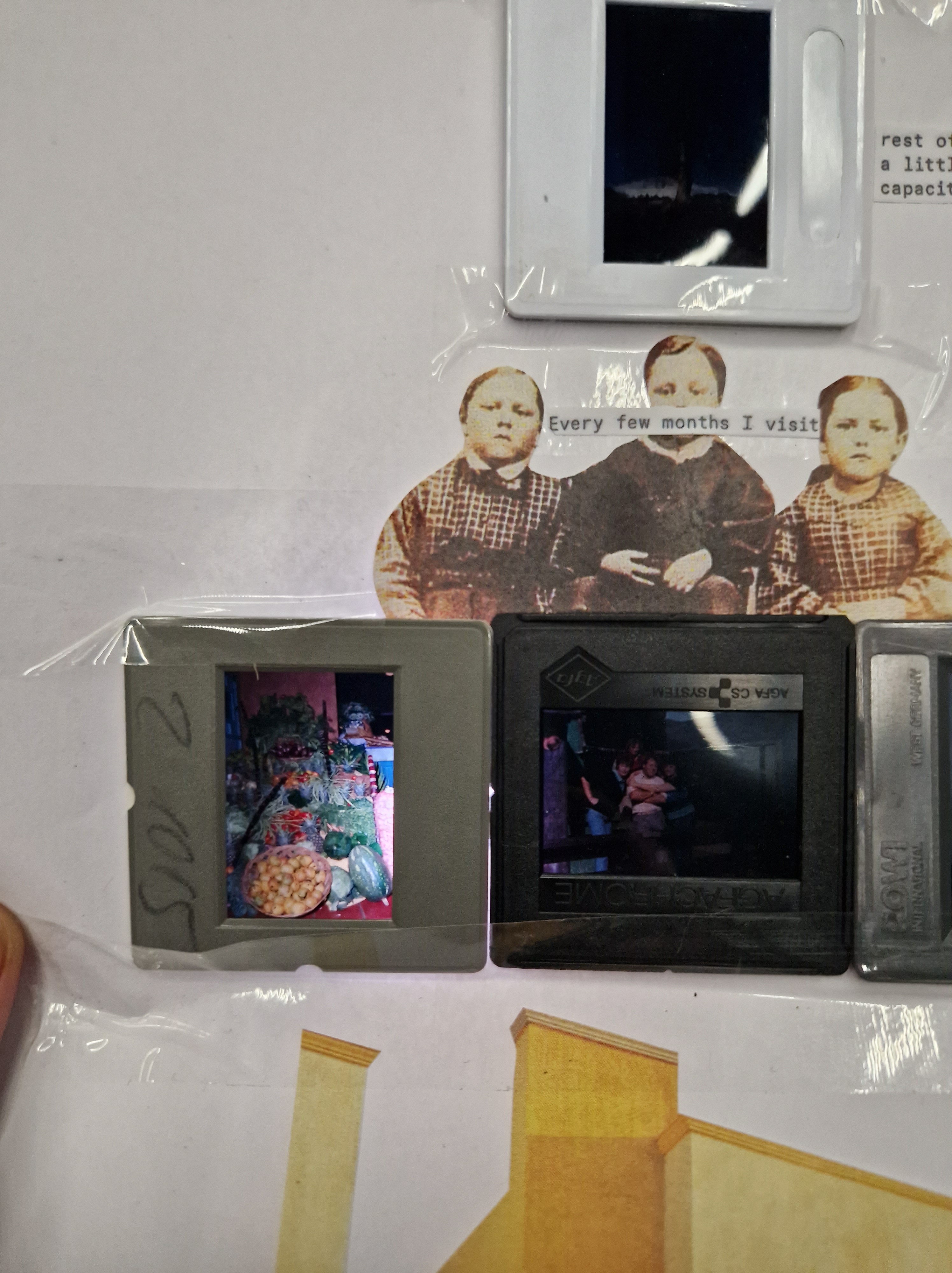

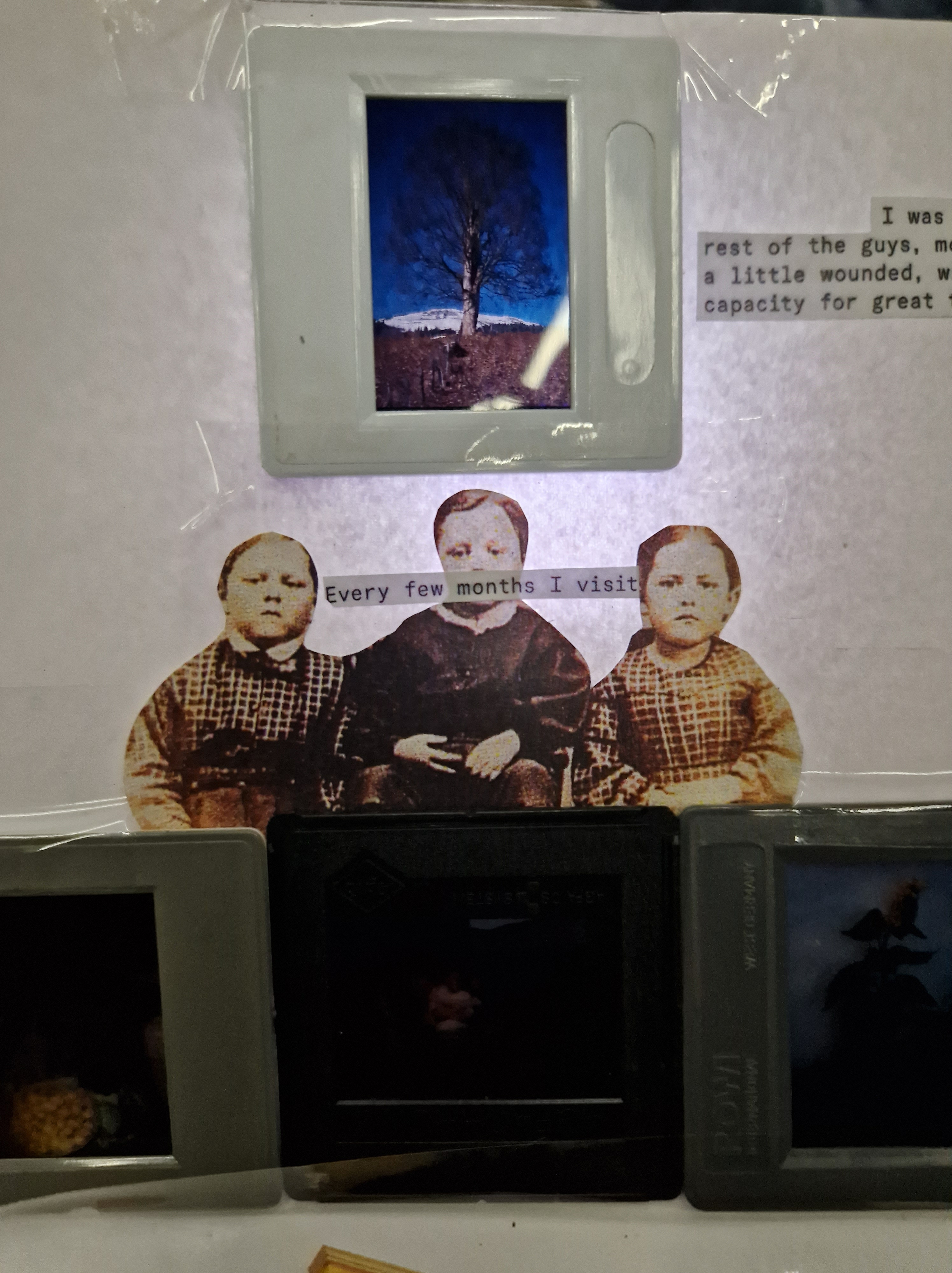
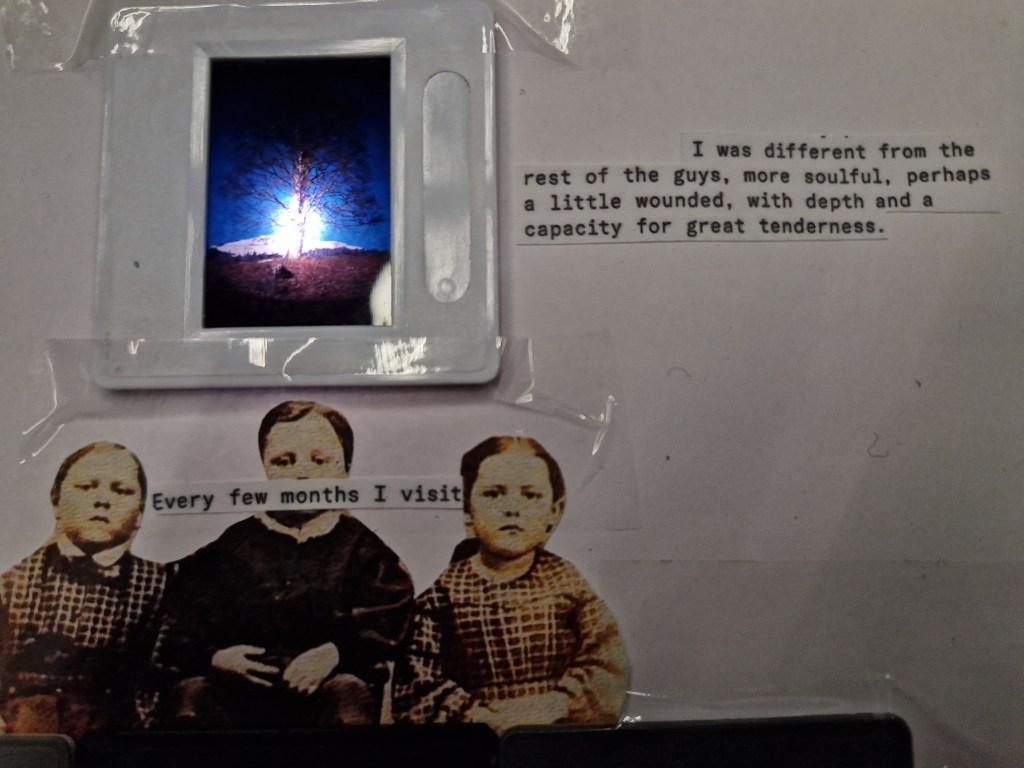
I was different from the rest of you guys, more soulful,
perhaps a little wounded,
with depth and capacity
for great tenderness
REFLECTIONS: I always enjoy the APR workshops so much. I would sum it up as doing things I wouldn't otherwise do and having conversations I wouldn't usually have, which is such an enriching experience for me. It was a very nostalgic session discussing our roots and families and things that are important to us, which ended with a group collage-making and projecting them afterwards.
FRIDAY
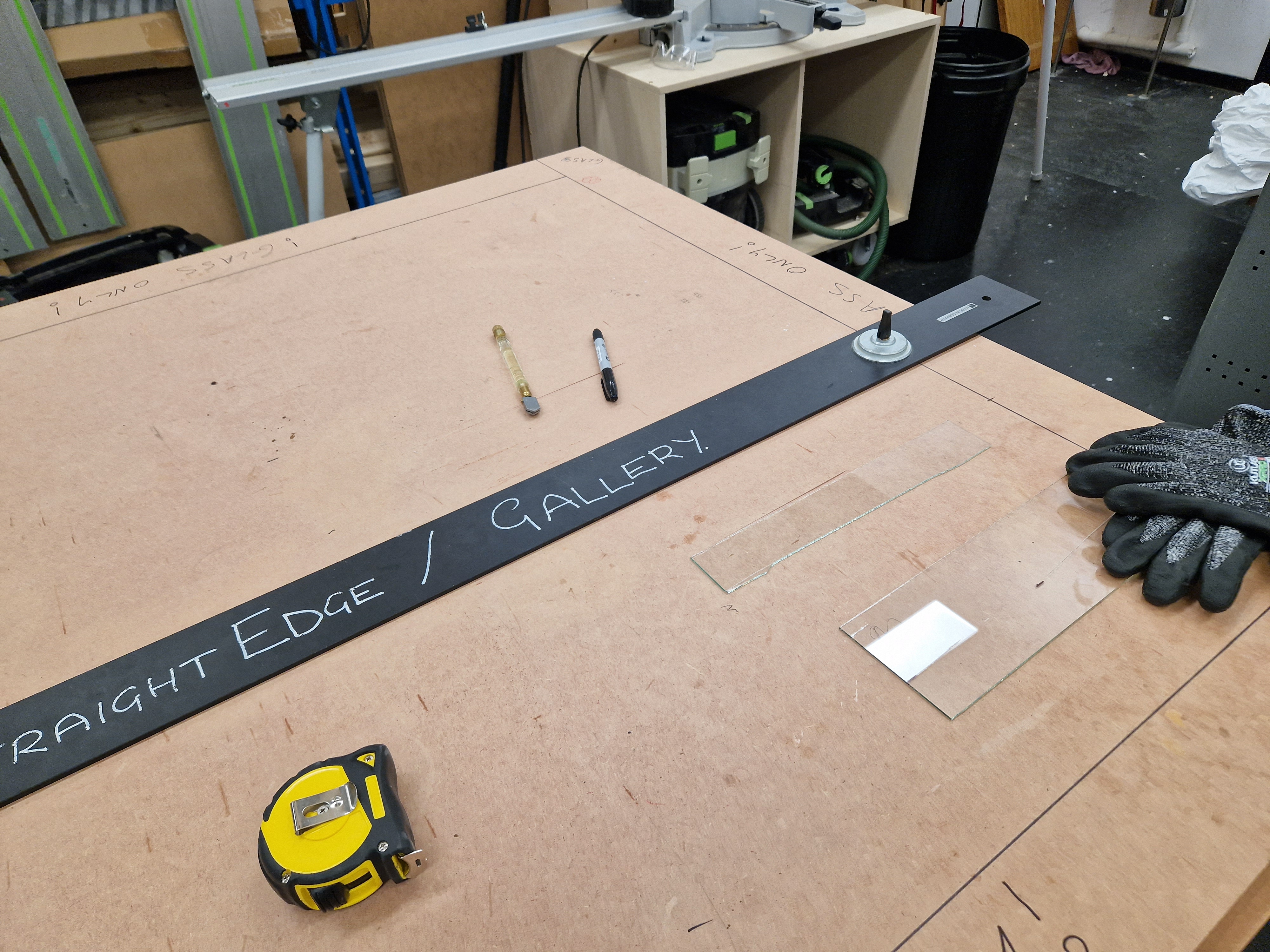
MAKING FRAMES FOR EXHIBITION
Across this and the next few weeks, I booked numerous sessions that I squeezed around my other commitments in order to prepare a few frames for my upcoming exhibition.
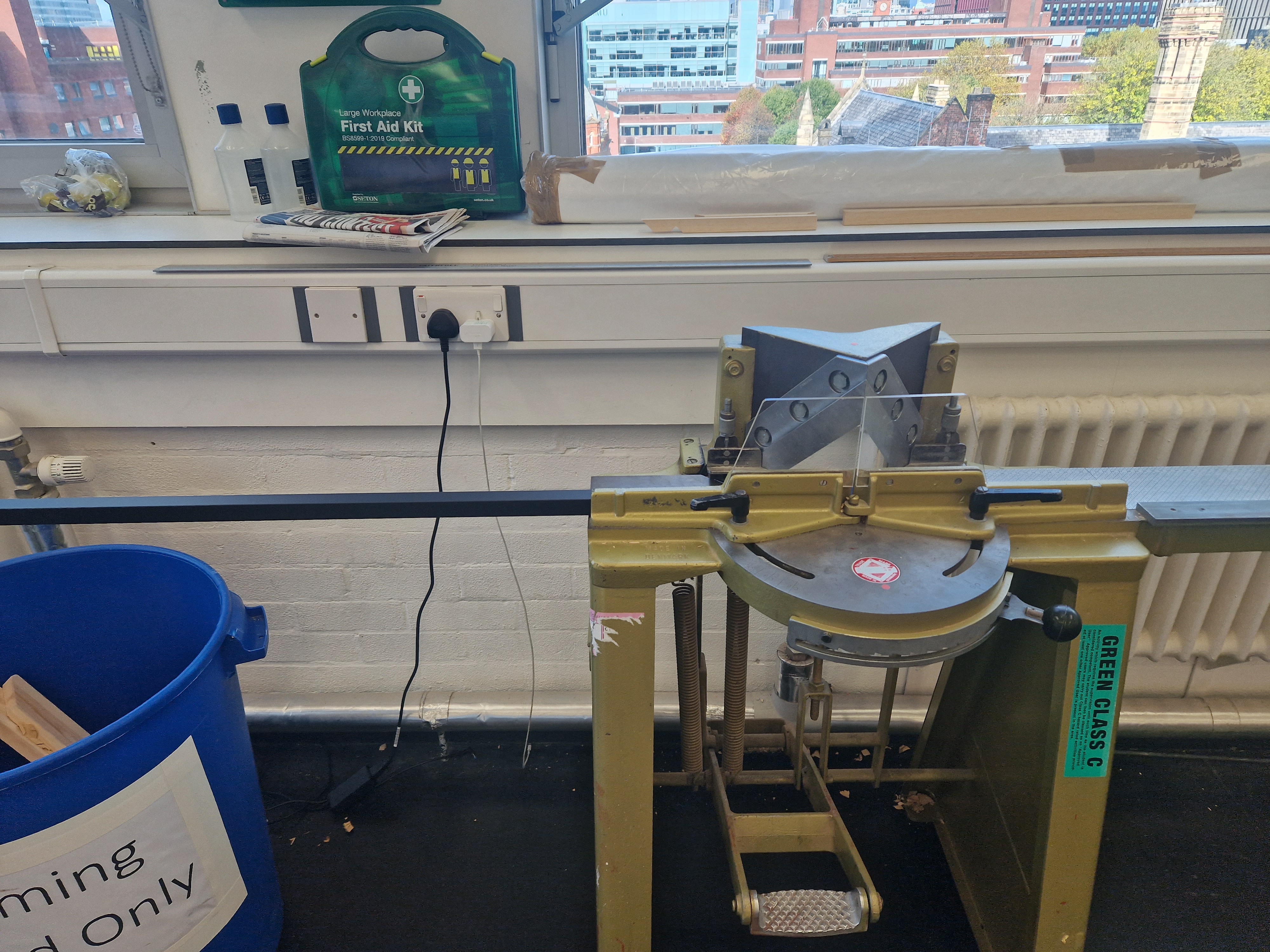
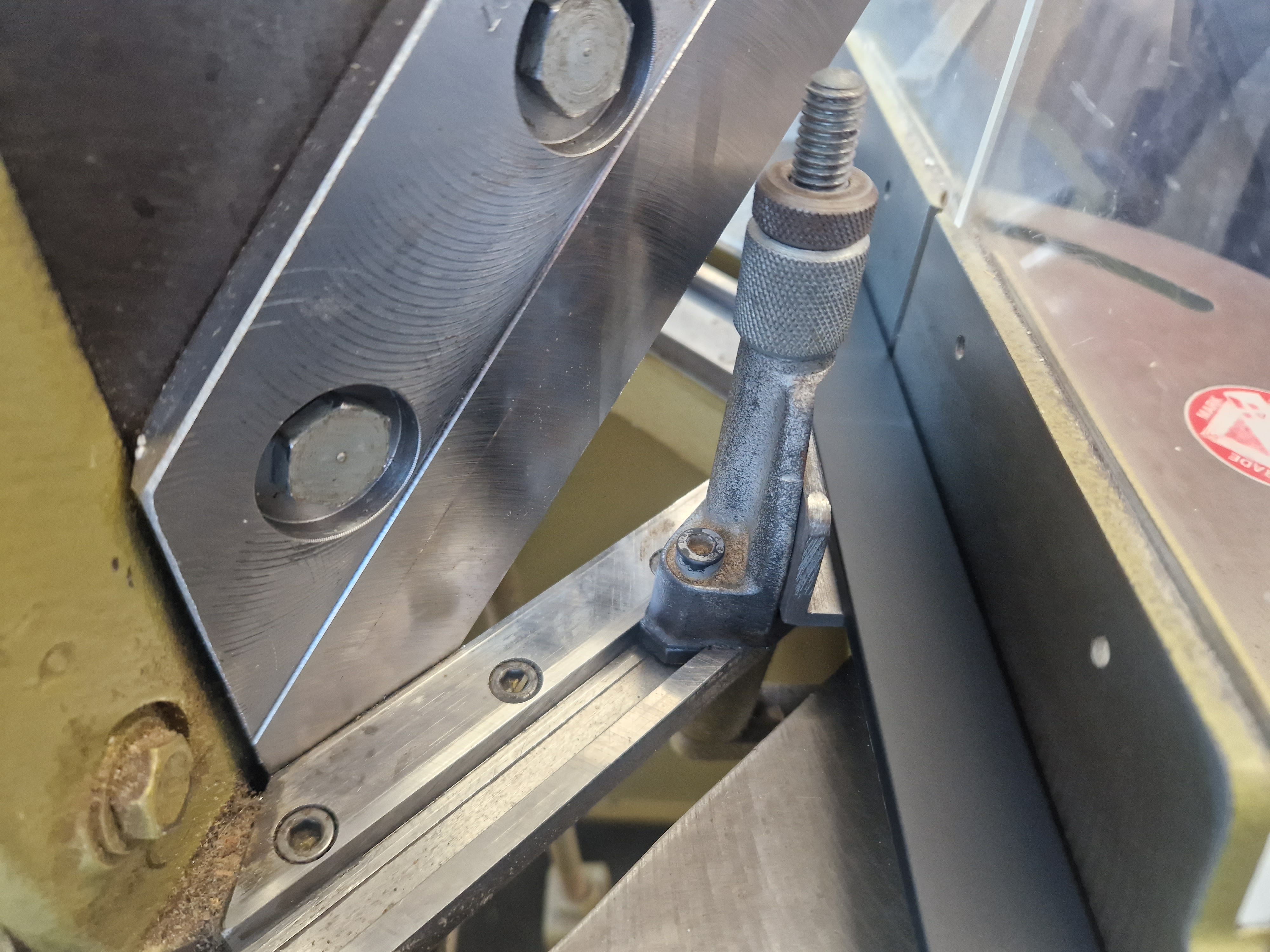
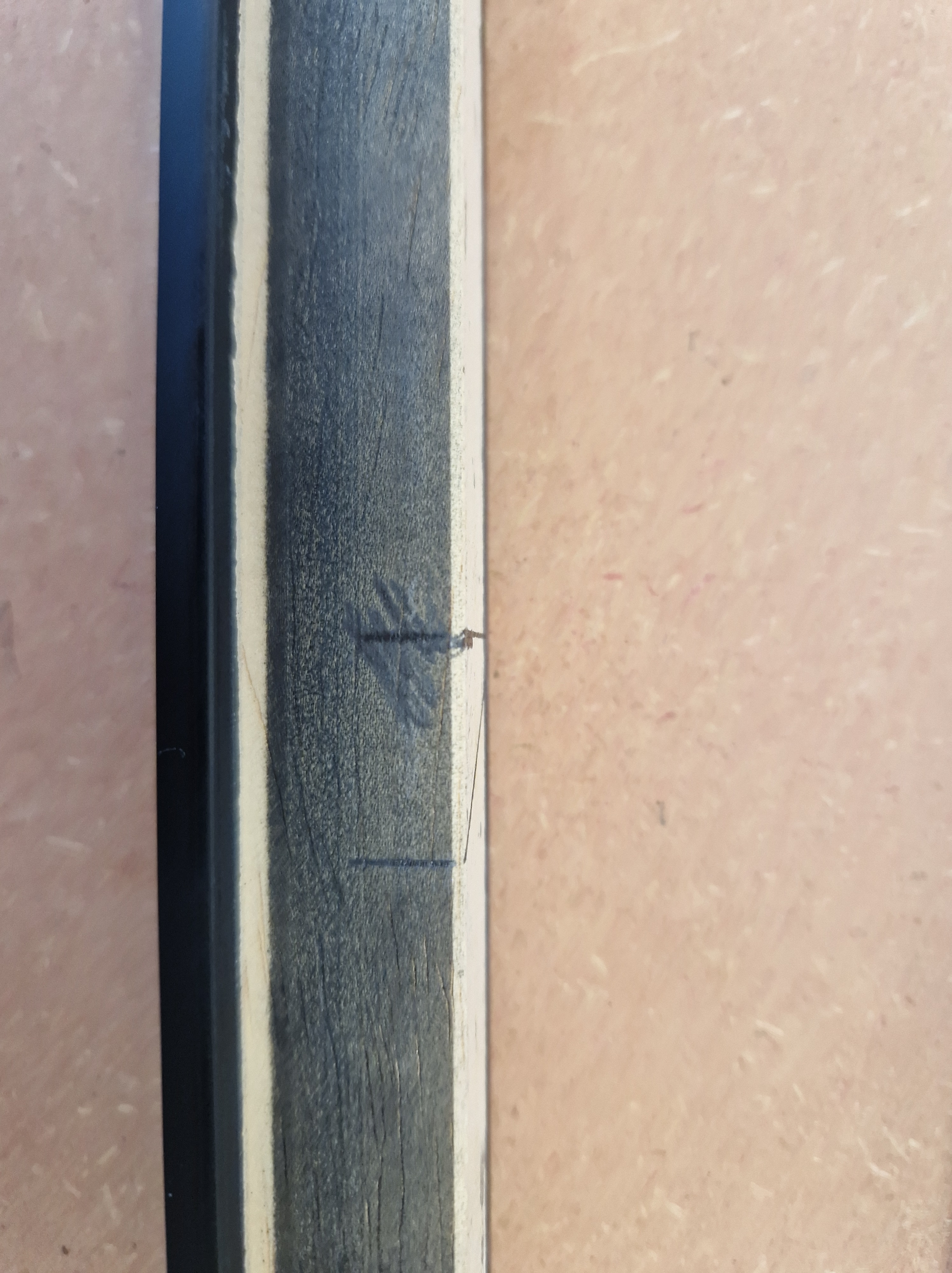
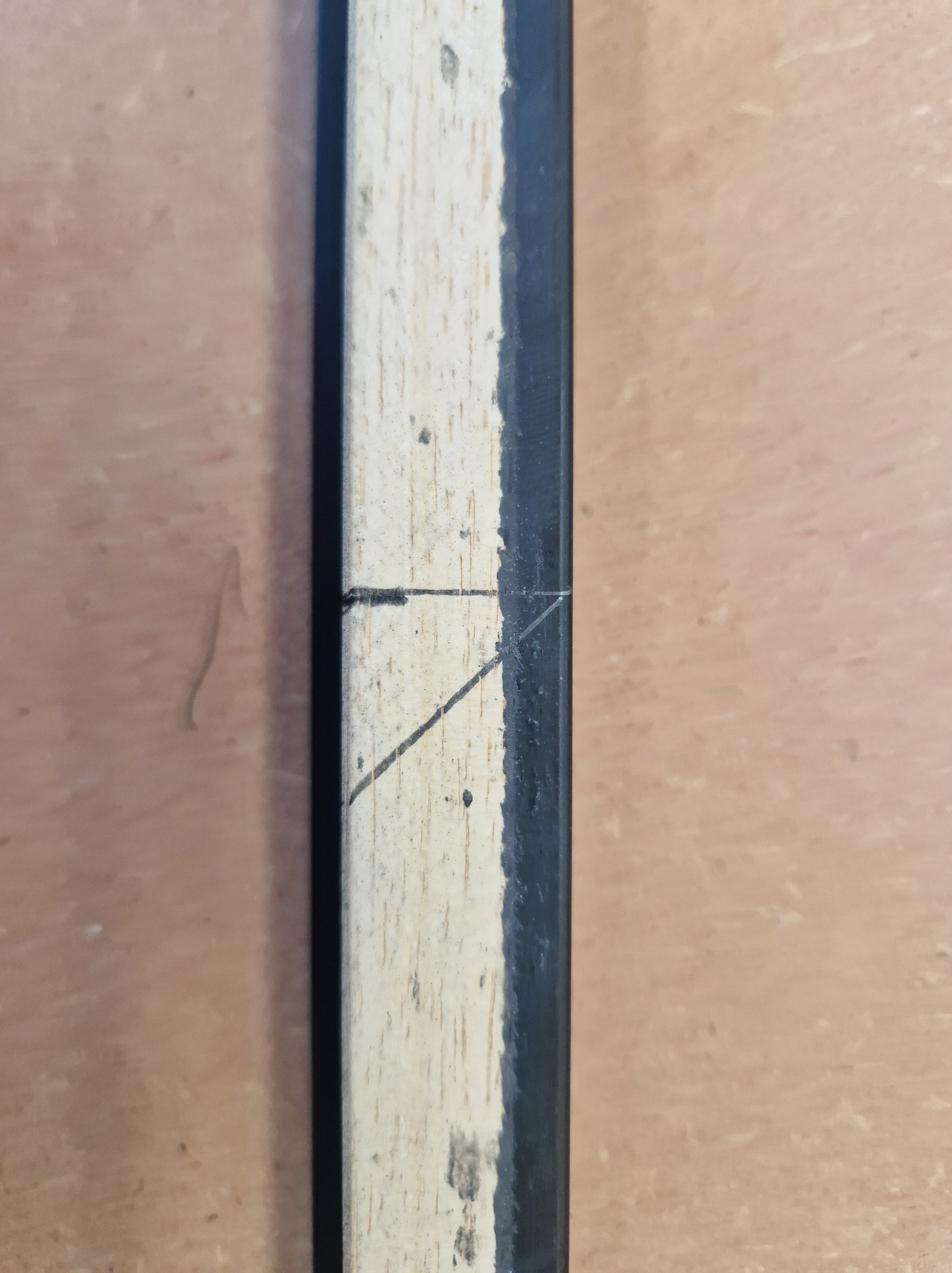

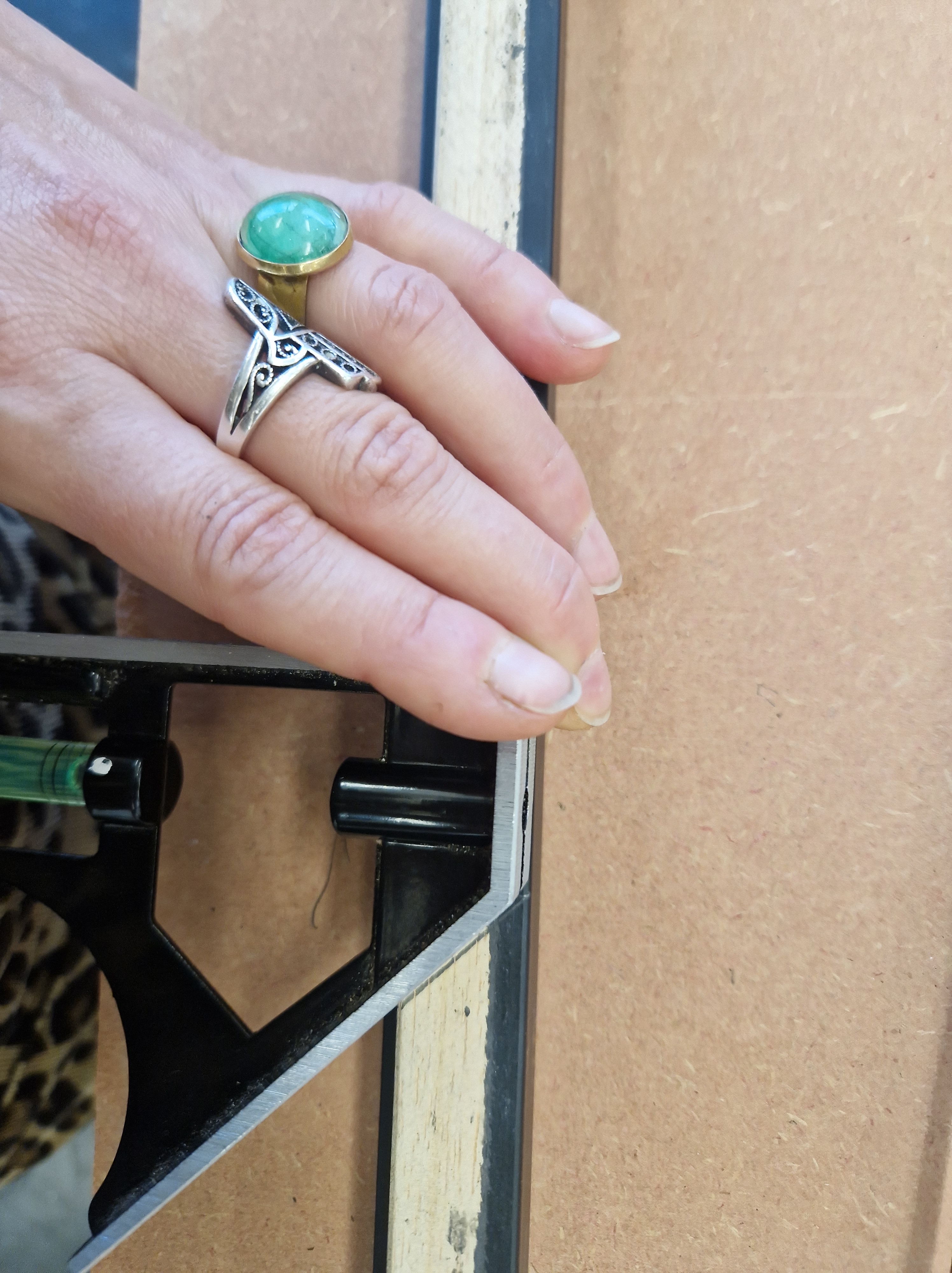
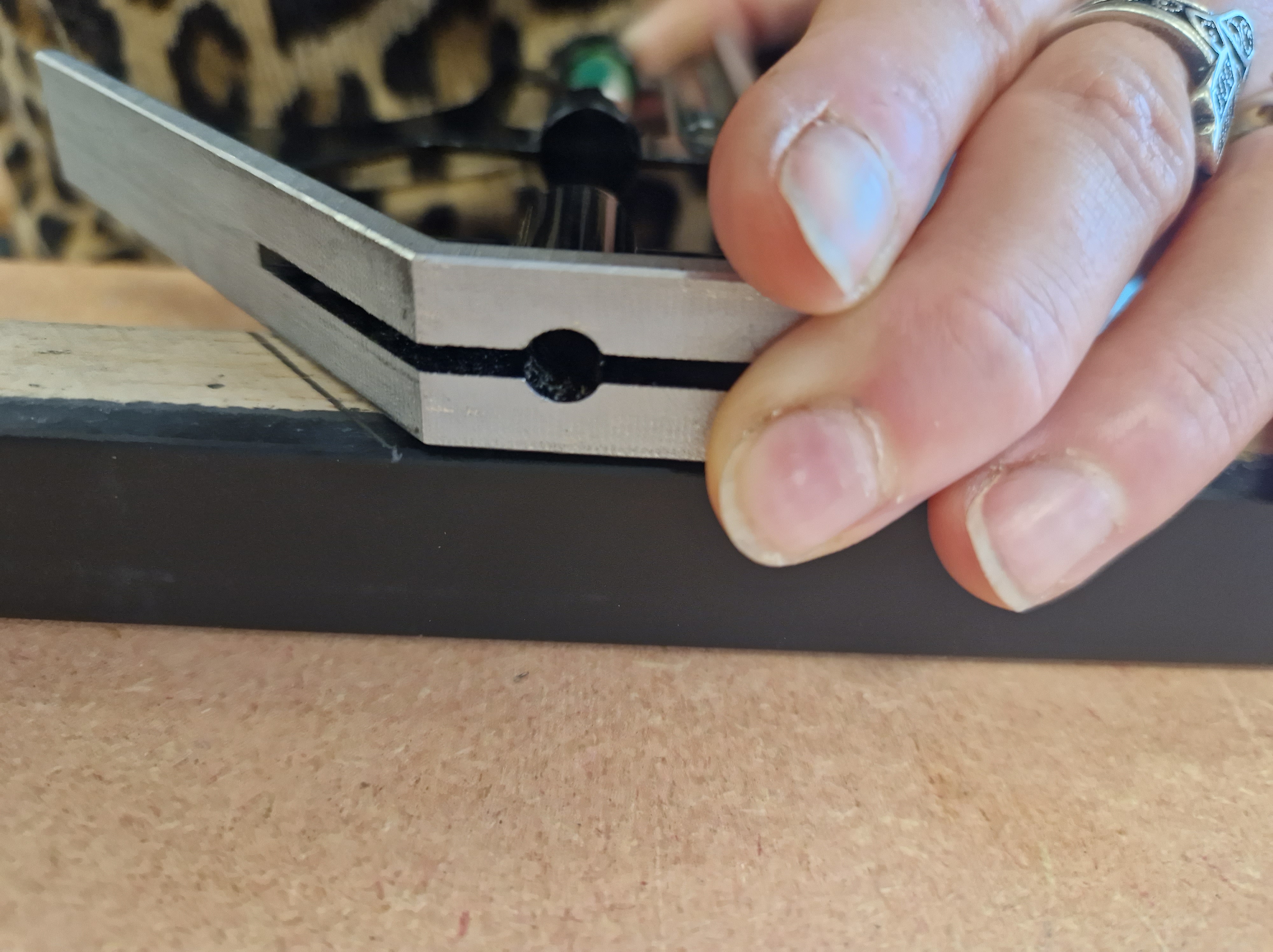
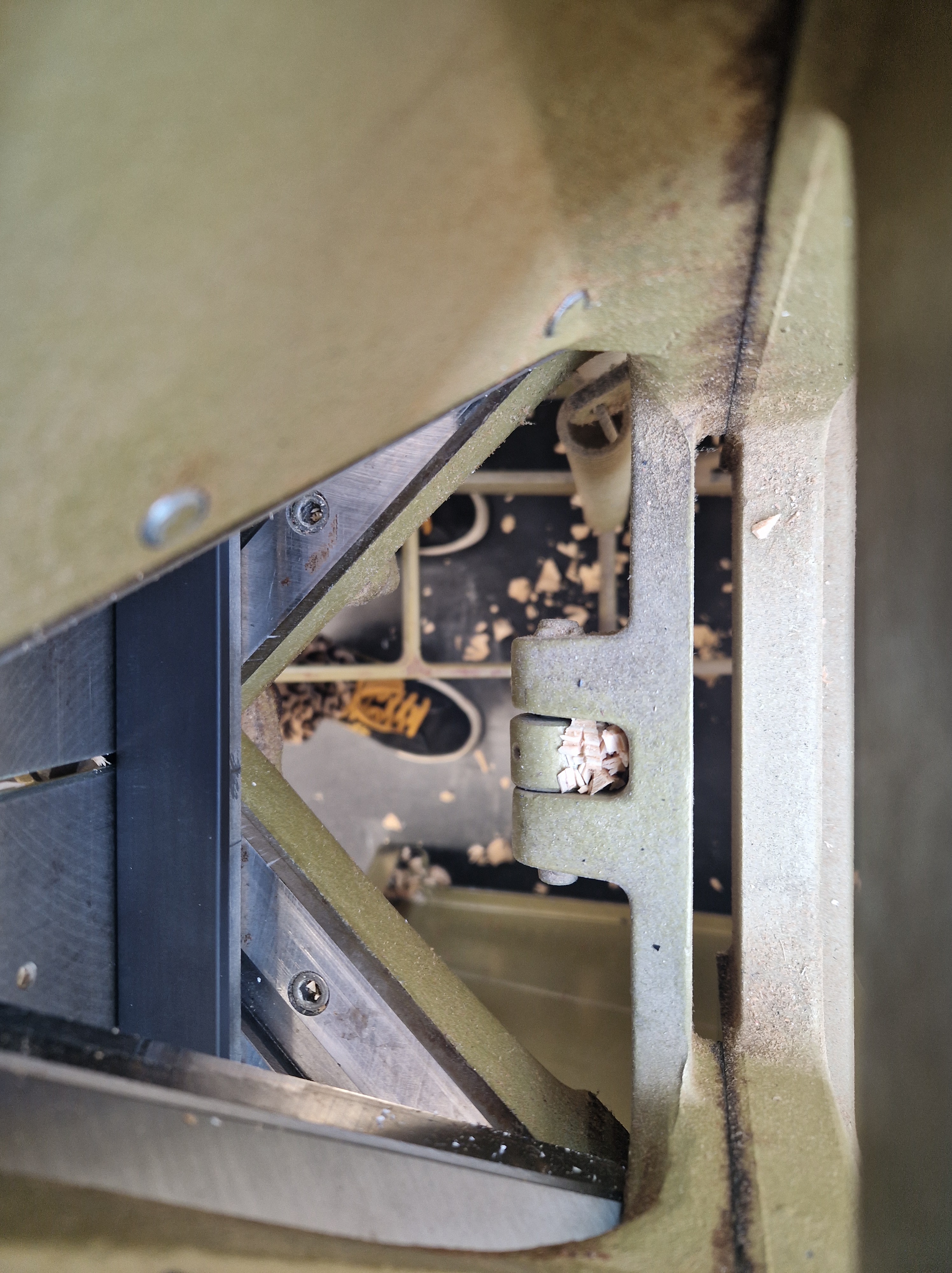
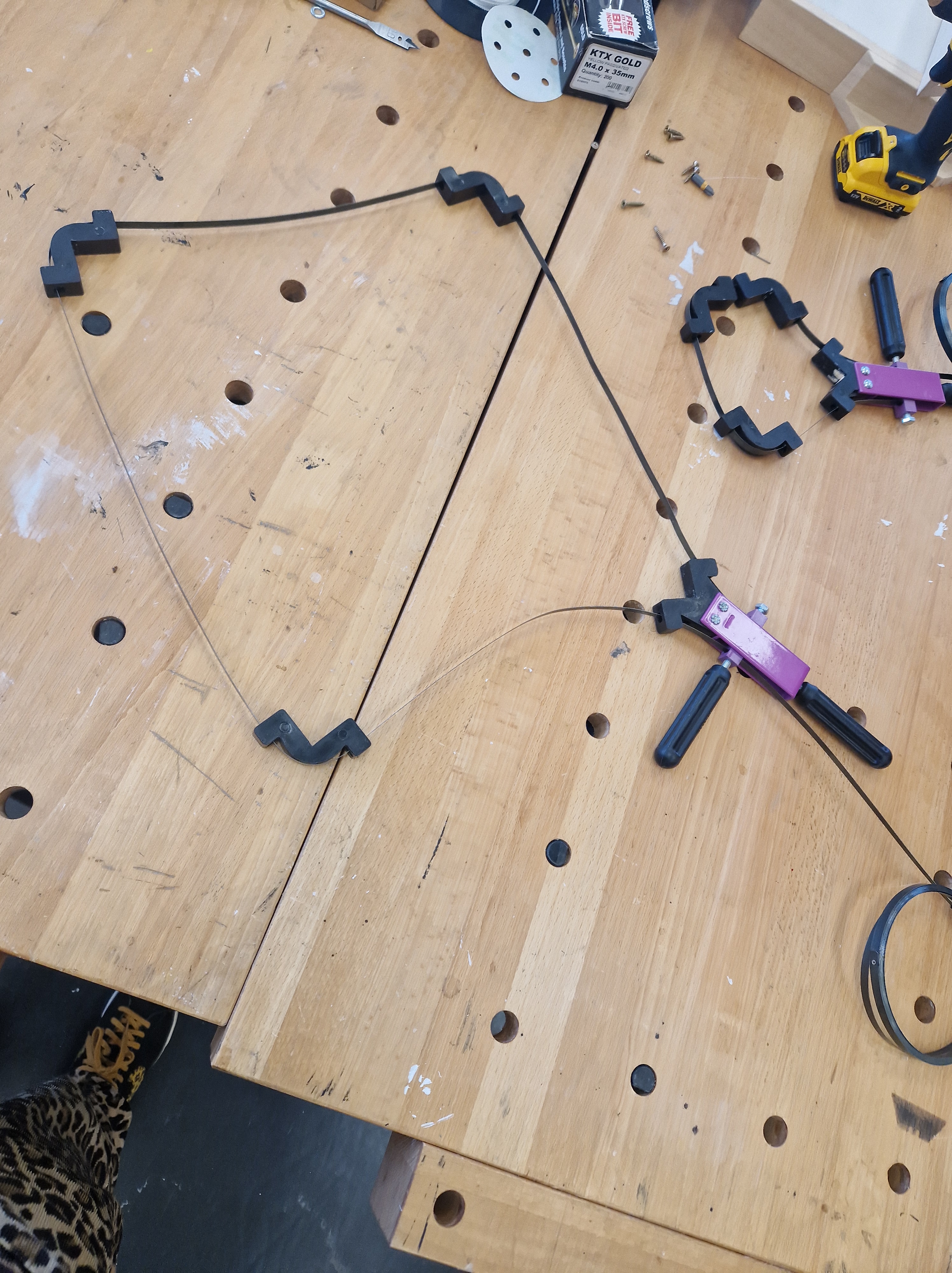
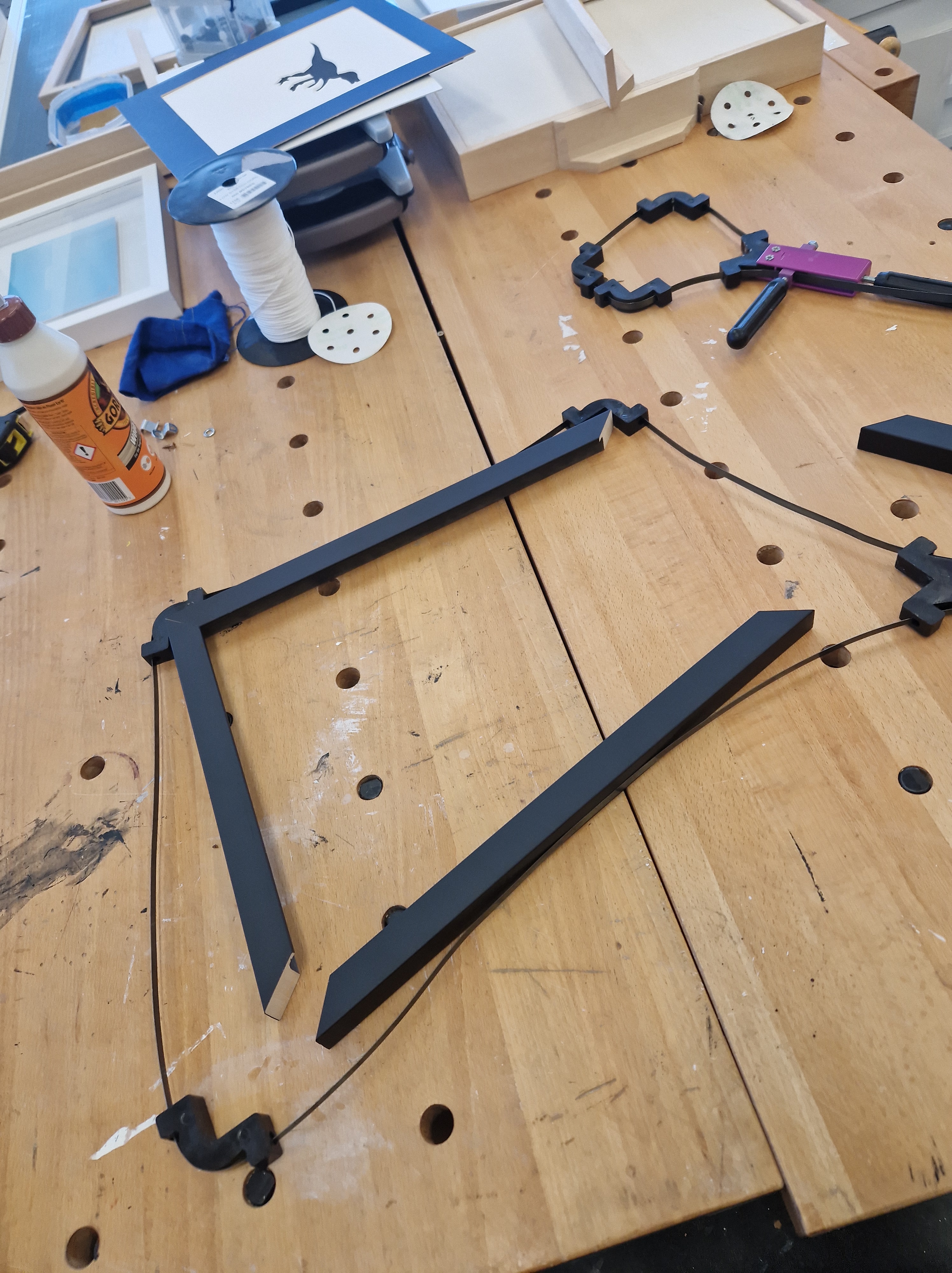
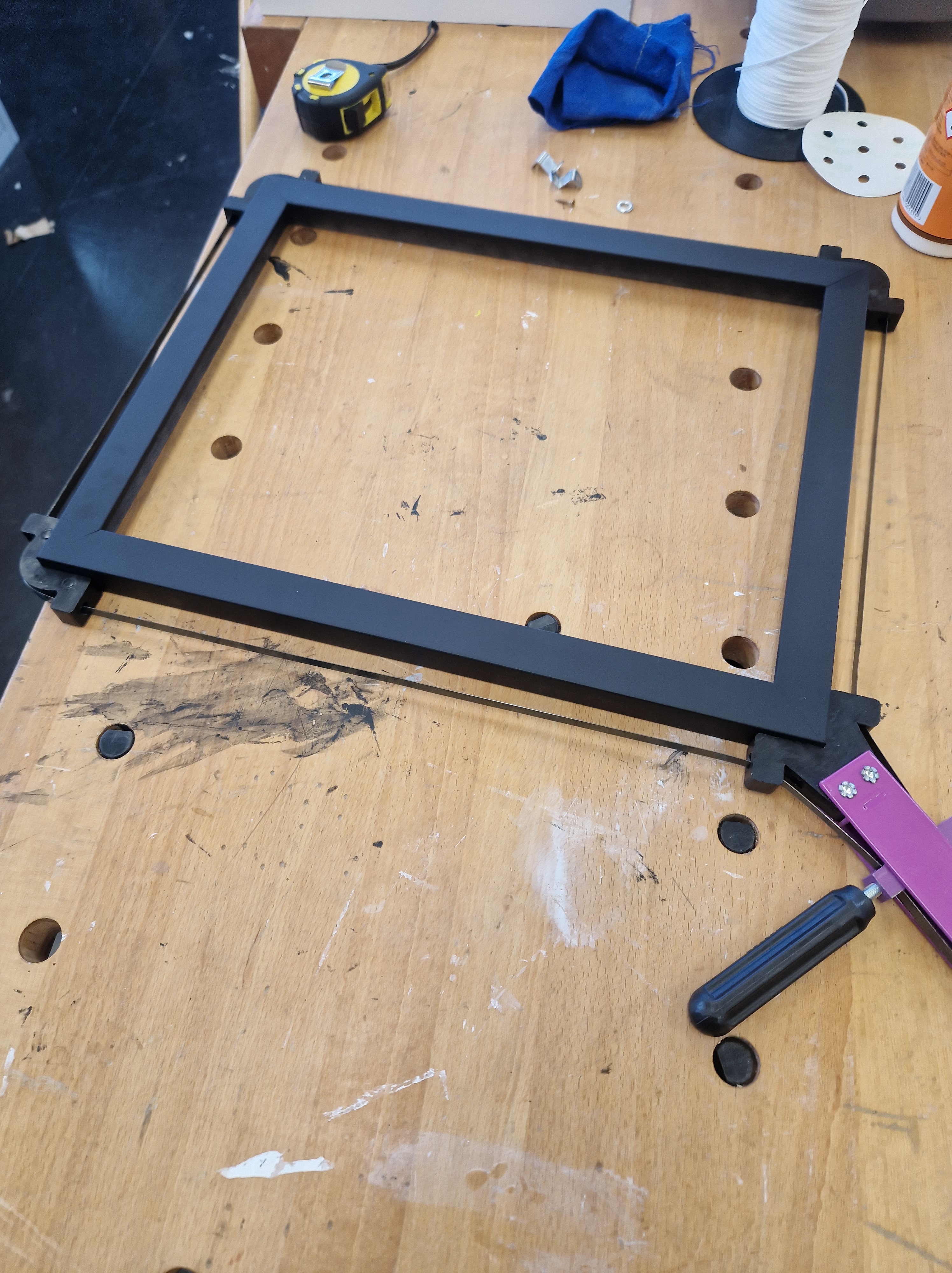

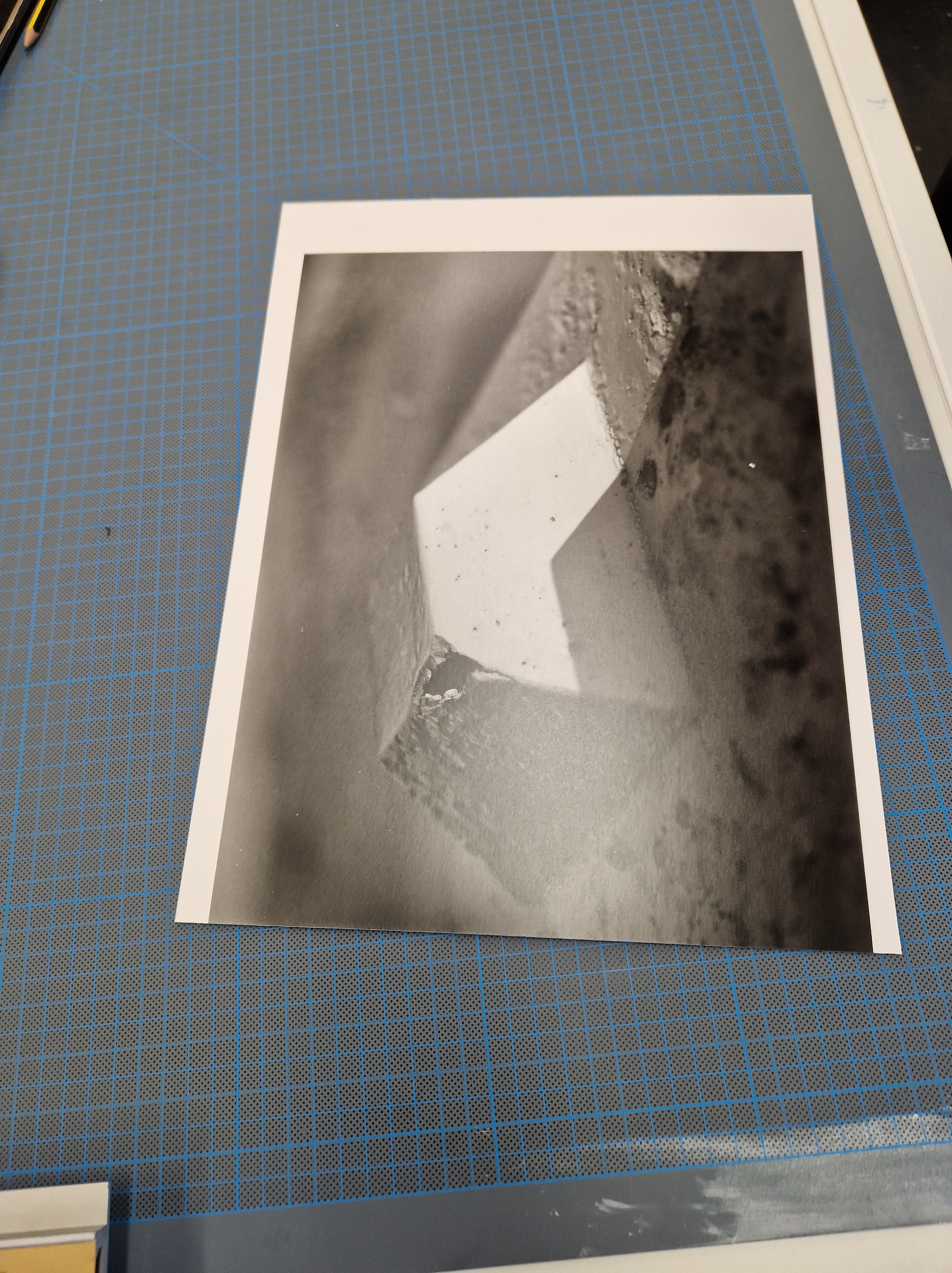
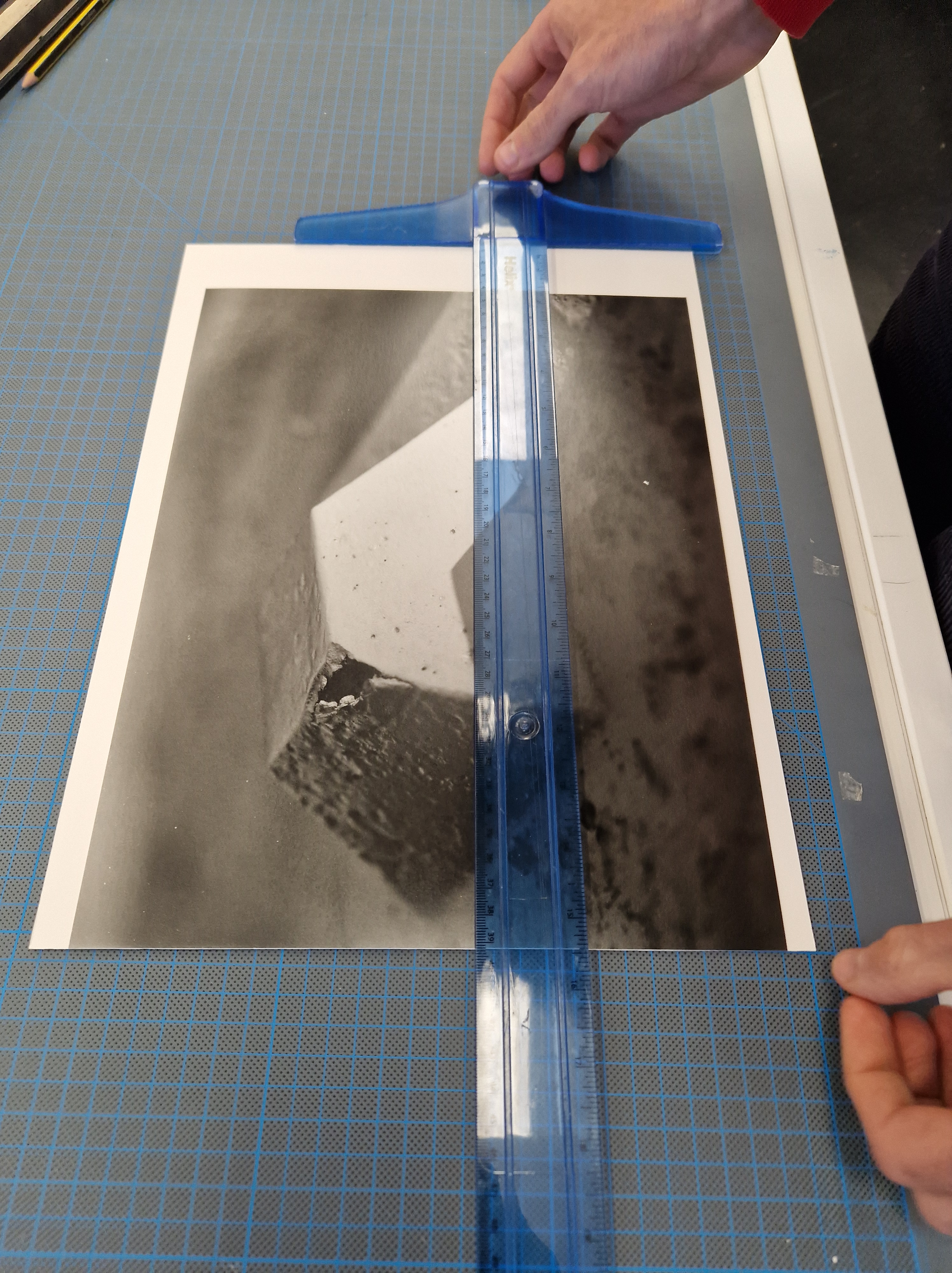
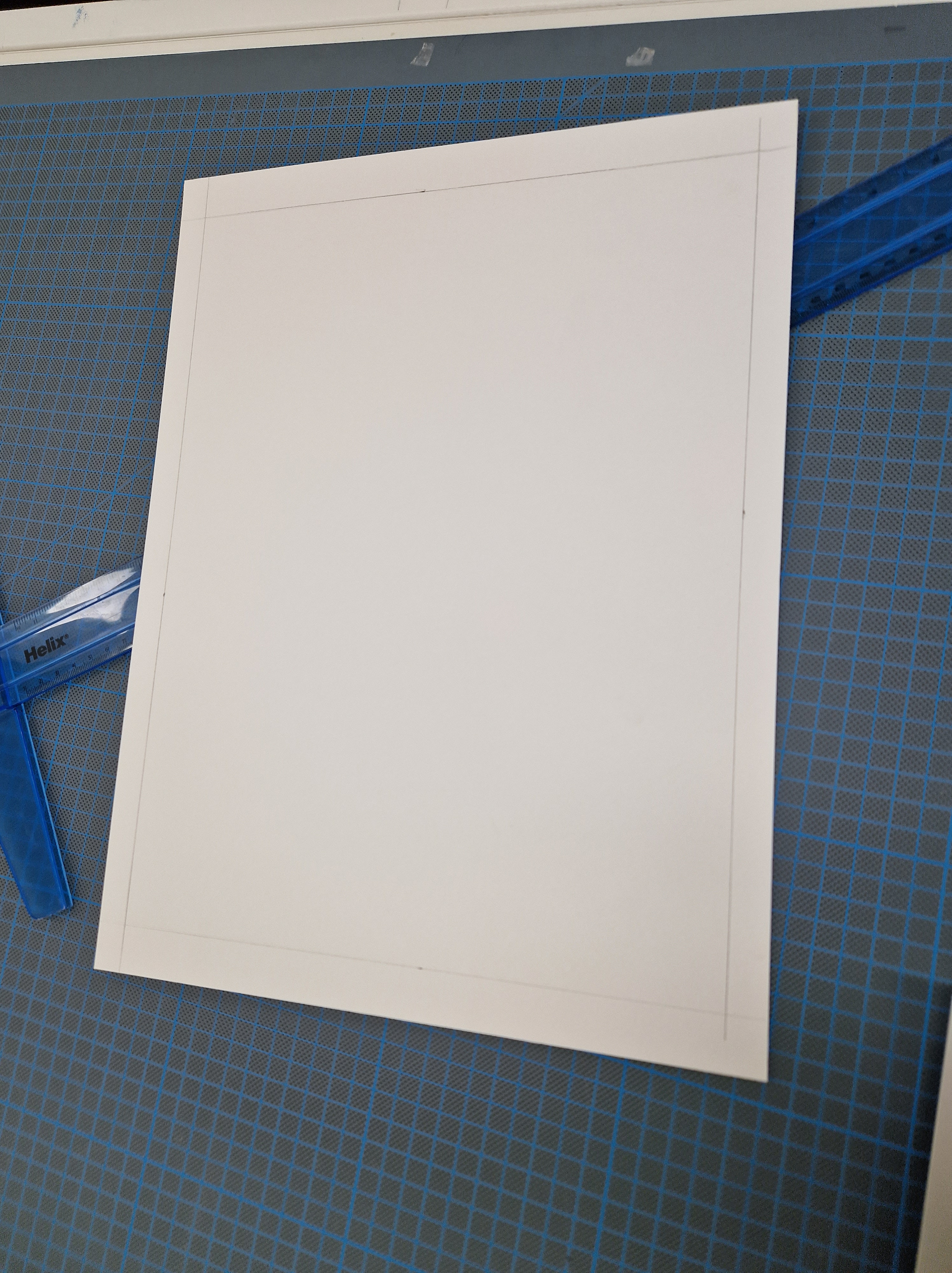
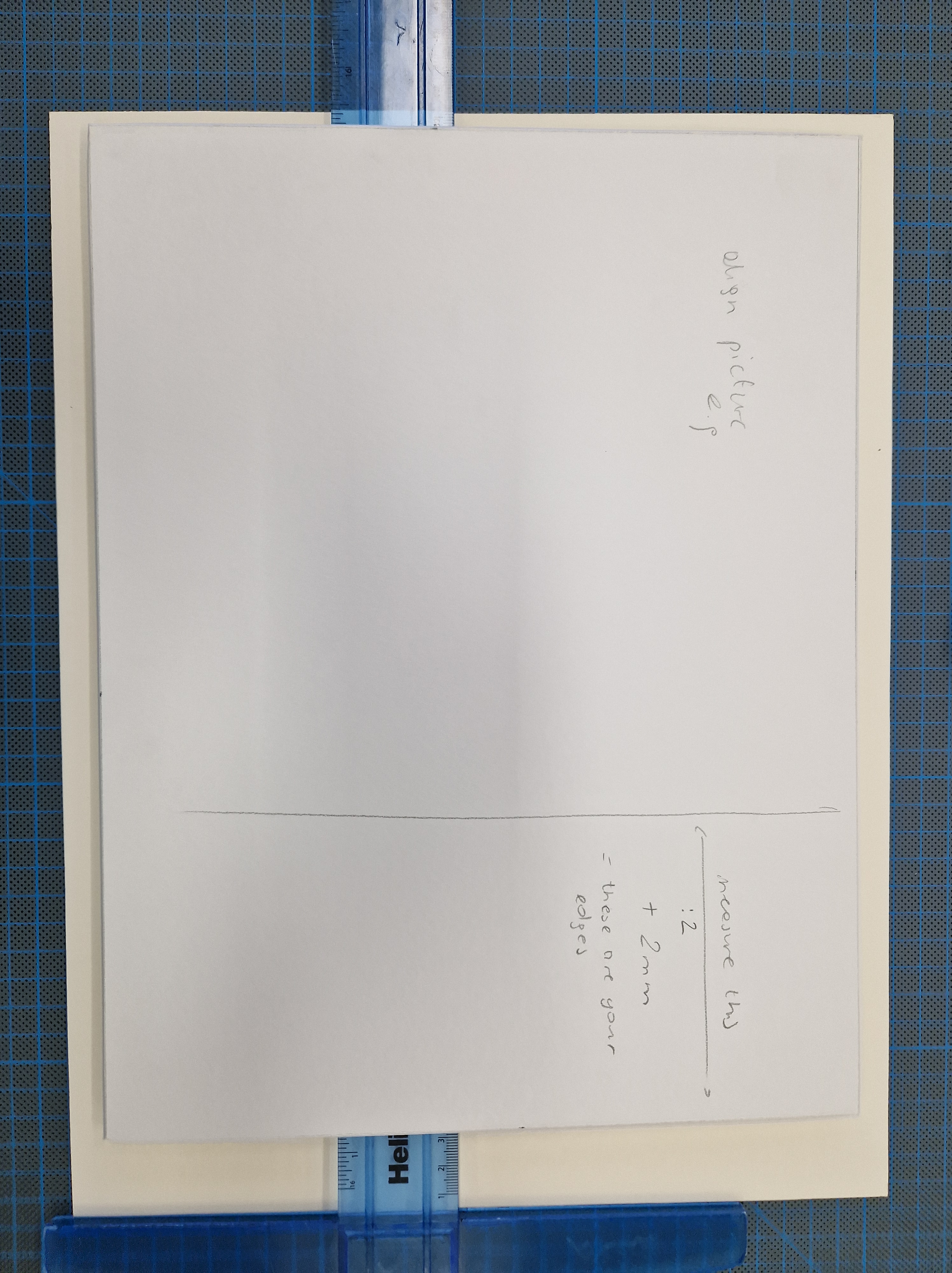
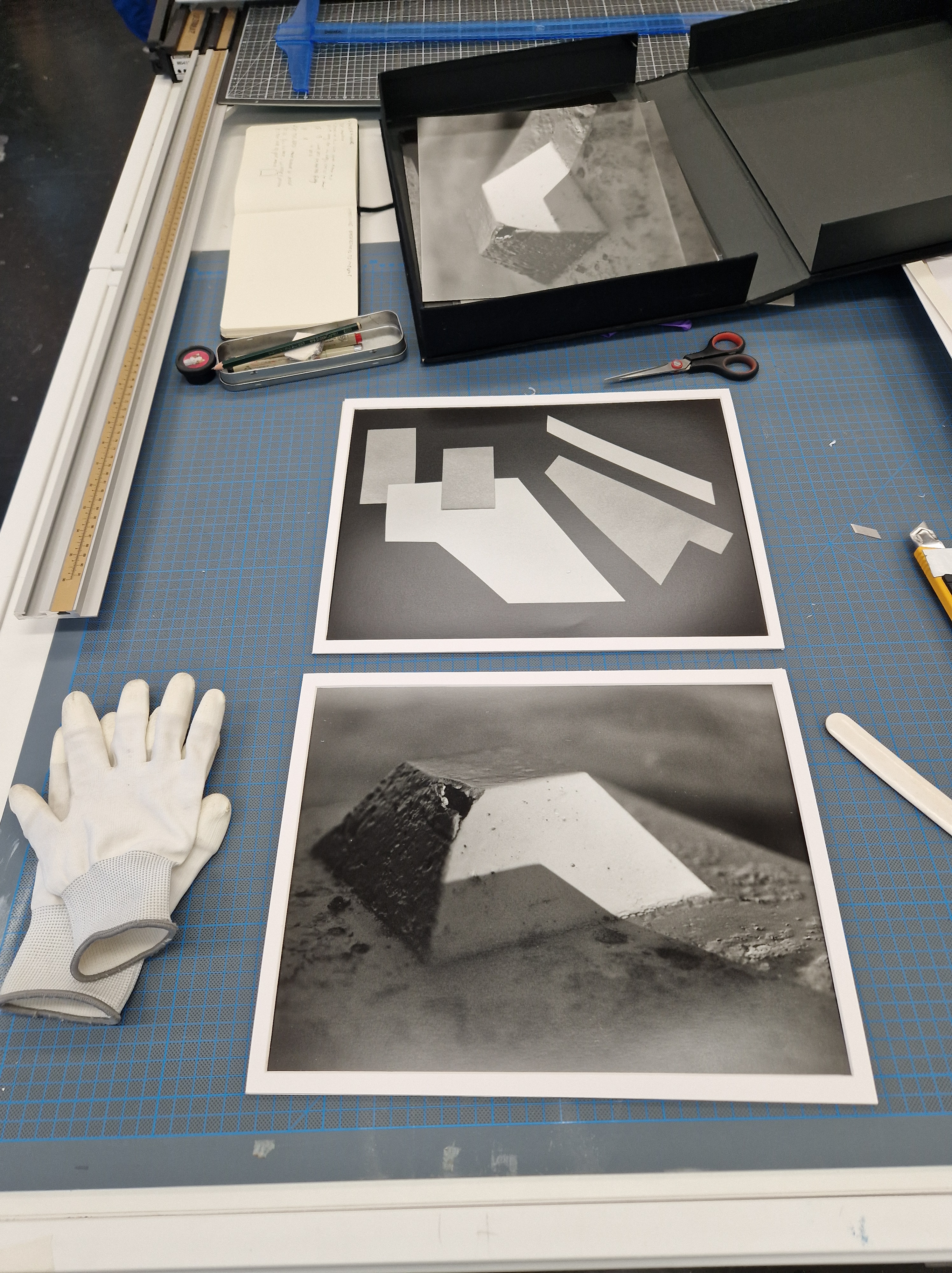
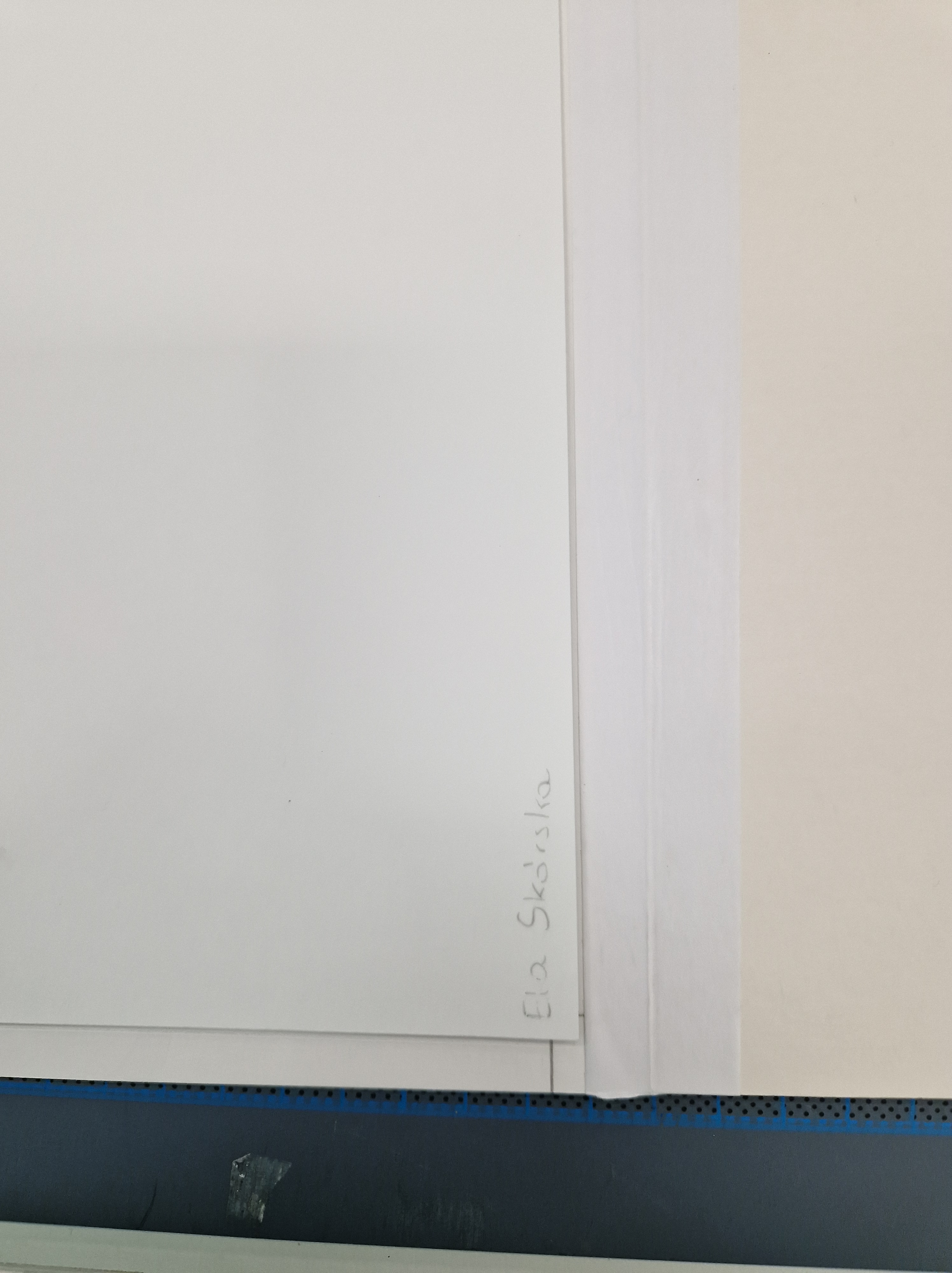
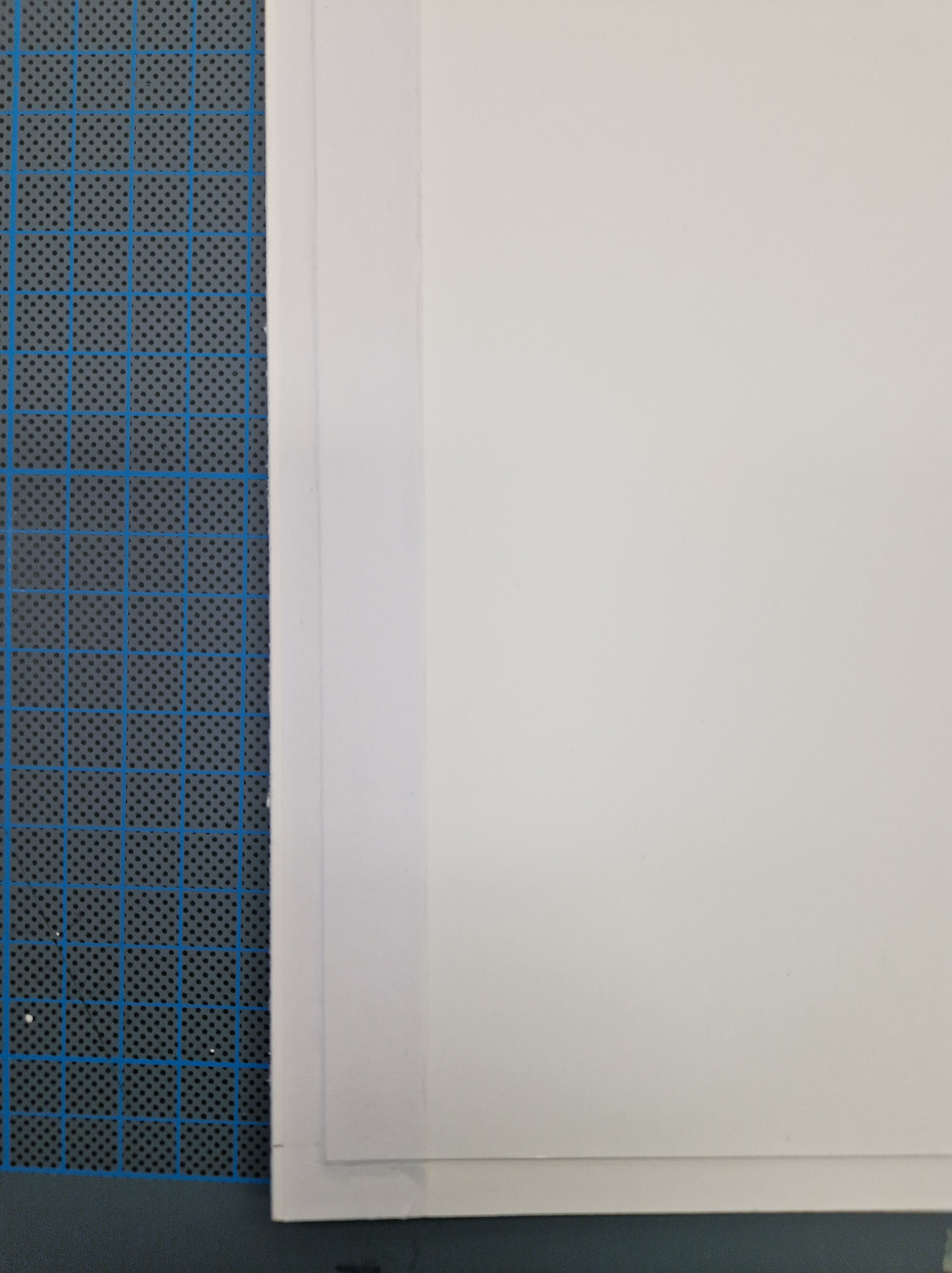
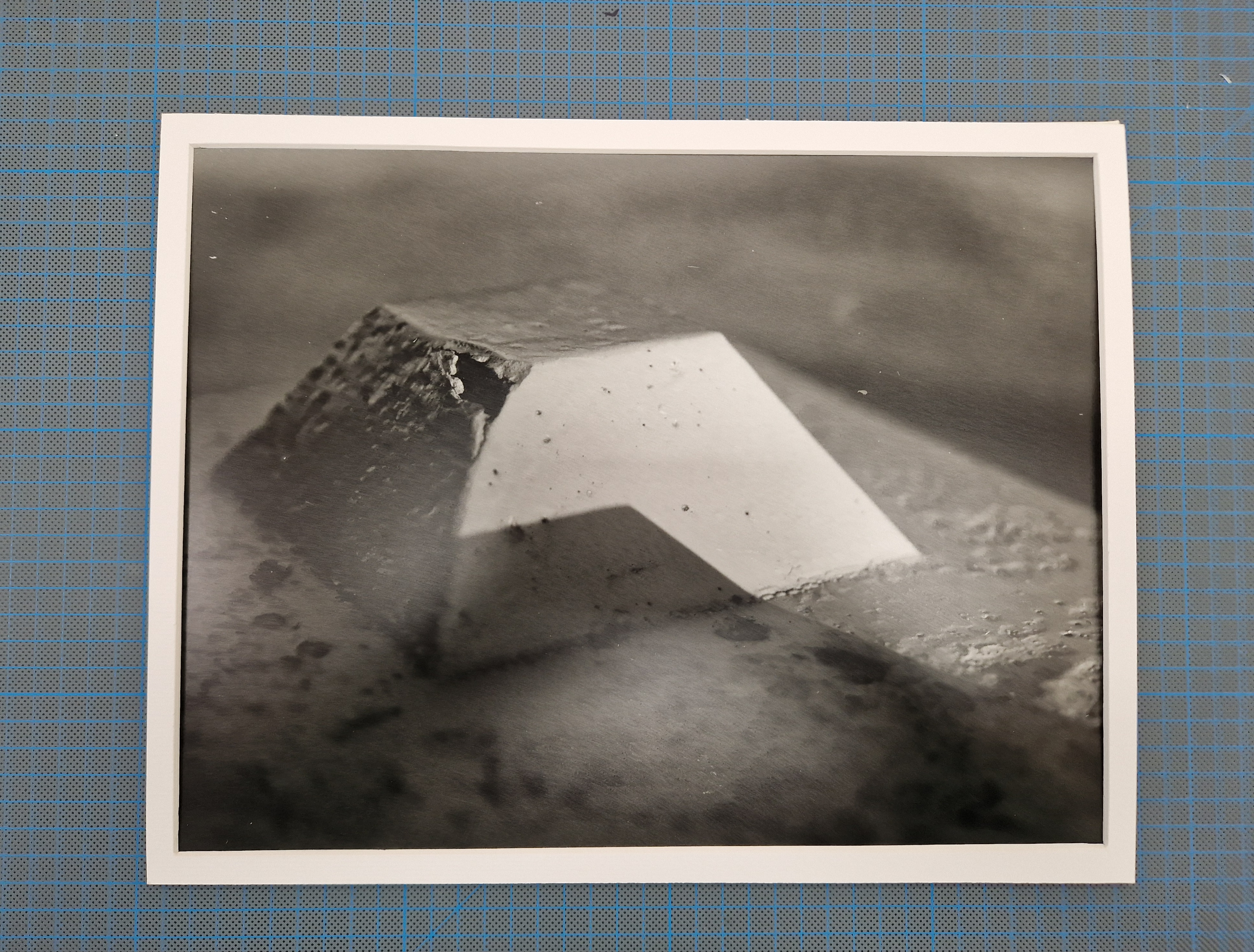
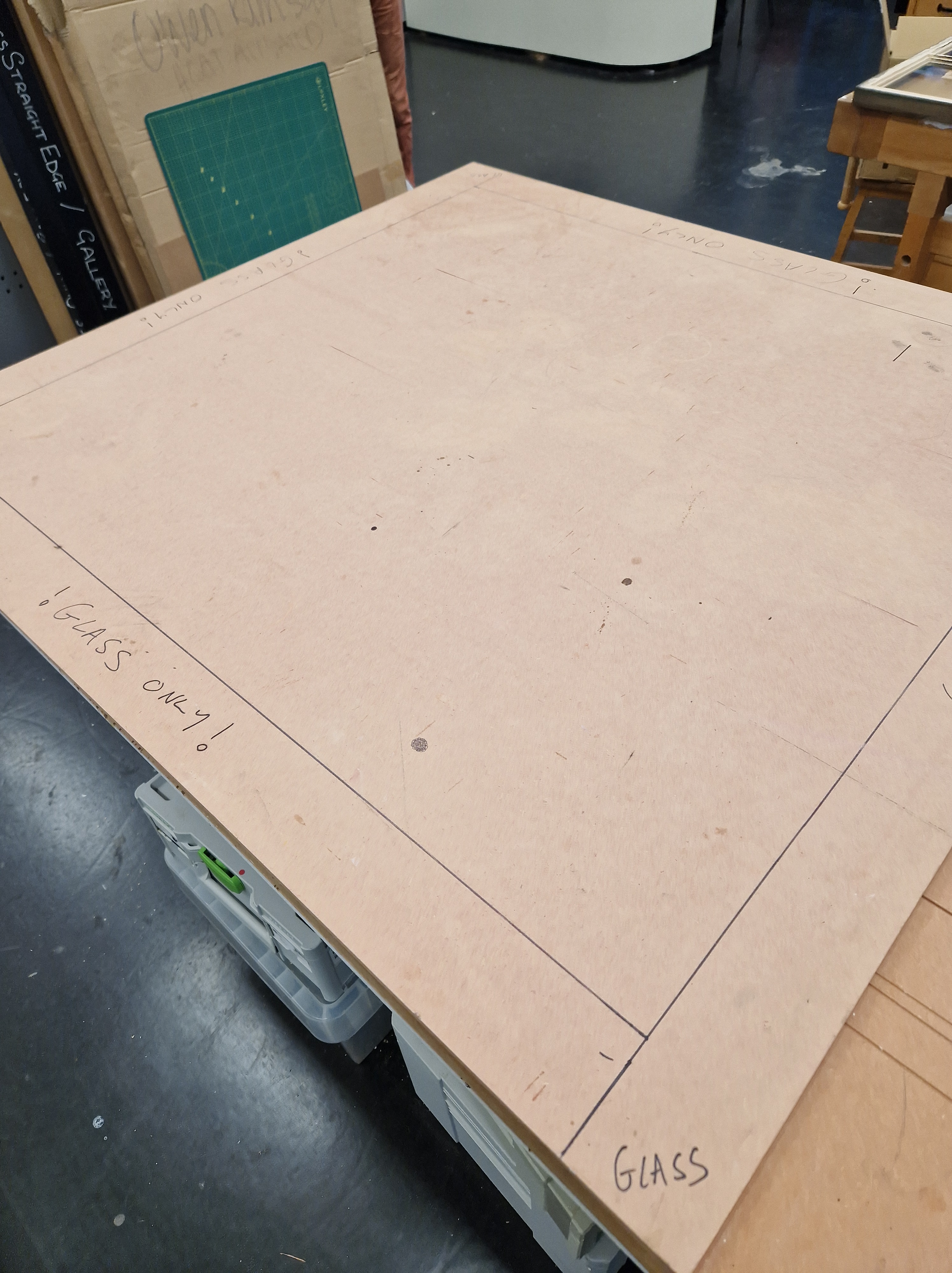

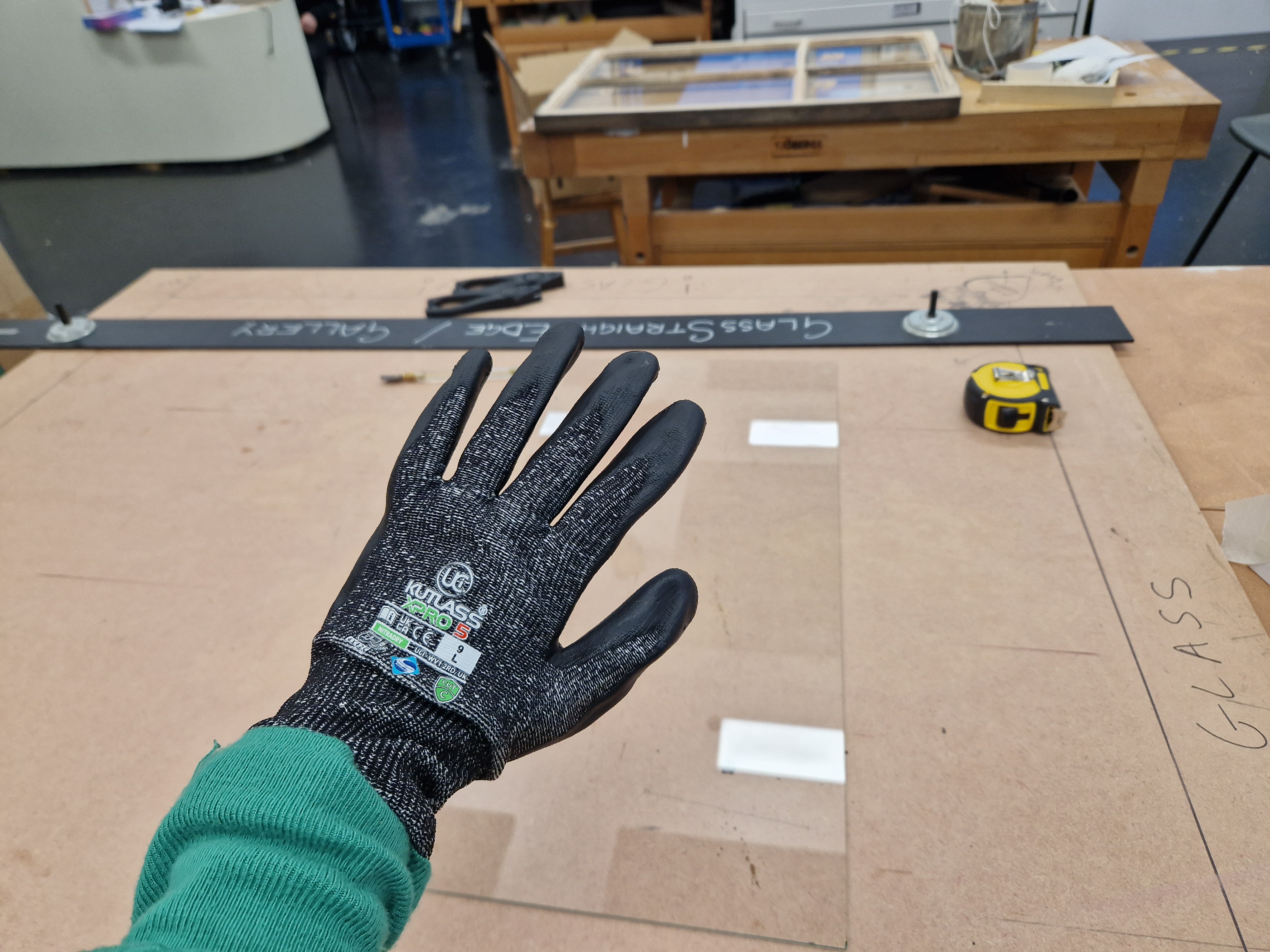
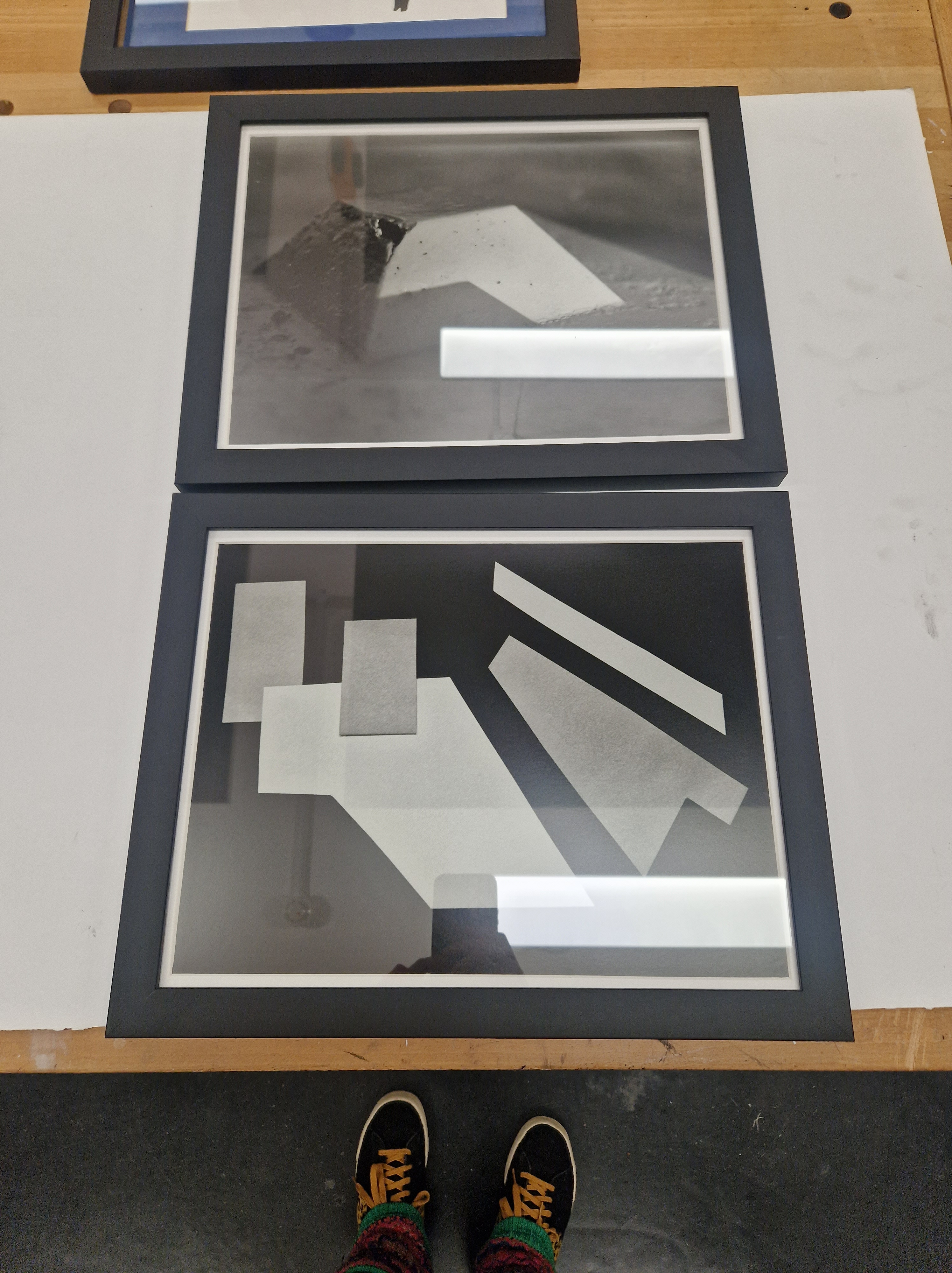
REFLECTIONS: Two things are sure - I love making frames and allow myself A LOT OF TIME to make one (especially when you are still learning). I really enjoyed the whole process and took a tone of notes that I can use in the future when making more frames. I find it a very Zen activity, and I loved the whole process of making and seeing it becoming what it is - an essential part of presenting my images. I feel like it made my connection to my photographs even stronger as I had my hand on the whole process. As a result, these two images/frames were extra special to me.
THURSDAY
PREVISUALISING THE EXHIBITION WALLS
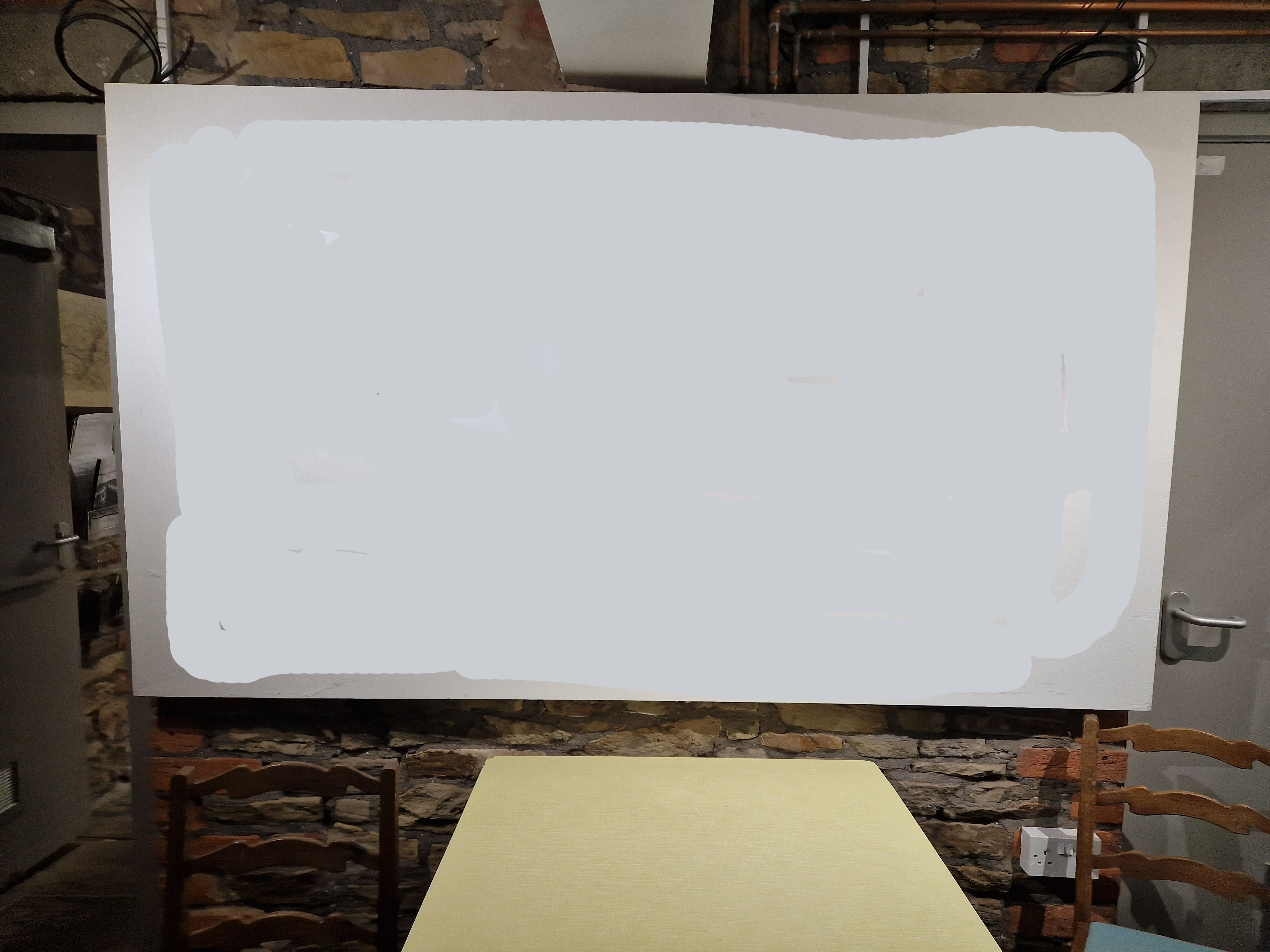
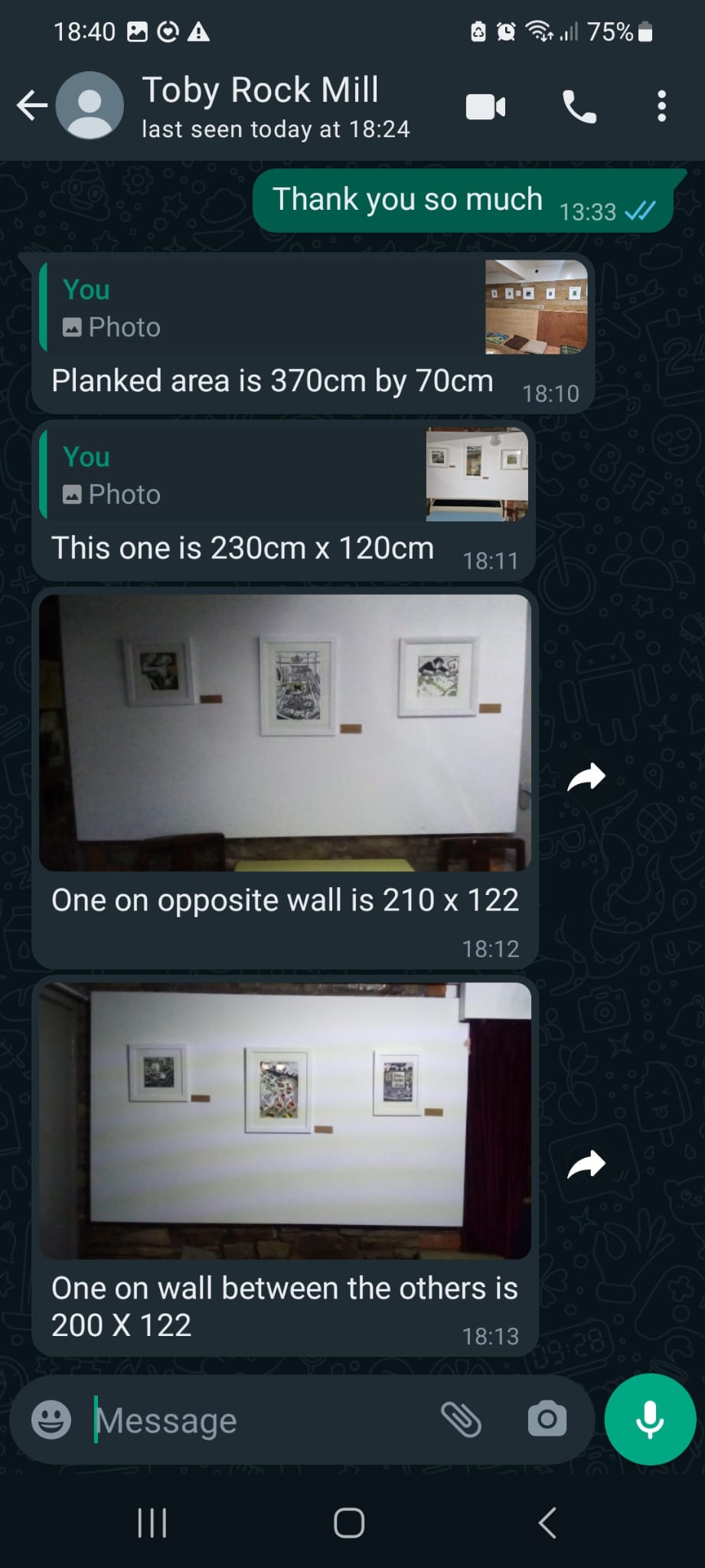
With the pictures we took and the measurements we received from Toby (caretaker of New Mills Cultural Center), I planned each wall, curating the images and paintings to create a pleasing flow and the best possible viewer experience.


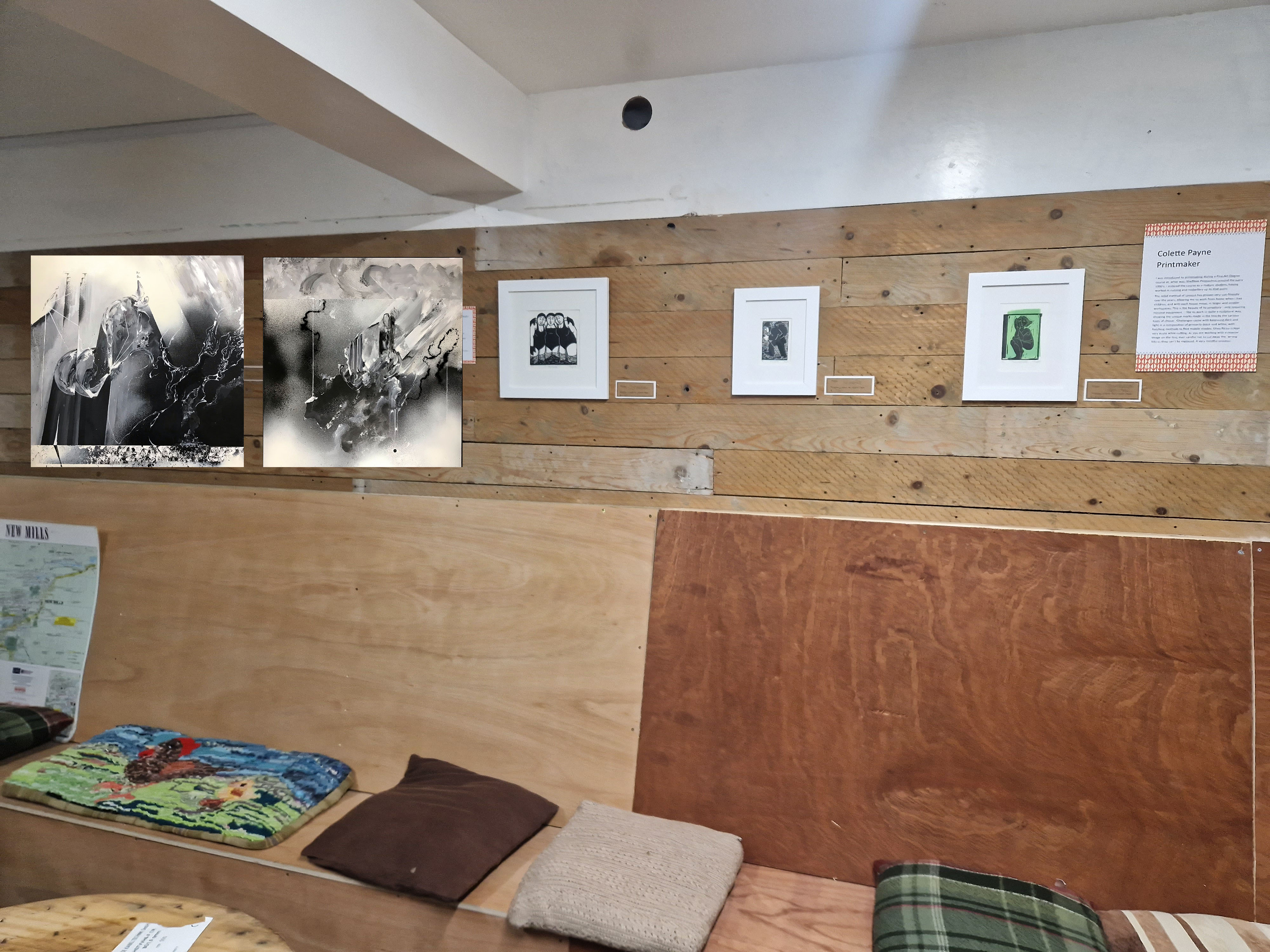
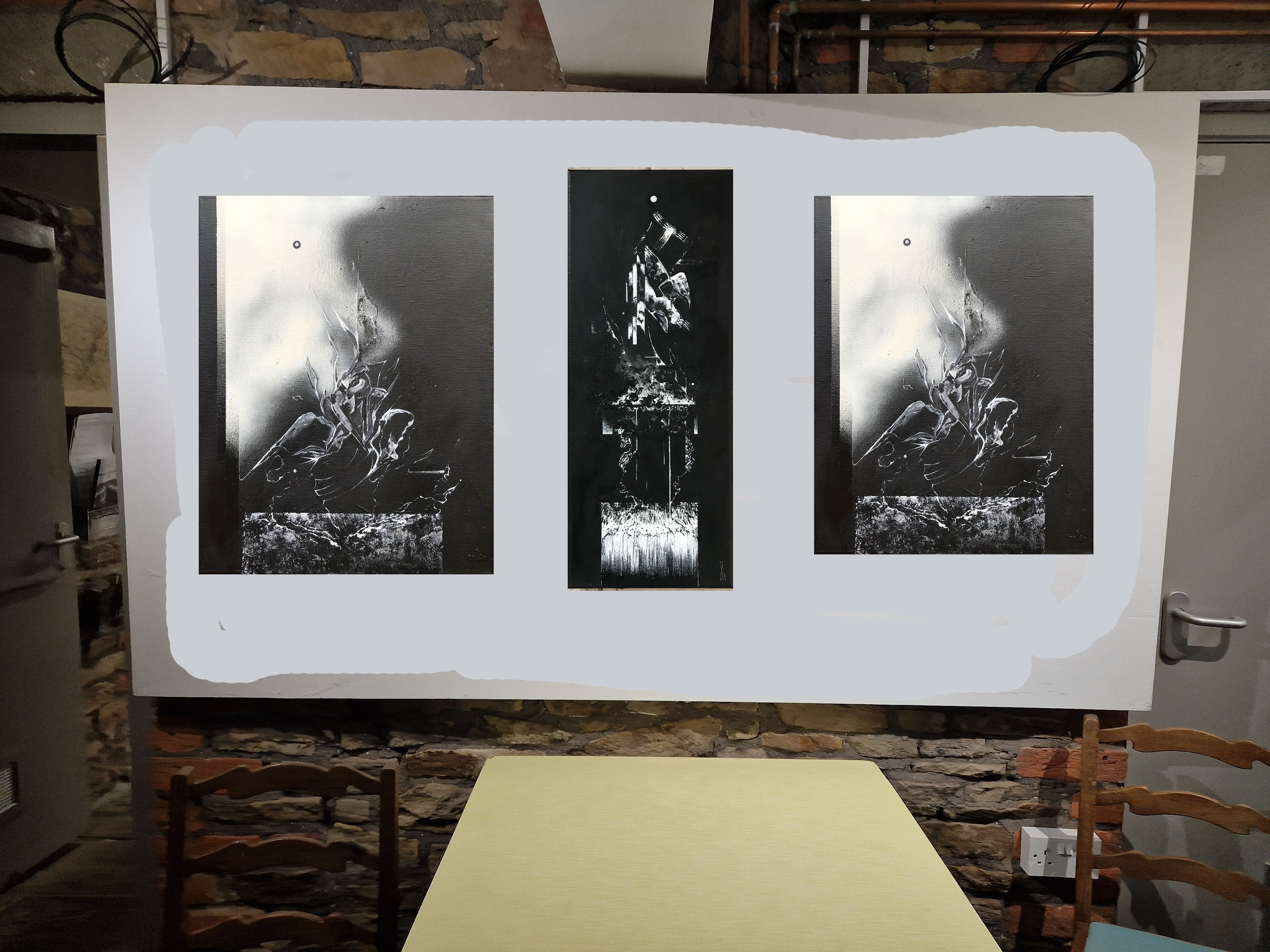
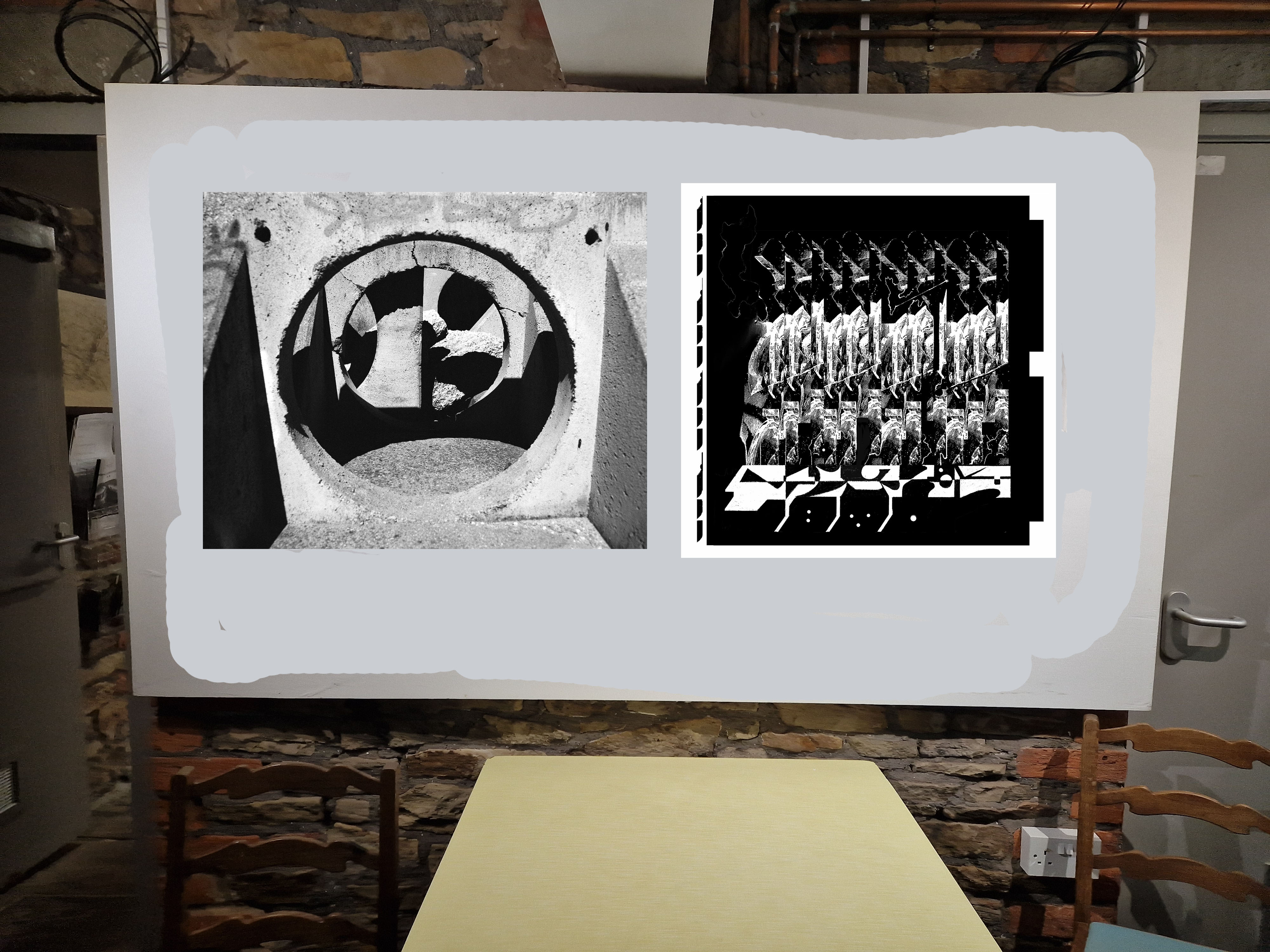
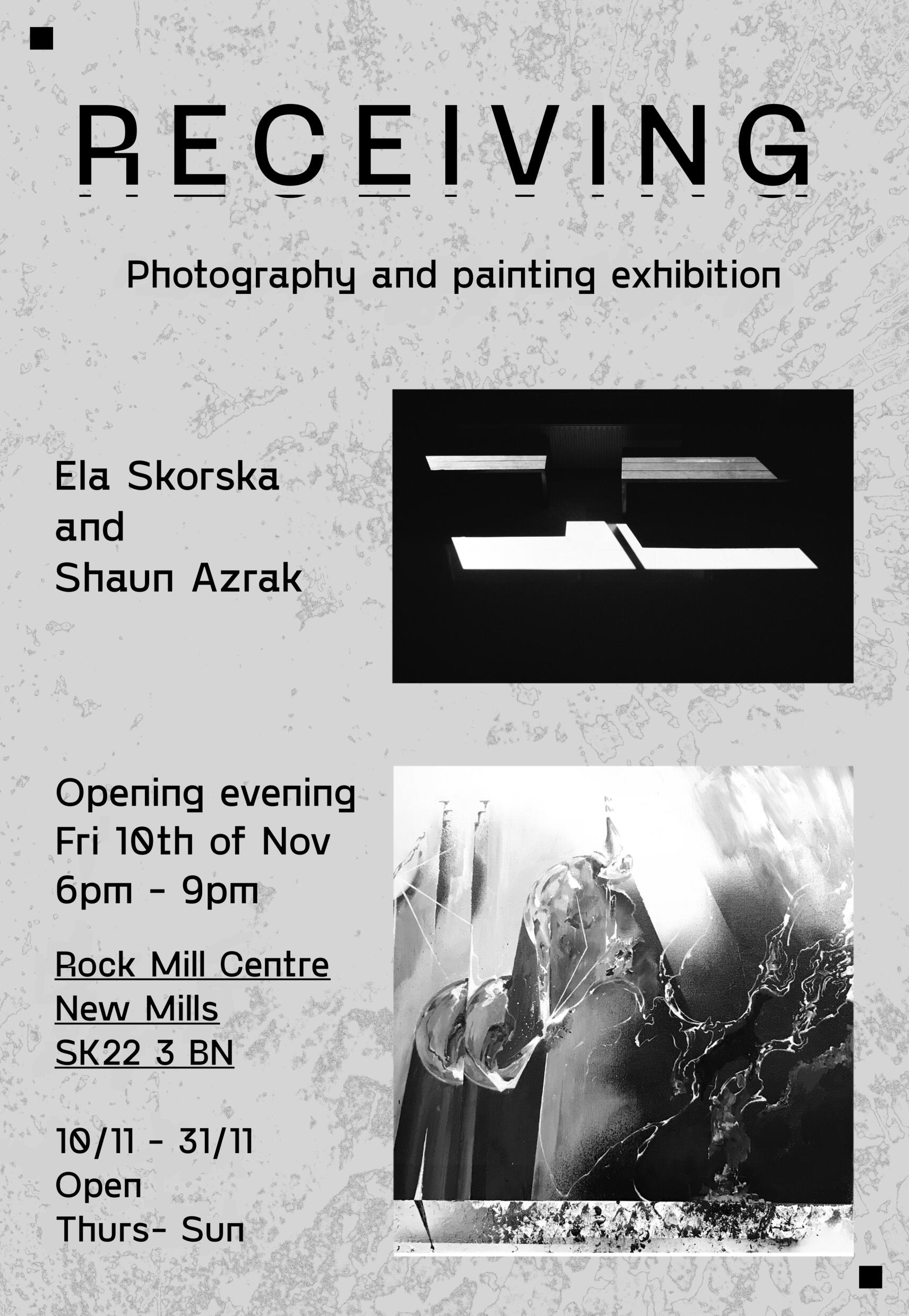
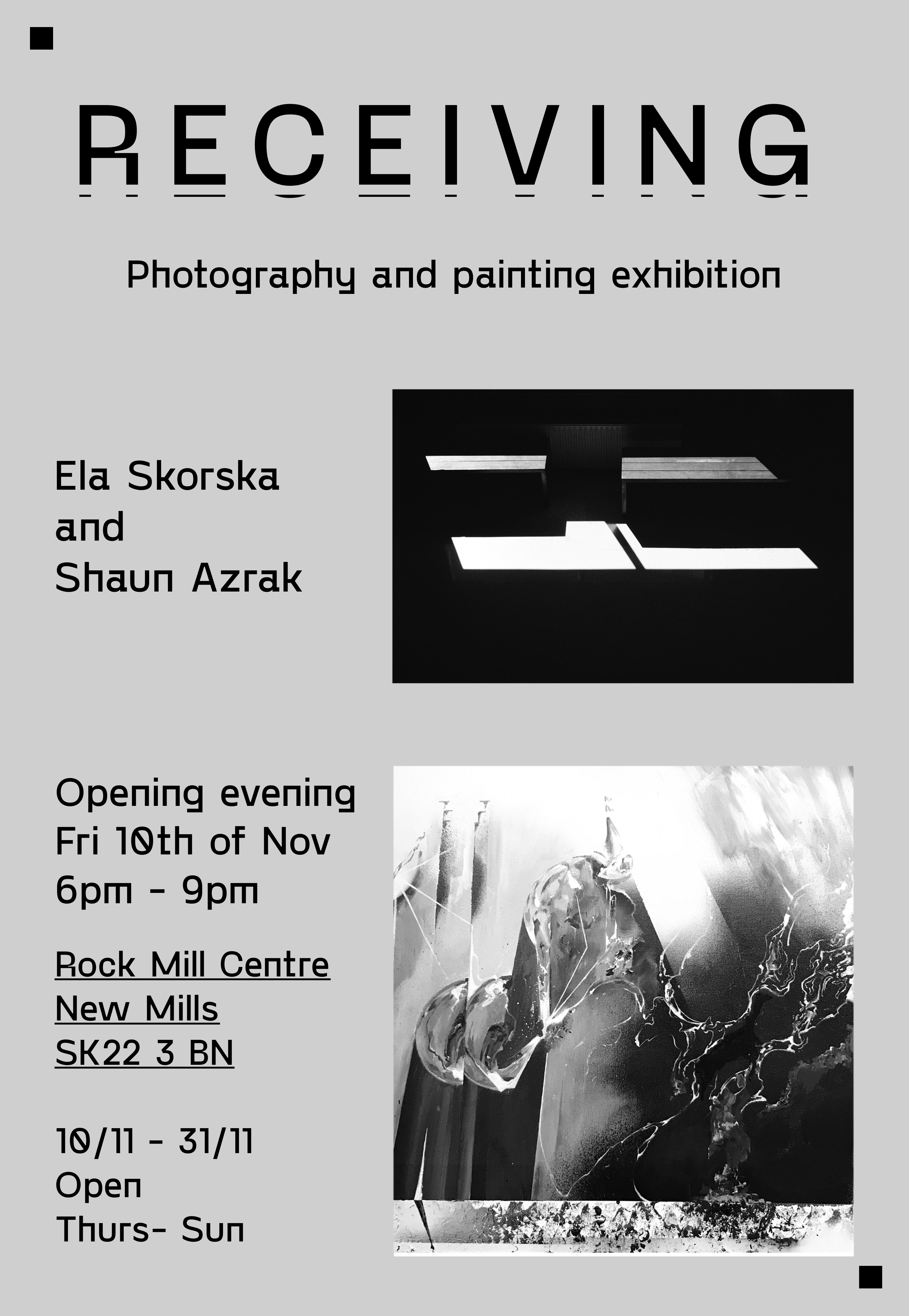
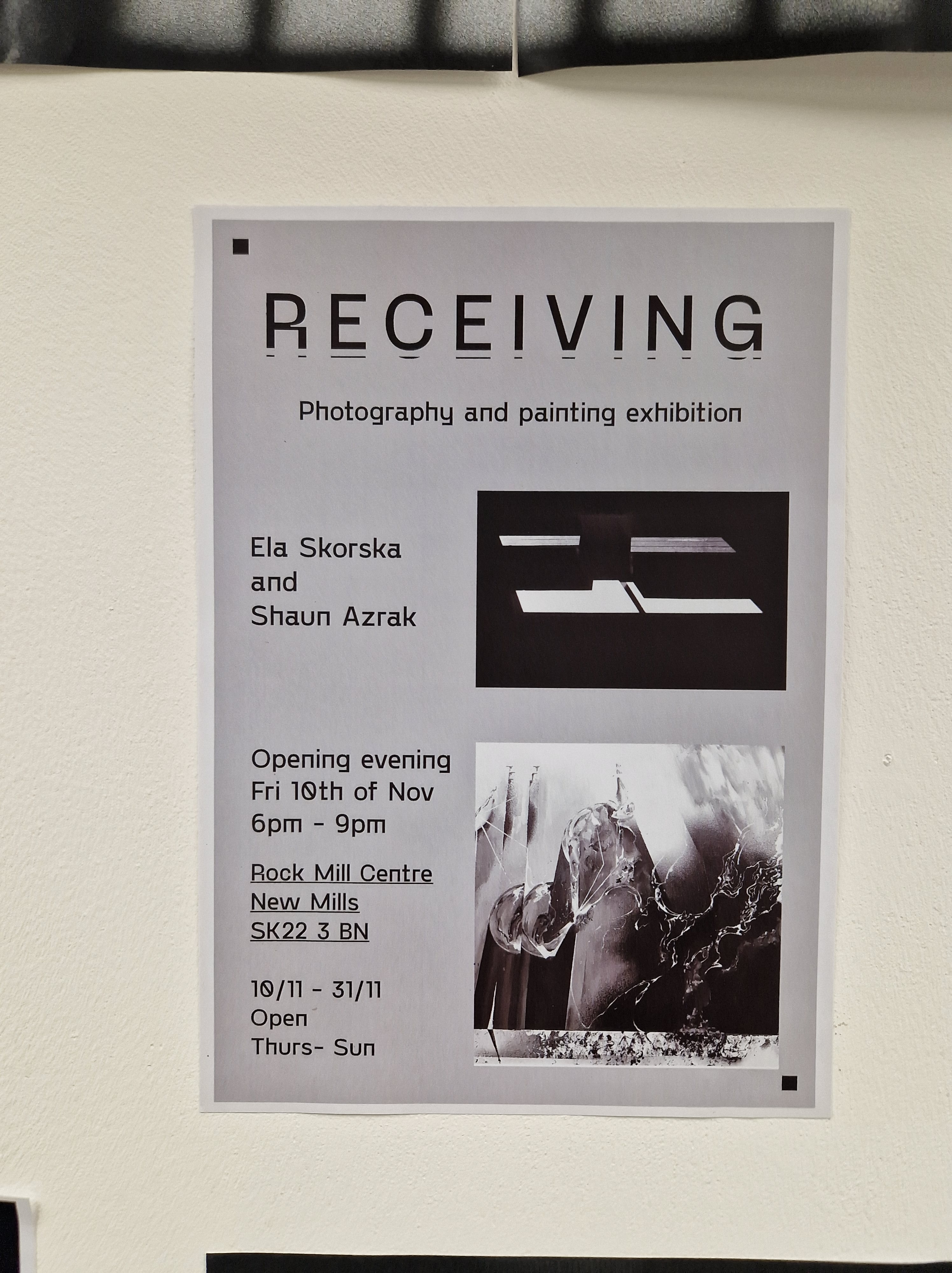
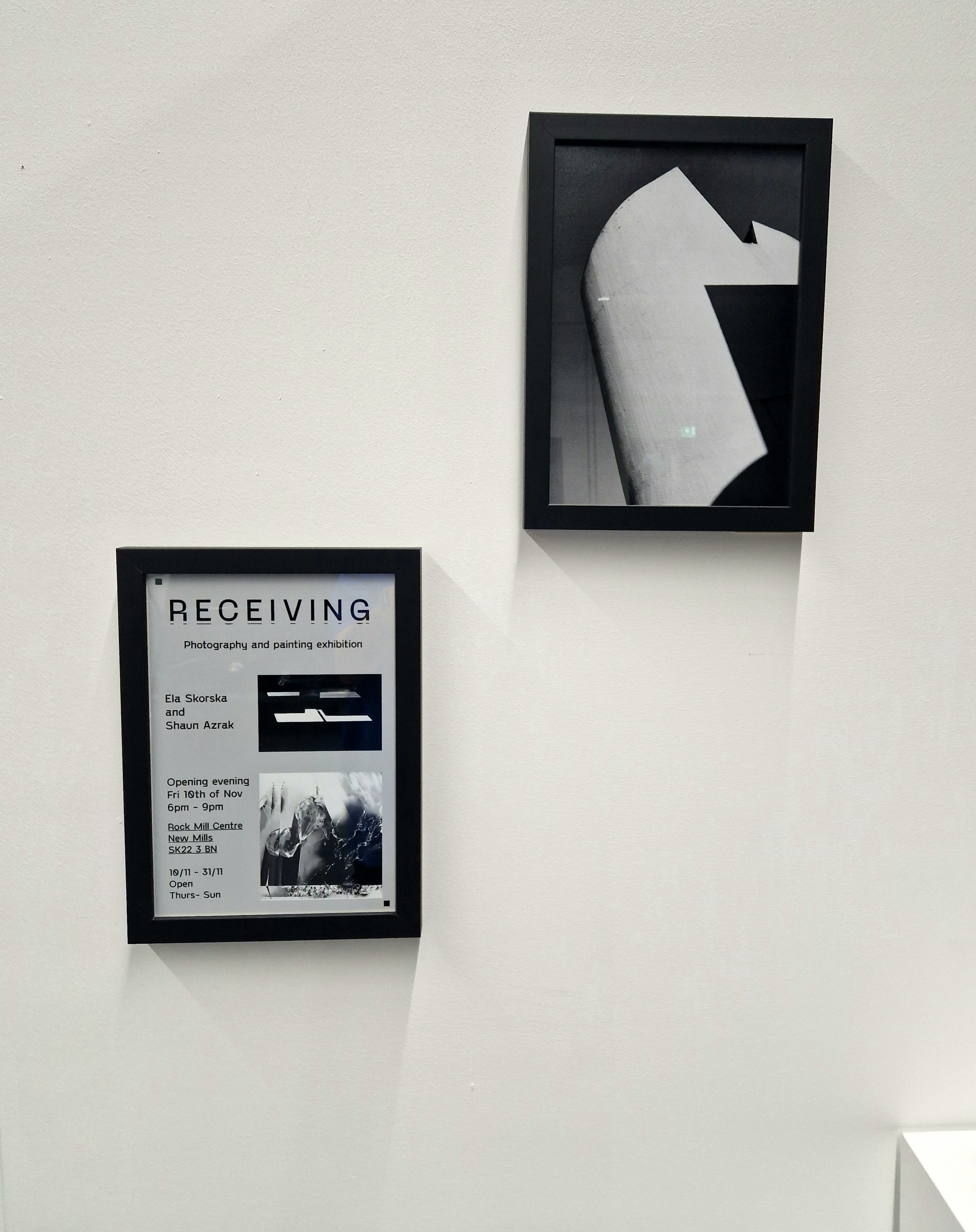
OPTIONS FOR EXHIBITION POSTERS
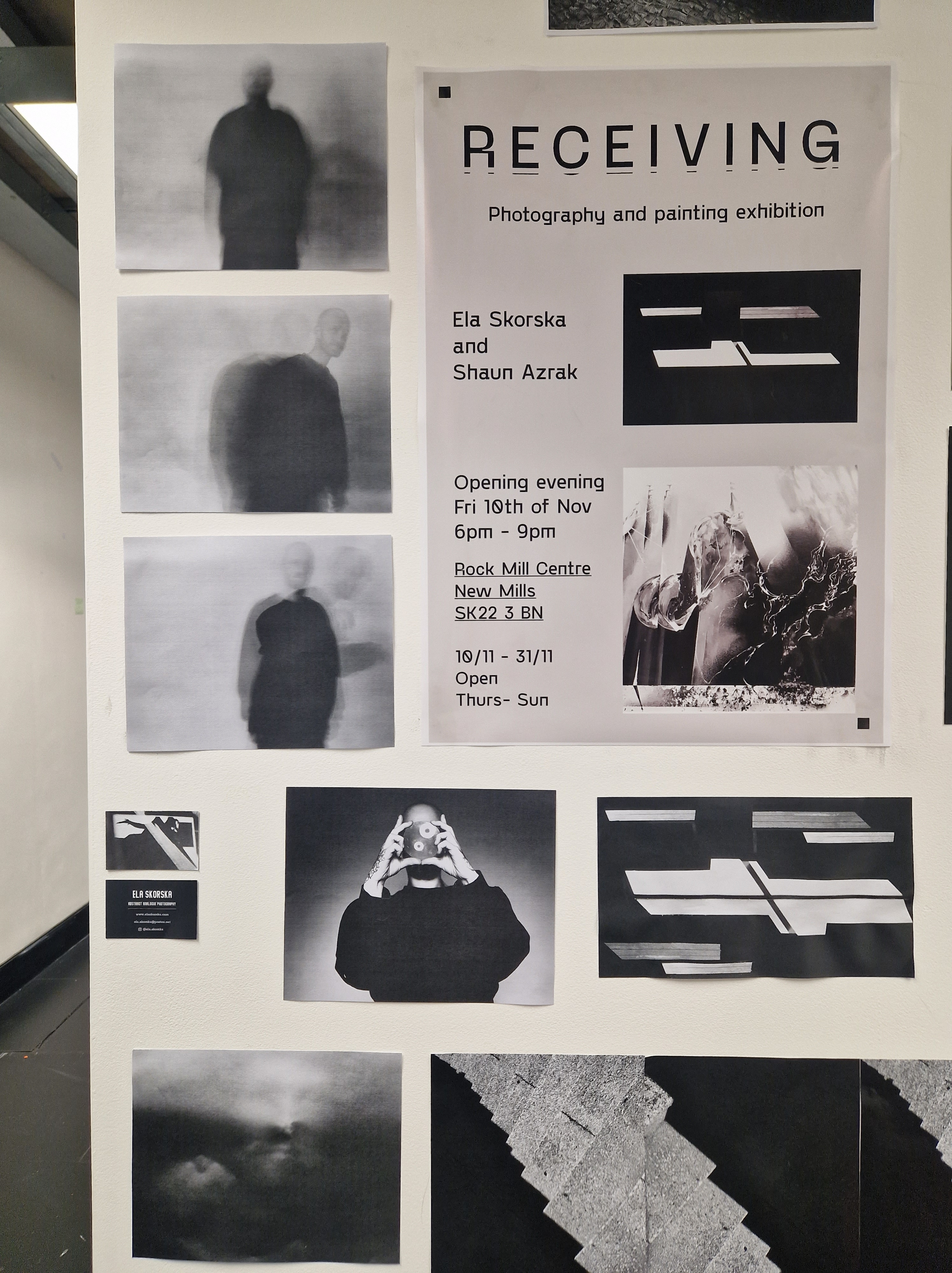
Shaun and I worked together to put this poster together. We settled on this design and chose the plain background one out of the two options.
WEEK 7: 06-12/11
MONDAY
HOUSEKEEPING
NOTES:
- workshop 20th of November with Ciara
- open call for research project for working class people
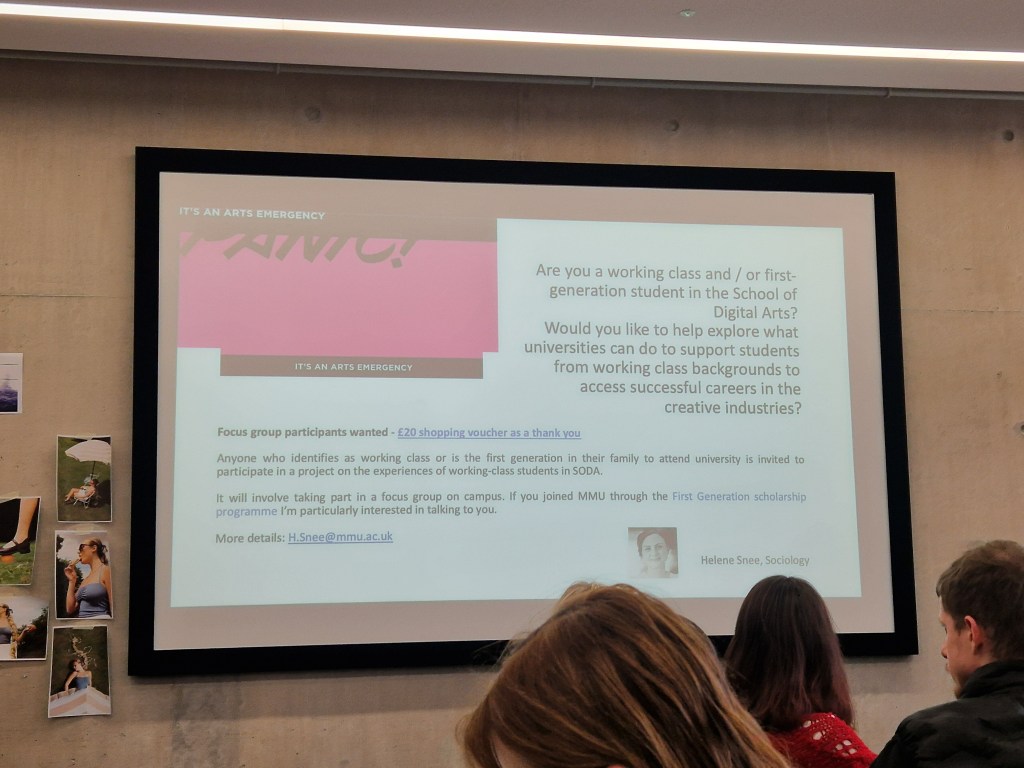
- talk on Friday 17th of November in SODA with Neil Drabble
- from 13-17 November: writing workshops
- 9.30-12: prepare for crit
- next Monday: crit 13-16 at the 13th soda second floor
HOW TO LIGHT PHOTOGRAPHS WORKSHOP
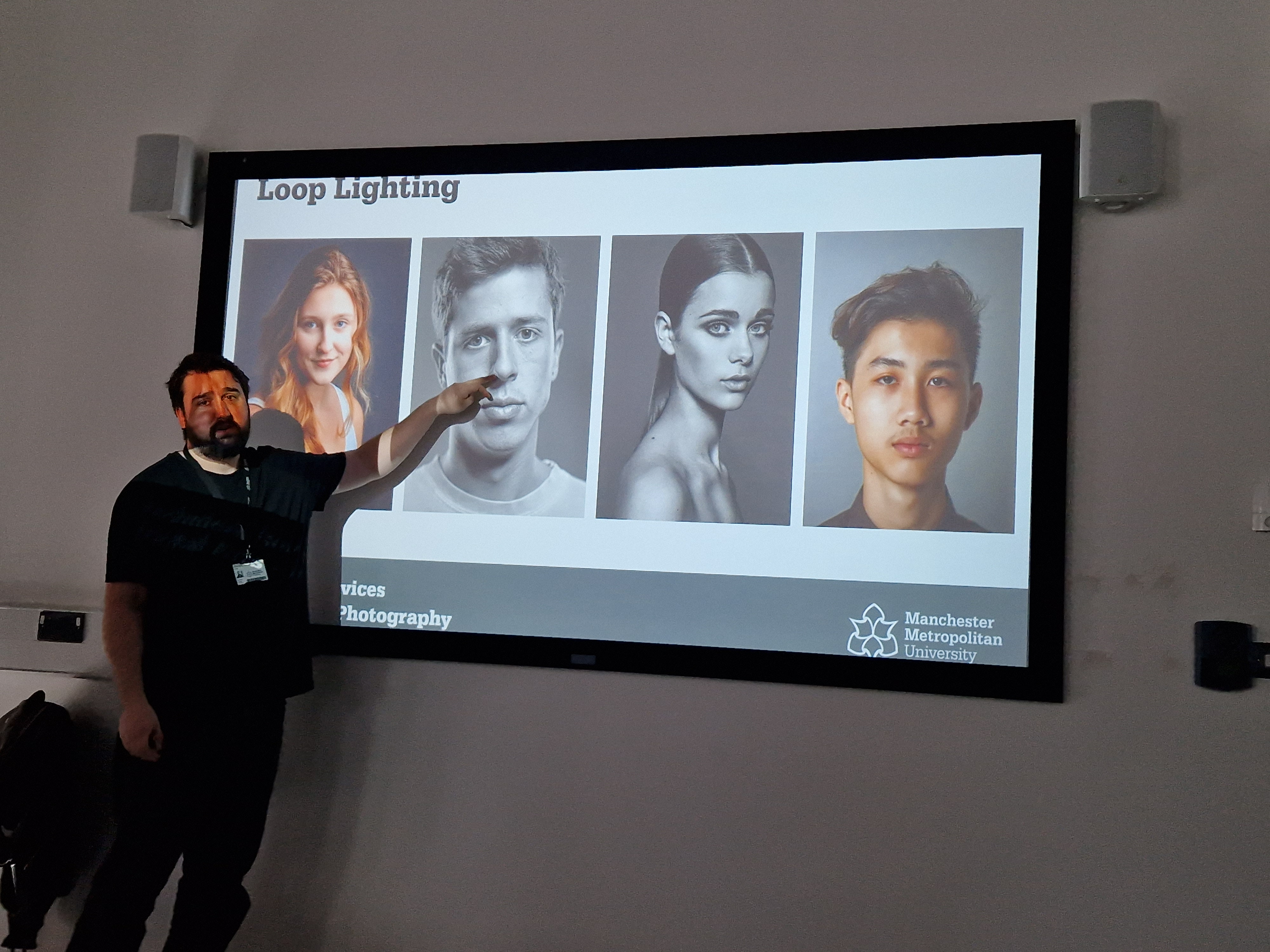
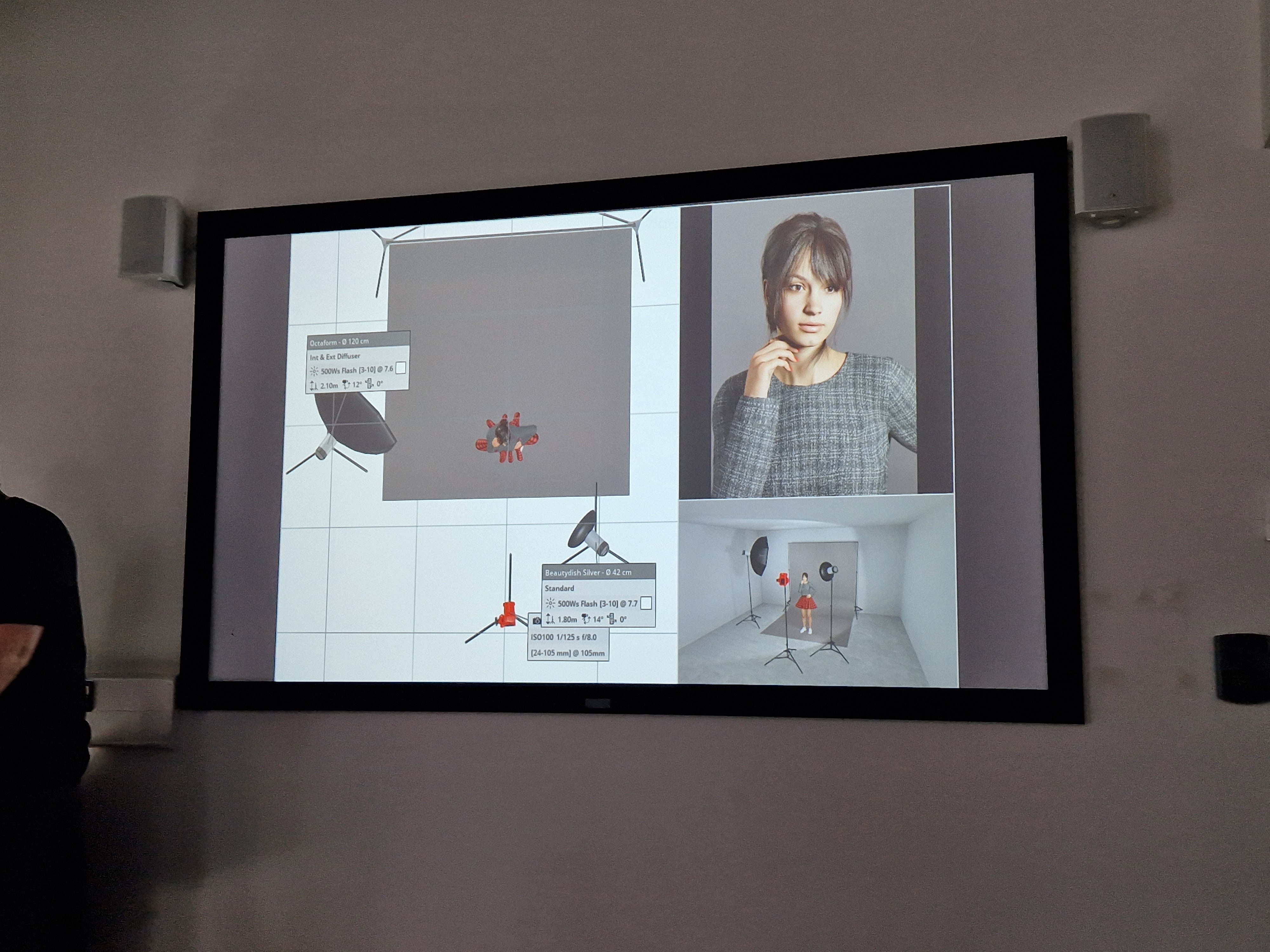
In this very useful workshop, we learned about different ways of lighting a photograph in the studio:
- loop lighting
- Rembrandt lighting
- split light (my favourite)
- butterfly
- broad lighting
- family of angles
- short lighting
- stand back with the camera instead of coming very close, use the space, depth of the studio
REFLECTIONS: Despite not seeing the studio as my natural environment, I constantly try to push myself to learn more about it and get better at using it. I realise that once I leave the university, I will not have this access or expertise from the technicians and that I just don't know where life will take me and what skills I will need, so I try to take in as much as possible in all the creative areas.
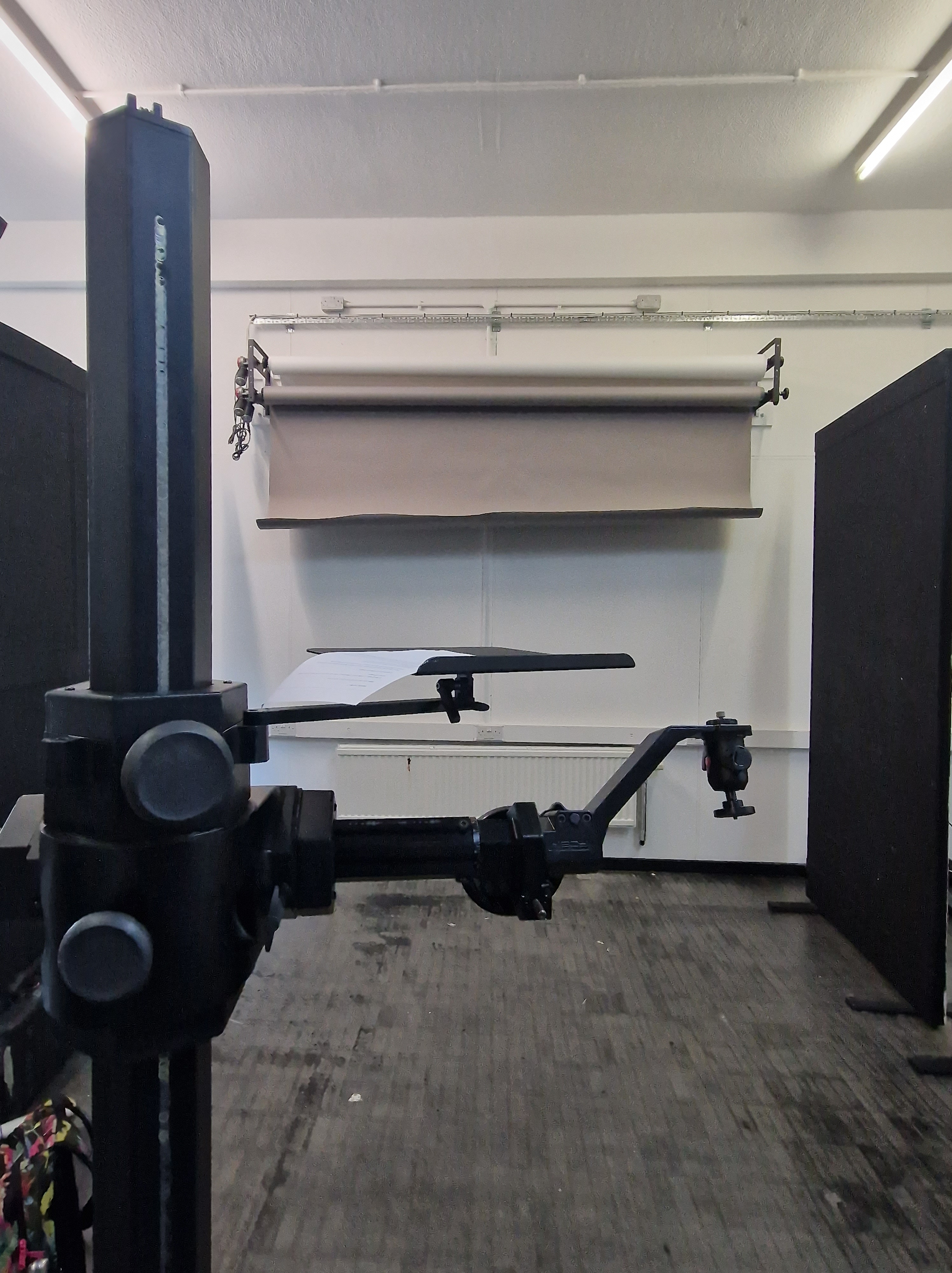
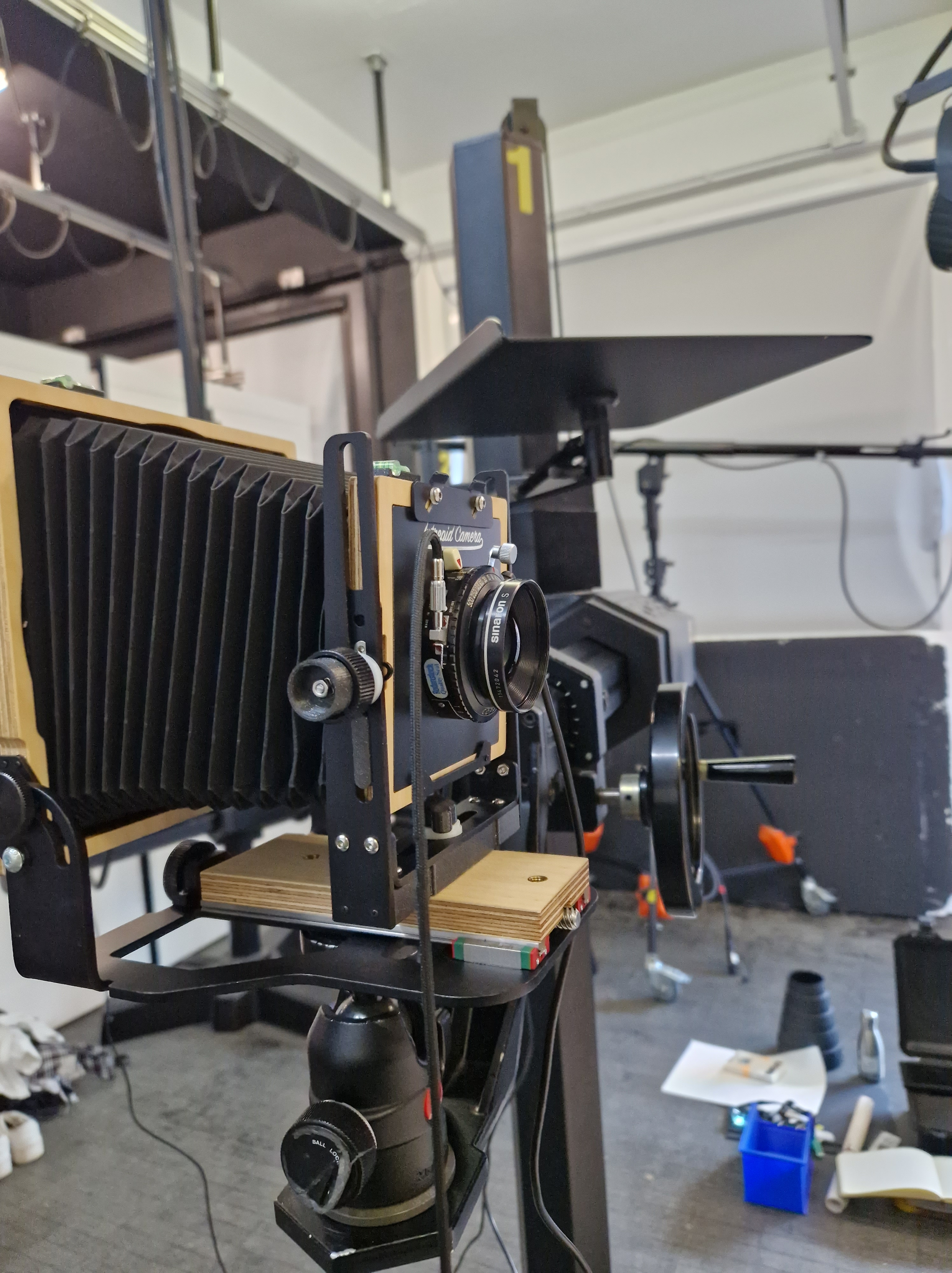
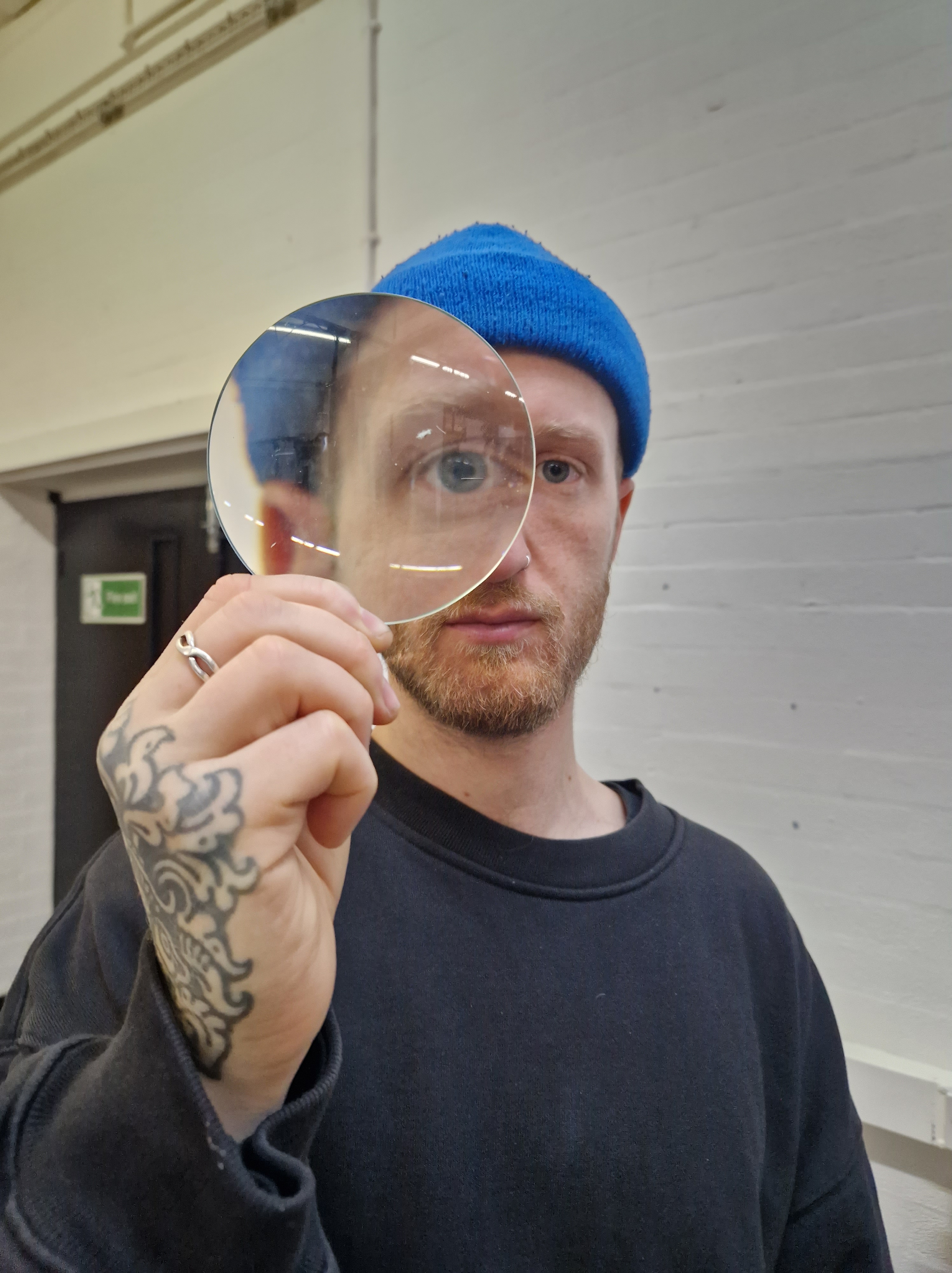
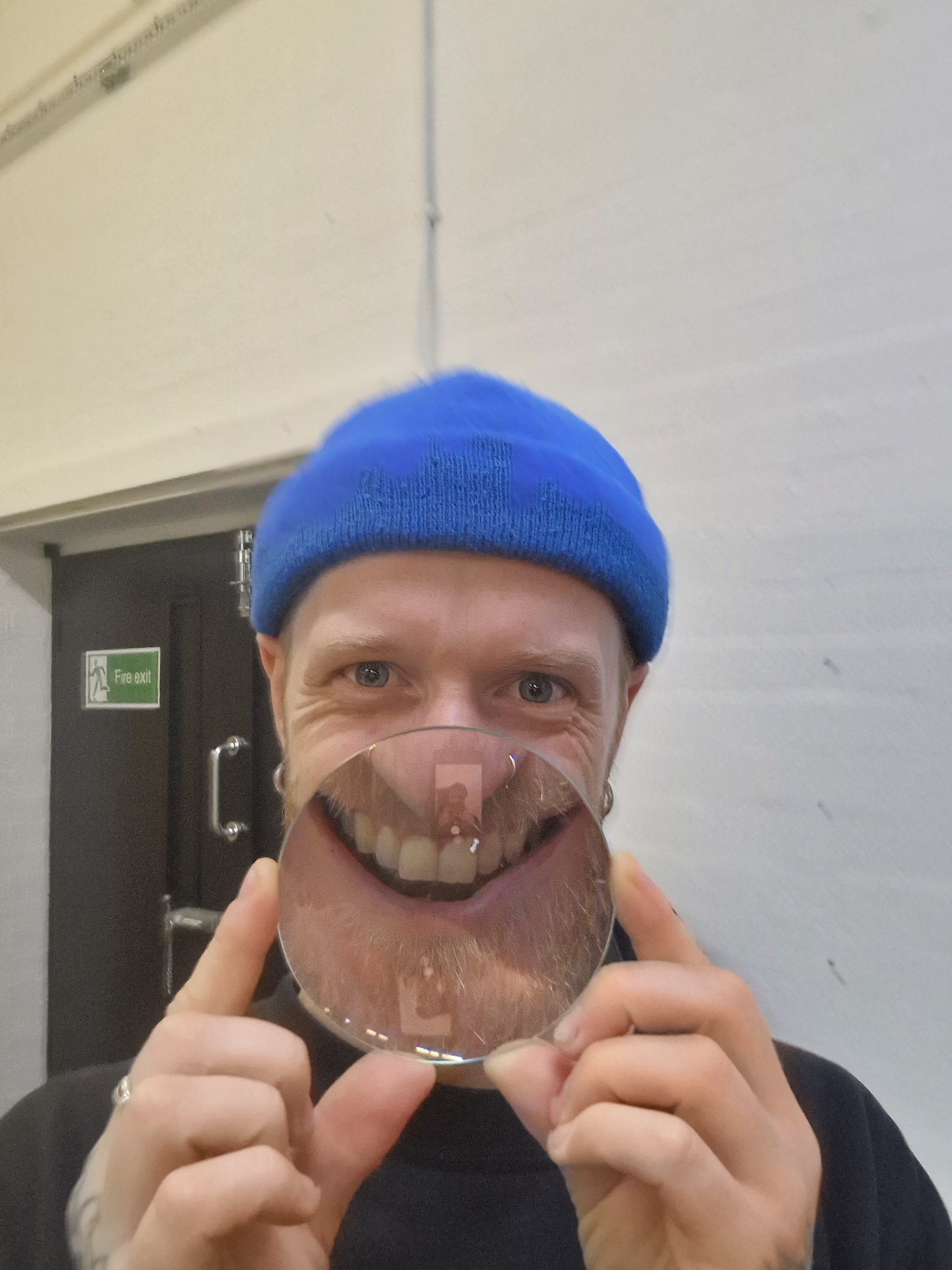




SHOOTING LARGE FORMAT EXPERIMENTAL PORTRAITS IN THE STUDIO
To regain my confidence in the studio and with a large format camera, I booked a session and asked my partner to model for me. I didn’t have a specific plan – it was all about play and improvisation, having fun seeing what came out, and just getting loose on the large format.


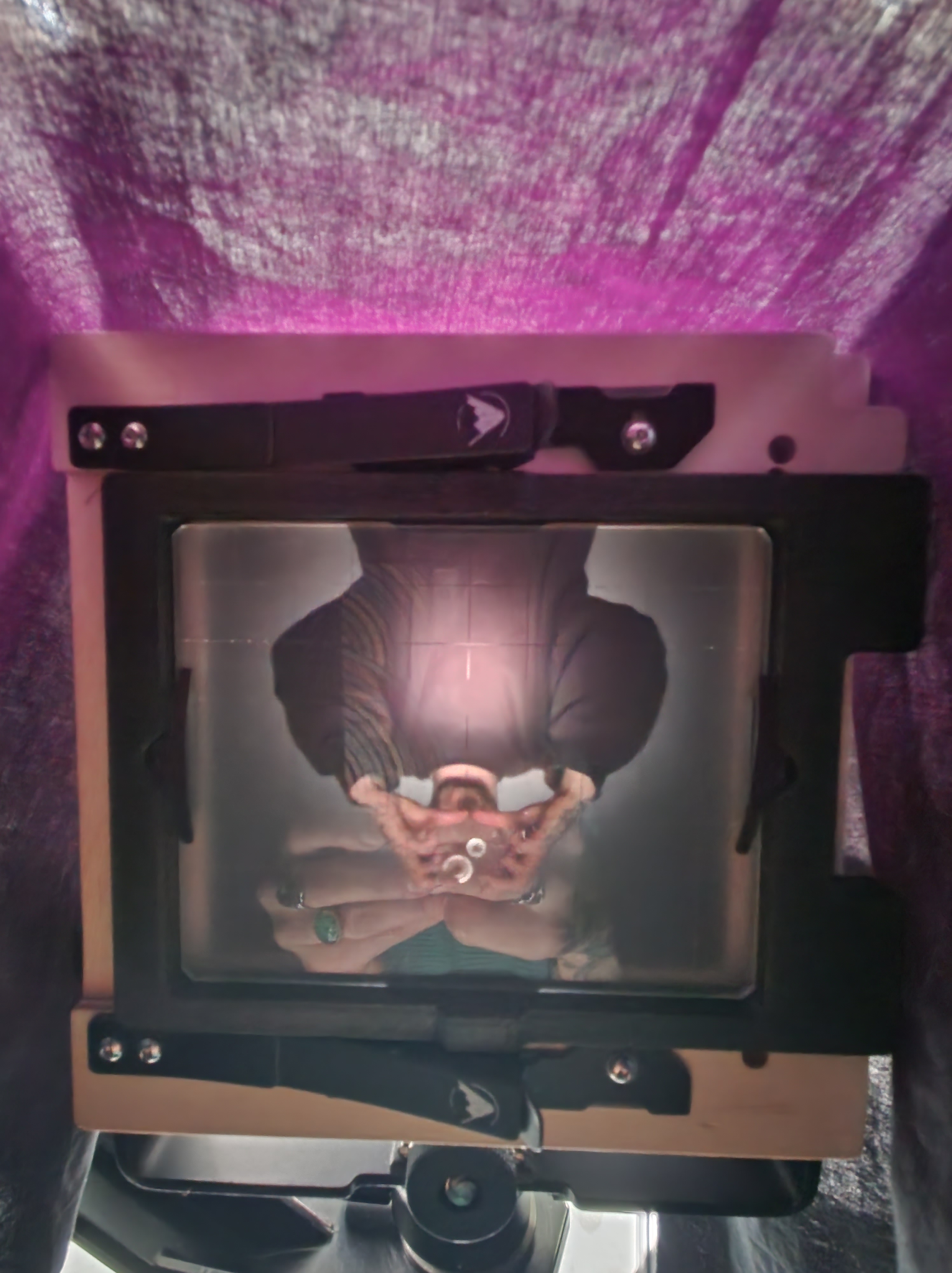
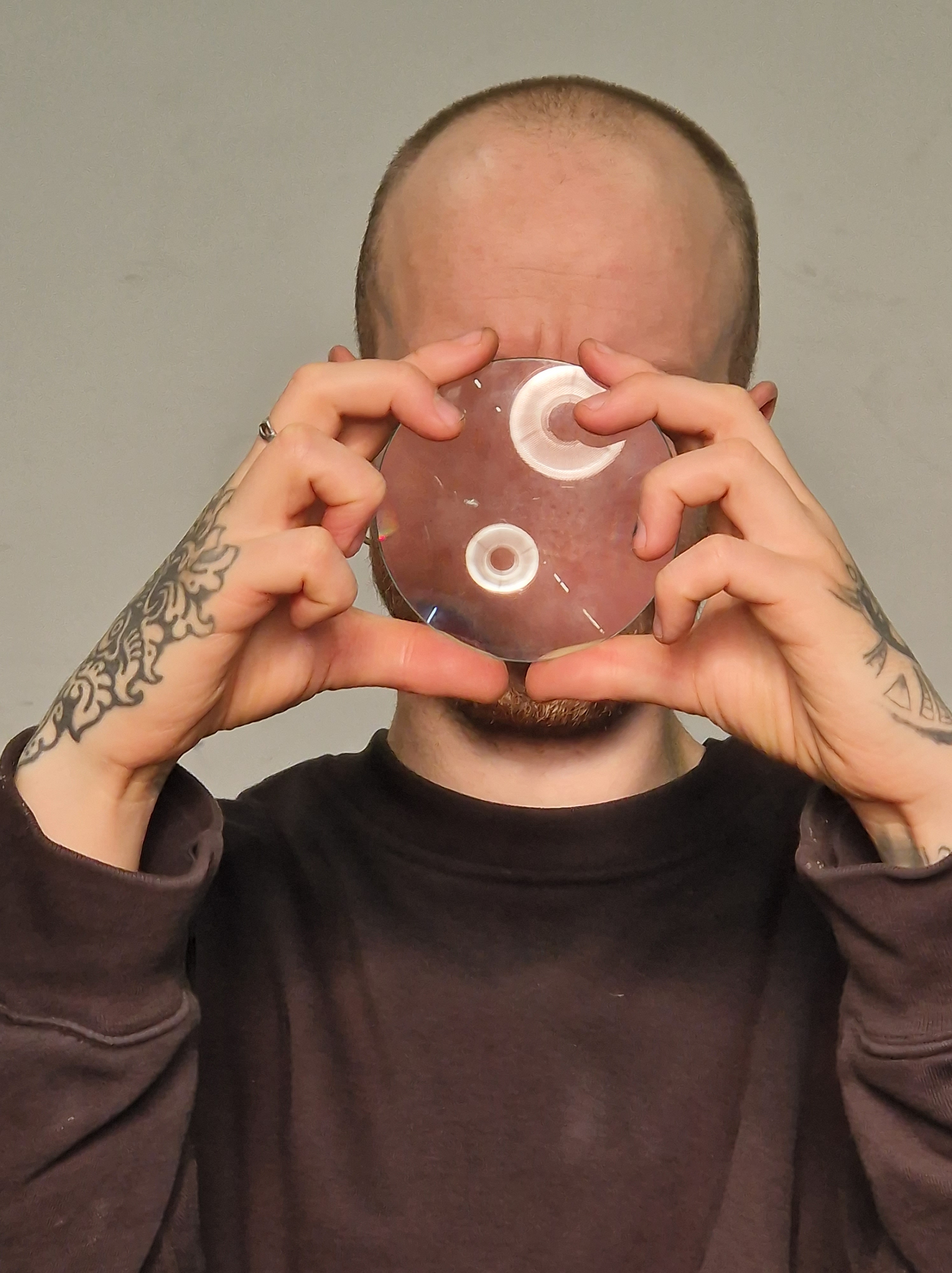
RESULTS
CONTACT SHEET

IMAGES


NOTES FROM MY FIRST YEAR – HOW TO USE FIELD CAMERA

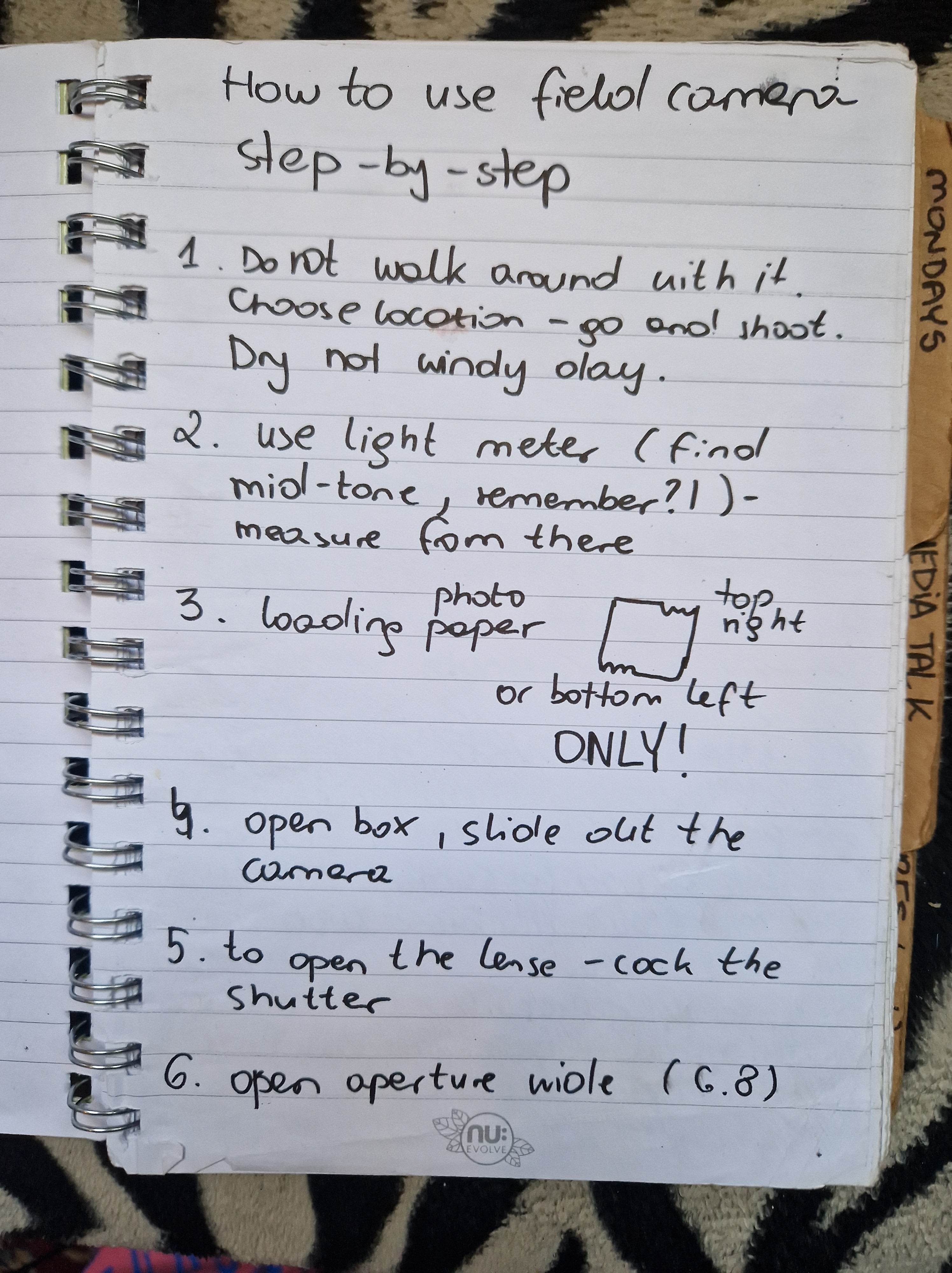
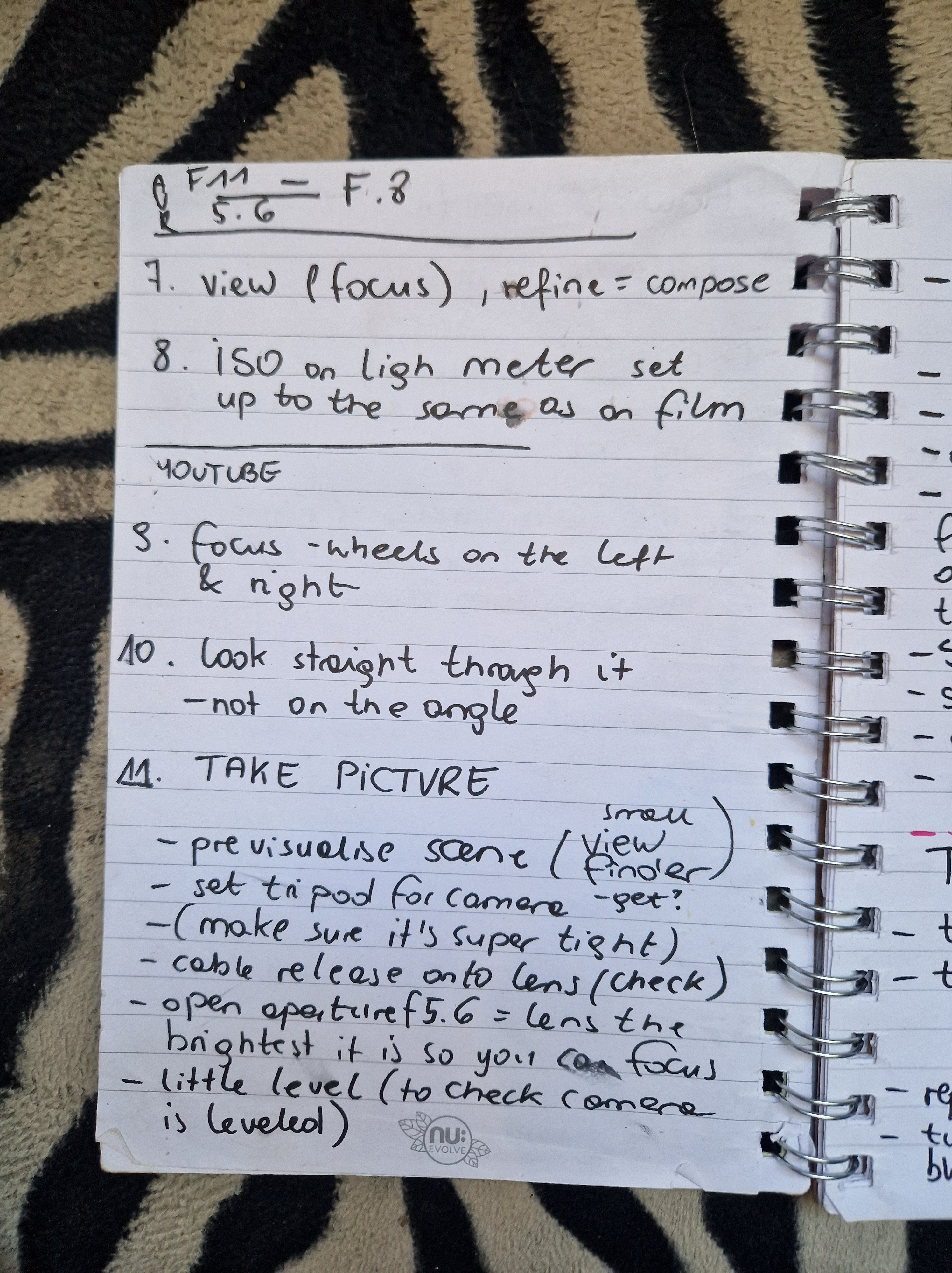
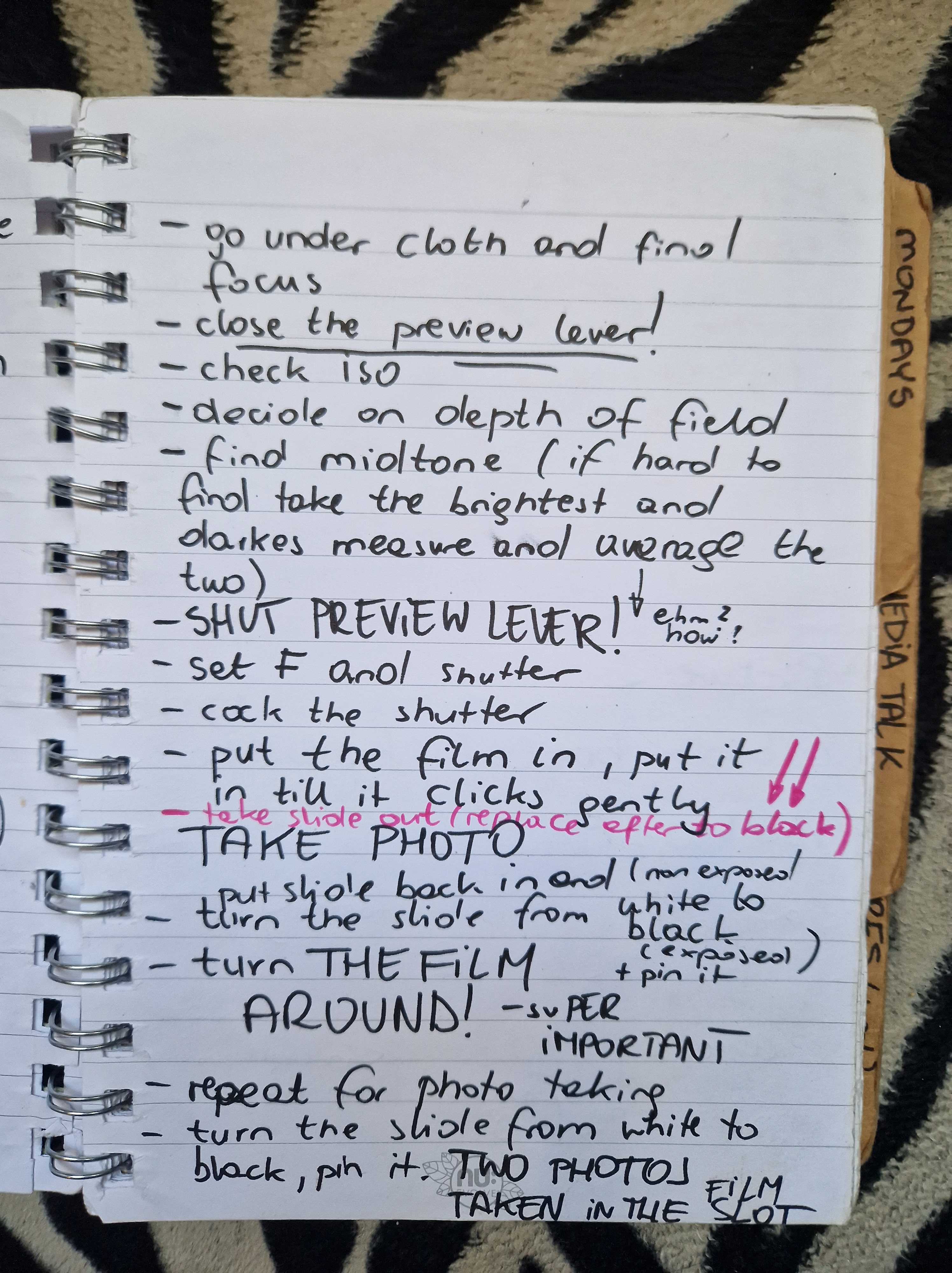
REFLECTIONS: It was a great day that built my confidence both in the studio and with a large format camera. I can’t wait for another session. I am grateful to myself for taking detailed notes when shooting with a field camera for the first time, as they allowed me to successfully take images without much help (which made me feel like I knew what I was doing). I also learned the value of not planning the shoot too much and improvising on the spot, which allows unexpected and interesting results.
TUESDAY
LEARNING 3D MODELLING PROGRAM
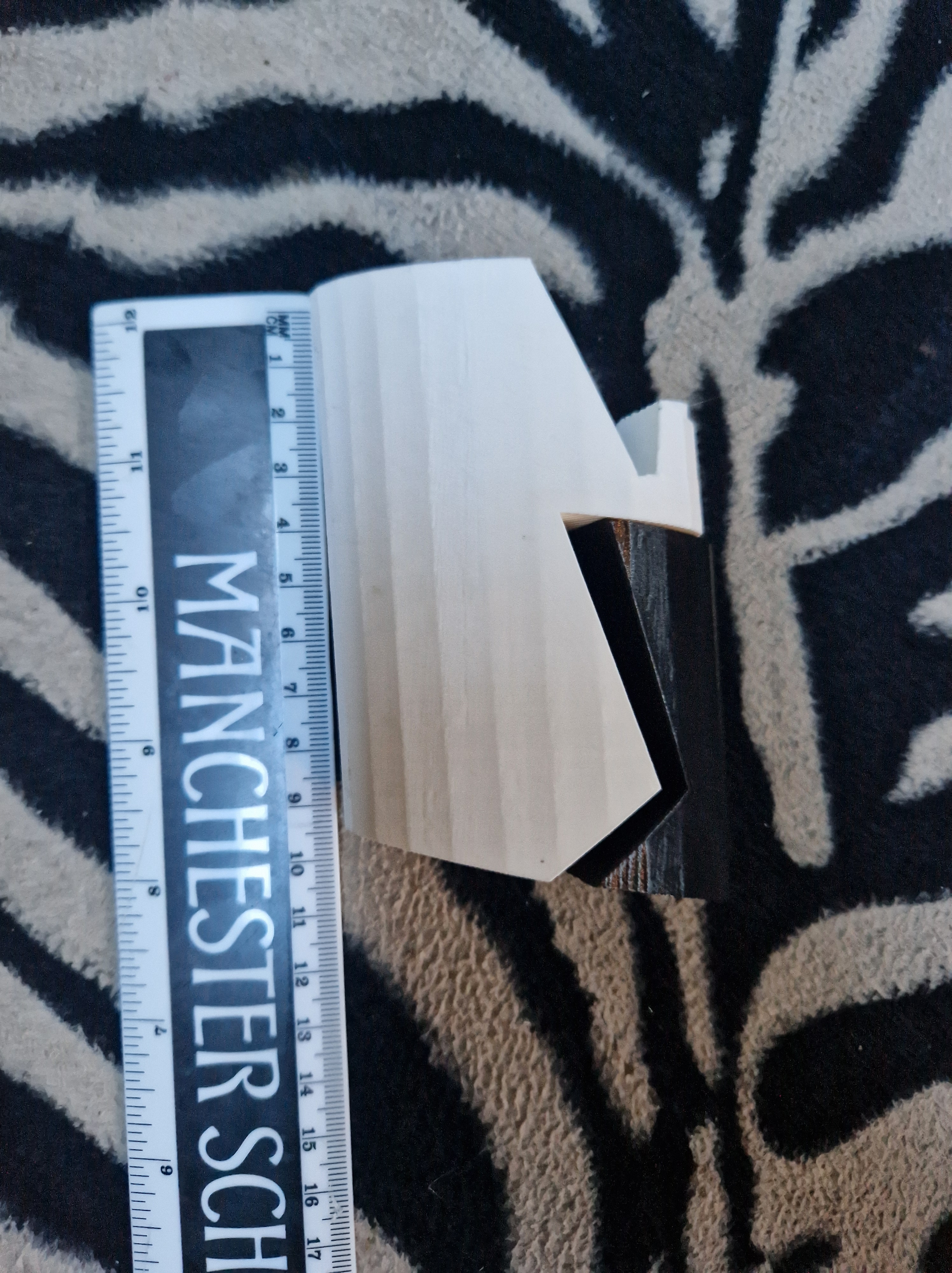
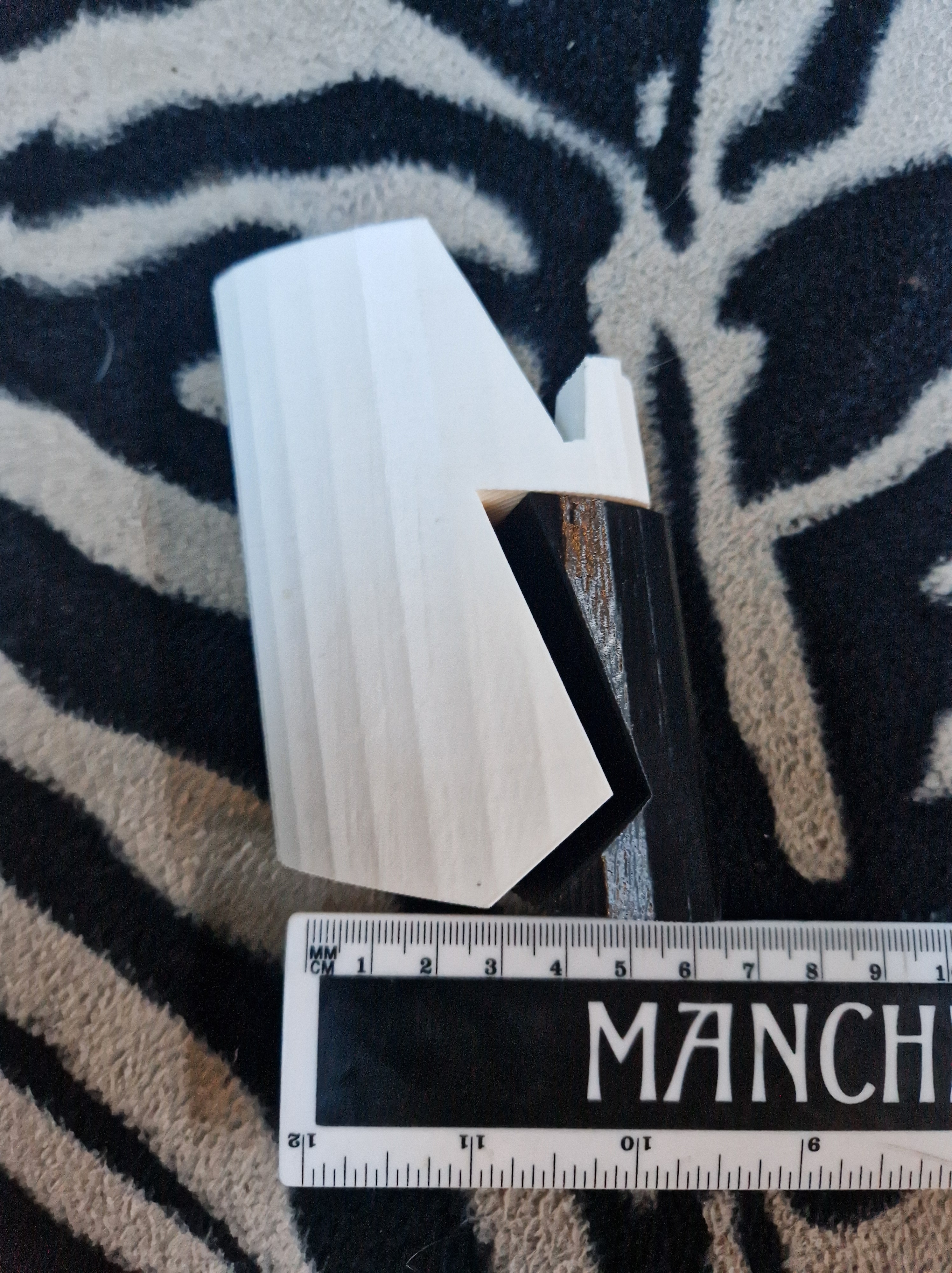
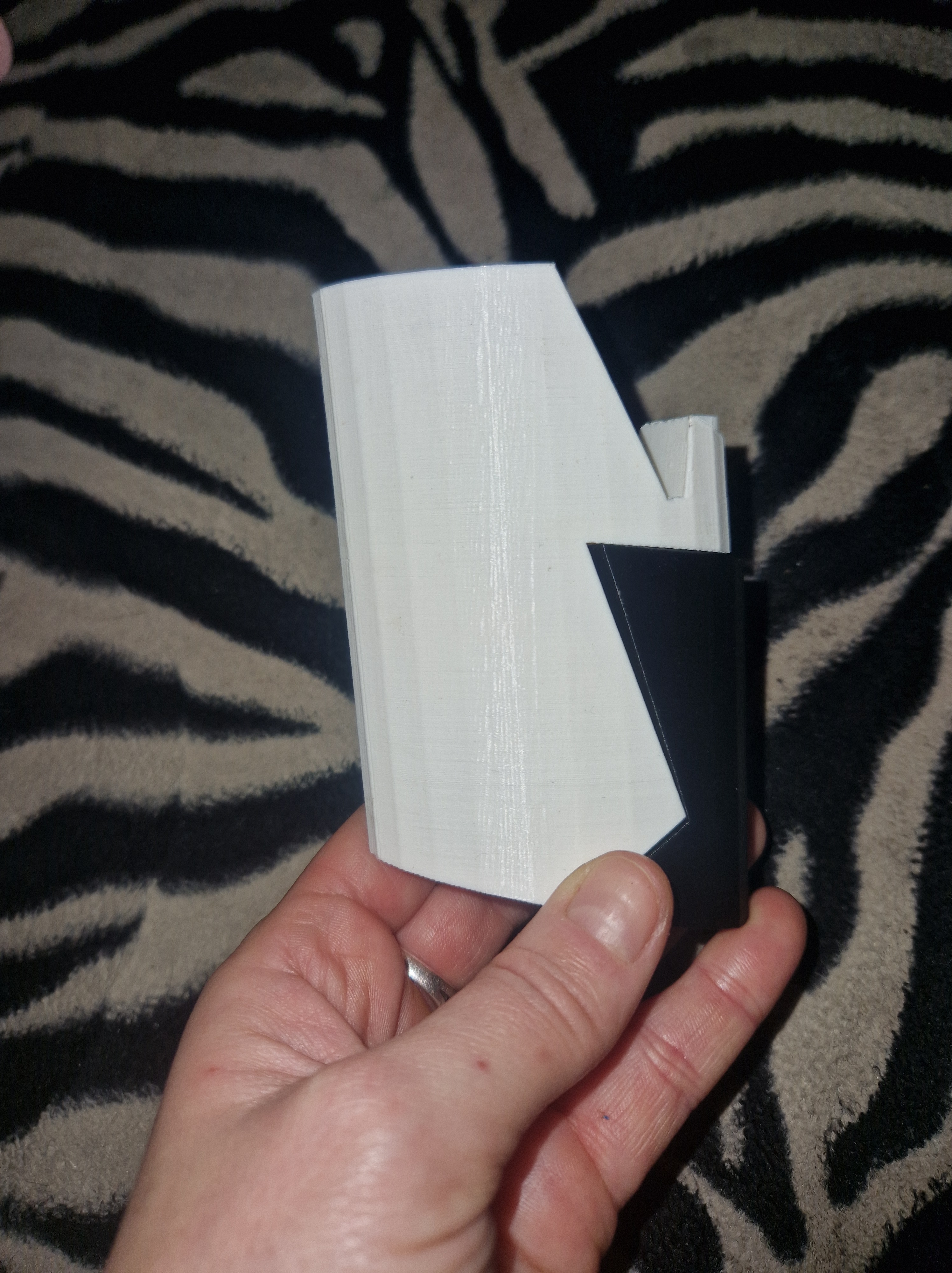
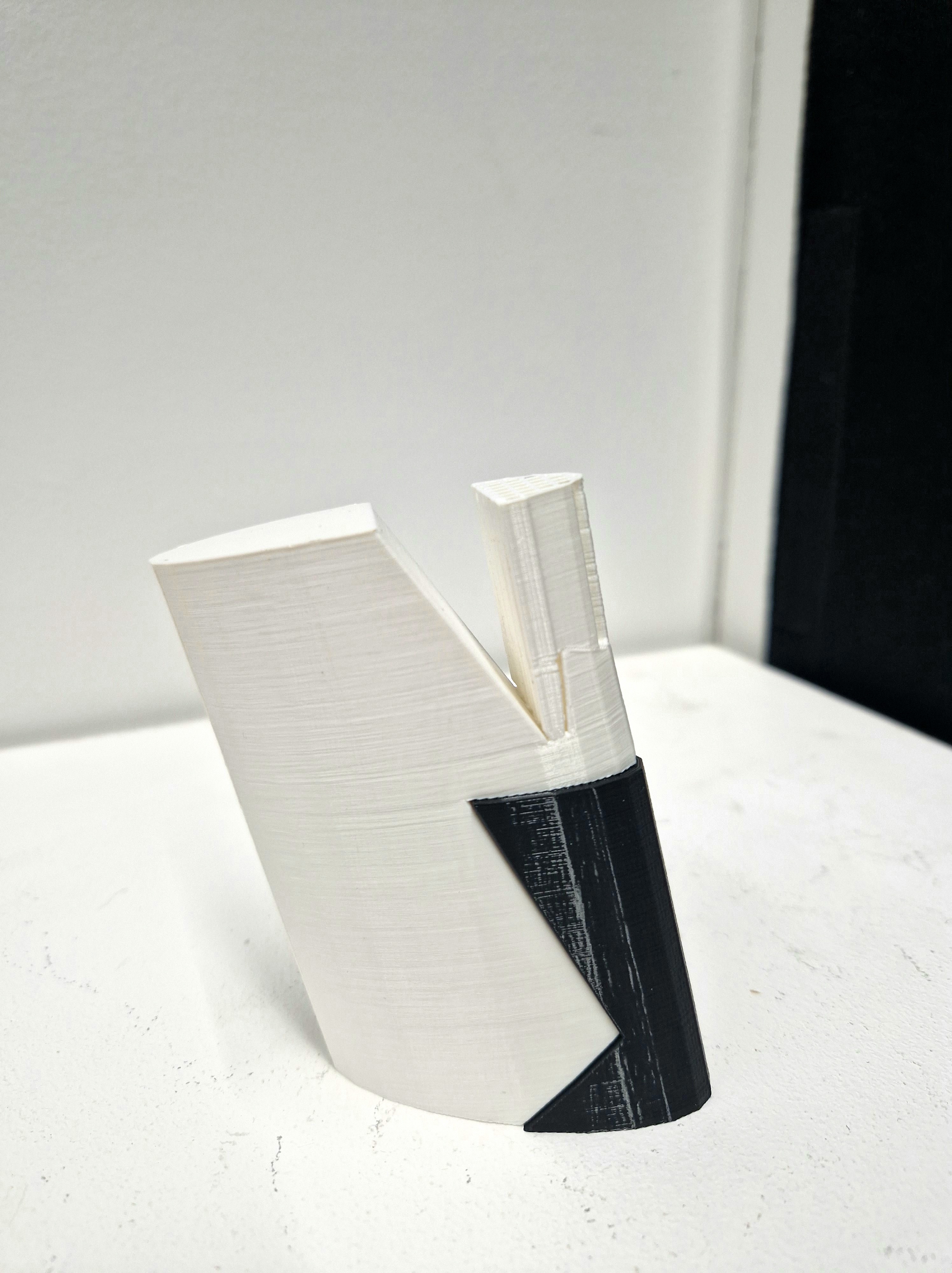
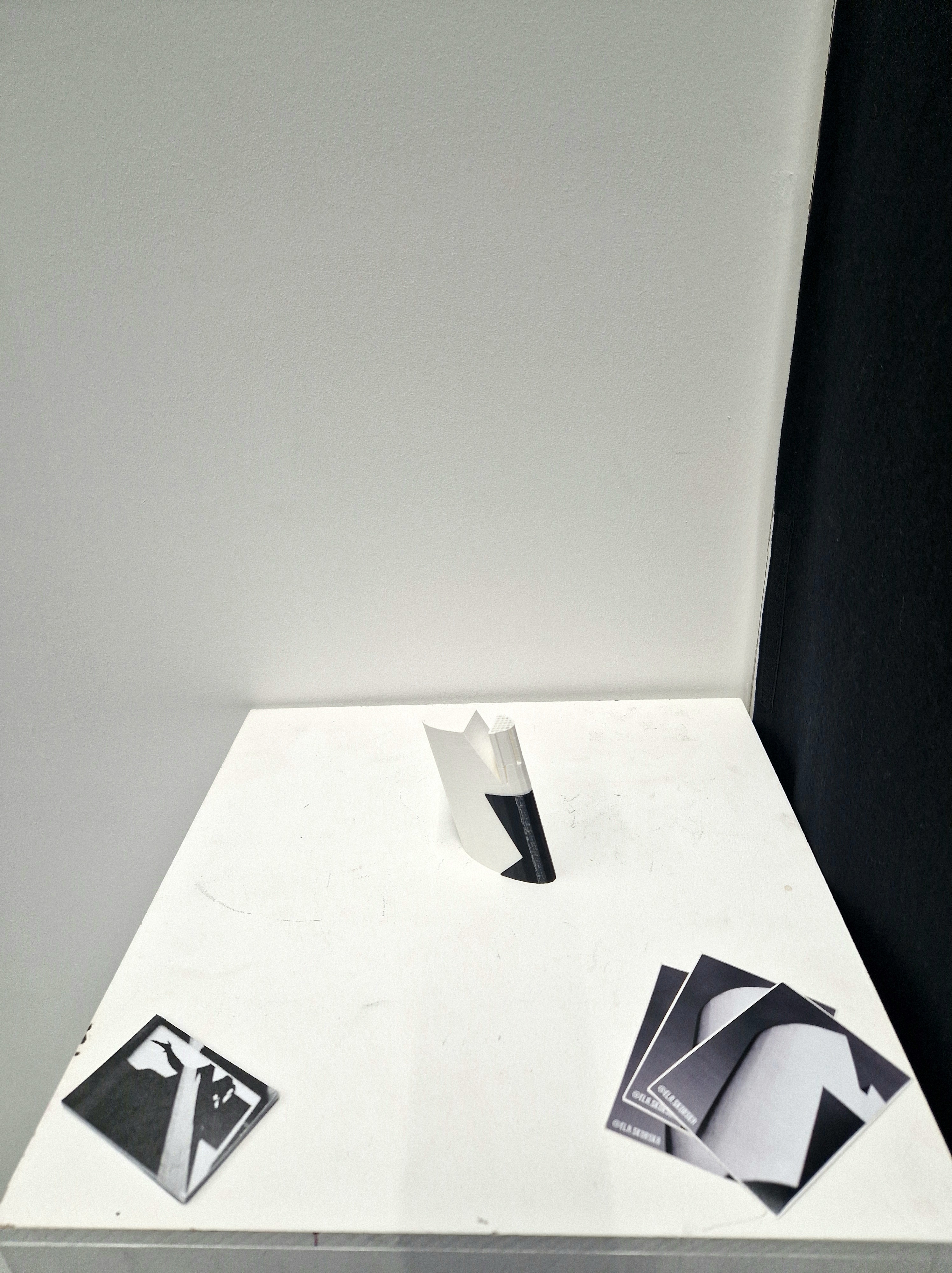
On this day, we prepared and sent the file to Print City to print, and a few days later, I picked up a mini model I have been working on since June!
It is just the beginning, but I am very satisfied with how the prototype came out and impressed with myself and how far I’ve come!

THURSDAY
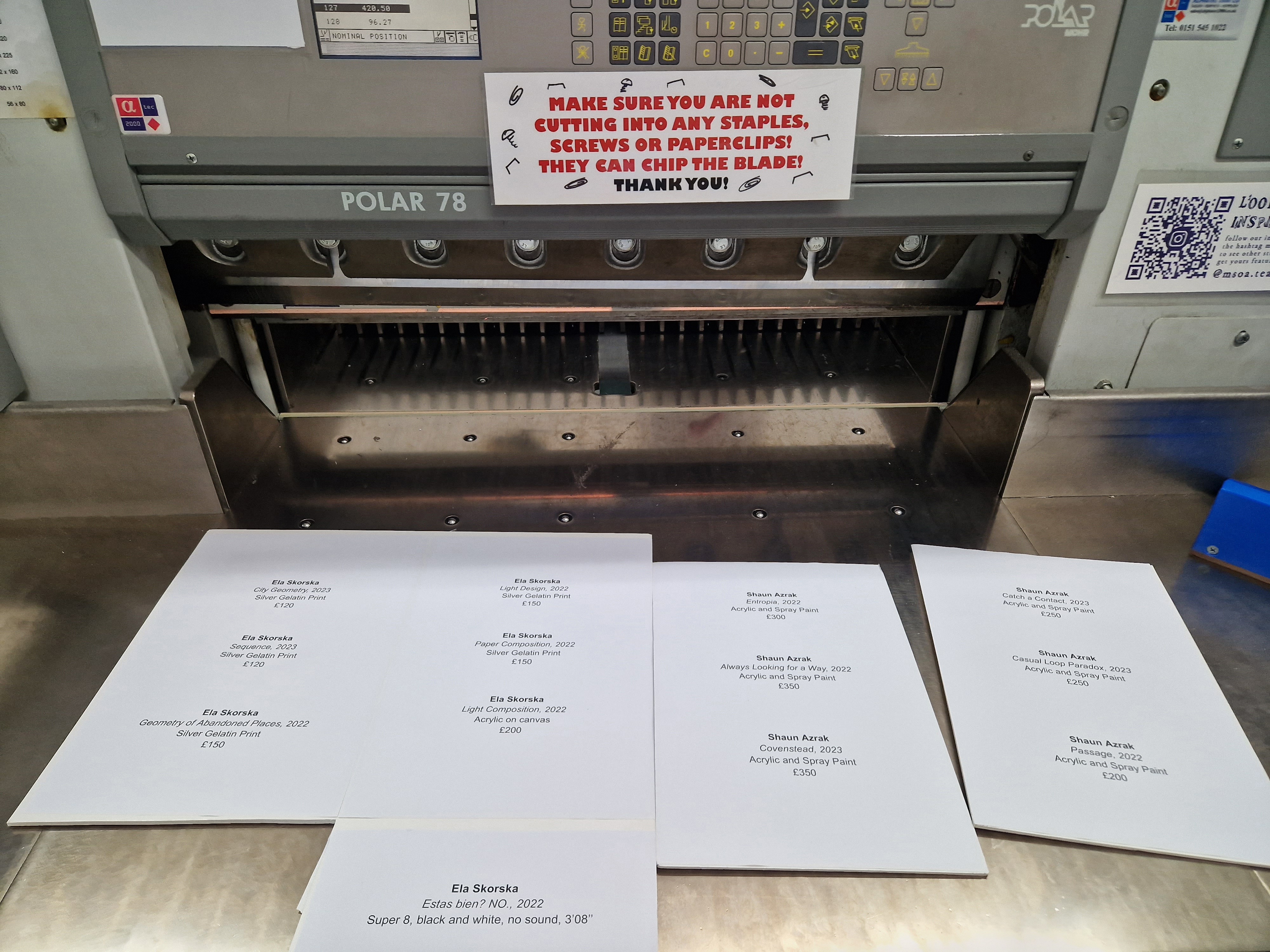
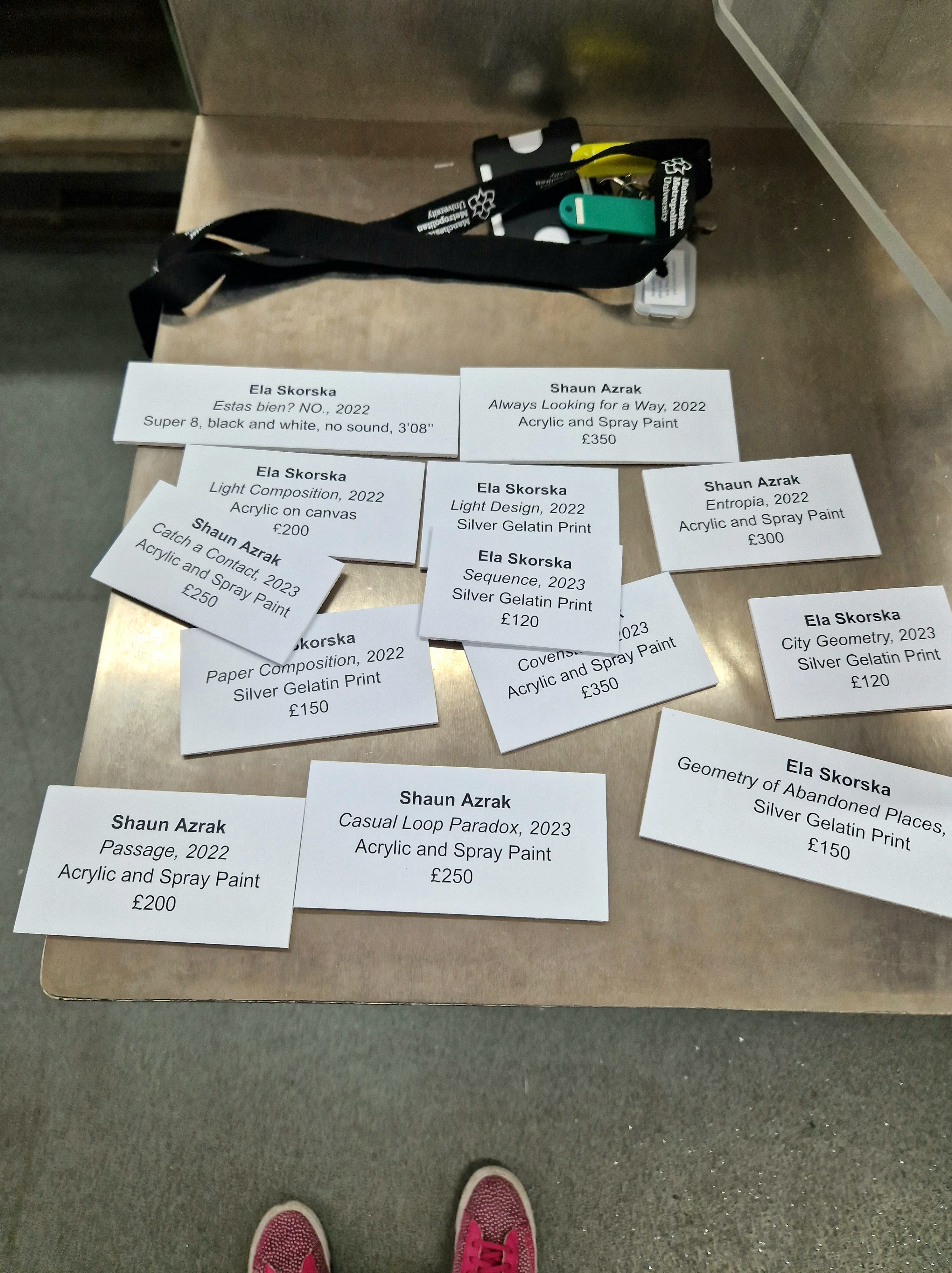
PRINTING LABELS FOR EXHIBITION
TO DO LIST:
- print images for mid-term review in digital darkroom and hang my work in Soda
- print small and large posters for the exhibition and hang them at uni
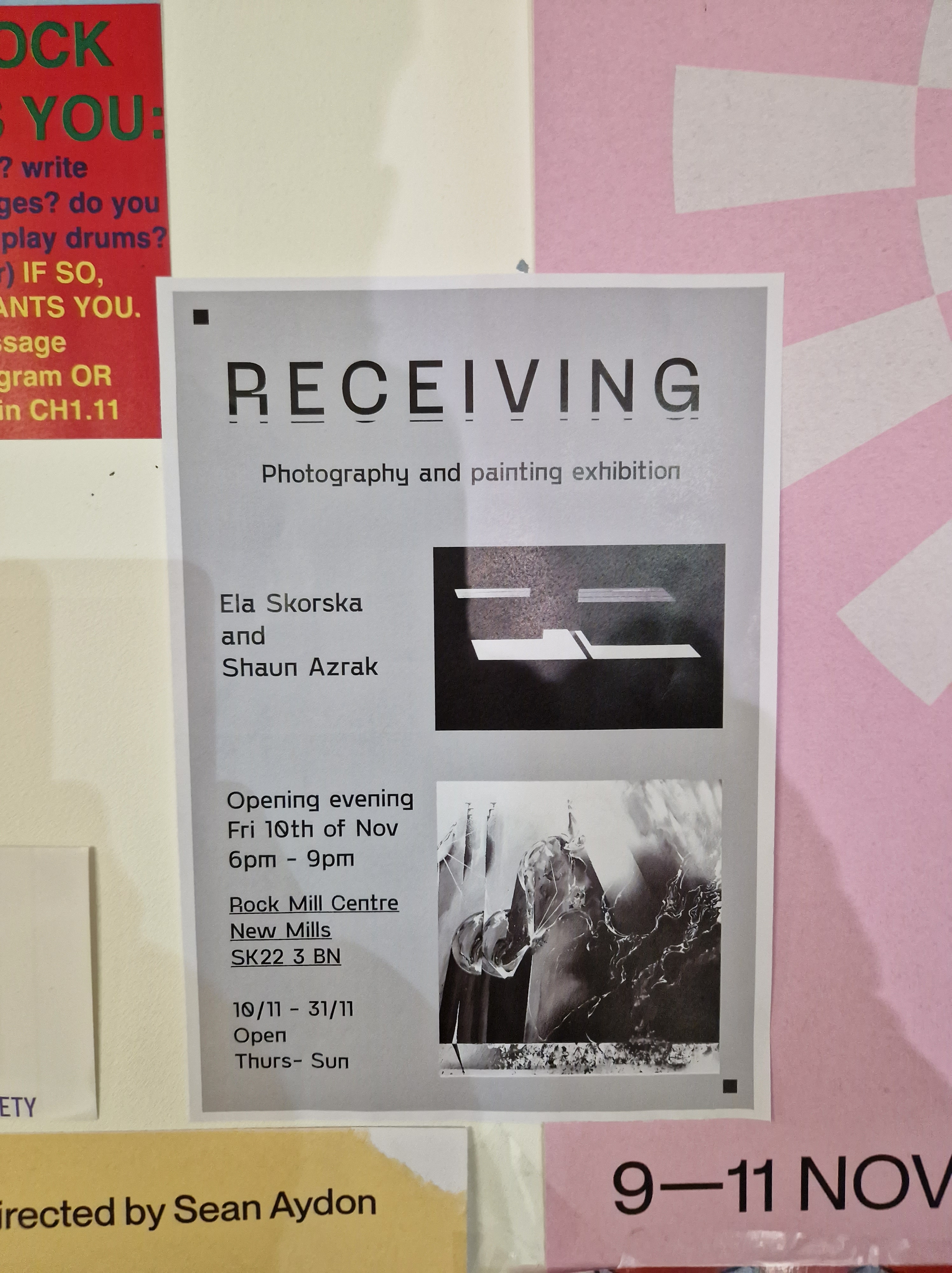
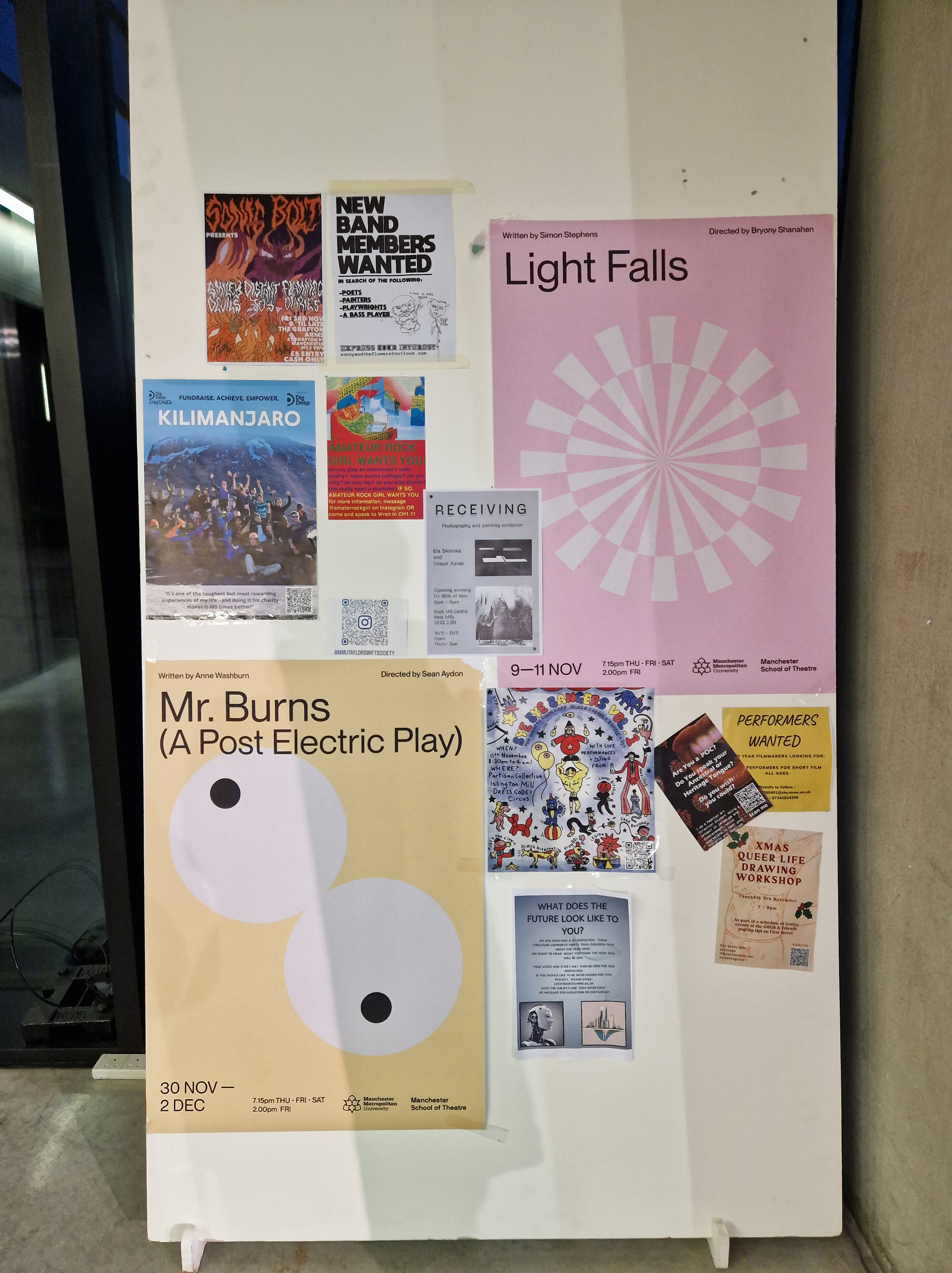
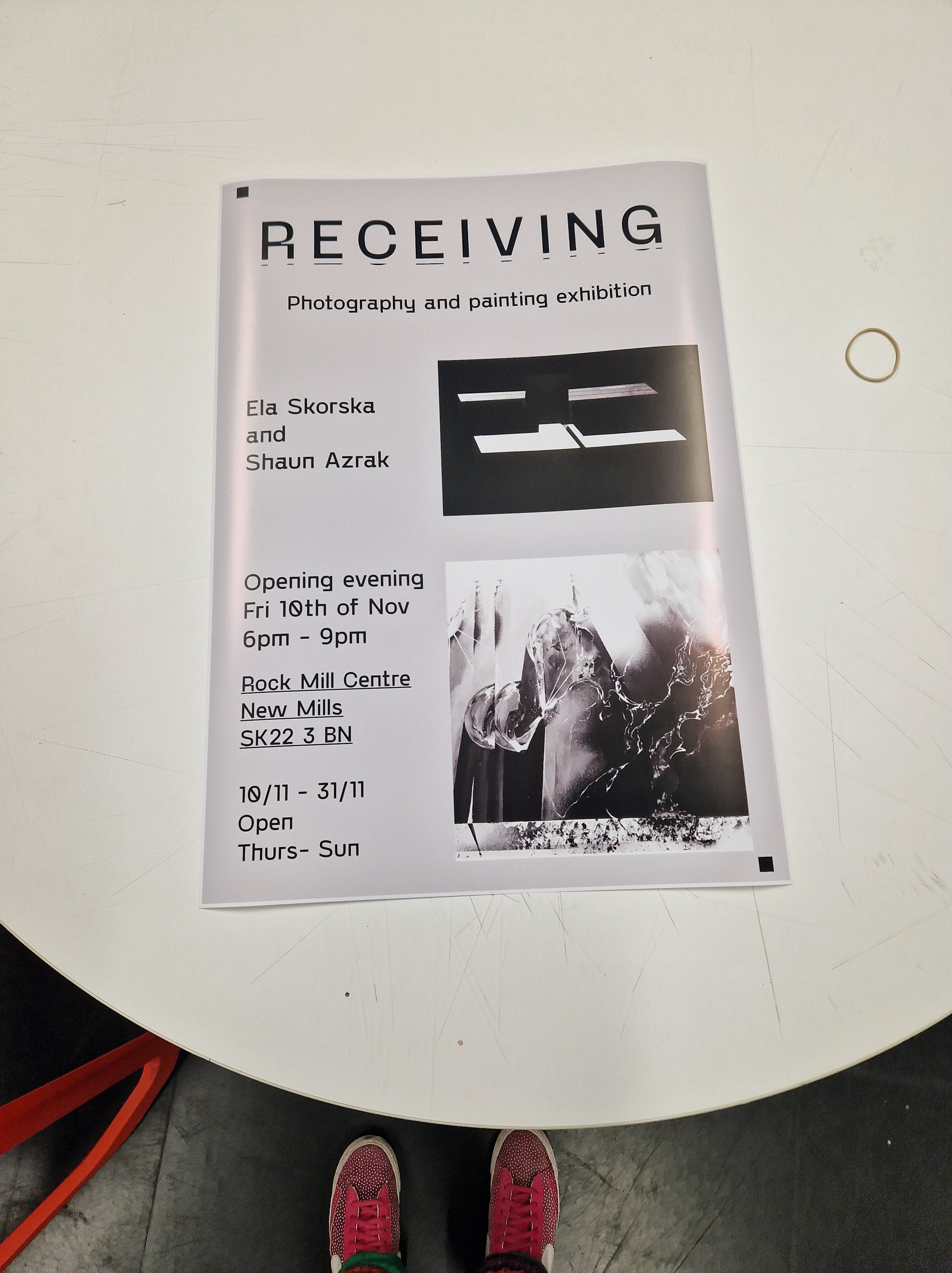

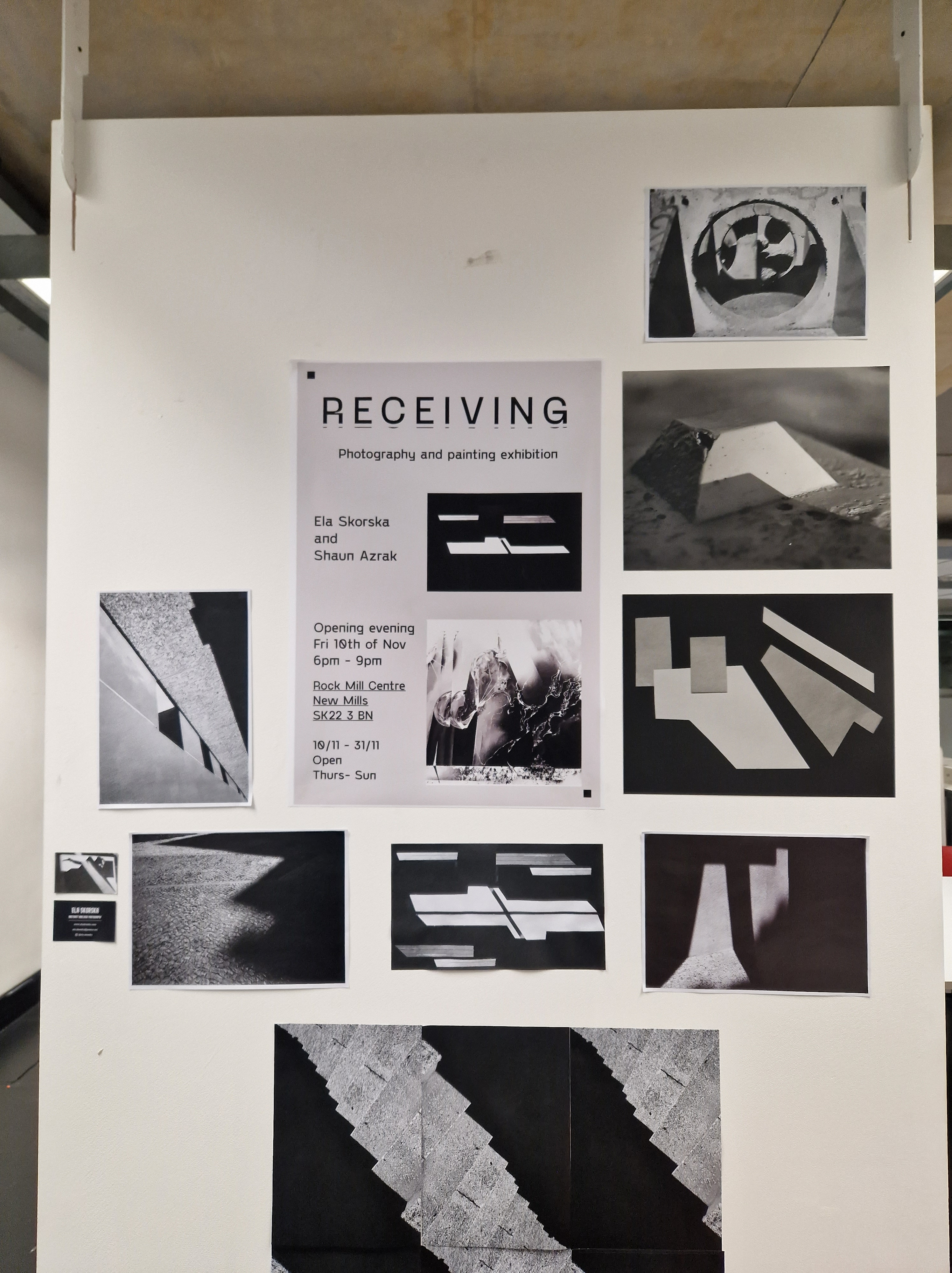
- hang them in New Mills where we hold an exhibition
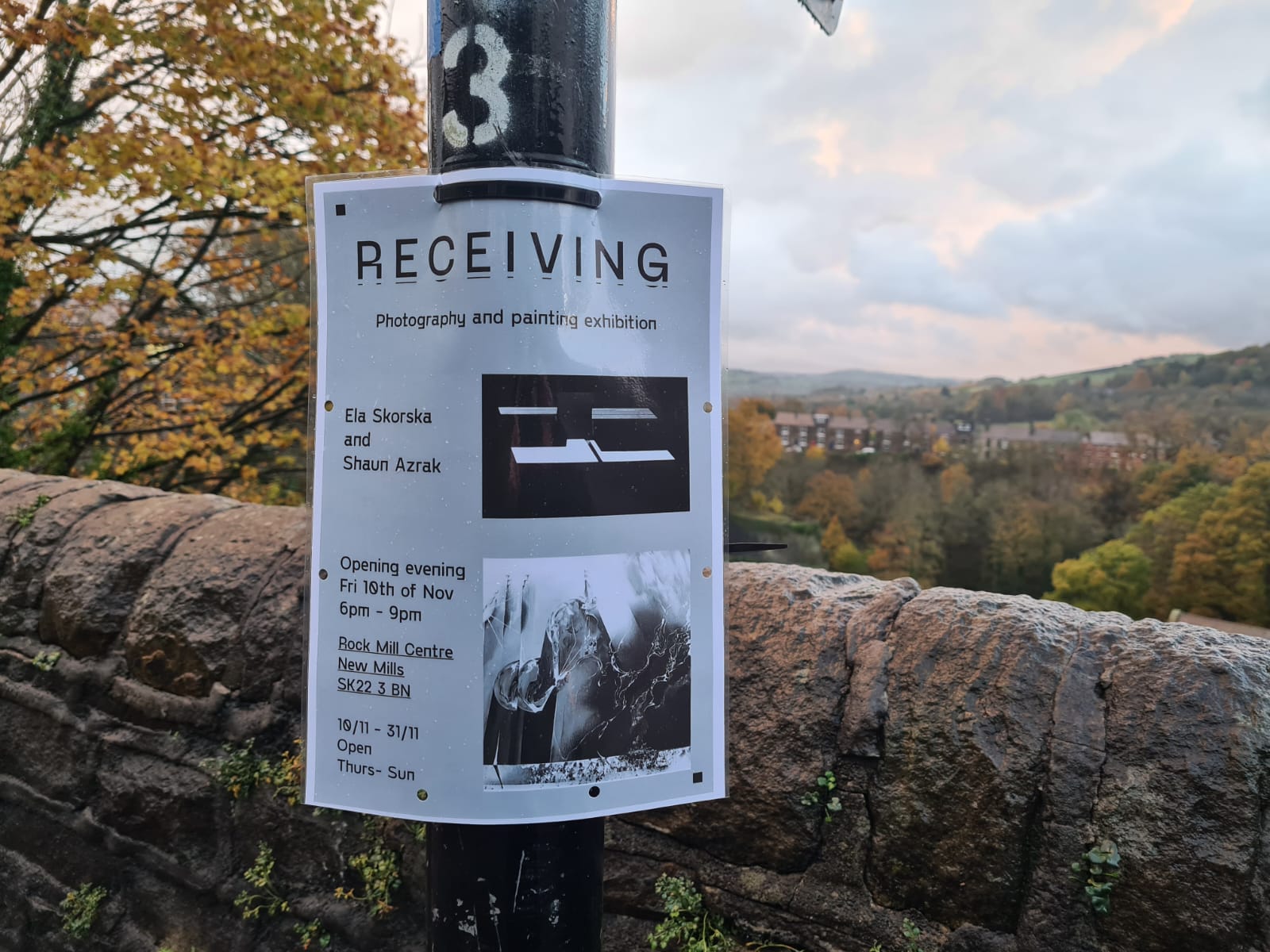
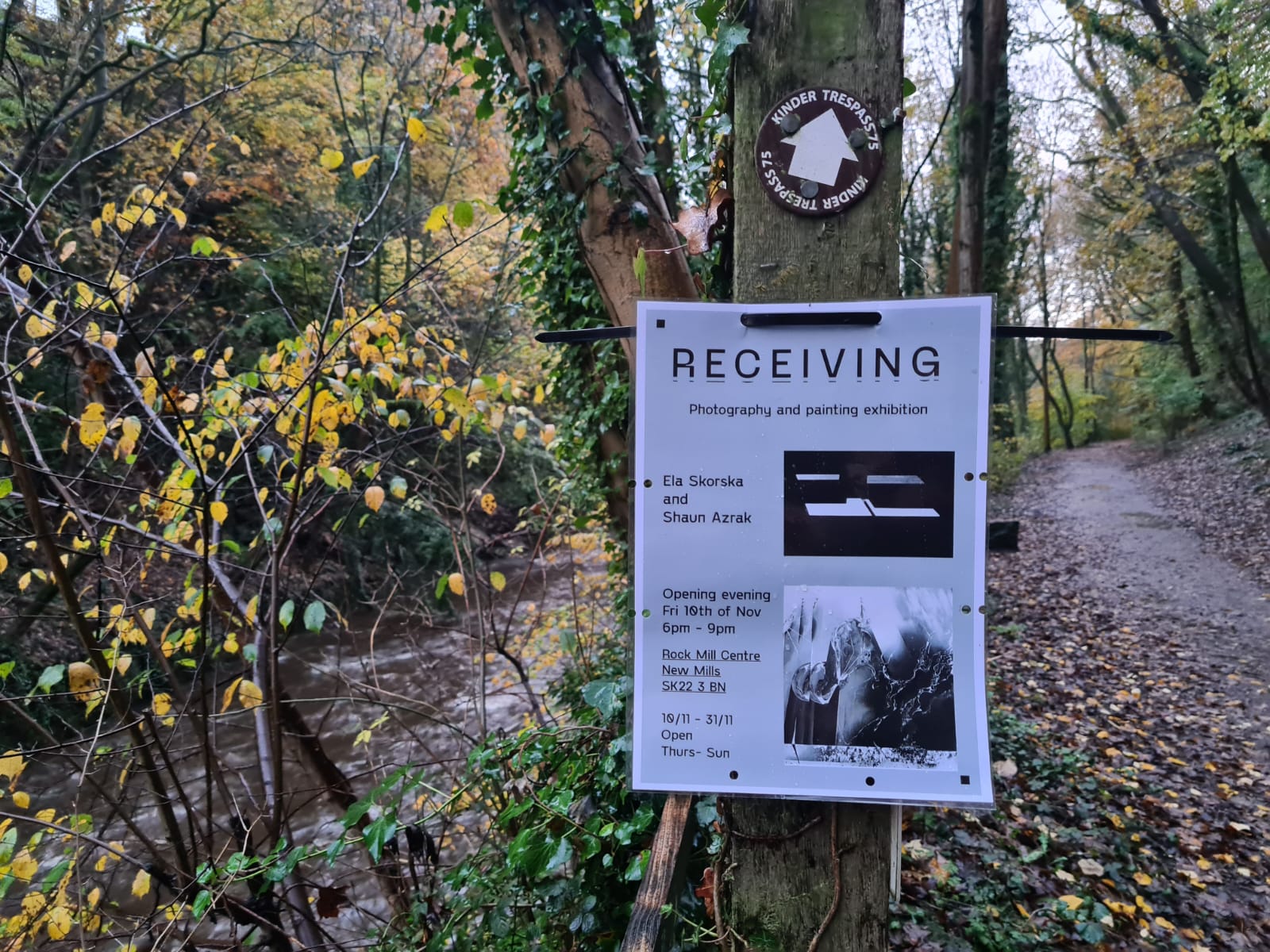
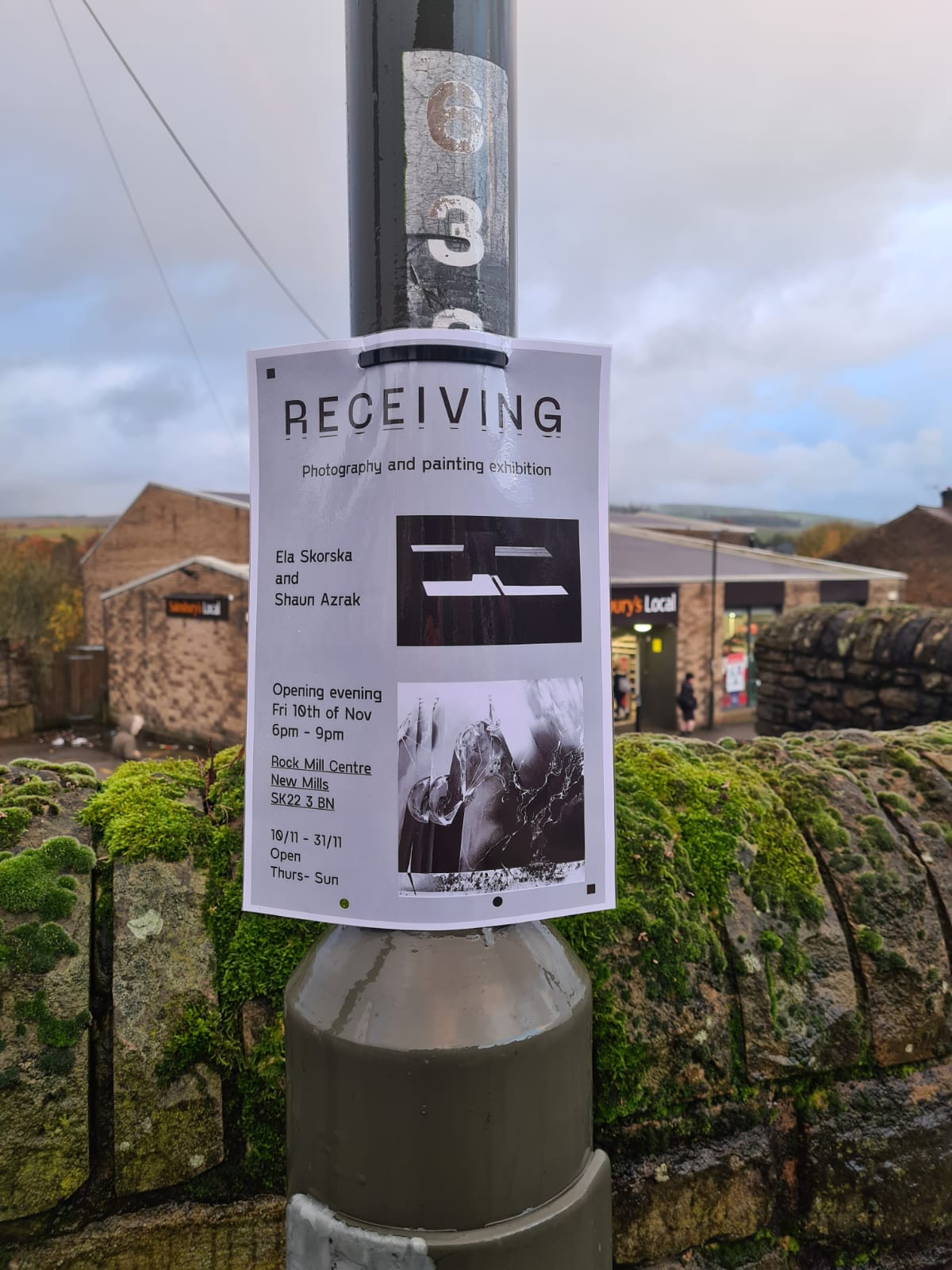

- collect my 3D print model and install it in Soda
- hang work in the venue for the exhibition
HANGING WORK FOR THE EXHIBITION
After a busy day at uni, I headed to the exhibition space to set it up with Shaun, ready for the opening tomorrow, how exciting!
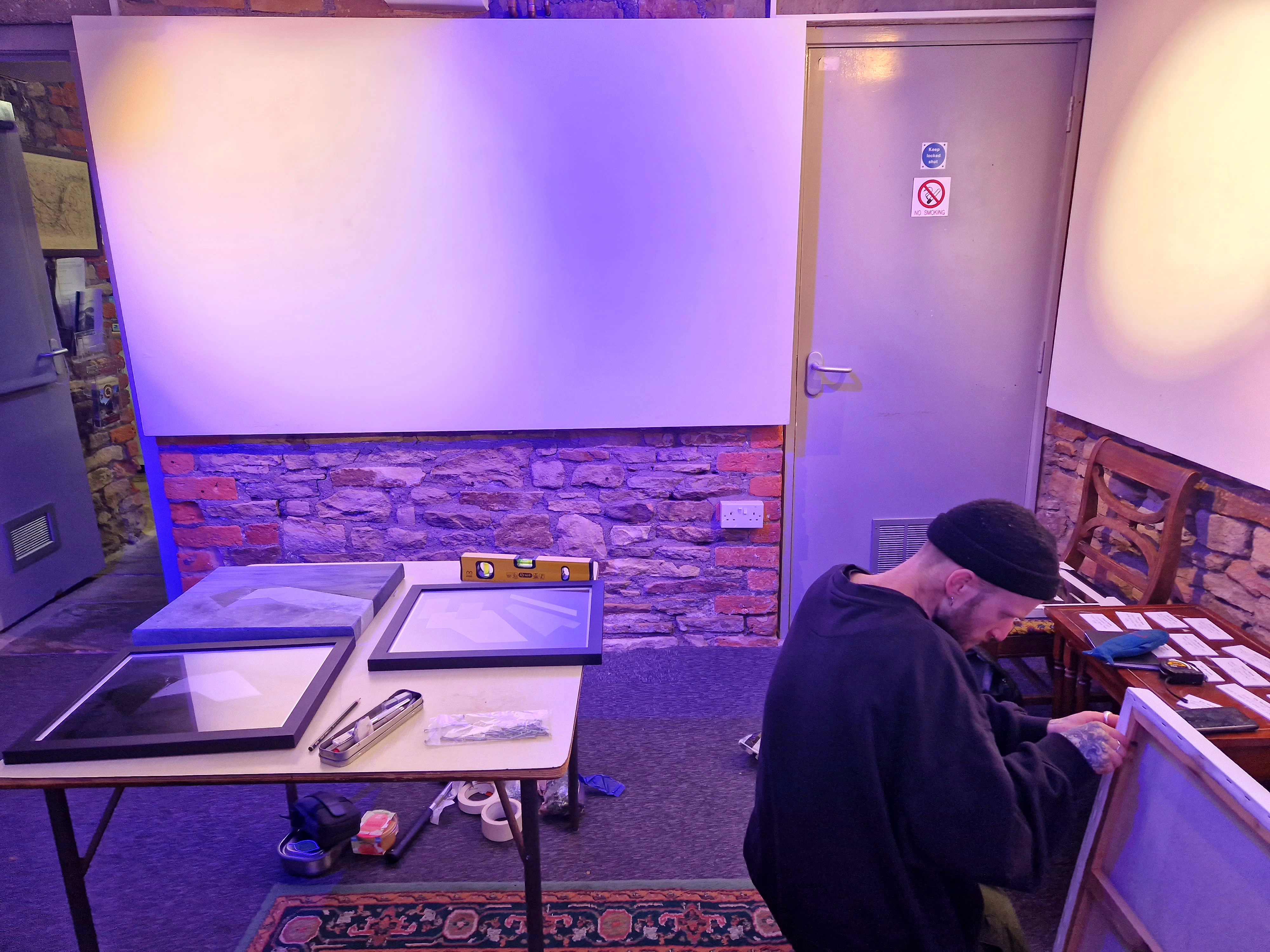
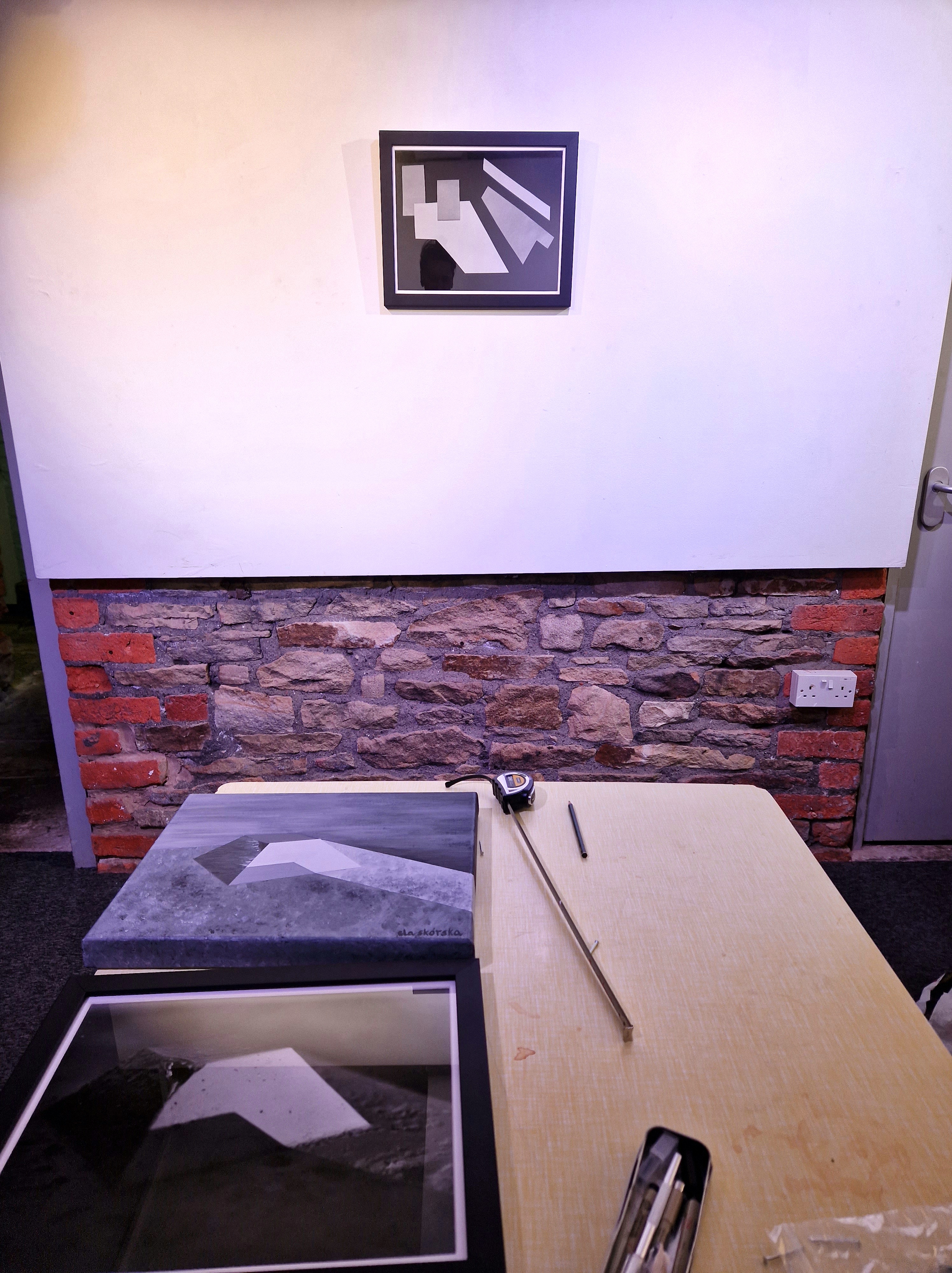
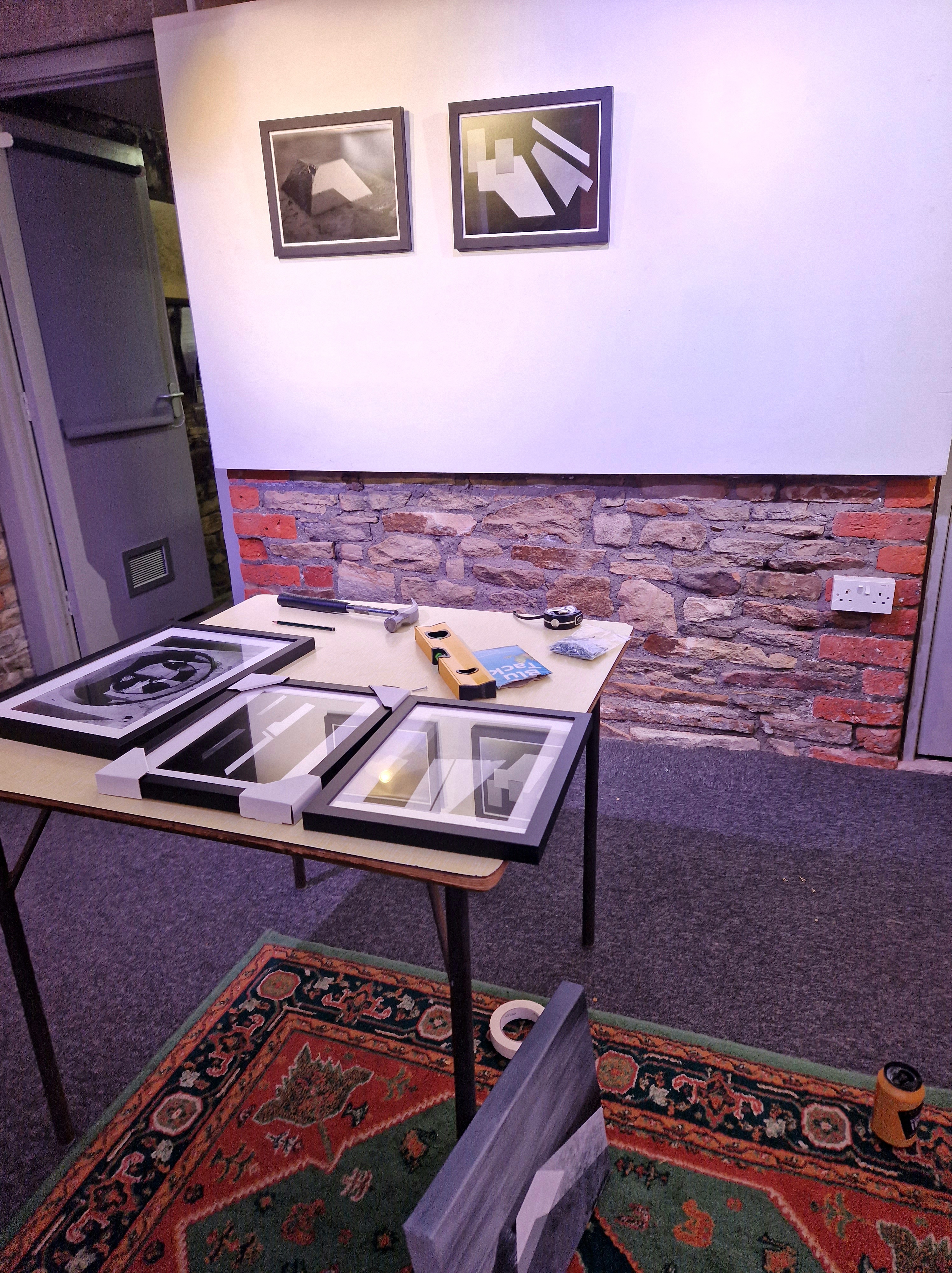
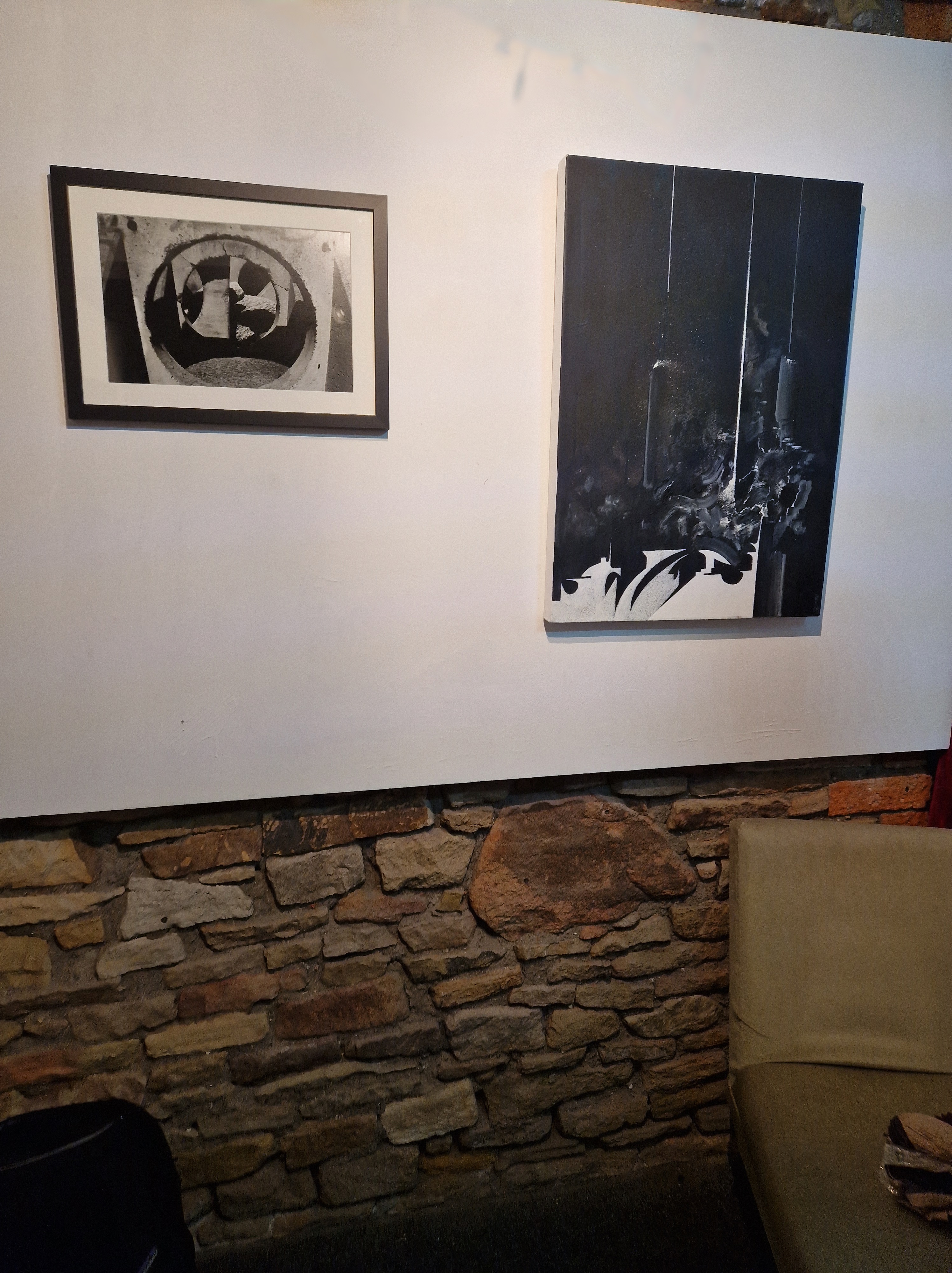
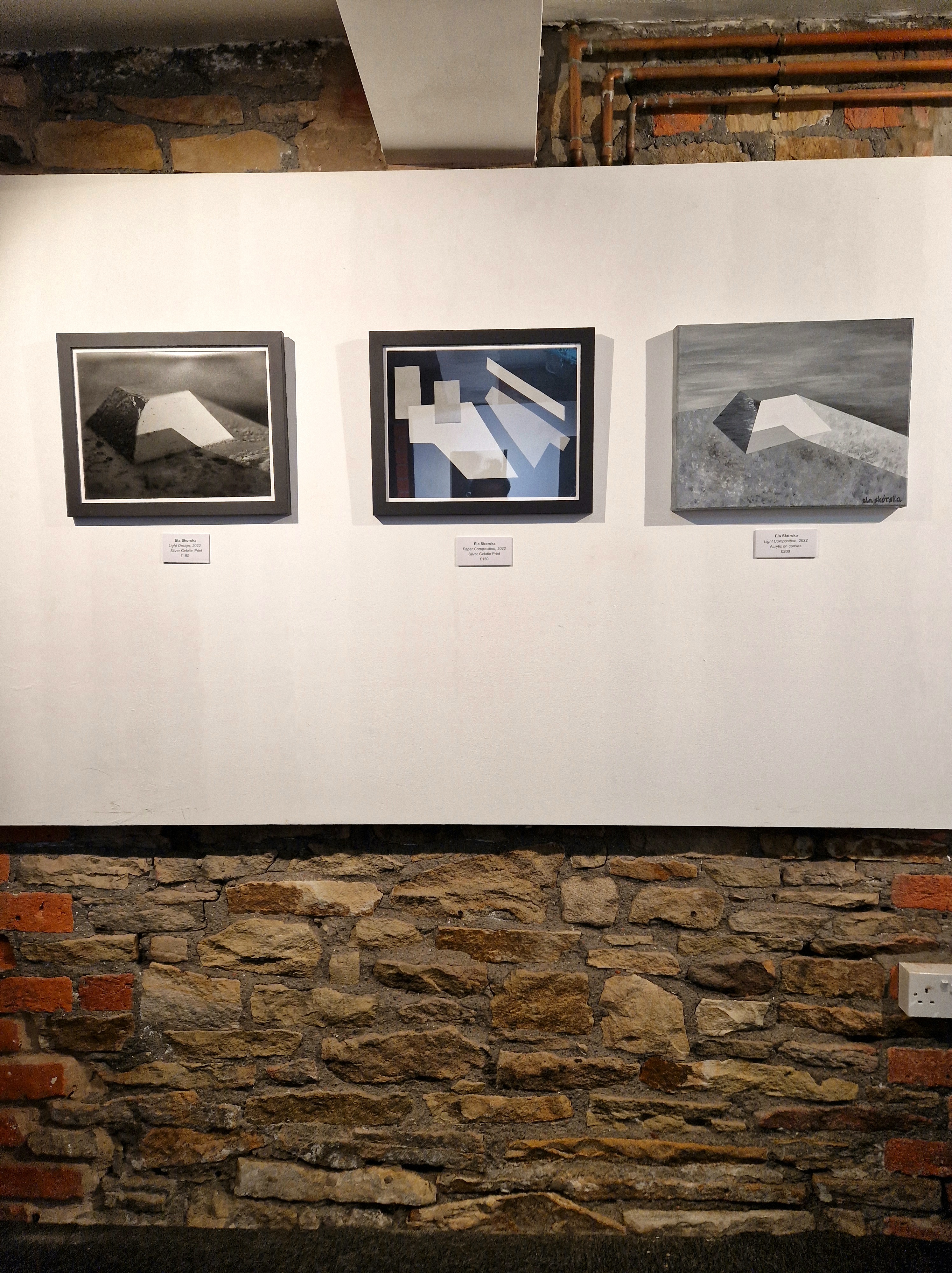
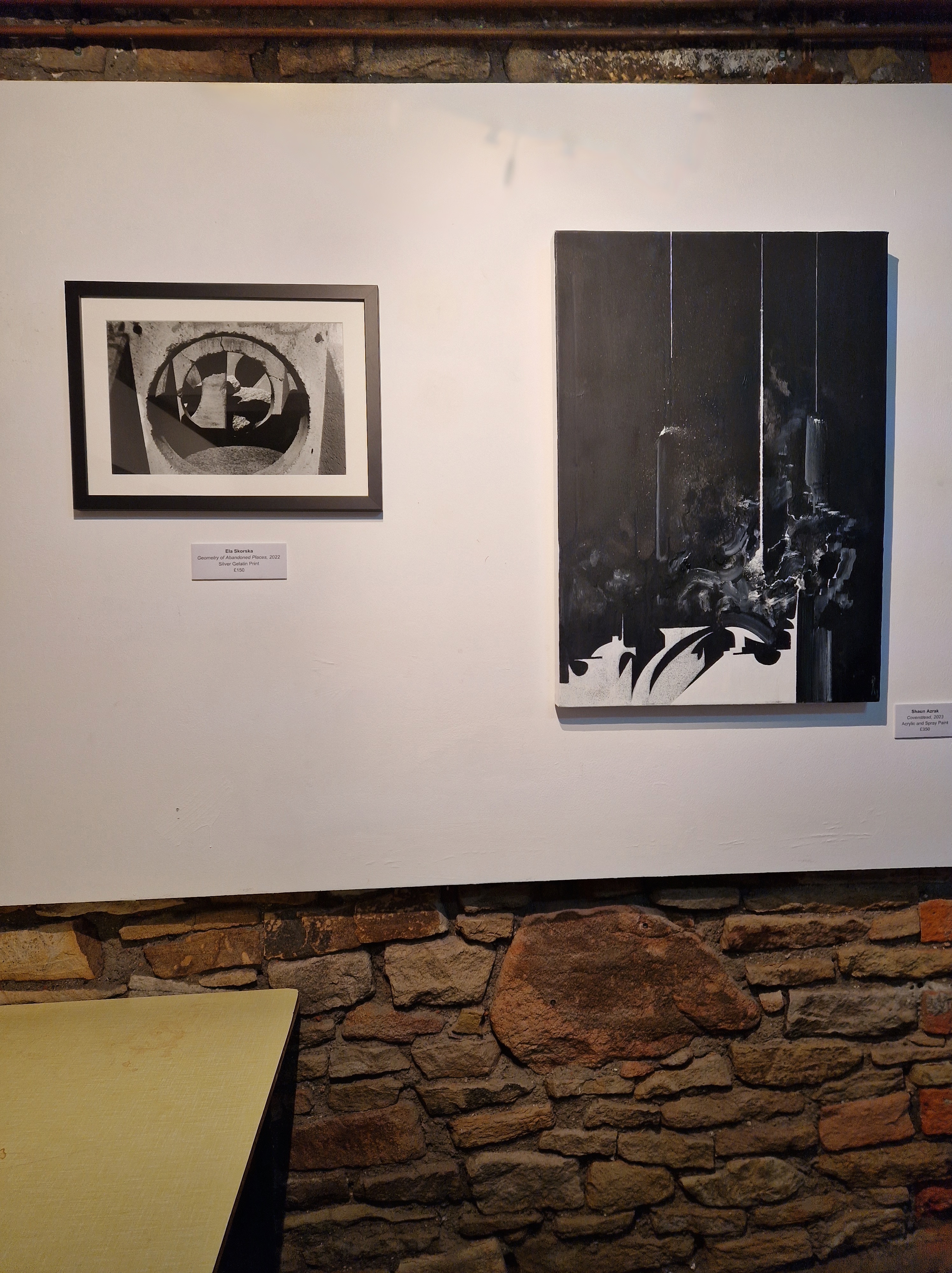

REFLECTIONS:Even though I was really tired, I found a new wave of energy when preparing the area. I absolutely loved transforming these rooms with chairs into a proper exhibition space. Additionally, I loved working with Shaun - we are such a great team, and by his side, I am learning that collaboration is not all bad - it can be fun, exciting and full of benefits.
FRIDAY
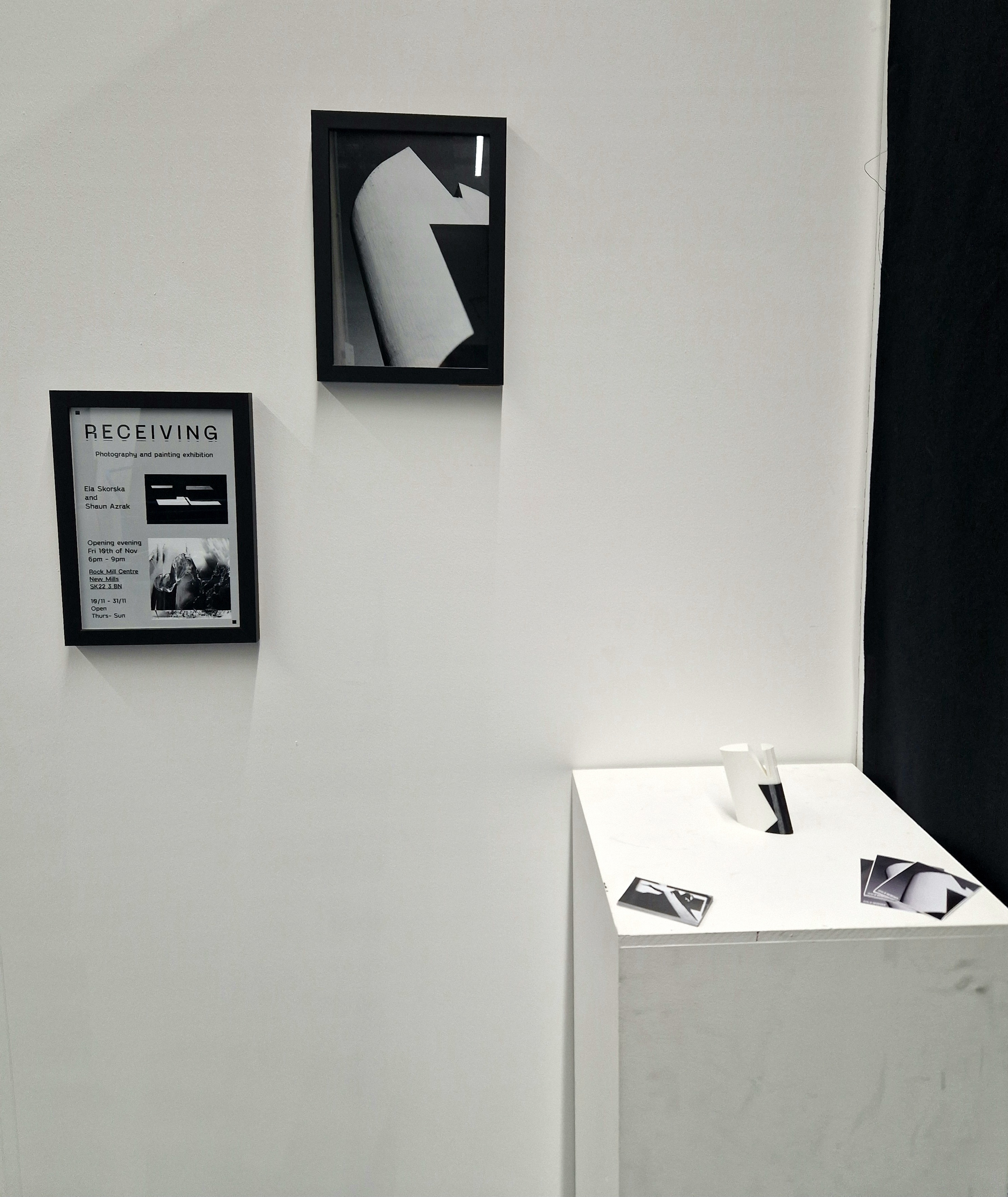
OPENING NIGHT OF JOINT EXHIBITION WITH SHAUN AZRAK – RECEIVING
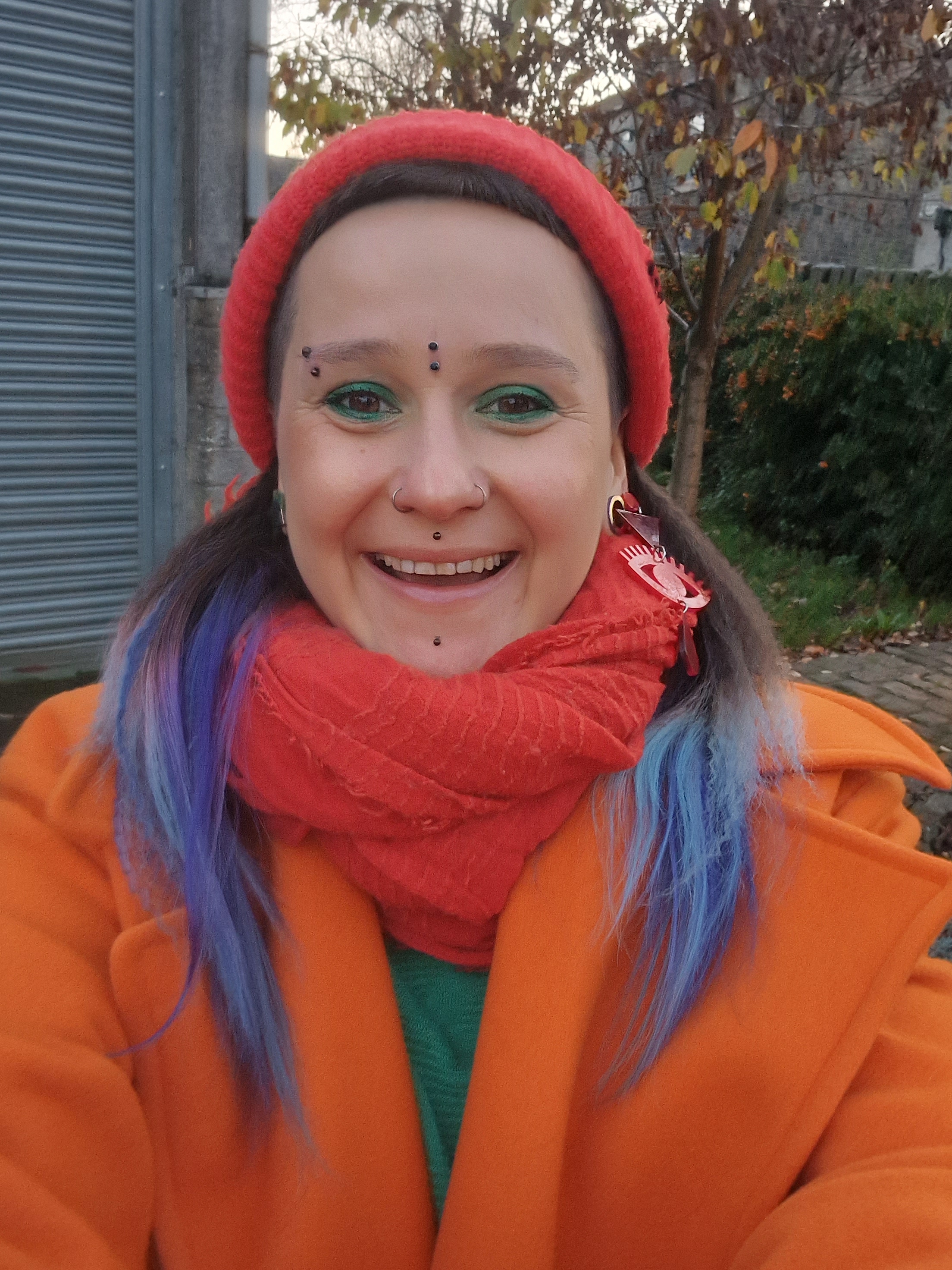
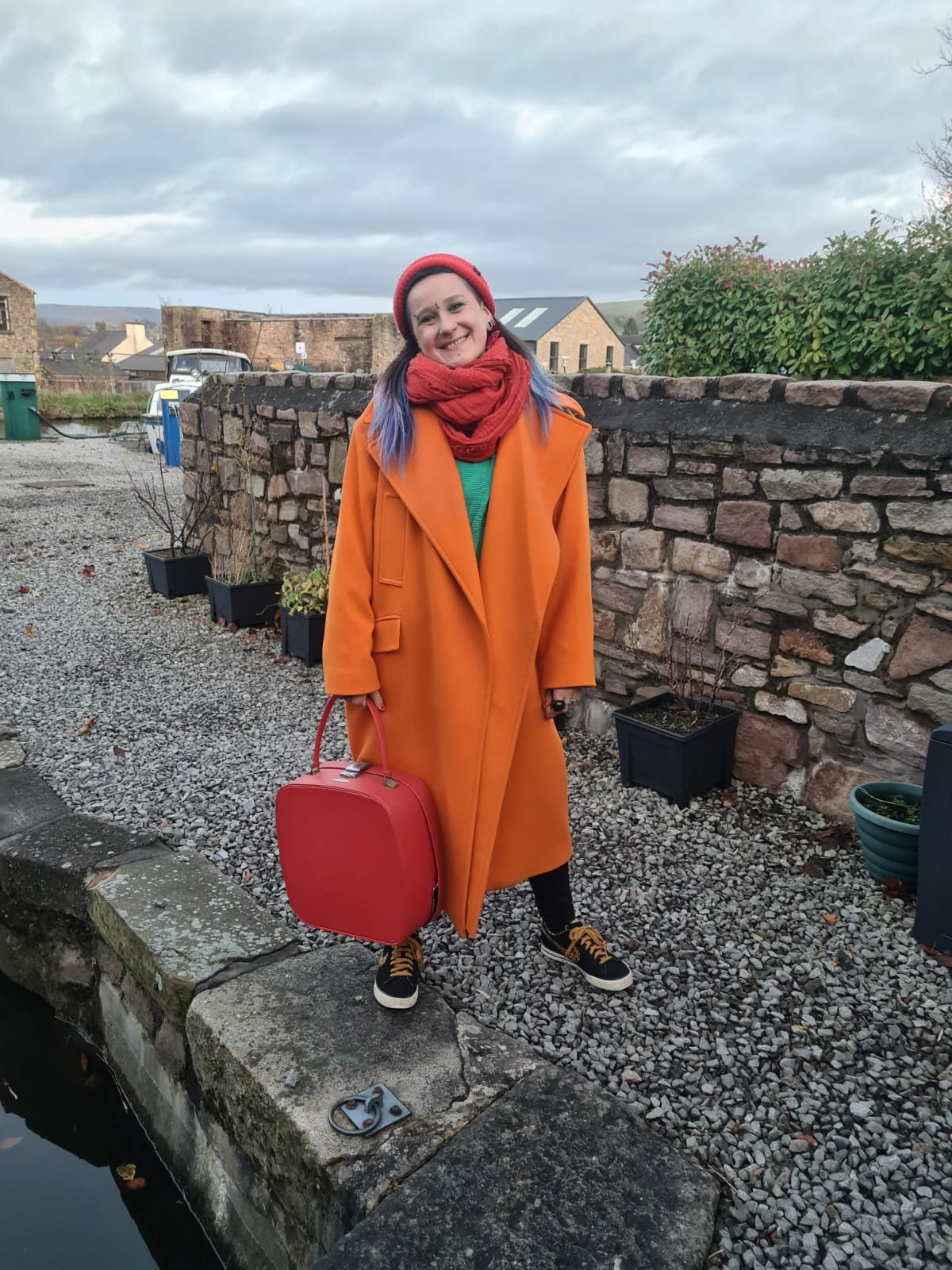
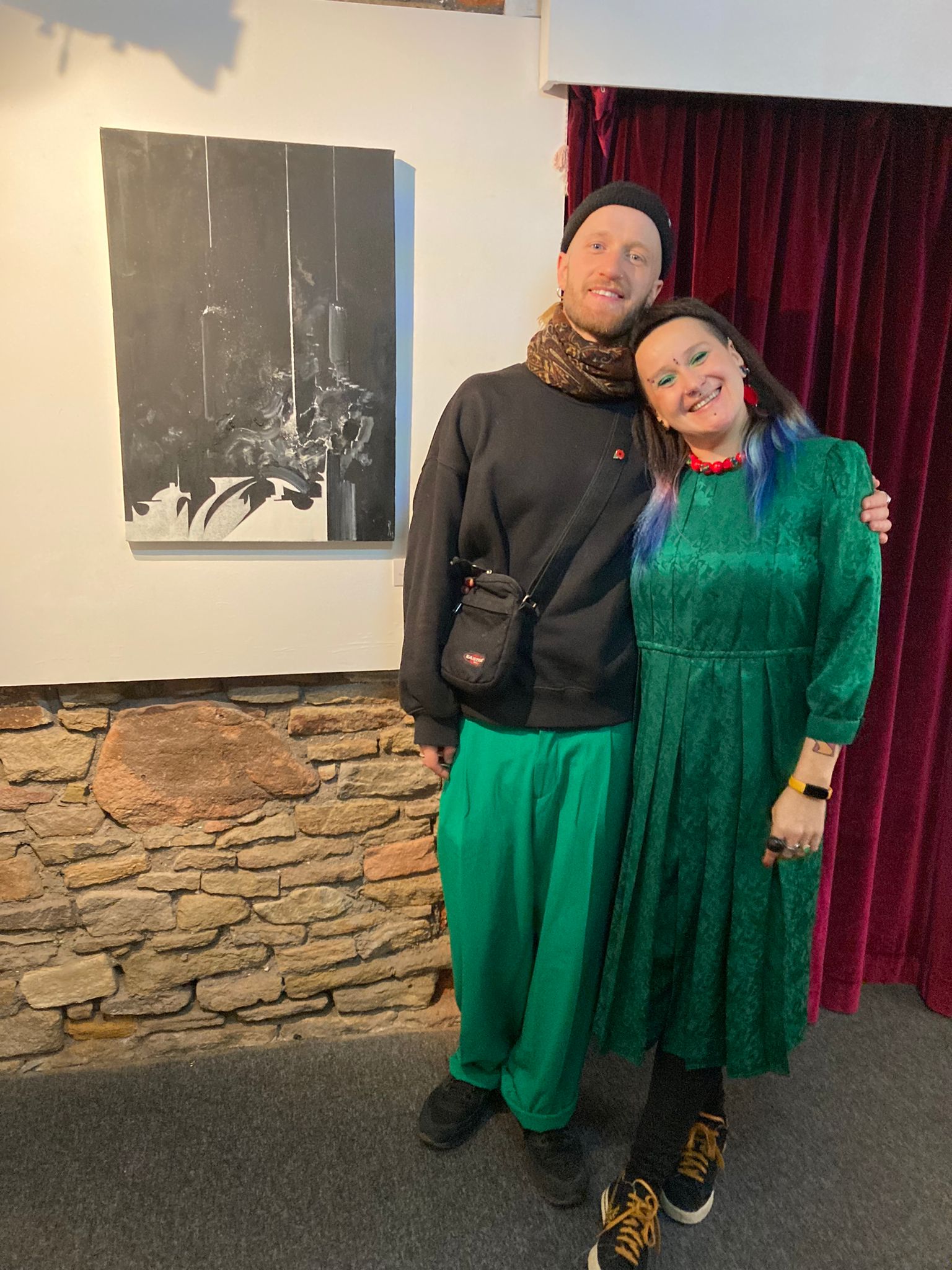
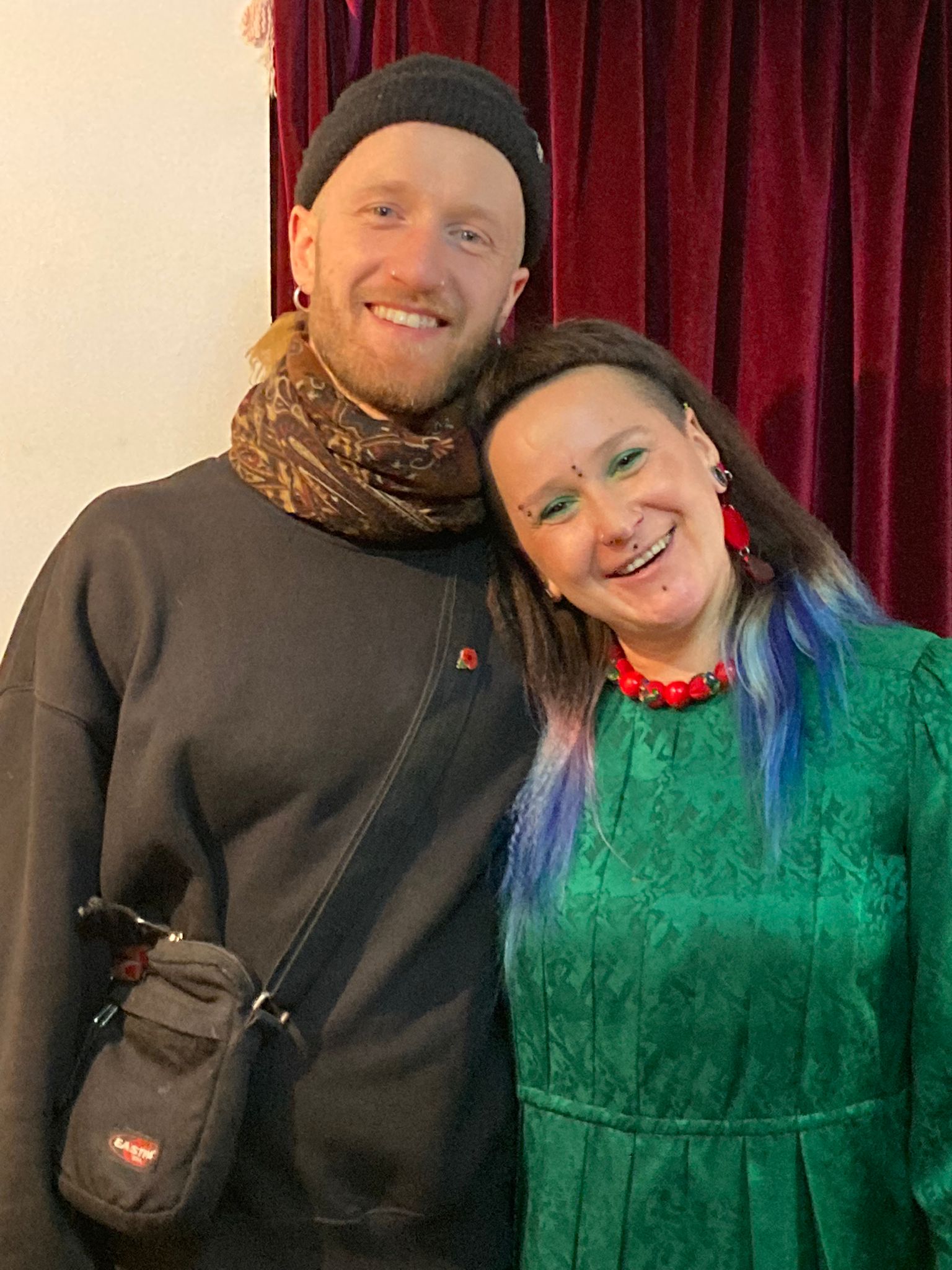
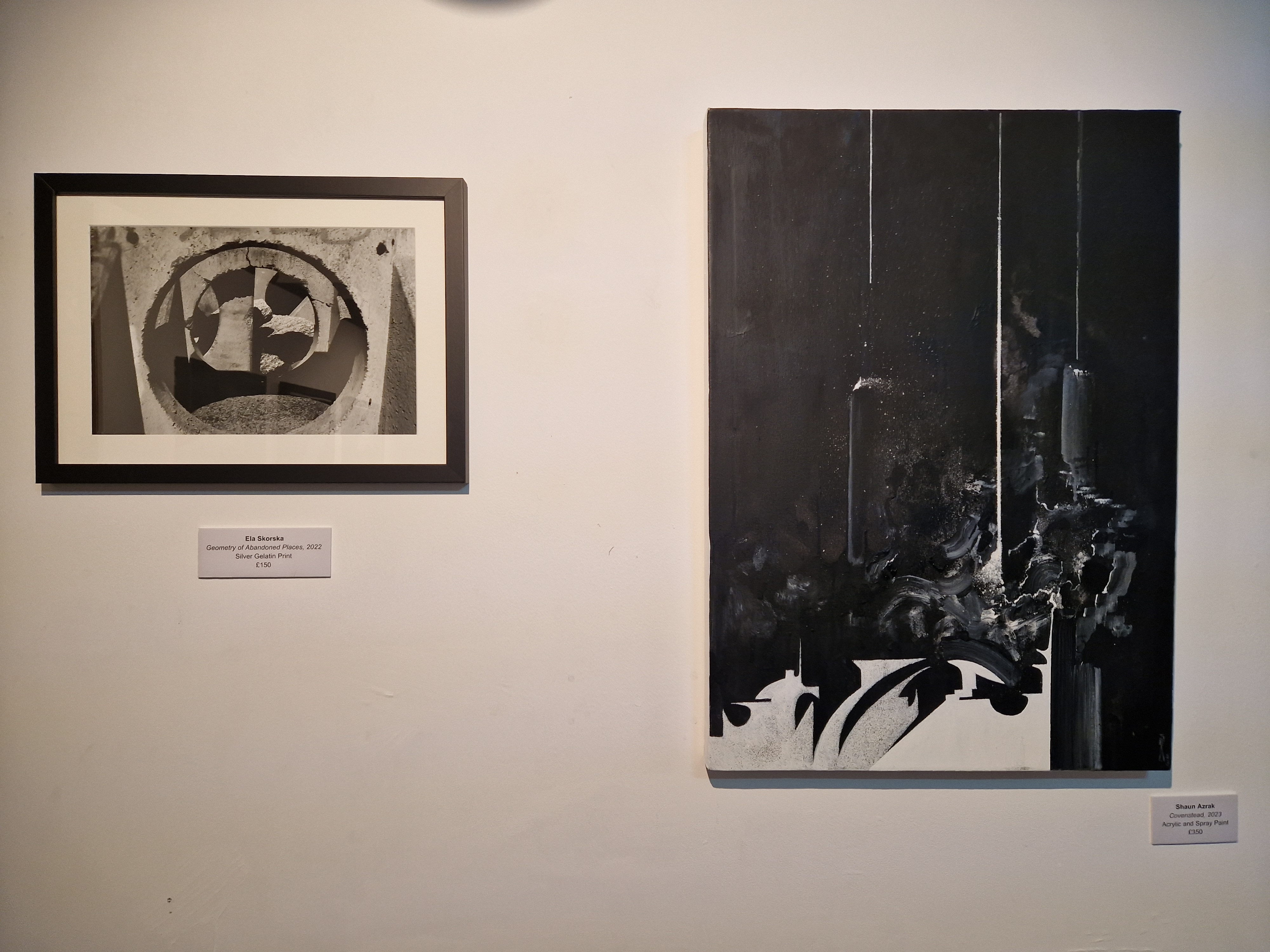

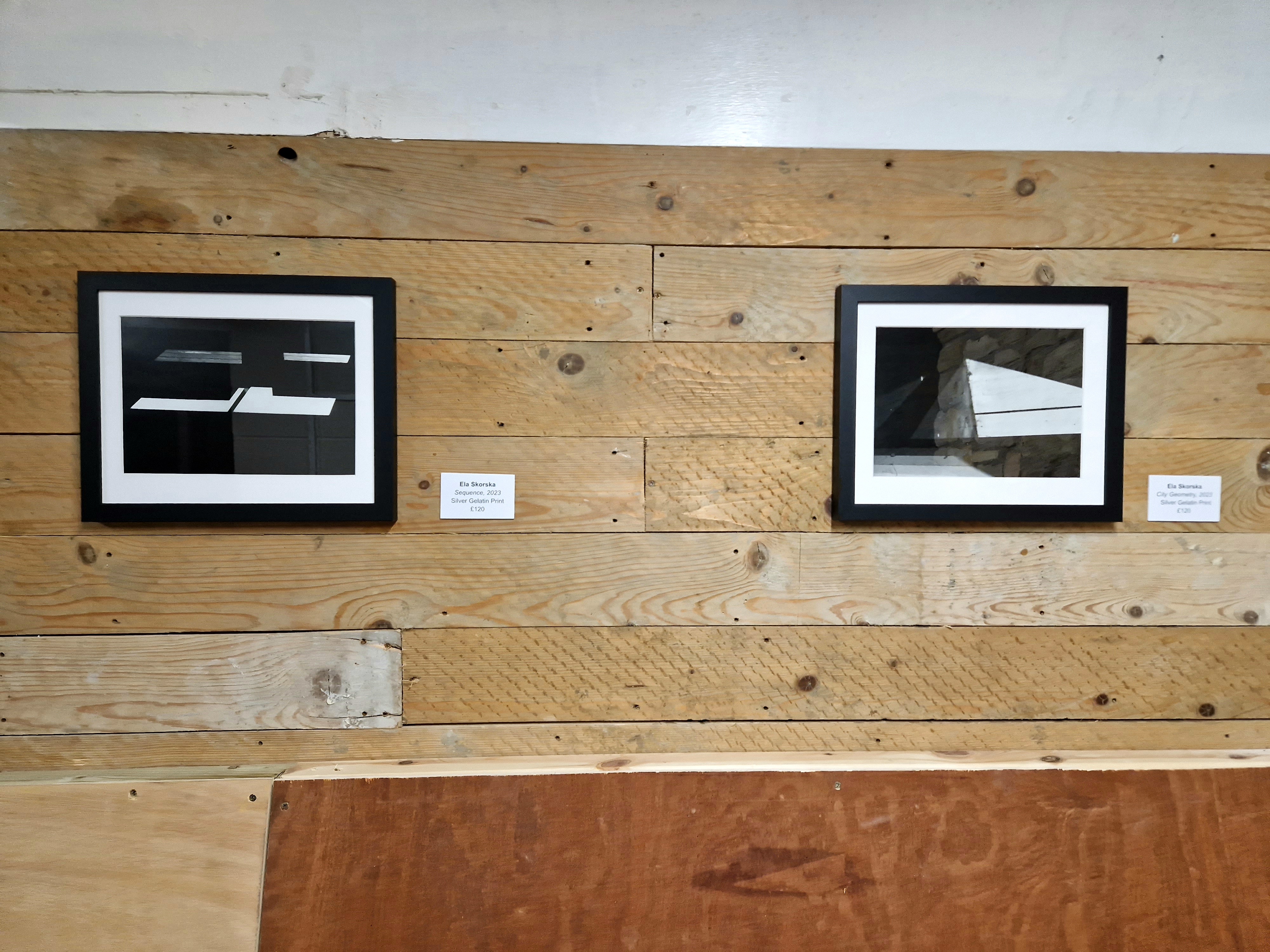
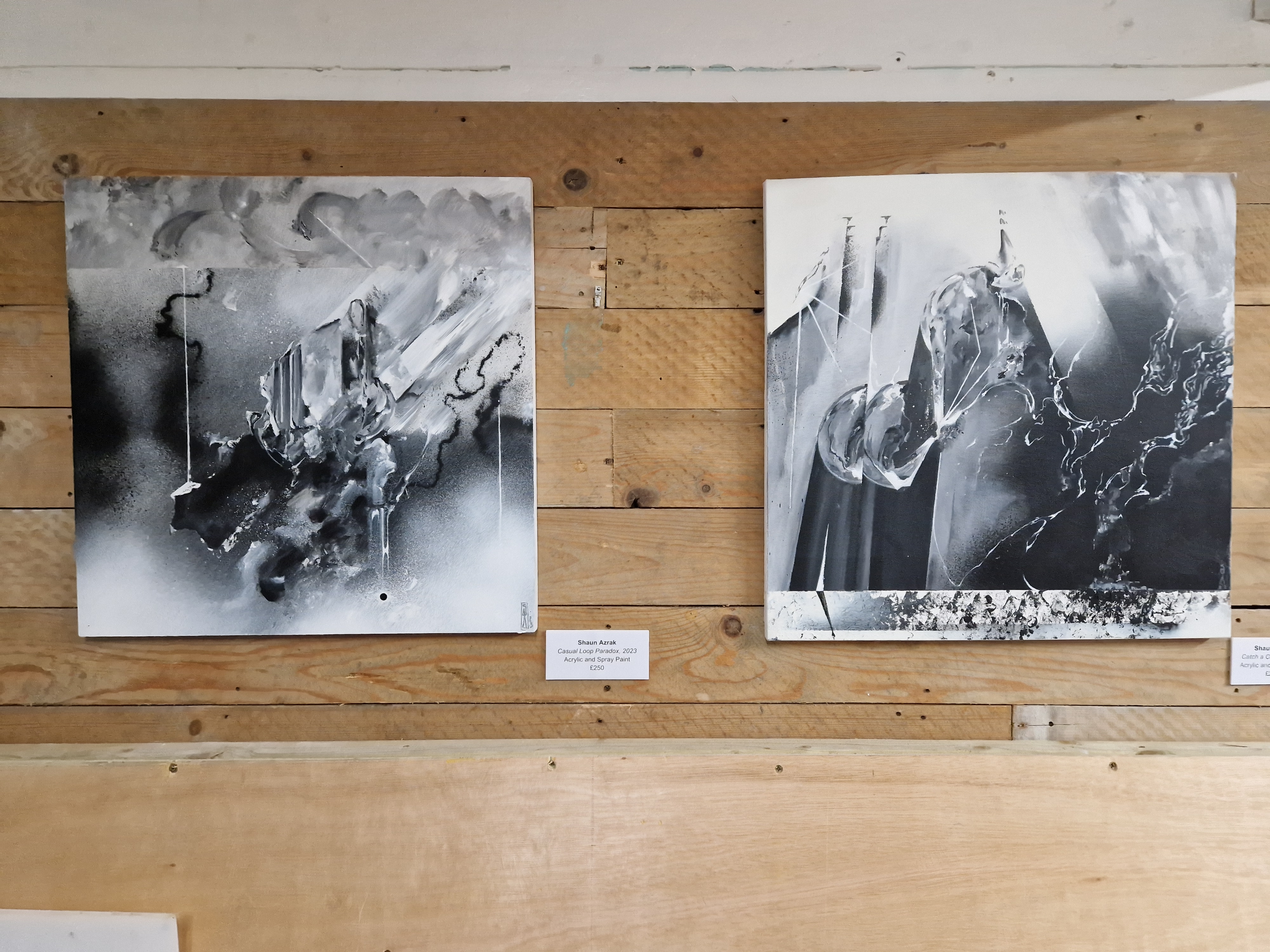
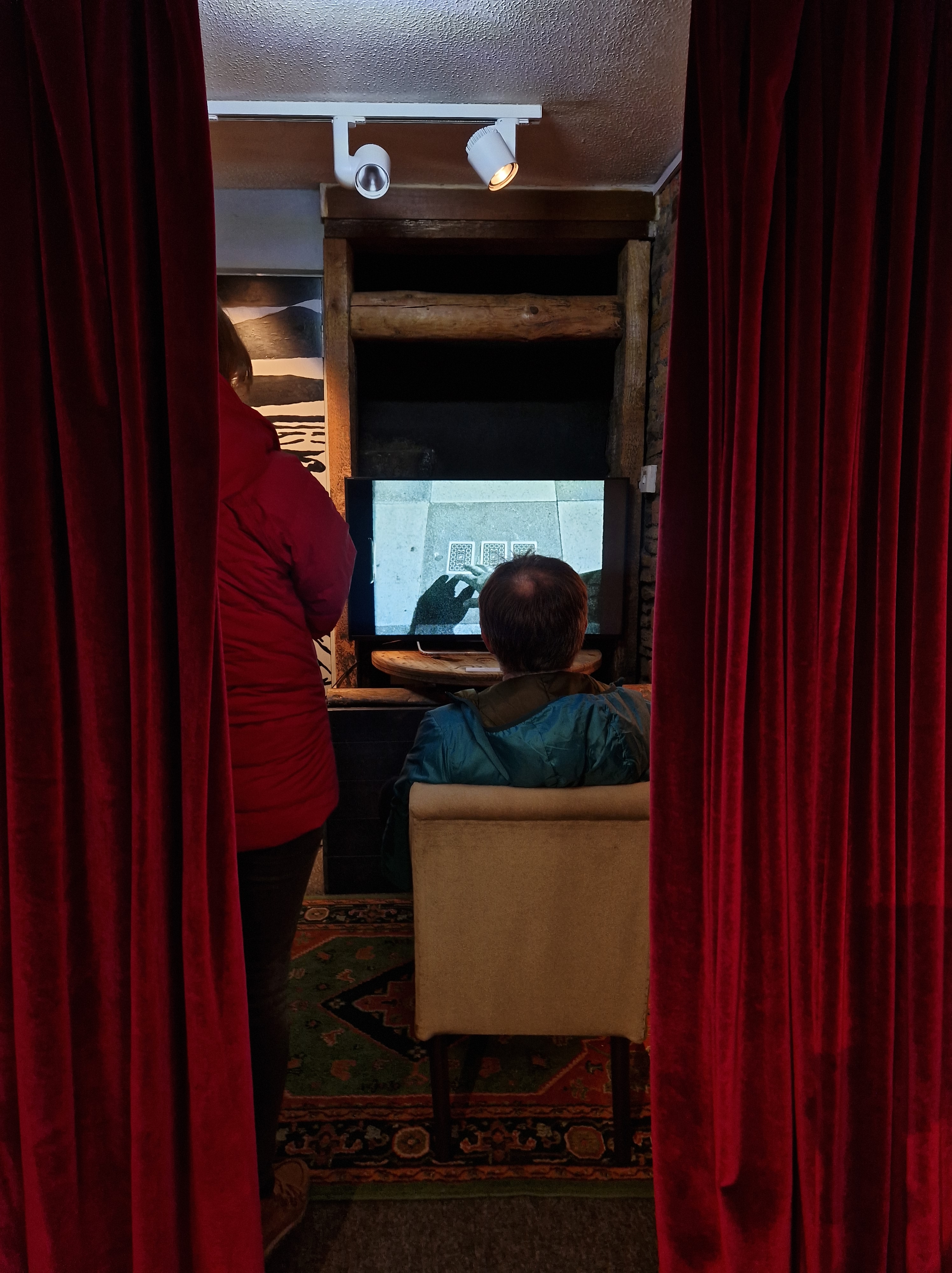
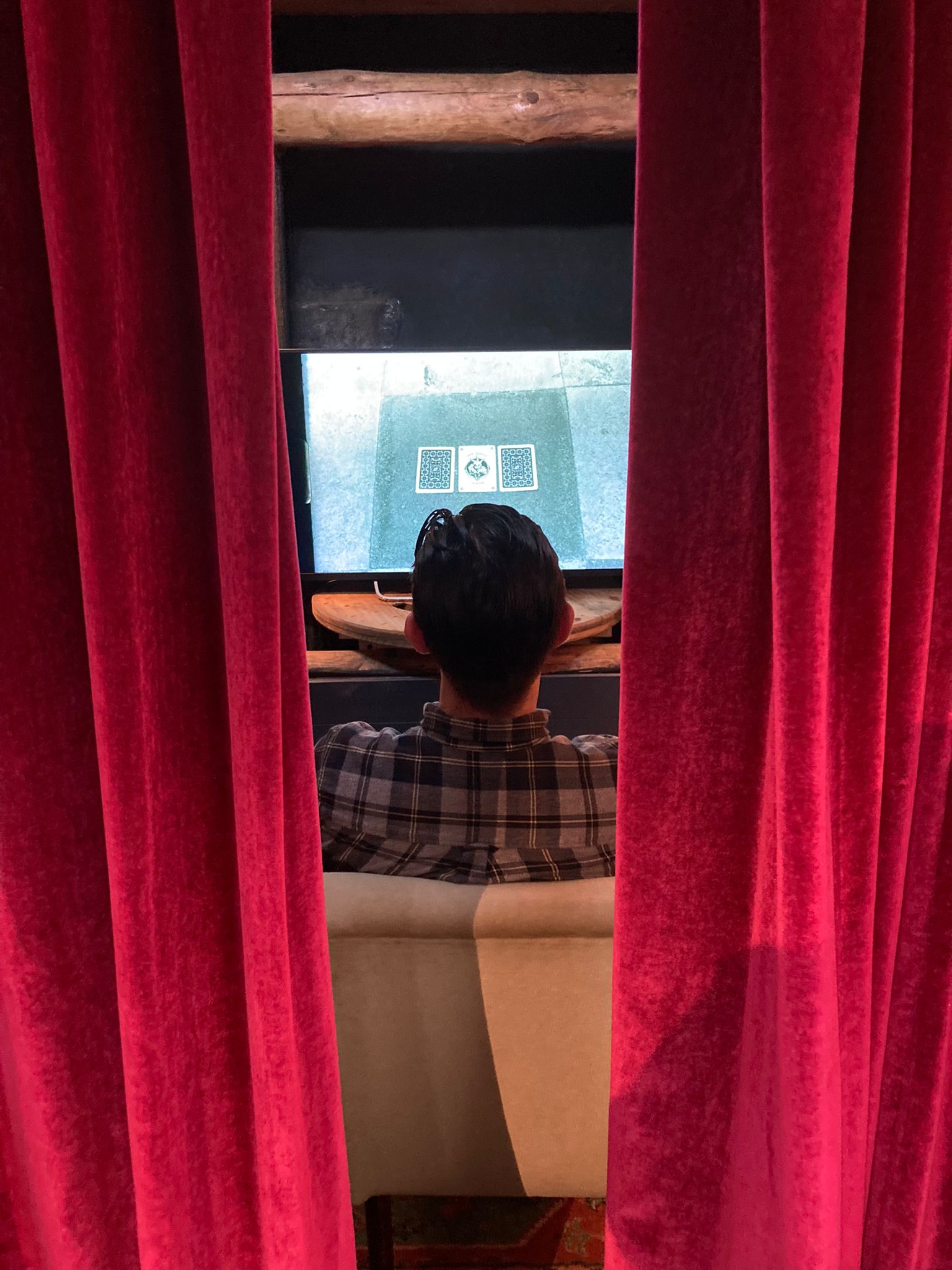
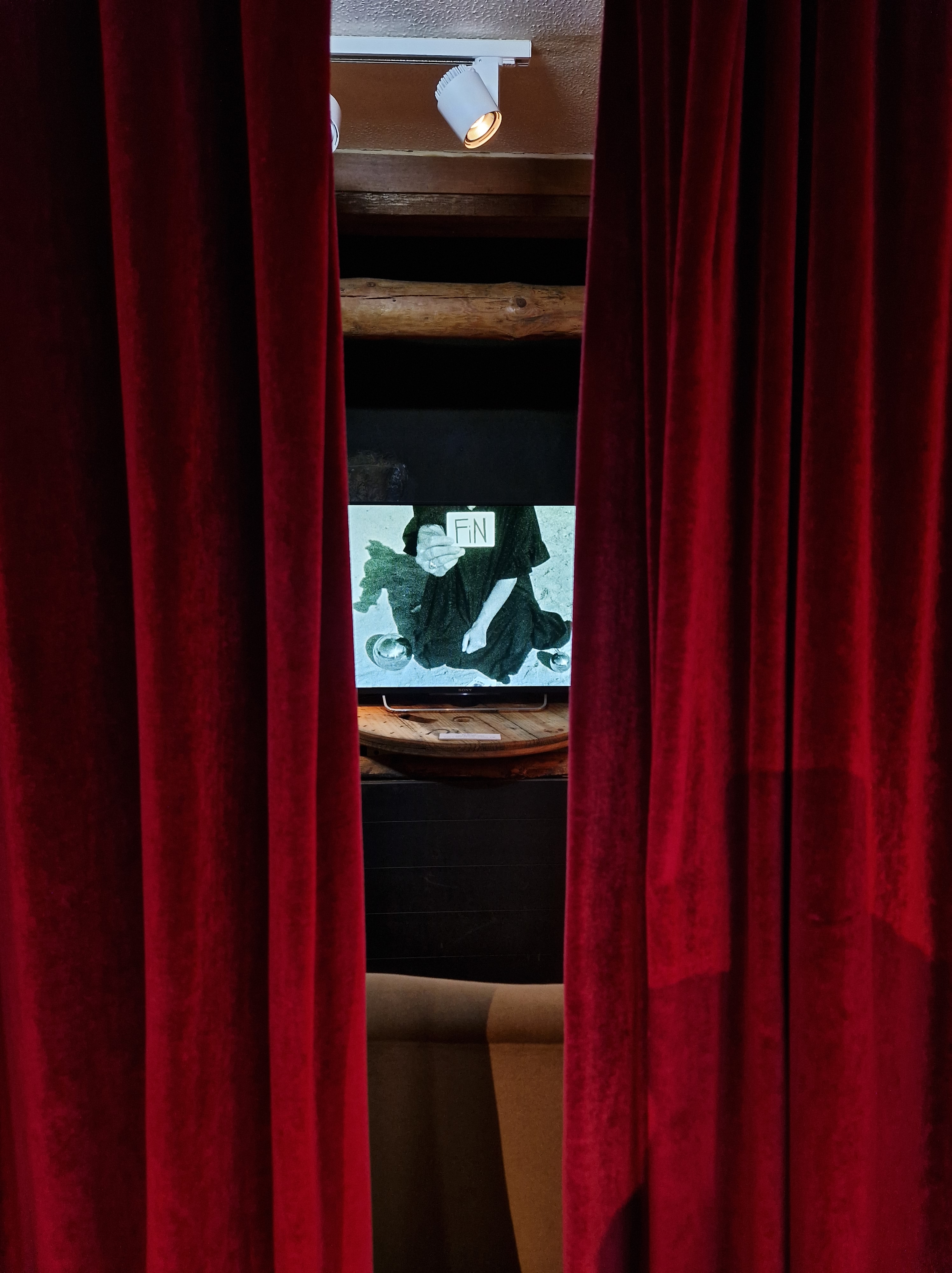
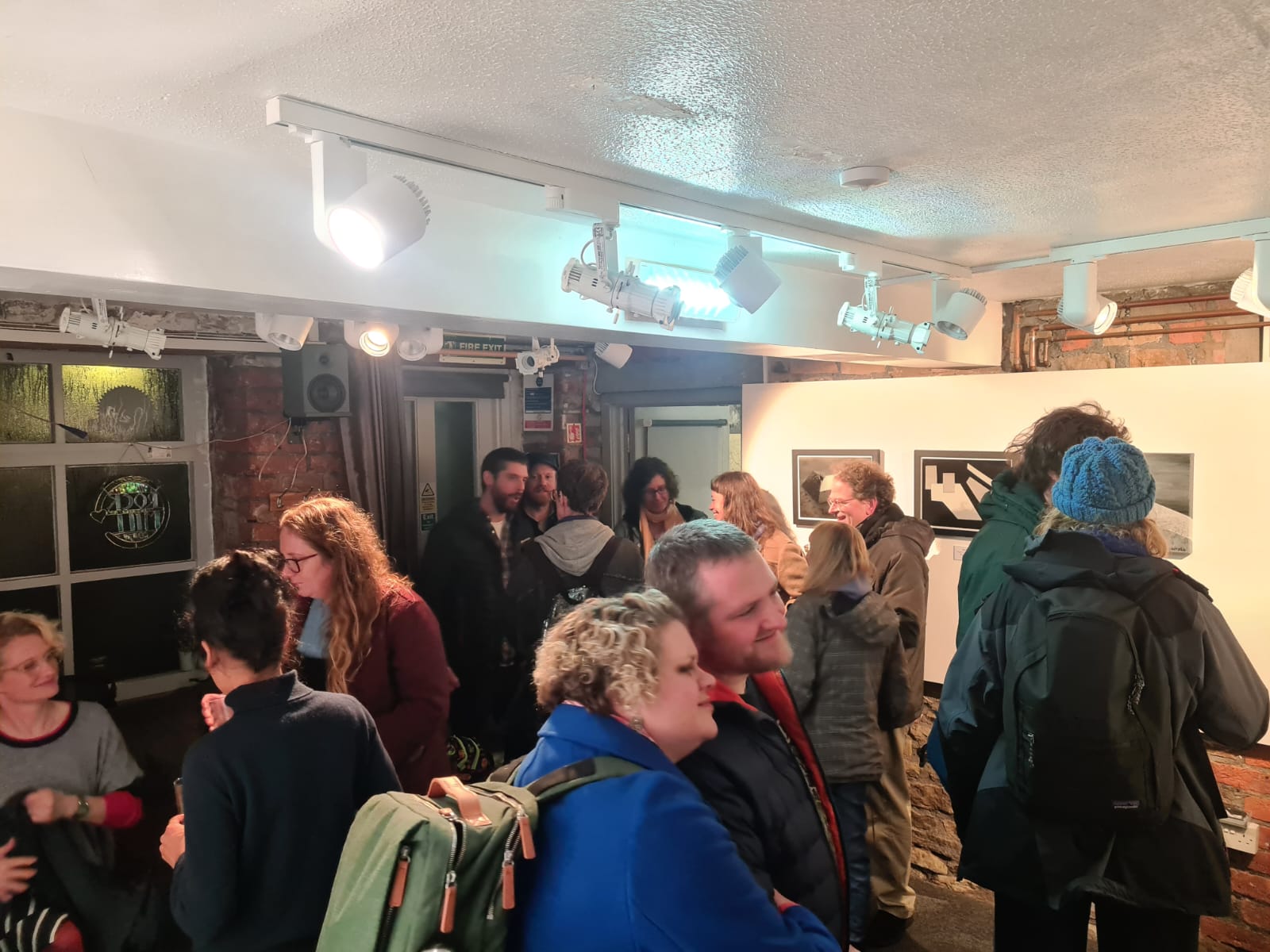
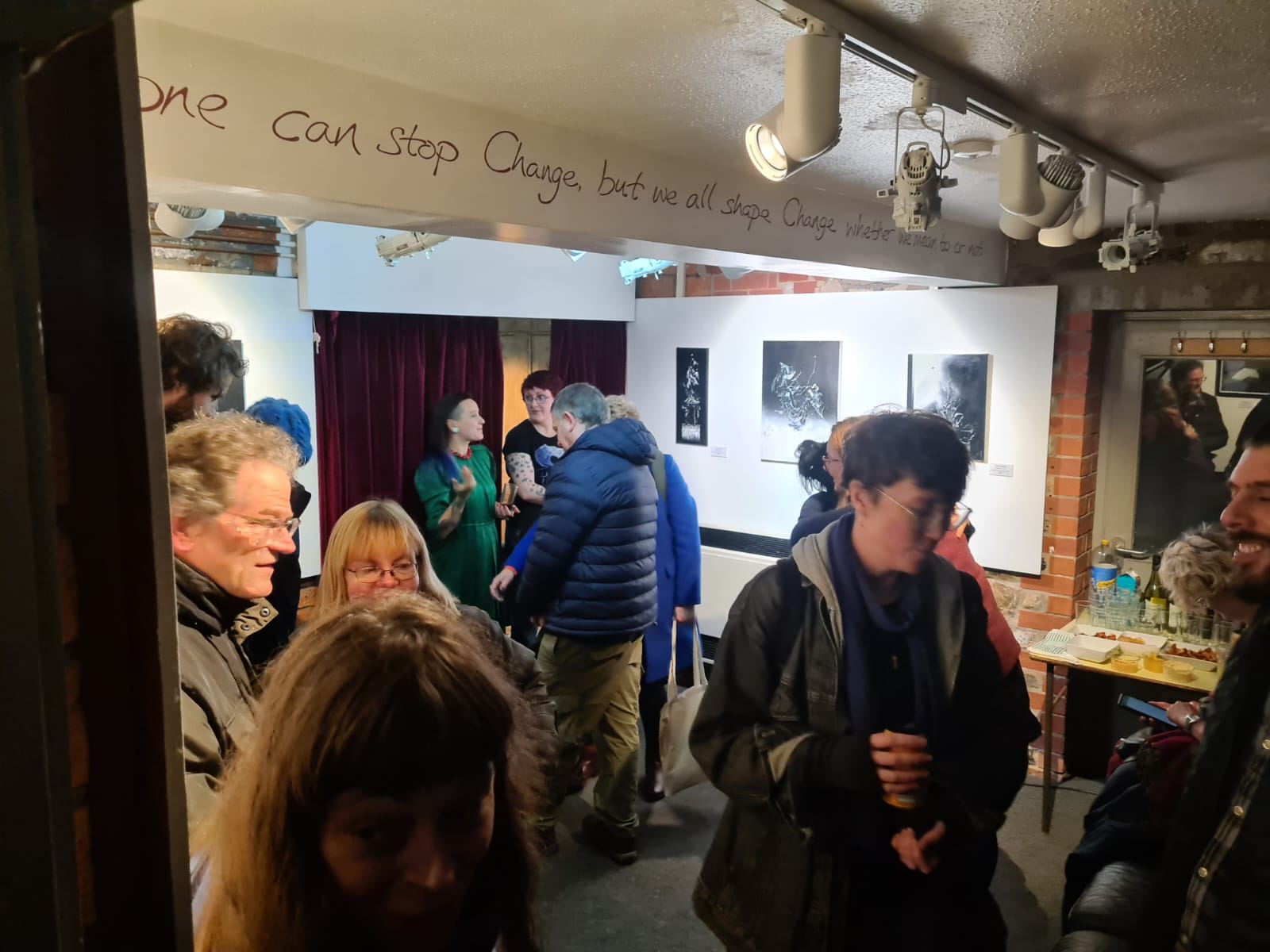
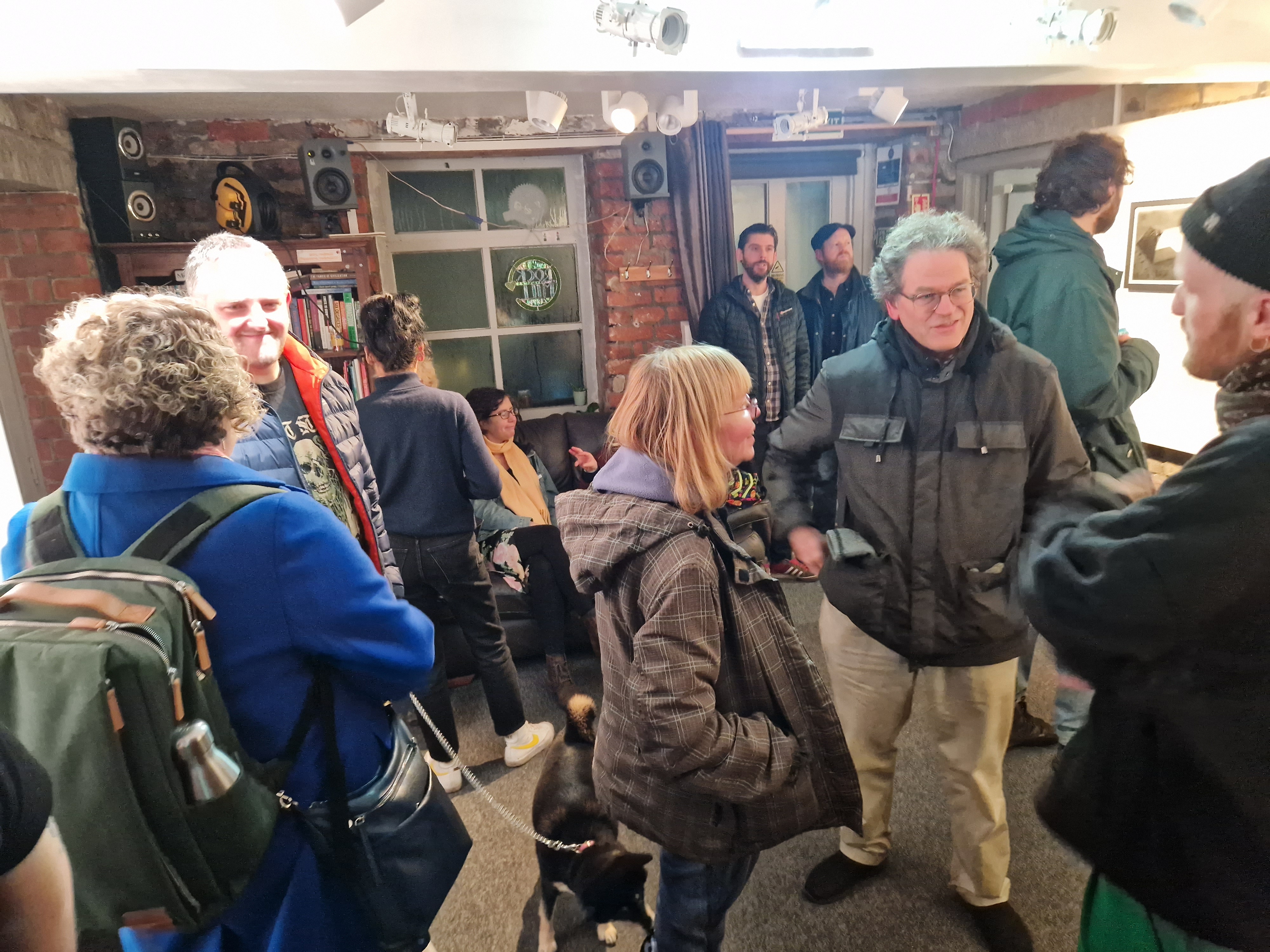
REFLECTIONS: What an incredible experience this was! From finally having a positive collaboration experience to having so many people coming to see our work, I feel like this has given me the confidence I needed in my future exhibiting endeavours. I think it was a great idea to start a bit smaller as the task has not been overwhelming because of that. Following that thought, I think we will put up the next exhibition in Stockport and then in Manchester.
Additionally, I am so happy I was able to show my Super 8 film - Estas bien? NO. I worked very hard on that short movie and didn't have much opportunity to display it, so I was pleased that I was able to do so, and I got a lot of positive feedback from the audience.
It was fantastic to talk to so many people about my work, and the icing on the cake is that we both sold a piece each, which was such a great end to an already wonderful and successful evening!
WEEK 8: 13-19/11
MONDAY
MID-TERM REVIEW SODA

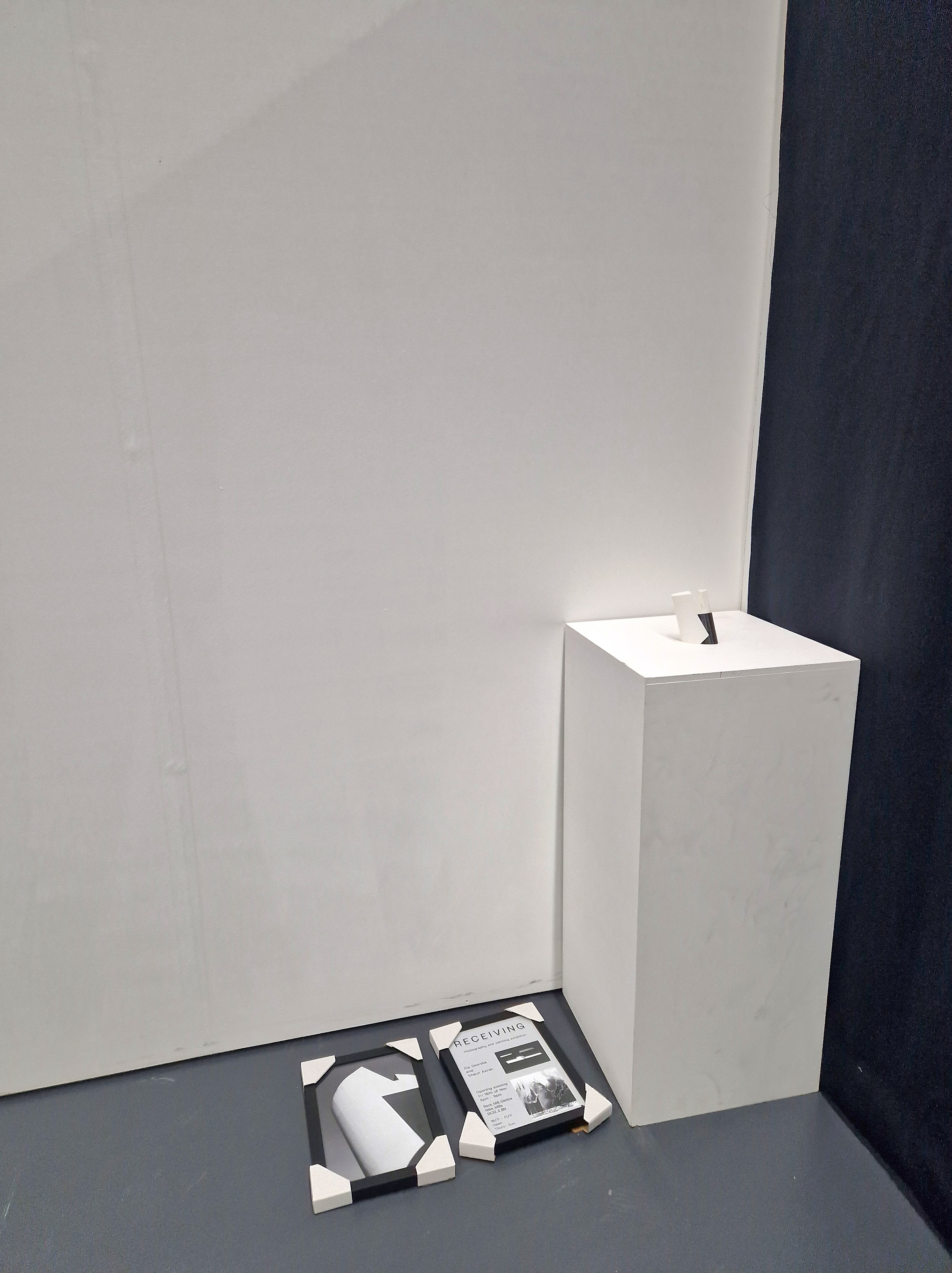

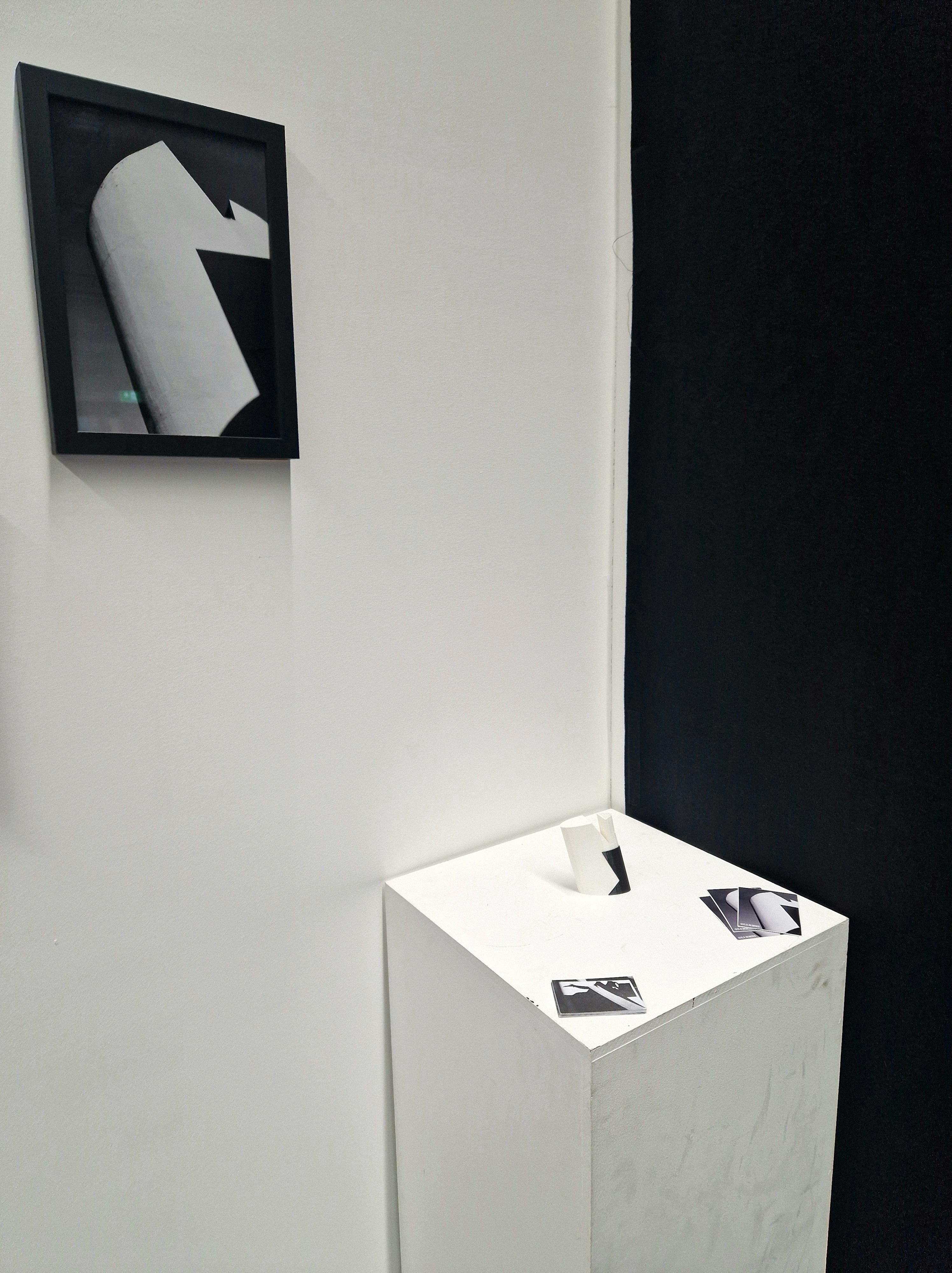
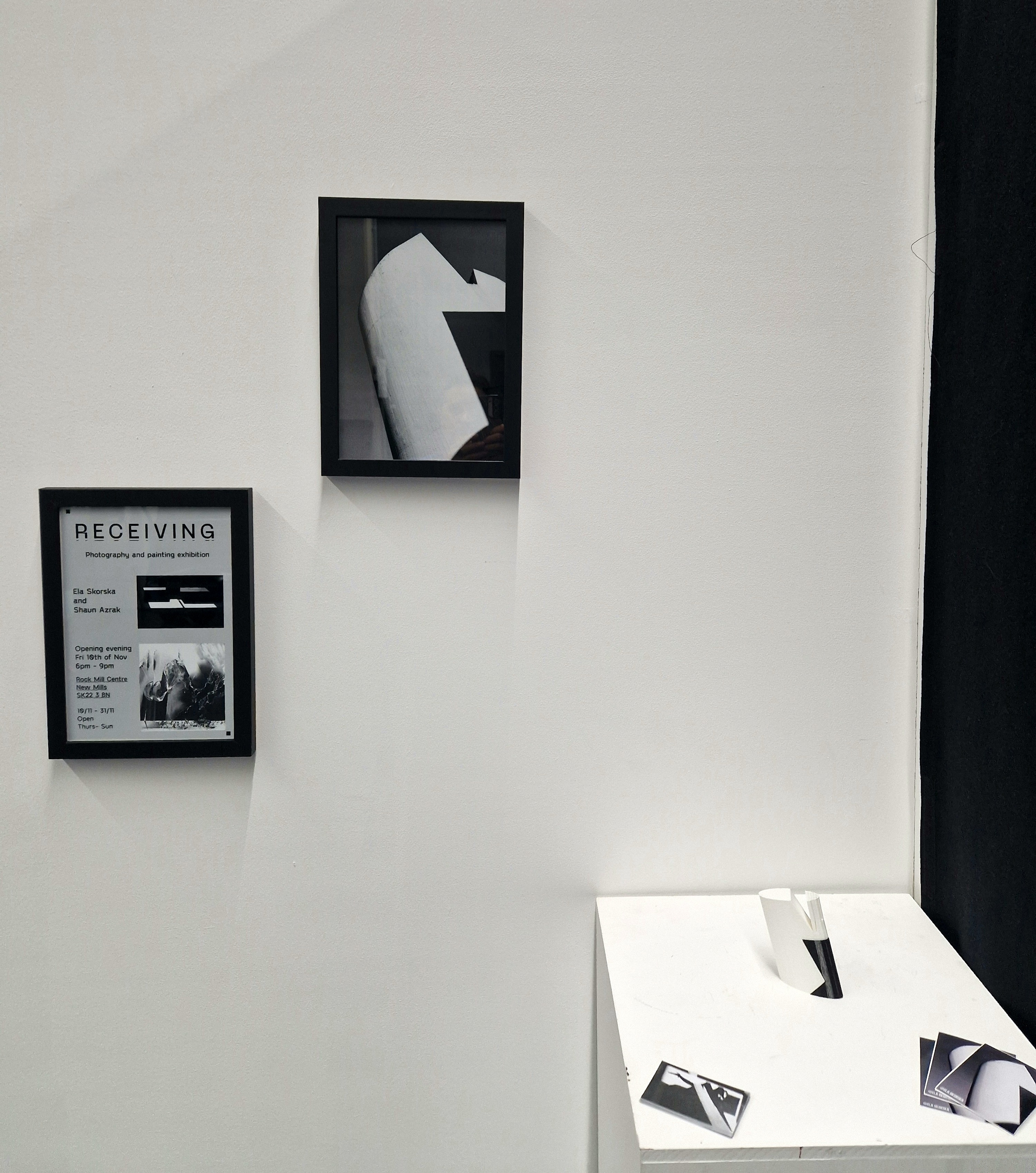
NOTES FROM PEERS AND TUTORS
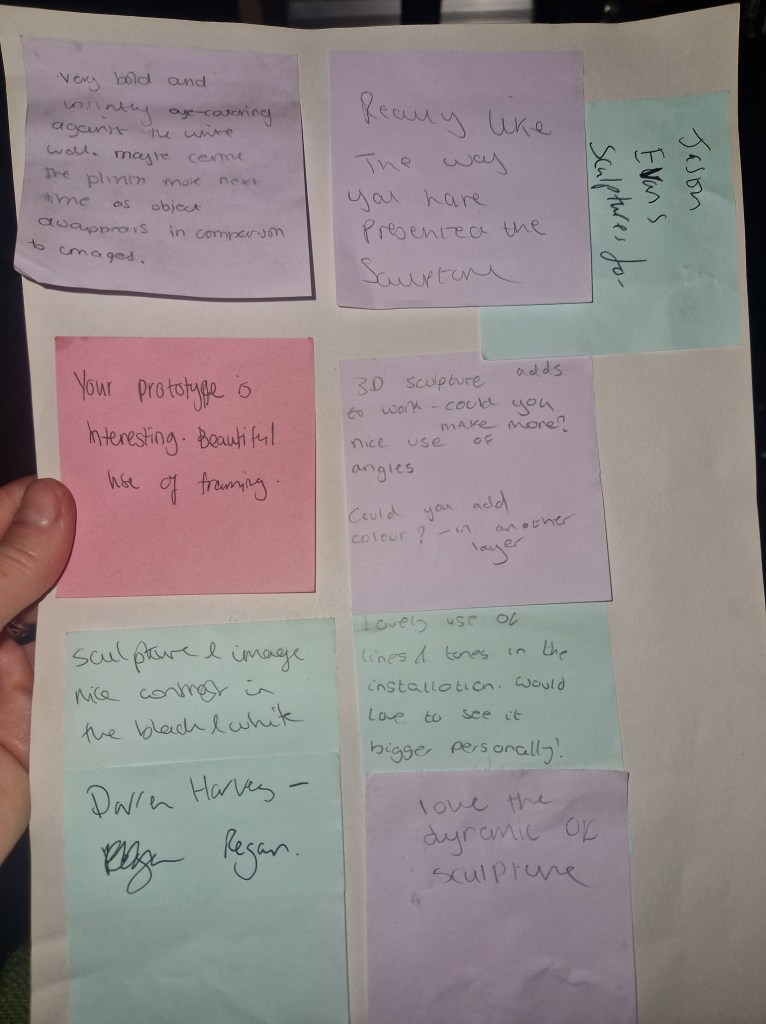
REFLECTIONS:  It was a good, however quite long session. I always think it's unfair on the people who go last as many people leave or don't pay attention towards the end. It also meant that we didn't have that much time to talk about our work, and I ended up talking through most of my presentation, which didn't leave much time for feedback from peers or tutors (although I found nobody from peers ever gave me any feedback apart from post-stick notes). I made a point of catching up for a tutorial with one of my professors Thom shortly after the crit, to make a note of his feedback and research suggestions.
Another thing worth mentioning is that when I wait so long to present, I get more and more nervous, and the longer I wait, the worse it gets. I wonder if there could be a better solution for students to present work. Perhaps smaller groups would be more beneficial, and students could volunteer if they want to go at the beginning rather than at the end.
I think it's always good to practice presenting and talking about your practice, and I think that we don't do it enough at MMU. I had to present so much when I was in Spain, and it definitely positively changed me - it gave me more confidence, flow and vocabulary to express myself and improve my presentation to a more professional level (with time, I still have a long way to go).
TUESDAY
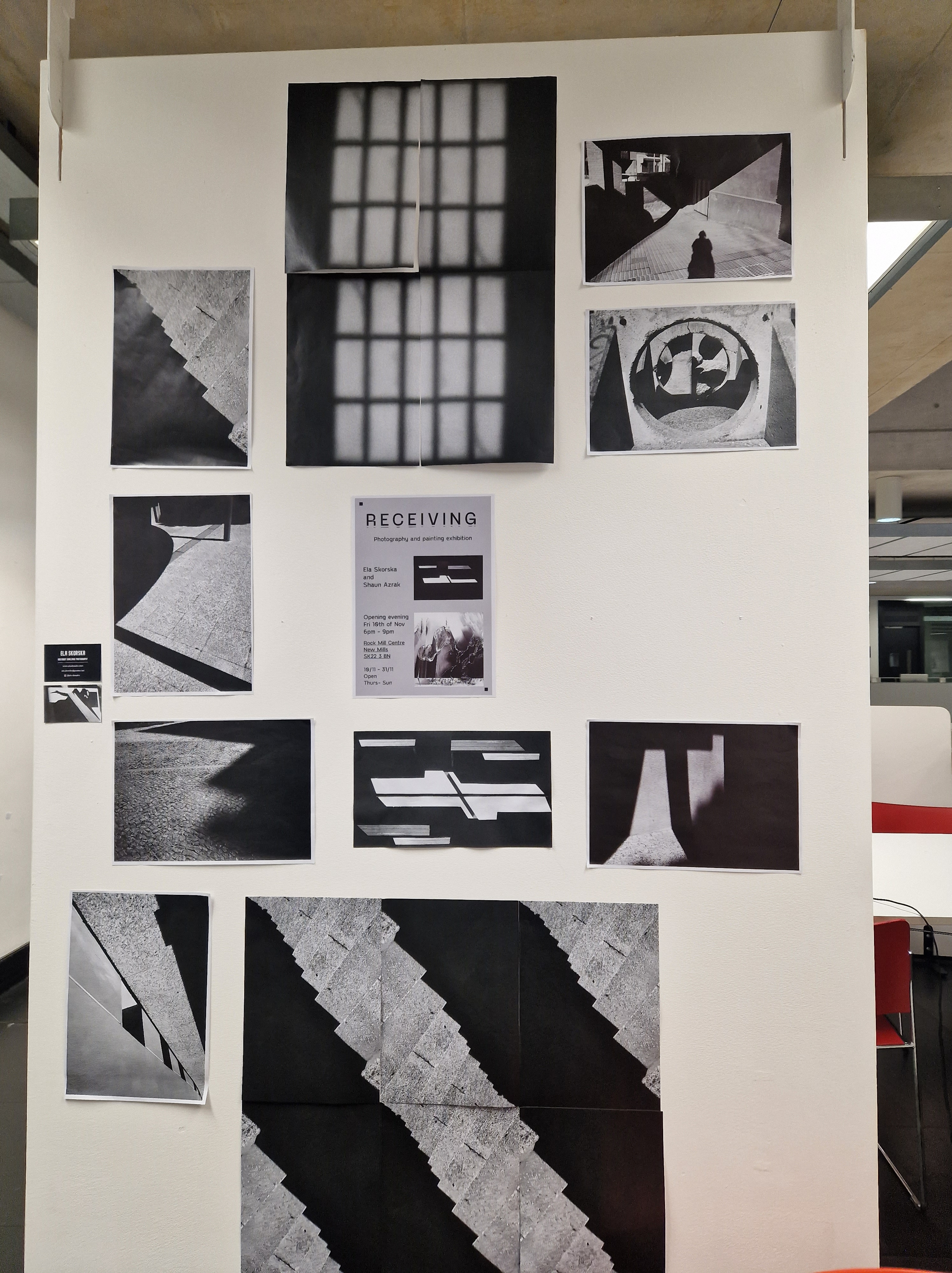
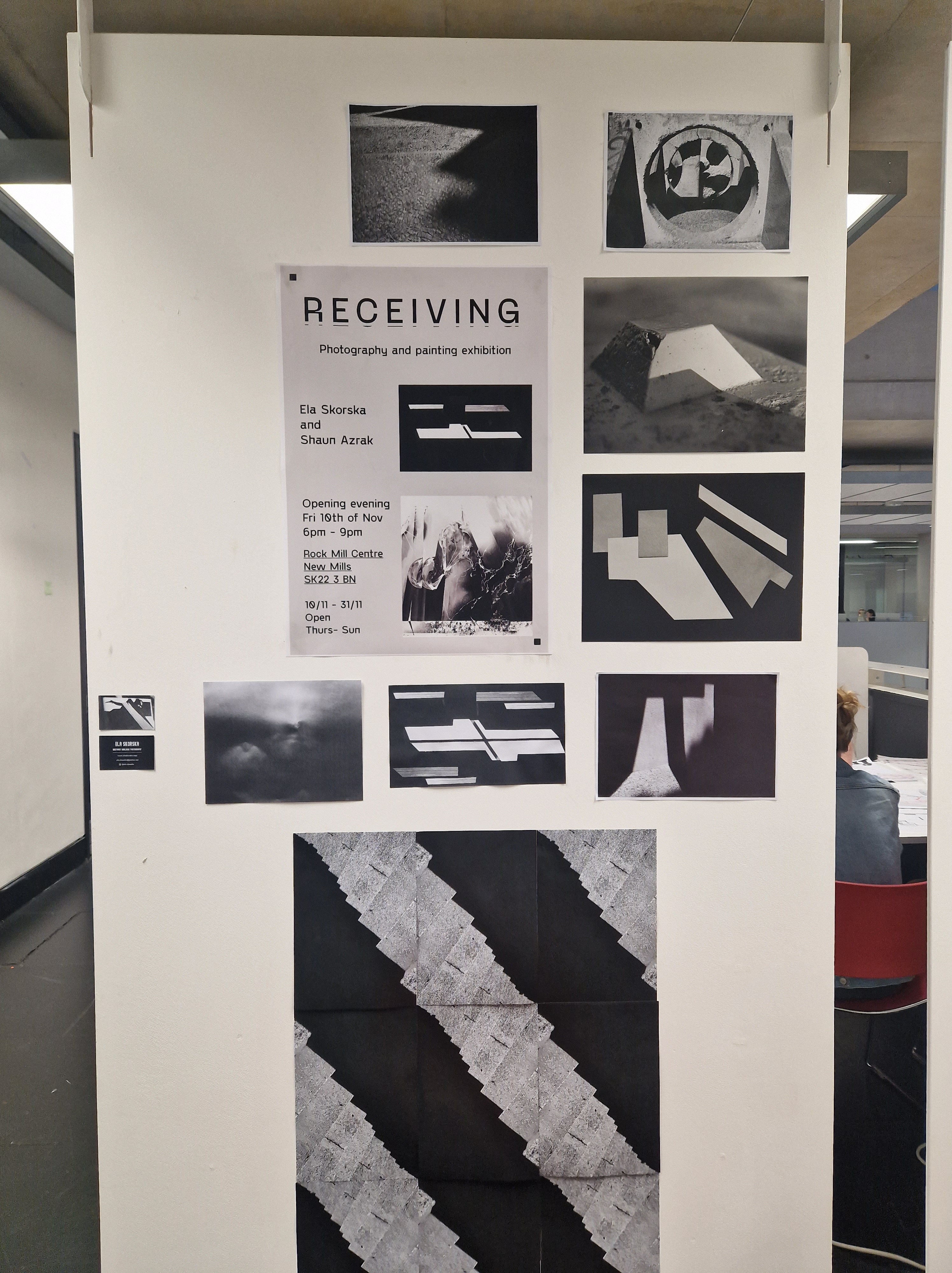
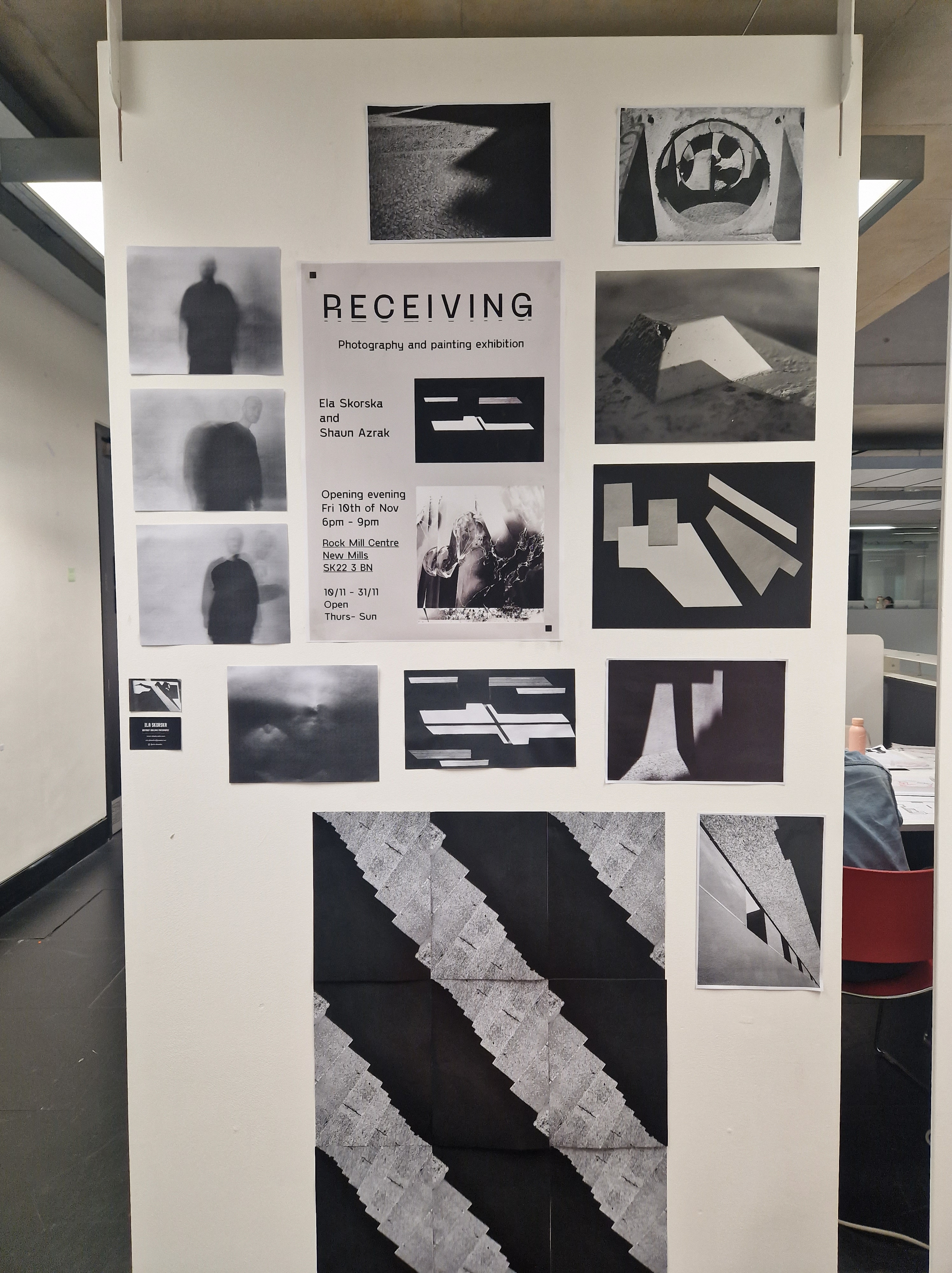
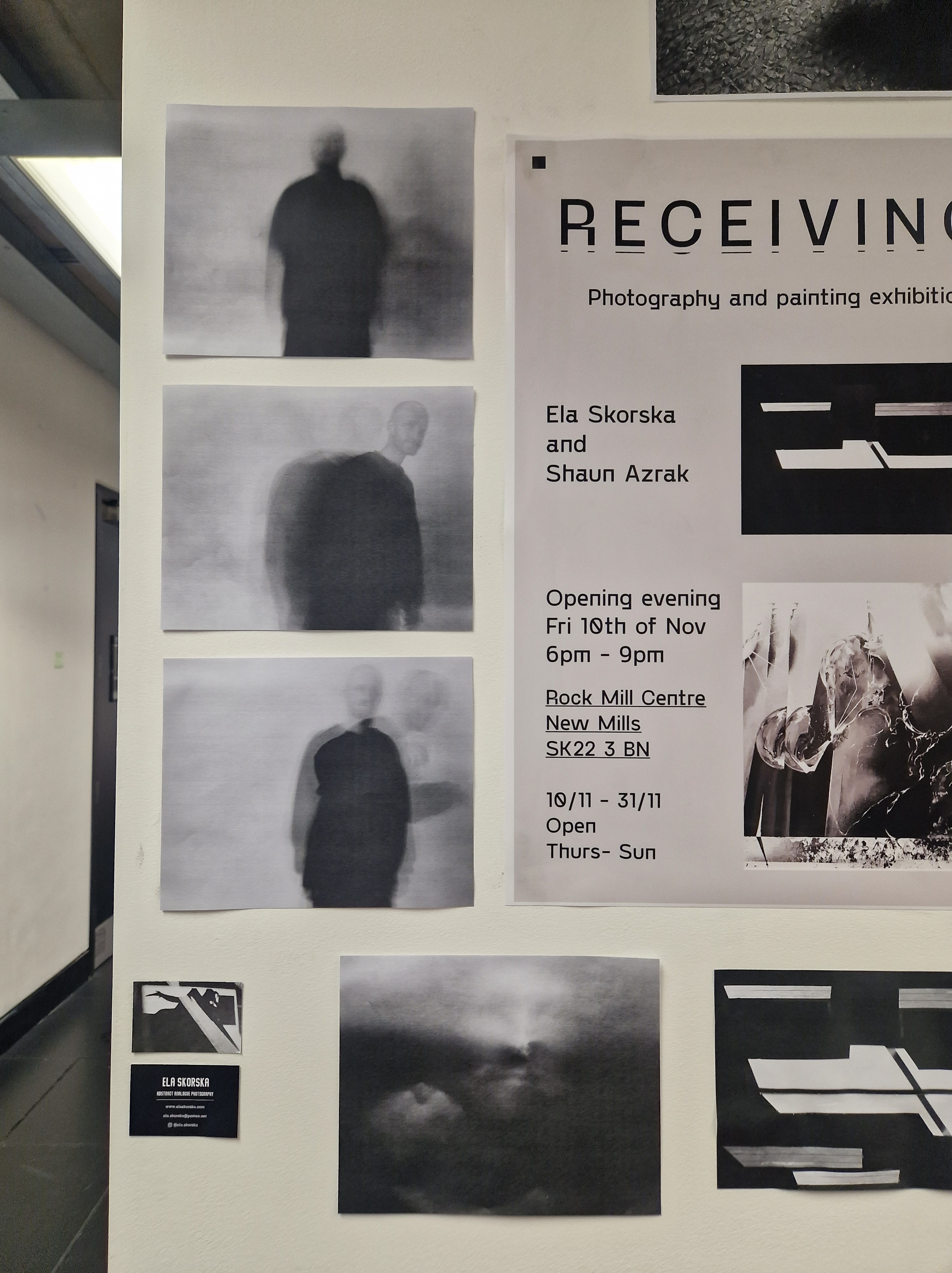
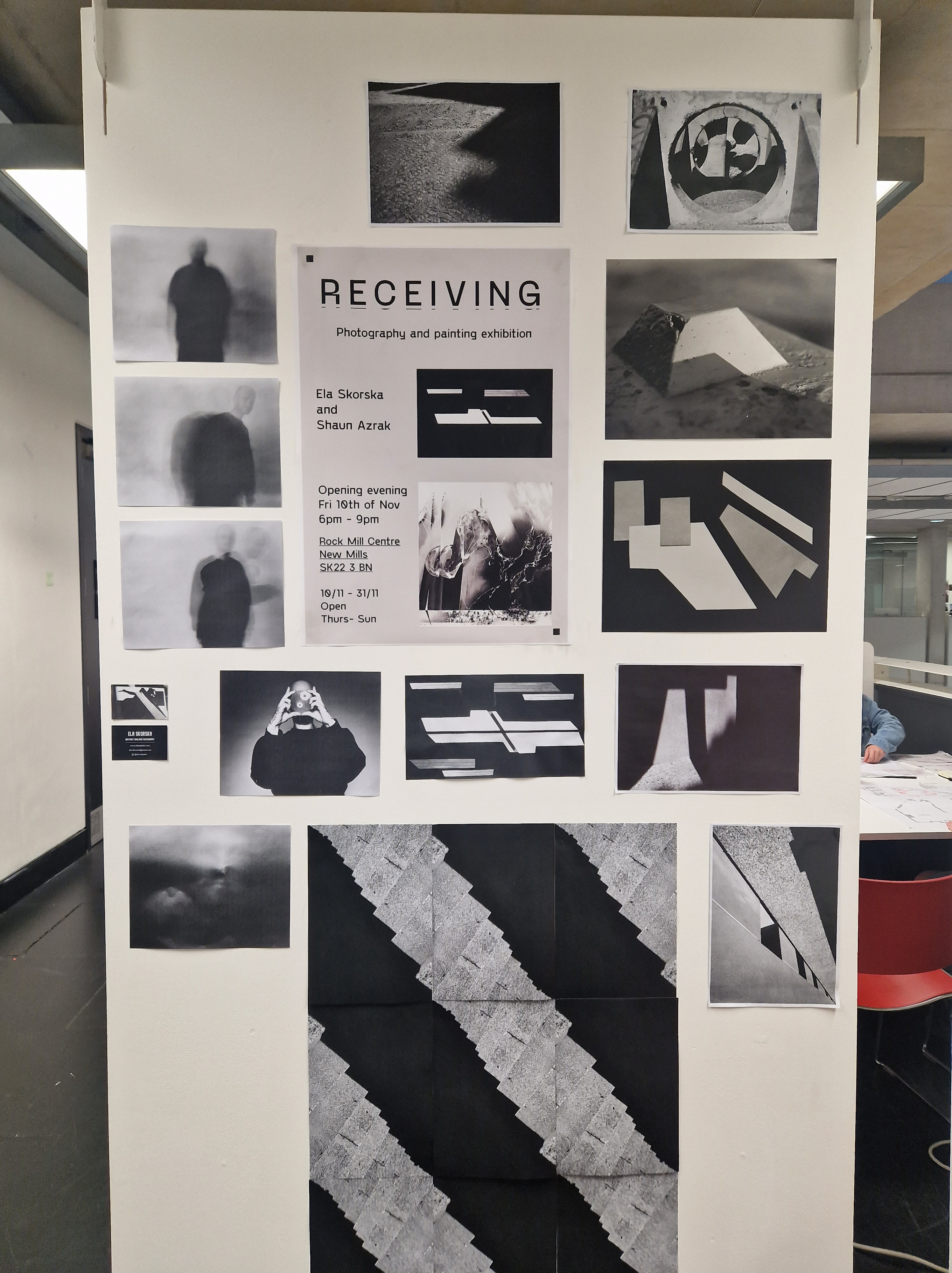
UPDATING MY WALL ON 3RD FLOOR
I spent a few hours updating my wall with my newest work.
THURSDAY
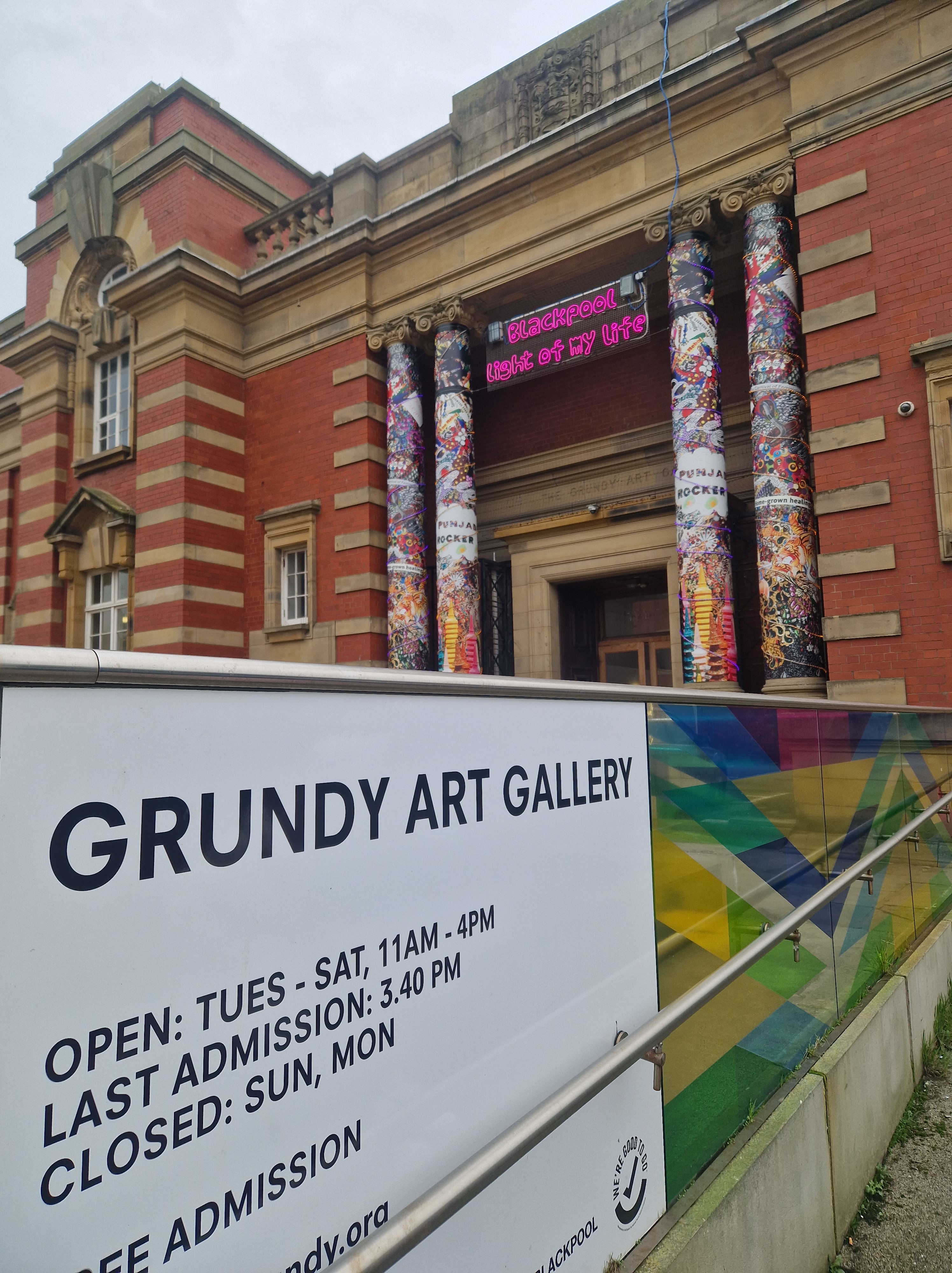
TRIP TO NEW CONTEMPORARIES IN BLACKPOOL
On this day, I embarked upon a trip to the New Contemporaries exhibition in Blackpool.
NEW CONTEMPORARIES
https://www.newcontemporaries.org.uk/
New Contemporaries is the leading organisation supporting emergent art practice from the UK’s established and alternative art programmes.
Since 1949 we have consistently supported contemporary visual artists to successfully transition from education into professional practice, primarily by means of an annual, nationally touring exhibition.
We continue to be unique in the level of support that we offer emerging artists through our open call and associated programmes, and remain responsive to change in the art world and the needs of emerging practitioners.
A panel comprising influential art world figures including curators, writers, and artists select participants for our annual touring exhibition. Often, our selectors have been a part of previous New Contemporaries exhibitions giving them a unique insight on the experience. Selection is a rigorous two-part process, there is no pre-selection and applicants’ details are not seen by the panel.
Our exhibitions are accompanied by a programme of educational activity that provides insight into emerging practice and the key issues affecting artists. In partnership with Artquest, we deliver both one-to-one and peer mentoring offered to all selected artists to help make the most of being included in New Contemporaries.
We acknowledge that it is increasingly difficult for emerging artists to operate in the UK, as the cost of living, studios and further education all continue to rise. Since 2014, we have actively worked to address this and have put new mechanisms in place that are intended to support emerging practitioners. These include opening up our annual call to artists participating on non-degree awarding programmes and creating mentoring, studio bursaries, residencies and other opportunities intended to further support artists with the aim to make their practices sustainable in the long-term. We also pay exhibition and performance fees for artists we work with, in addition to the reimbursement of travel expenses and the covering of accommodation costs.

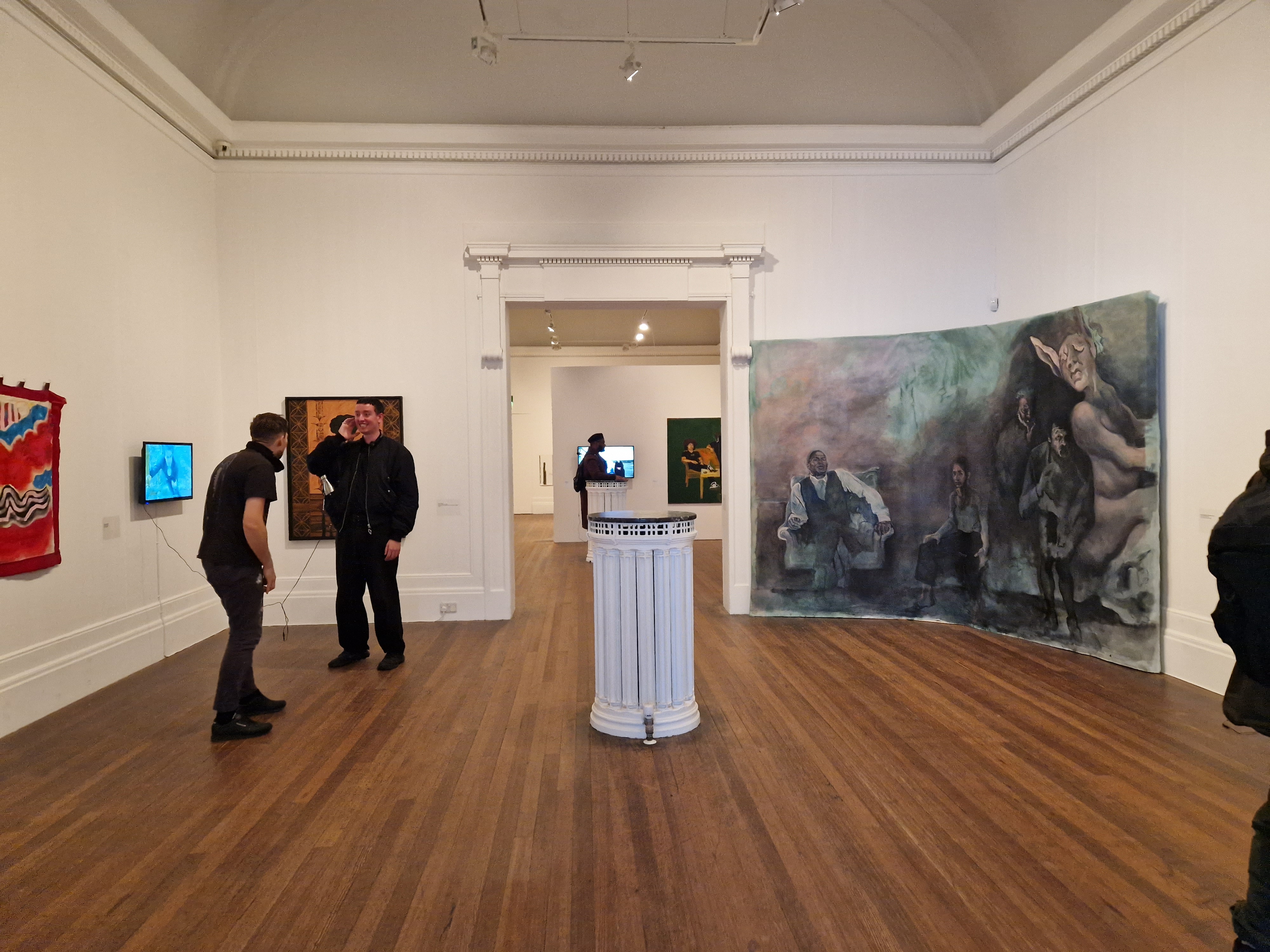
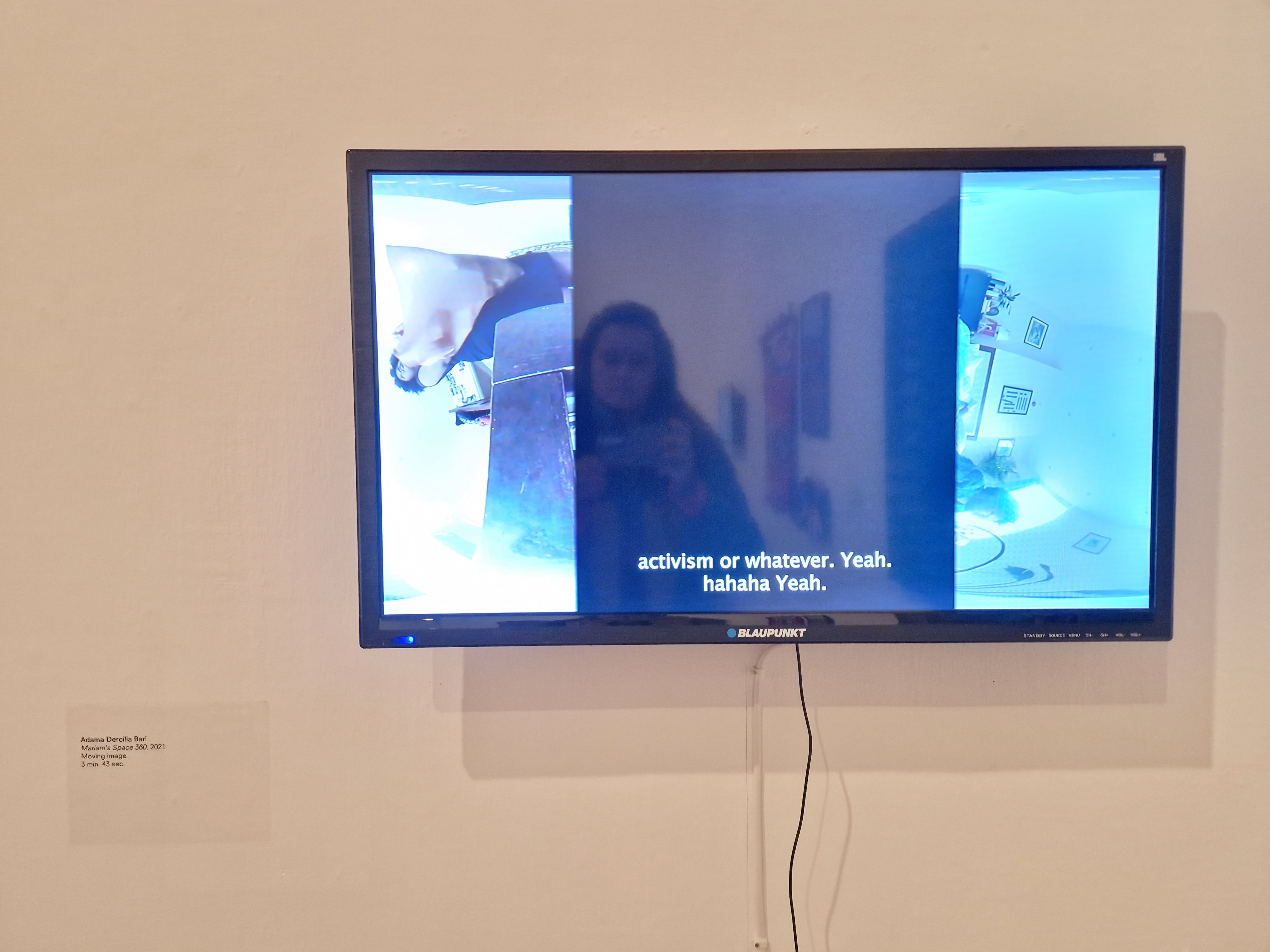
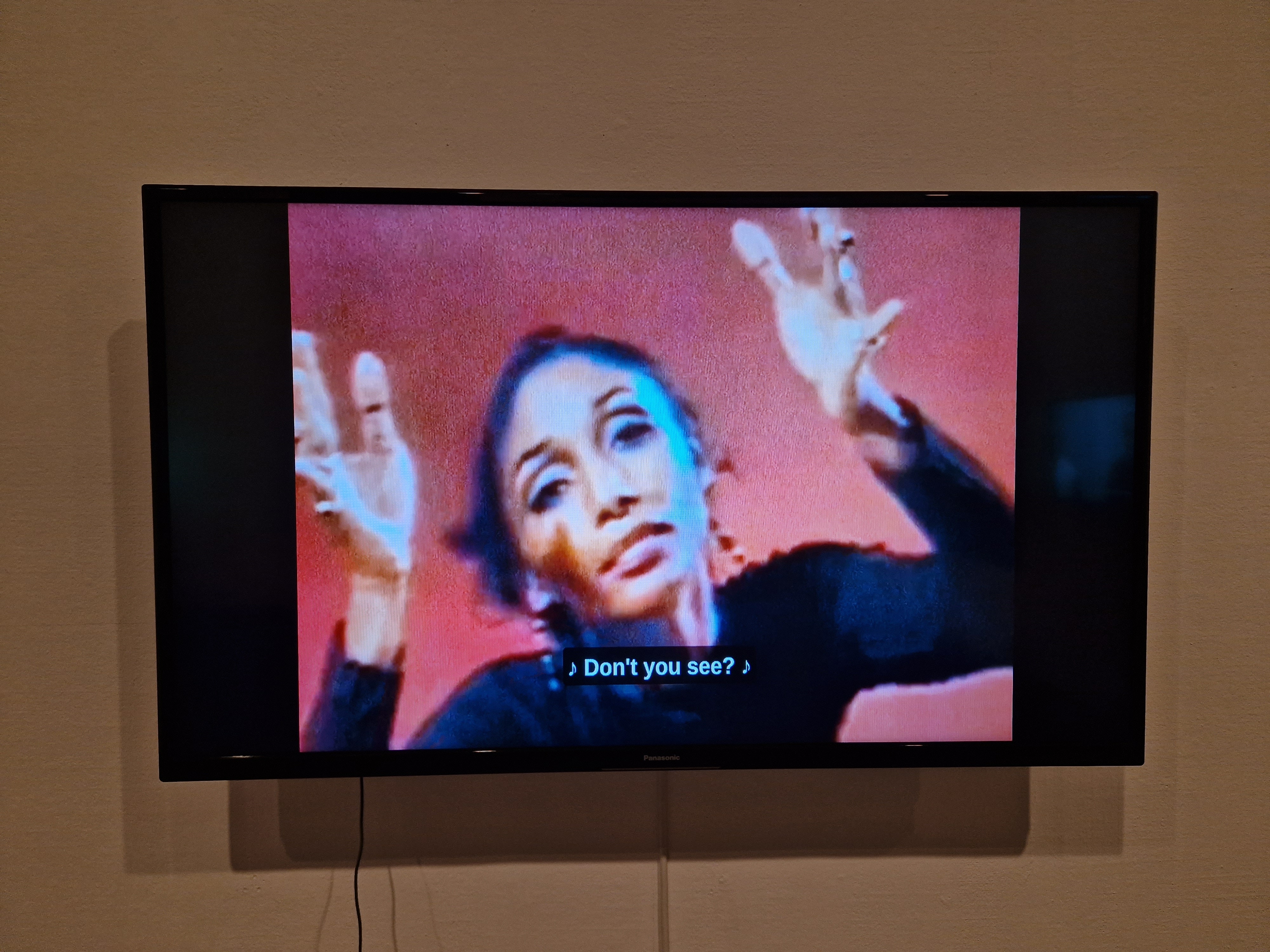
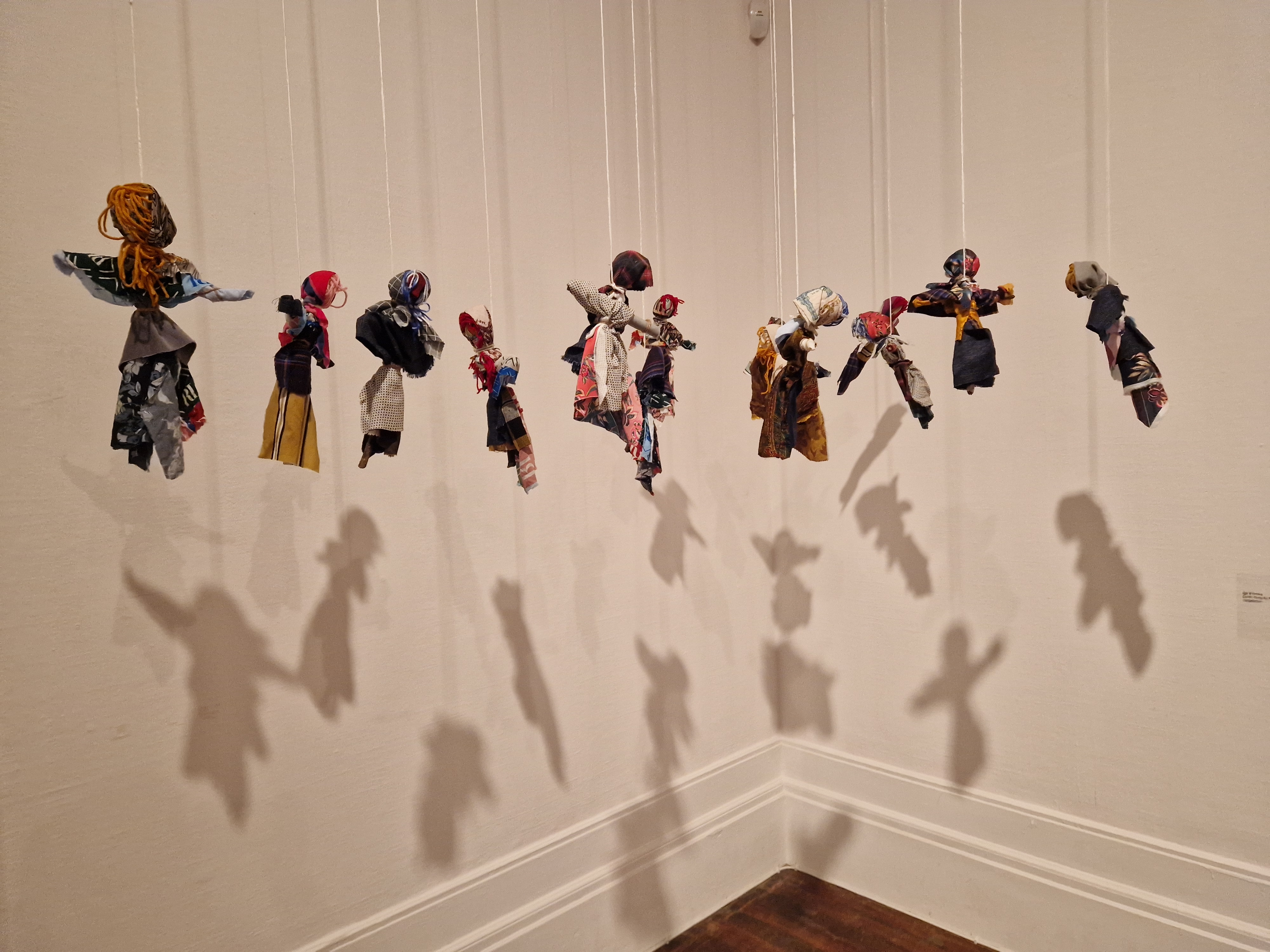
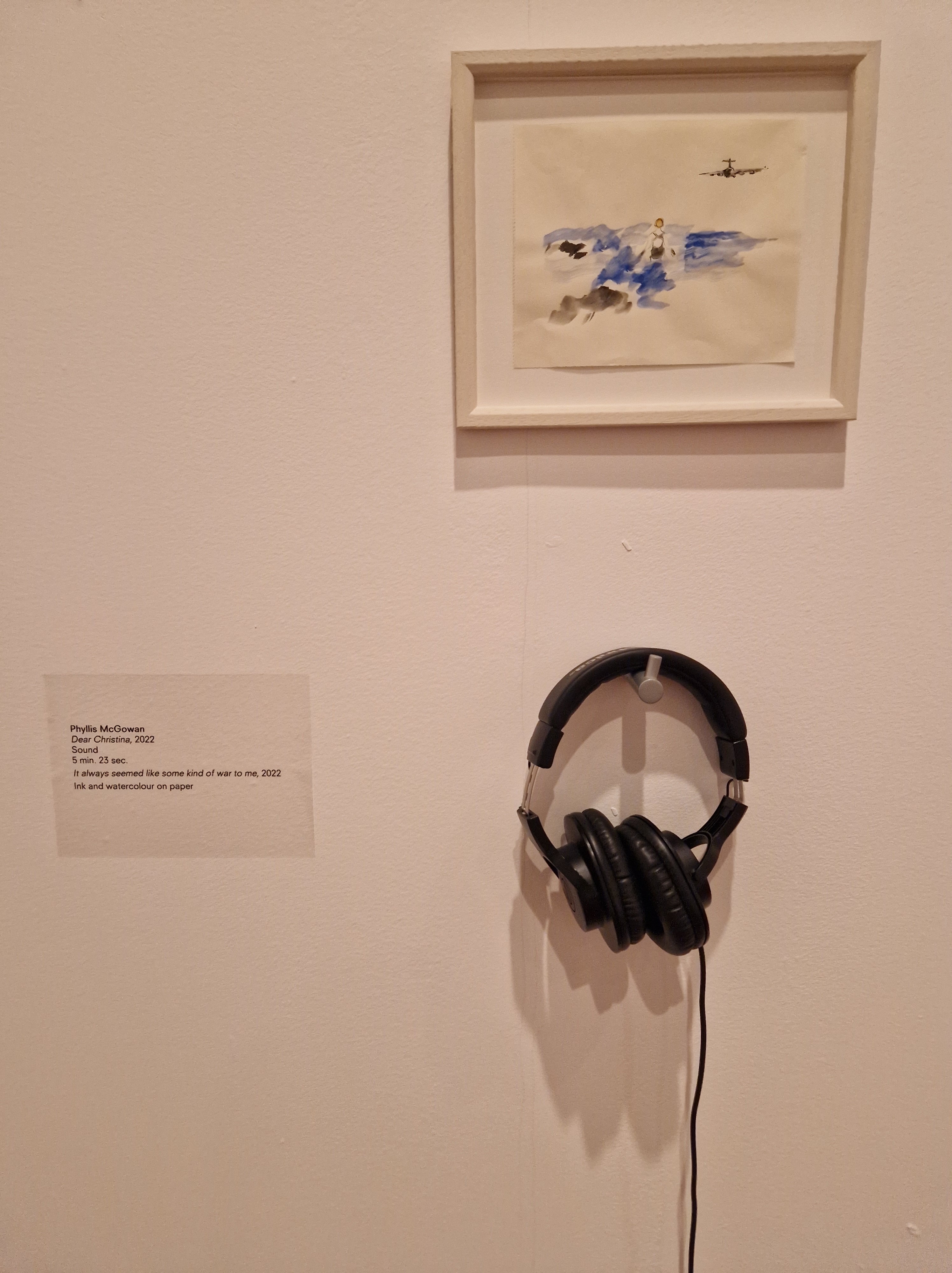
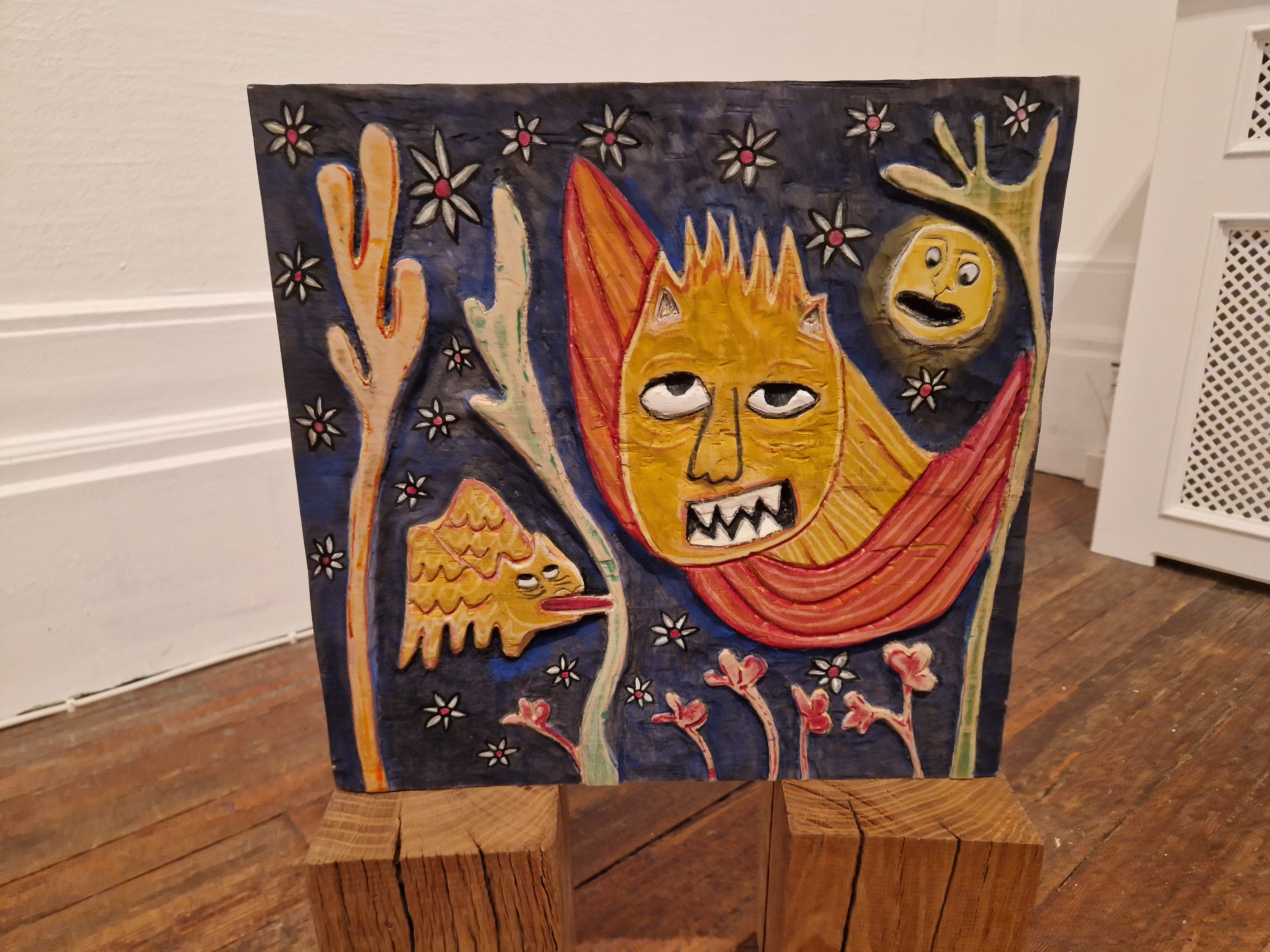
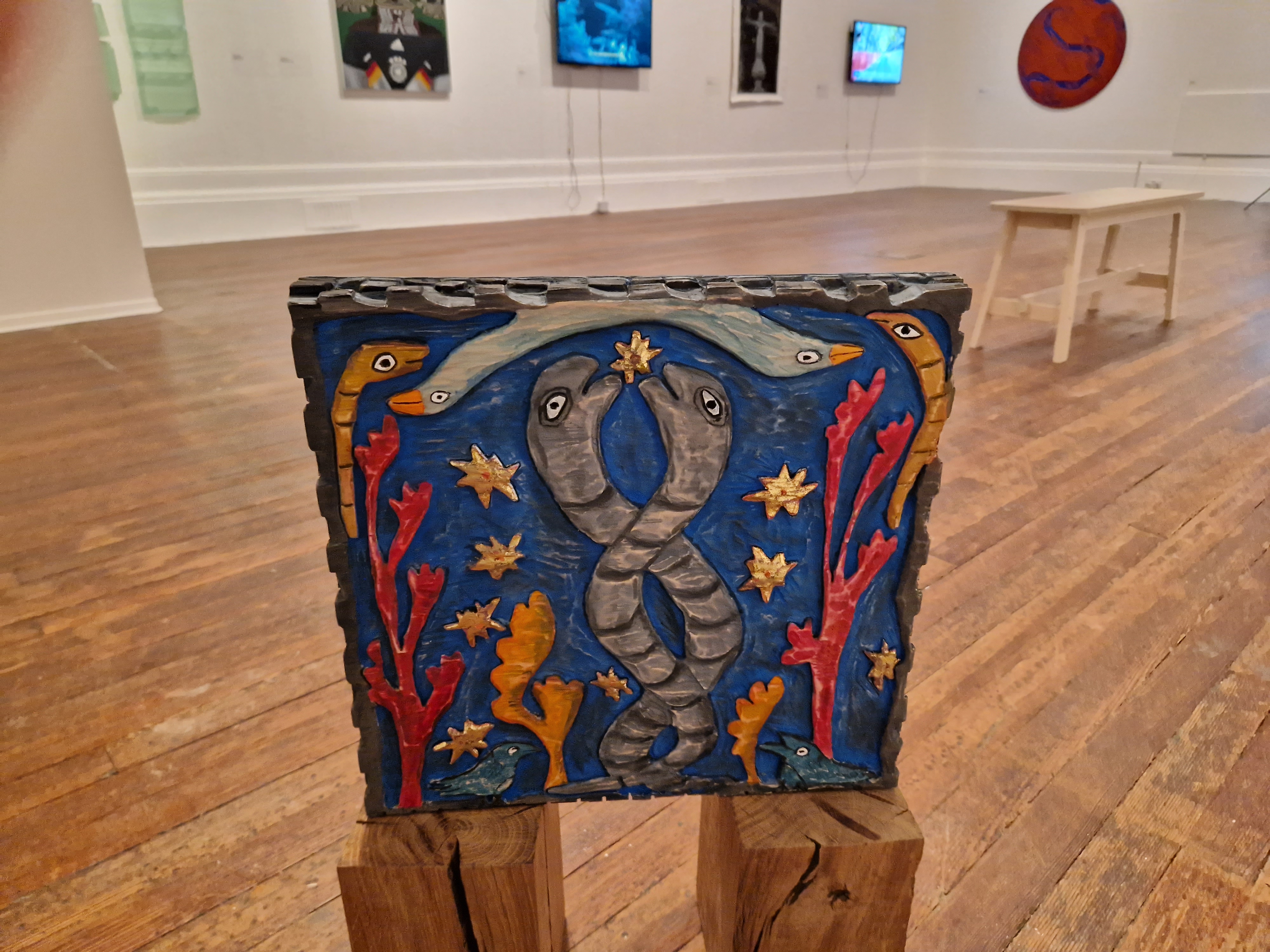
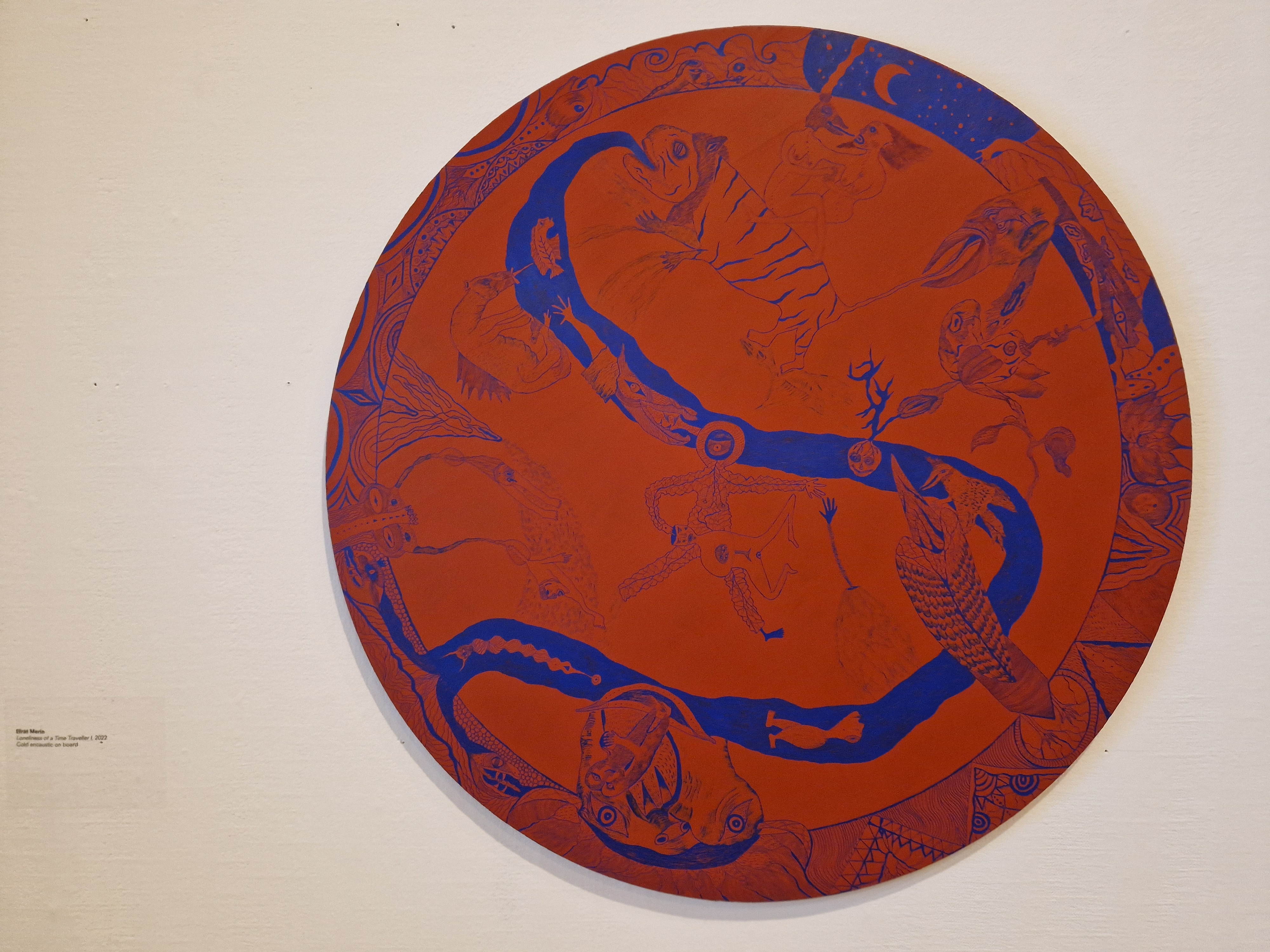
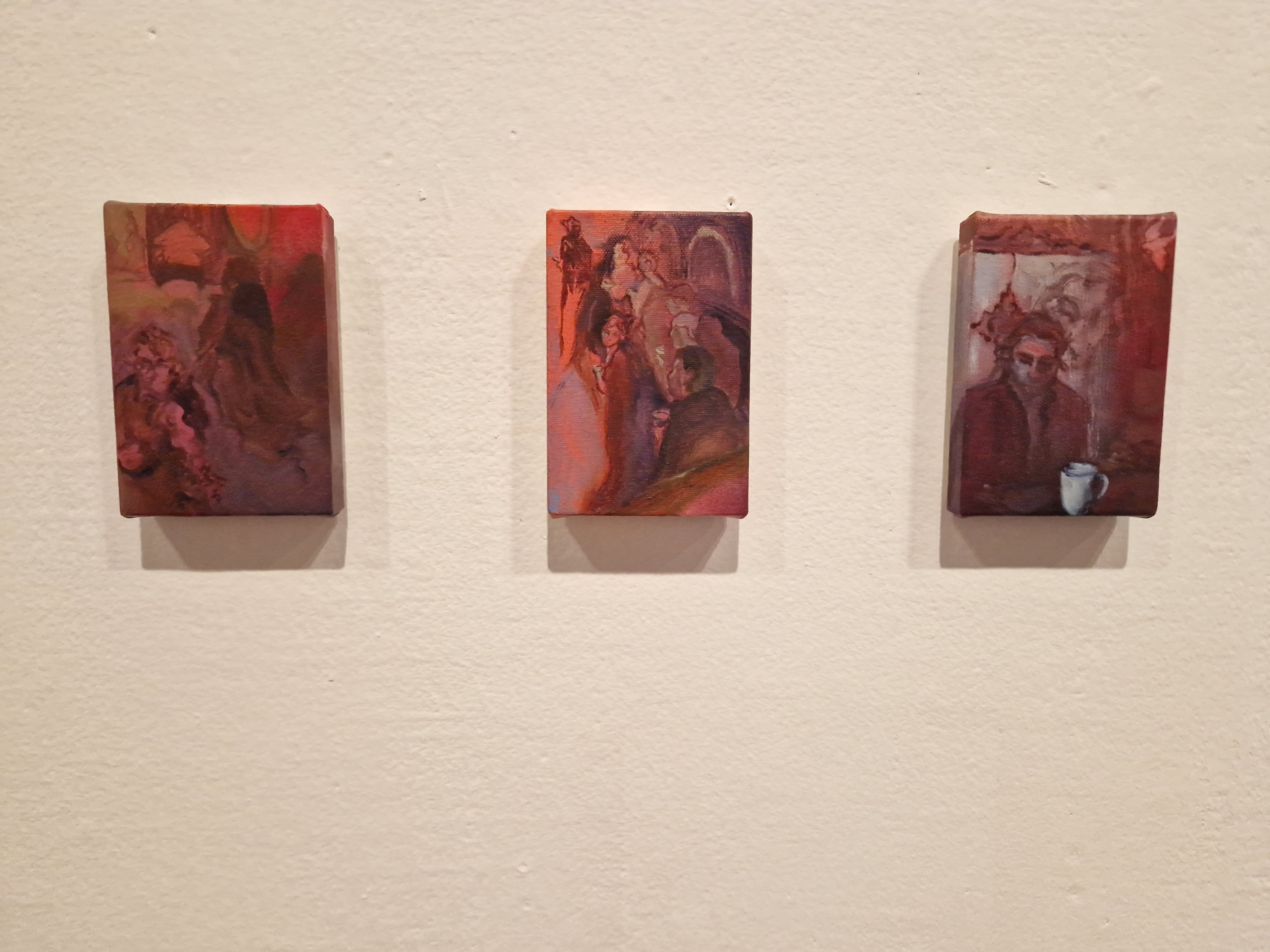

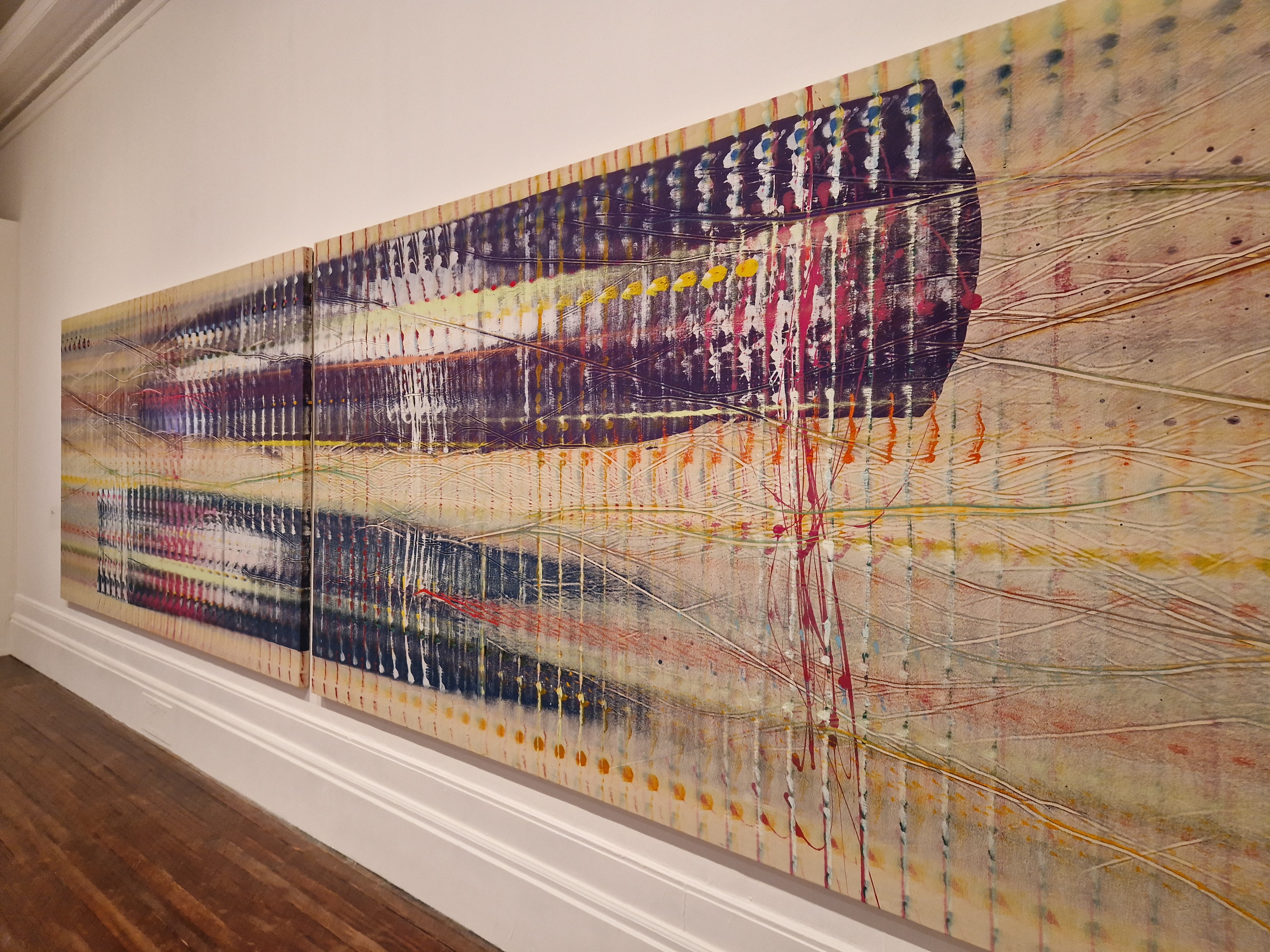
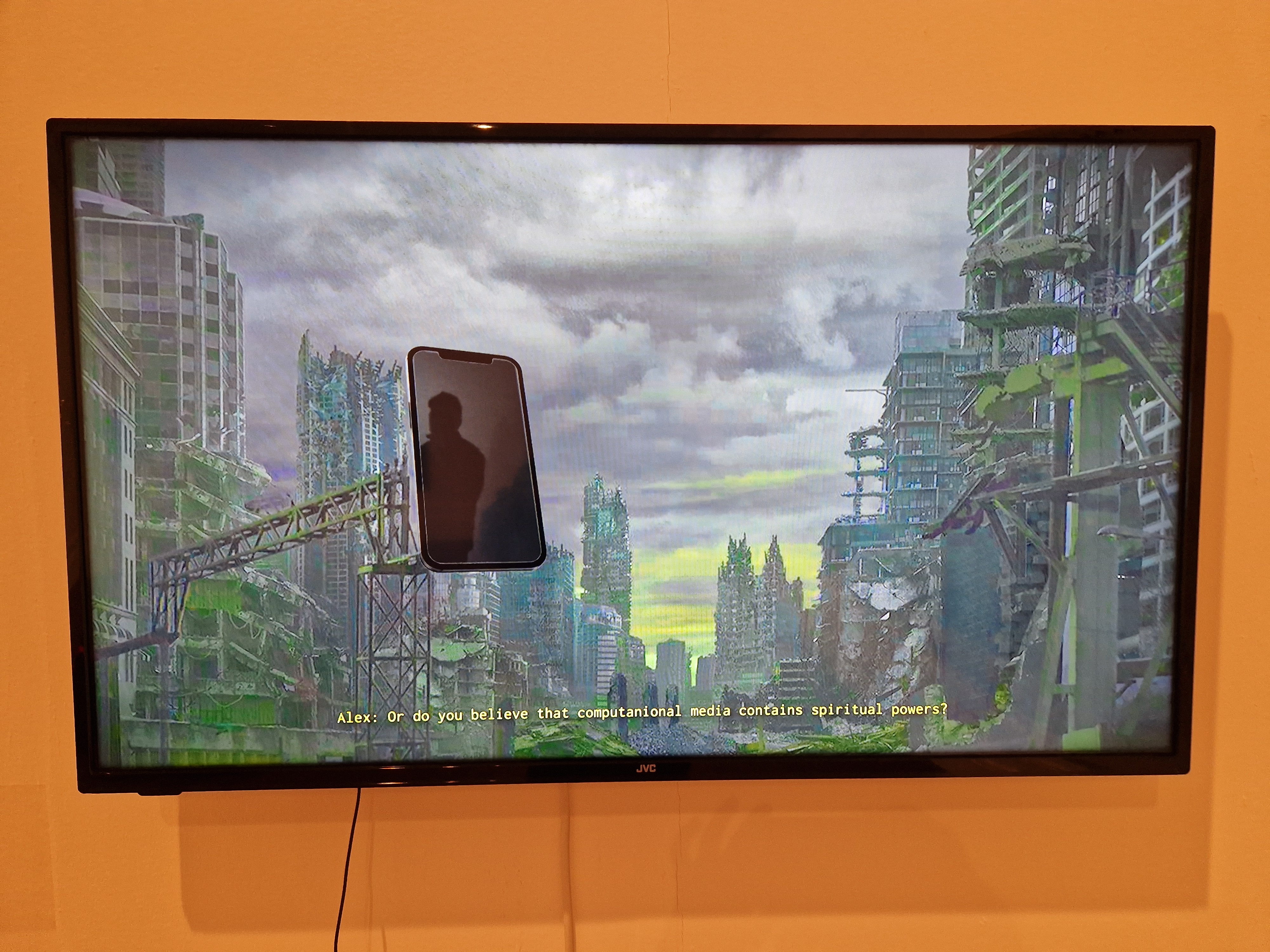
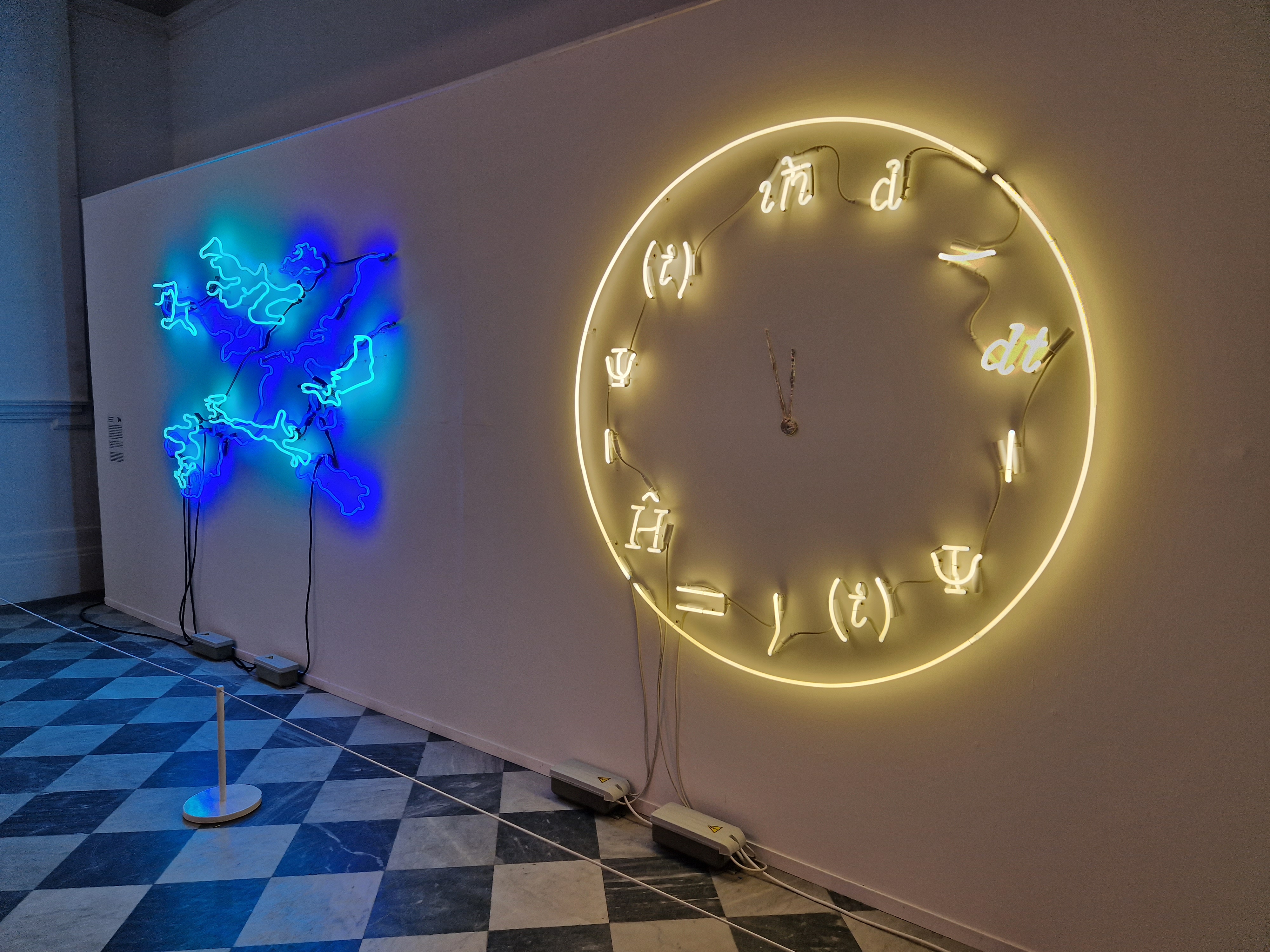
REFLECTIONS: A valuable trip to Blackpool that allowed me to glimpse what is happening in the world of contemporary art. It also made me aware of this yearly exhibition, which I will apply for next year!
In the gallery, there was a lot of stimulating art, but in my opinion, photography was majorly unrepresented, and the displayed works were repetitive and unoriginal (sorry). So much more is being done with this medium, and I was very surprised and saddened not to see it thriving in the exhibition.
Video art - way too much of it! It felt like the whole exhibition was overwhelmed by video art. There were, of course, many thought-provoking pieces, but the quantity was just too much. Additionally, I think that if a piece is 5 minutes or more, there should be a bench to sit down in front of it, and that was not always the case, which I find off-putting when watching longer films.
Overall, I enjoyed the exhibition, and I think it was essential for me to see, but I have seen better.
FRIDAY
LECTURE WITH NEIL DRABBLE
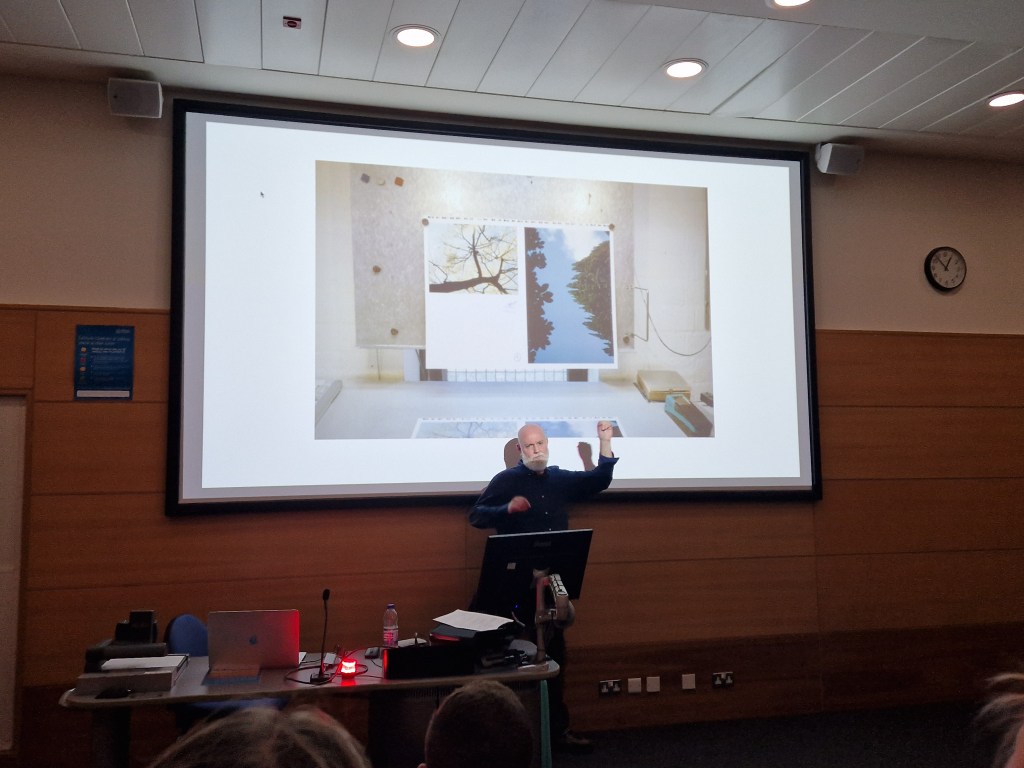
NOTES:
- reach out to people for jobs as they do get back to you and you get jobs like that (not all the time but it does happen)
- Richard Billingham
- talked about the complicity of book printing process
- a lot of his photographs are published into books
- Japanese photography books 1960′ and 70′ (lots of pictures opposite to Western style)
REFLECTIONS: An interesting lecture, as always in Village Green, but I found that none of the speakers were of personal interest/stimulation to me. I am grateful for and appreciate the value of learning from other's experiences, but for once, I would love to see someone who really inspires me and resonates with my tastes and practice. Perhaps this is a sign that I should look out for talks that I am actually interested in outside the university setting. That is probably an excellent idea.
WEEK 9: 20-26/11
MONDAY
TUTORIAL WITH THOM BRIDGE
NOTES:
- important research – Jason Evans
Jason Evans (born 1968) is a Welsh photographer and lecturer on photography. His best known work is Strictly, a series of portraits of young black men dressed as “country gents” made in collaboration with stylist Simon Foxton, and which were acquired for the permanent collection of the Tate Gallery, in 2004.

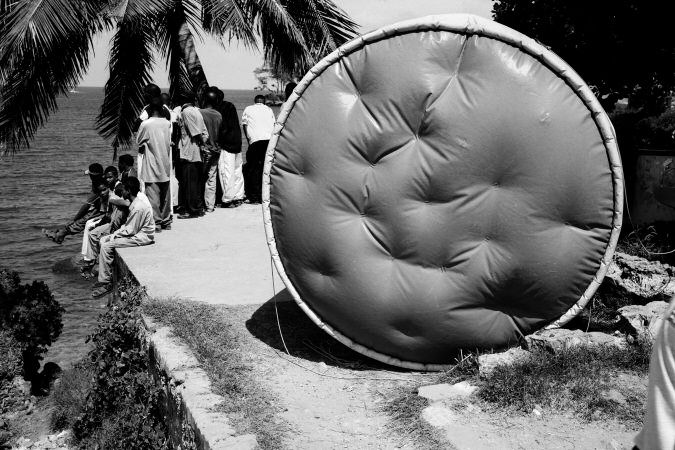
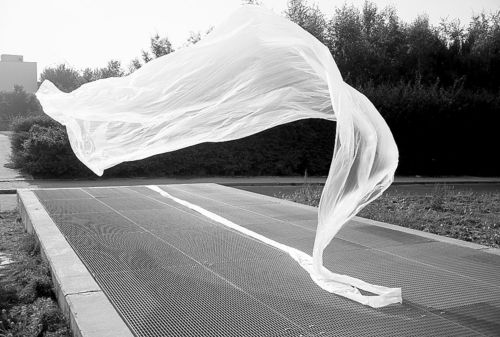

A very portraiture-focused photographer, and as I am not such, in my research, I focused on his monochrome and slightly abstract images that I found compelling. I especially love the double exposures/overlaying negatives - something I am very keen to explore in the next semester!
- Darren Harvey Regan – The Erratics (definitely look deeper into this) at Copperfield Gallery
“As a medium reliant on how the natural world appears to it, can a photograph ever be truly abstract? Yet what process is more abstract than collapsing mass, depth and time into a single surface?” – Harvey-Regan
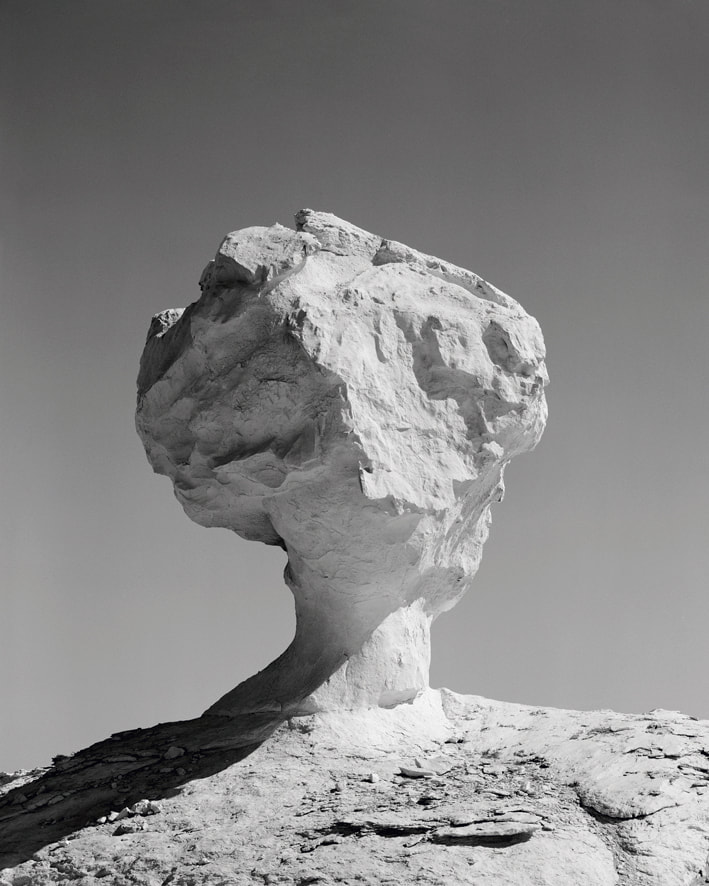
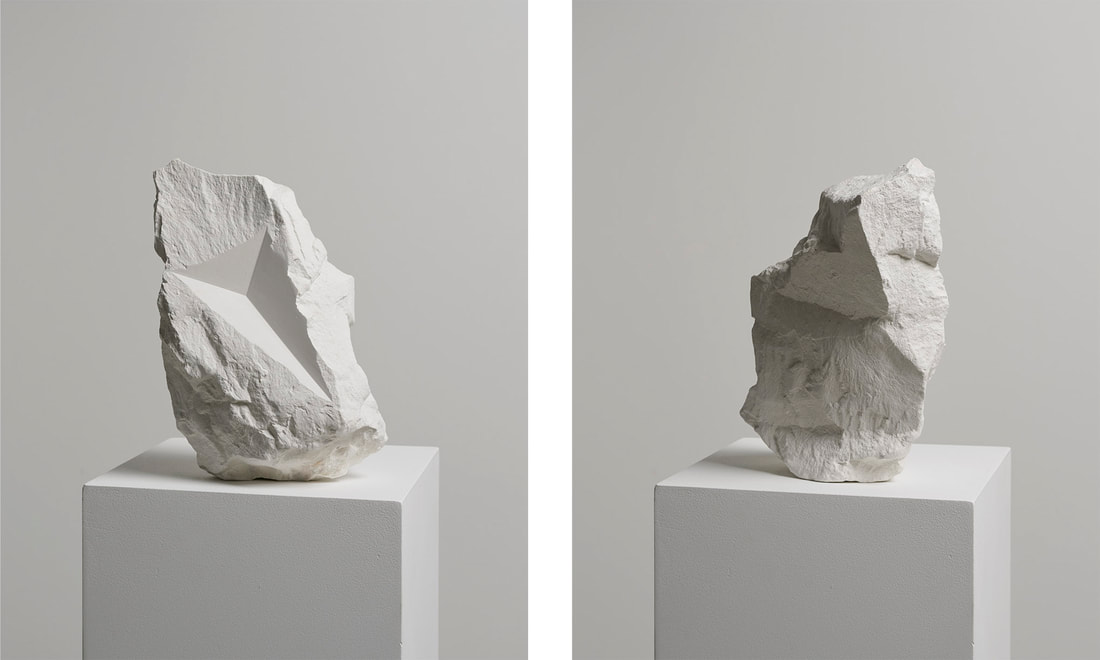
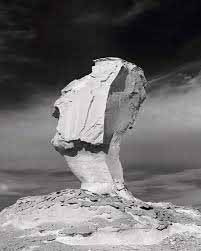
In geology an ‘erratic’ refers to a rock that differs from its native environment, having been carried and deposited there by a long-vanished glacier. Similarly Darren Harvey-Regan in his latest series executes both the photographic and physical act of lifting something out of its context, playing on overlapping appearances and processes.
The Erratics (Exposures) presents images of natural chalk rock formations eroded by wind and sand. Using an old large format field camera, Harvey-Regan sought out the monolithic chalk forms of Egypt’s Western Desert, a vast natural parallel to the singular studio-bound objects that frequently recur in his practice.
This project hits me right in the heart when it comes to appreciation of simplicity and form (or simplicity of form). It is close to my practice and something I am tuned in to in everyday life. It was very inspiring and stimulating to see Regan's take on it. It made me reflect on what materials I could use in my photography. At the moment, I am really into paper and want to explore it further, but what next? Perhaps rocks? They are asking for it.
- Gabriel Orozco
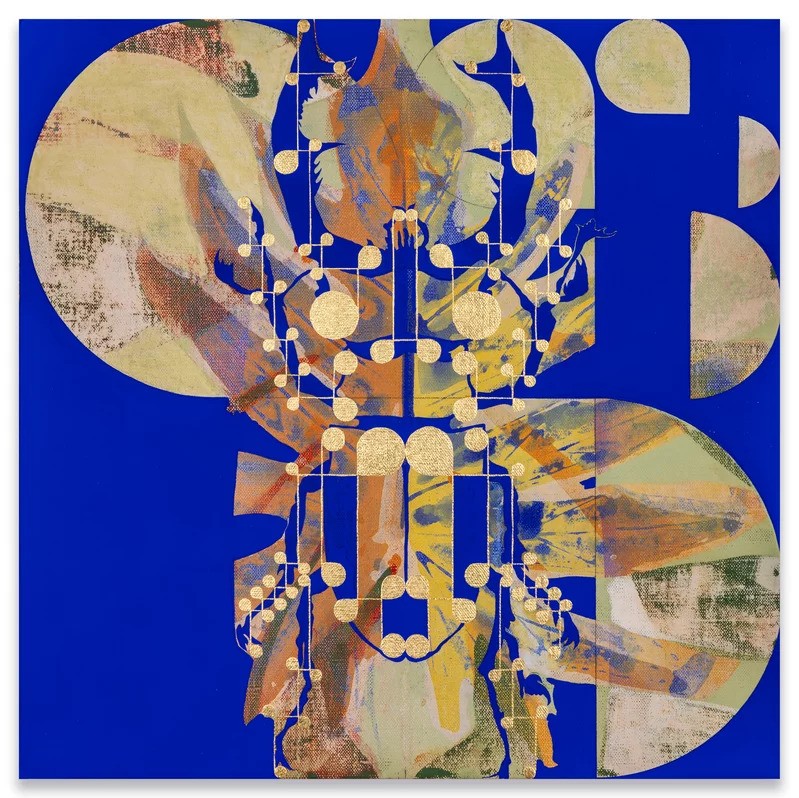
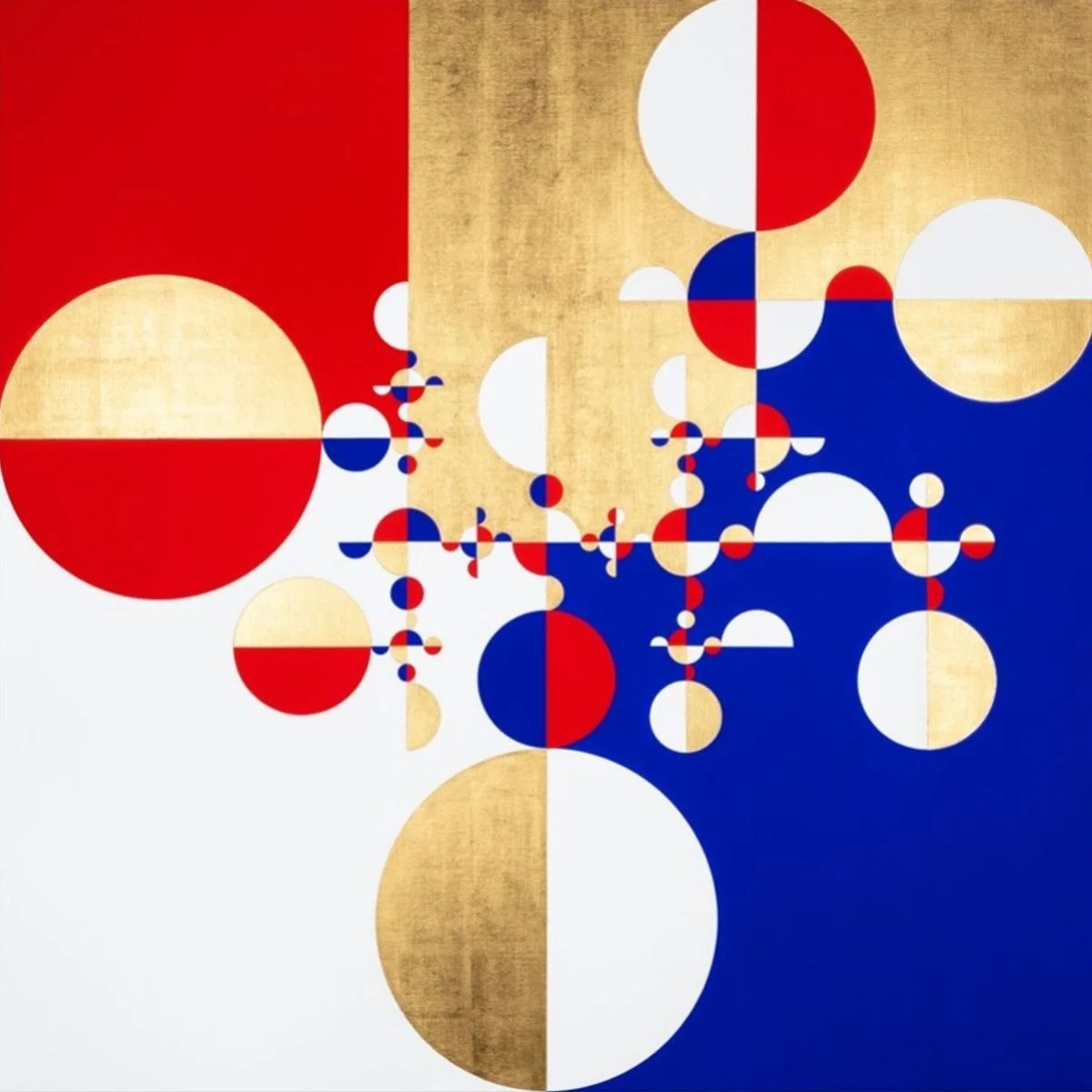
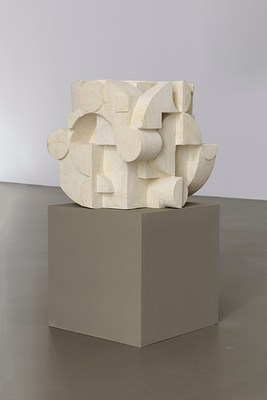
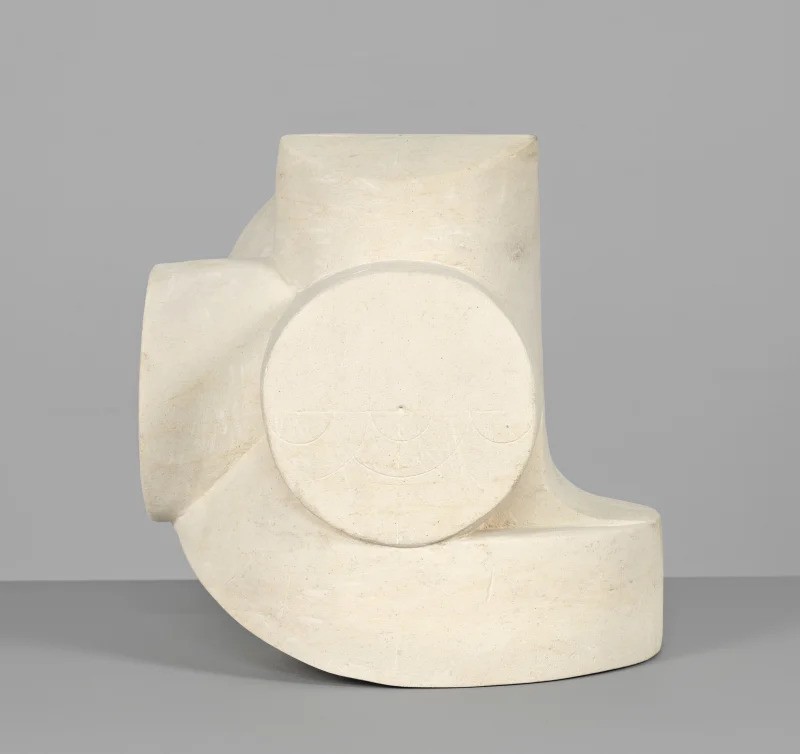

Gabriel Orozco’s diverse practice, which includes sculpture, photography, painting and video, explores philosophical conundrums through random encounters and spatial relationships. Using everyday objects in the contemporary urban environment, Orozco makes visible the poetry of chance connections, whimsy and paradox. He works with found materials or situations – a ball of clay, a deflated football, or an abandoned kite, for example – that are altered and then photographed to create surprising, often humorous scenarios from their simple, quotidian means.
I didn't recognize the name at first, but once I looked at the artwork, I knew who this was as I researched and loved this artist's work before! I am, of course, a massive fan of his circular/geometrical paintings, but through continuing my research, I discovered some fantastic sculptural pieces that are really up my alley. They made me think of incredible sculptures of Mary Martin, similar in form, material and the feeling I get when looking at them. It really makes me want to get my hands dirty and sculpt. It truly aligns with my vision of turning my photographs into sculptures.
I MADE A LIST OF OTHER ARTISTS RECOMMENDED TO RESEARCH IN THE NEXT SEMESTER:
- Richard Wentworth
- Effie Palelogou – Microcosms Photomonitore
- Victoria Doyle
- Thom Bridge – Magpie
- Tove Jansson – The summer book (read!)
- David Campany
- Eva Sternam
- Peter Liversidge
LARGE FORMAT STUDIO PHOTO SHOOT WITH SHAUN AZRAK
For this session I booked a studio, large format camera and 4 dark slides, and 2 projectors (just in case), with the aim to take large format portraits of Shaun with his art projected on him.
I asked Shaun to compile a selection of images that we could use today.
SELECTION OF IMAGES BY SHAUN
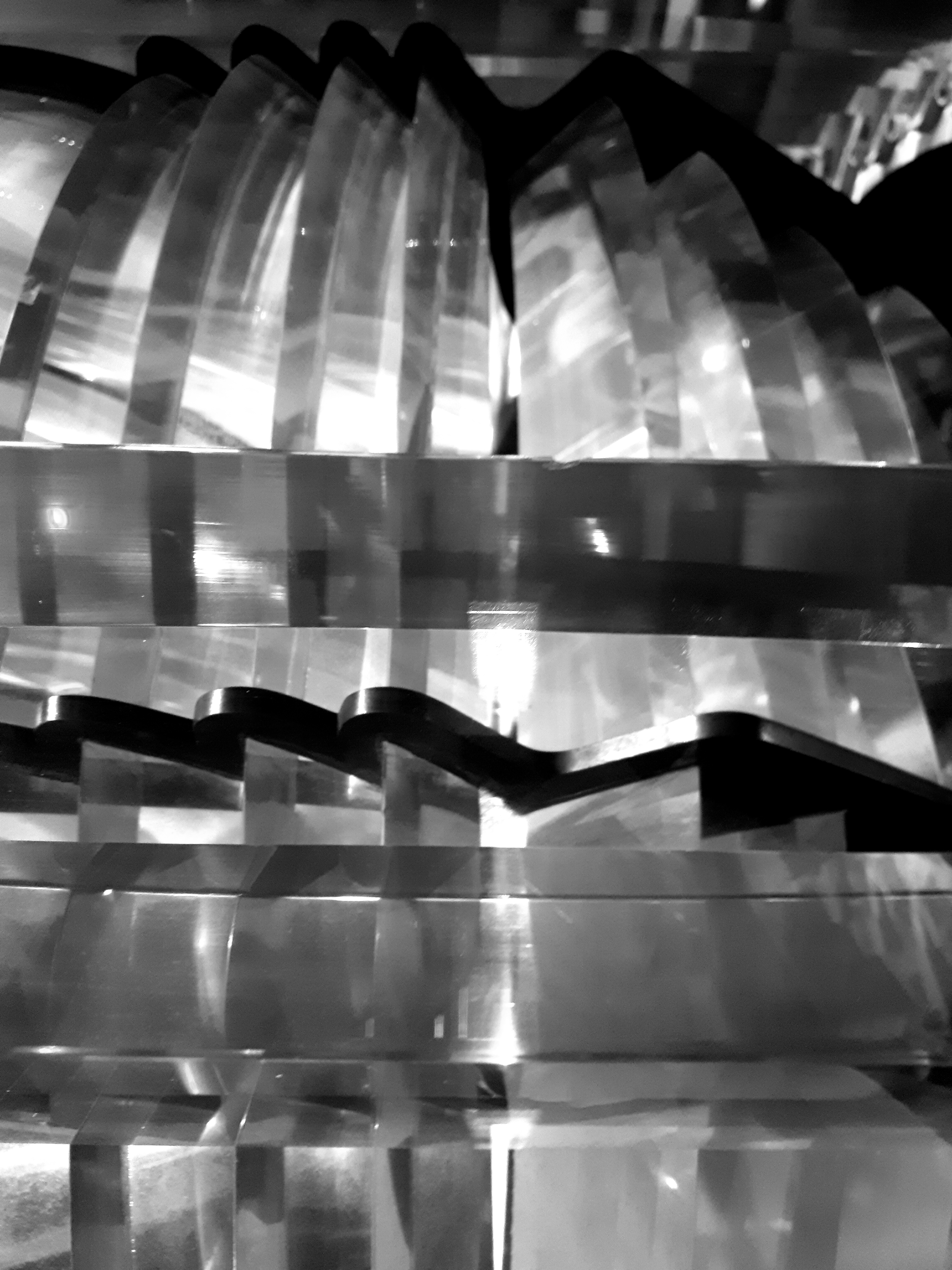
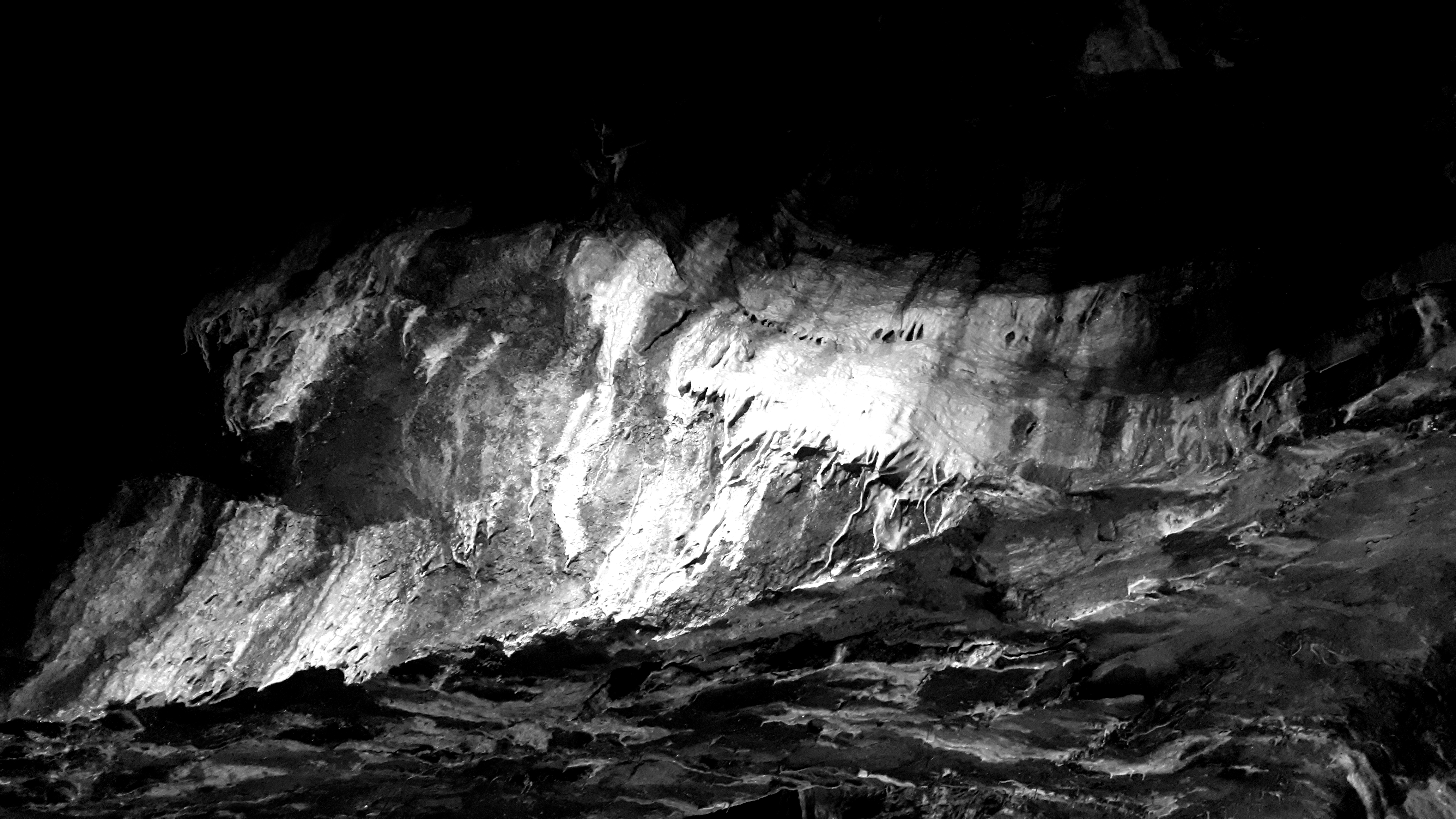


TESTING SET UPS
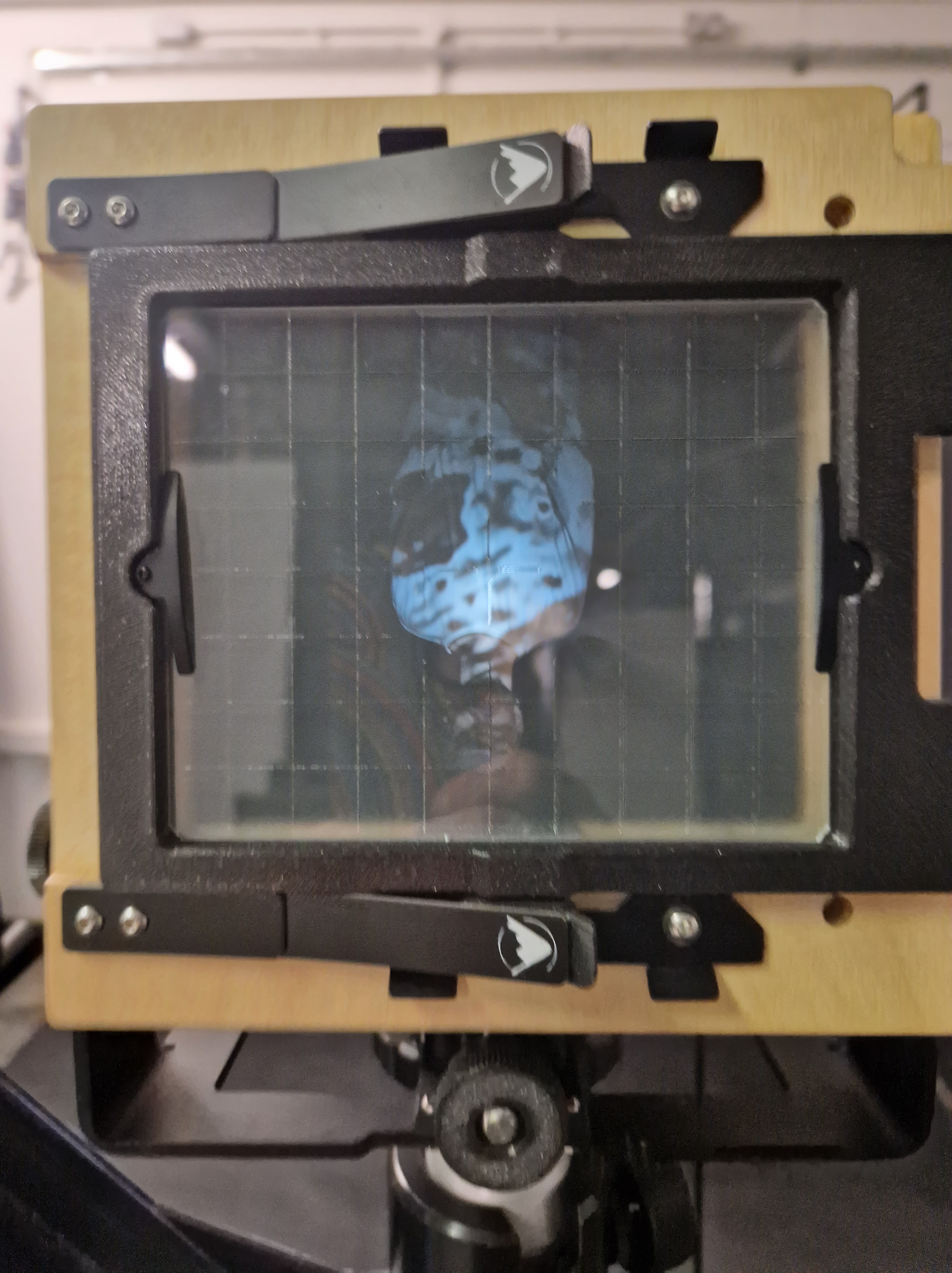
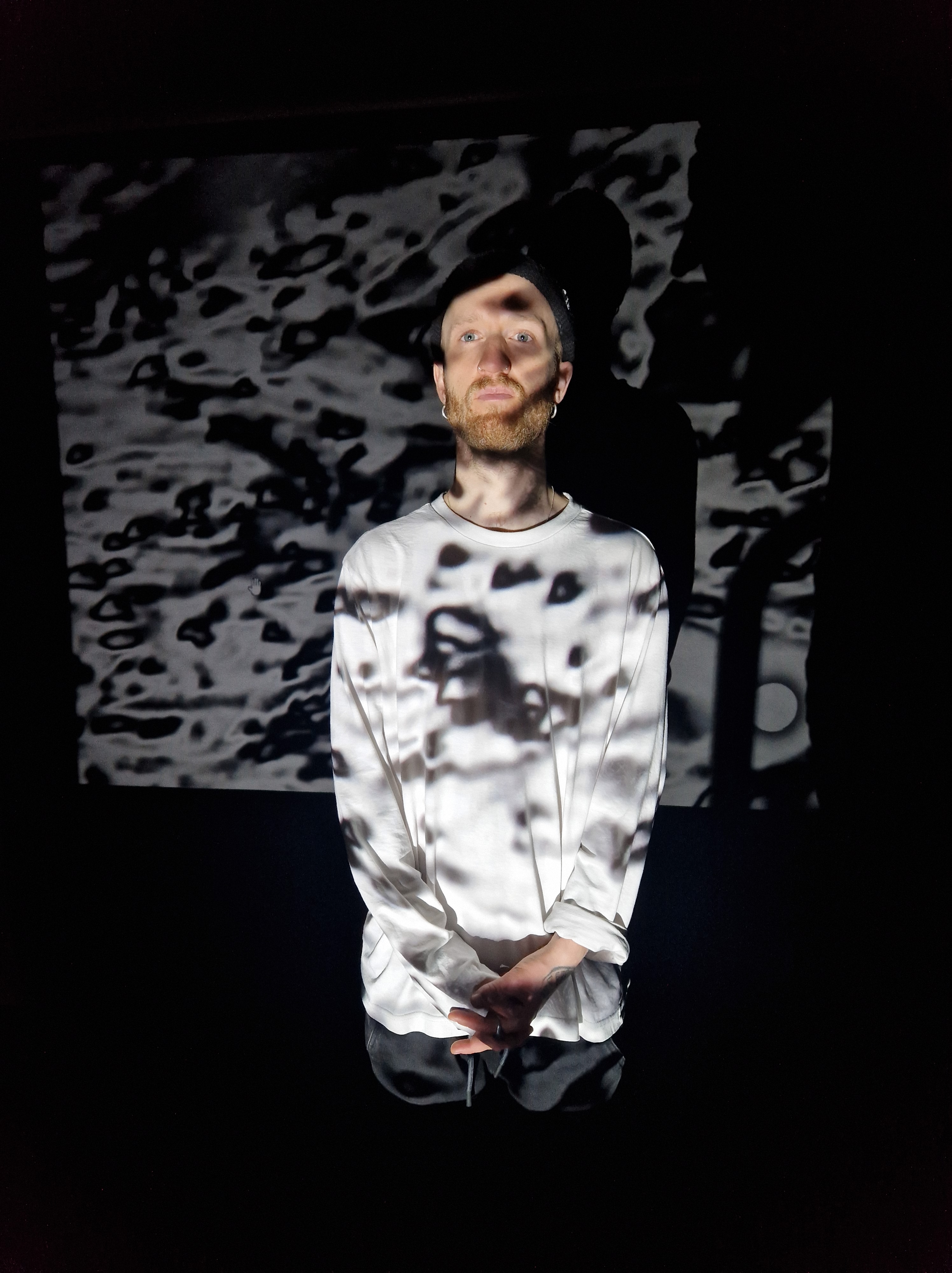
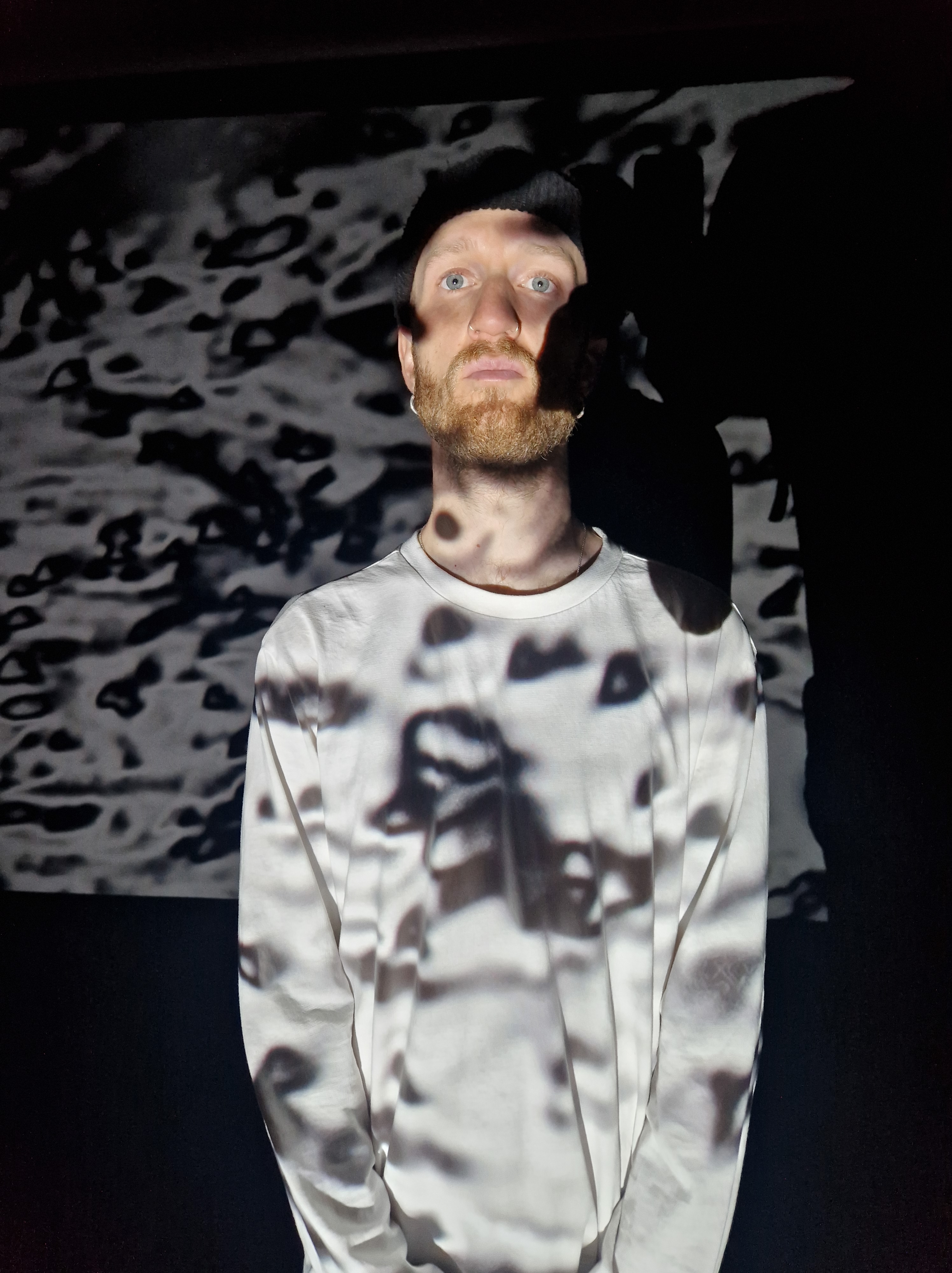
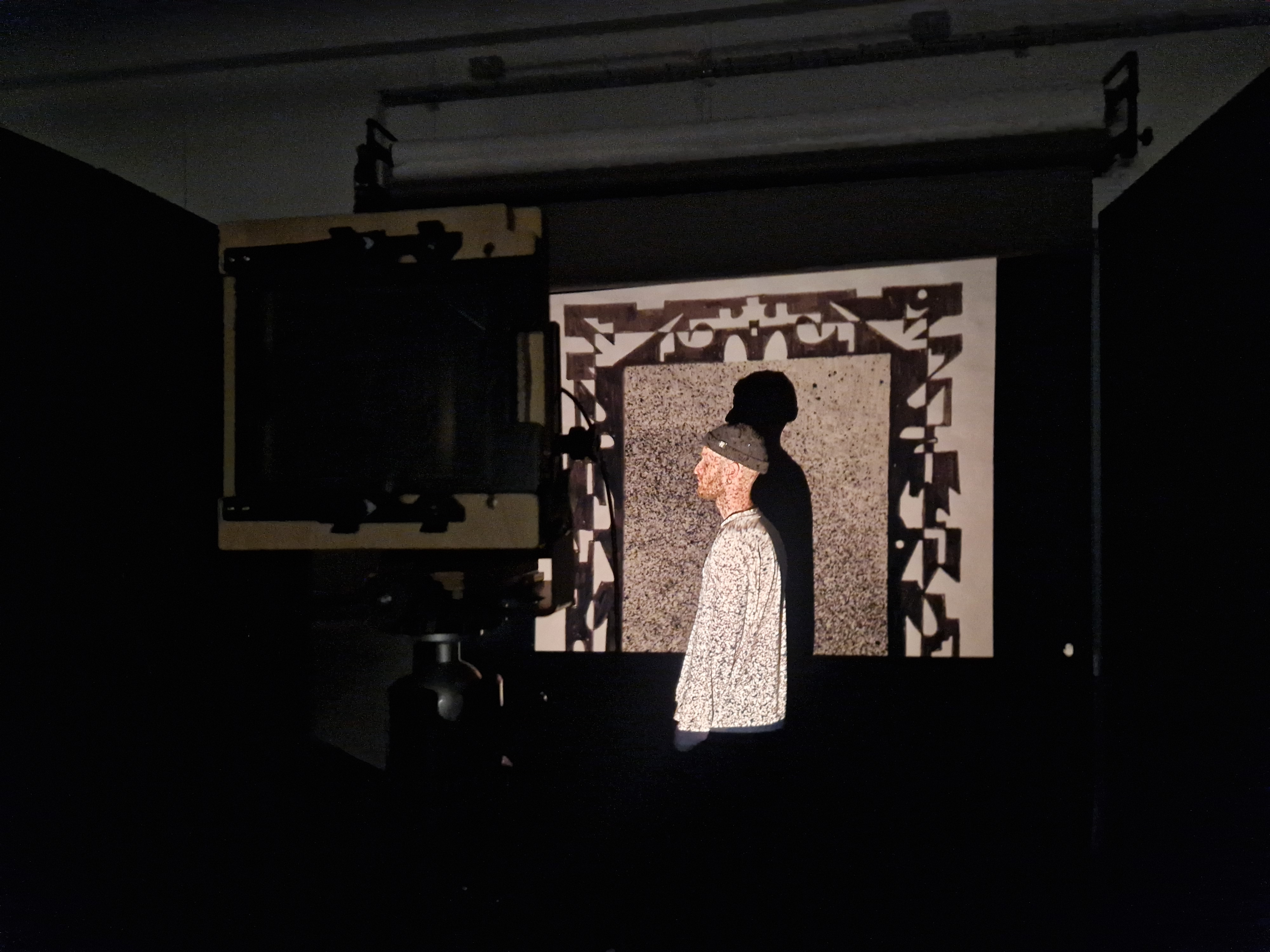
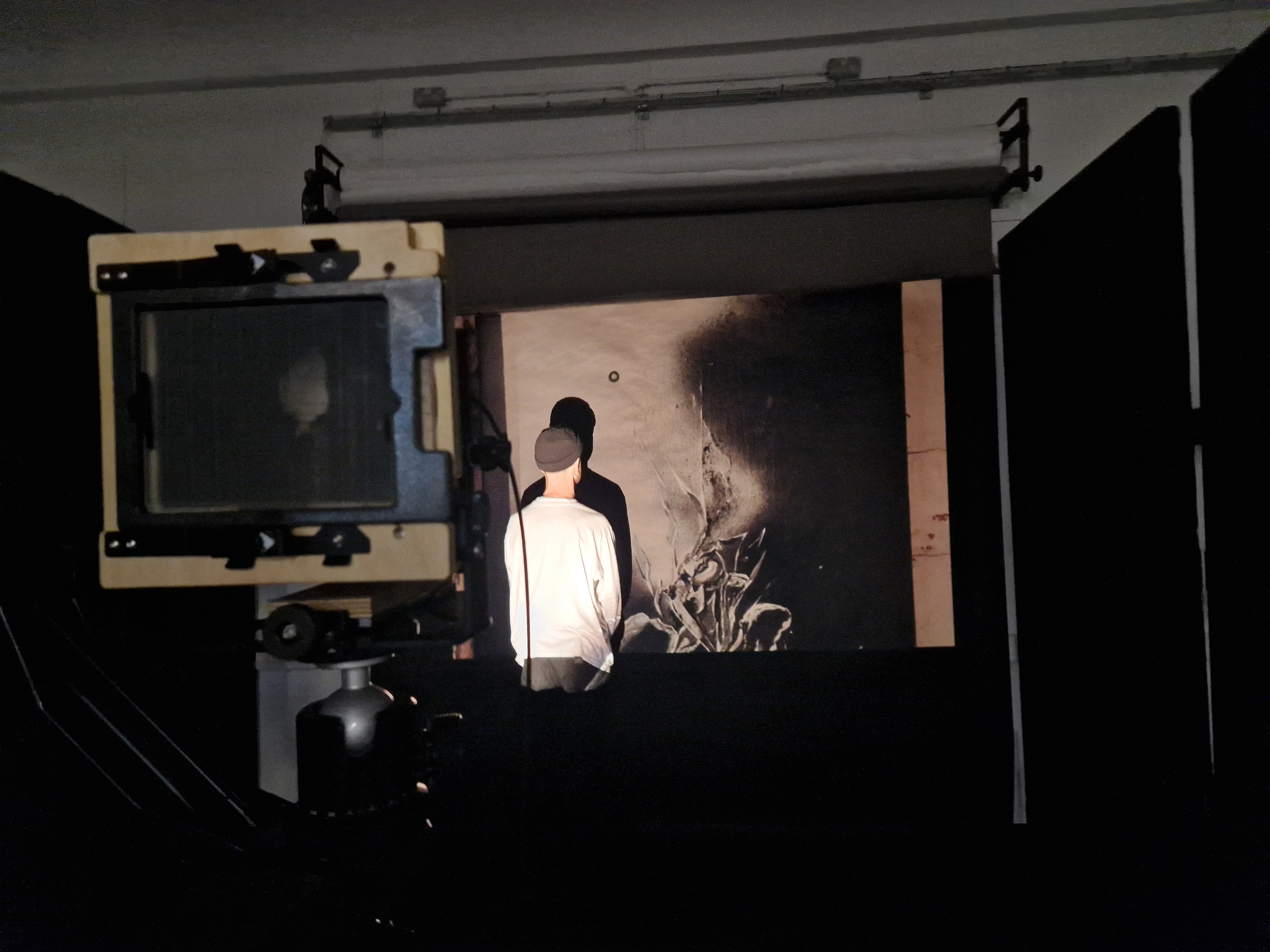
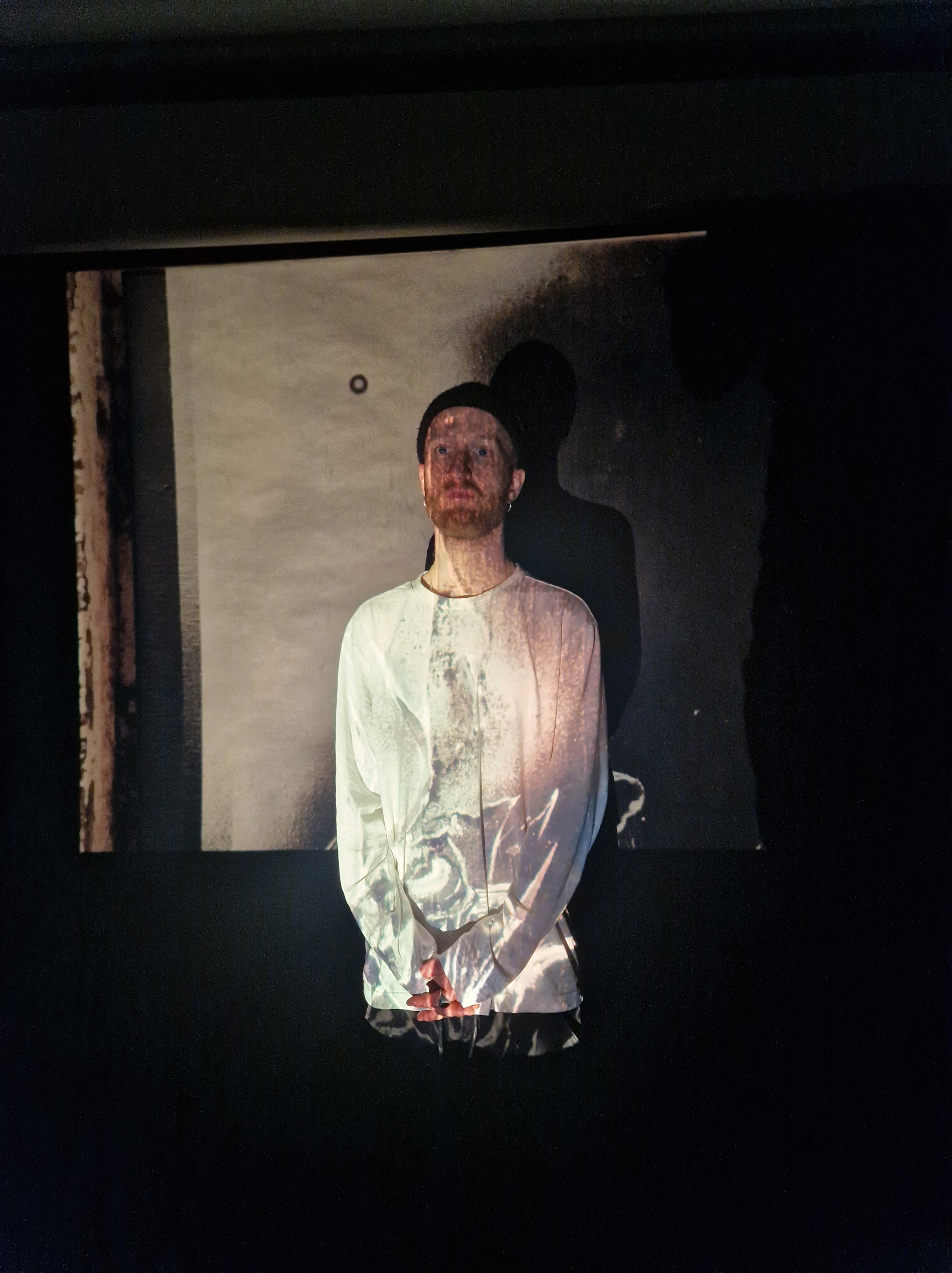
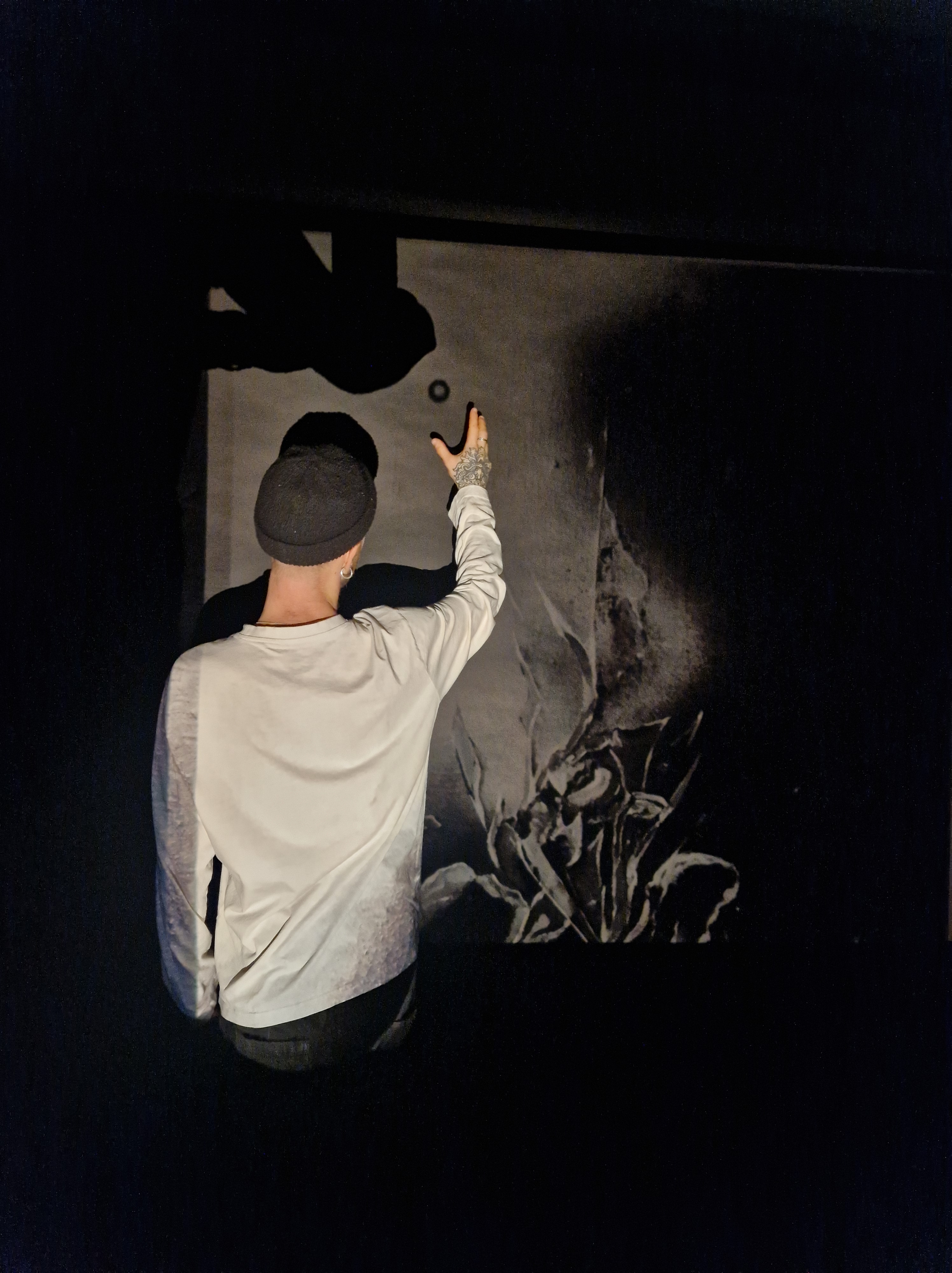

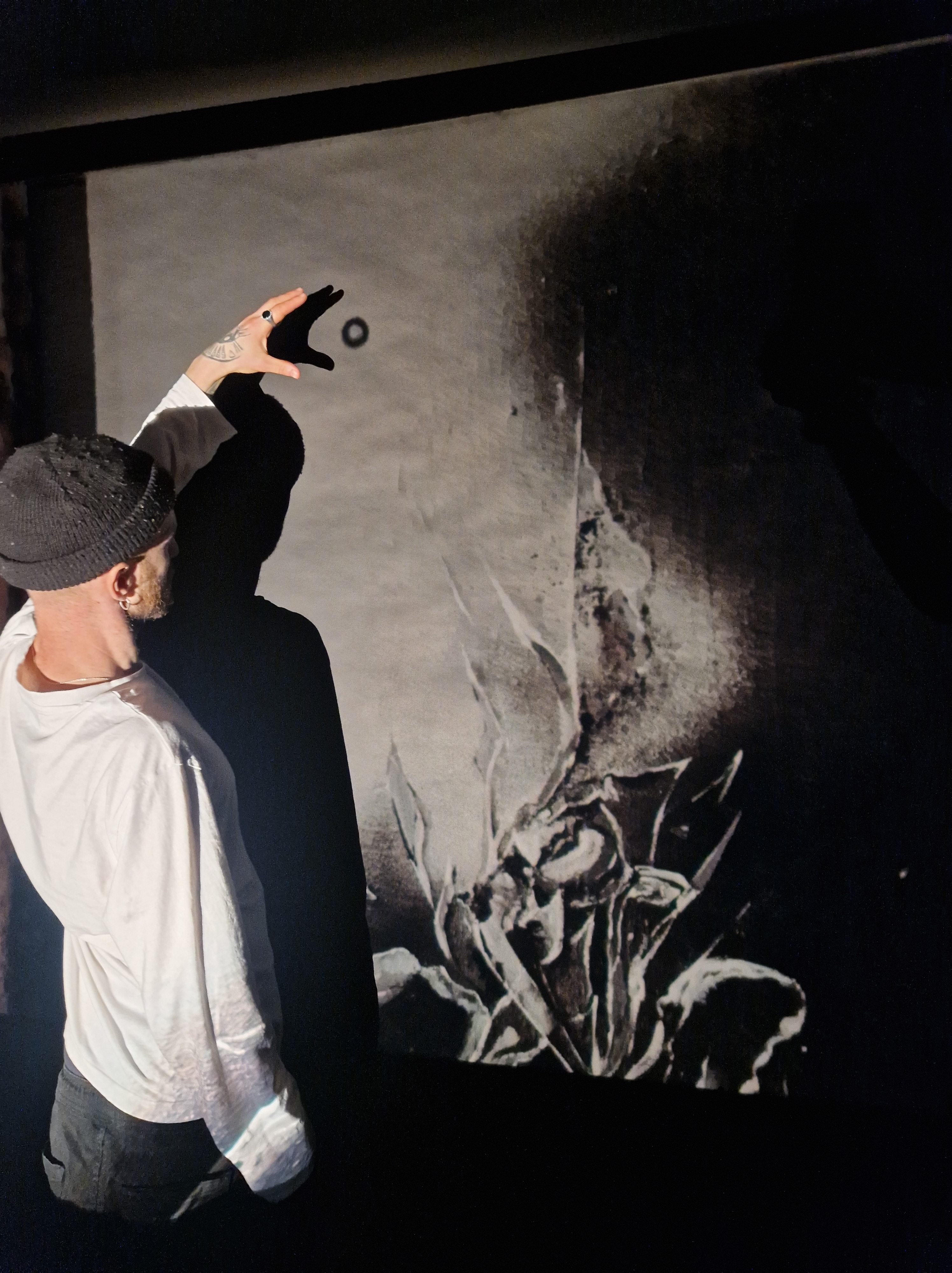

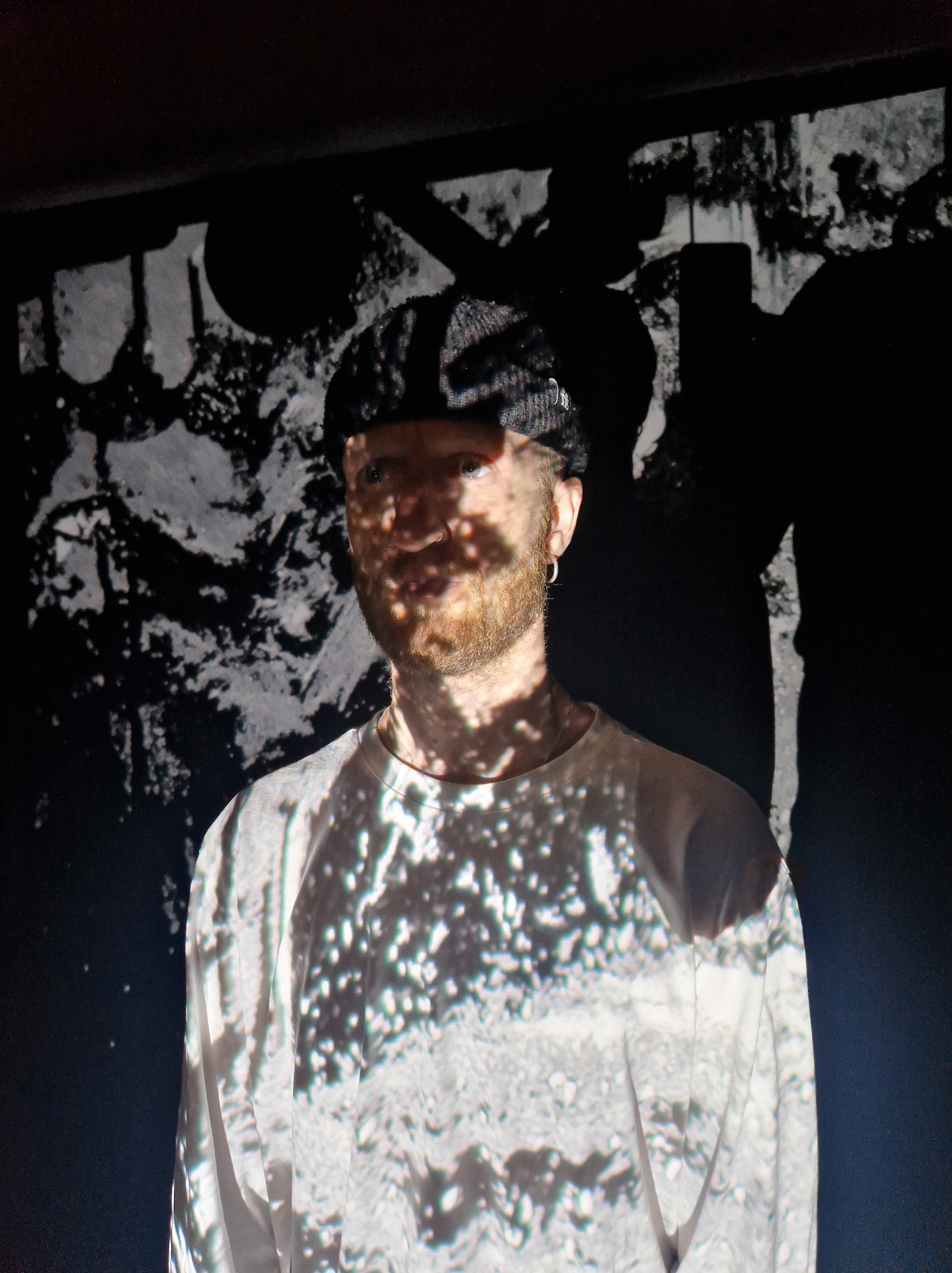
RESULTS
CONTACT SHEET
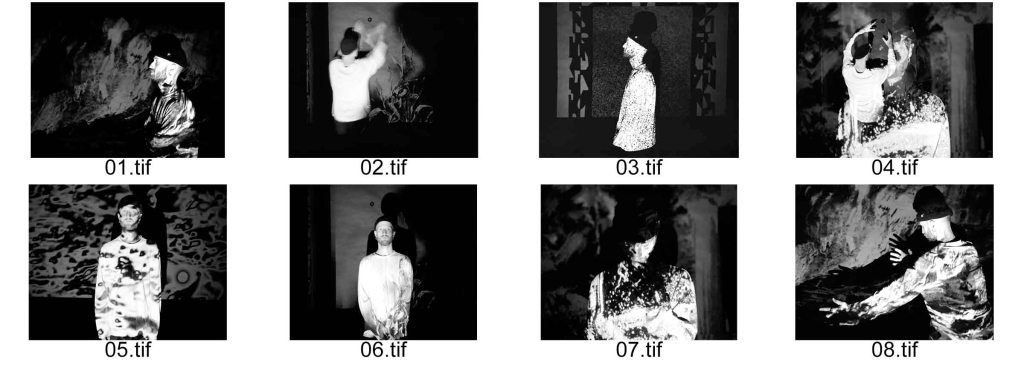
IMAGES








REFLECTIONS: An excellent session that built my confidence with a large format camera. It was very interesting and new working with a projector, and I definitely learned a lot that day. However, I am super satisfied with how the images came out, many of them are not exactly in focus (just ever so slightly off). I think it might be due to shooting in a very dark environment, hence using a very open aperture and the slowest shutter speed possible, but I will investigate it further and practice more to make sure my shots are (almost ) perfect each time. It's so wonderful working with Shaun again. I value collaborating with him, he is a very patient model, and it was really fun incorporating his art to take portraits of him.
It made me think of more creative ways to do portraiture and pushed me to be more inventive.
TUESDAY
Today I picked up a Macro Lens for my Mamiya 645 PRO TL and shot some images of the building – mostly the texture of the wall, that I will use to apply texture to my 3D model.
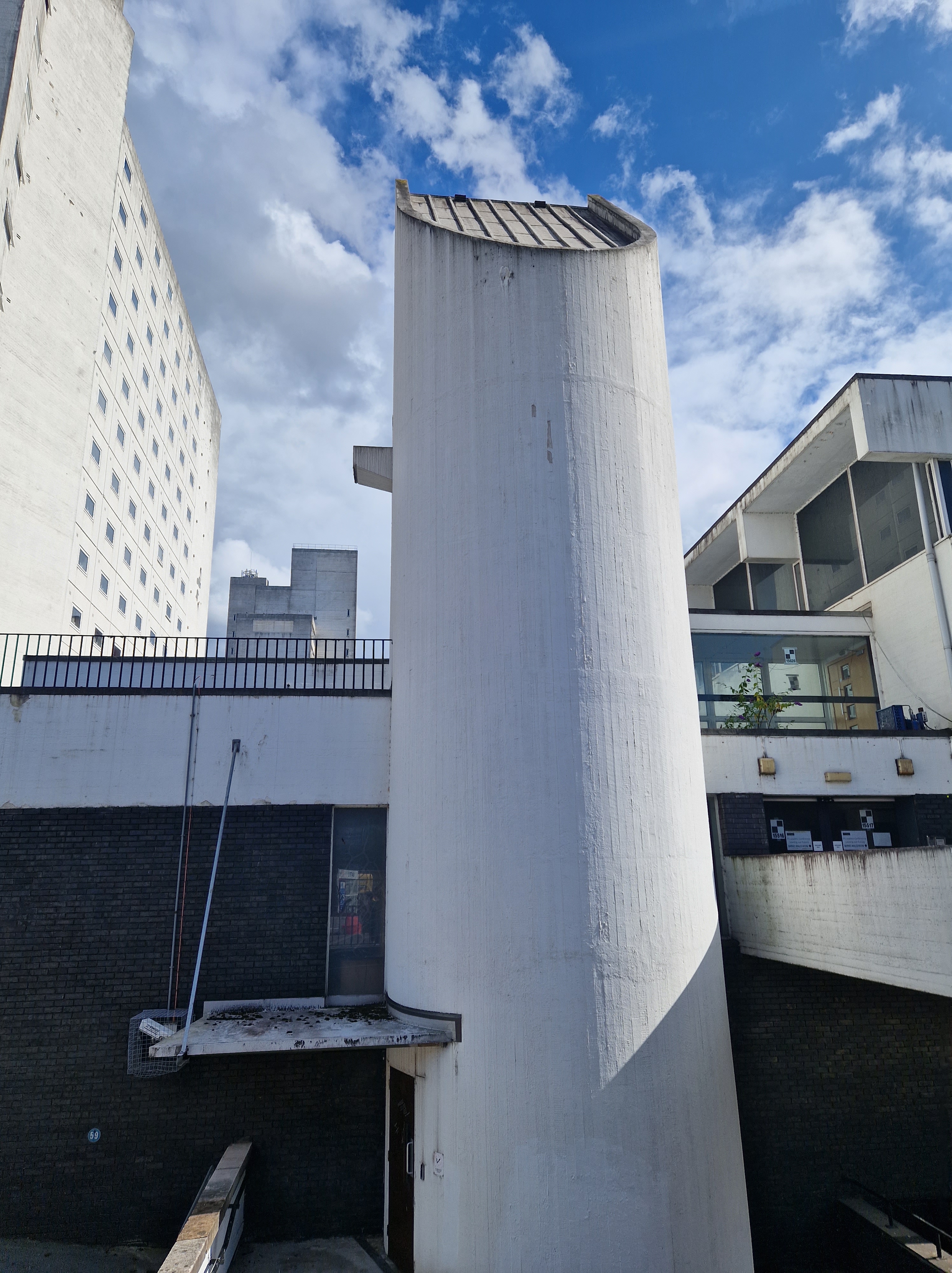
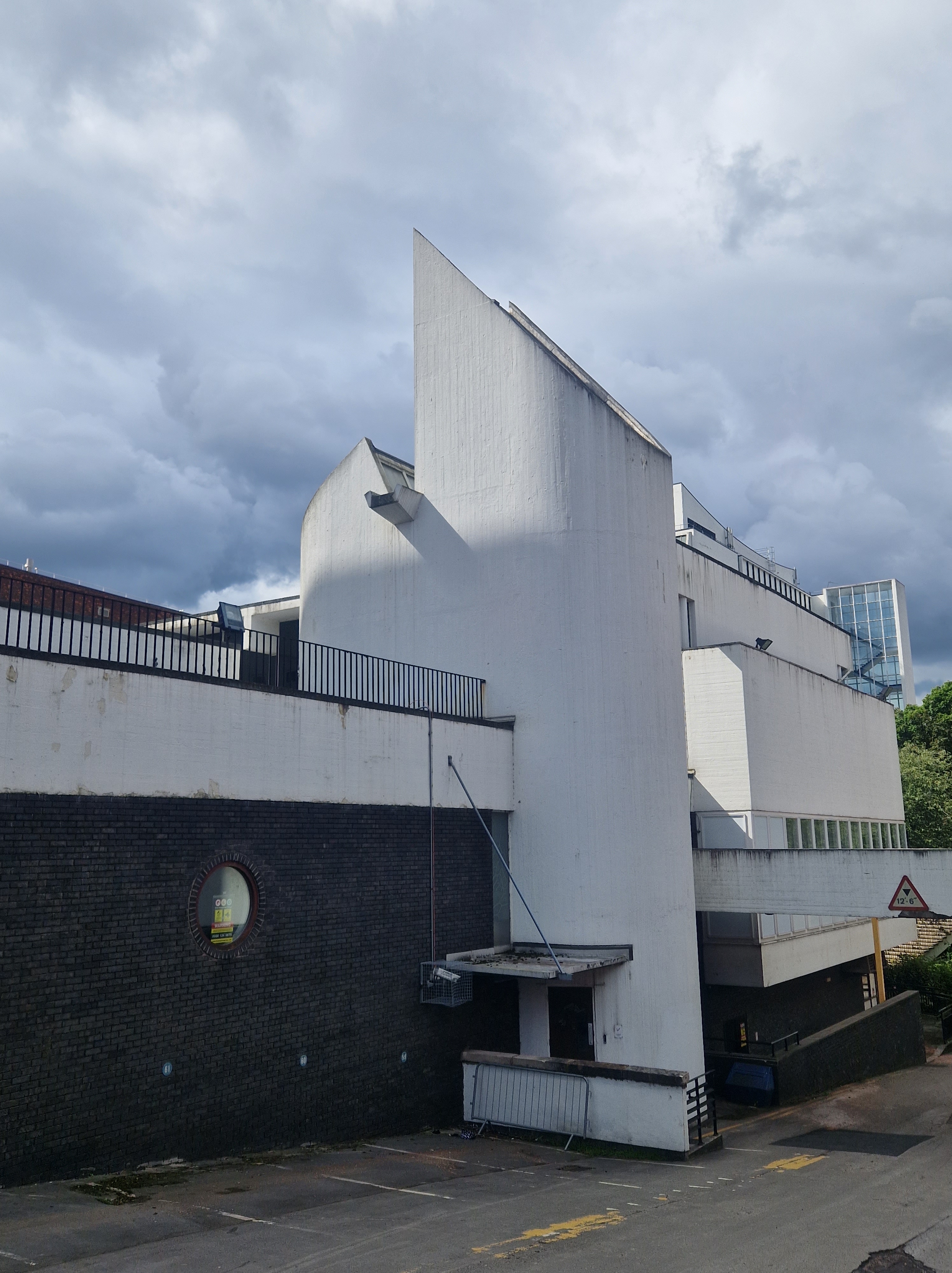
CONTACT SHEET
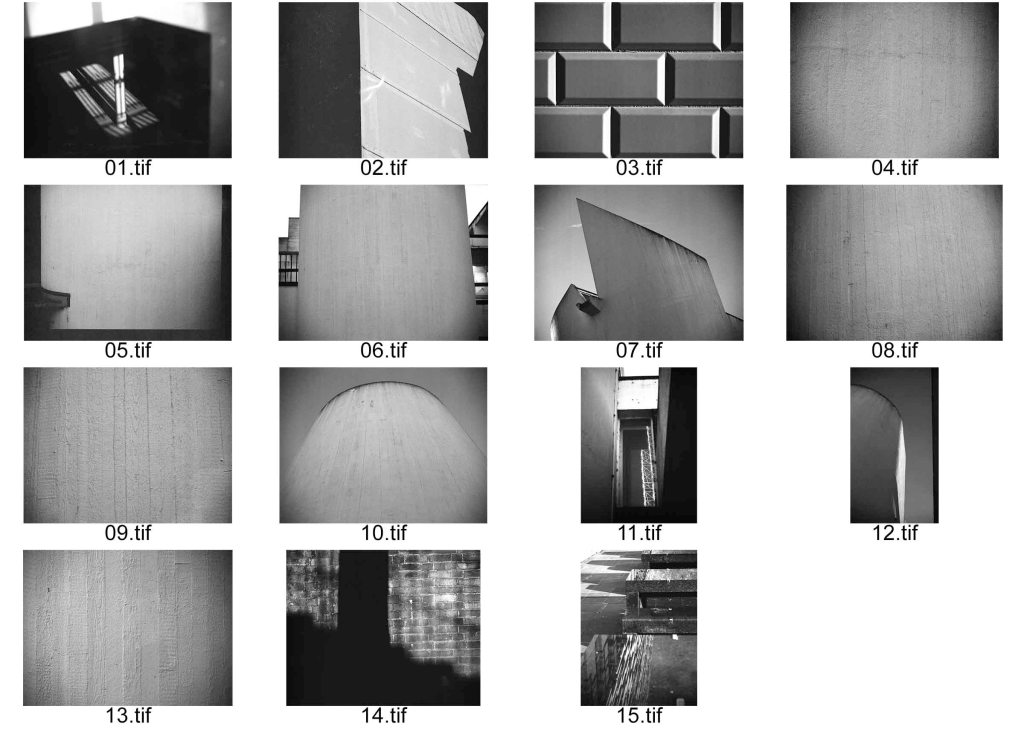
IMAGES
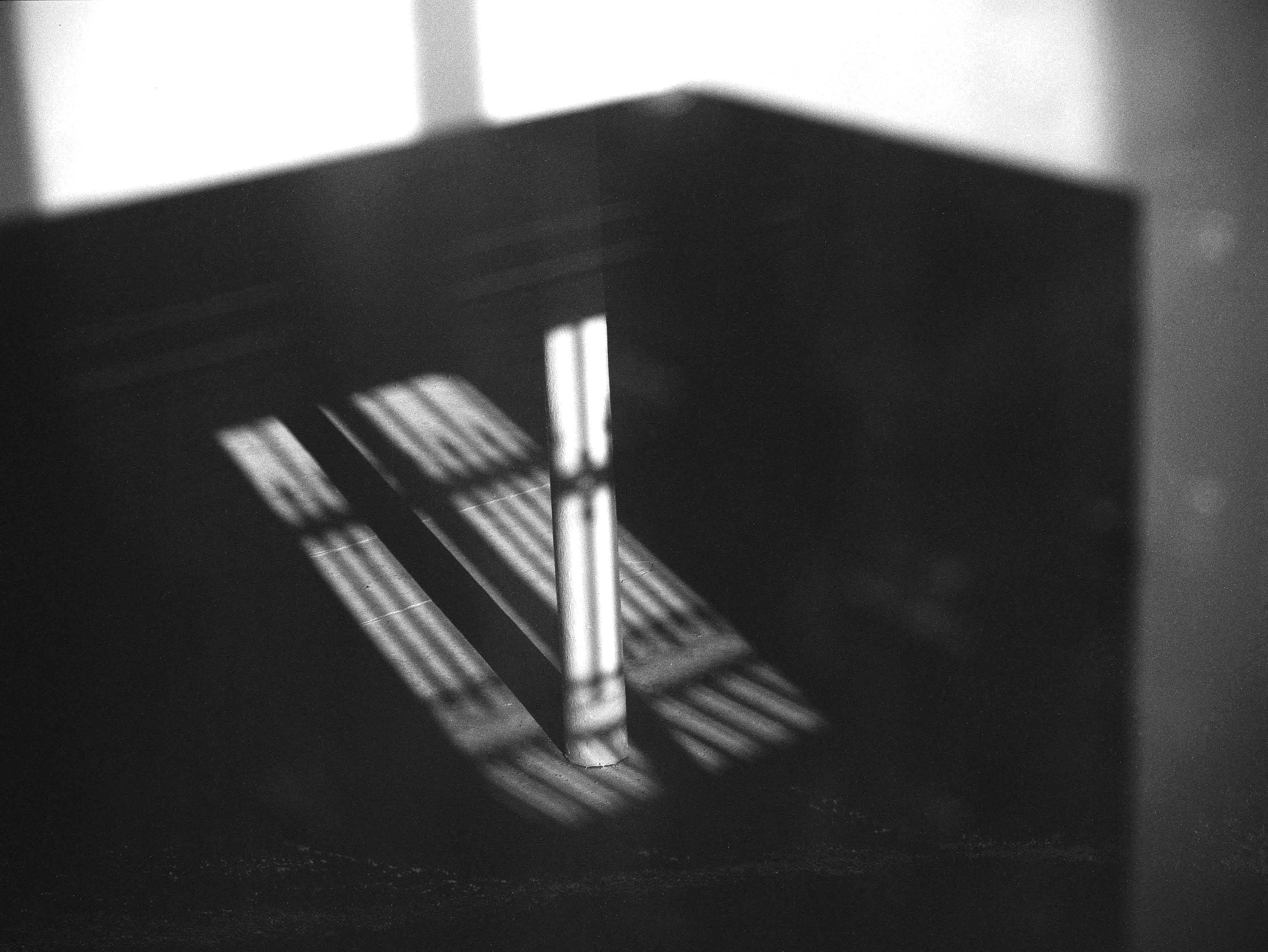
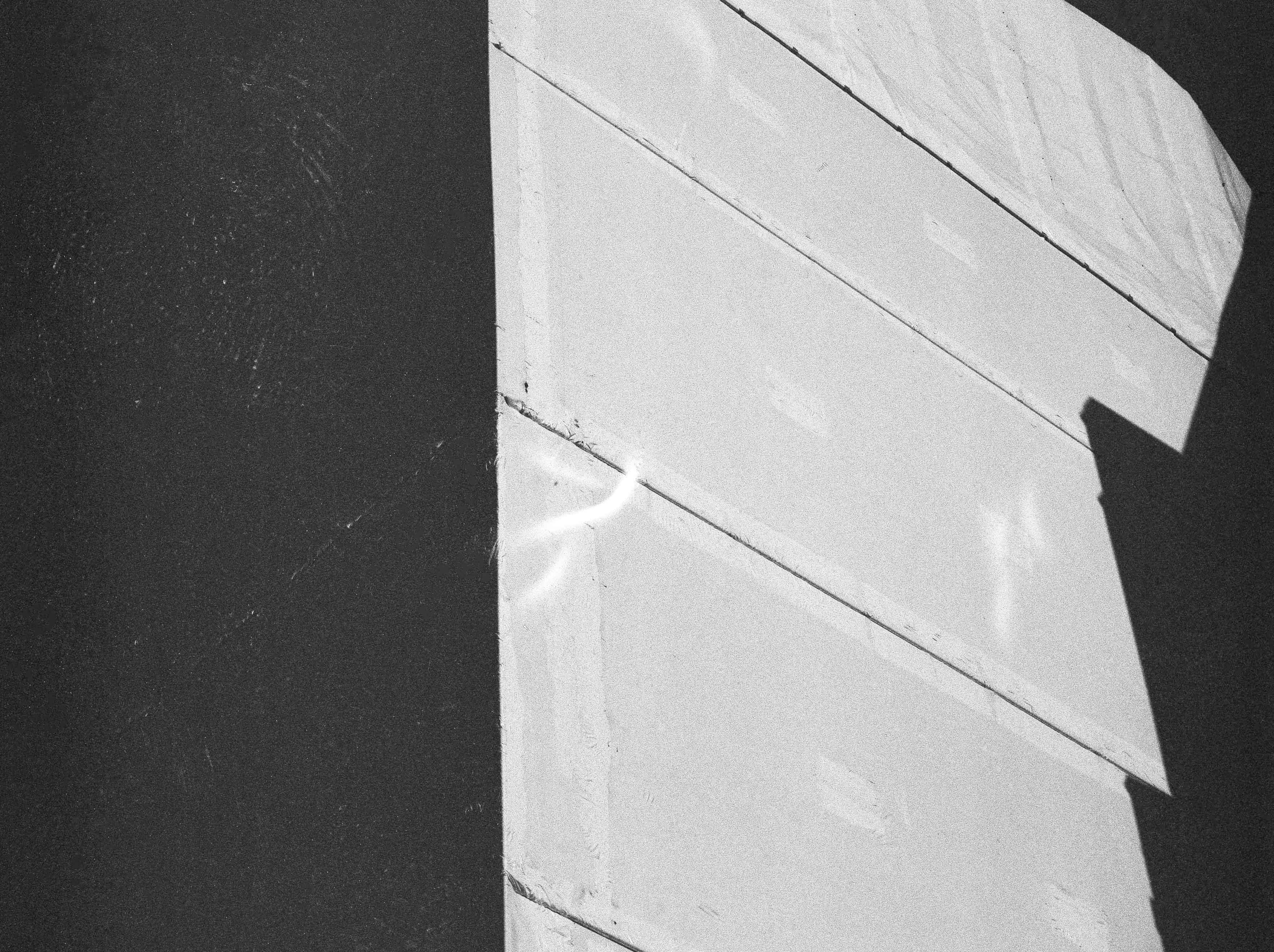
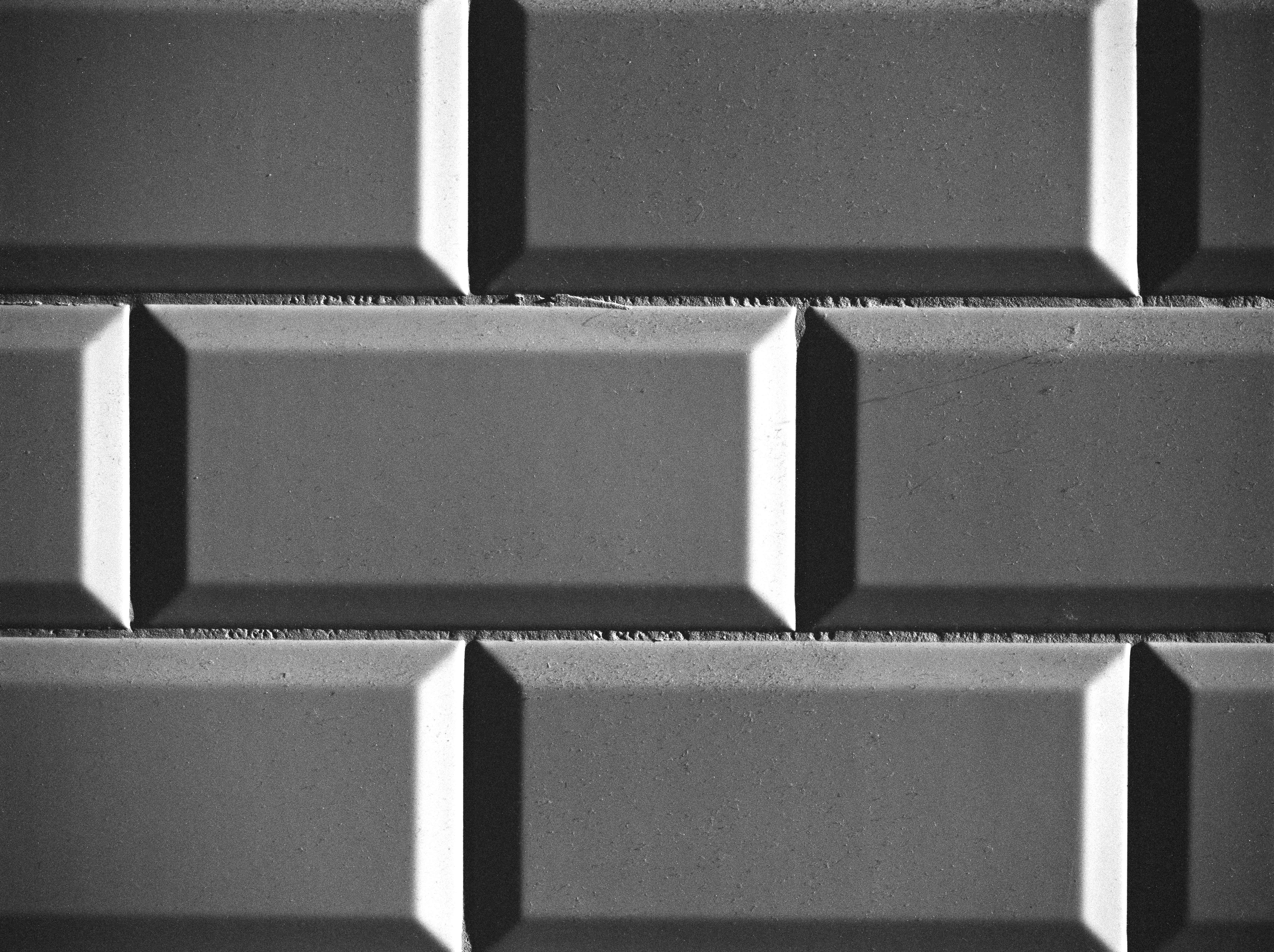


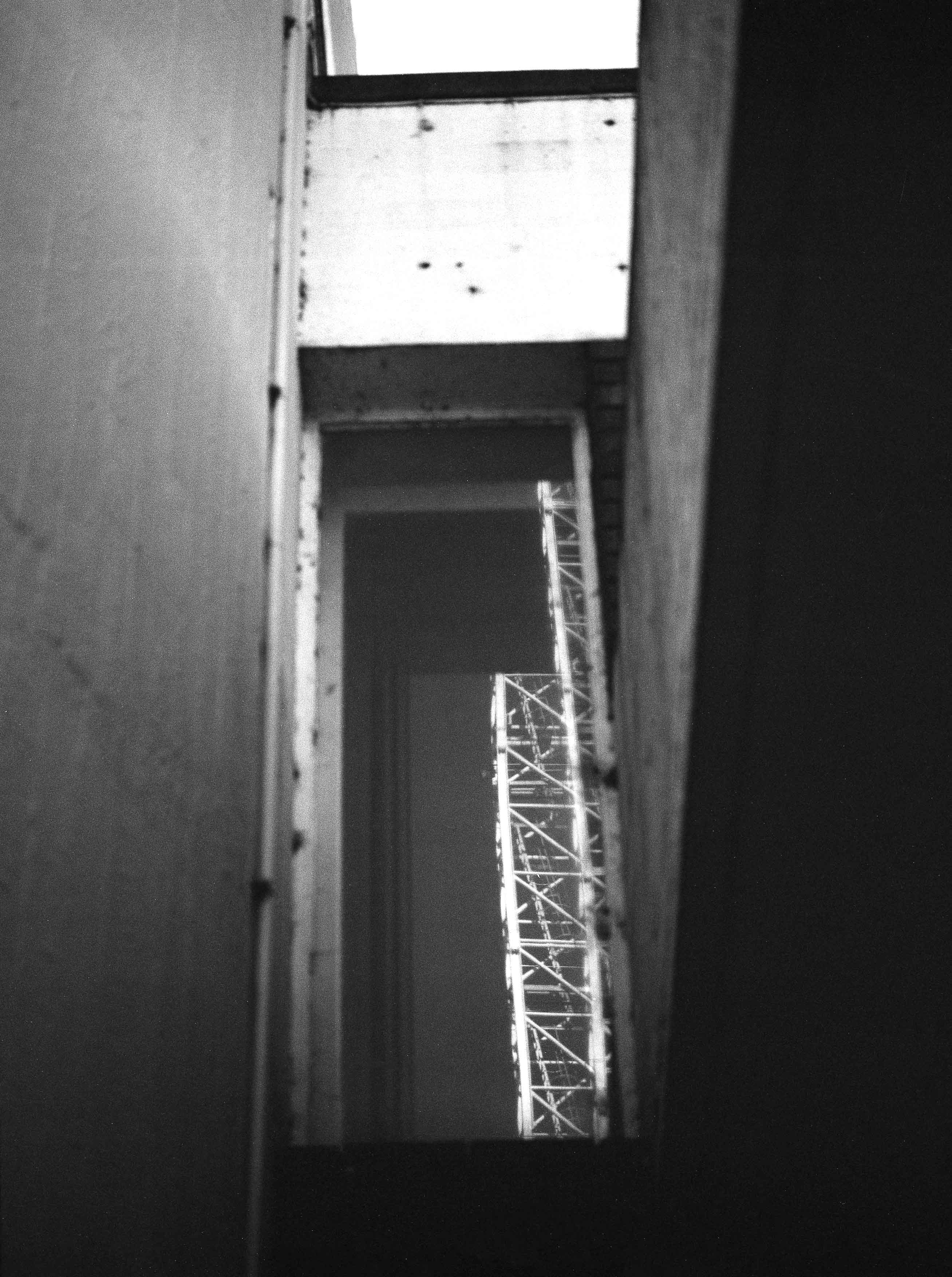
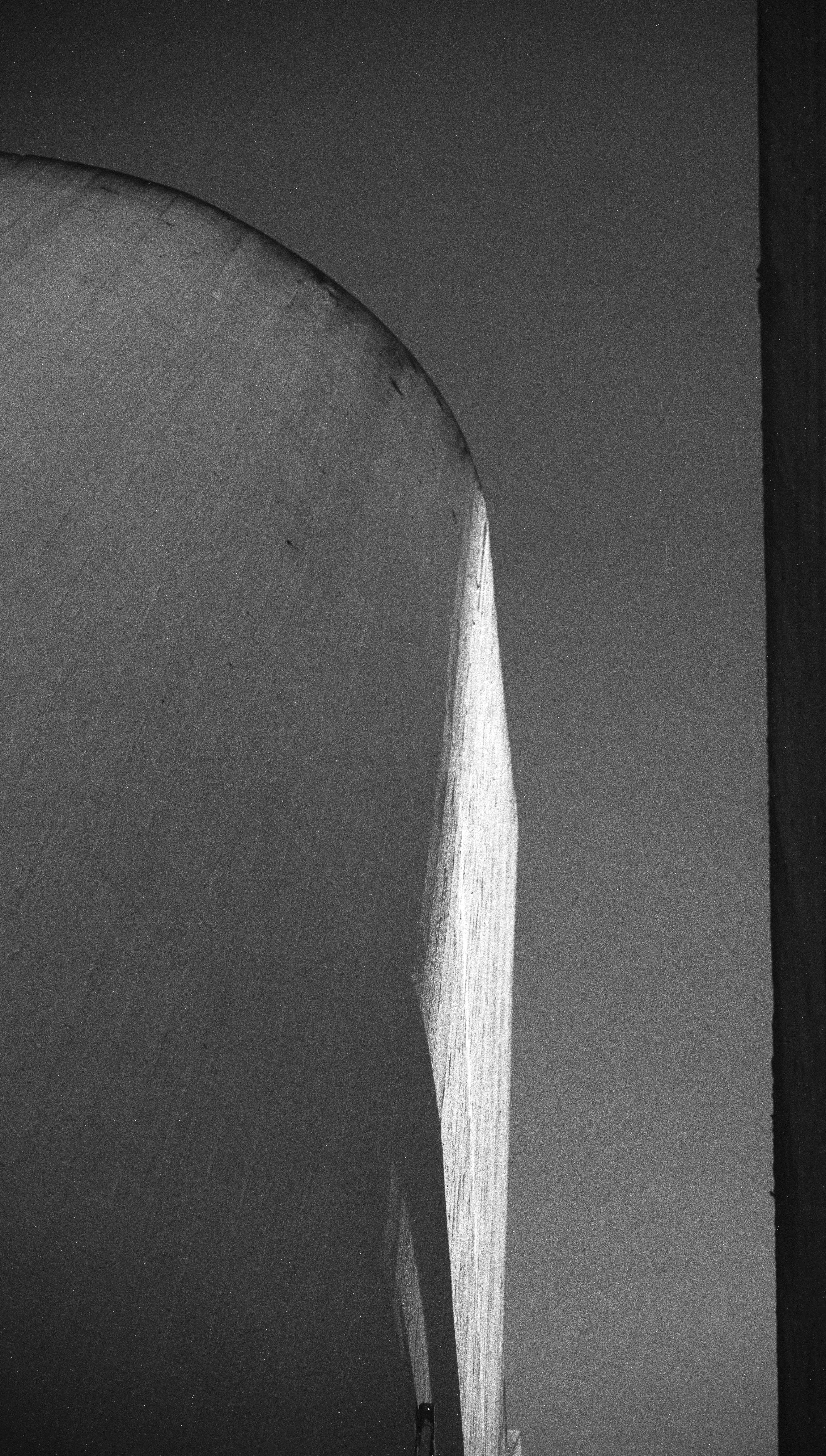
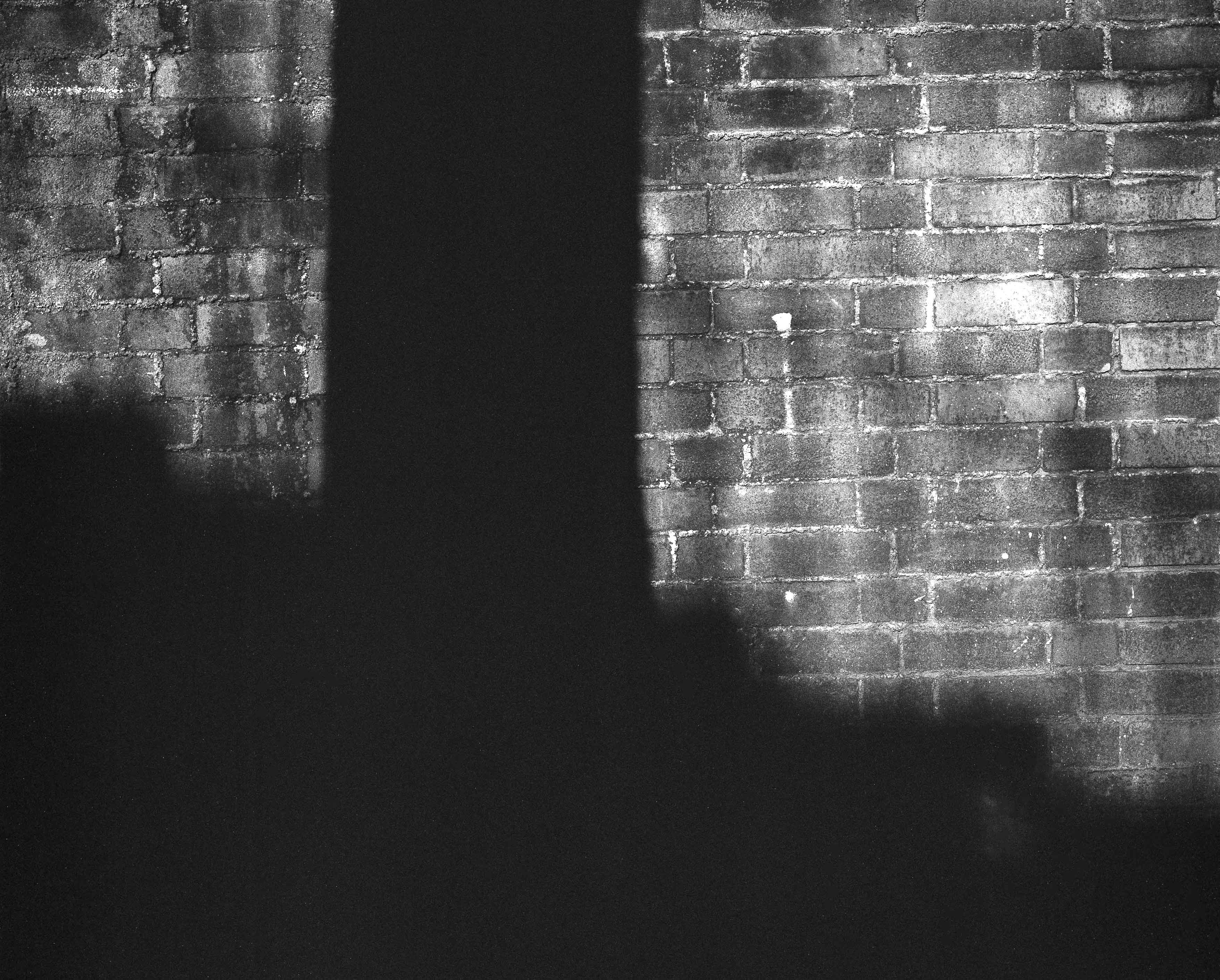
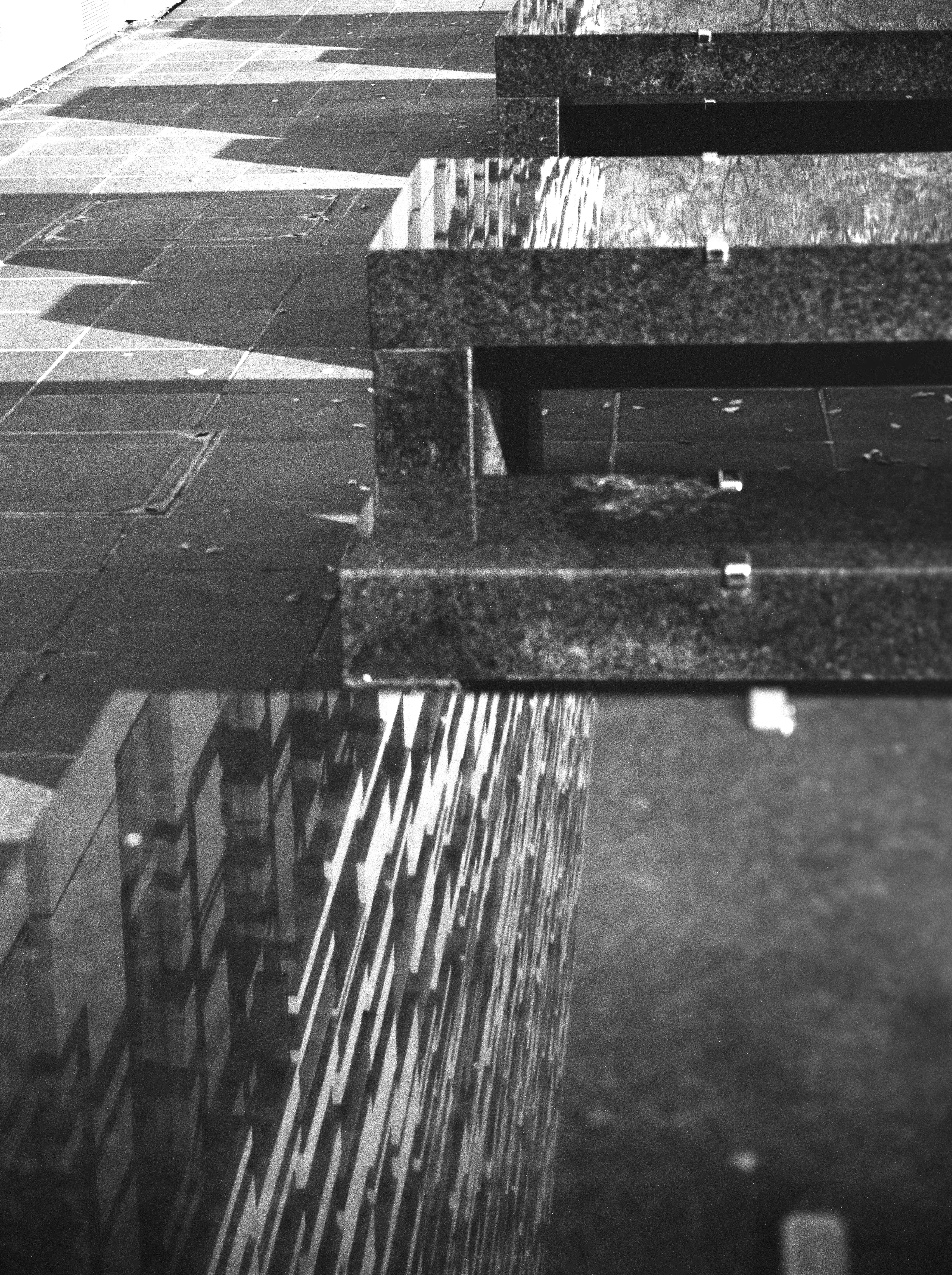
REFLECTIONS: A fantastic day of shooting my favourite structure in Manchester and a good lesson on how to shoot plain/all-grey images (basically similar to when shooting snow as the light metre gets confused when it's all white or grey).
WEDNESDAY
TASK 1: PROCESS AND SCAN RECENT LARGE FORMAT AND MEDIUM FORMAT IMAGES
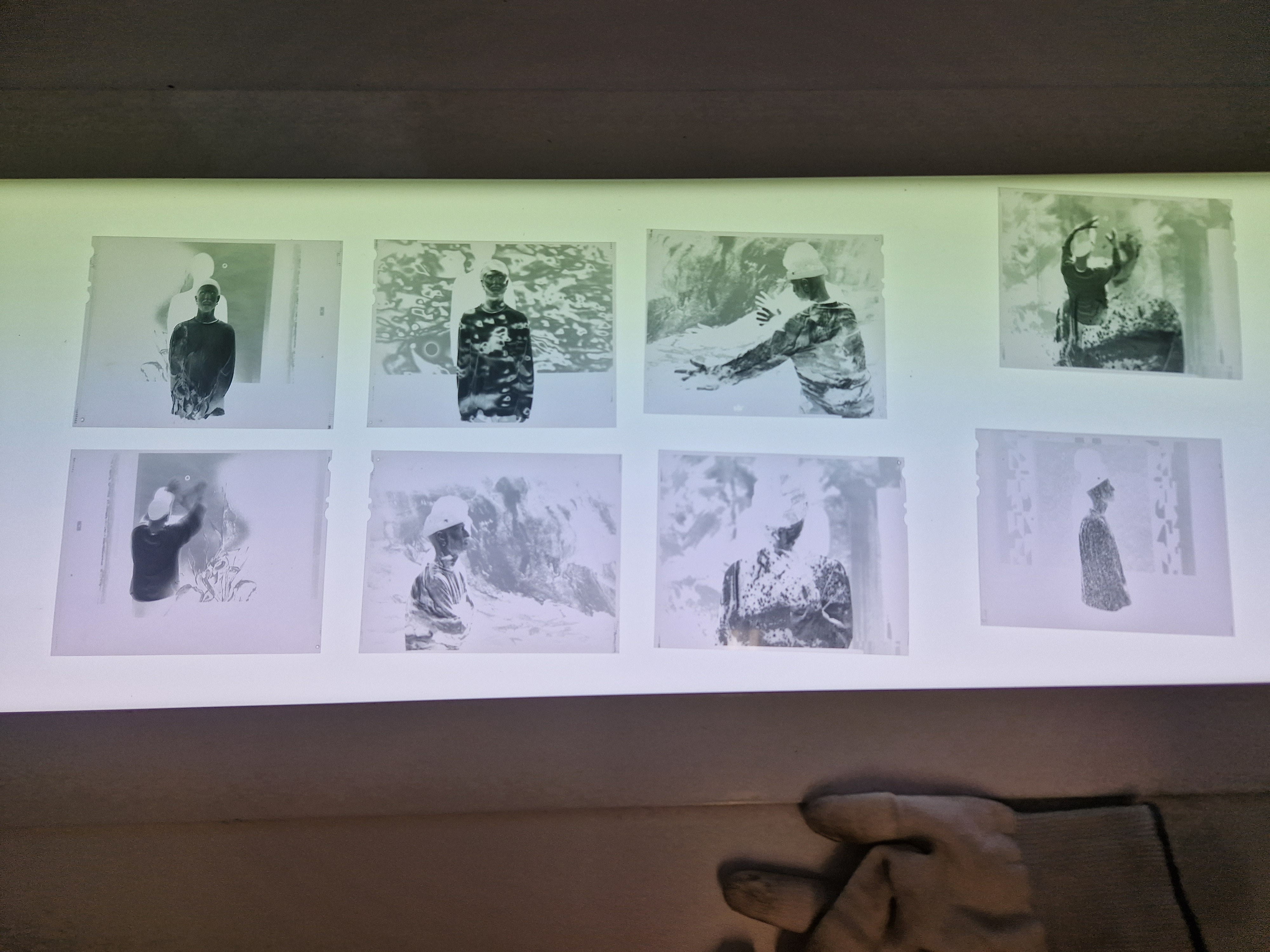
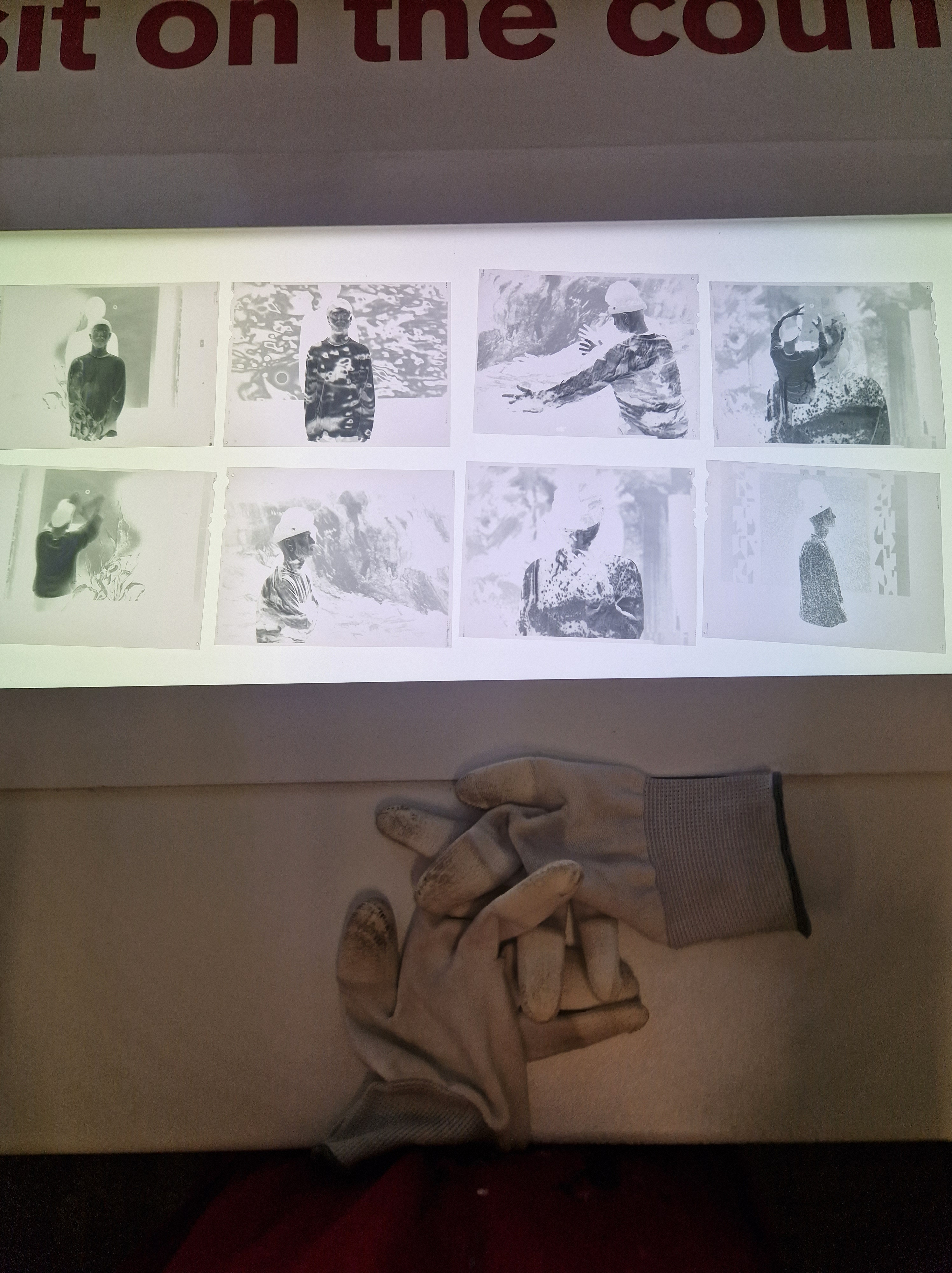
TASK 2: PRINT A FEW IMAGES IN THE DARKROOM: EXPERIMENT WITH OVERLAYING NEGATIVES AND PRINT ONE IMAGE FROM RECENT LARGE FORMAT SESSION
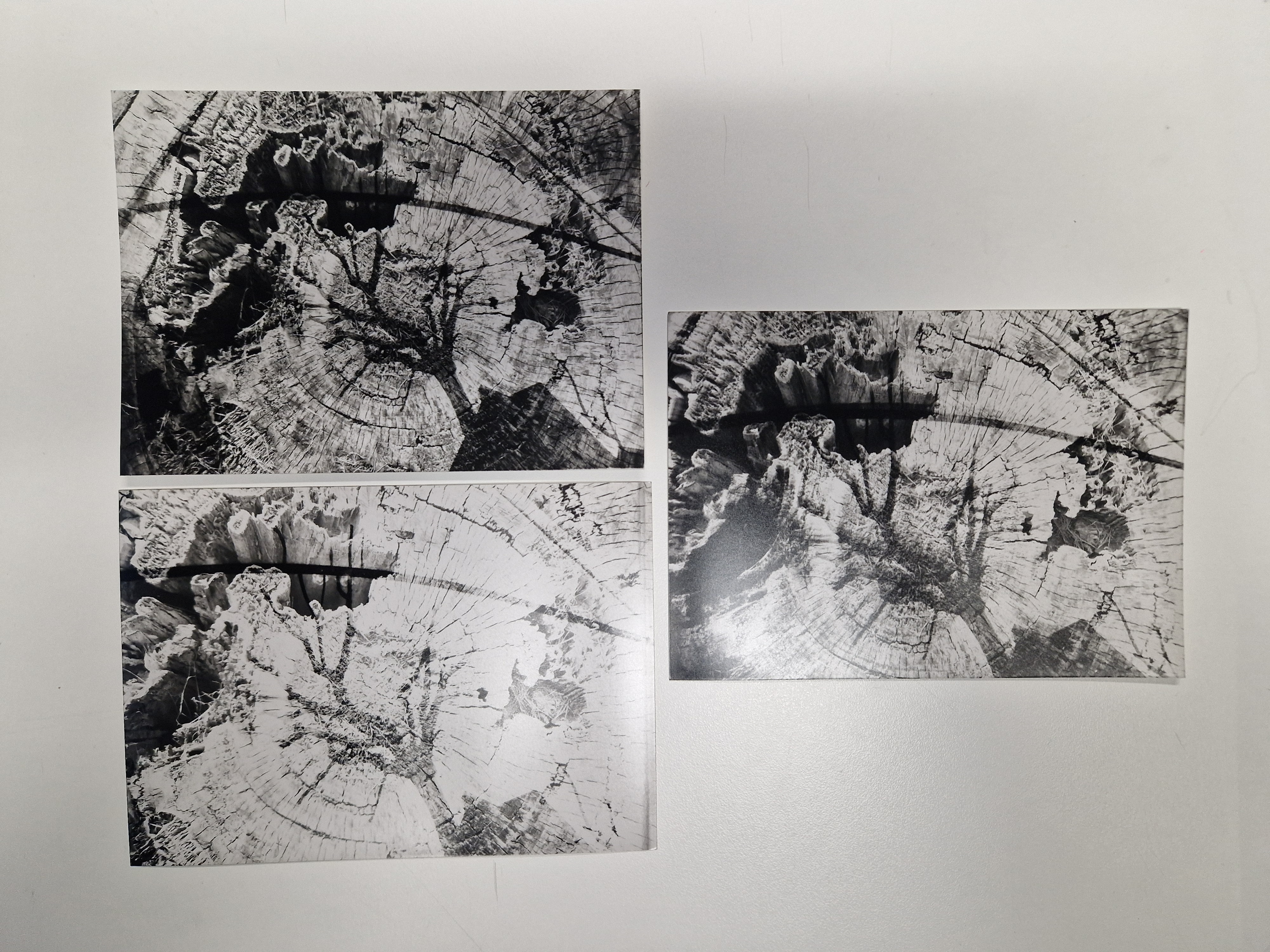
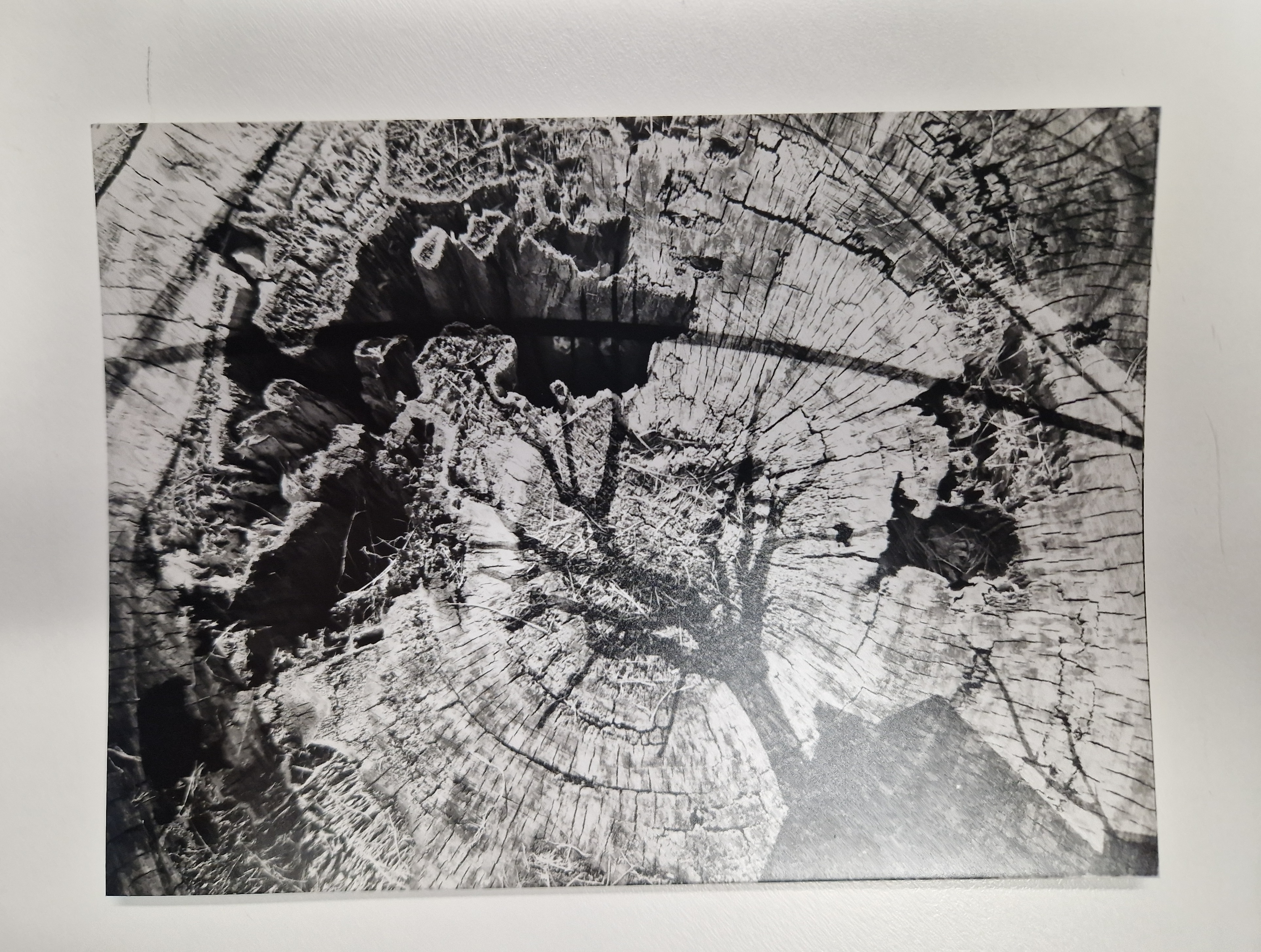
I like how these came out, and I intend to utilise more of this technique (overlaying negatives) in the next semester. When creating these, I used images shot in Manchester, but what I wanted to achieve here was to combine the urban and nature sides of the city into one united piece. I think this is something I would like to explore deeply and perhaps even put a small zine or book on this subject.

I am super proud of how this image came out (double exposure on large format), and even more satisfying was printing this image in the darkroom, where countless hours of printing and learning were bearing fruit. In the final image that I was satisfied with, I did a triple dodge and burn technique, and it felt and looked amazing!
WEEK 10: 27/11-03/12
MONDAY
I spent this day scanning my recent large format images and recent medium format images, needed for using in Maya for my 3D model.
TUESDAY
LEARNING 3D MODELLING PROGRAM
During this session I continued learning about creating textures in Maya. It is a very complex process and requires a lot of time to grasp.
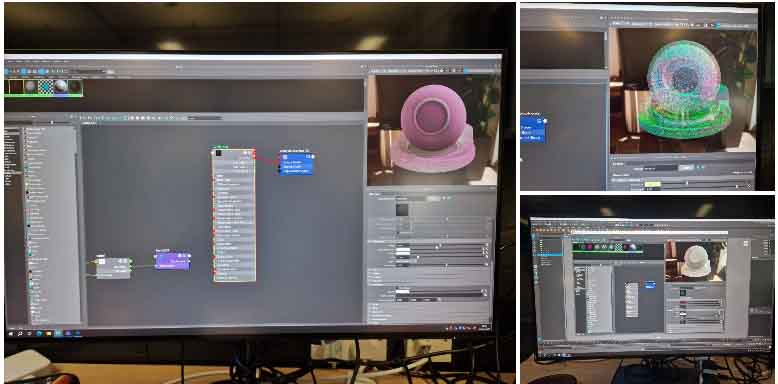
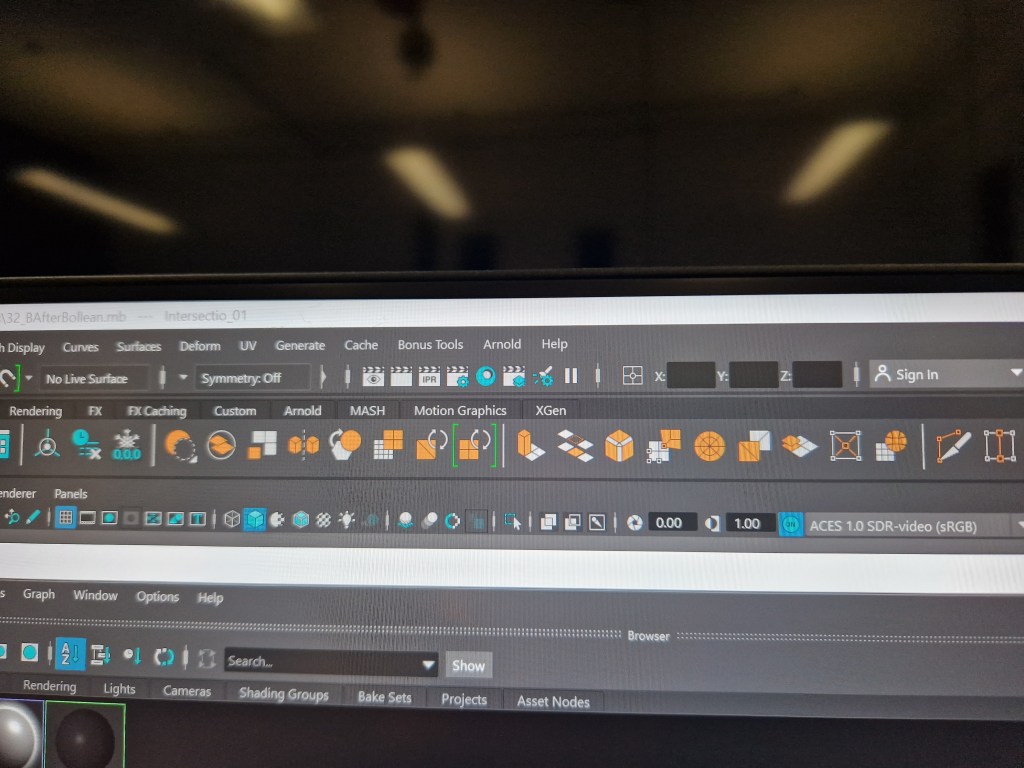
TALK AT THE CASTLEFIELD GALLERY
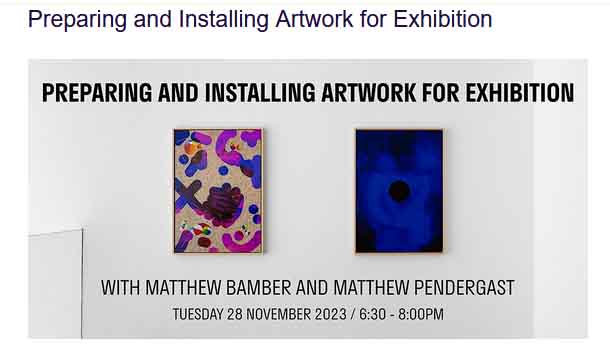
NOTES
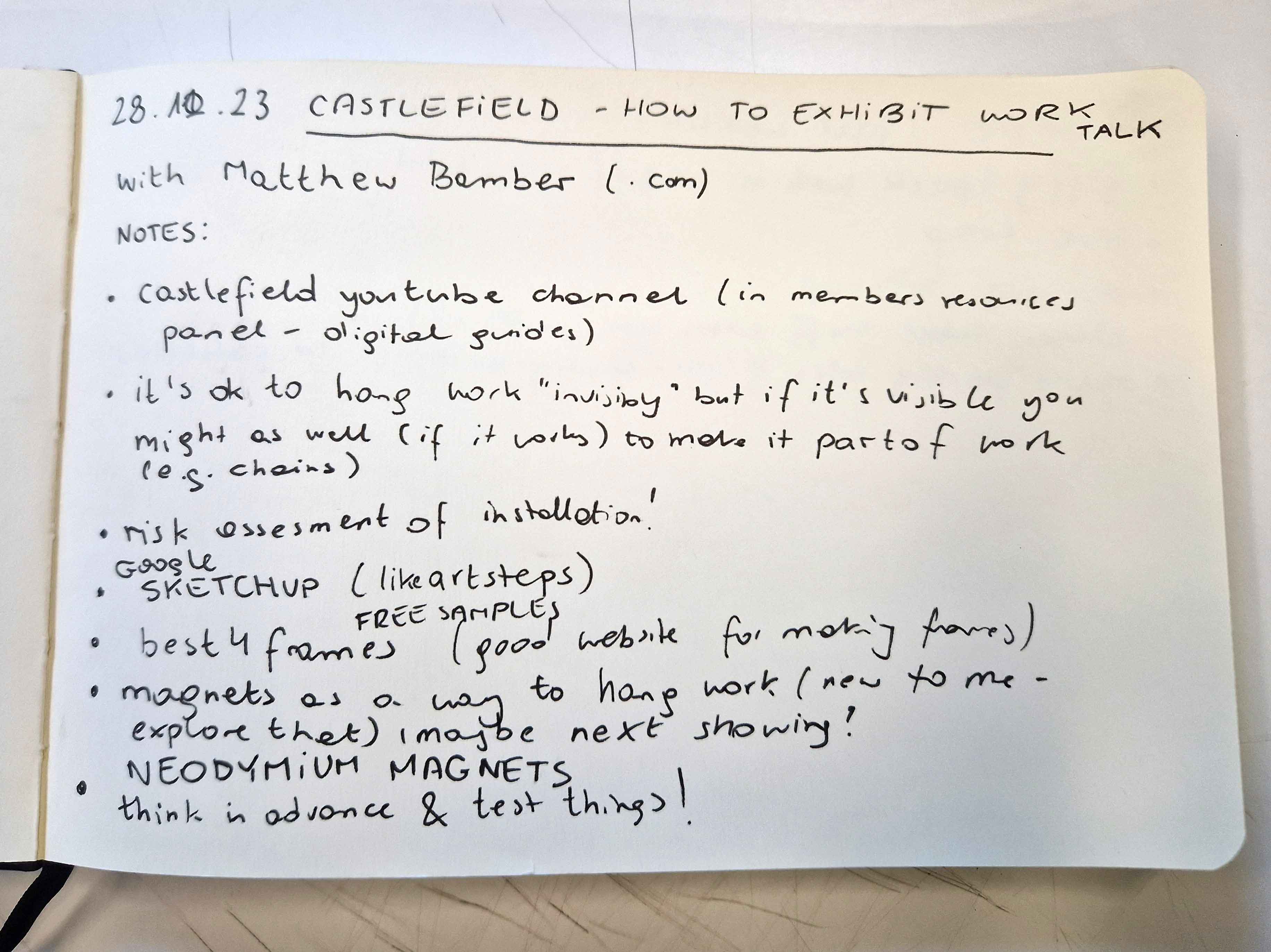
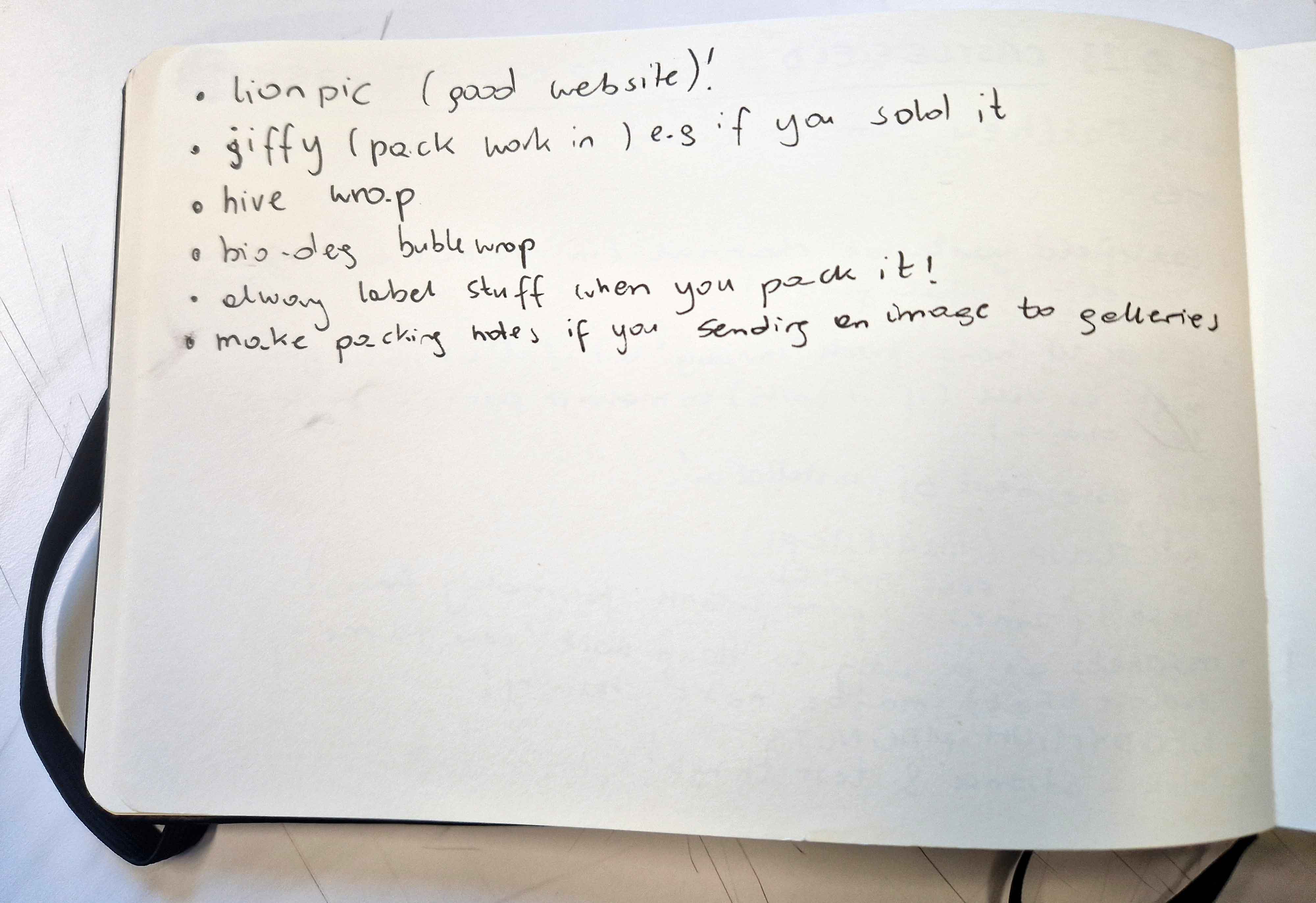
I took a lot of valuable notes from this very useful session. It was not just a very informative talk, but also I had an opportunity to connect with fellow artists, which is always a bonus.
WINTER BREAK
Over the winter break I focused on following activities, wrapping up my semester and preparing a professionally presented portfolio.
PRINTING IMAGES FOR PORTFOLIO
For my portfolio, I printed my main images from medium and large format camera shots in the studio in the digital darkroom. After testing matt paper for my project pages, I decided to use lustre for the rest as I was more satisfied with the quality. Although usually I prefer everything matt, I decided that, in this case, it is not the best paper/option. I was very pleased with the lustre paper and will definitely use it again.

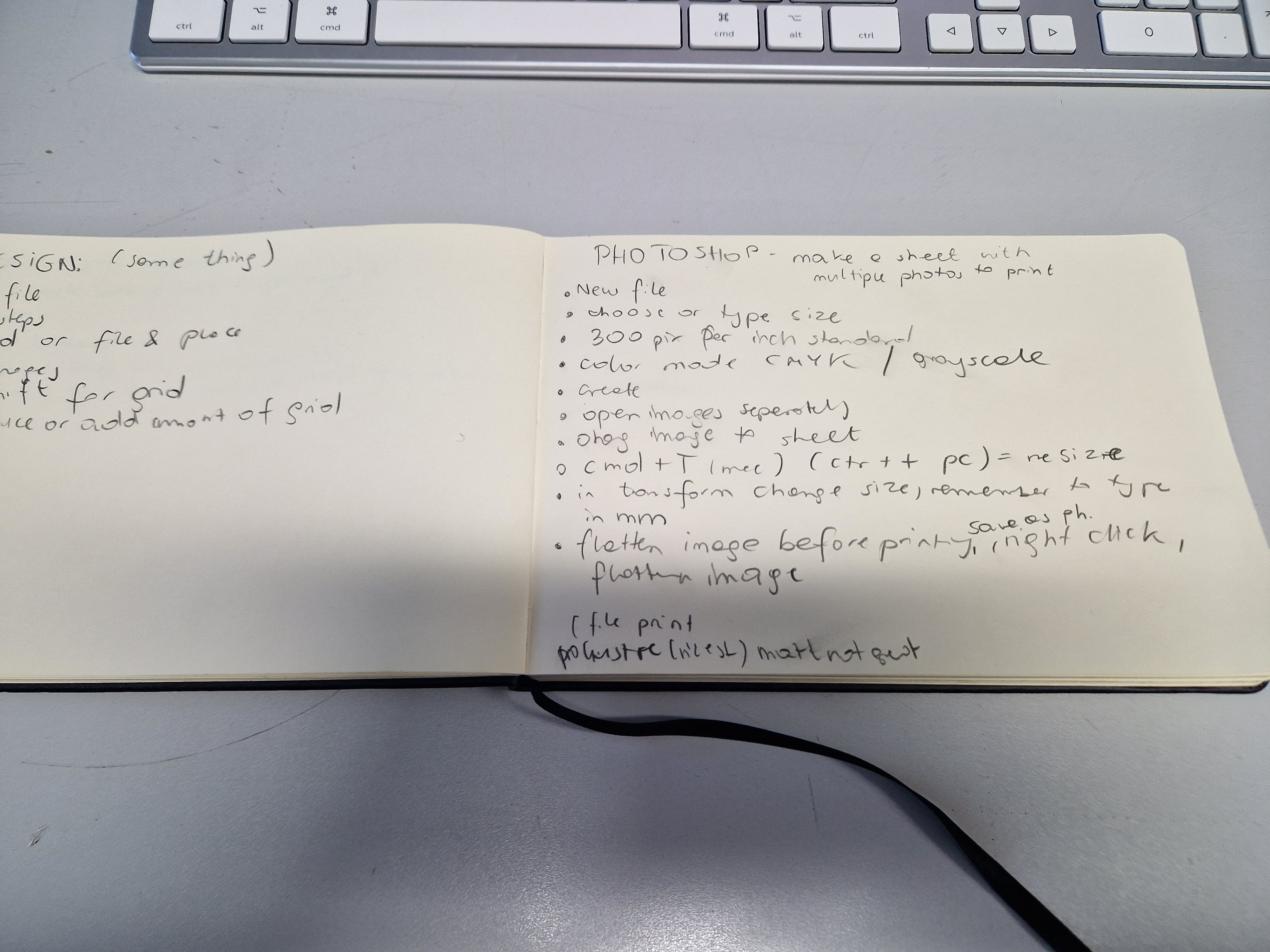

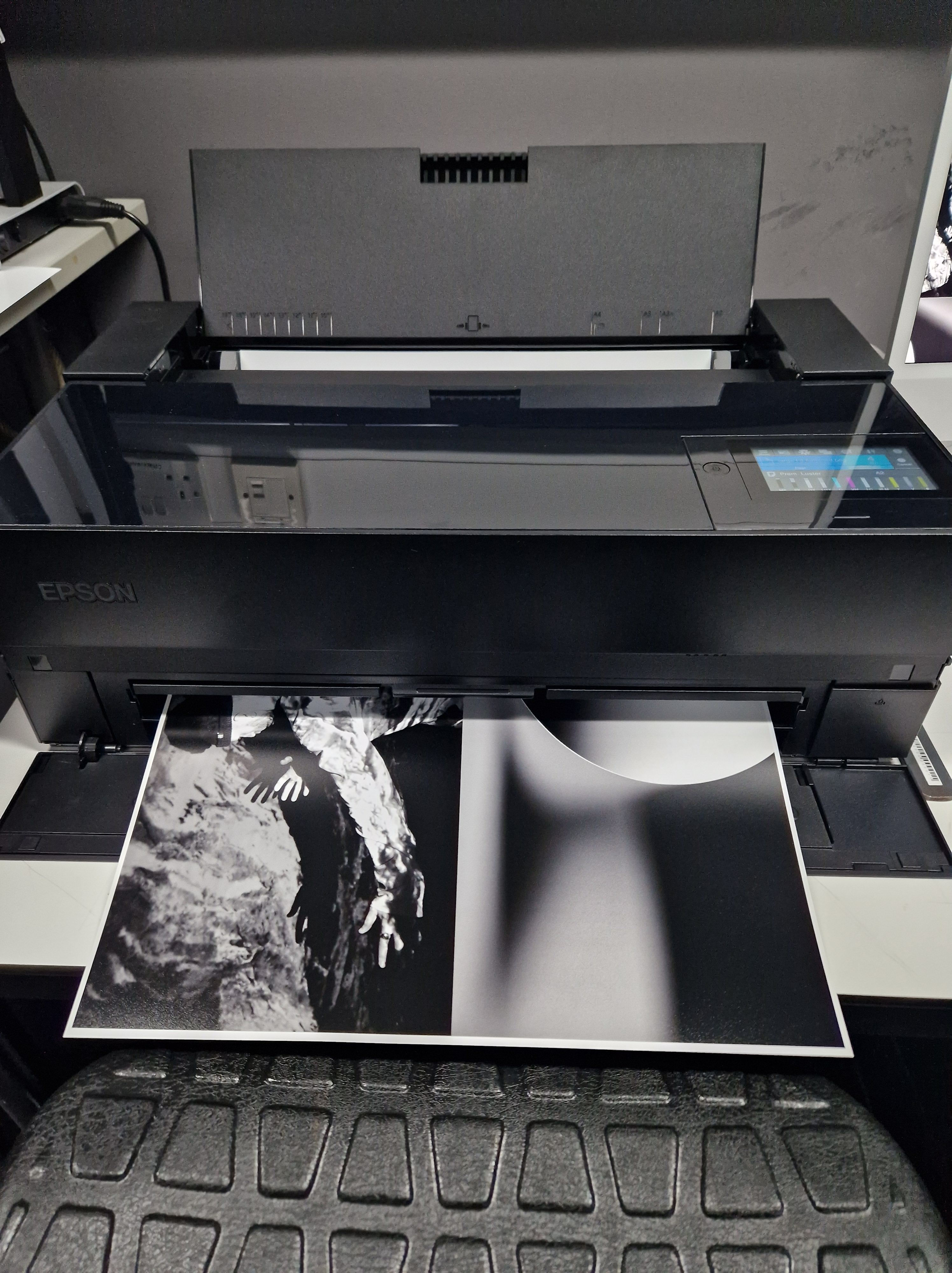


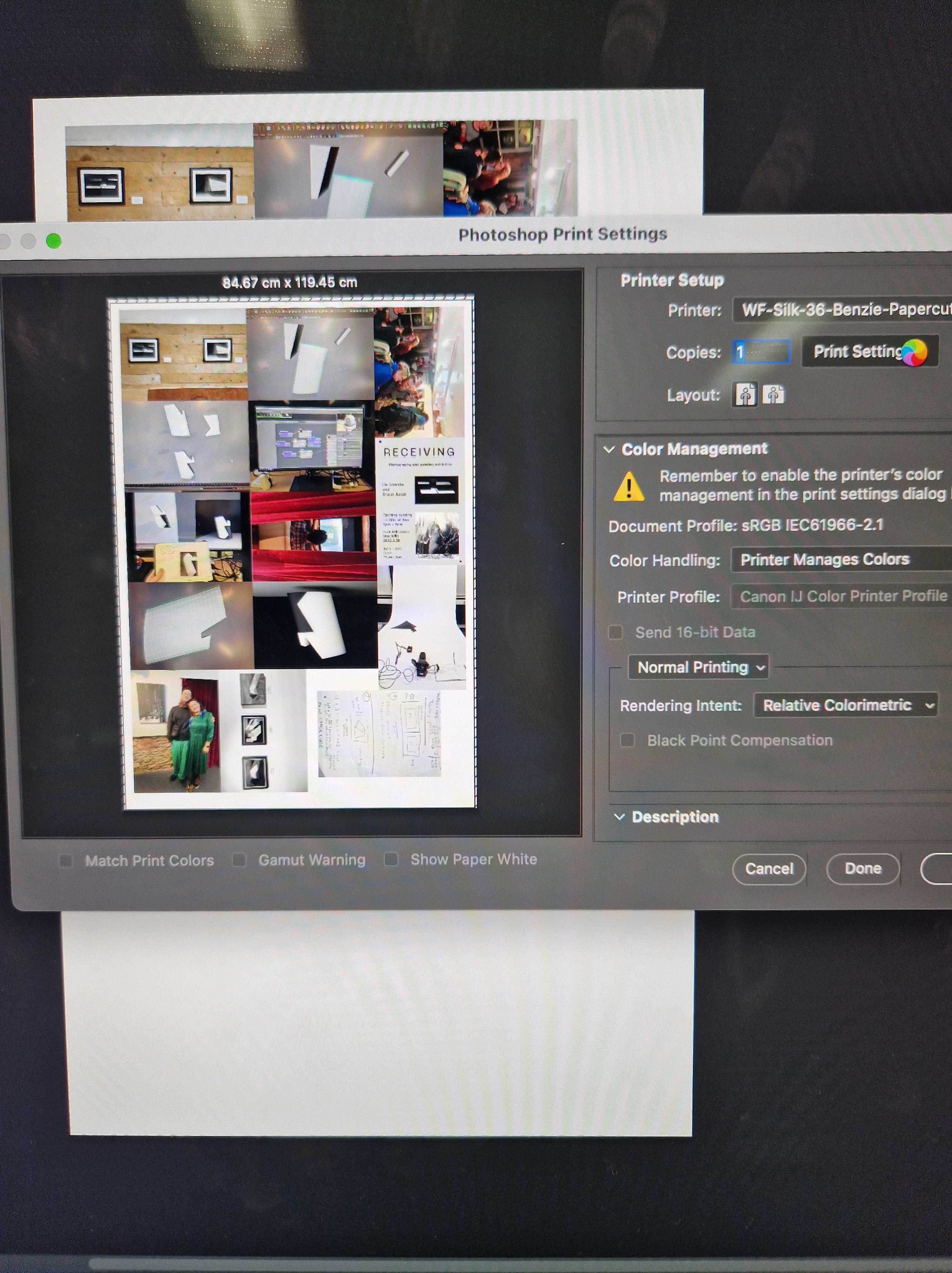
CREATING NEW WALL ON 3rd FLOOR
I decided to start a new wall on the 3rd floor, so I printed my newest work on large format printers and hung them on the wall, leaving some space for my future photographs.
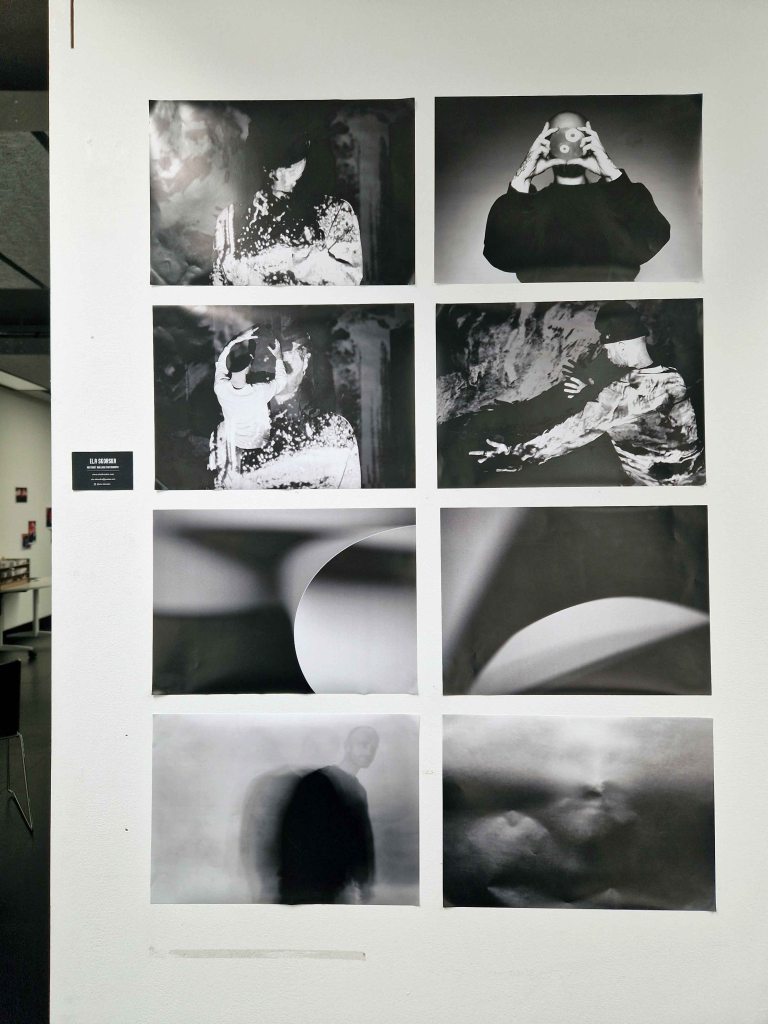
SHOOTING LARGE AND MEDIUM FORMAT
In the very little nice weather that we had over winter break, I went out shooting with medium format (I processed the film, and I am still to scan it) and large format. When shooting large format, I very quickly ran out of light, being in the middle of wintertime, so I made an impromptu visit to Benzie, where I was able to use daylight studio to continue shooting.
I experimented with double and multi exposures and still life with simple objects like black frame and apple.
It was a really good session, but I also realised that I could do with some extra guidance when it comes to large format cameras. Following that, I spoke to Johnny, and we will have a session soon when we will go in-depth into the manual of the Intrepid camera.
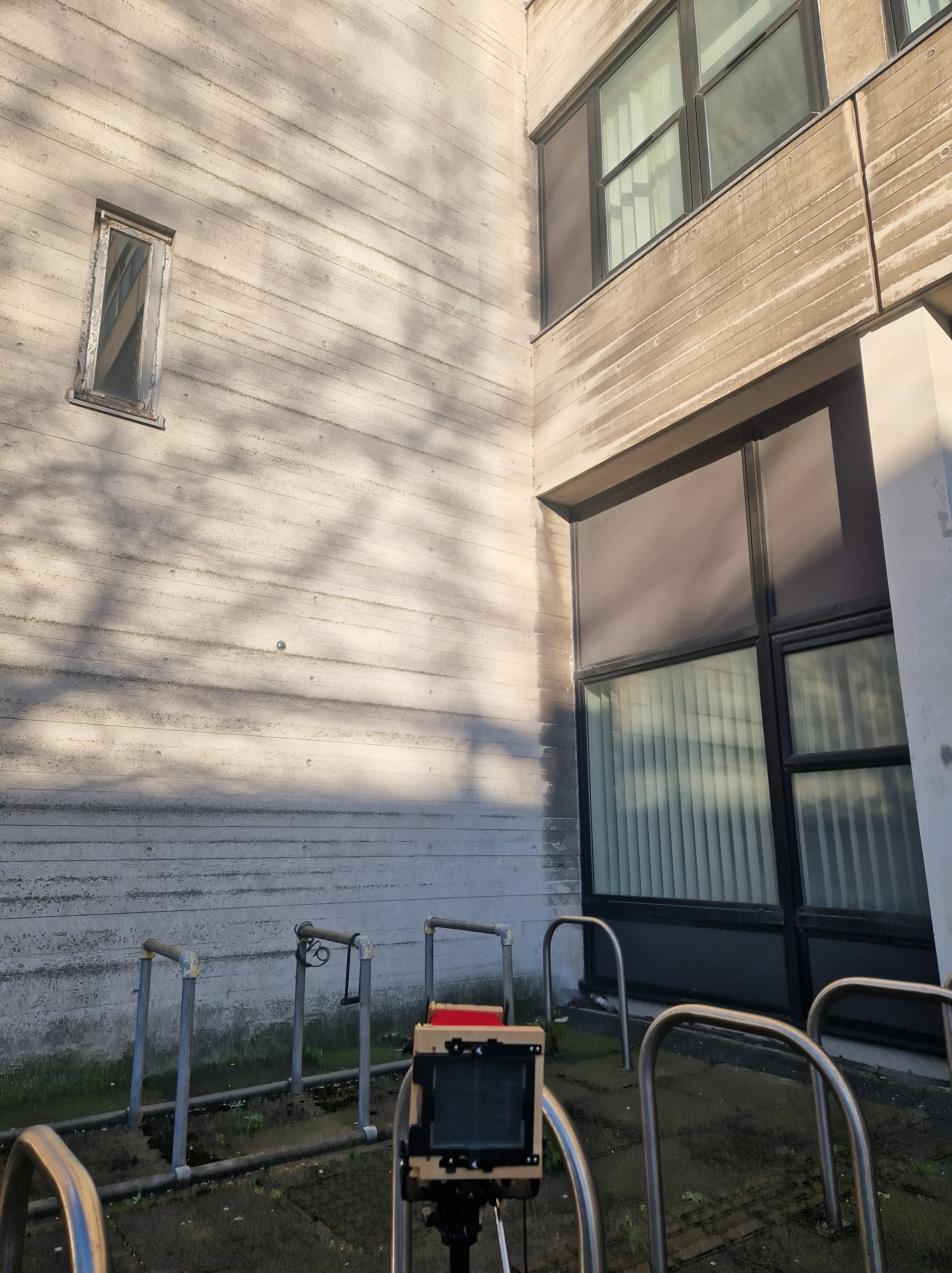
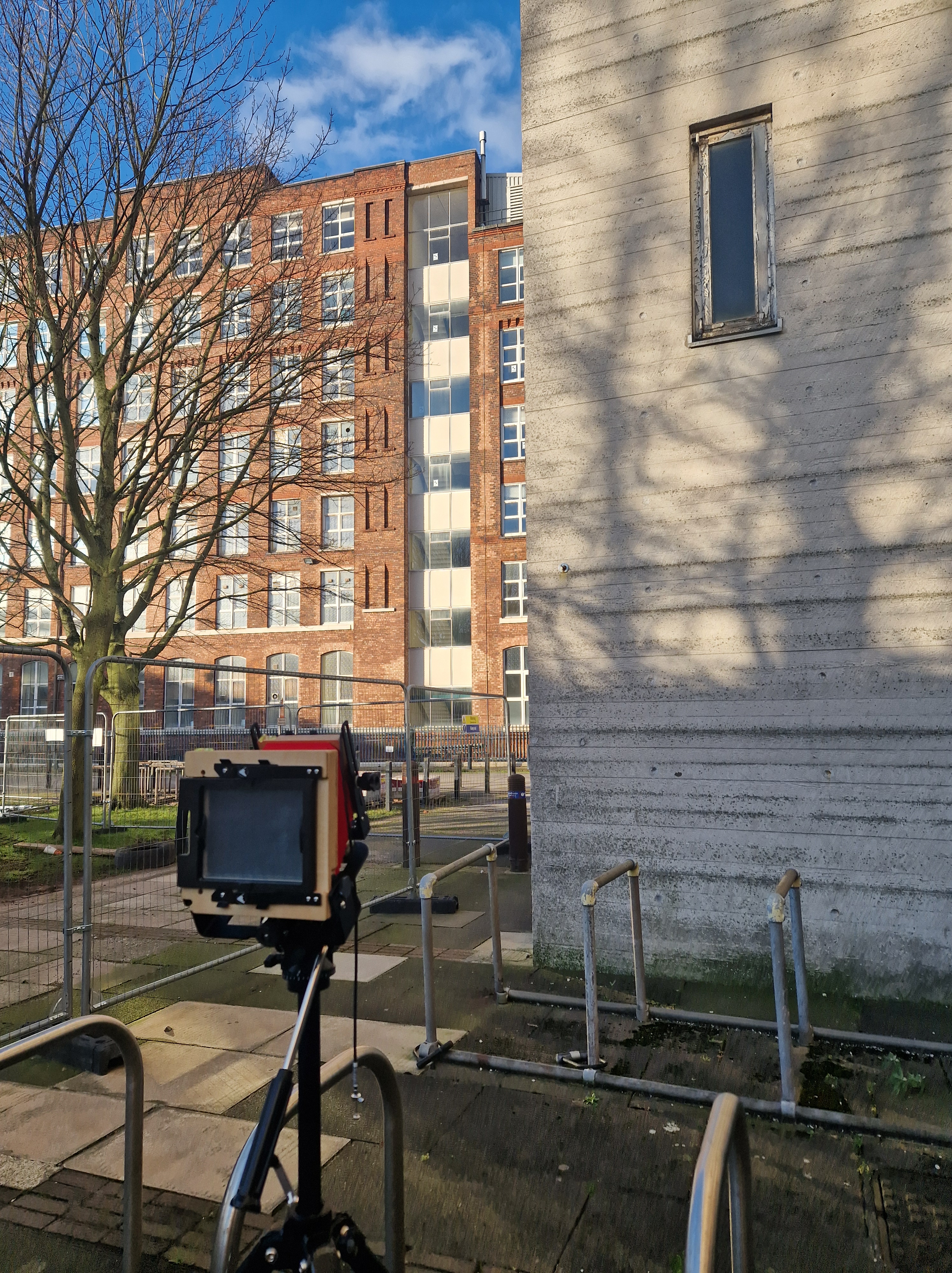
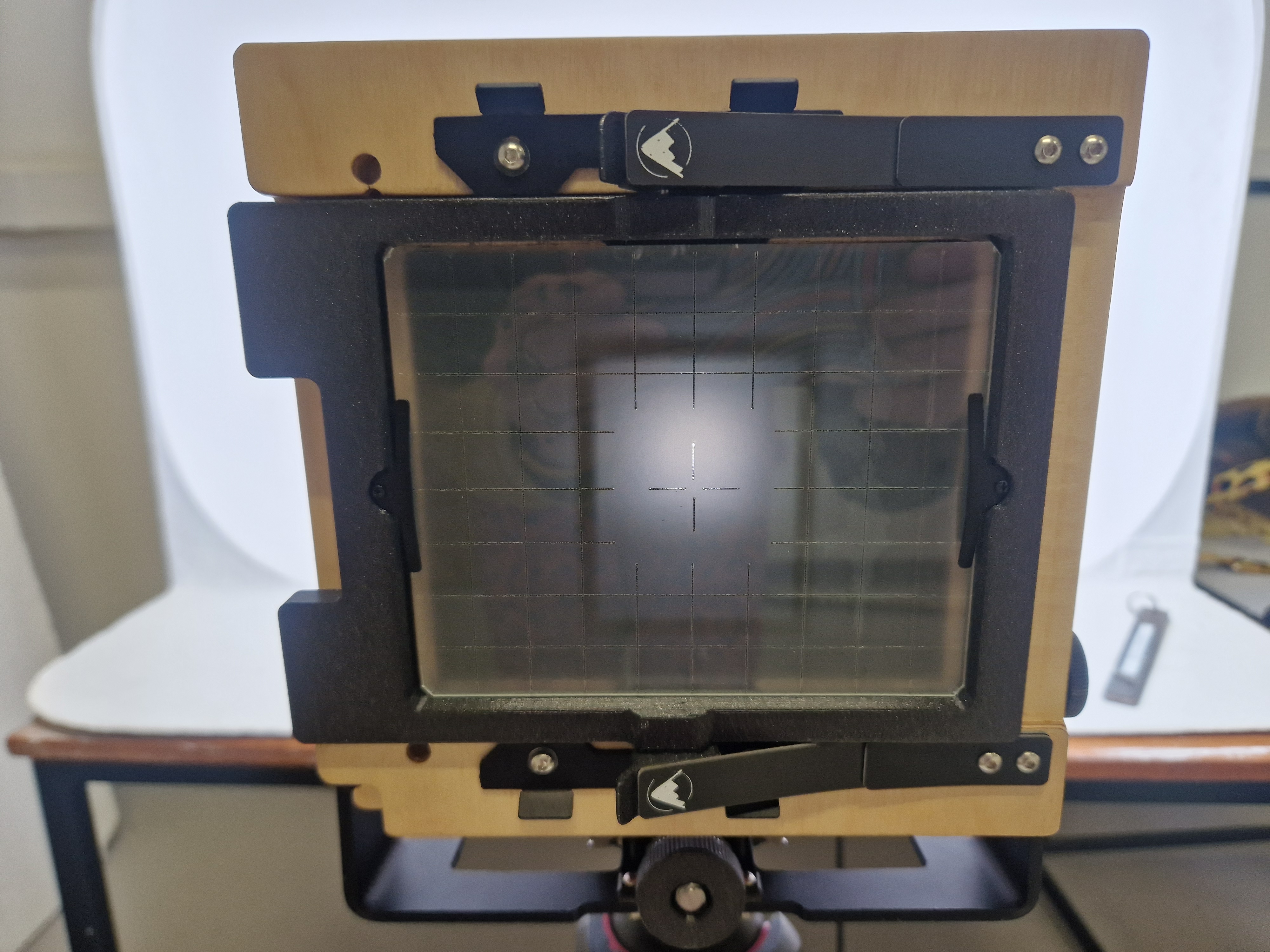
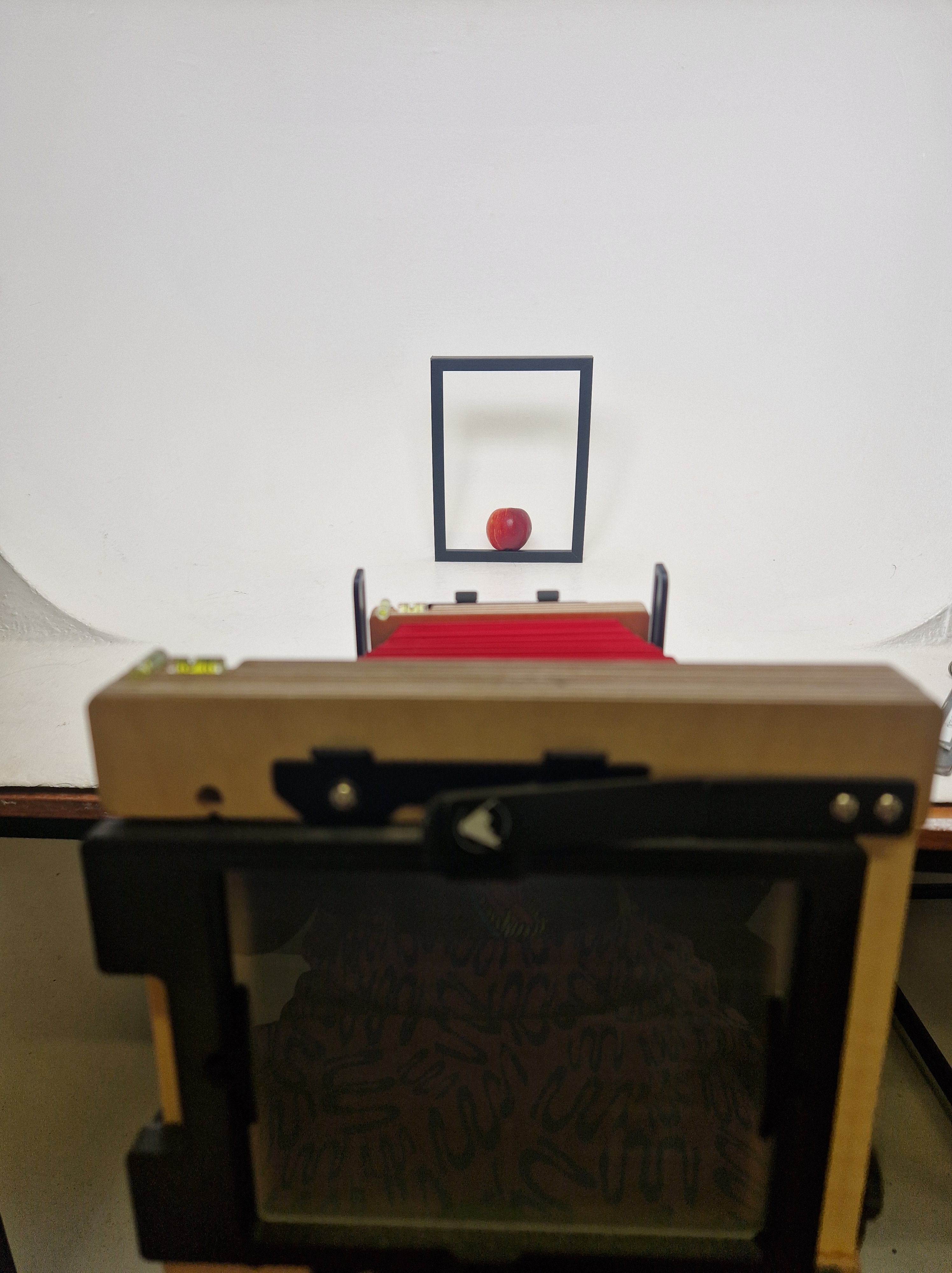
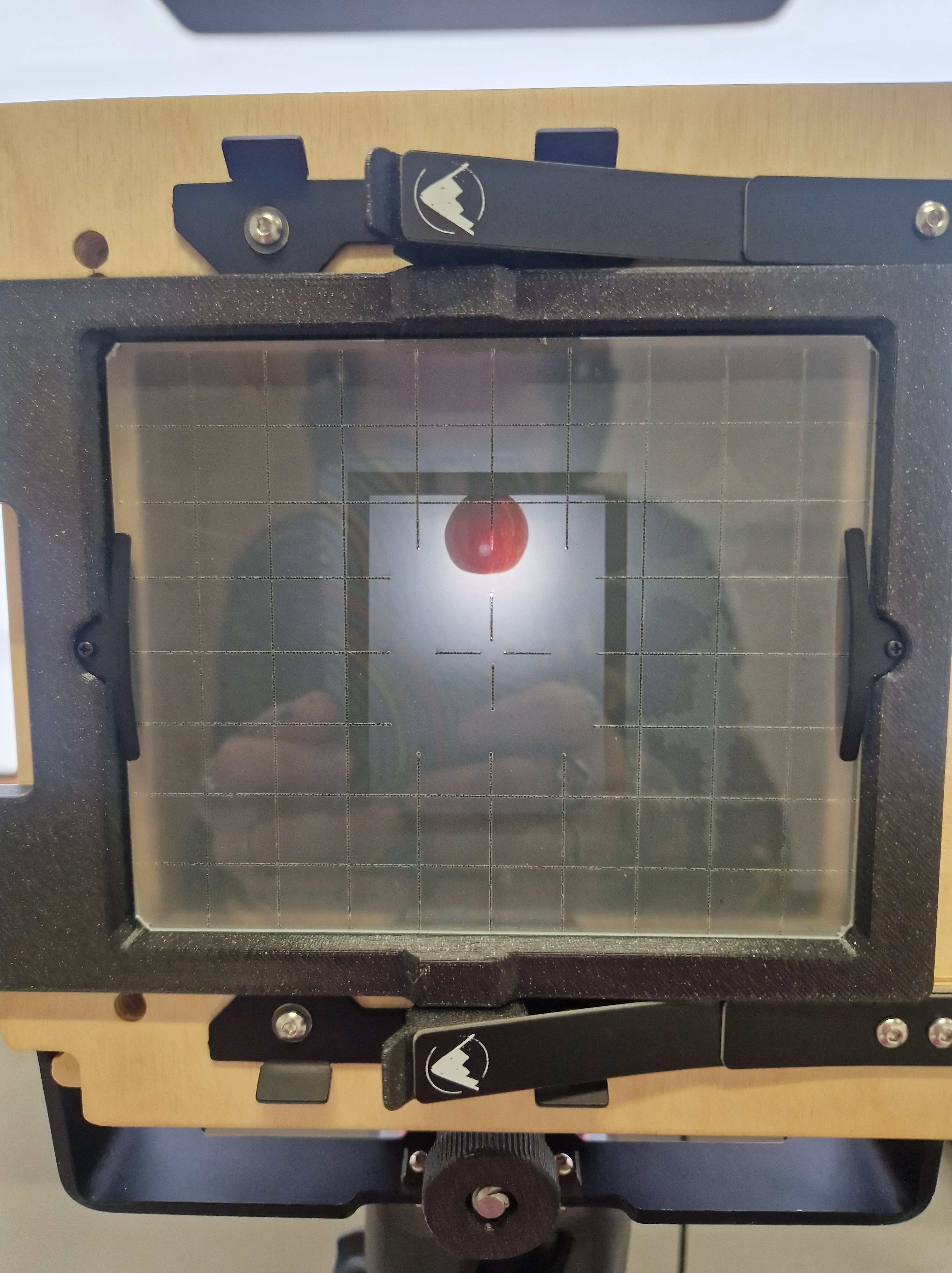
RESULTS
CONTACT SHEET

IMAGES
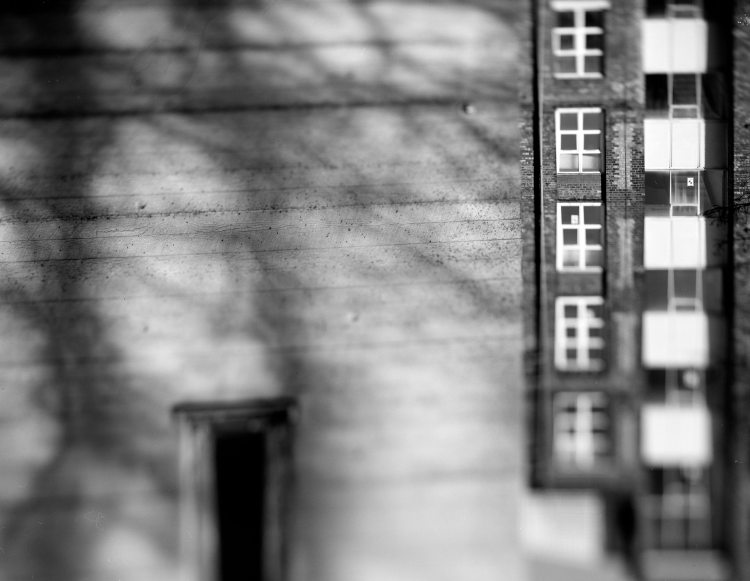
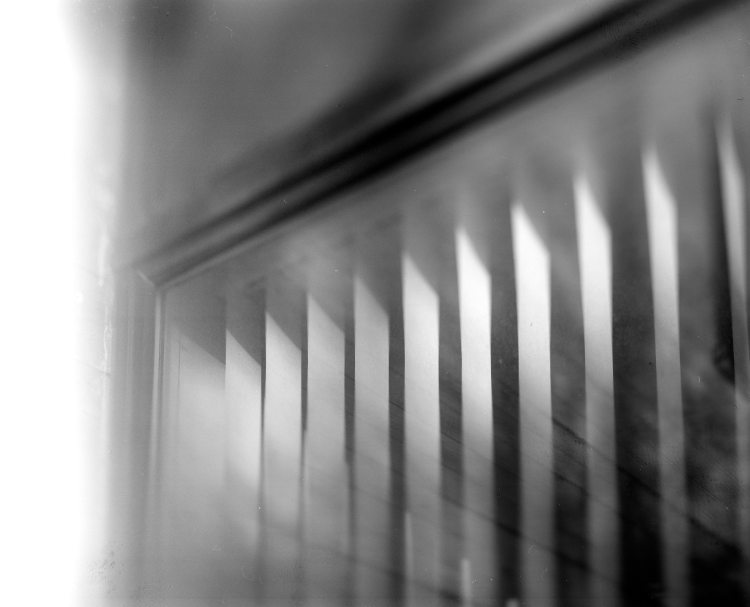




COLLABORATING WITH EXTERNAL ARTIST TO MAKE A BOX FOR MY PROTOTYPE MODEL
To present the prototype of my model, I contacted Daniel Pickles, a local sculptor based in Stockport and commissioned him to make a box for my model. We collaborated looking for the best result and ones that meet my needs.
https://www.instagram.com/daniel_james_pickles/

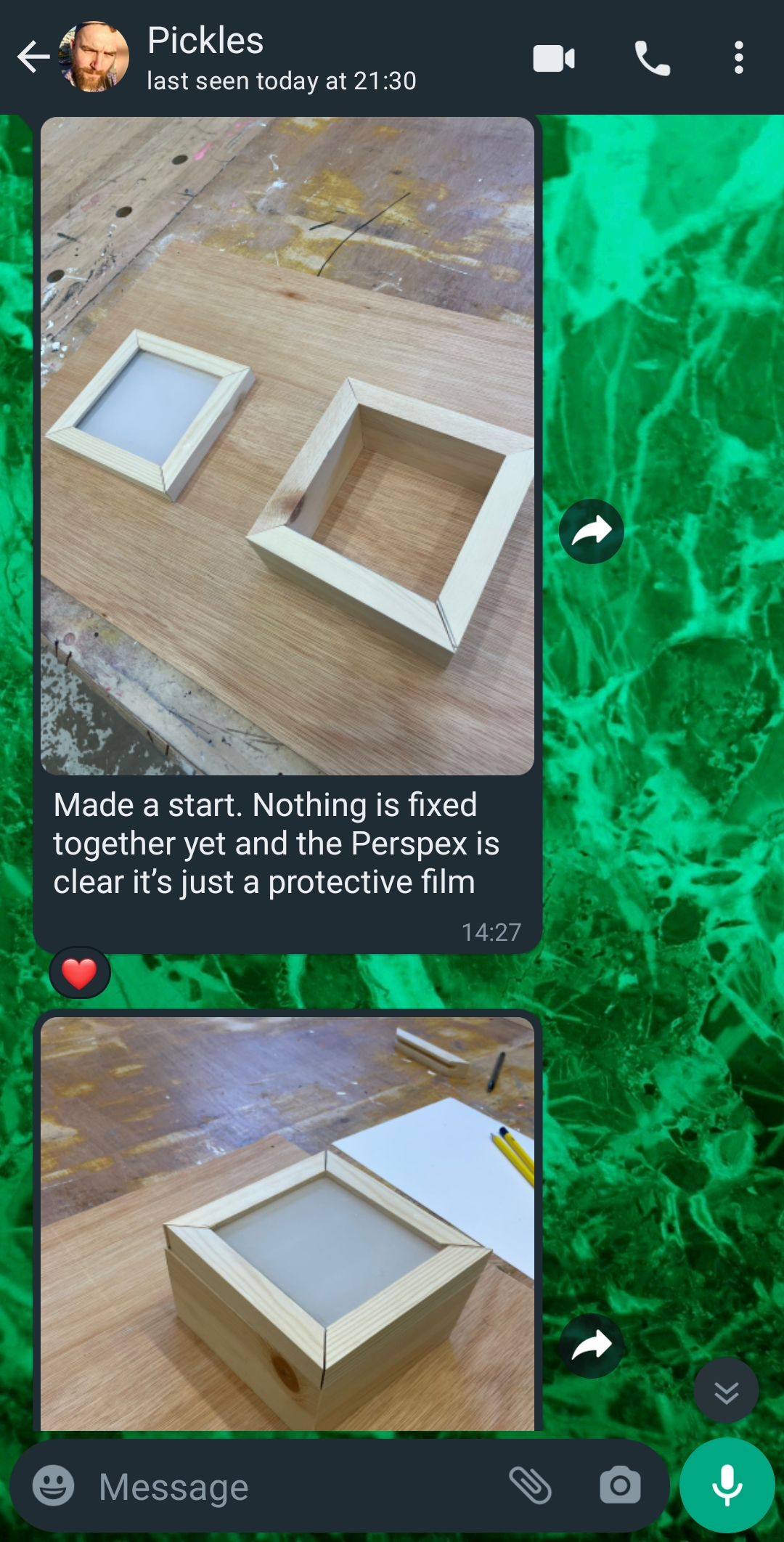
PAINTING THE BOX
Once I received the box, I painted it at home with acrylic paint.
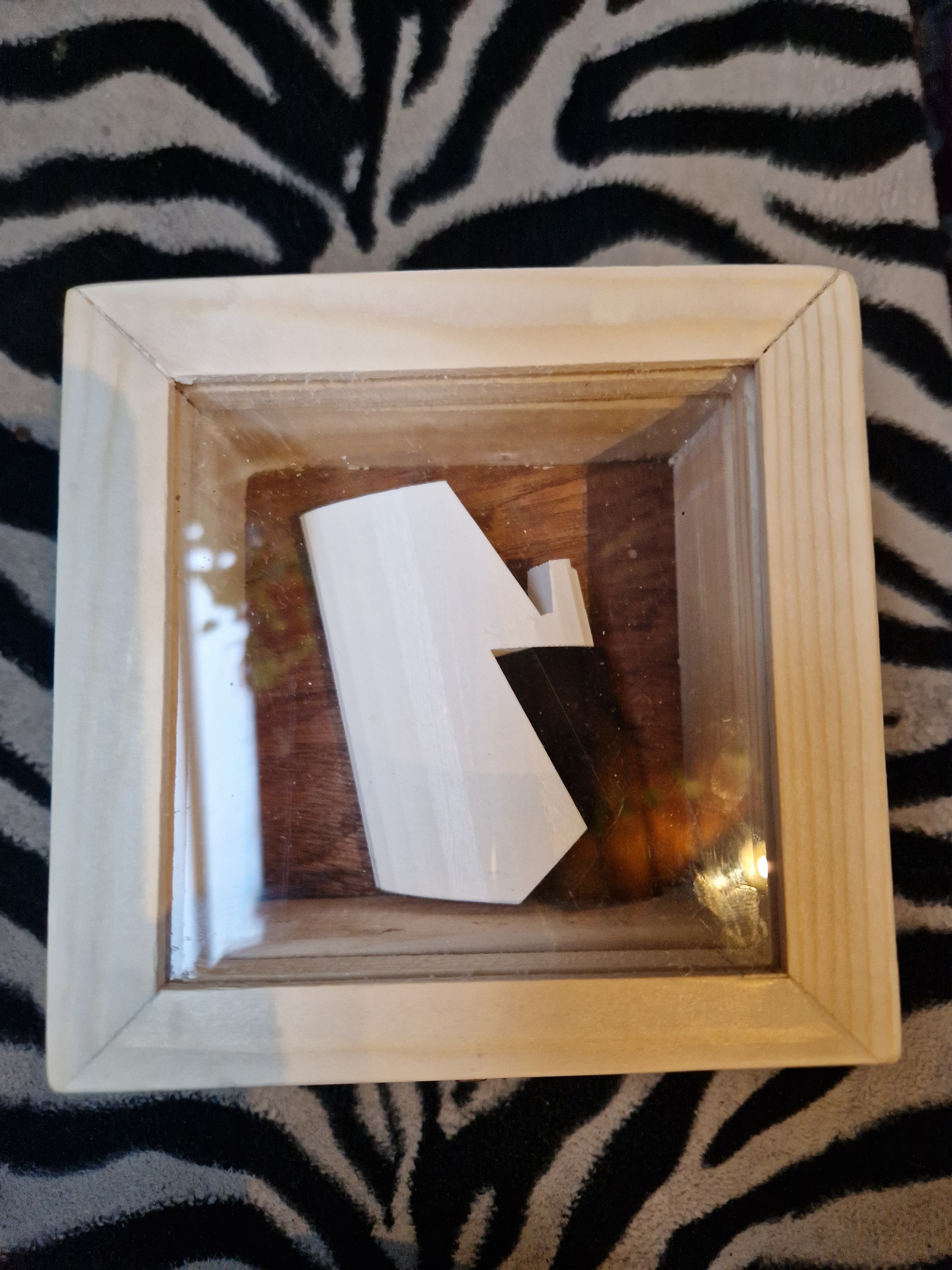
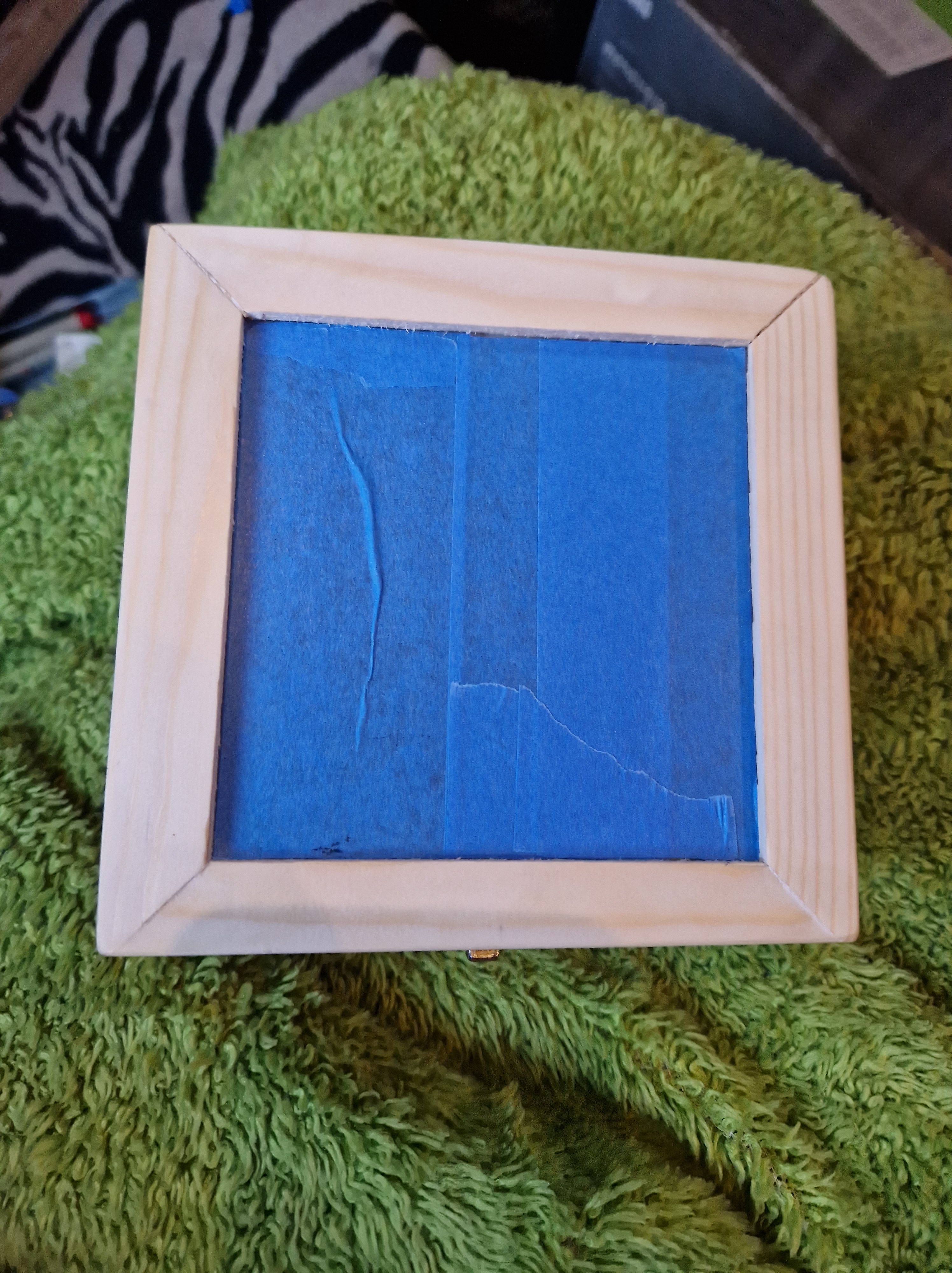


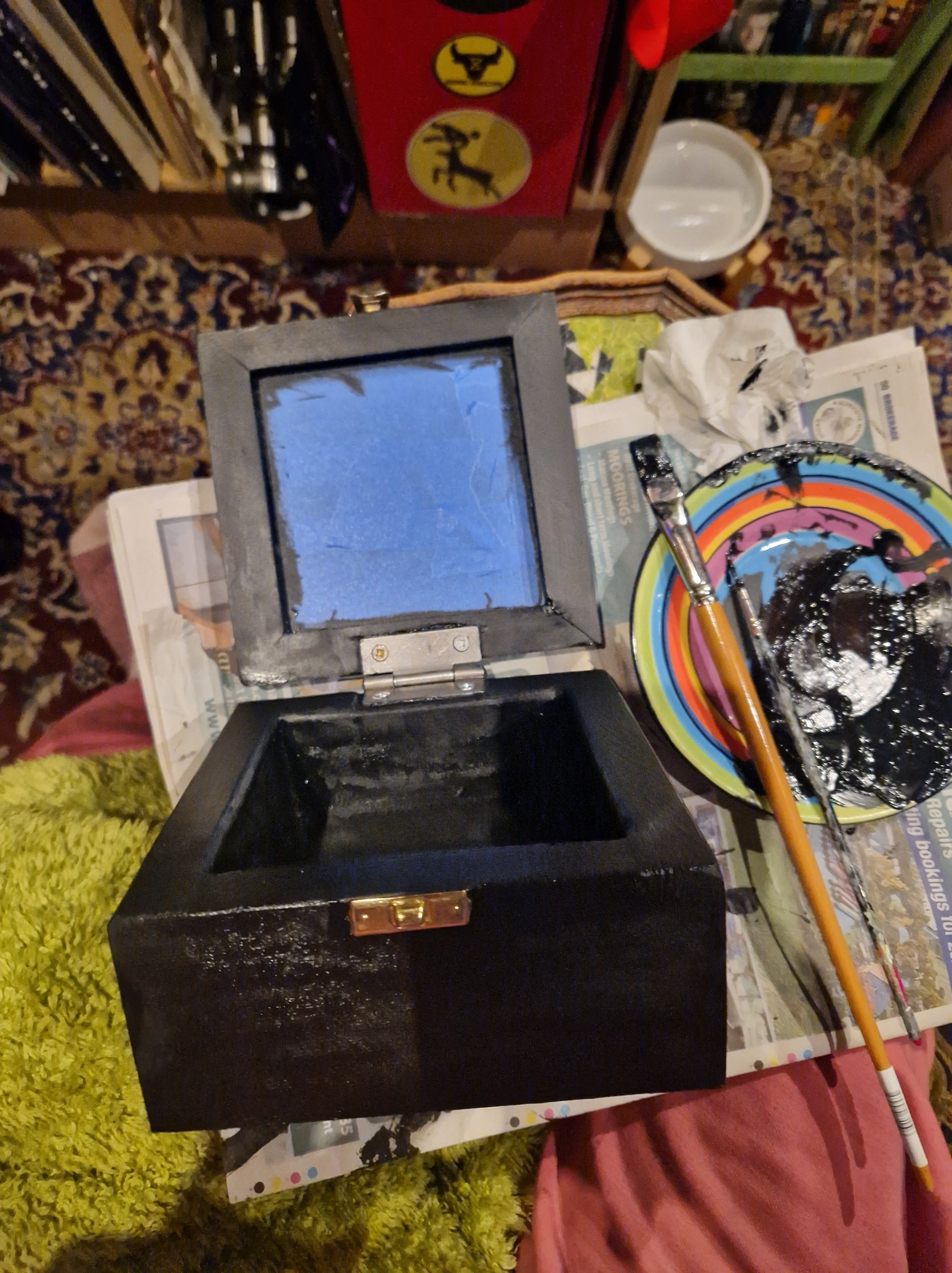
FINDING INSIDE FOR THE BOX
After speaking to a few people I was directed to the 5th floor where I could find a foam that would fit inside my box.
I was given two different foam materials, one softer and one harder, that I tried to cut to shape with scissors and a Stanley knife. Unfortunately, this didn’t go to plan as I could not cut it neatly enough for this to be presentable.
I was sent to a wood workshop to see if they could help. There is a wire cutting machine there which I could use if I had induction (something to do soon), but I only received the ordered box on Friday the 12th of January so I couldn’t use it on this occasion.
Then I was sent to Textiles to ask if they could help, and they sent me to a laser-cutting workshop. Unfortunately, the laser-cutting staff member was in the meeting, so I looked for other solutions.
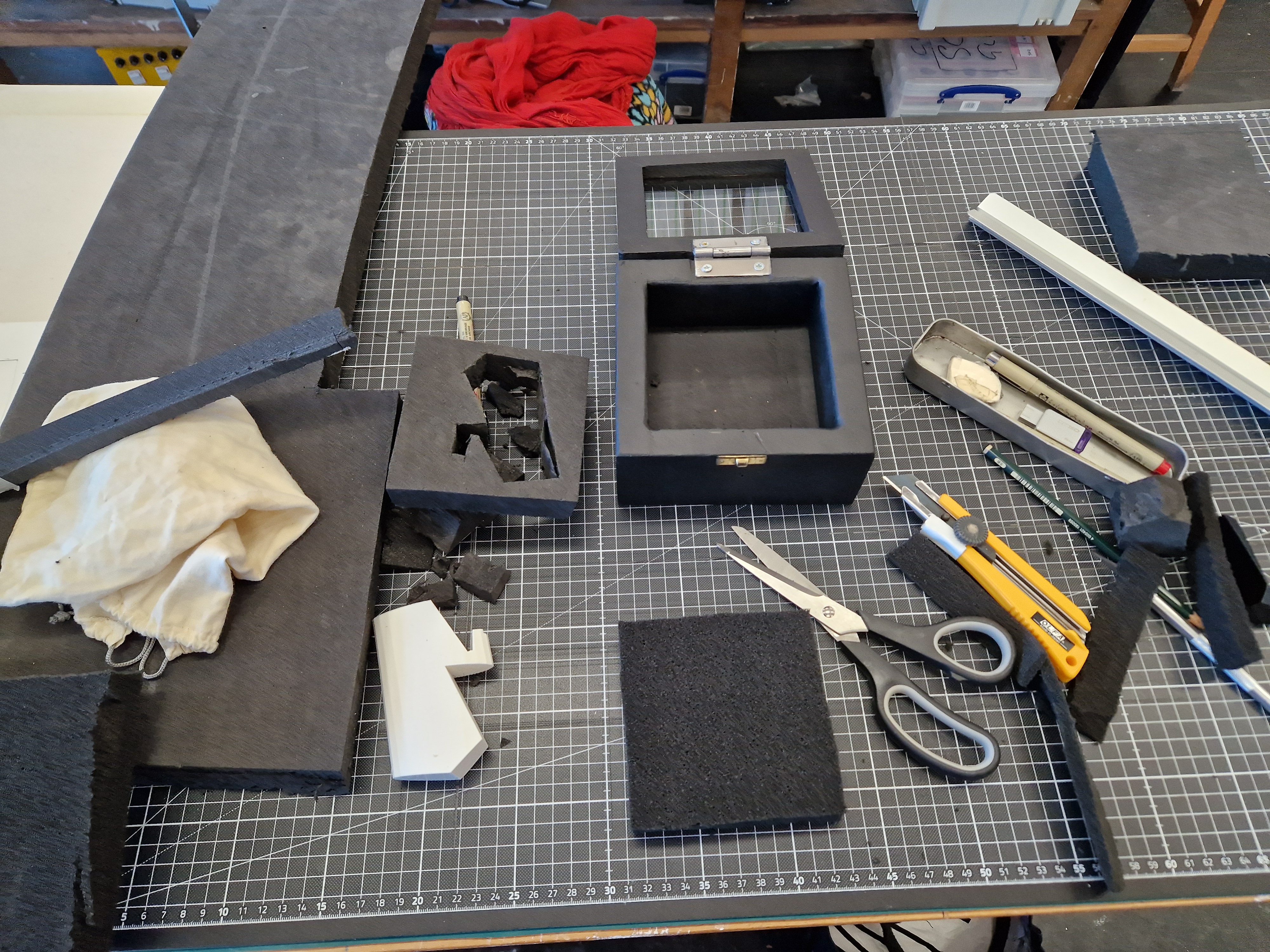
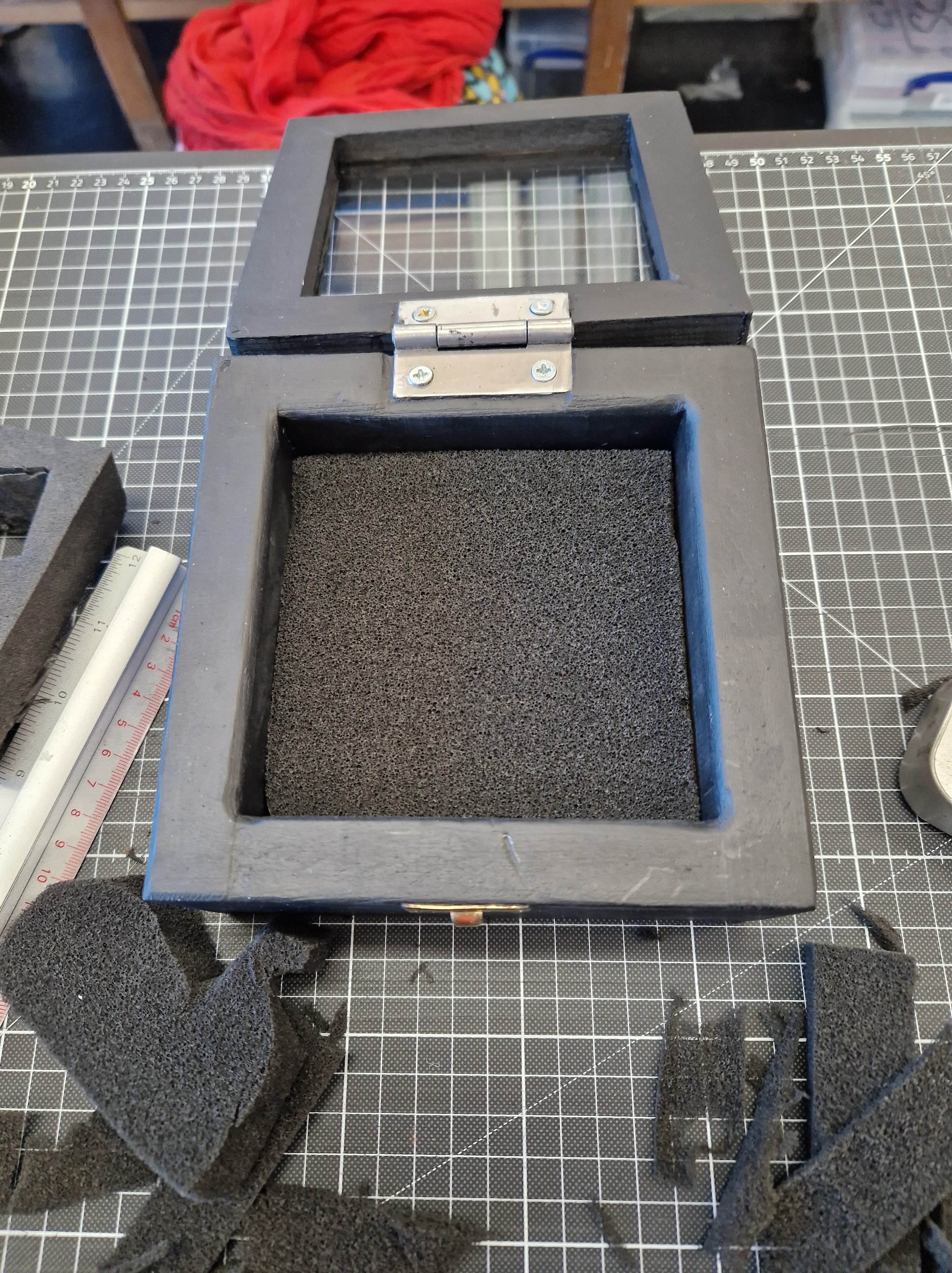

I concluded that if I can’t make a nice incision in the foam I will just place the sculpture on the top of a square of foam. One problem was that sculpture comes in two separate parts. So I purchased magnet strip from Make More store and attached it to the inside of the sculpture so they connect.
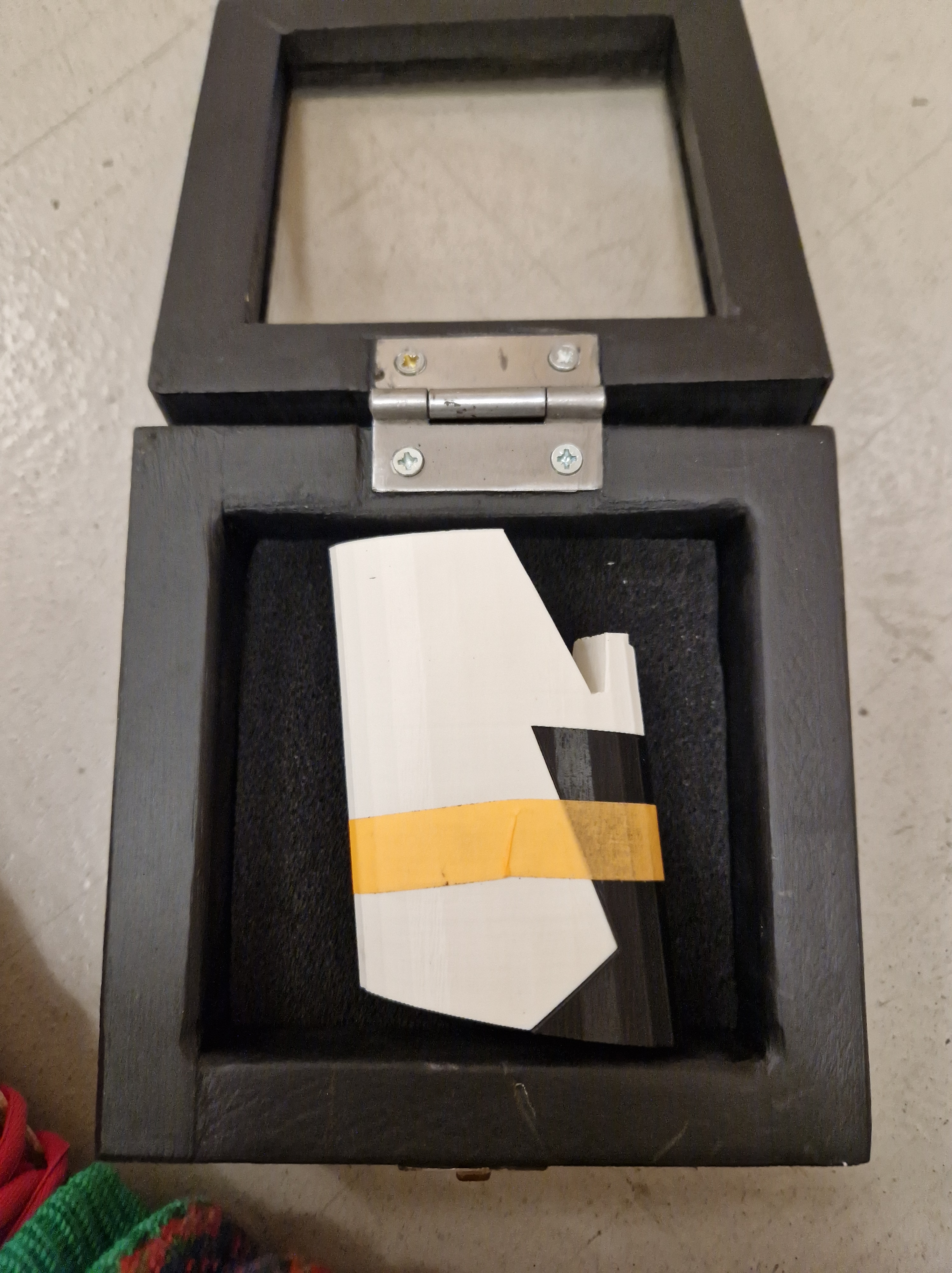
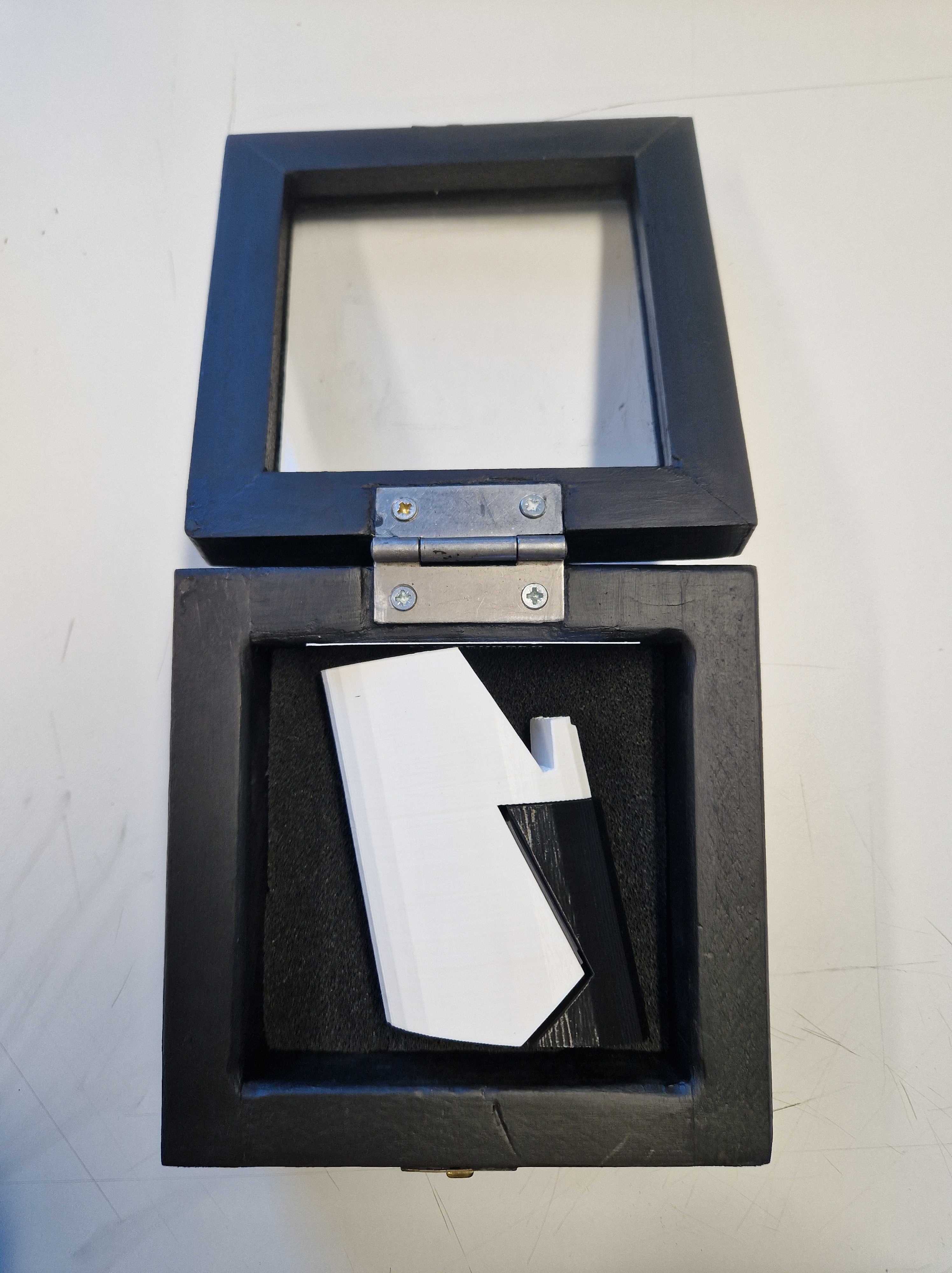
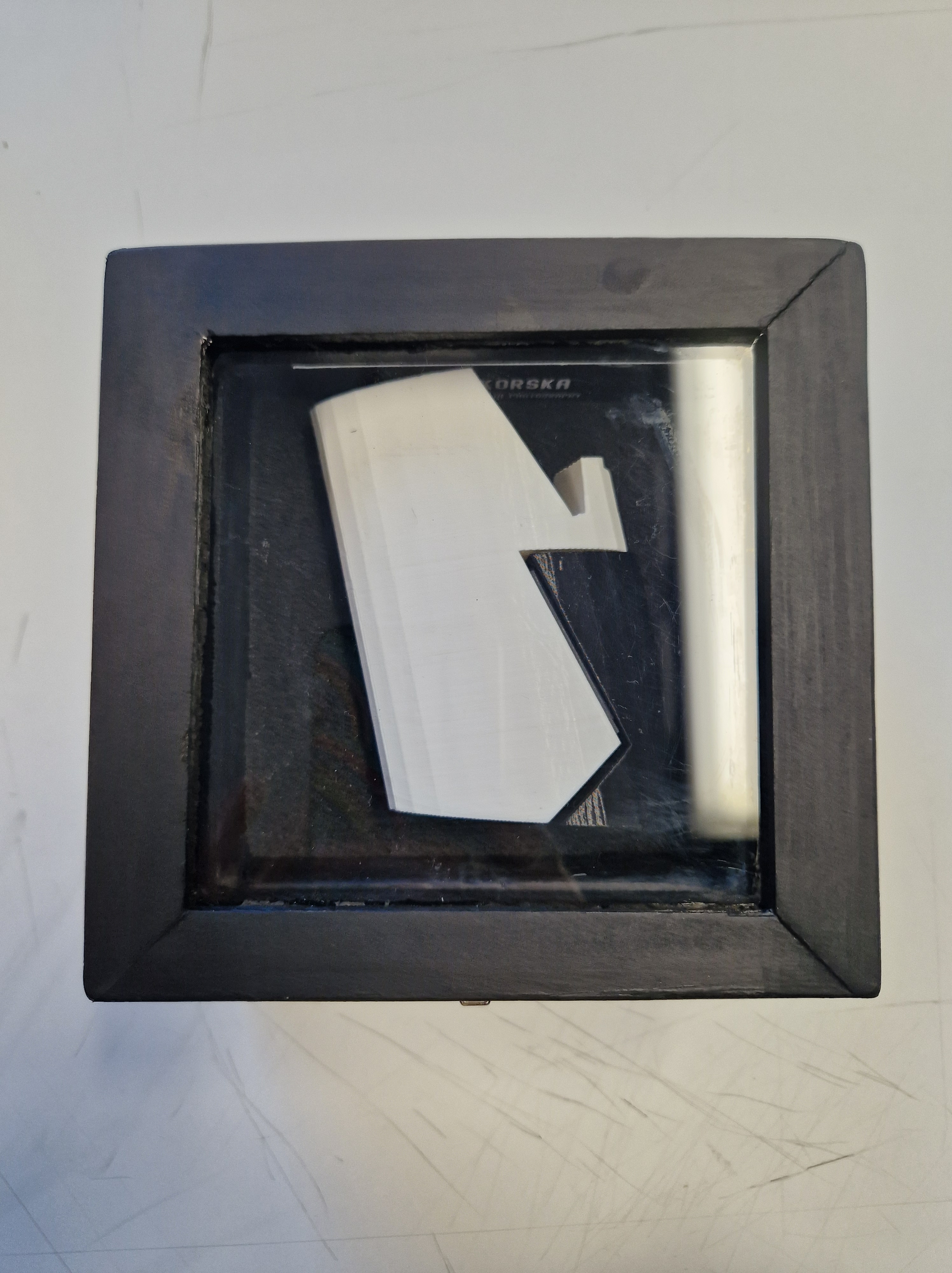
MA SHOW
In the second week of January, I attended a Private View of MA show.
It was very stimulating to see people’s work – sculptures and paintings, which were very original and skilful – I was very impressed. It was nice to see some friends and make new ones as well, an amazing opportunity to mingle with fellow artists.
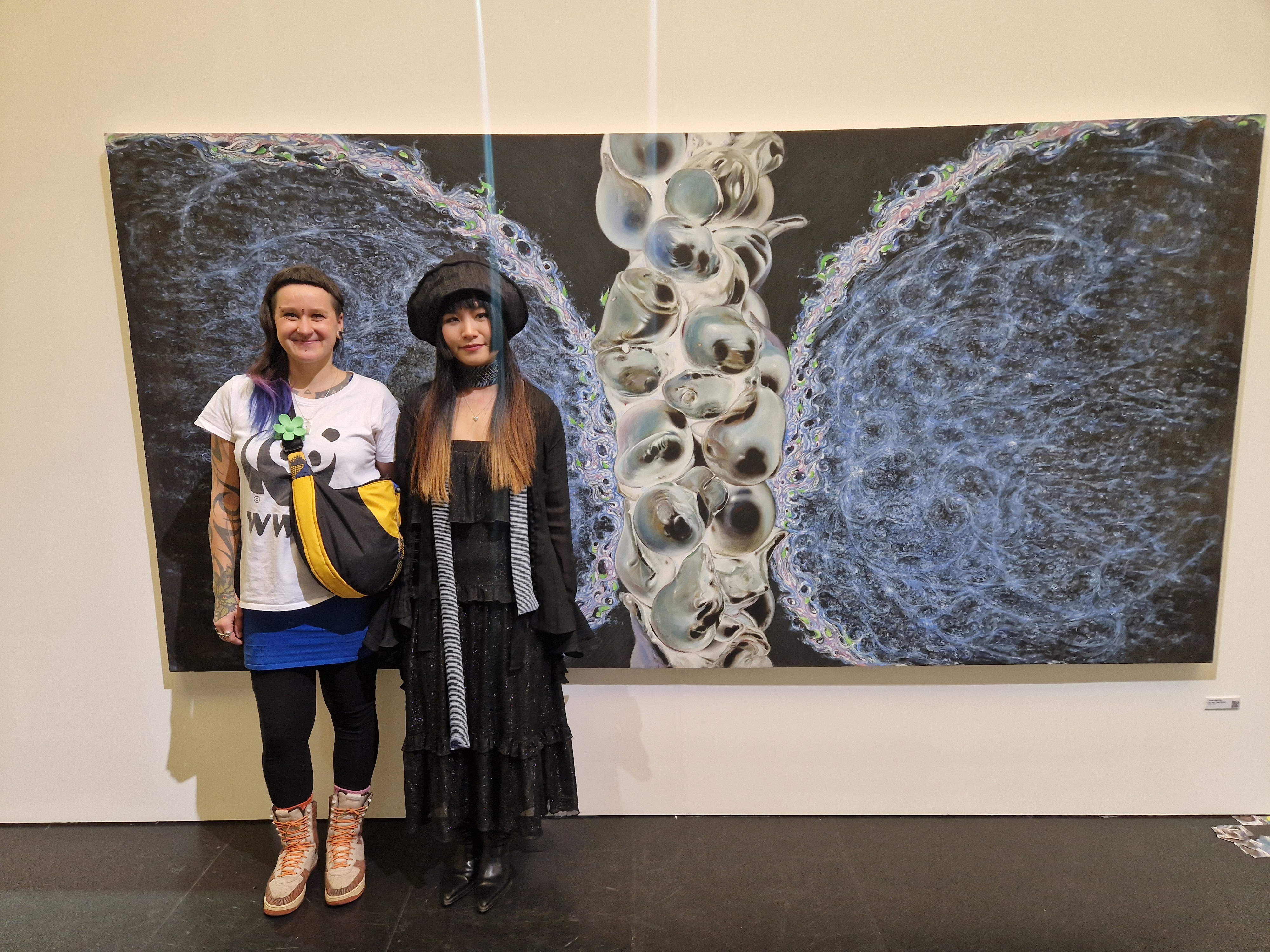

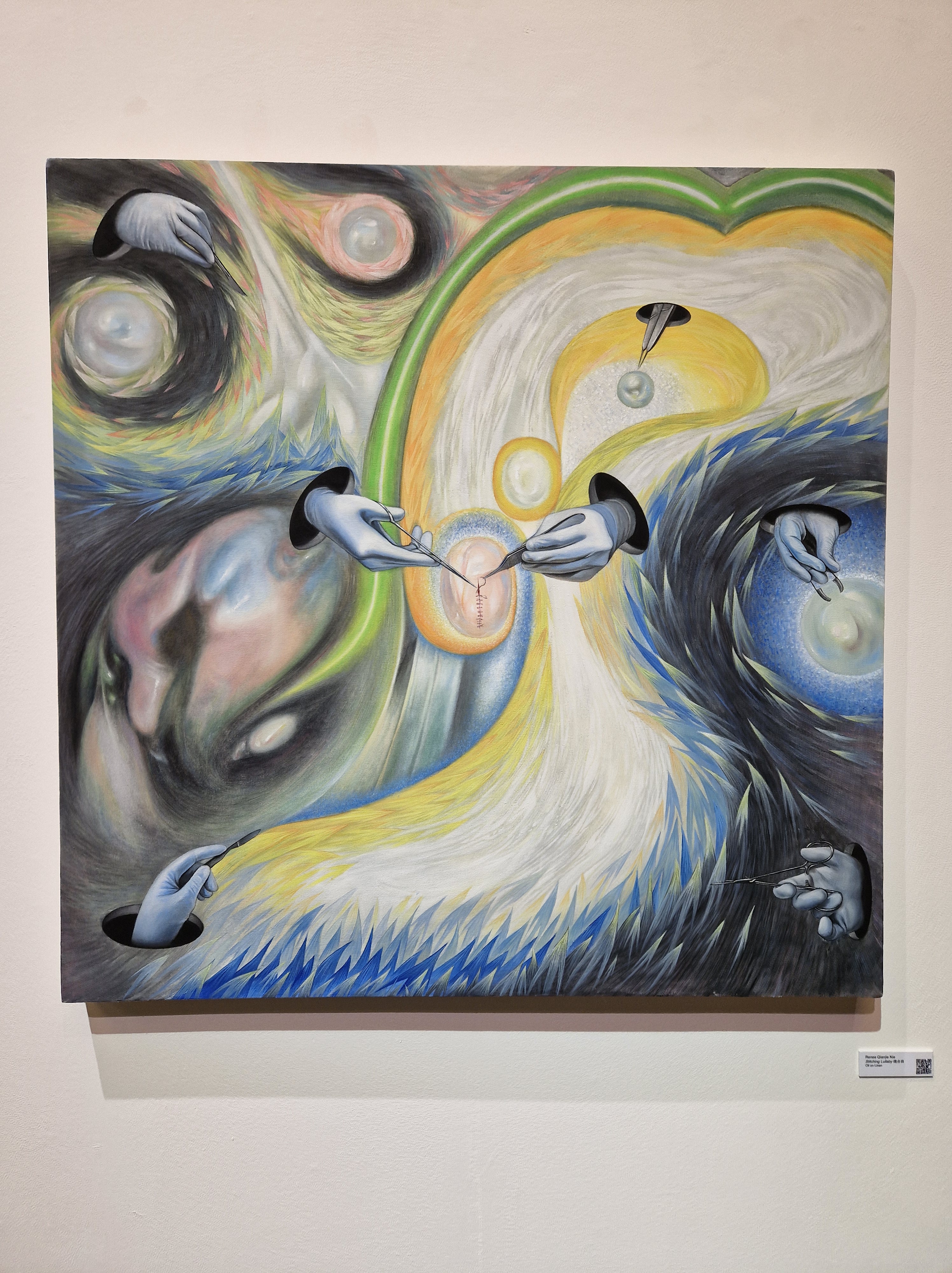
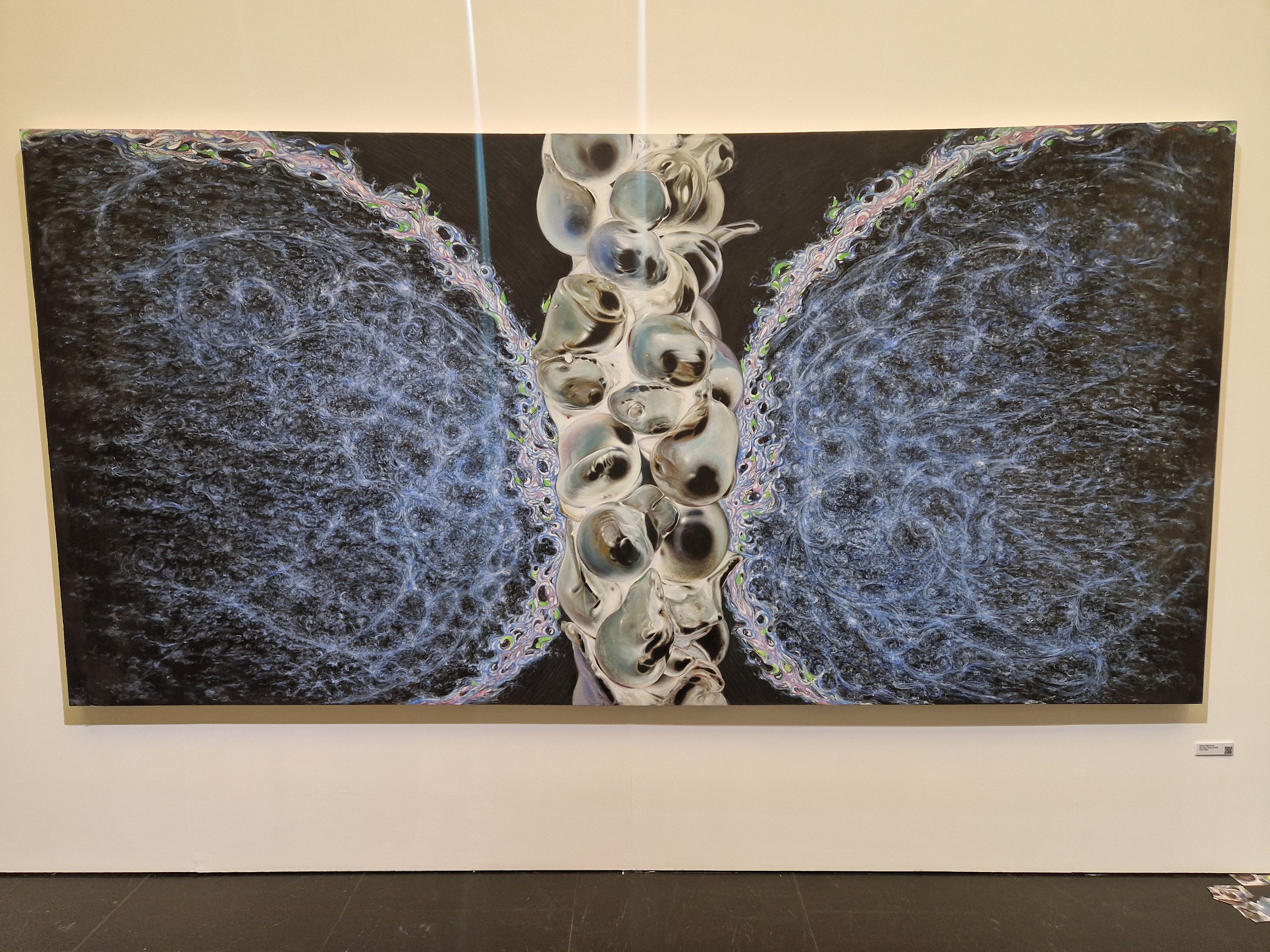
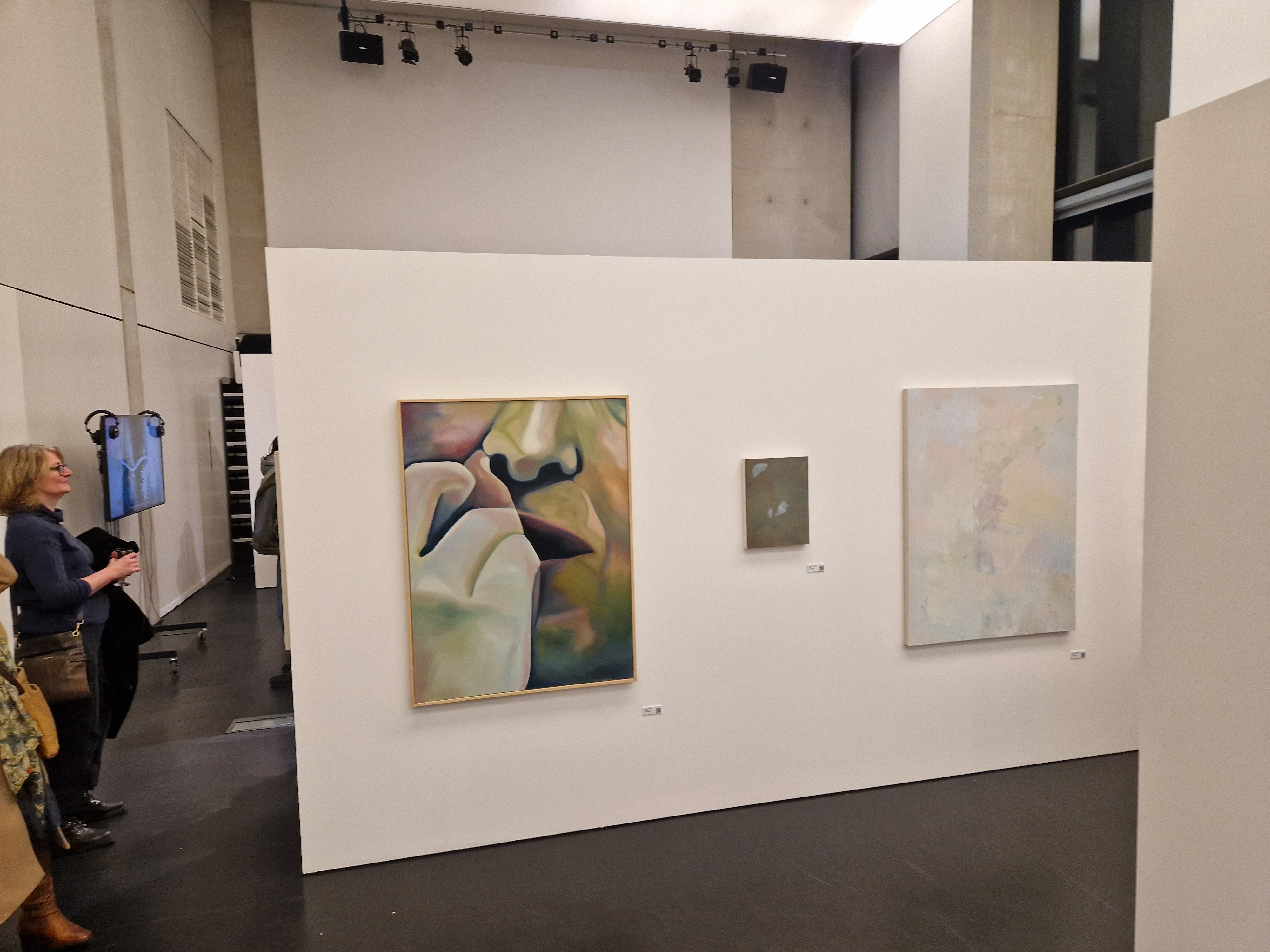
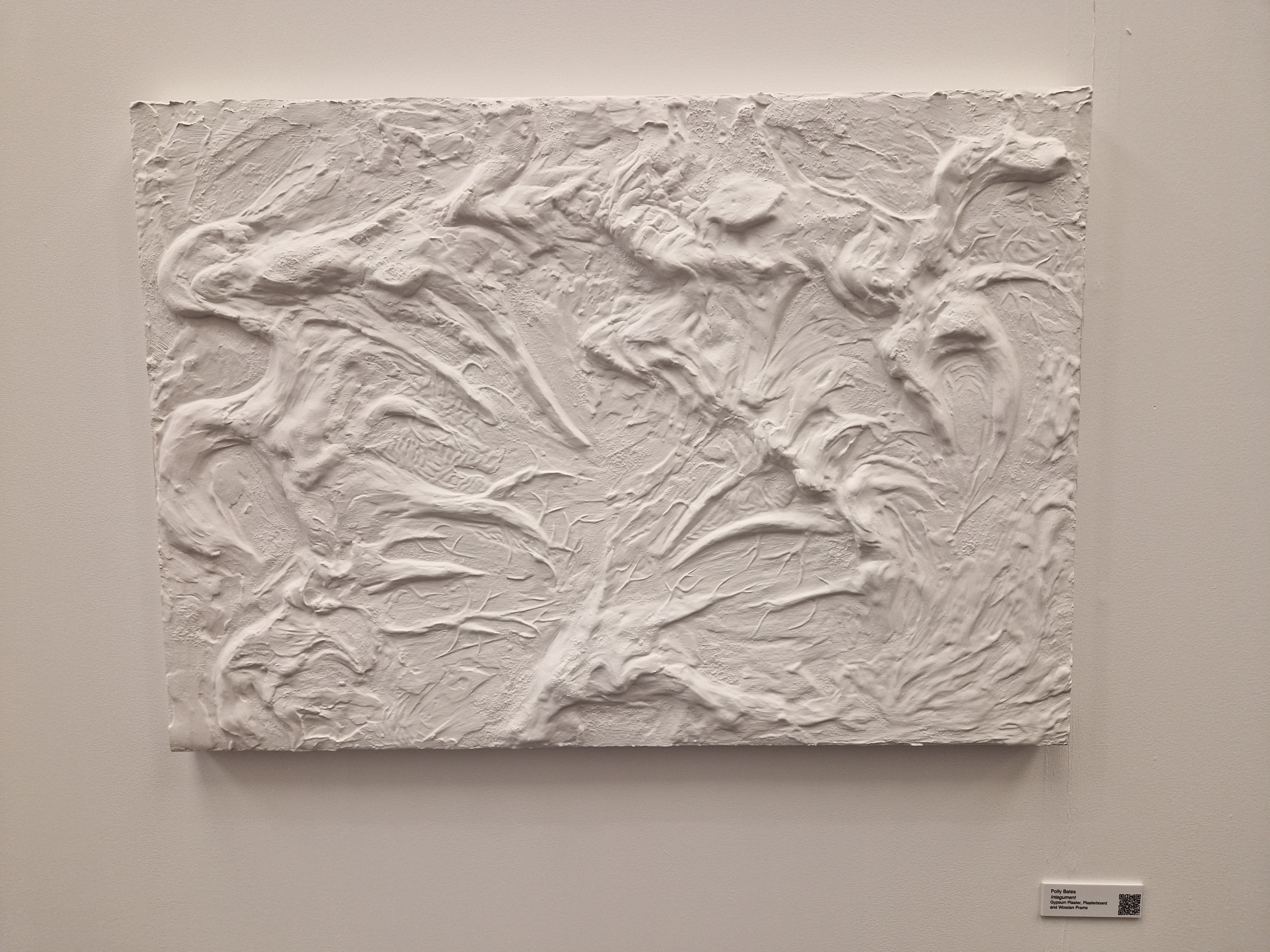
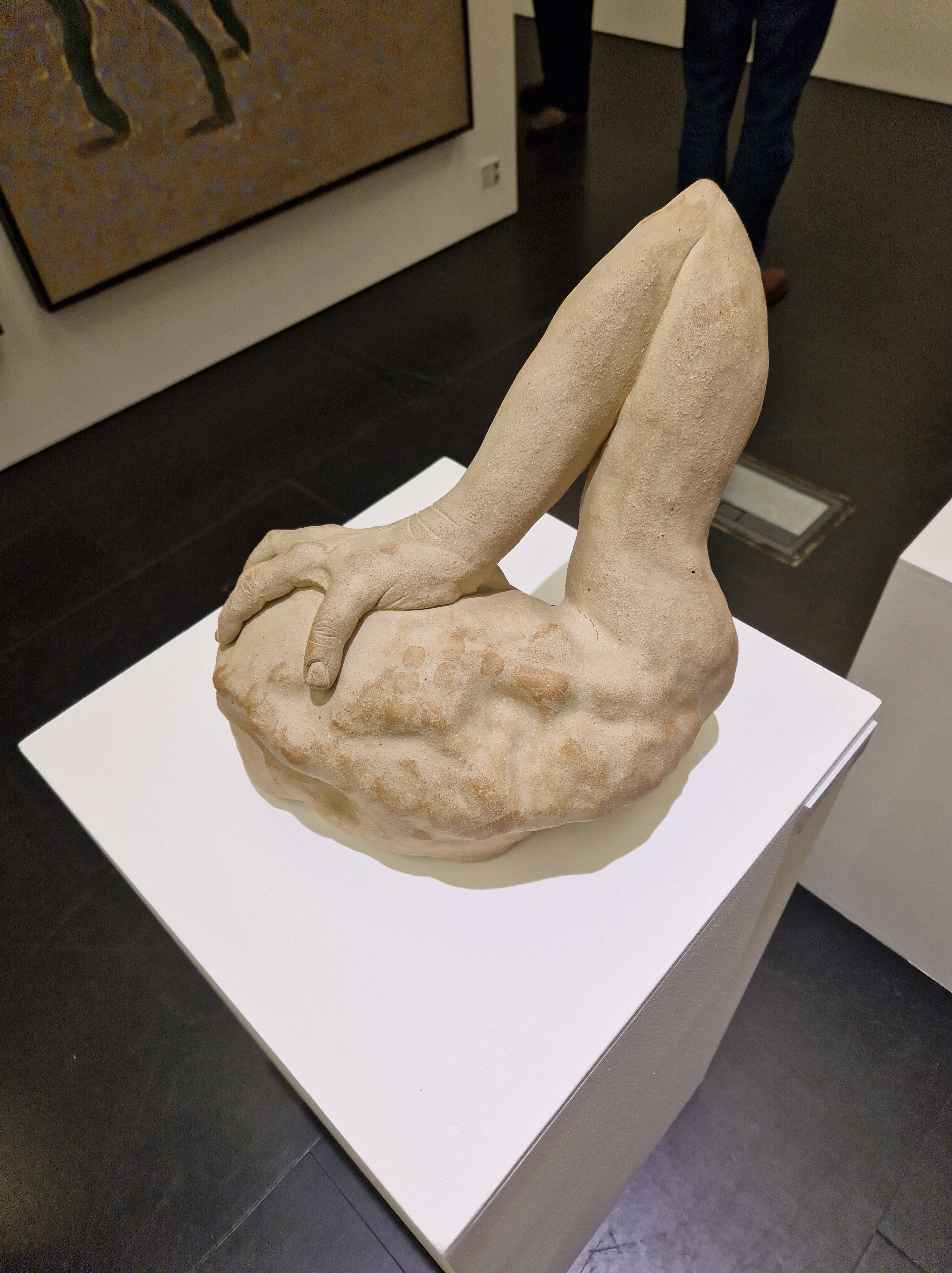
WEEK 11: 04/12-10/12
This week, I focused on my Collaborative Practice unit, presenting and delivering the work.
UNIT REFLECTION
I thoroughly enjoyed this mostly self-study-based unit.
It gave me confidence about entering the ‘real world’ and directing my practice.
Throughout the summer, I thought about what path I wanted to take in the upcoming year, and I believe that reflecting and clear goal-setting were extremely advantageous for my development and work pace.
I worked systematically developing my three aims – learning a 3D modelling program Maya and using it to create a 3D printed model from my photograph, putting on a collaborative exhibition and becoming more fluent in the studio and with a large format camera. The system I put in place made my experience of this unit mostly stress-free, very satisfying and beneficial, and I intend to continue to work this way.
For my research and personal development, I relied on books, websites, numerous exhibitions I attended, and various workshops at Castlefield Gallery, for which I was awarded free membership upon applying. Even though they weren’t always directly connected to my practice, I attended as many as I could as I believe that it is important to always try new things to expand horizons and get inspiration.
I always benefit from tutorials, as I did in this unit, and I plan to attend more in the second semester.
I wanted to attend more lectures at Village Green, but sadly, due to travelling from Derbyshire, where I live, I was not always able to, relying on public transport. I wish we had more talks from artists from more abstract backgrounds, as this is my zone of interest, and I don’t find the many social-related lectures applicable to me. I would like to point out that I had continuous problems with Moodle after my year abroad, my timetable being wrong, and my attendance not registering when I scanned on arrival to activities, so even though I showed up to most things, my attendance might show otherwise.
Overall, I had a great time cultivating my creative practice with the freedom we were given, and I will continue the work I started on the laid foundations with pleasure and excitement.
REFERENCES
Aperture Panel: Abstraction in Photography, Hammer MuseumUCLA. UCLA. [Online video] Available through YouTube [Accessed on 01/10/23] https://youtu.be/qDYBJV4ylzw?si=Ac7d8tgKgB4uDPYB
Art UK. Soft Sculpture.[Online] [Accessed on 16/10/23] https://artuk.org/discover/art-terms/soft-sculpture#
Barbican. Postwar Modern. [Online] [Accessed on 03/10/23] https://www.barbican.org.uk/whats-on/2022/event/postwar-modern-new-art-in-britain-1945-1965
Copperfield Gallery. Darren Harvey-Regan. [Online] [Accessed on 03/12/23] https://www.copperfieldgallery.com/darren-harvey-regan-erratics.html
Cowan, K. (2020) ‘Photographs of incredible abstract architecture captured in 20 cities around the world’ Creative Boom. [Online] 16 October. [Accessed on 22/10/23] https://www.creativeboom.com/inspiration/photographs-of-incredible-abstract-architecture-captured-in-20-cities-across-the-world/
Dorothea Tanning – Pushing the Boundaries of Surrealism | TateShots. Tate. [Online video] Available through YouTube [Accessed on 15/10/23] https://youtu.be/92LvYigLMLc?si=bnIuHkZTkLWE7JM4
Hilma af Klint & Piet Mondrian: Forms of Life | Tate. Tate. [Online video] Available through YouTube [Accessed on 16/10/23] https://youtu.be/DnoeheEnQi0?si=pnRNOZOFPfKz_oOd
Photo pedagogy. Abstract Forms. [Online] [Accessed on 16/09/23] https://www.photopedagogy.com/abstract-forms.html
Postwar Modern: New Art in Britain 1945–1965. Barbican Centre. [Online video] Available through YouTube [Accessed on 26/06/23] https://youtu.be/R6w3iXHKK3A?si=IJN1nFISBmVC3SNV
Slatter, R. ‘An Abstract PhotographicSeries Highlighting TheUbiquity Of Concrete InModern Life.’ Ignanat. [Online] [Accessed on 22/10/23] https://www.ignant.com/2019/04/26/an-abstract-photographic-series-highlighting-the-ubiquity-of-concrete-in-modern-life/
Tate. Learn about 100 years of Dorothea Tanning. [Online] [Accessed on 22/10/23] https://www.tate.org.uk/art/artists/dorothea-tanning-2024/learn-about-100-years-dorothea-tanning
Tate. Hilma AF Klint & Piet Mondrian Forms of Life. [Online] [Accessed on 16/10/23] https://www.tate.org.uk/whats-on/tate-modern/hilma-af-klint-piet-mondrian
Tate. Yayoi Kusama: Infinity Mirror Rooms. [Online] [Accessed on 16/09/23] https://www.tate.org.uk/whats-on/tate-modern/yayoi-kusama-infinity-mirror-rooms
The Tragic Death Of The World’s First Human Cyborg. Grunge. [Online video] Available through YouTube [Accessed on 20/10/23] https://youtu.be/81H7gZjwNJg?si=g50WA0wLfefRhyG-
Why you need a Fresnel for Portrait Photography. John Gress. [Online video] Available through YouTube [Accessed on 15/10/23] https://youtu.be/d8OUFJZ-CIo?si=O8zHEfrHDvKeam1X
White Cube. Gabriel Orozco. [Online] [Accessed on 01/12/23] https://www.whitecube.com/artists/gabriel-orozco
Wikipedia. Museo del Prado. [Online] [Accessed on 01/10/23] https://en.wikipedia.org/wiki/Museo_del_Prado
Wikipedia. Soft sculpture. [Online] [Accessed on 16/10/23] https://en.wikipedia.org/wiki/Soft_sculpture
 Ela Skorska