RESEARCH
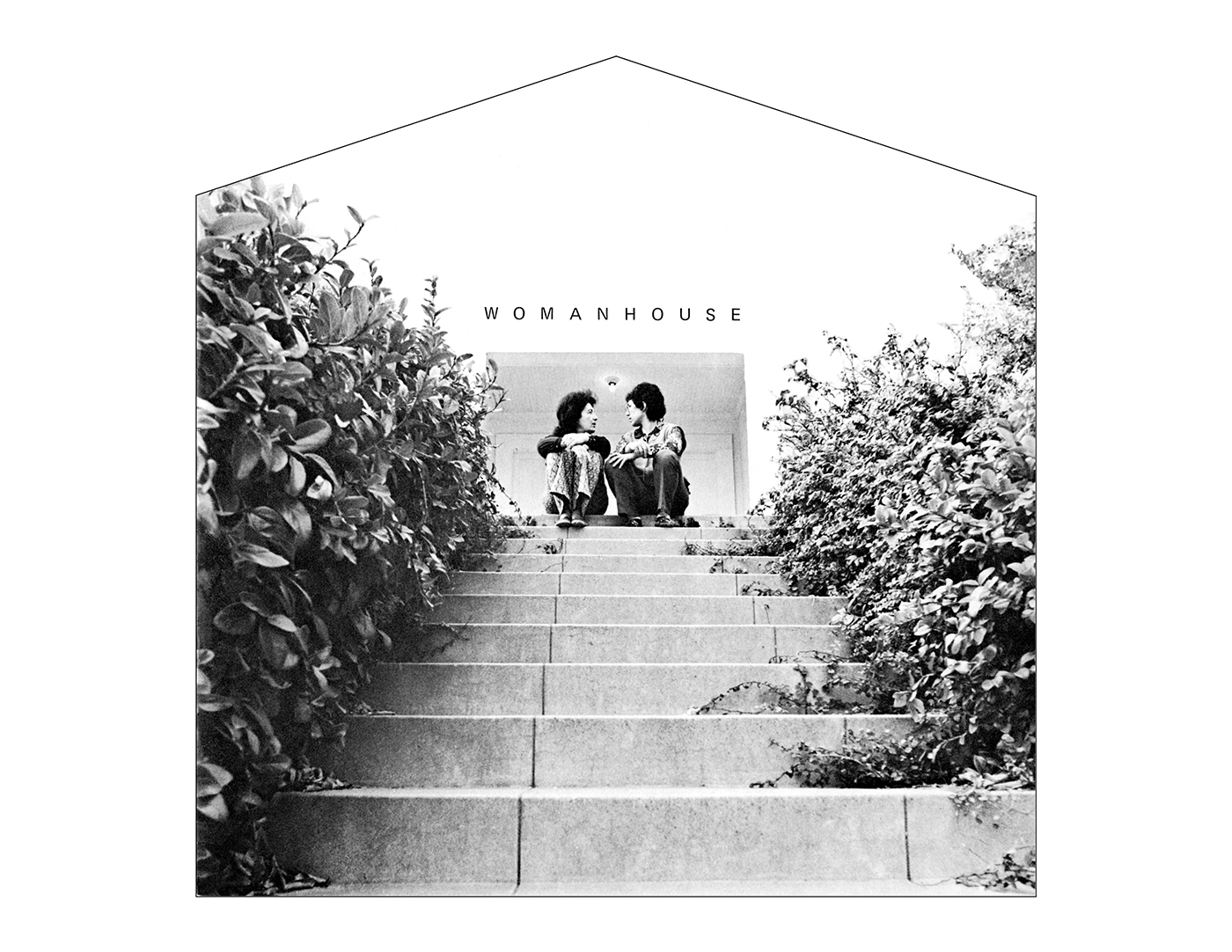
Womanhouse (1972)
Womanhouse opened in Los Angeles as part of the first Feminist Art Program, originally established by Judy Chicago at California State University, Fresno, and later expanded at CalArts. Chicago with her co-educator, artist Miriam Schapiro, worked with a group of students and local artists to transform a dilapidated house in Los Angeles into a setting for a series of imaginative installations. During its month-long exhibition, over ten thousand visitors came to see Womanhouse, which later captured a global audience through filmmaker Johanna Demetrakas’ documentary on the project. The installation has gone on to inspire numerous works of art around the world and has contributed to significant changes in the very nature of art and expanded the conversations around which materials are considered suitable for artistic expression.



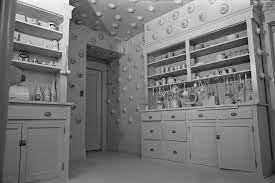
Womanhouse
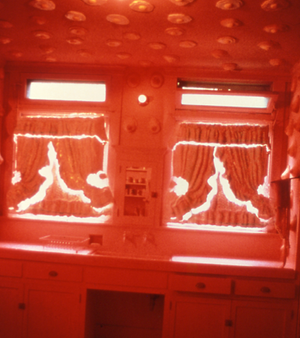
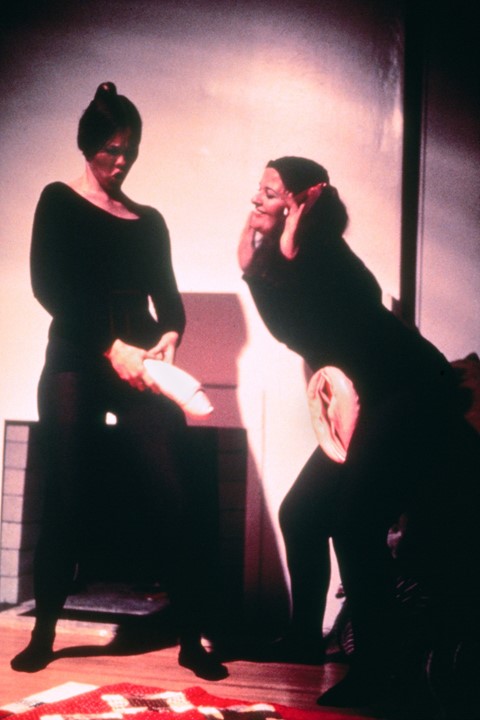
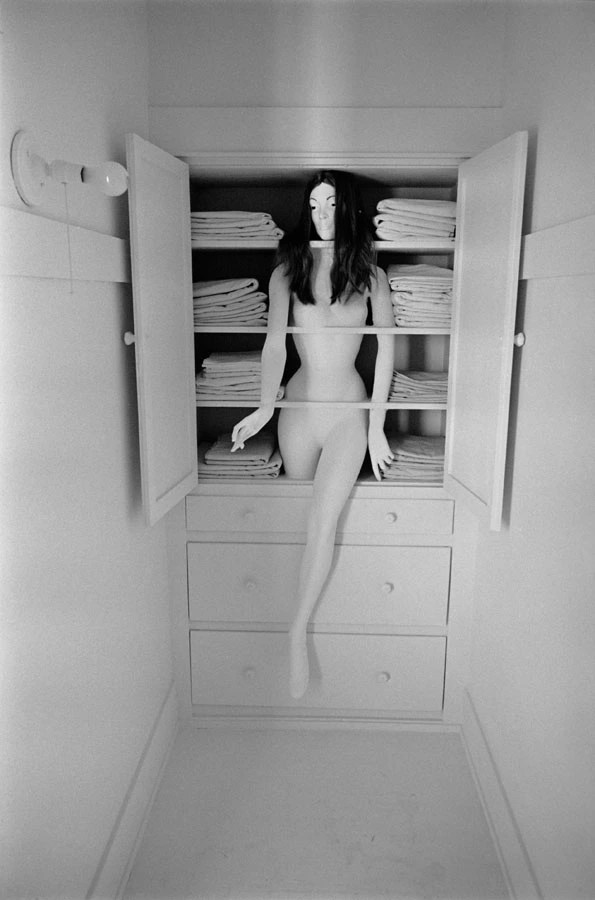
One of the most pwerful pieces and series of performances, and i can see how rightly so it was groundbreaking and shift-changing for the ’70. I think it would be now and of course, even more so then. Ranging from amusing and funny, to shocking , saddening, deep, reflecitng and perhaps even depressing, this piece exposes different aspects of everyday life, experience of fears, abuse and inequality of women.
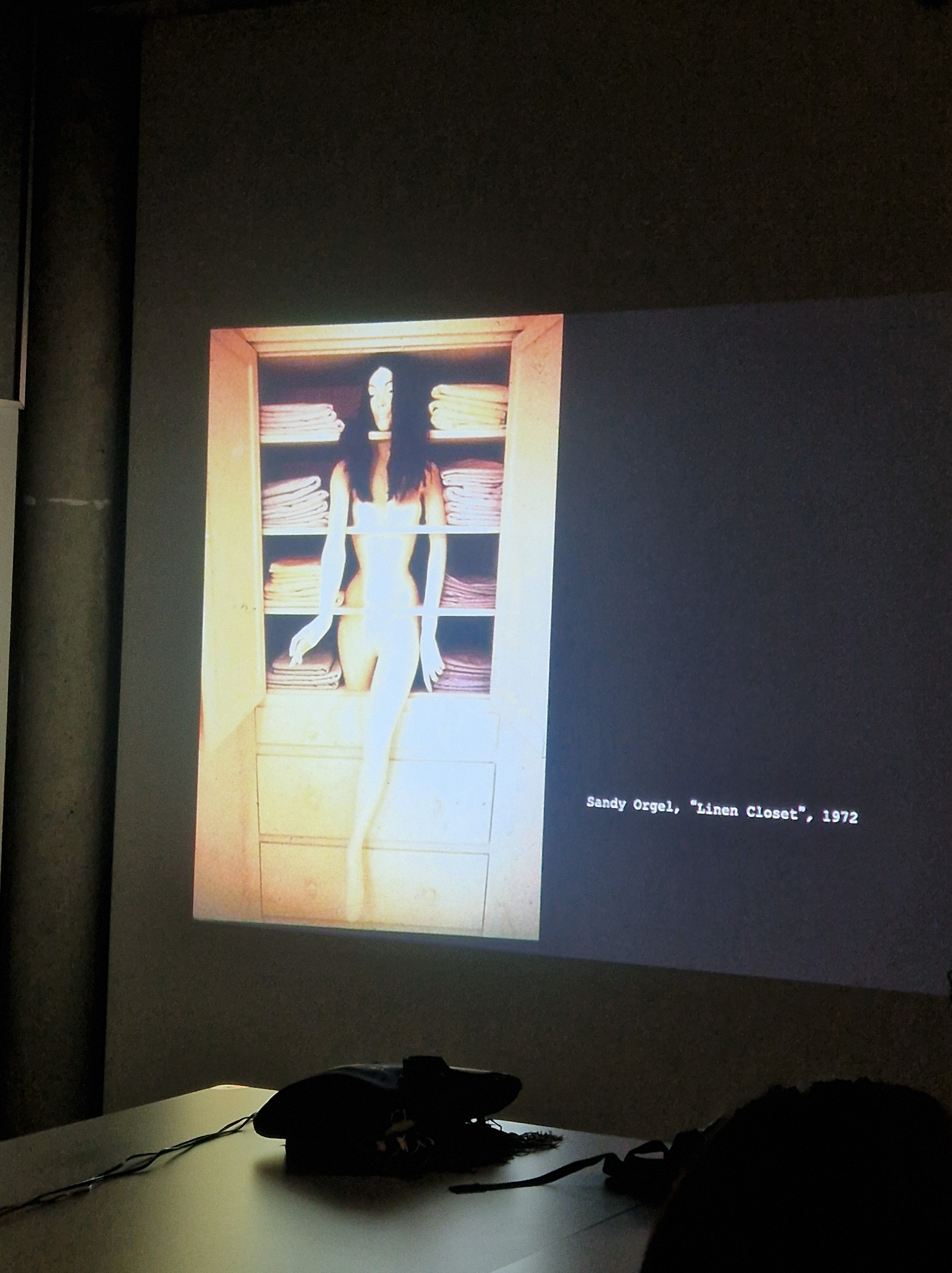
SANDY ORGERL – Womanhouse: Linen Closet, mixed media, 1972.
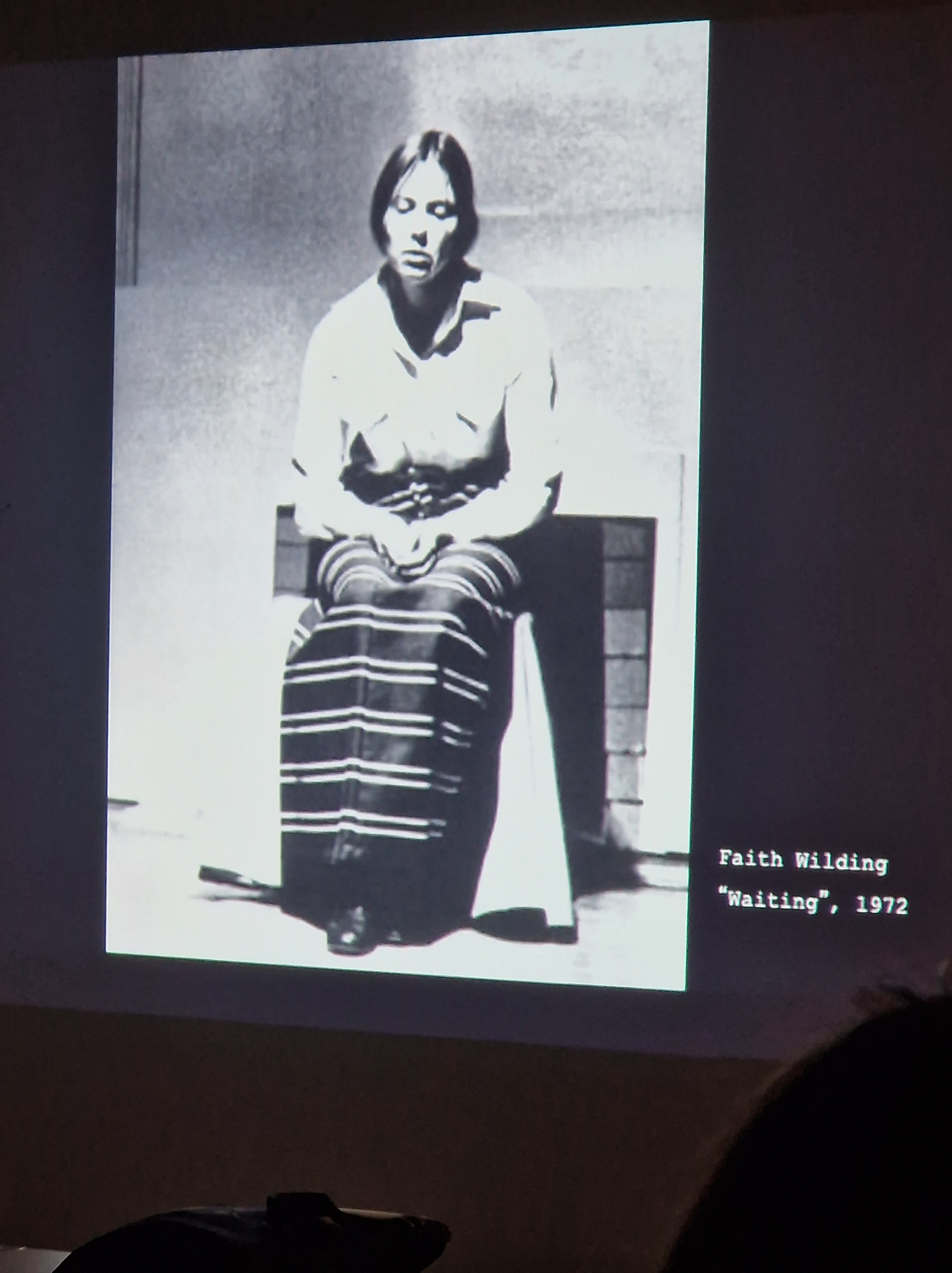
FAITH WILDING – Waiting (1972)
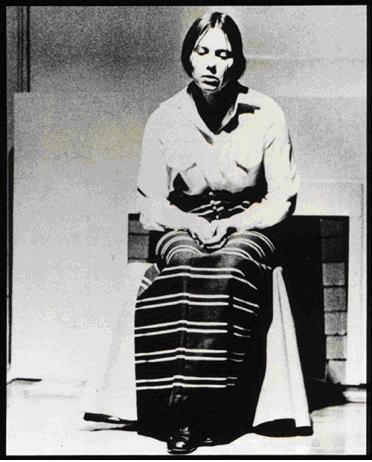
Womanhouse extract Faith Wilding, Waiting
A 15-minute monolog, scripted and performed by Faith Wilding in the Performance program at Womanhouse, “Waiting” condenses a woman’s entire life into a monotonous, repetitive cycle of waiting for life to begin while she is serving and maintaining the lives of others. The full text was published by Ms. Magazine in 1972, and in the Appendix of “Through the Flower” by Judy Chicago.
This is definitley my favourite performance from Womanhouse. It’ s so powerful and painfully tru to the core, that it makes you wonder about the meaning and pointlessness of life. Is this it? Are we just going through life waiting? Nothing else, nothing more….?
Judy Chicago on “Womanhouse”
Judy Chicago shares her memories of Womanhouse, a groundbreaking feminist art installation from 1972. Organized by Chicago and Miriam Shapiro, in association with the Feminist Art Program at California Institute of the Arts, Womanhouse featured the work of twenty three women and explored issues related to feminine ideas of domesticity. Filmed in Washington D.C. in April, 2017. This video is part of the Judy Chicago Visual Archive at the The Betty Boyd Dettre Library & Research Center at the National Museum of Women in the Arts.
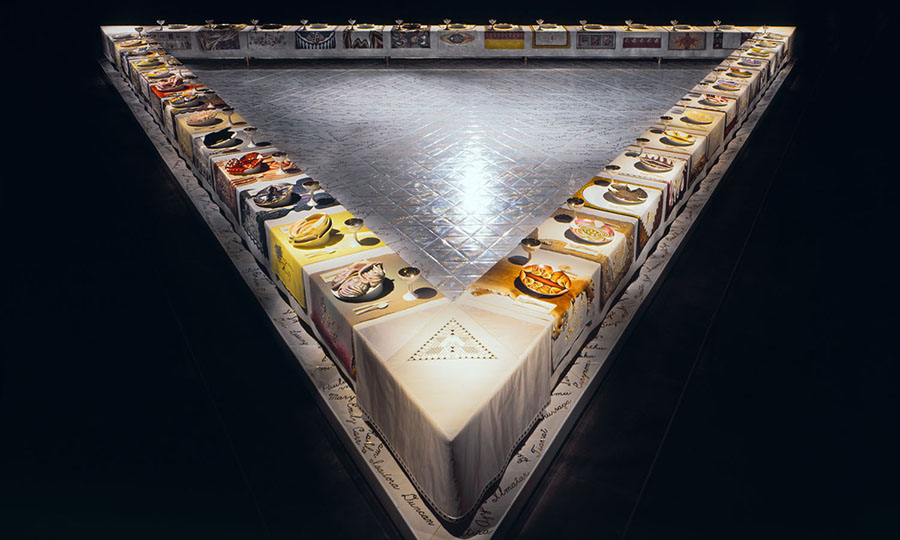
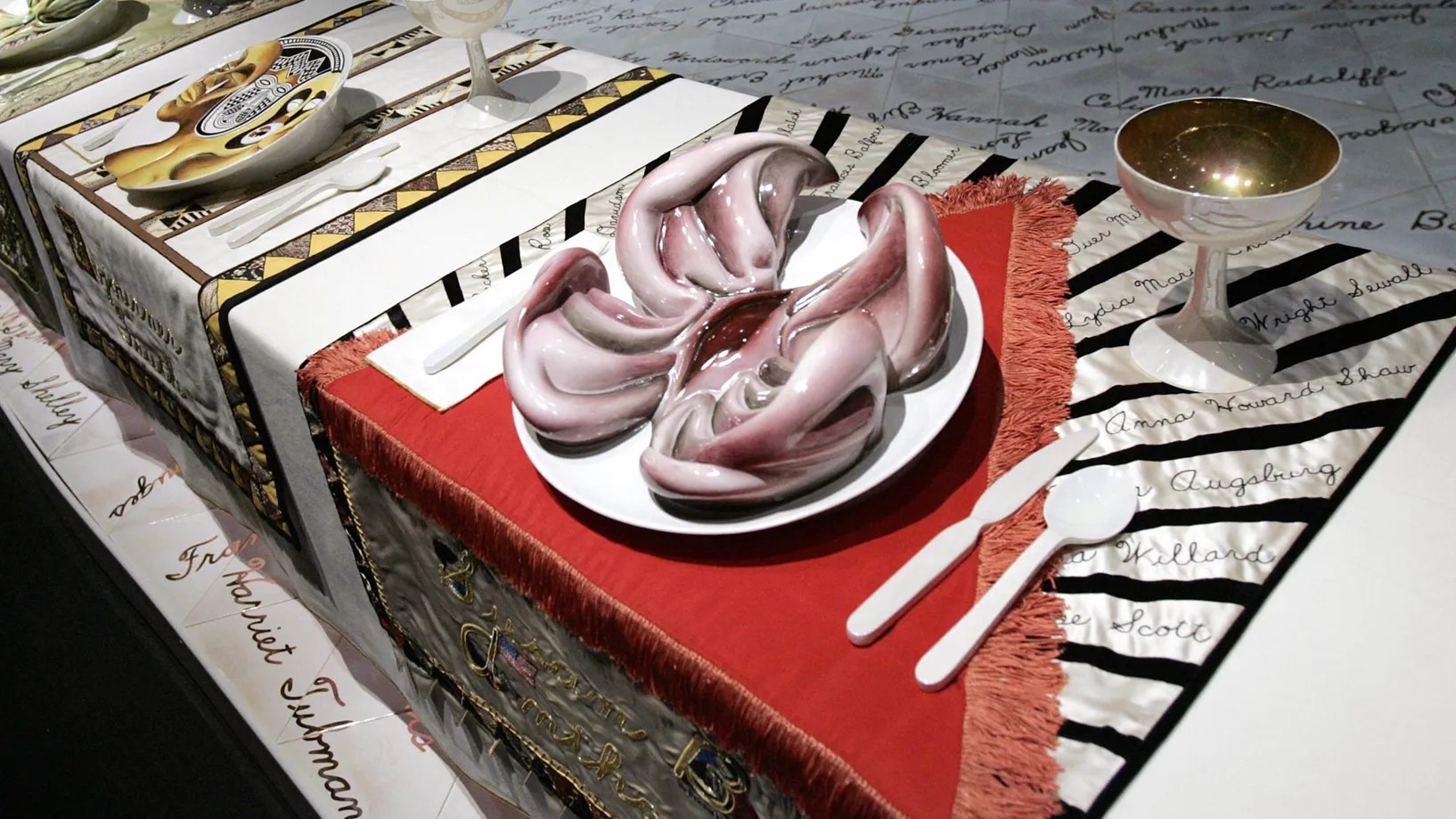
The Dinner Party by Judy Chicago
The Dinner Party, an important icon of 1970s feminist art and a milestone in twentieth-century art, is presented as the centerpiece around which the Elizabeth A. Sackler Center for Feminist Art is organized. The Dinner Party comprises a massive ceremonial banquet, arranged on a triangular table with a total of thirty-nine place settings, each commemorating an important woman from history. The settings consist of embroidered runners, gold chalices and utensils, and china-painted porcelain plates with raised central motifs that are based on vulvar and butterfly forms and rendered in styles appropriate to the individual women being honored. The names of another 999 women are inscribed in gold on the white tile floor below the triangular table. This permanent installation is enhanced by rotating Herstory Gallery exhibitions relating to the 1,038 women honored at the table.

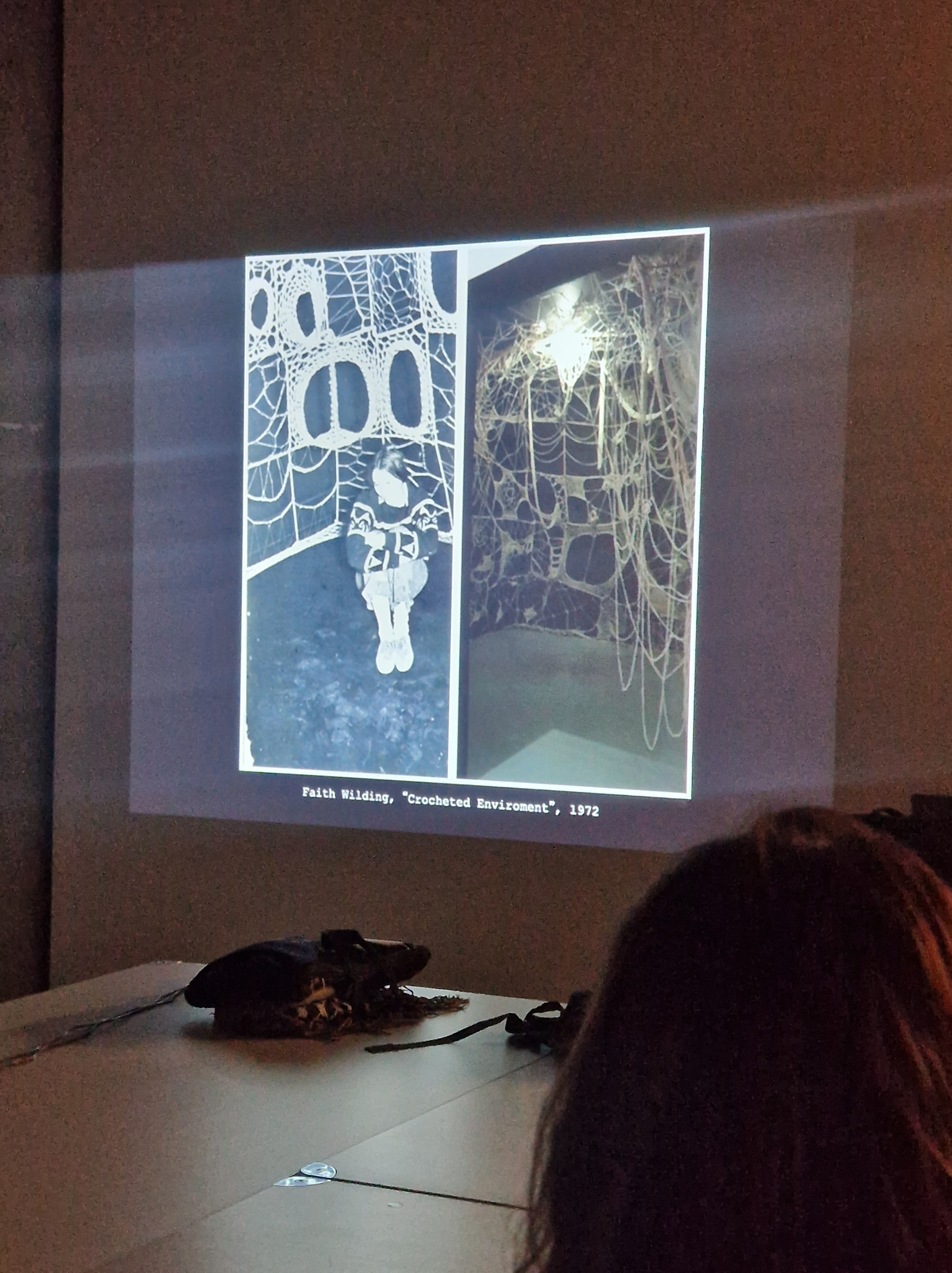
FAITH WILDING – Crocheted Environment (1972)
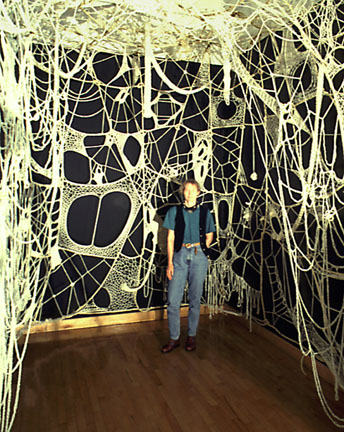
An Interesting article on Womanhouse : https://www.widewalls.ch/magazine/feminist-artists-giant
Susanne Lacy – Three Weeks in May (1977)
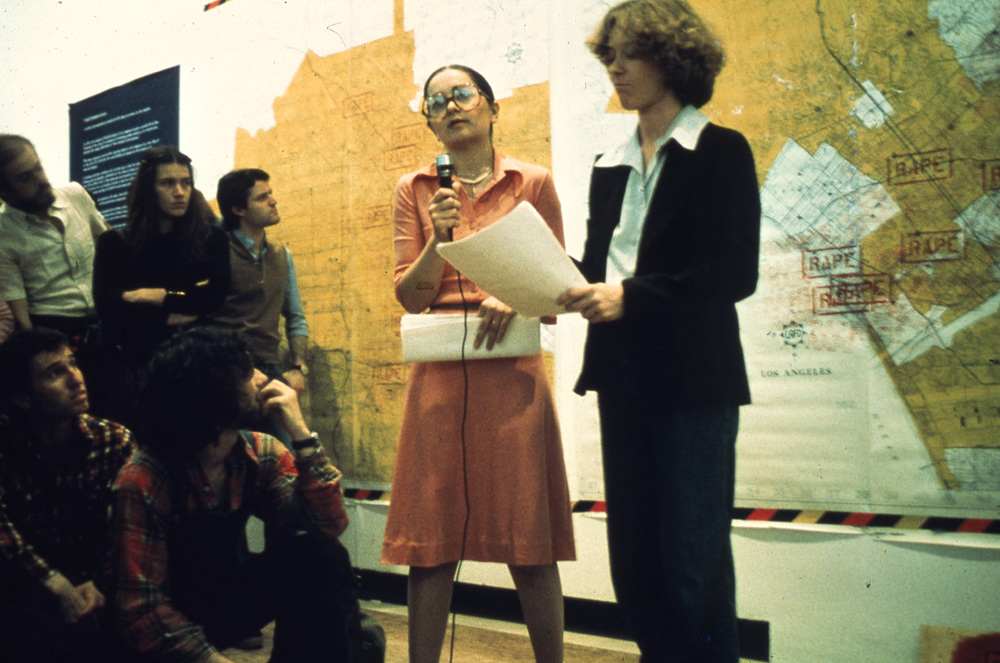
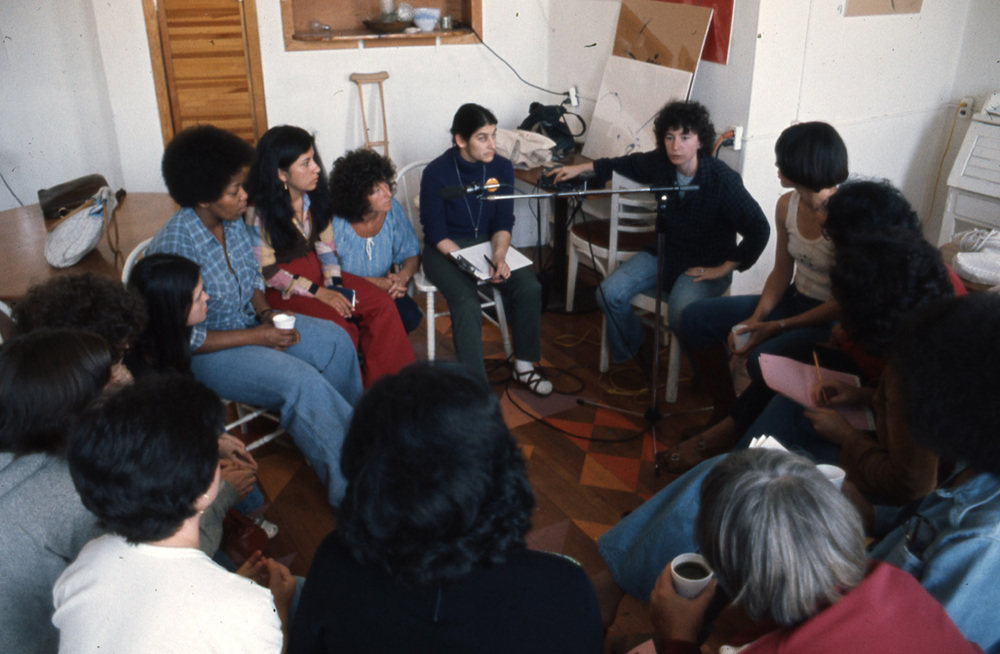
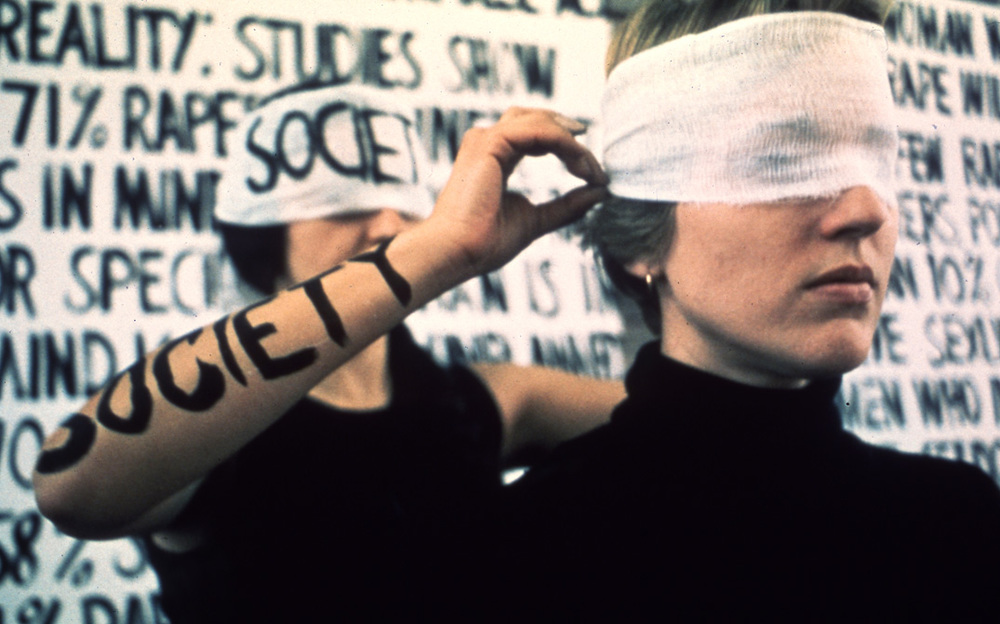
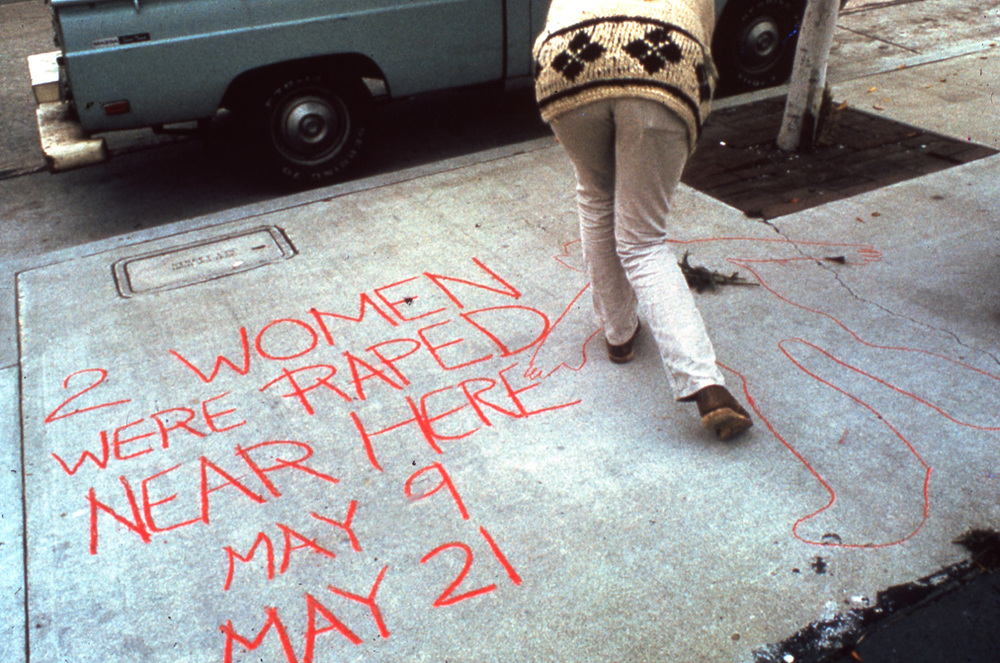
Three Weeks in May by: Suzanne Lacy (1977)
Documentation of Suzanne Lacy’s performance piece; Three Weeks in May, which has a forceful political imperative to bring hidden experiences of gender-based sexual violence to public attention. Suzanne Lacy will be installing “Lacy’s Los Angeles Rape Map” with a daily marking of LAPD rape reports at Los Angeles Contemporary exhibitions(LACE), in Los Angeles, California on January 27th, 2012.
Three Weeks in May exposed the extent of re- ported rapes in Los Angeles during a three-week performance in May, 1977. This was the first of a series of large-scale performances by Lacy on violence against women and is considered a signature piece, defining strategies and processes for the series of works subsequently authored by Lacy (alone), Leslie Labowitz (alone), and the two artists working together as Ariadne: A Social Art Network.
Suzzanne Lacy and Leslie Labowitz – In Mourning and In Rage (1977)
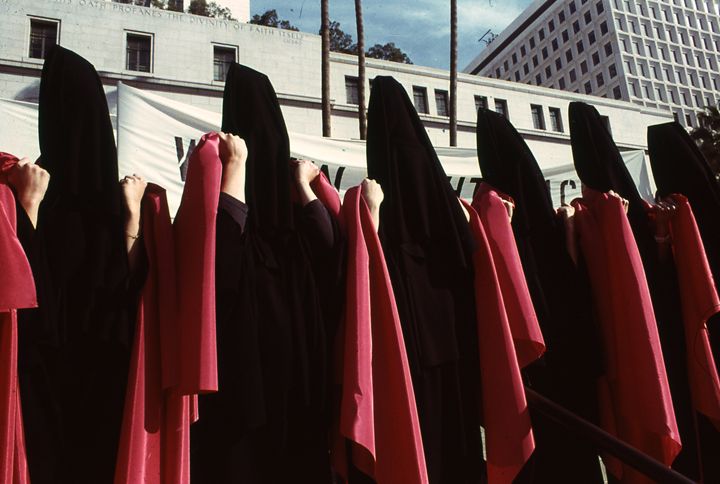
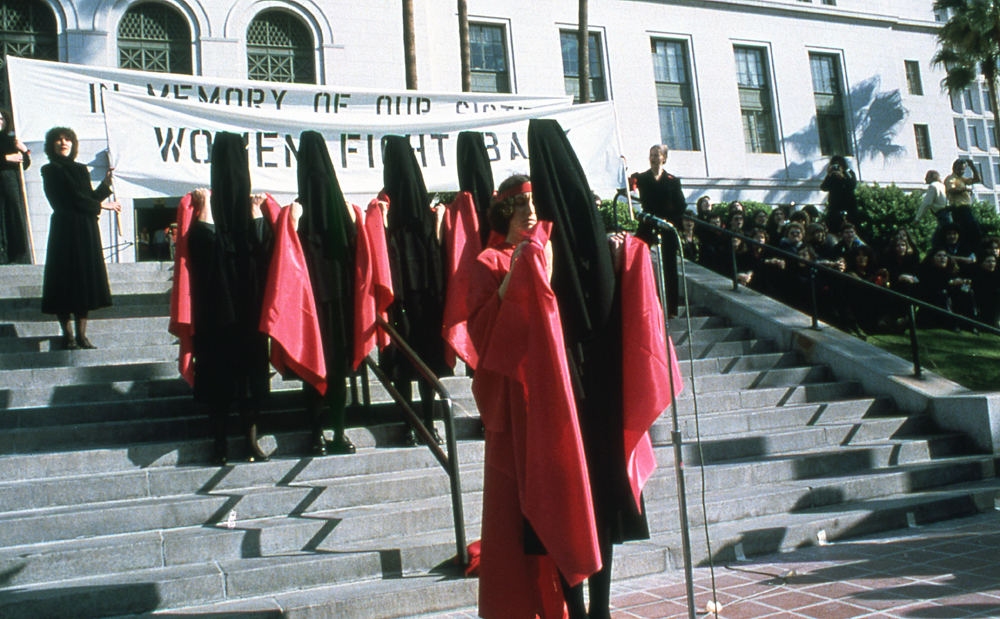
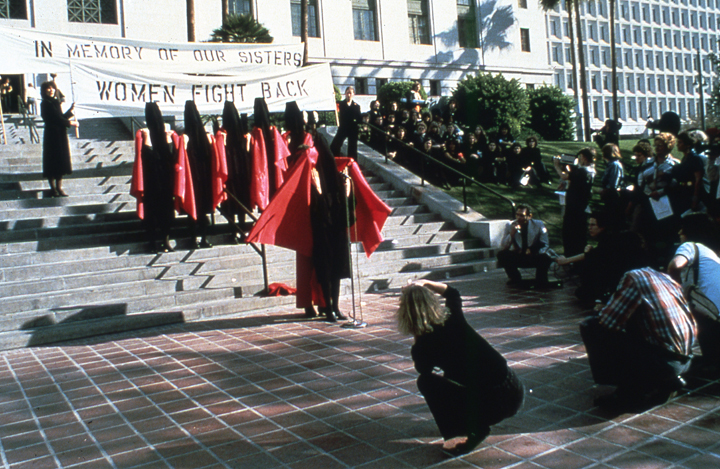

In December 1977, Los Angeles waited in suspense as each new victim of the “Hillside Strangler” was broadcast on the evening news and in print publications. Soon there were ten women, strangled and dumped on the sides of hillsides, a disposal that characterized each crime, hence named by the news outlets “Hillside Strangler.” Media sensationalized these victims’ lives, contributing to a climate of fear and superstition. In spite of a growing body of literature on the politics of crimes against women, stories focused instead on the randomness and inevitability of the violence, the life circumstances of the women victims, and the personality characteristics of the anonymous murderer. In Mourning and In Rage was a media performance offering an alternative interpretation of the case that included a feminist analysis of violence. Participants from the Woman’s Building, the Rape Hotline Alliance, and the City Council joined with the feminist community and families of the victims in creating a public ritual of rage as well as grief.
A motorcade of sixty women followed a hearse to City Hall, where news media reporters waited. Ten very tall women robed in black like 19th century mourners climbed from the hearse. At the front steps of City Hall, the performers each announced a different form of violence against women, connecting these as part of a fabric of social consent. After each of the ten performers spoke, the women from the motorcade, now surrounding the City Hall steps and forming a Greek chorus, yelled “In memory of our sisters, we fight back!” The tenth woman, clothed in red, stepped forward to represent the capacity for self-defense. City Council members voiced support to the press and the Rape Hotline Alliance pledged to start self-defense classes. Singer-songwriter Holly Near created “Fight Back” the night before and sang it a cappella in the City Plaza. The performance reached its target with extensive coverage on local and statewide news.
Participating artists include Bia Lowe and women from the Woman’s Building. Photographs by Maria Karras.
This project was part of the Ariadne series of works. Los Angeles, California.
In Mourning and Rage
Suzanne Lacy, Leslie Labowitz, Bia Lowe (Los Angeles, 1977)
In December 1977, Los Angeles waited in suspense as each new victim of the “Hillside Strangler” was broadcast on the evening’s news. Soon there were ten women, strangled and dumped on the sides of roads. Media sensationalized these victims’ lives, contributing to a climate of fear and superstition. In spite of a growing body of literature on the politics of crimes against women, stories focused instead on the randomness of the violence.
CONCEPTING IDEA
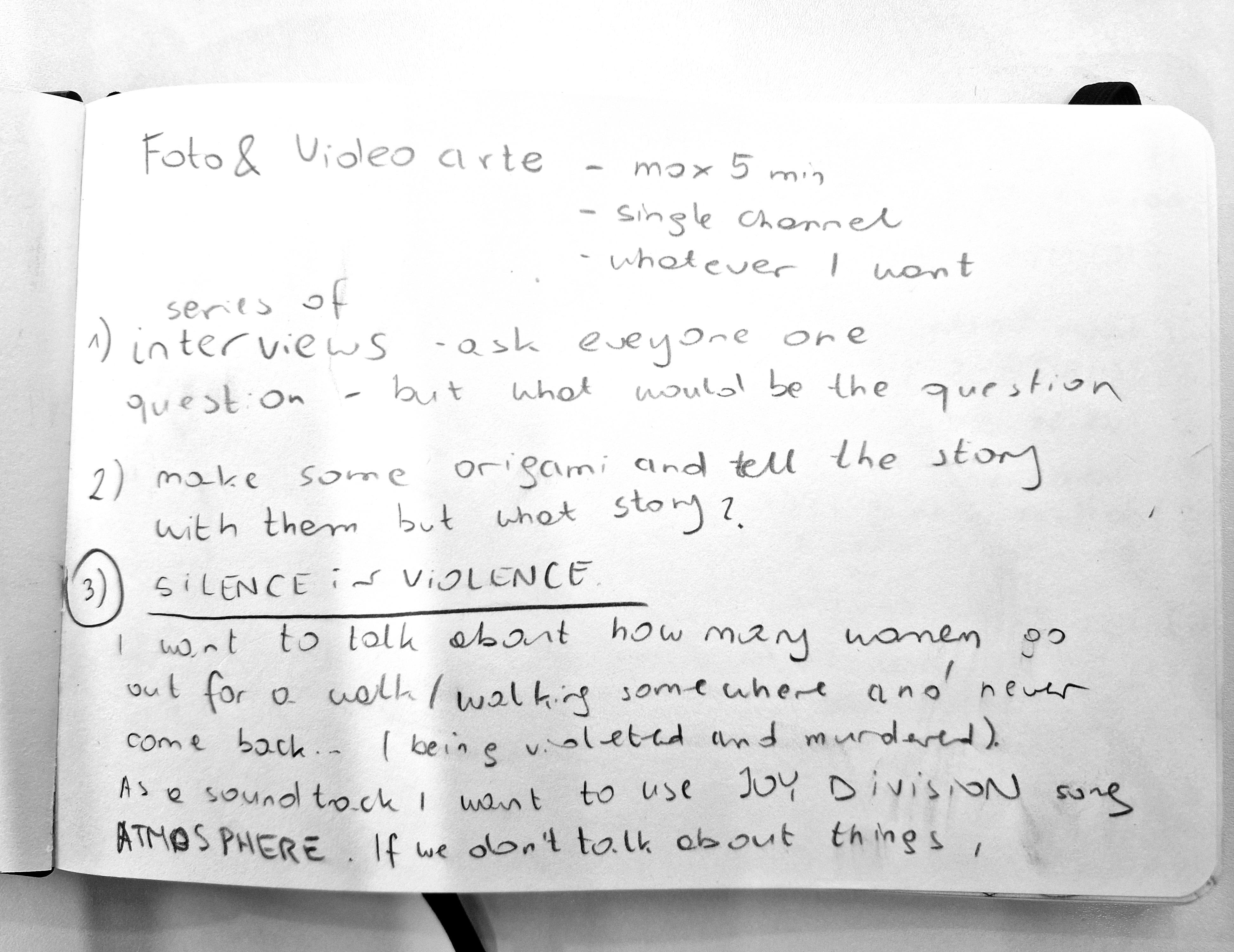
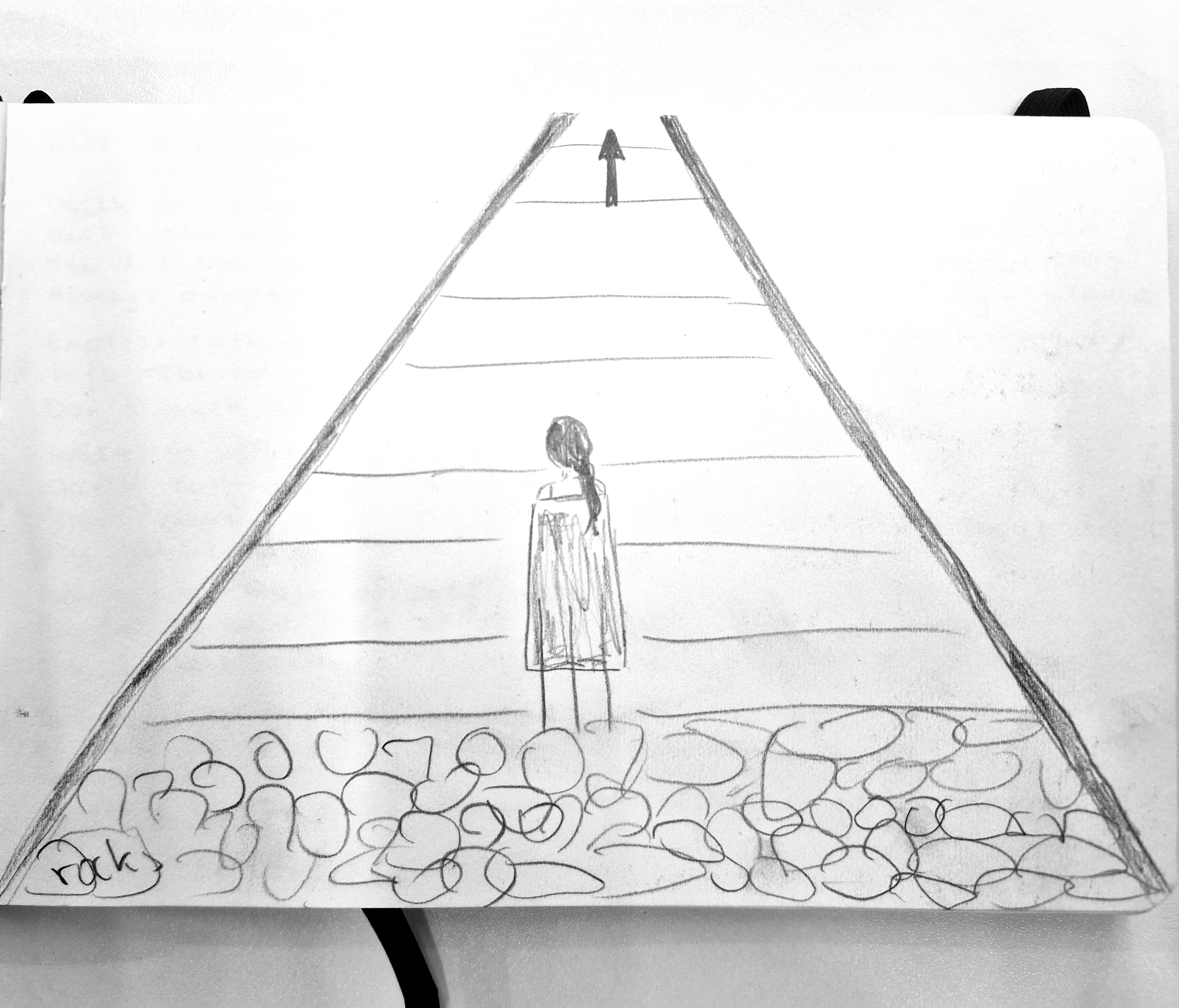
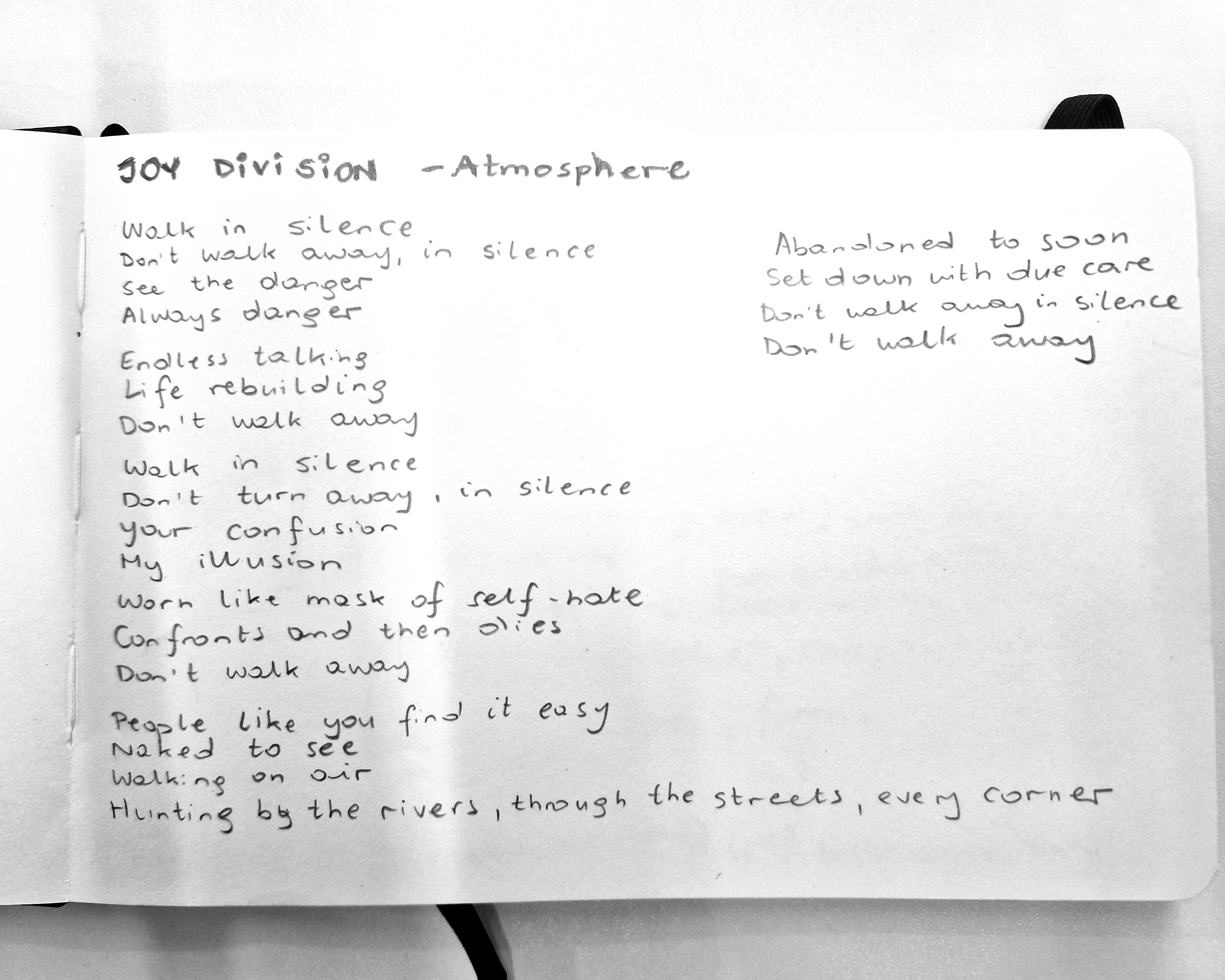
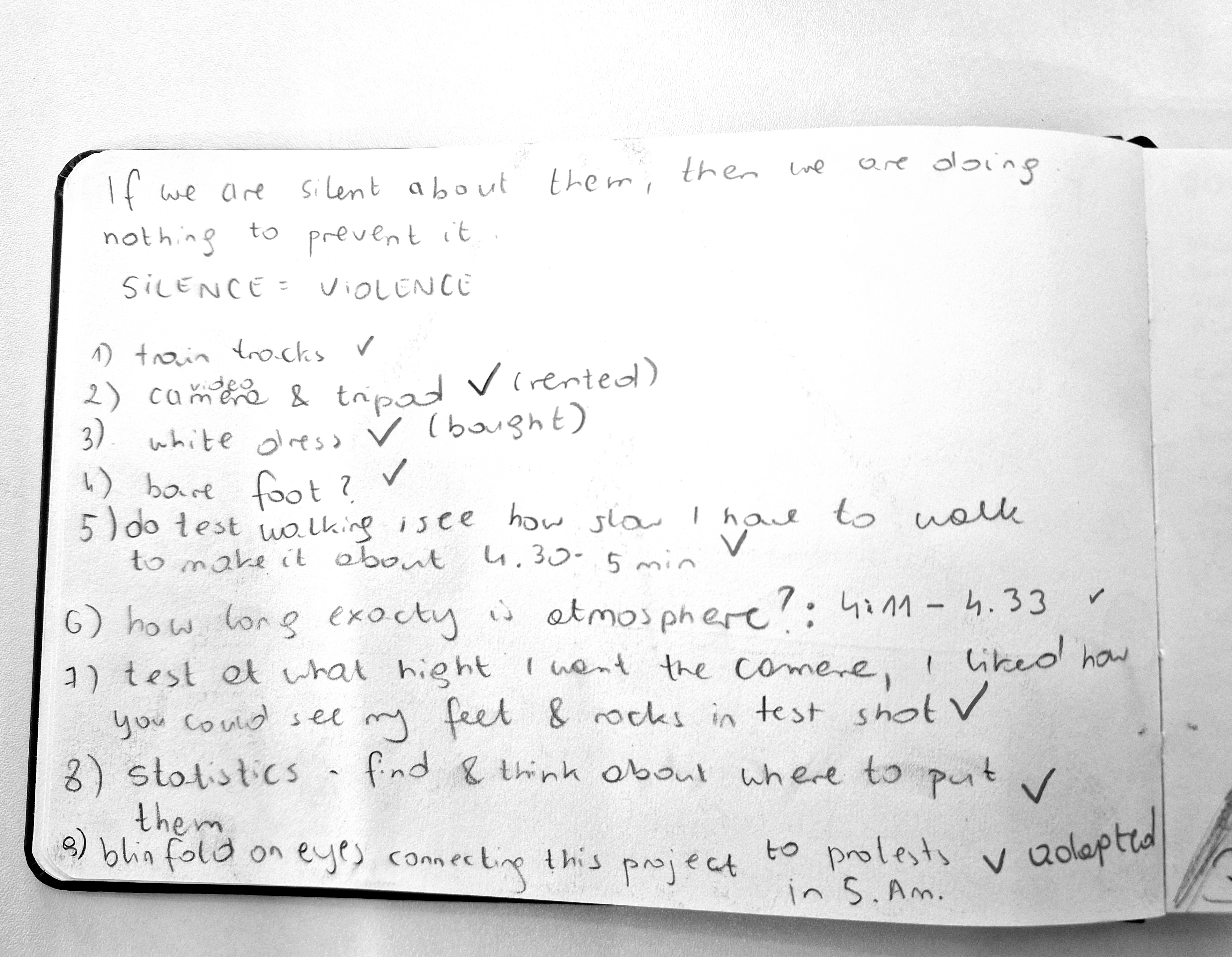
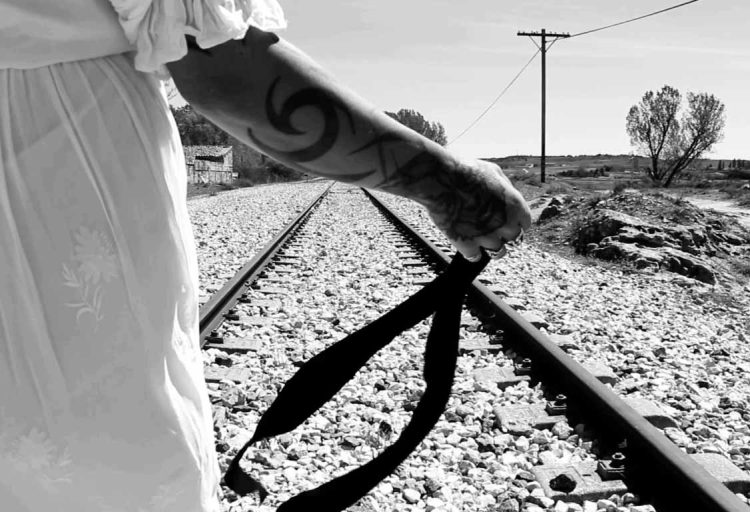
After all my research and some personal events that took place, I knew one thing. I have to make a film highlighting the problem of violence against women. I settled on something very simple and powerful, and I decided, once again, not to use words in order to create something more universal.
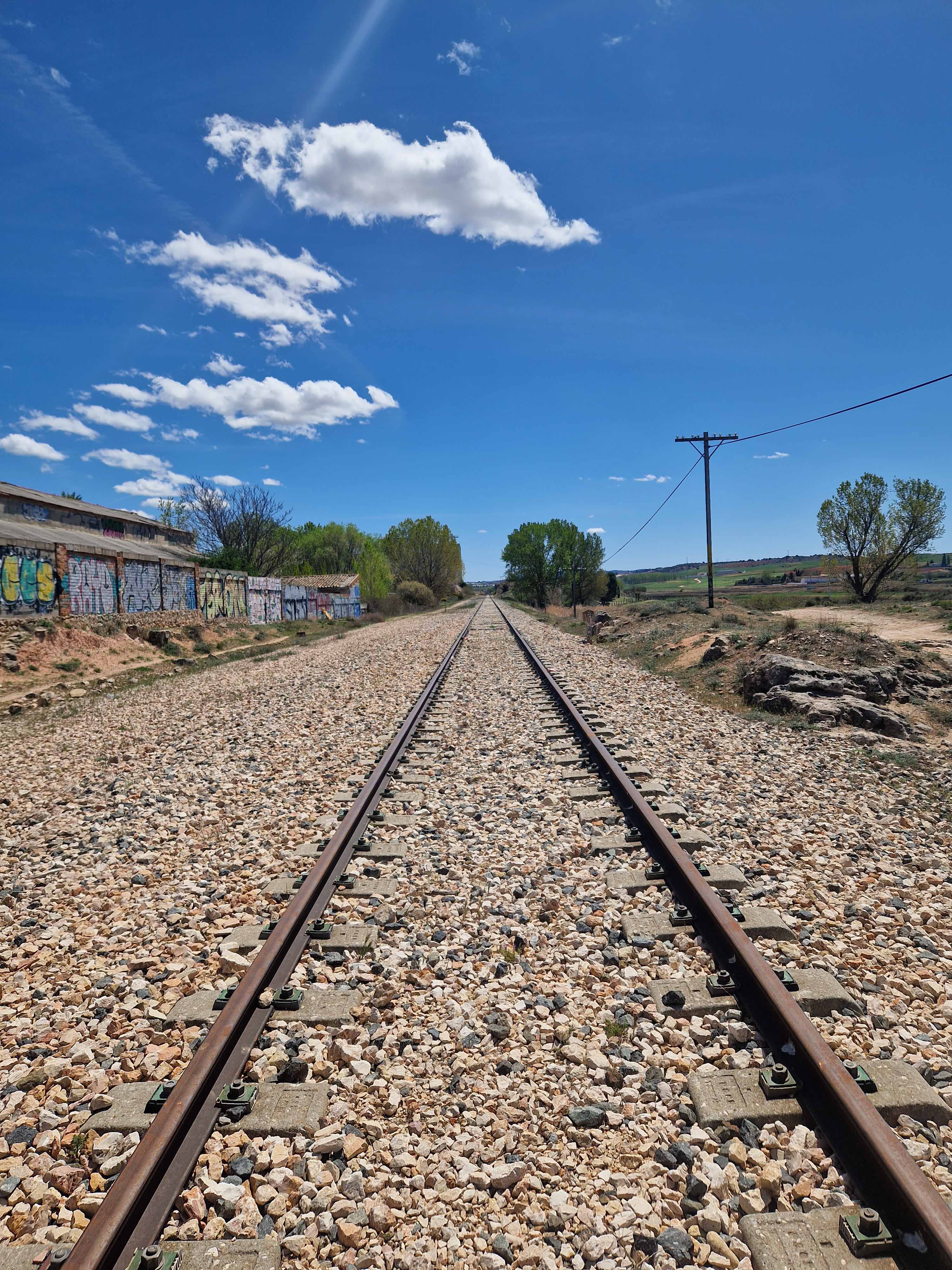
The idea grew upon the discovery of a disused track near my flat. I decided that slowly walking away into the distance to eventually disappear, alongside the sound that I chose, would convey my message perfectly.
I want it to be heavy, impactful and provoke thinking and reflection of the state of affairs as they are for women.
As a soundtrack, I decided to use several sources. The first one is an outtake from Las Tesis’s feminist performance. In my video, I carry a black blindfold – a reference to this act and a nod of respect to the artists that created it.
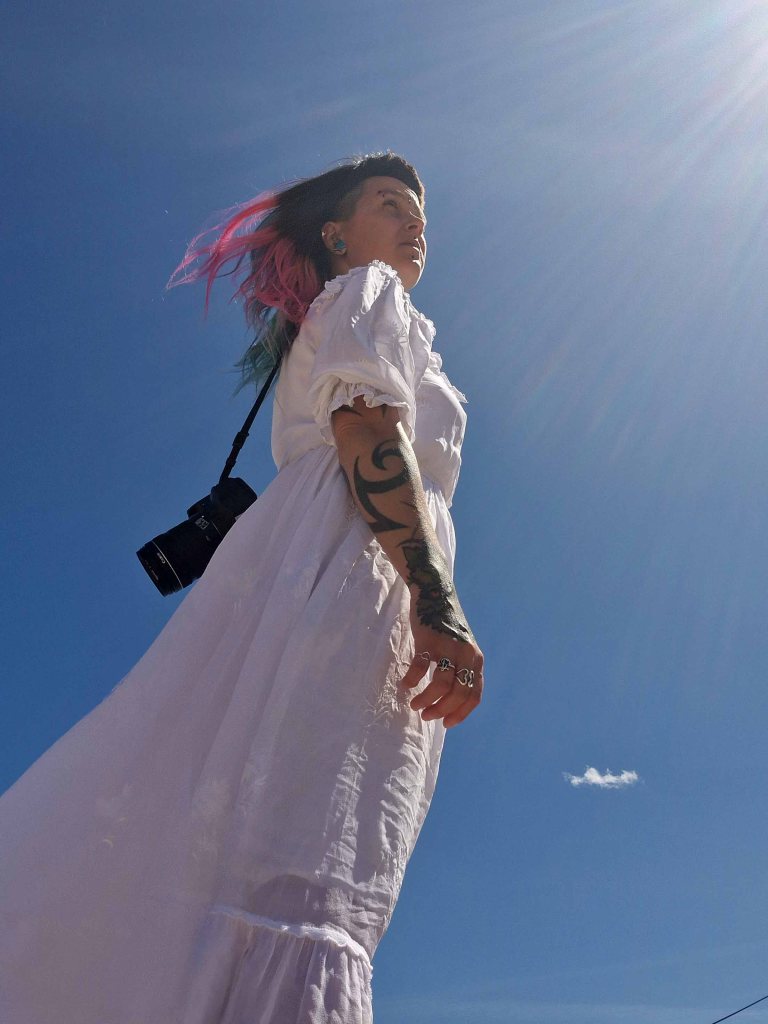
I chose to wear a white dress representing the innocence and angel-like qualities of each victim.
Performance colectivo Las Tesis “Un violador en tu camino”
“A Rapist in Your Path” (Spanish: Un violador en tu camino), also known as “The Rapist Is You” (Spanish: El violador eres tú), is a Chilean feminist performance piece that originated in 2019 to protest violence against women. The performance has garnered international attention and has been staged in various locations including Latin America, the United States, and Europe. Developed by the Valparaíso feminist collective LasTesis, the piece draws inspiration from the work of Rita Segato.
The performance takes its name from the slogan Un amigo en tu camino (“A Friend Along Your Path”), which was used by Carabineros de Chile in the 1990s. The lyrics of the original Chilean version of “Un violador en tu camino” include a verse from the Chilean police anthem, Orden y Patria (“Order and Homeland”), which addresses a young girl and suggests that her Carabinero lover is watching over her. These references serve as direct criticisms of the Chilean police for their history of claiming to protect women while perpetrating sexual violence against female demonstrators.
In the English version of the song, adapted for performances in the United States and other English-speaking regions, this verse of the police anthem is omitted. Additionally, the choreography includes a squatting motion that references a practice employed by the police against female detainees, where they are forced to strip naked and assume a squatting position. Participants often dress in “party” clothes to protest victim-blaming practices that unfairly shift blame onto victims of sexual assault by focusing on their clothing choices.
The lyrics “y la culpa no era mía, ni dónde estaba, ni cómo vestía” (“and it was not my fault, nor where I was, nor how I dressed”) convey the message that women have the right to dress however they choose and occupy public and private spaces without becoming victims of sexual assault or being held responsible for the actions of the perpetrator. Moreover, the use of blindfolds in the performance references both the victims of eye injuries during the 2019-2020 Chilean protests and La Venda Sexy, a torture center from the Pinochet era where female political prisoners were blindfolded and subjected to sexual violence and other forms of torture.
Y La Culpa No Era Mía/El Violador Eres Tú

El patriarcado es un juez
Que nos juzga por nacer
Y nuestro castigo
Es la violencia que no ves
El patriarcado es un juez
Que nos juzga por nacer
Y nuestro castigo
Es la violencia que ya ves
Es femicidio
Impunidad para mi asesino
Es la desaparición
Es la violación

Y la culpa no era mía, ni dónde estaba, ni cómo vestía
Y la culpa no era mía, ni dónde estaba, ni cómo vestía
Y la culpa no era mía, ni dónde estaba, ni cómo vestía
Y la culpa no era mía, ni dónde estaba, ni cómo vestía

El violador eras tú
El violador eres tú

Son los pacos
Los jueces
El estado
El Presidente
El estado opresor es un macho violador
El estado opresor es un macho violador
El violador eras tú
El violador eres tú
Duerme tranquila, niña inocente
Sin preocuparte del bandolero
Que por tus sueños, dulce y sonriente
Vela tu amante carabinero

El violador eres tú
El violador eres tú
El violador eres tú
El violador eres tú

ENGLISH TRANSLATION

Patriarchy is a judge
Who judges us because of us being born
And our punishment
is the violence you don’t see…
Patriarchy is a judge
Who judges us because of us being born
And our punishment
is the violence you don’t see…
It’s femicide
Impunity for my killer
It’s the disappearance
It’s the rape...

And it wasn’t my fault, nor where I was, nor how I dressed
And it wasn’t my fault, nor where I was, nor how I dressed
And it wasn’t my fault, nor where I was, nor how I dressed
And it wasn’t my fault, nor where I was, nor how I dressed...

You were the rapist
You are the rapist...

They are the police
The judges
The state
The President...
The oppressive state is a male rapist
The oppressive state is a male rapist.

You were the rapist
You are the rapist

Sleep peacefully, innocent girl
Without worrying about the bandit
Your sweet and smiling police-man lover
keeps vigil while you sleep…

You are the rapist
You are the rapist
You are the rapist
You are the rapist…

And it’s not my fault, nor where I was, nor what I wore.
For the second part of the soundtrack, I used an extract from a British MP’s speech, where she read out a long list of women murdered that year.
MP Jess Phillips reads the names of UK women killed by men in the last year – BBC News
Labour MP Jess Phillips listed all women killed in the UK over the last year where a man has been convicted or charged, in a debate to mark International Women’s Day. She told Parliament that “killed women are not vanishingly rare, killed women are common”. The Birmingham Yardley MP was given dispensation by the deputy Speaker to break time limits to read the list of victims. She ended with the name of Sarah Everard, who disappeared a week ago, for which a serving male police officer is being questioned on suspicion of murder.
Lastly, I used a song by Joy Division – Atmosphere. I interpreted the lyrics in the context of my research and my film and used their beauty and powerful words to carry the weight of the message conveyed.
Joy Division – Atmosphere (Official Lyric Video)
Joy Division - Atmosphere

Walk in silence
Don't walk away, in silence
See the danger
Always danger
Endless talking
Life rebuilding
Don't walk away
Walk in silence
Don't turn away, in silence
Your confusion
My illusion
Worn like a mask of self-hate
Confronts and then dies
Don't walk away

People like you find it easy
Naked to see
Walking on air
Hunting by the rivers, through the streets, every corner
Abandoned too soon
Set down with due care

Don't walk away in silence
Don't walk away
SHOOTING DAY
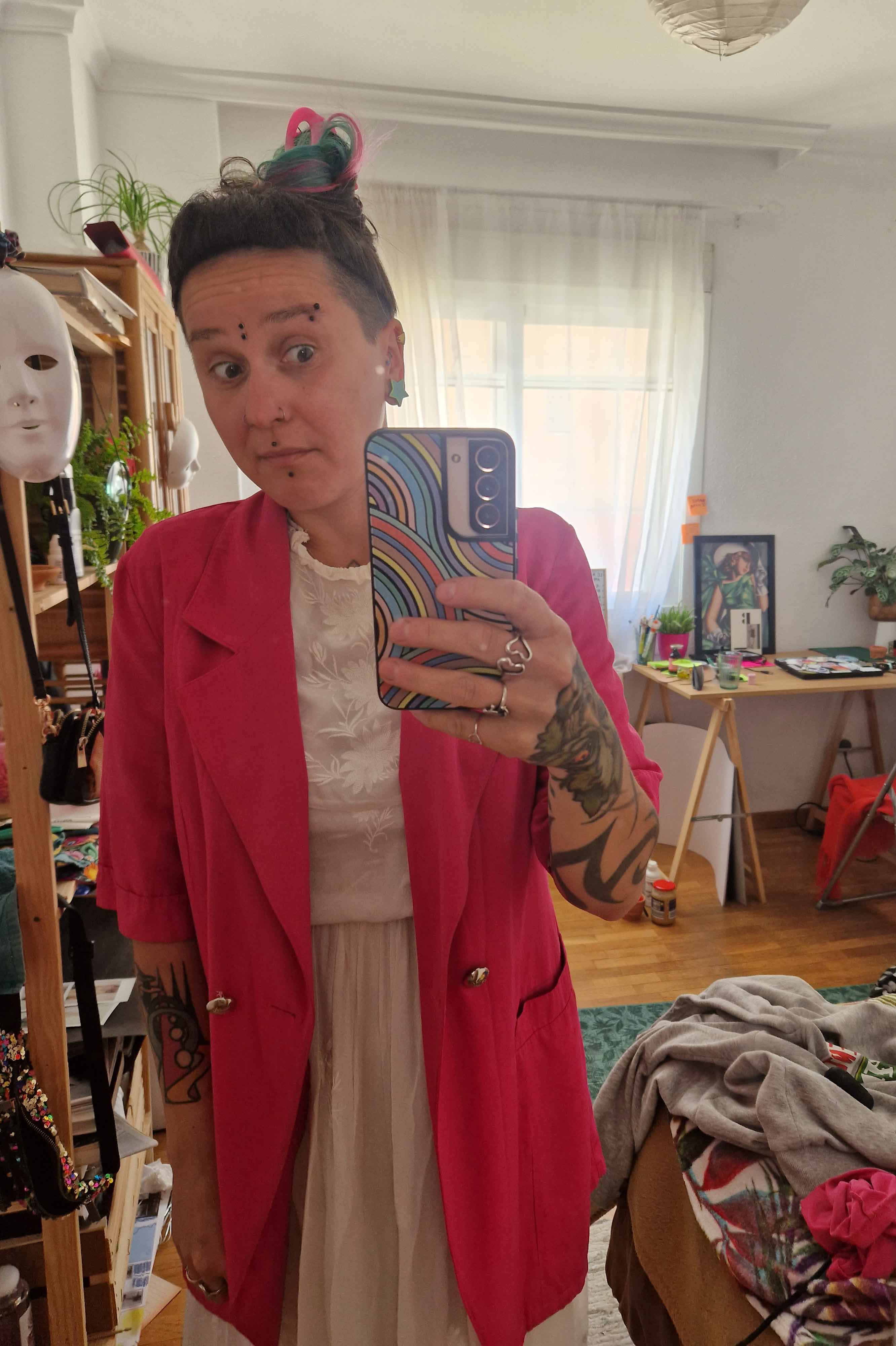
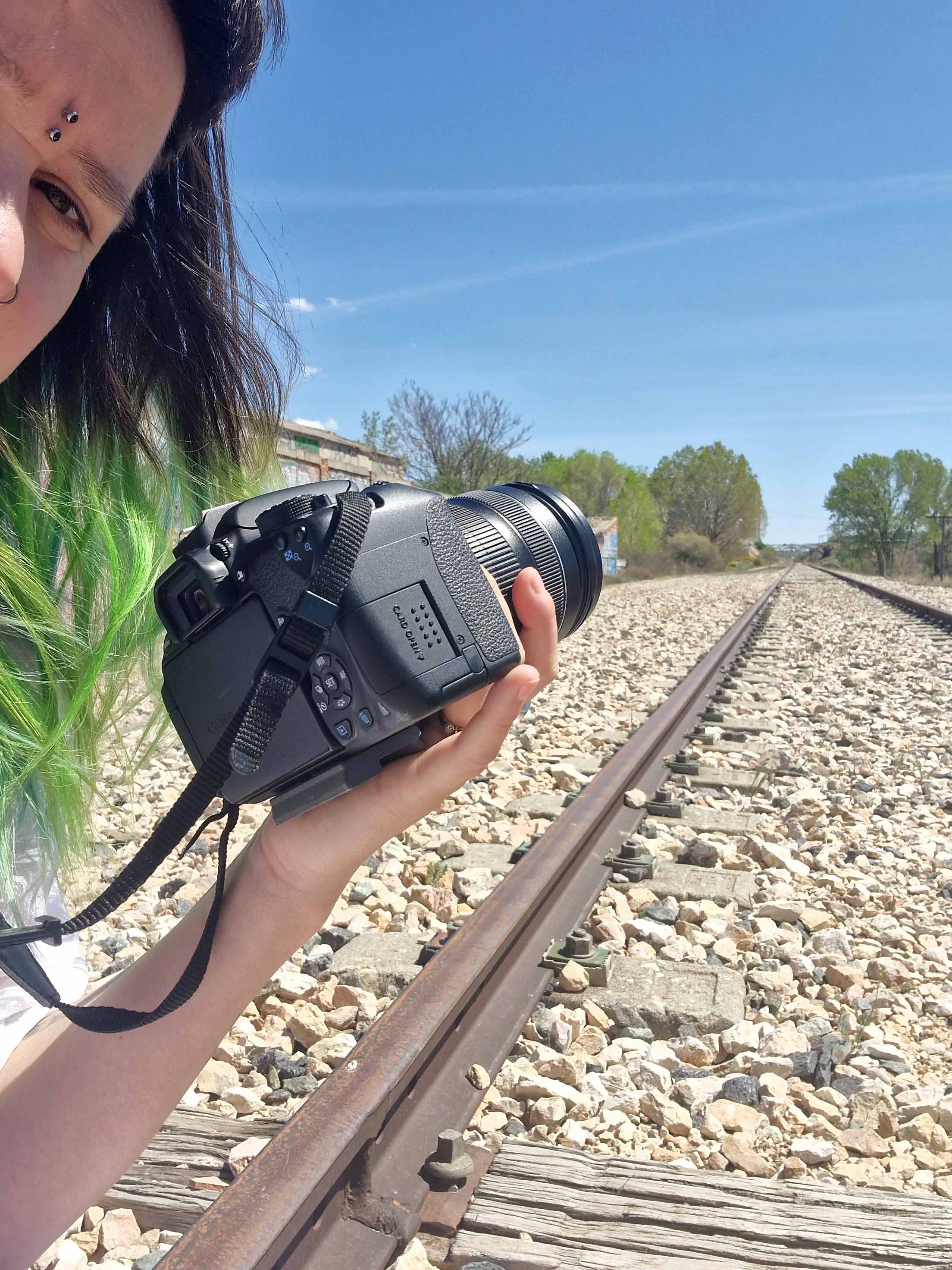
At the time of the shooting, I lived very close to the disused rail tracks, which I found a perfect setting for my short film. After a few hours of filming, I proceeded to edit for the next two days adding music and other elements to the film.




FINAL WORK – 5 MINUTES FILM
Silence is Violence – Ela Skorska (2023)
Elzbieta Skorska
Silence is Violence 2023
Digital Video, black and white, sound
5’12’’
Silence is Violence came to be as a consequence of several factors.
The state of affairs for women being raped and killed all the time all over the world, our lectures for Photography and Video Art subjects which were rich in strong feminist art, like Womanhouse by Judy Chicago and Miriam Schapiro (1972), The Dinner Party by Judy Chicago (1974–1979), In Mourning and In Rage by Suzanne Lacy and Leslie Labowitz (1977) and Three Weeks in May by Suzanne Lacy (1977), being just a few influential works, out of many others. What followed was extensive feminist research, which made me particularly susceptible to women’s issues.
And then another thing happened.
A friend of my friend went out for a short walk and never returned. One day there are posts on Facebook looking for her, another, she is found dead, and the family is collecting donations for a funeral…
I immediately had an idea for a project that I battled with myself not to make for around a week, as I knew it would be very difficult for me to explore such a heavy subject. After many sleepless nights, and the idea going round and round in my head, it was going nowhere but the screen. I knew I just had to make this work, as what I had to say was very important. It couldn’t stay bottled up! Additionally, I felt like not saying anything is the same as doing nothing to prevent it, combat it, or stop it, because as I concluded – silence is violence.
I thought about all the women who went out for a stroll or walked home from seeing friends, night out etc., and never returned home. They were, without knowing it, going on their last ever walk.
I live close to disused rail tracks, so I decided to use that setting as I thought the rail track would be a perfect metaphor for a journey of life that we walk through.
During my research, I encountered the work of Las Tesis Un violador en tu camino (2019), and I decided to use their powerful chant in my video. I also carry a blindfold that is a homage to their performance.
As a soundtrack, I decided to use Joy Division’s song Atmosphere, whose lyrics (”Don’t walk away in silence..”) I found very effective and relevant to the message of my video.
The final element was a speech of UK MP Jess Phillips who in 2021 gave a powerful talk in which she read out a list of women killed in the last year where a man has been convicted (that does not include cases without conviction or finding a killer).
Everything, technically and conceptually, was effortless, but it was a lot of mental struggle for me to create this work.
I have much to say about how often I don’t feel safe, how I consider myself lucky that I haven’t been abused, raped or killed, and WHY I know multiple women that have.
Not one, two or even three. Multiple women.
REFERENCES
Brooklyn Museum. The Dinner Party by Judy Chicago. [Online] [Accessed on 16/04/22] http://www.brooklynmuseum.org/exhibitions/dinner_party/
Gilder, L. and Clarke, J (2022). ‘Sara Everard Murder’. BBC News. [Online] 22 June 2022.
[Accessed on 16/04/22]. https://www.bbc.com/news/explainers-56365412
In Mourning and Rage. Otis College of Art and Design. [Online video] Available through
YouTube [Accessed on 15/04/23] https://youtu.be/idK02tPdYV0
Joy Division – Atmosphere (Official Lyric Video. Joy Division. [Online video] Available through
YouTube [Accessed on 15/04/23] https://youtu.be/JnpuYtgkP_A
Judy Chicago on “Womanhouse”. National Museum of Women in the Arts. [Online video] Available through YouTube [Accessed on 30/03/23] https://youtu.be/Z9muNnozFGY
Judy Chicago. Womanhouse. [Online] [Accessed on 16/04/22] https://judychicago.com/gallery/womanhouse/pr-artwork/
Performance colectivo Las Tesis “Un violador en tu camino”. Colectivo Registro Callejero.
[Online video] Available through YouTube [Accessed on 15/04/23]
https://youtu.be/aB7r6hdo3W4.
MP Jess Phillips reads the names of UK women killed by men in the last year – BBC News. BBC News. [Online video] Available through YouTube [Accessed on 15/04/23] https://youtu.be/-kIdHNI4usQ
Suzanne Lacy. In Mourning and In Rage (1977). [Online] [Accessed on 16/04/22] https://www.suzannelacy.com/in-mourning-and-in-rage-1977
Suzanne Lacy. Three Weeks in May (1977). [Online] [Accessed on 16/04/22] https://www.suzannelacy.com/three-weeks-in-may
Three Weeks in May by: Suzanne Lacy (1977). LACE. [Online video] Available through YouTube [Accessed on 15/04/23] https://youtu.be/ie7A8F0D-k4
Widewalls. Inside Womanhouse, A Beacon of Feminist Art. [Online] [Accessed on 16/04/22] https://www.widewalls.ch/magazine/judy-chicago-womanhouse
Wikipedia. A Rapist in Your Path. [Online] [Accessed on 27/03/23]
Womanhouse extract Faith Wilding, Waiting. Higo Mental. [Online video] Available through YouTube [Accessed on 30/03/23] https://youtu.be/rM_Km5tgBZk
Womanhouse. JudyChicago PennState. [Online video] Available through YouTube [Accessed on 30/03/23] https://youtu.be/xx0ZPfLrsfk
 Ela Skorska