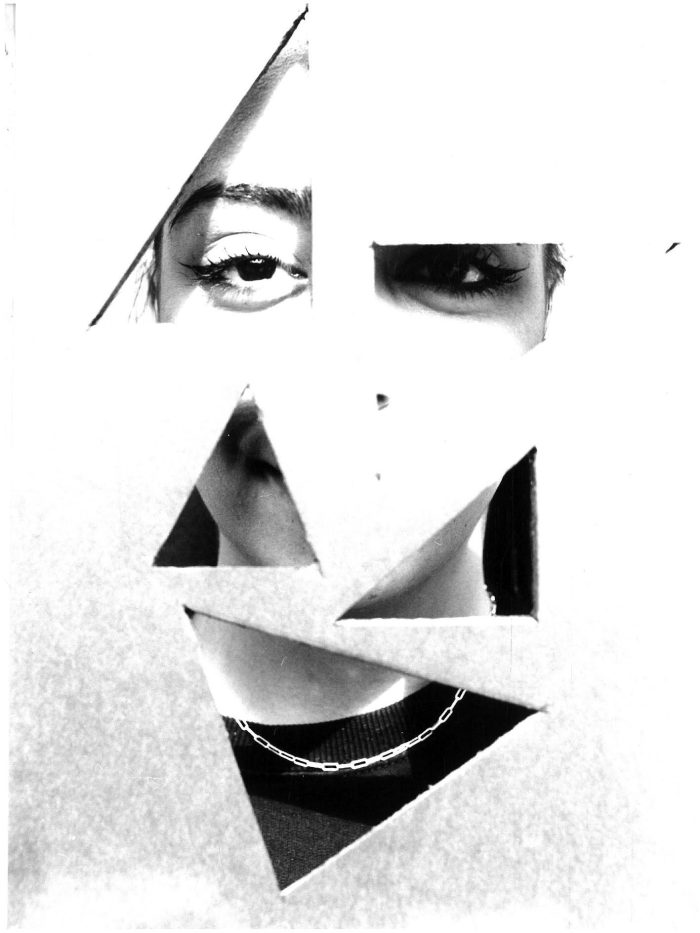
In this unit we were asked to create an artistic project that questions the photographic image as a mere reflection or unaltered record of reality.
FIRST LECTURE
First lecture covered a variety of artists that played with the concept of fiction and truth in photography.

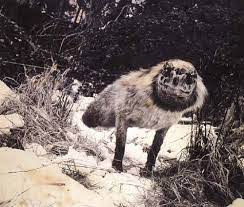
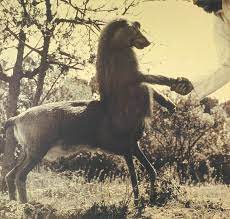
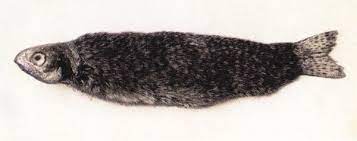
https://www.juanmagonzalez.com/fontcuberta/fauna.html
Also known as “Dr. Ameisenhaufen’s Fauna” or “Secret Fauna”, Fontcuberta created this series in collaboration with the writer and photographer Pere Formiguera. The premise was that Fontcuberta and Formiguera discovered the long-lost archives of German zoologist Dr. Peter Ameisenhaufen, who was born in 1895 and who disappeared mysteriously in 1955. Ameisenhaufen had catalogued a number of unusual animals; for example, Ceropithecus icarocornu resembles a monkey with a unicorn-like horn on its head and wings; and Solenoglypha polipodida resembles a snake with 12 feet.
Real Snow White (2009)
Absolutely amazing performance by Pilvi Takala truly challenging what we consider THE TRUTH or THE REALITY.
Takala is a performance artist presenting candid camera as art. Takala won the Dutch Prix de Rome in 2011 and the Emdash Award in 2013. Her works have been exhibited in various exhibitions worldwide, most recently in London, Aarhus and Glasgow. She is known best for being in time-based media.
RESEARCH
How We Conned The British Press | Fakes, Frauds & Scammers (2022)
A very interesting and relevant video about a group of students from Leeds university who fooled everyone into thinking that they spent all the art grant money on an expensive holiday.
A humorous and apt comment on what is real and what isn’t (or rather what we perceive as real or don’t) and how quickly things get out of proportion in the press. Hats off.
Helena Almeida (Portuguese, 1934–2018)
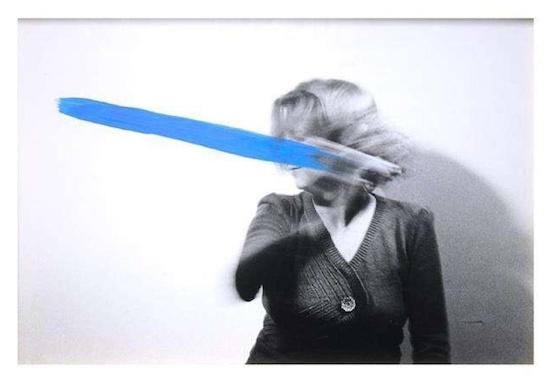

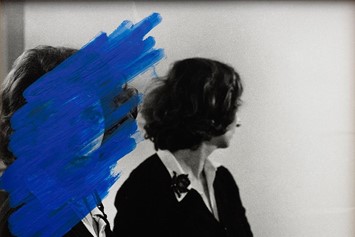

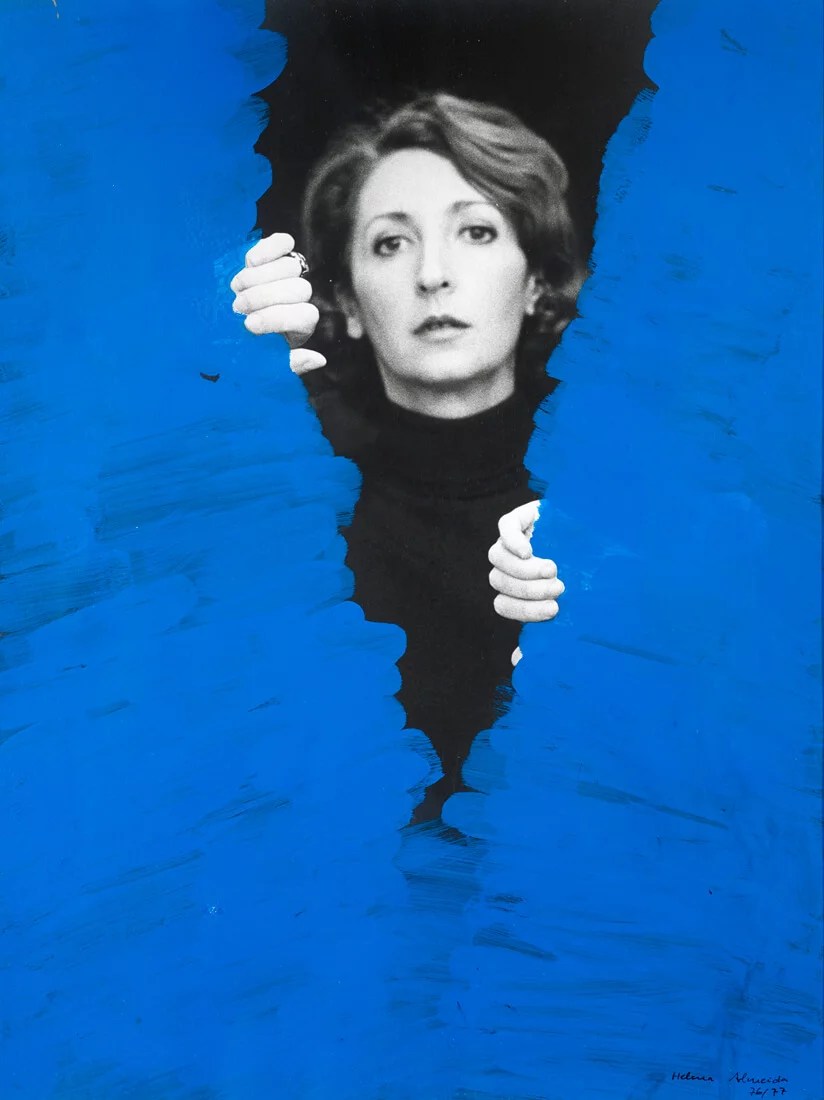

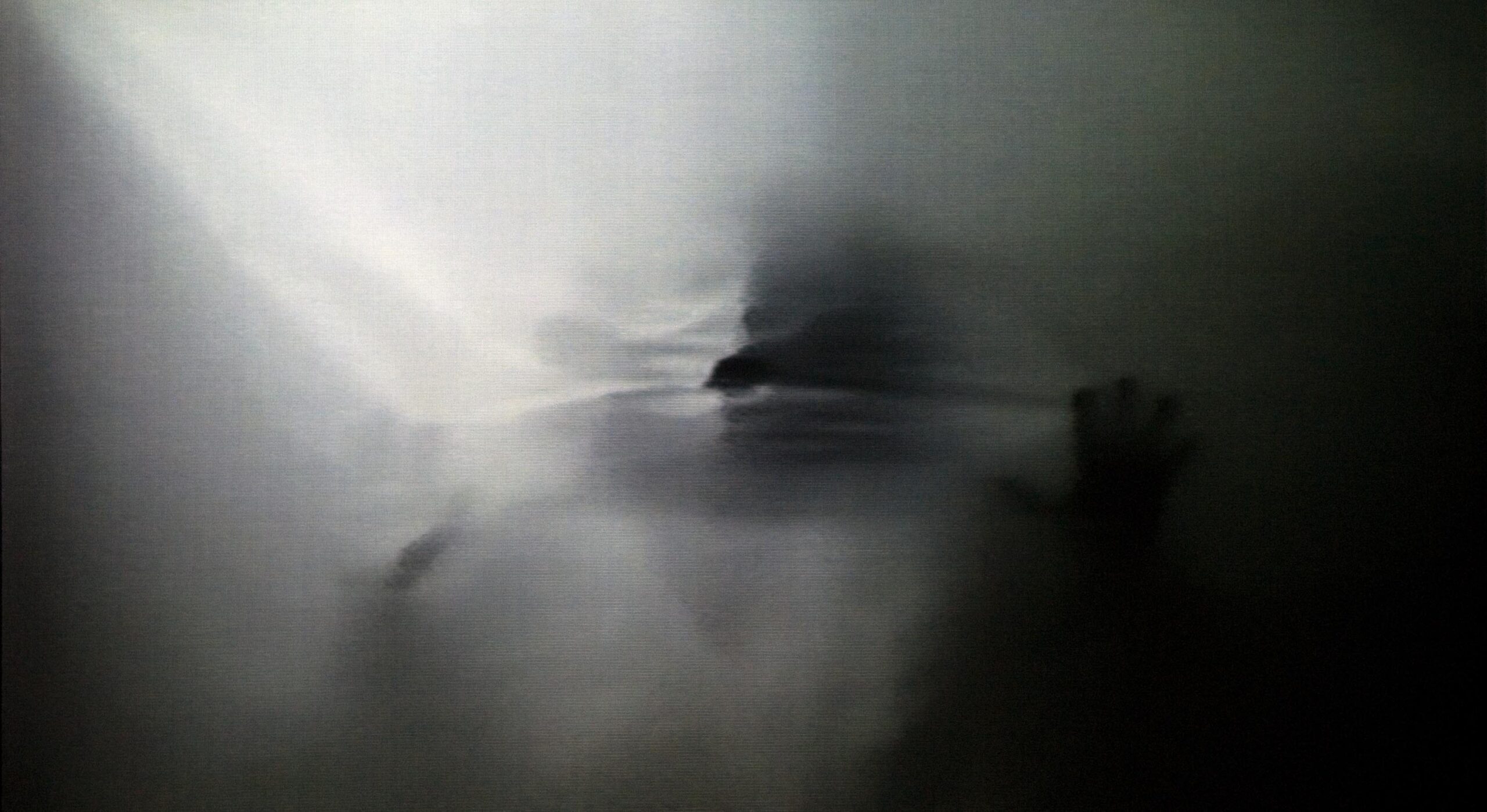
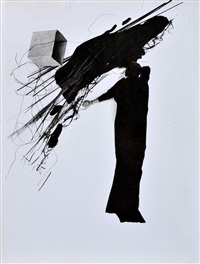
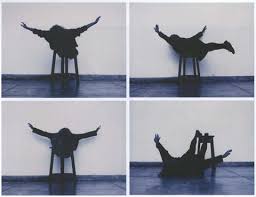
Helena Almeida is a Portuguese multi-disciplinary artist best known for her performances regarding the body and its relationship to painting. Associated with the Body Art movement, Almeida’s performances confront the portrayal of women in art history, such as in her series For Study for Inner Improvement (1977). In a sequence of black-and-white photographs, the artist appears to eat Yves Klein blue paint. In another series, she cuts a canvas and tries to squeeze herself through it, invoking the slashed paintings of Lucio Fontana. “I was impressed by the obscure side of the slash, the mystery of what is beyond the canvas,” she explained. “But unlike Fontana, I wanted to do something that would detach from the painting. Instead of showing the reverse of the canvas, I went out of the canvas.” Born 1934 in Lisbon, Portugal, the daughter of sculptor Leopoldo de Almeida, she went on to study painting at the School of Fine Arts in Lisbon and graduate in 1955. Almeida has represented Portugal in the 1982 and 2005 Venice Biennales, and her works are in the collections of the Tate Modern in London, The Museum of Modern Art in New York, and the Museu d’Art Contemporani de Barcelona, among others. She lives and works in Lisbon, Portugal.
Helena Almeida Jeu de Paume https://vimeo.com/156564104
LECTURE 06.10
Today we discussed different ways of presenting photographic artwork in an exhibition.
These inlude: foam board, mounting on wood, directly in wall, traditional framing, mounting on aluminium without frame etc.
These include: foam board, mounting on wood, directly on a wall, traditional framing, mounting on aluminium without a frame etc. A new one I learned about is silicone methacrylate – silicon rubber, laminating.
I am familiar with many of these methods, so I must think about HOW I WANT TO EXHIBIT MY WORK. What is the most suitable way for this project? And, of course, another crucial question to ask yourself is what effect my art and how I present it will have on a viewer.
More Methods For Mounting Photos
A comprehensive video with instructions on how to mount a print. I am quite familiar with some methods, but this video adds extra knowledge. I especially like the weight he puts on a photograph to mount it, the L-shaped ruler, dry mounting, and other ways he demonstrates.
CONCEPTING
IDEA 1: FRAMING IS EVERYTHING, we not just frame individually as people, but even within ourselves, we frame how we see things depending on our mood. On a good day, we might notice the birds, the greenery of trees and how they harmonise beautifully with the blue of the sky, the sun on our faces, and the perfectly cooked al dente pasta. All these little things make us happy, have meaning, and make our day.
On a bad day our framing, framing of what you could say its exactly the same person, can be so different you would not believe that this on fact is the same person. On a bad day, you see rubbish piling up in a park, making you angry about people who did it, your normally enjoyable walk home is an unwanted chore and drags for way longer than usual, the warmth of the sun that you love so much, blinds you and you hate it. Is it really the same world you are living in? Are you the same person?
As much as a mood can control our framing, so can beliefs, agendas, preconceptions and even our ignorance and naivete. Given a perfect tool to mirror all of it, e.g., a camera, we embark on a task to project to others what we see and how we see it. But it is simply impossible that we always look at things the same way. Our framing, like our reality, is momentary and ever-changing.
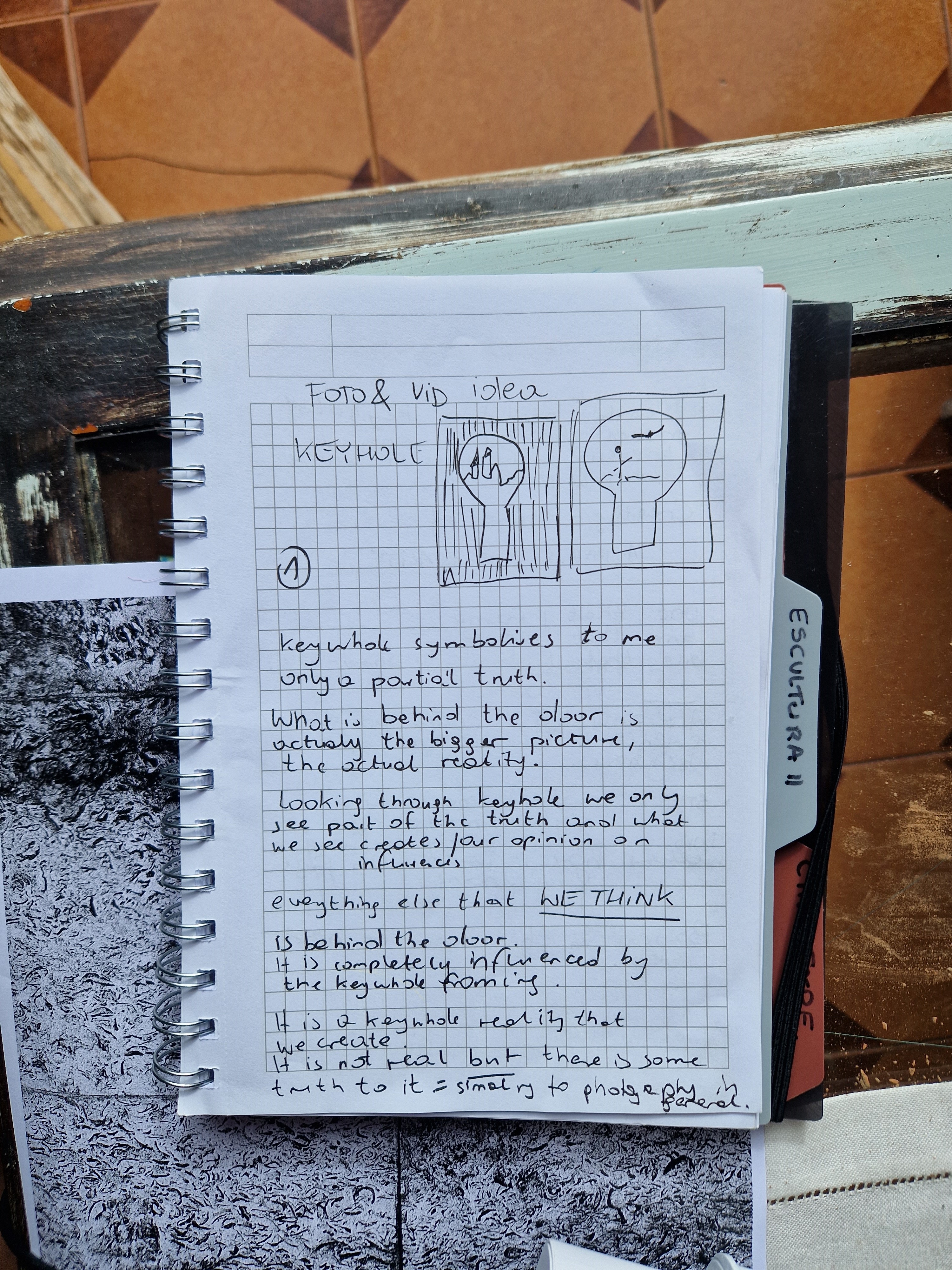
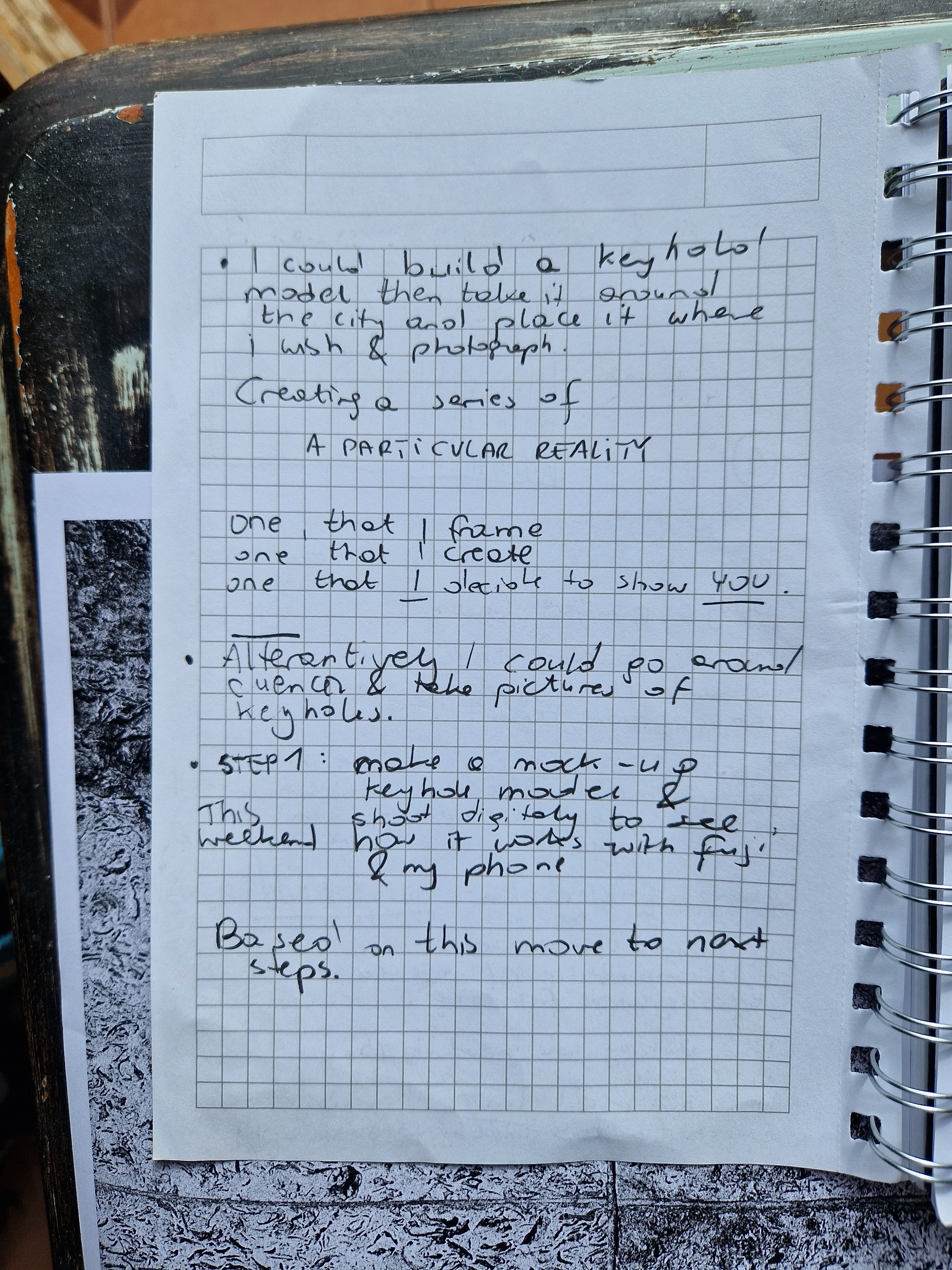
IDEA 2: I could create a keyhole frame from cardboard/thick paper, take it around the city, position it in various places and photograph using it. Through this action, I would create a PARTICULAR REALITY, one that I FRAME, I CREATE, I DECIDE TO SHOW TO YOU.
I started concepting my work reflecting on a keyhole, which for me represents only a partial truth. What is behind the door is the bigger picture, the reality. Looking through the keyhole, we only see part of the truth, and what we see shapes our opinion and influences everything that we think is behind the door. It is the keyhole reality. It is not the whole truth, but there is some truth to it, and our perception is completely influenced by the keyhole framing. I use it as an analogy to the framing of an image in photography, which acts exactly in the same way on our perception.
KEYHOLE RESEARCH

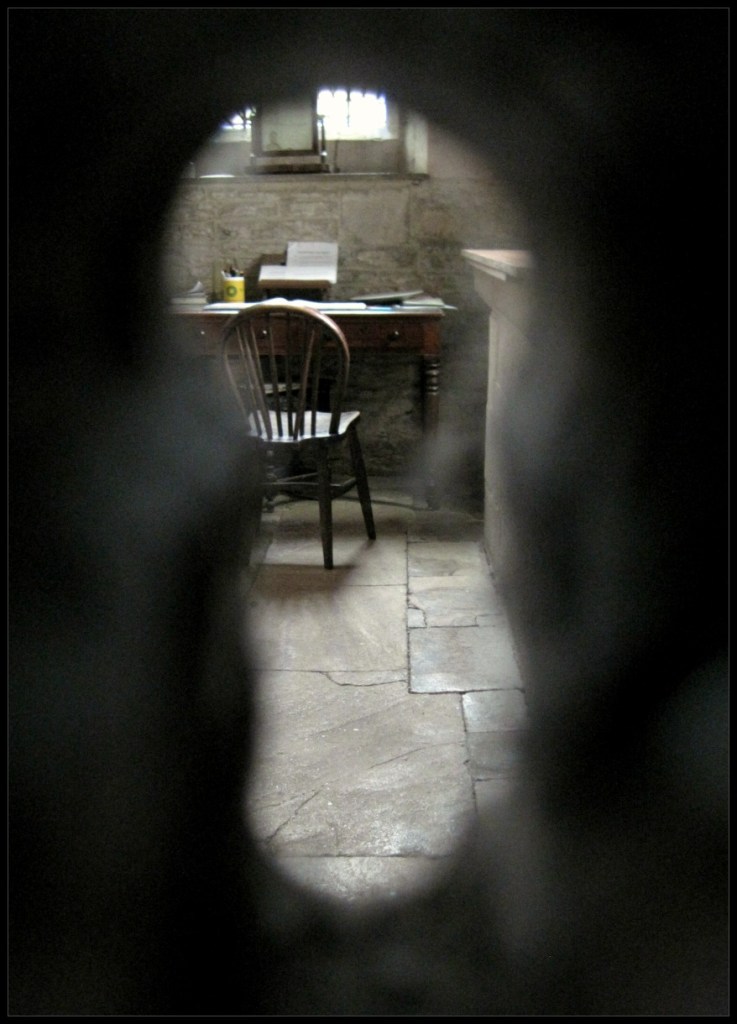


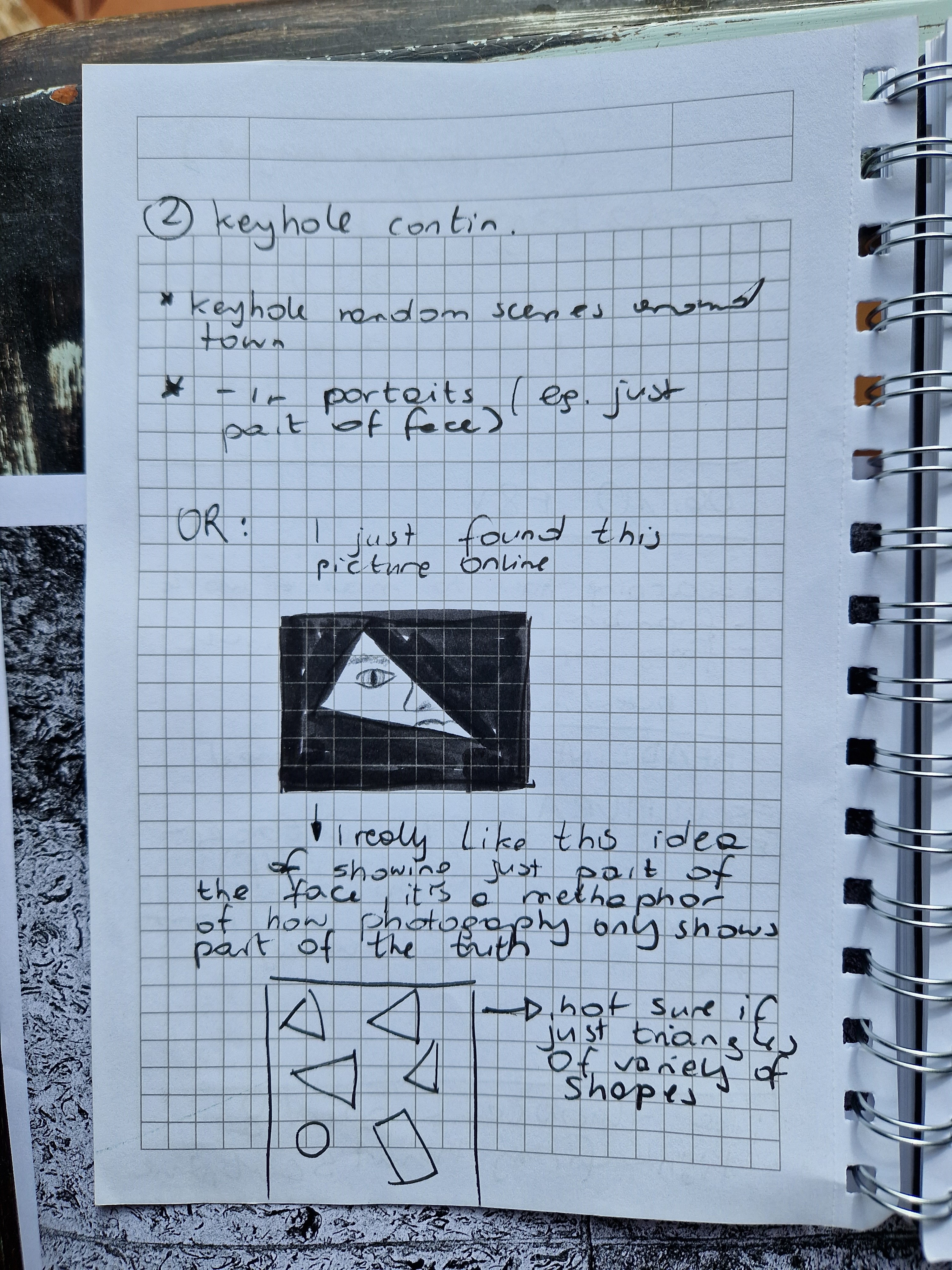
During this research, I stumbled upon this photograph, which slightly changed the direction of my project.
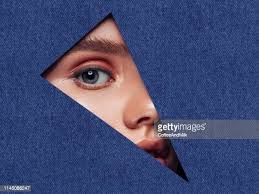
FINAL CONCEPT: Based on this photograph and my previous keyhole idea, I combined them to develop the concept further. I like the idea of showing just a part of somebody’s face as a metaphor for how photography only ever shows the partial truth.
I will create a template with cut-out triangles and then shoot a series of portraits with Mamiya, revealing only the partial truth of my models.
NOTES
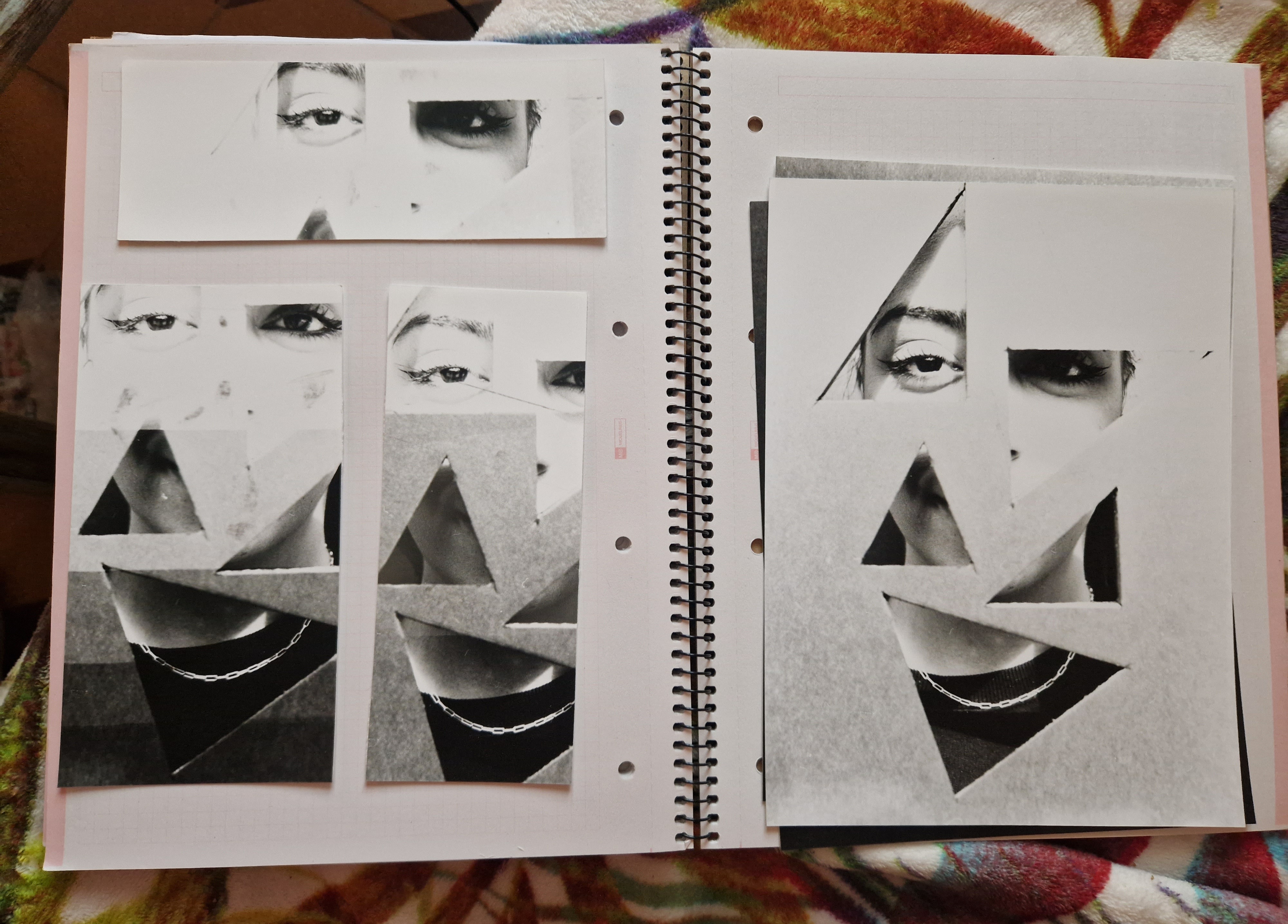
I decided that it would be more interesting visually and conceptually to shoot portraits instead of the city. I did some test shots at home with my partner, which allowed me to conclude the best set-up of the triangular holes.
DEVELOPING THE IDEA

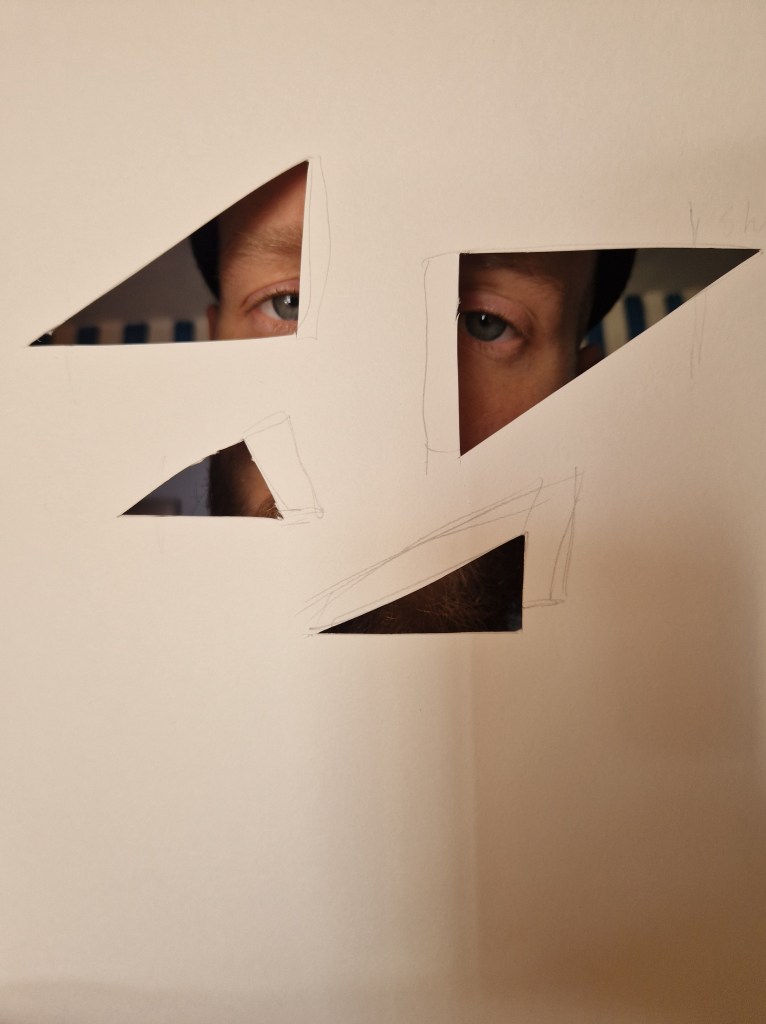
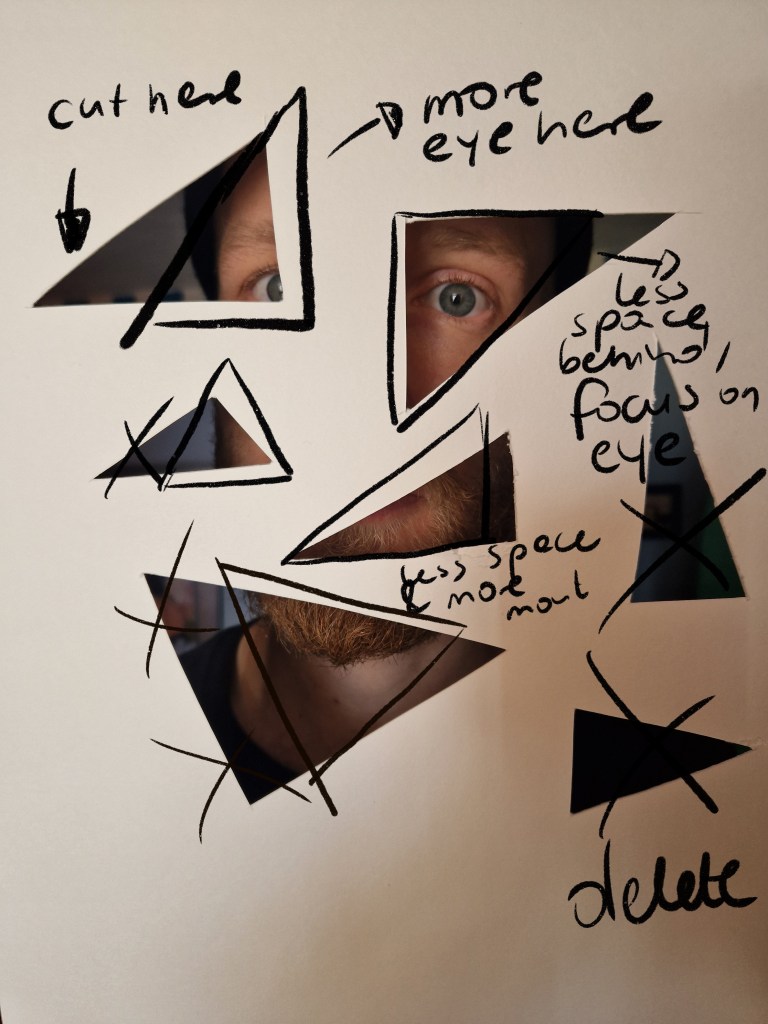
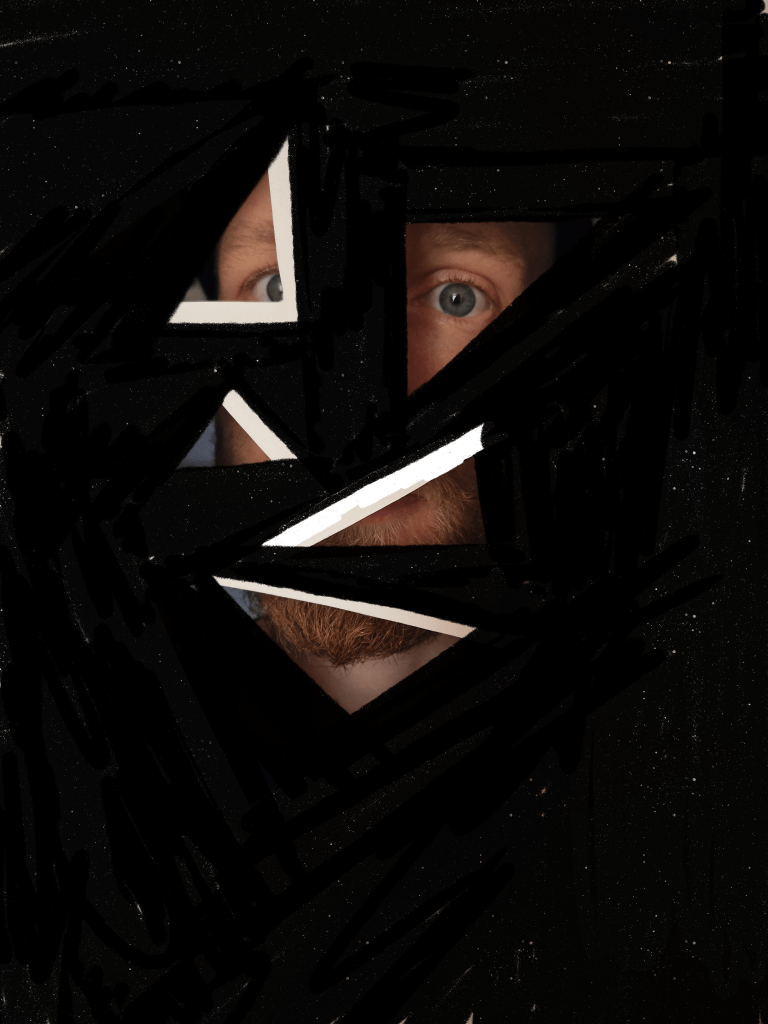
I did the tests on white sketchbook paper. After these tests I decided that I need a bigger and thicker sheet of paper to finalise the proper and final cut out for photoshoots. Trying things out allowed me to make a better decisions on the design/positioning of the triangles and the paper.
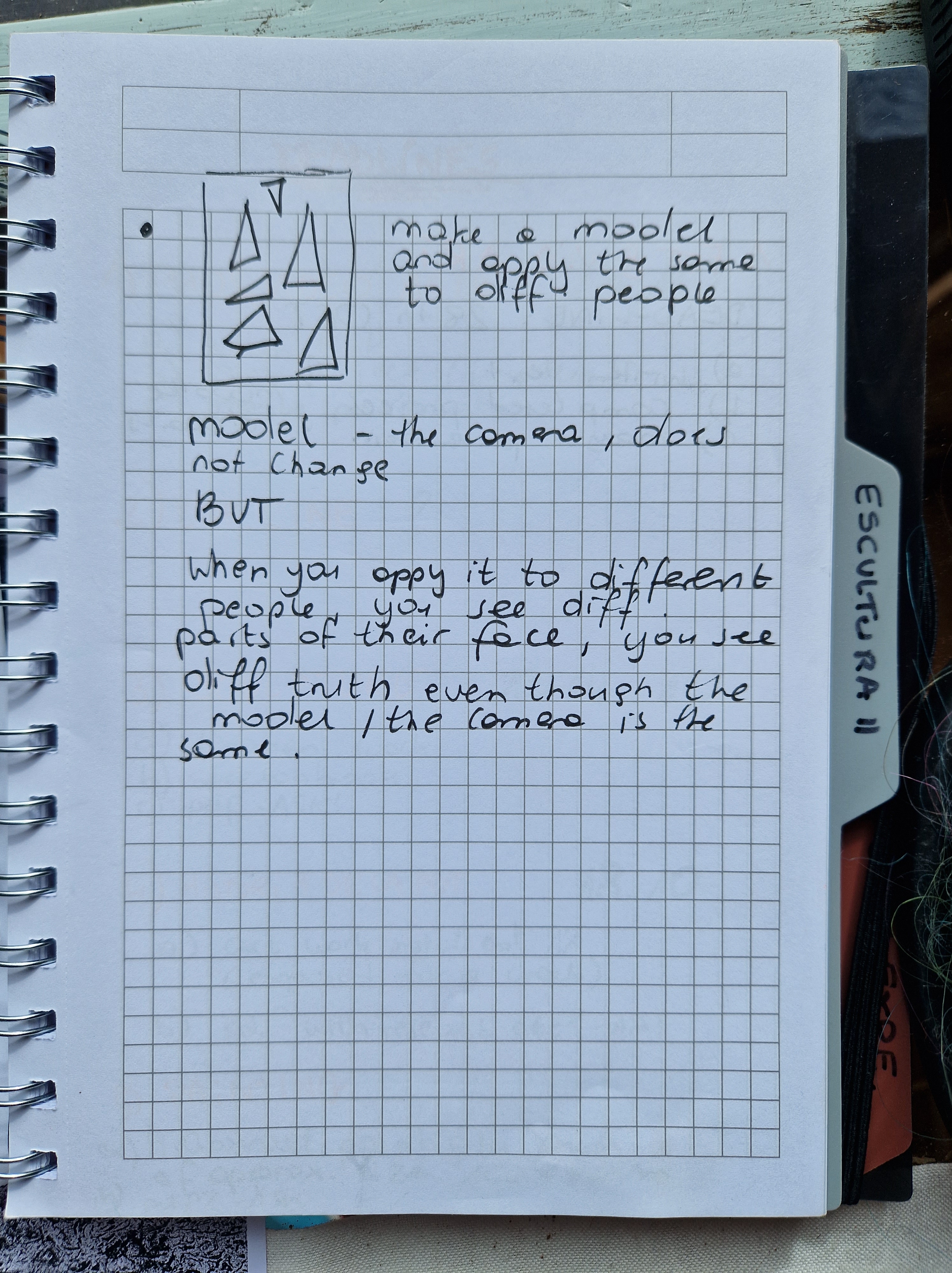
The paper sheet, like the camera, does not change. But, when you apply the same paper to various people, you see different parts of their faces, even though the sheet (camera) is the same.
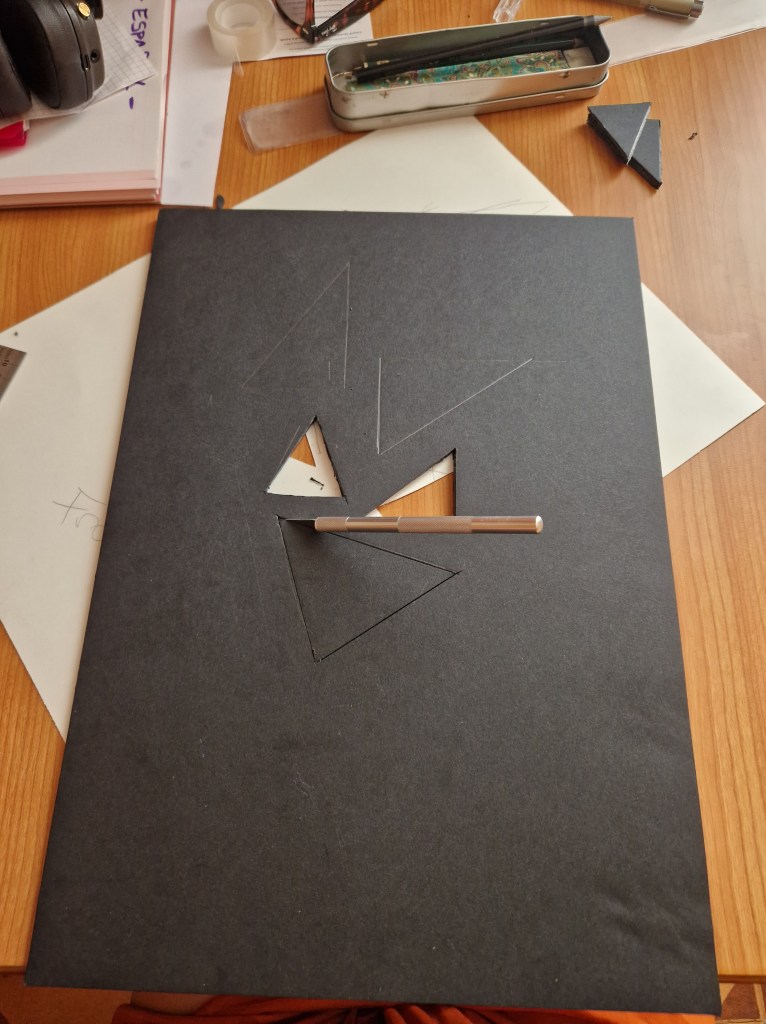
FINALISING THE CUT OUT AND TESTING

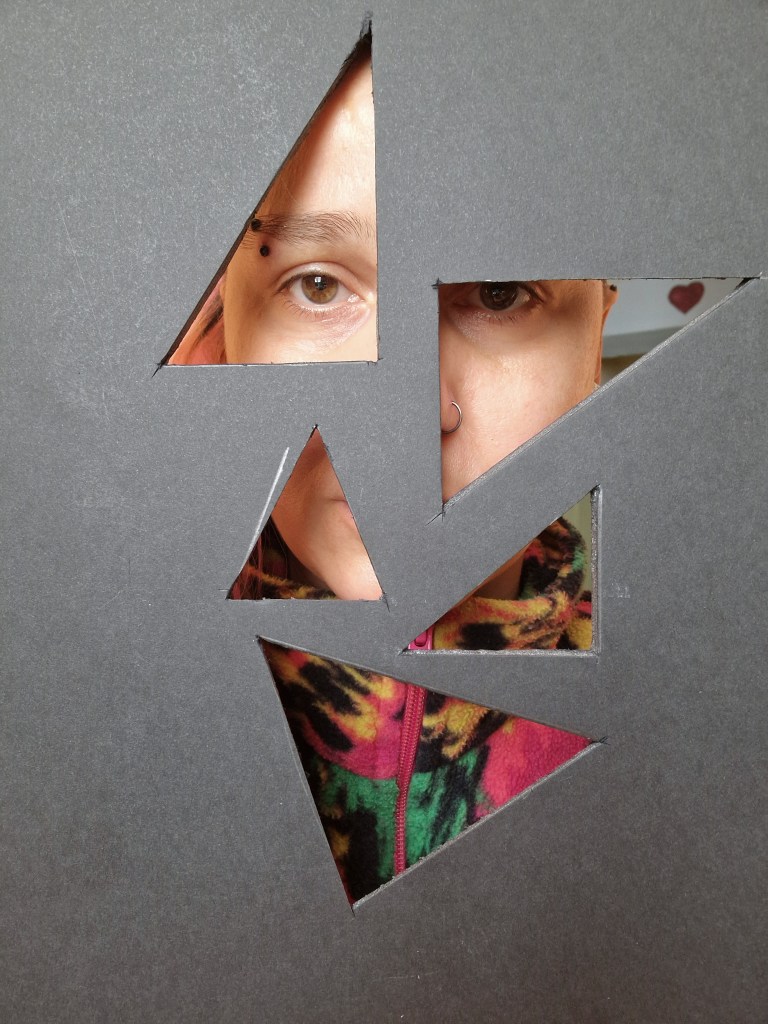
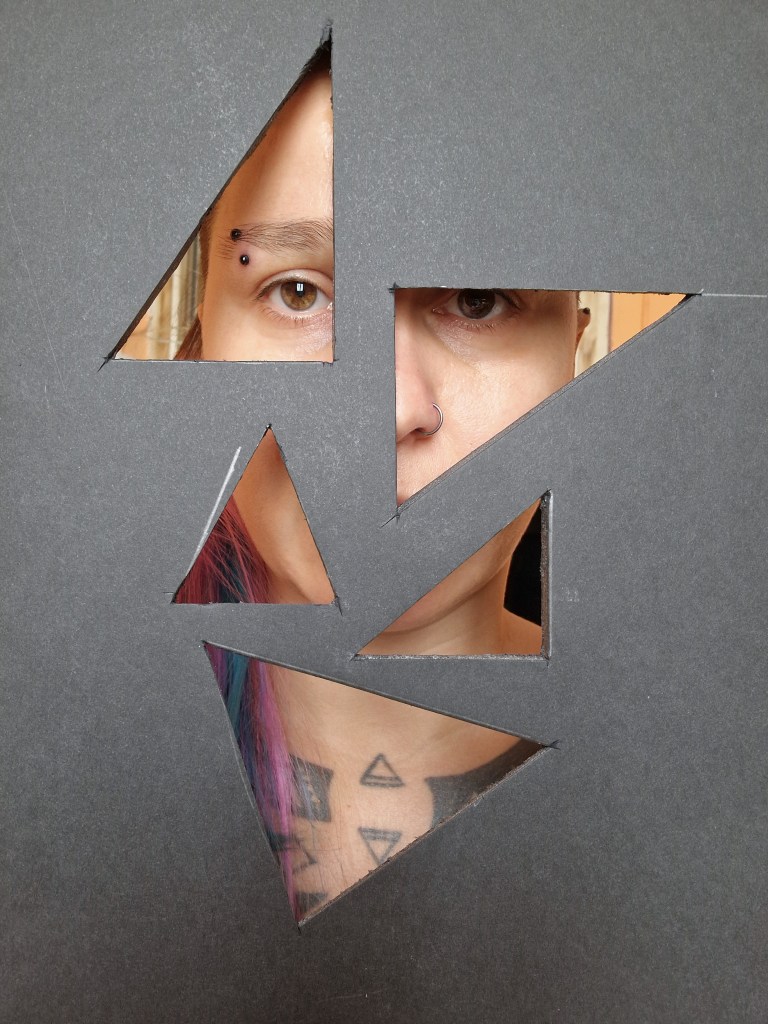
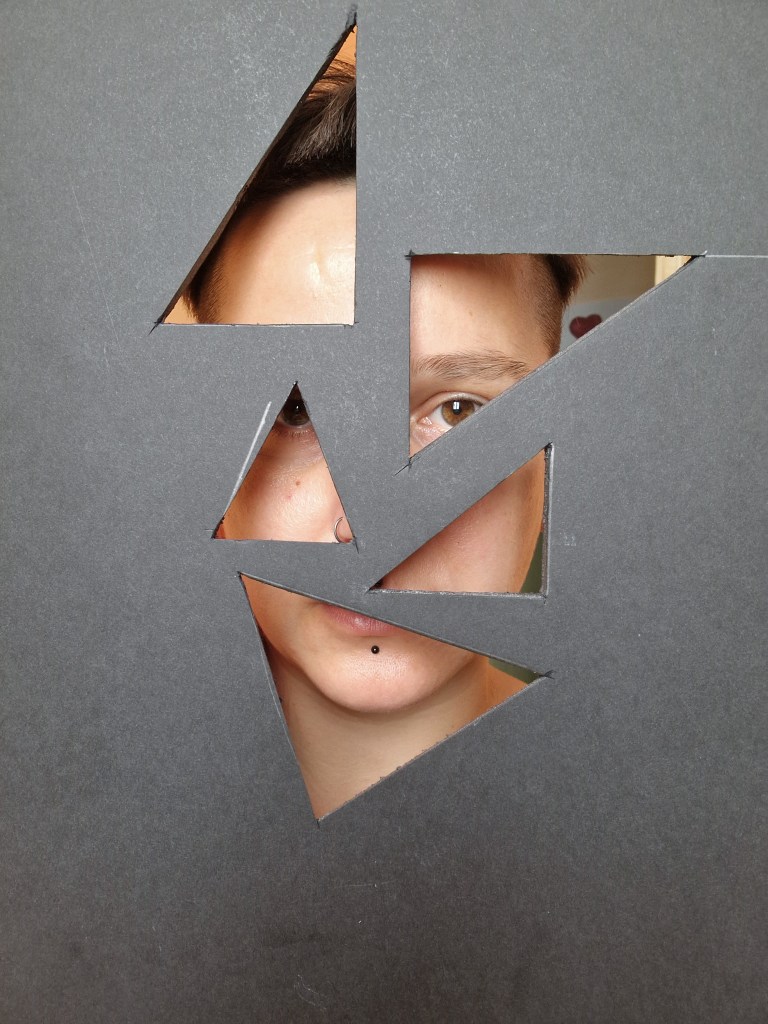
SHOOTING PORTRAITS FOR THE PROJECT

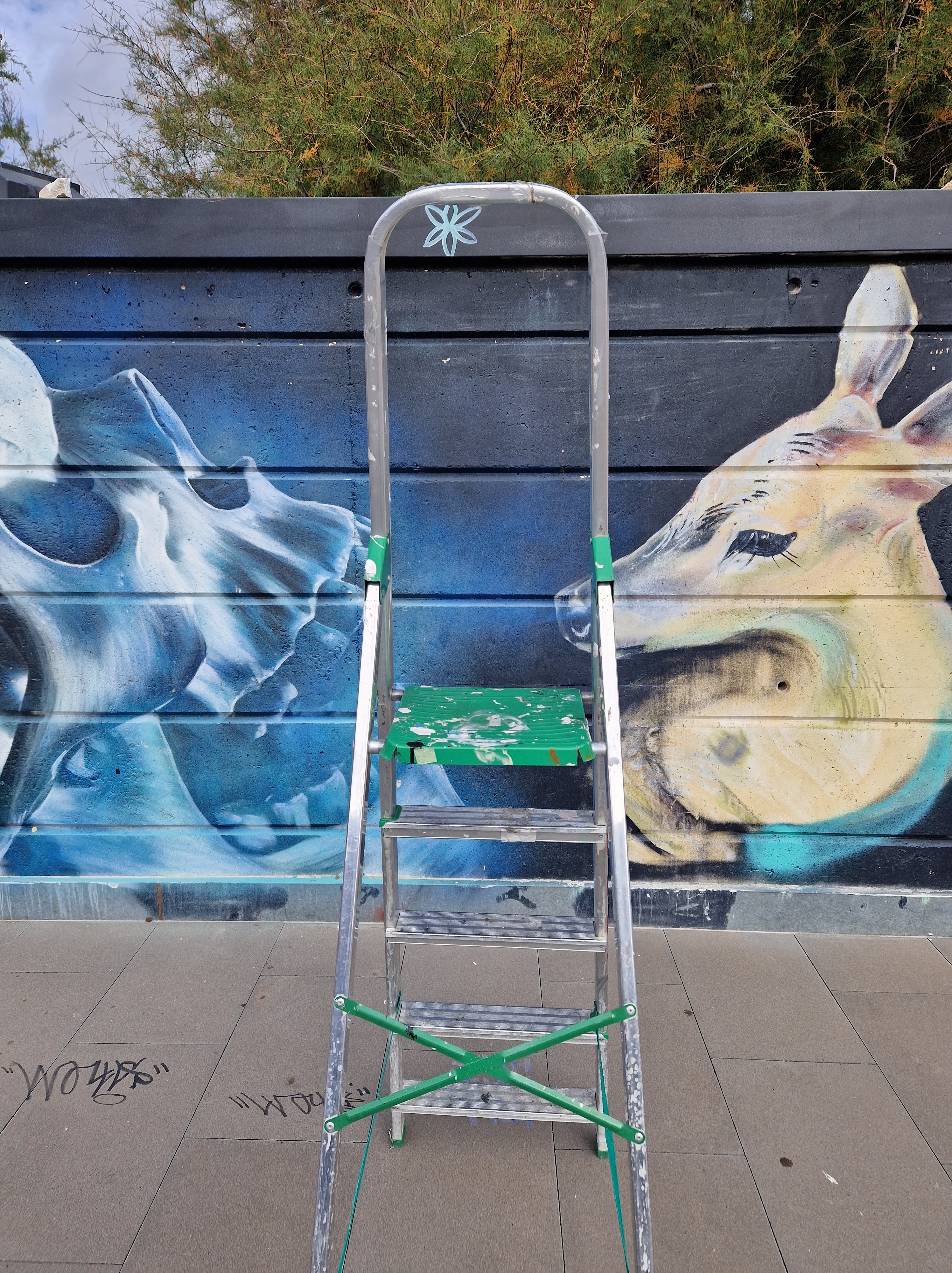
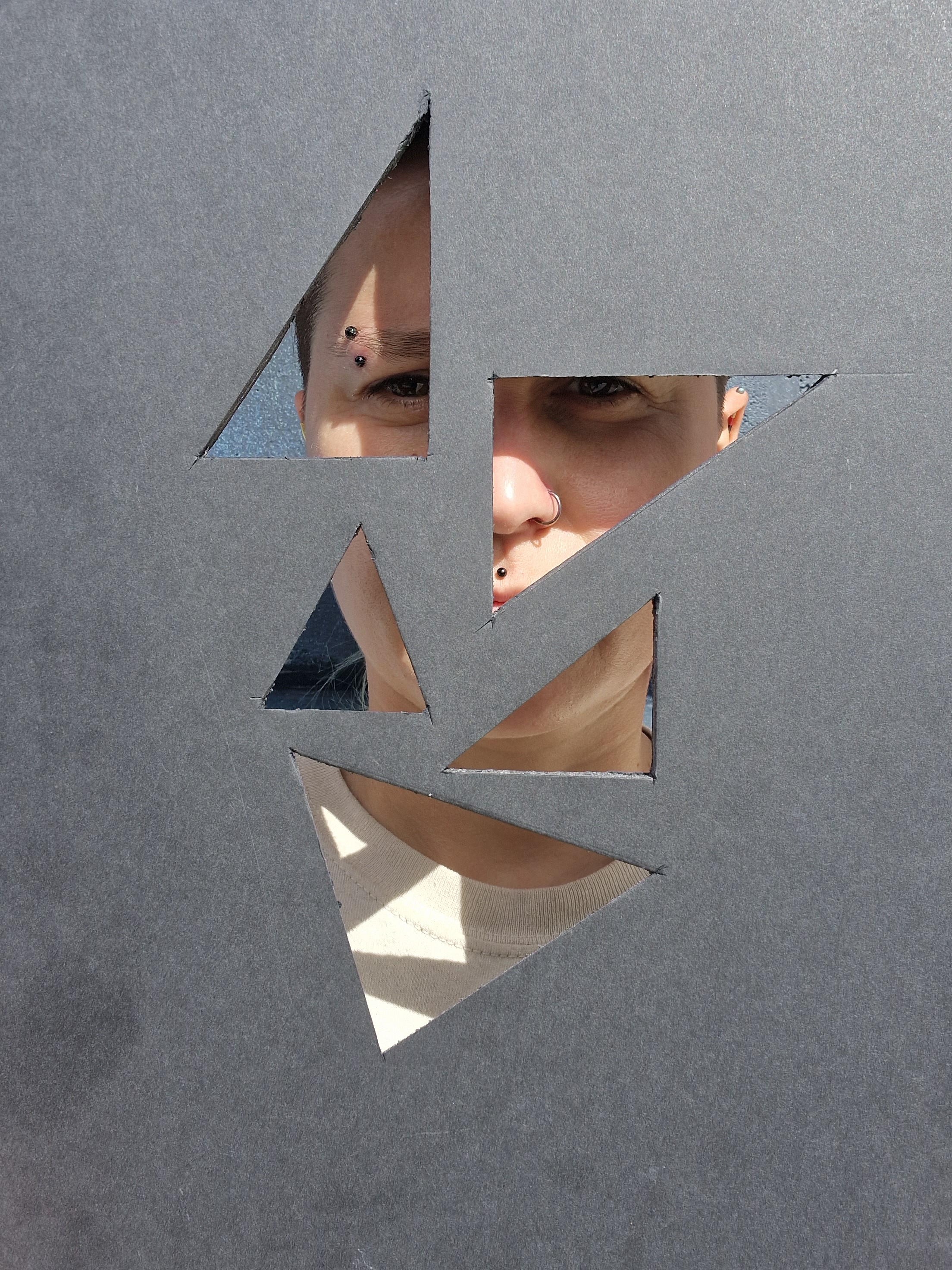
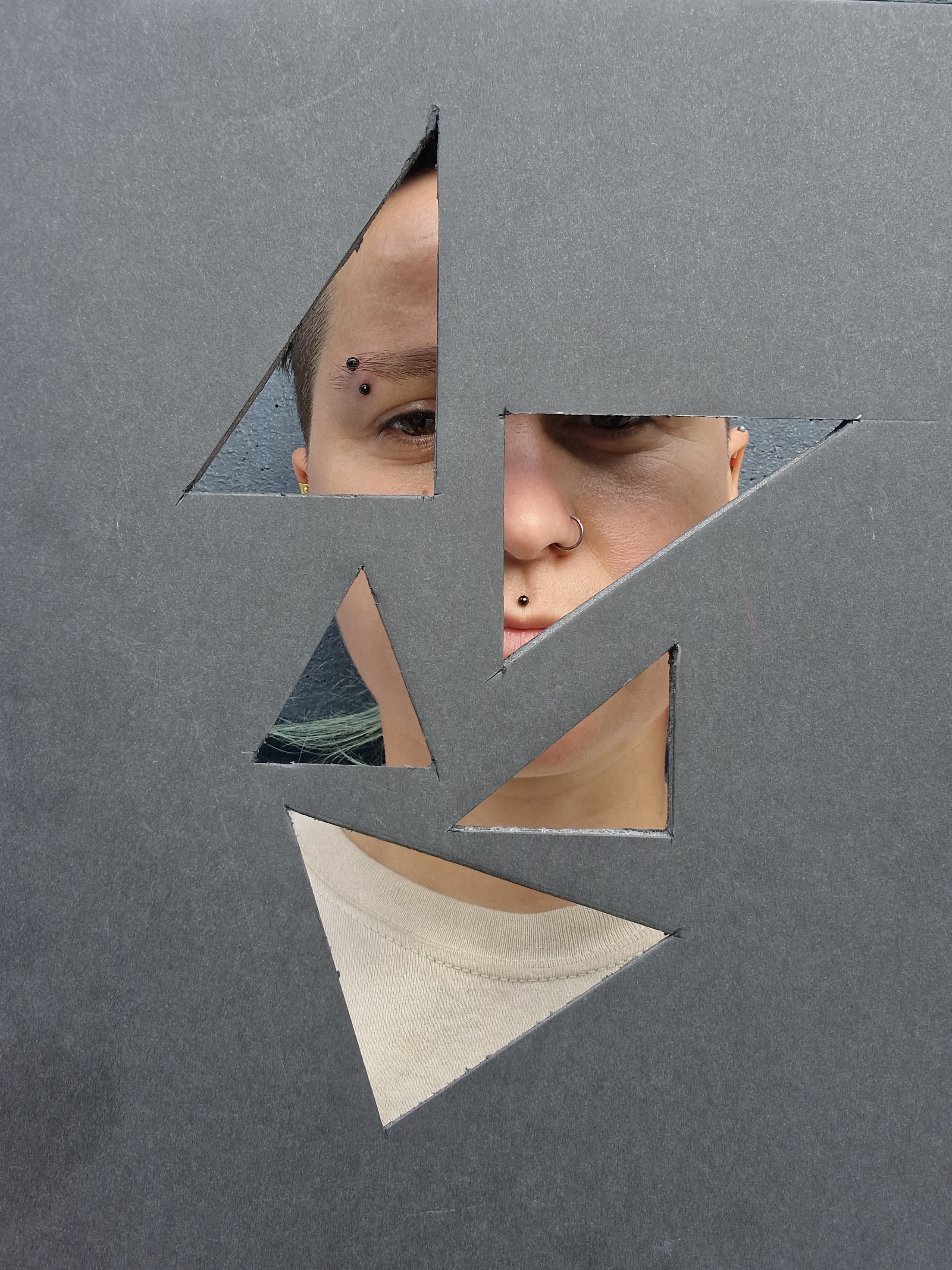
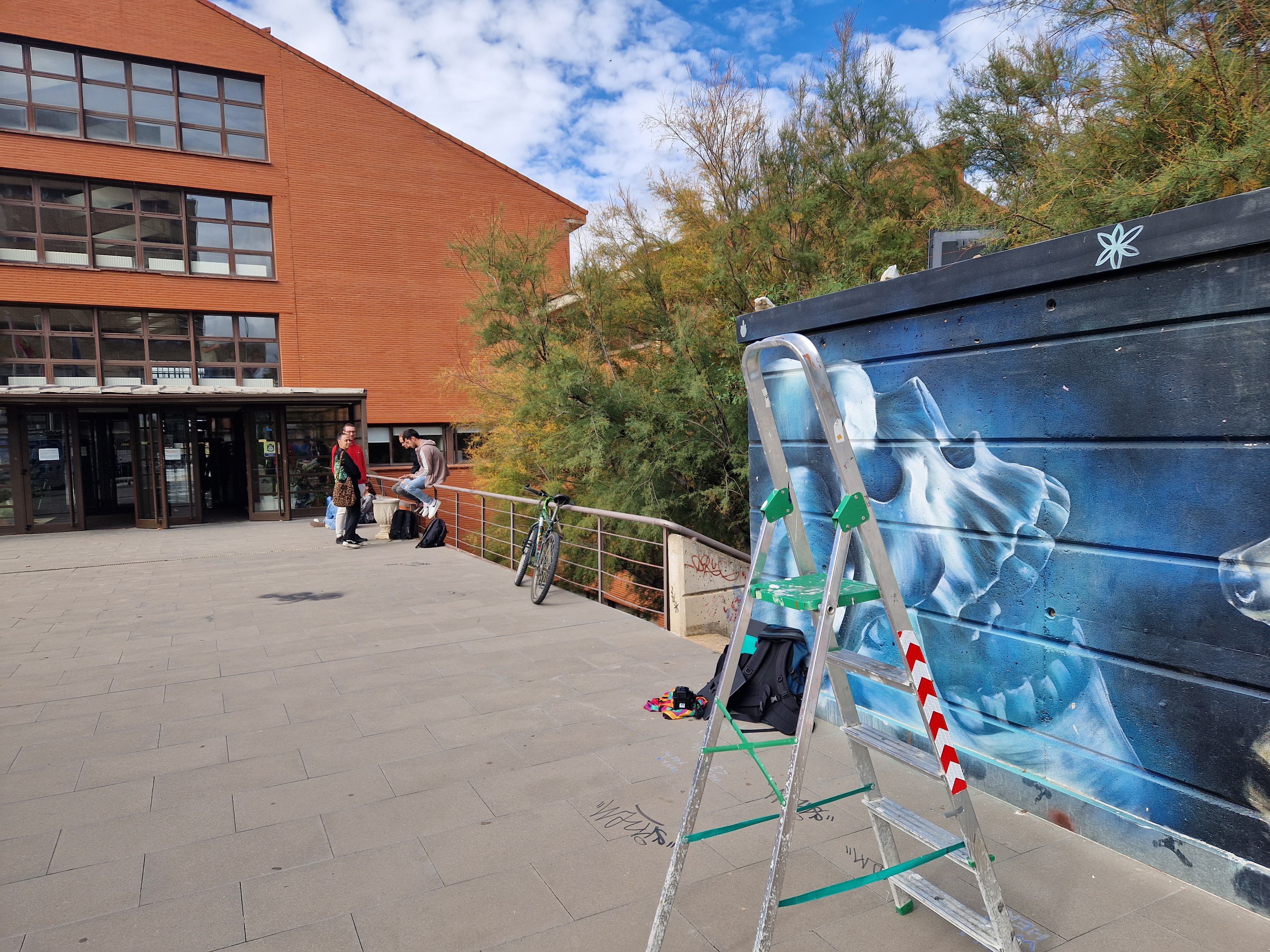

On this day, I set up a shooting station outside the school. I chose that spot because I could use some of the plain, dark background and (some) sunlight that I was lucky to have that day.
Throughout a couple of hours, I approached people, explaining my project and asked if they would model for me. Luckily, everyone was very friendly and keen, so I finished shooting in excellent time, which allowed me to proceed to process that film on the same day.
PROCESSING RESULTS AND DARKROOM
CONTACT SHEET
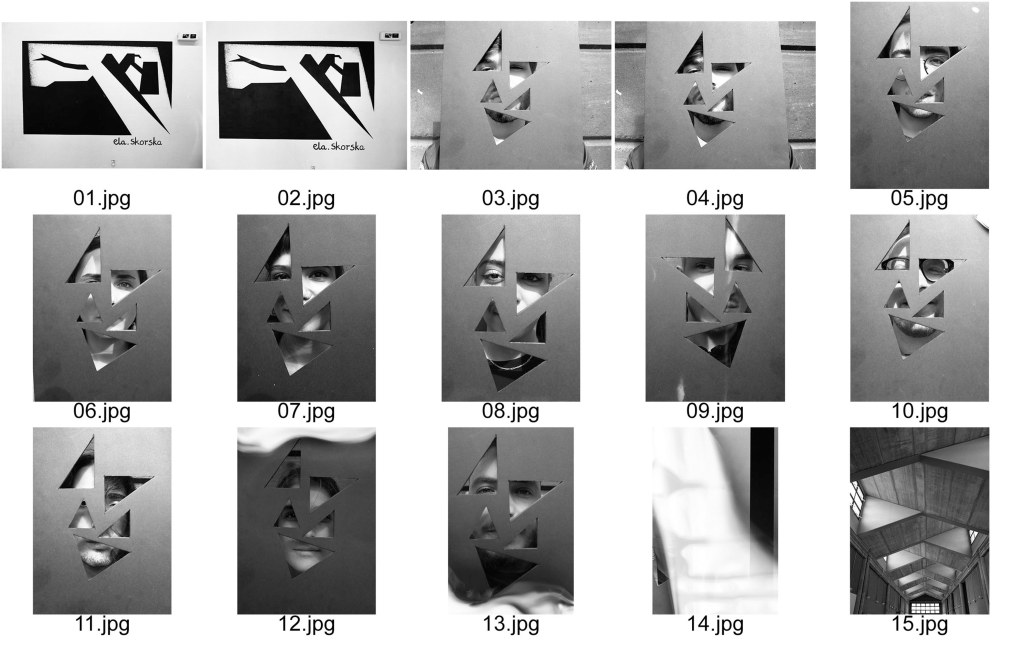
PROJECT PHOTOGRAPHS

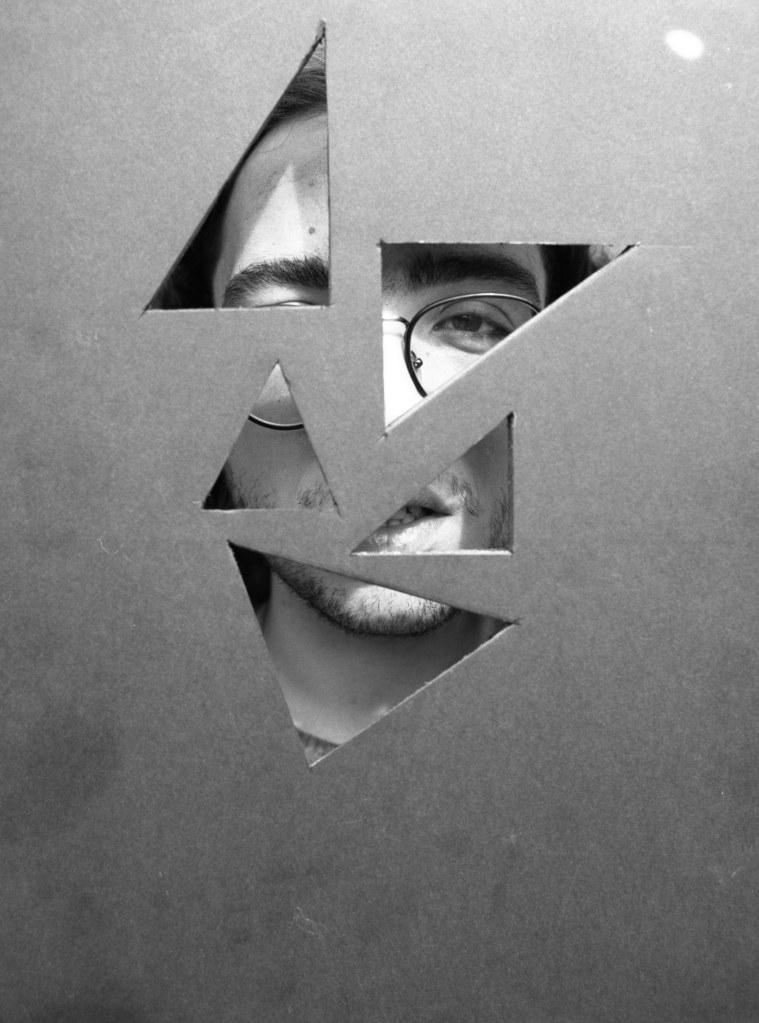
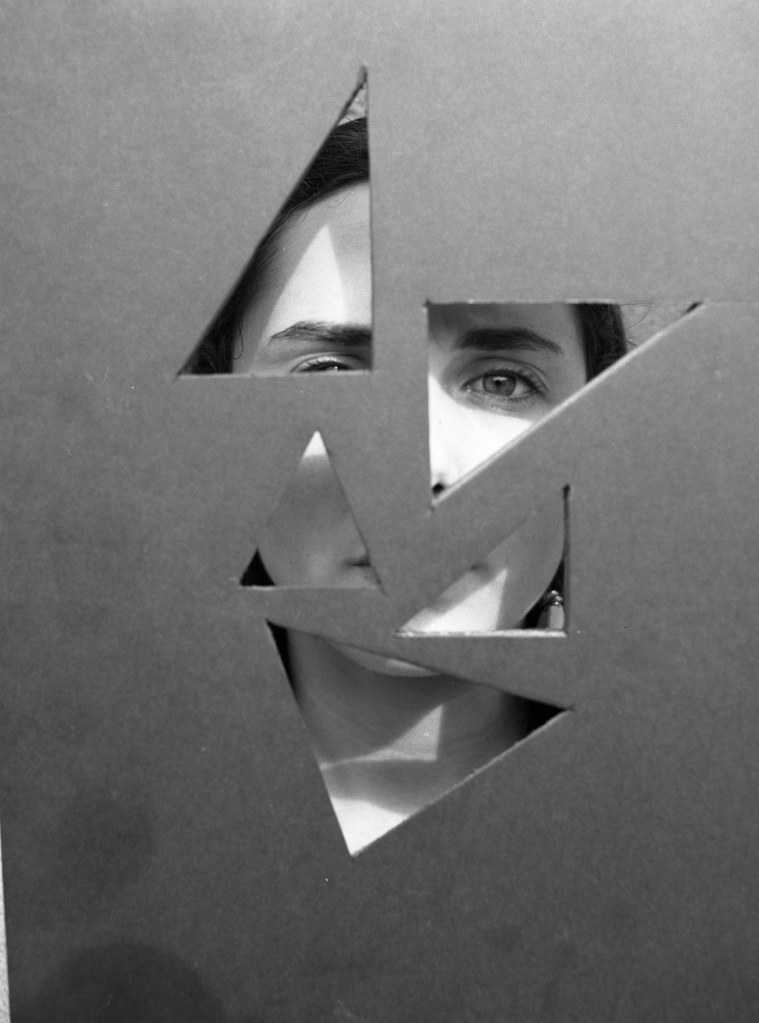
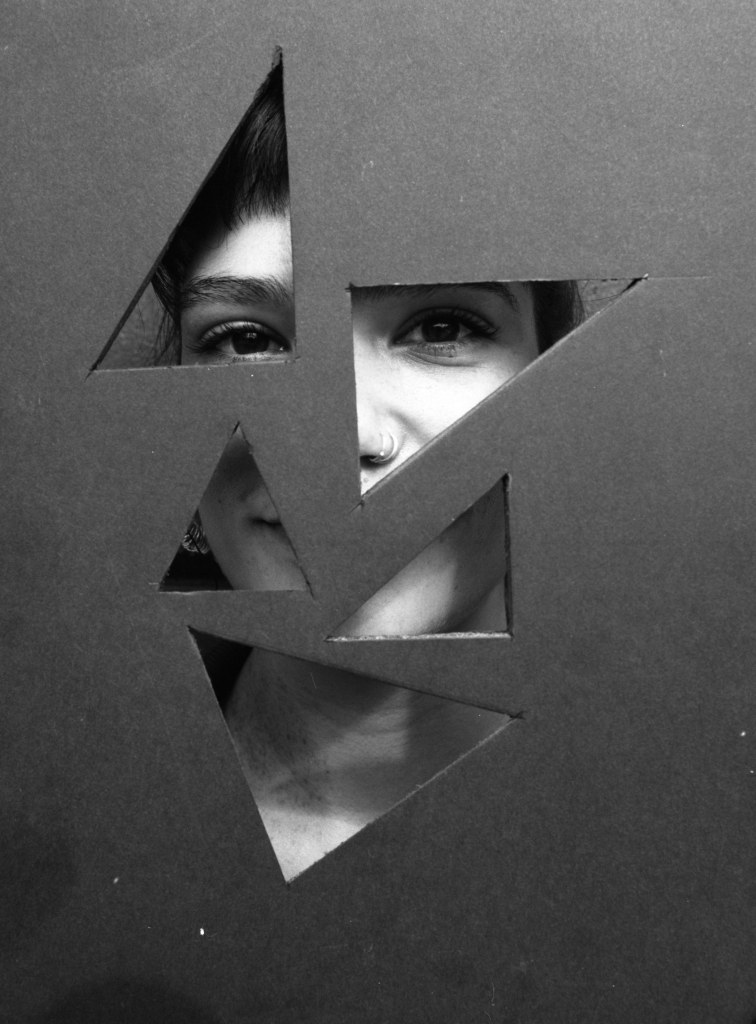
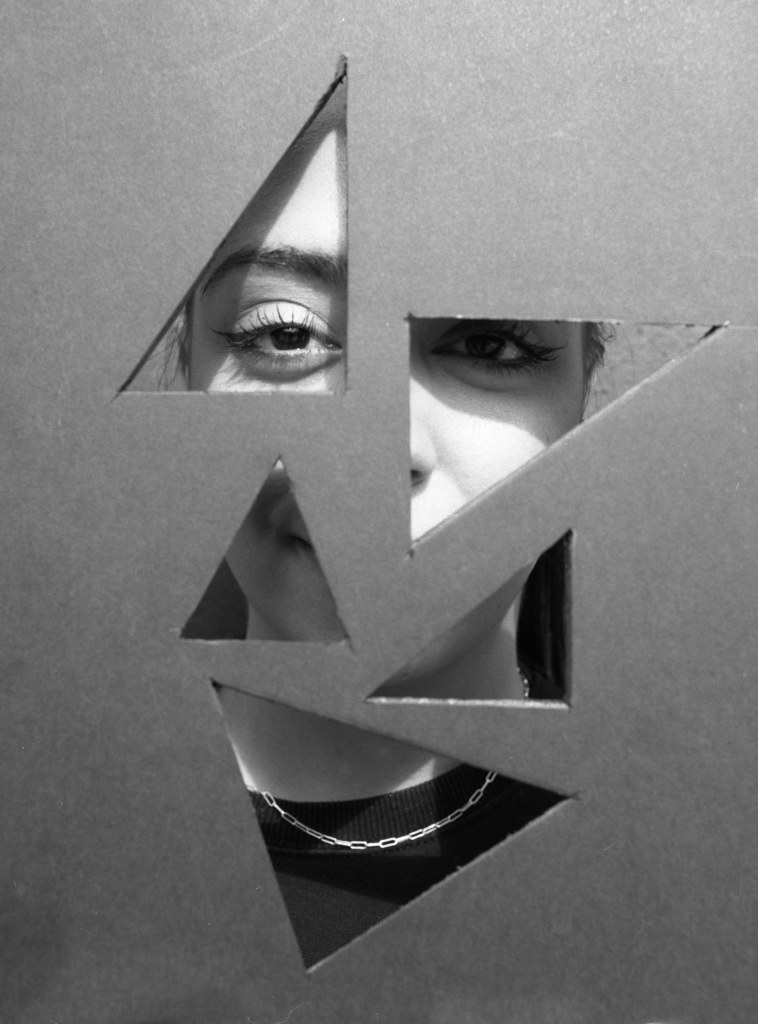

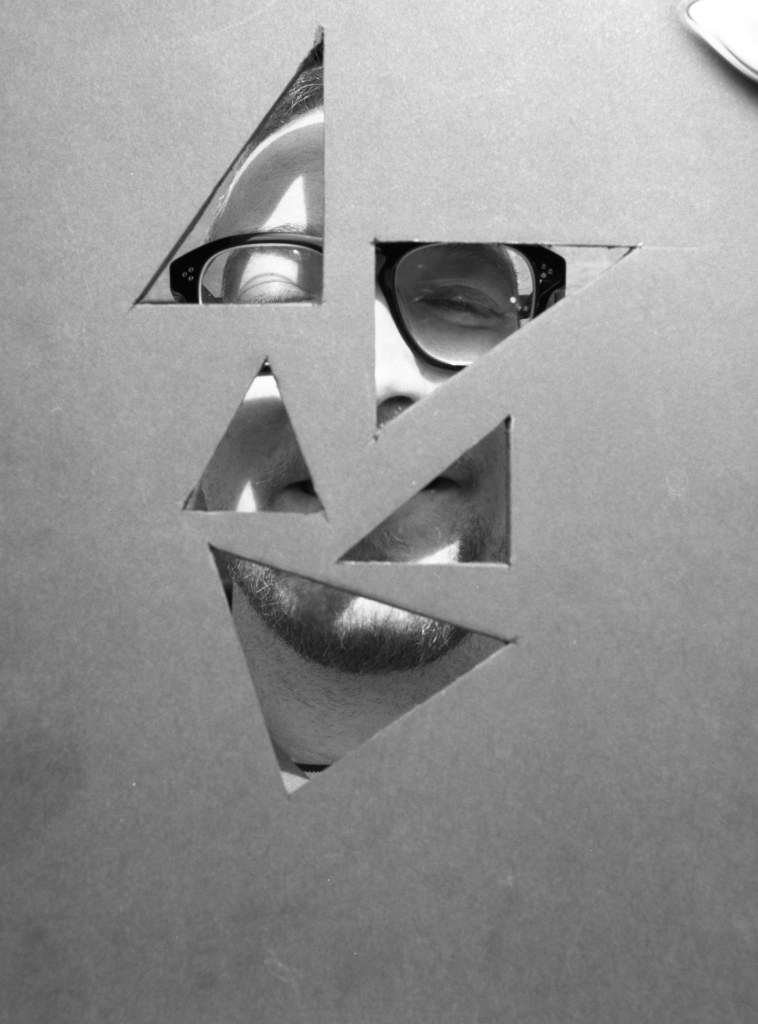
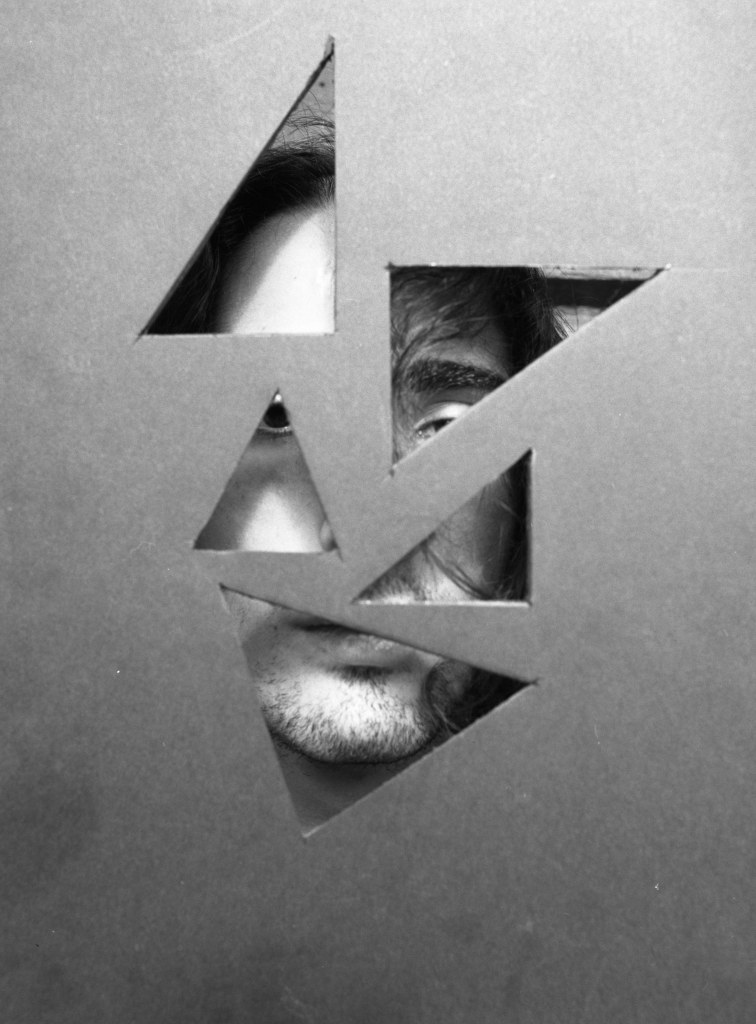

I had minor issues processing film (the film got stuck together) and lost a few images because of it, but since I took around 12 portraits just in case something happened, it was not a problem, and I had a satisfactory amount of quality images to choose from.
WORKING IN THE DARKROOM PRINTING IMAGES

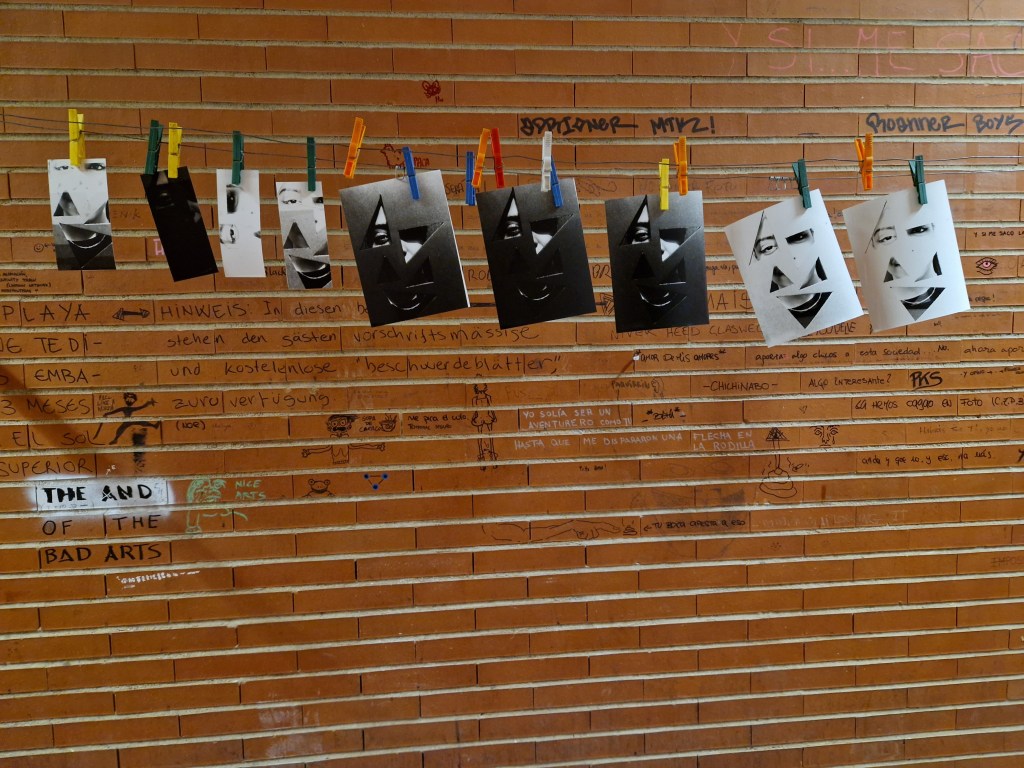
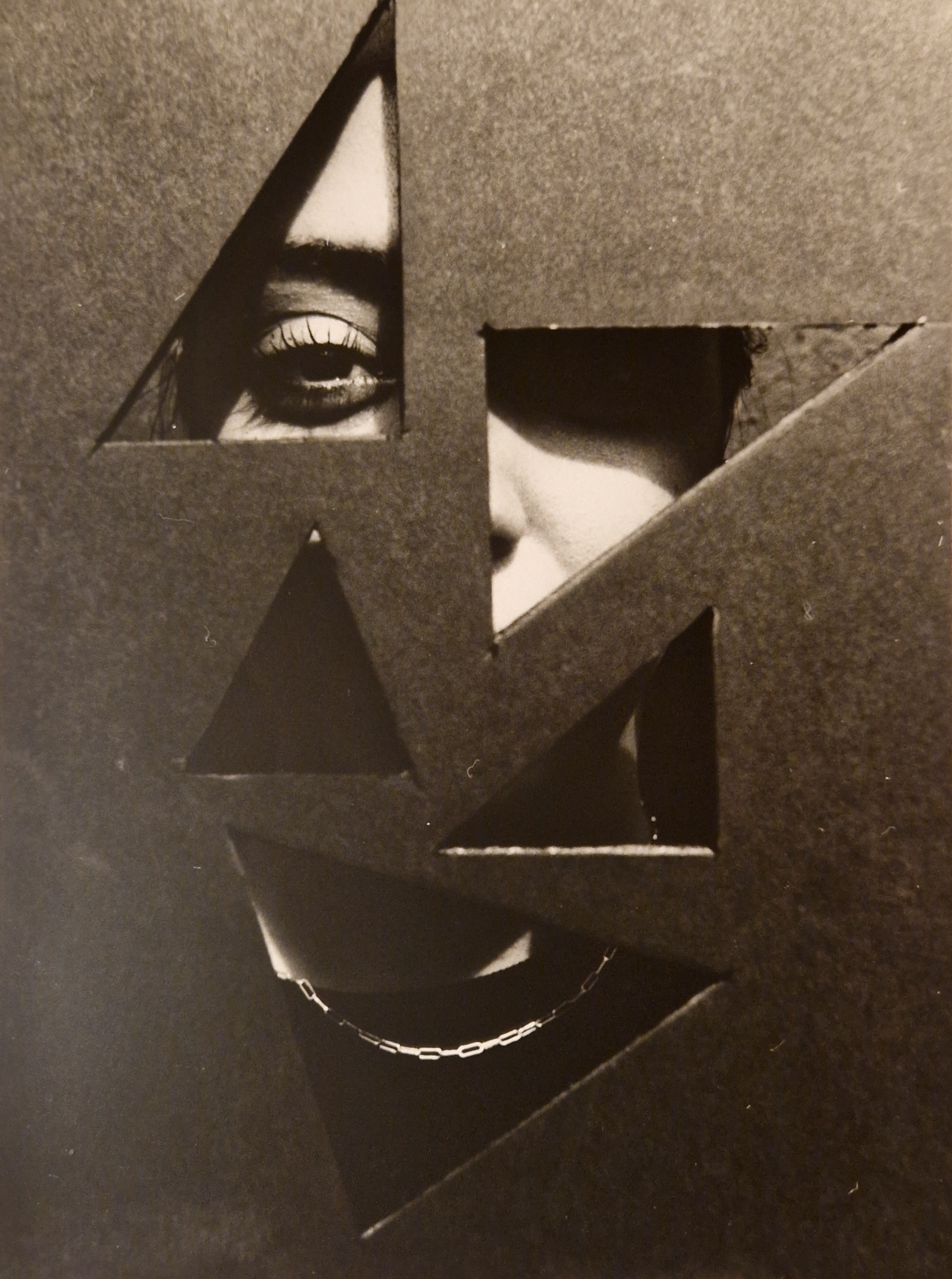

I spent two full days in the darkroom printing images for the exhibition. So good to be back!
HANGING WORK
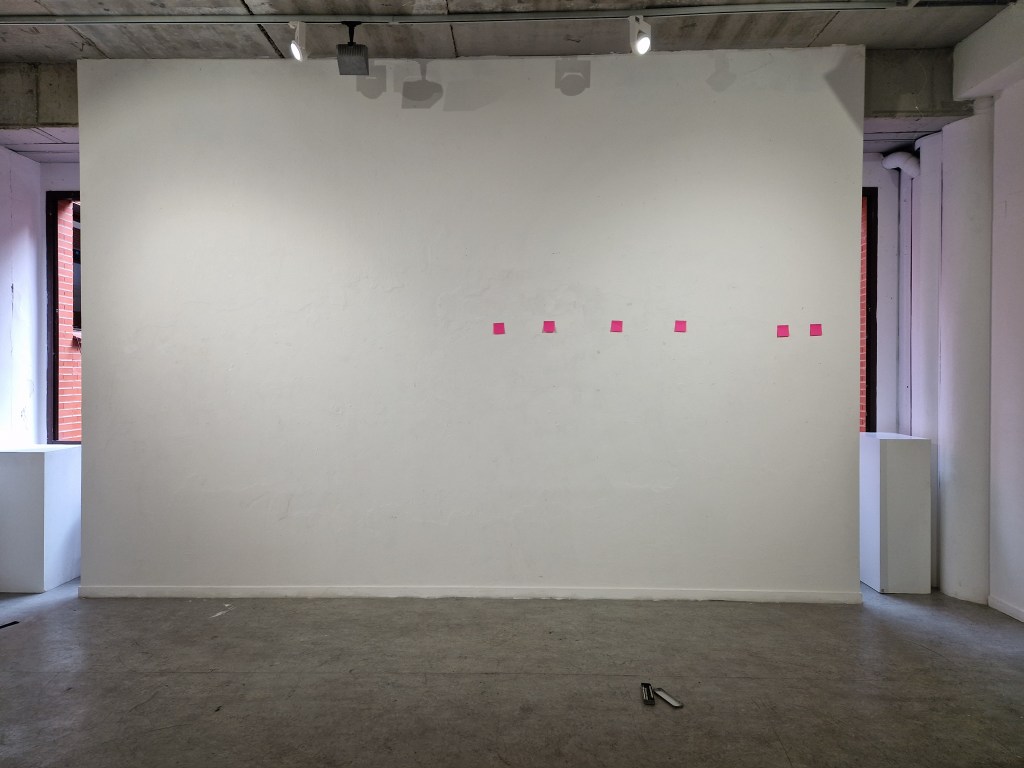
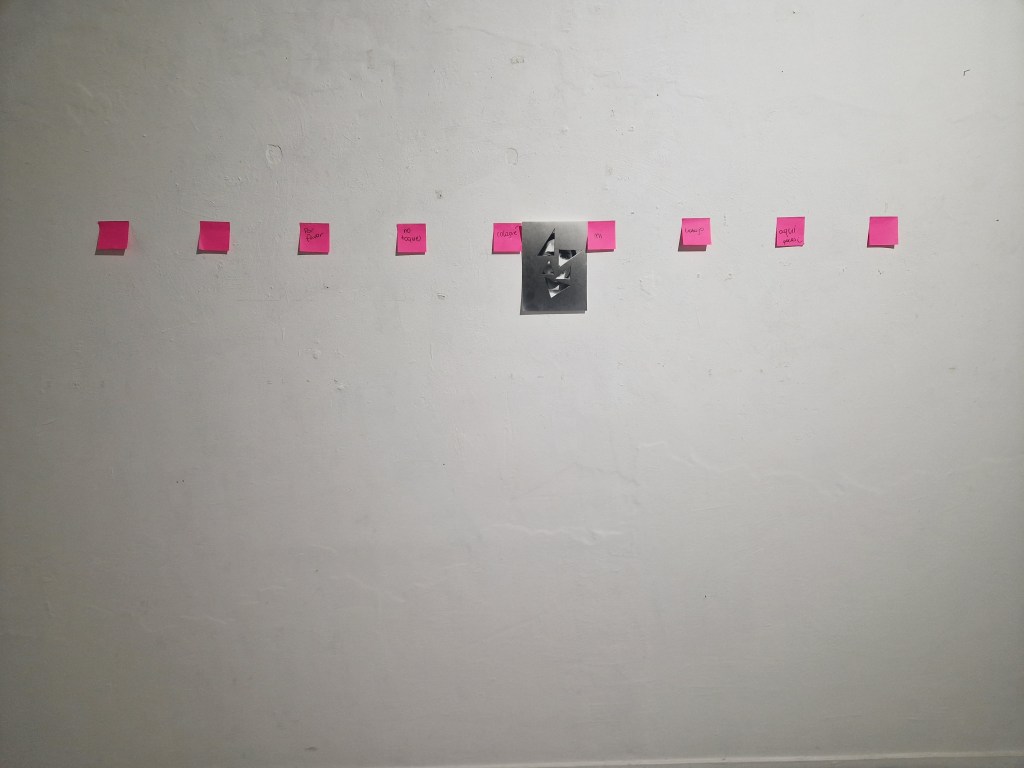
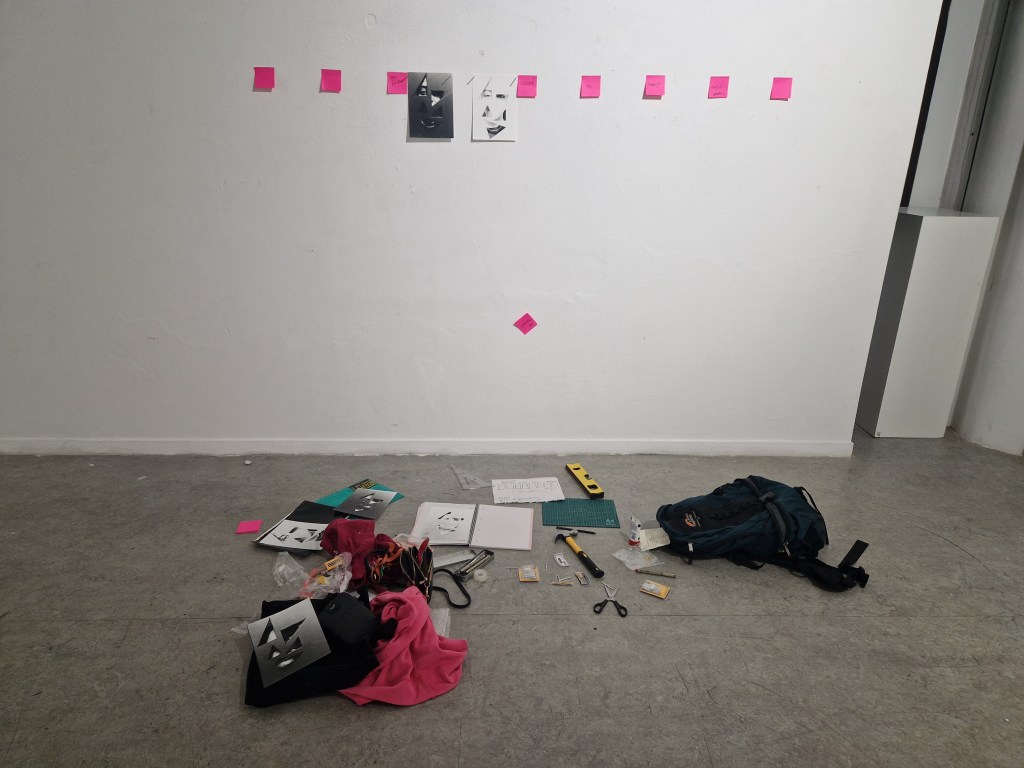
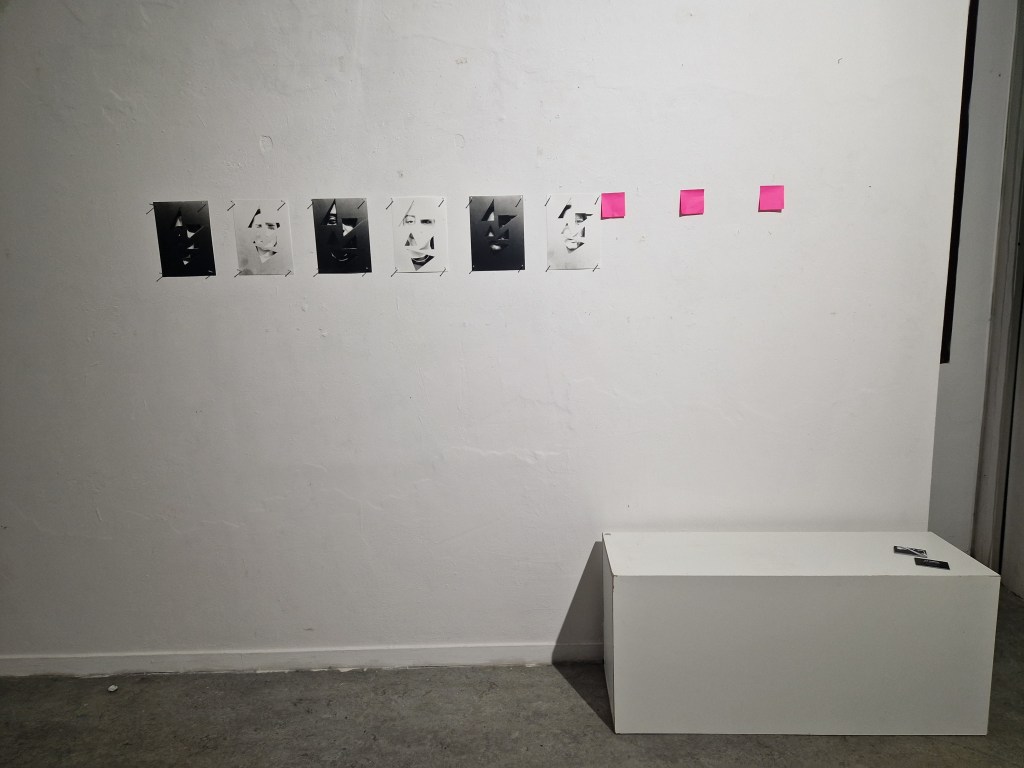
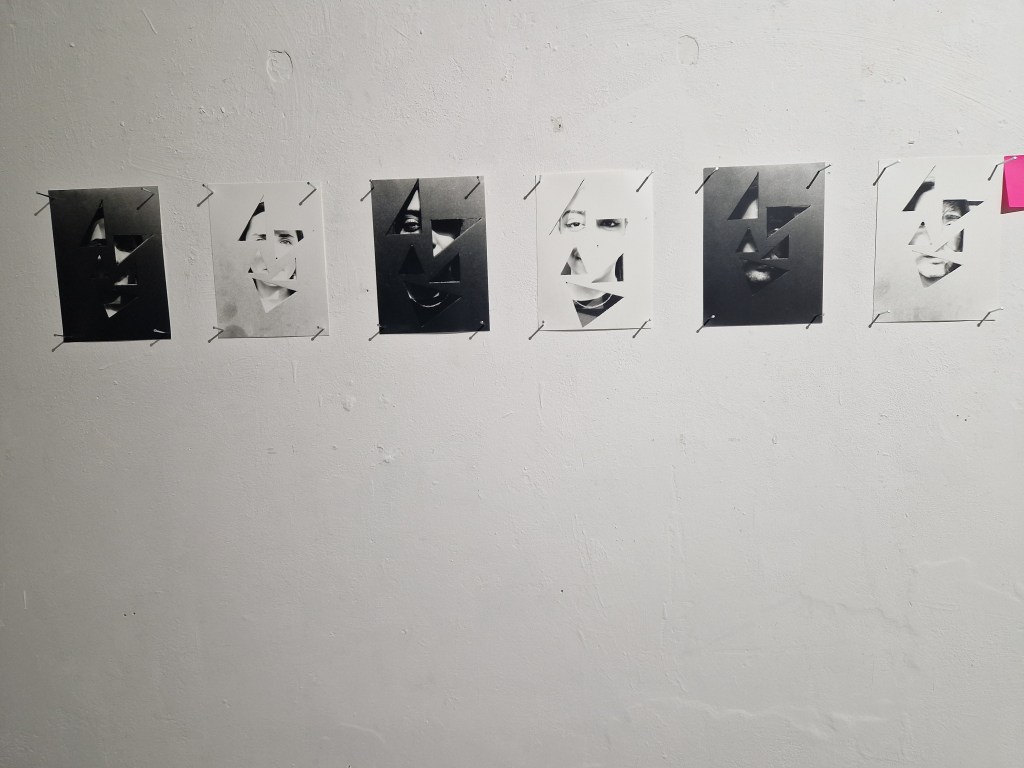
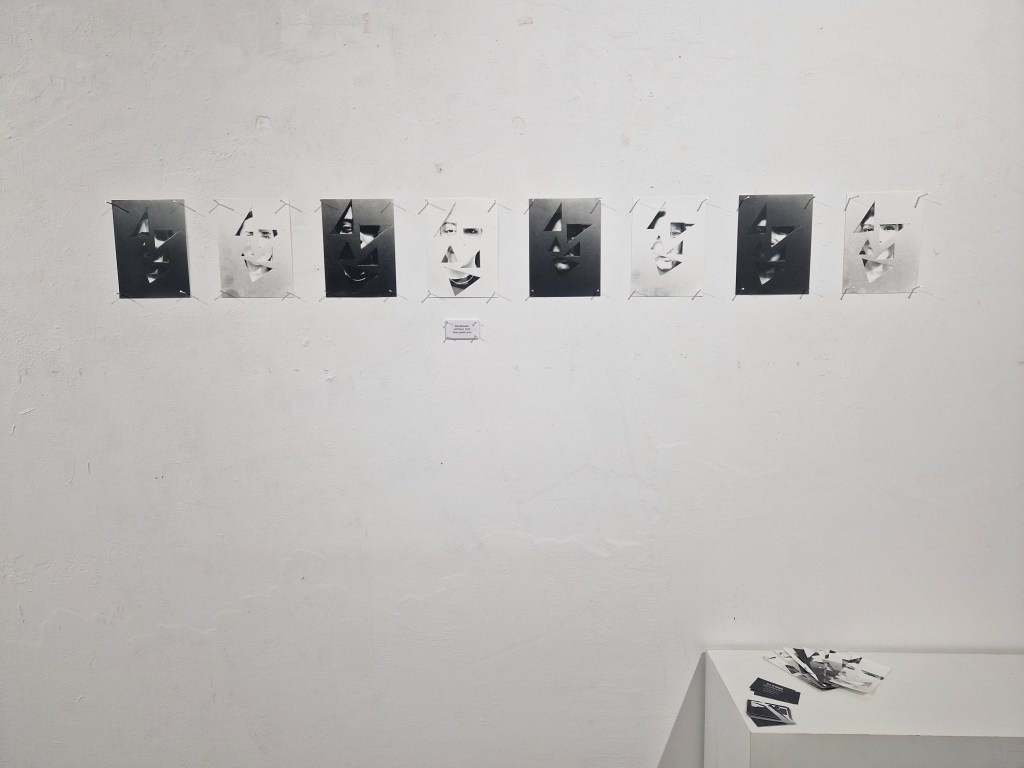
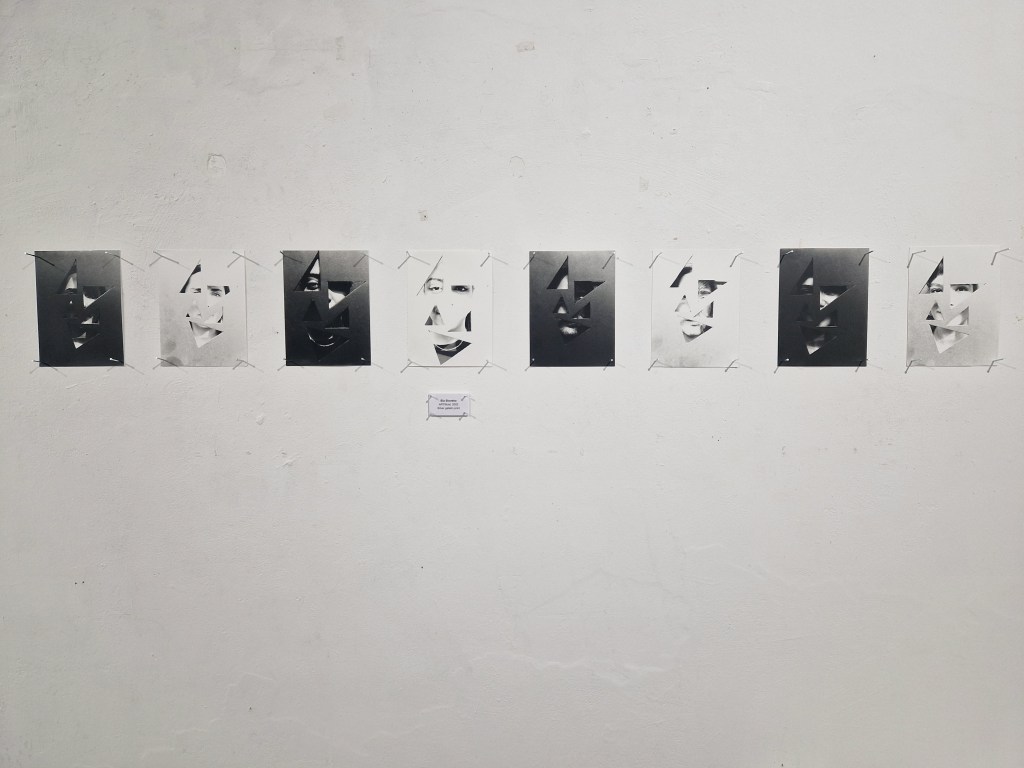

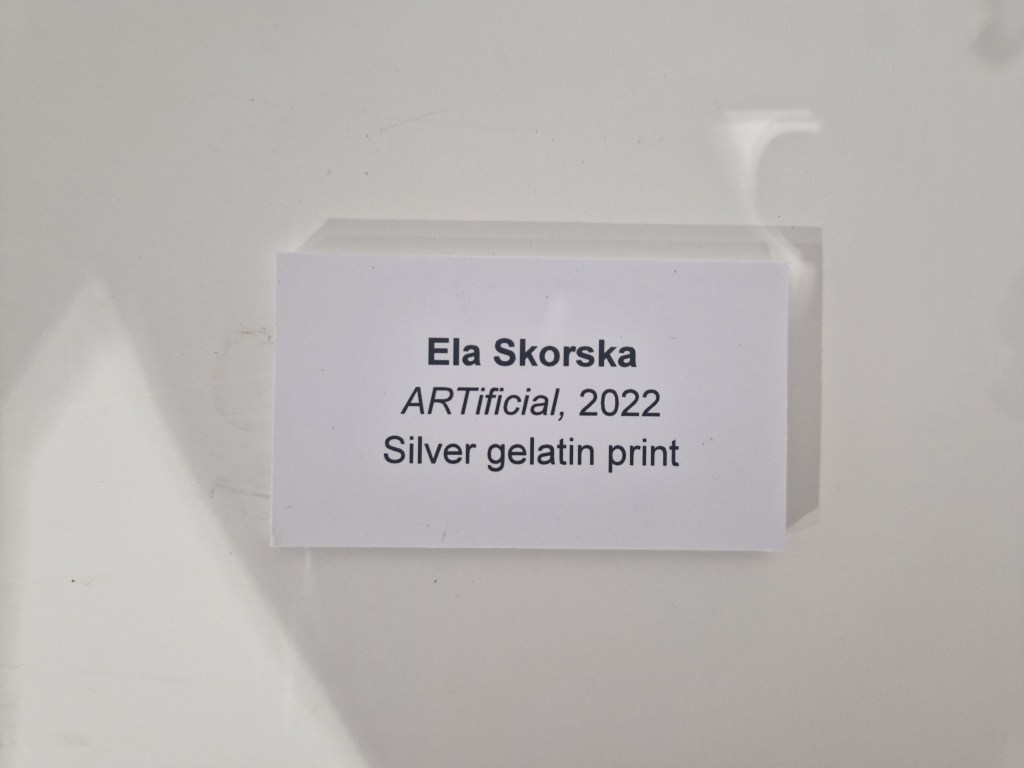
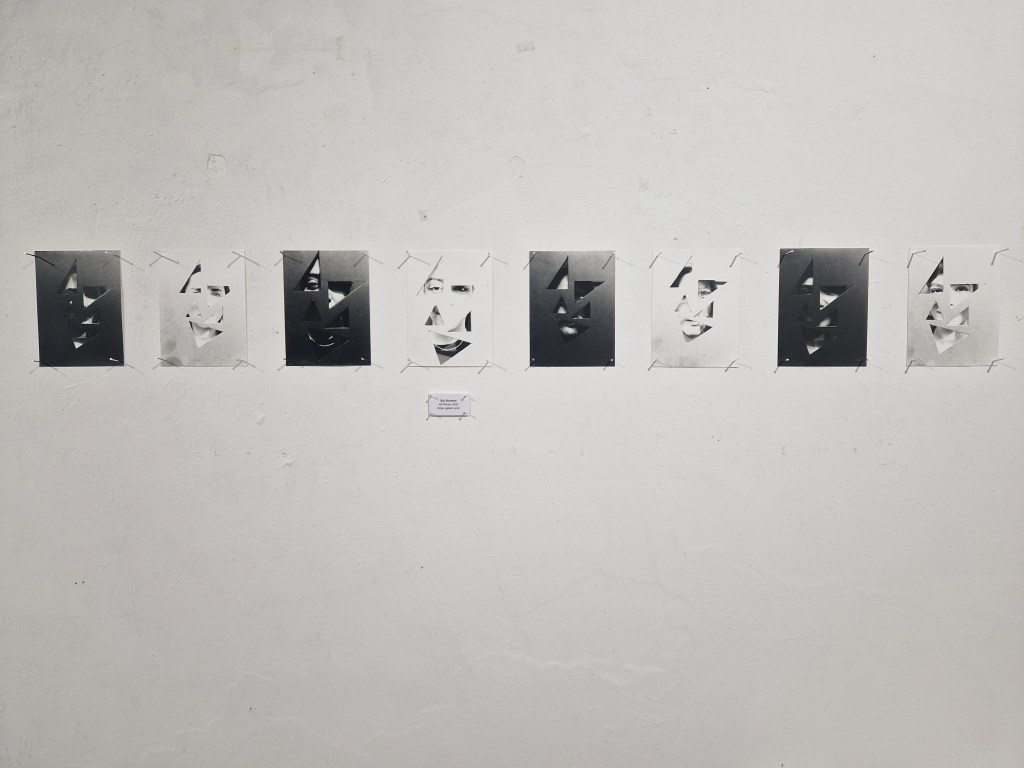
I spent a few hours in the gallery space hanging my work. I measured it up, divinded the space into eight images, used level to make sure it’s straight. I made a wall plan before hanging work. Aditionally I added plinth with my buissness cards and test strips. I have also prepared a label using foam board, good quality print and spray glue. I decided to use long nails for hanging of this work as I thought it would work very well for this project (and I was right). I have seen art displayed like this several times and always wanted to try it for myself.
I am very happy with the results and really enjoyed working on this project that definitely spawned some valuable ideas that I will carry on developing in the future.
FINAL WORK
PROJECT TEXT
Framing is everything. Whether we take a photograph, tell an anecdote, write a story, film or even in the simple act of looking, we make decisions or decisions that are being made for us to shape the perceived reality. The narrative we are being told could be conveyed in one hundred ways as the framing, like our reality, is momentary and ever-changing. Through my project, I aimed to examine how framing only shows partial truth and shapes the reality we want to suggest. The paper model – like the camera, only lets in fragments of information. We inquisitively peek, enticed with pieces of data, concentrate on details, and let the imagination do the rest, allowing it to form knowledge based on our investigation. Additionally, in my proposal, I wish to emphasise the act of composing each photograph by the artist and the viewer, where together we construct a unique, subjective, idiosyncratic picture which exists silently between us like an unkept secret.
AN IMAGE, moving or still, is a glimpse into reality, an interpretation, freedom of choice, a manipulation.
‘Photography does not simply reproduce the real, it recycles it (…) (S.Sontag) sums up flawlessly the act we engage in when put behind a camera. We accumulate and process materials and turn them into new products. Products that we see fit to present to others, the recycled reality of our choosing.
REFERENCES
How We Conned The British Press | Fakes, Frauds & Scammers. VICE. (2022). [Online video] Available through YouTube [Accessed on 01/10/22] https://youtu.be/UZfz0DVqCtA
Jeu de Paume. Helena Almeida. (2016). [Online video] Available through Vimeo [Accessed on 05/10/22] https://vimeo.com/156564104
More Methods For Mounting Photos. The Naked Photographer. [Online video] Available through YouTube [Accessed on 15/10/22] https://youtu.be/8Kfla6g12Mw
Real Snow White. Pilvi Takala. (2009). [Online video] Available through Vimeo [Accessed on 15/09/22] https://vimeo.com/117571113
 Ela Skorska