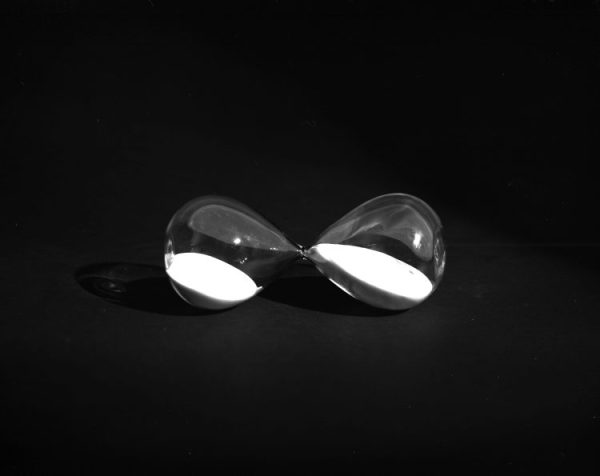
MONDAY 14.03
On Monday, we had a unit brief full of valuable information and talks from people who will lead us with their knowledge and skills towards a successful exhibition in the city.
Apart from the technical facts, we had a lecture from the fantastic Mishka Henner. Mishka talked about his practice, progress, bookmaking and exhibiting, all very insightful and relevant. I was surprised how much I liked his photography, as I have a very different style. When I heard him talking about the concepts behind the work, his outlook on the world and photography, it all came together and fascinated me. It made me understand how important is the context and communicating the concept behind the work to the viewer as it gives them a deeper understanding of you and your artwork. It is obvious, I know, but sometimes it’s beneficial to have things spelt out to you for them to really sink in.
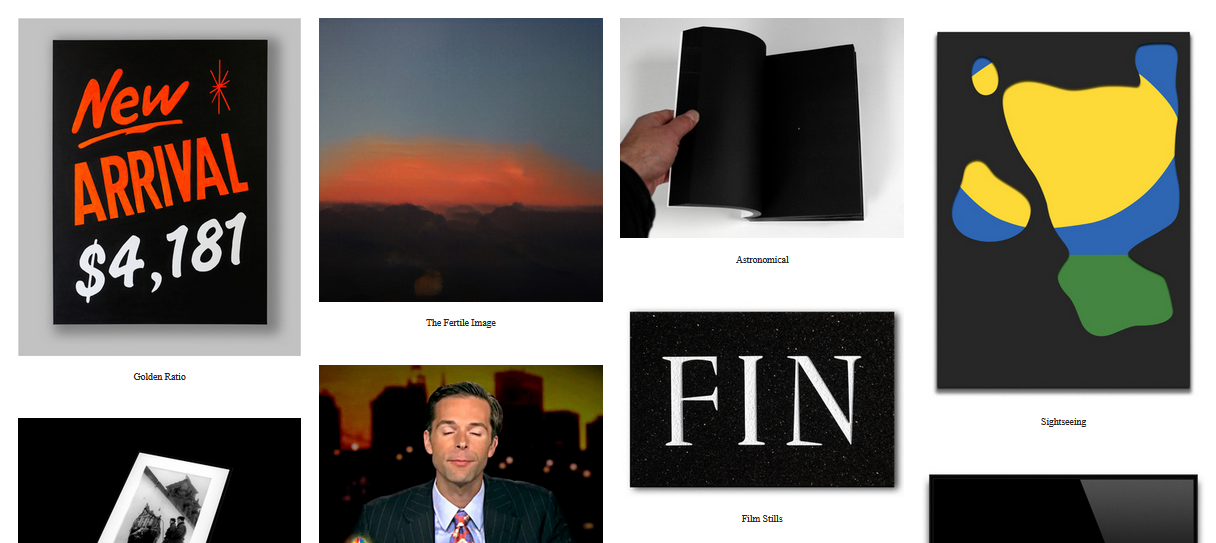
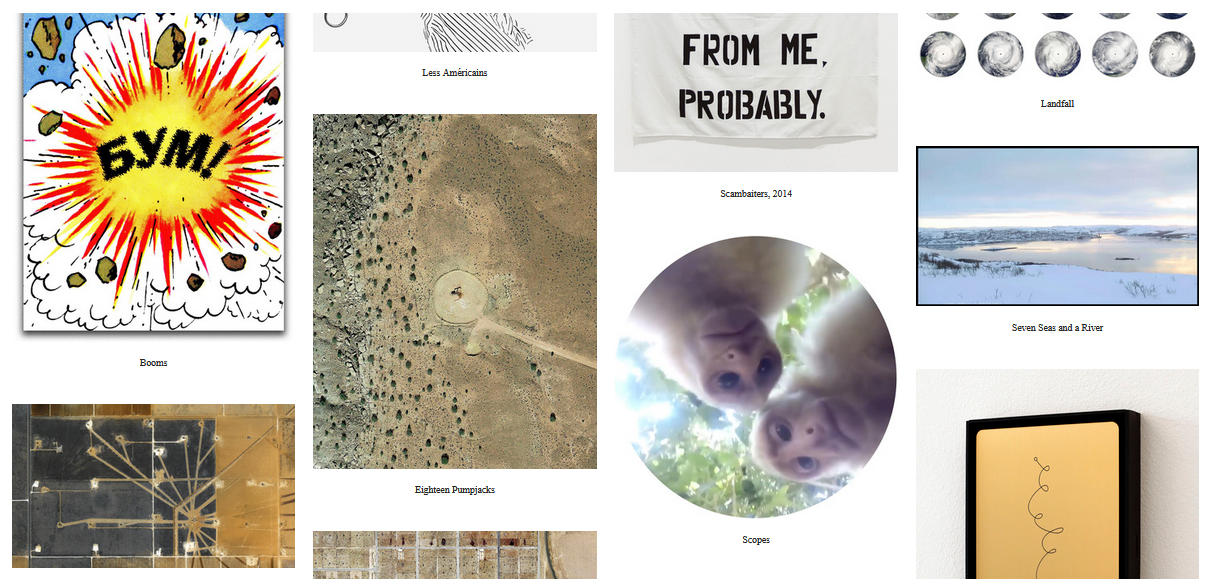
As to curating our exhibition, we had a great talk from Thomas Dukes (email). I believe that with the team of people to support and guide us, we have a good chance for a successful exhibition, and I am very, very excited about it.
The man to speak to about anything legal is the external liaison manager – Marcus Lord (m.lord@mmu.ac.uk.). We will definitely need to talk to him at some point in our exhibition development. His presentation made me realise how much I don’t know about it and how many little things matter to have a successful and user-friendly exhibition.
TUESDAY 15.03
On Tuesday, we had a fantastic tutorial with Yan Preston. We discussed elements of a successful exhibition, and in a spirit of practical learning, Yan took us to several exhibition spaces to observe and draw conclusions.
First, we visited an exhibition in the Central Library. Yan asked us to spend fifteen minutes walking around the gallery, making notes and observations of what we liked and disliked about it and questioning how it could be improved. We then shared our thoughts with the group. It was a very applicable session as it taught us a lot about what not to do, additionally, it was stimulating to discuss it as a group and feedback from each other.
Things NOT TO DO that we concluded as a group are:
- LESS IS MORE!
- you want to tell a comprehensive story with your art, not throw things at random, be consistent, concise and engaging, managing the emotions coming from the art wall
- aesthetics is VERY IMPORTANT – no scratched frames, badly cut canvases, art hanging unevenly, tipped, art hanging messily, art taped to the wall, unprofessionally printed labels and confusing exhibition posters/statements
- obviously – work with the space – lead the viewer with wall/space arrangement, consider light both artificial and natural
THE CENTRAL LIBRARY EXHIBITION
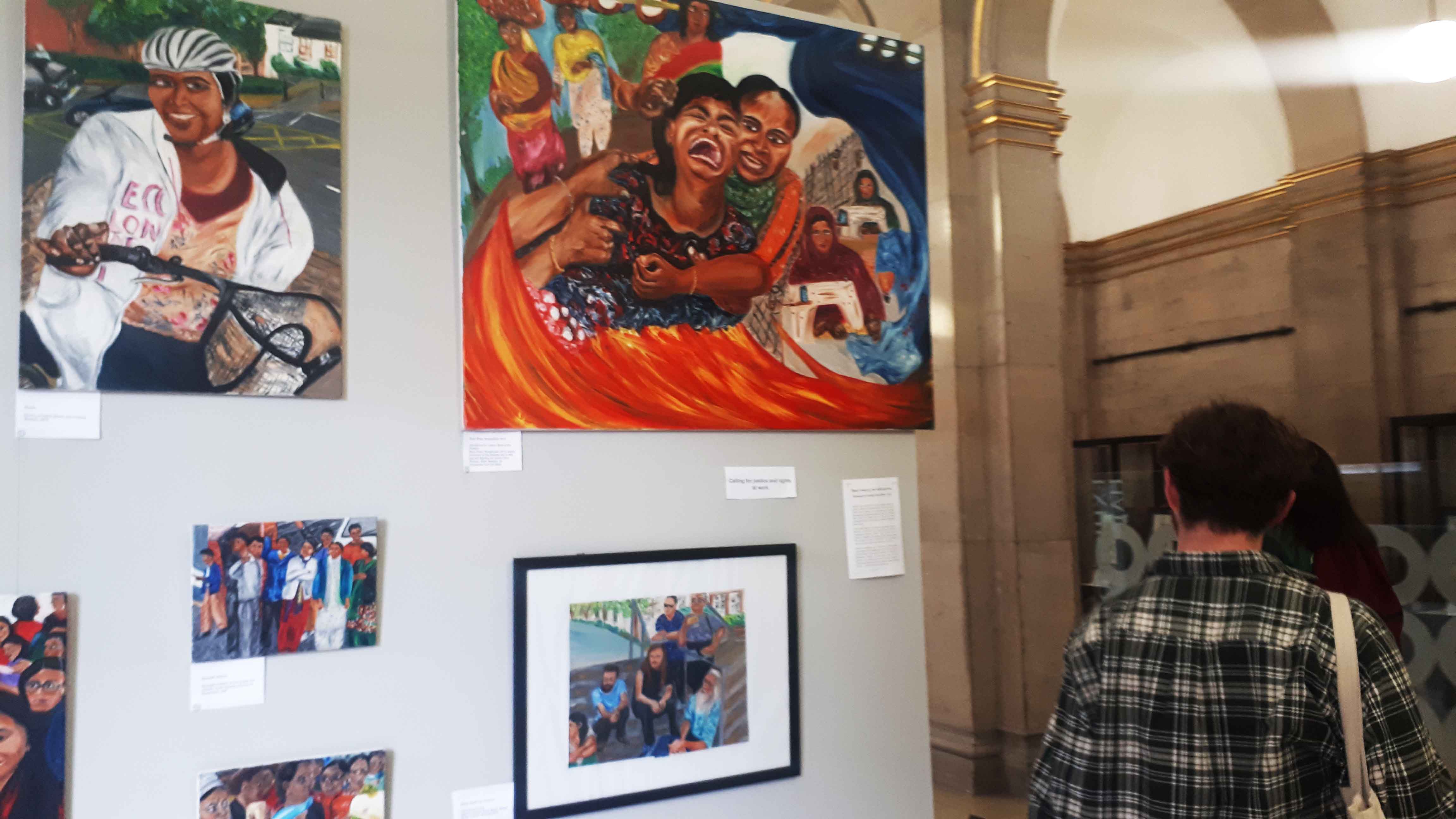
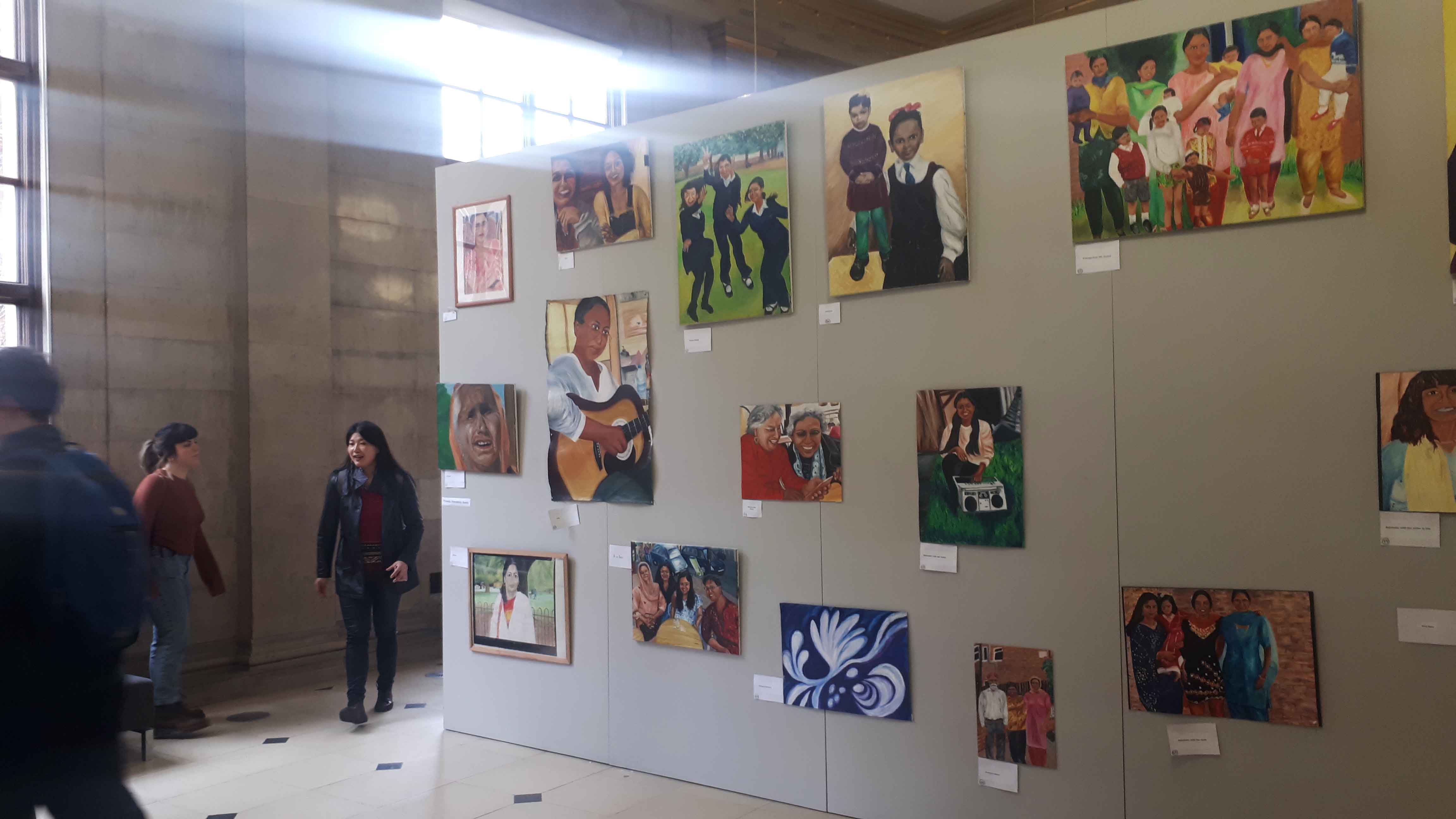
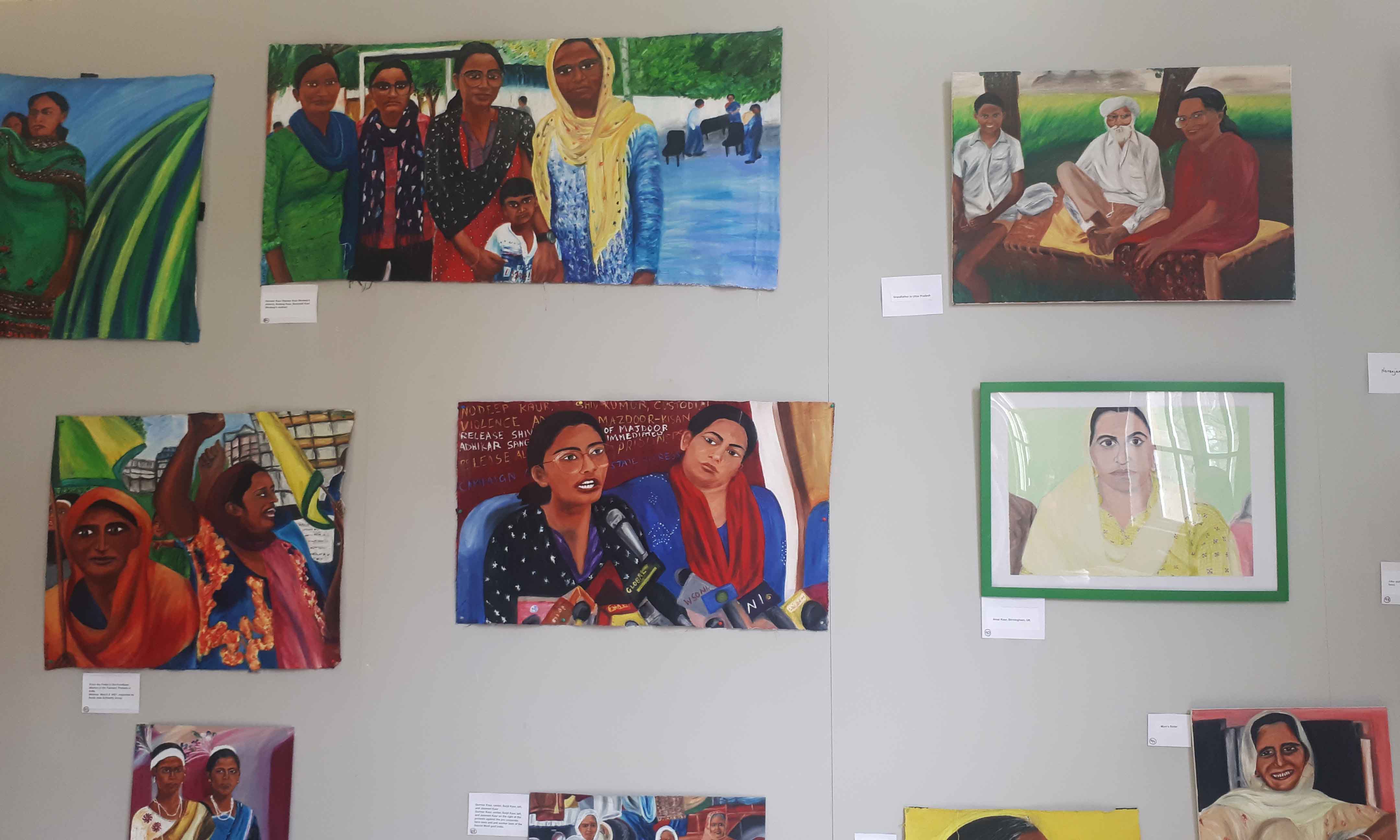
SMALLER EXHIBITION IN THE CENTRAL LIBRARY
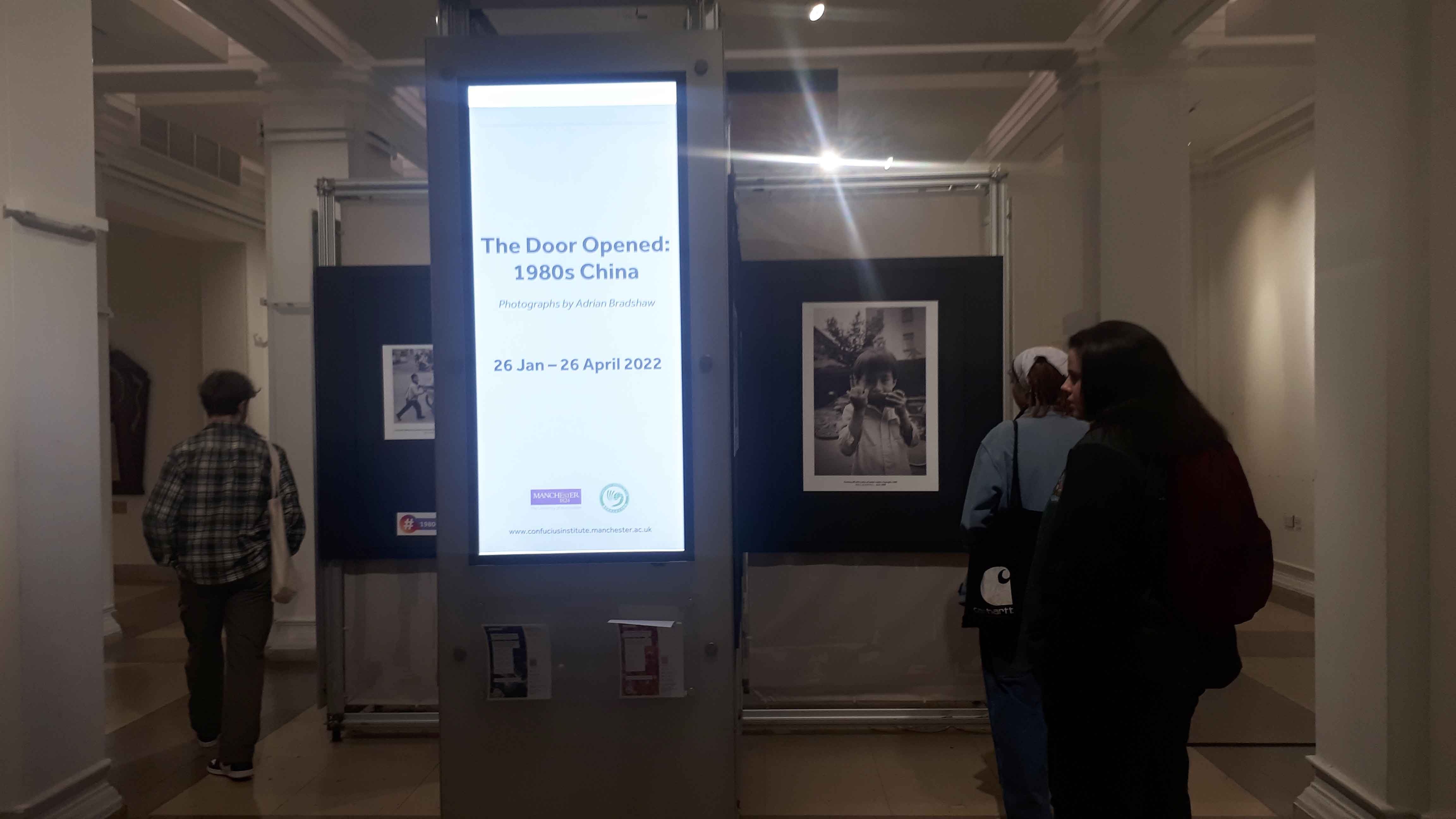
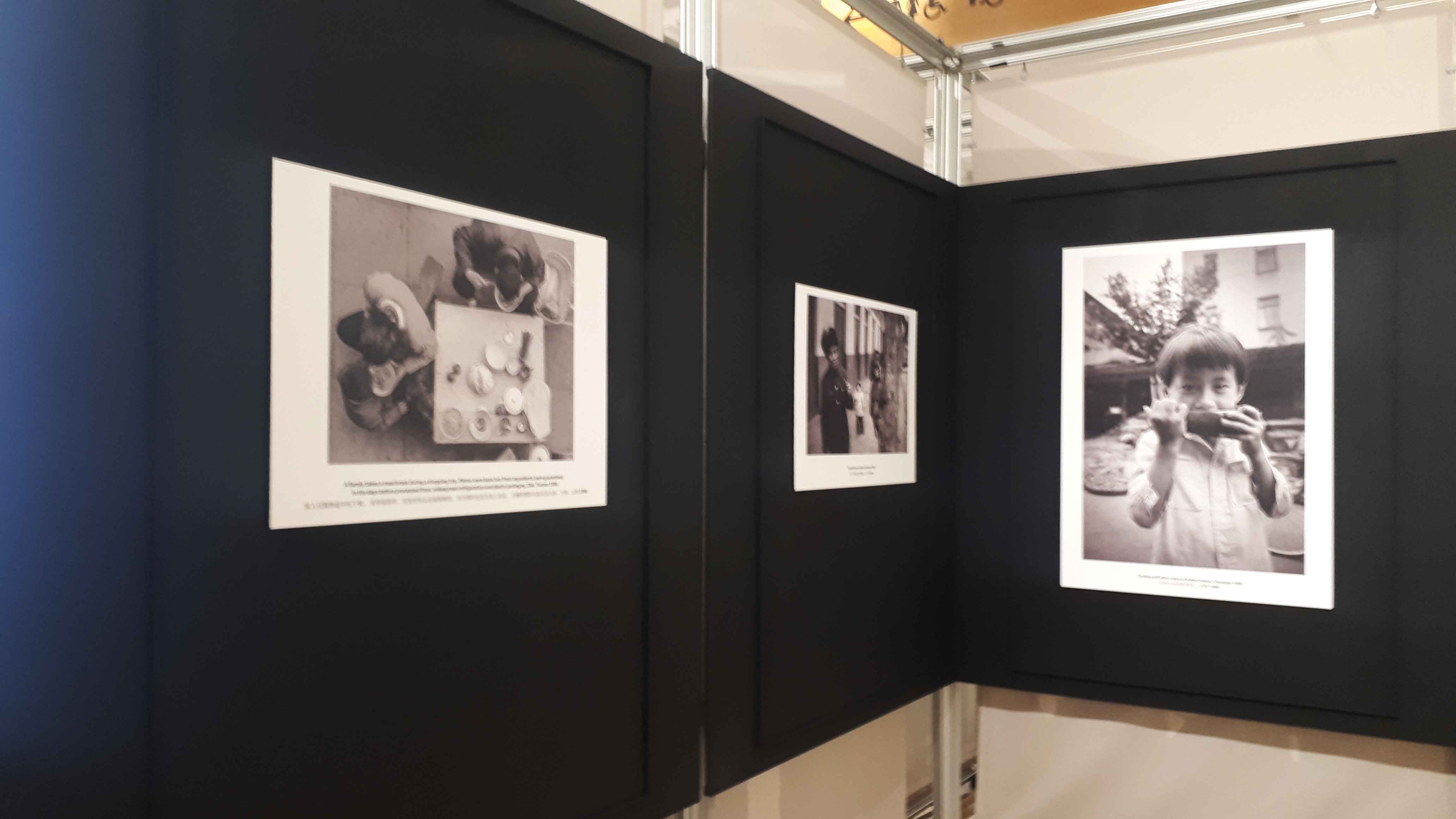
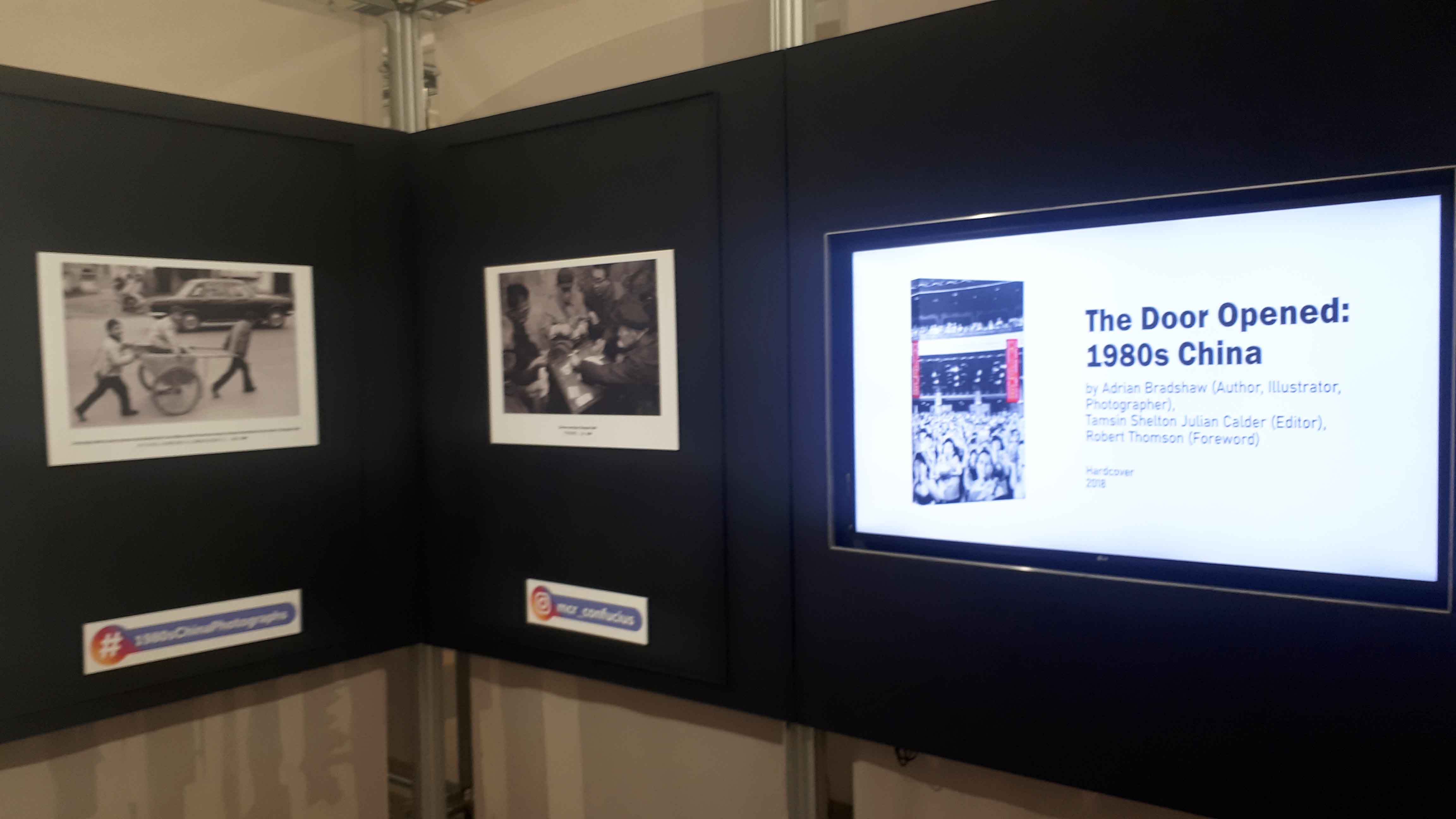
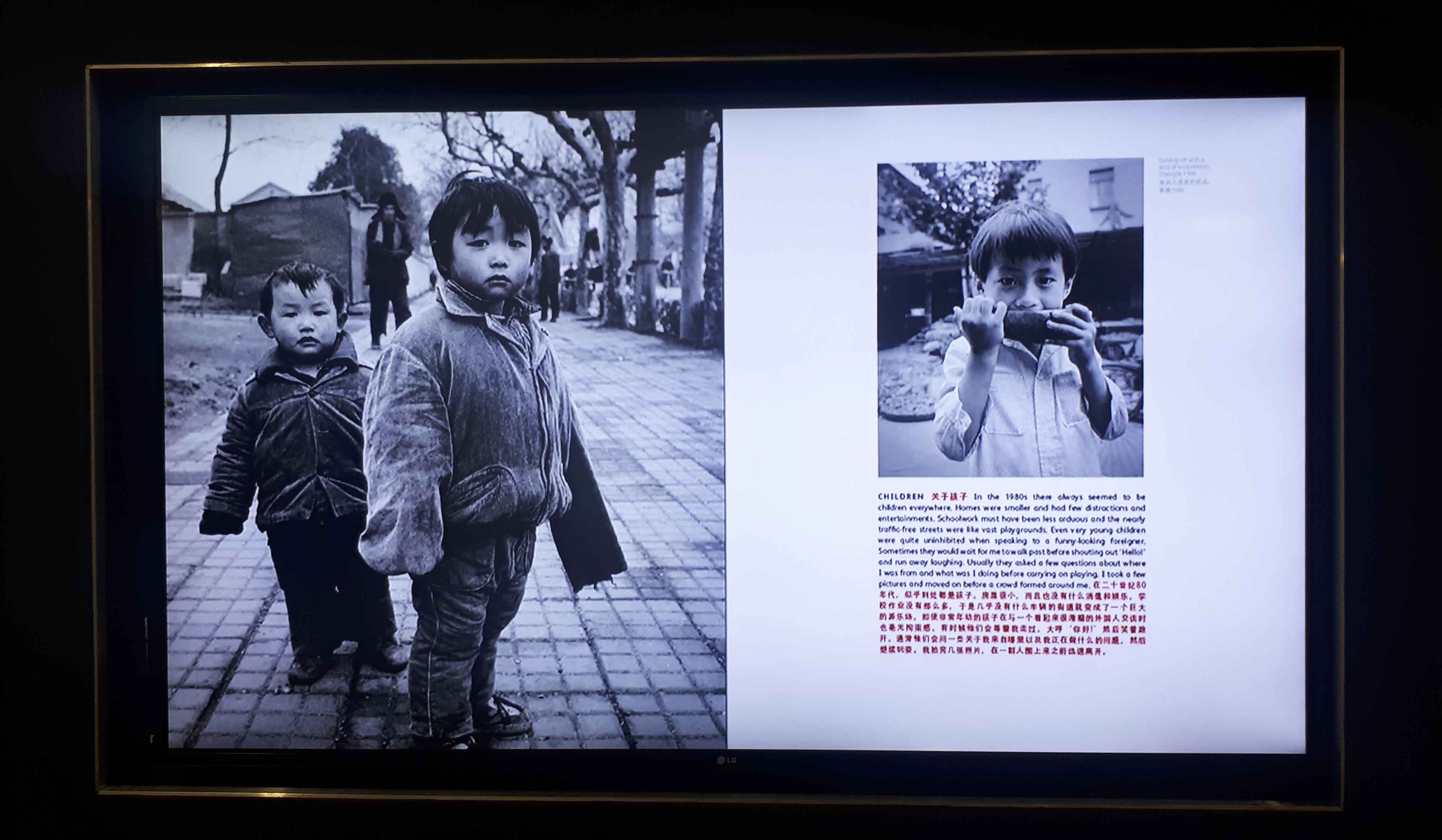
This mini-exhibition was brilliantly presented, utilising this small space skilfully. I especially liked the use of the tv screen to present more artwork and a book that is available to purchase – an important lesson that will definitely come in handy one day. This experience developed my imagination of what can be achieved in a tiny gallery space.
MANCHESTER ARTISTS EXHIBITION AT HOME
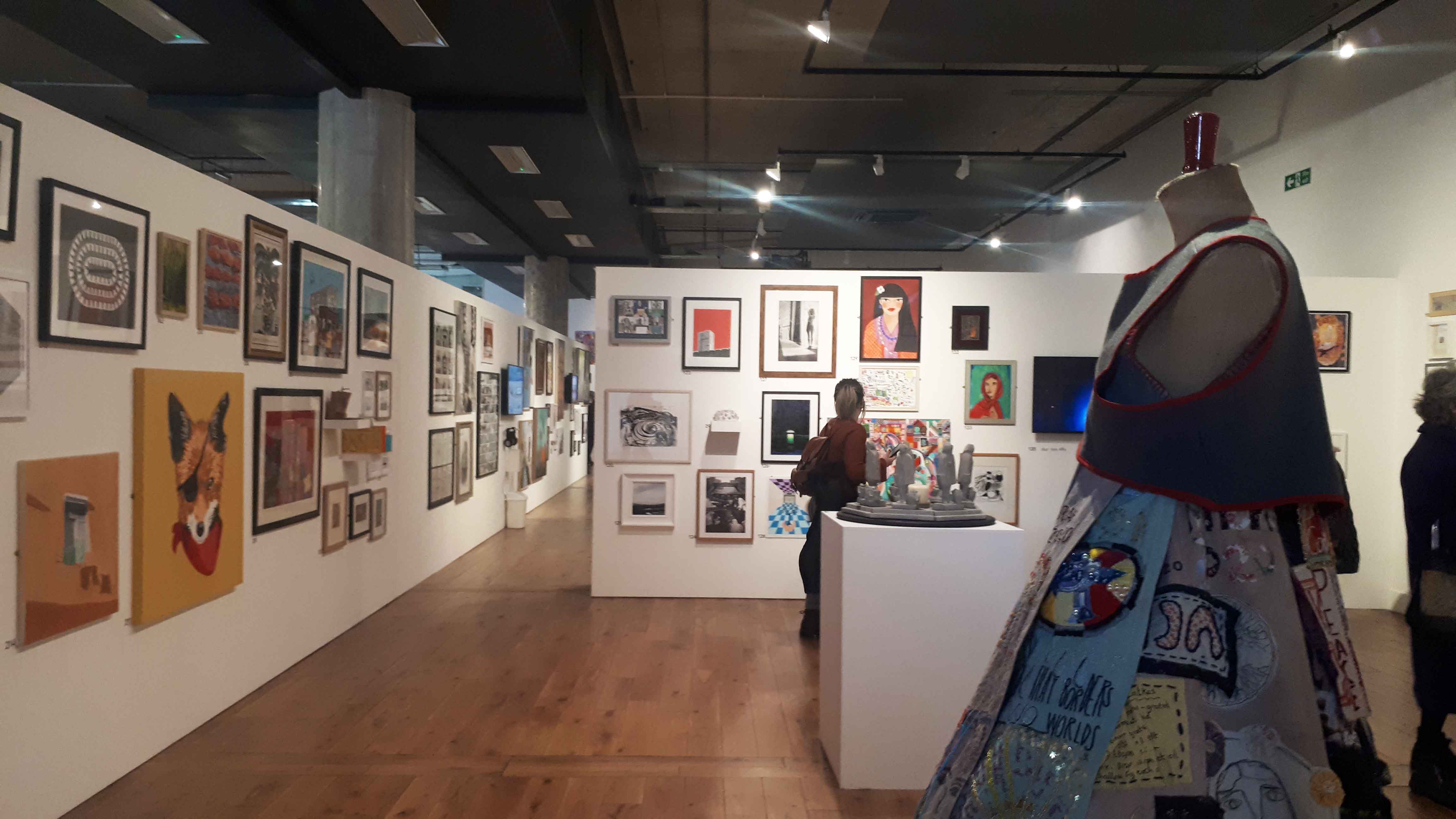
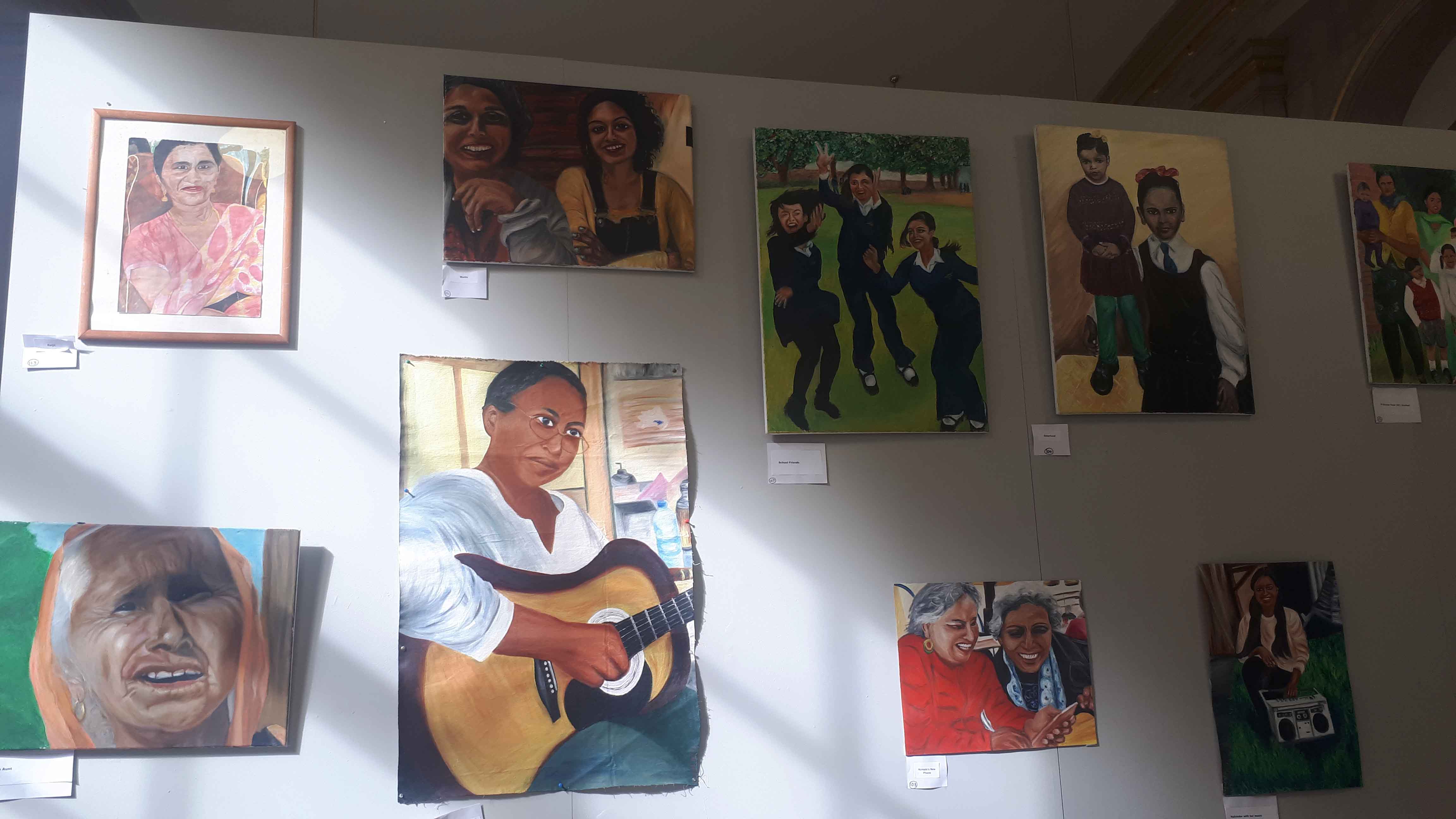
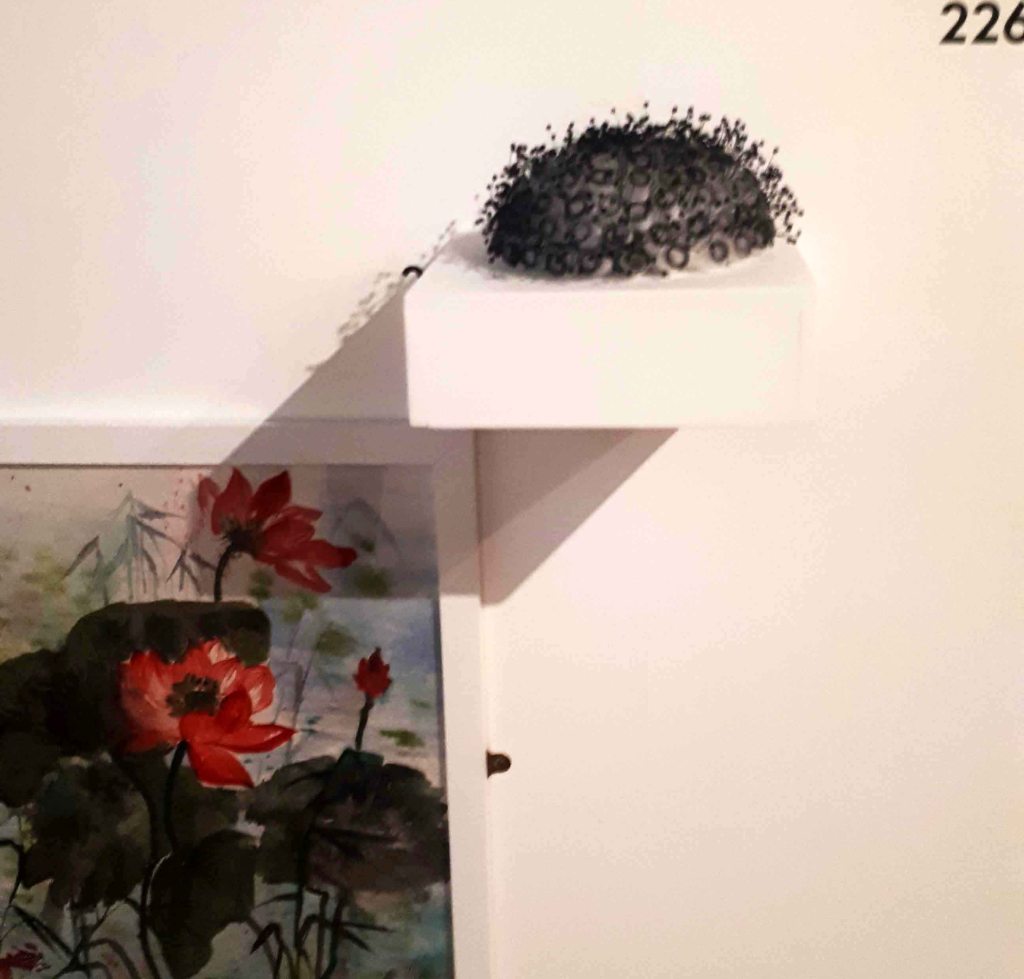
It was my second visit to this exhibition. I love how it is curated, and I imagine it must have been quite hard work to make everything flow so nicely together and from one artwork to the other, considering the space and how much the curators had to fit. Outstanding curating, in my opinion, use of space, and some excellent artists. It was a completely different experience from the first exhibition we saw, and we learned something else from it. Personally, the way of displaying which particularly caught my eye was the artwork placed on a small shelf and the positioning of light on it. I believe that it gave this object even more depth and elevated it into something even more mesmerising and exquisite. Something to remember!
CASTLEFIELD GALLERY
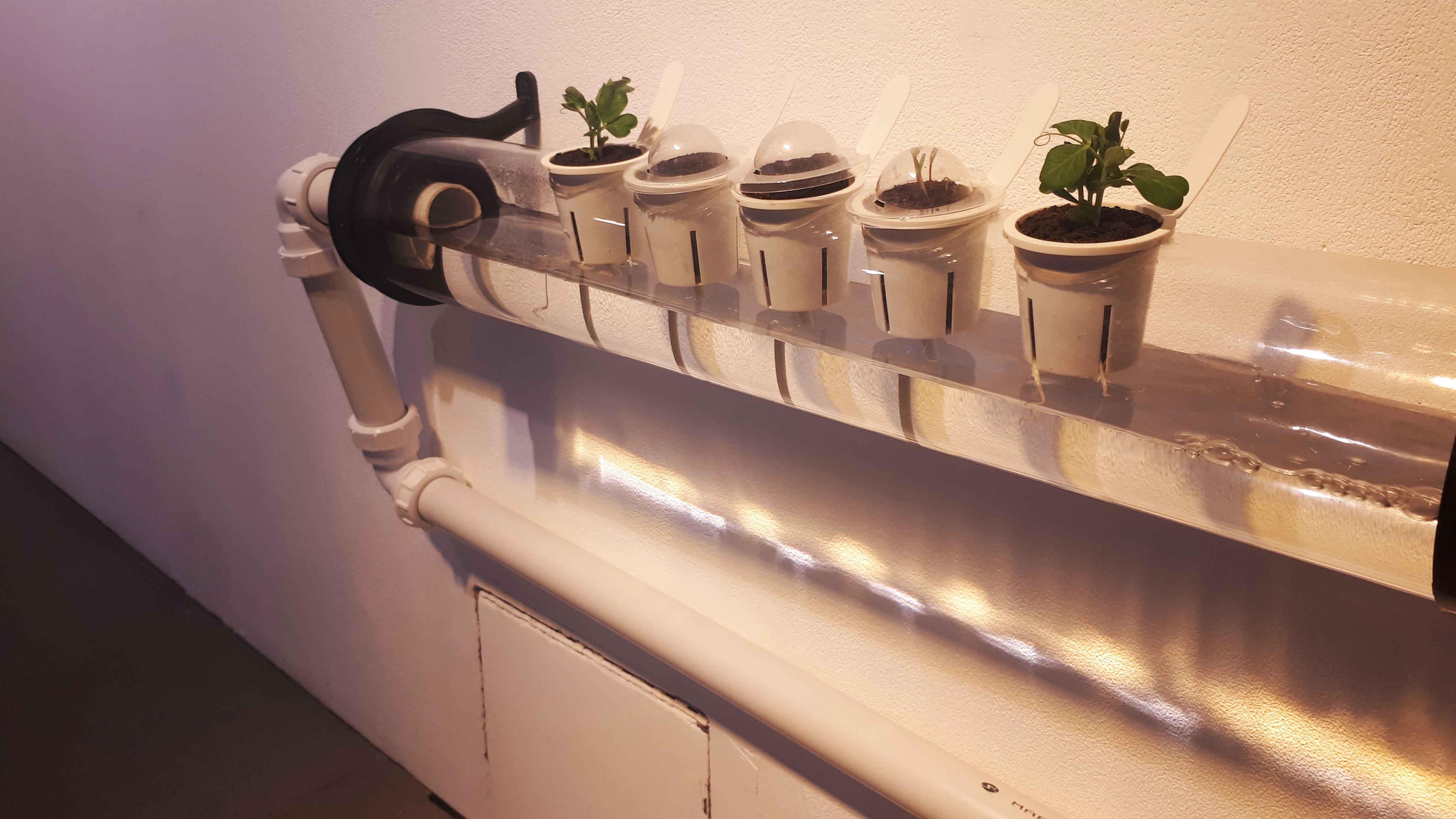
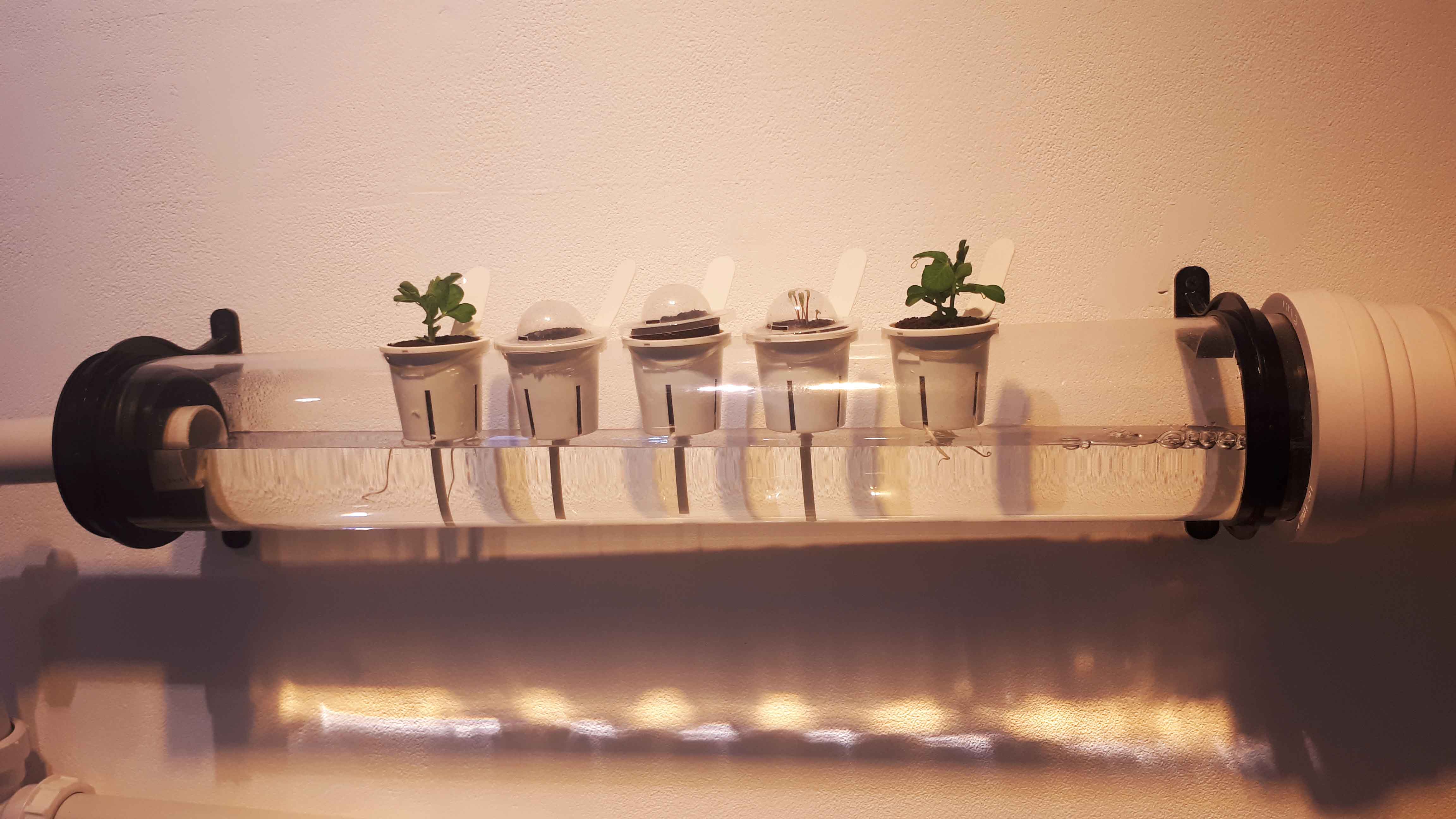
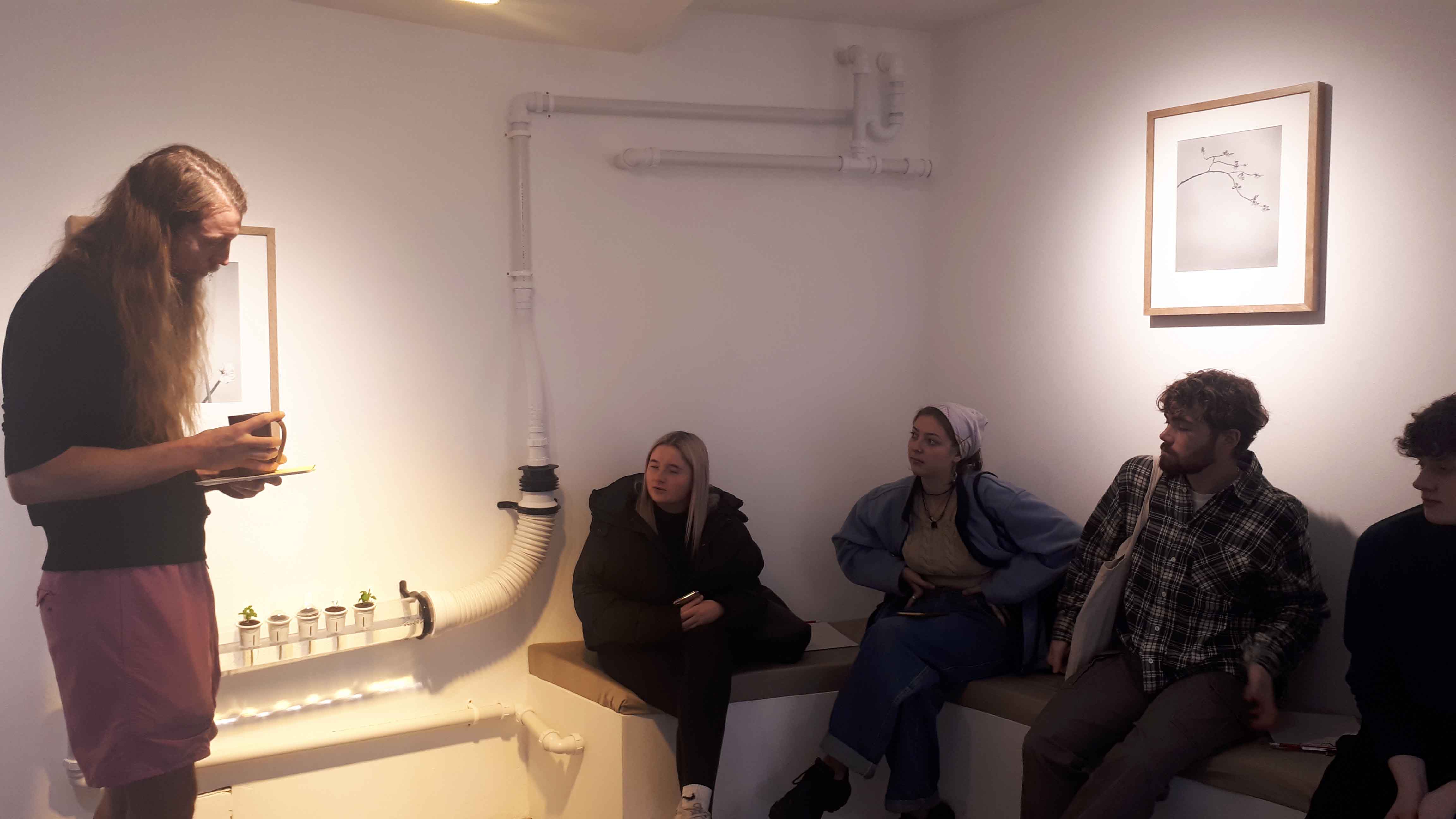
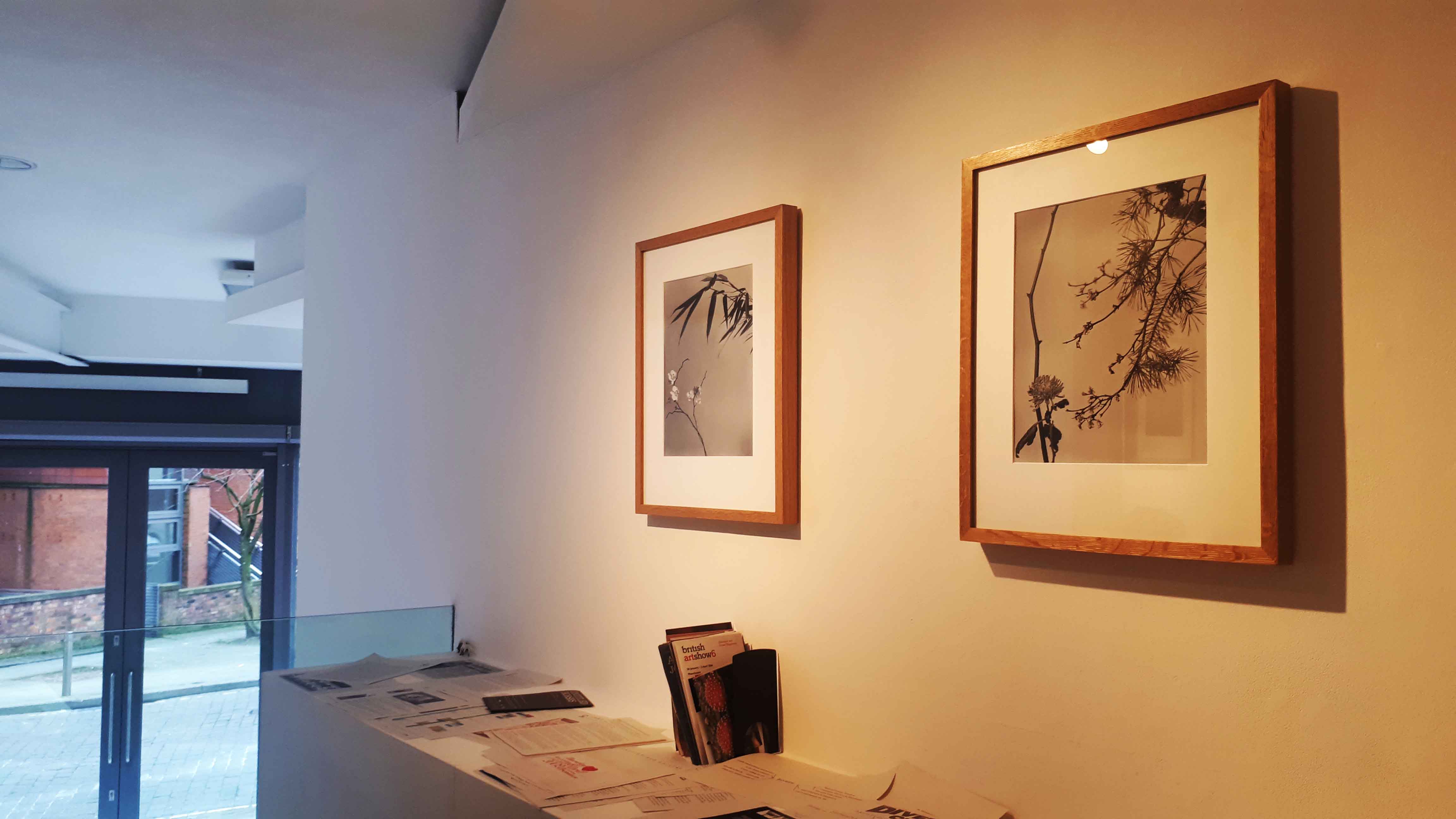
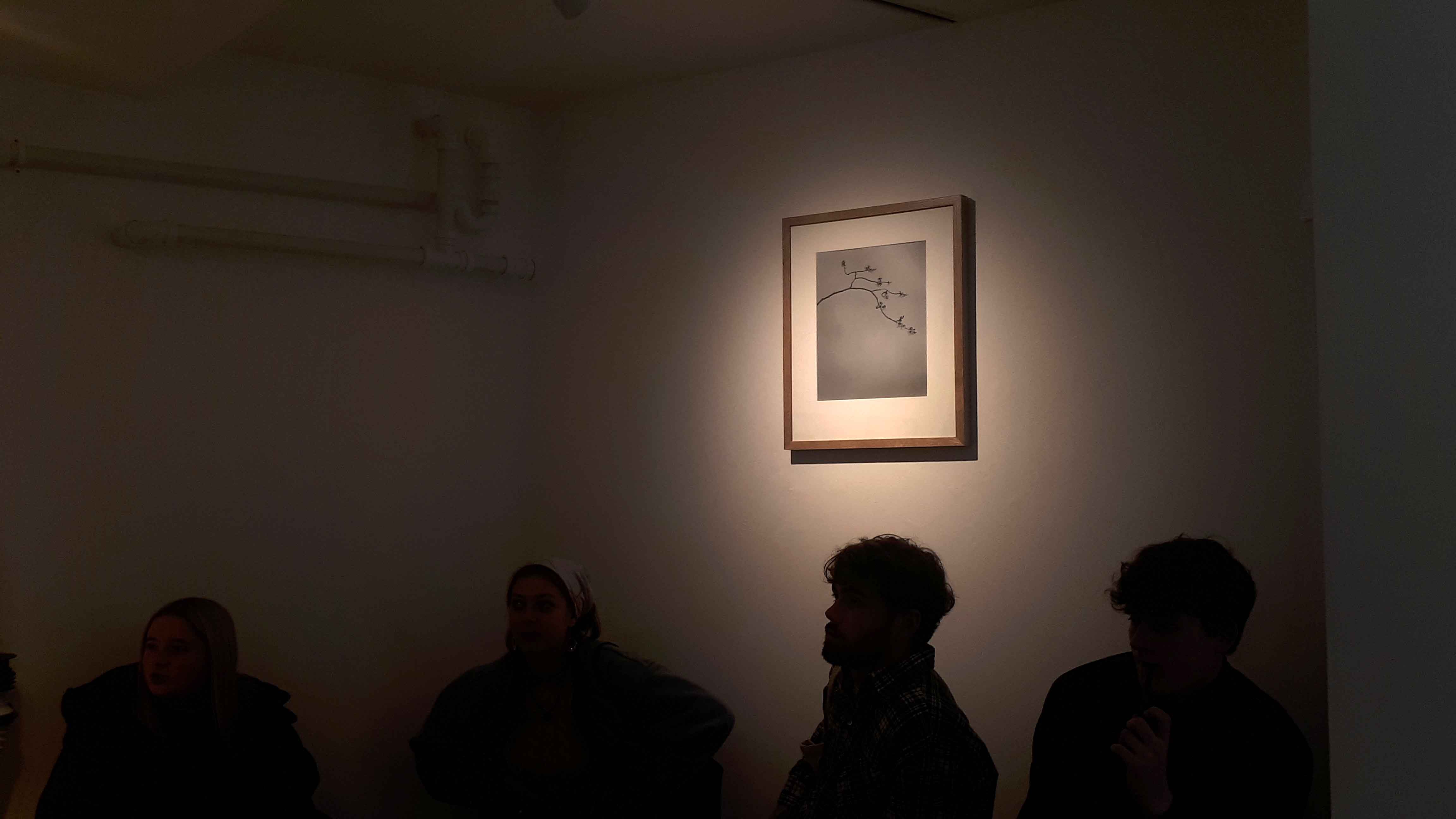
Our last stop was an excellent Castlefield Gallery, thanks to Thomas Dukes, who opened it, especially for us and talked us through each artwork. We discussed how it is curated and why, building an understanding of curating strategies. Additionally, we discussed the positioning of lighting in the gallery and the height at which artwork should be hung.
The whole day was an incredible practical learning session, and I feel like I learned so much. I will most definitely carry the gained knowledge into the unit and future development of my art practice.
WEDNESDAY 16.03
On Wednesday, we had a lecture with Åsa Johannesson.
contact
Åsa’s practice explores the relationship between queer identity, representation, and materiality. Åsa is interested in questions to do with queer articulation of voice and agency in fine arts. Developing from a photographic portrait practice that explores the notion of gender as nonconforming, the work has through experimentations using a large format camera most recently generated the body of work The Queering of Photography.
Åsa talks about queer identity and her journey as a photographer. I appreciate her methods, and I can relate to them even though I do very different photography. It’s all about trying and testing and seeing what comes out without a plan, which in my opinion, is the best way to work as you just let things flow out of you. I think it’s important to disconnect the mind sometimes and let the inner creativity take over, take its course. I believe it was a very valuable lecture in terms of our current unit Exhibit in the City. Åsa showed us many different shows that she put on and the variety of styles/ways they were presented. She stressed the importance of just testing things and learning on the go when exhibiting.
THURSDAY 17.03
I partook in an open call for Cotton Manchester Arts Fair, and I was accepted!
https://cottononmcr.com/art-all-dayer-spring-edition/
I spent the day preparing for it, which was perfect practice for this unit. I have already learned a lot of valuable lessons, from time management to practicalities, materials, printing, framing and delivering the artwork.
First thing in the morning, I went to Digital Darkroom, where I spent a couple of hours printing, testing different papers – matt, lustre and fine art paper, comparing the prints and choosing the one I thought was best for this particular image.
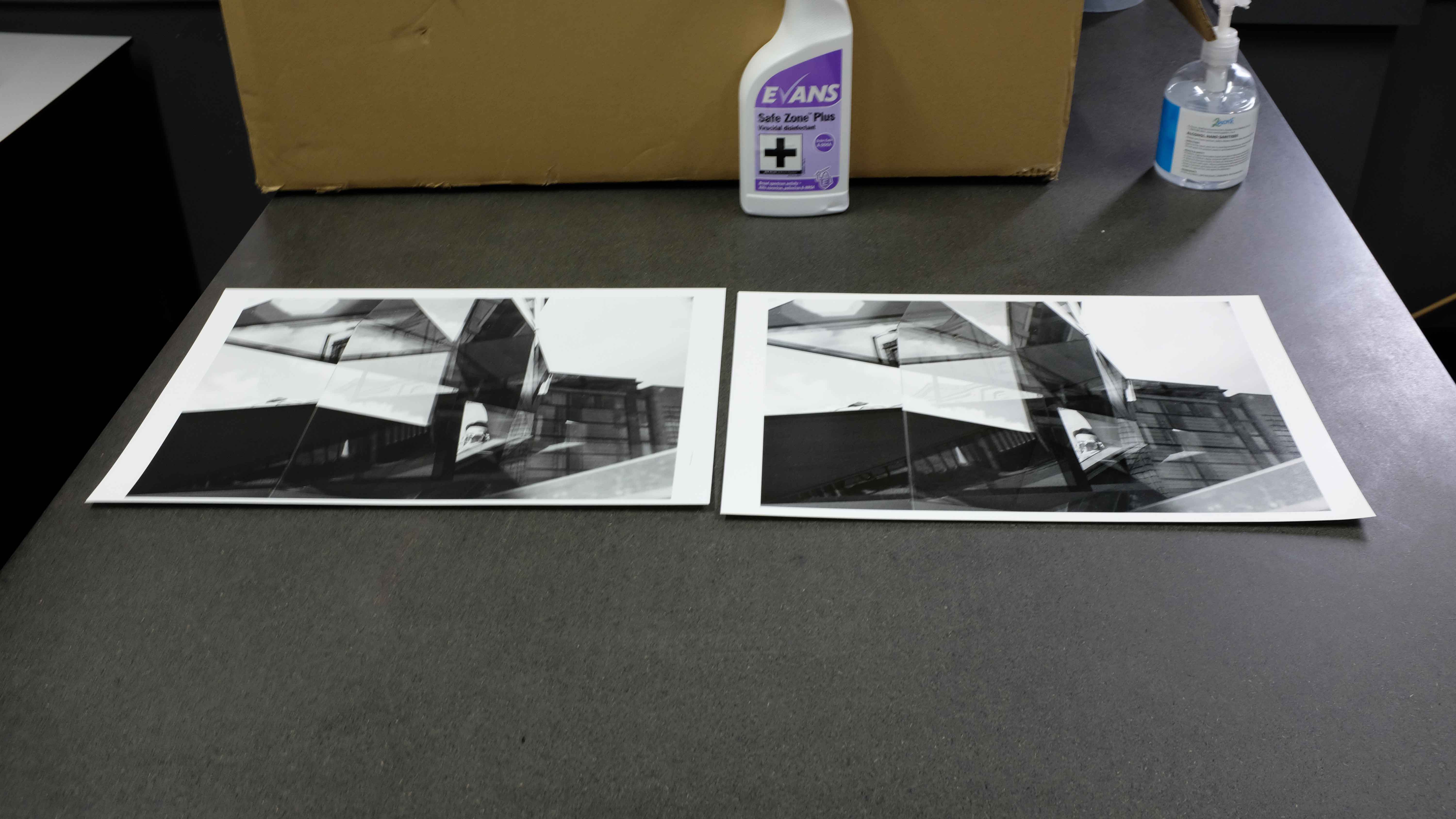
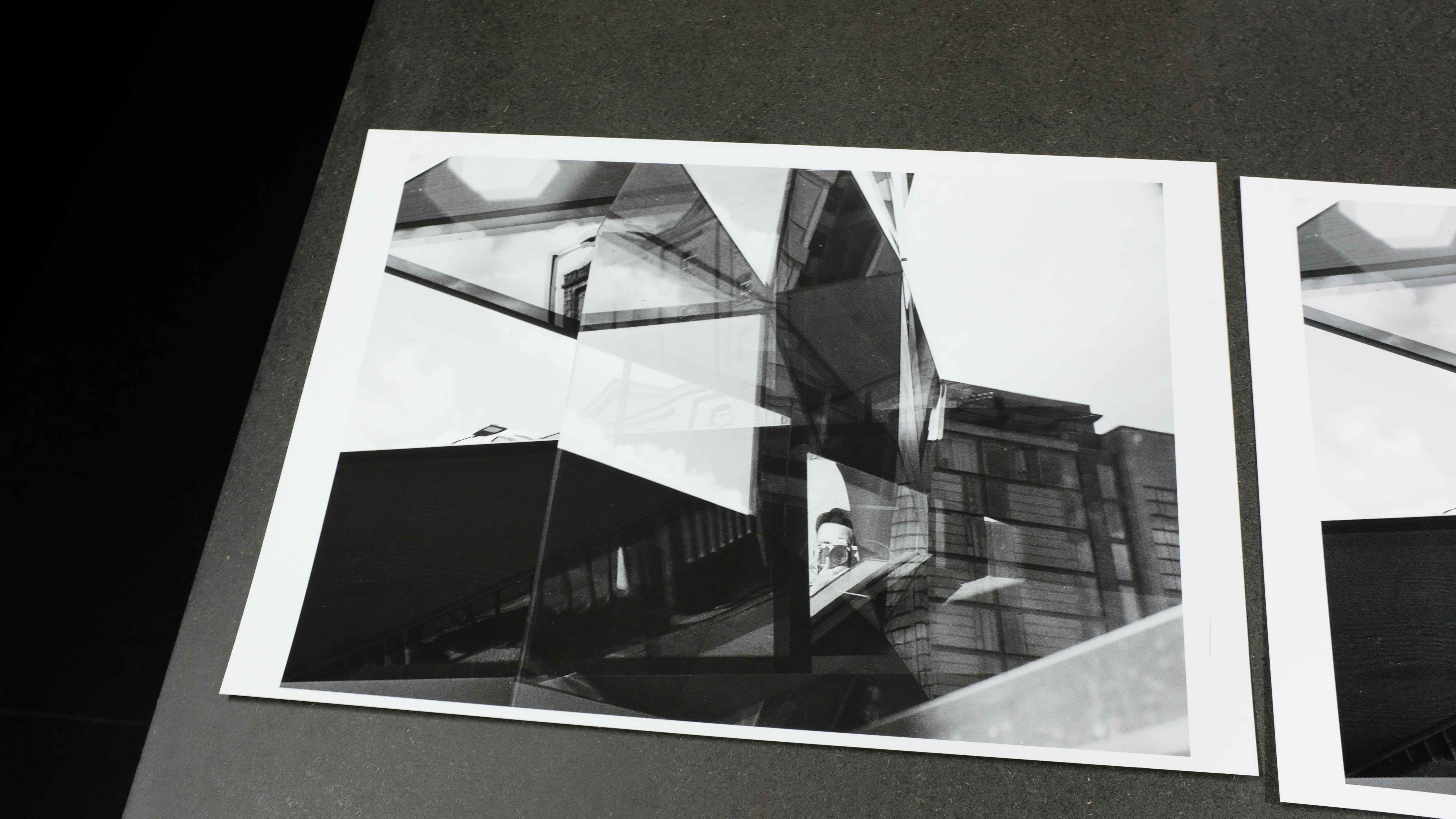
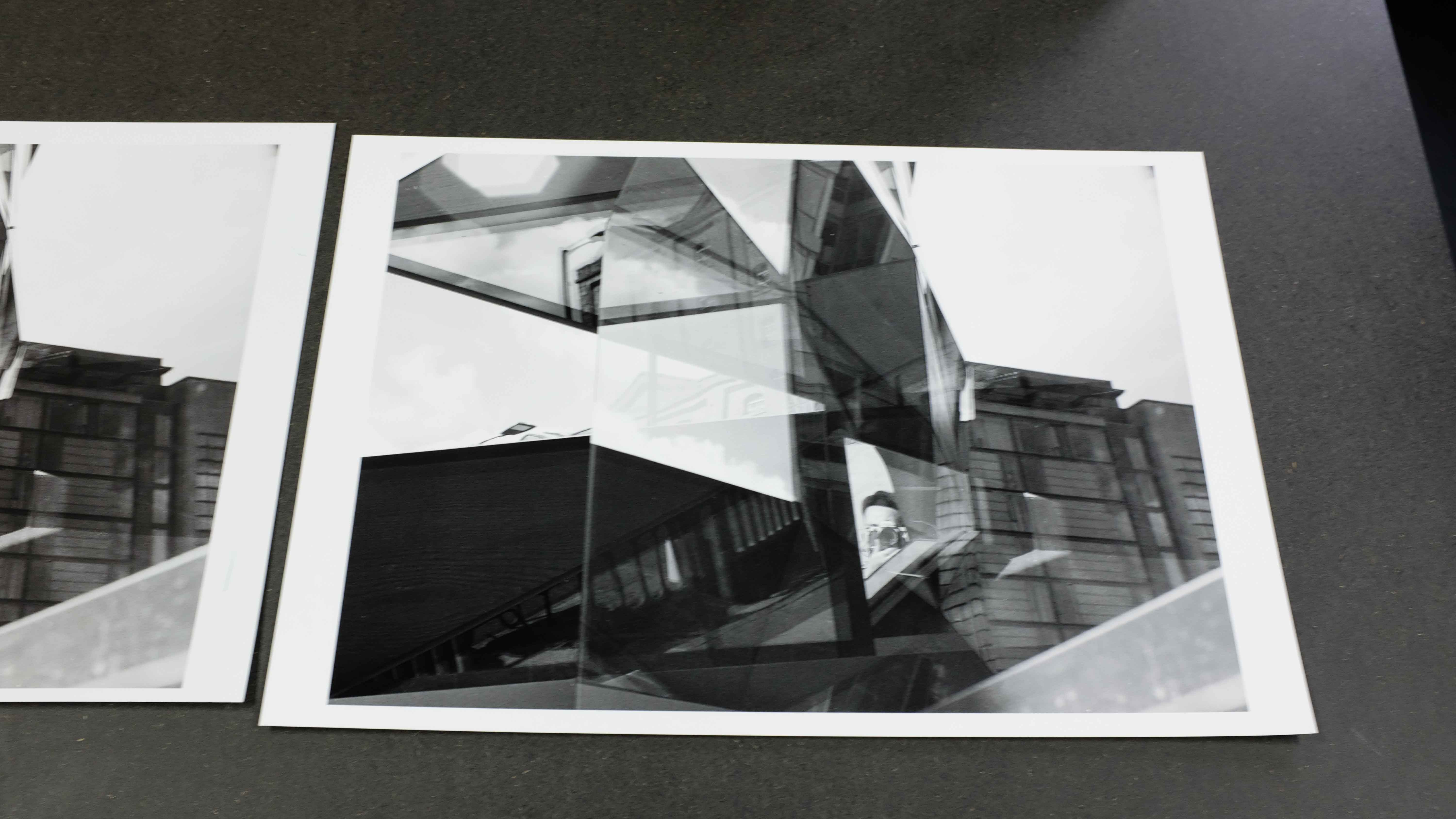
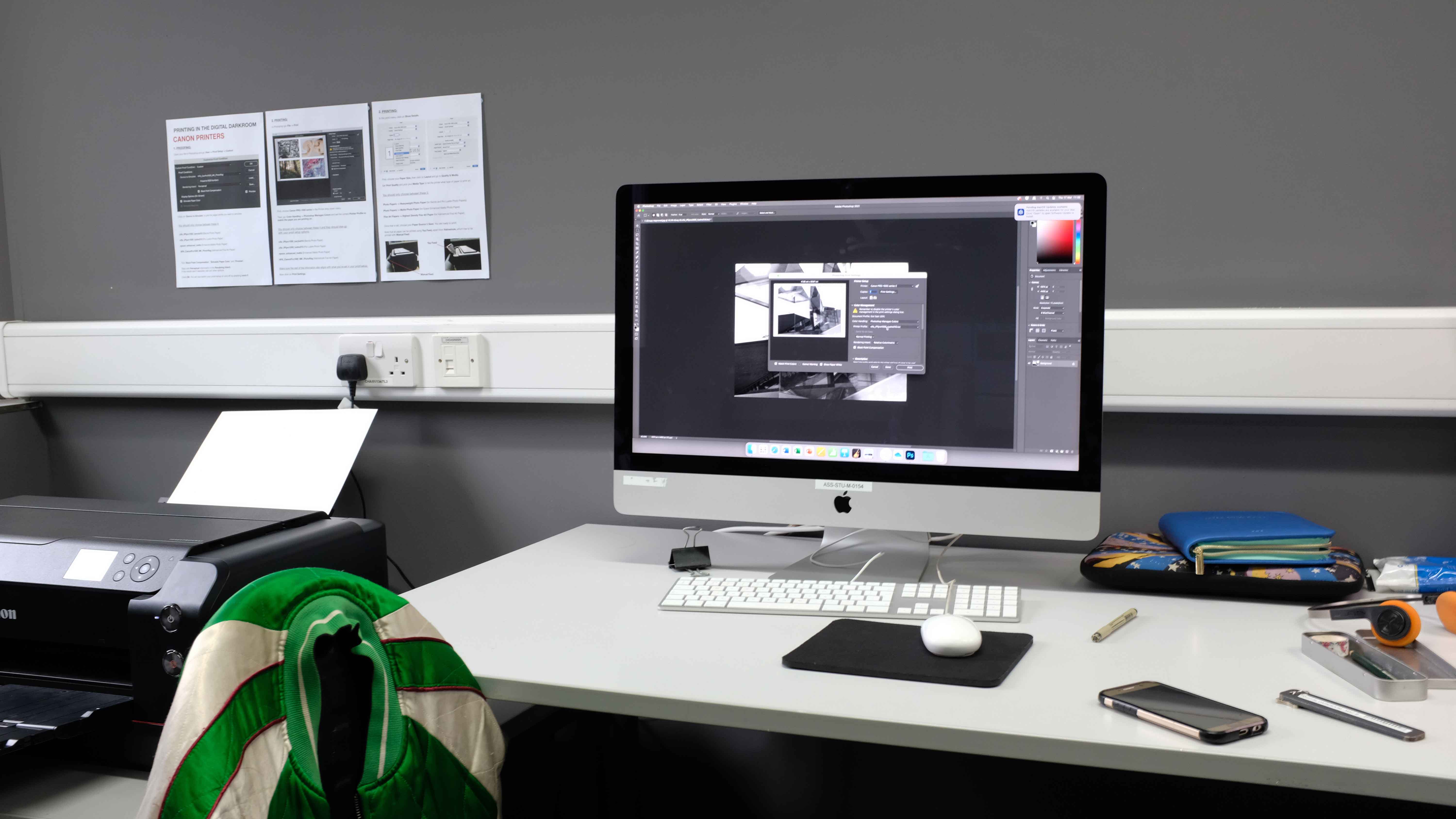
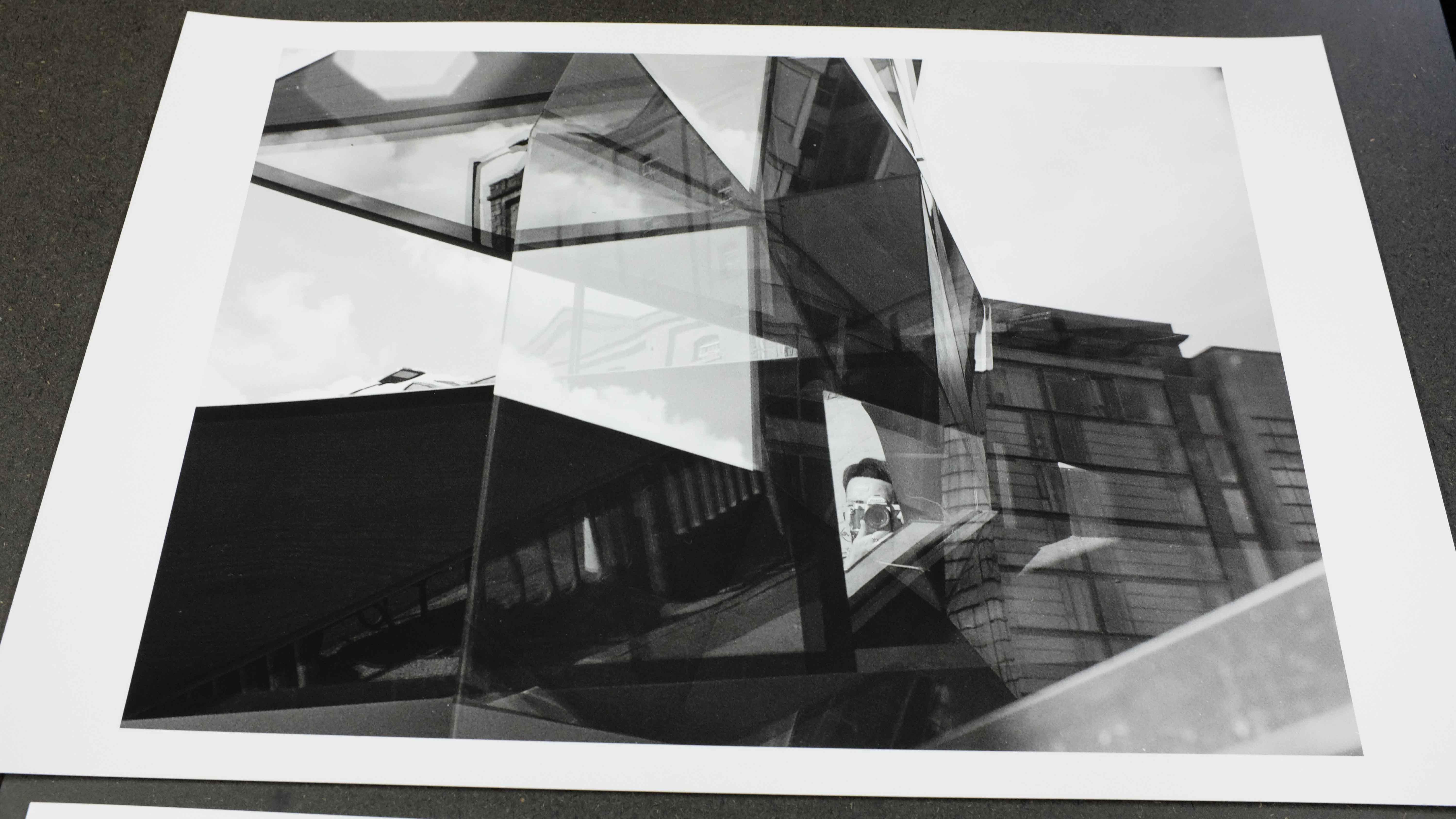
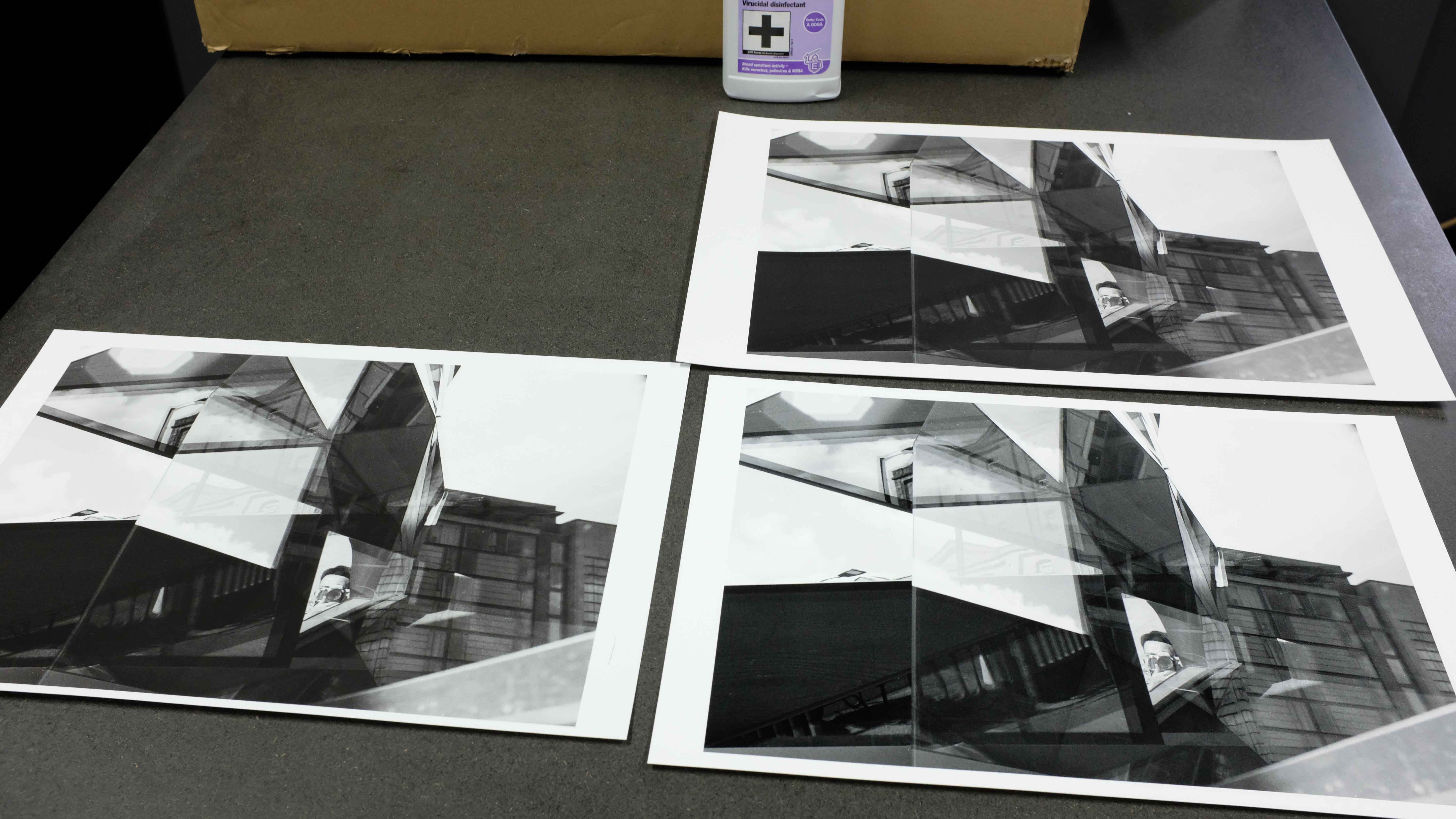
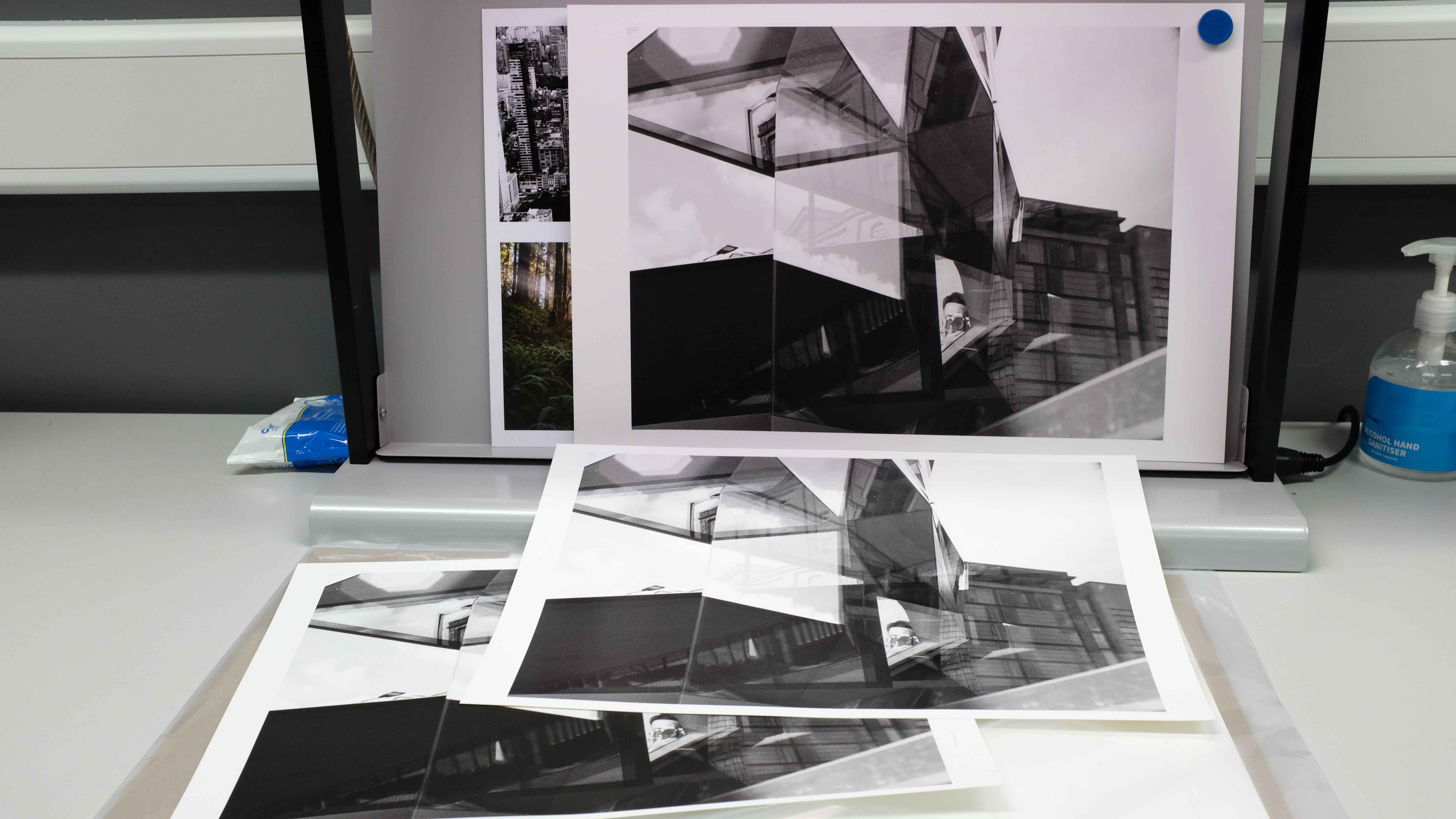
After I successfully printed an image that I was happy with, I went to a frame-making workshop, which I booked in advance, planning today.
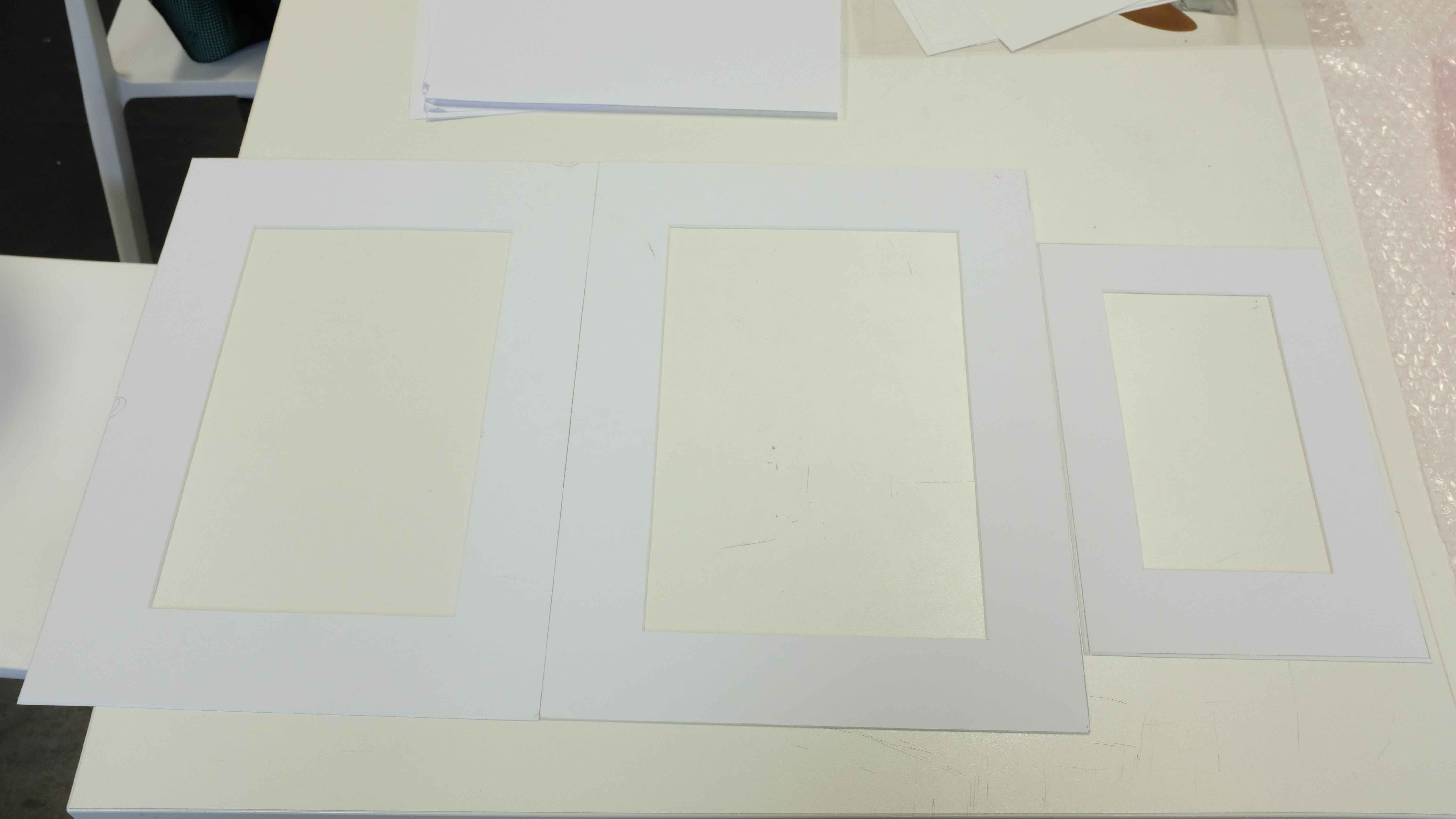
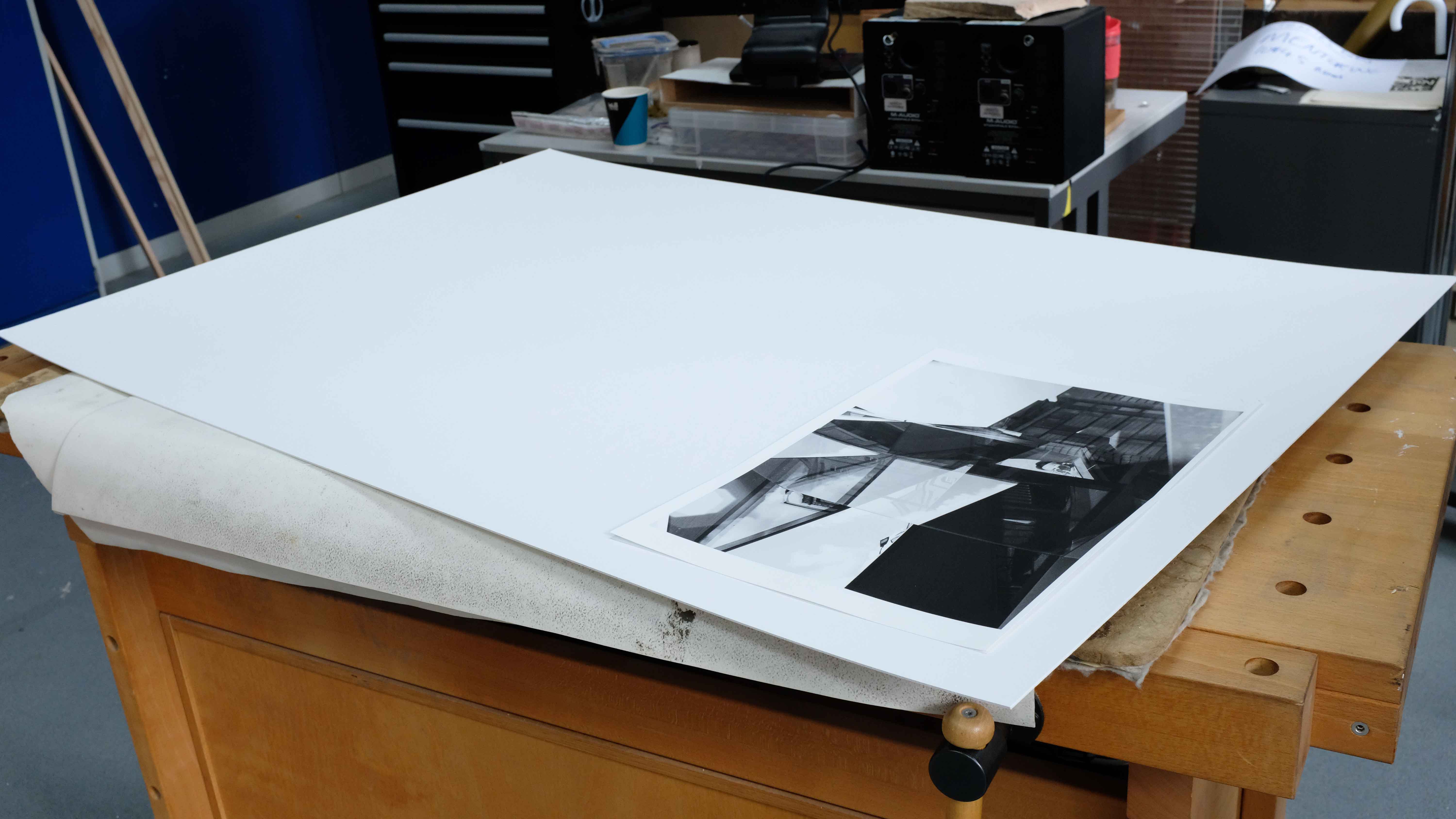
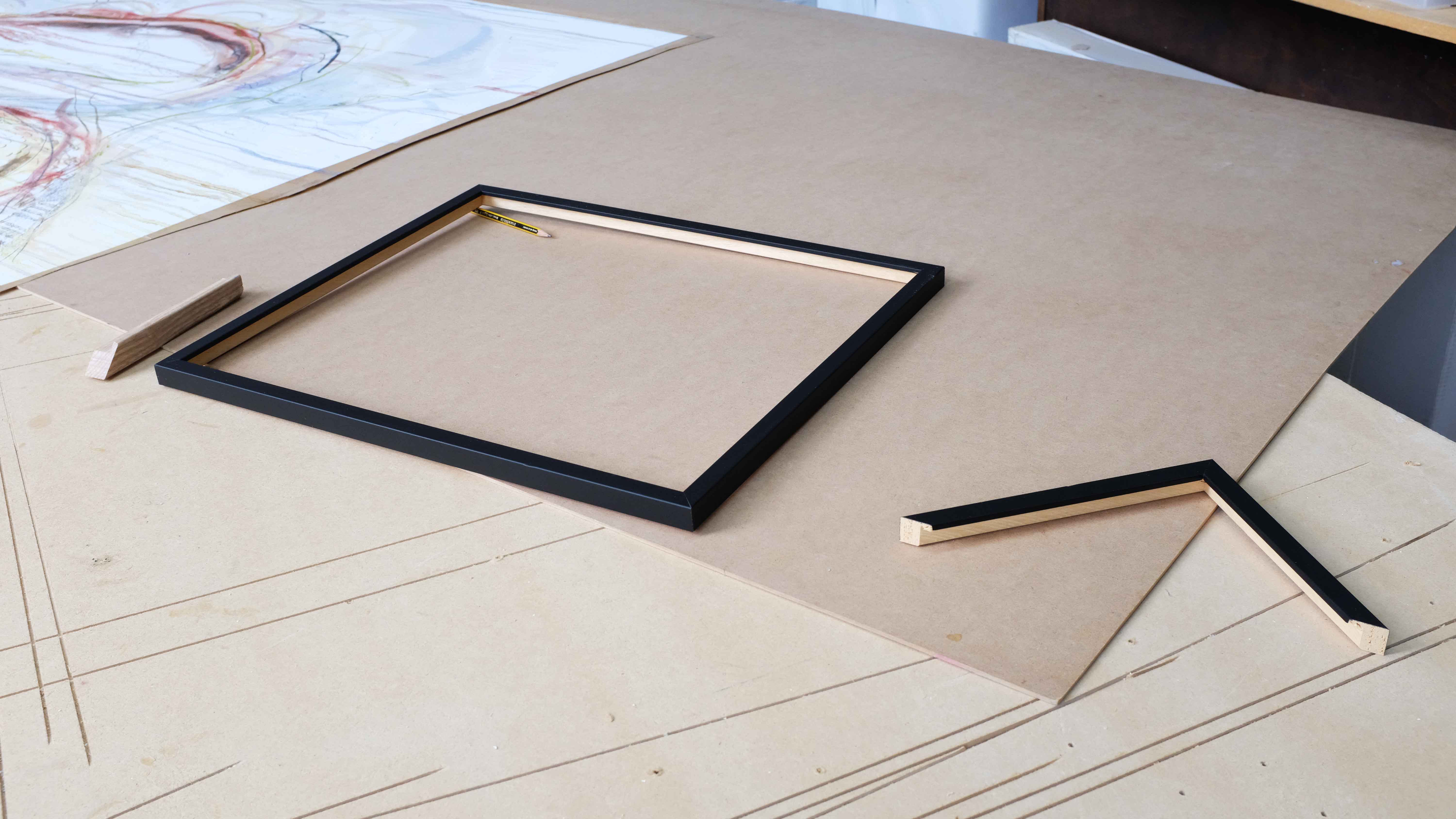
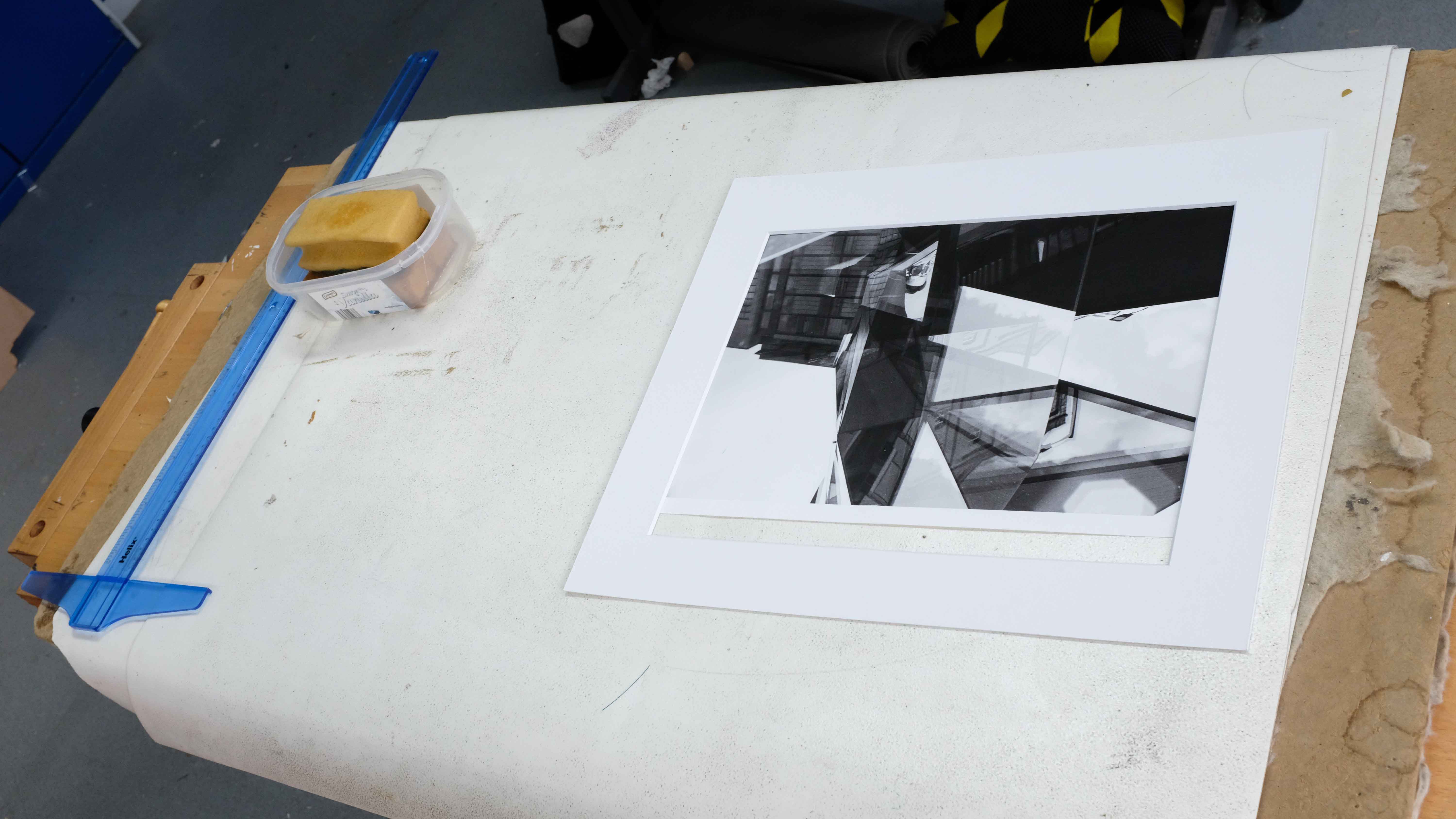
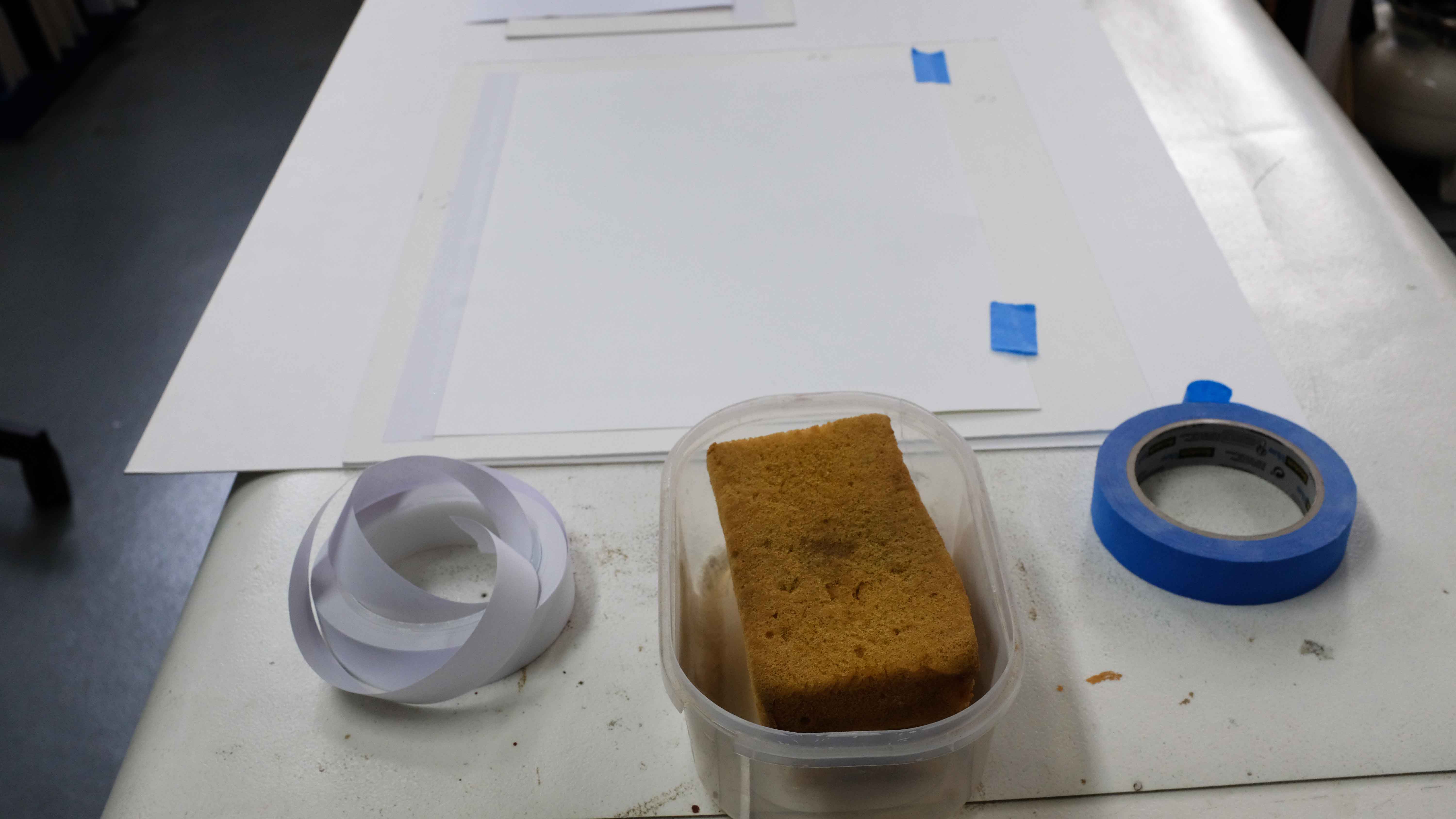
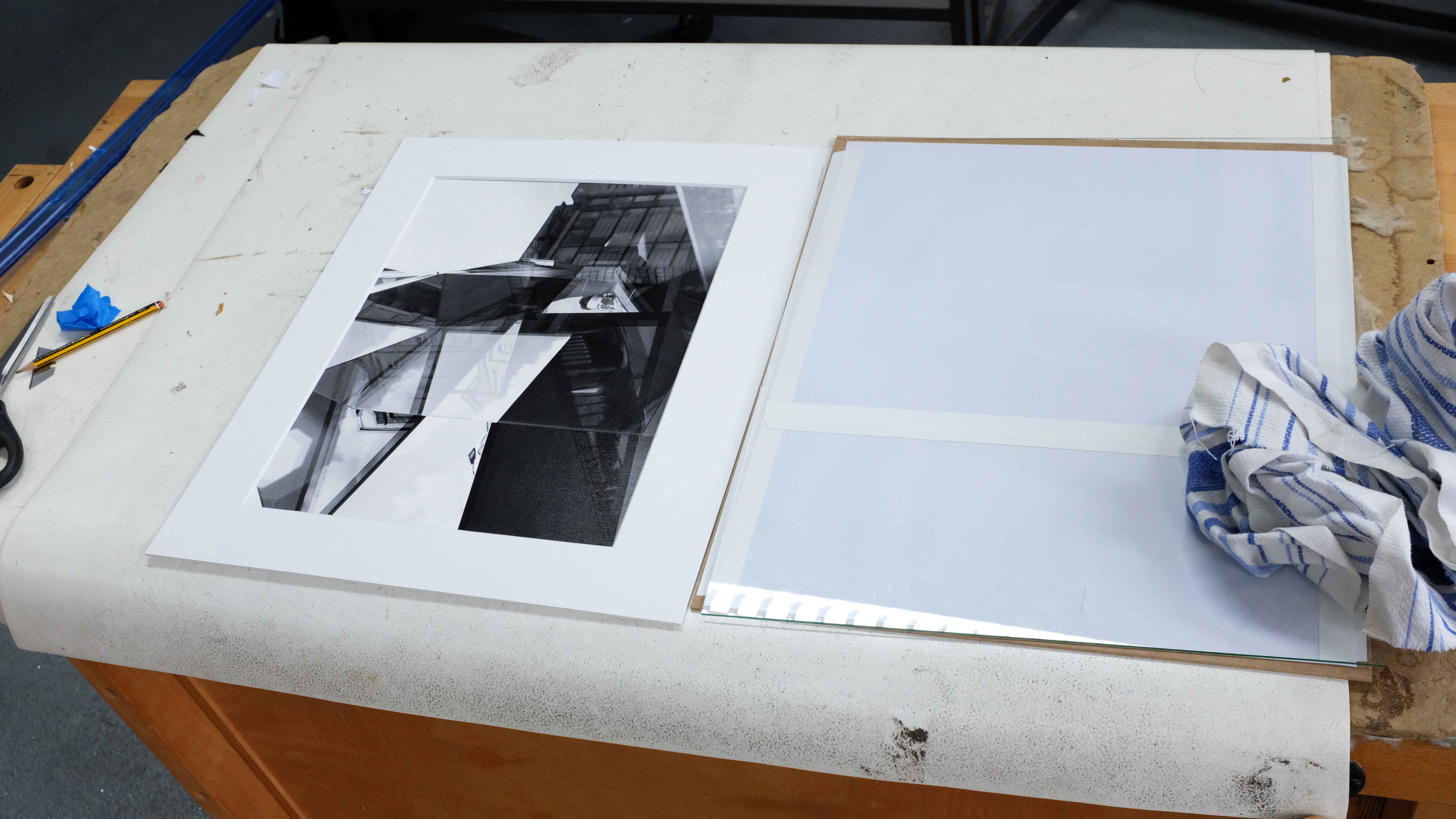
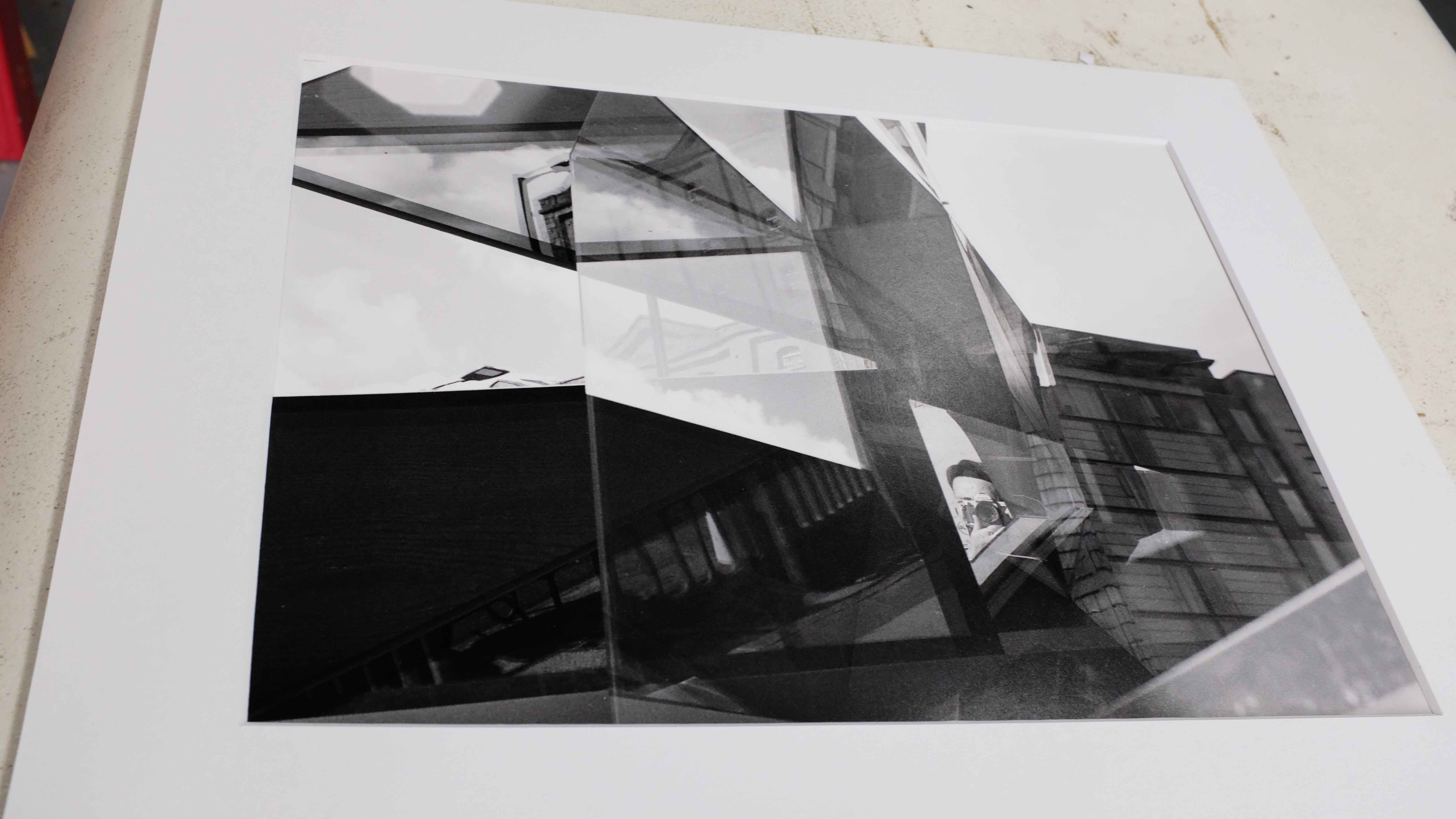
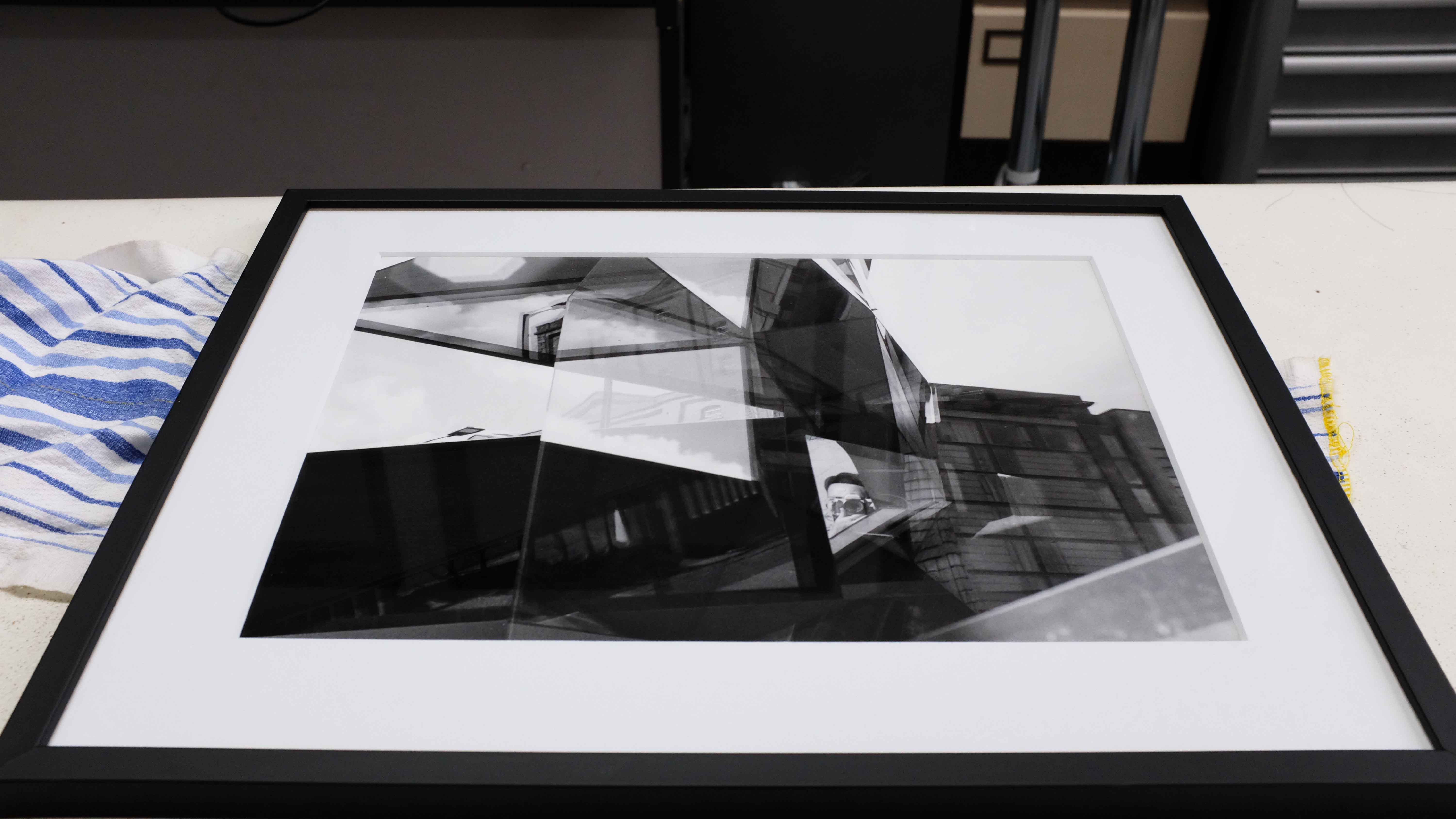
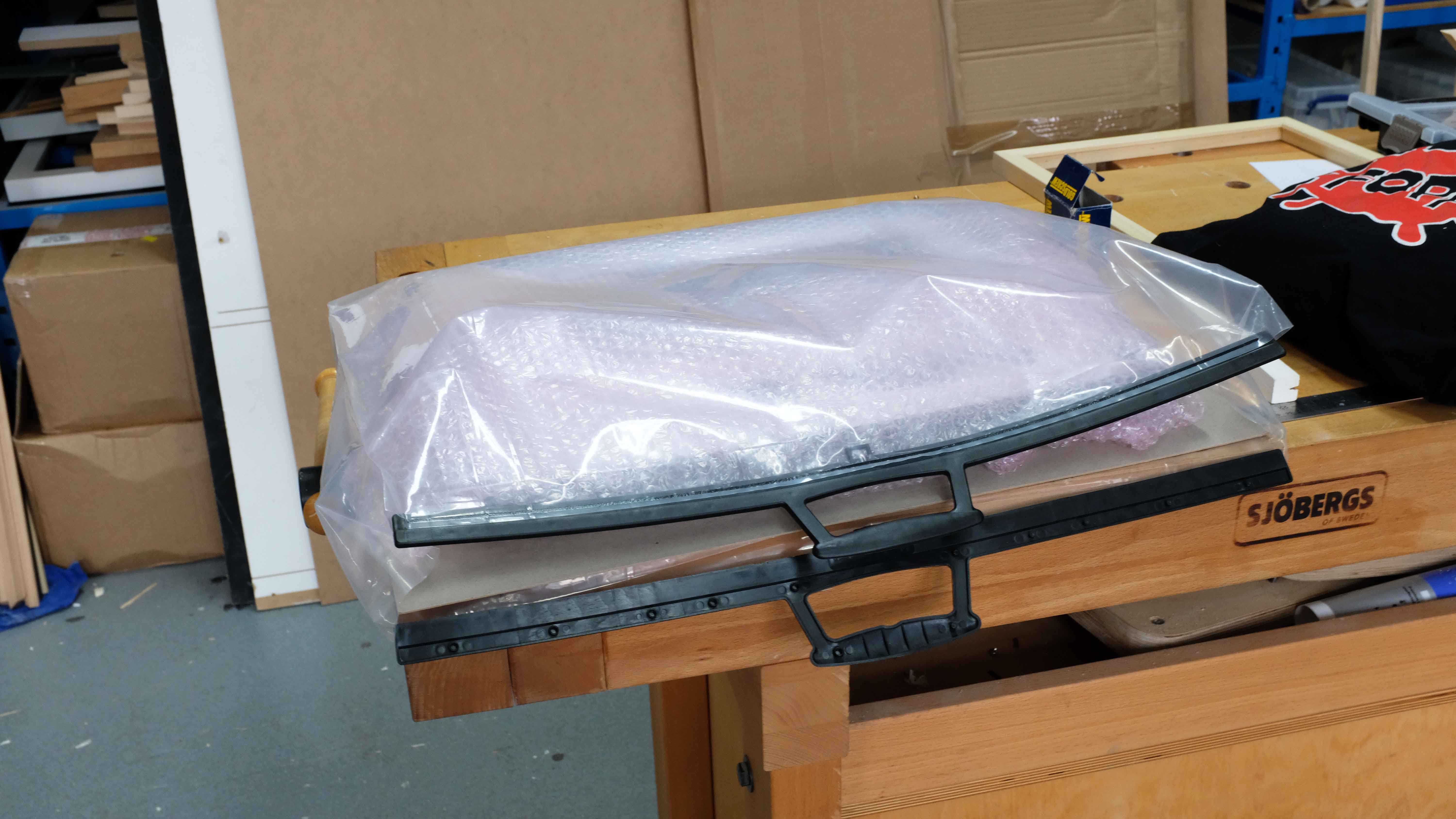
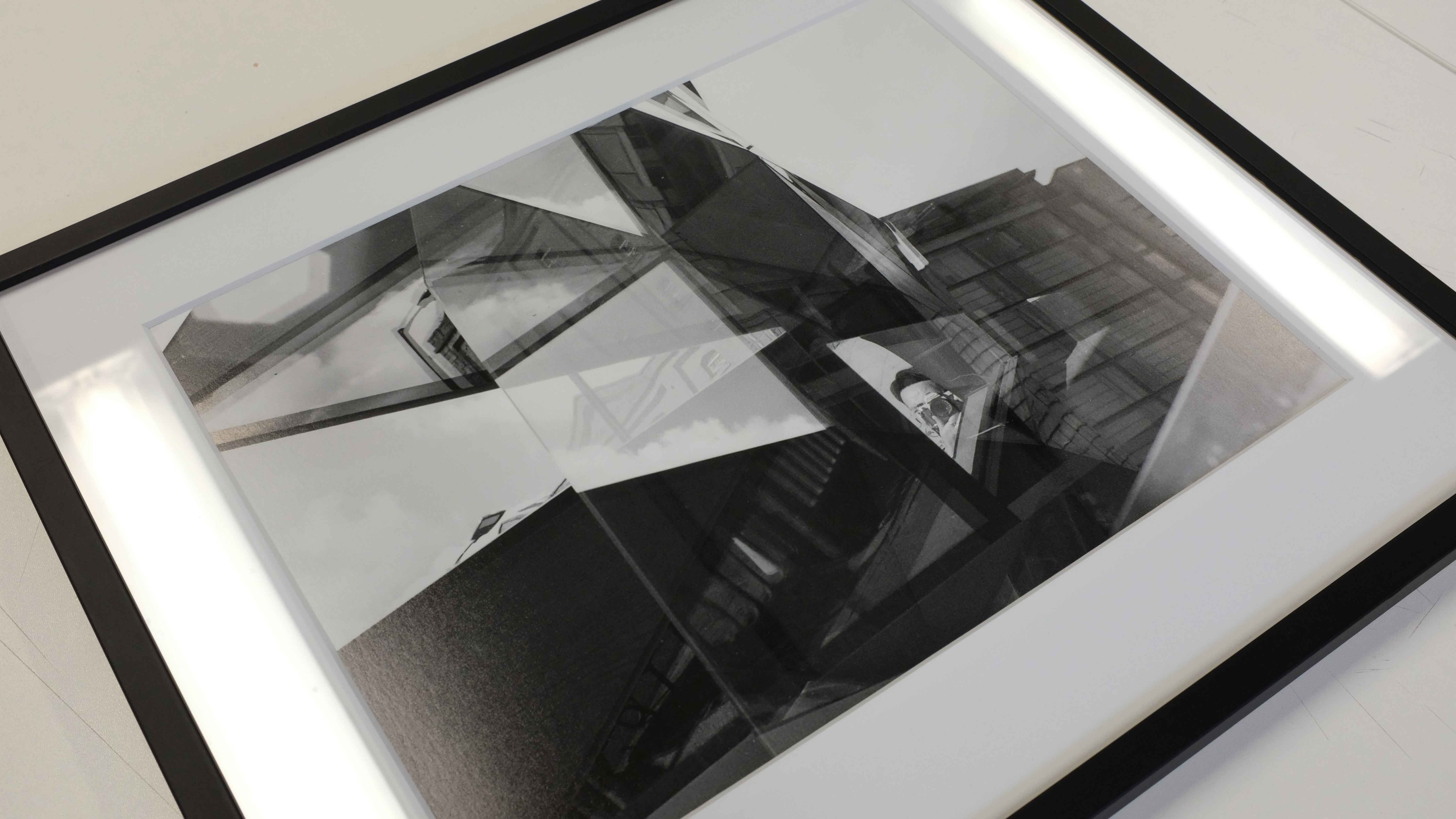
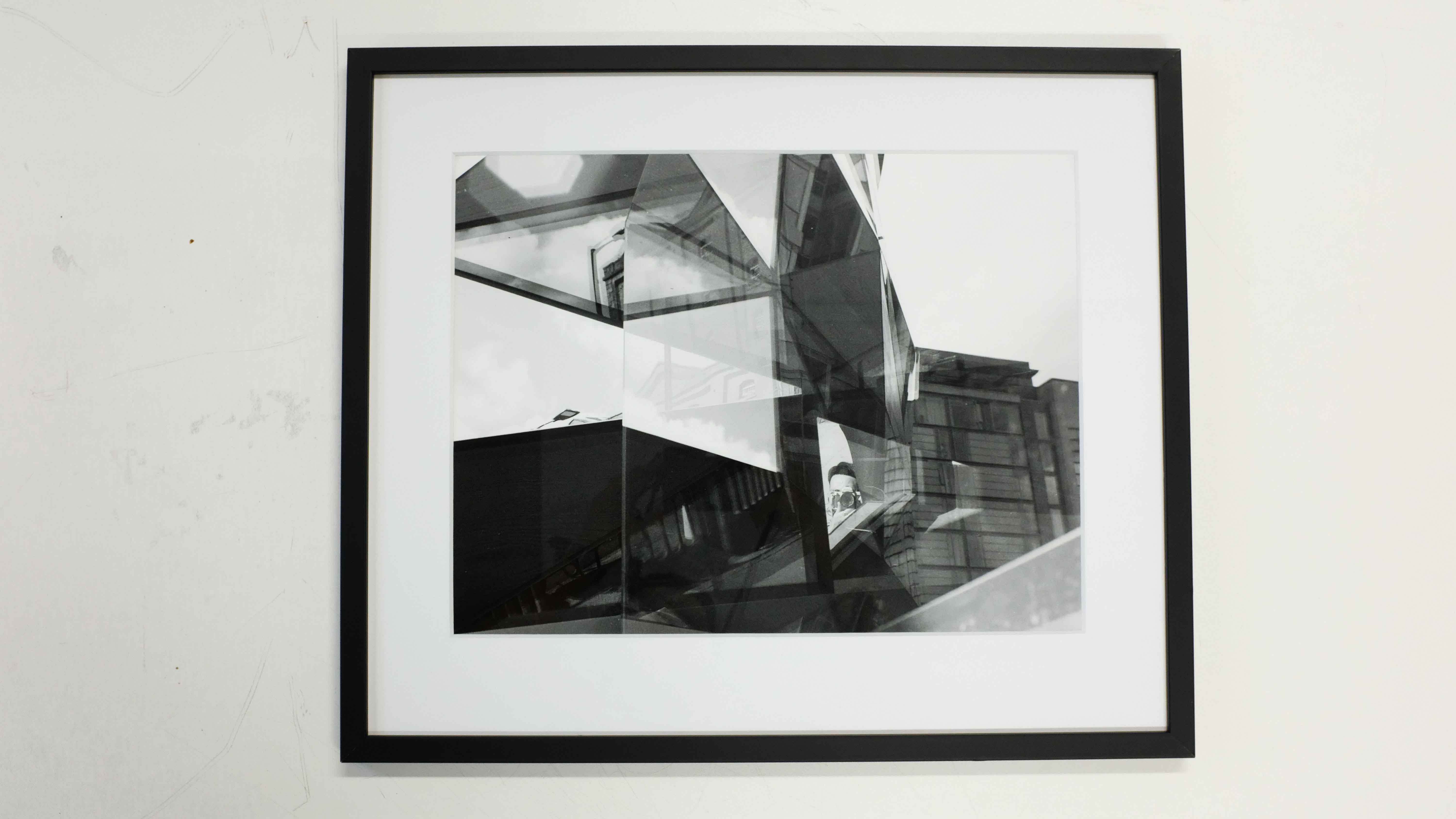
Martin, the technician in the frame making workshop, was ever so helpful and did an outstanding job helping me make this frame. I feel very content having gained this knowledge and learning about the importance of framing, and looking forward to developing this skill further. I really enjoyed this activity and see myself making many frames in the future. It was also very important to me as that was the last step of the DIY process from taking photographs to processing, developing, scanning, printing and making frames. I did it all by myself, which gave me a sense of achievement, and because I was fully involved in the whole process, it made my work even more mine.
RESEARCHING VENUES
After finalising my frame and putting it away safely, I headed to Oxford Road to have a look around in search of potential venues.
VENUE 1
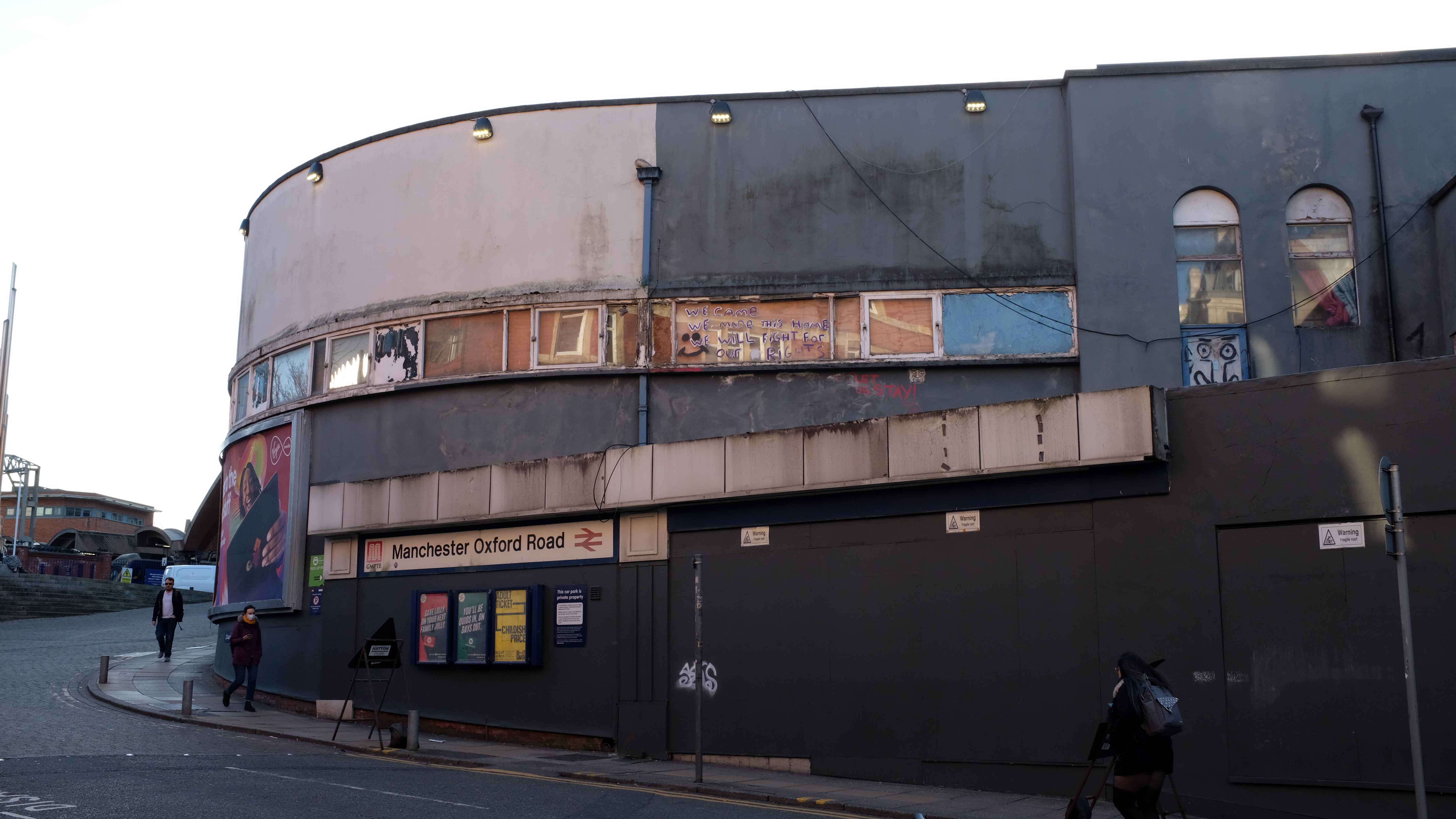
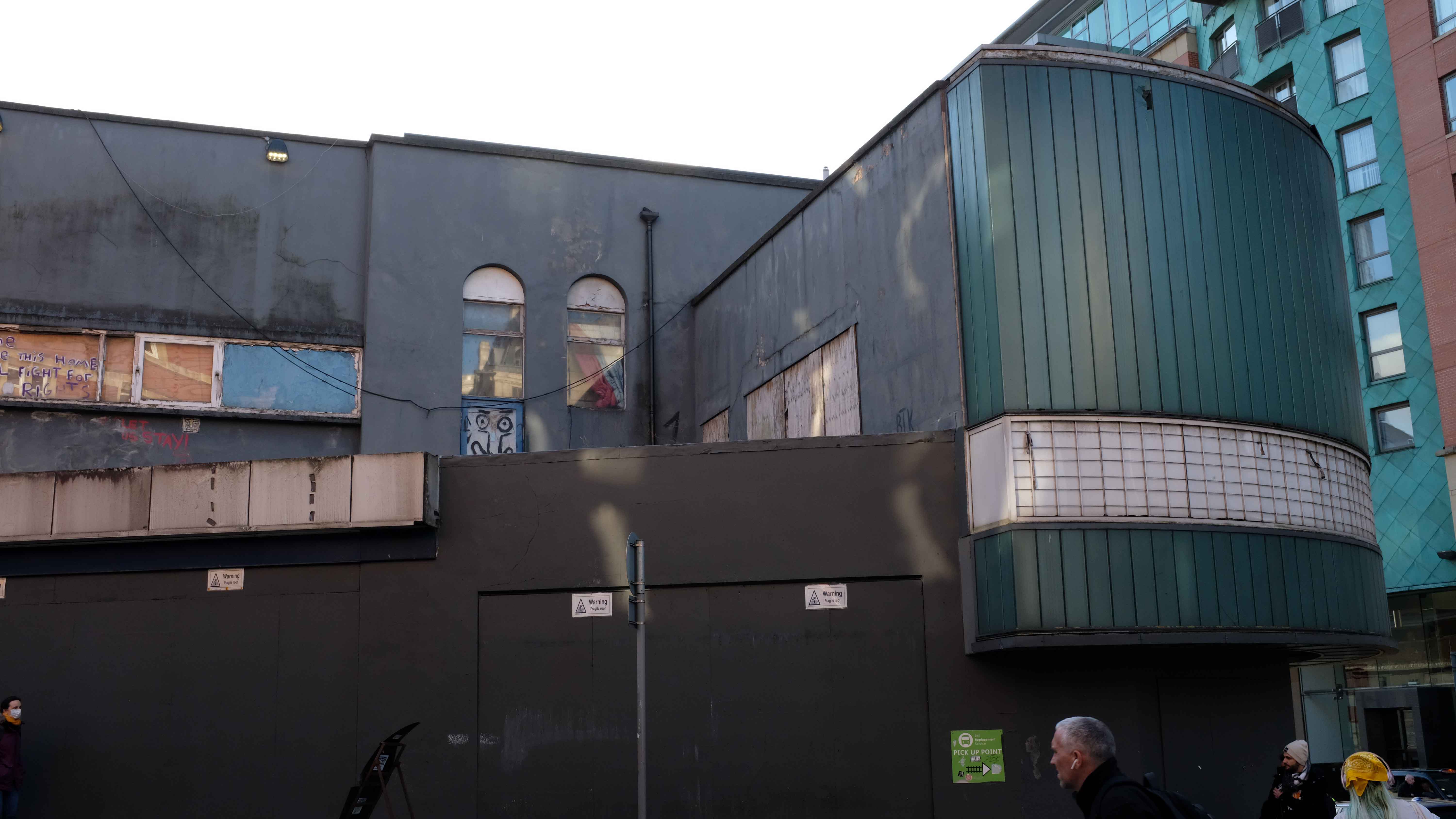
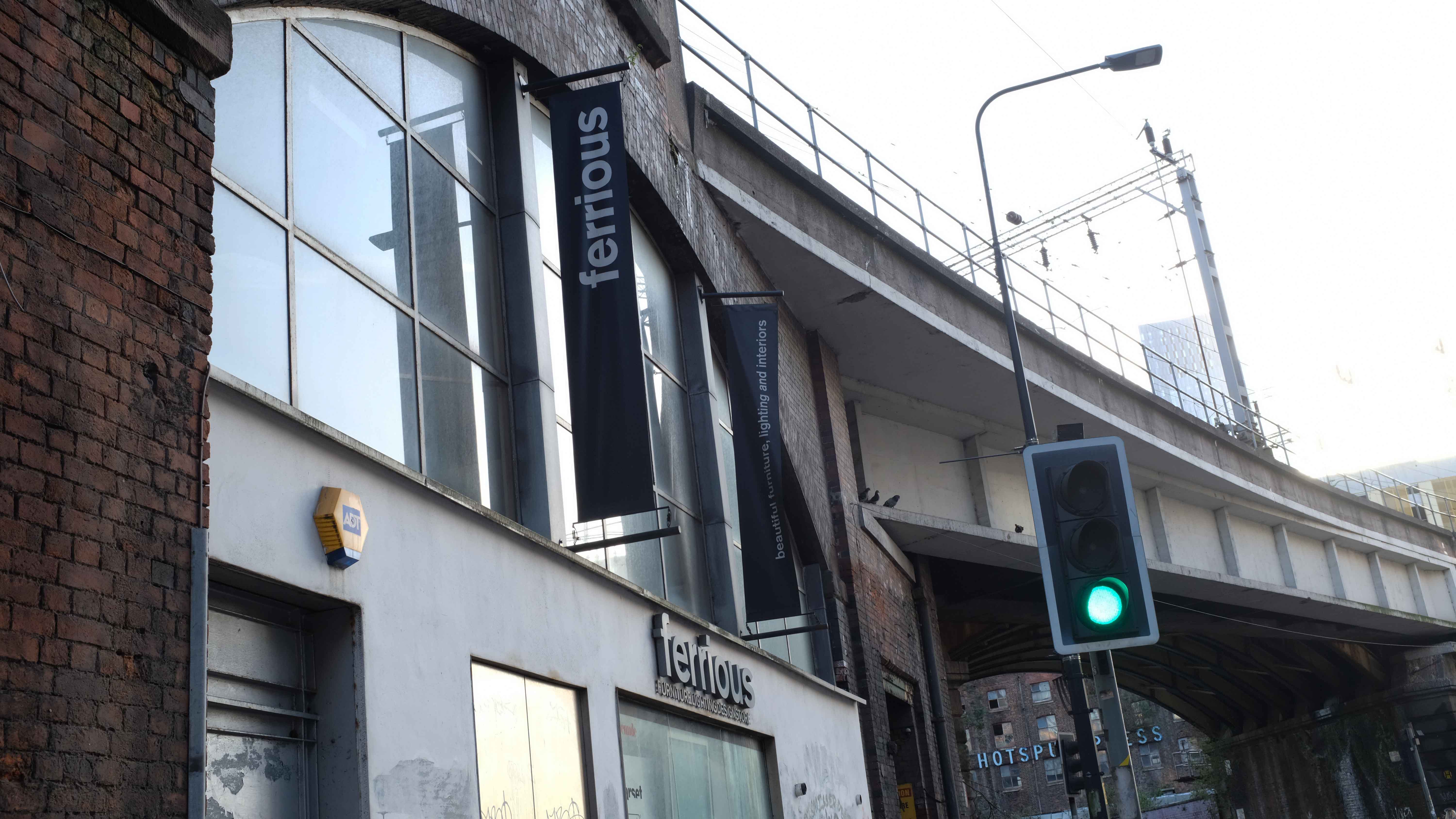
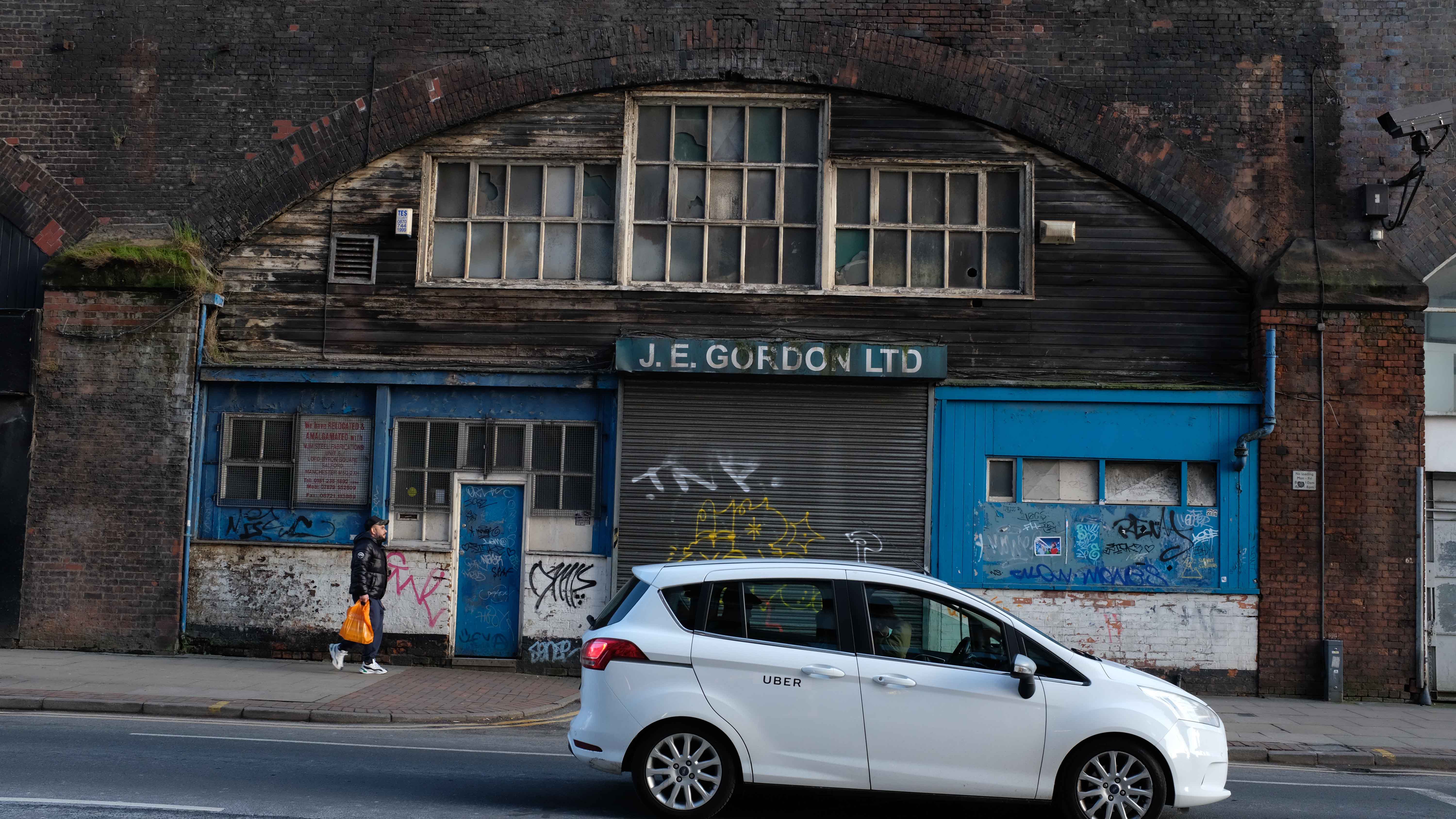
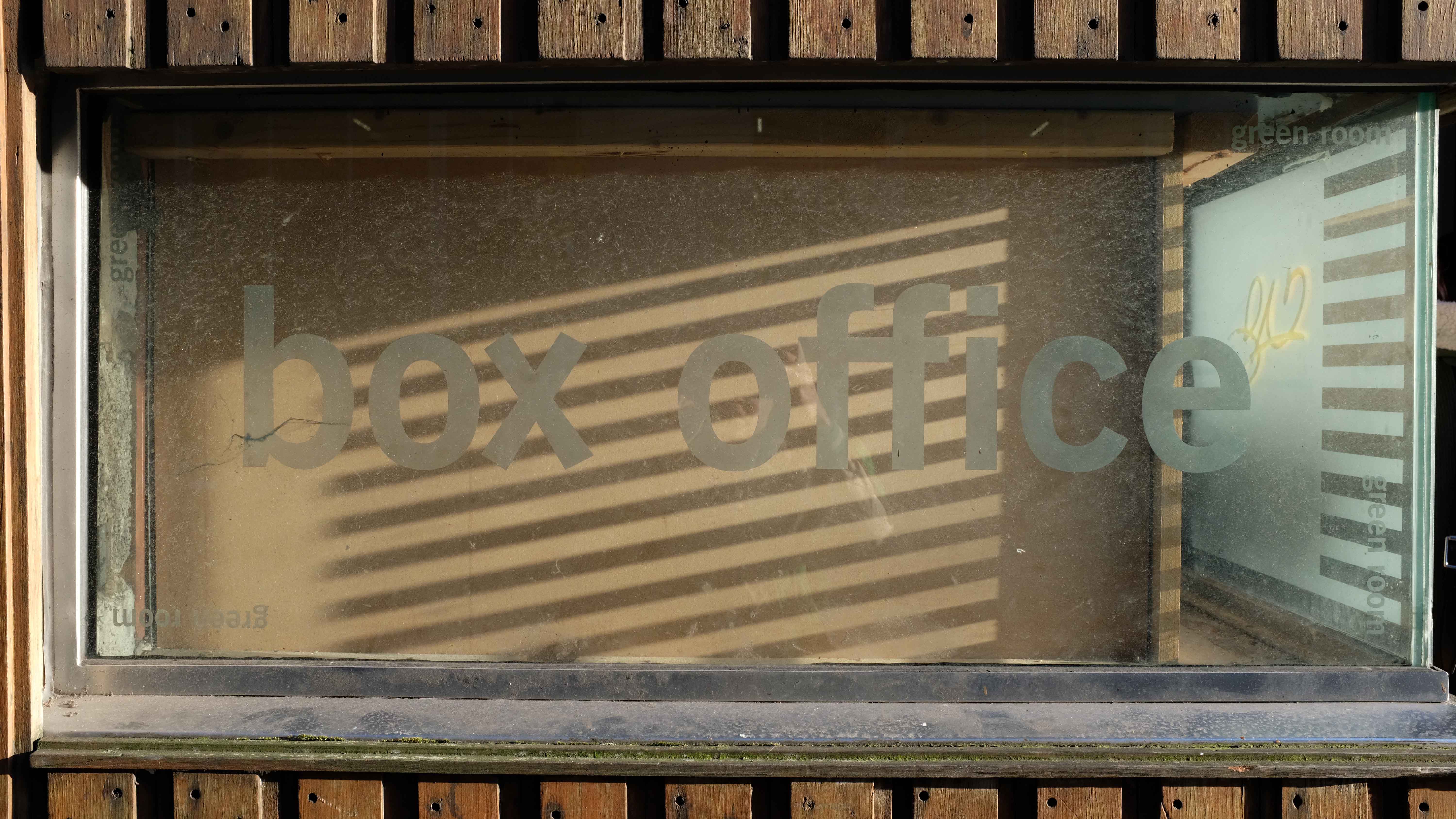
First on my list was this one. I had my eye on it for a while as it interests me as a building and I am curious about how it looks inside. After talking to a Network Rail worker, I found out that the first floor of the building has been repurposed for staff rooms etc., and the bottom is currently not safe to be in and under construction. However, a nice man I spoke to told me about some empty spaces just around the corner, so I continued my venture.
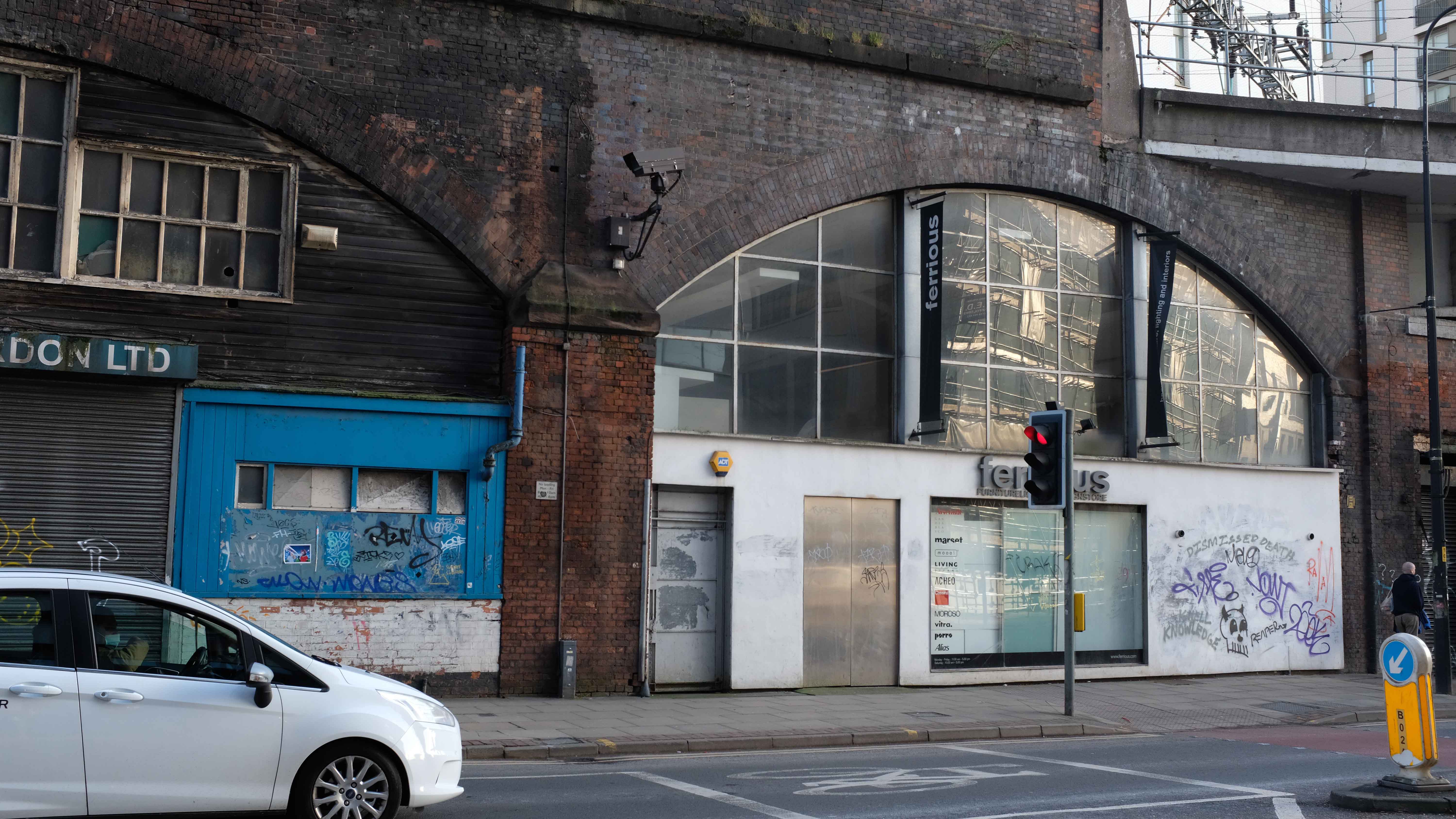
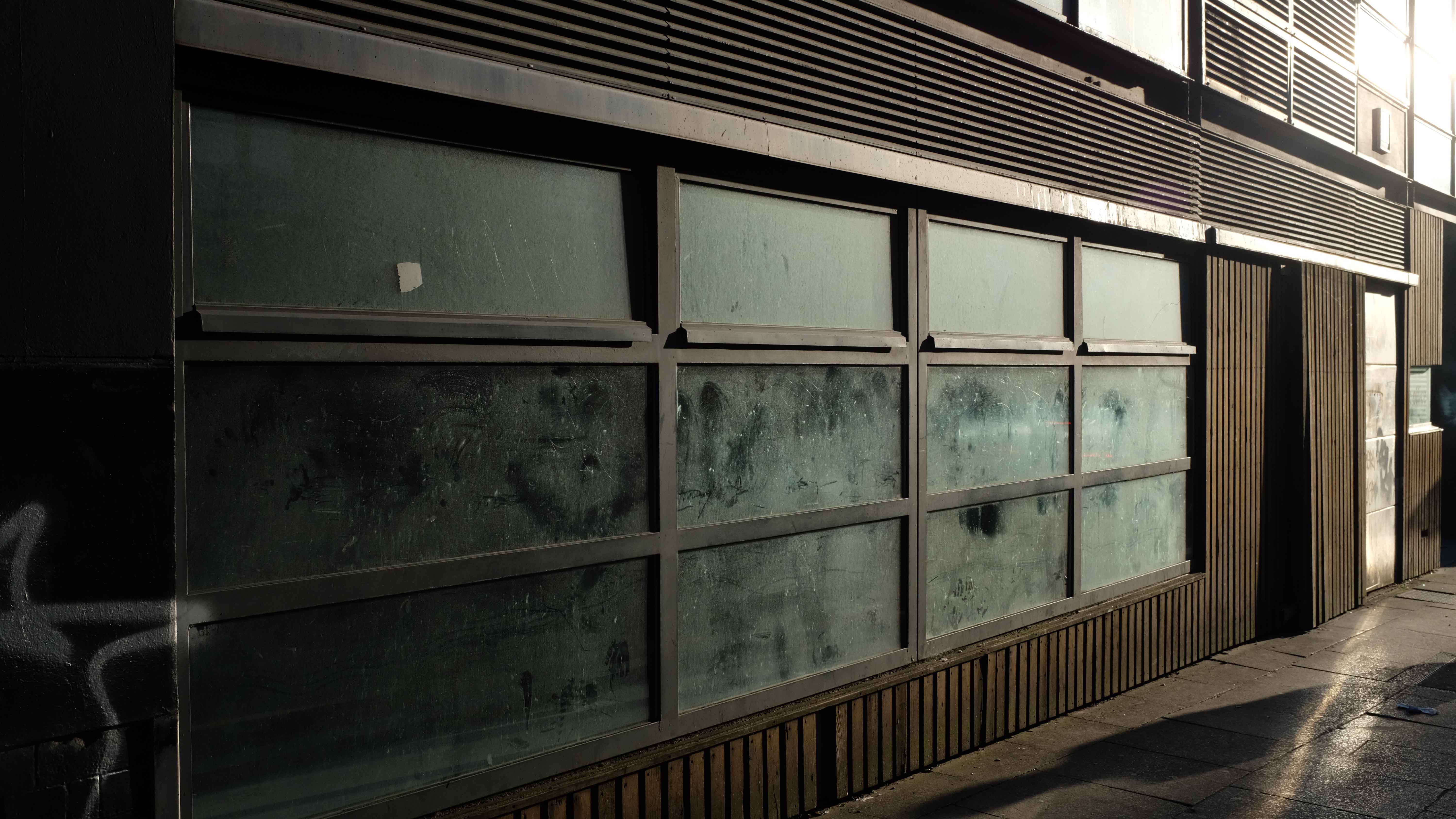
VENUE 2 & 3 – TWO EMPTY SHOPS
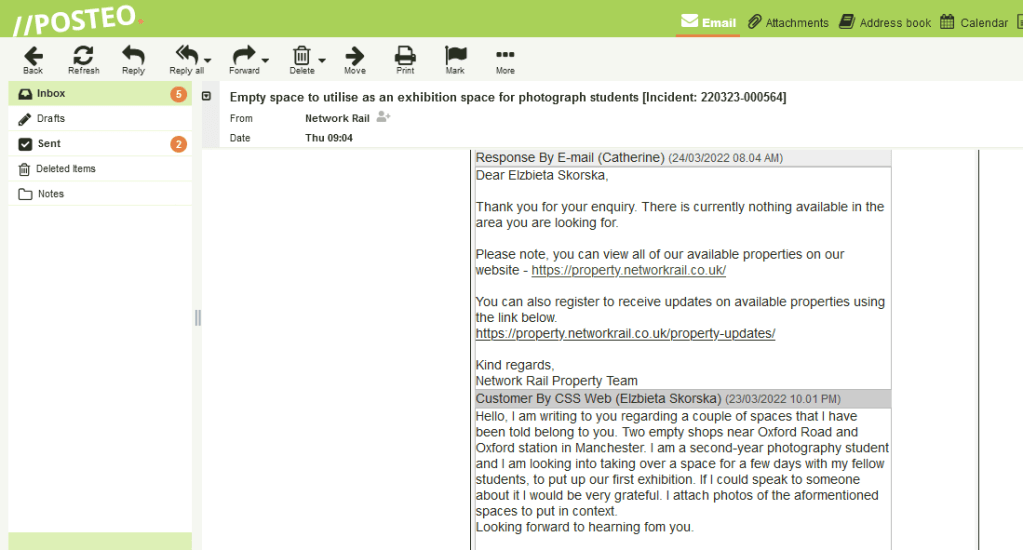
I contacted Network Rail as instructed, but they said they have nothing to rent in that area. Perhaps these shops don’t belong to them?
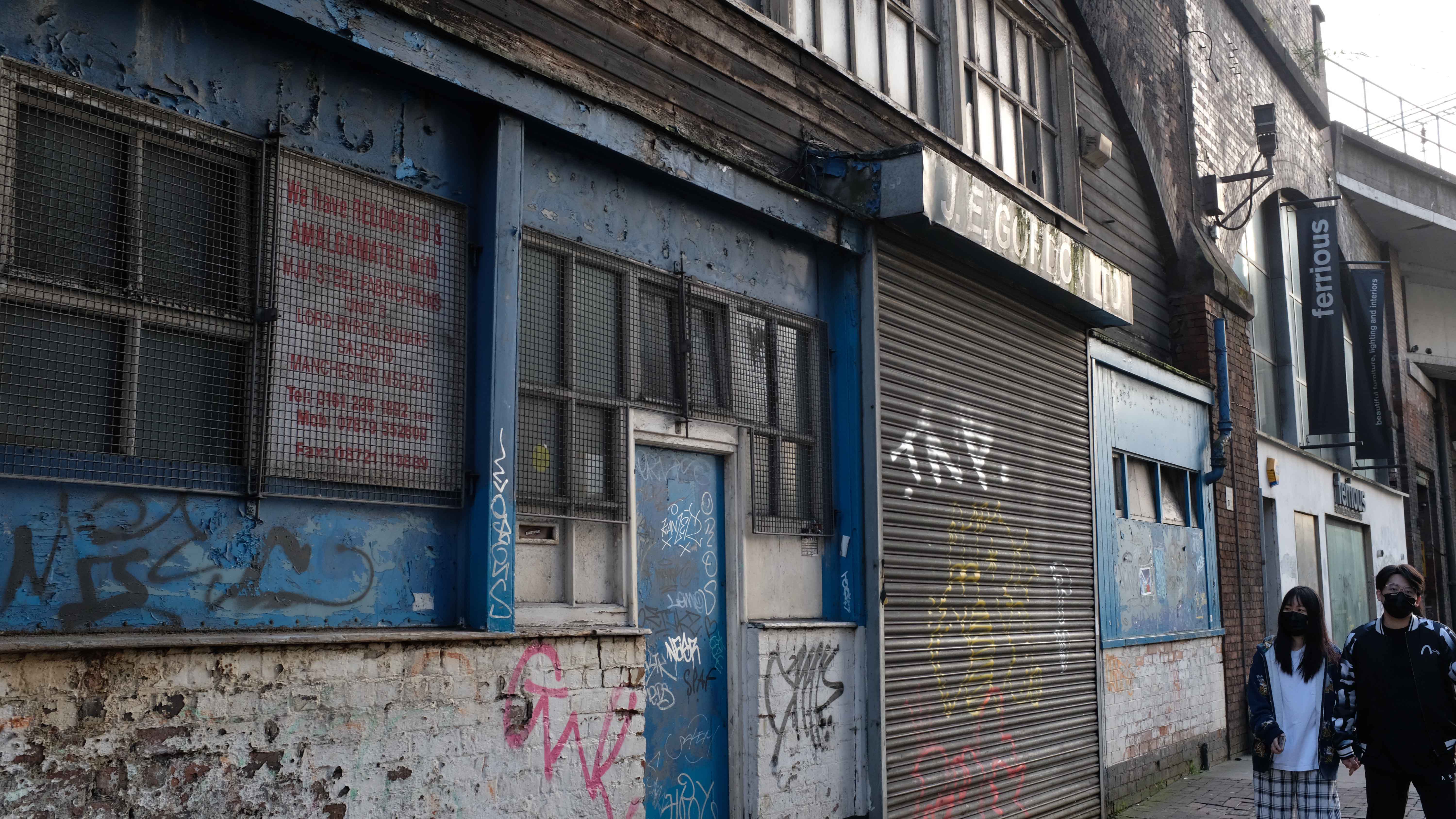
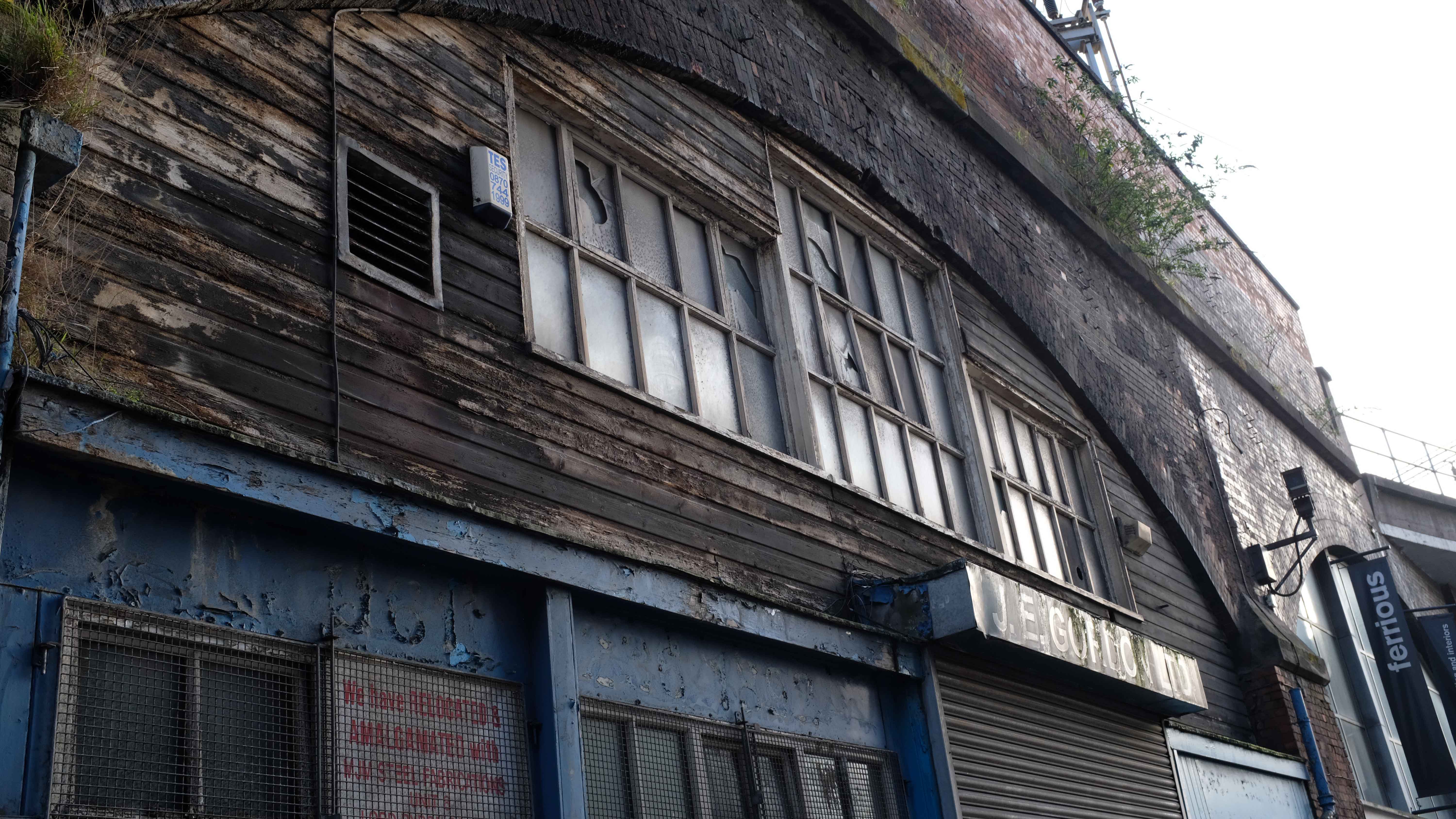
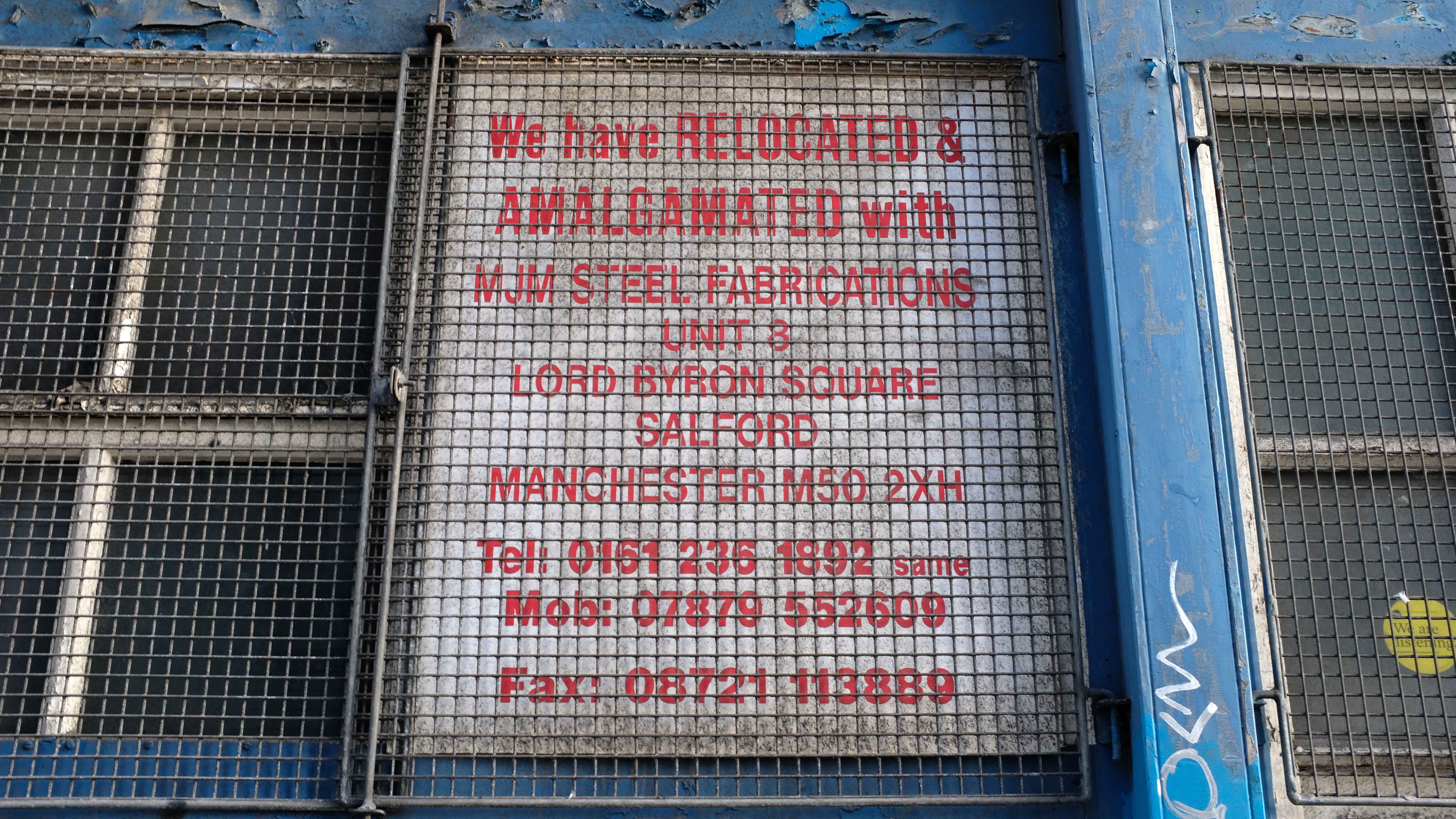
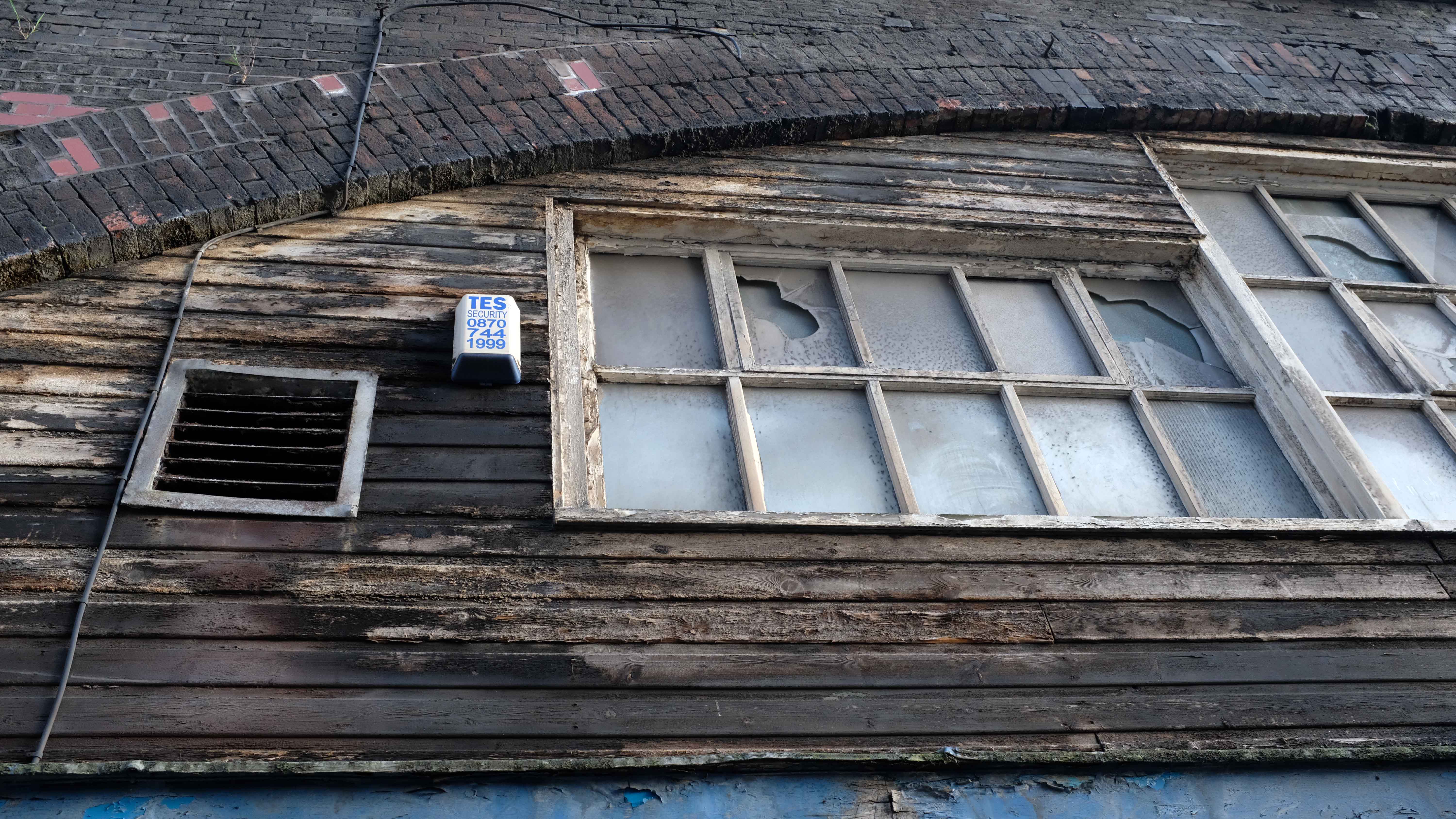
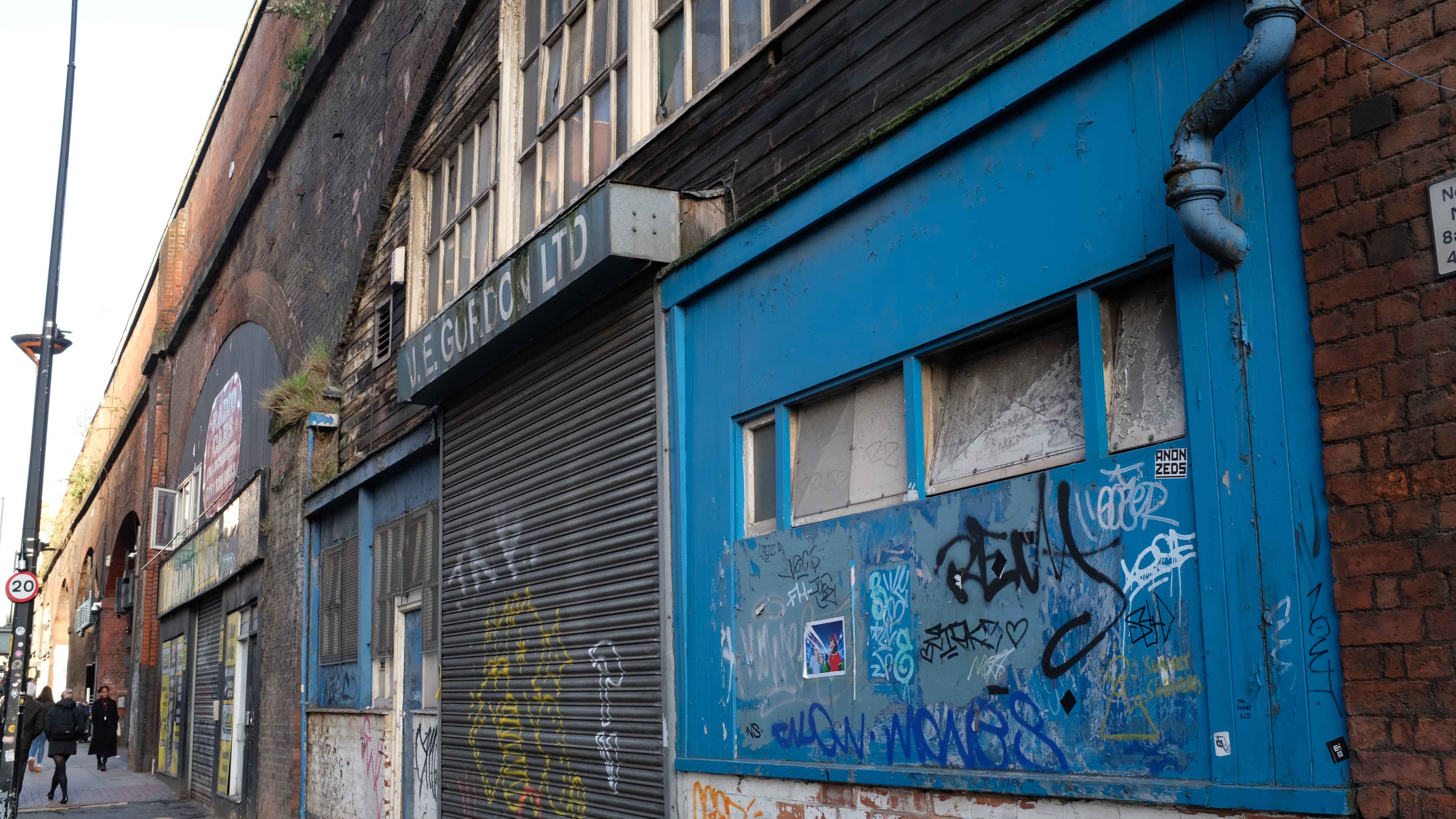
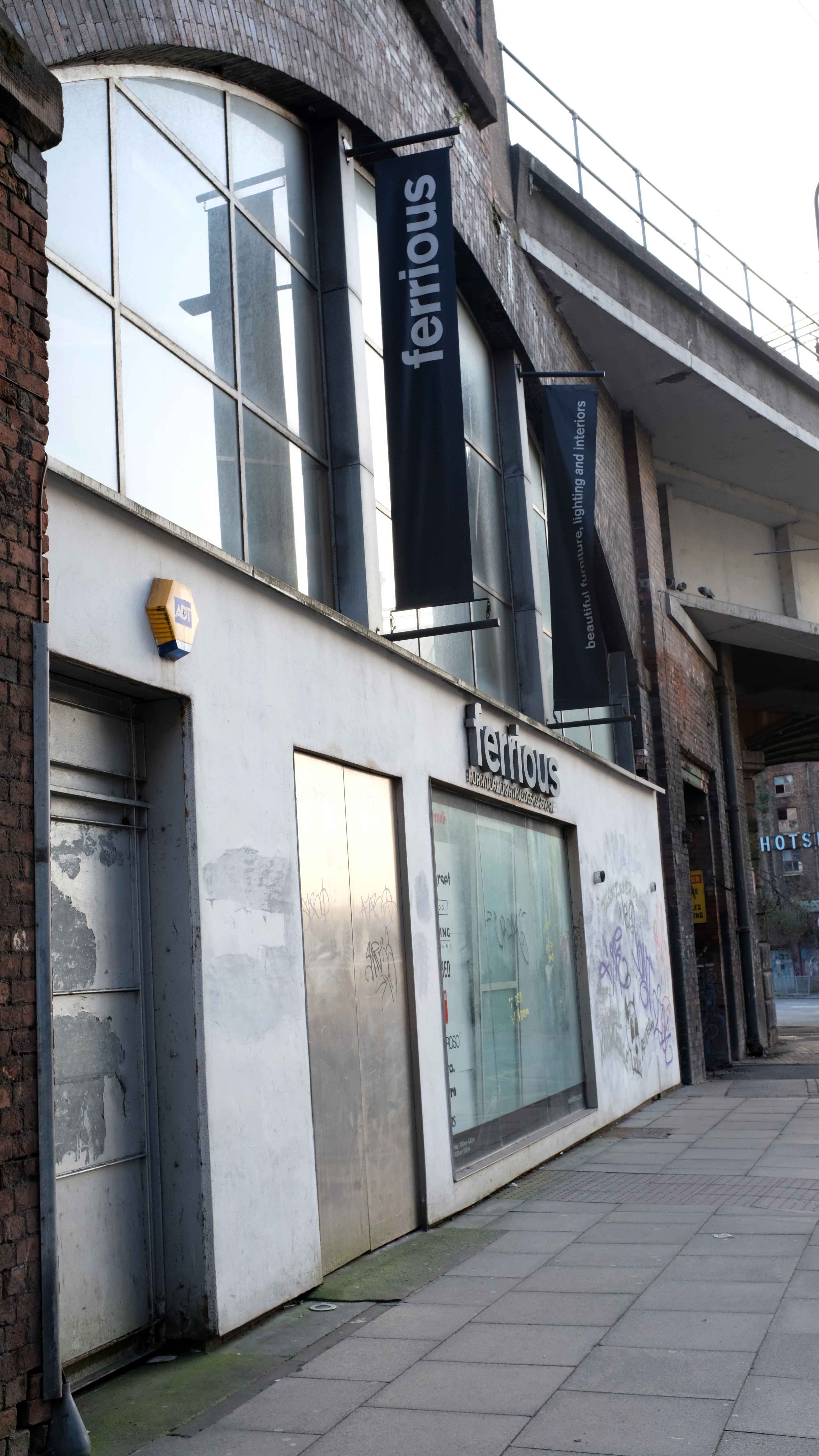
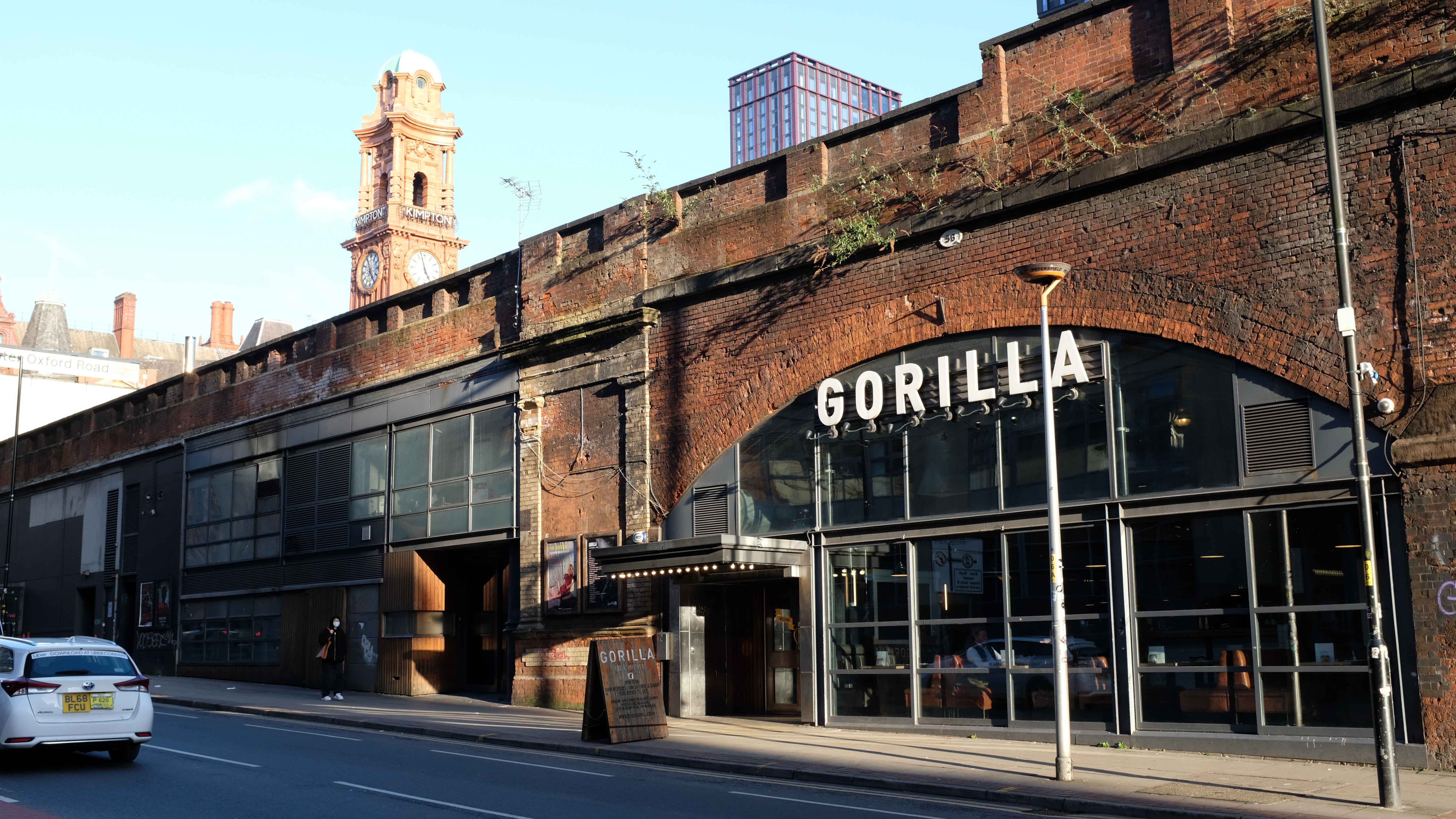
VENUE 4 – GORILLA
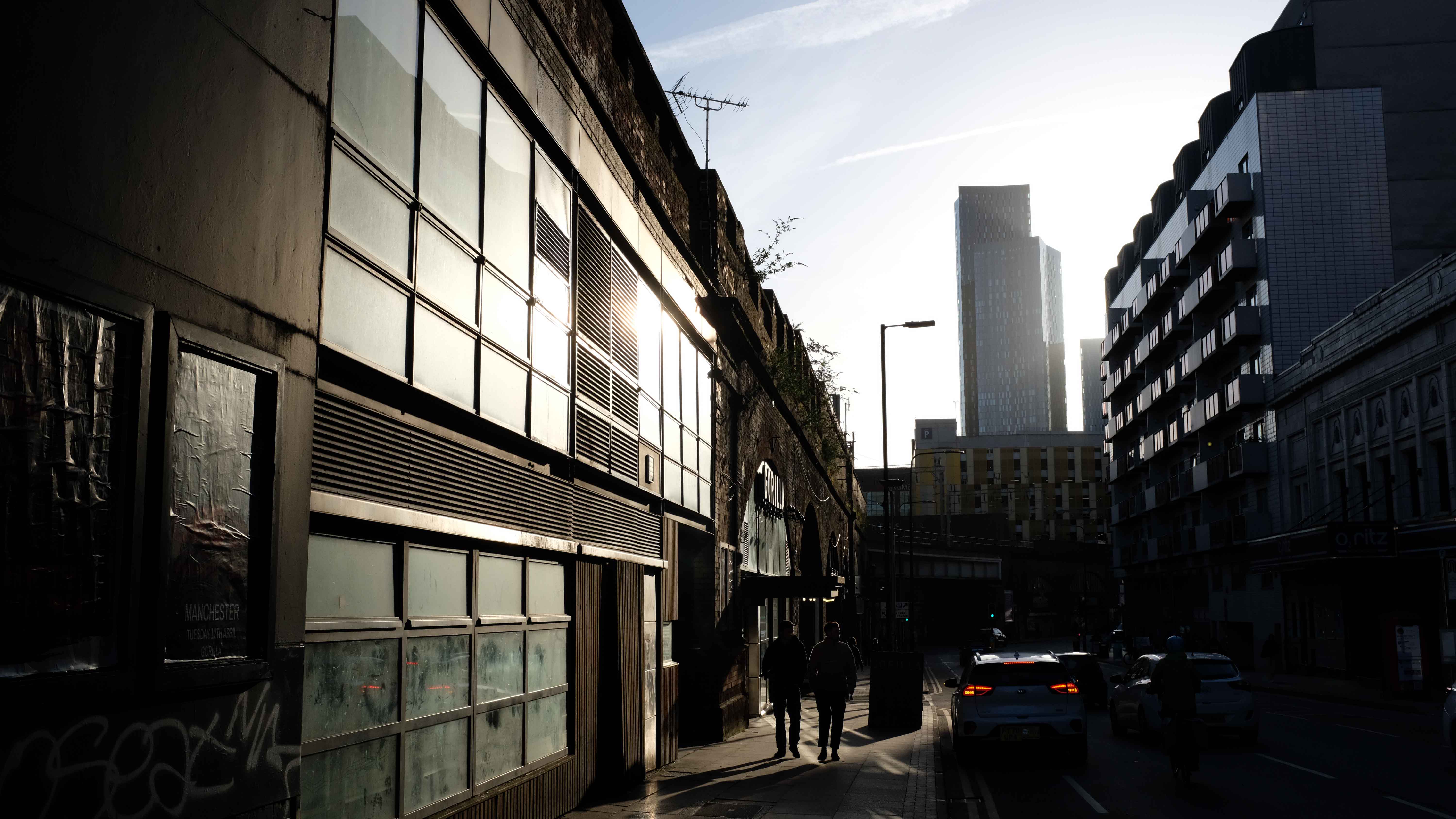
I have taken some photos of the outside and was instructed to come back on Friday if I want to take pictures of the inside.
FRIDAY 18.03
On this day, I headed to the university to collect my framed artwork and to make a label for the exhibition. Then I planned to swing by Gorilla to talk to the manager and take pictures of the venue inside. Finally, I aimed to go to Ancoats to deliver my work.
MAKING LABELS
First, I did some research on how to label artwork for exhibitions.
The consensus (according to Google) is: ‘Studies suggest that certain fonts such as Helvetica Regular, Verdana and Arial in a size of least 18 points are the easiest for the eye to comprehend for text based information. Text sizes should be increased if audiences are standing further than 1 metre from labels.’
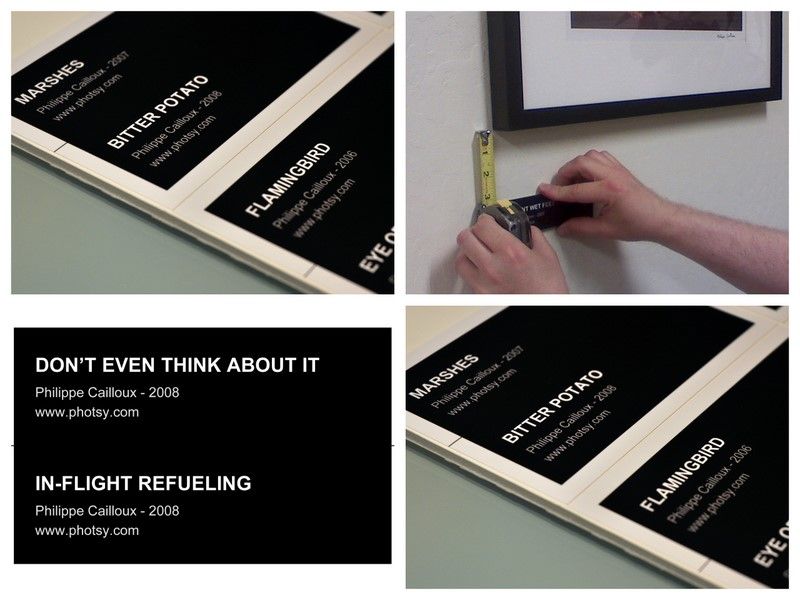
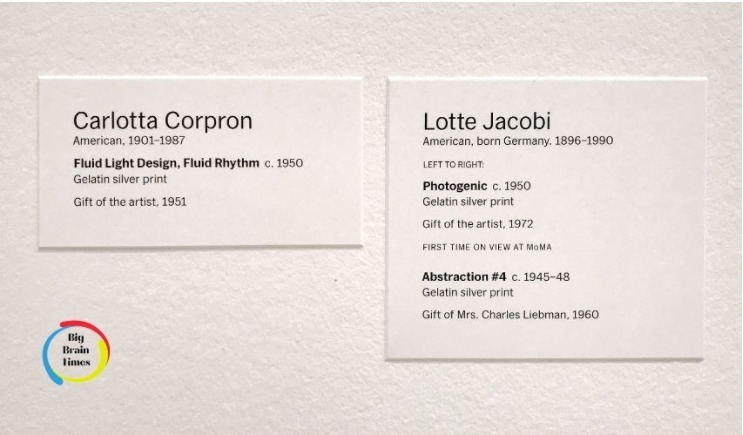
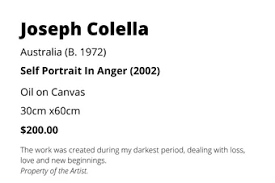
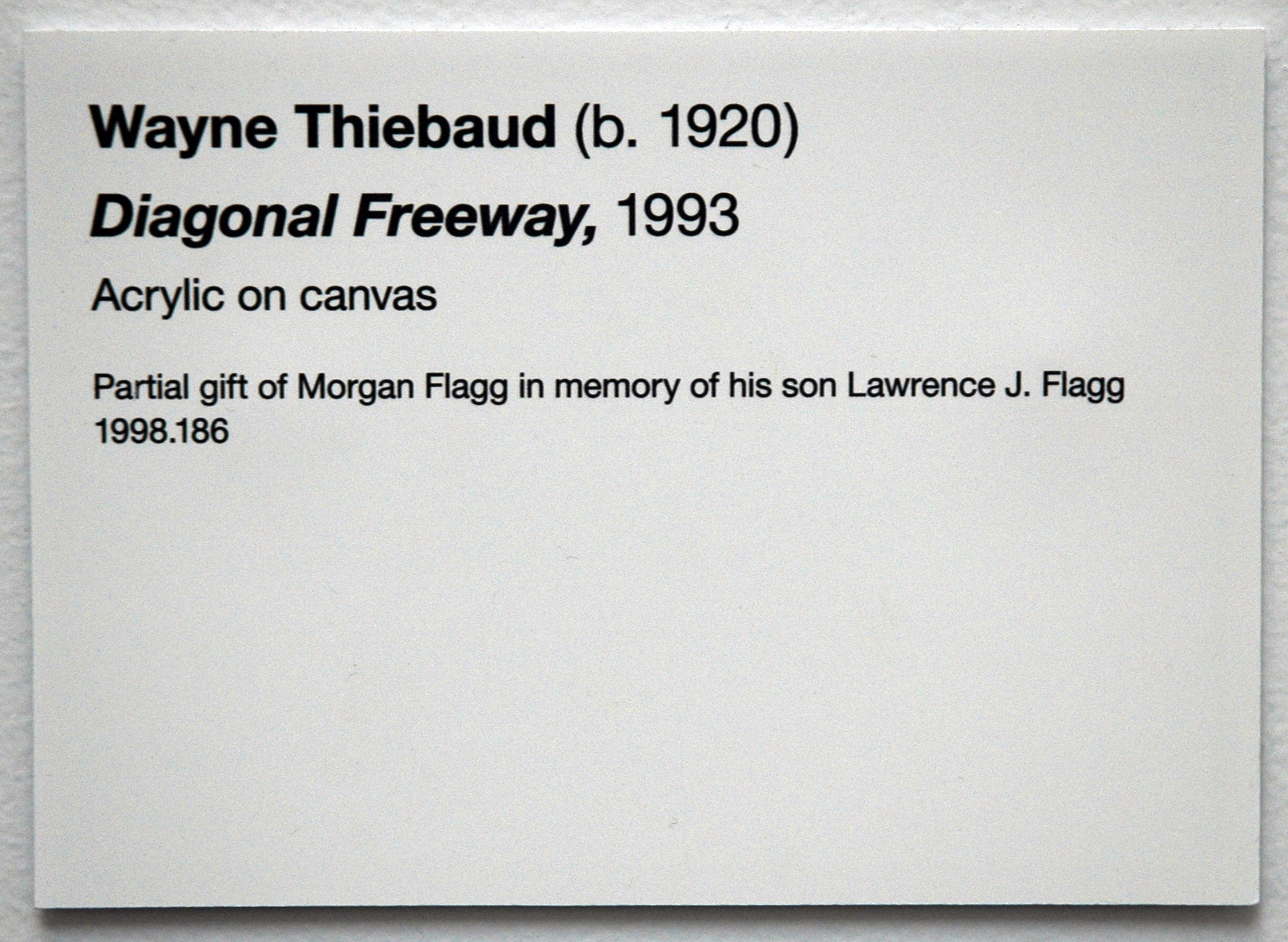

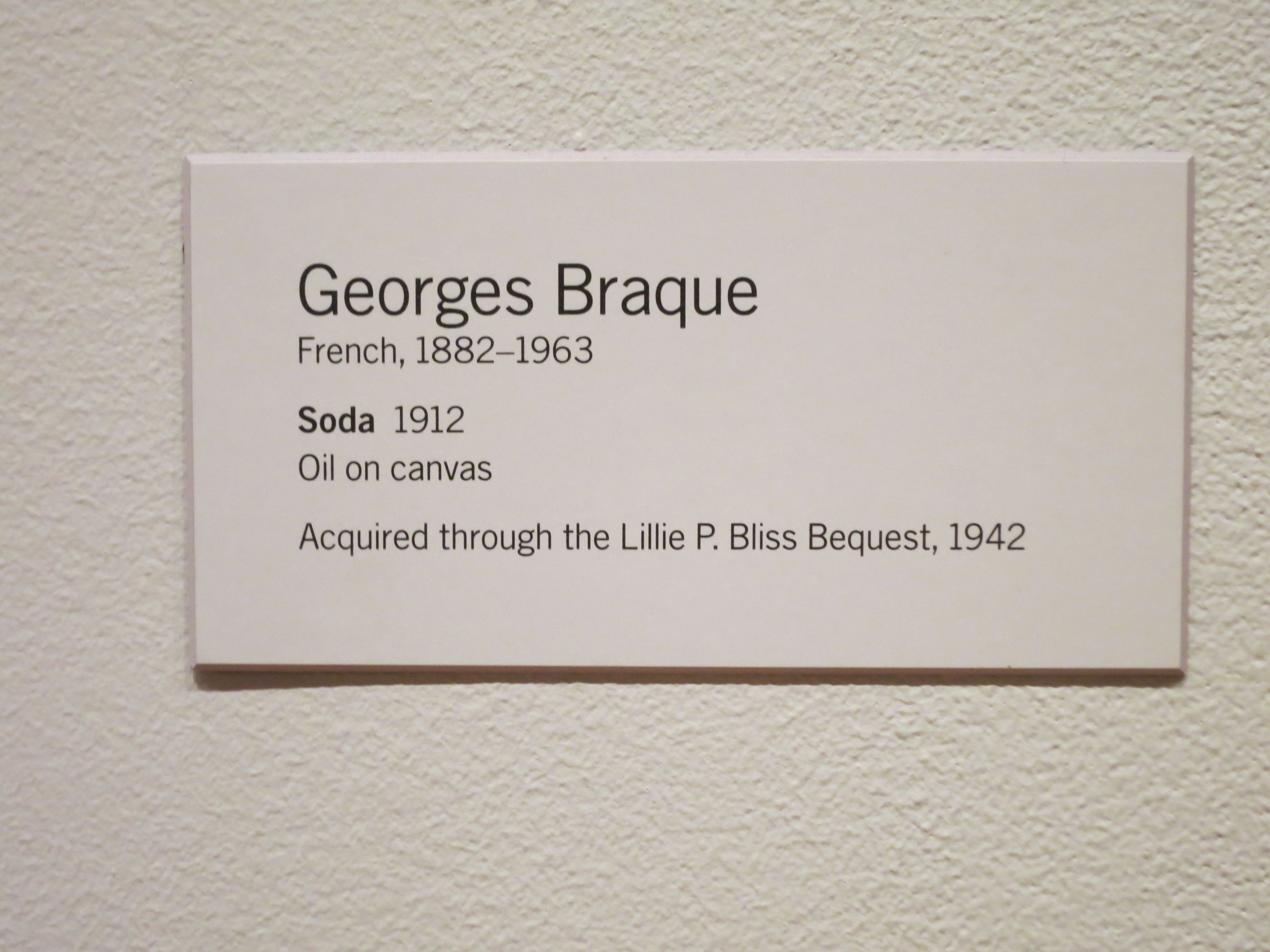
So I chose Arial and the suggested size, printed it off a few times on standard paper to see how it looked, then got laser print paper and a mountboard from the Make More store. After mounting labels on the board, I went to the bookbinding to use the guillotine and cut them to size.
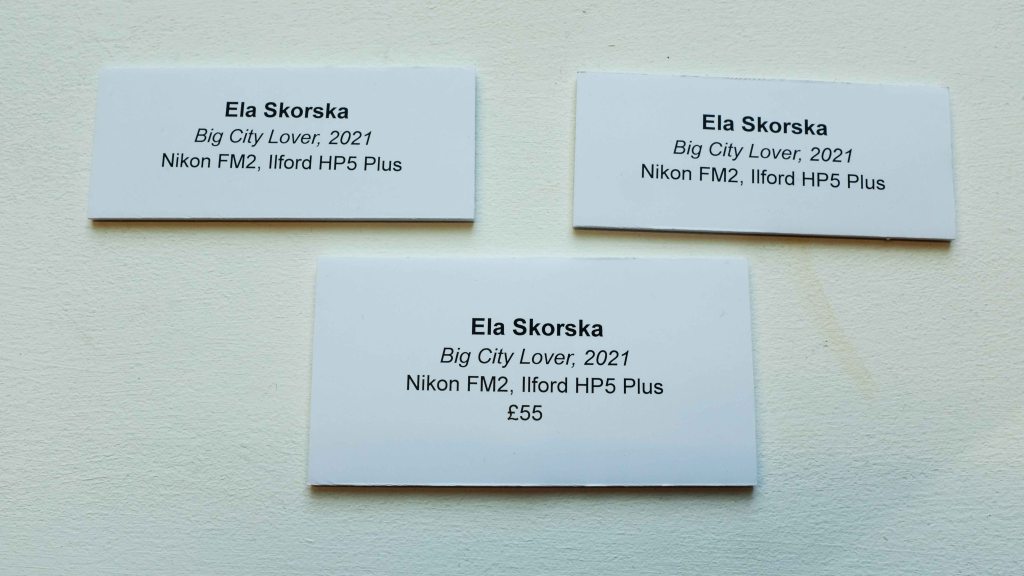
It was a great experience and I am so glad I got to practice making labels before our exhibition.
RESEARCHING VENUES
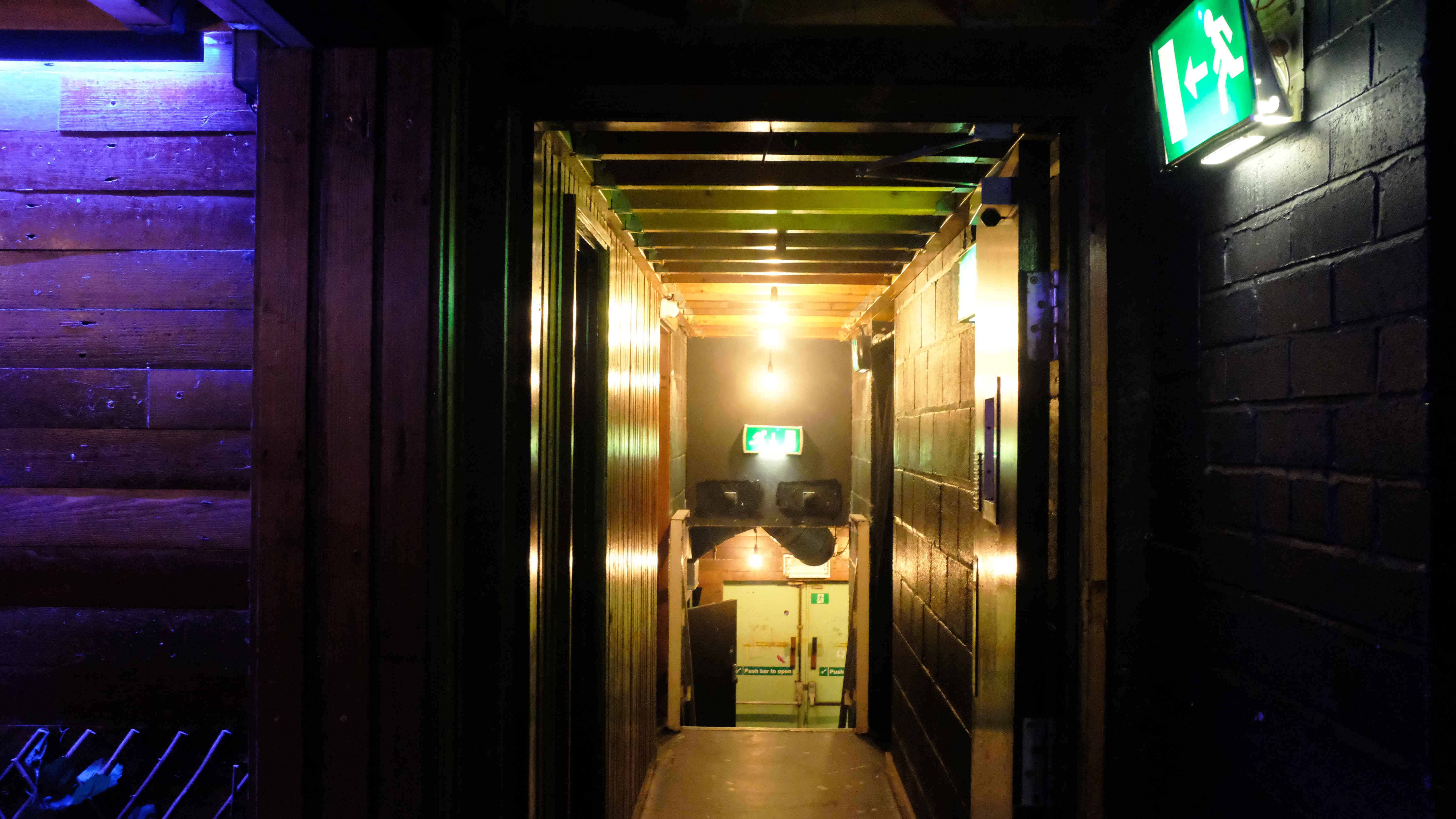
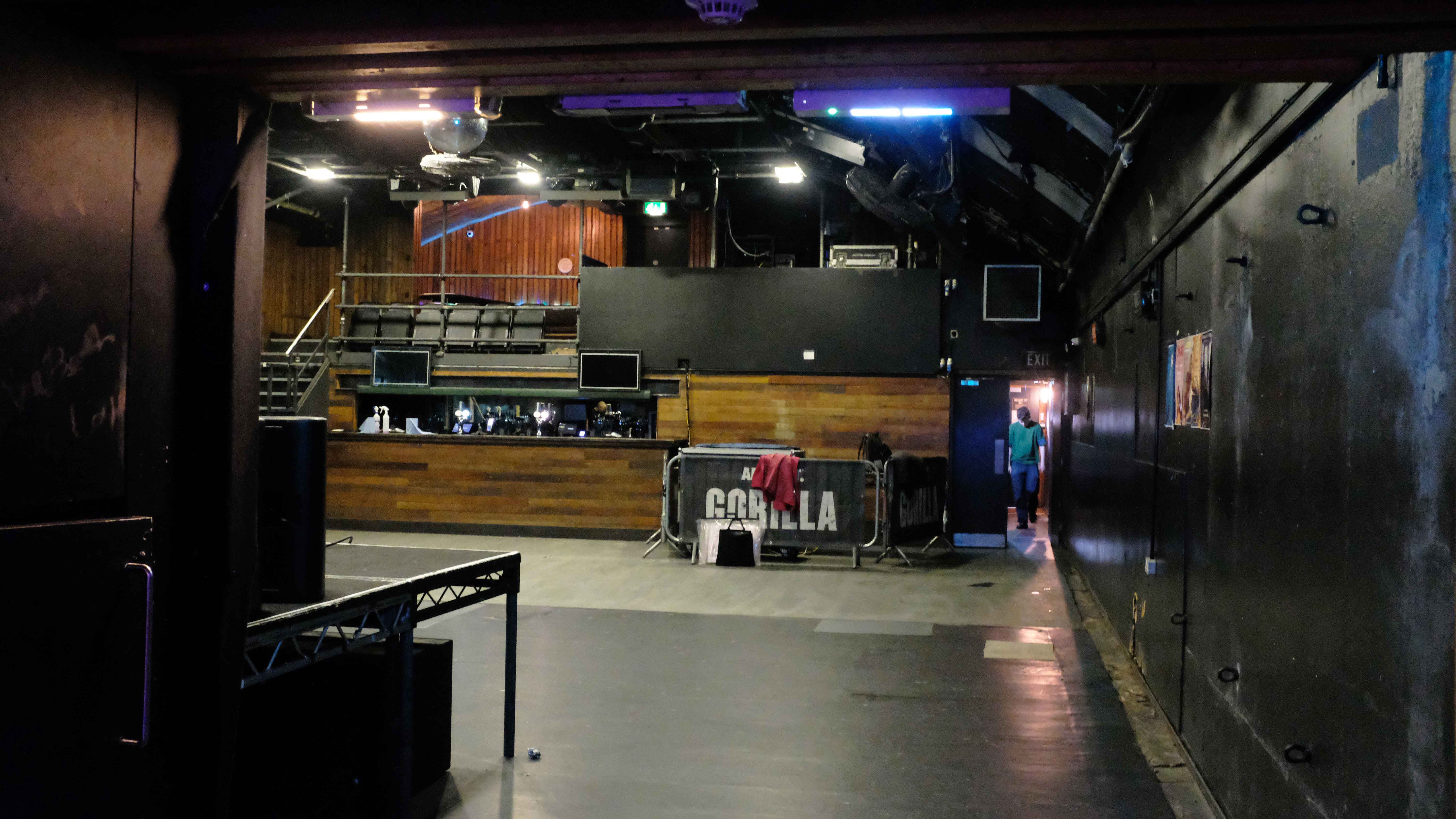
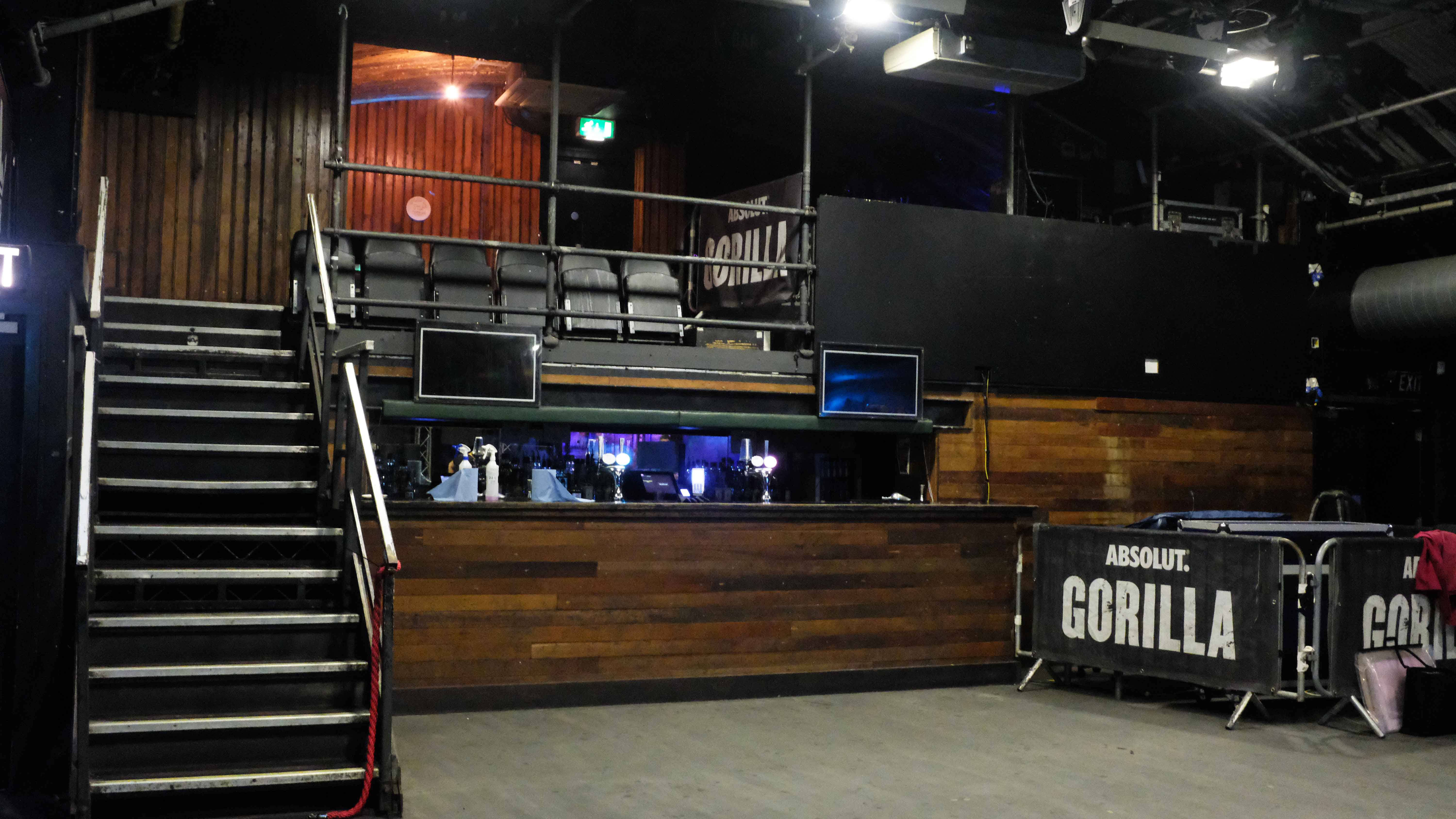
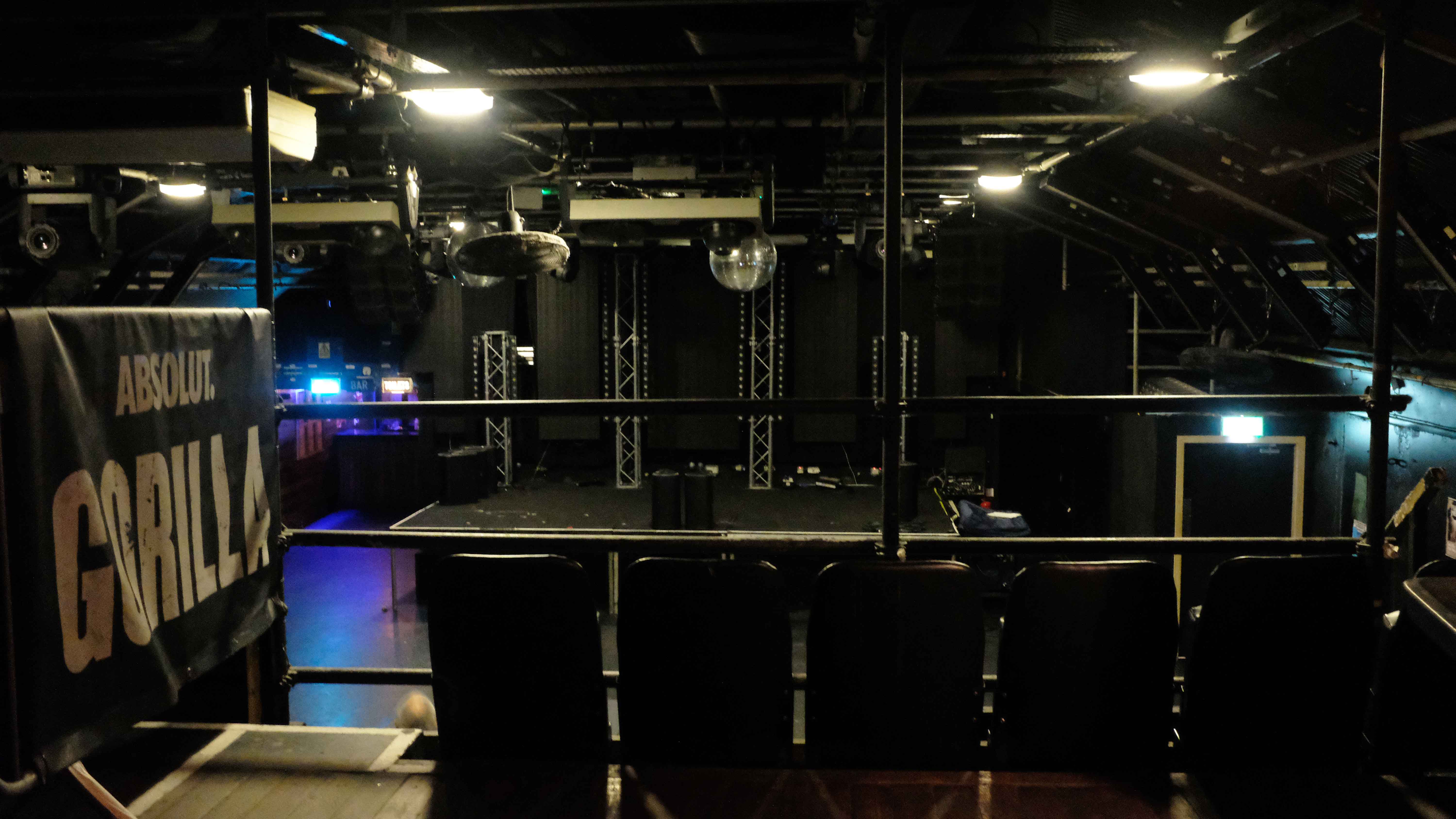
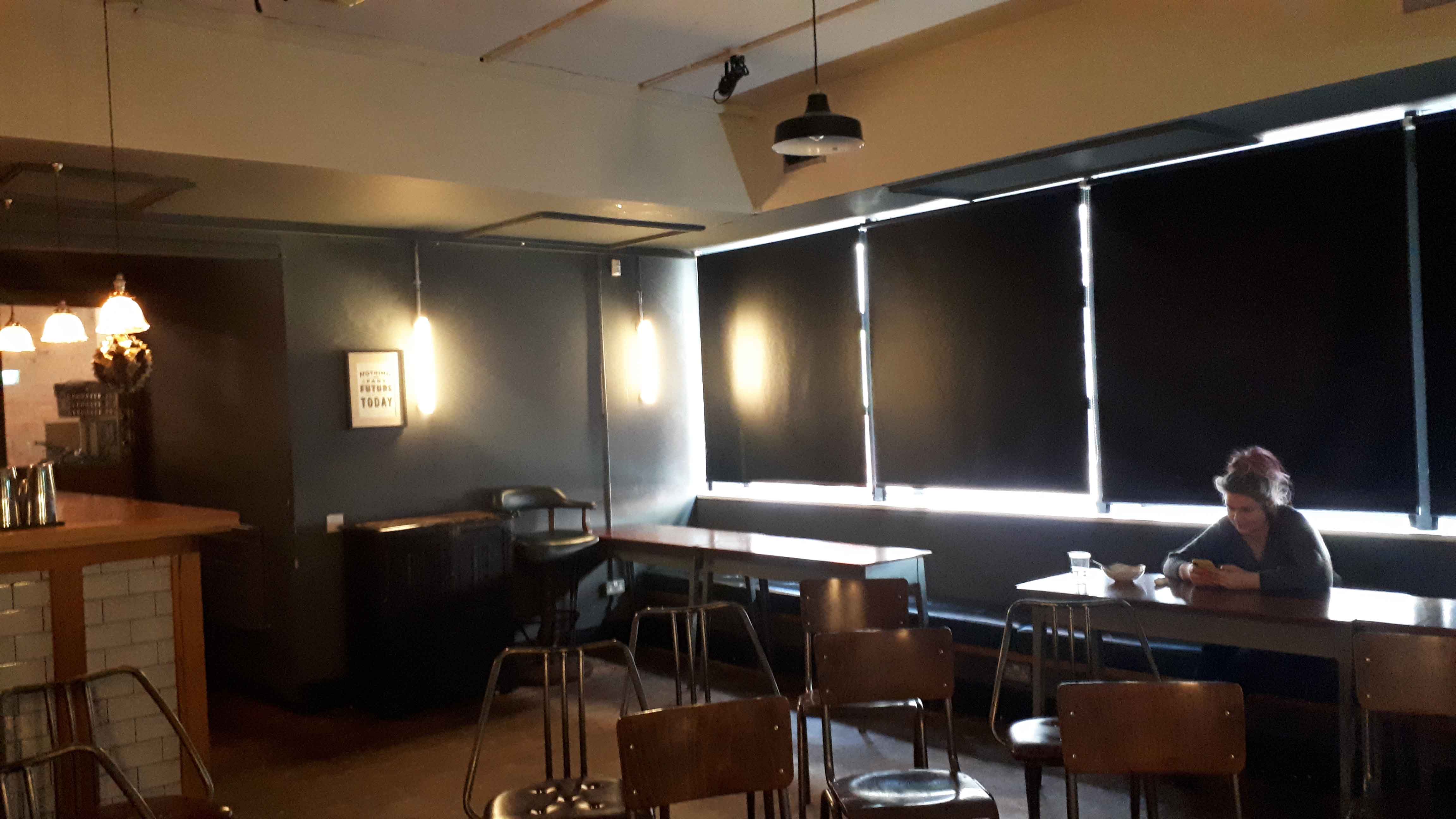
After I finished that task, I went to meet the manager of GORILLA to talk about venue renting. She showed me the main stage, however great the space, it is very expensive, but I spotted an area that turned out to be a sizable staff room with massive windows, that is available to rent for £300. I was allowed to take photos, and Emily, the manager, left me her email address to stay in touch.
GORILLA MAIN ROOM
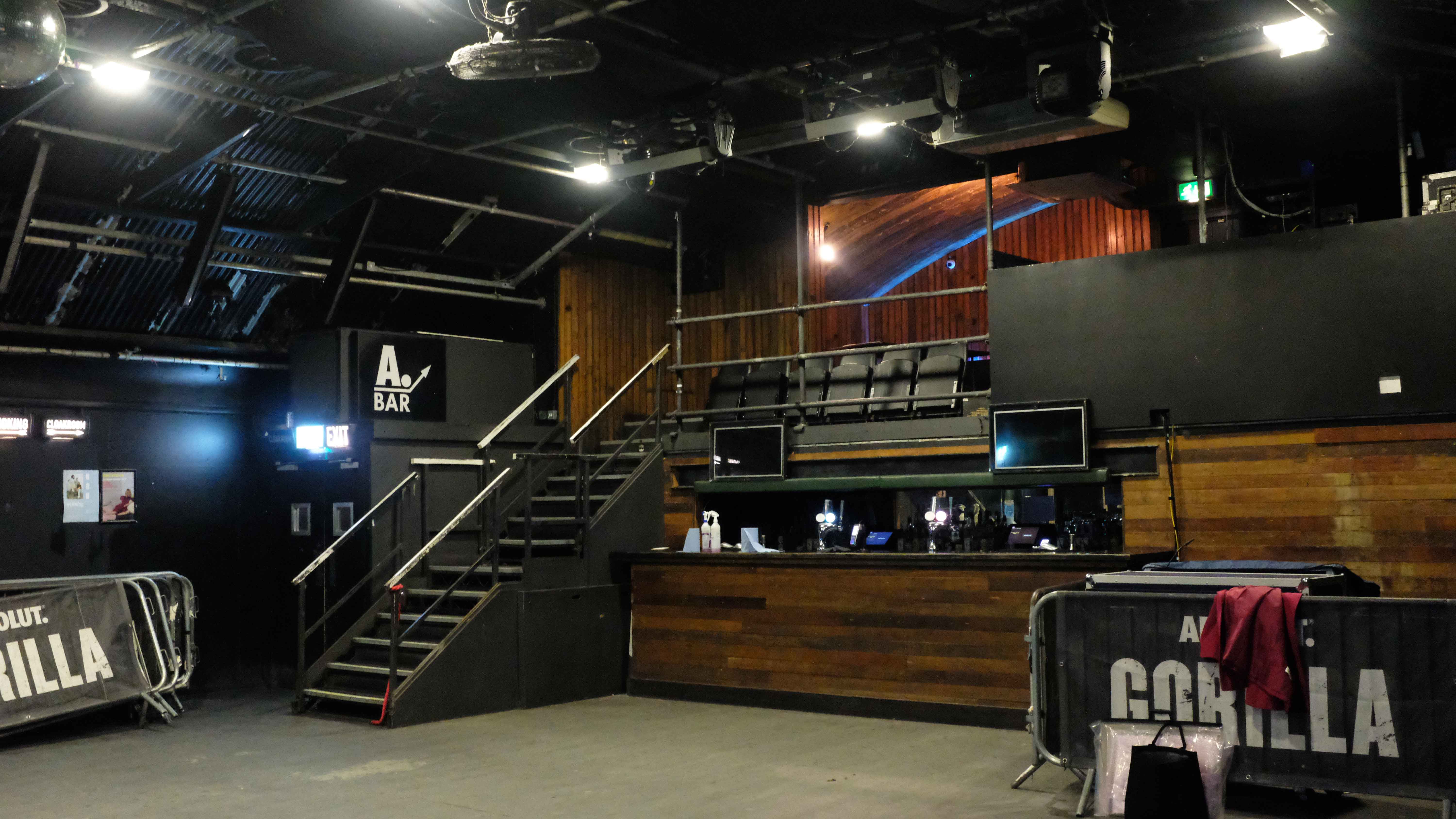
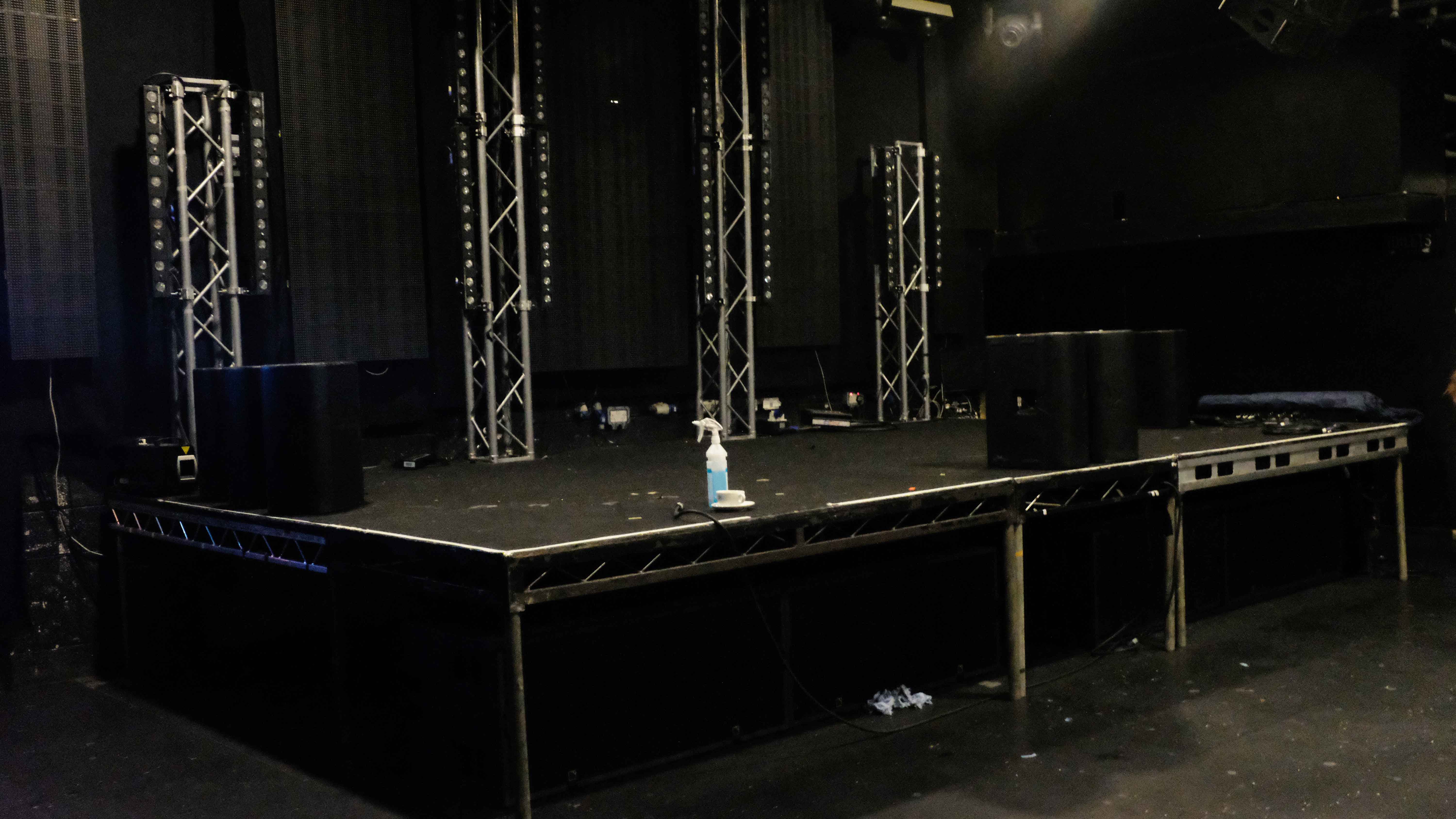
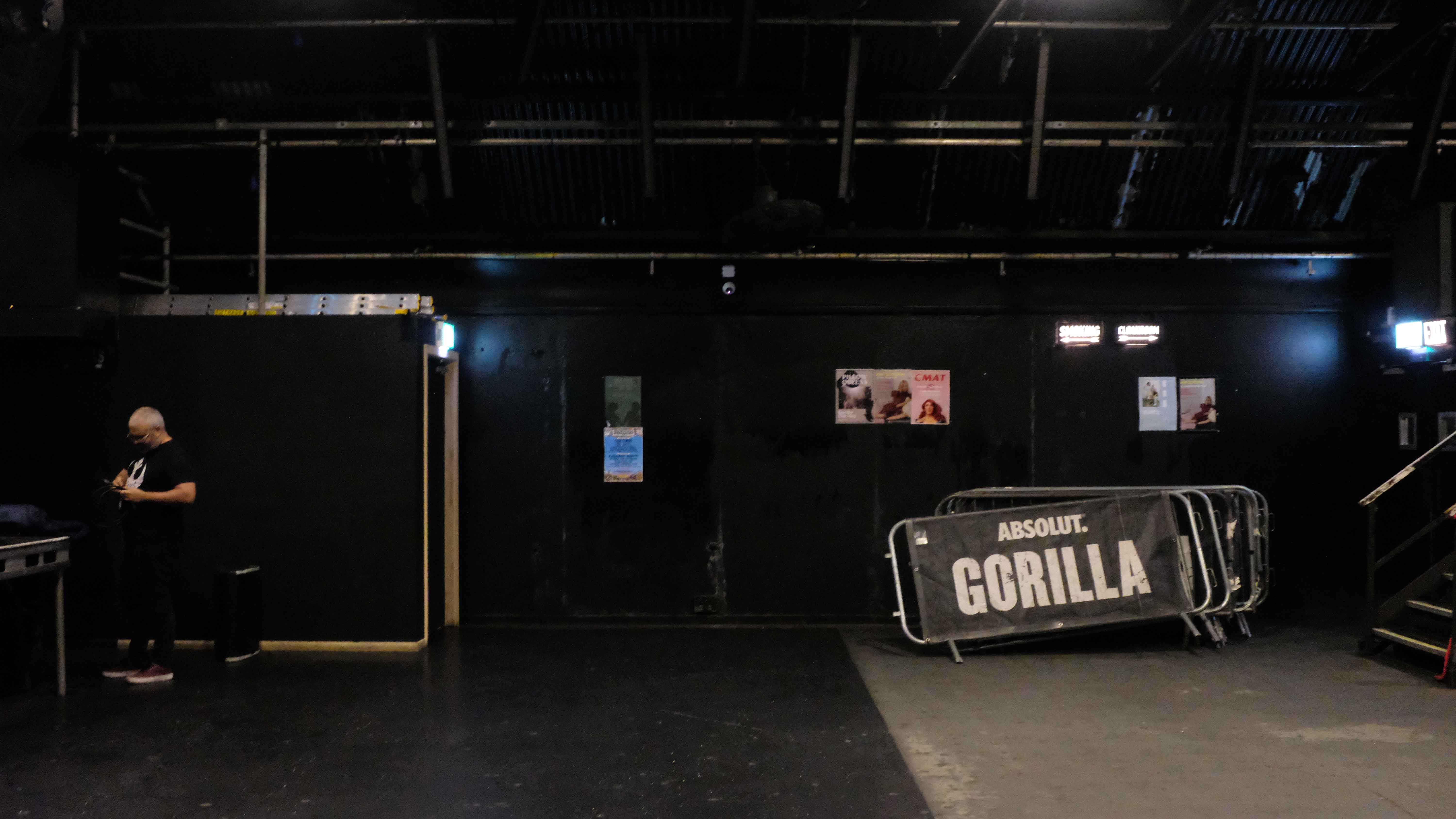
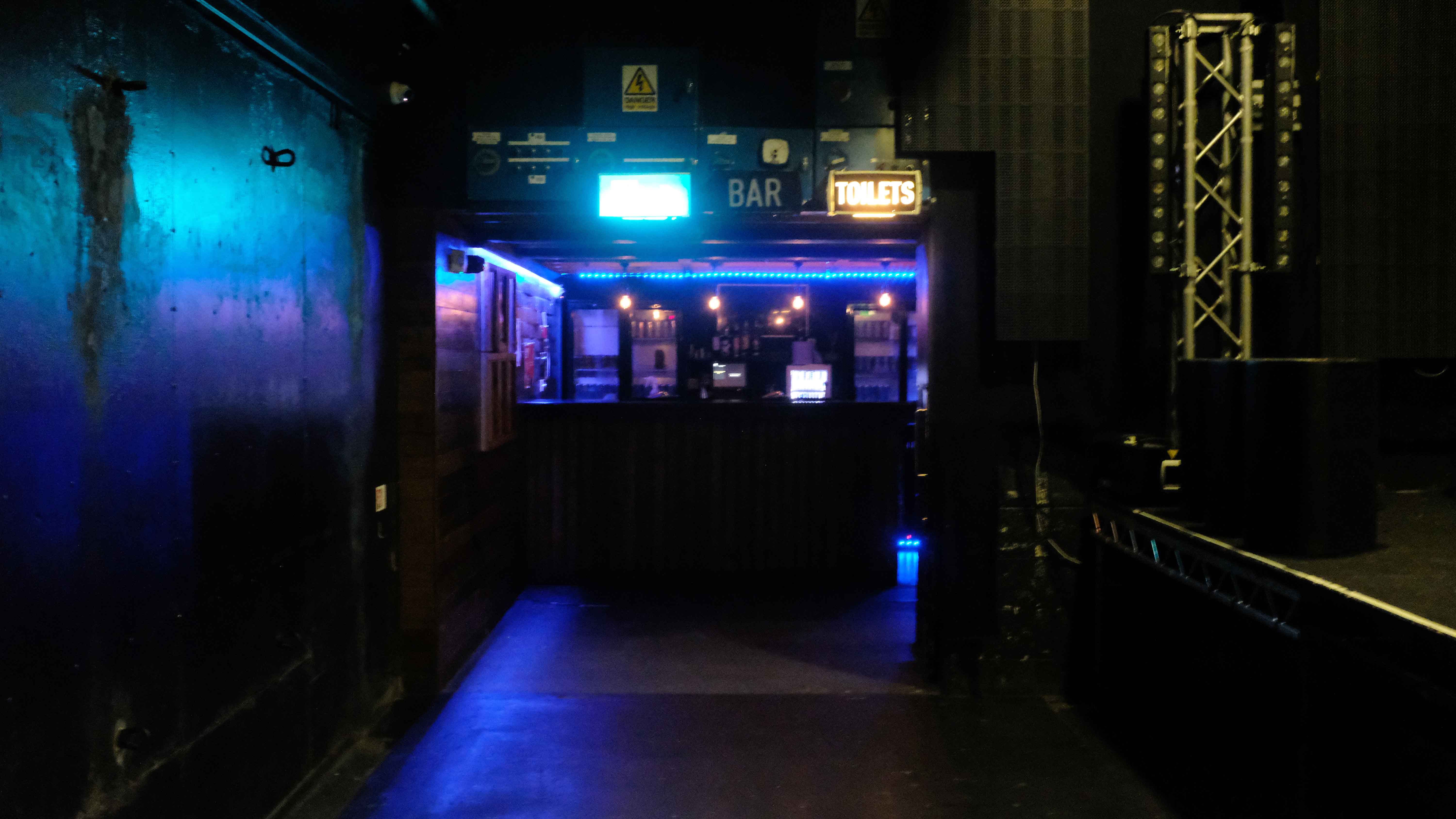
GORILLA STAFF ROOM
This room is a good backup as it is always free, being a staff room, and we could rent it for £300 for three days.
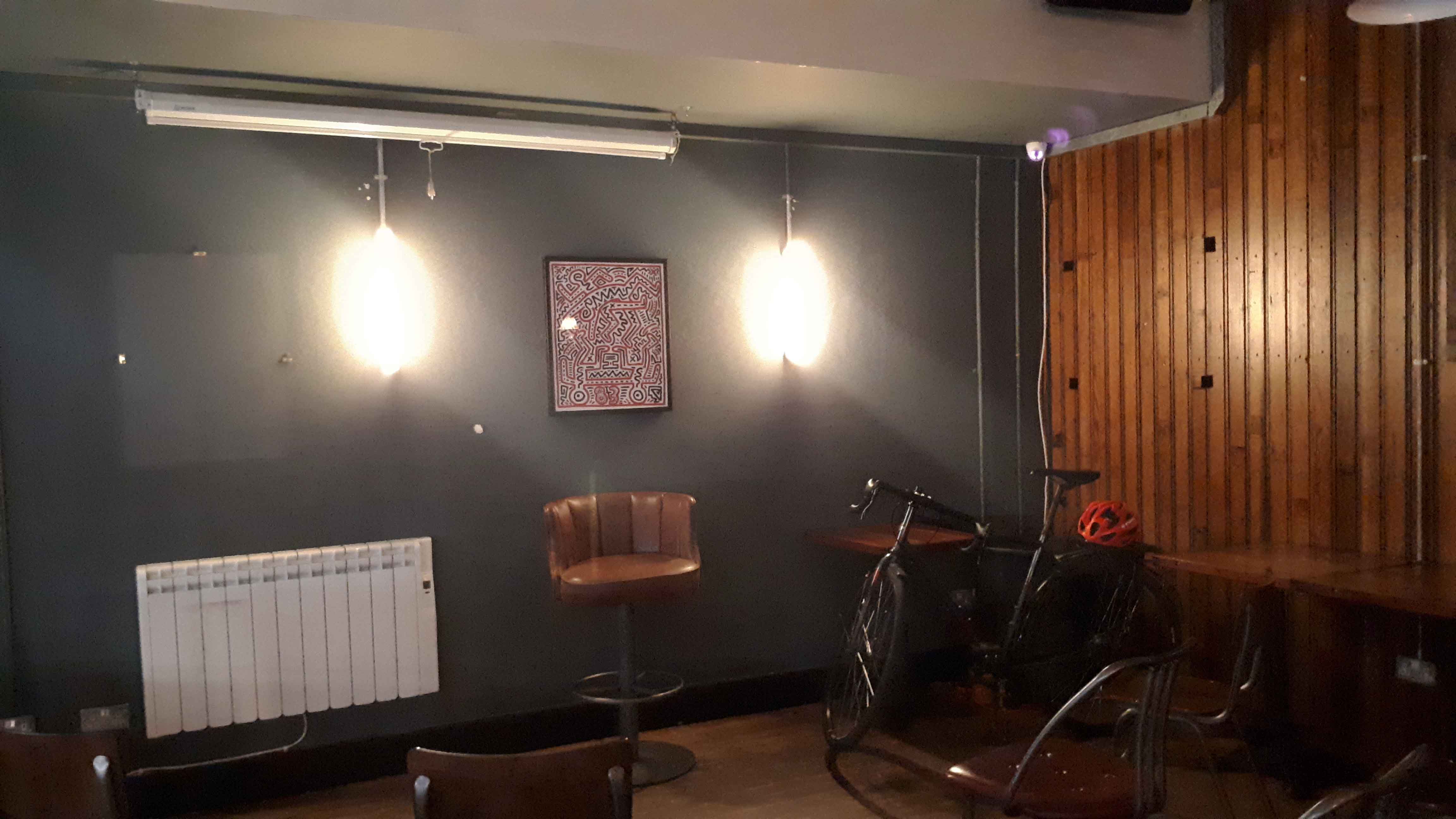
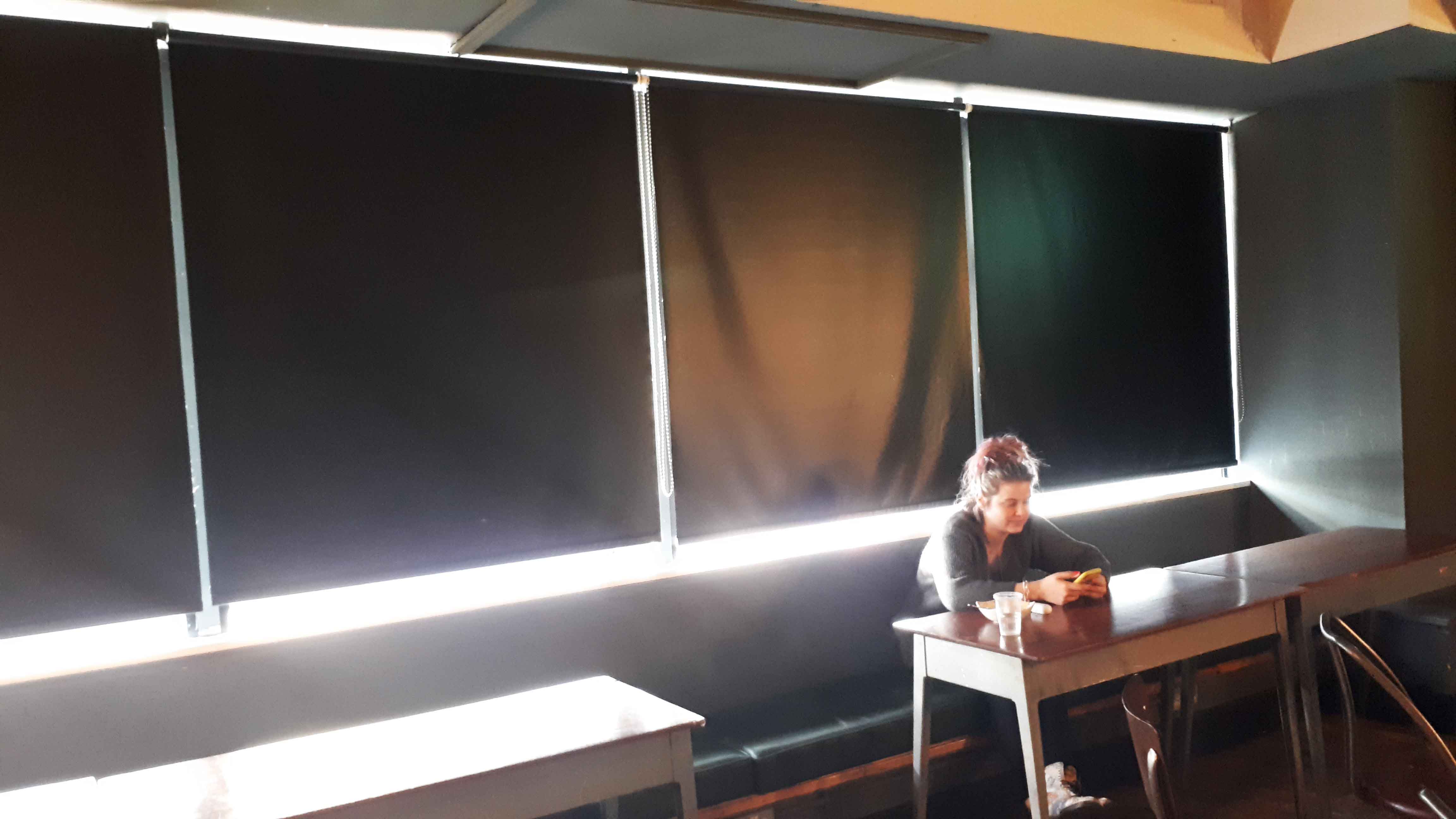
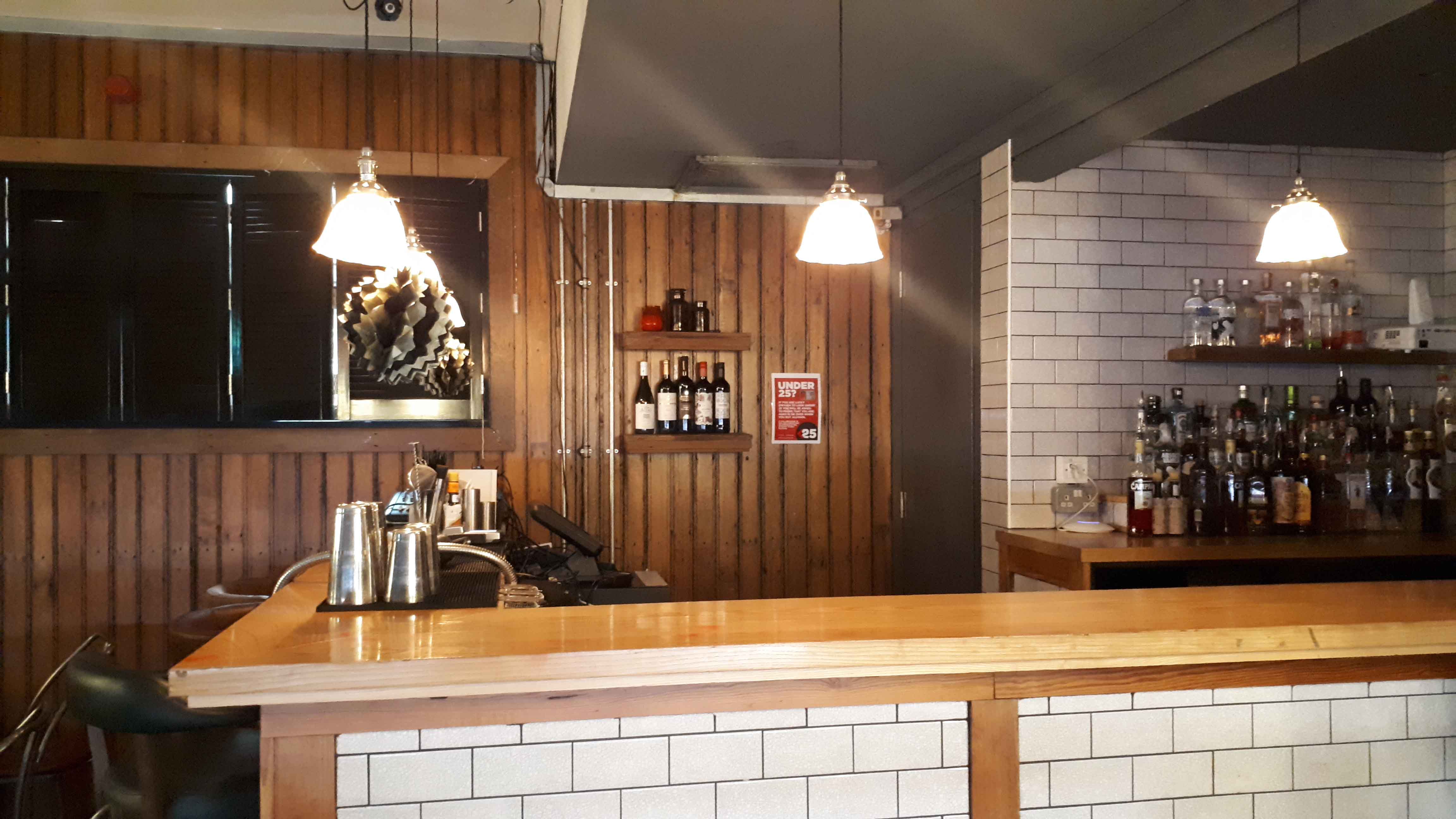
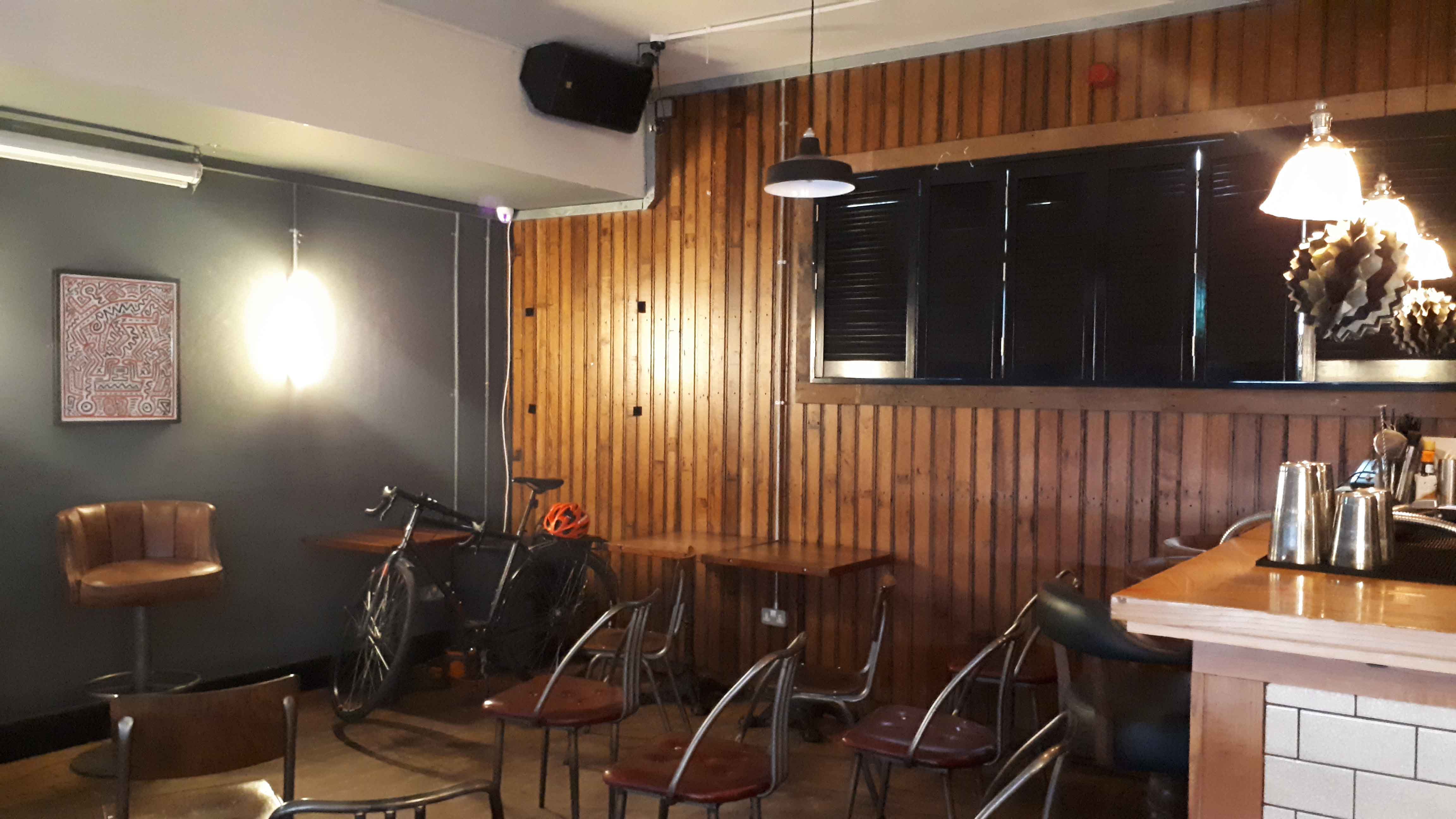
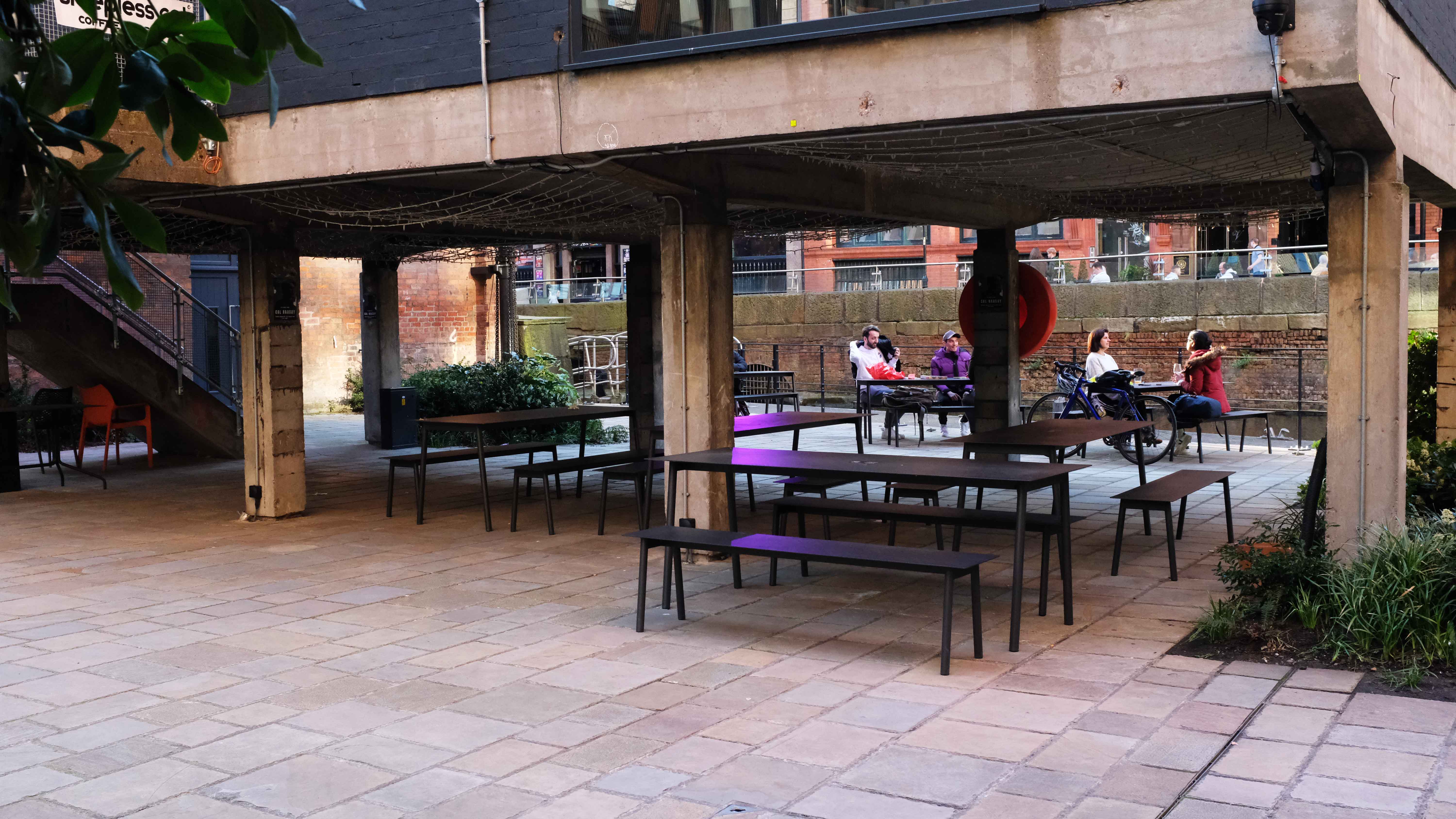
Afterwards, I headed to look for more buildings and found this space under KAMP near Gay Village. I am very excited about it, and if the group is up for it, I will be getting in touch with the owners.
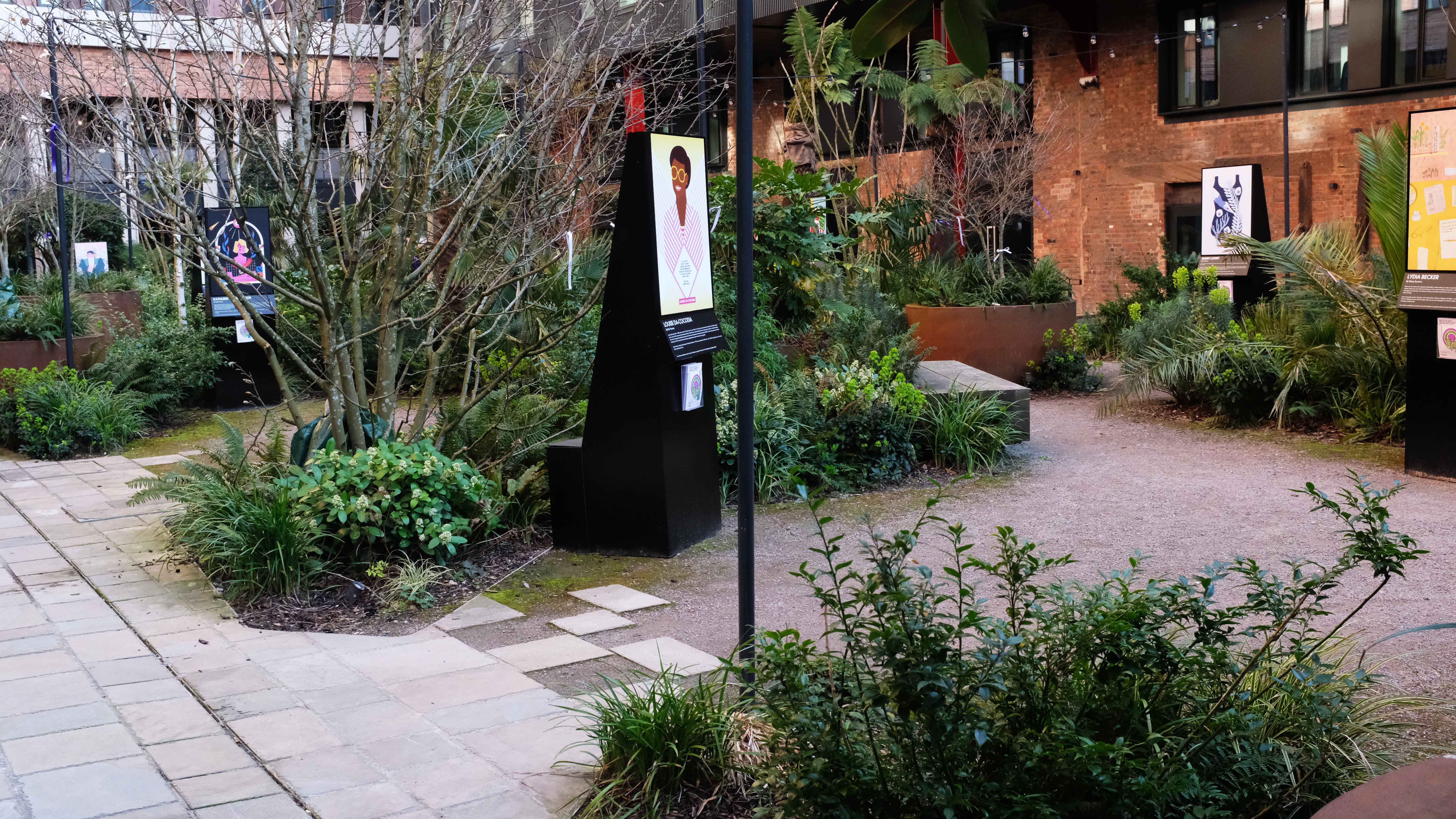
After this activity, I dropped off my artwork at the Cotton Art Fair venue in preparation for tomorrow’s exhibition.
COTTON MCR ART FAIR (19.03)
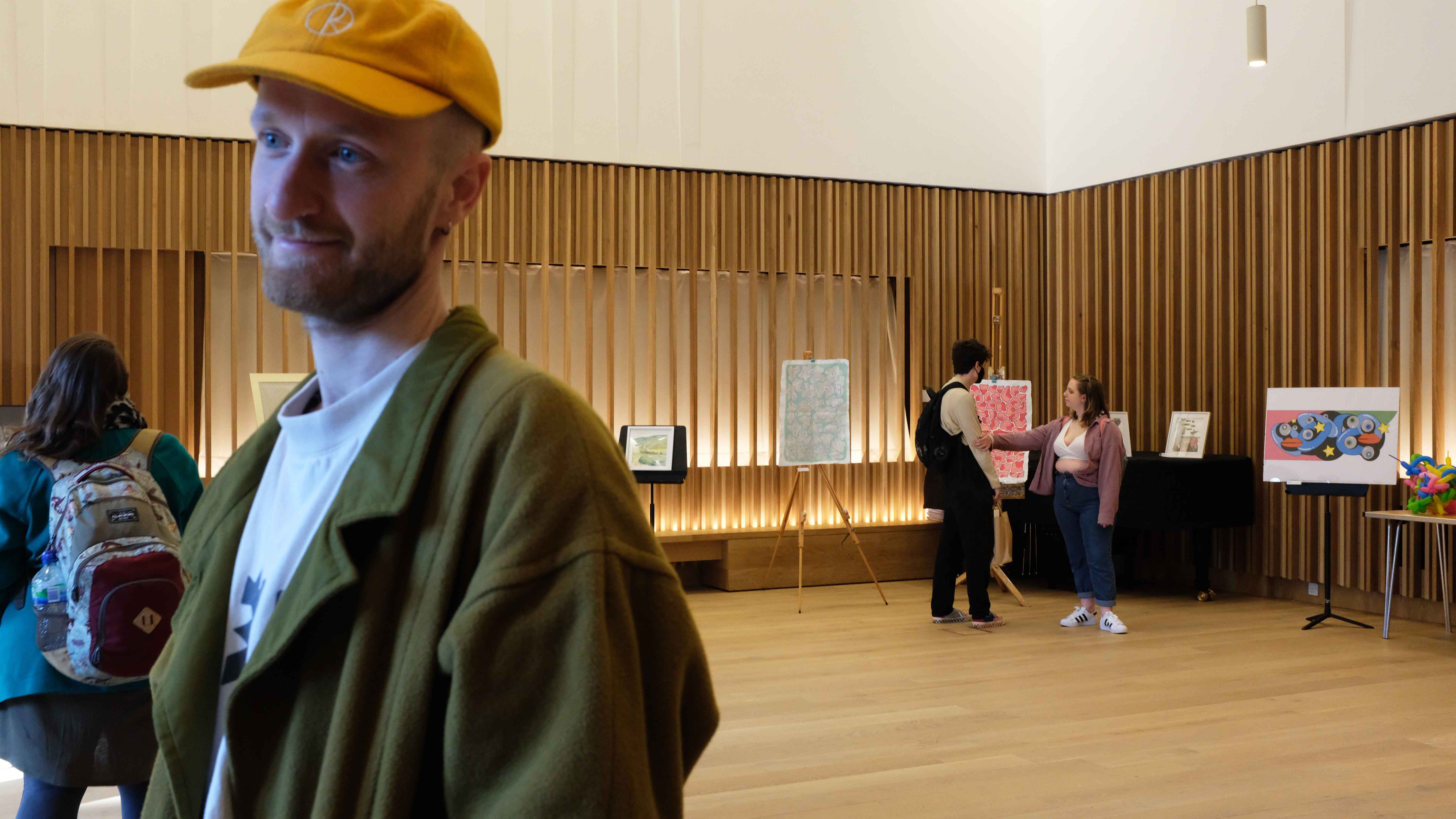
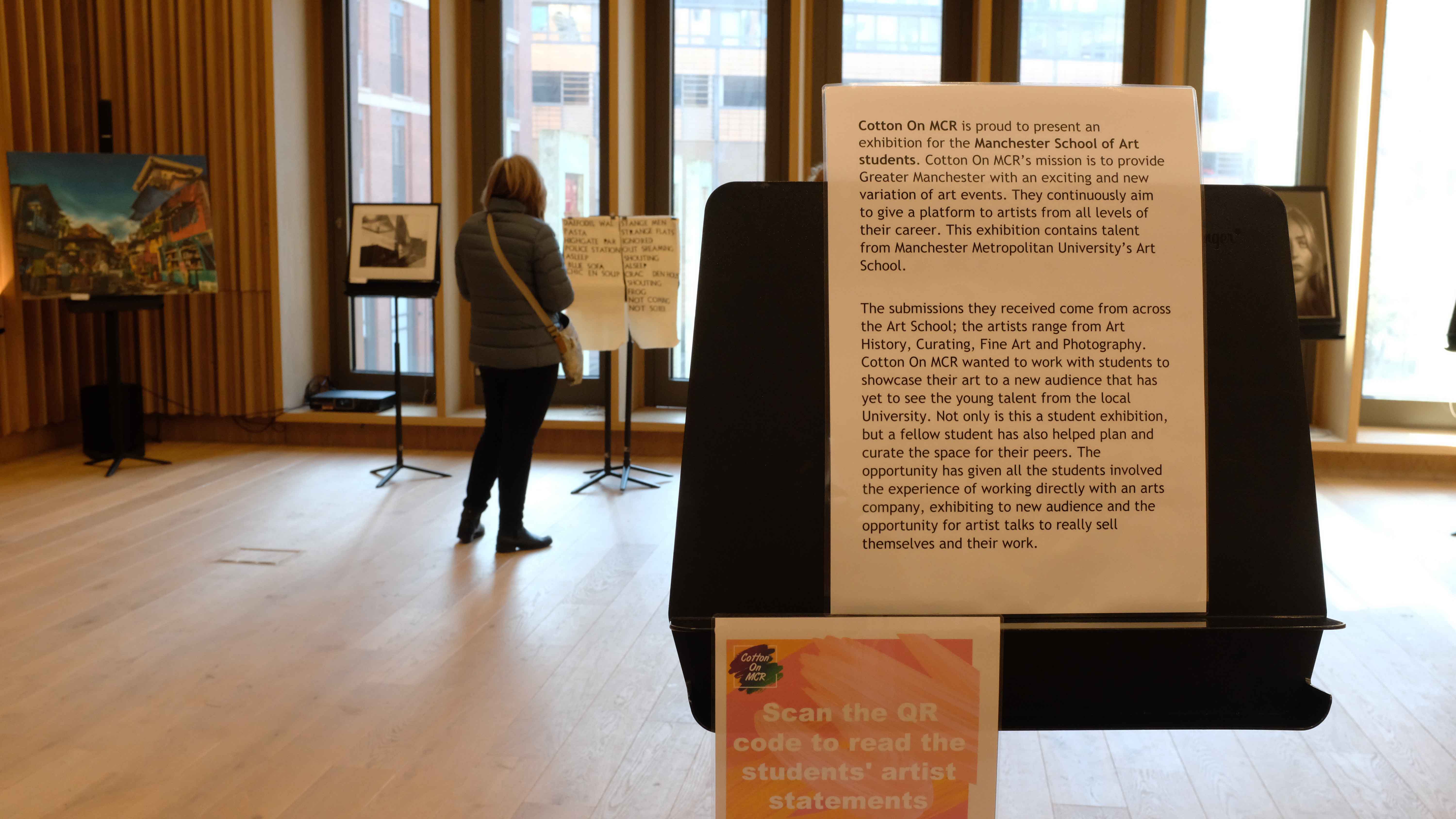
The first activity of the day was a macrame workshop that I took part in during the fair. Next, I visited the exhibition and the art fair filled with a variety of fantastic artwork and talented people, where I made a few purchases to support the artists. It was an incredibly valuable experience for me to exhibit my photograph, to see how it was presented, labelled and positioned. Additionally, I found it intriguing watching people looking at my artwork. I wanted to come up to some of them and ask them what they thought, but I was scared they would say something negative. Nevertheless, I decided that next time I would push myself to do so, as it is vital that I could talk freely to people about my art and take criticism when it comes.
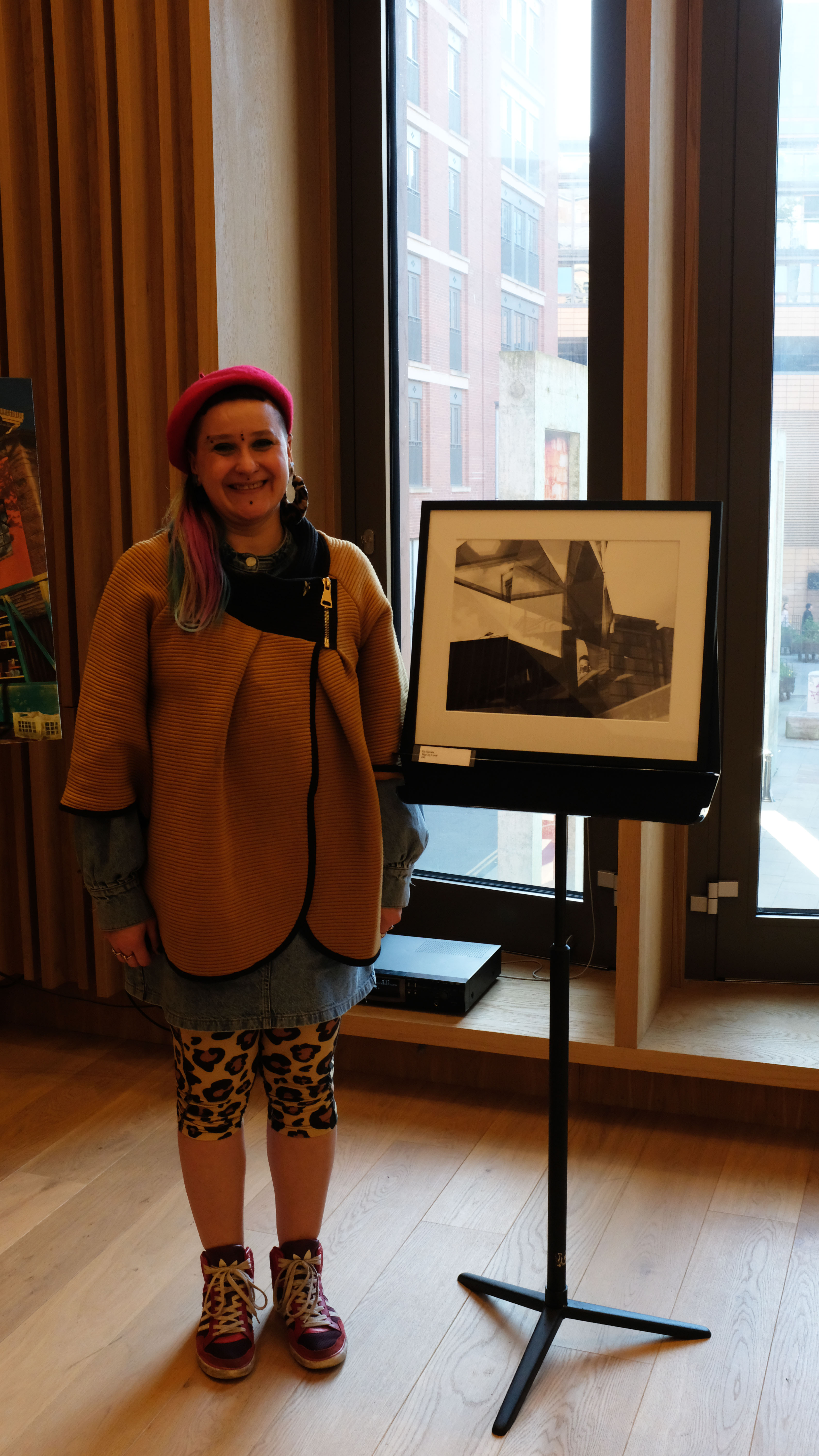
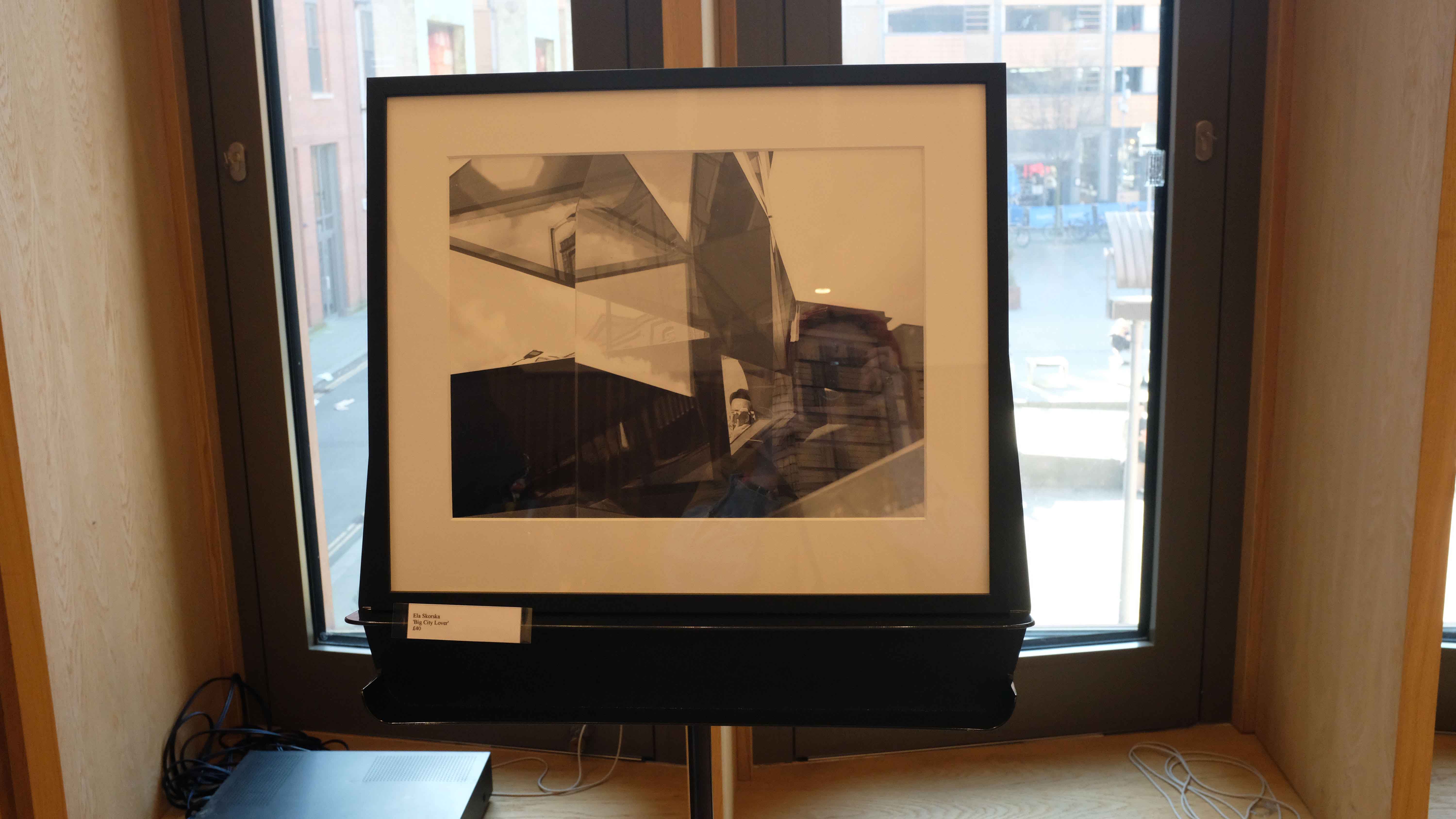
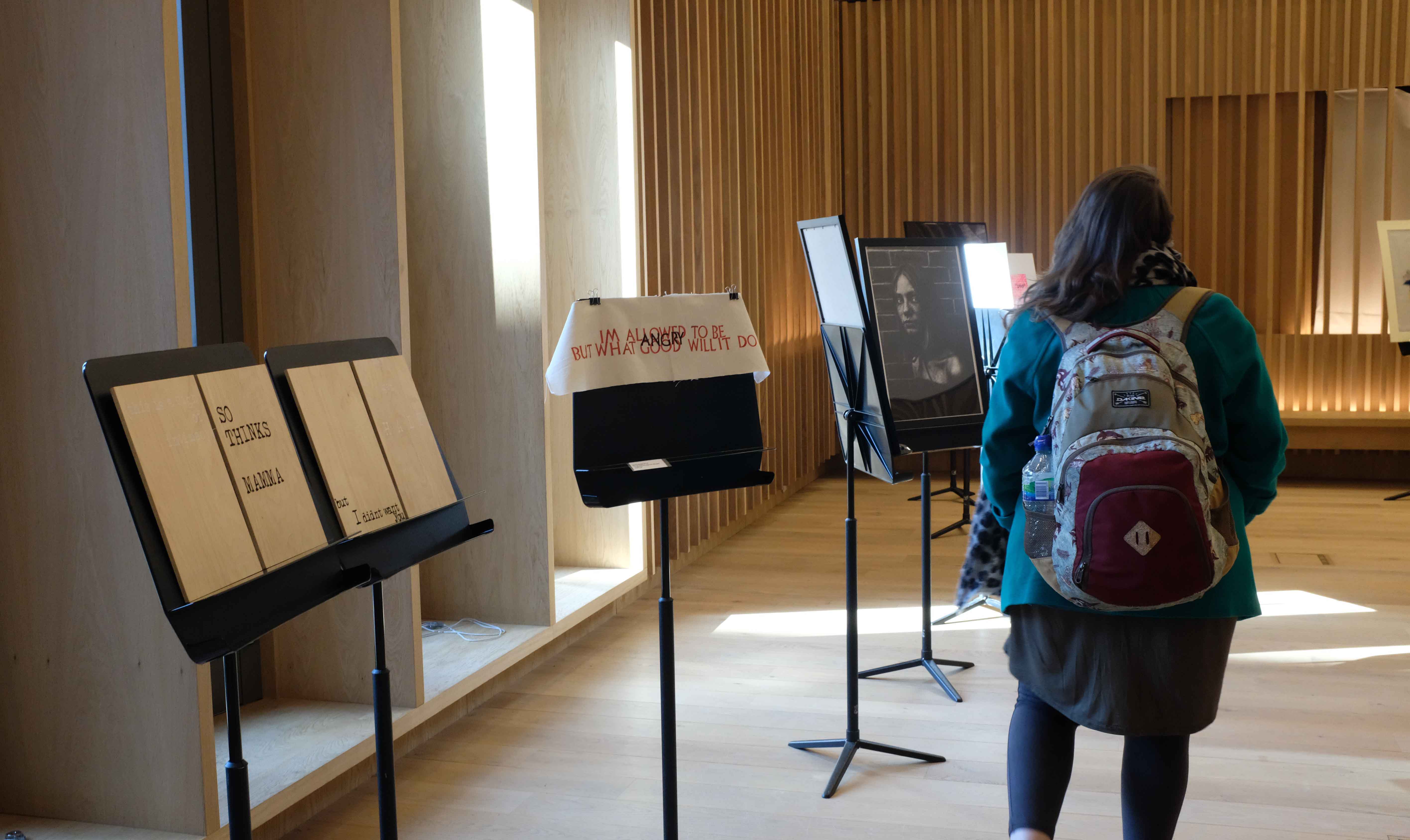
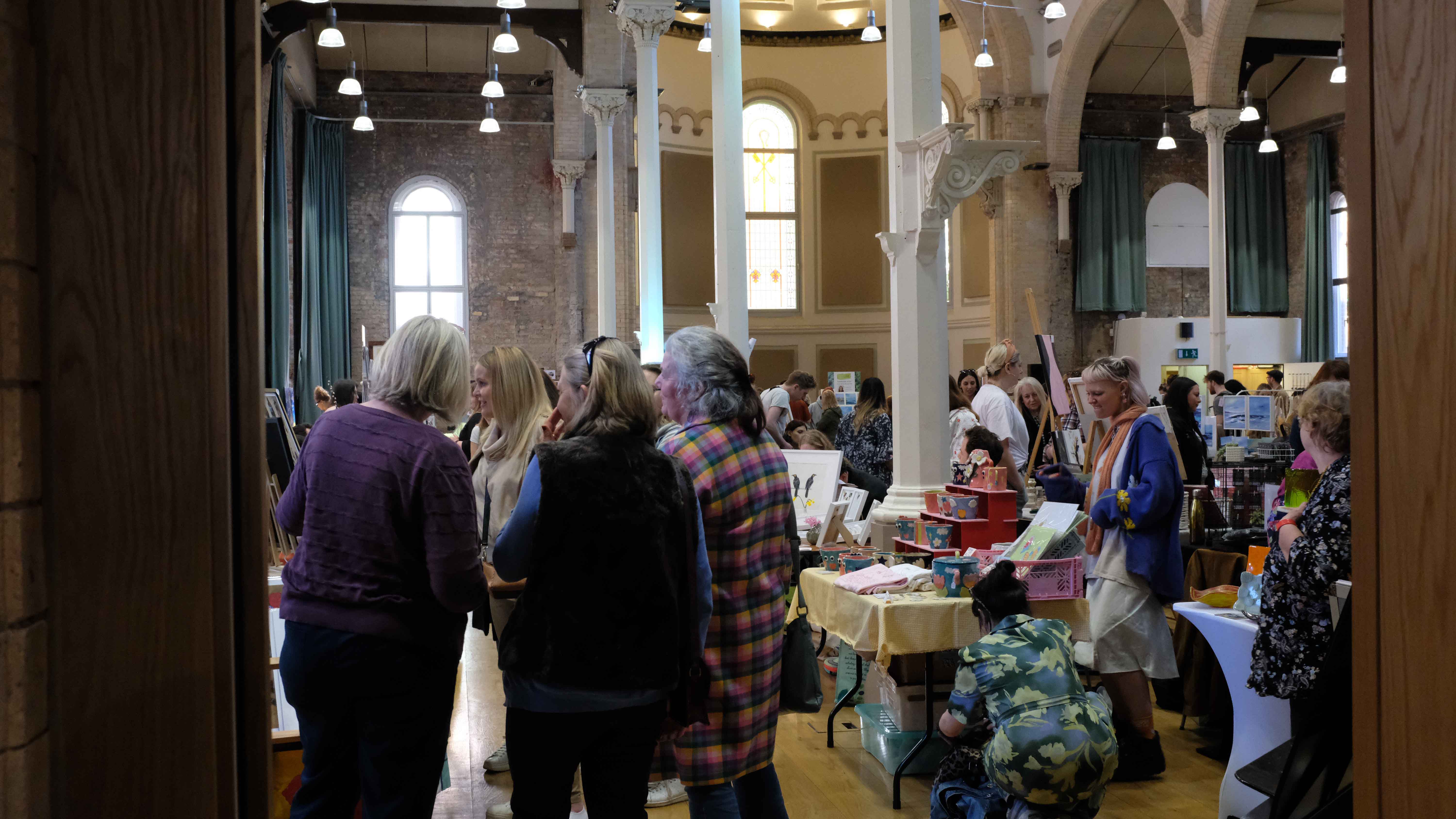
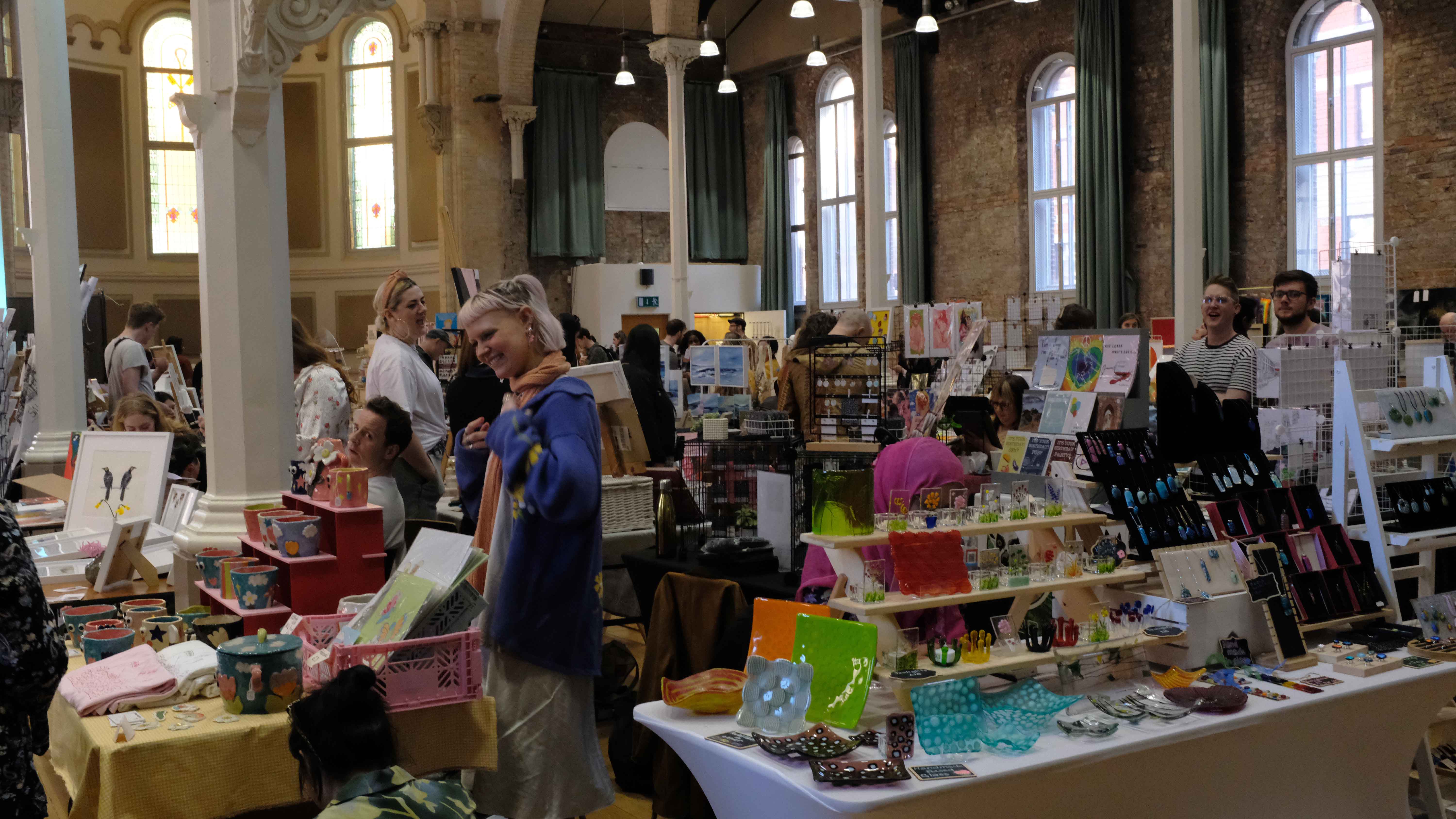
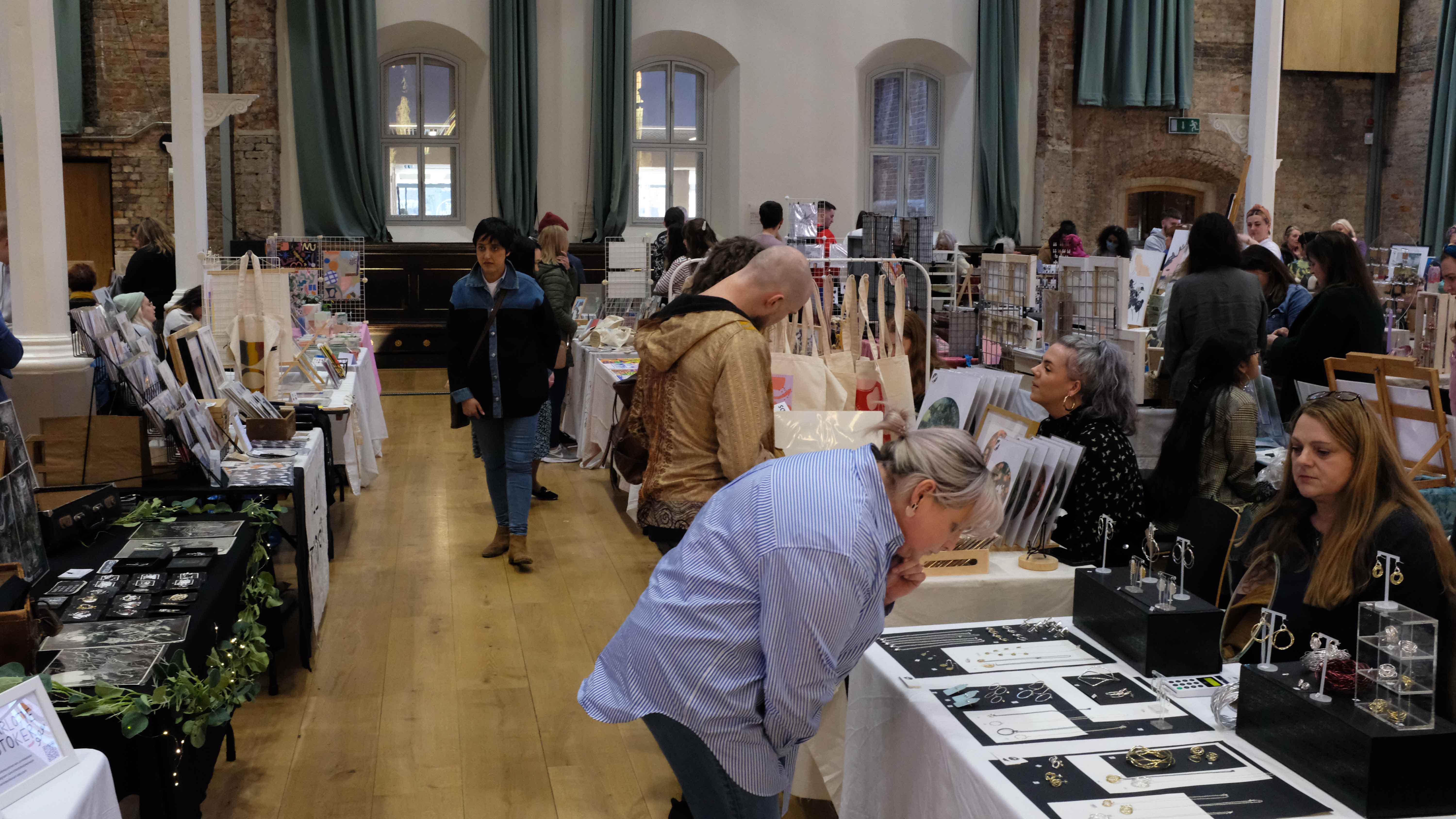
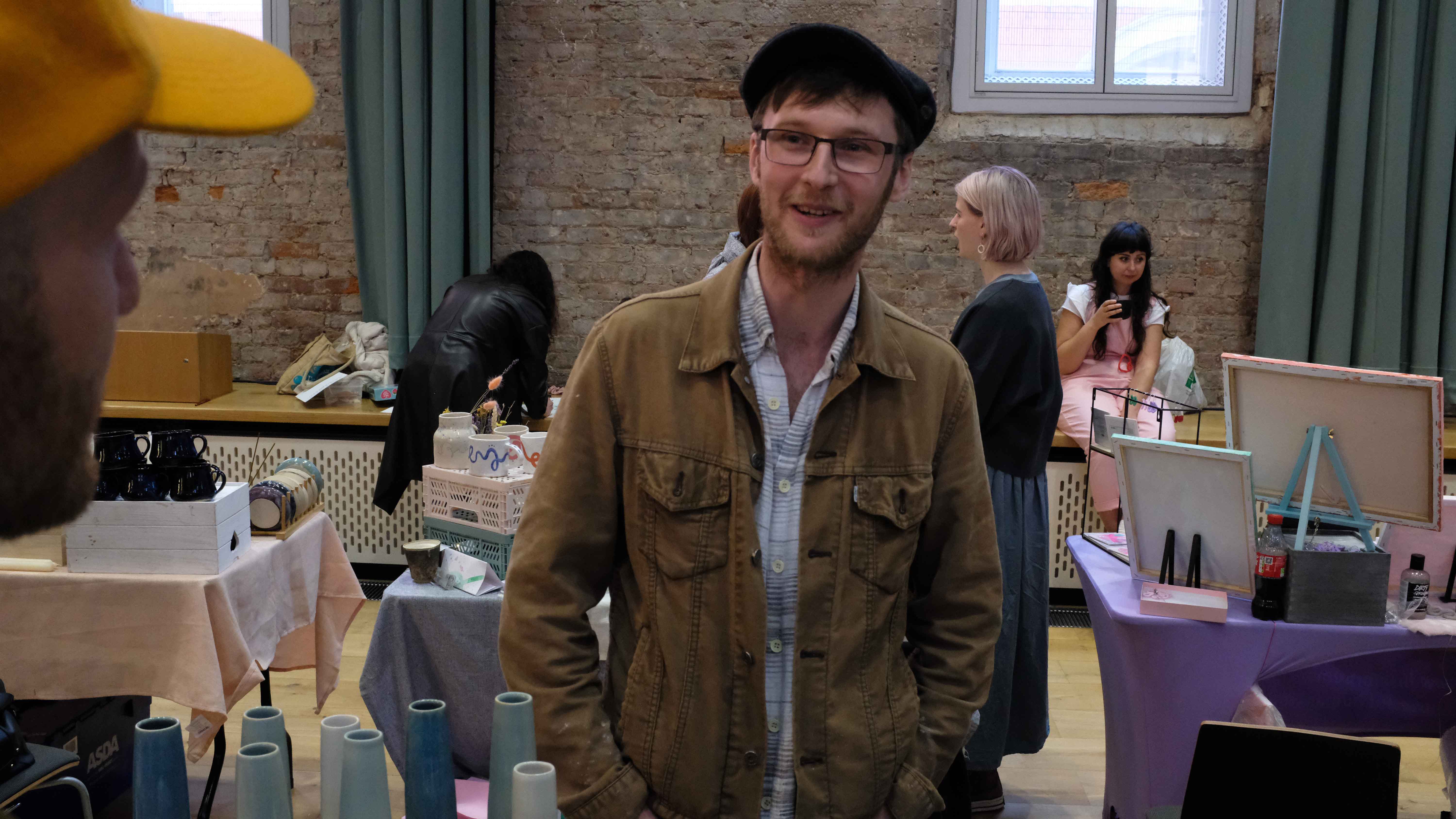
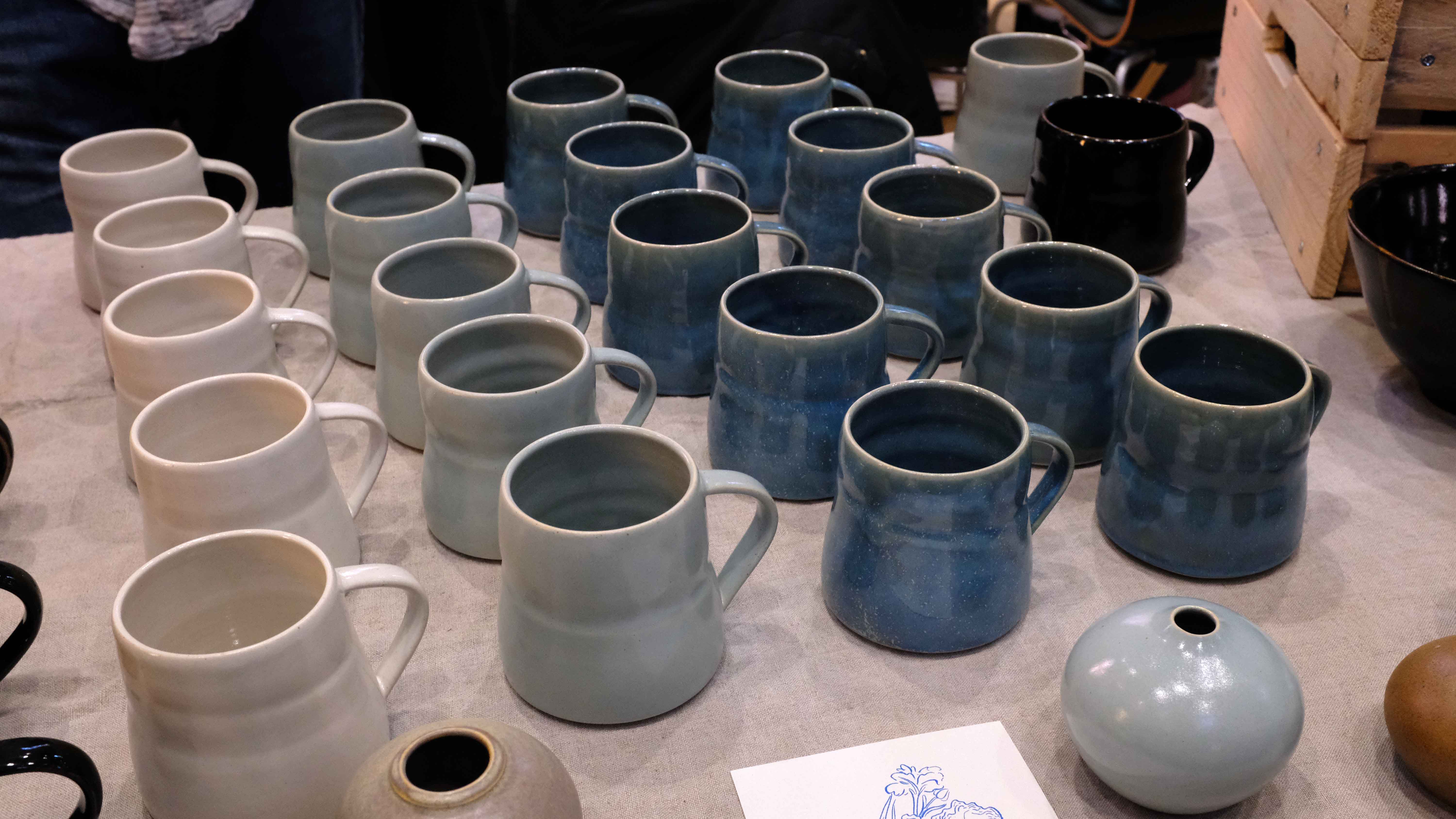
At the end of the day, I came to collect my art, only to find out that it was SOLD!!!
My first feature at the exhibition and I sold my art, for the first time ever! IT FEELS AMAZING!!!
WEEKLY RESEARCH (20.03)
How to Exhibit Art – 8 Easy places to showcase your artwork! (2019)
A great video outlining ways of exhibiting your art, from gaining your confidence through hanging your artwork in your nearest environment (studio/home) to crafts fairs, coffee shops and more.
How to Set Up an Art Exhibition? (2019)
A very informative video outlining how to organise an exhibition. Includes many important tips and details on what to watch for when putting it together.
How to Hang Your Photo Exhibit (2017)
Short but very informative clip filled with great advice, from the selection of print to mailing list, book, behind the scenes videos and text to how to give images breathing space on the walls of a gallery.
ARTIST RESEARCH
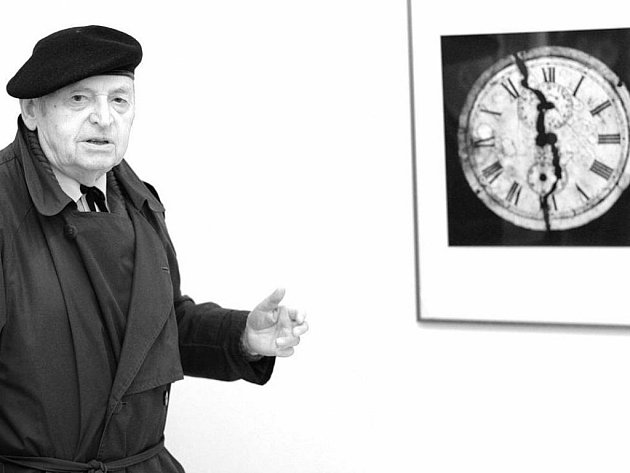
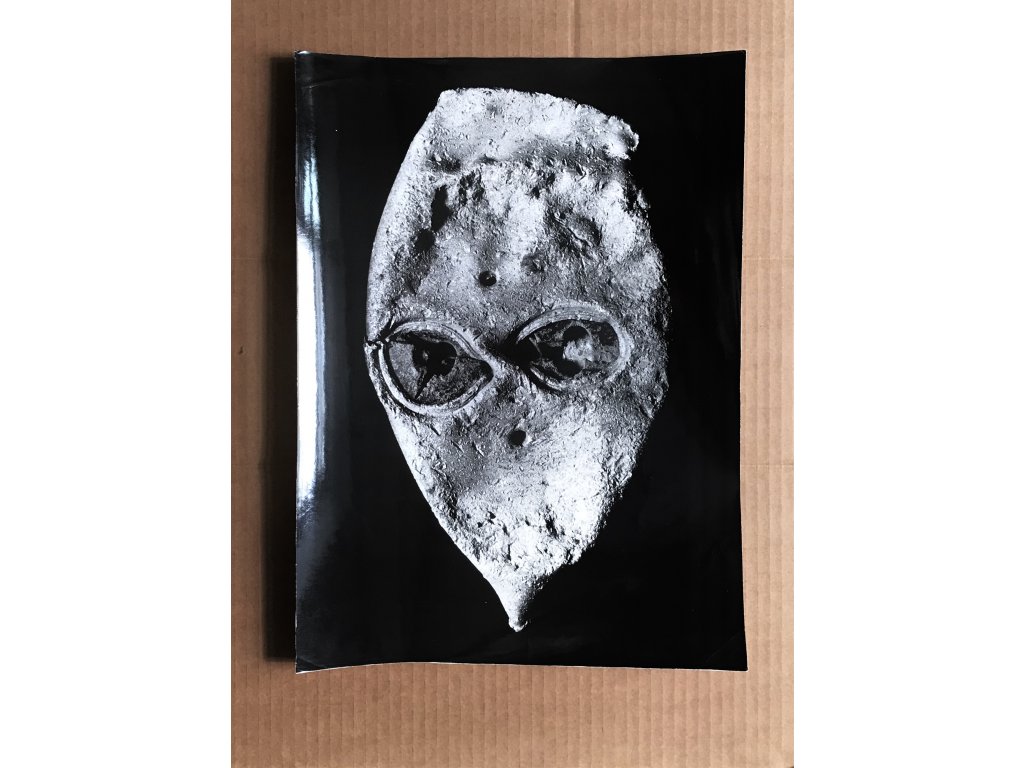
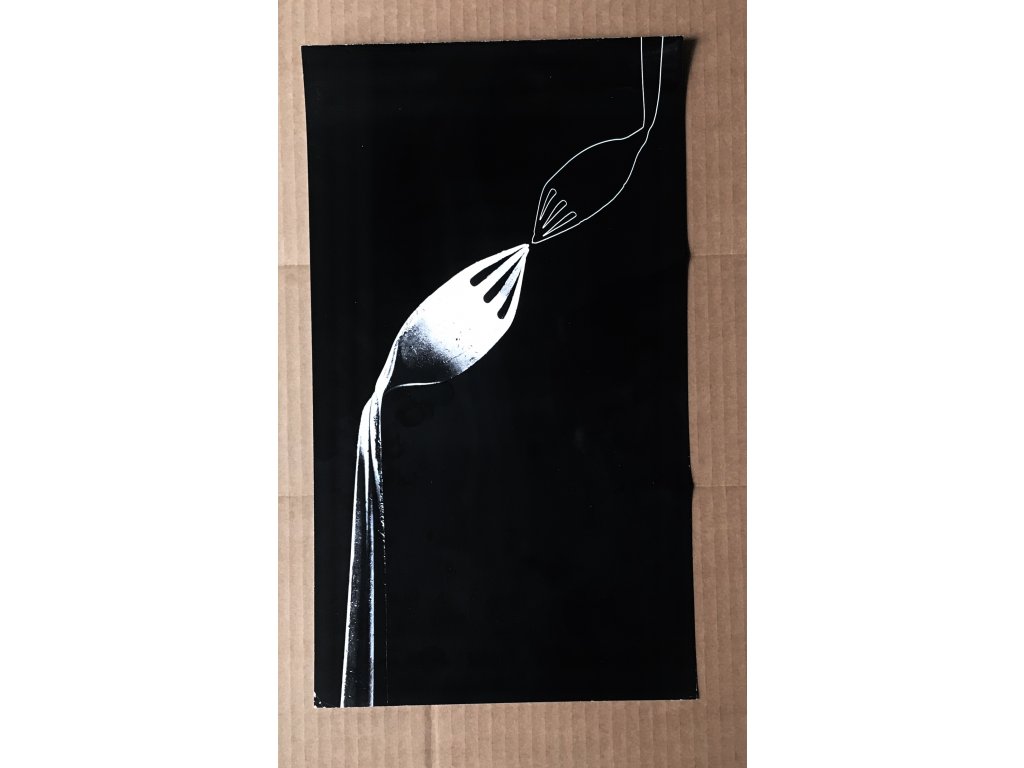
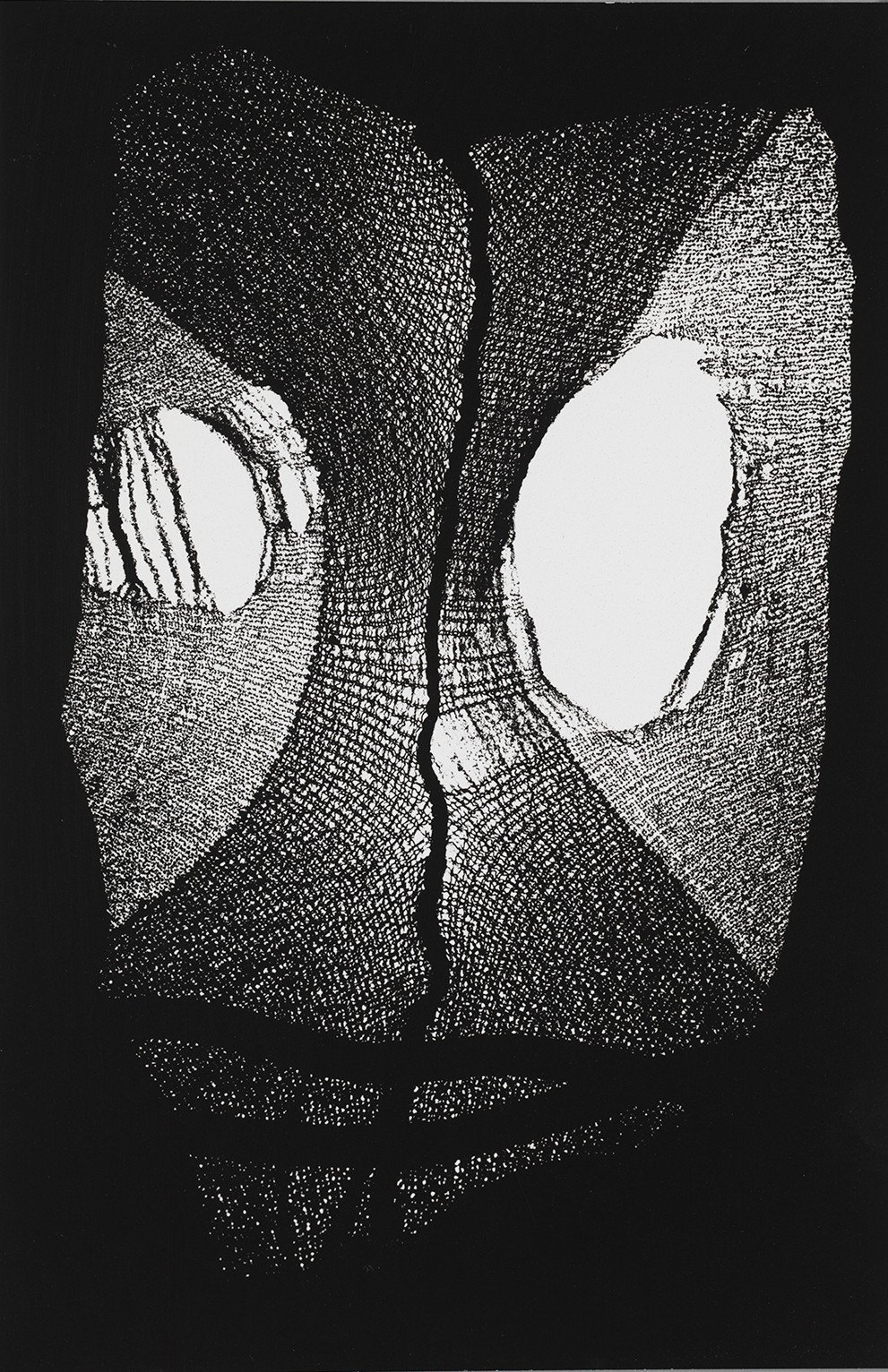
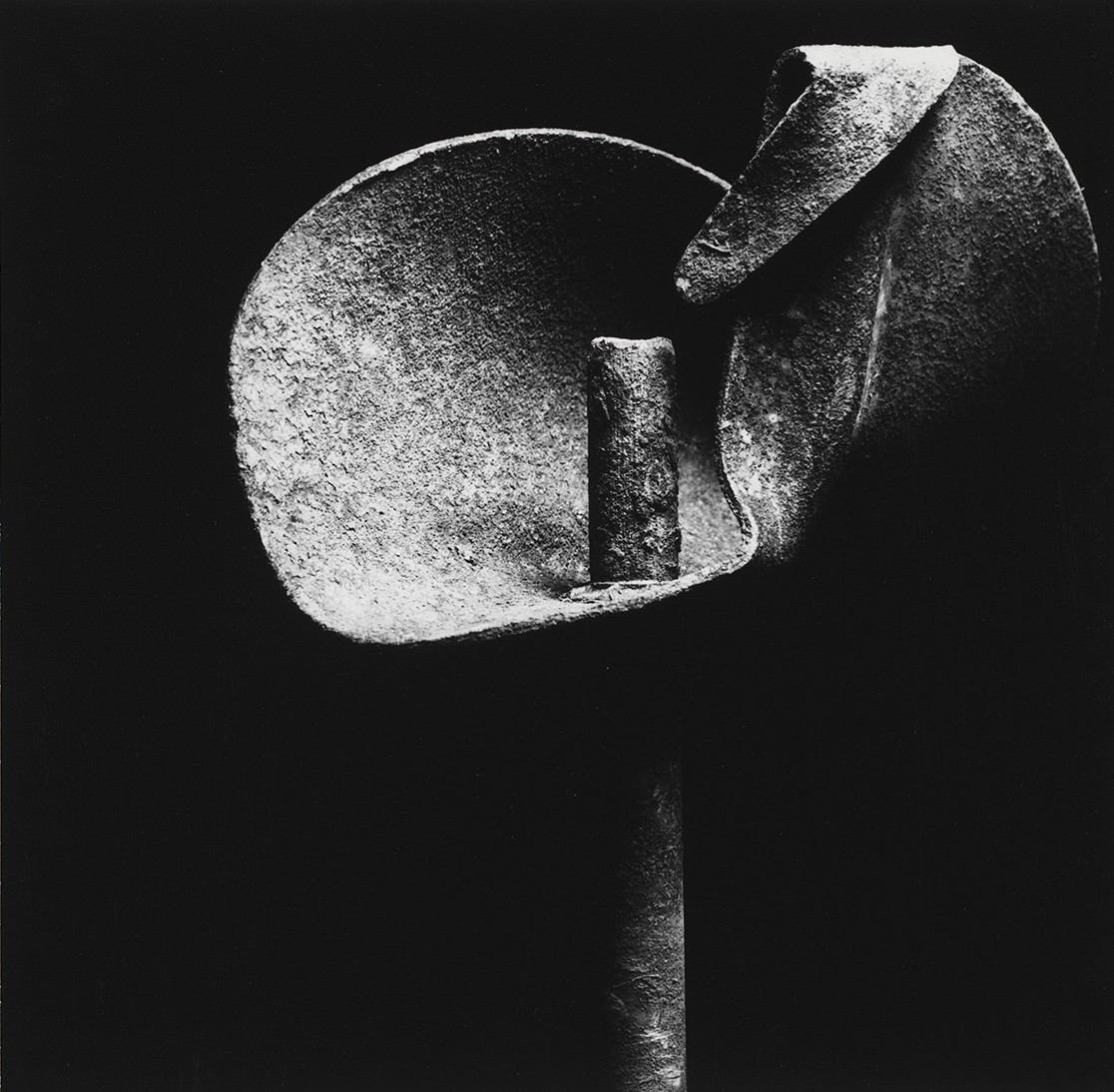
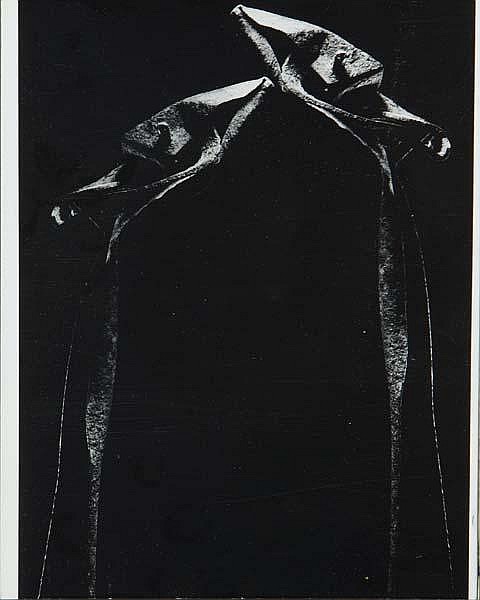
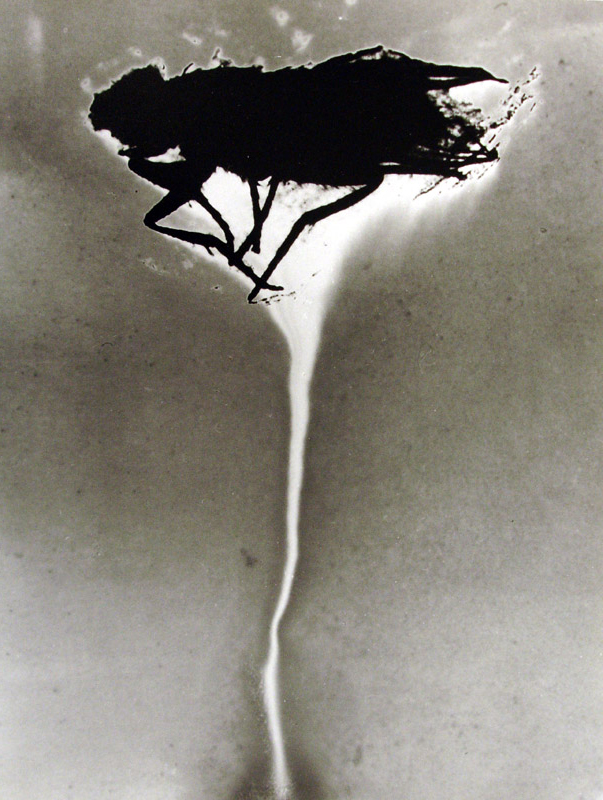
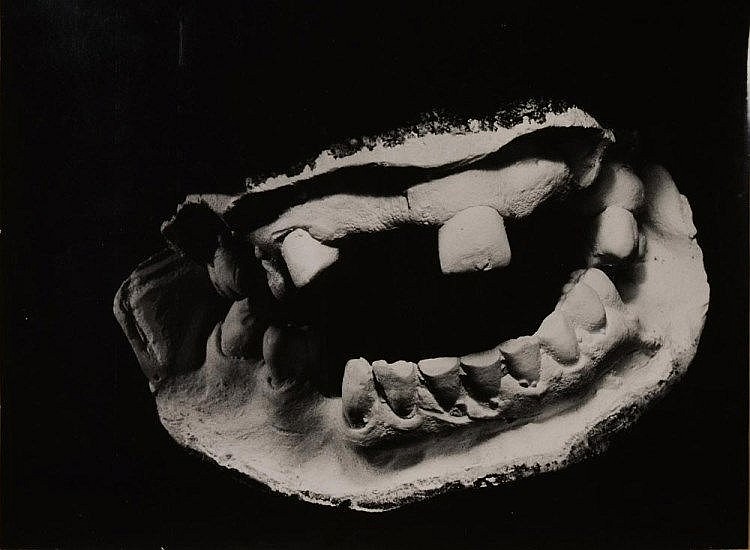
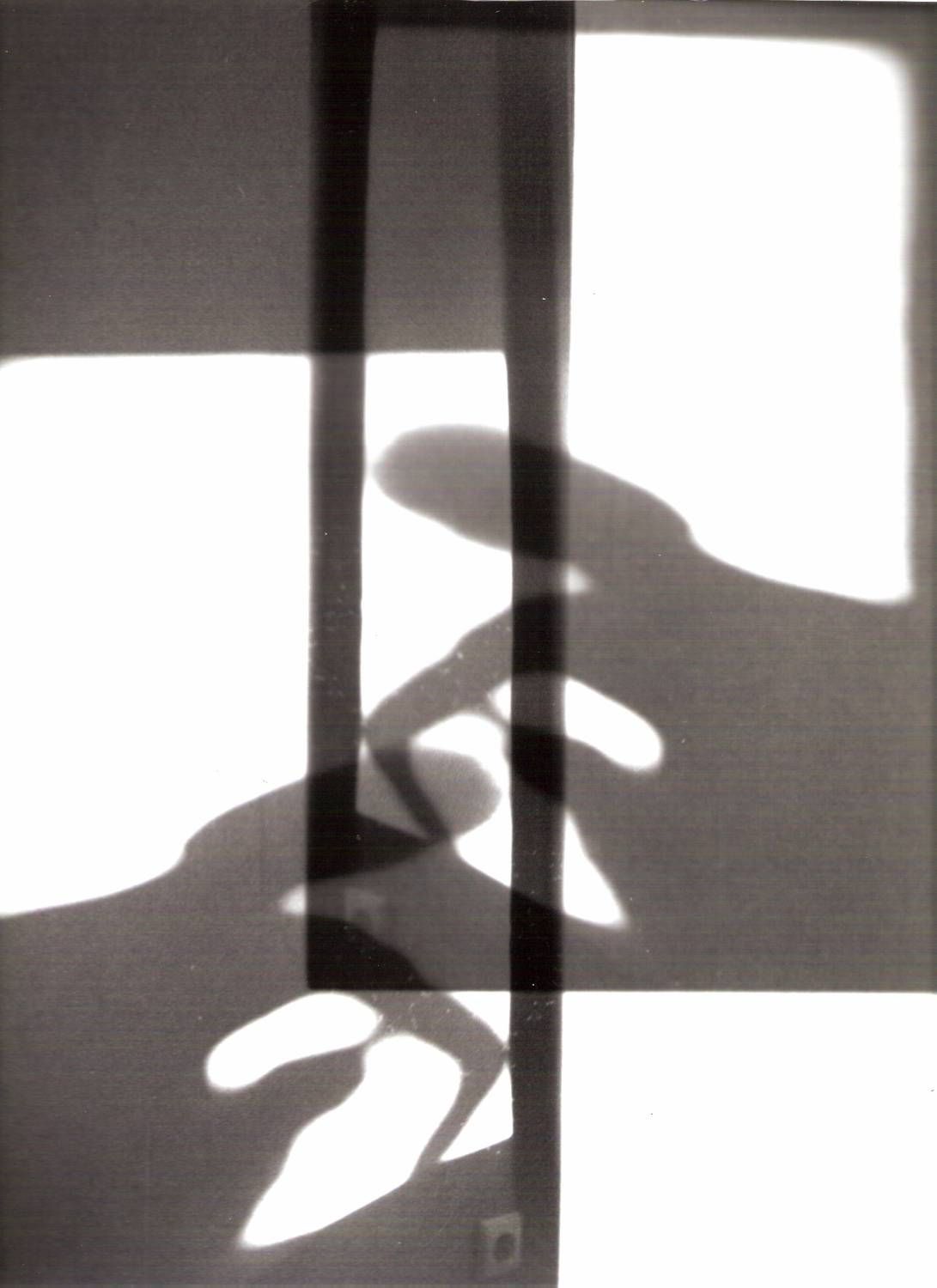
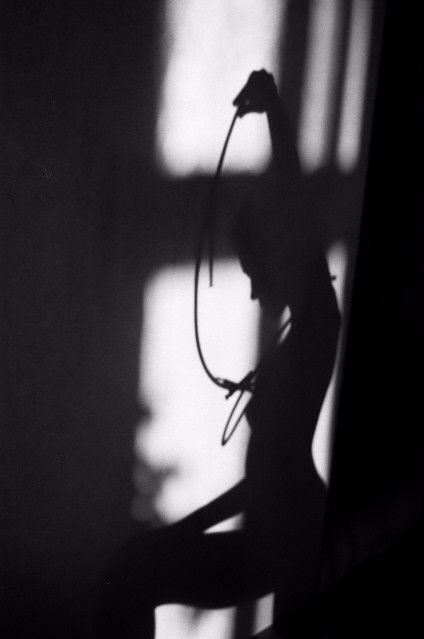
I found these artist while doing research and after tutorials. I was immediately drawn to the images of both Postupa and petric, almost unsurprised when I found out that Postupa was a chech avant-garde photographer, which is one of my top preferred movements and aesthetics in photography.
LADISLAV POSTUPA
Ladislav Postupa is a Czech artist born in 1929, he died in 2016.
He was an important avant garde photographer after the war. He was a heir of the tradition of surrealist photography, and followed the same line as artists like Emila Medkova, Wiskovsky, Funke and Vilem Reichmann. A designer by profession, his pieces are often the result of a research that is at the boundary between photography and design. He is interested in found objects, he transform them in visual messages through his imagination. The composition and the tones of his work are clear and often contain items depicting a hint of sarcasm.
His work has been exhibited in more than thirty private exhibitions and more than twenty group exhibitions in Czech Republic and abroad. The old socialist system of the country has not given a lot of opportunities for the artist to present his work in the international scene but he has been part of several important collections such as the Victoria and Albert Museum of London, the European House of Photography in Paris and the Chicago Art Institute in Chicago. (https://www.artsper.com/gb/contemporary-artists/czech-republic/5806/ladislav-postupa)
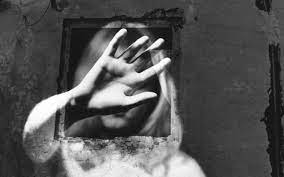
EVA PETRIC
Eva Petrič (1983, Kranj, Slovenia) is a conceptual, inter-media artist who works with various disciplines of fine art, as well as with photography, performance and writing. She graduated from Psychology and Fine Art at the Webster University in Vienna (2005) and later pursued a master’s degree in new media at Transart Institute in Berlin/ Danube University Krems (2010). She participated at over 60 solo and 110 group exhibitions across Europe, USA and Asia. She lives and works in Ljubljana, Vienna and in New York.
She was the first Slovenian artist to exhibit two large-scale installations at the famous St. Stephan Cathedral in Vienna in 2016. Her work was also included Sing of Hope, one of the biggest annual open-air art projects in New York the same year. Her artistic expression includes photography, video, sound, performance, design, poetry and writing. In the forefront of her work is the concept of spatial atmosphere both on the physical, mental, imaginary and metaphorical level. Since 2017 she has been represented by Mourlot Gallery in New York. (https://photon.si/artists/eva-petric-en/?lang=en)
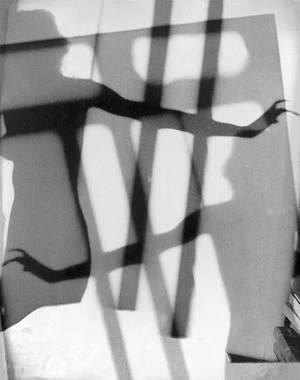
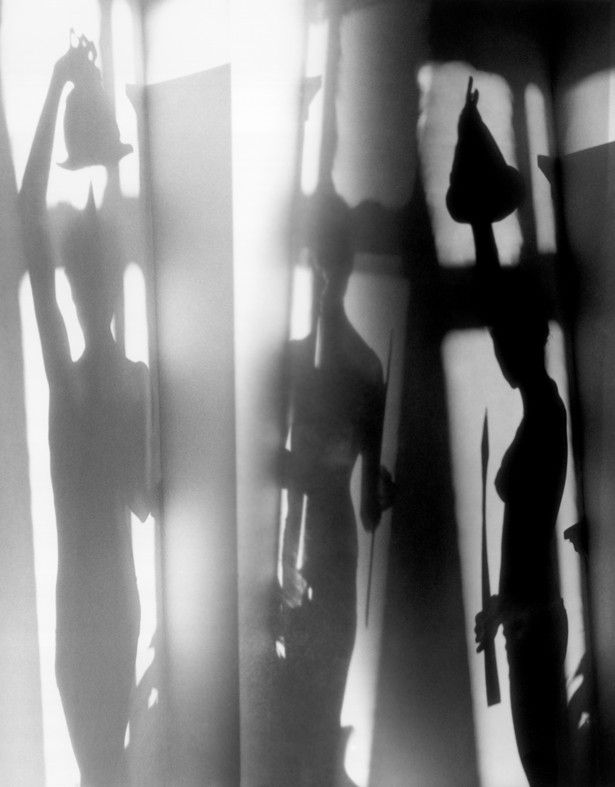
I feel strangely (in a good way) attracted to the photography style and aesthetic of Eastern Europe. It is interesting as I am from there, but before I started to study photography, I didn’t know many, if any, photographers from Eastern Europe. Yet, again and again, I seem to be inadvertently pulled in towards their unique style. I take it as a clear sign to dive deeper into it, as well as an incentive to explore more photographers from my home country.
MONDAY (21.03)
FRAMING WORKSHOP
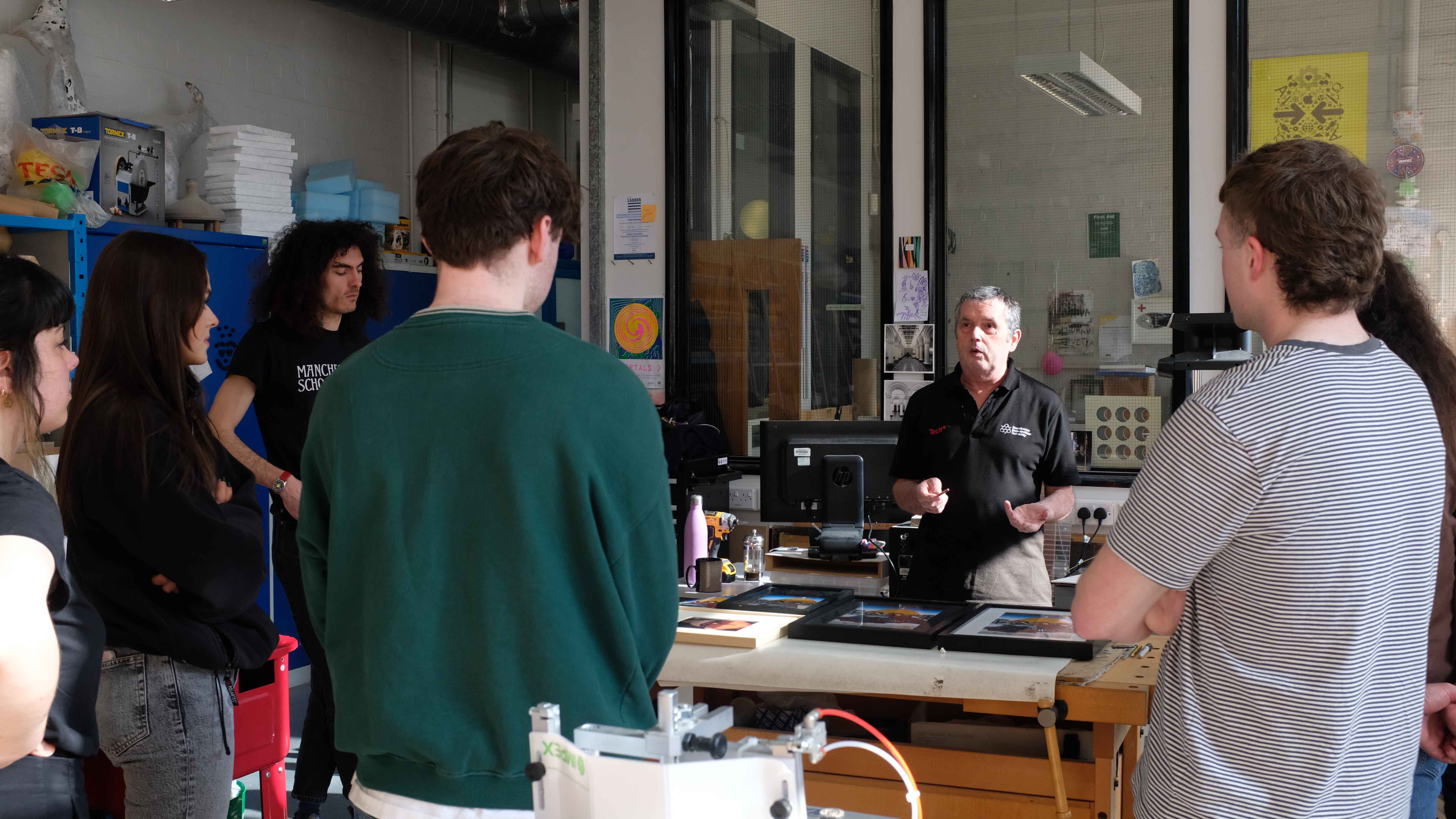
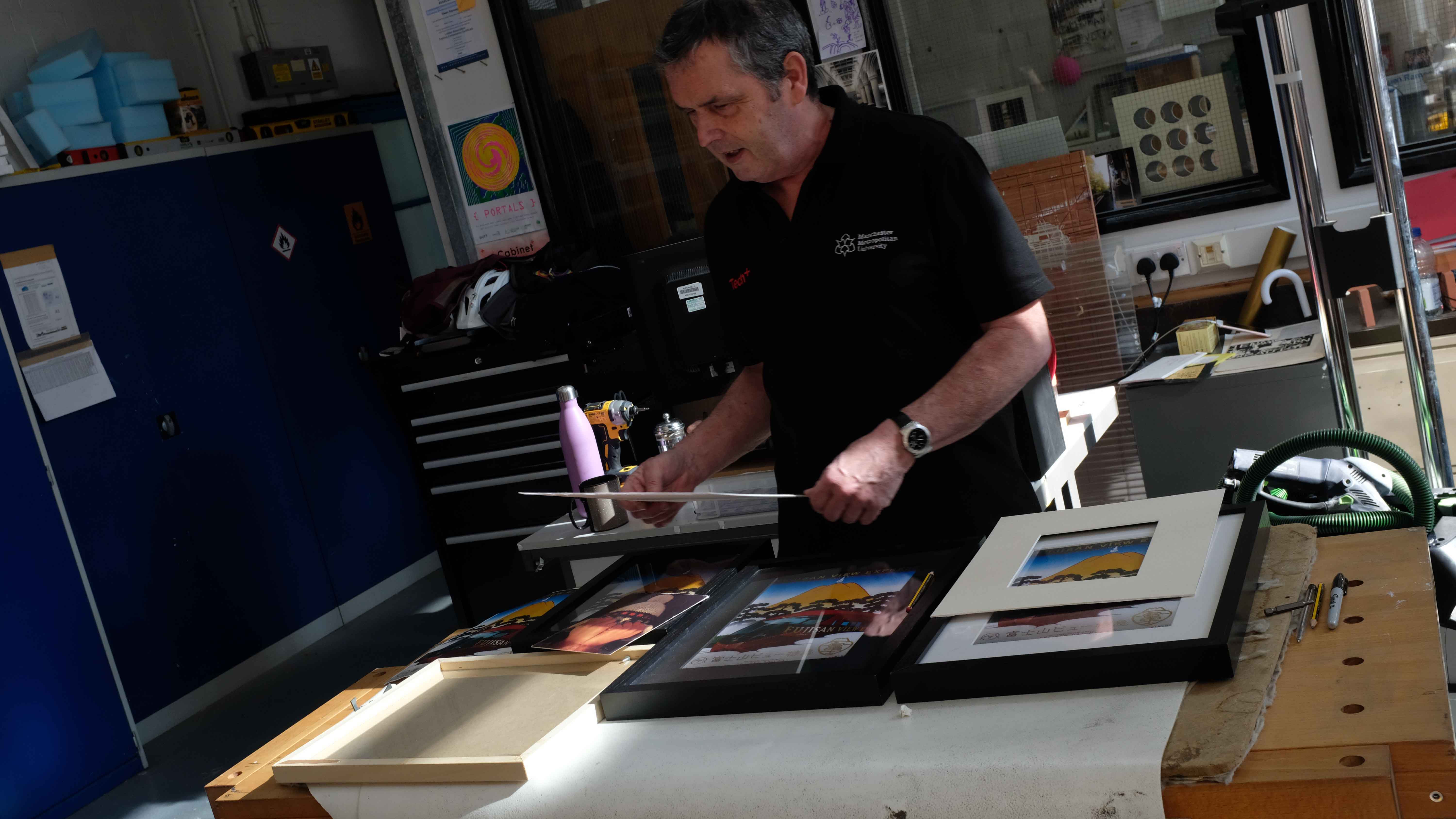
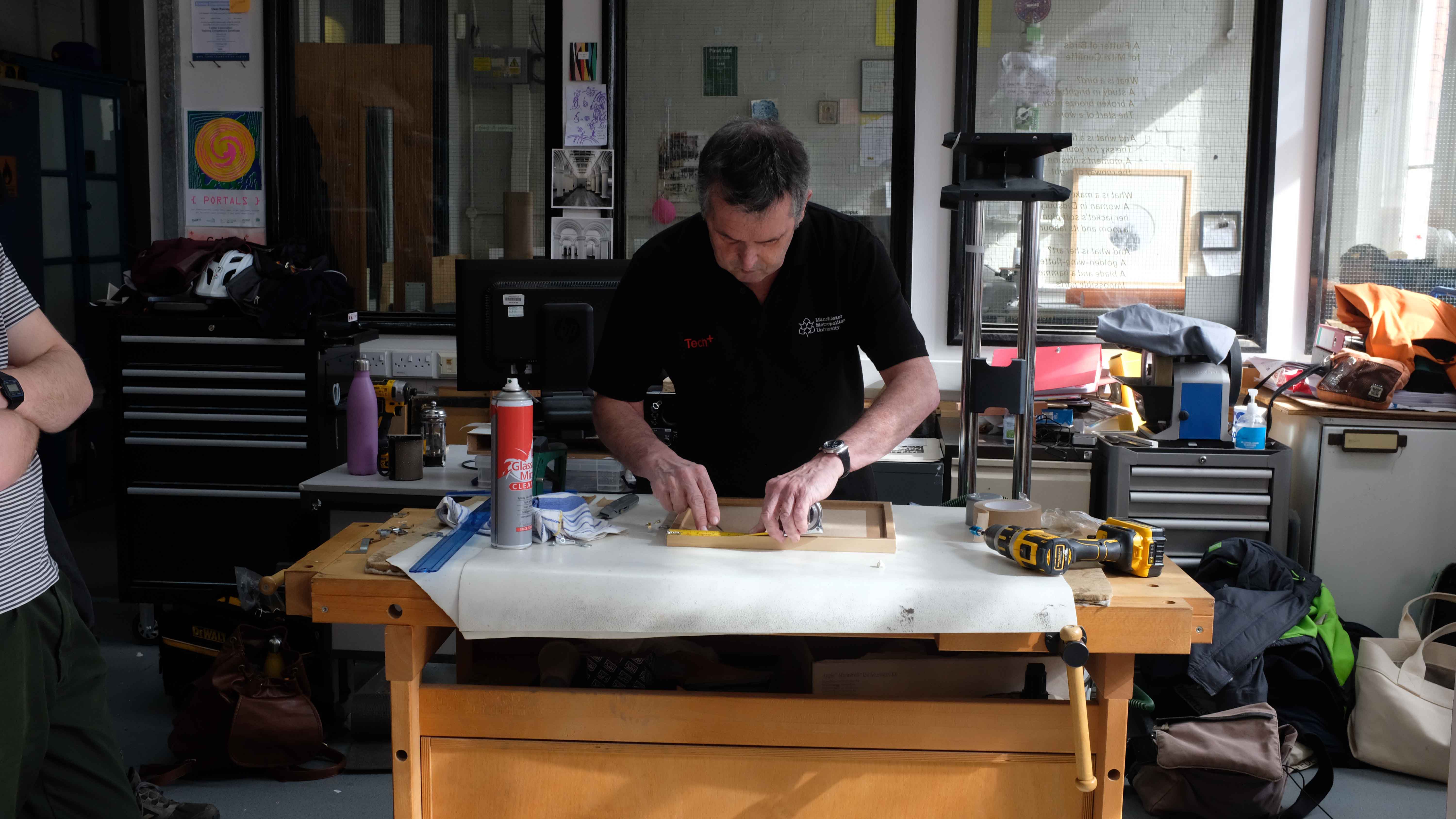
Between 10-and 12, I attended a framing workshop run by Martin. It was a very detailed and comprehensive lesson on how to make frames. I remembered a lot from last week, and it was very beneficial to see it all over again as it gave me more confidence to produce more frames in the future.
During this workshop we covered:
- cutting the cardboard frame, types and colours and what effect they would give, also we were inducted into how to use the cutting station
- importance of setting up and measuring
- cutting wood frames, types of wood, how to cut and glue it together
- cutting the pva back and protecting the artwork form pva which has a lot of acids- would damage it overtime
- cutting the glass
- mounting it in the frame – cleaning up the dust
- tidying up the back with tape, puttings pins and screws in, tying up the string
SEMINAR WITH THOMAS DUKES
WHO WHAT HOW AND WHY – questions to ask yourself when writing an artist statement
During this brilliant seminar we covered:
- writing about our exhibition, ways to talk about yourself, your artist statement, clarity, communication to the viewer
- project by Mohamed Bourouissa – Périphérique, and the importance/impact of the text in it
- Village Books – photography books shop, talks events, magazines etc VERY IMPORTANT https://villagebooks.co/
- press release – marketing, how can it be interesting and exciting, what to do and what not to do (eg. don’t tell people what they will see/feel – they are different ways of saying that)
- CLARITY IS CRUCIAL! different goals for press release, flyer, text by the wall etc
- press release is not there to explain what the exhibition will be
- ways of presenting text: paper handout, cut vinyl (uni has one), transfer onto the wall
- online resource (do you want to have one?) – be kind to your visitors, be critical, be thinkers
- Peter Watkins https://www.peterwatkins.co.uk
- I asked a question about something that bothered me for a while now – why is an artist’s statement written in third person? Answer – to promote when someone works with you – copy and paste of text make it easier and faster
We finished the session by writing a 150-word artist statement. We took 20 minutes to do so, and we shared it with the group, getting feedback from Thomas. It was a great seminar, and I have learned so much. I already had an artist statement, and thanks to this session and feedback, I proceeded to improve and refine it.
My artist statement:
My name is Elzbieta Skorska, and I am a Polish-born cosmopolitan. After spending a few years hitch-hiking around Europe and living between France and England, I settled in the UK. Currently, I study Photography at Manchester School of Art.
The main focus of my creative activities is experimental and abstract analogue photography. I want to bring to life the art of the subconscious mind, a visceral memory that creates bizarre and mesmerising images that are so exceptionally open to interpretation that they absorb original meaning with every person. I find the notion of infinite interpretations captivating and liberating, and I express and communicate it through my photographs. Fascinated by Freudian influence on surrealism – the theory of the unconscious, and captured by geometry, I concluded to express myself through black and white photography, embodying its subtle elegance that blends the line between photography and painting. I work exclusively with 35mm and medium format cameras. I choose the analogue approach as it reflects my interest in ephemeral, imperfect, wabi-sabi and collaboration with chance.
FEEDBACK:
- write about my photography sooner
- too much explaining – narrow it down and be concise: film photography, abstract & surreal, different interpretations
GROUP TUTORIAL WITH YAN PRESTON 22.03
During this tutorial we discussed:
- setting the deadlines for venue and ideas – on 5th of April we should have a rough theme and venue
- we talked about ideas for theme, we each spoke about what kind of photography we do with show and tell of some images we, and we discussed how could we merge it all together
- BALANCE in the show is very important, so one piece doesn’t outshine everything, look at space first as it will affect the way you make work
- homework – go to see exhibition in Whitworth Gallery (https://www.whitworth.manchester.ac.uk/) to see and learn how the use the space at exhibition What kind of city by Suzanne Lacy https://www.whitworth.manchester.ac.uk/whats-on/exhibitions/upcomingexhibitions/suzannelacy/ (new opening times: Tuesdays to Sundays, 10am to 5pm)
- make booklet with everyone’s work to sell
- fundraising is also a promotion! Think of ways we could fundraise
Discussion on the theme:
- next week: everyone should bring pictures that represent you, you can bring older pictures, somthing you want to delevop, some starting point pictures
- next week: come up with two sentences to answer the quiestion photography is (in context of your own work)
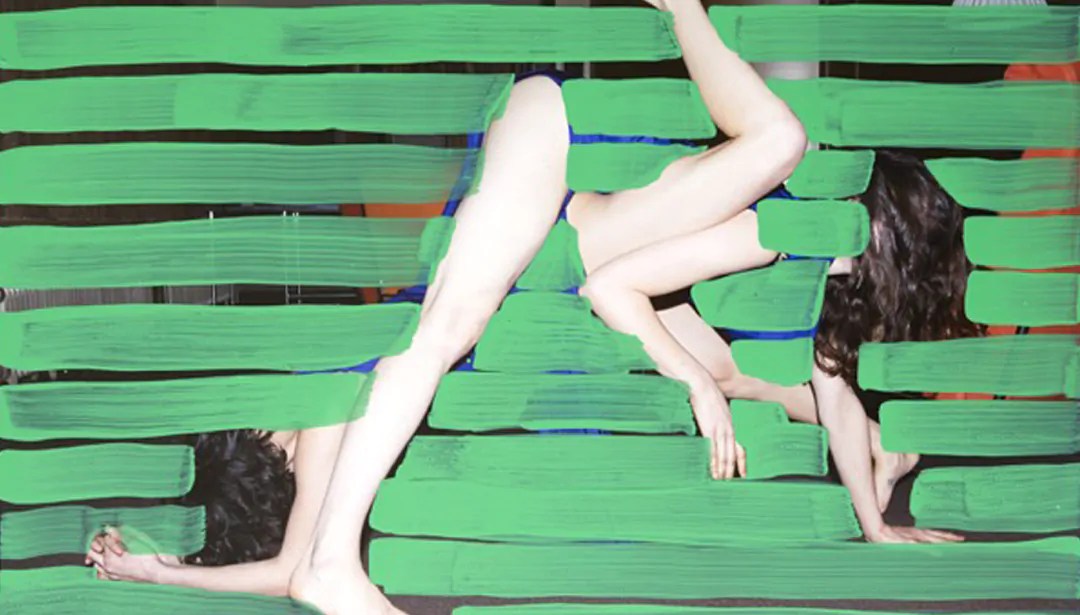
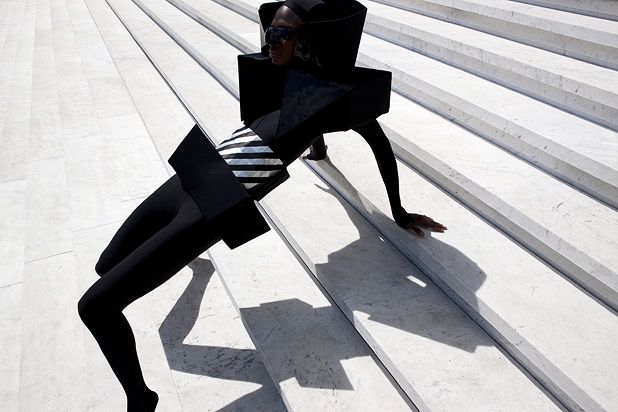
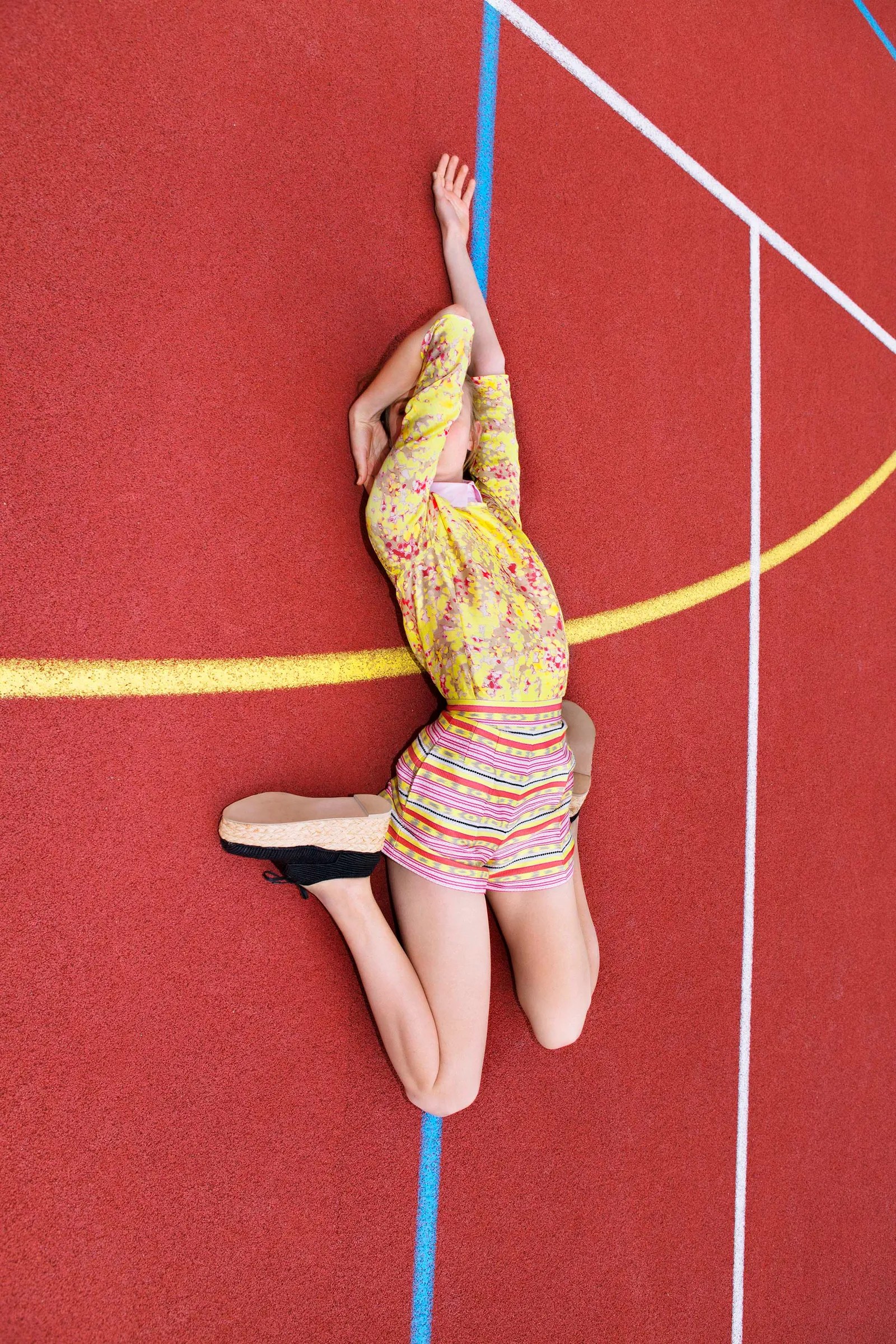
- flowers as an example of a common/general theme
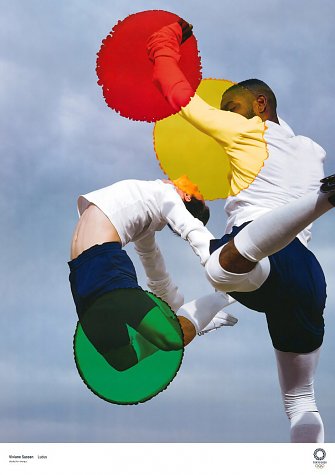
- https://www.vivianesassen.com/
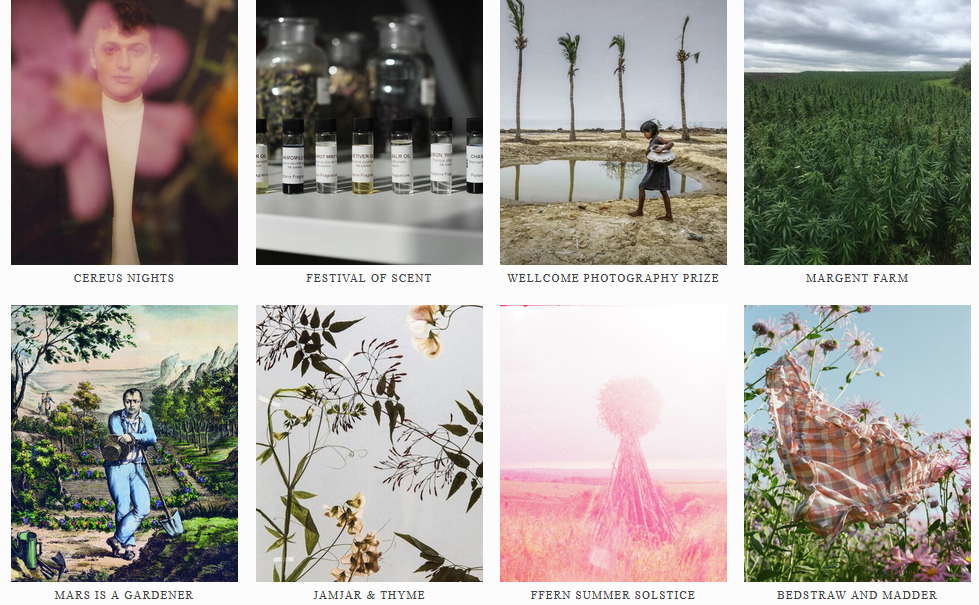
- arty gardening magazine – https://www.rakesprogressmagazine.com/
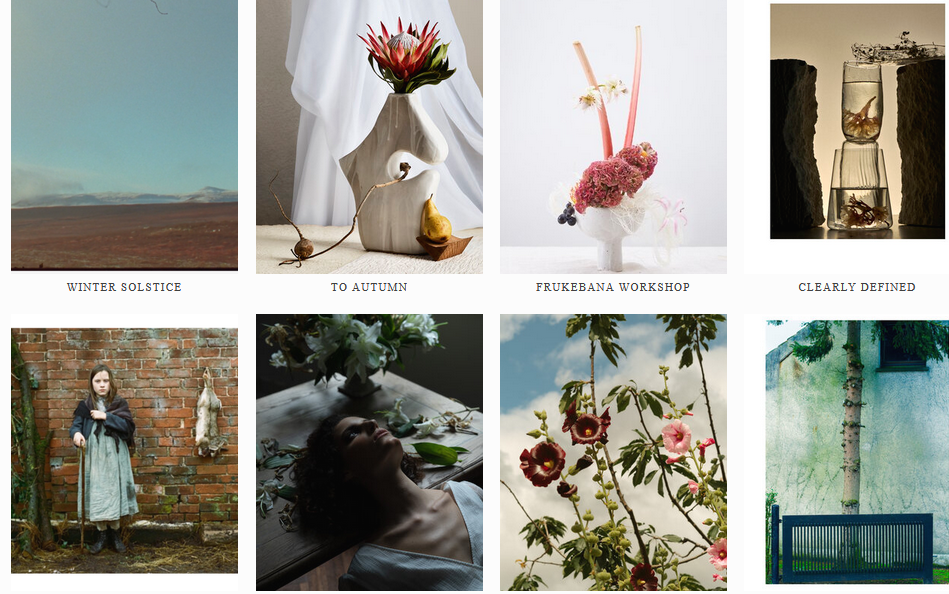
- https://www.lauraeltantawy.com/ – shoots in colour on mobile phone
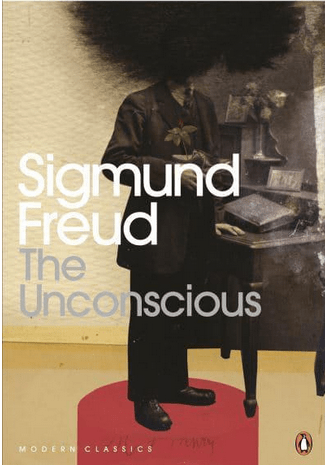
- TASK: do research outside visual one – in my case I decided to read Sigmunt Freud’s The Unconscious
MEETING WITH THE GROUP
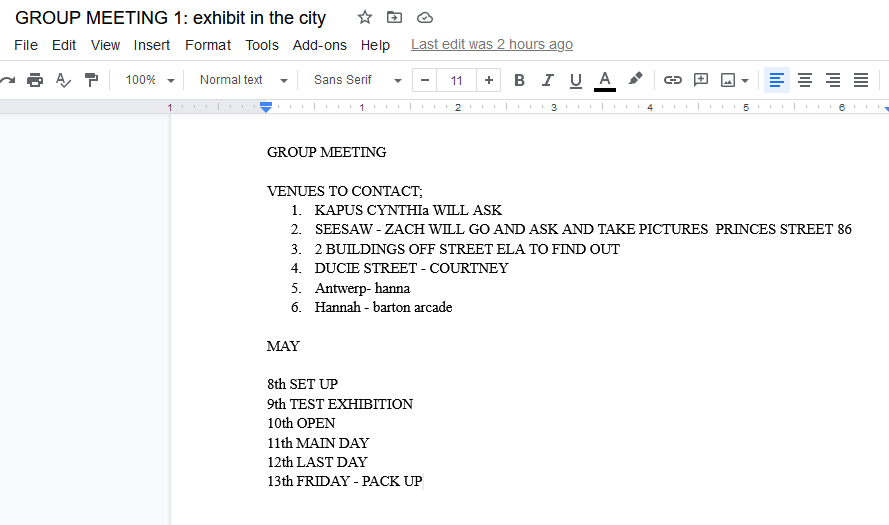
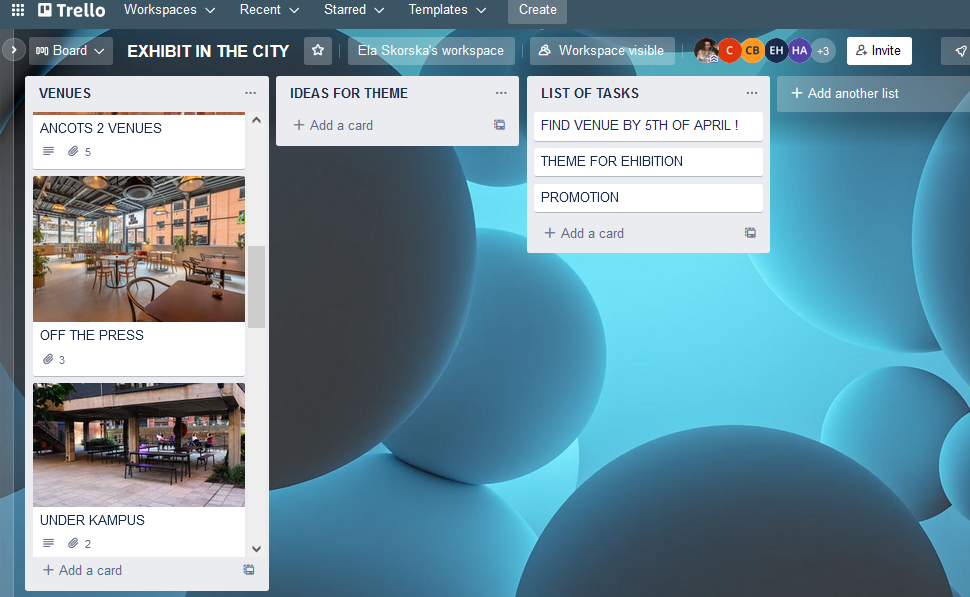
As we discussed many topics we wanted to debate during the tutorial, at the group meeting, we focused on the details of finding a venue. Out of all the buildings we shared on Trello, we narrowed it down to a few and allocated people to research each space that we have chosen.
https://trello.com/invite/b/8xacy033/bec63ff739e1fc33bf2aea1967cdc552/exhibit-in-the-city
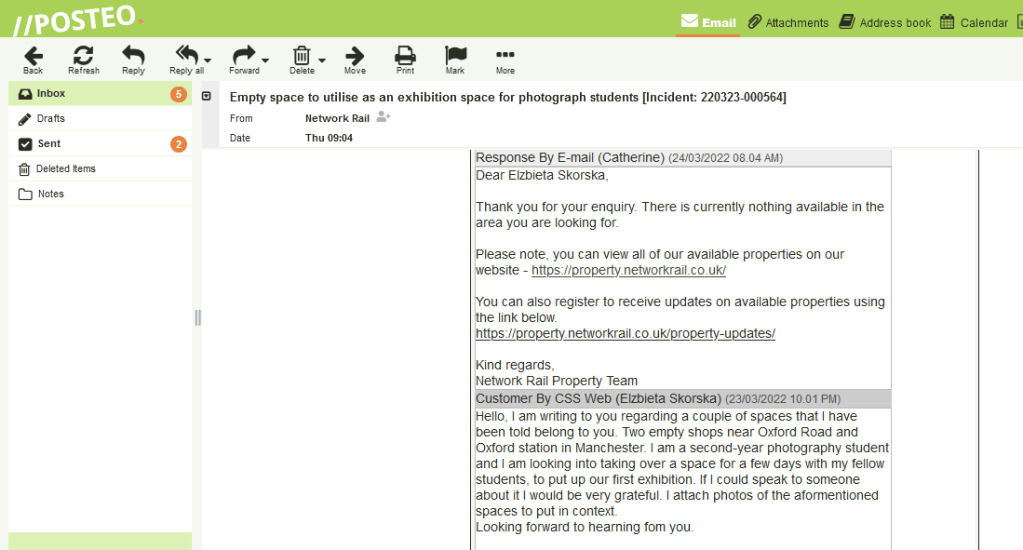
I contacted Network Rail regarding renting a venue ( https://property.networkrail.co.uk/), unfortunately they didn’t have anything available.
VILLAGE GREEN LECTURE WITH TONY HALL
About me
Tony is an artist, educator and researcher working between the fields of science and art. His practice is often collaborative and distributed across many mediums, including workshops, drawing, sculpture, installation, and sound art. Projects often take scientific experiments and concepts as a starting point; these are then re-created and re-invented, outside of their scientific context. This process leads to new lines of enquiry and experiments which become the basis for new artworks and workshops. The work often incorporates live processes: generative sound, self-contained ecosystems, or illusory perceptions.
During this talk, Tony talked about his workshops – which he sees as his artwork. Tony partook in many residencies, which helped him build his career. In his work, Tony explores and experiments with electronic devices and sound. One of the projects he talked about was a floating construction, which played sound in response to the river (and was powered by the river), which was very impressive. He stressed the importance of putting yourself in new, perhaps uncomfortable situations as a way of developing yourself and your practice, pushing you in directions you wouldn’t expect. I find this advice and approach very beneficial, and I almost live by it, frequently taking upon tasks/projects that are completely out of my comfort zone. I think it’s crucial for one’s development as an artist, and I intend to continue on that path.
WEEKEND SELF-STUDY
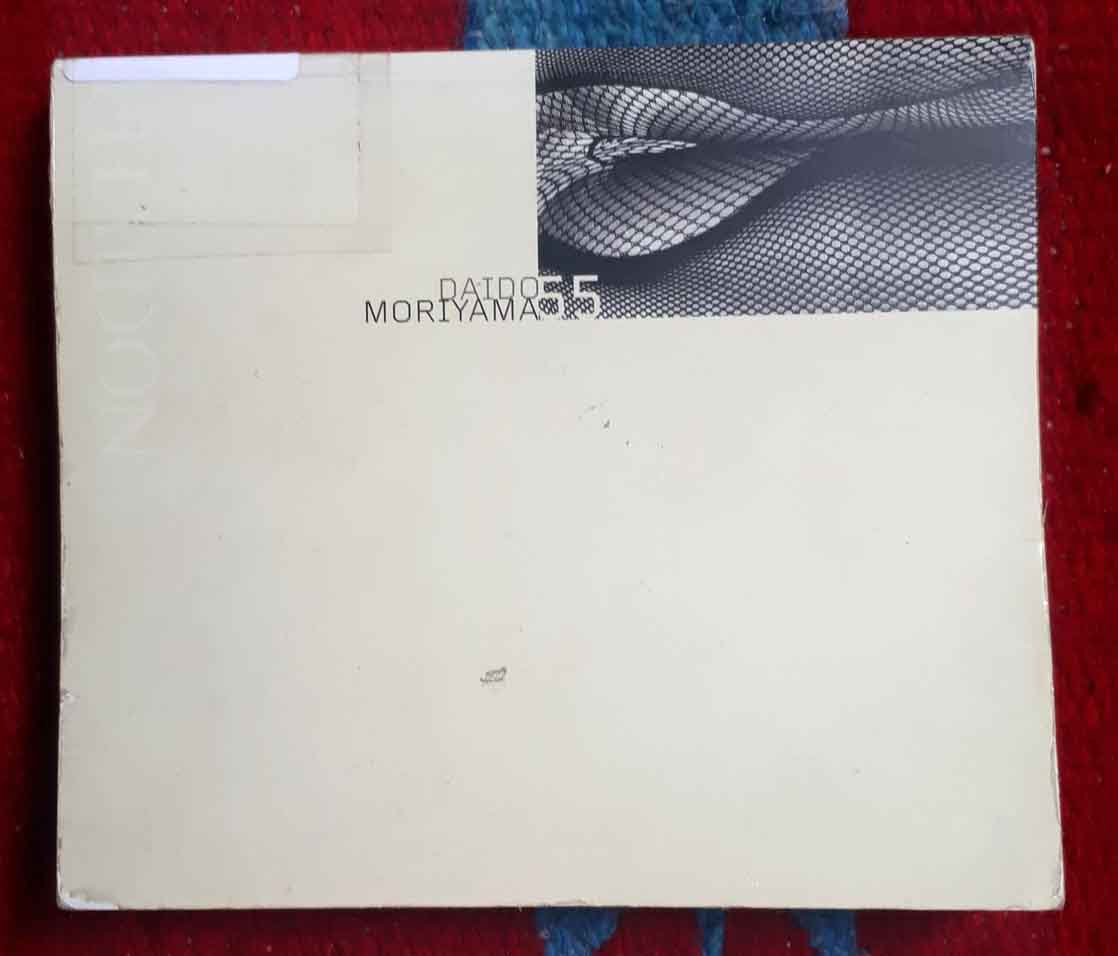
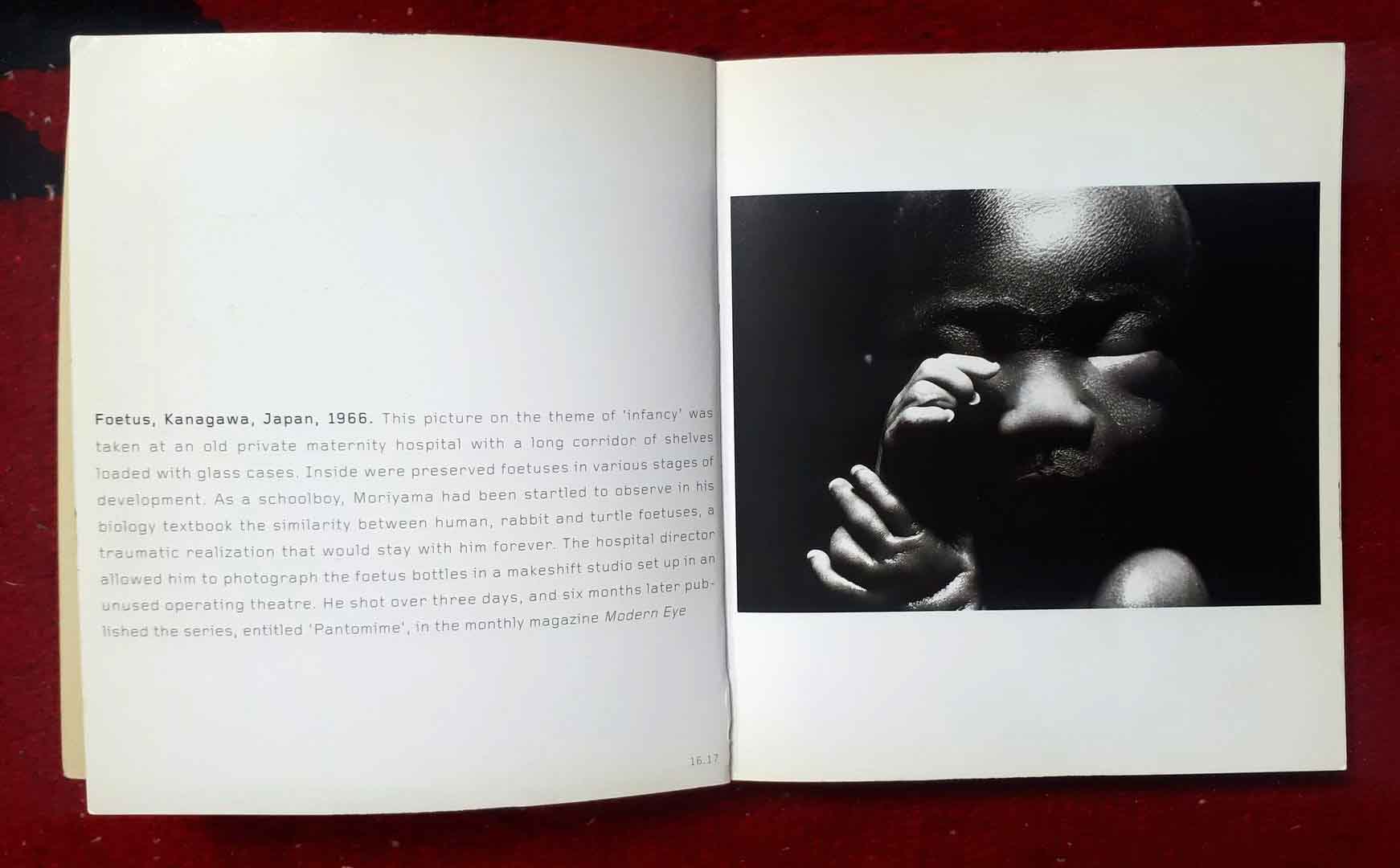
Over the weekend, I read a book about one of my favourite photographers (and people), Daido Moriyama. It was a book from a 55s series (http://www.bobatkins.com/photography/books/phaidon_55s.html), each featuring the works of an important photographer, with biographical notes and annotations on each image.
It was a wonderful book to discover, and I will definitely be looking into the 55s series!
Daido Moriyama 55 (2001)
NOTES from the book:
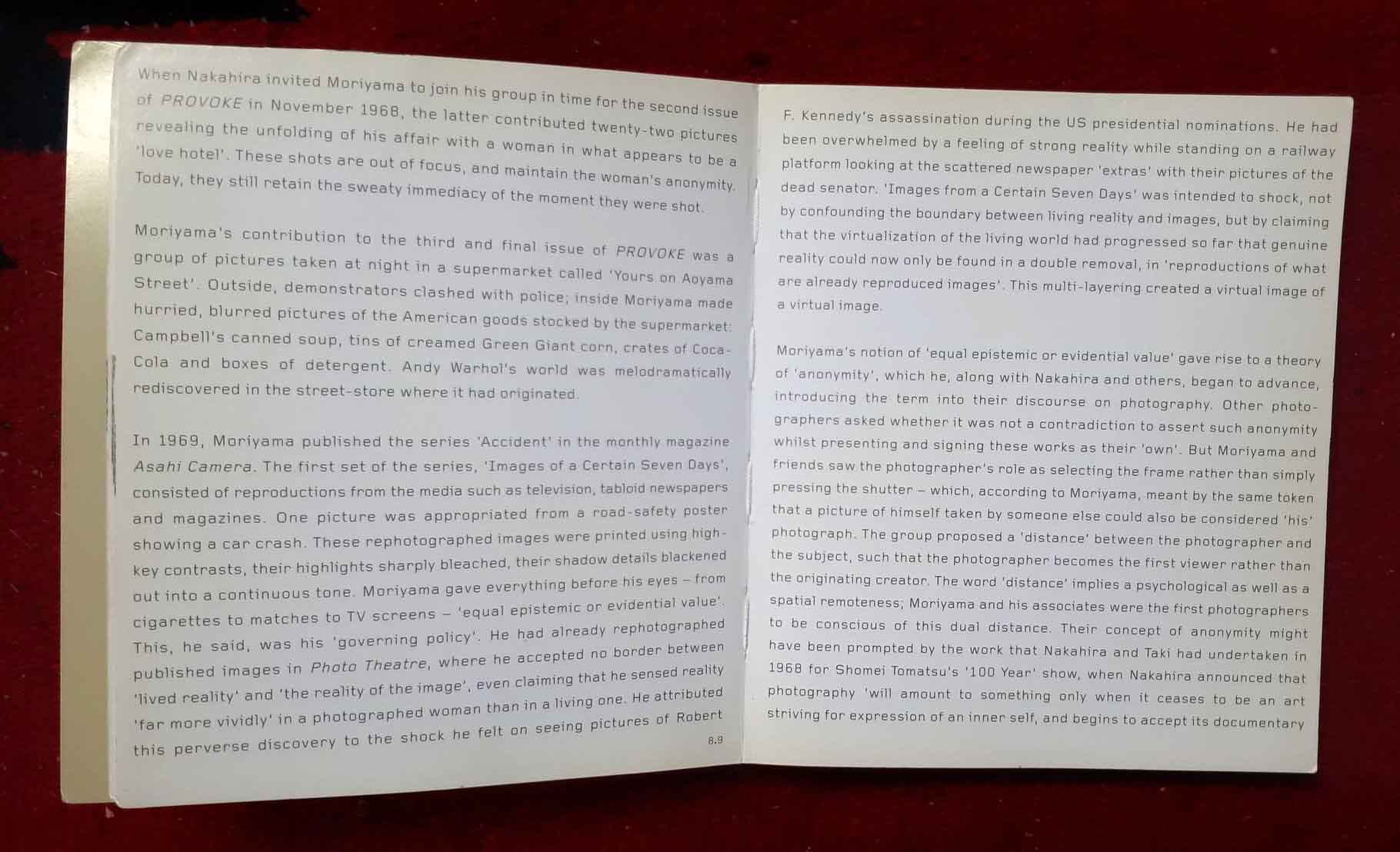
- according to Nakahira ‘just one centimeter from photographed reality is another reality beyond your imagination’
- PROVOKE – japanese photography magazine. ”Provoke was a Japanese magazine which rejected glossy commercial imagery and the style of documentary photography. The Provoke era refers to its influence on photography made in post-war Japan”. (https://www.tate.org.uk/art/art-terms/p/provoke-era)
- influence from Jack Kerouac’s book One the Road (https://www.goodreads.com/book/show/70401.On_the_Road)
- photographer Weegee (https://www.icp.org/browse/archive/constituents/weegee?all/all/all/all/0)
- Kazuo Nishii – a Japanese magazine editor and photography critic
- Daido Moriyama Pantomime series
- Daido Moriyama photography magazine Records, which is still going and I intend to find it!
- OP ART – a major development of painting in the 1960s that used geometric forms to create optical effects (https://www.tate.org.uk/art/art-terms/o/op-art)
MONDAY SEMINAR WITH THOMAS DUKES 28.03
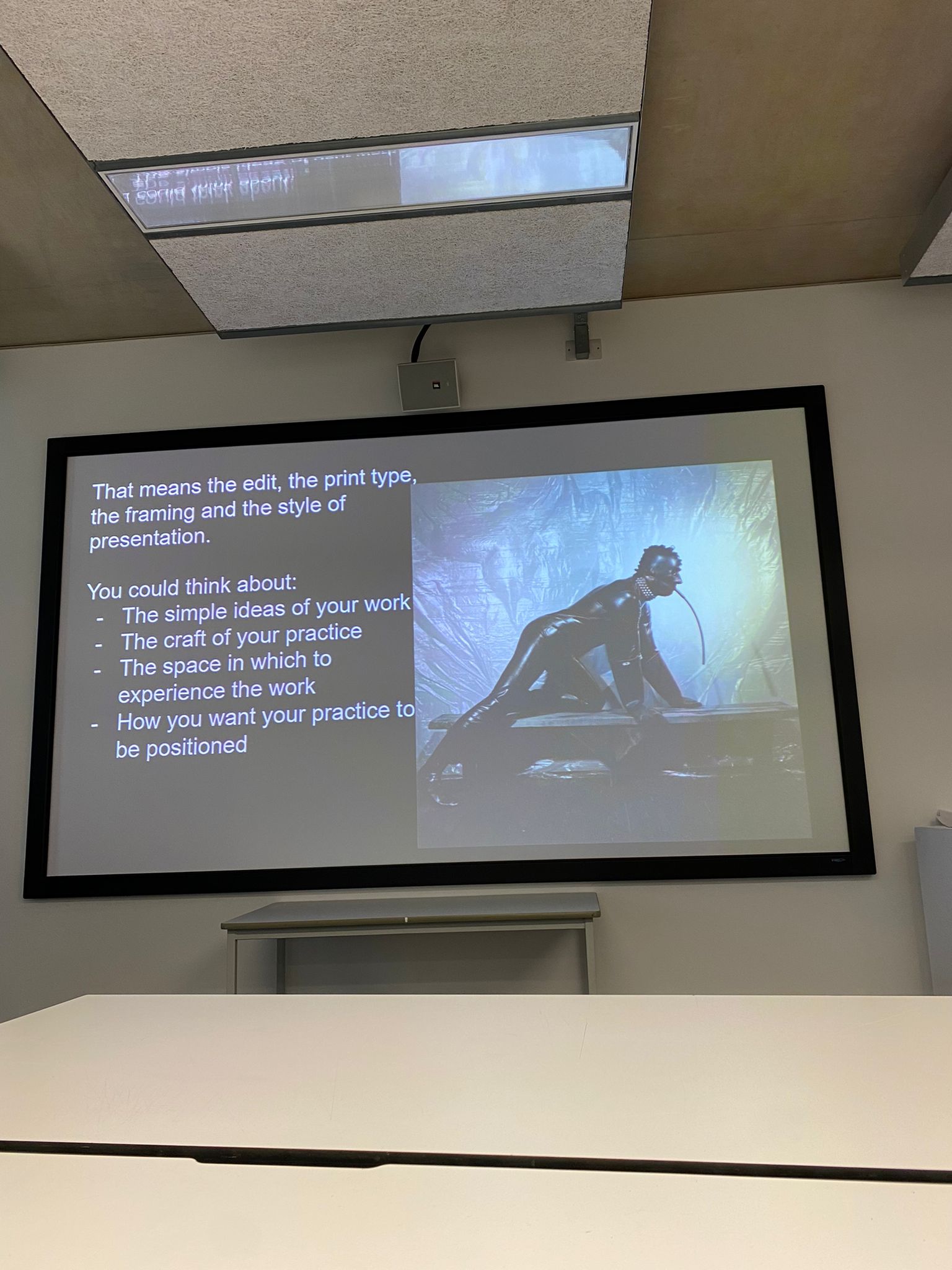
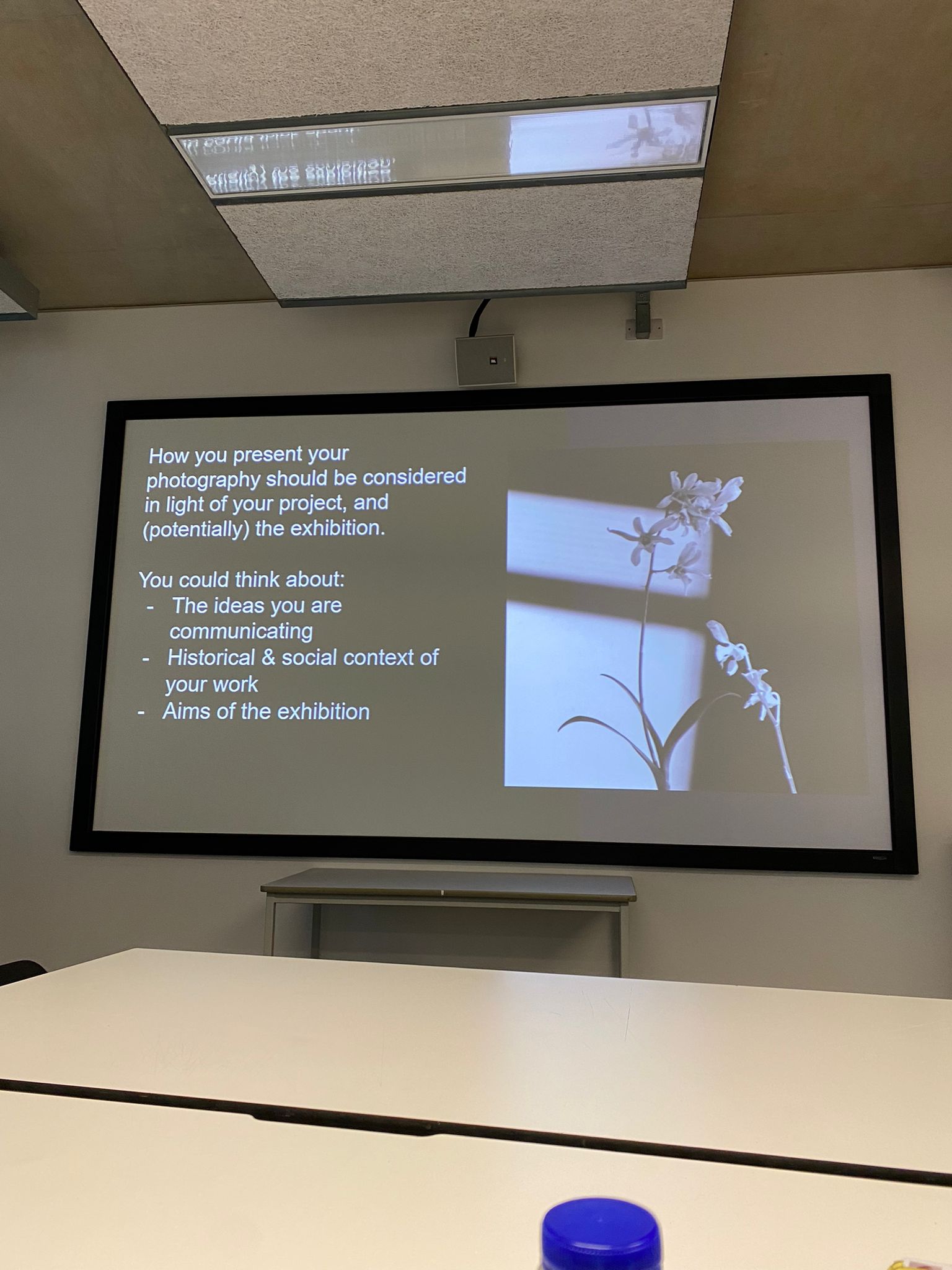
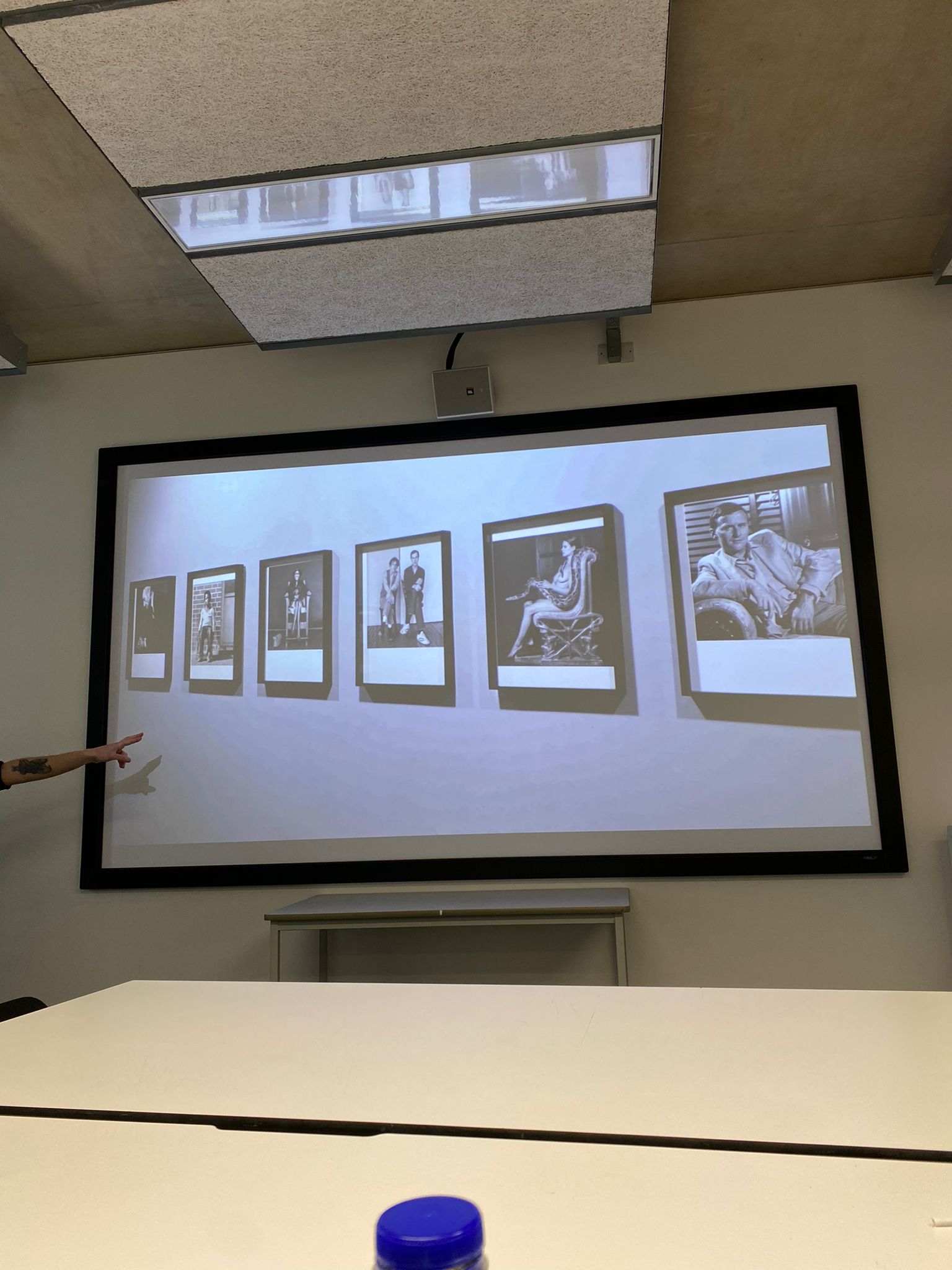
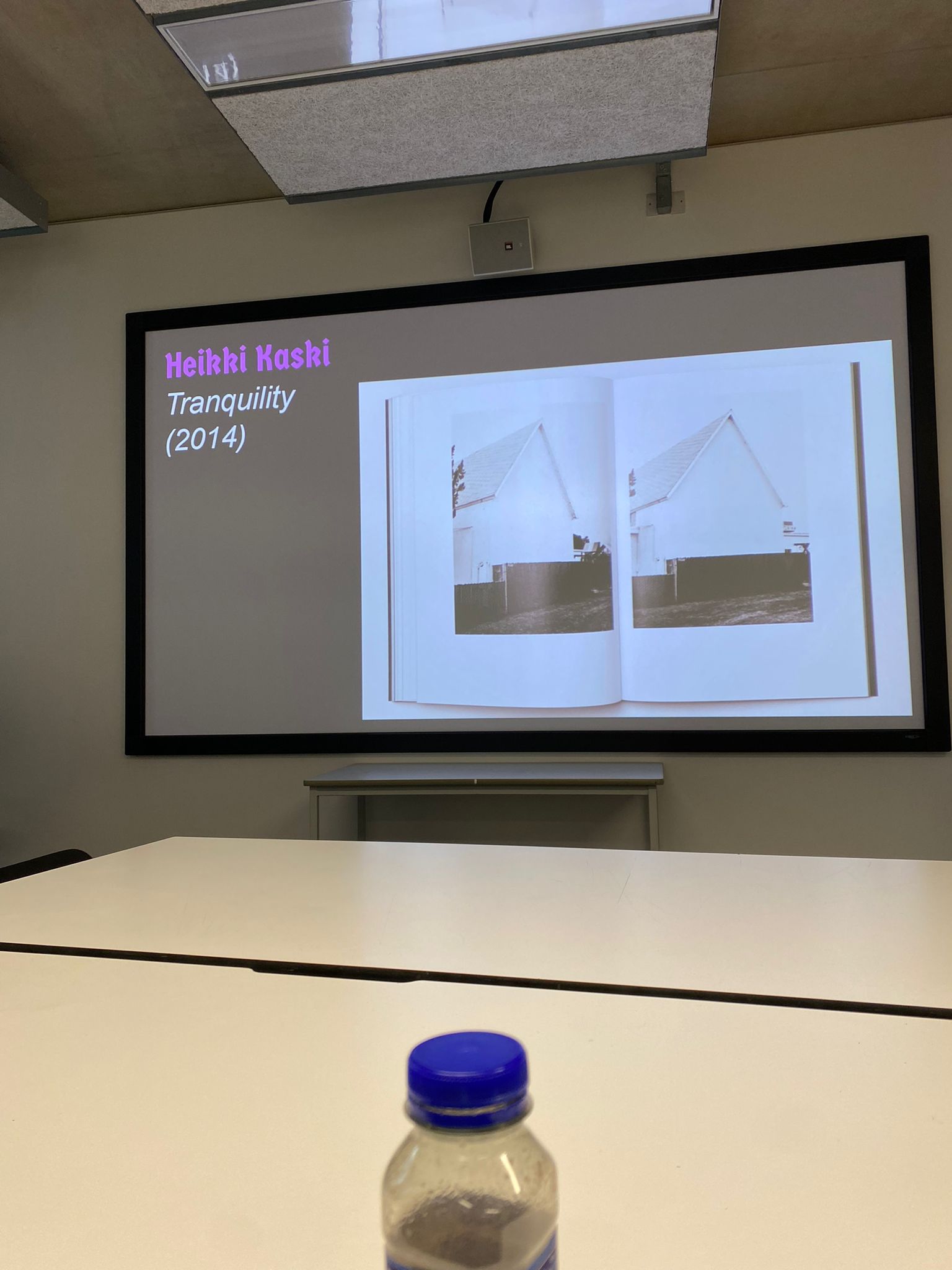
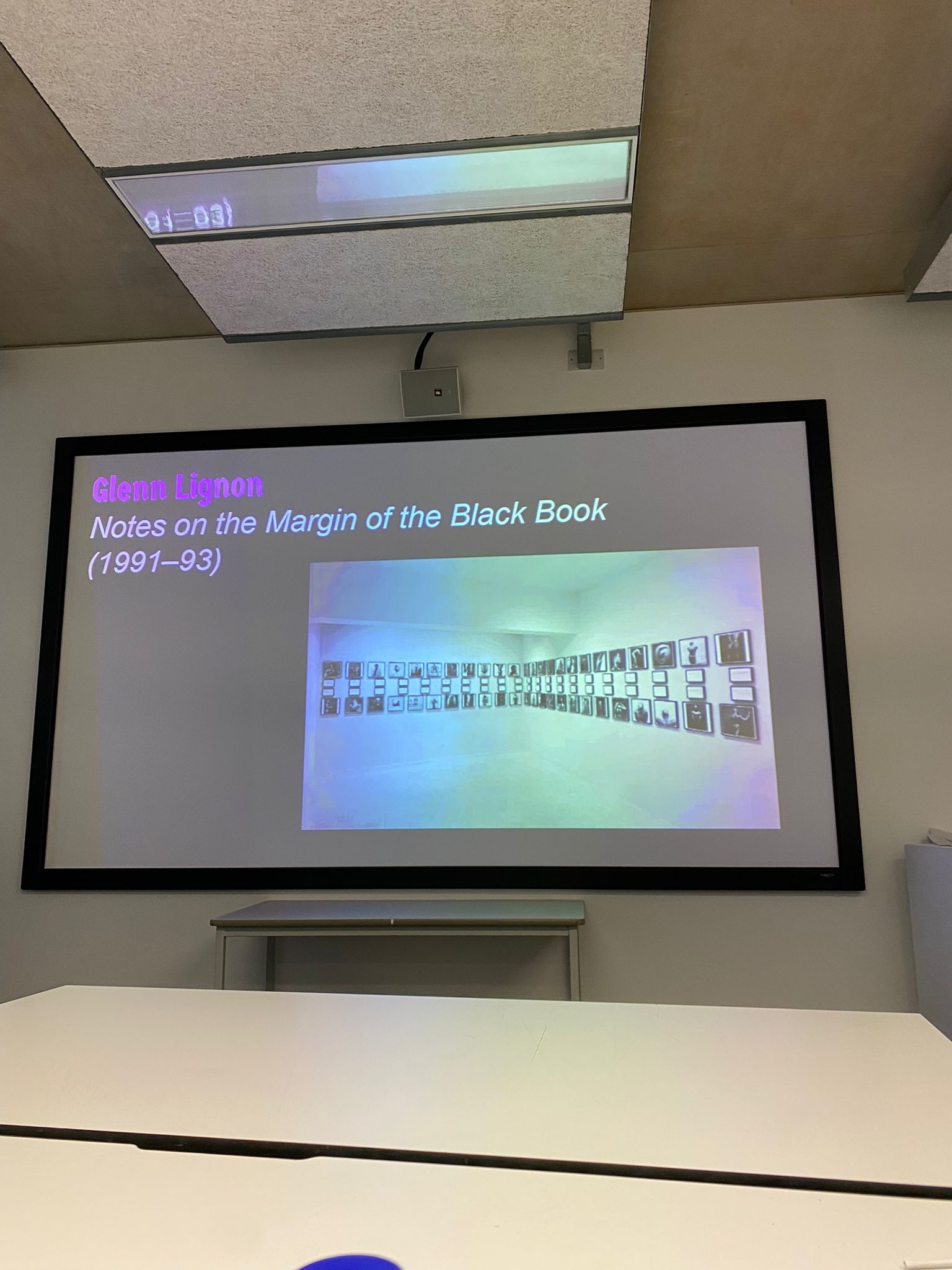
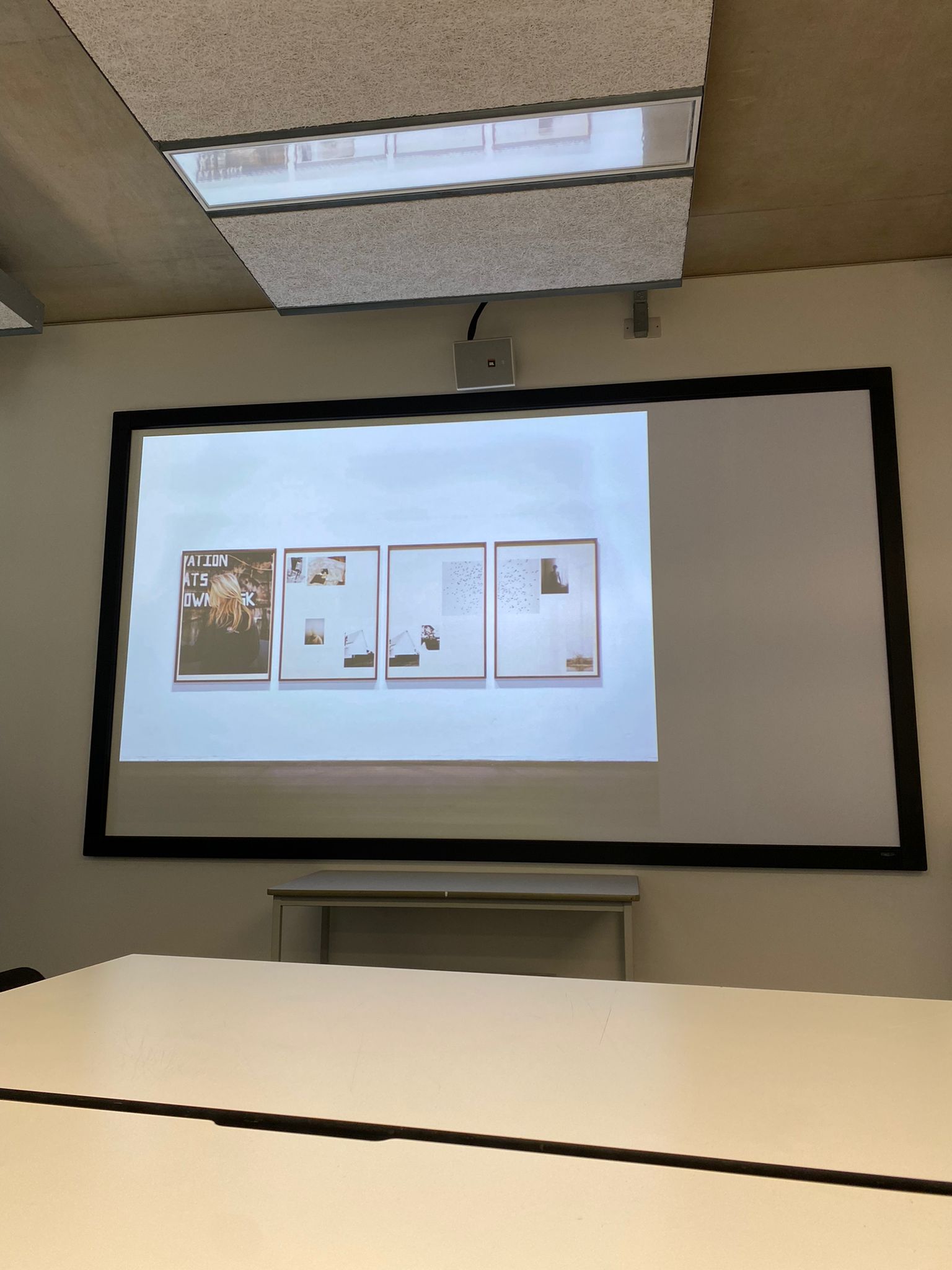
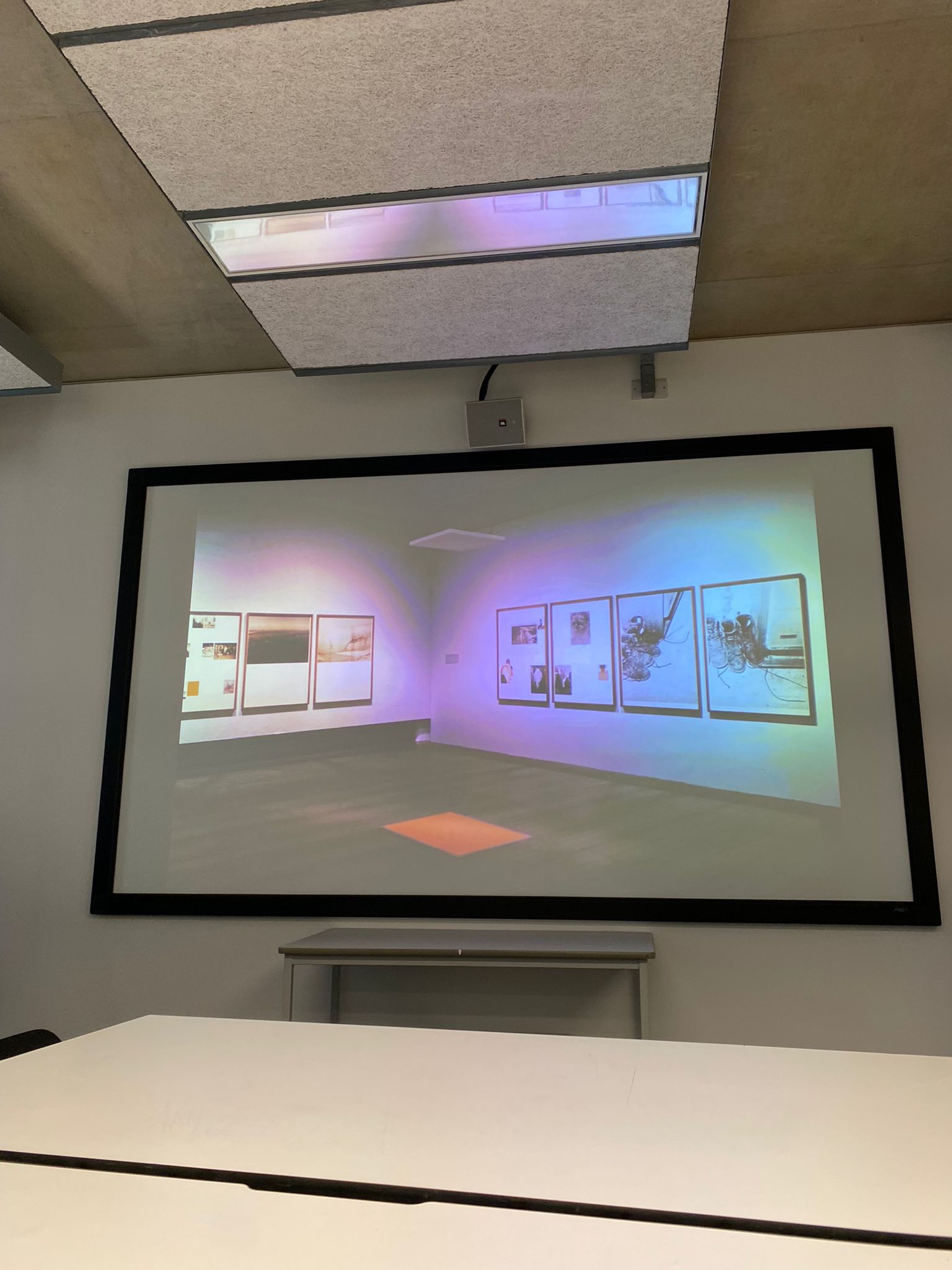
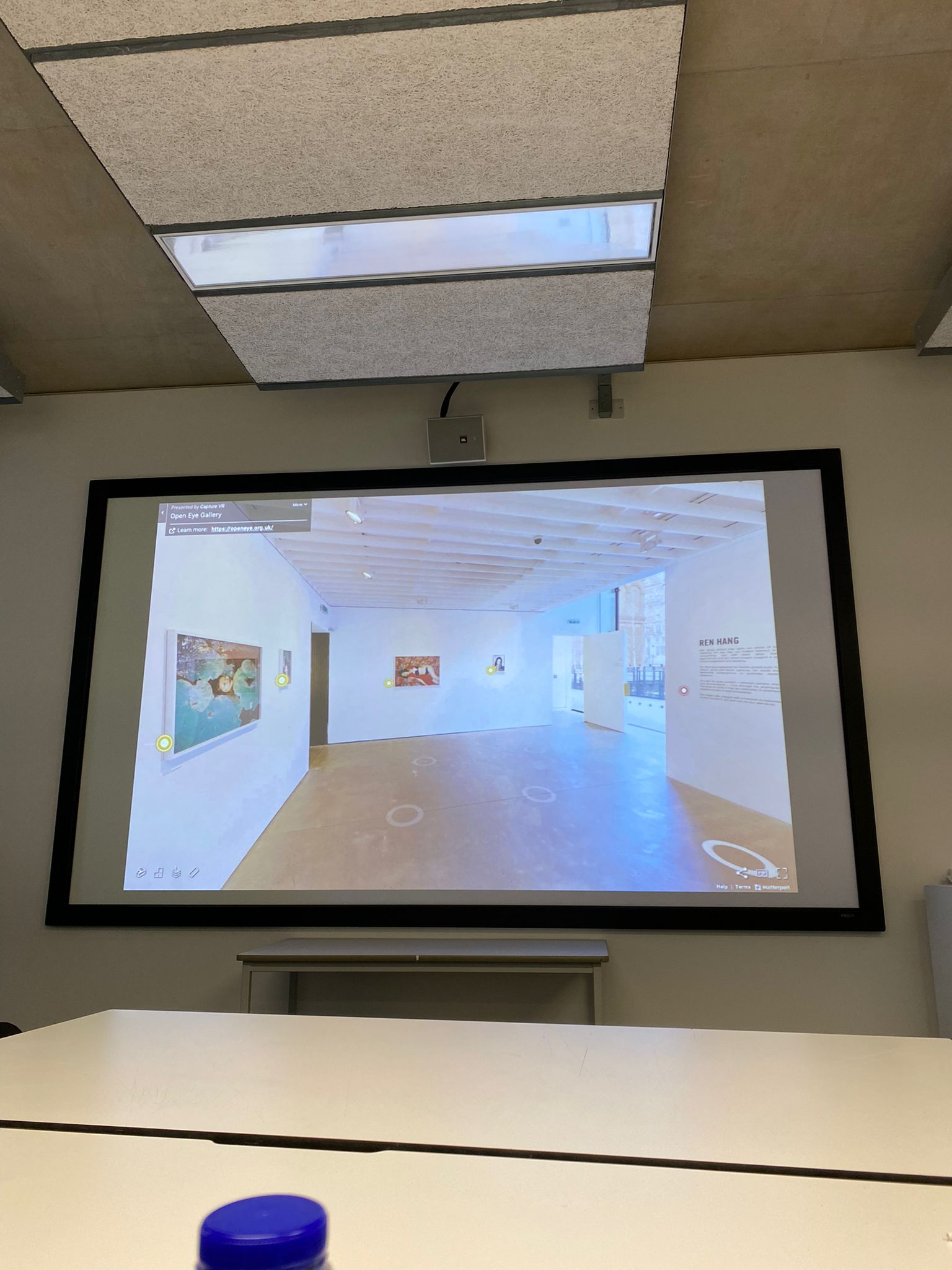
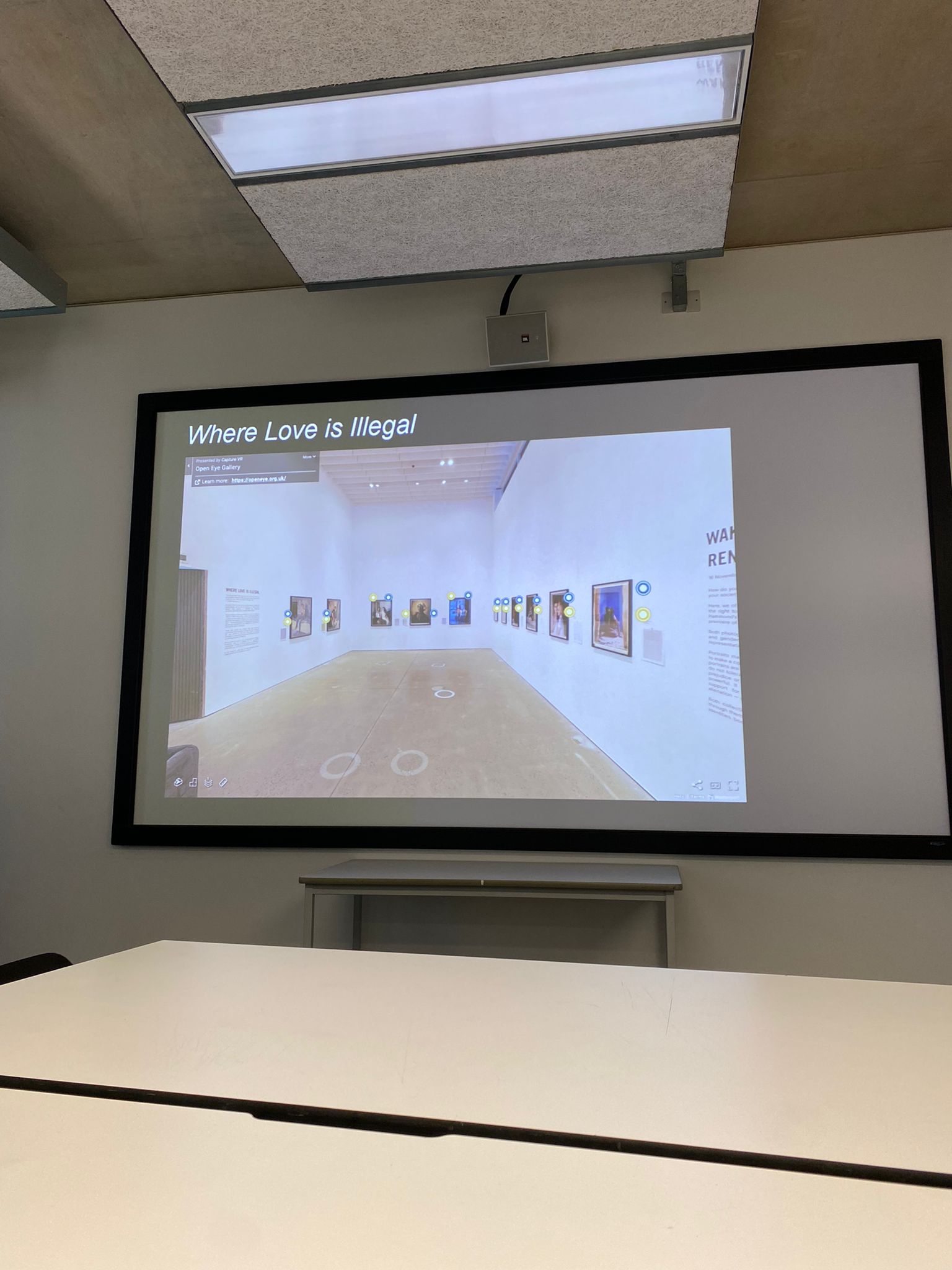
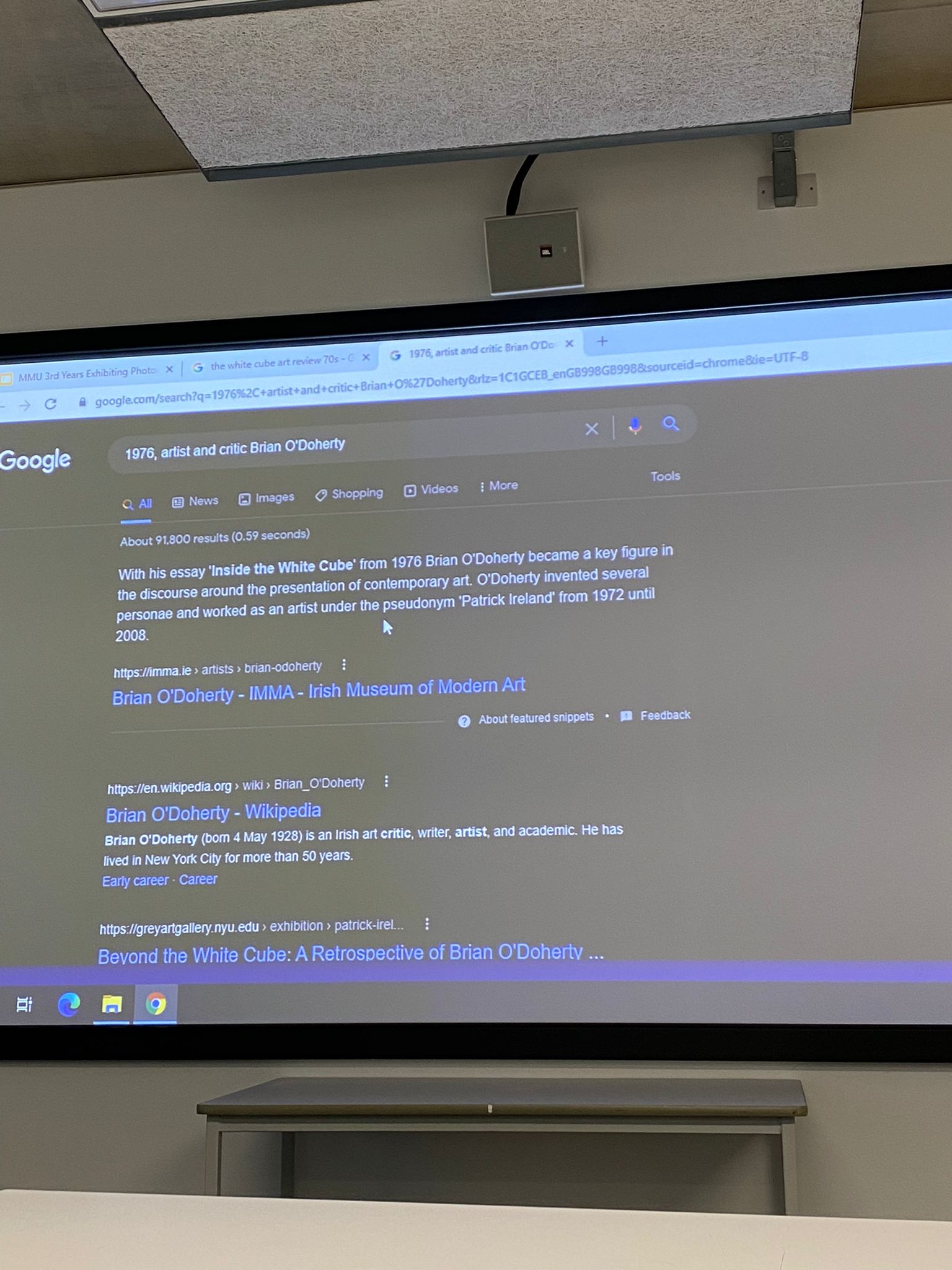
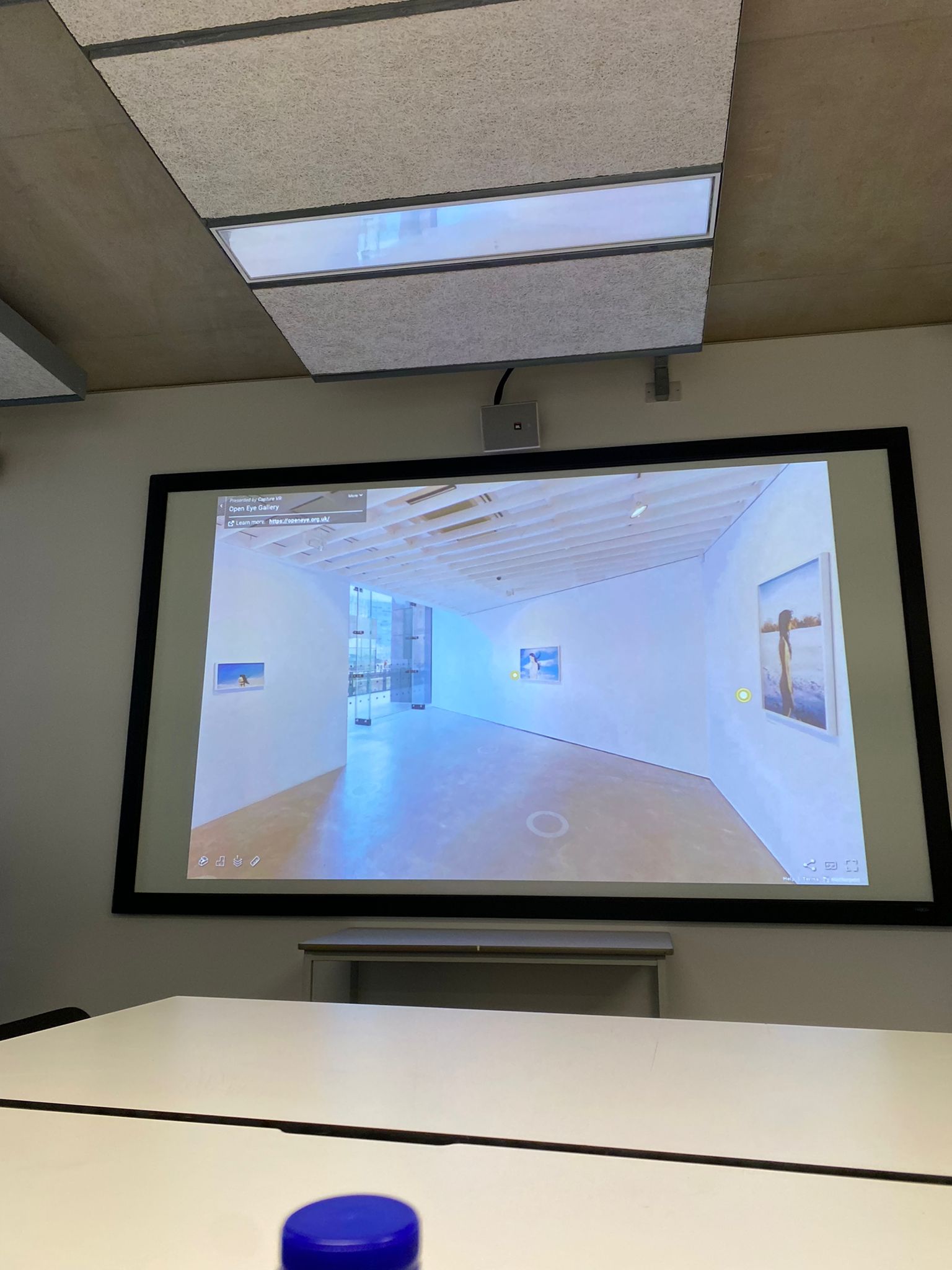
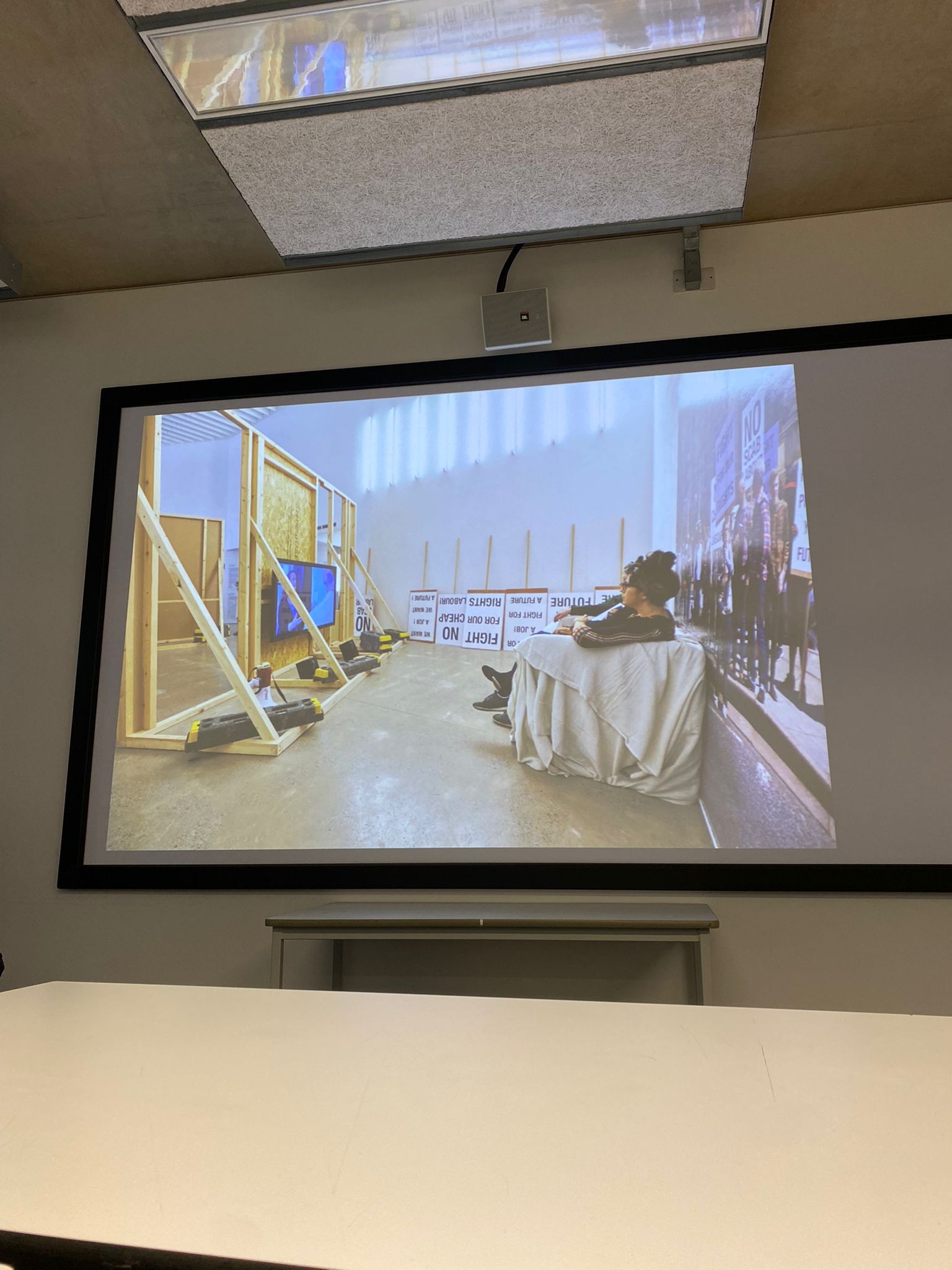
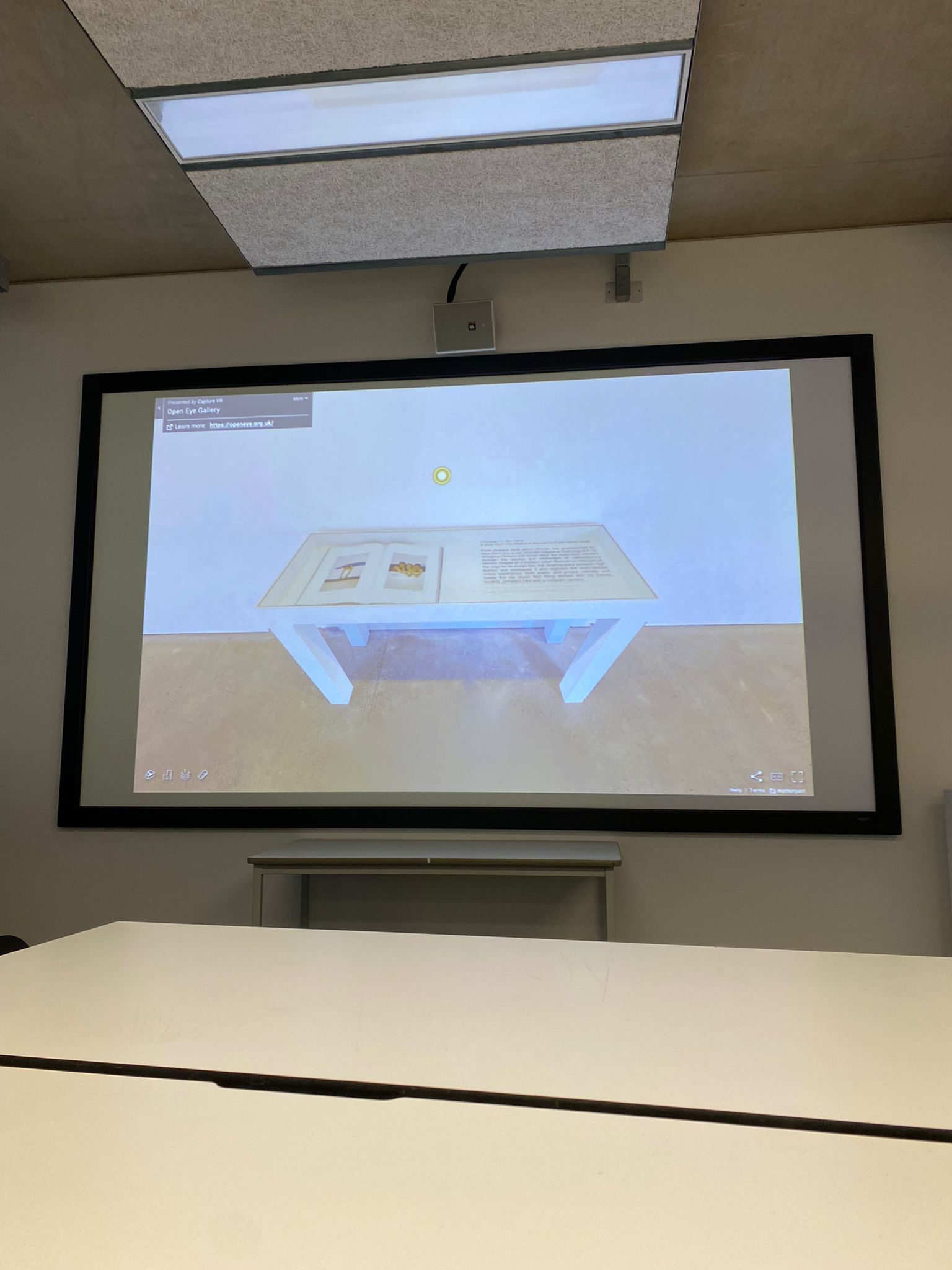
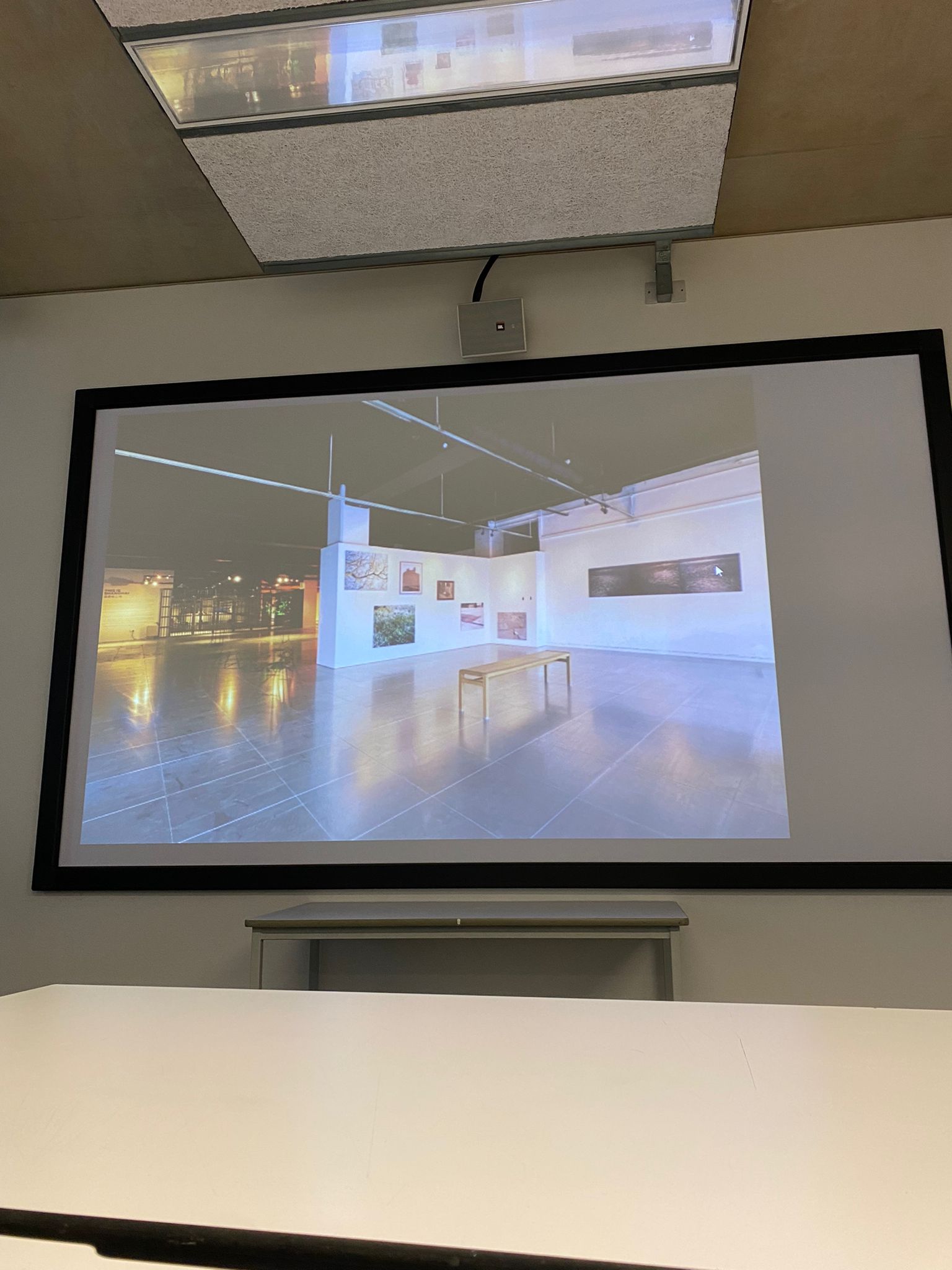
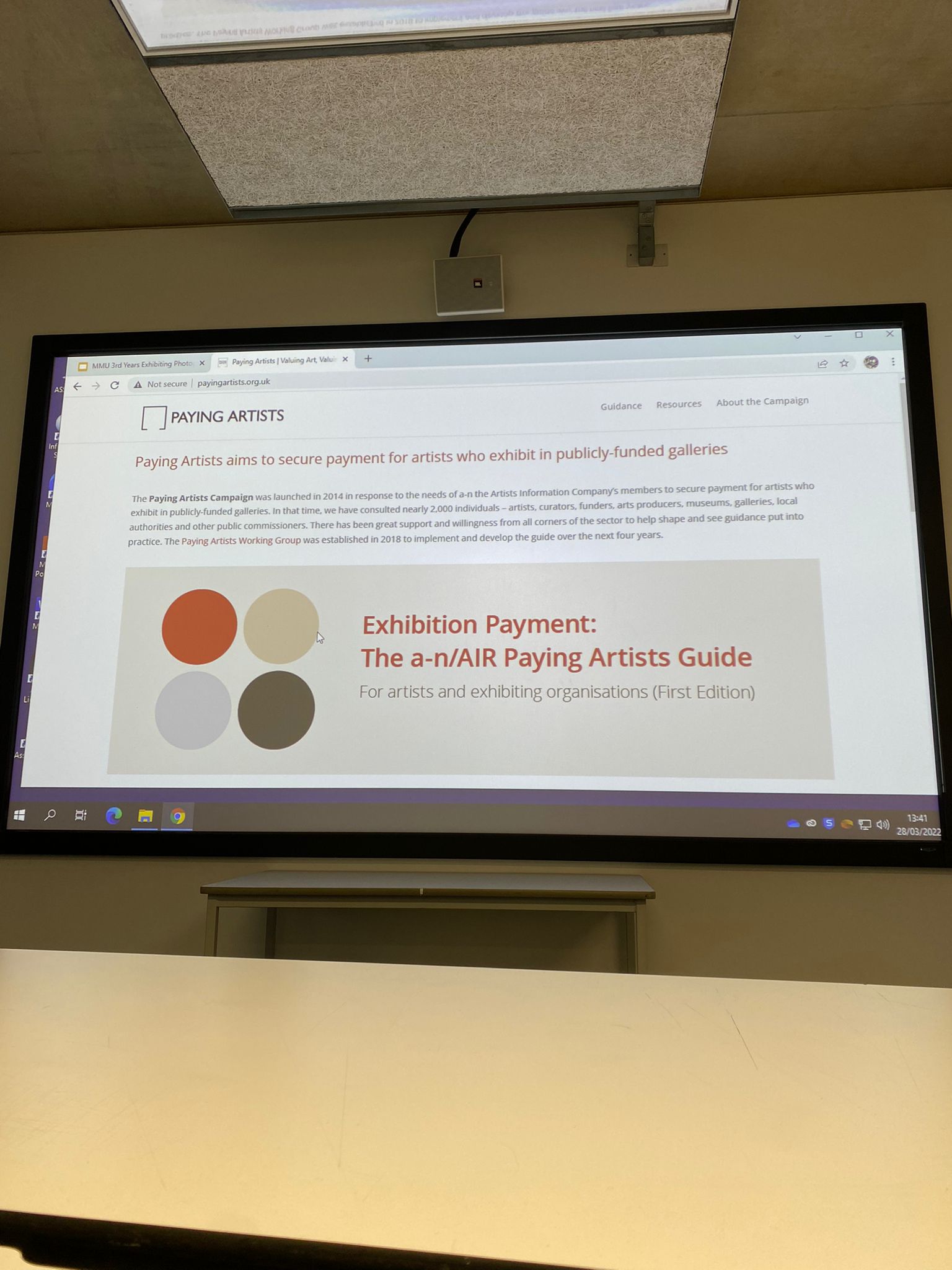
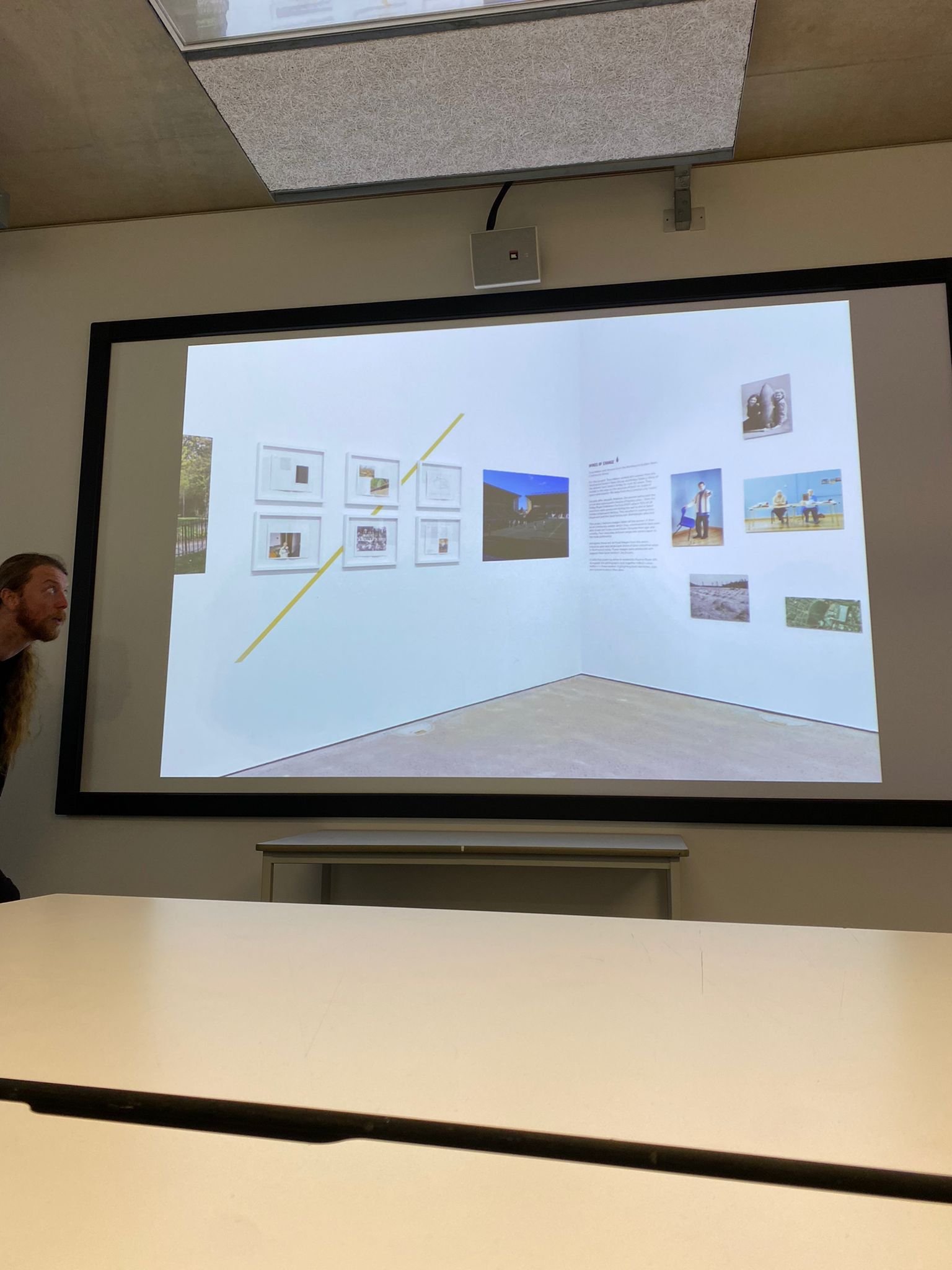
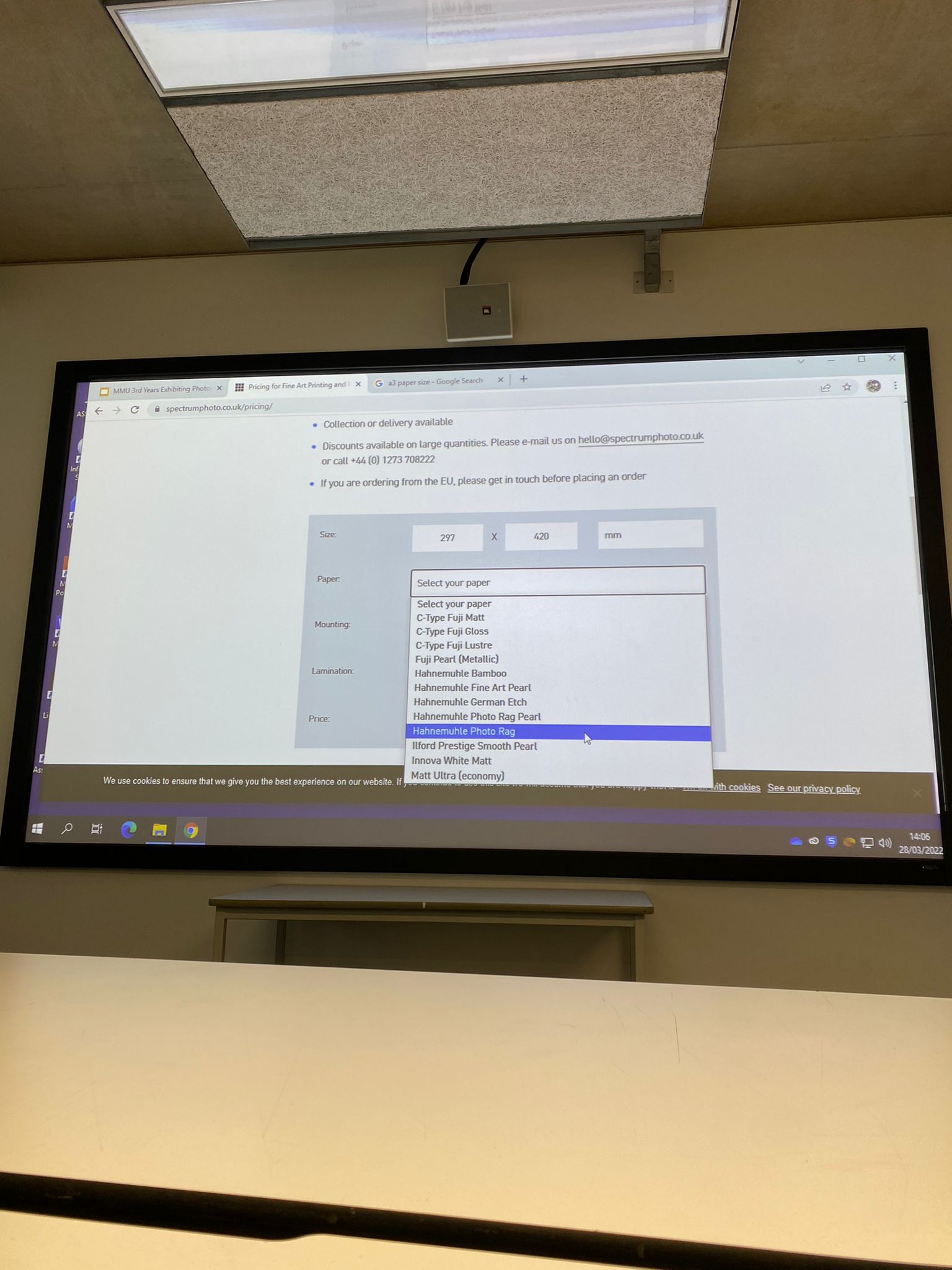
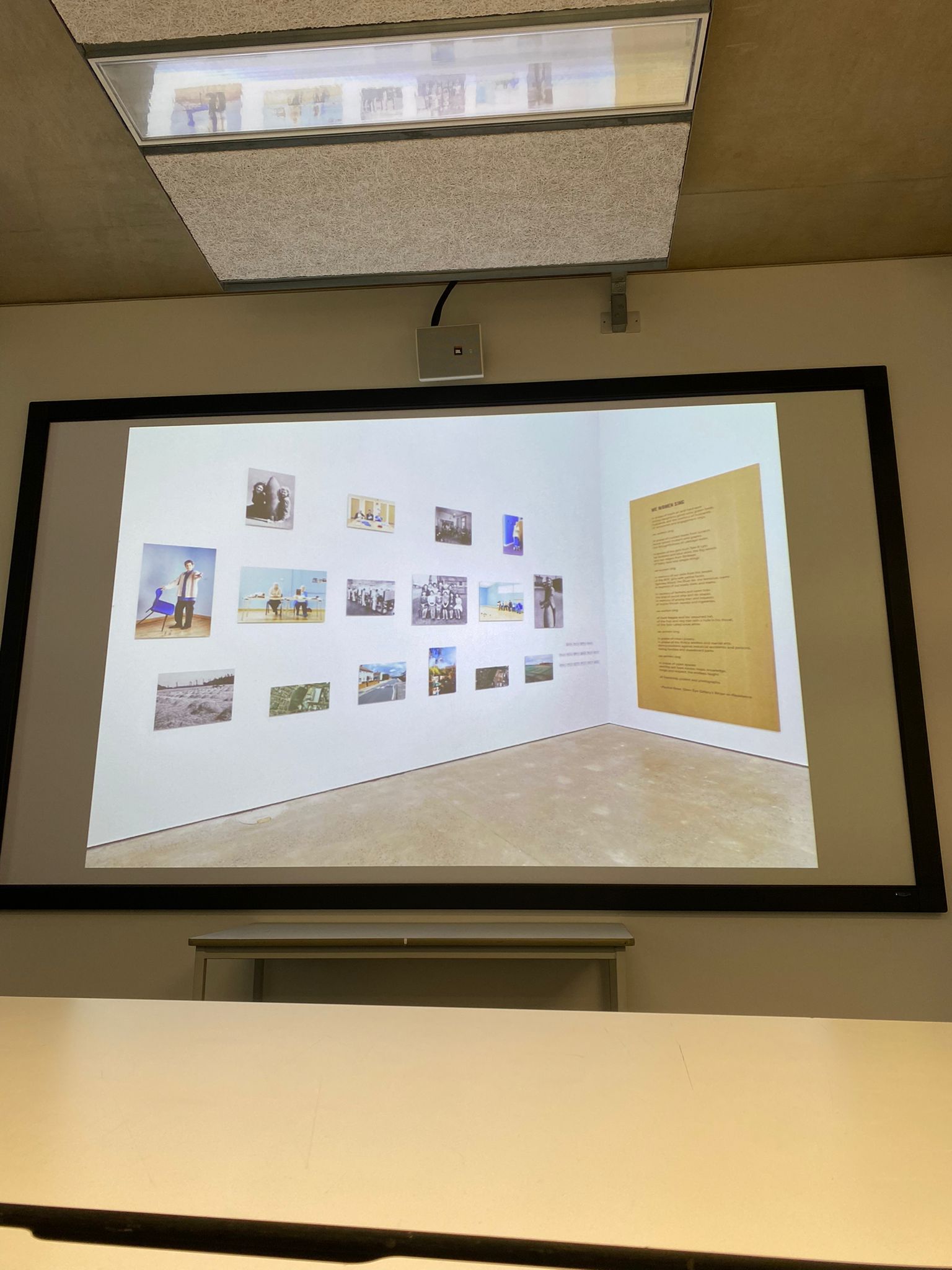
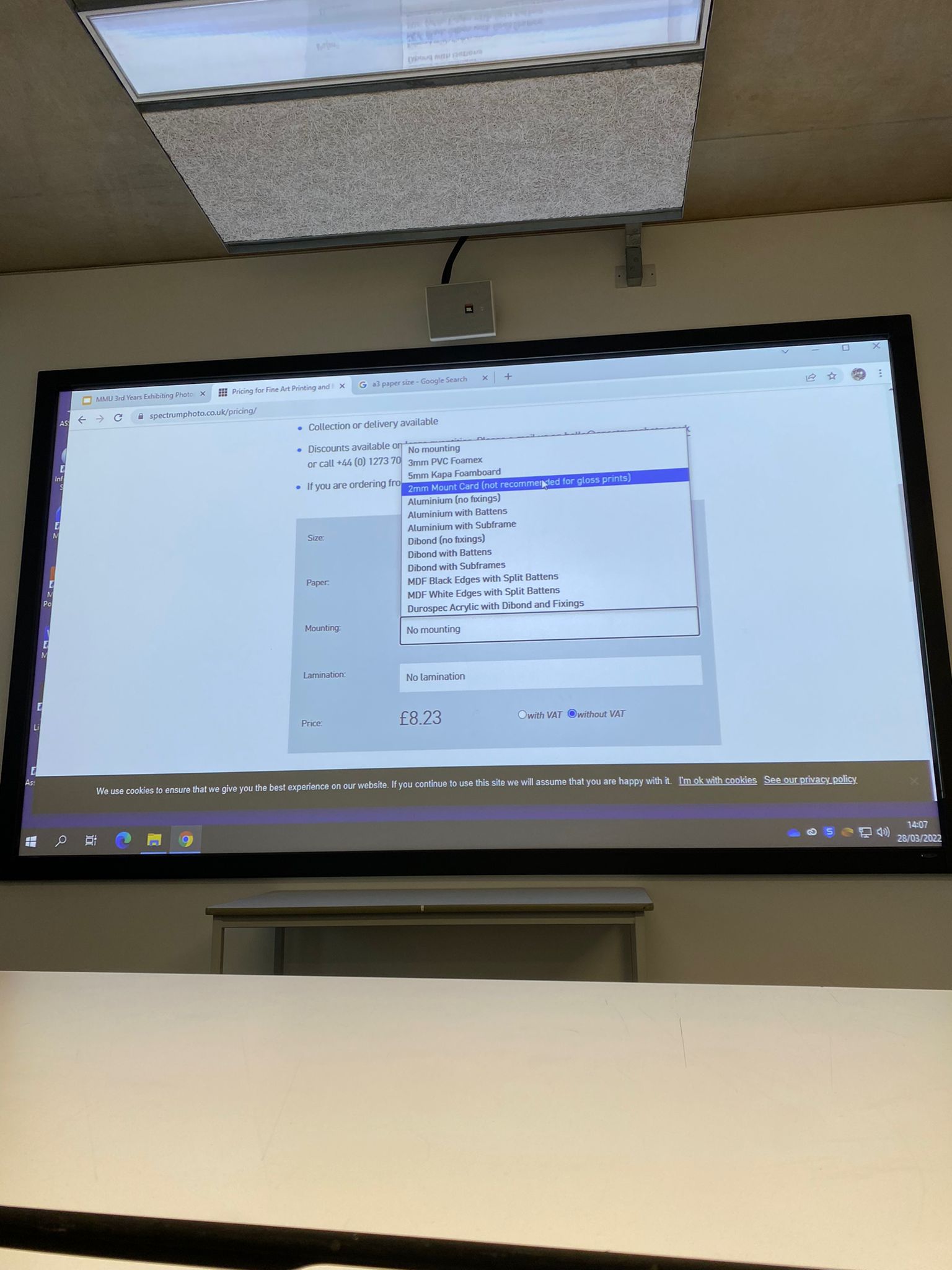
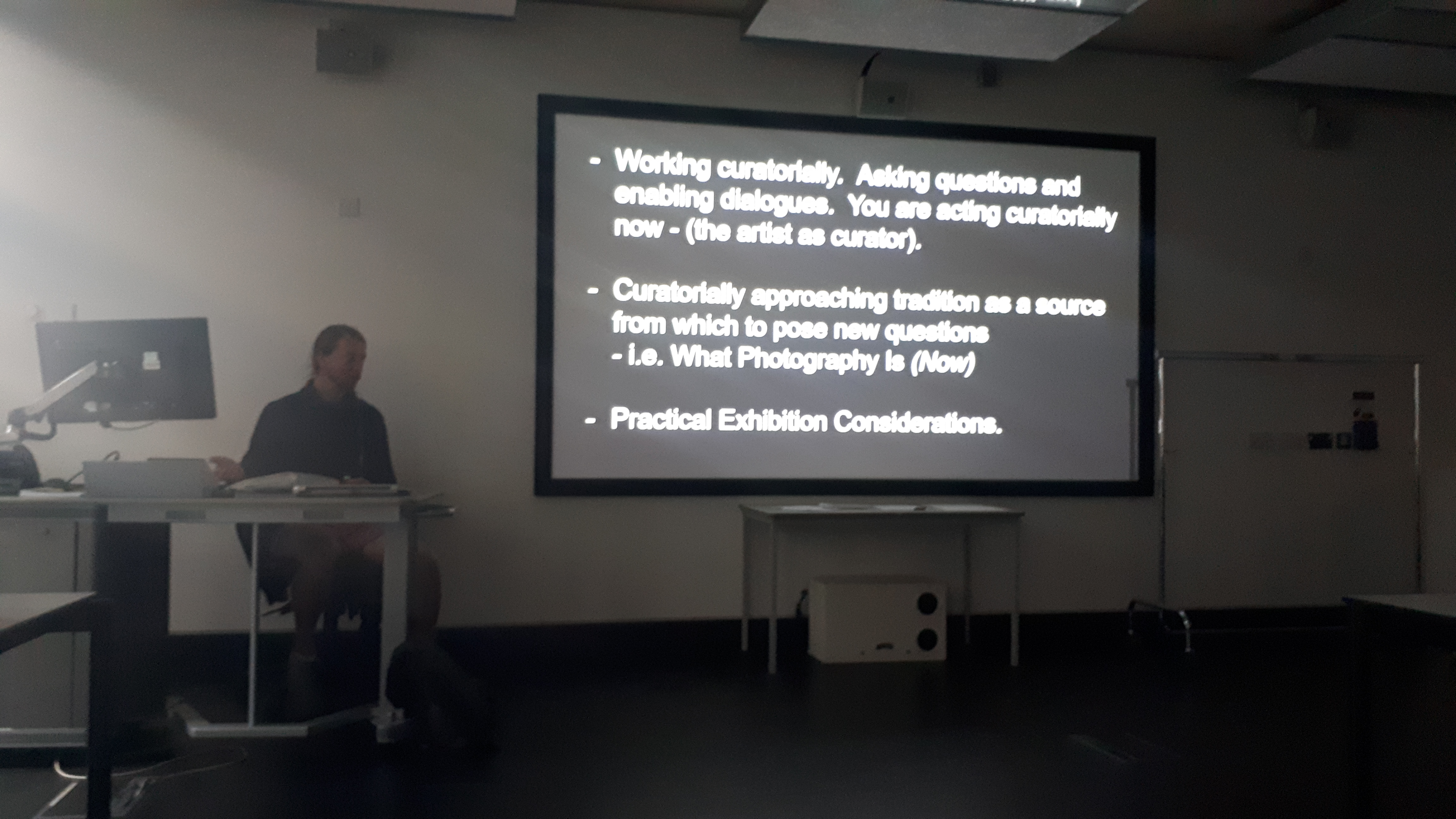
As always, great and insightful lecture that made us think of ways in which we could display our artwork with many good pointers on what to consider when presenting photographs.
TUESDAY GROUP TUTORIAL WITH YAN PRESTON 29.03
Yan asked us to write a small paragraph (100 words) to your answer a question ‘Photography Is’… (in the context of our work individually)
Photography is Mine. It’s my world. It is a way to show others how I see and look at the world. It’s a way to communicate the deepest form of me with the world, to have a profound conversation with my surroundings, voiceless conversation as ”picture tells a thousand words”.
Photography is zen, it is a state of tranquillity but also a space of enjoyment, play and serendipity. Photography is exploration, discovery, excitement and the unknown. Photography is a treasure hunt that helps me uncover the hidden beauty of the world and grow my sensitivity toward it. Photography is passion and magic.
FEEDBACK:
Yan said that my response was a good starting point, and to address others, I should change it as if I was talking to people to improve it so it’s more approachable. Writing to yourself is a good starting point as you get the essence, then ‘translate’ it to writing to people. When writing a statement, check out other people’s statements and structure. Communication of your work is essential – think widely when talking to people about your work/be relevant in your statement to the people.
Feedback from my recent photographs that I presented: what can I bring to the table within the photography that I do? What can I do that has never been done?
WEDNESDAY SELF-STUDY 30.03
As we still don’t have a space confirmed, I have done more research into potential buildings.
After considering several locations, unfortunbately we got a NO from all of them:
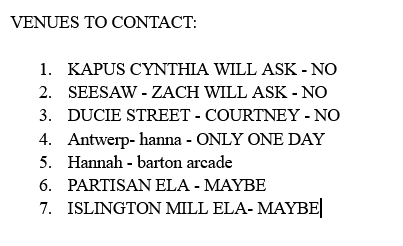
I was in touch with Nathan from Partisan, and everything looked very positive on the venue front. Then a week passed, and I had no reply from him, so I contacted Partisan over Instagram, and they told me Nathan was ill and nobody was handling our request right now.
Unfortunately, it was the same deal with Islington Mill, where I know spaces and people – the person dealing with renting venues is Jess, who was also ill so I couldn’t follow through with that option.
With this in mind I continued looking for buildings.
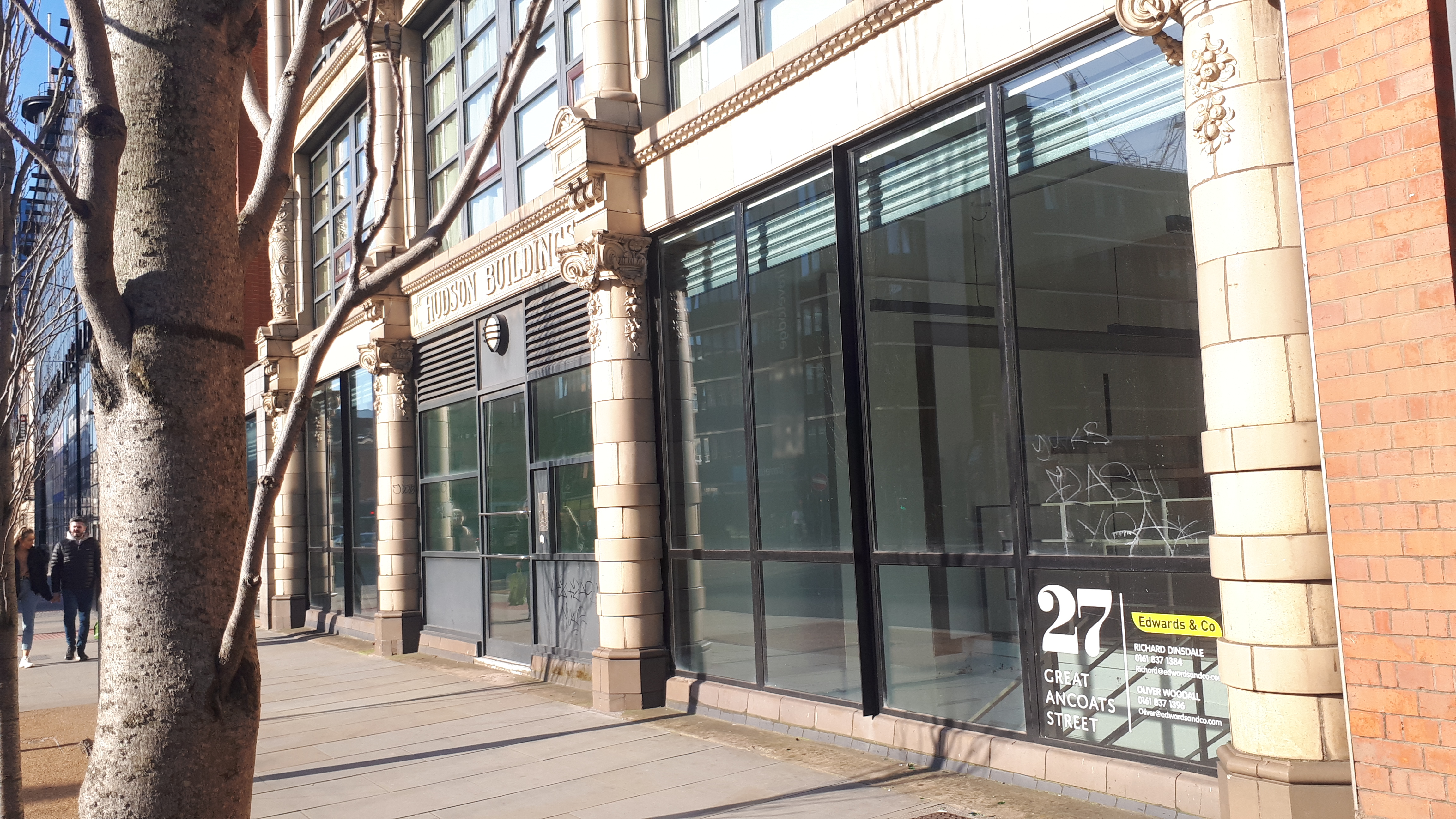
ANCOATS EMPTY BUILDING
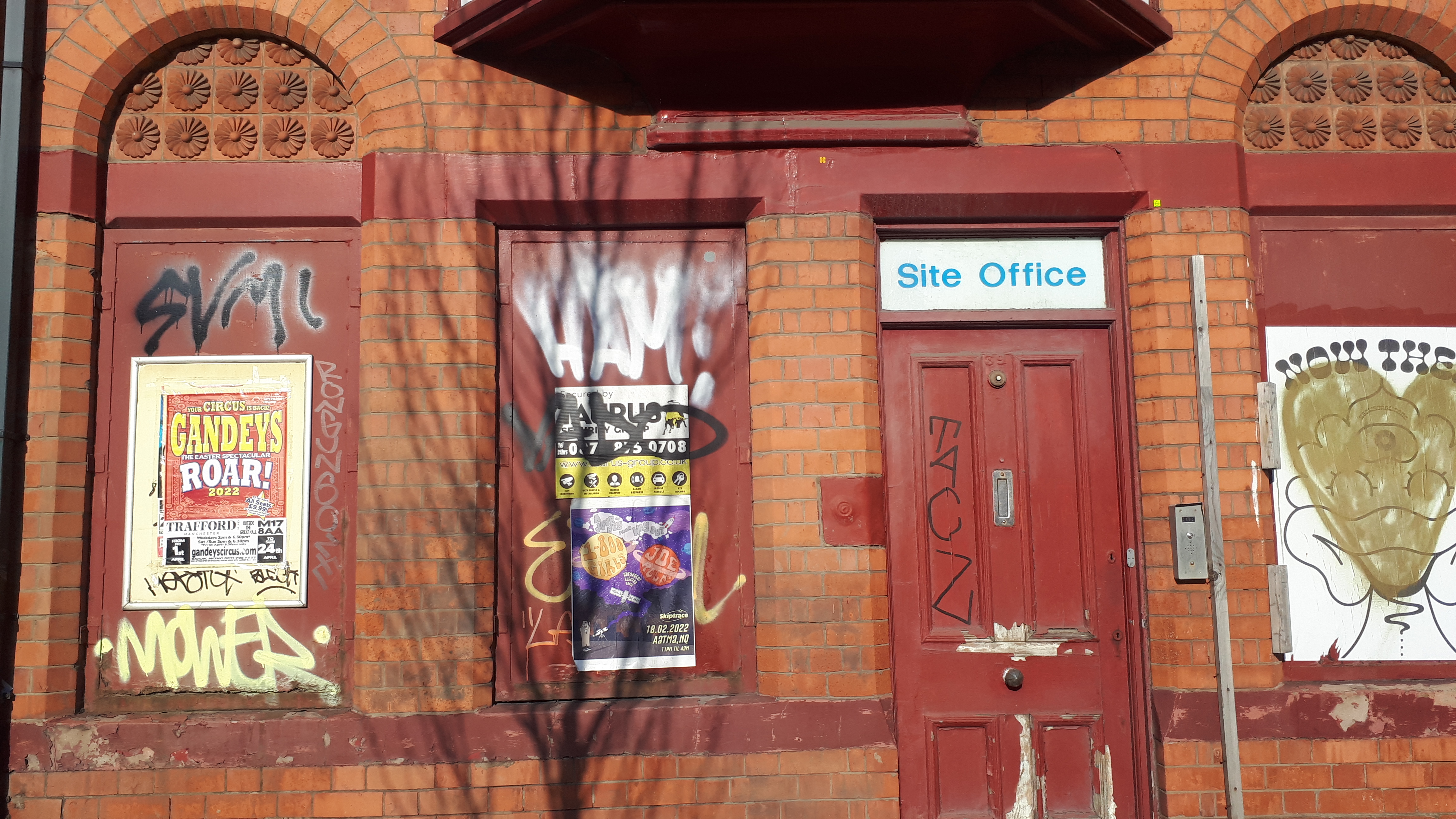
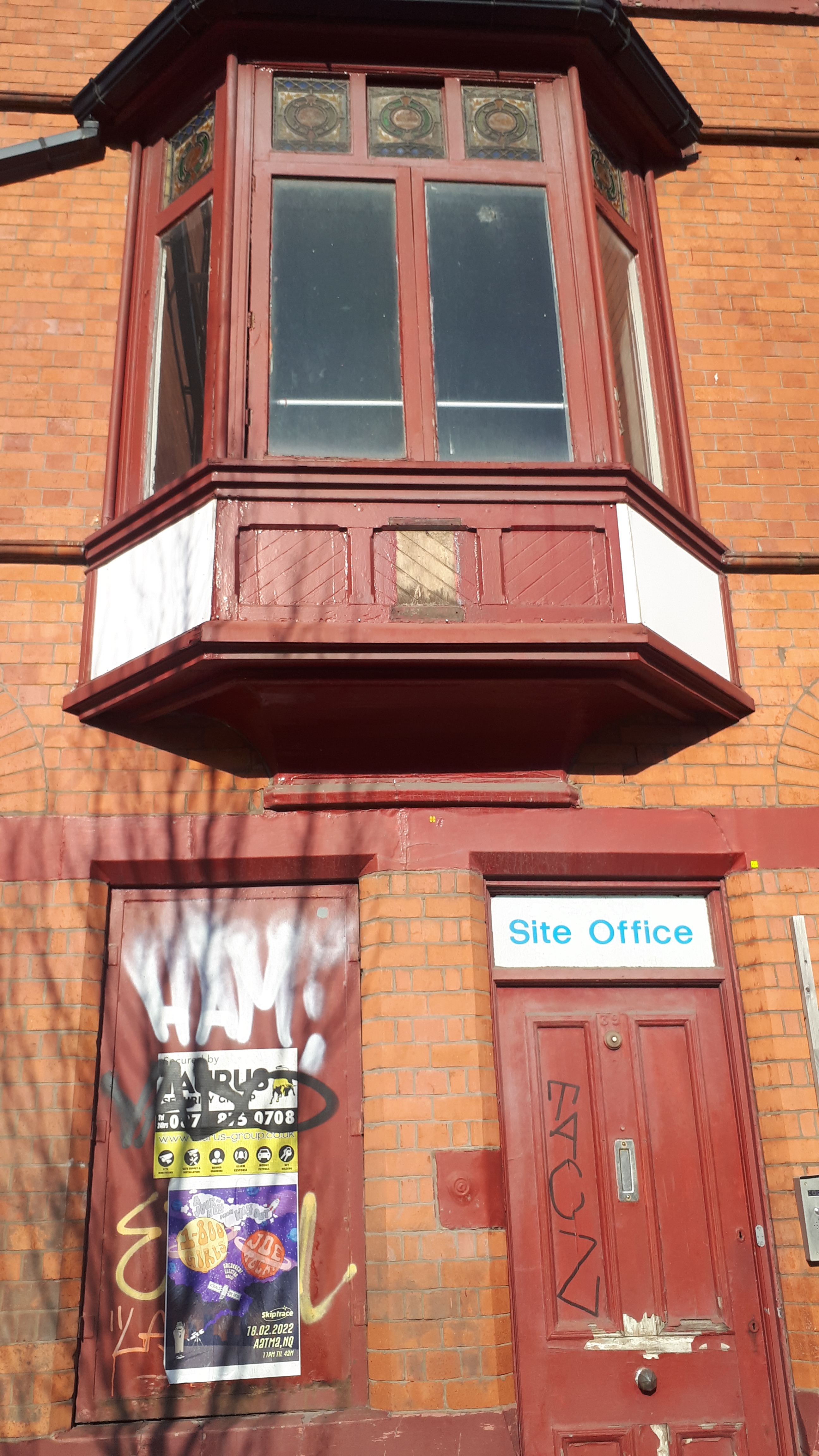
NORTHERN QUARTER EMPTY BUILDINGS
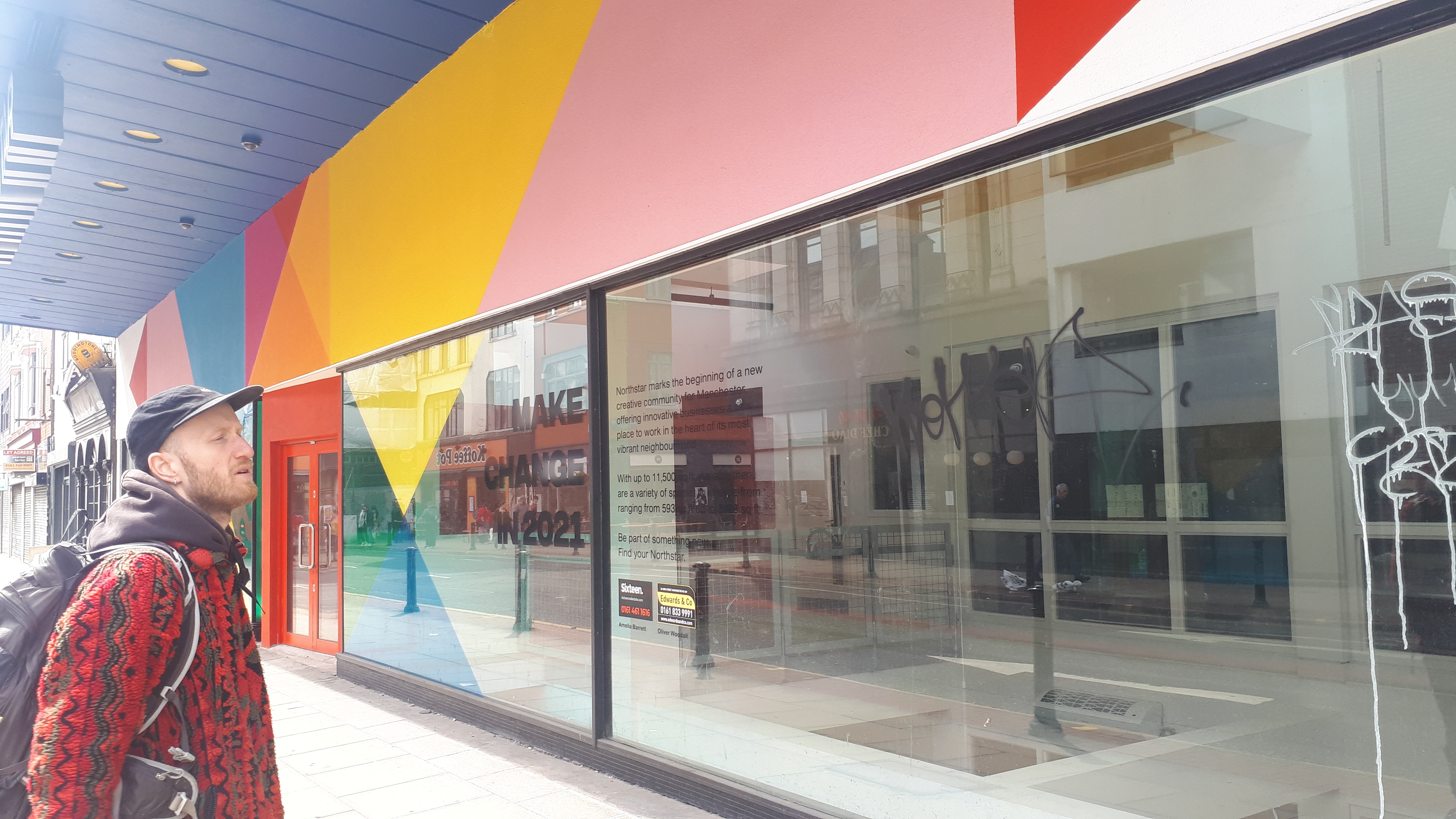

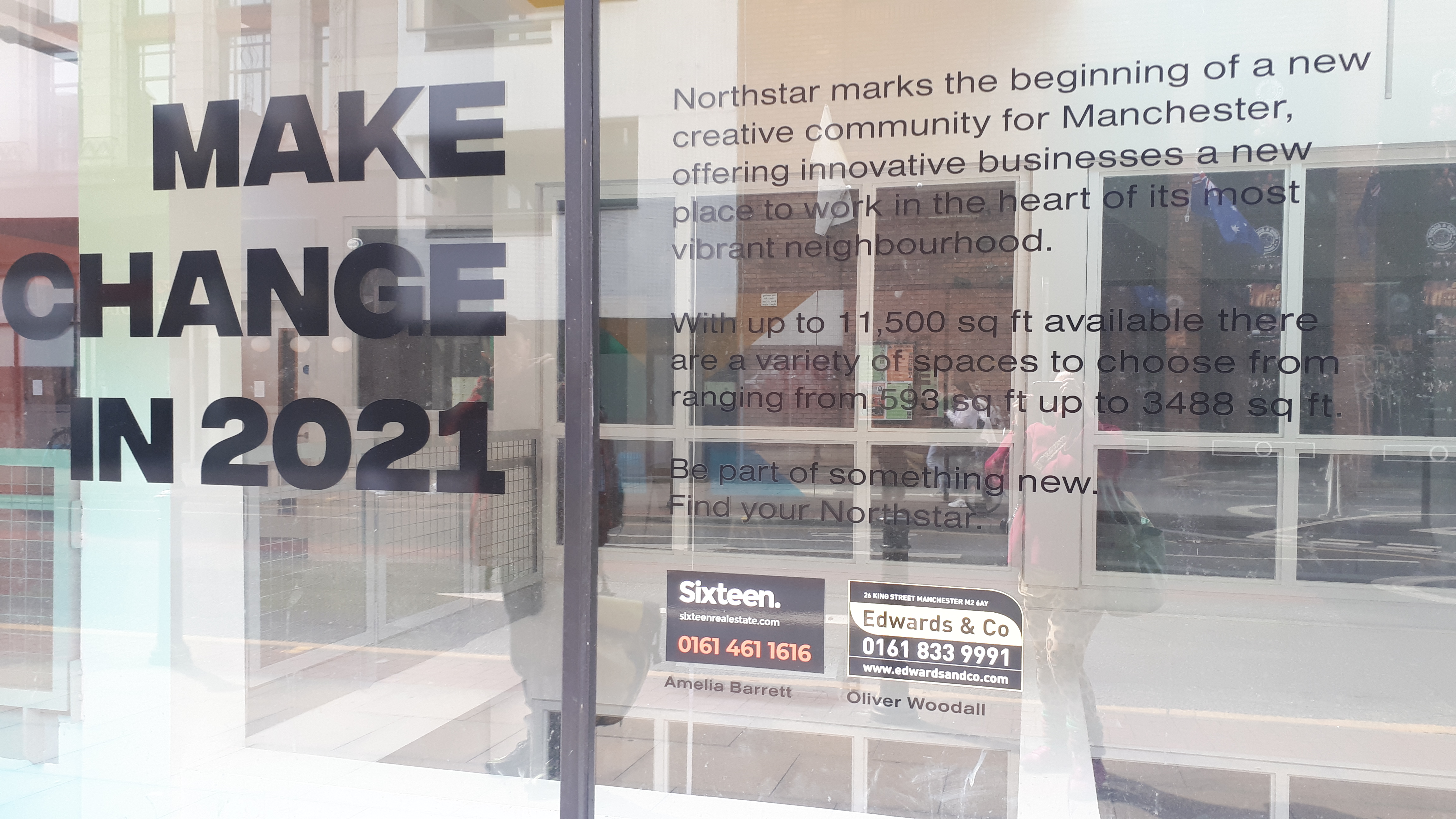
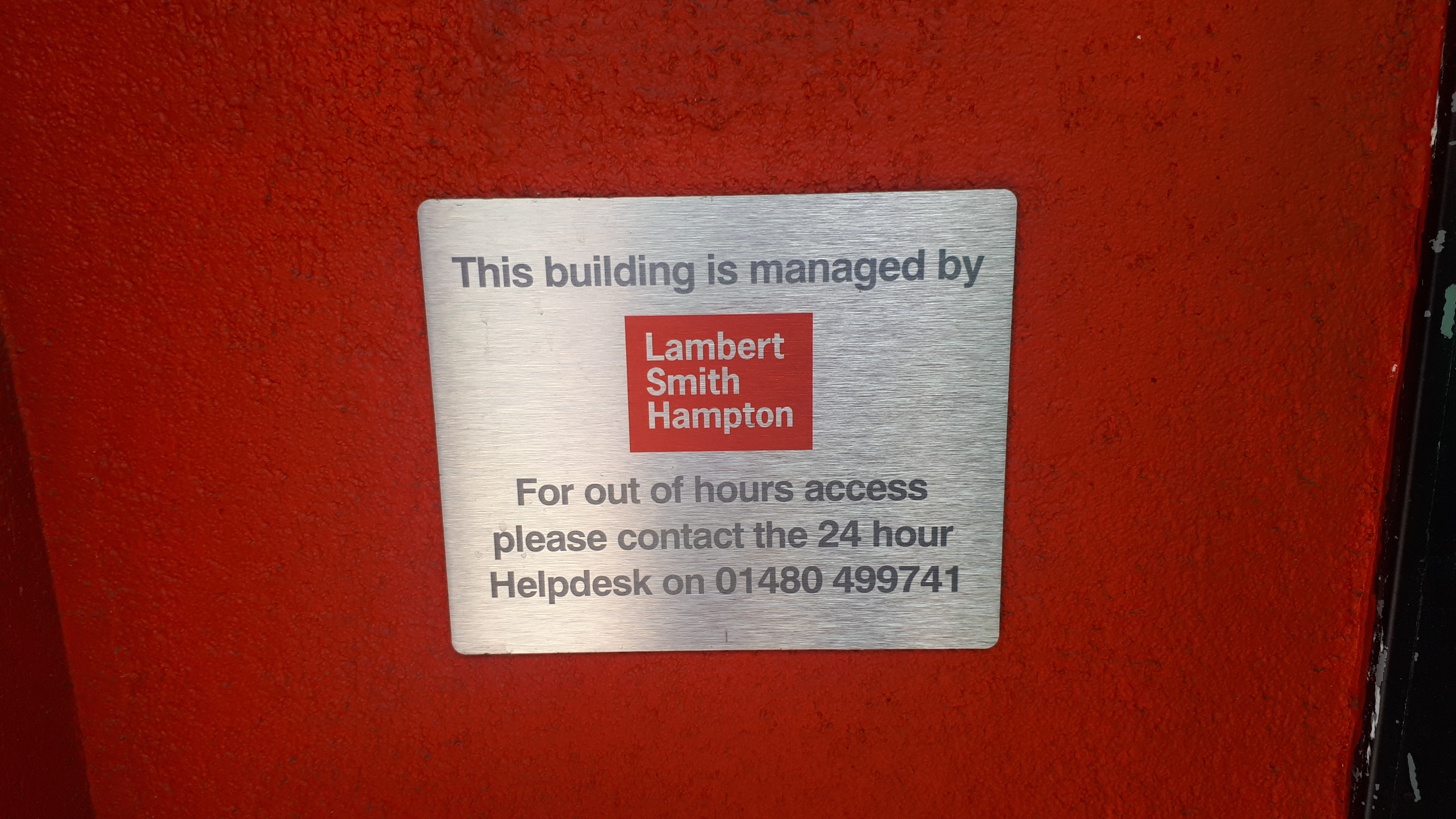
SALFORD EMPTY BUILDINGS
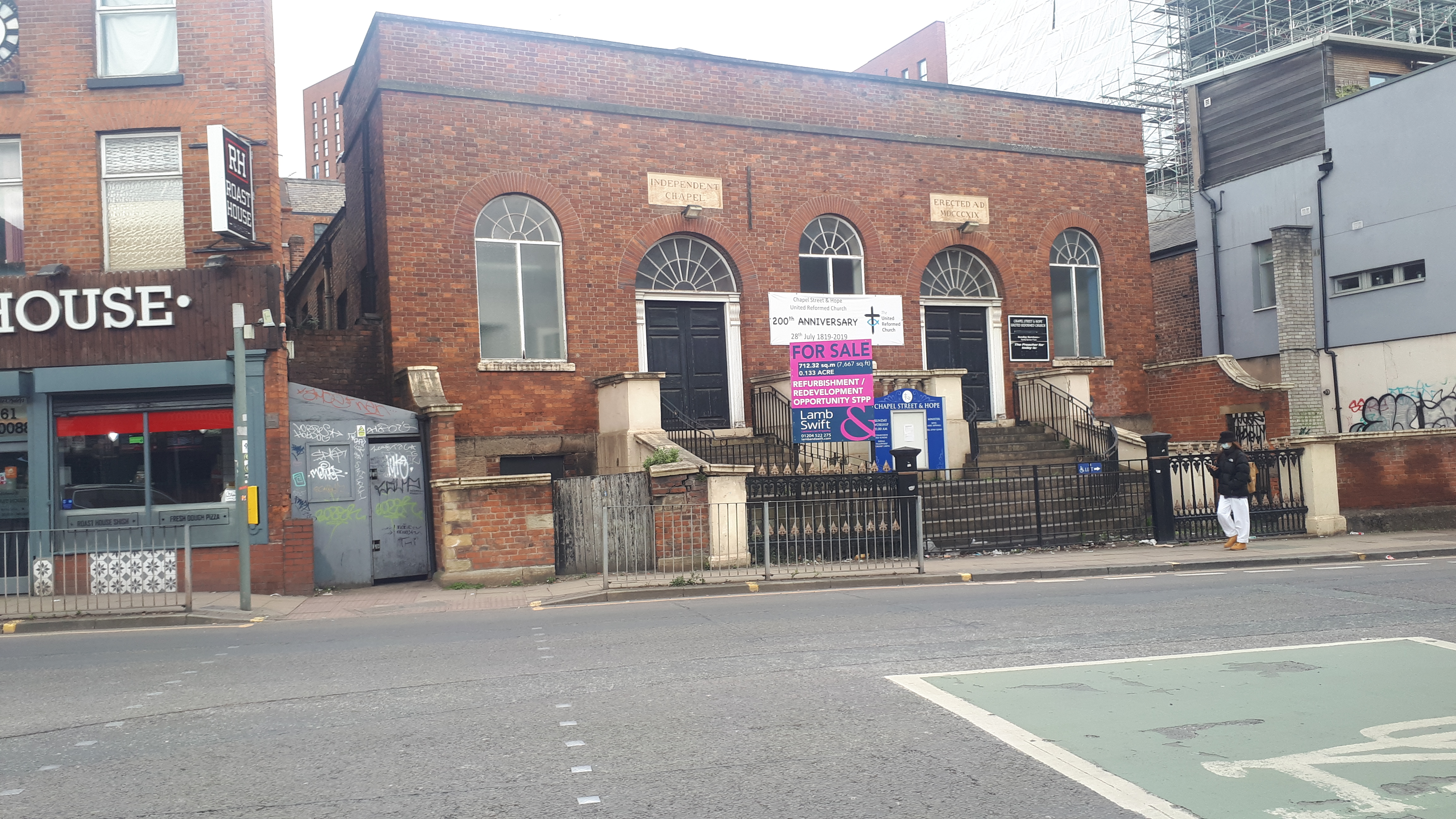
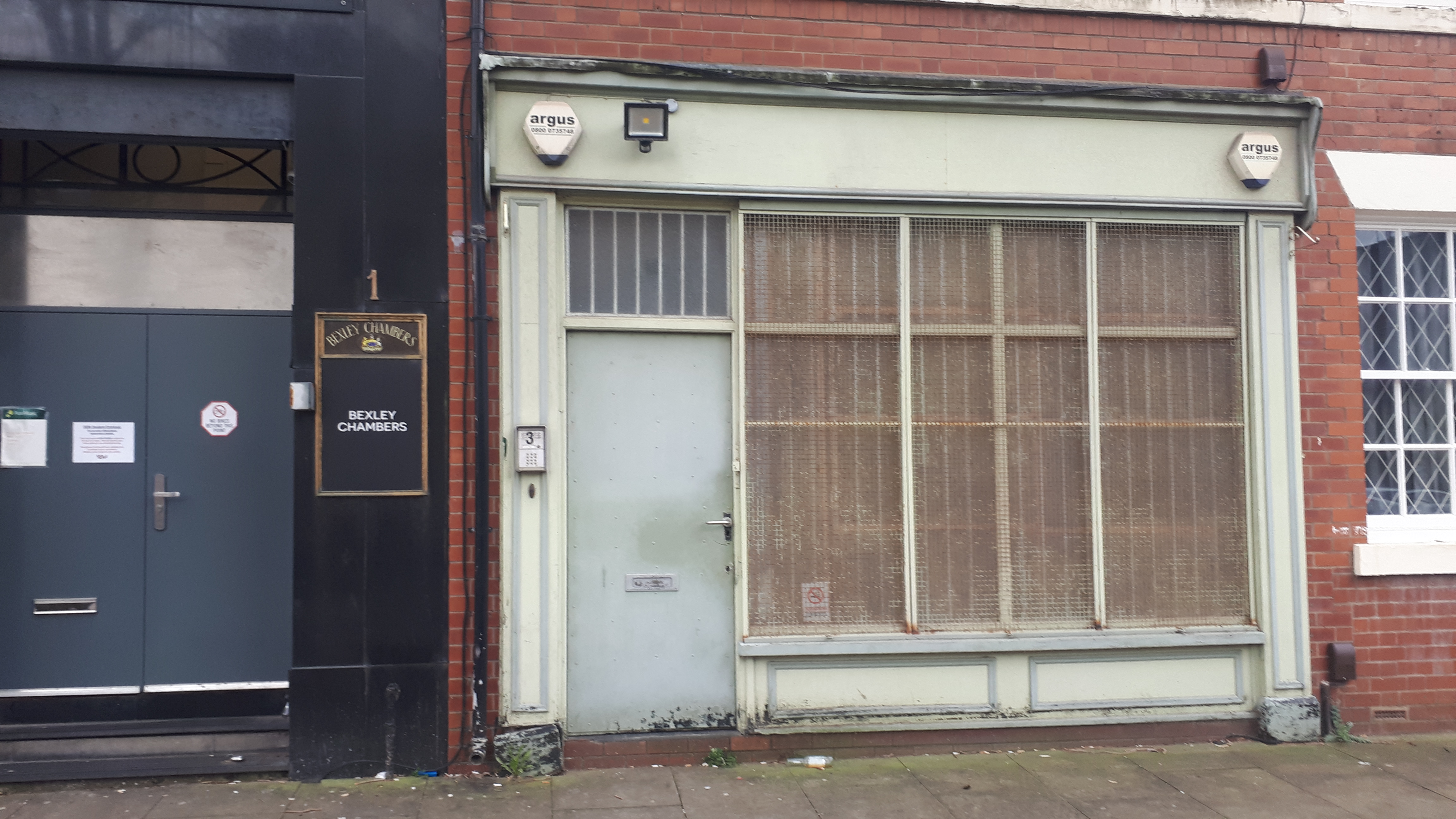
GAY VILLAGE
I found this amazing space when I attended an exhibition and a crafts/arts soiree. Unfortunately, after speaking to the person who organised it, he said this space is not for rent, and it will be gone soon, being turned into offices etc. So sad as it would be perfect!
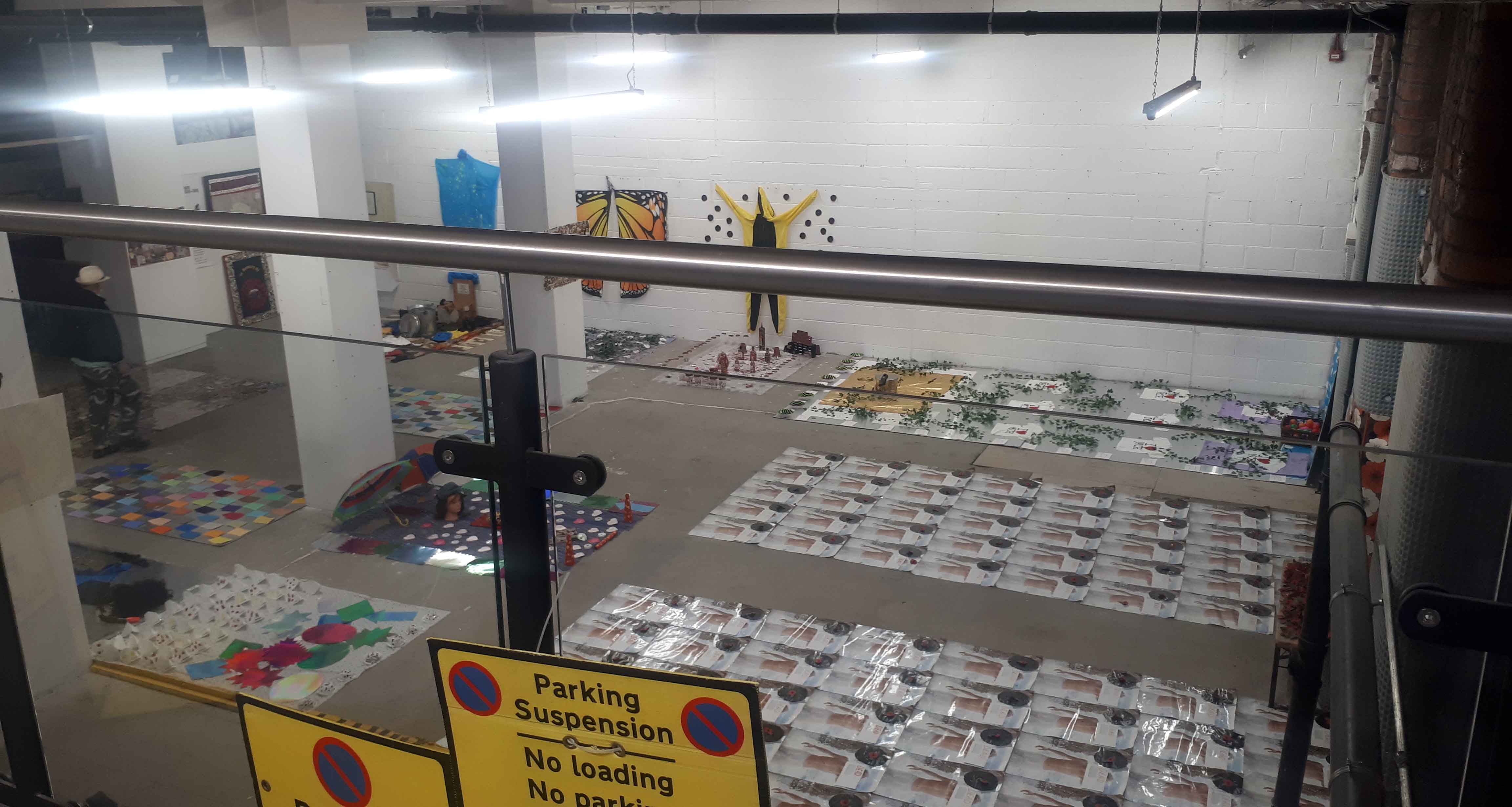
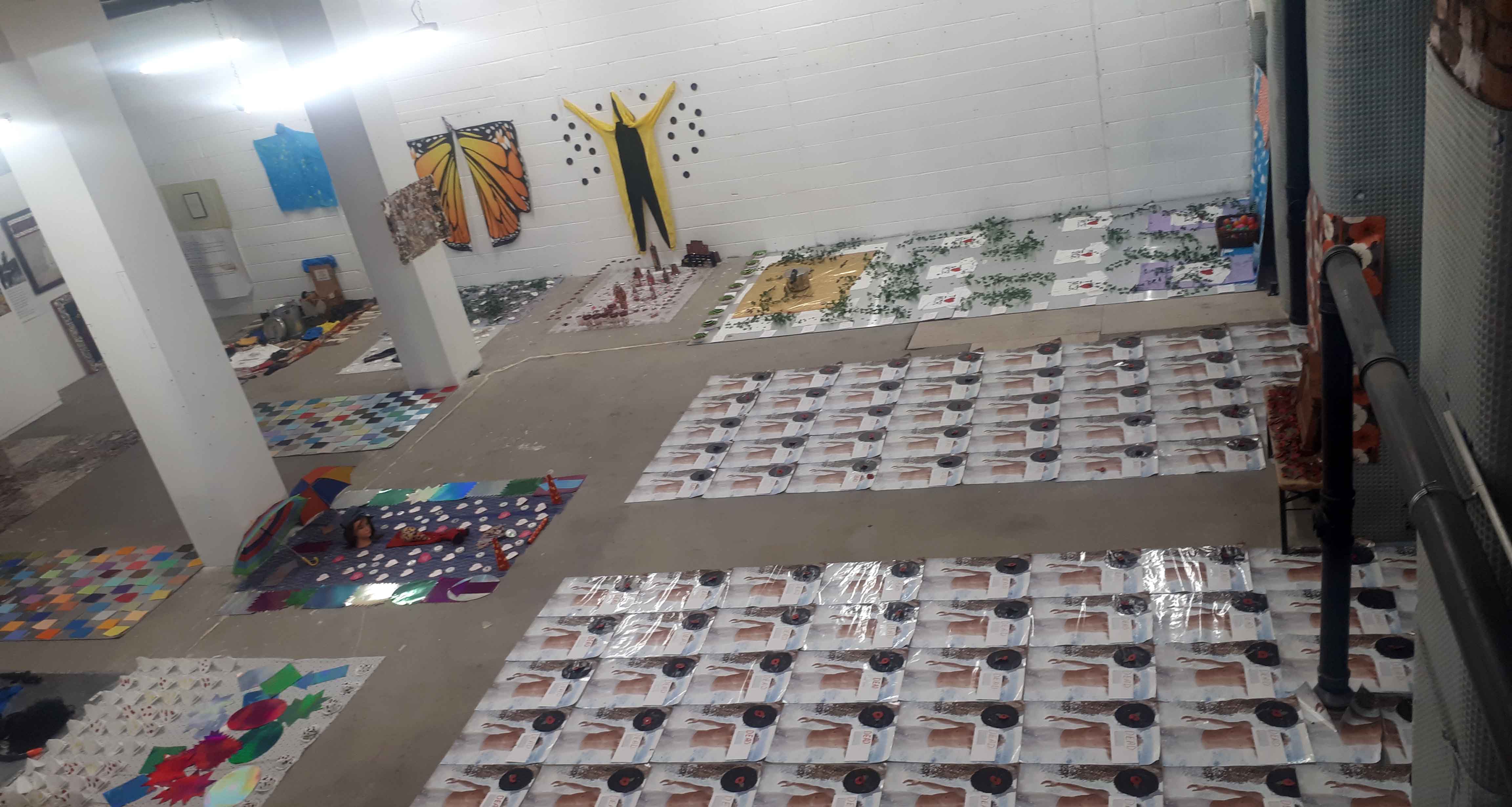
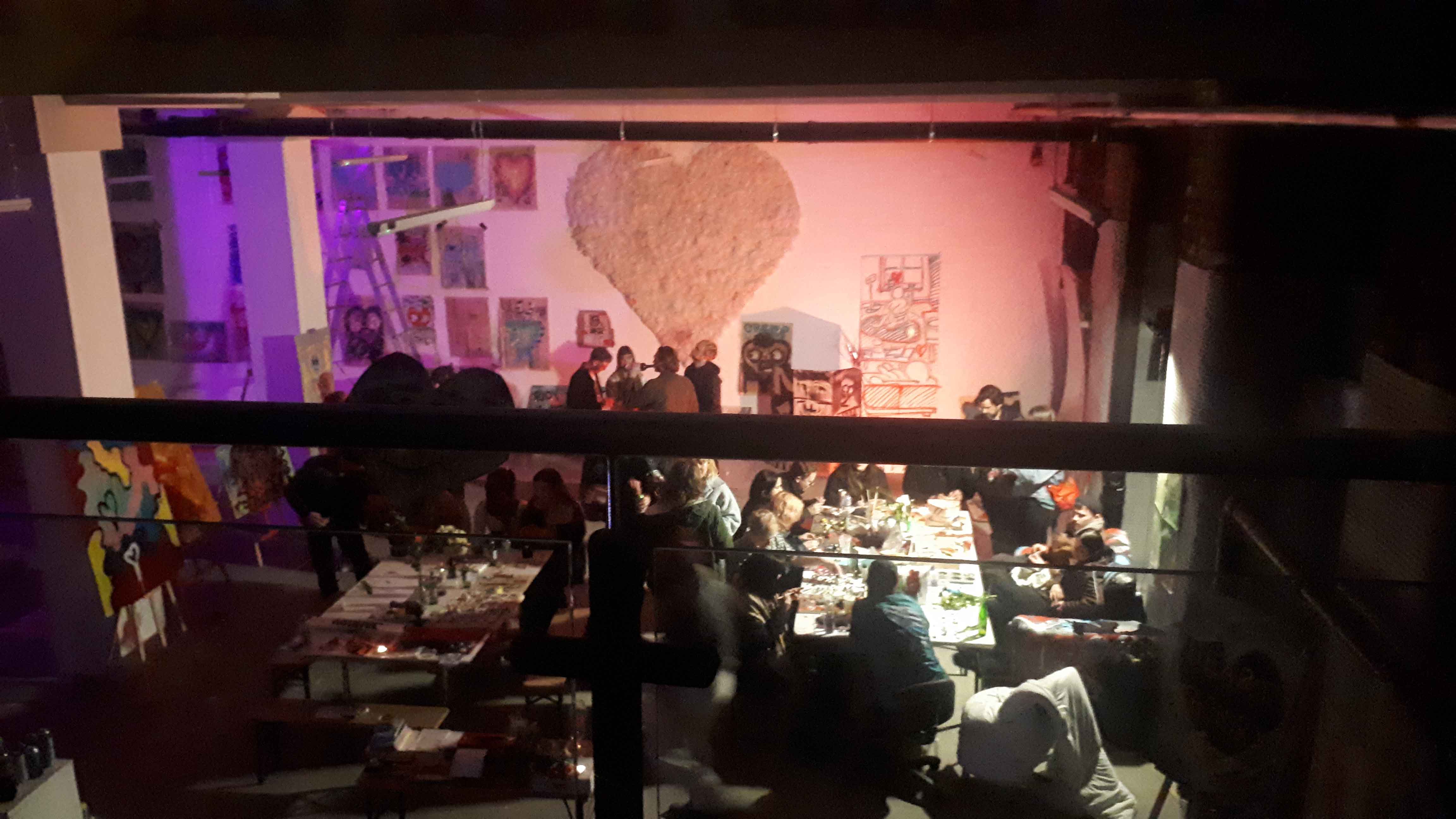
CONCLUSION: My extensive research into venue spaces opened my eyes to the possibilities that the city of Manchester has and gave me the confidence and drive to do something about it to promote my art. I met with managers and art directors, pitched my ideas to strangers and interestingly explained the concepts. I will most definitely carry this experience into my future endeavours, building on the knowledge gained throughout this unit and improving my ways of working/promoting.
MONDAY SELF-STUDY 04.04
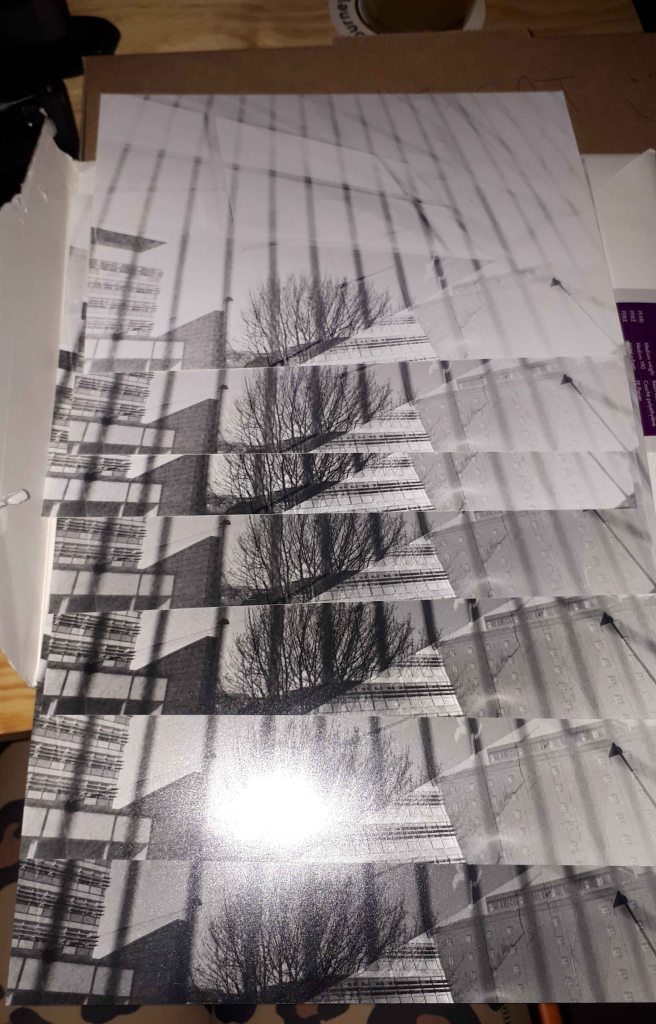
On Monday, I developed and scanned film in preparation for tomorrow’s tutorial, as Yan asked us to bring our most recent work.
I also continued working on my portfolio, printing for a few hours in the darkroom.
GROUP TUTORIAL WITH YAN TUESDAY 05.04
Yan asked us to bring prints of our newest work to today’s tutorial, so I spent some time yesterday at uni getting them ready. However, only three people showed up (out of ten!), and I was the only one that brought the prints. I am very discontented with our group’s productivity and attendance and really worried about our group’s exhibition if things keep going this way. I keep voicing it and keep telling people we should meet more, but nobody ever has time.
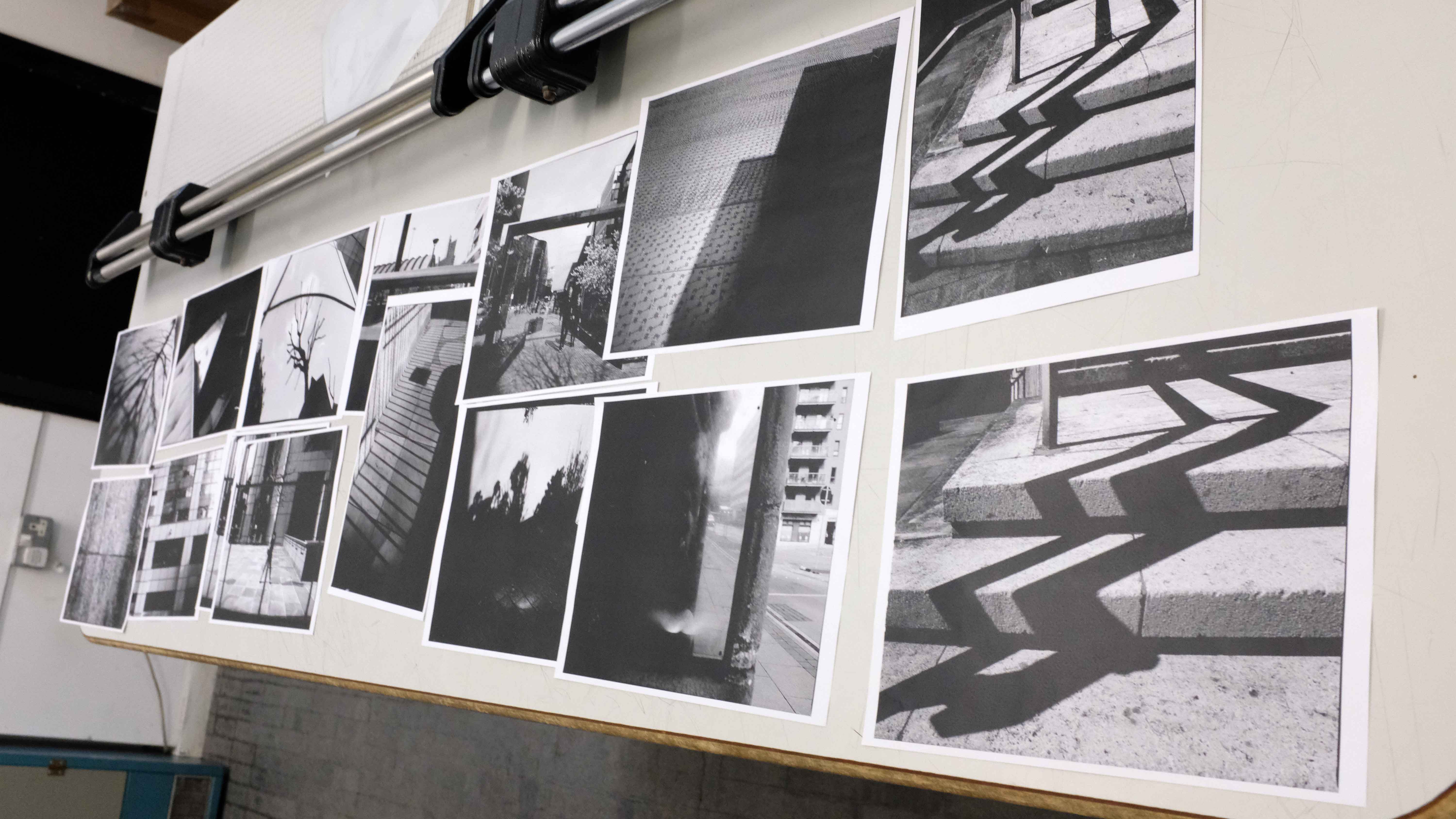
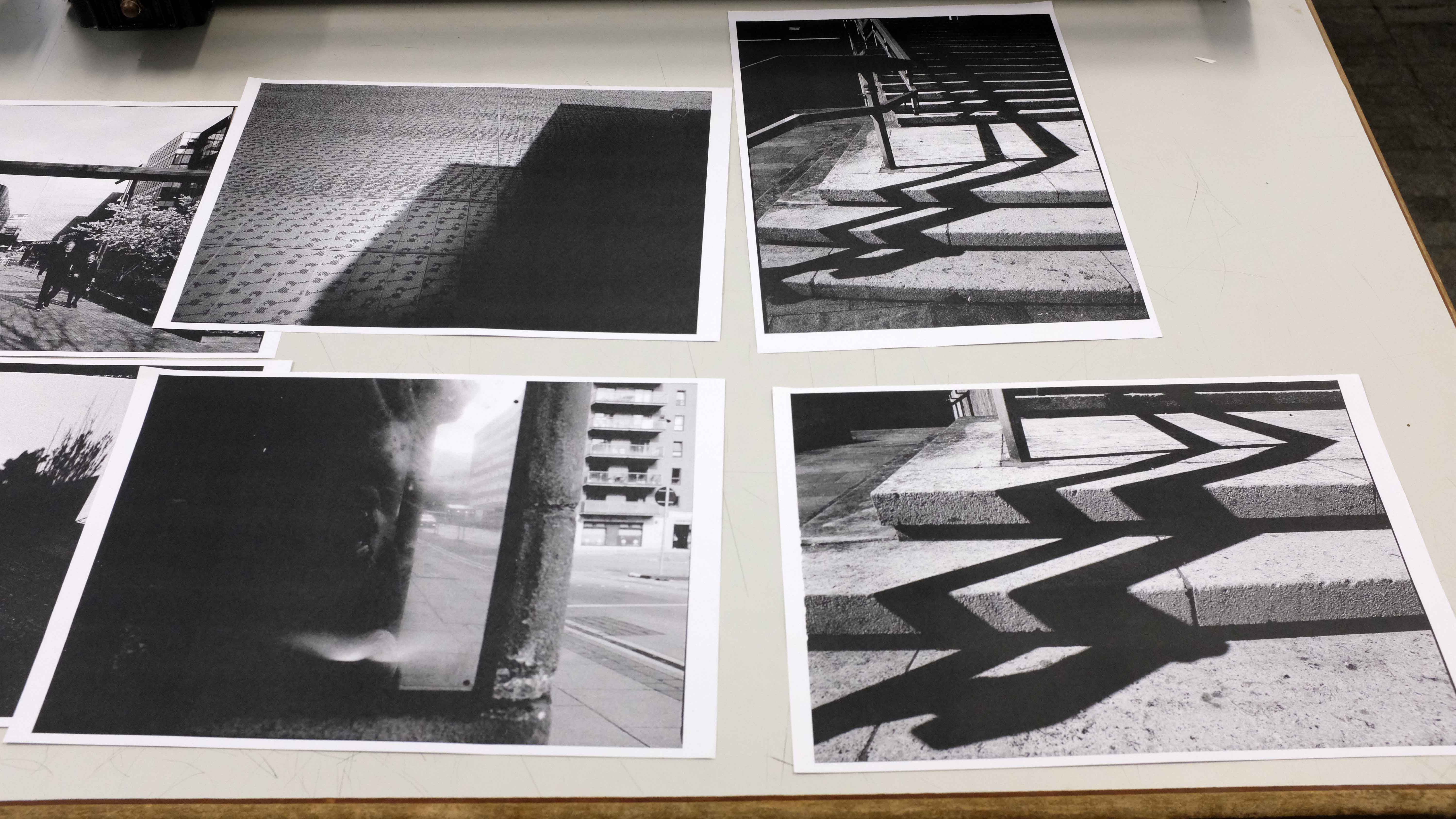
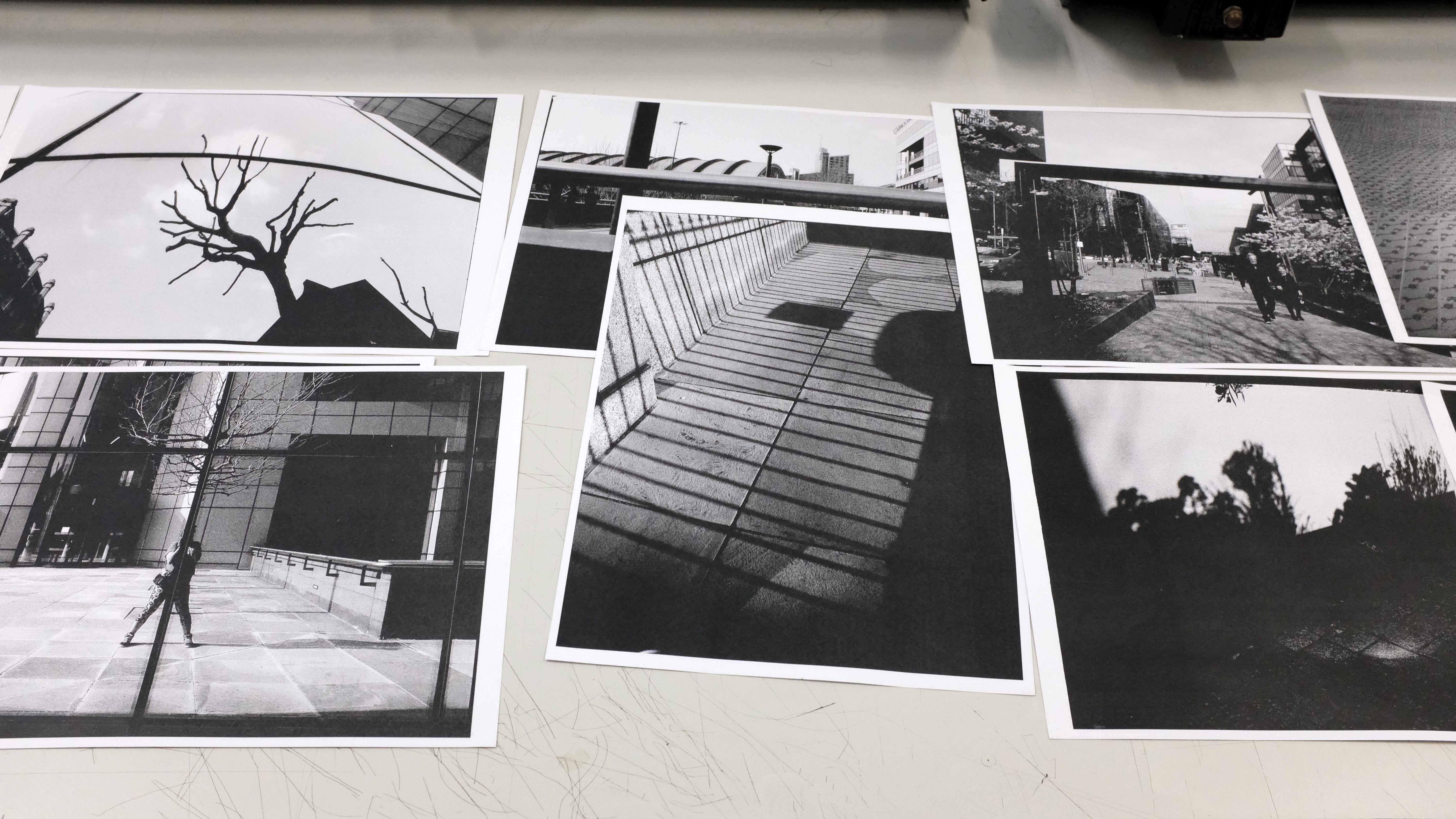
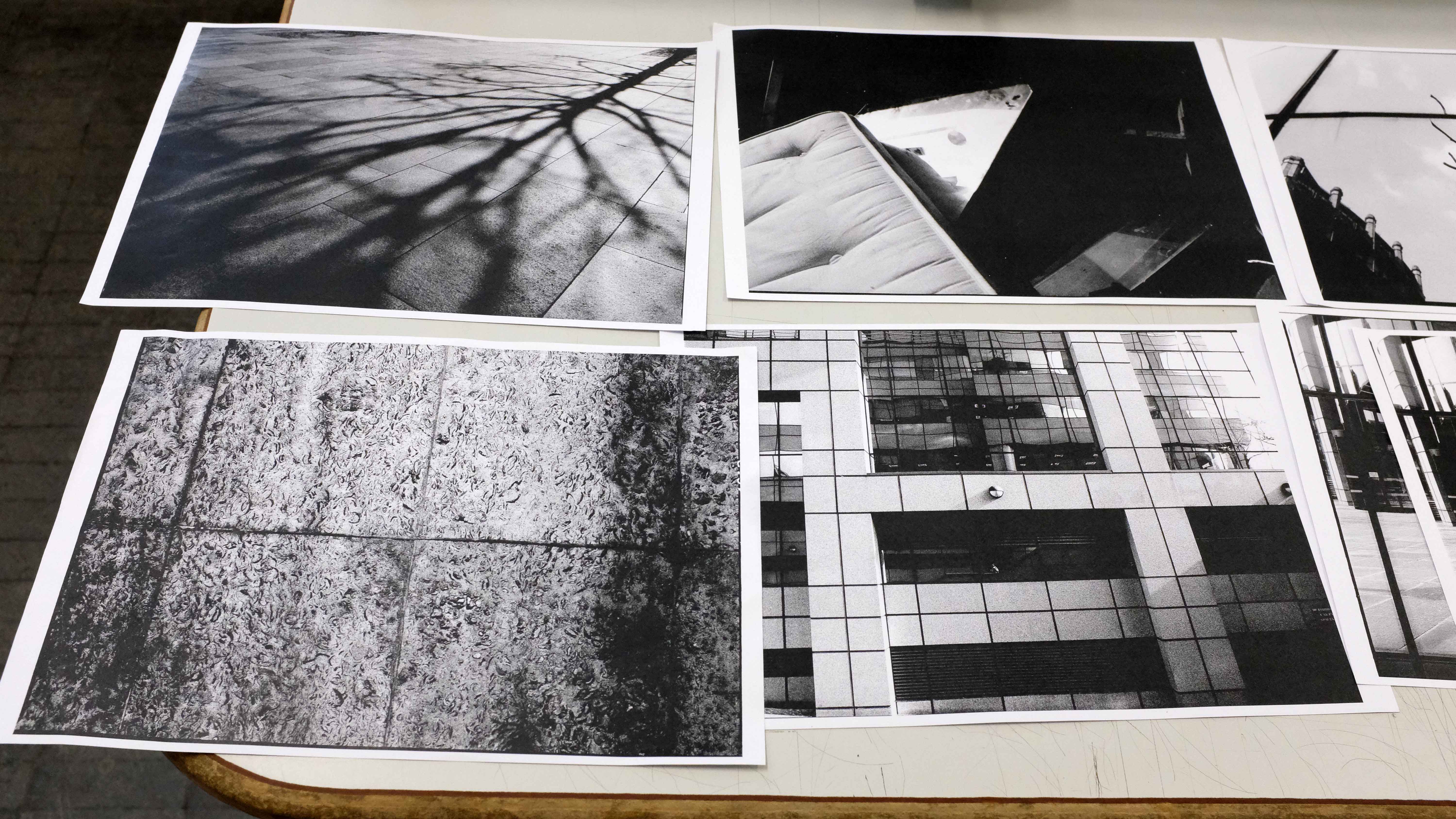
What I am learning again and again from the compulsory group assignments is to work with people of your choosing, people who you know will work hard and be on top of things and as keen as you are to make things happen. Unit X in the first year and this project taught me to be absolutely pedantic and rigorous about choosing my collaborators. Matters that could be so exciting, easy, stress-free and have the potential to grow are the opposite, depending on who you work with. It really makes me sad as I was very excited about this project and the opportunity to learn, get to know my classmates and create something we could be proud of, as it stands, I am very unsure about our future exhibition.
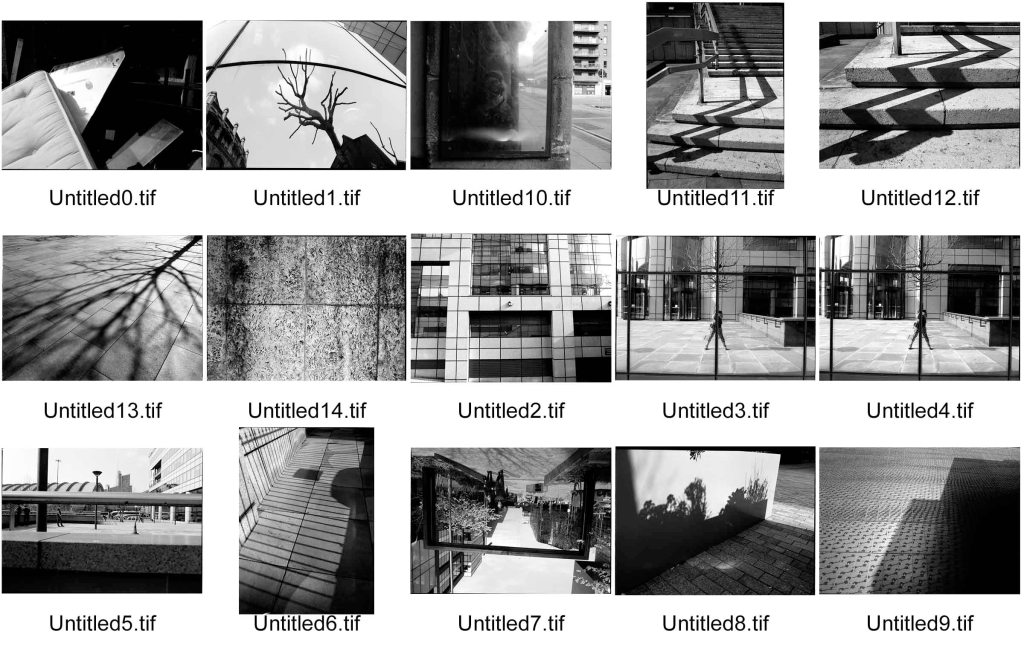
CONTACT SHEET FROM MAMIYA 645 PRO TL
SHOT LAST WEEK
VILLAGE GREEN LECTURE WITH BINDI VORA – WEDNESDAY 06.04
Homepage
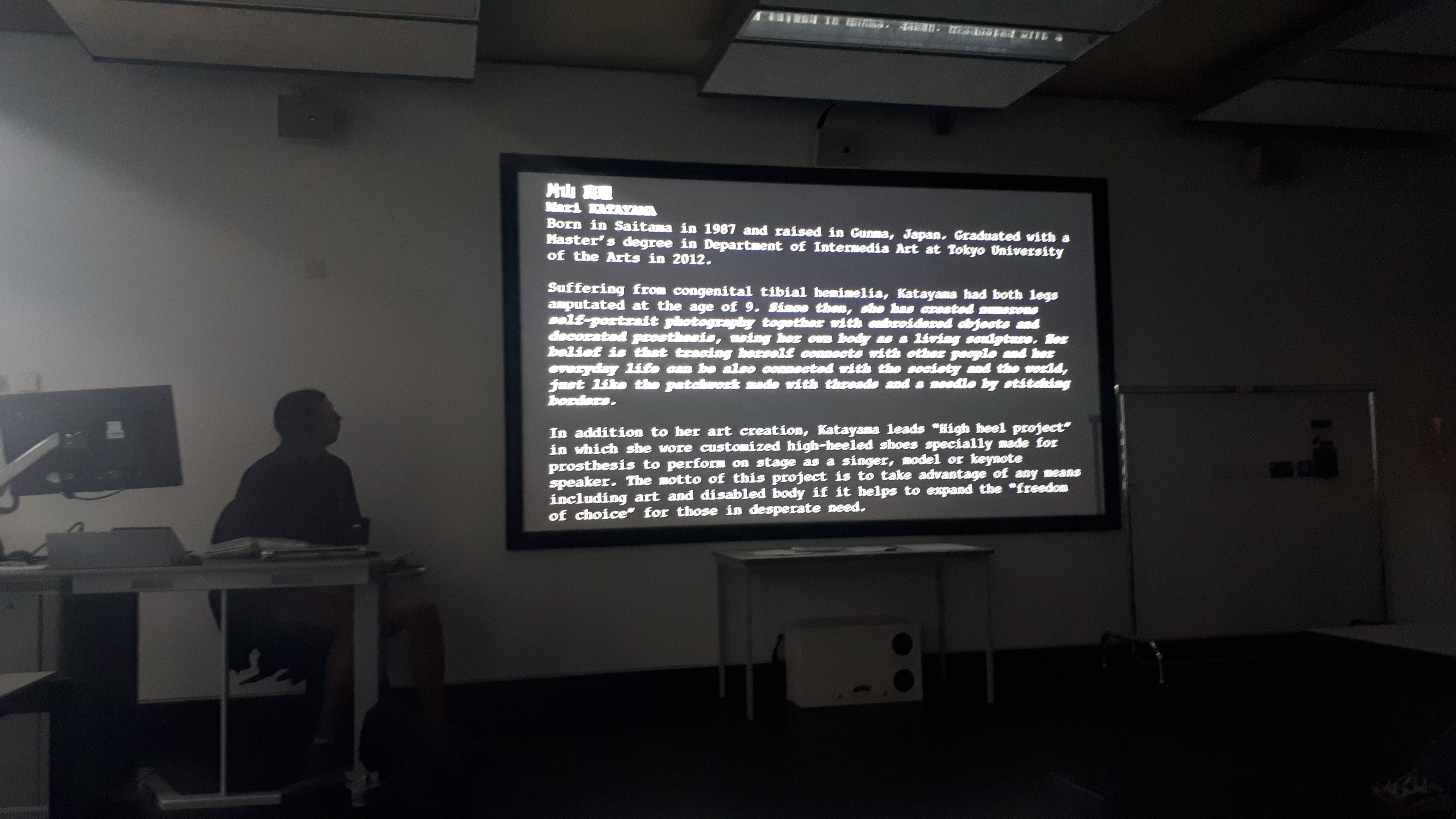
Bindi Vora is a British-Indian interdisciplinary photographic artist, curator and lecturer. Her practice utilises various analogue processes, often taking inspiration from her everyday surroundings, which include an archive of images procured over the last decade. She is interested in the way materials or ephemera can be reused or recycled to create new narratives but can be traced back to other works, almost like interconnected tissues. Bindi also curates and works for the organisation Autograph. She will be sharing some insights from both sides of her practice.
NOTES from this lecture:
- https://autograph.org.uk/
- Hospital Rooms https://hospital-rooms.com/
WRITE here smth about the lecture
GROUP MEETING THURSDAY 07.04
On Thursday, we had a group meeting with half the group joining online via Zoom call and another half in person at Benzie. We had a very productive hour during which we made a solid plan for the next few weeks of work, stepping up our game, getting more active on social media etc.
CONCLUSIONS from the meeting:
- I took upon myself to make a website and run Instagram page
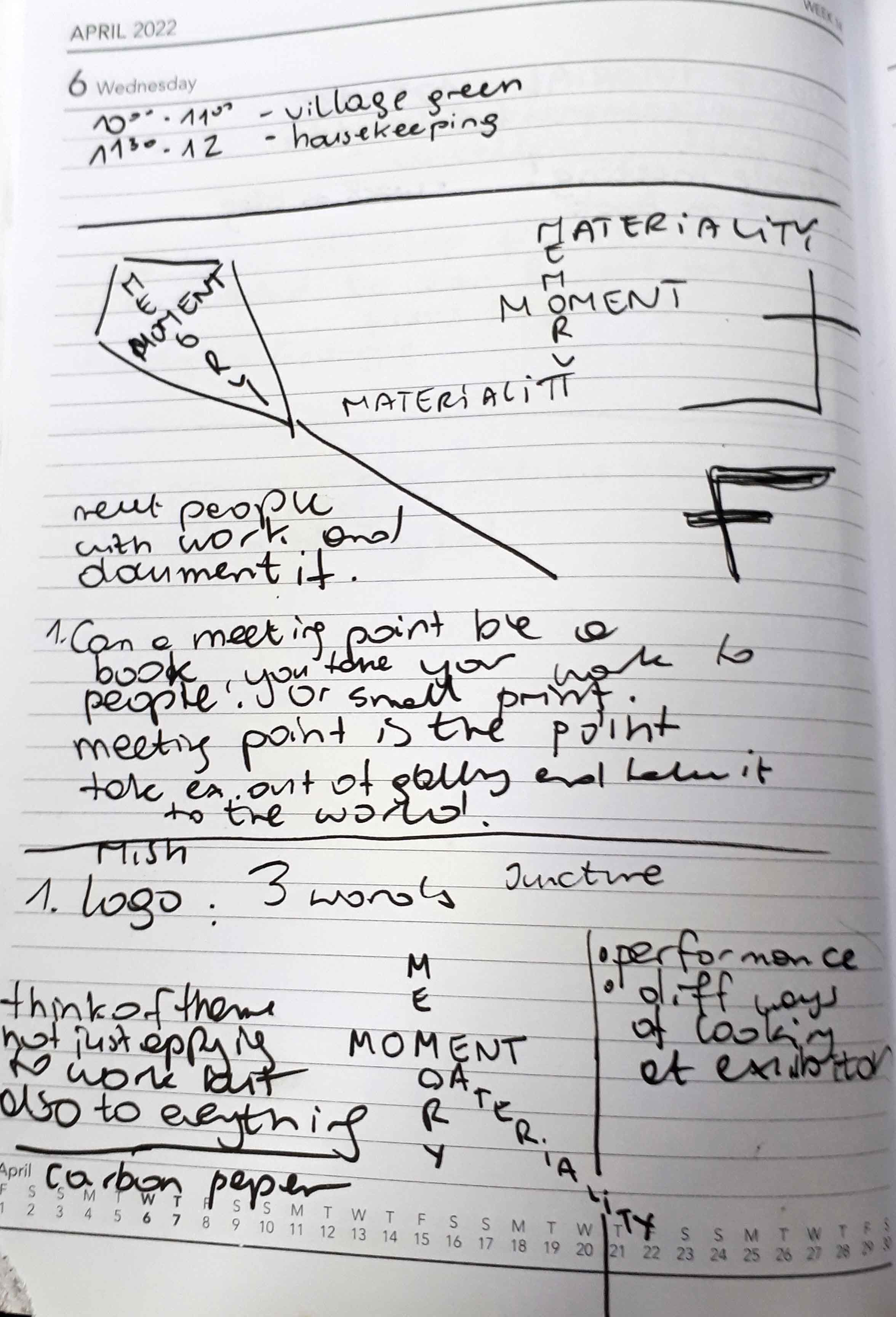
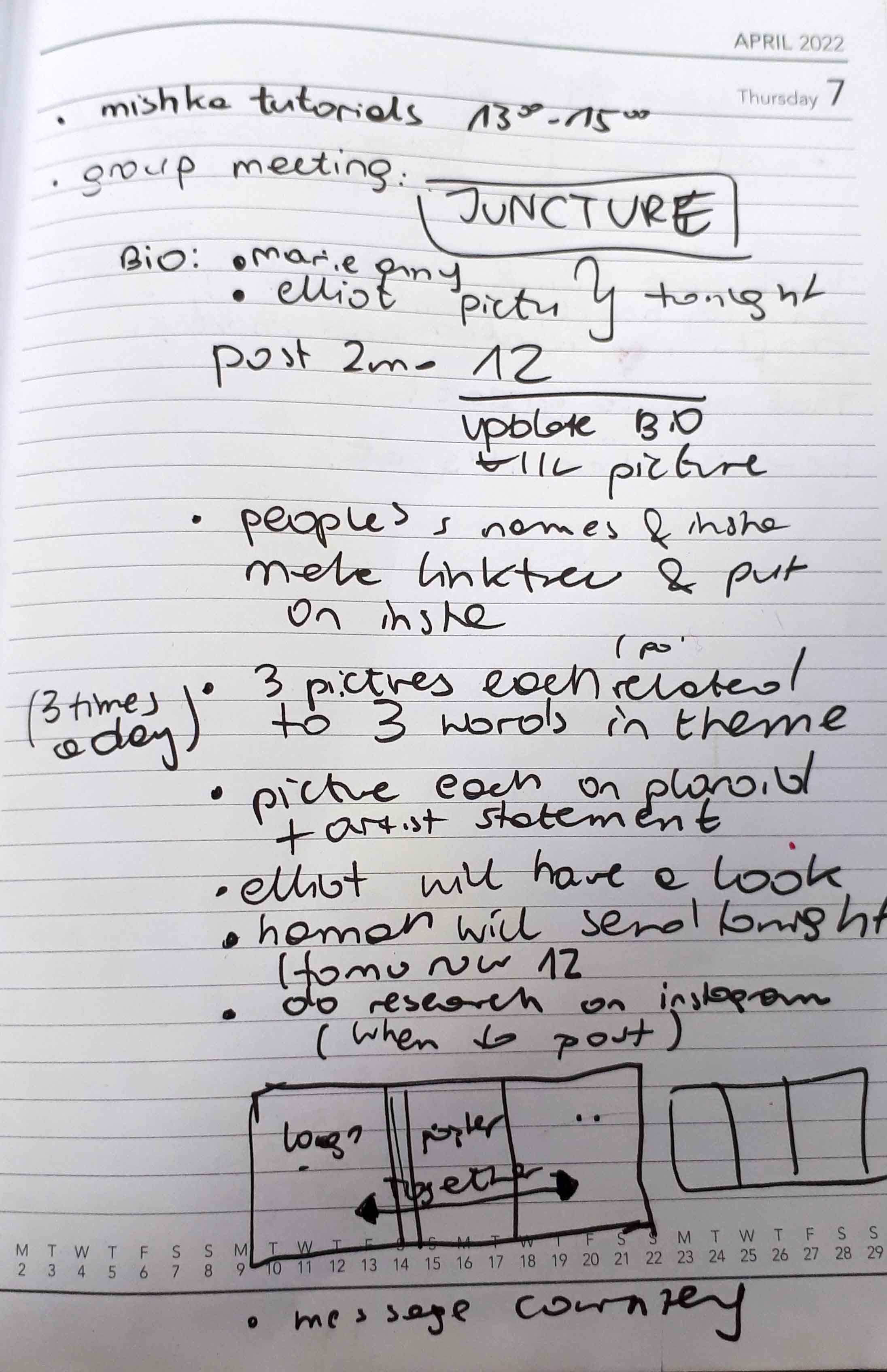
- We decided that each person will send me three photographs that inspire the themes of Moment, Materiality and Memory for them, and I will post them on our account in order to get interest and traffic going for our exhibition social mediaI came up with the idea of taking each member’s portrait with Polaroid and then sharing it, altogether with an artist statement, on our Instagram page. Additionally we can use it for ou exhibition booklet, Polaroid encapsulating the themes of Moment, Materiality and Memory perfectly
- I keep emailing and looking for the venue as everyone that I contacted and was up for it got ill, is away or not replying to emails so we found ourselves a bit stuck! I keep persevering and keep trying to contact people through all the means possible (Instagram, website, Facebook, emails, going there in person and phone calls…I tried everything!)
- we assigned other tasks to different people
TUTORIAL WITH MISHKA HENNER
I booked a tutorial with Mishka Henner, with my main aim to talk to him about our exhibition. I shared with him our vision but also troubles with finding a venue. He suggested having a mobile exhibition where people/audience would meet us in different places, and we present work to them here and there as prints. I really liked this out of the box thinking, however, I thought it was not what the whole group would like. Having never done an exhibition, I think it’s hard enough to wrap our heads around organising it in the traditional space, never mind something a bit risky. I loved this idea and might develop it further/tweak it as an exhibition/performance when I have more following and would be more likely to get a response from the audience.
SATURDAY AND SUNDAY SELF-STUDY 9-10.04
Over the weekend, I mainly did two things – met up with people around Manchester to take their Polaroid portraits and learned about ins and outs of effective Instagram usage, social media posts, Linktree (https://linktr.ee/) and scheduling sites like LATER.
How to Make a Linktree on Instagram (2020)
Great, informative video and I finally learned how to use a link tree! There were some small issues/troubleshooting, but I solved that through more reading and research and deepened my knowledge on this subject.
INSTAGRAM RESEARCH
How To Add A Title Under Your Instagram Name (2018)
From this video, I learned how to change an account into a professional/business one, the options that come with it and the benefits of it (eg. being able to see your stats and seeing the engagement so you can share at the best times for your audience).
Best Time To Post On Instagram 2022 | New Instagram Chronological Feed Update | Statusbrew (2022)
This video covers, in a nutshell, everything you need to know about posting times and how to maximise your viewer engagement.
5 Things to Do AFTER You Post on Instagram (Instagram Growth!) (2021)
Super useful video! Things to do after posting:
- add post to the story: stories have different algorithms and different sets of people will see them!
- reply to/get engaged with comments (especially within 15 minutes of receiving comments)
- engage with others (people you already know/follow but also new people)
- distribute your content – spreading your content through different channels eg. include your social media post in mail chimp newsletter, , blog post where you can add it,
- CRUCIAL – check your insights
Instagram Marketing 101: Using Hashtags, Stories, and More to Grow Your Business (2021)
Top tips from this video:
- make content that no one has seen before
- don’t try to be perfect
- add human element
- be consistent: use a scheduling tool (eg.later)
- be active and dynamic in your posts
- think like Instagram: reels
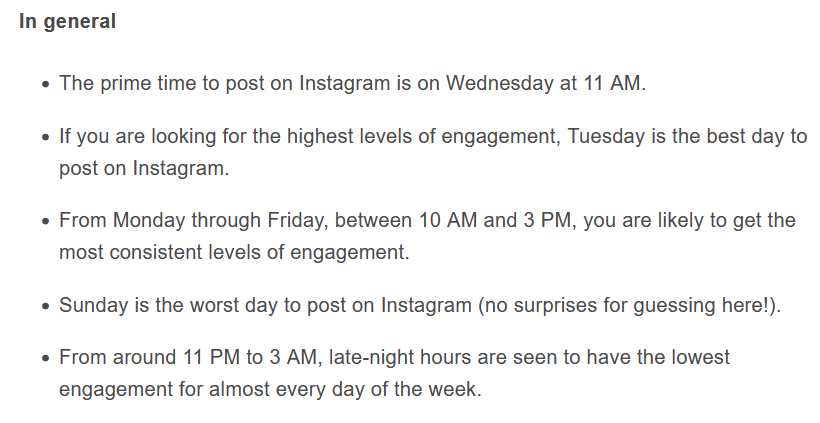
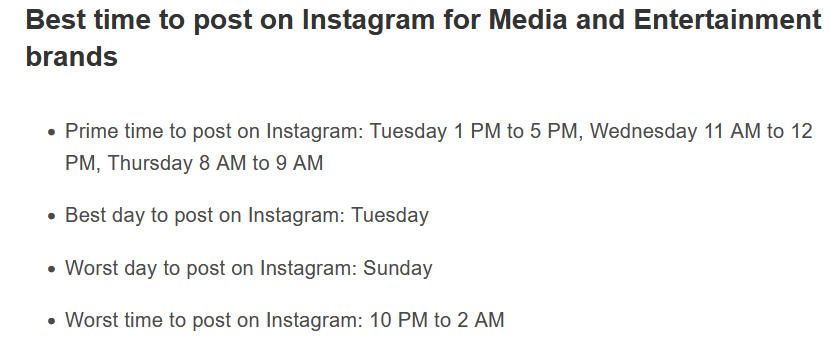
Additionally, I read this very useful article about the best times and days to post on Instagram (and other nuances) at https://statusbrew.com/insights/best-time-to-post-on-instagram/#best-day-and-time-to-post-on-instagram-by-days-of-week:
The Best Time To Post On Instagram In 2022
Best time to post on Instagram on Monday
11 AM to 1 PM is the best time to post on Instagram on Monday. A consistent engagement starts at morning 8 AM and remains till 8 PM. Instagrammers usage gradually drops after that and is observed lowest from 11 PM to 6 AM.
Best time to post on Instagram on Tuesday
10 AM to 5 PM is the best time to post on Instagram on Tuesday. A significant amount of engagement still prevails until 10 PM in the night, after which the engagement rate starts to degrade slowly.
Best time to post on Instagram on Wednesday
Same as Monday, 11 AM to 1 PM is the best time to post on Instagram on Wednesday. A long belt of consistent engagement stays on Wednesday starting right from morning 6 AM to 11 PM, which is also the longest stride in the entire week.
Best time to post on Instagram on Thursday
11 AM to 12 PM is the best time to post on Instagram on Thursday. A pretty high amount of engagement remains from 10 AM to 4 PM, after which it gradually starts decreasing, achieving its lowest peak at 12 AM to 4 AM.
Best time to post on Instagram on Friday
11 AM to 1 PM is the best time to post on Instagram on Friday. The engagement rate starts early on a Friday morning from 7 AM and dips early at 5 PM. Friday night observes the lowest engagement from 10 PM to 7 AM.
Best time to post on Instagram on Saturday
10 AM to 1 PM is the best time to post on Instagram on Saturday. Saturday is the second-worst day to post on Instagram after Sunday, as even during the peak time, the engagement rate is observed low compared to other weekdays. The lowest engagement rate on Saturday is seen from 4 PM to 8 AM.
Best time to post on Instagram on Sunday
9 AM to 4 PM is the best time to post on Instagram on Sunday. However, the quality of Instagram engagement observed on a Sunday is the lowest compared to other weekdays. That’s why Sunday is also the worst day to post on Instagram if you want your post to gain the exposure it deserves. 6 PM to 8 AM is the worst time to post on Instagram on Sunday.

I looked for best hashtags for our posts at http://best-hashtags.com/hashtag/exhibition/, and for the moment I am using:
#photographyexhibition #photography #photographycollective #manchesterschoolofart @mcrschart #manchesterphotographer #exhibition #artshow #manchesterexhibition #artshow #photographyart #photographyproject #manchesterphotographers
But I intend to keep developing them and add more relevant hashtags.
I researched how to put a video on instagram (sepecialy a longer one)
SHOOTING POLAROID PORTRAITS OVER THE WEEKEND
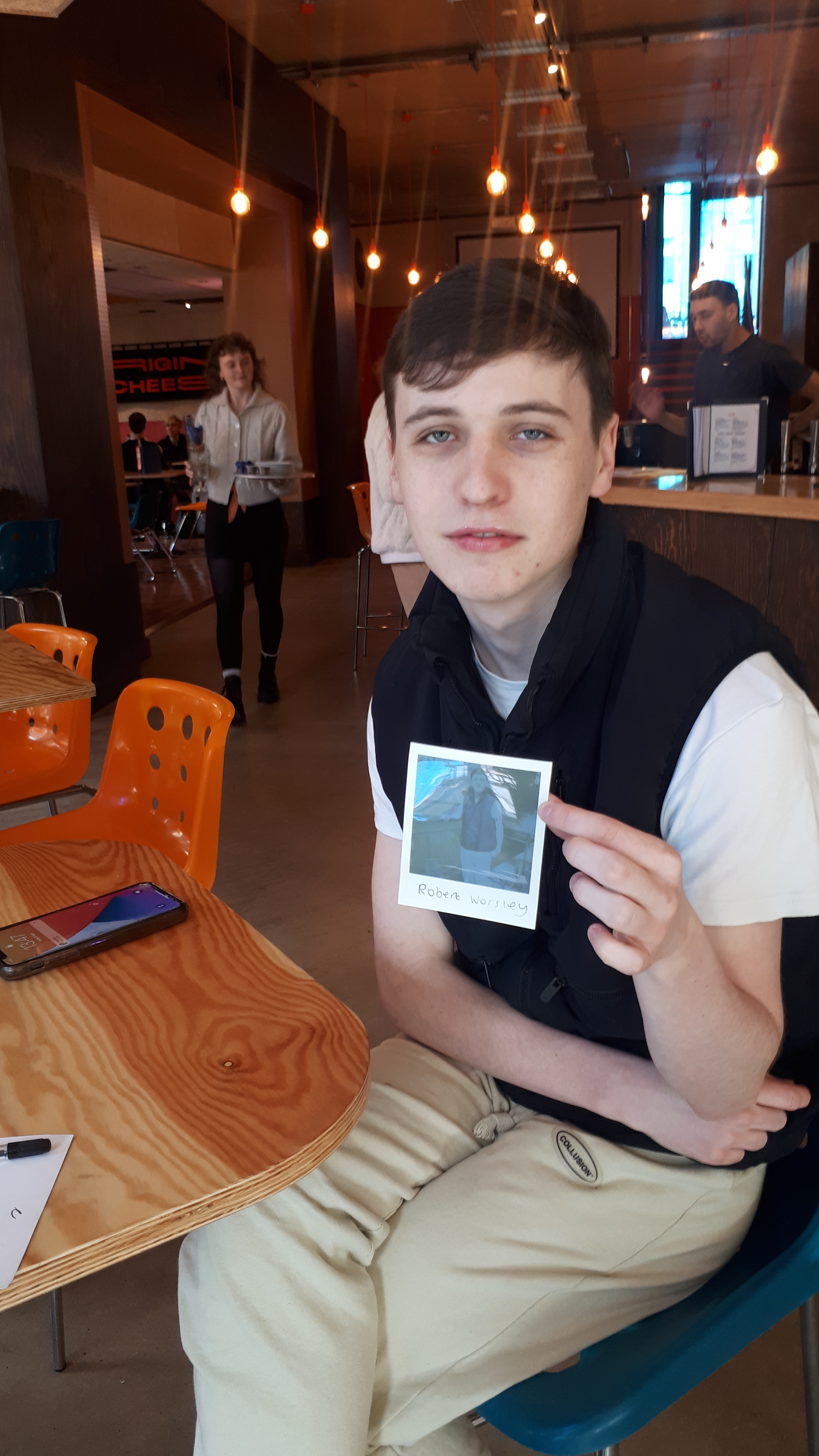
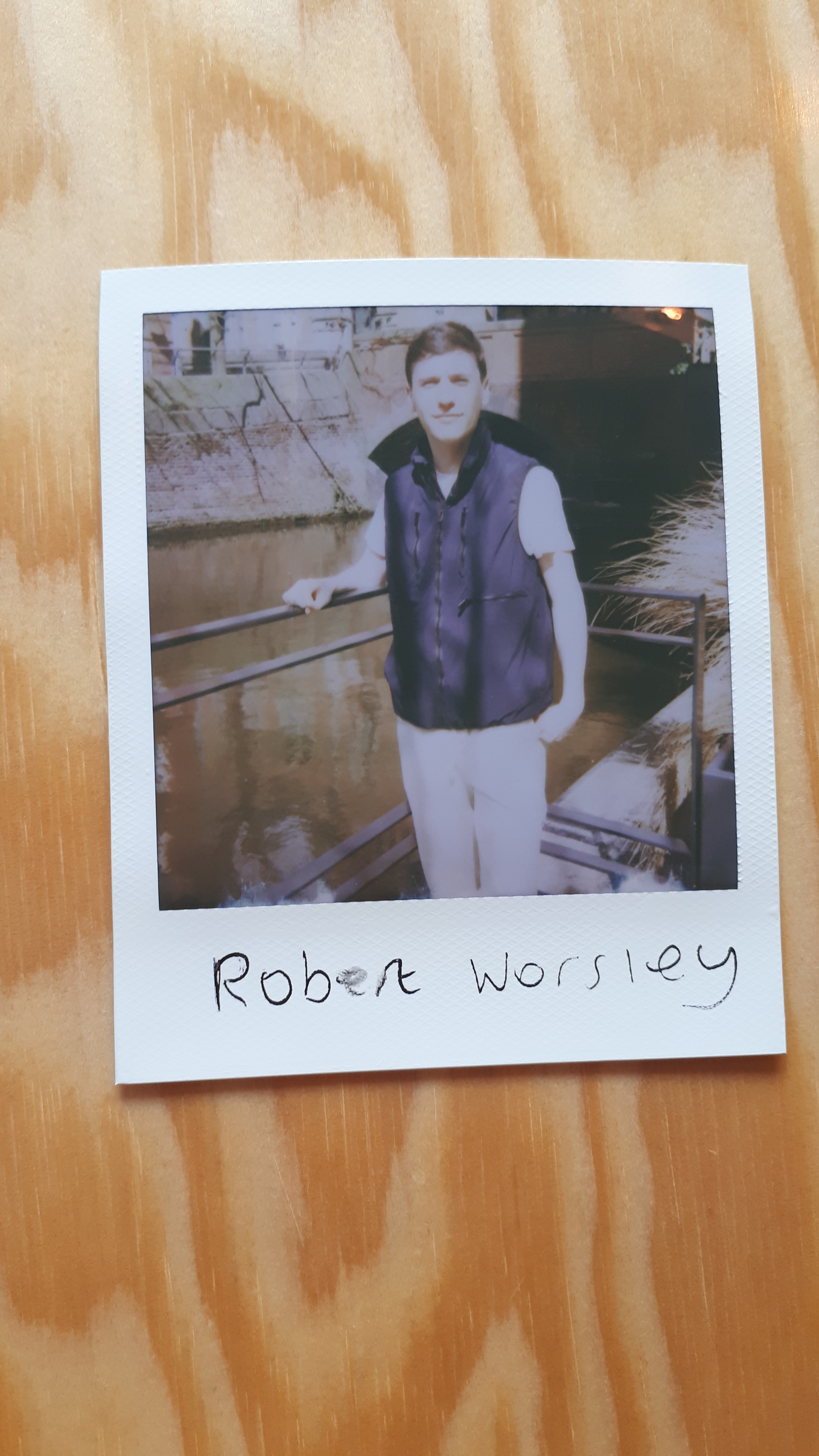
MEETING WITH ROBER WORSLEY
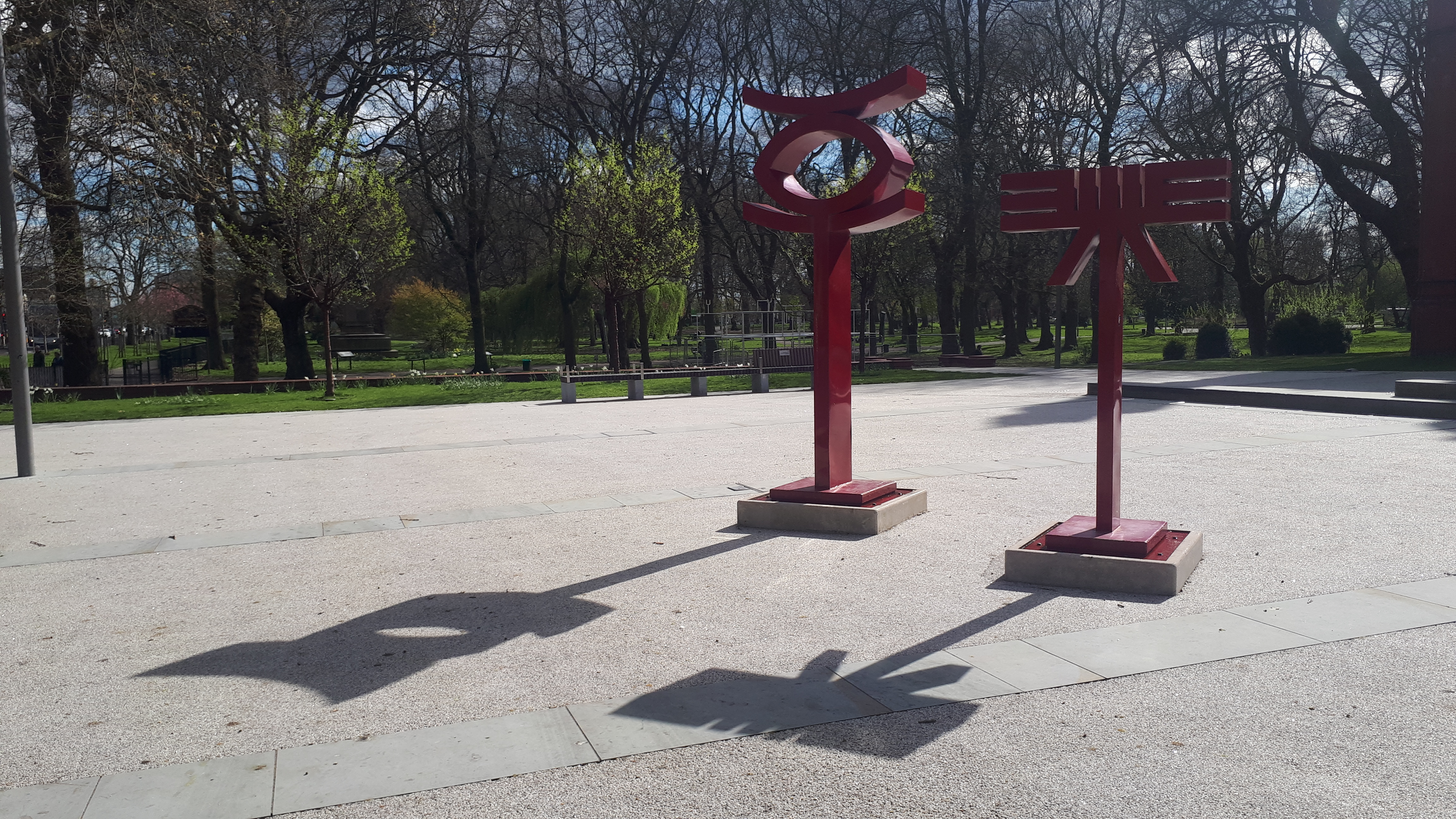
Before Rob arrived, I walked around the area, pre visualising potential backgrounds for his portrait.
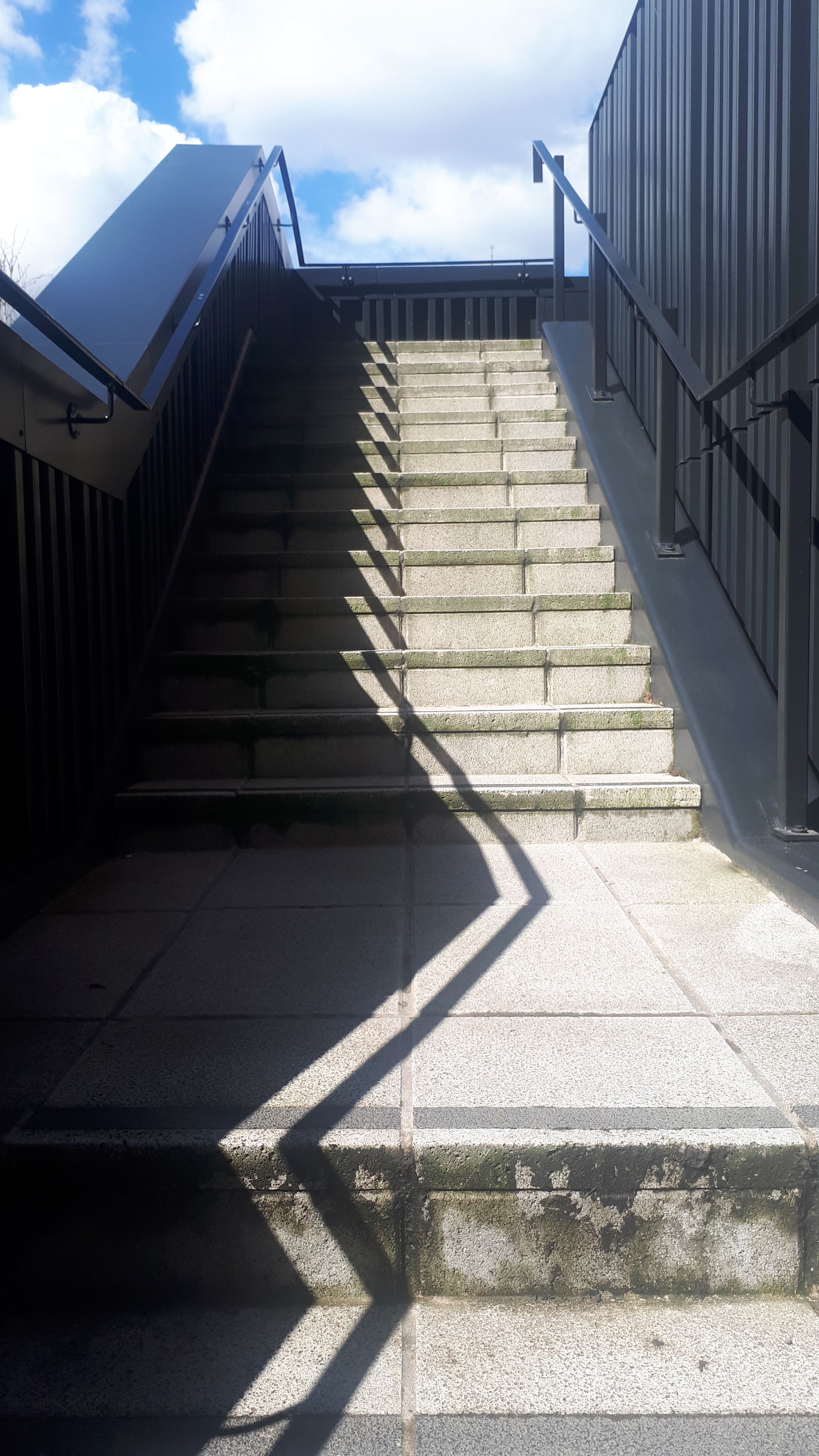
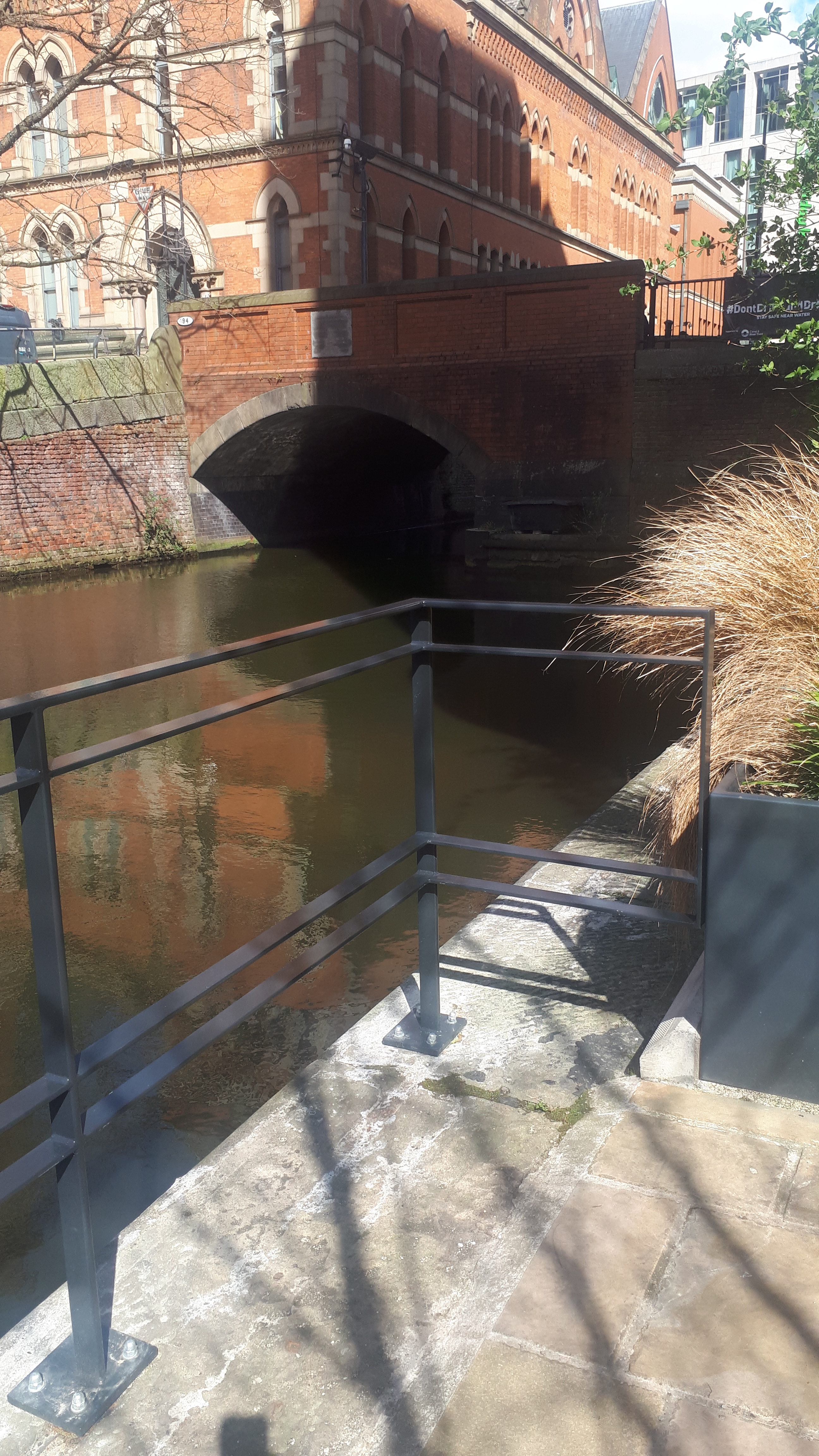
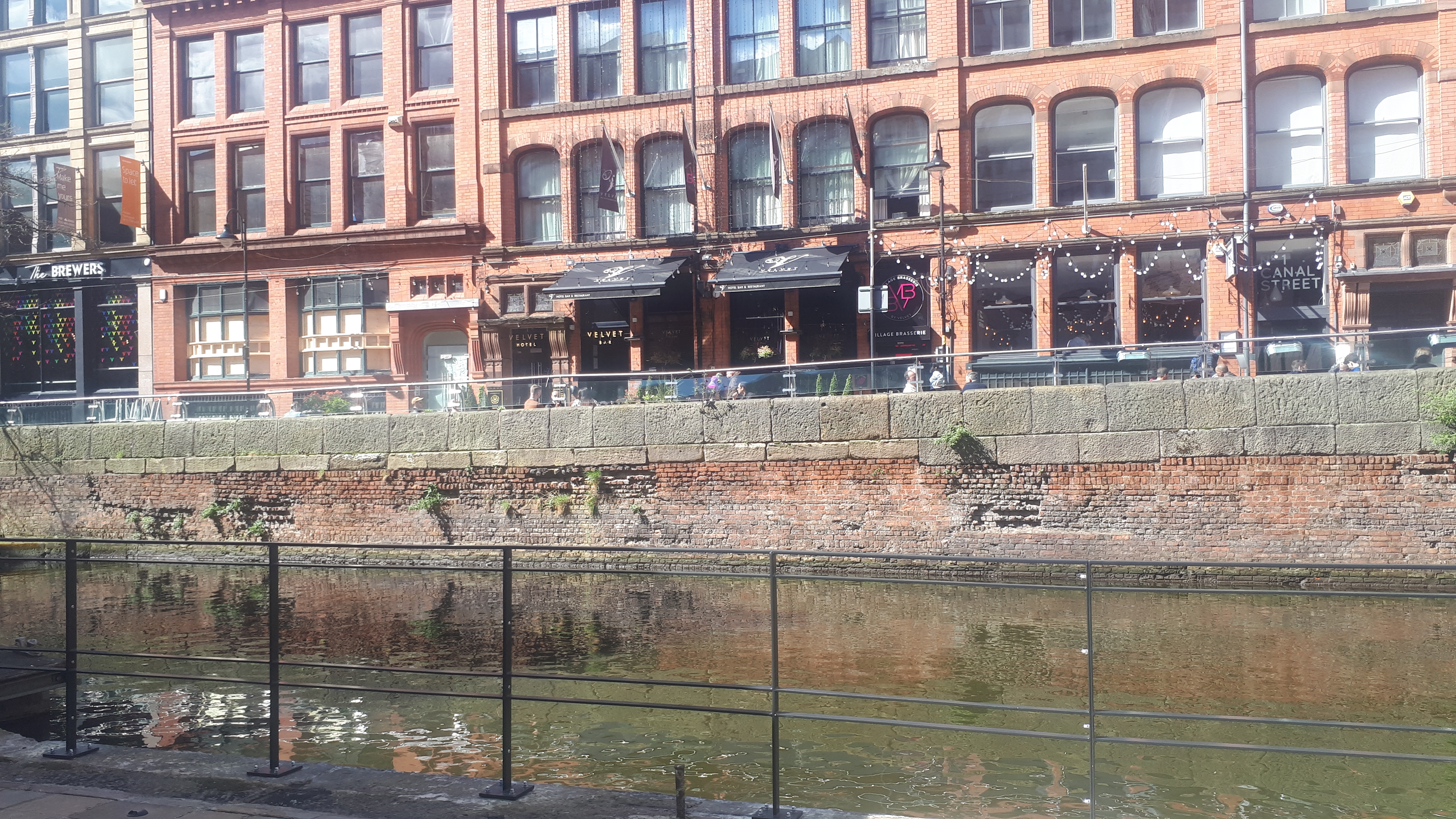
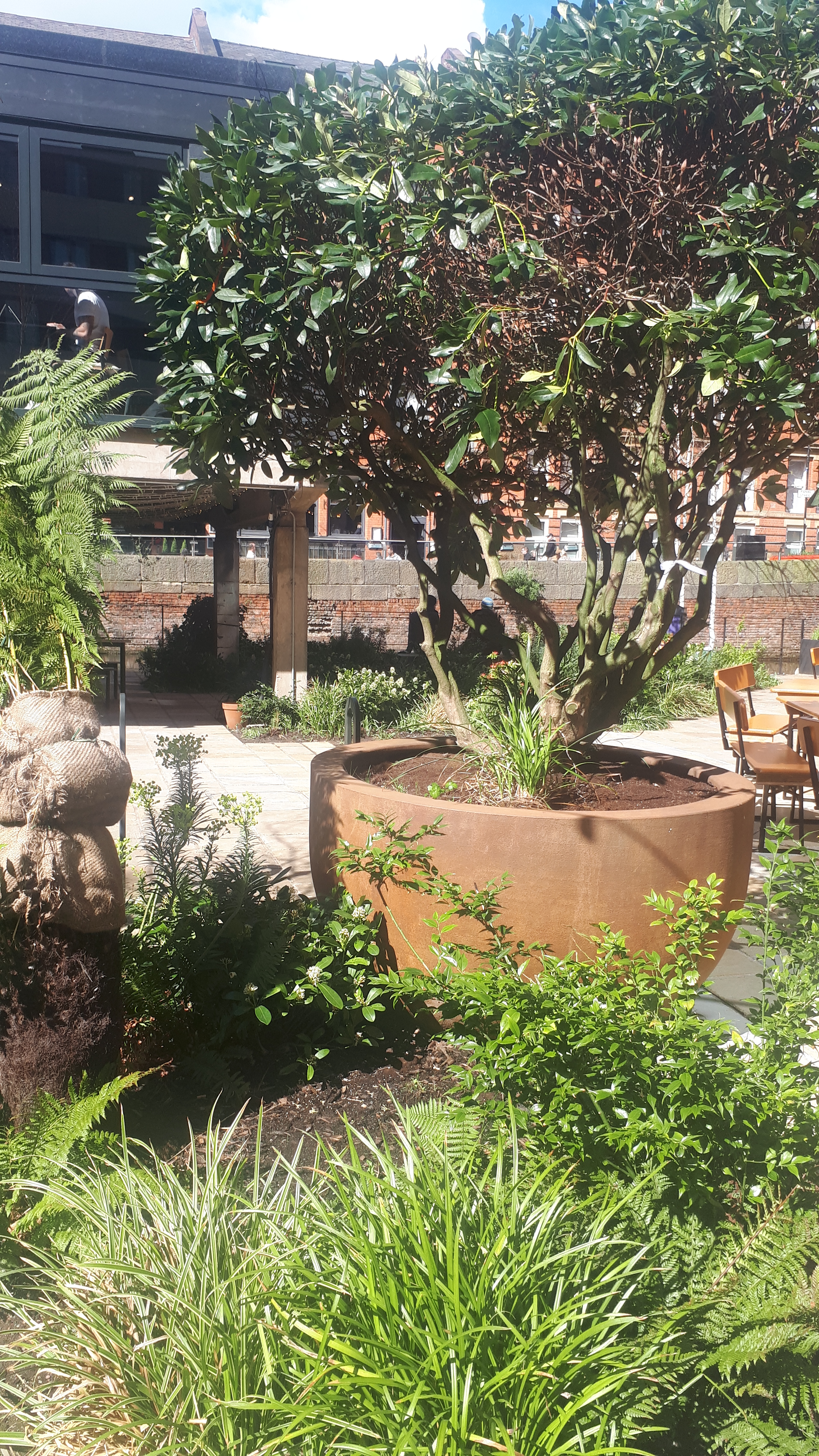
I showed them to Rob, and I proceeded to shoot after he made his choice.
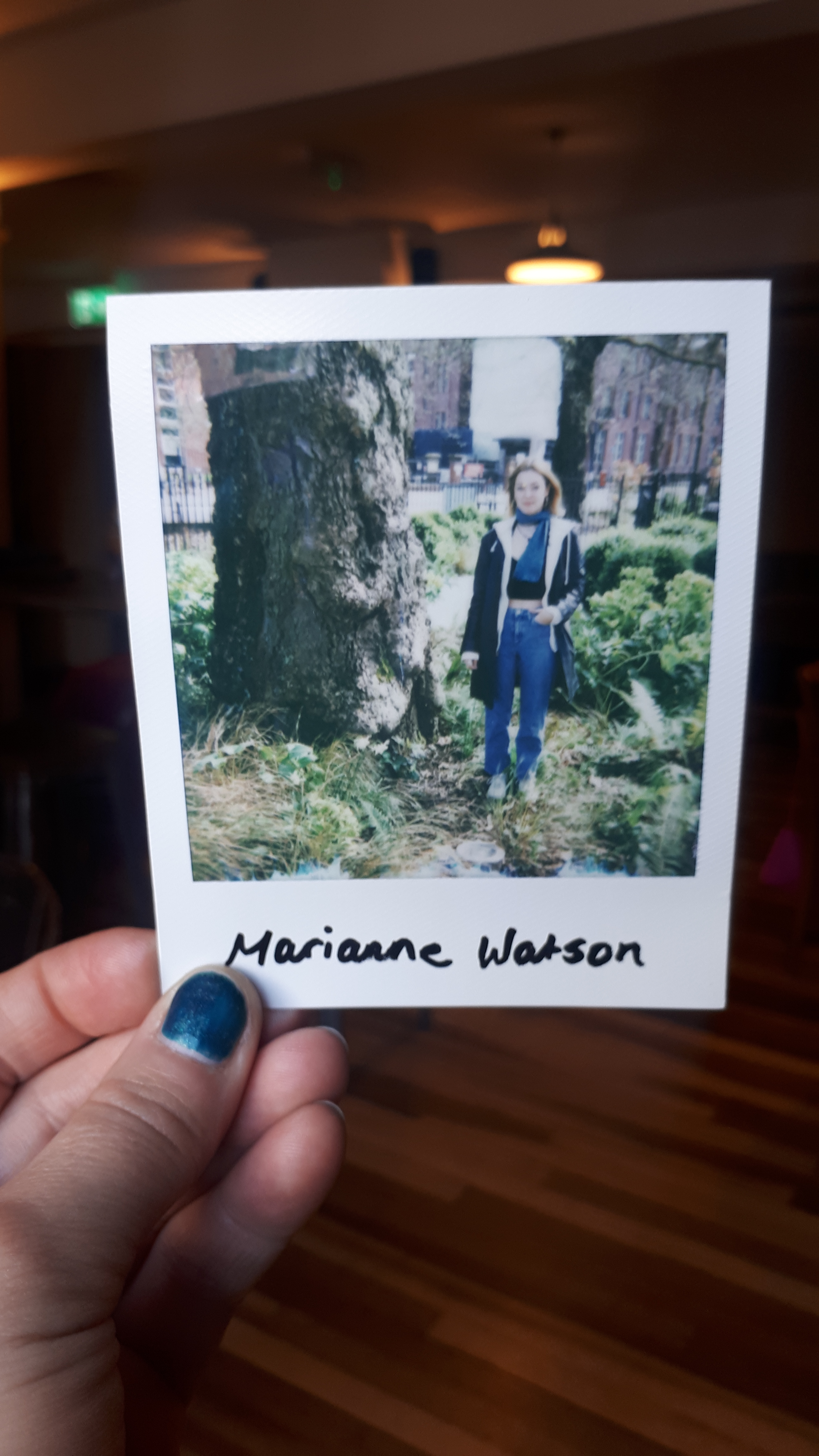
MEETING WITH MARIANNE
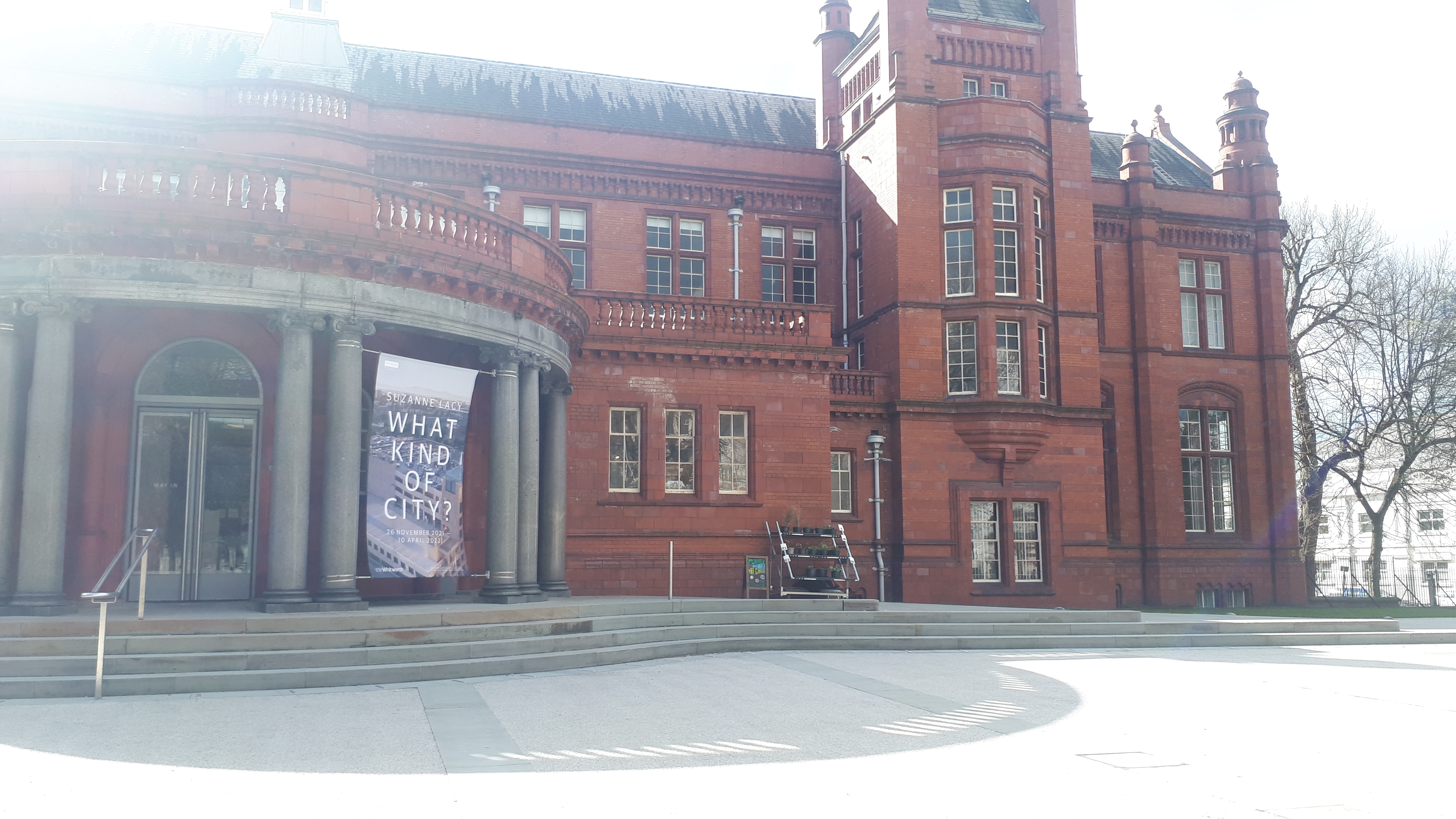
Marianne wanted to meet at the Whitworth Gallery, so we did around midday.
MEETING WITH ELLIOT – NEEDS RESHOOTING
As I was waiting for Elliot, I took pictures of possible locations according to his brief – trees/nature.
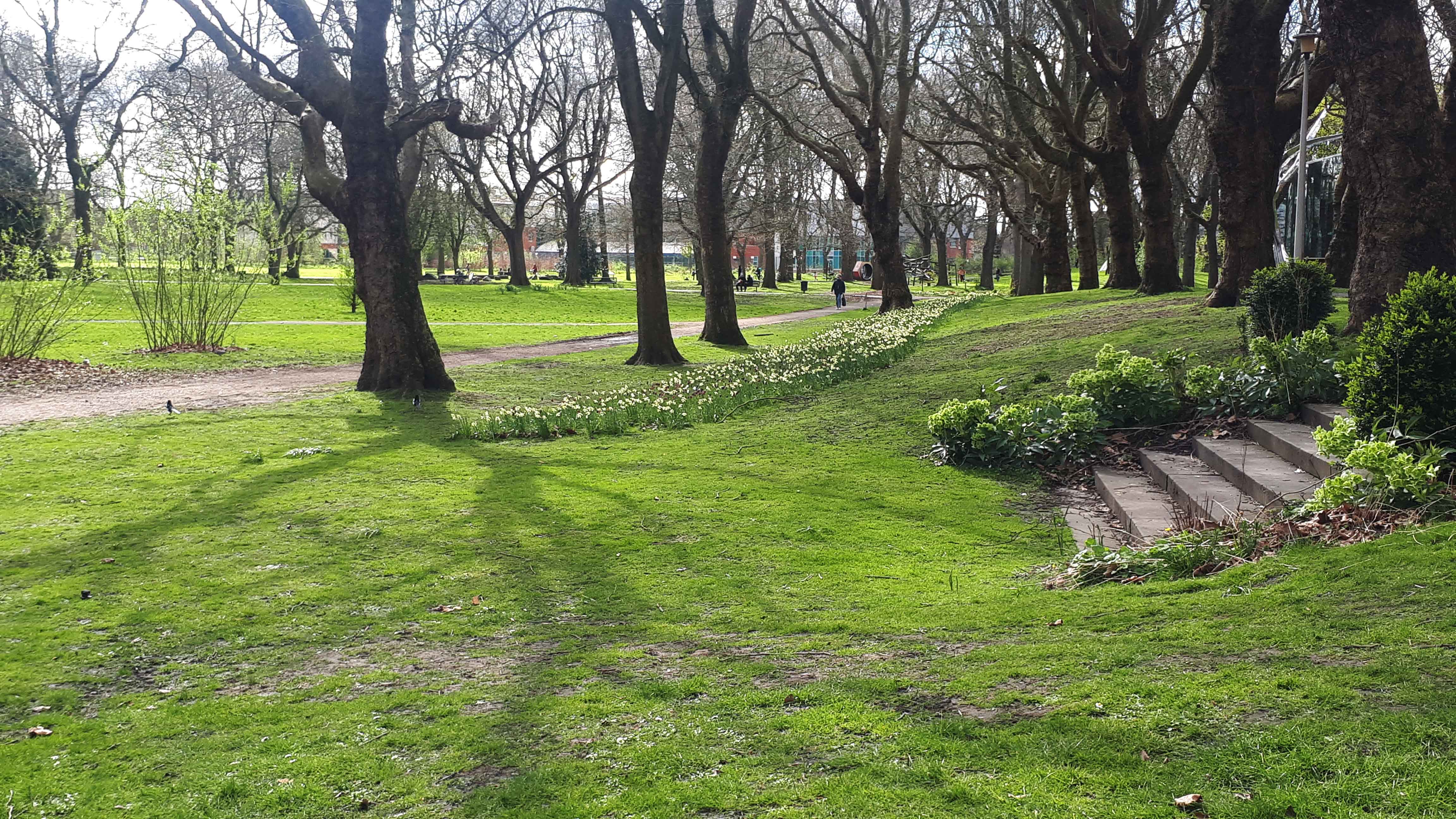
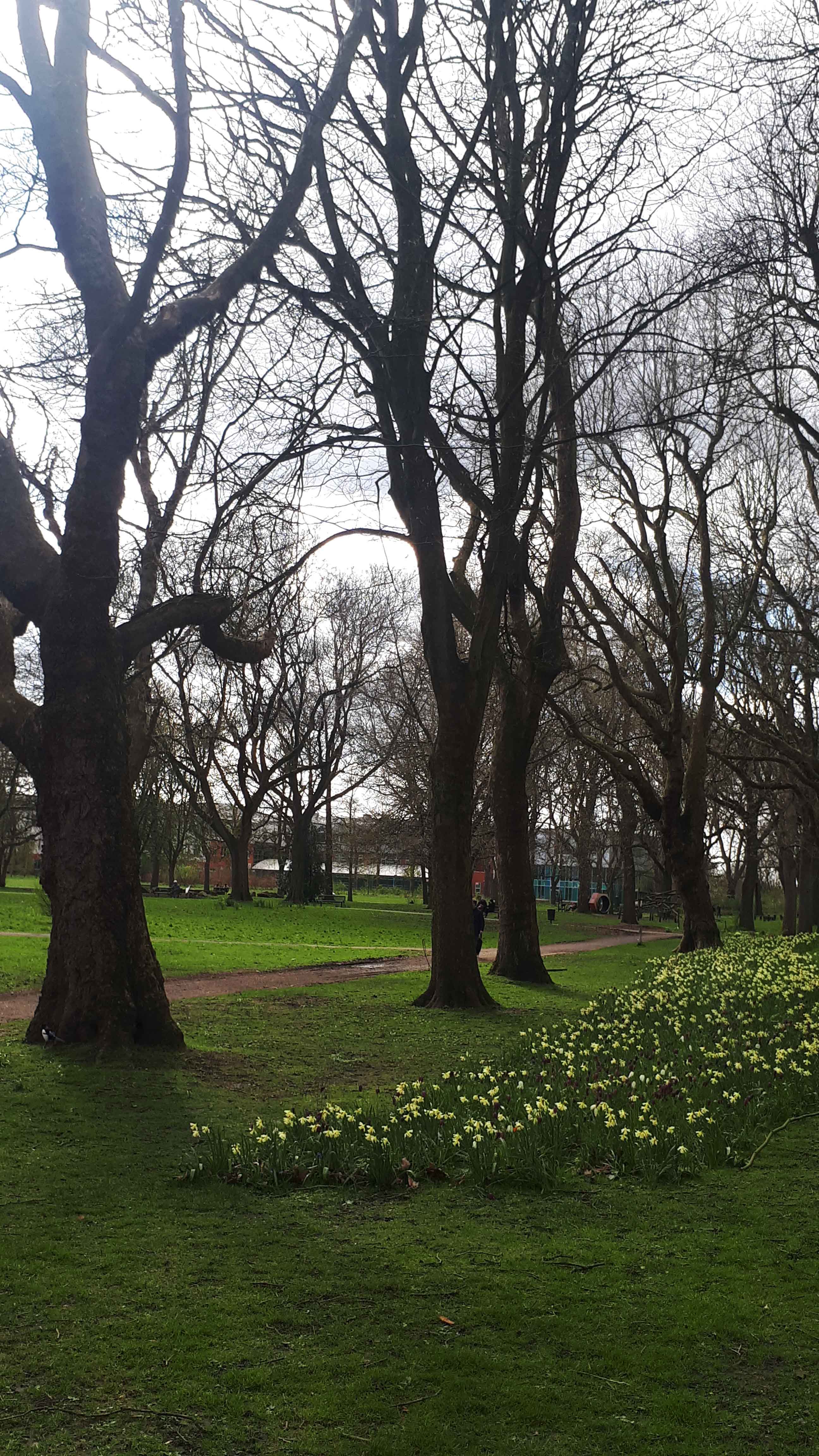
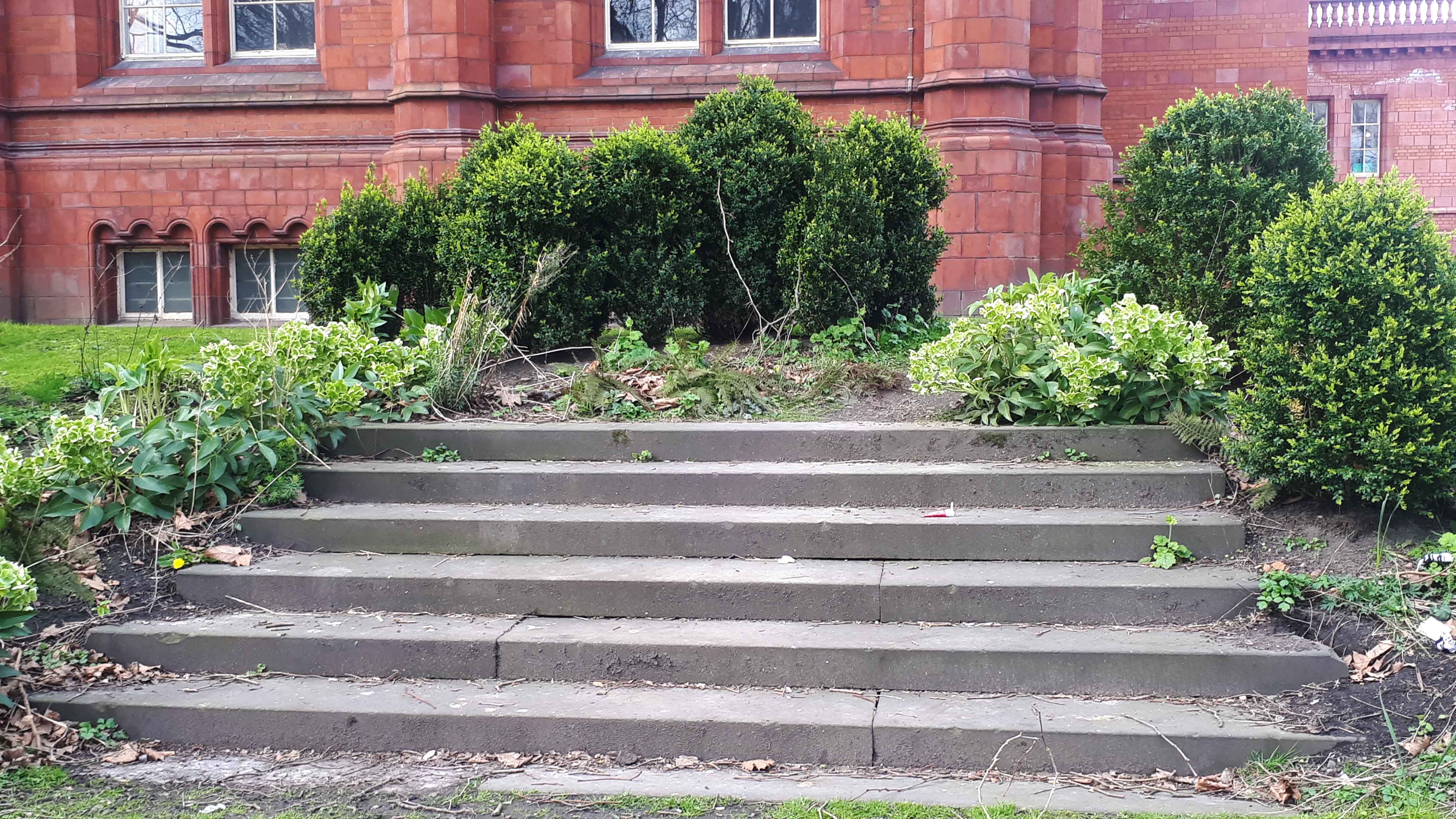
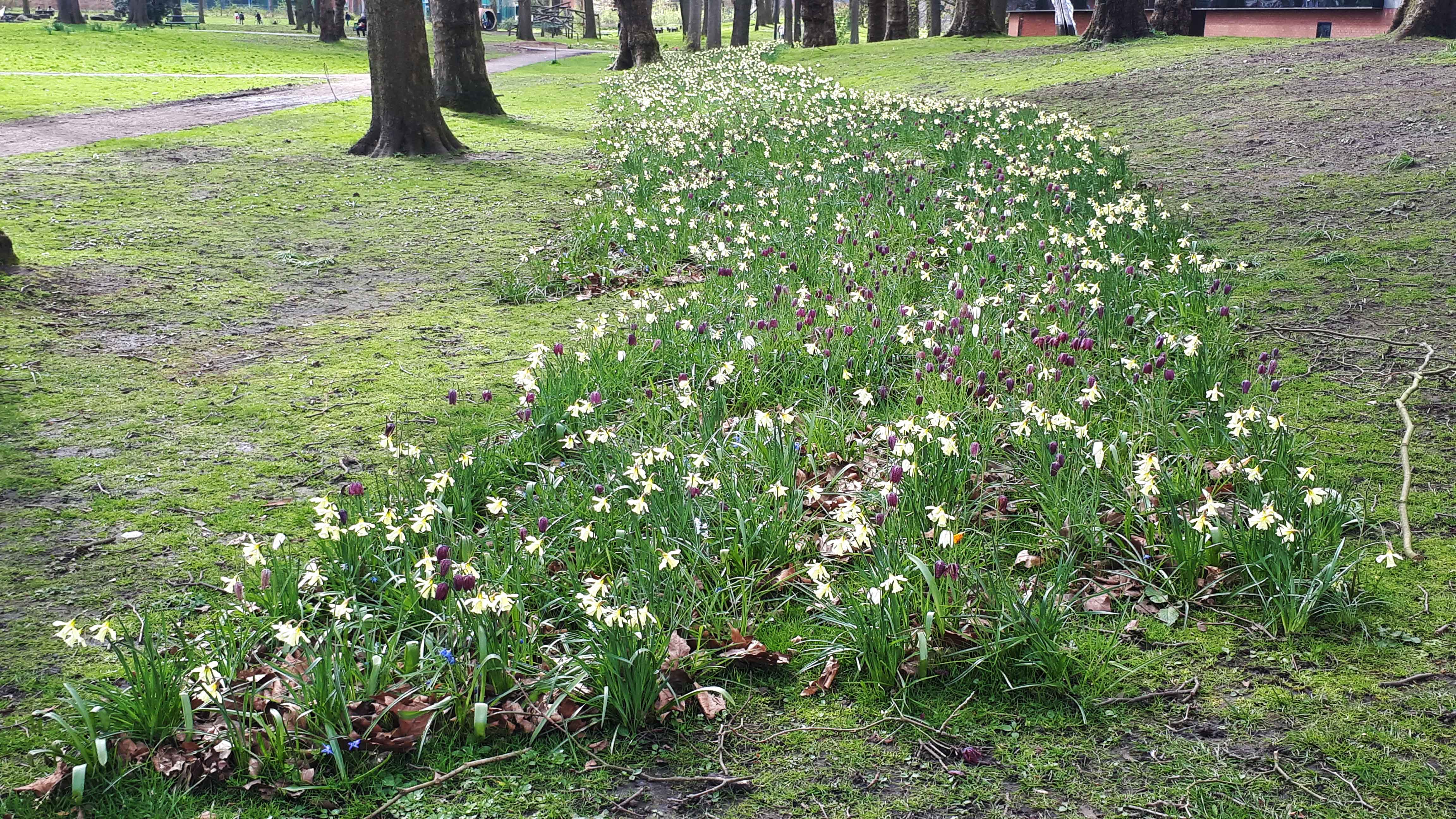
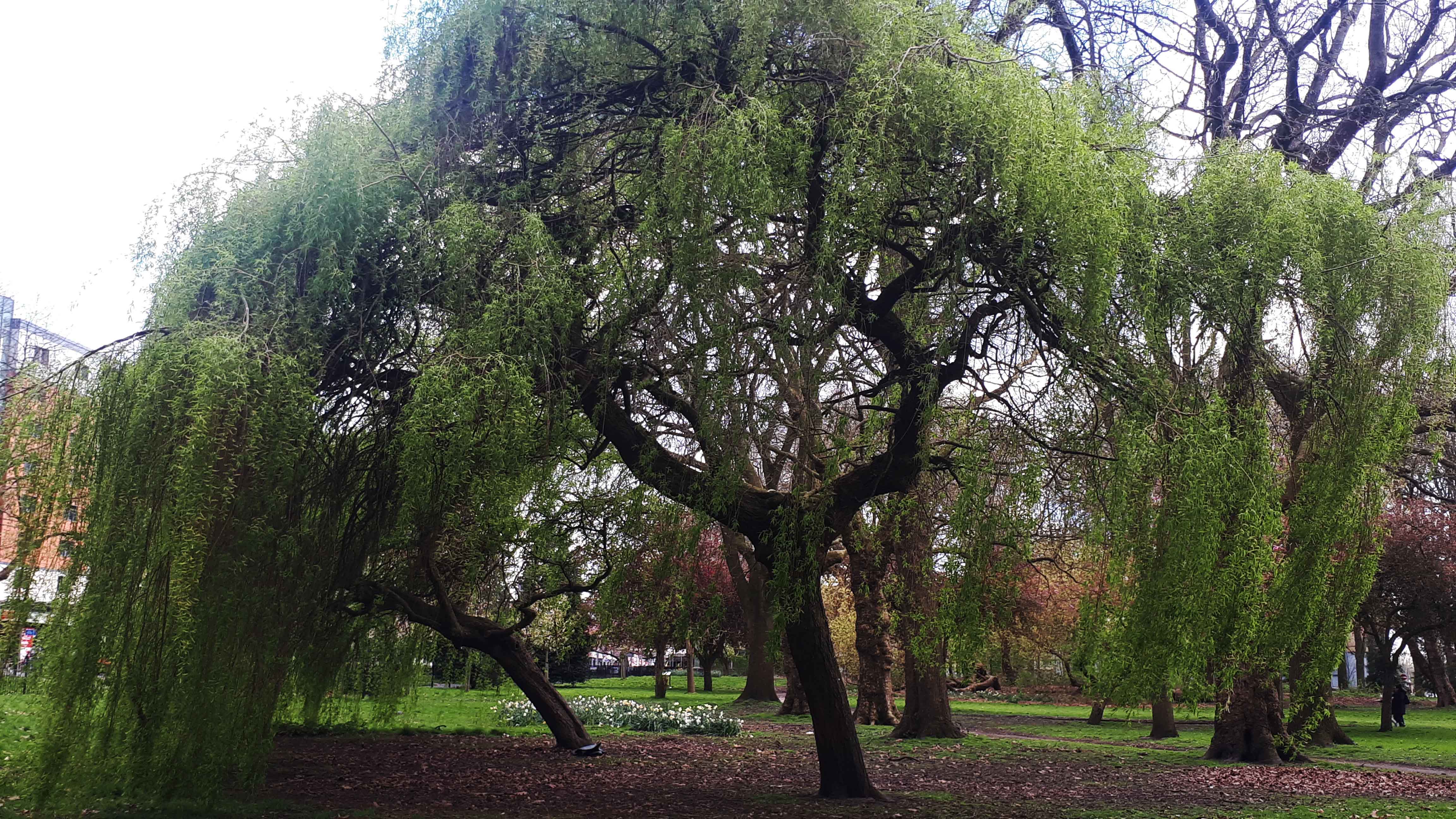
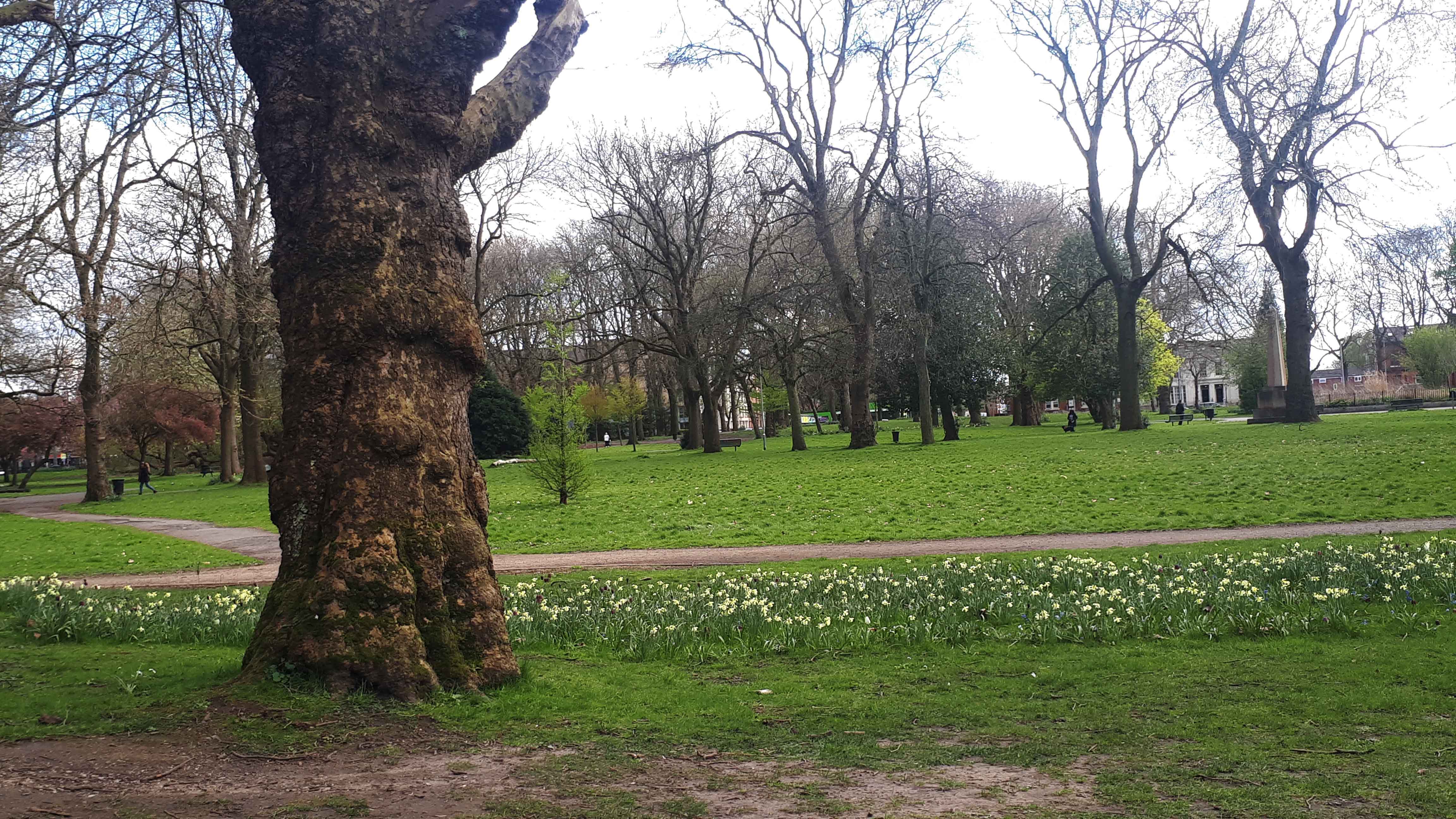
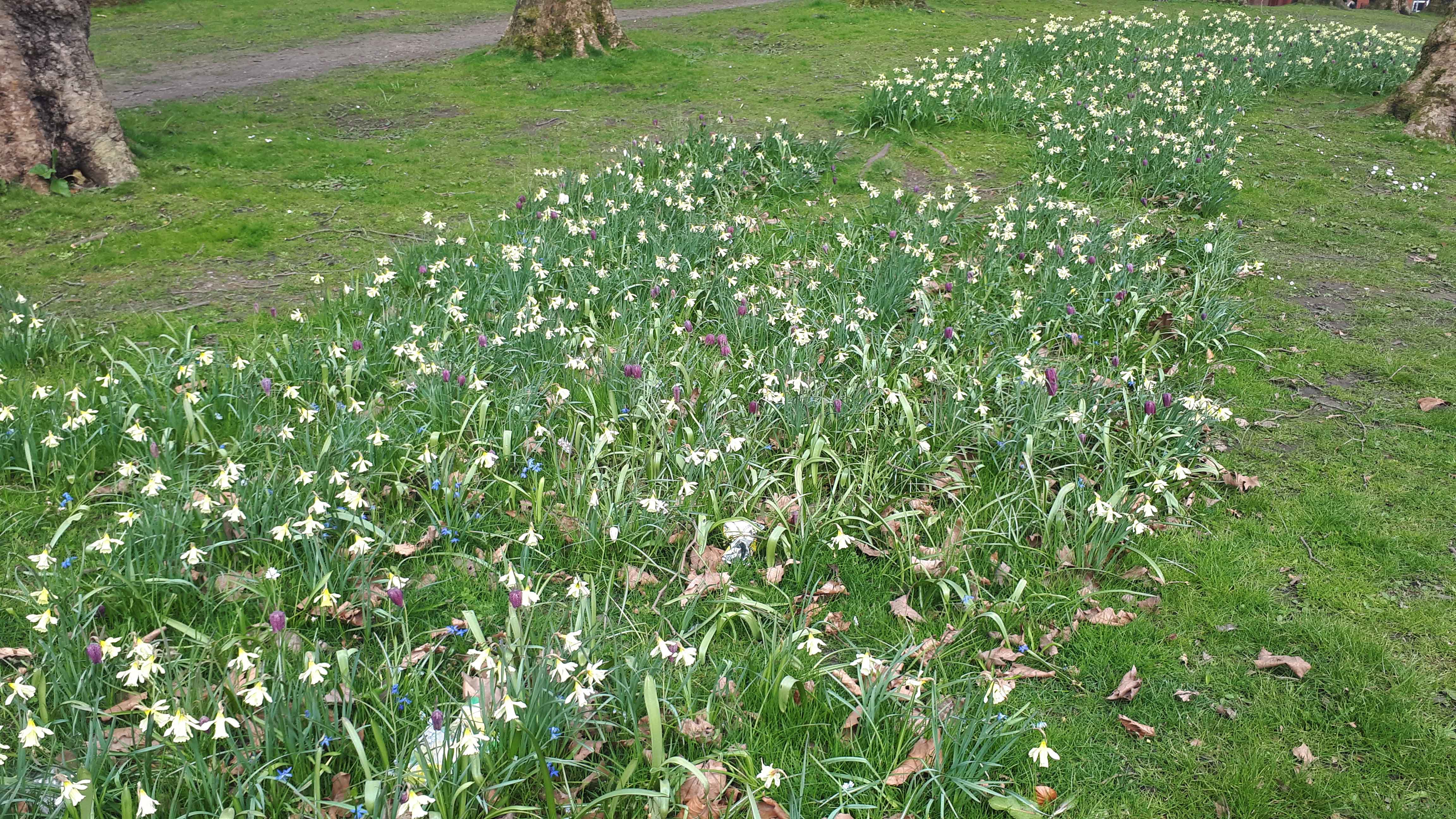
Unfortunately, we will have to reshoot as my Polaroid camera was lying to me, saying that there were two pictures left, while there were none, so we have to do it again.
Upon investigation, through putting new film in, I realised that when inserting new film with eight shots in it, my camera says 10, so I have to consider that in the future.
IDEAS FOR MY PORTRAIT
As I was in Whitworth Park waiting for Elliot, I found a spot for my portrait that I executed on Sunday with help of my partner who took a picture.
IDEAS
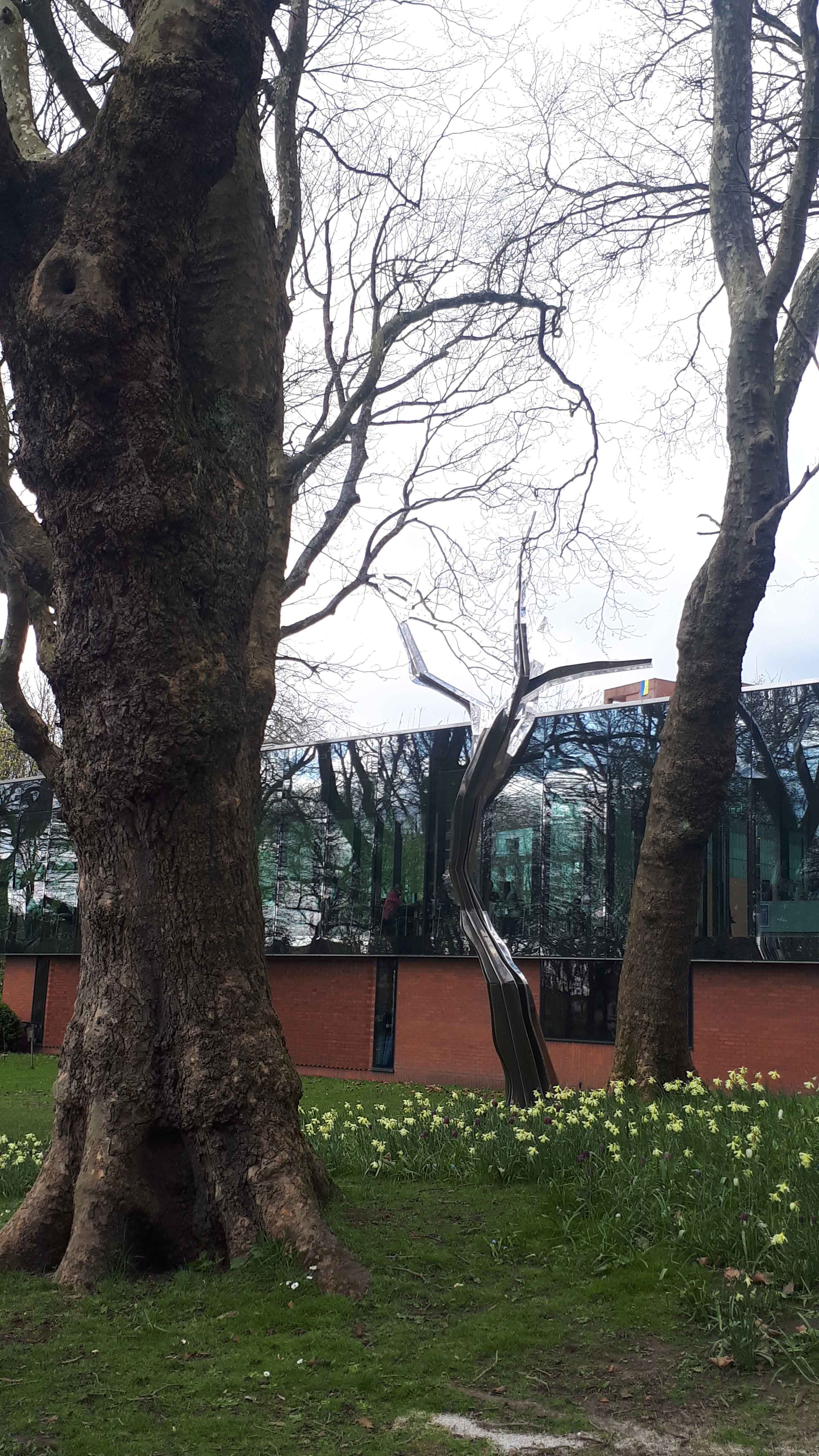
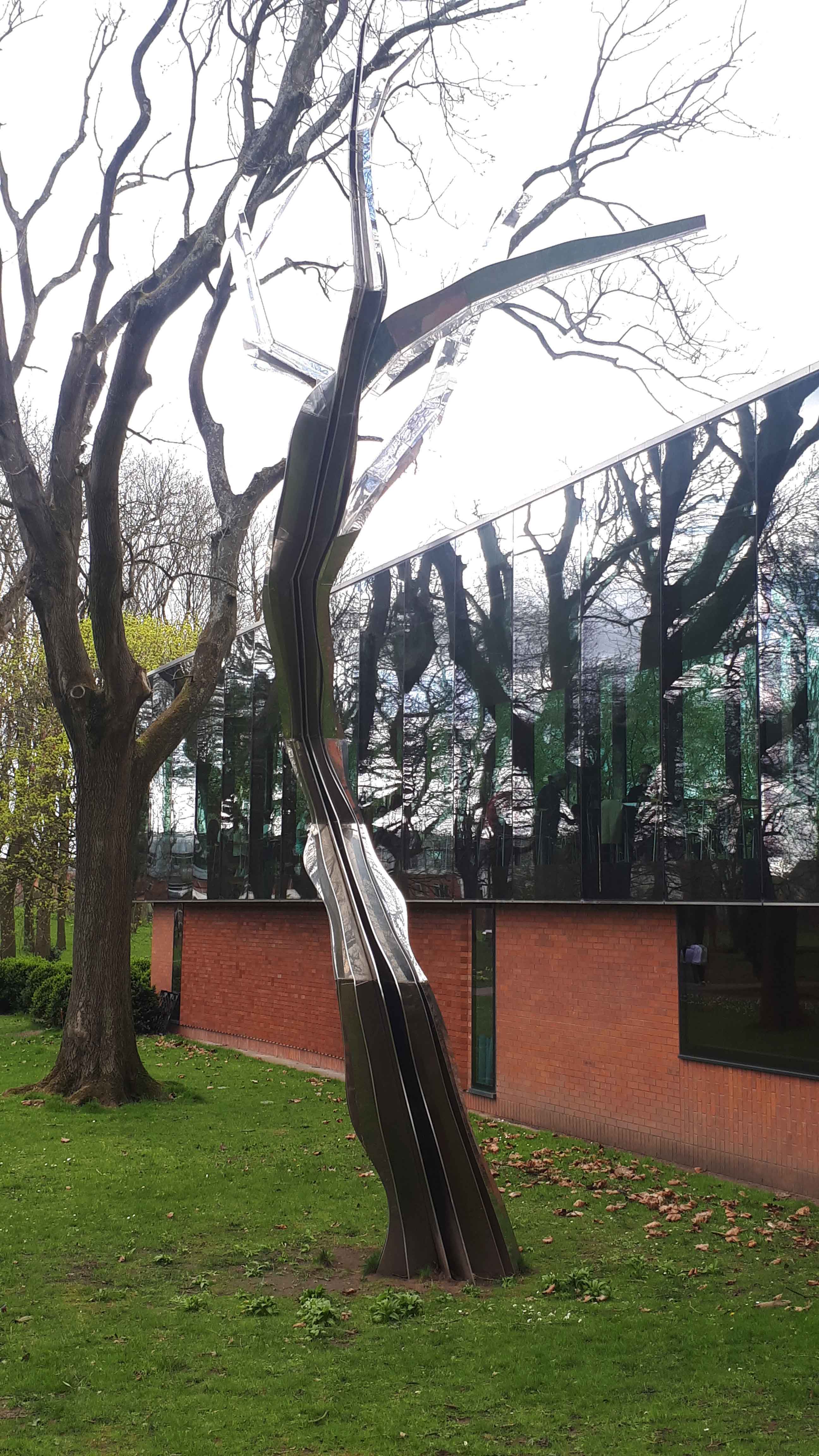
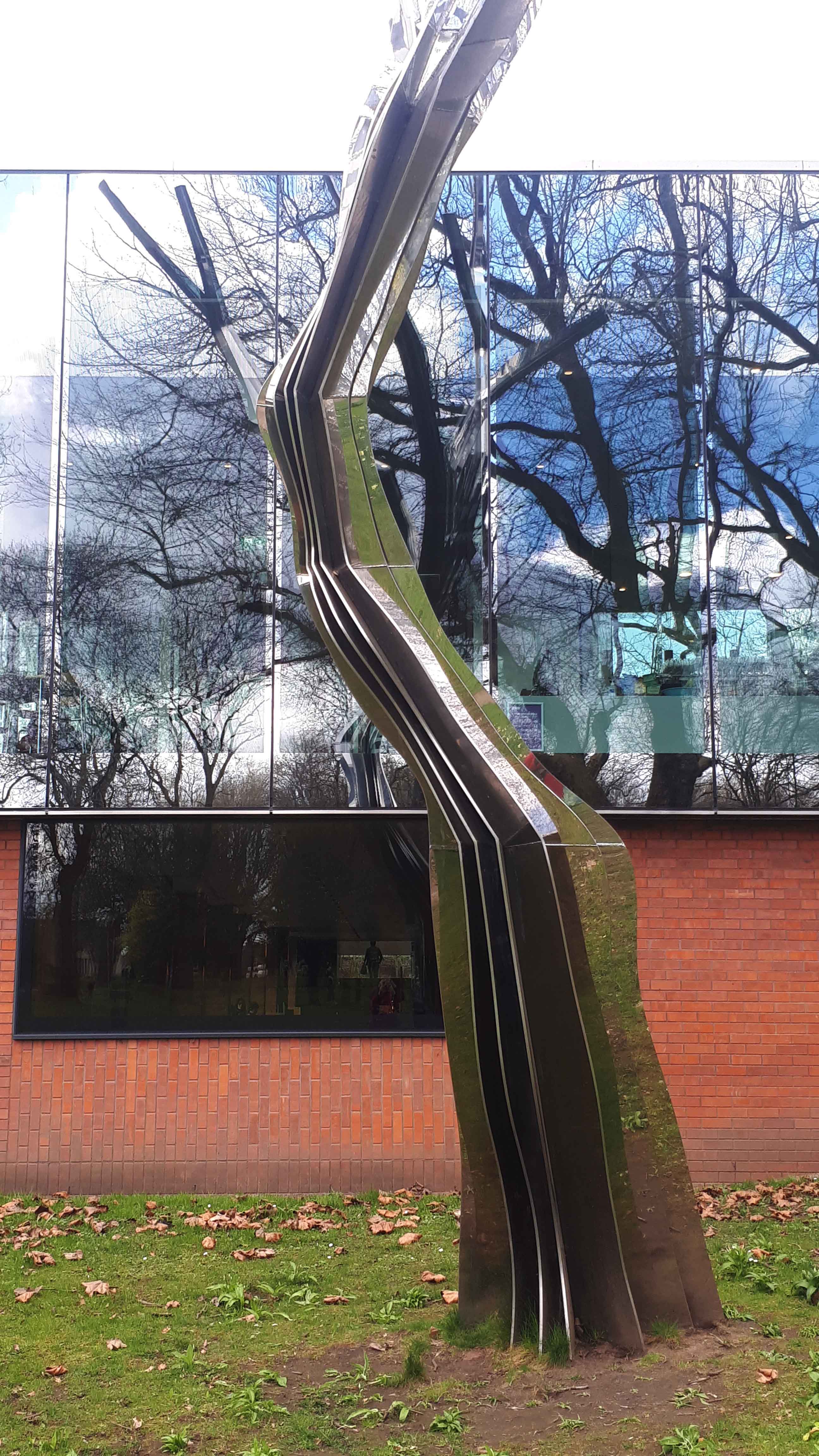
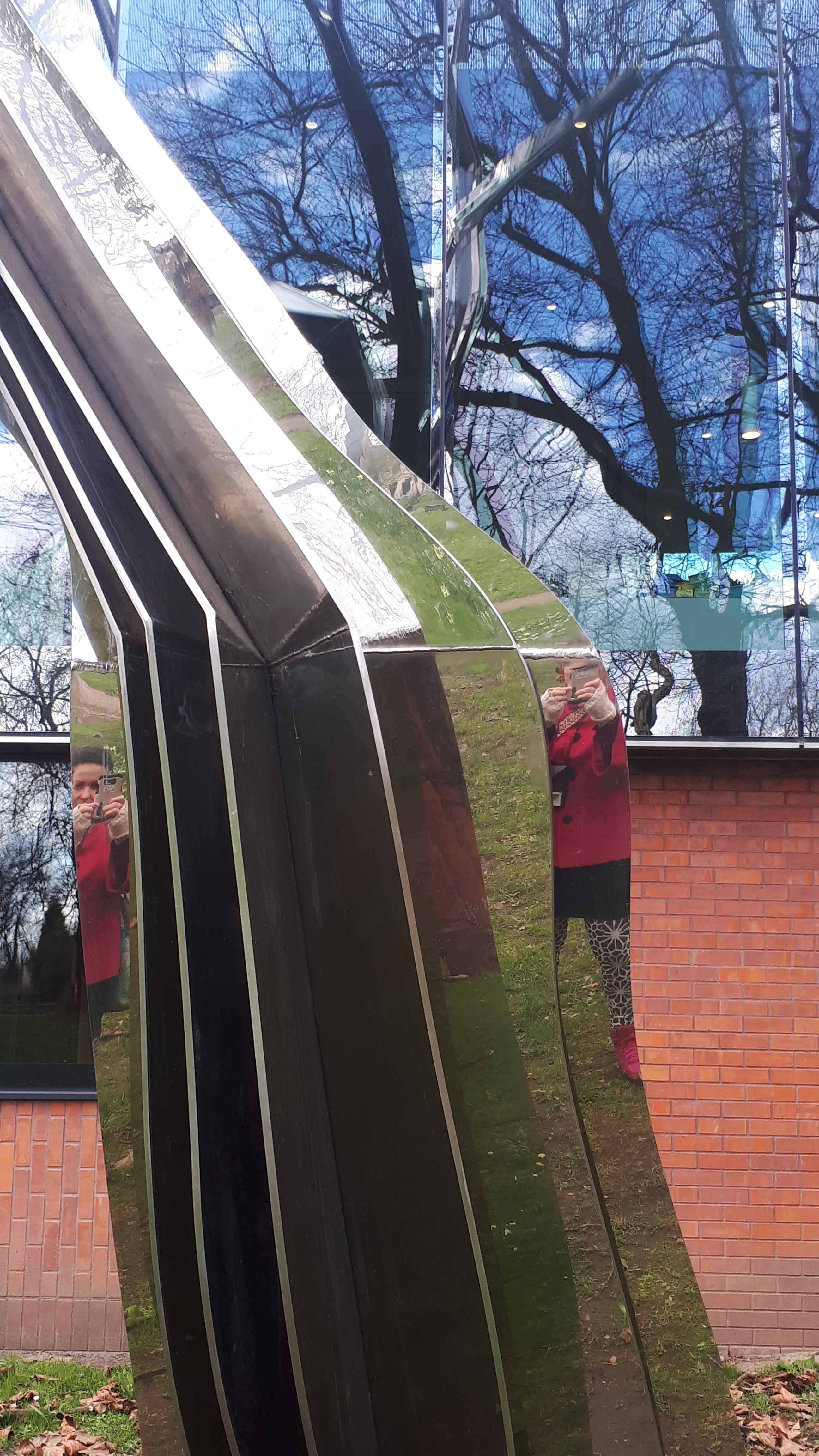
EXECUTION
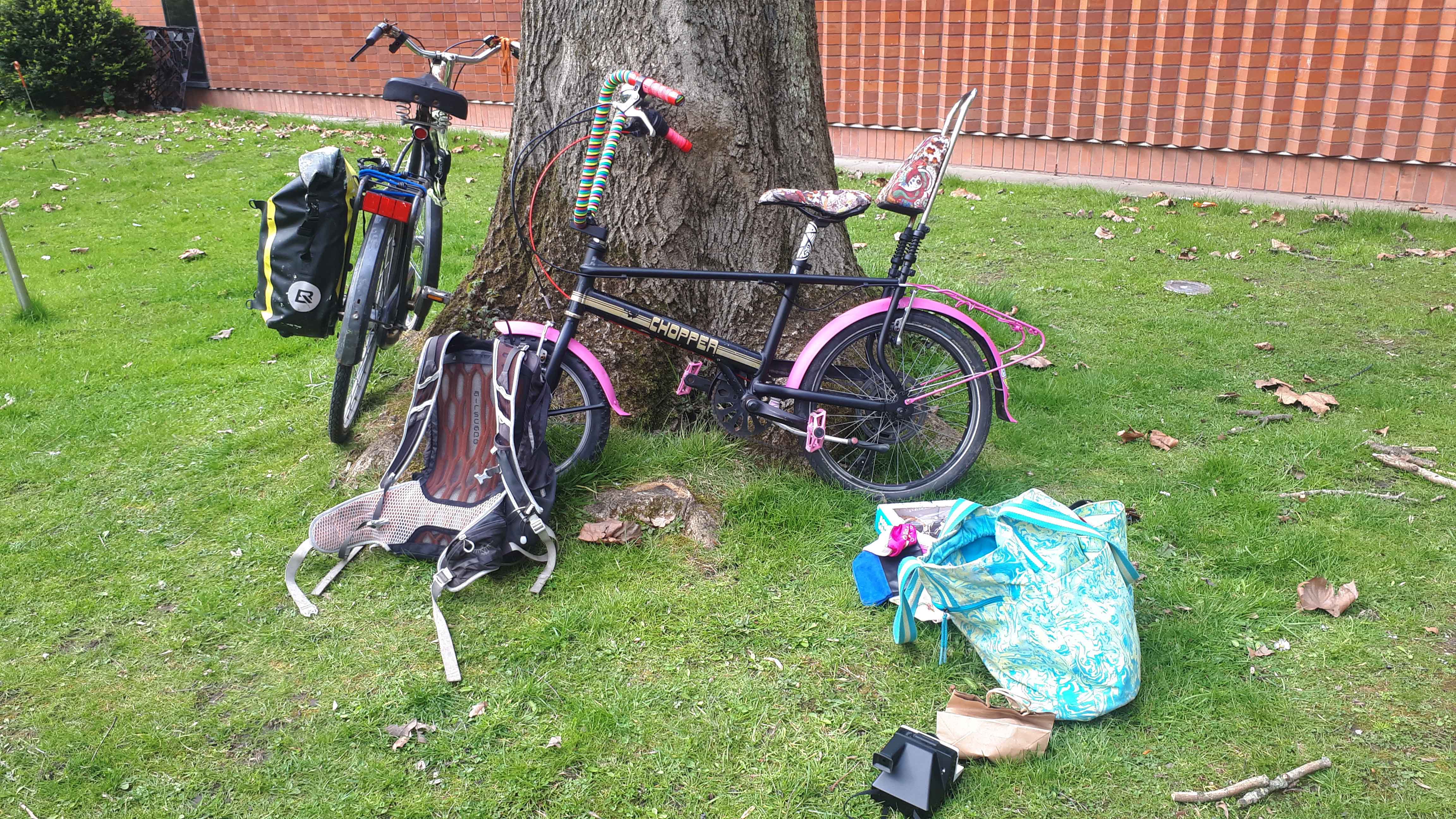
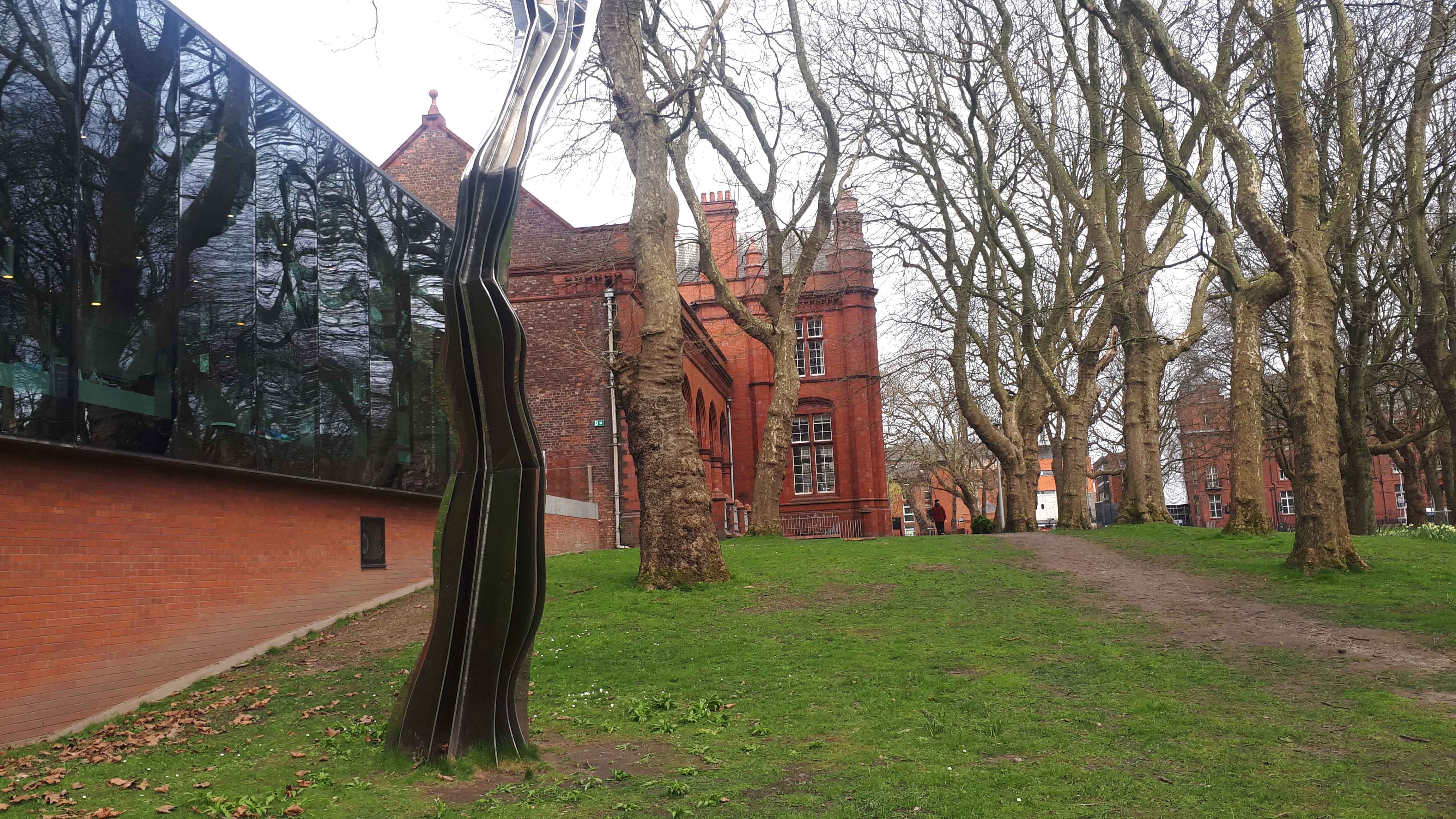
more photos here
MEETING WITH HANNA PEMBERTON ON SUNDAY
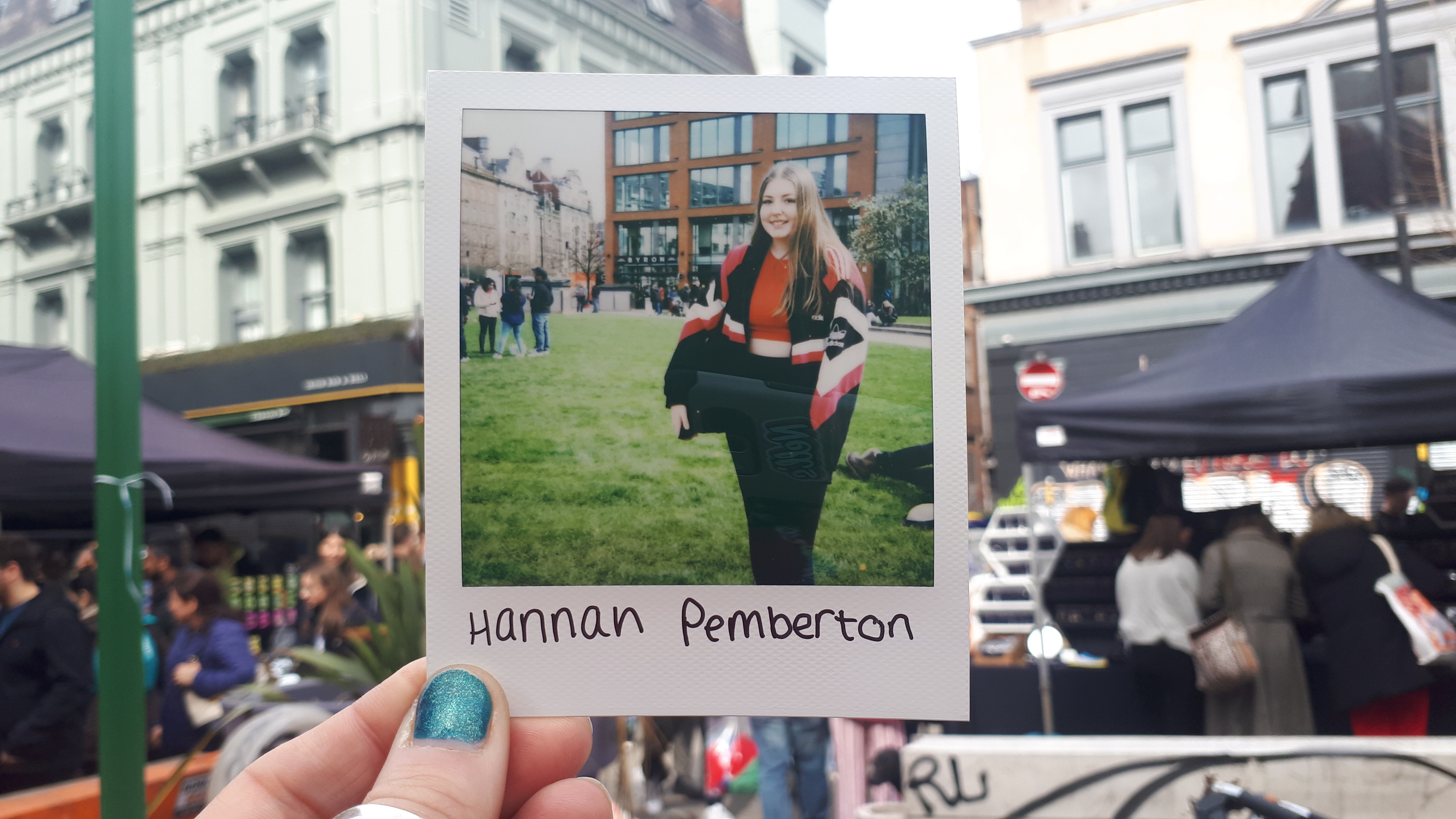
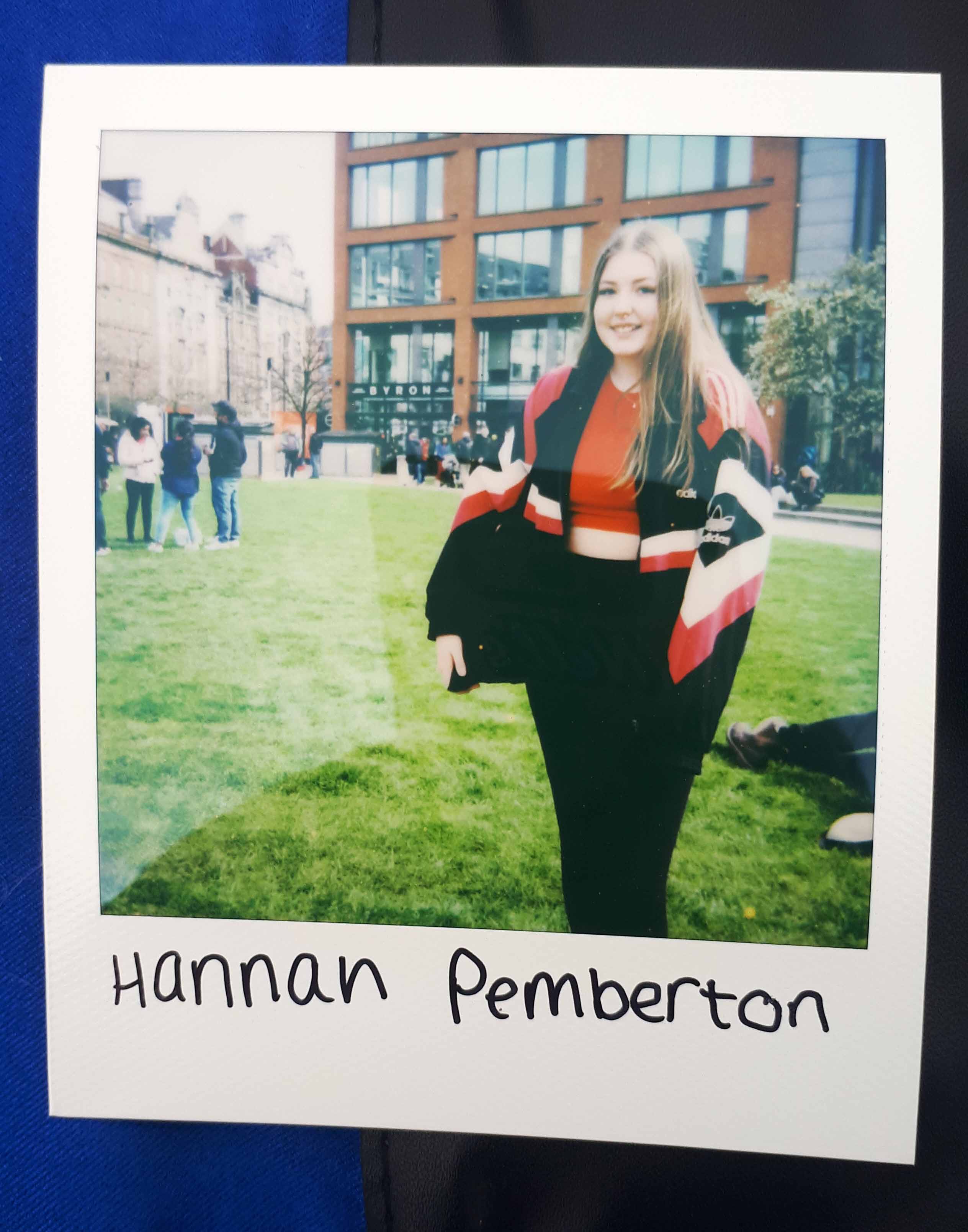
Aditionally on Saturday I attended an hour volunteering induction at Castlefiel Galllery, where I am now an official voulnteer. I also got a lead to a person that could potentially help us with the venue.
MONDAY SELF-STUDY 11.04
Continuing reading Susan Sontag On Photography I made notes for future reference and research:
- Blowup and Peeping Tom film to watch
- ”to photograph is to appropriatethe thing photographed. it means putting oneself into a certain relation to the world that feels like knowledge – and, therefore, like power”
SCANNING POLAROIDS
In my previous experience of scanning polaroids I didn’t have the best results so I decided to research this matter in order to improve the quality of polaroid scans.
How to Scan Polaroids (2021)
Scanning & Instagramming Polaroids [Instant Lounge] (2020)
After watching this video, I decided to buy a scan adapter. Unfortunately, after some research I found out that polaroid adapters are completely sold out online, so I decided to improvise.
SHOOTING IN MANCHESTER FOR INSPIRATION 13.04
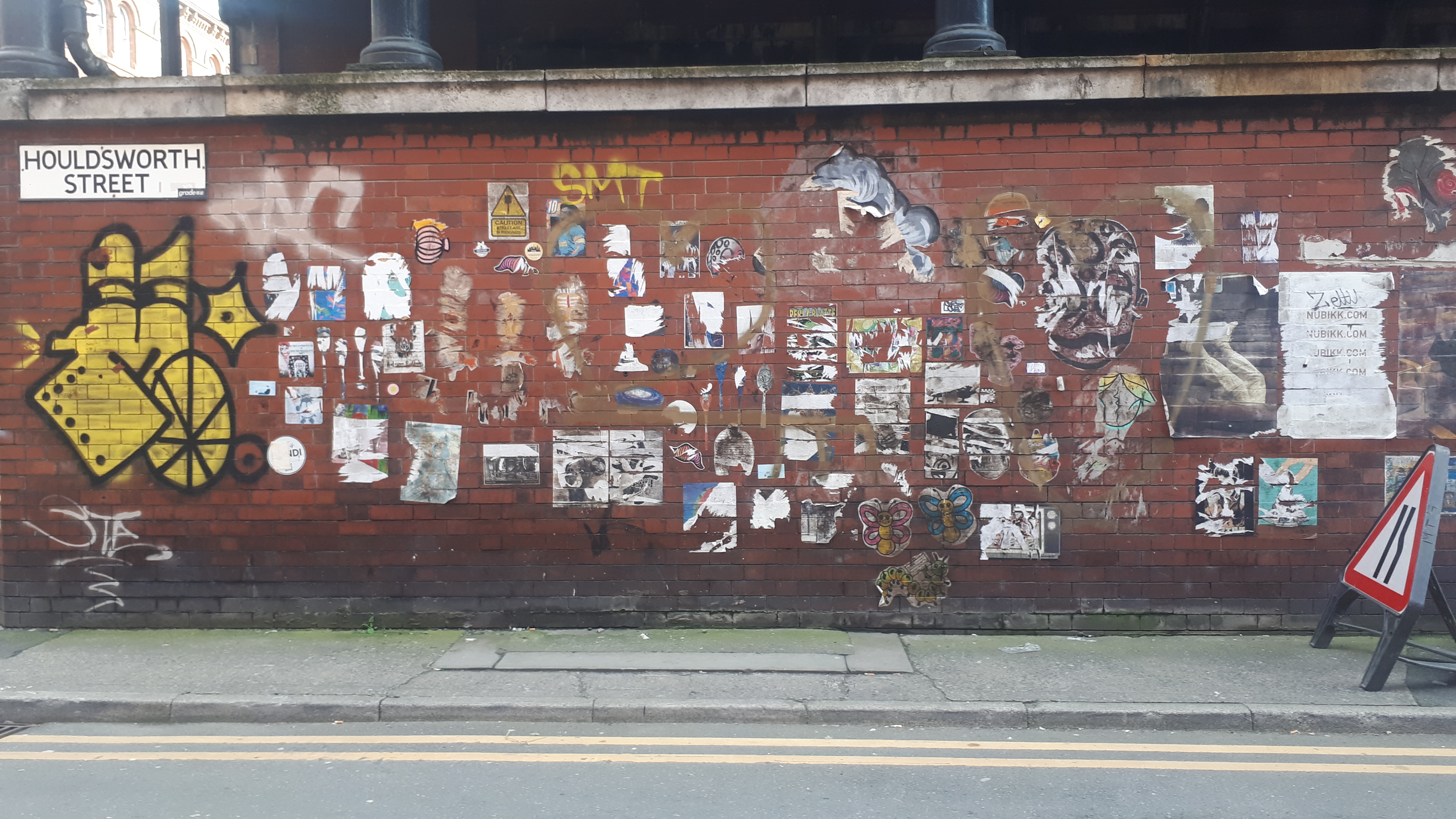
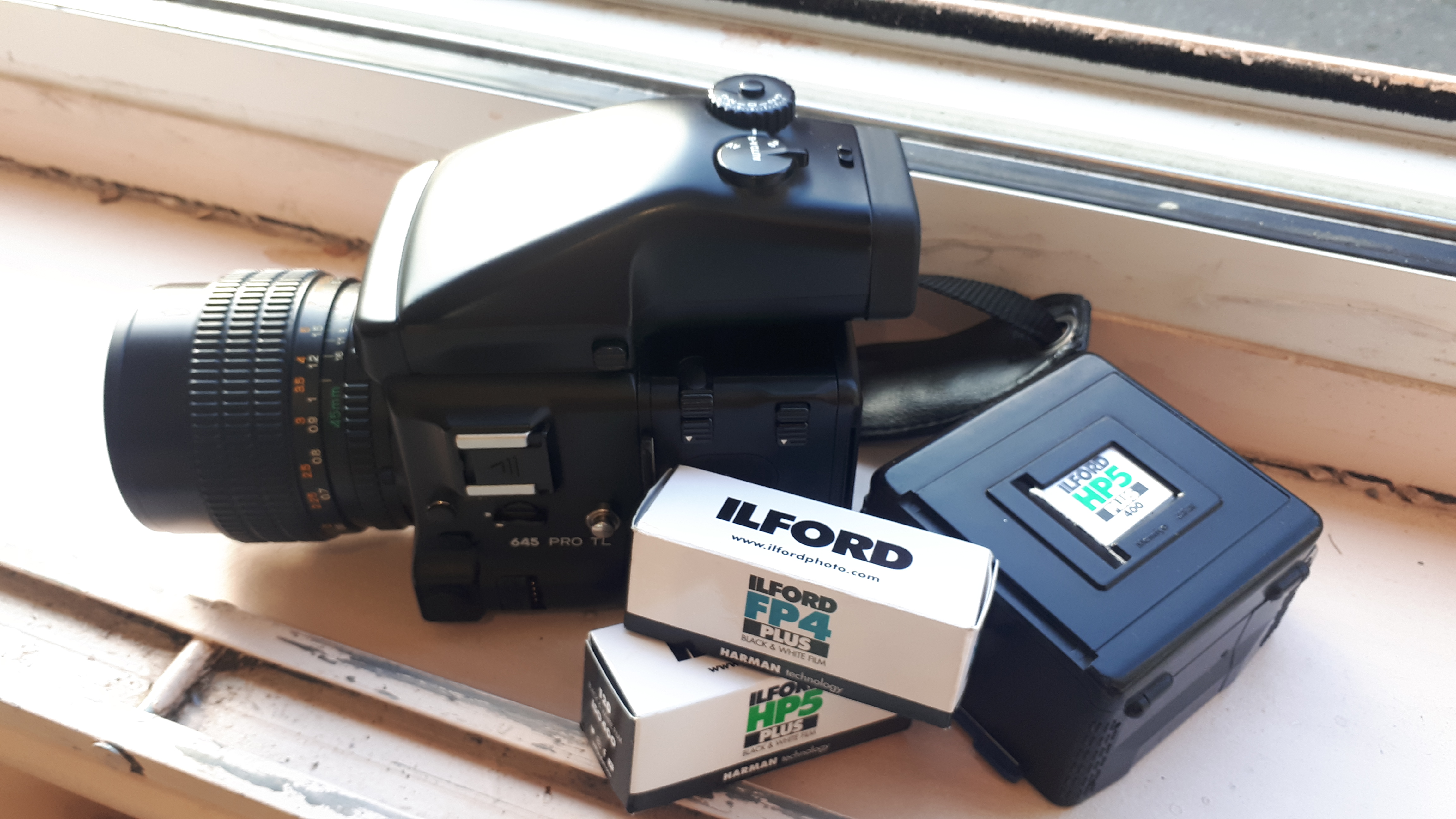
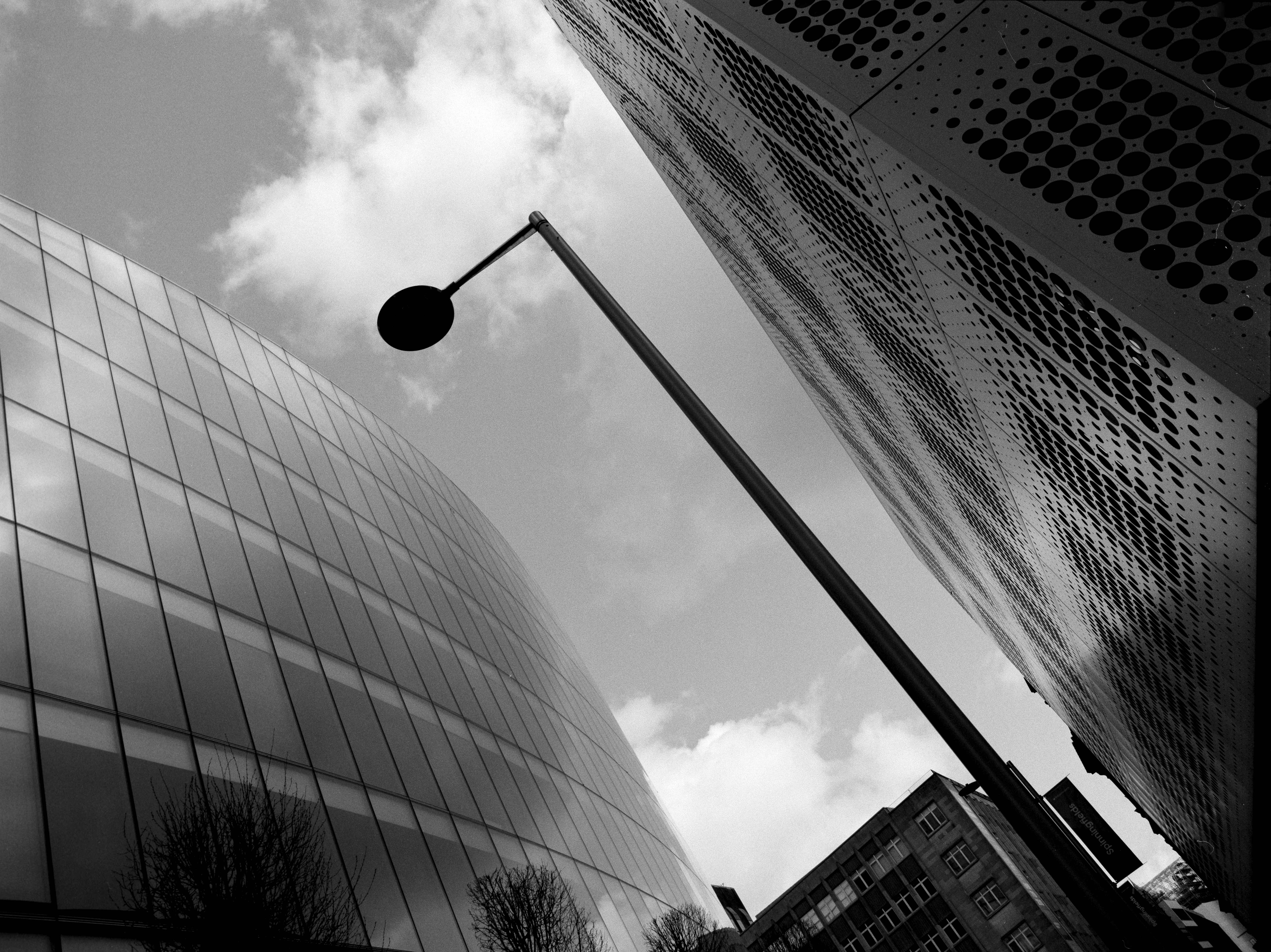
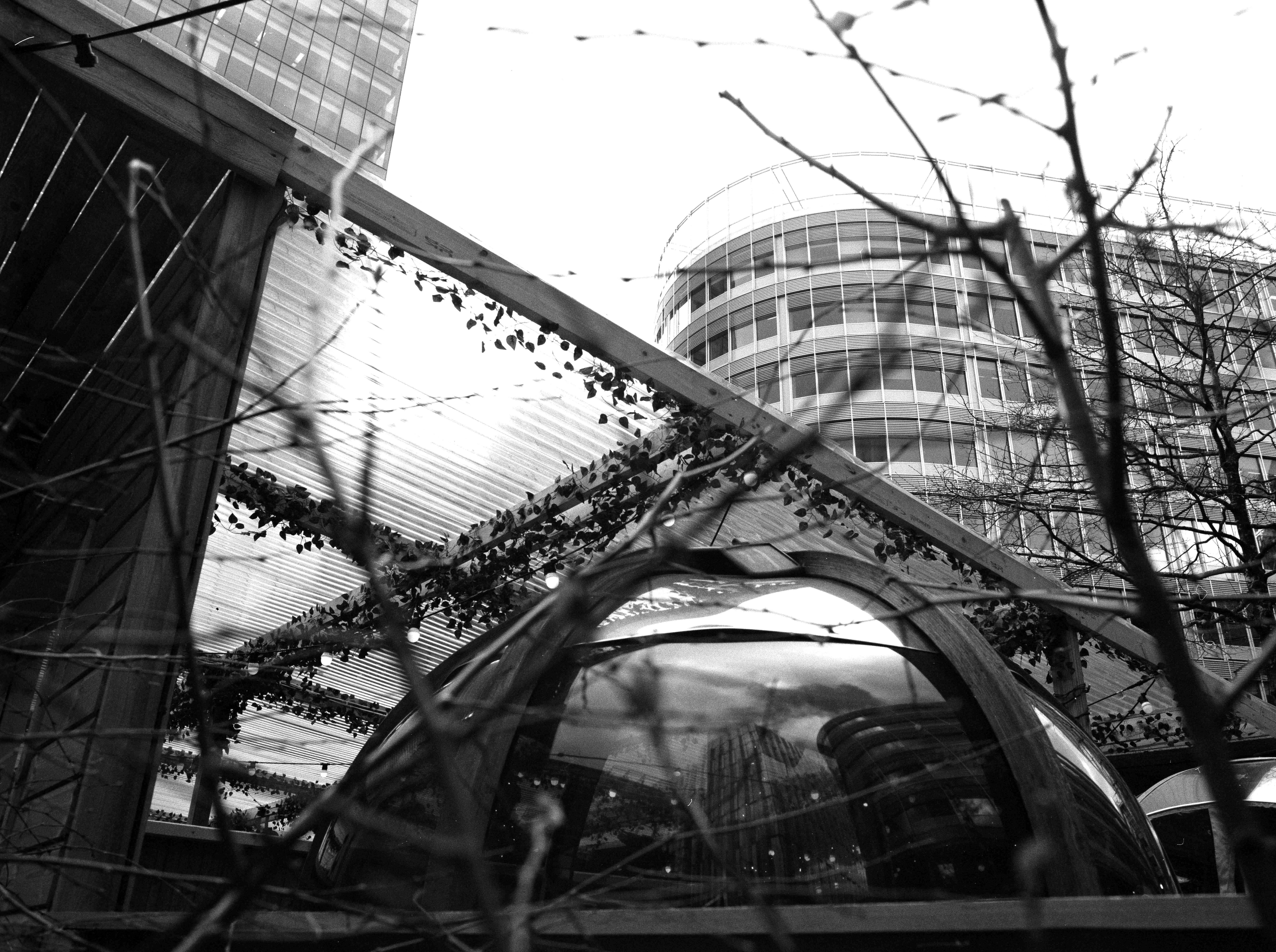
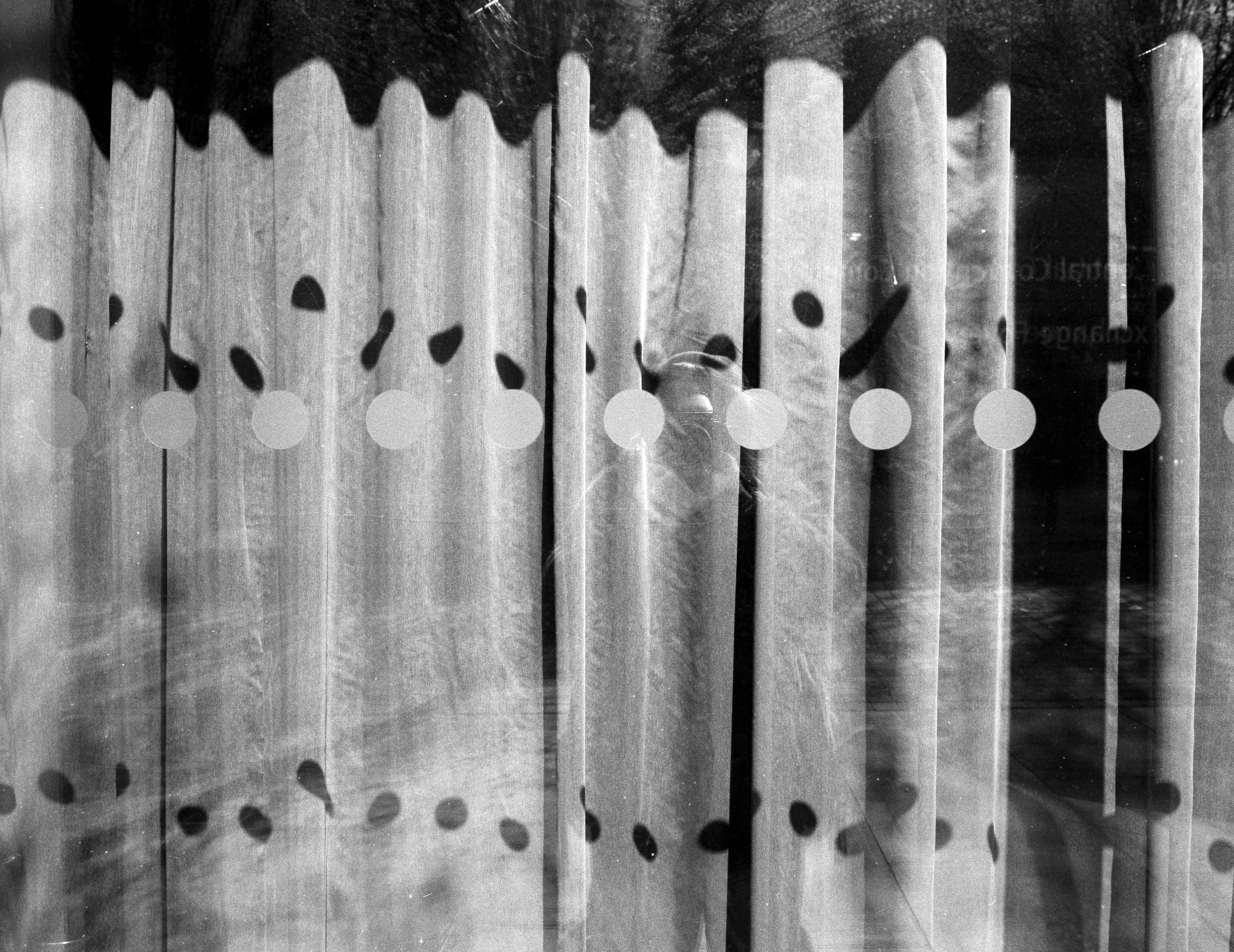
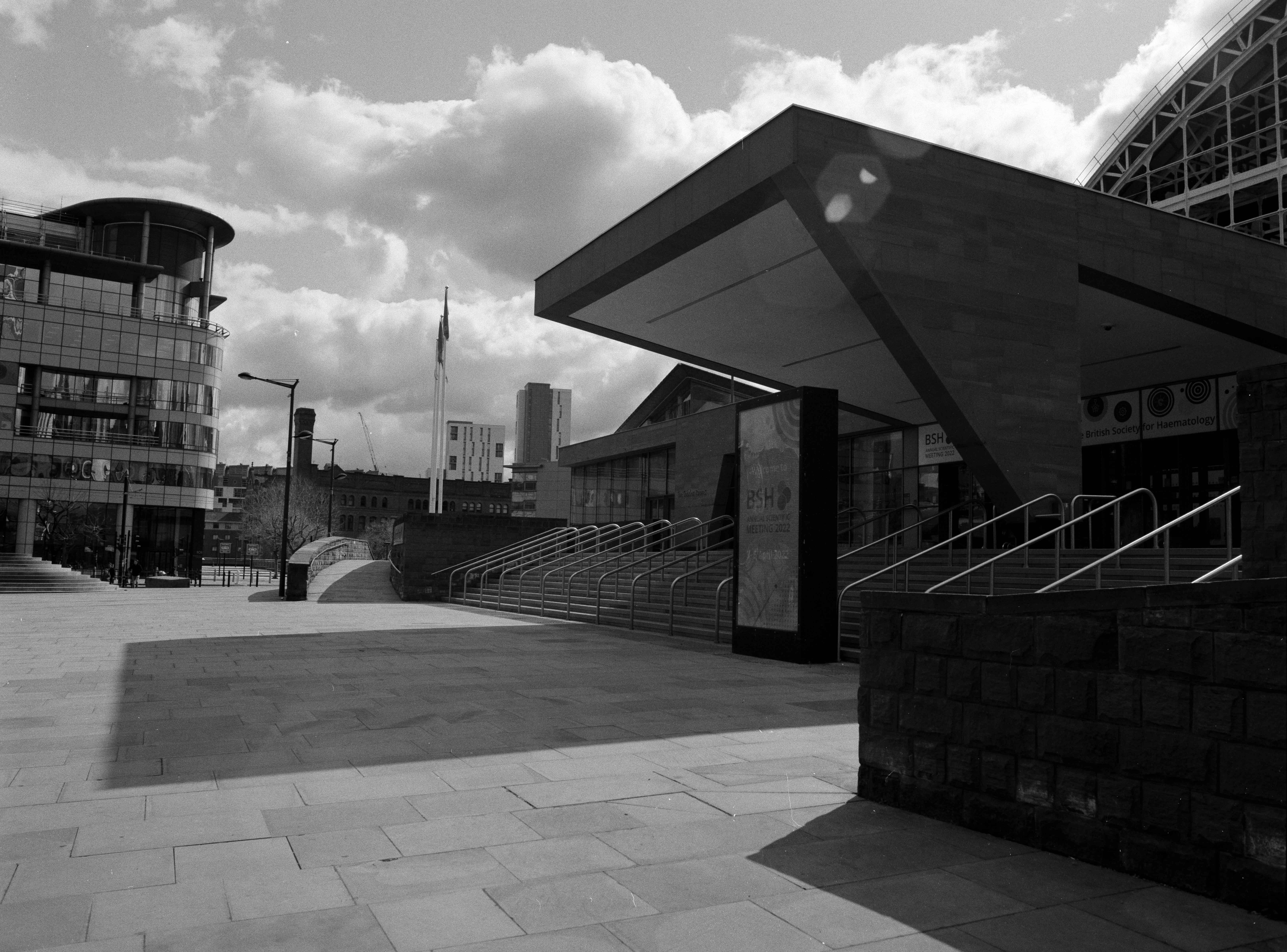
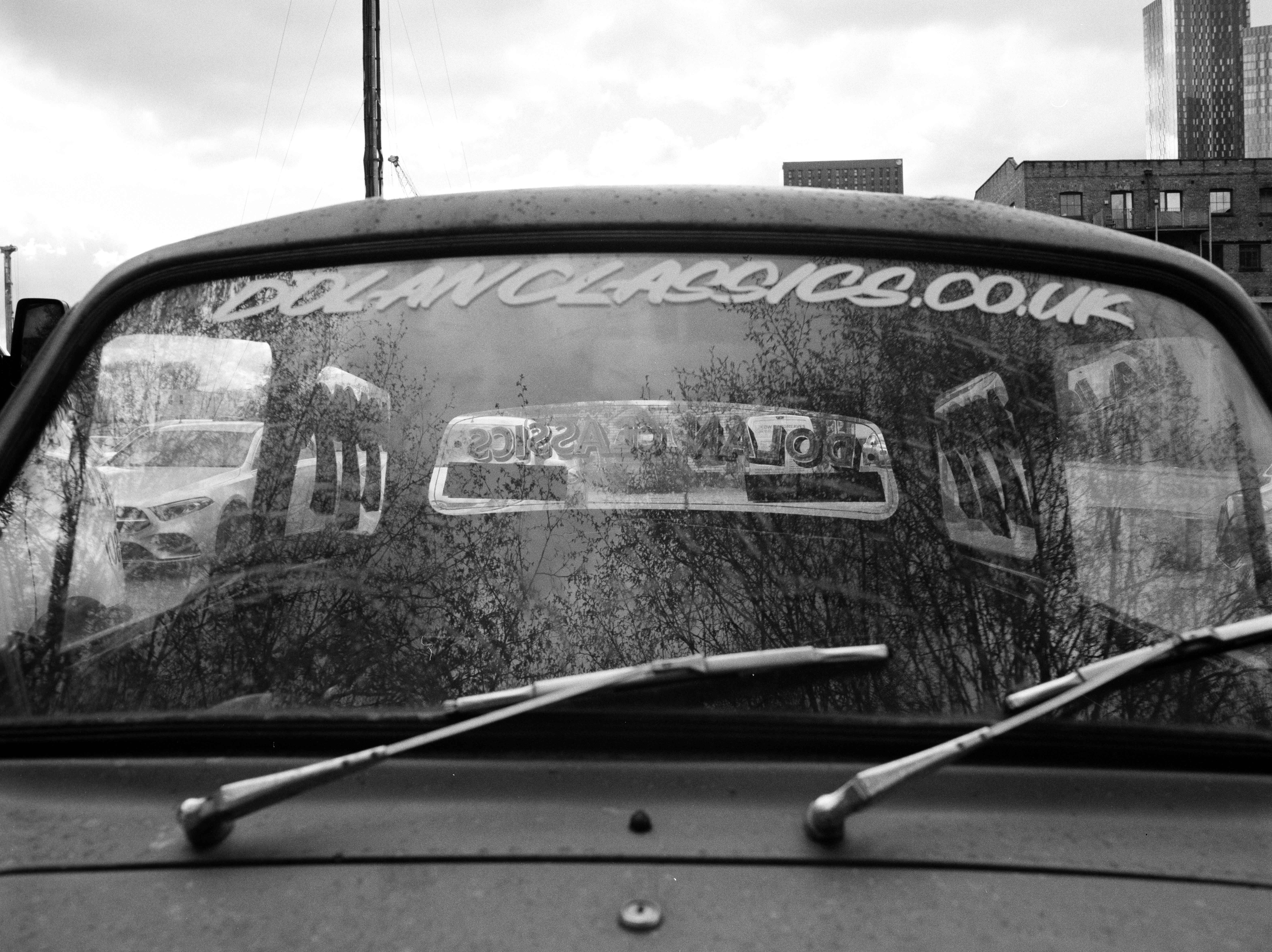
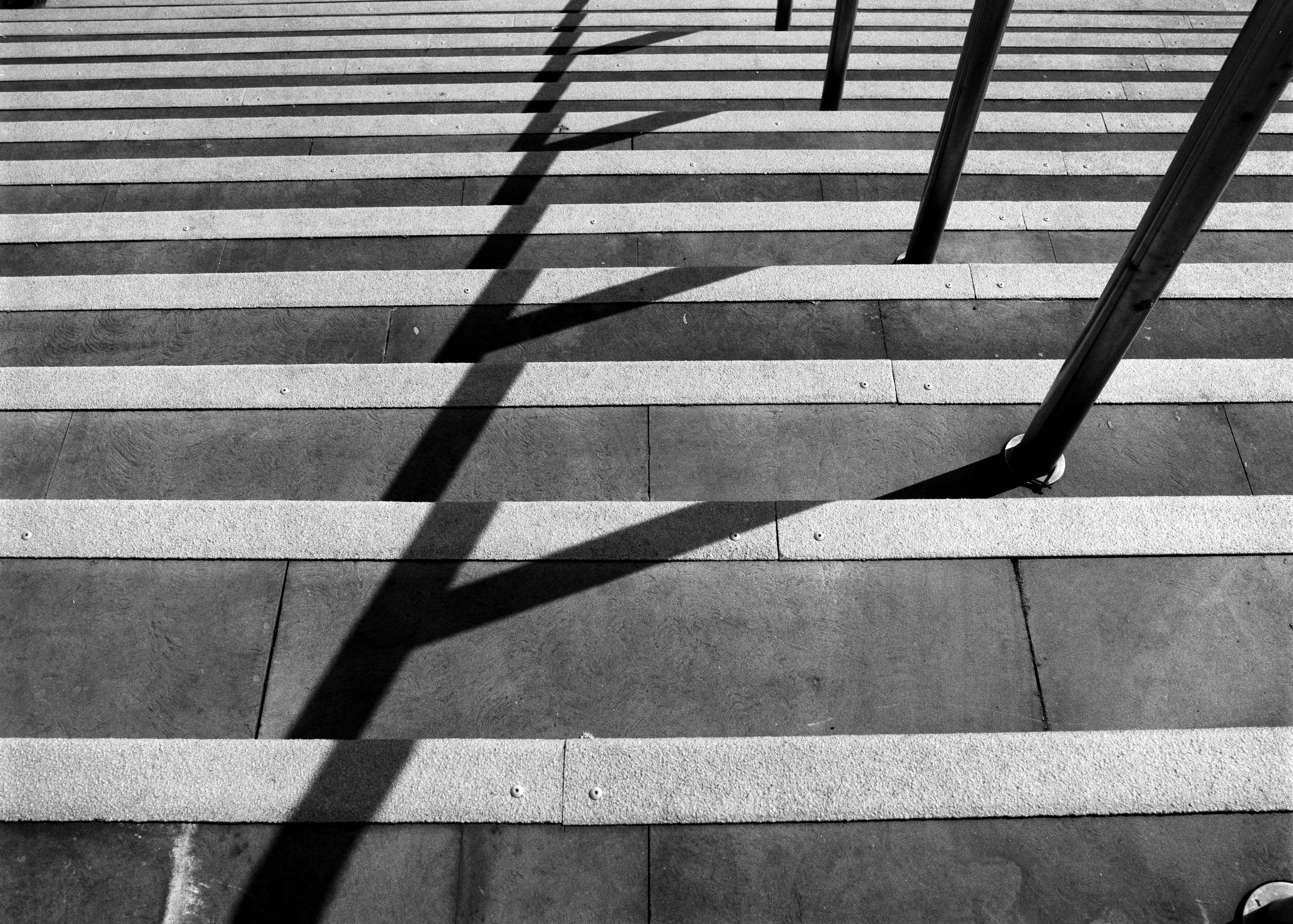
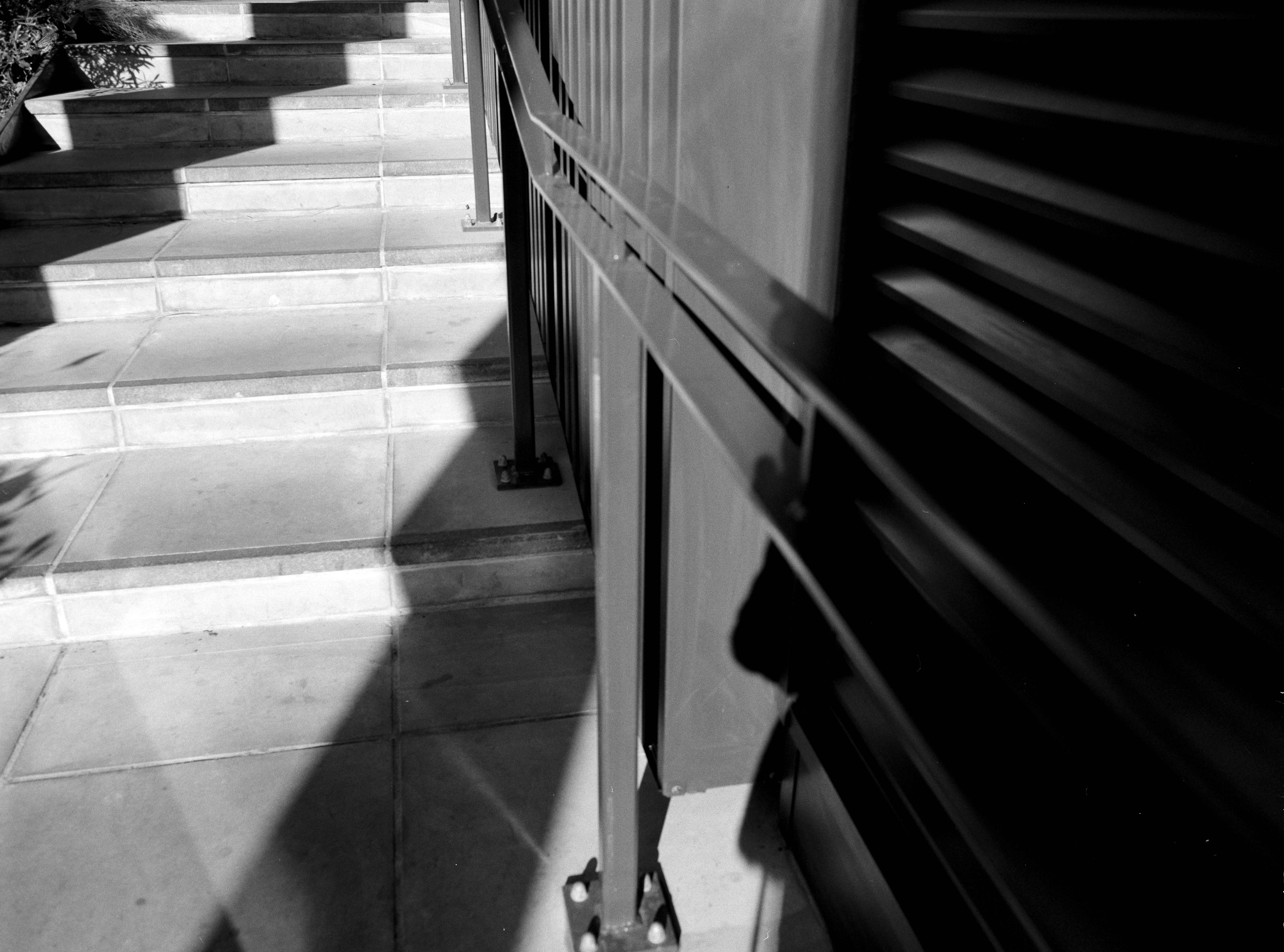
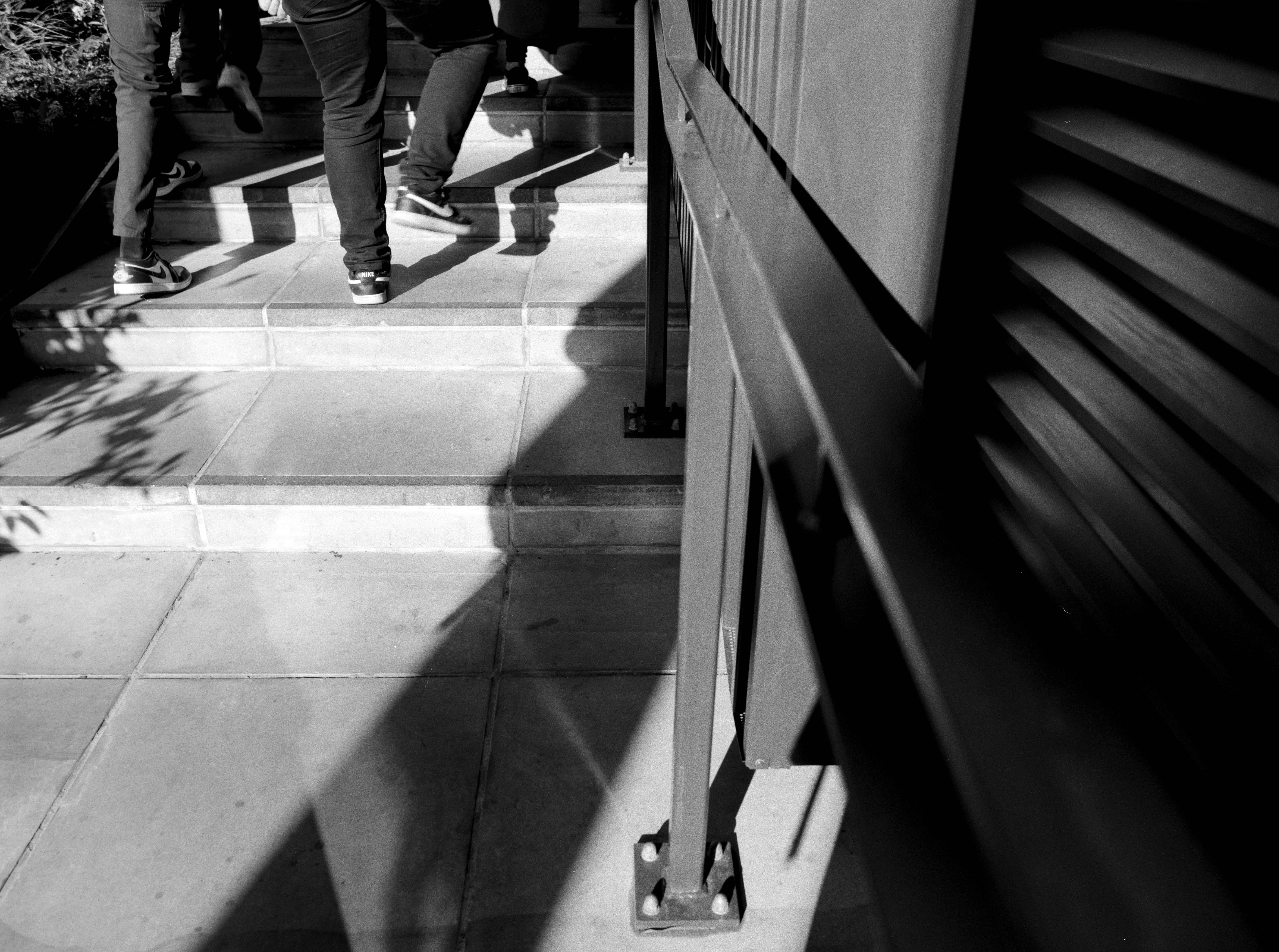
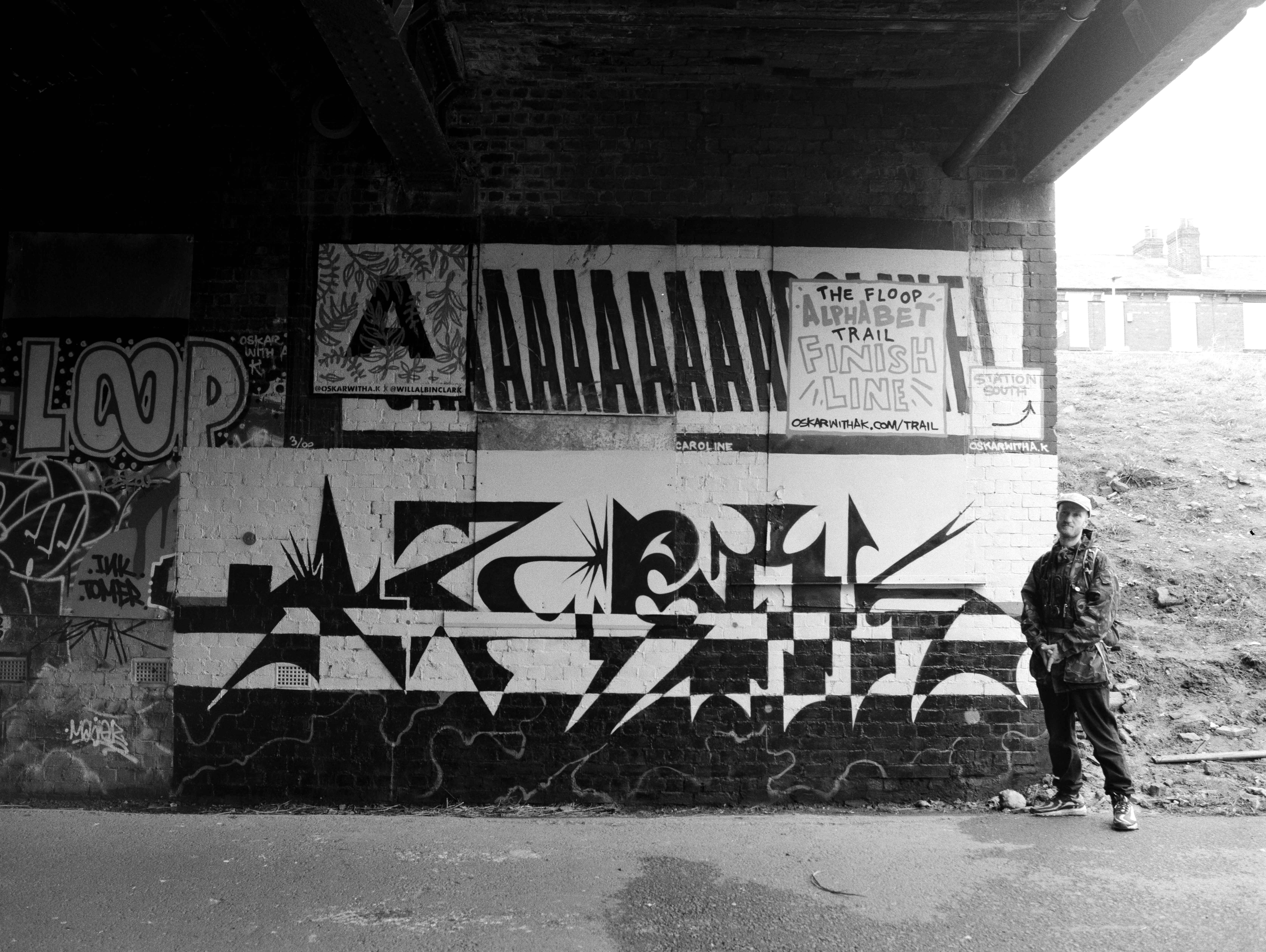
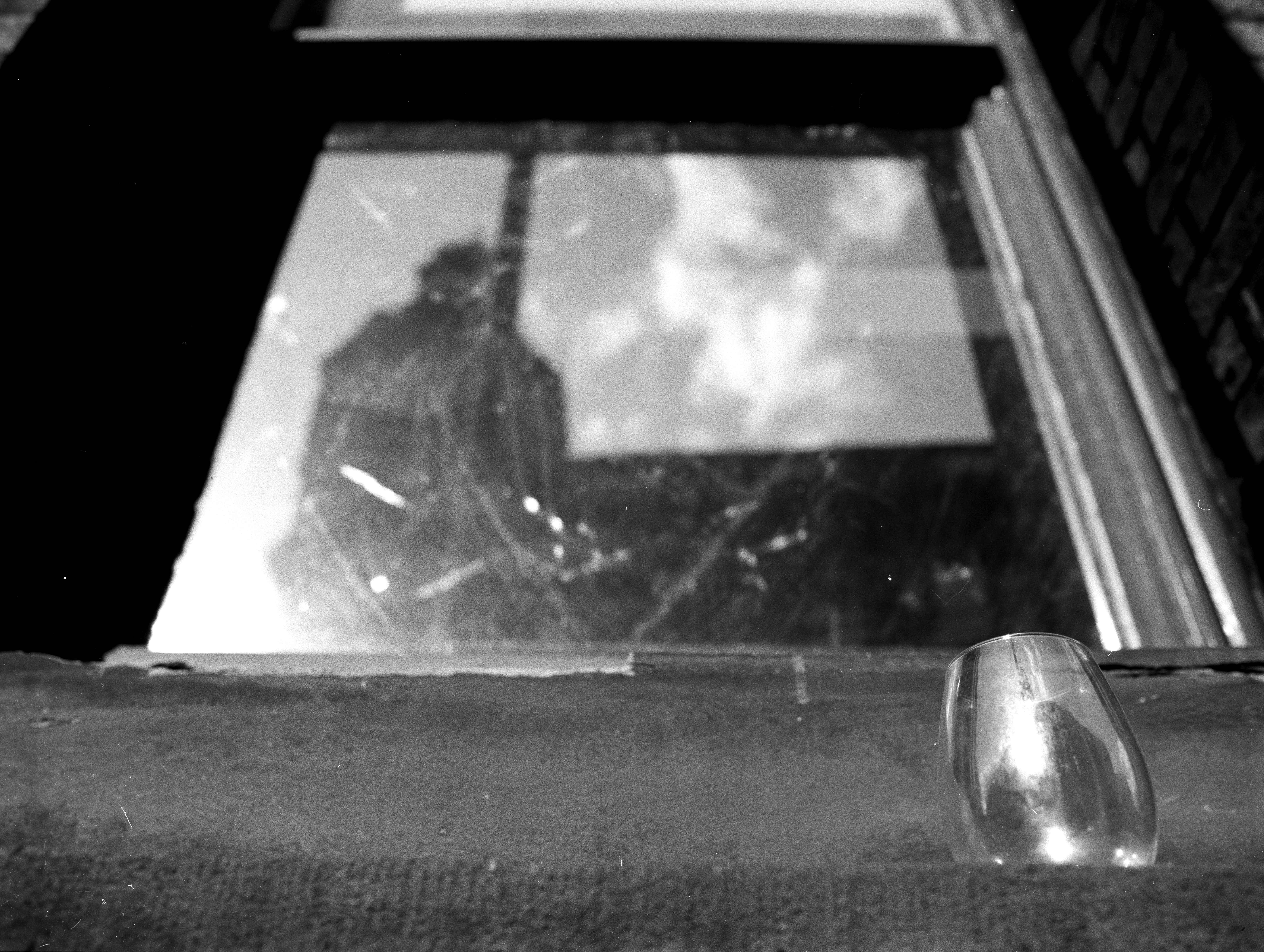
I did a couple of photoshoots to get my creative juices flowing. I went around Manchester with my medium format camera, looking for inspiration and thinking about my future project for the exhibition. I find it a very effective approach for my creative process, a method that never fails me.
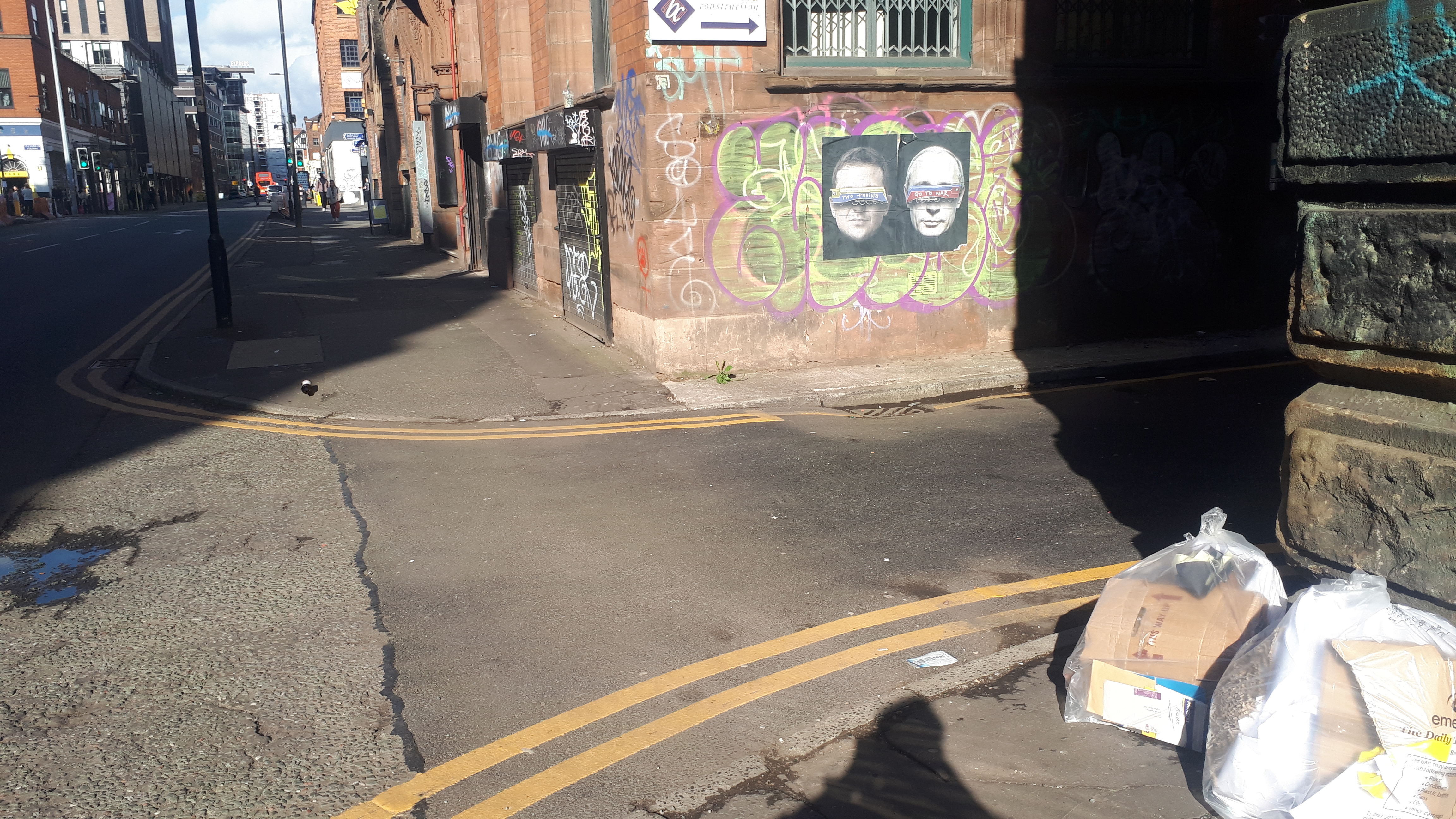
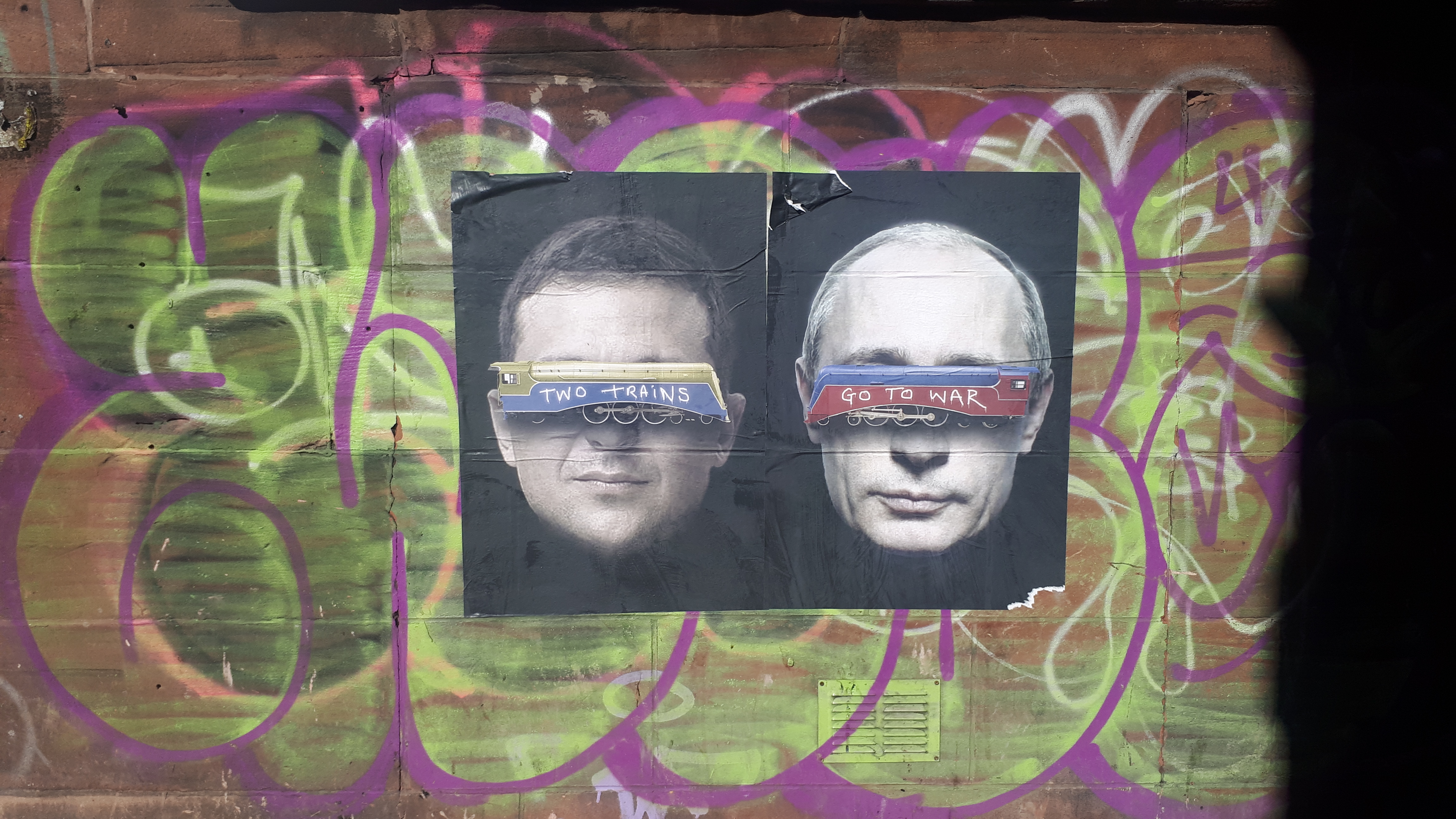
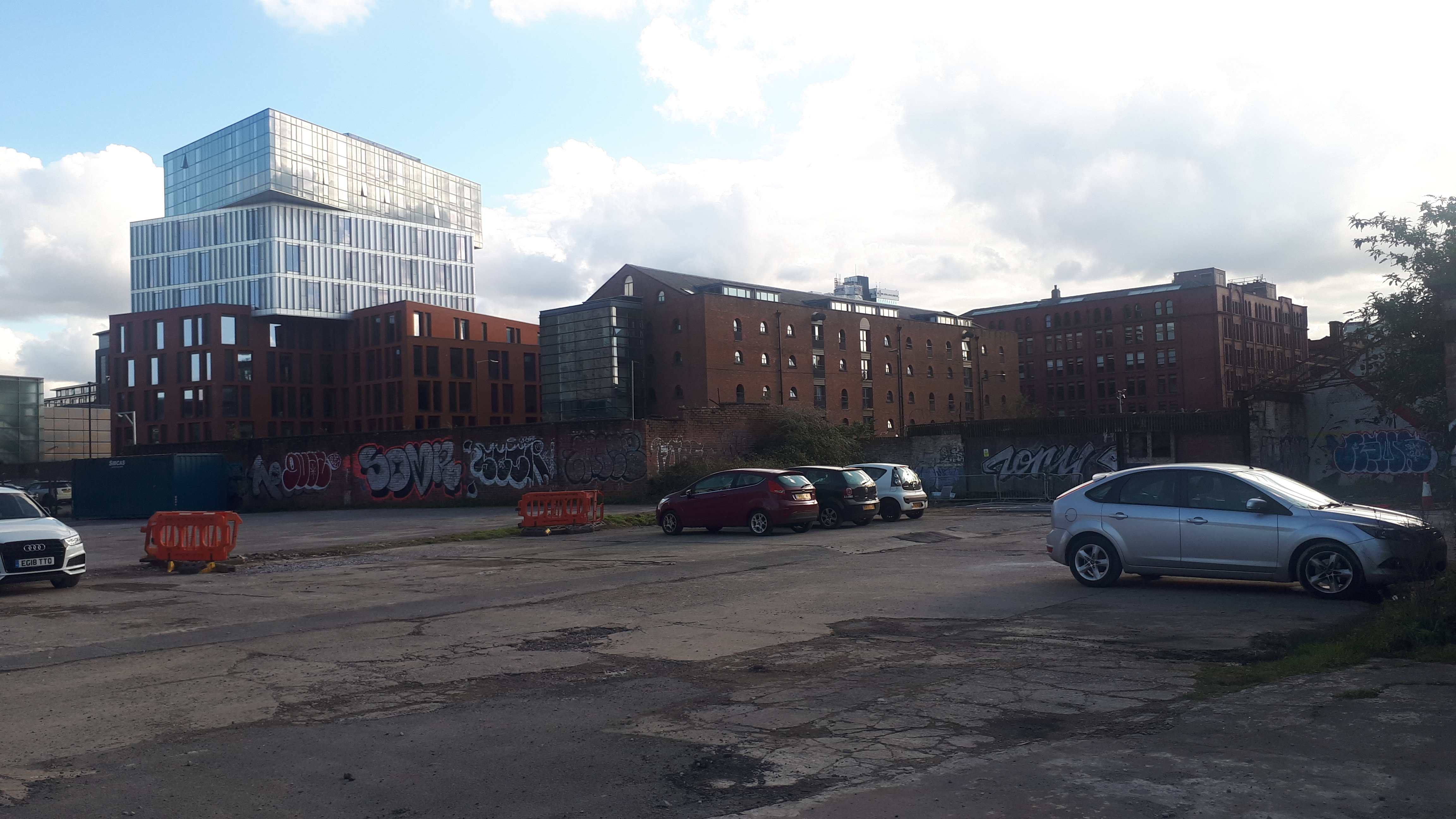
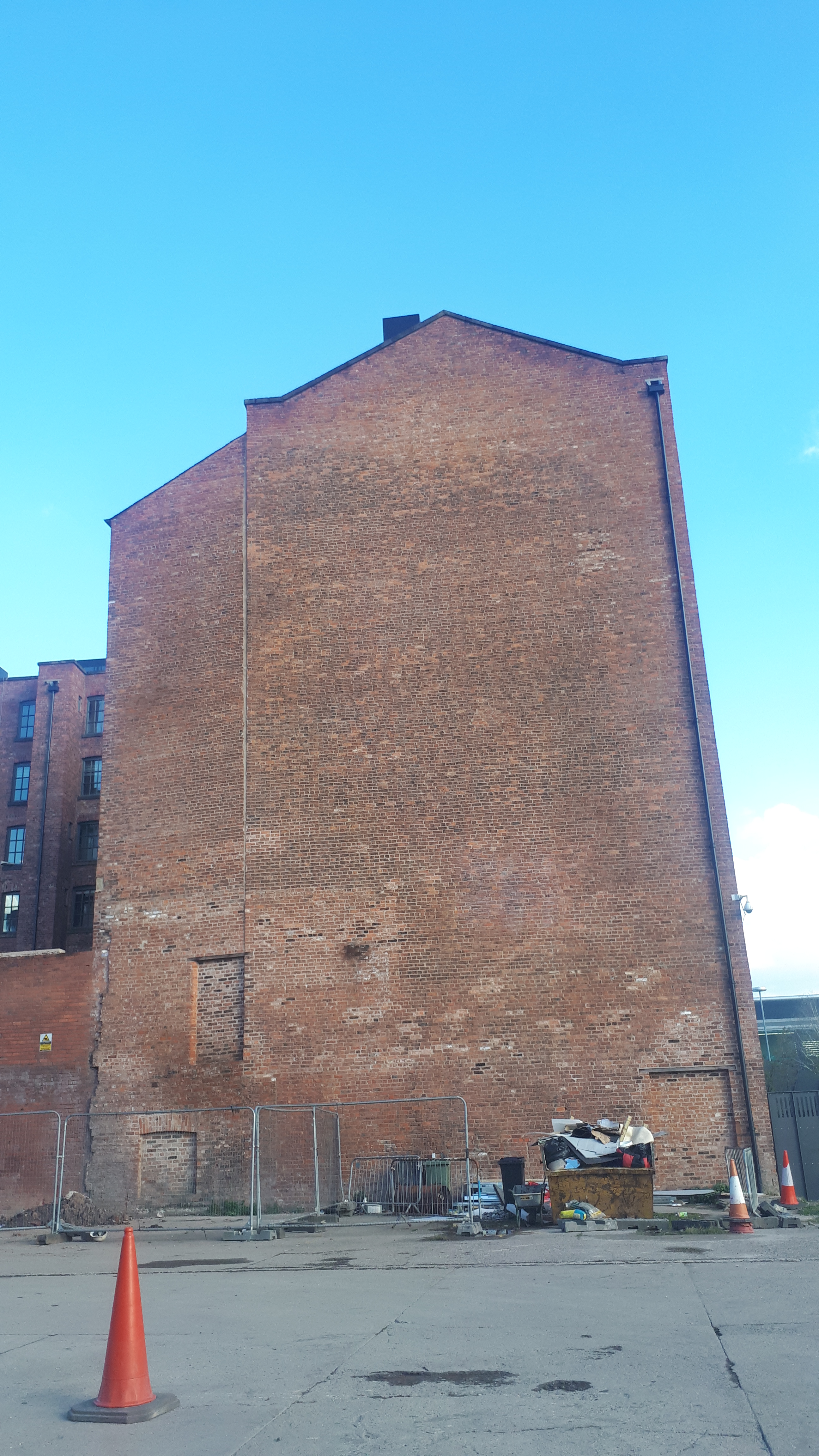
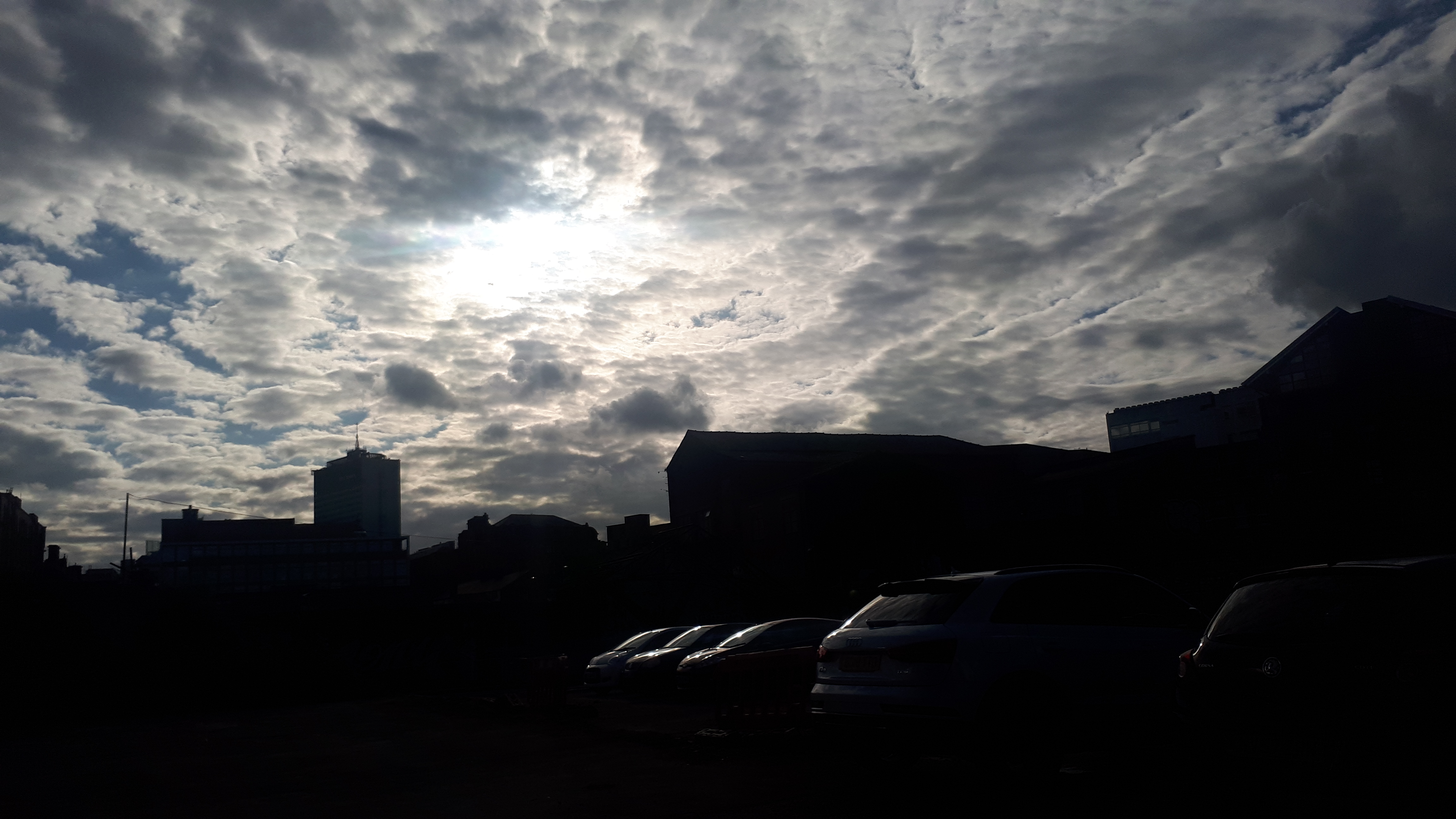
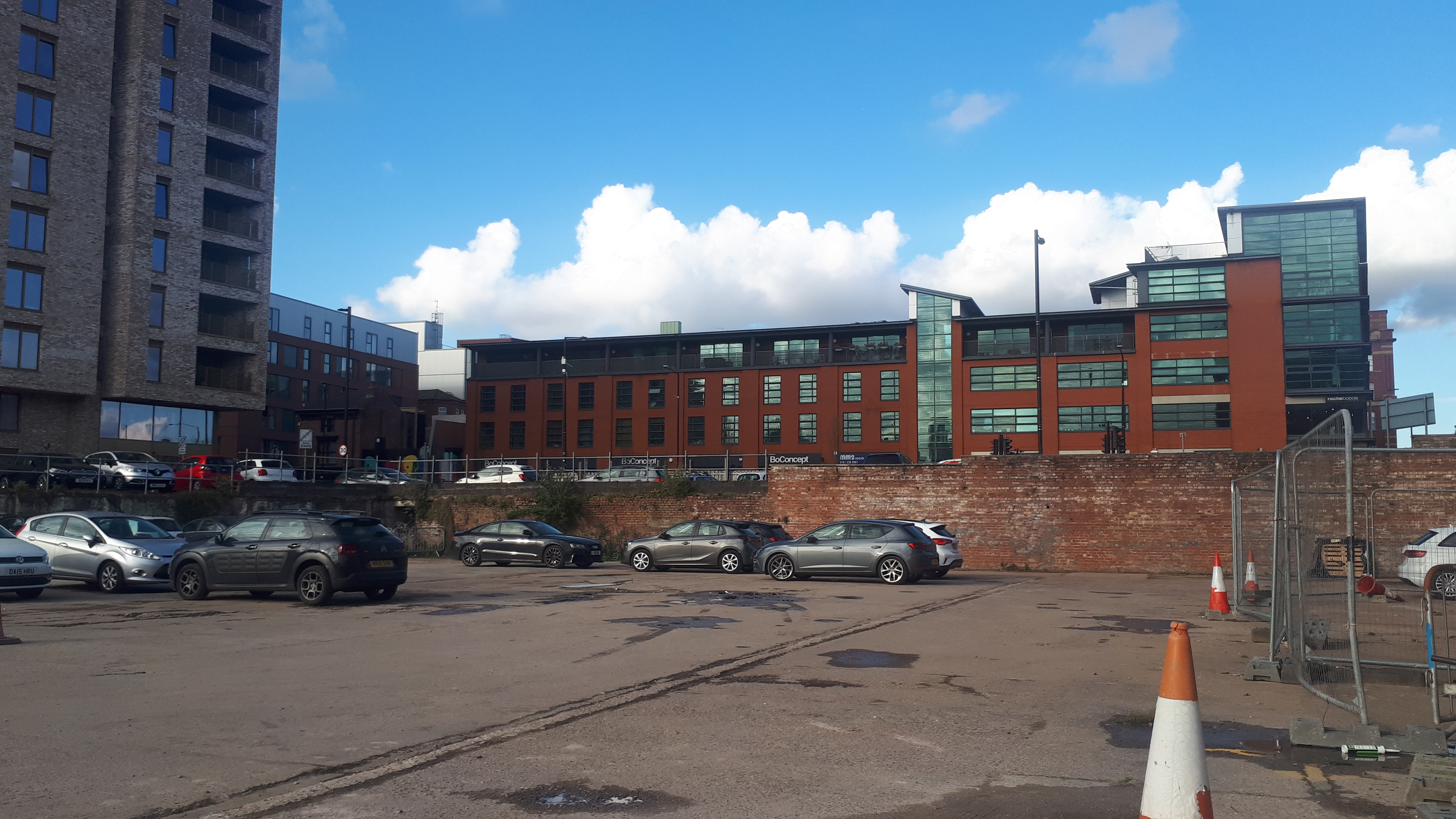
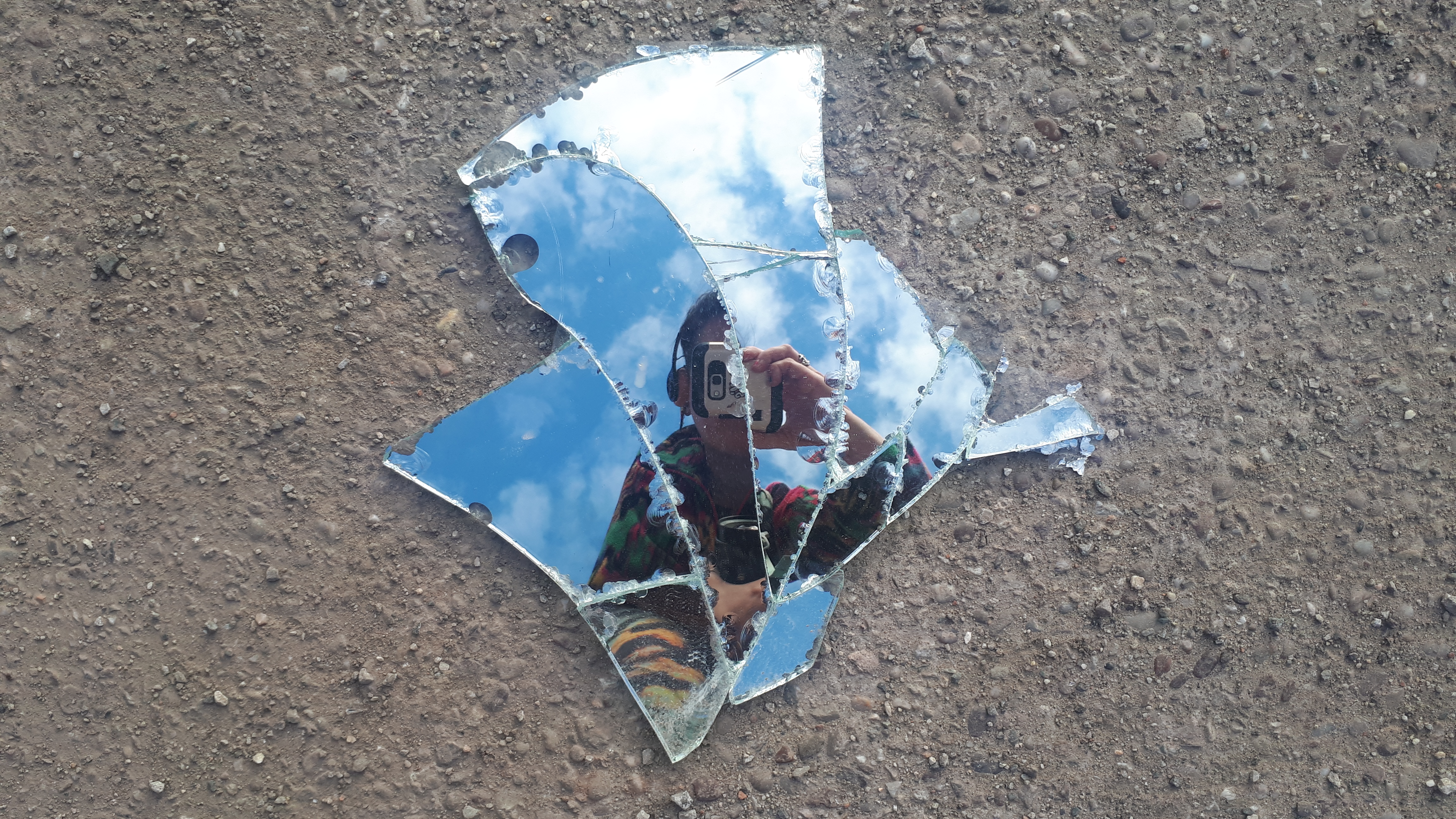
RESULTS FILM ONE MAMIYA 645 PRO TL FILM 1
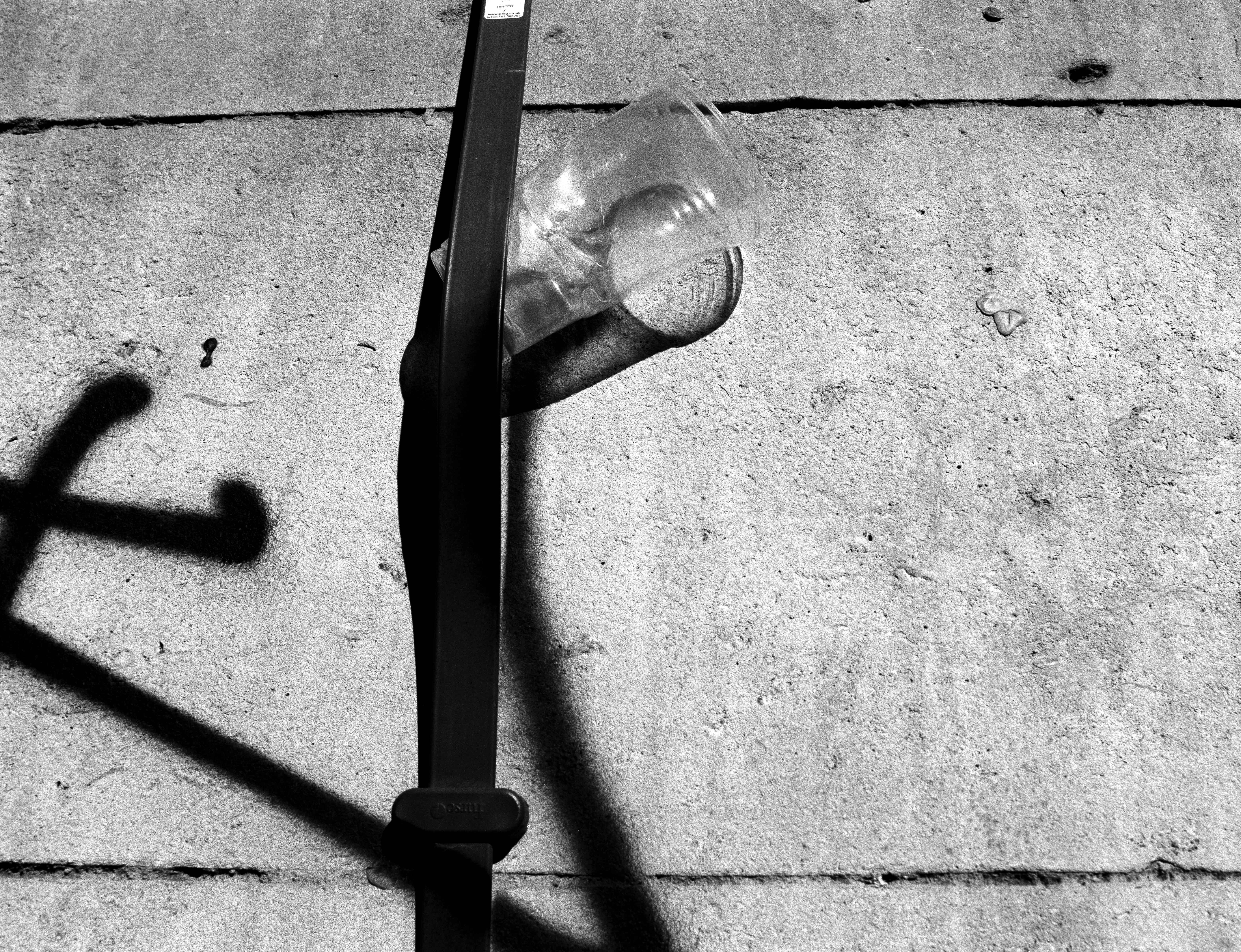
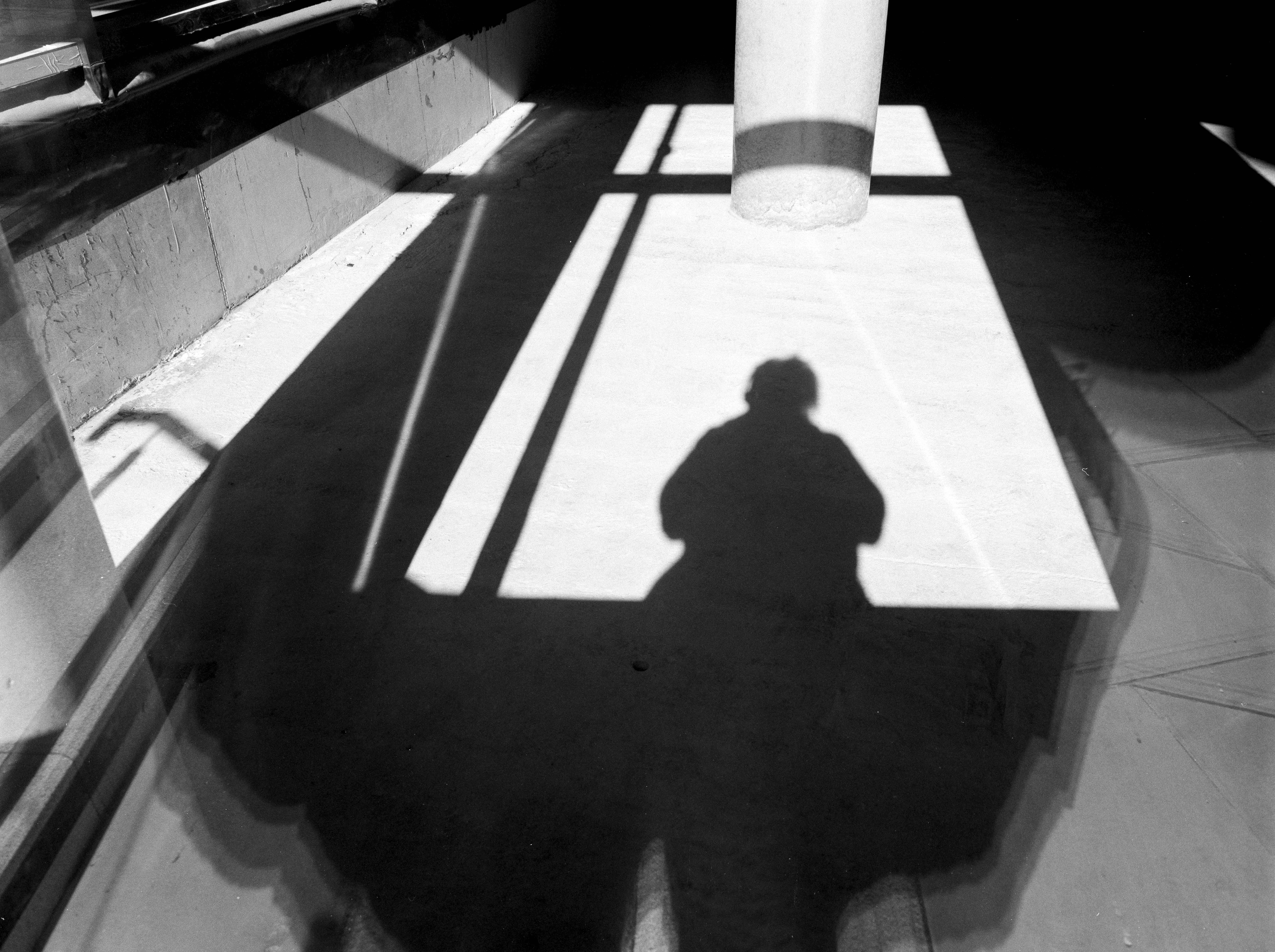
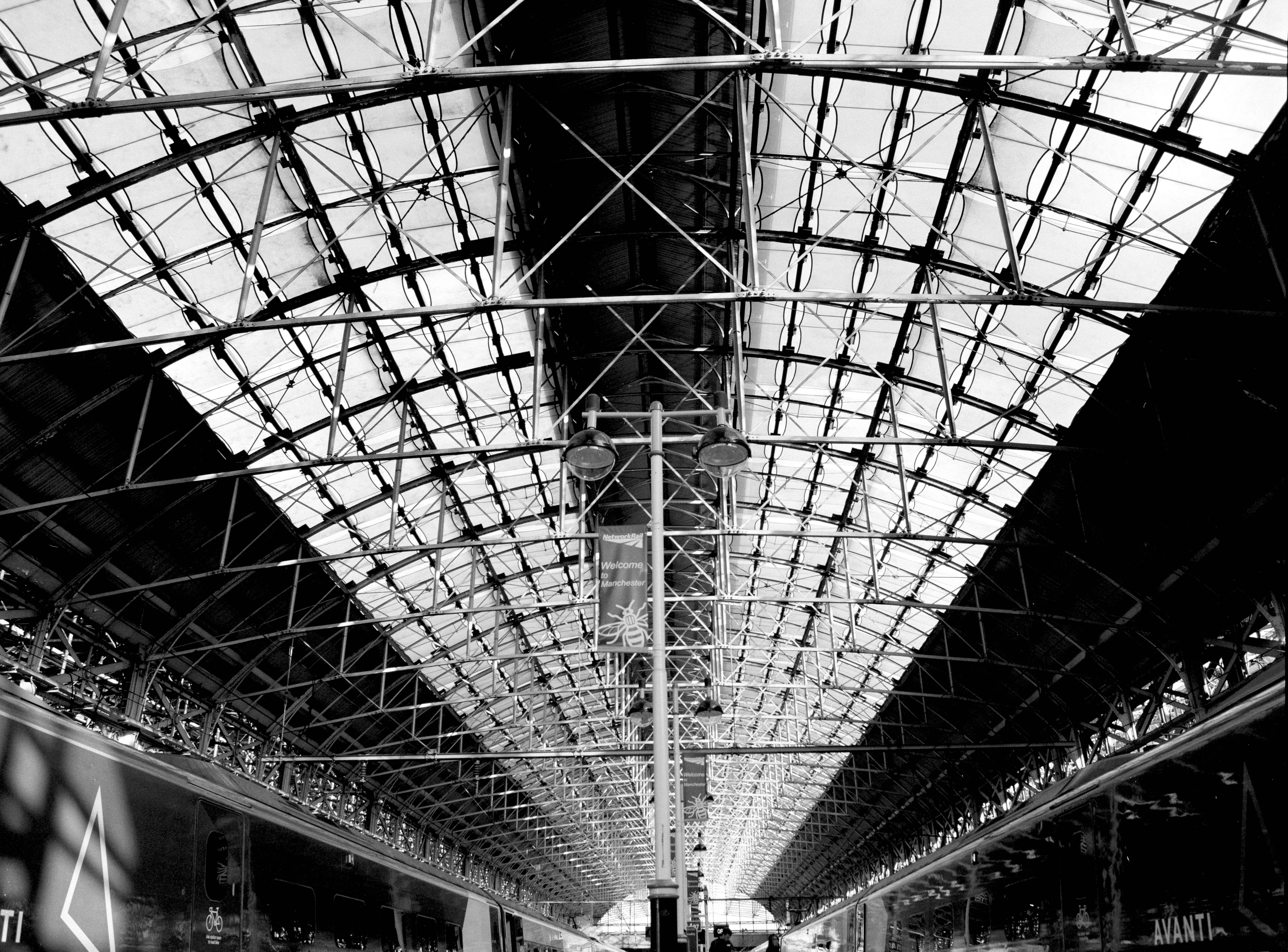
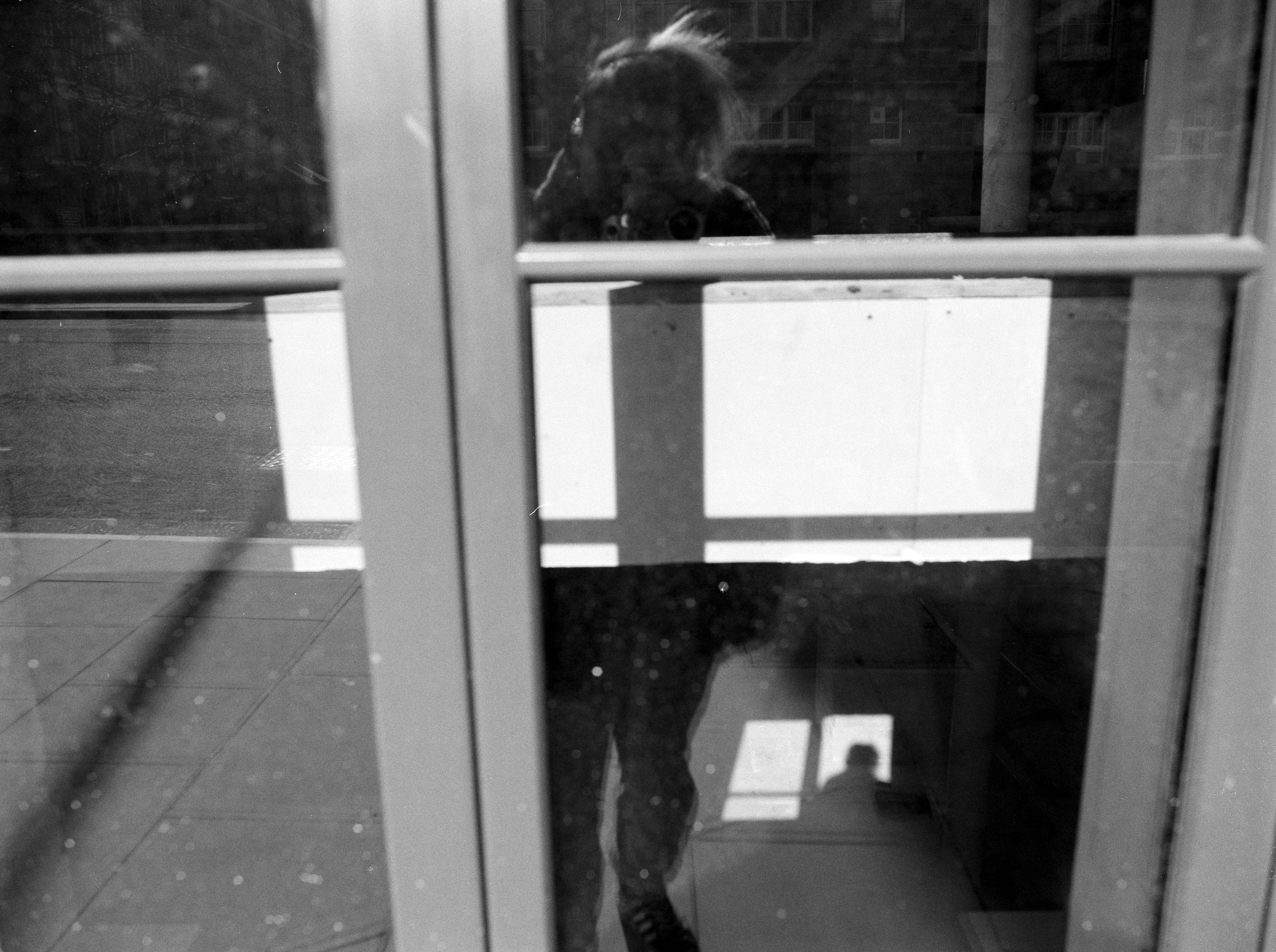

CONTACT SHEET
RESULTS FILM ONE MAMIYA 645 PRO TL FILM 2
CONTACT SHEET
DAY VOLUNTEERING AT CASTLEFIELD GALLERY 14.04
On this day, I worked at the reception, greeting, counting visitors, and giving them a brief on the exhibition. It allowed me time to brainstorm ideas for my project.
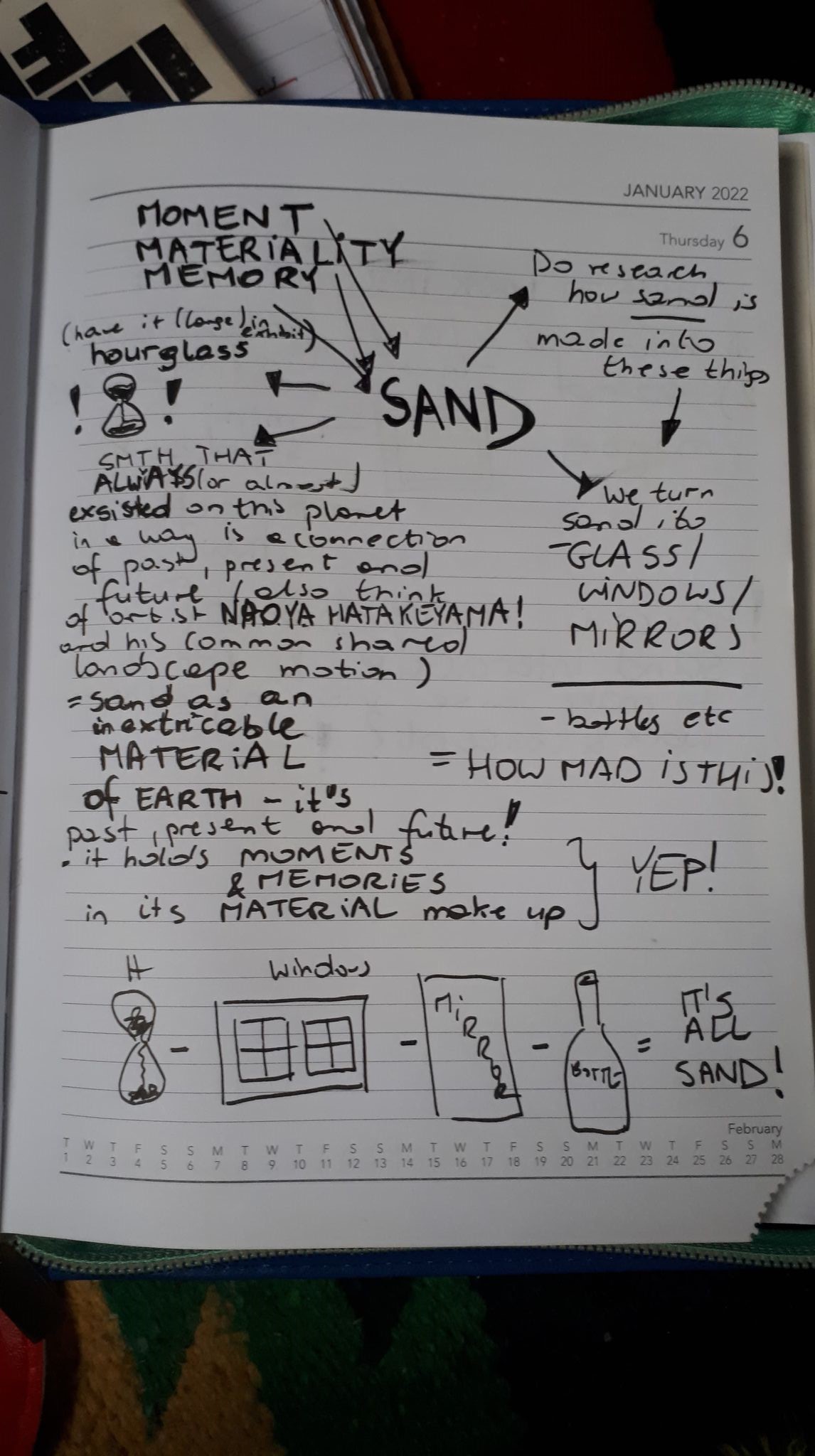
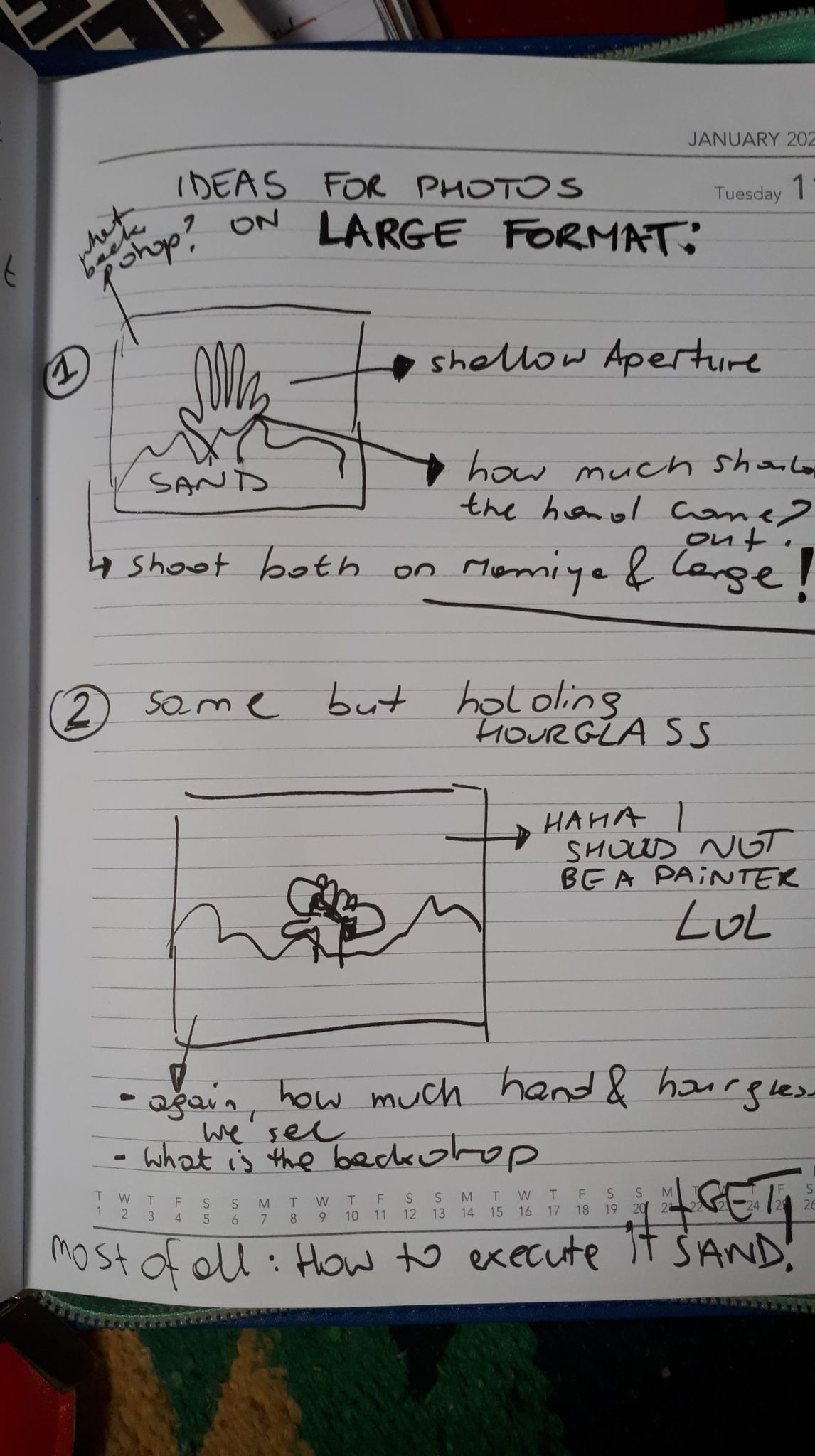
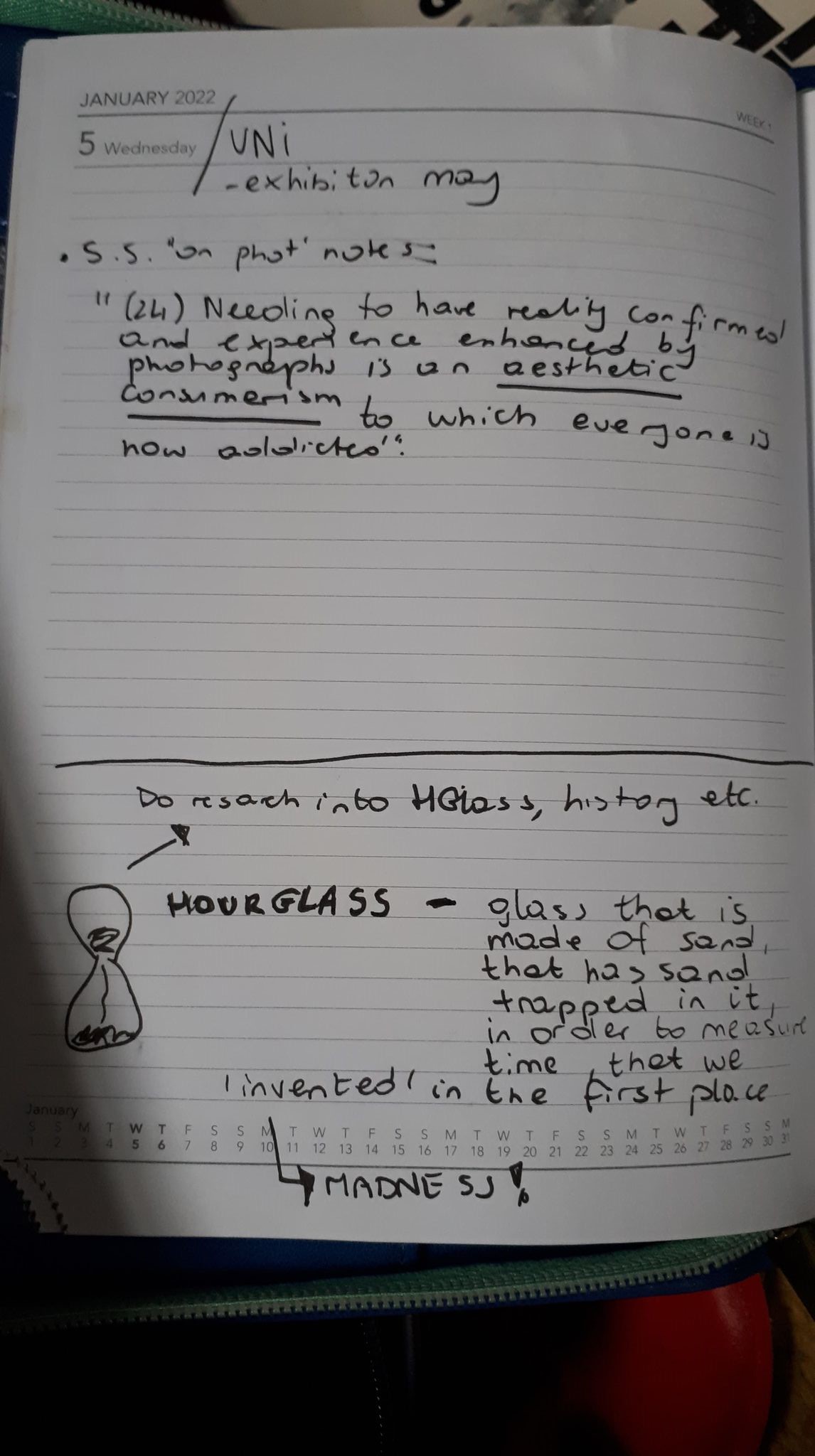
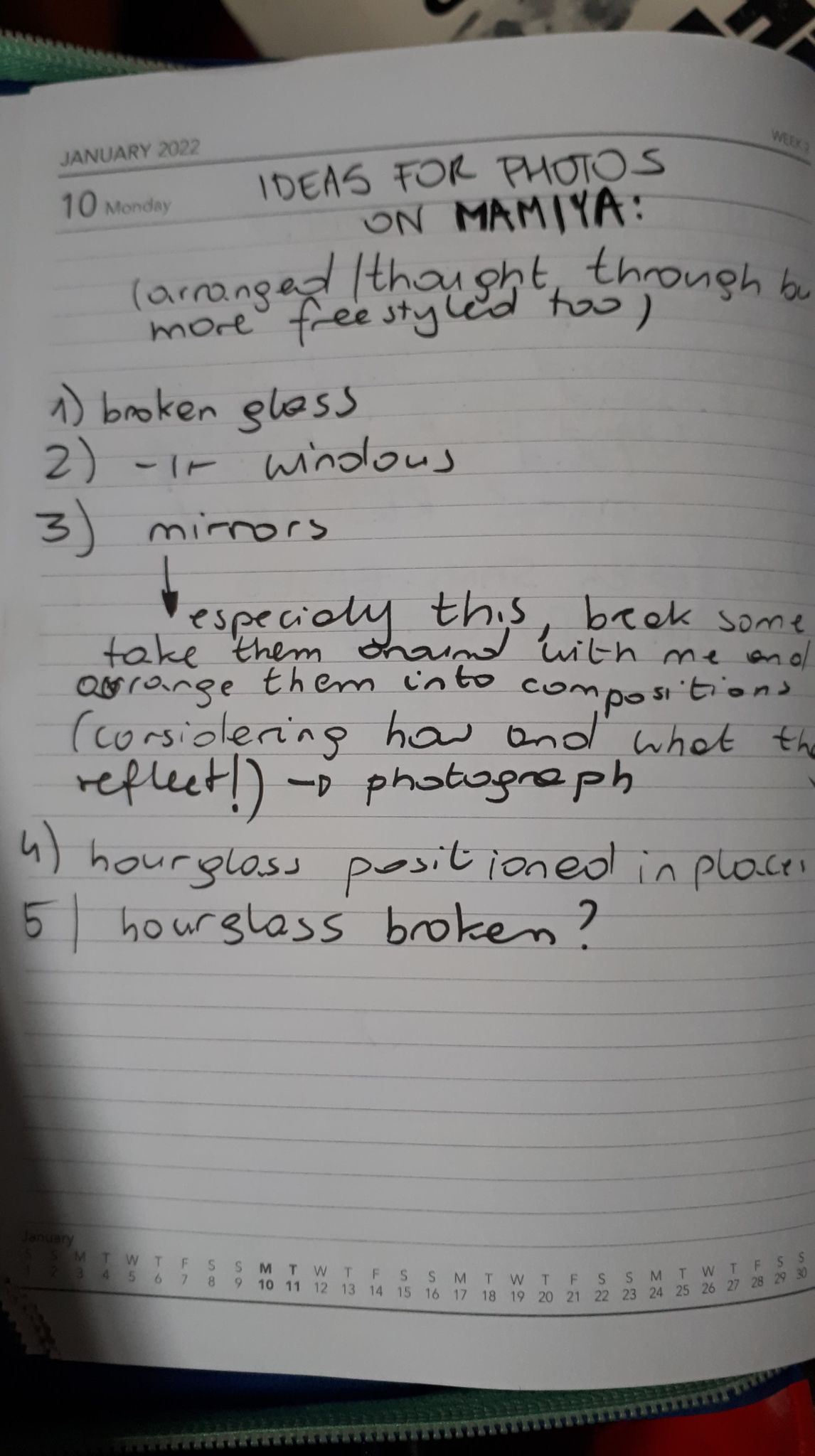
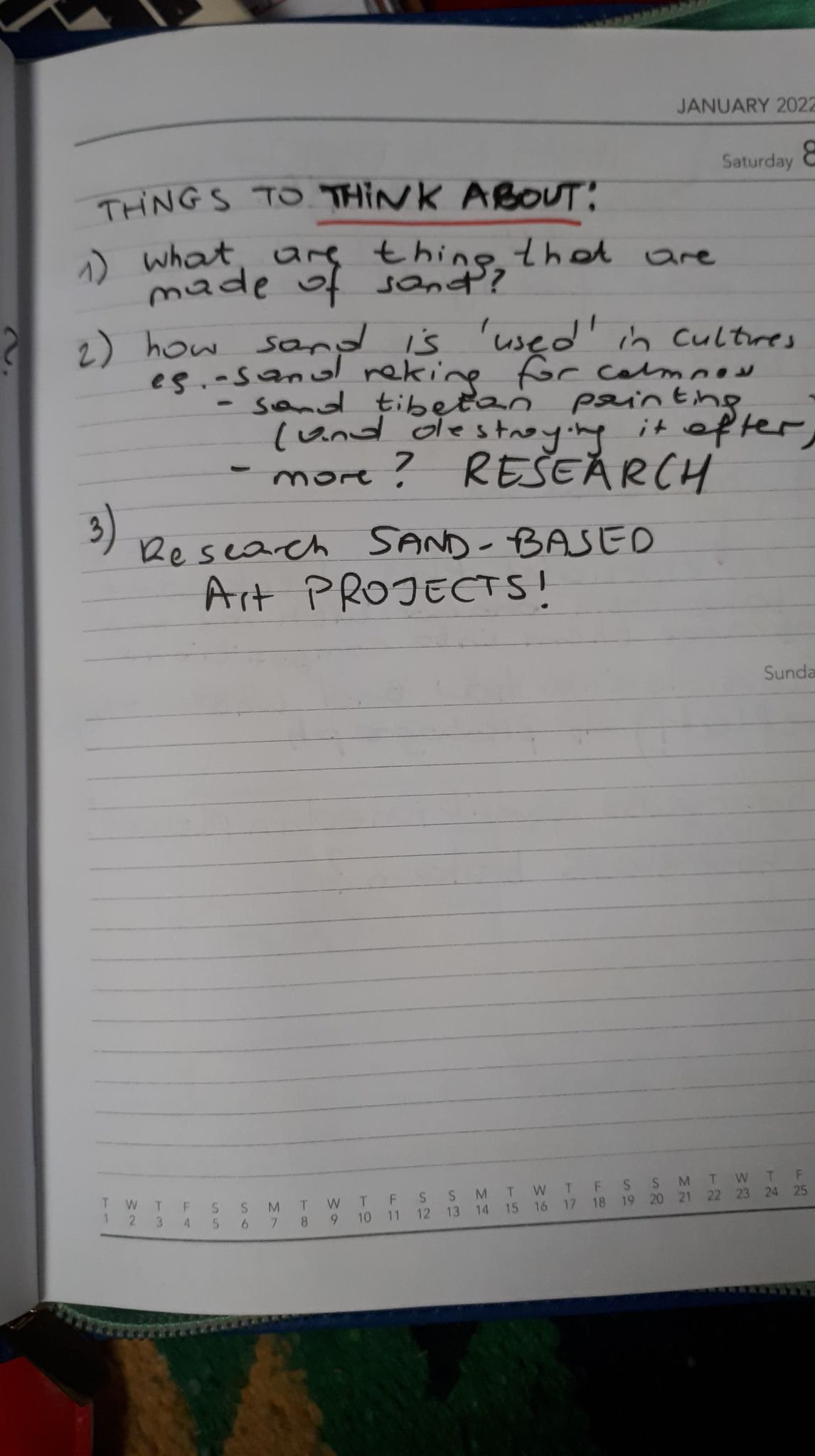
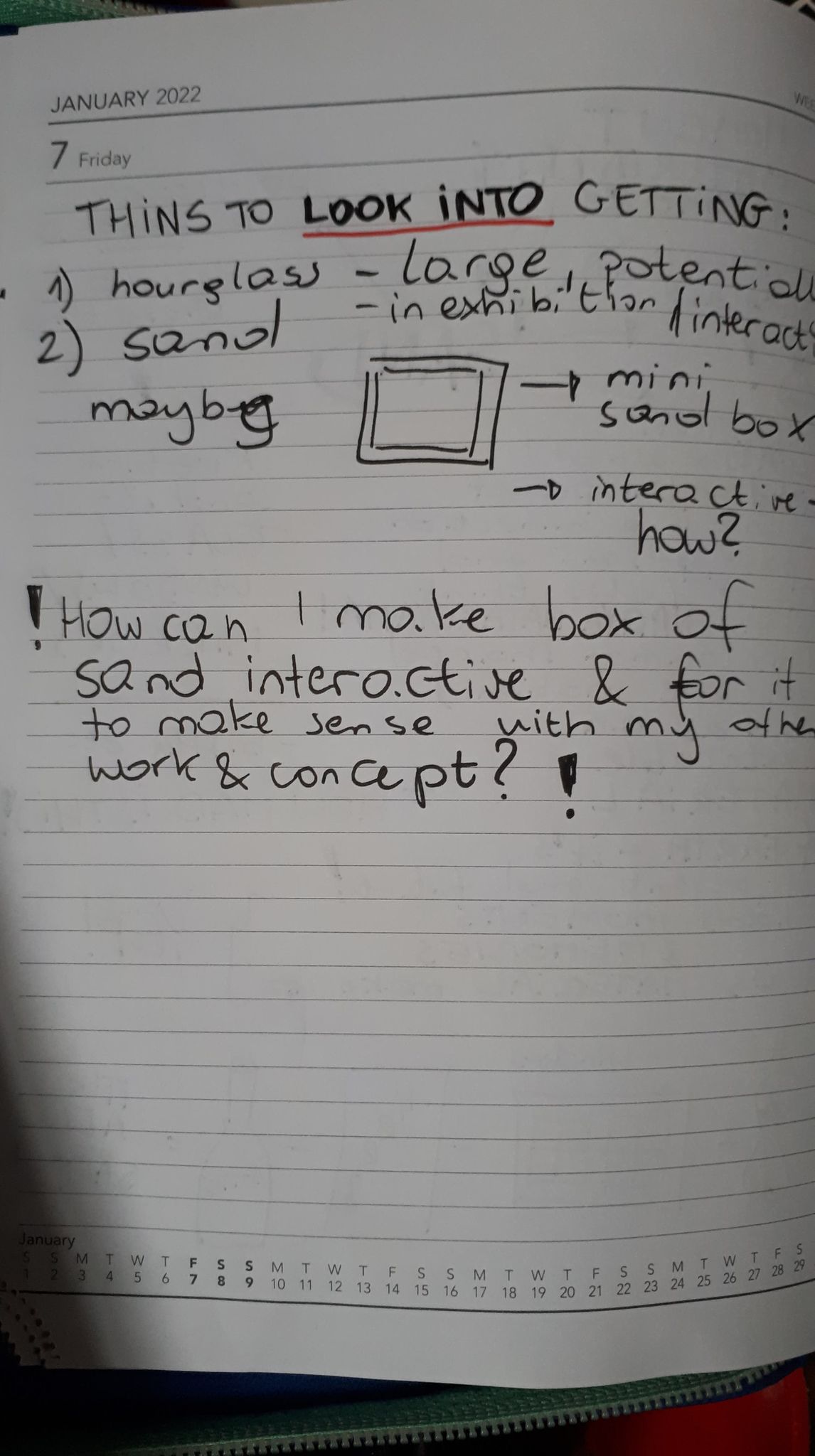
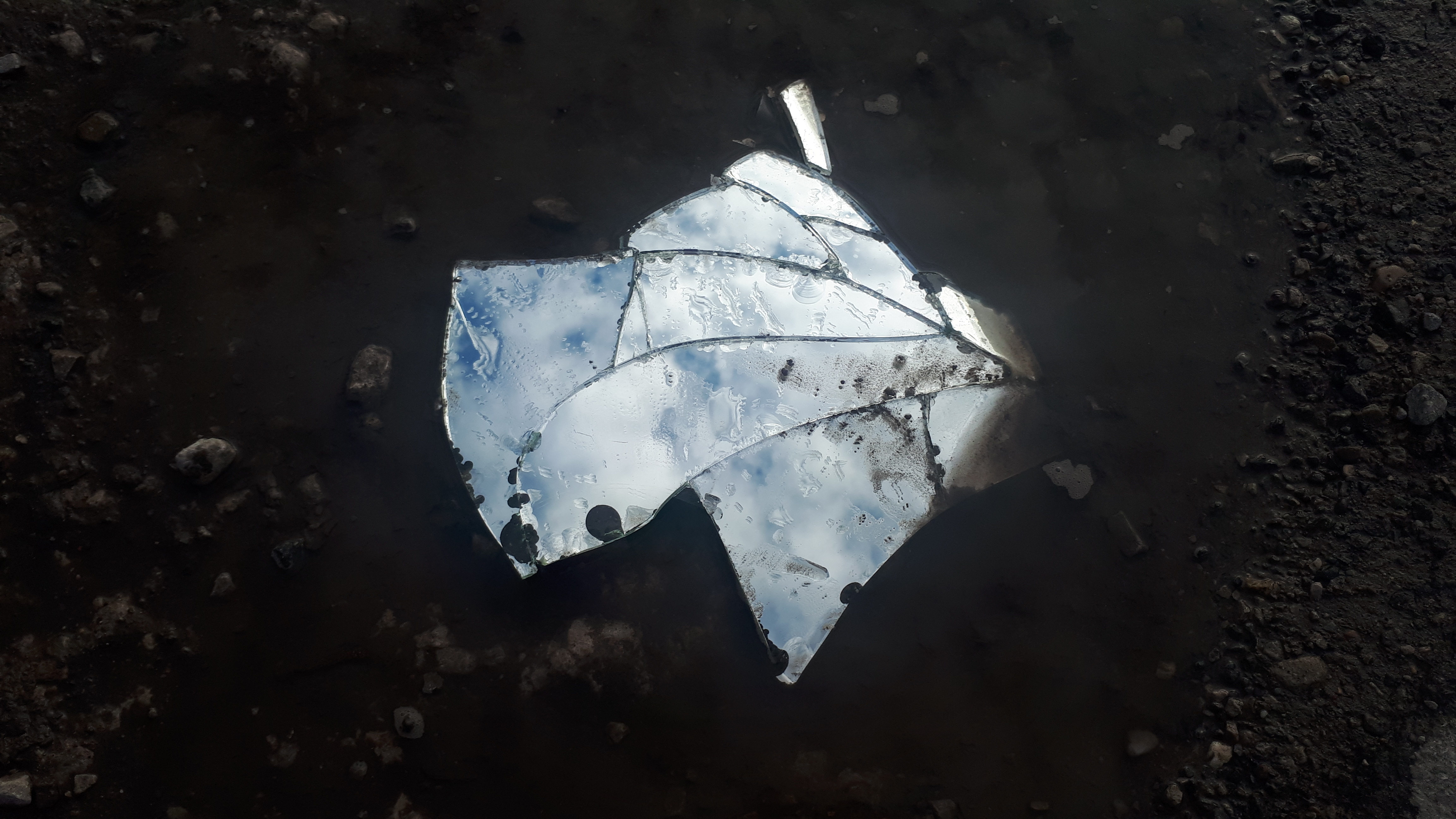
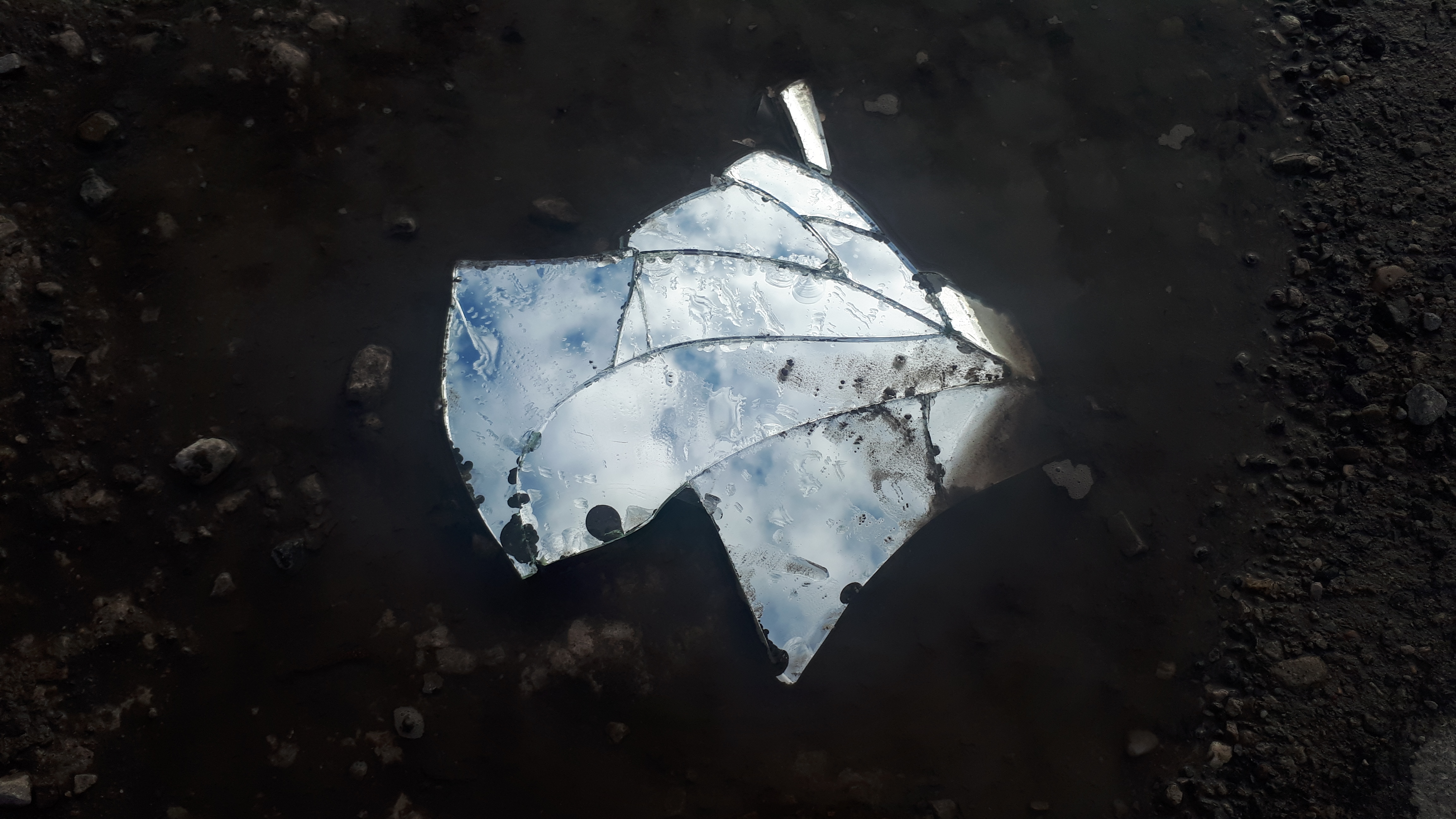
A series of random events, a pinnacle of which was seeing a broken glass on the streets of Levenshulme, that brought my attention to this object and what it was made of. As I saw it, suddenly the words of Martin (technician at MMU of frame making) came back to me ‘’it’s amazing this is made of sand’’ – when he talked about glass. My mind started running in all directions thinking of sand and how remarkable and omnipresent it is, most of all, how it perfectly encapsulates the themes of moment, materiality and memory. At this point I decided to explore sand for my exhibition project.
Reflections on SAND :
- SAND is something that has ALWAYS existed on this planet. In a way, it is a connection between past, present and future (also think of artist HiroshiSugimoto and his Between Sea and Sky project where he talks about our common shared landscapes that I researched in previous units).
Hiroshi Sugimoto Interview: Between Sea and Sky (2018)
I find the notion Hiroshi brings to attention of landscapes like sea and sky, being exactly the way we look at them now, as our ancestors looked at them, incredibly fascinating and worth a reflection.
- SAND is an extricable material of The Earth, its past, present and future holding moments, memories in its material make up.
My contemplations on sand led me to reflect on HOURGLASS:
An hourglass is an object made of sand that has sand trapped in it to measure TIME, which we invented in the first place…MIND BLOWN!
I considered some ideas for photoshoots:
- Broken glass
- Broken mirrors
- Broken widows
- Hourglass
- Sand , of course – and how can I include a box of sand in the exhibition, and make it interactive, and for it to make sense with my work and concept?
For my research I thought about:
- What are things that are made of sand?
- How sand is used in different cultures eg. Asian sand raking for relaxation, Tibetan sand mandalas etc.
- Research art based sand projects
- Hourglass
- Sand
VILLAGE BOOKS EVENT
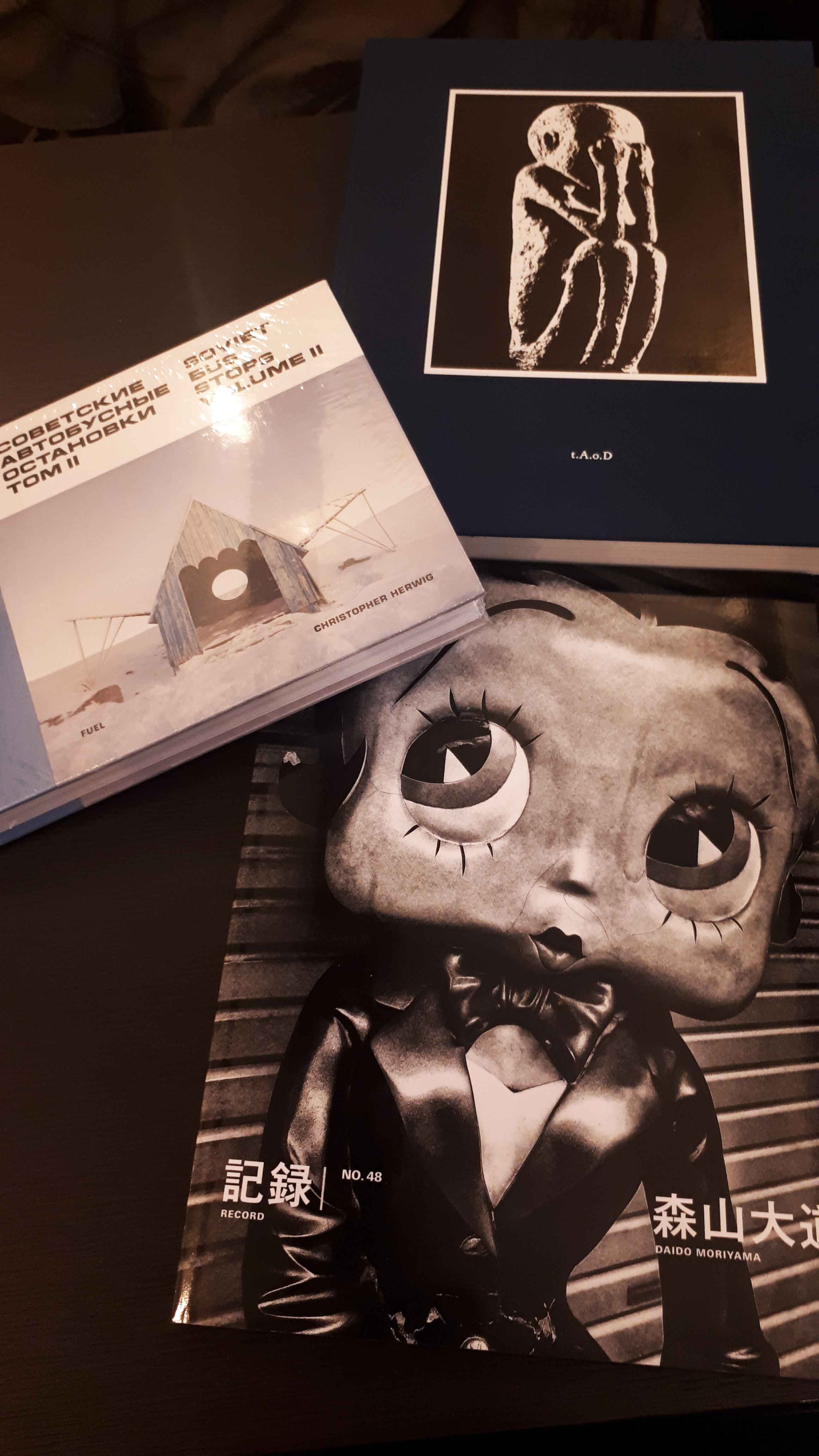
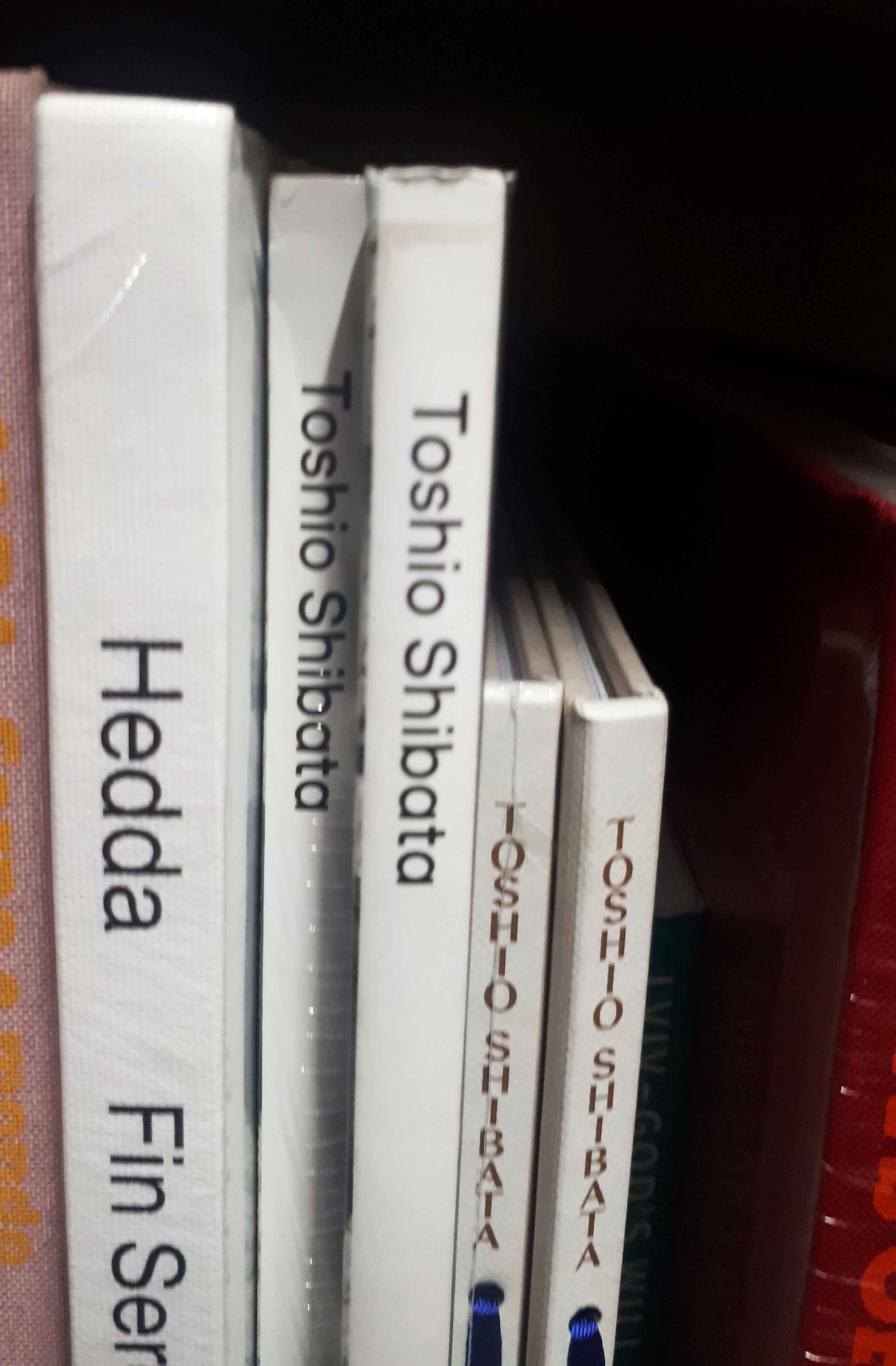
After volunteering all day, I went to the Northern Quarter to attend a book release event, get to know people and familiarise myself with photographic books and magazines. It was a great evening, and it encouraged me to pay regular visits to the shops, which will allow me to discover more inspiring artists, publications and books.
PROJECT RESEARCH
The Amazing Life of Sand | Deep Look (2014)
I made a note of certain things that were said in this video that stuck with me:
”Sand is a time capsule, every grain tells the story”
”If you could take a single grain of sand from every beach you would have a history of the world pinched between two fingers”
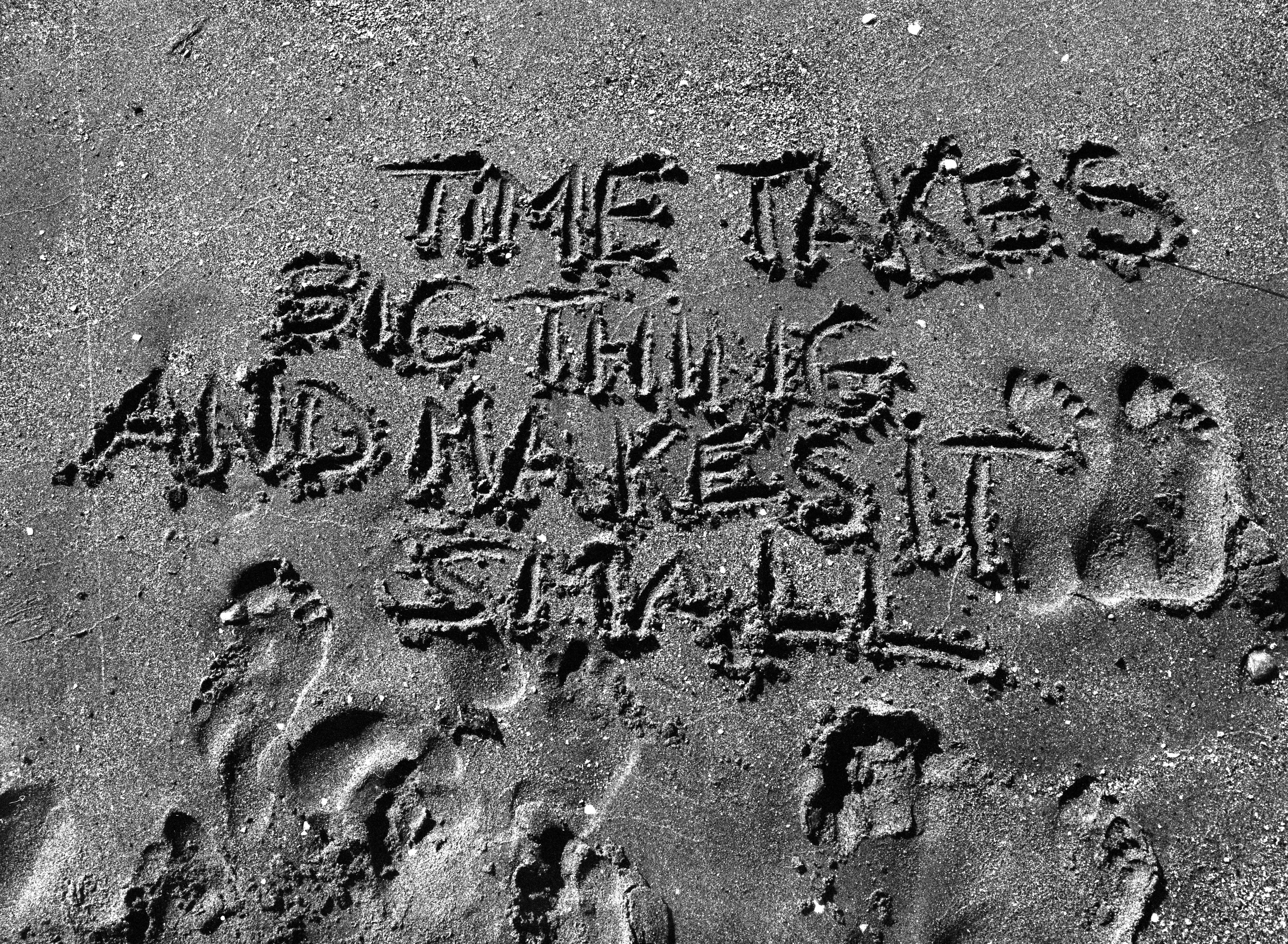
”TIME TAKES A BIG THING AND MAKES IT SMALL”
Some meaningful quotes in this short video that made me think of how much such a small thing as a grain of sand holds inside. It is an excellent analogy to photography, especially in today’s world where you could say there are as many images as grains of sand (figuratively speaking), yet, they hold so much inside them, sometimes in respect to one or few people, sometimes in relation to millions, but they always do, and like the sand, they are collection of time.
Sand is a collection of time created by Earth, while photography is a collection of time created by humans.
So is photography of the sand a collaborative collection of time by humans and the Earth? Is this what I am doing? Interesting. Very, very interesting.
Where Does Sand Come From? | COLOSSAL QUESTIONS (2021)
Video directed at kids actually explains how sand is made better than any other video I found online. It illustrates how sand is a product of years and years of rock erosion, how and why we get different colours of sand and where we can find it.
WORDS to take a note of: erosion/accrete
5 things you didn’t know about sand (2019)
From this informative video I learned:
- sand is becoming scarce (mostly because it it the most widely used material in the world)
- sand is the mort imporant base for buildings
- grains of sand are very old
- sand comes mailnly form rock/mountains that traveled into the sea via rivers
- SAND SINGS!!!! ”Under certain conditions, sand emits sound. At least 30 humming dunes have been discovered on deserts and on beaches in continents including Africa, Asia and Noth America. The sound is created when grains of sand collide and generate elastic waves on the surface of the dune.”
The last fack completely blew my mind, and I will be looking into it more in my future artistic endeavours. I am very excited about it, and wonder, what else that I would not think of, sings?
The song of the dunes
Amazing video in which a French presenter shows us how sand dunes sing and what kind of different noises it makes.
I wanted to find out how sand turned into glass.
How Glass Is Made From Sand || How Things Are Made || Ideas & Facts TV || SPIRIT OF CURIOSITY (2020)
Informative video explaining how glass is made, types of sand melted (and how they can influence the colour of the glass), chemicals added, and processes used to make glass bottles, panels etc.
It really makes me reflect on the inventiveness of a human and how we never stop pursuing new inventions, always looking at what is around us and using the materials we are surrounded by on this great planet, putting them to our use. Seems to me like the human is an unstoppable force, only threatened by itself.
Mirrors – How its made
A fascinating video that talks about the history of mirror making and explains how glass is made into a mirror (through cleaning and applying metal silver backing- liquified tin and silver, which is what makes glass into a mirror).
Exploring how sand is used within cultures eg. Tibetan sand mandala, I read a detailed article which covers the ancient history of sand mandala practice and its origin, as well as different strains of Buddhism religious practice and the differences between their beliefs.
”Tibetan sand mandalas are works of art created to encourage healing, peace, and purification generally as well as spiritual or psychological focus specifically for those creating and viewing it. A mandala (Sanskrit for “circle”) is a geometric image representing the universe and a sand mandala, destroyed after completion, emphasizes the transitory nature of all things in that universe.”
”The choice of what specific images will appear in the mandala is dictated by the occasion it is created for as received by the senior monk who will suggest it. The entire mandala is multicolored and vibrant, suggesting the life force and Buddha-nature within all creatures, and its outer rim is carefully fashioned to suggest the constant motion and change of the universe as contrasted with the throne room which is still and at peace.”
”The Tibetan sand mandala takes this recognition one step further by demonstrating the whole of life in its brief existence. The mandala ends in its own destruction – after it is dismantled, and the area cleaned, there is no trace it ever existed – just as people are born, live, die, and disappear, continuing afterward, on earth anyway, only in the memory of those whose lives they touched.”
Full article at https://www.worldhistory.org/article/1052/tibetan-sand-mandalas/
Sand Mandalas Explained, with Losang Samten | Big Think (2014)
This video explains symbolism within the sand mandala, how different animals represent different human traits (here: pig-ignorance, snake-anger, hatred, rooster/pigeon-greed = causes for suffering), and there are more representations within six and then twelve rings. It conveys a message that everything is connected and dependent on each other. The meaning of the wheel of life is that everyone can understand it.
Sand Mandala – A Time To Build, A Time To Destroy (2016)
”To symbolise the impermanence of all the phenomena, that nothing lasts forever”.
Impermanence of Sacred Earth: The Cycle of the Sand Mandala (2013)
I finished my video research on Tibetan sand mandalas with this great video that perfectly summarises the profound philosophy behind this art.
The practise of mandala making and destroying teaches you to be less attached to things and live in the moment as everything passes. It really makes you reflect on the philosophy of life that Buddhist monks present to the western world so caught up with material things. Adapting at least some of these ways sounds like the salvation of mind, body, soul and the planet. It made me think about how sand conveys all that philosophy and provoked ideas and motions to explore for my exhibition project on the sand.
I then proceeded to reasearch hourglass and time measuring invited bu humans.
Great article on wikipedia (https://en.wikipedia.org/wiki/Hourglass) that covers the uncertain history of hourglass ”The origin of the hourglass is unclear. Its predecessor the clepsydra, or water clock, is known to have existed in Babylon and Egypt as early as the 16th century BCE.”
A History of Time – Seconds, Minutes, Hours, Days & Weeks
A very interesting video explaing the concept of time made up by humans thought history. From it I finally found out why there are 60 minutes in an hour (ancient Babylonians counted parts of our fingers on one hand then mulktiply by fingers on the other which makes 60!). I t also covers time zones, 24h, 7 days of week (why 7 and why are they called ehat they are), and more.
EXTENSIVE RESEARCH ON MONICA ALCAZAR-DUARTE
I did extensive research on Monica, my recent favourite artist, whom I discovered in a previous unit through our Village Green talks.
First I listened to a great talk with Monica, where she talks about her photographic process, grant and the latest project Second Nature. She poses a lot of intresting question regarding technology, provoking to think of the consequences of its constant development. She also talks about space and space laws, and how we are now in need to regulate it for the future generations.
I appreciate her as an artist as she brings attantion to subjects that I haven’t thought of (and I do now), sparking curiosity and awareness, I am aspiring to be this kind of artist.
Monica Alcazar-Duarte (photography) Second Nature – 2020 (2021)
In this video, Monica explains her latest project Second Nature. Her interest lies in technology and how it shapes our future. She questions whether it will be as bright as everyone seems to think. Additionally, she talks about the impact of human classification by technology and its influence on us, questioning the neutrality of technology.
I really love her work as it’s so beyond photography (but encompassing it), reaching out to all the mediums, techniques and science necessary to convey her message. I am fascinated and very impressed by her and find her artwork and work style incredibly inspiring, out of the box, and eye-opening. Seeing her progress, I feel confident and excited about my year abroad in art school in Spain, where I will be able to explore other art disciplines that I can see myself incorporating into my photography.
Monica mentions augmented reality, a term that I heard repeatedly recently but still am not that familiar with, so I decided to do some research.
What is Augmented Reality (AR) In 60 Seconds (2021)
Augmented reality – a technology that superimposes a computer-generated image on a user’s view of the real world, thus providing a composite view (eg. pokemon go).
Augmented Reality (AR) and Virtual Reality (VR) Explained | (2020)
This video explains clearly the difference between augumented and virtual reality, as well as lists they way we use them in everyday life.
Possible Landscapes | Monica Alcazar Duarte | TEDxUAL (2017)
In this video, Monica talks about a project she did in Cyprus, and a complicated and sad history that this country holds. A big part of Cyprus’ population has been made refugees in their own country as a consequence of the colonial times, after which Cyprus has been, sadly, divided into North and South. In a series of events (as it’s usually the way) and through reflection on her work, Monica decided to turn it into a community project and create, together with Cypriots, a series of possible landscapes. In this undertaking, she aligns images taken by the community into one photograph connected by a horizon, where no North, South, East or West exist – all that is left is a common landscape, engaging both communities in equal, communal exchange.
I think the main reason I resonate so much with Monica is her awareness of the equality within humans and the possibility of putting differences aside to live in a better world, undivided – together. It shines through all her work as it is such a big part of her personality and faith in human kindness. I really relate to that and really hope to work with Monica in the future, as I feel it would be a wonderful opportunity to grow, share ideas and connect on subjects that matter to us so much.
https://photoworks.org.uk/monica-alcazar-duarte/
SITUATION #219: Monica Alcazar-Duarte: The New Colonists (2017)
A flip through Monica’s book (https://www.monicaalcazarduarte.com/the-new-colonists), yet again, Monica wonders about the impact of technology on our lives, simultaneously being full of appreciation, she is also wary of what constant strive for progress might mean for our future. The constantly promoted idea of growth as progress might just be becoming outdated, unnecessary and perhaps, dangerous for our future endeavours on this planet. It is not the first time I heard these opinions, and the more I heard them and found out about them, the more I started to think that degrowth economics must just be the way to a brighter future for the next generations. I first found out about this theory from Sam Harris’ WAKING UP podcast, my curiosity grew when Monica tackled the subject, and I decided to find out more about it.
What is degrowth theory?
Degrowth is a political and economic theory which emphasises changing priorities of society from economic growth and production to a society based on sustainability, well-being, concern for environment and co-operation (Google).
An excellent article Degrowth – definition, examples and criticisms (https://www.economicshelp.org/blog/164203/economics/degrowth/), explains the definition and origin of the word and the idea of degrowth (E.F. Schumacher wrote an influential book “Small is Beautiful”, 1973), as well as a non-biased point of view looking at both sides of the coin. Additionally, the article outlines how we could make degrowth happen and the many benefits of it (less materialistic lifestyle, prohibiting planned obsolescence, switching away from private cars, growing your food, taxes, regulations and many more).
I have heard that term before many times so it was very interesting and valuabke for me to finally learn more about it. It makes me think and wonder (and hope a bit) about our future on this planet, and perhaps I am being naive thinking that this better world is possible, but it fills my heart with warmth, joy and hope. Adittionally it sparked some ideas for future projects based on the idea of degrowth, something to reflect upon more, research more and formulate into a strong project.
Monica brings to attention the power structures that ‘rule’ the space for the time being and the growing interest of private companies in mining the moon/asteroids. It makes me feel very uneasy and brings to mind Sci-fi scenarios of the Leviathan Wakes by James S. A. Corey (that came to be a very successful TV series The Expanse), where the Earth, Mars and the Belt are in constant battle with each other over space and it’s resources.
Quotes that stuck with me from this video:
”When we will finally figure it out? Nature doesn’t belong to us, we belong to nature”
”WE ARE NOT AT THE CENTRE”
Monica’s image of nature as ”An infinite chaotic dance without hierarchies”
INSPECTING THE VENUE – ISLINGTON MILL 21.04
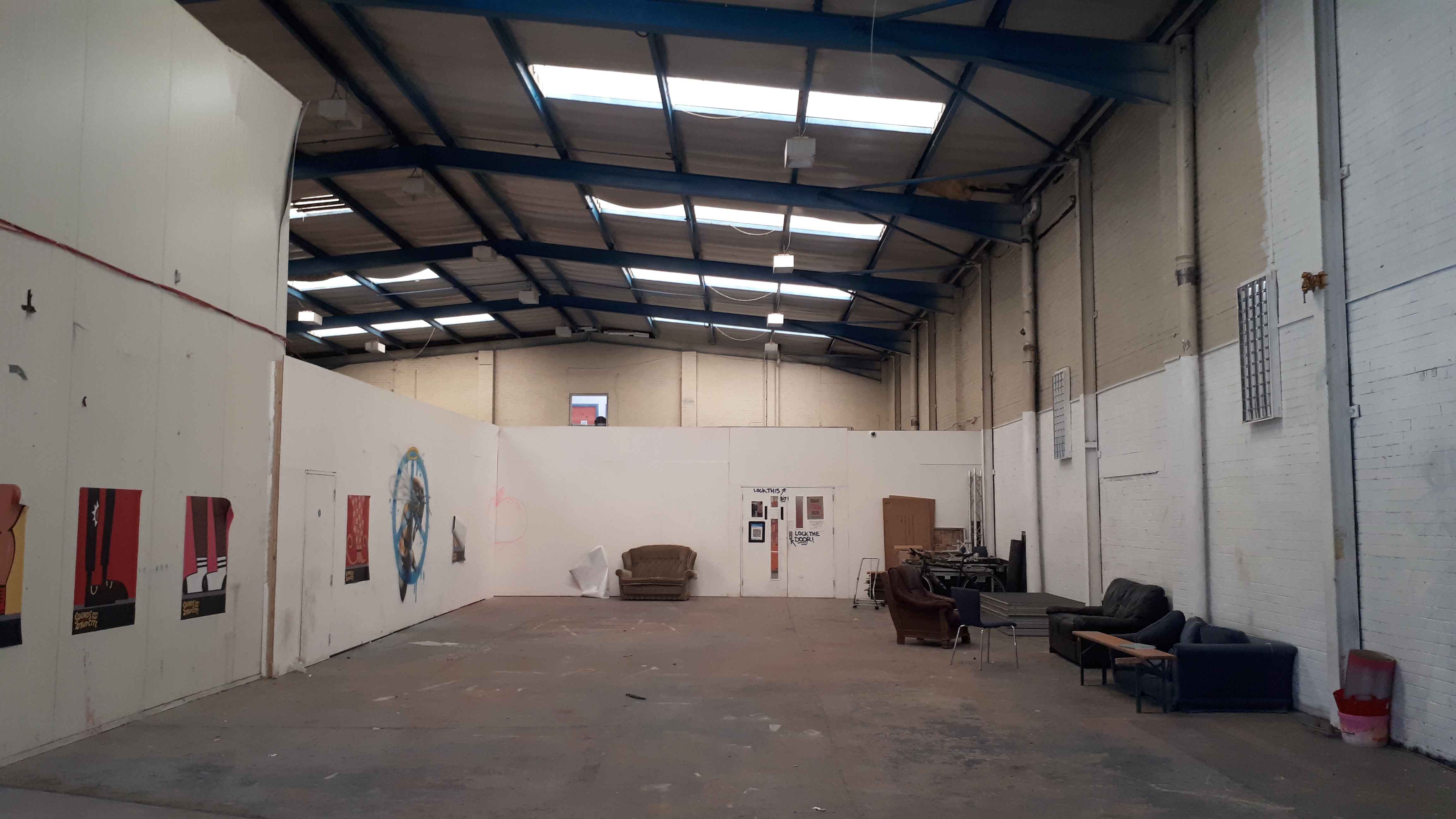
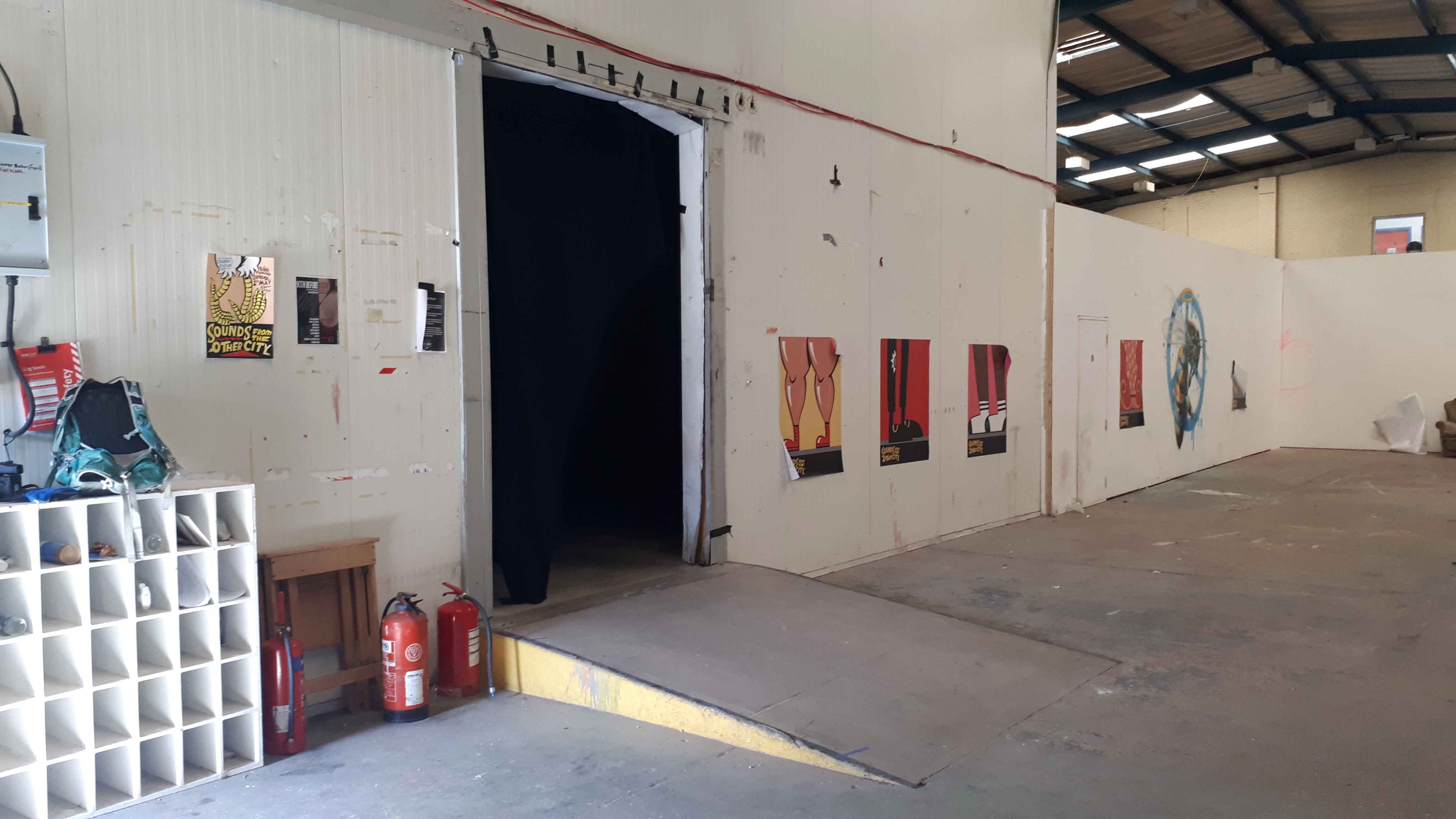
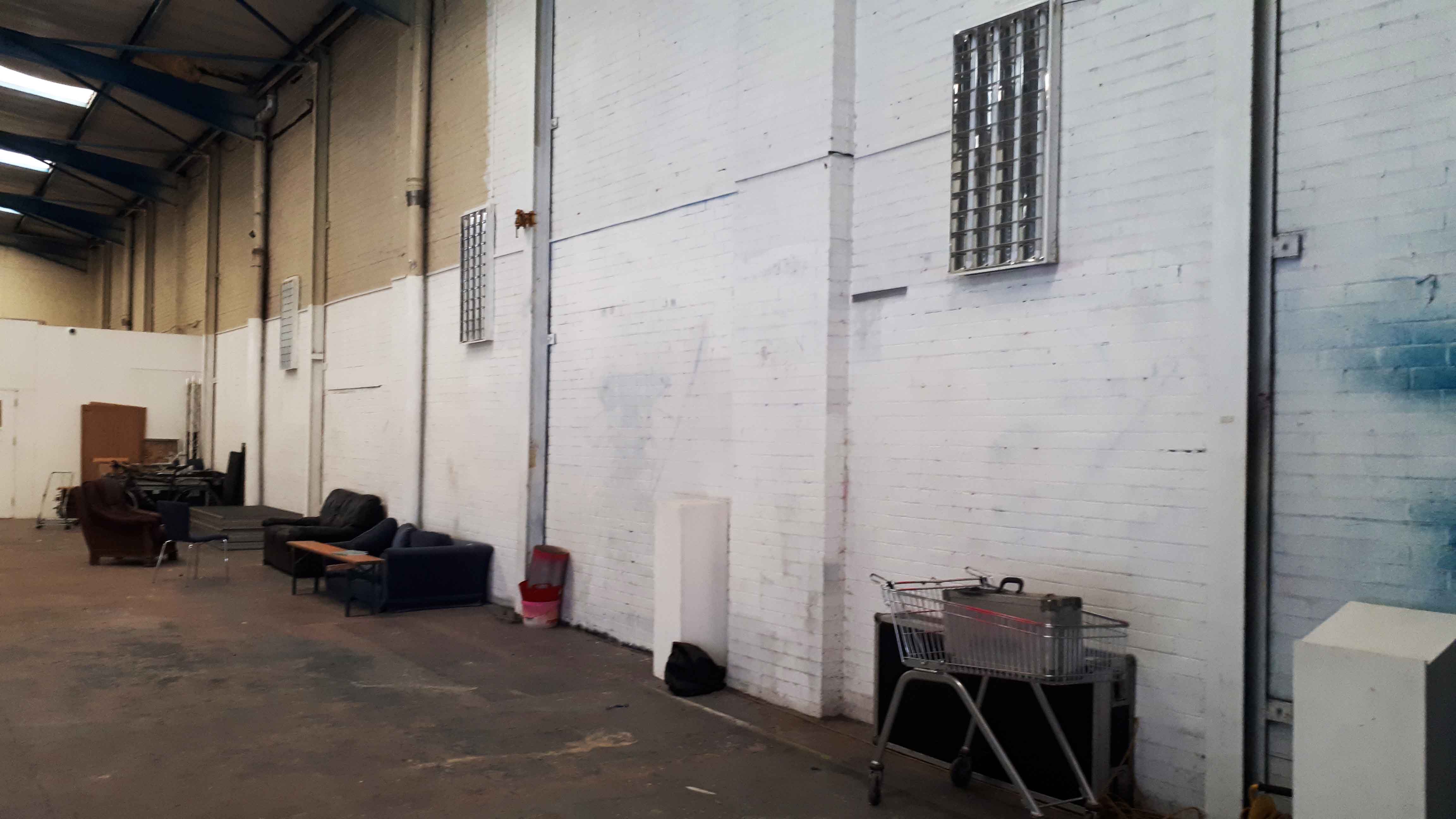
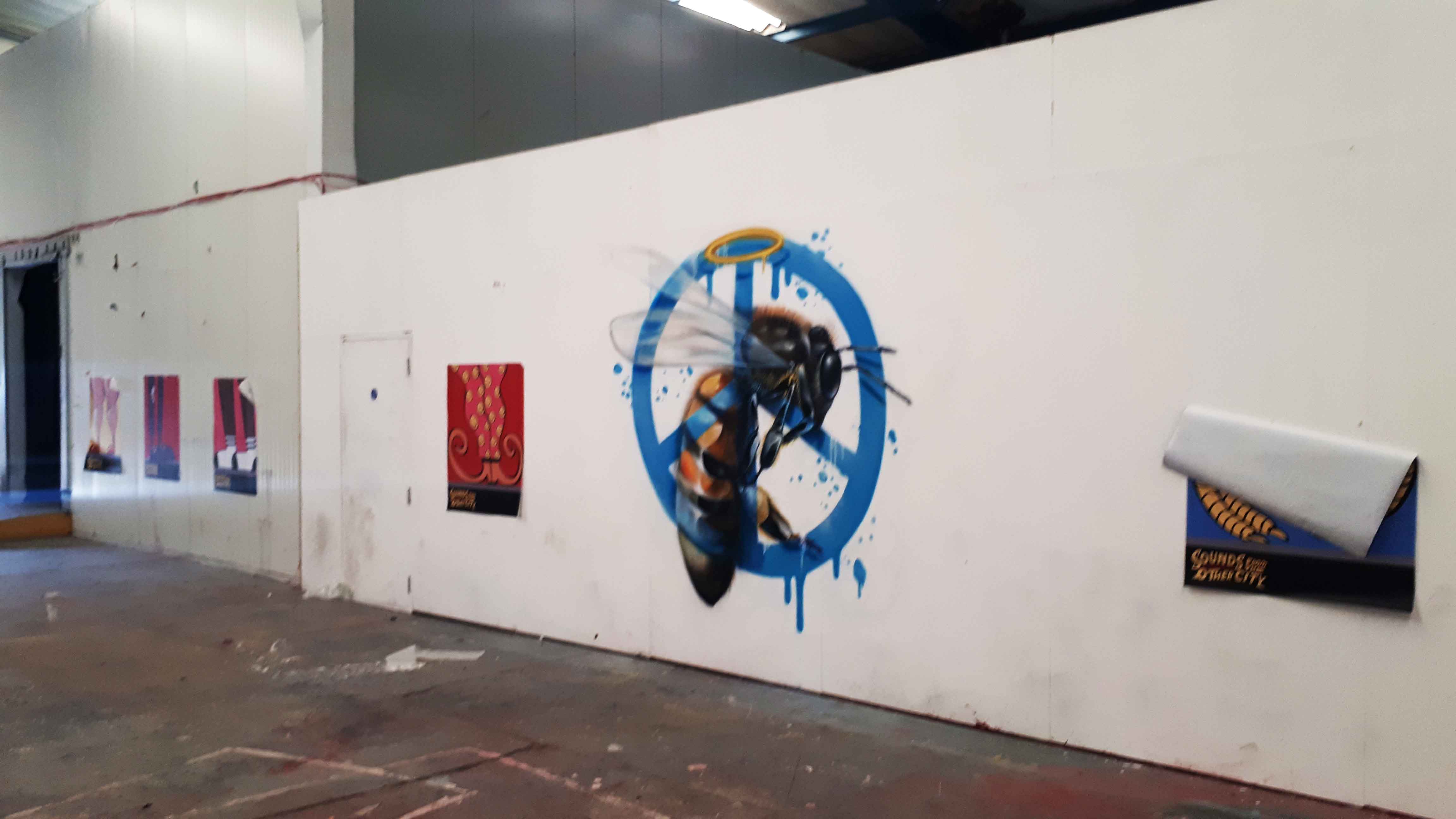
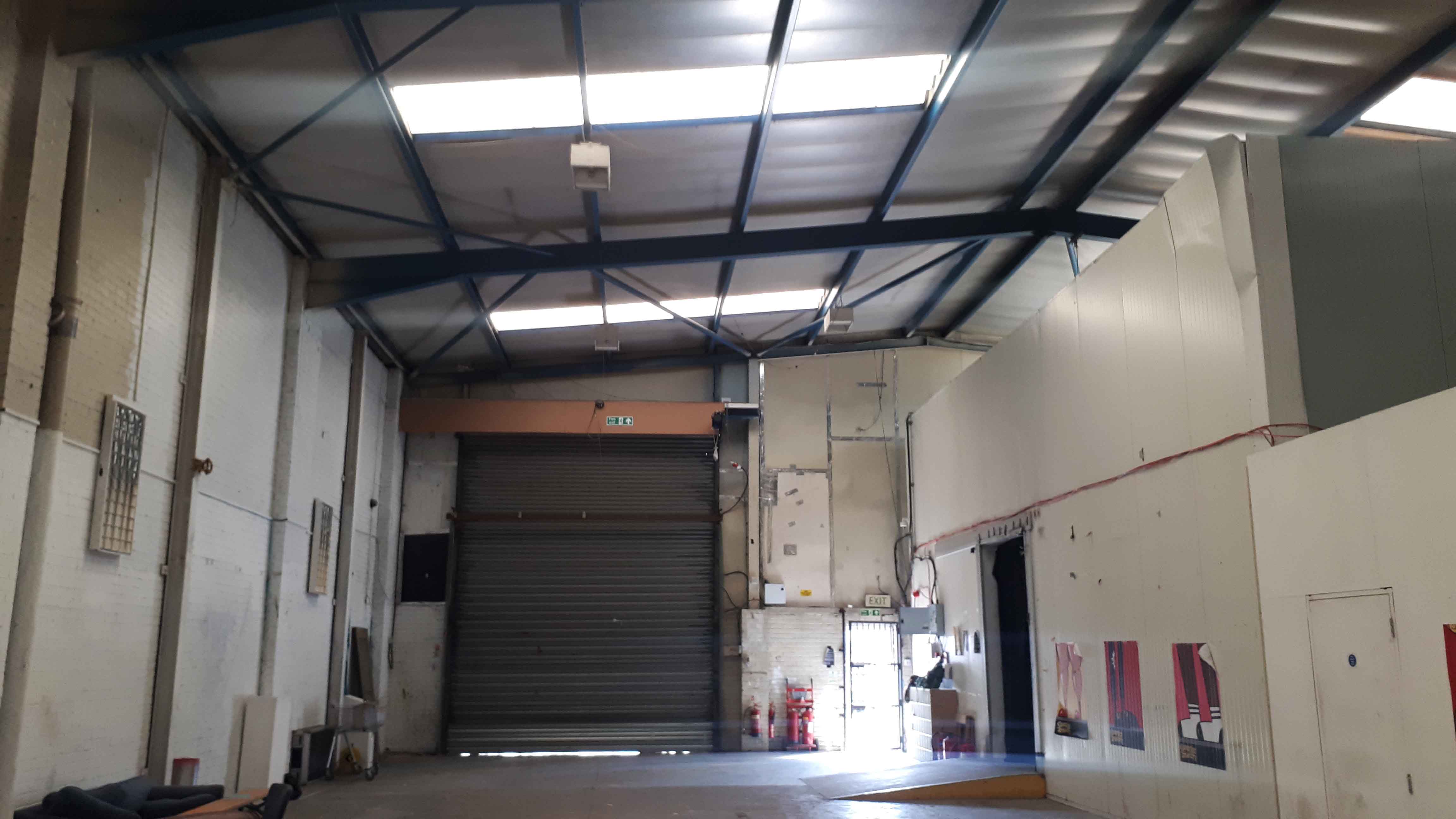
On this day, I met up with Jess, who is in charge of this venue space. She was very helpful and gave me some advice regarding exhibition and people management eg. We don’t need a food and drink licence as long as we are not selling anything, which is particularly useful information. I took many pictures of the space and headed to the beach to shoot for my SAND project.
TRIP NR 1 TO MORECAMBE BEACH TO SHOOT SAND
After I met up with Jess, I jumped on a train and headed to the seaside to shoot sand.
Yesterday, I did a brief search online for beaches near me, and by random, I decided to go to MORECAMBE, near Lancaster.
For this adventure, I took my Mamiya 645 PRO TL with a wide-angle lens and NIKON FM2 with a very good macro lens.
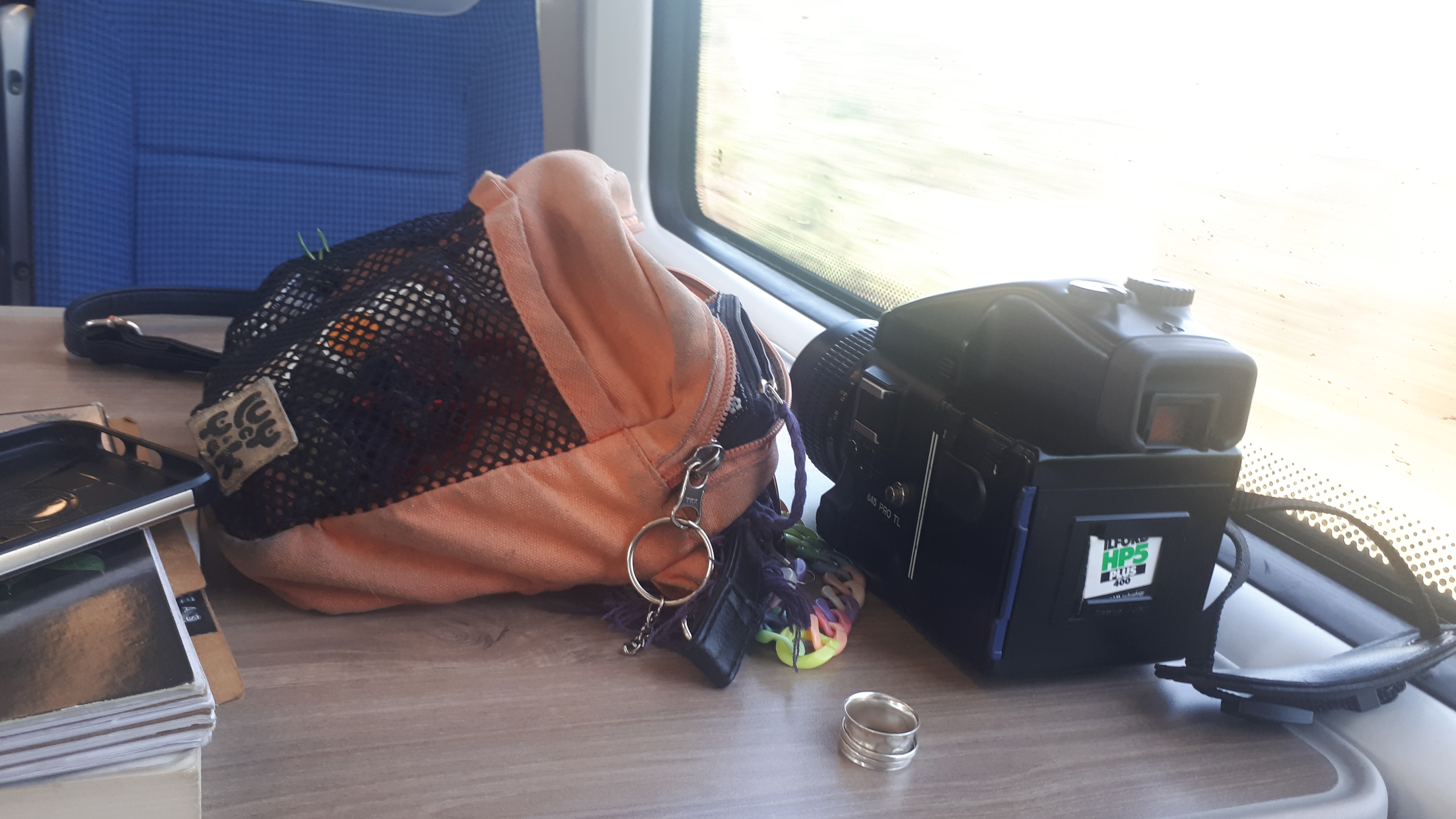
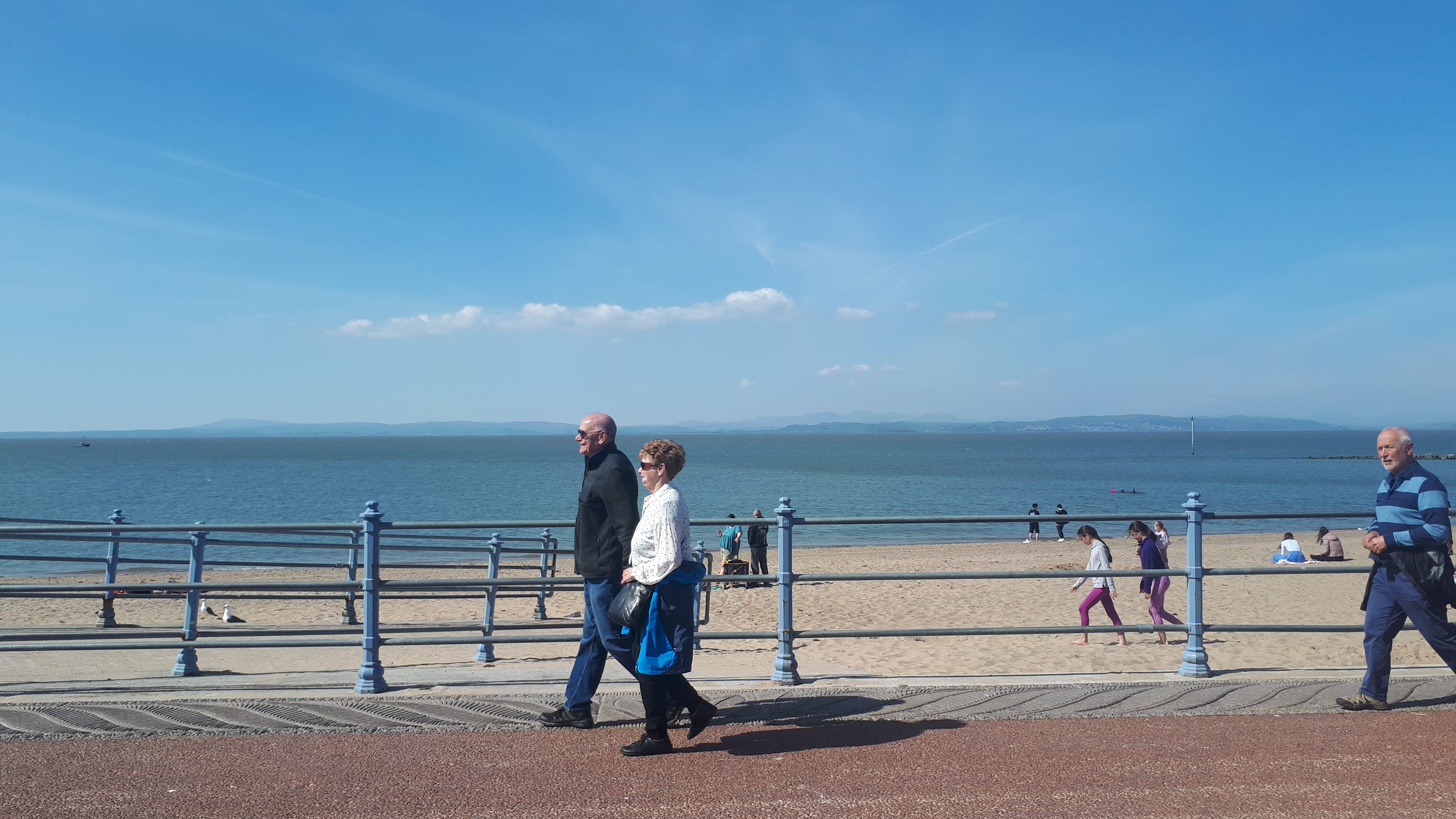
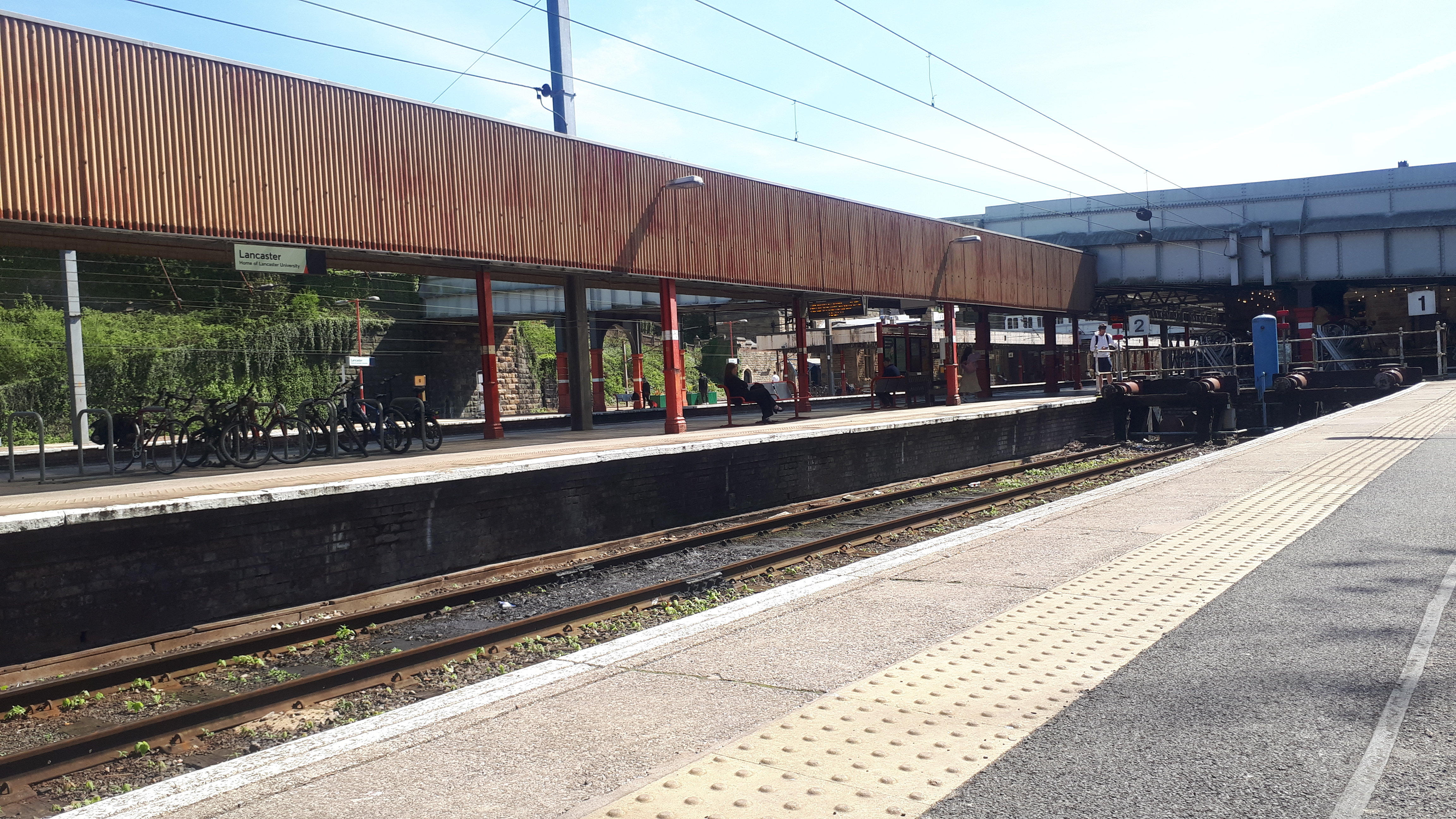
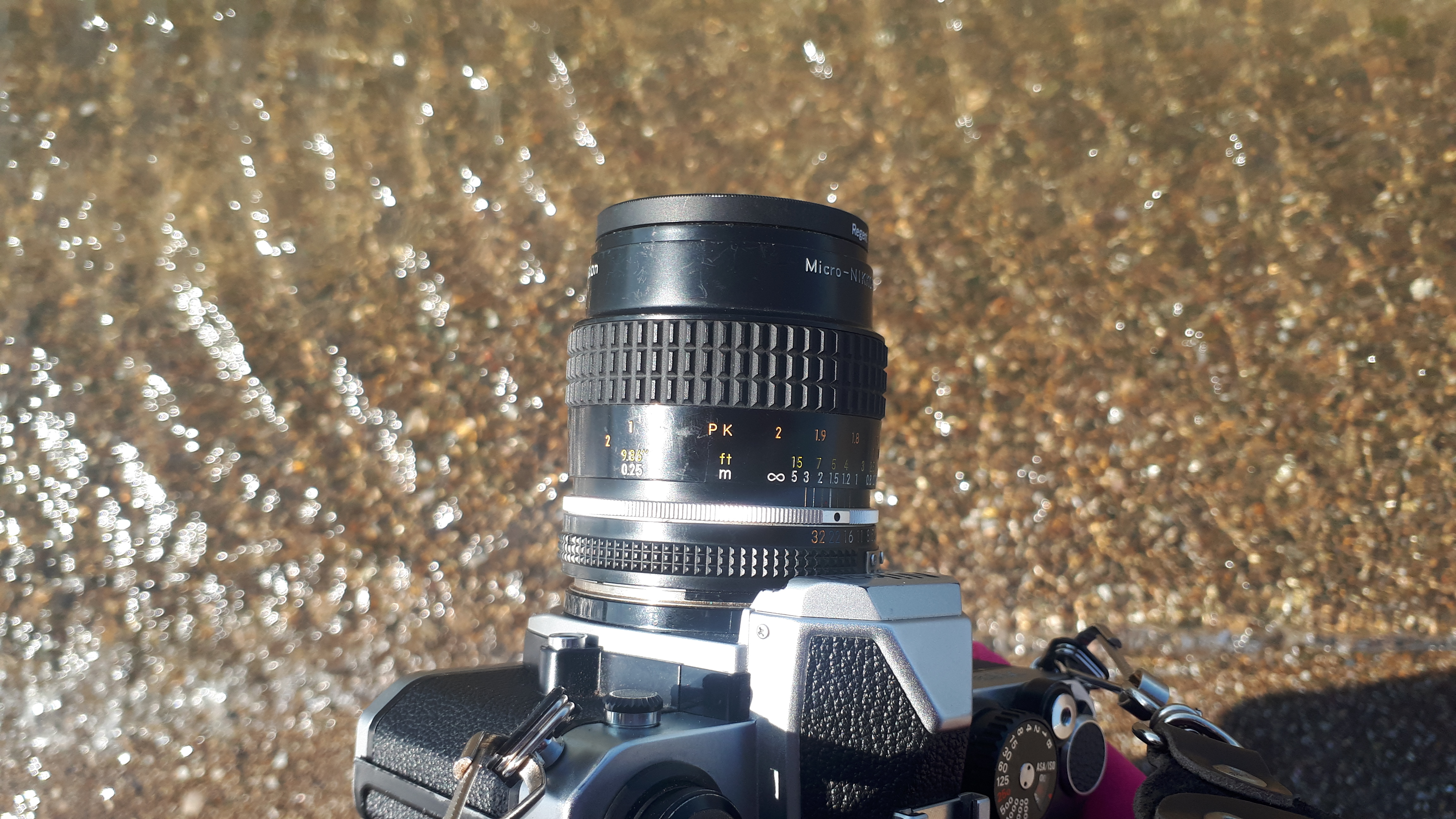
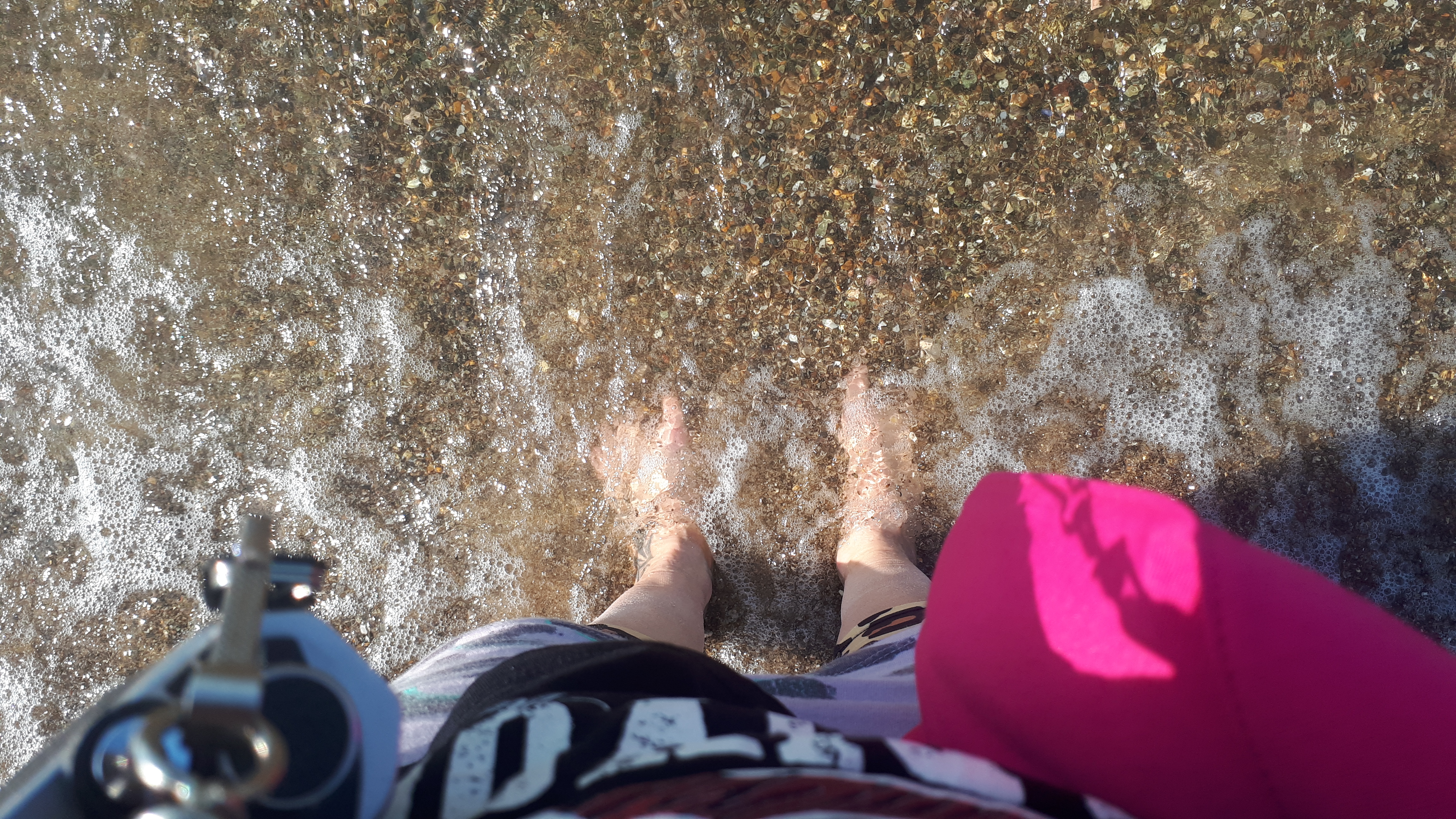
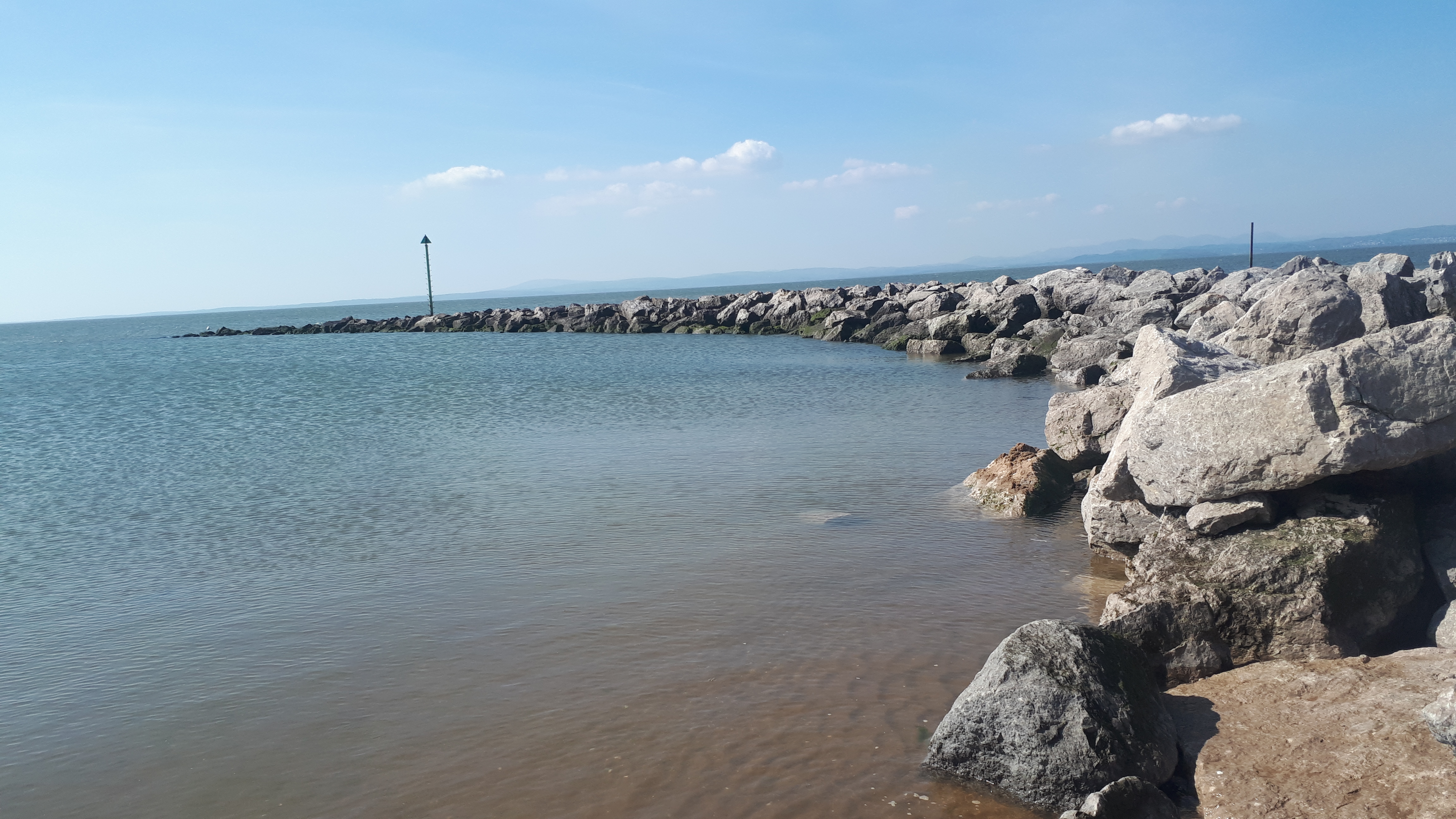
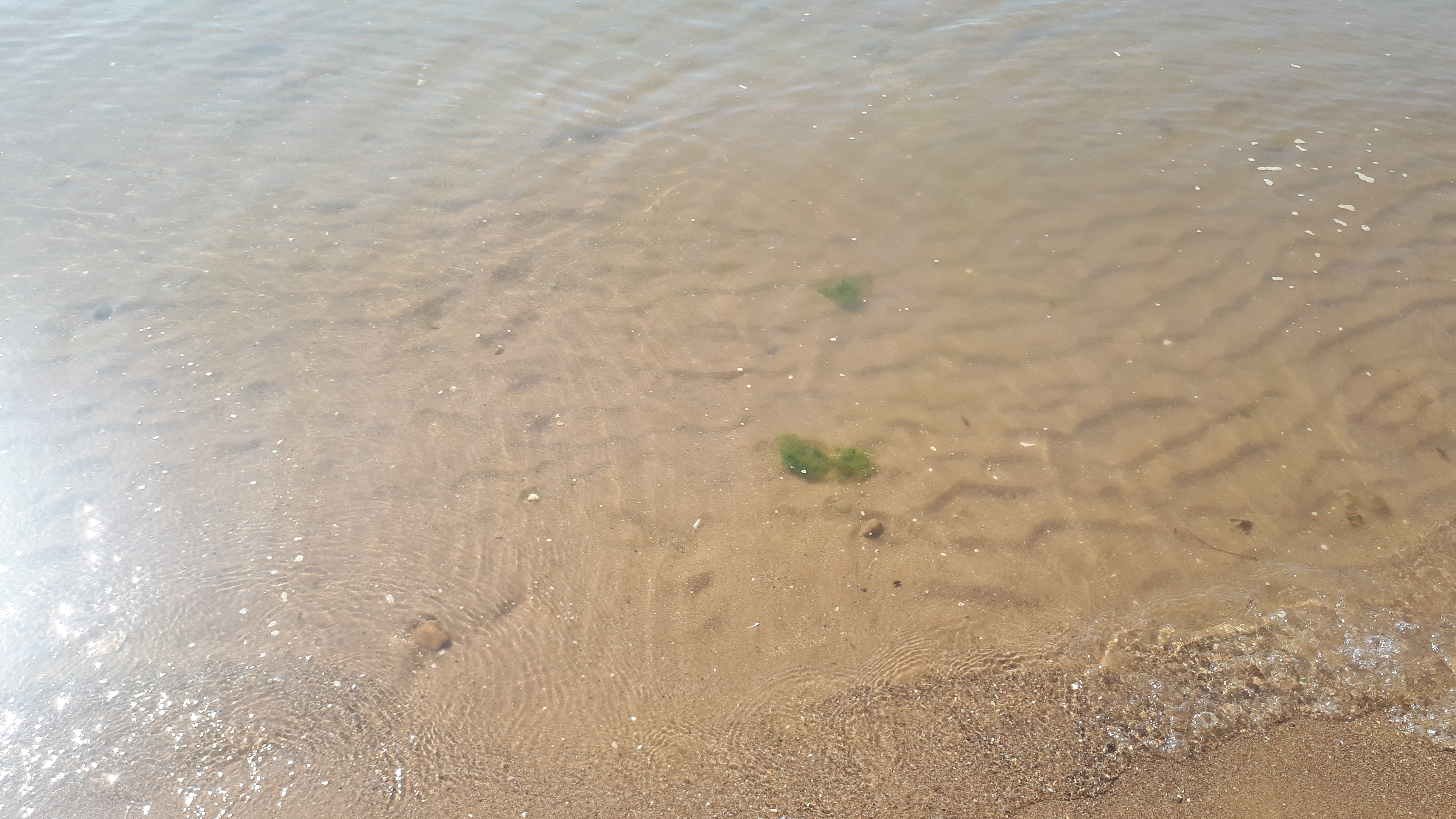
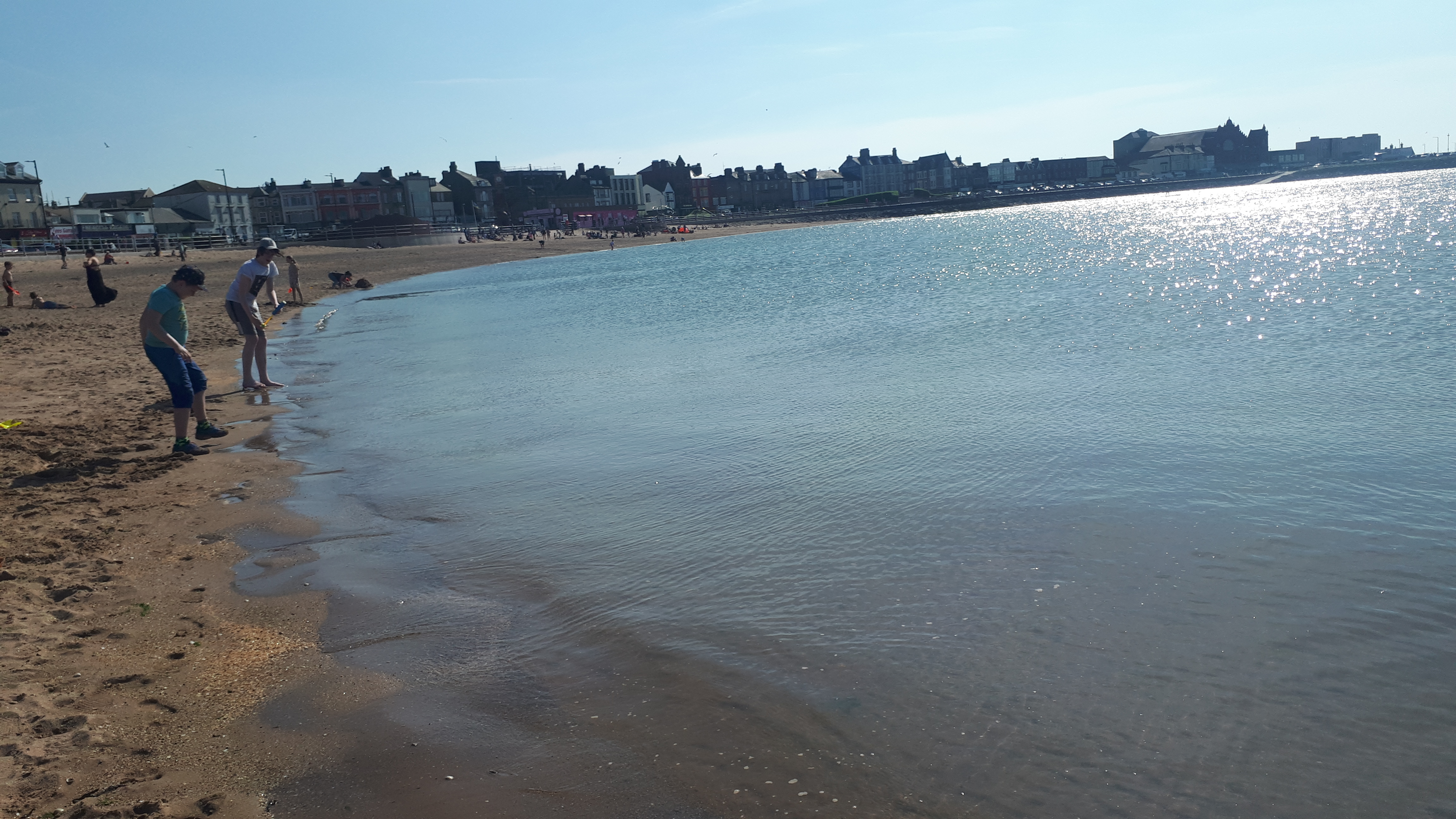
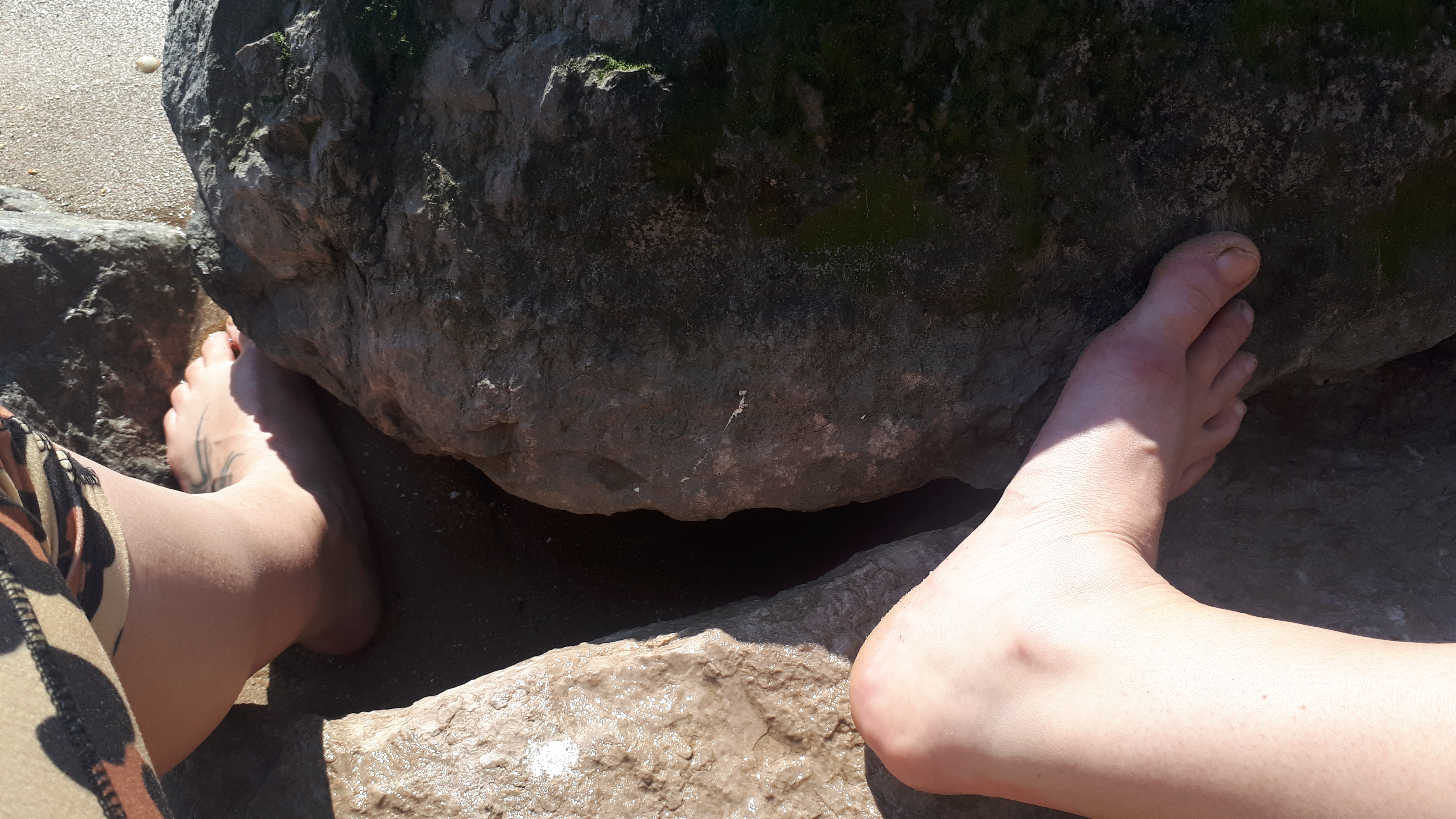
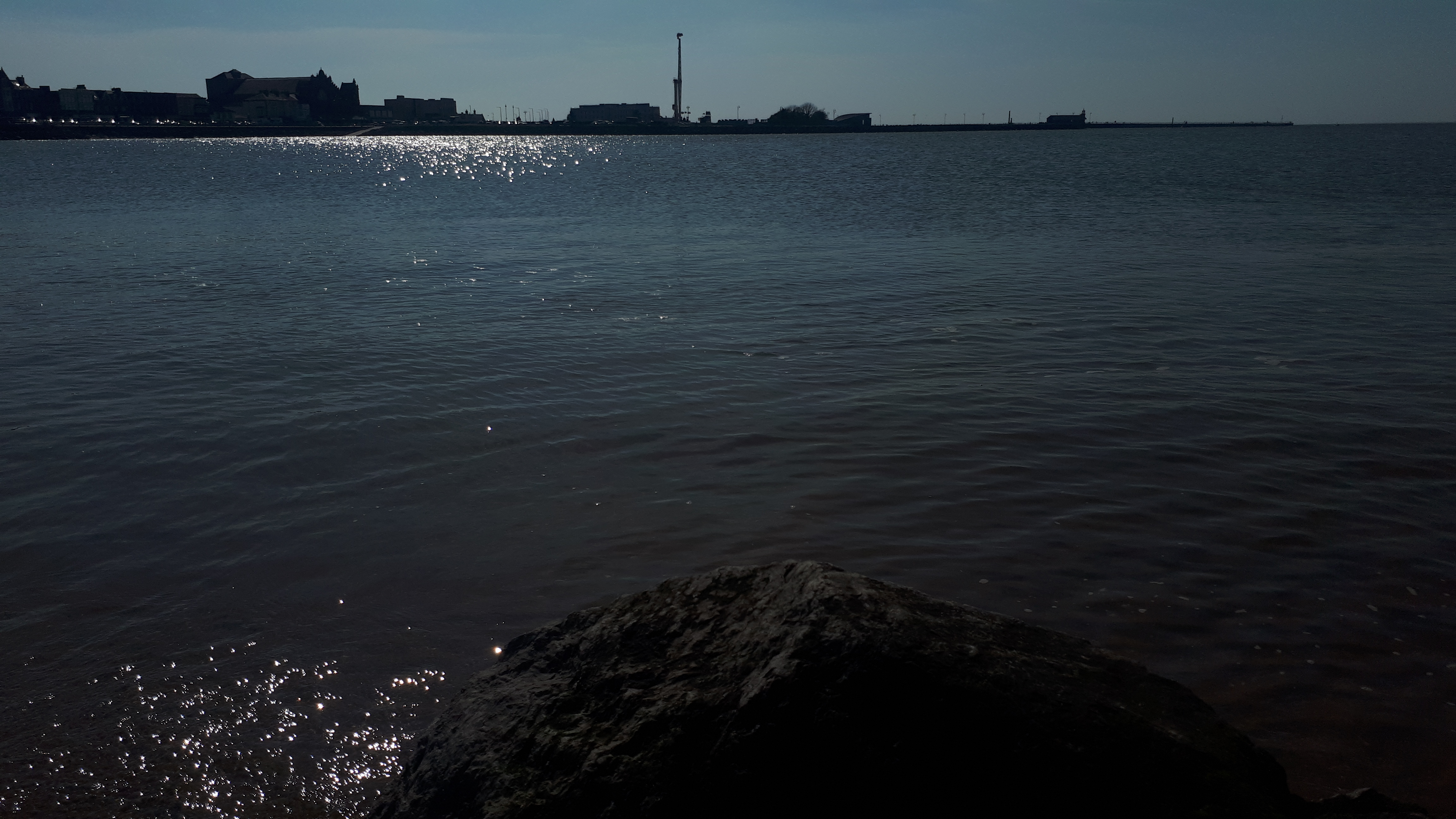
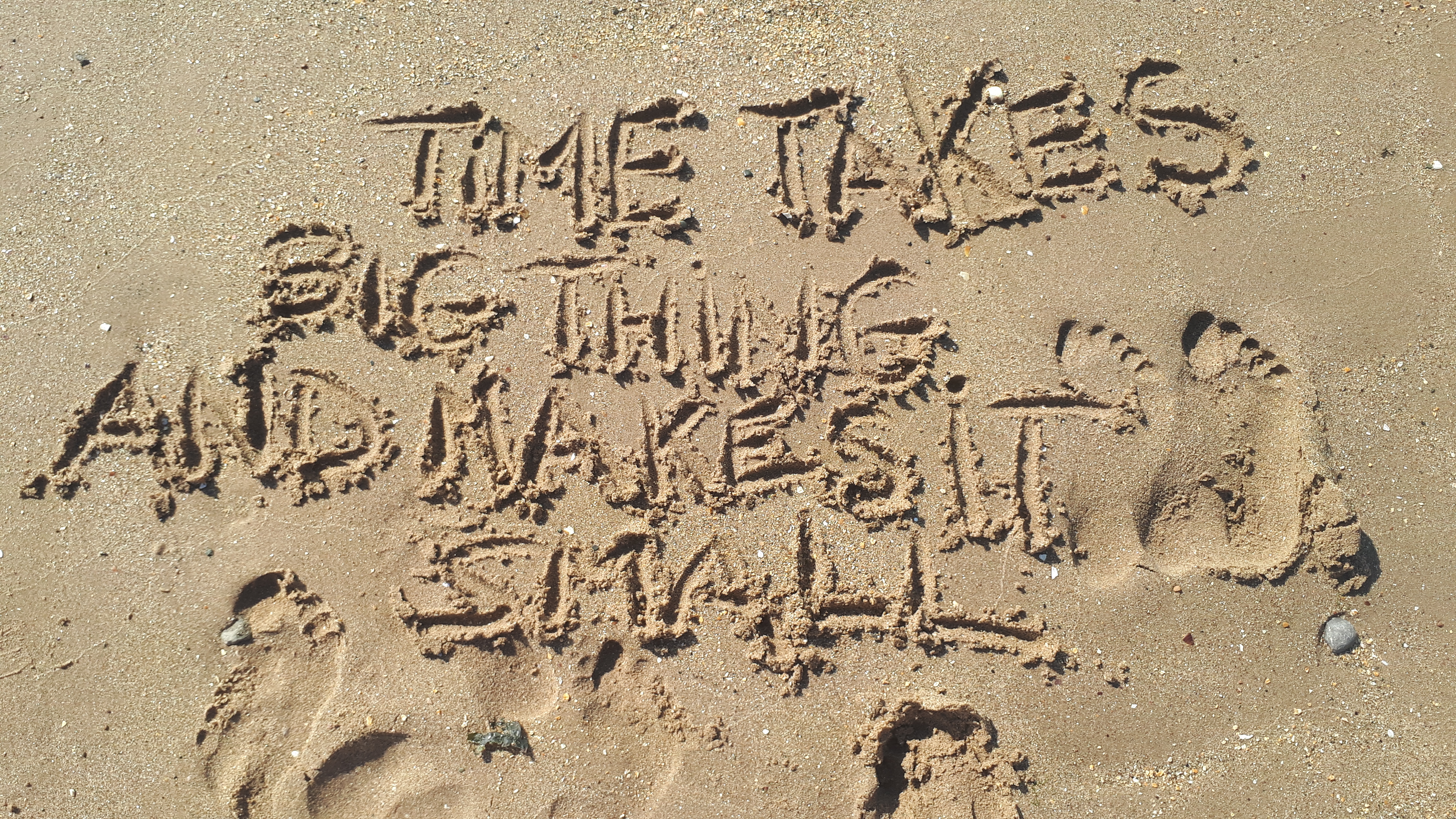
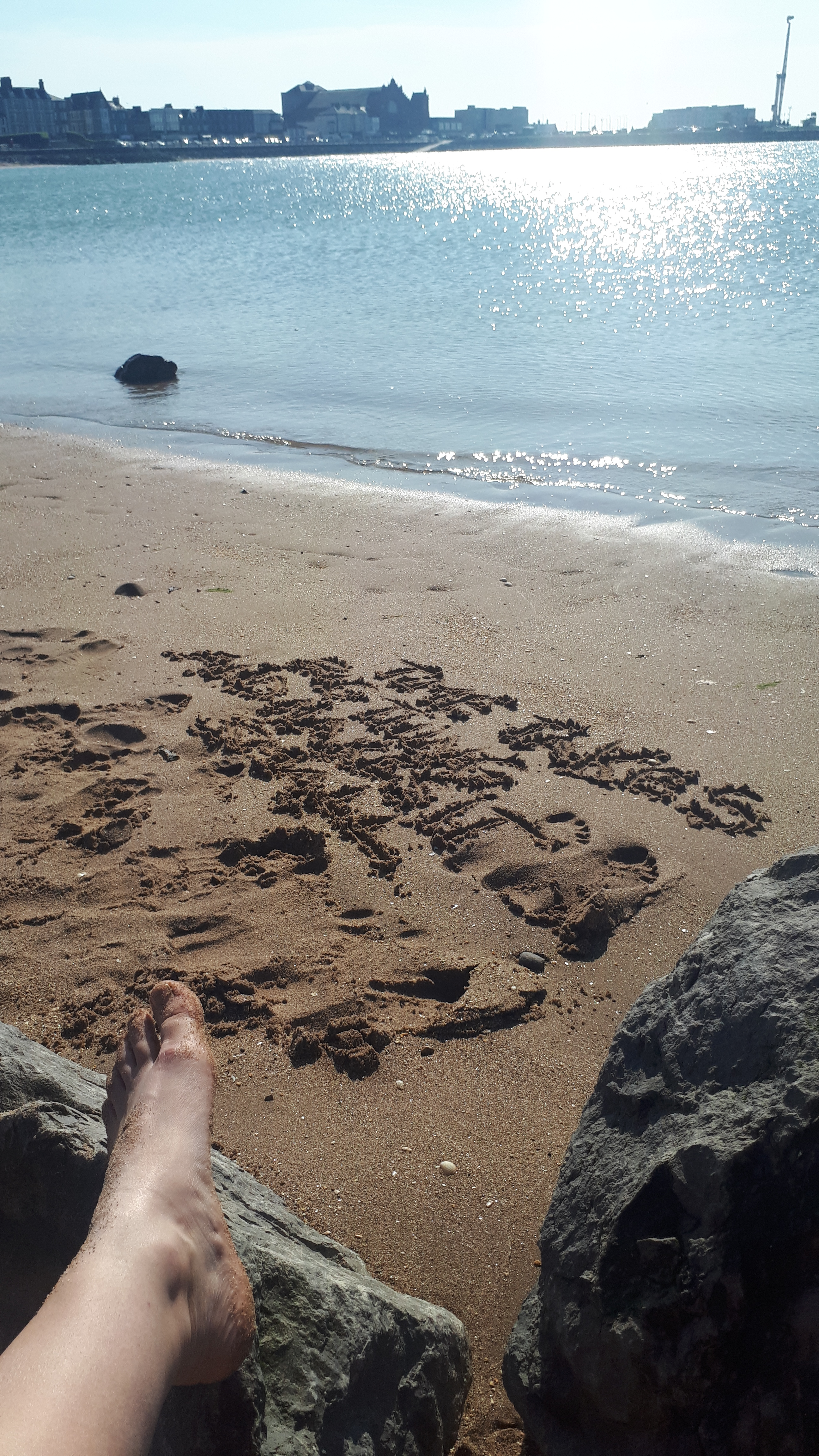
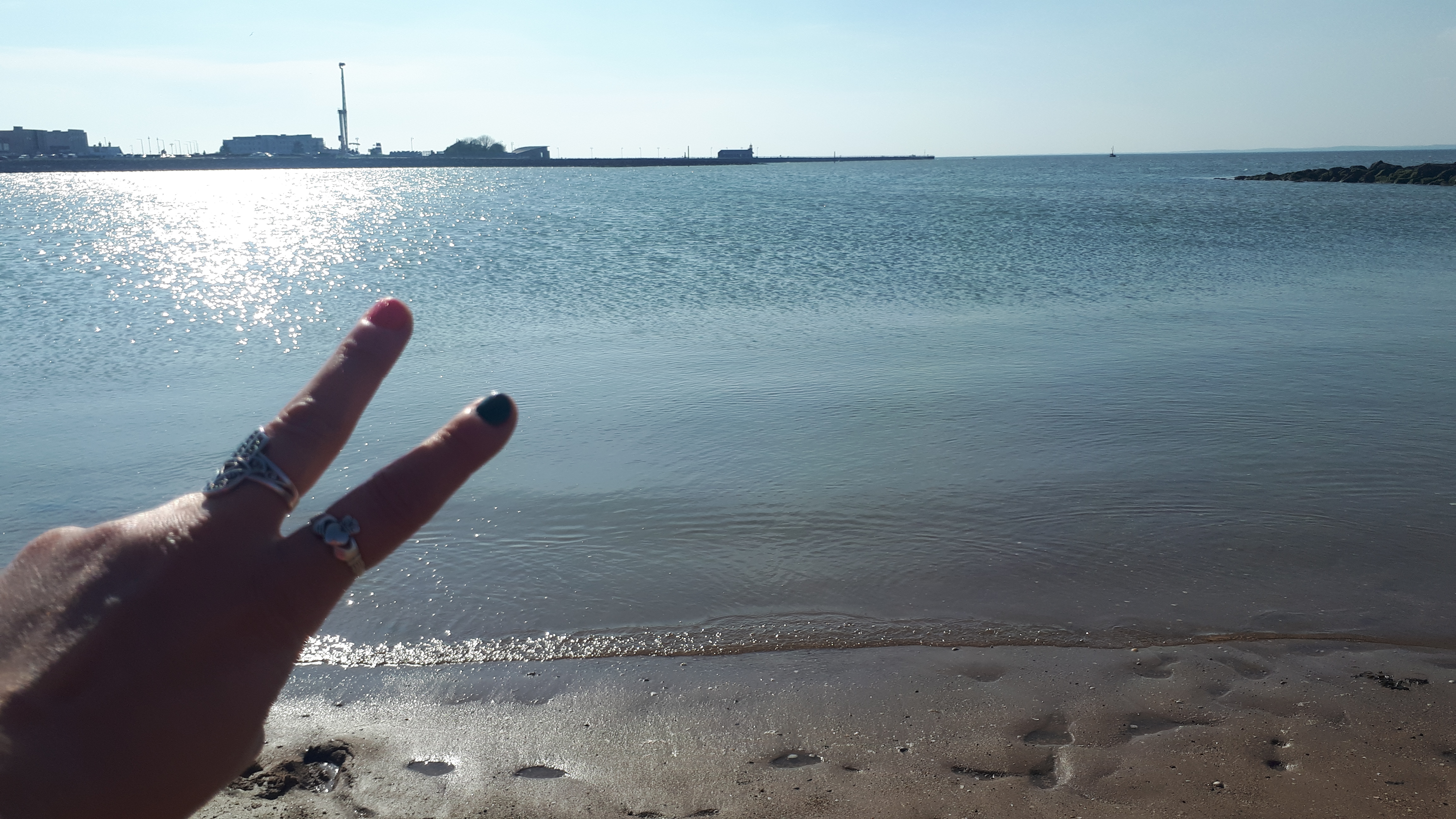
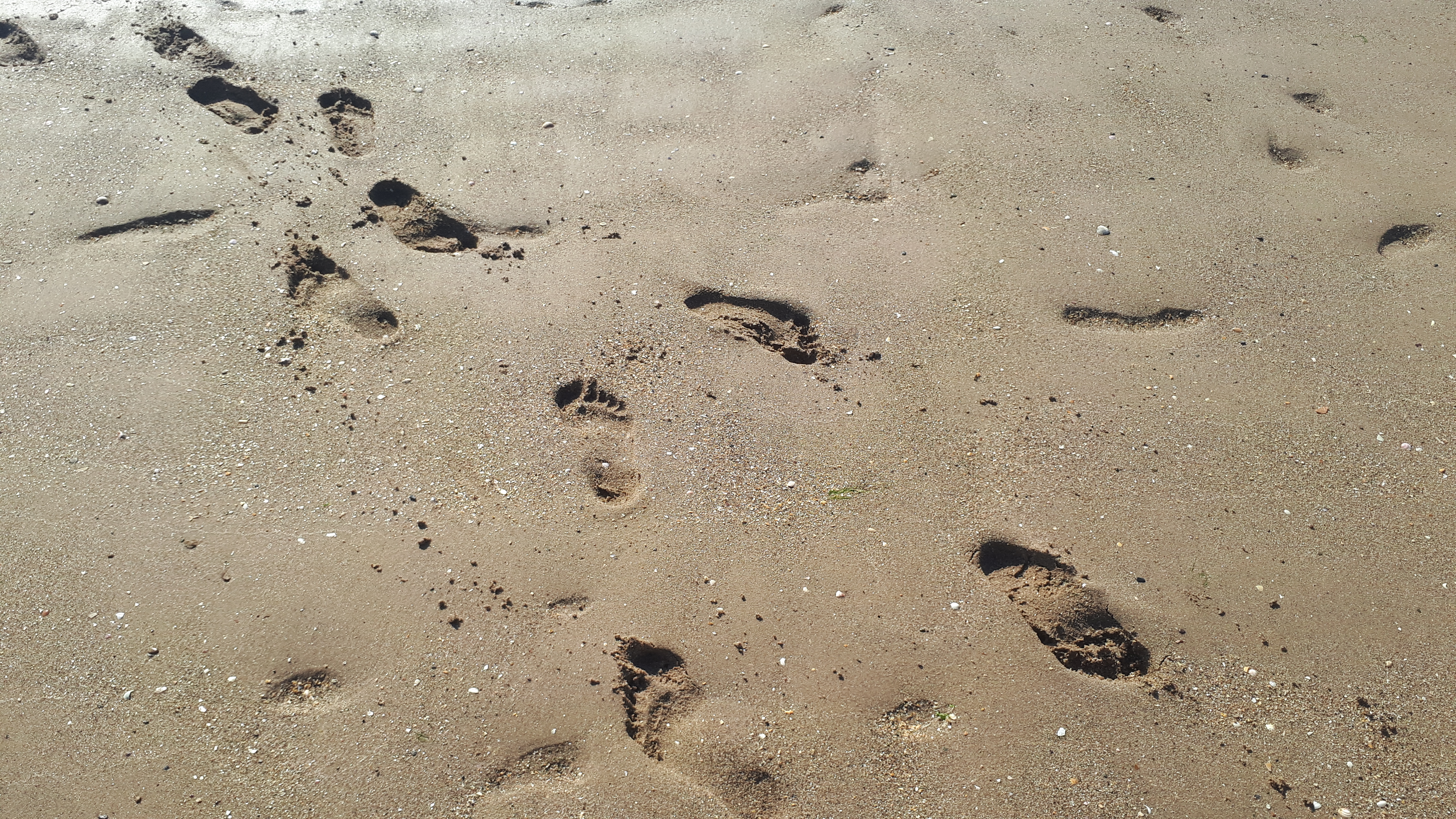
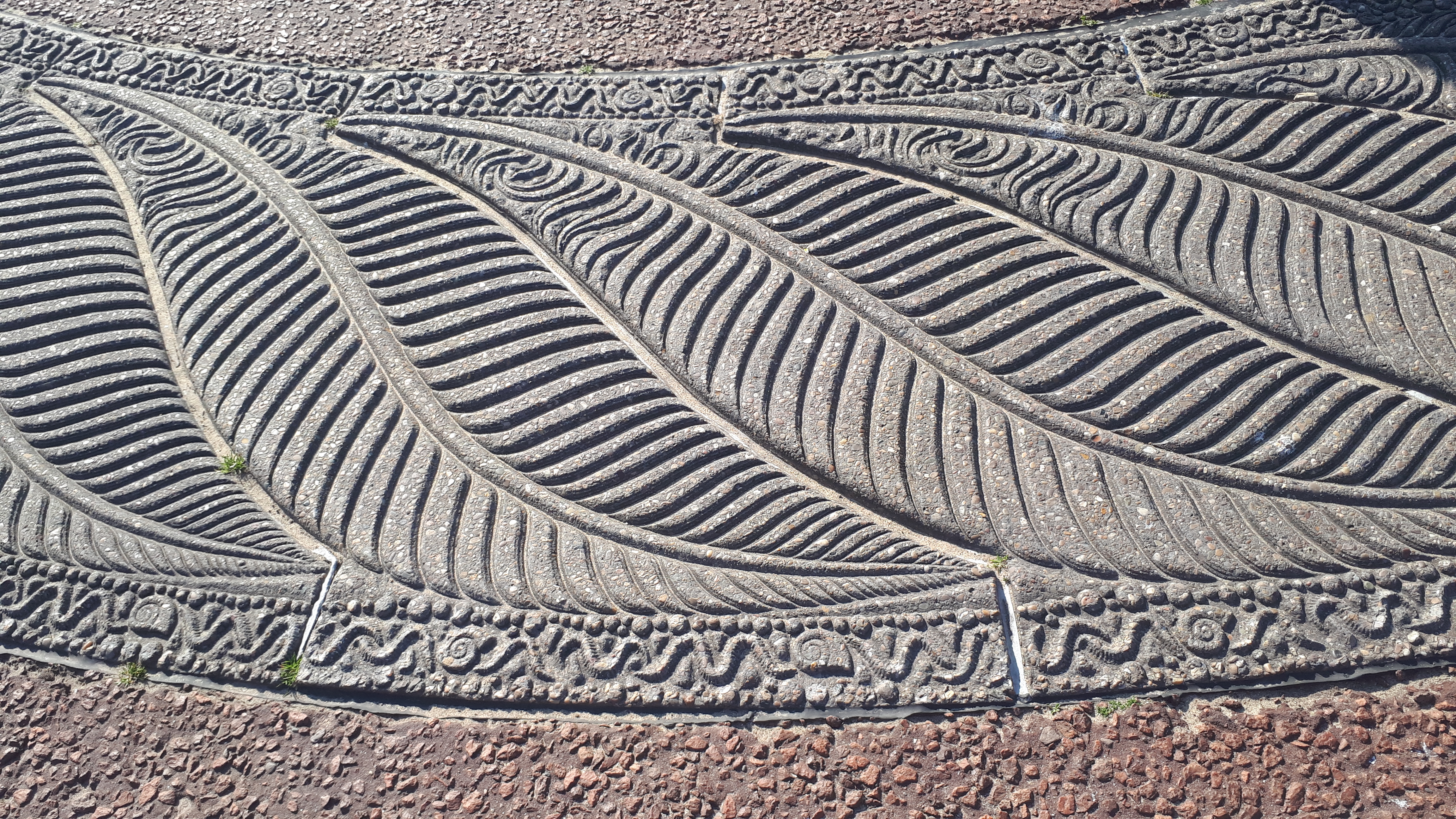
It has been a great day of shooting, inspiration and reflection. I am confident that my fascination with sand will not be over after finalising this project. I am completely engrossed in this material and what it represents and will definitely develop more work encompassing it in the future.
RESULTS FROM SHOOTING MAMIYA 654 PRO TL (beach and New Mills the day before/film 1)
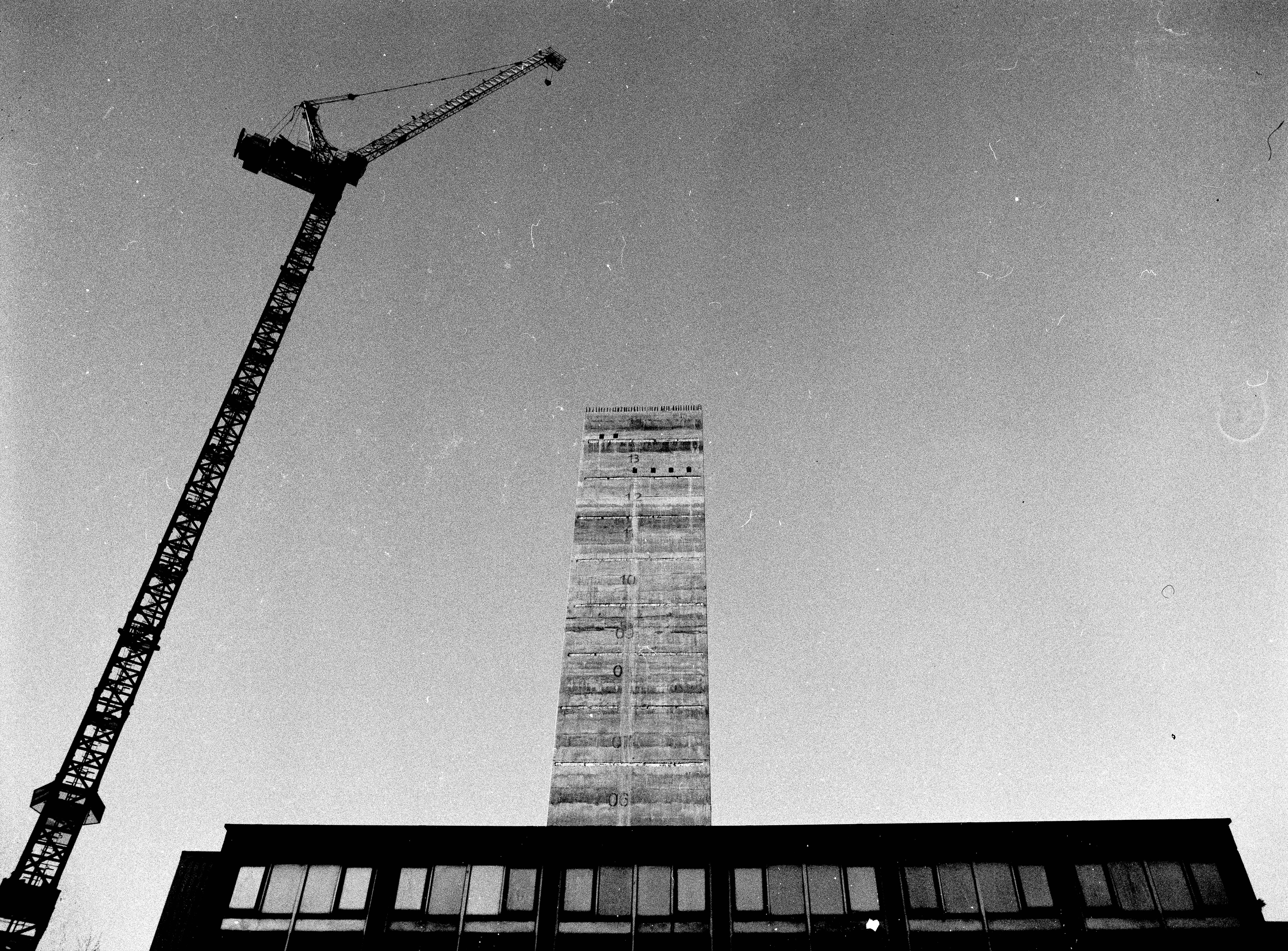
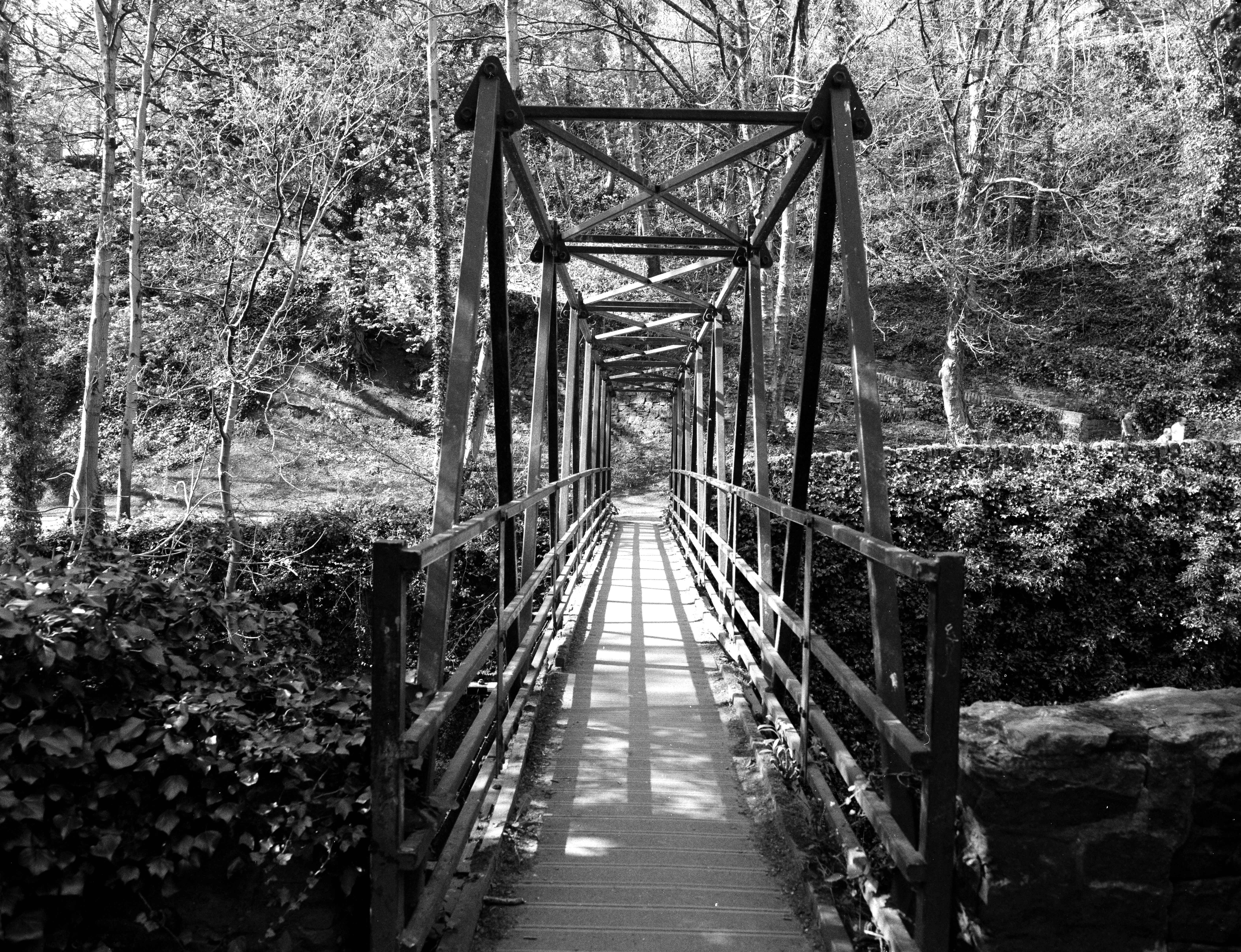
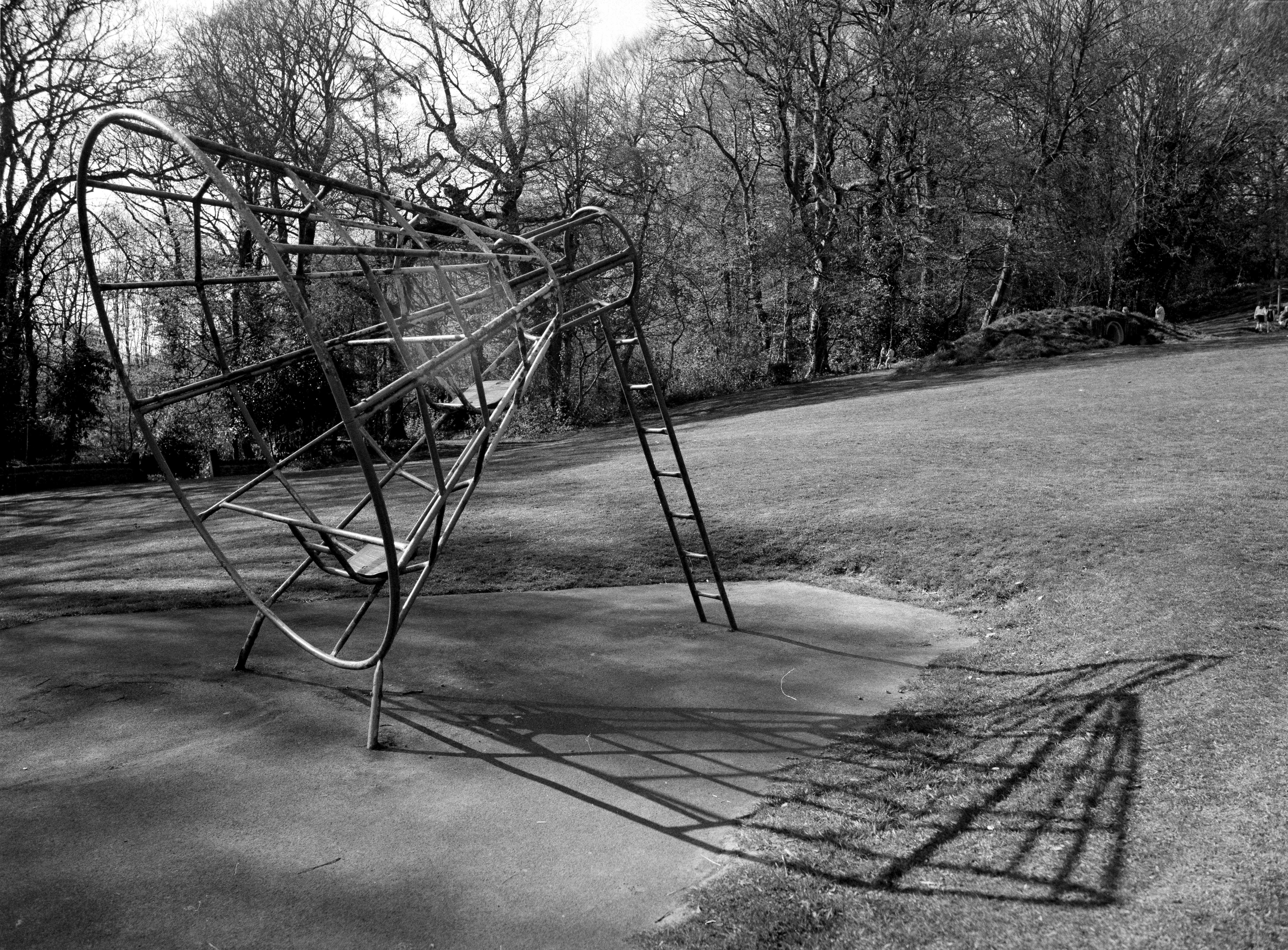
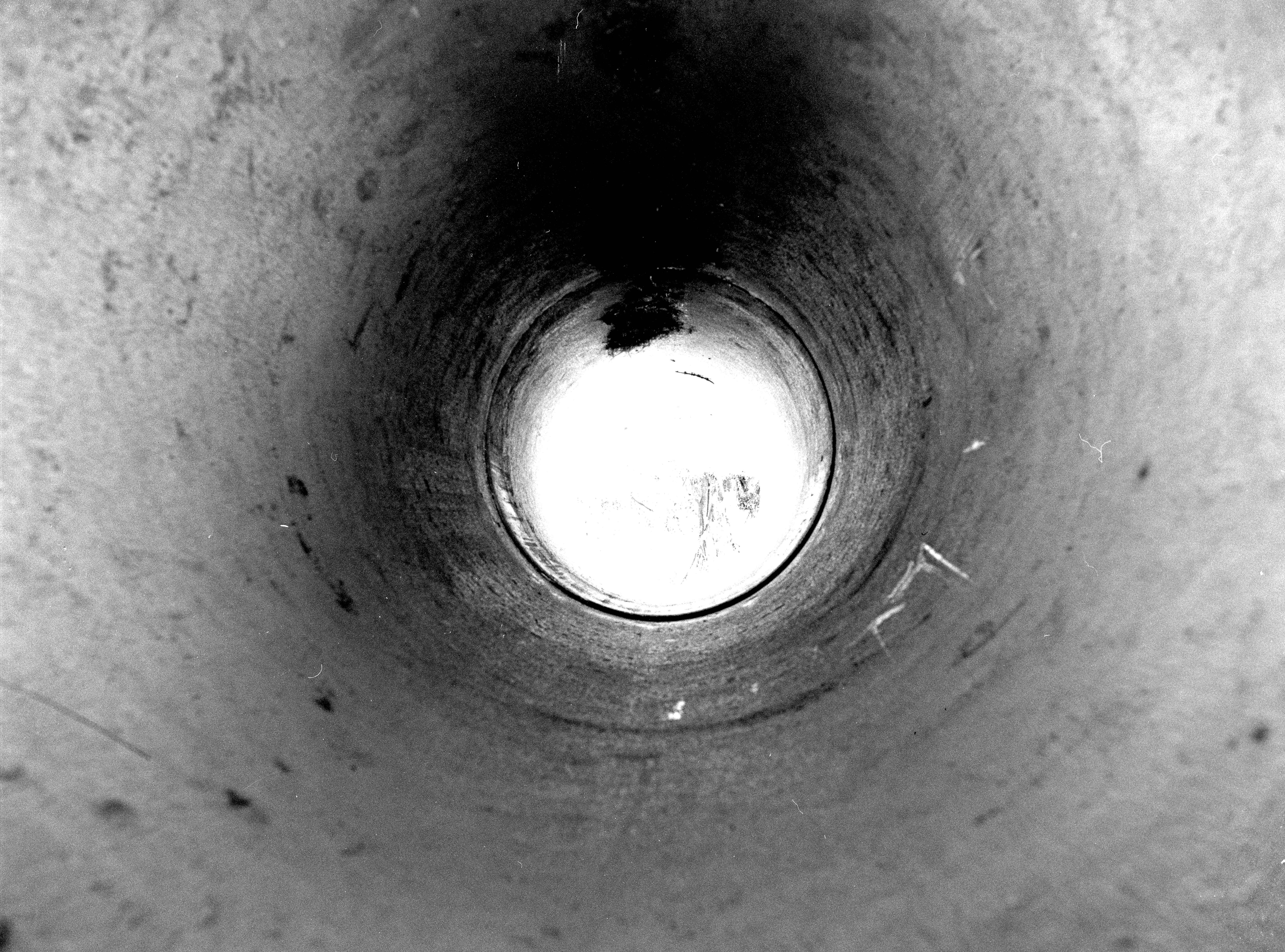
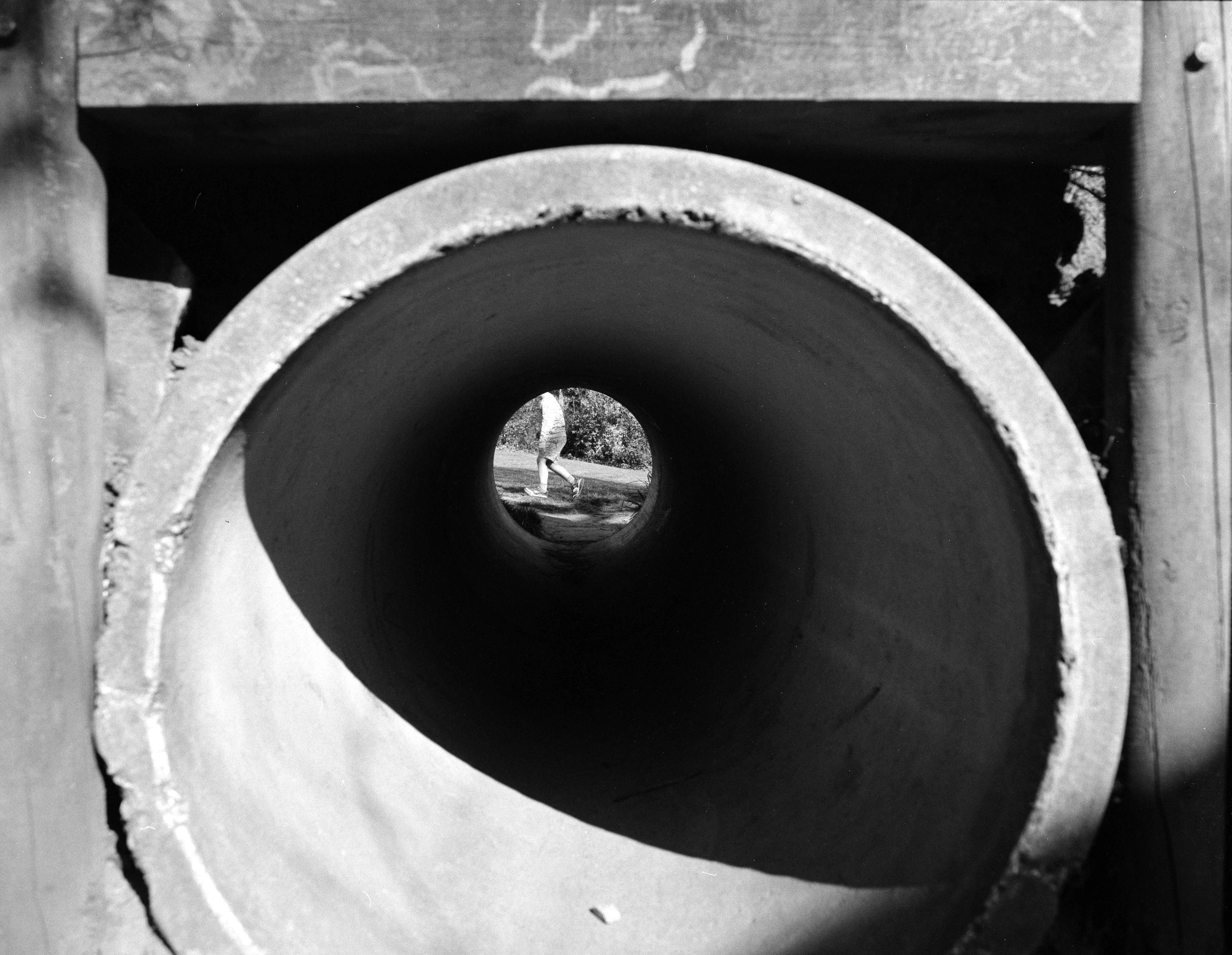
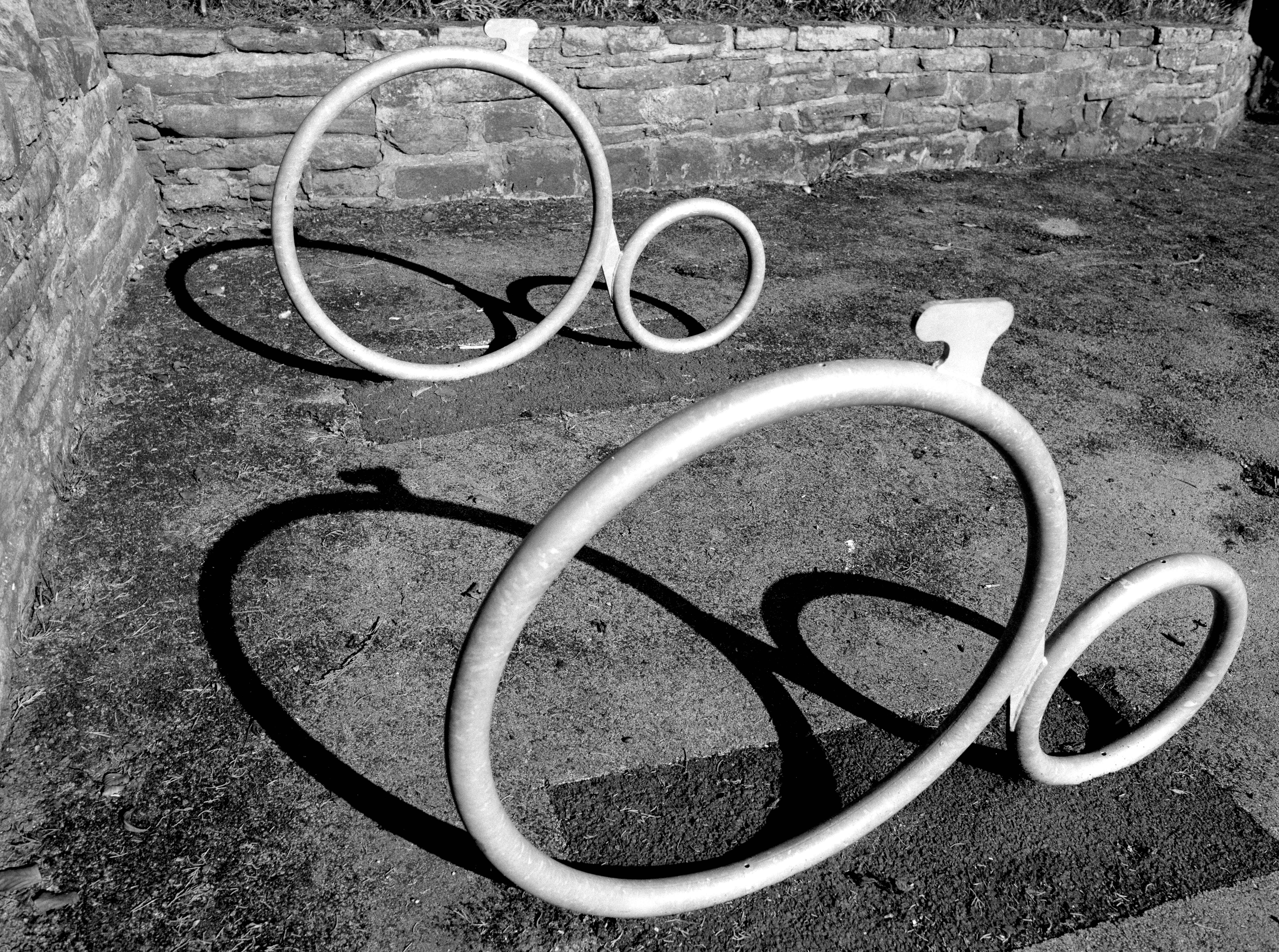
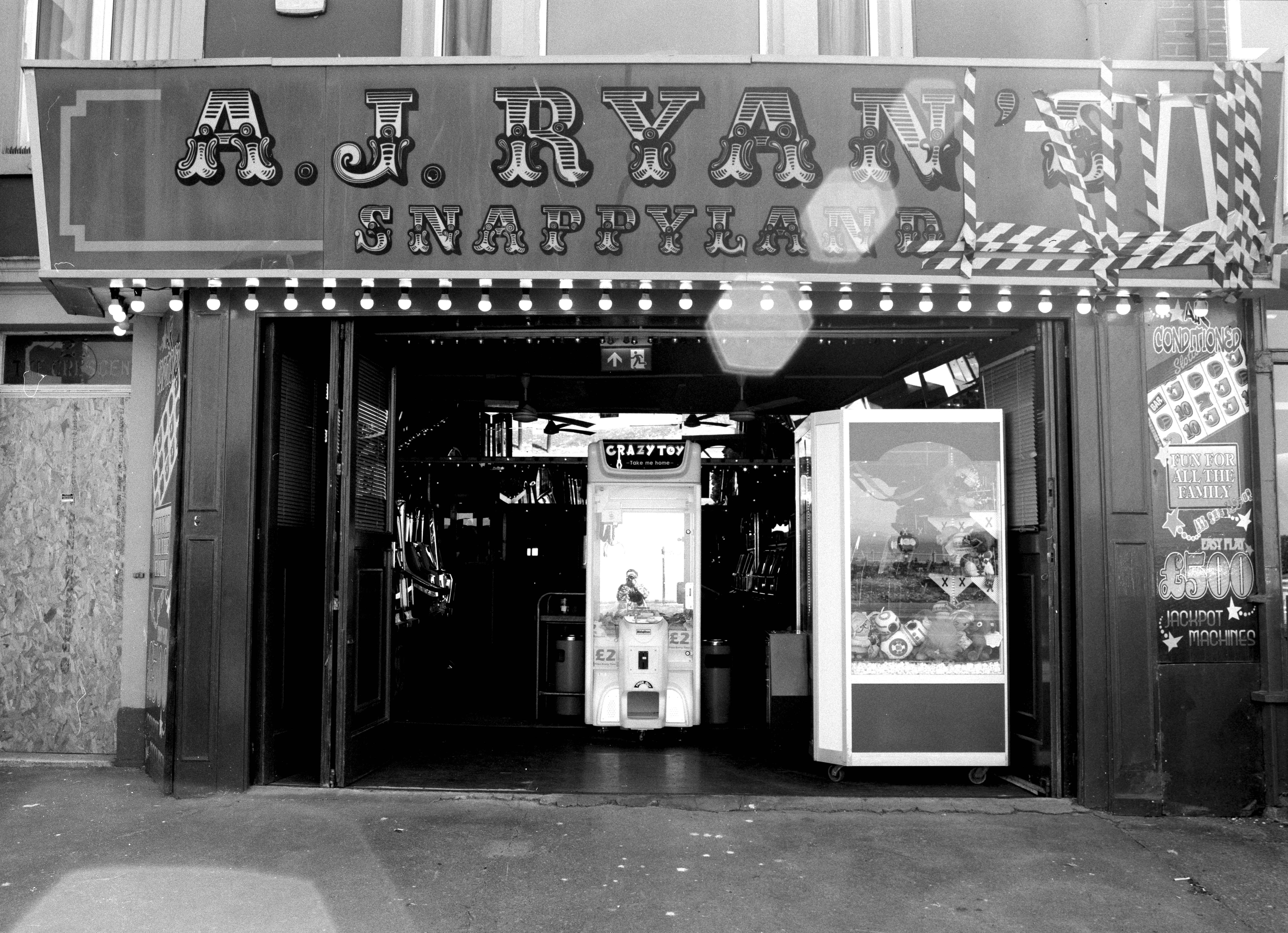
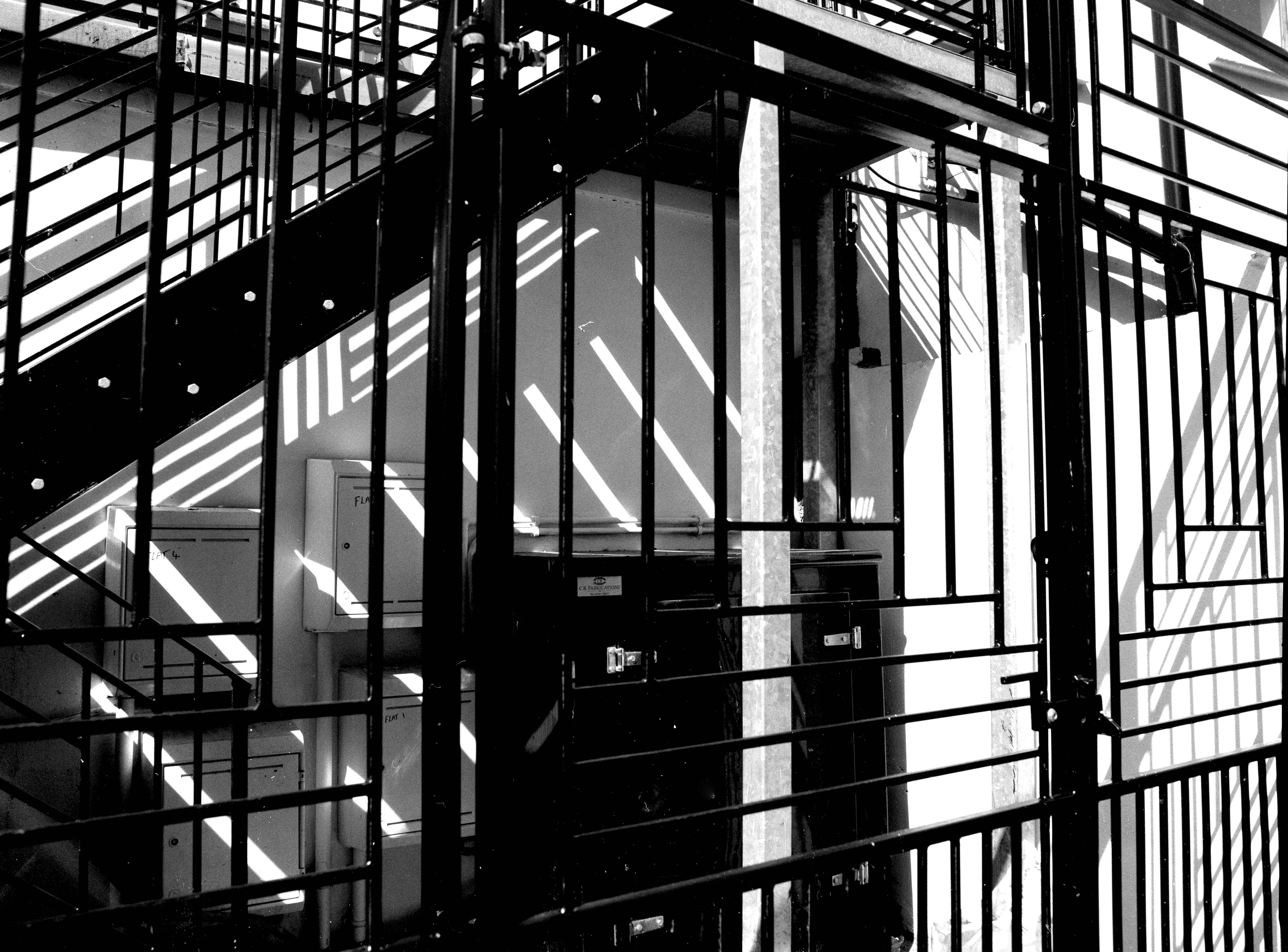
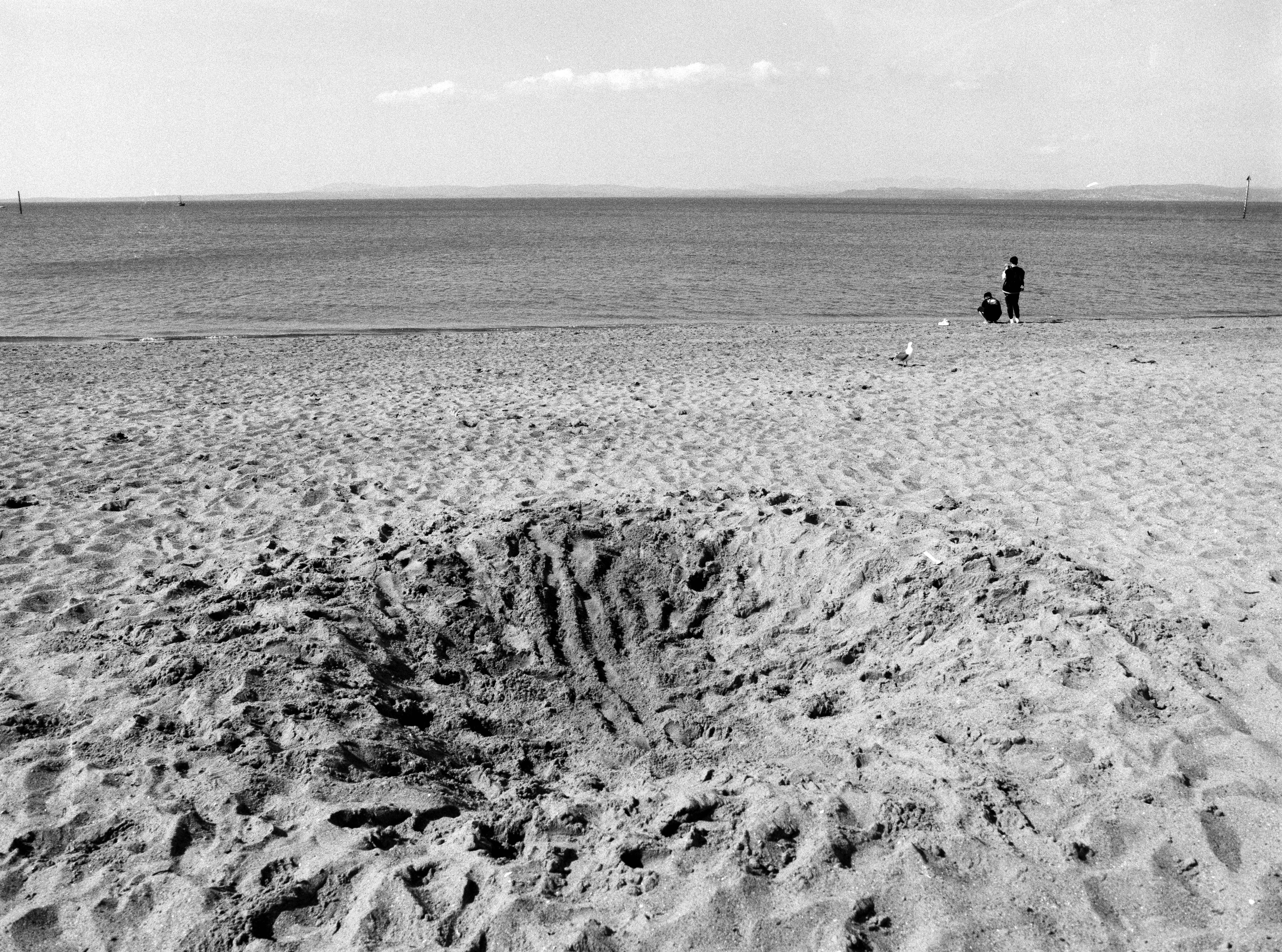
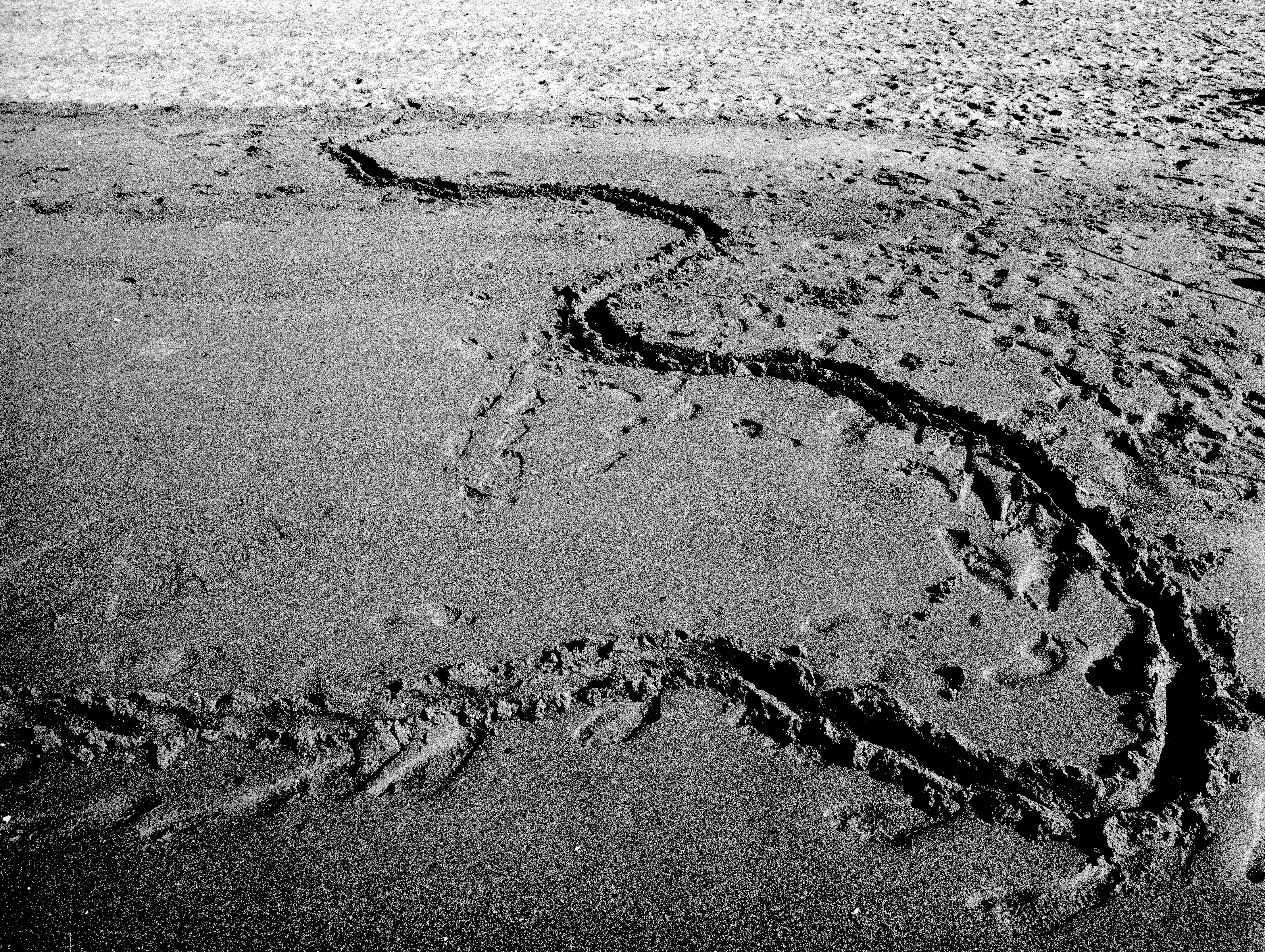
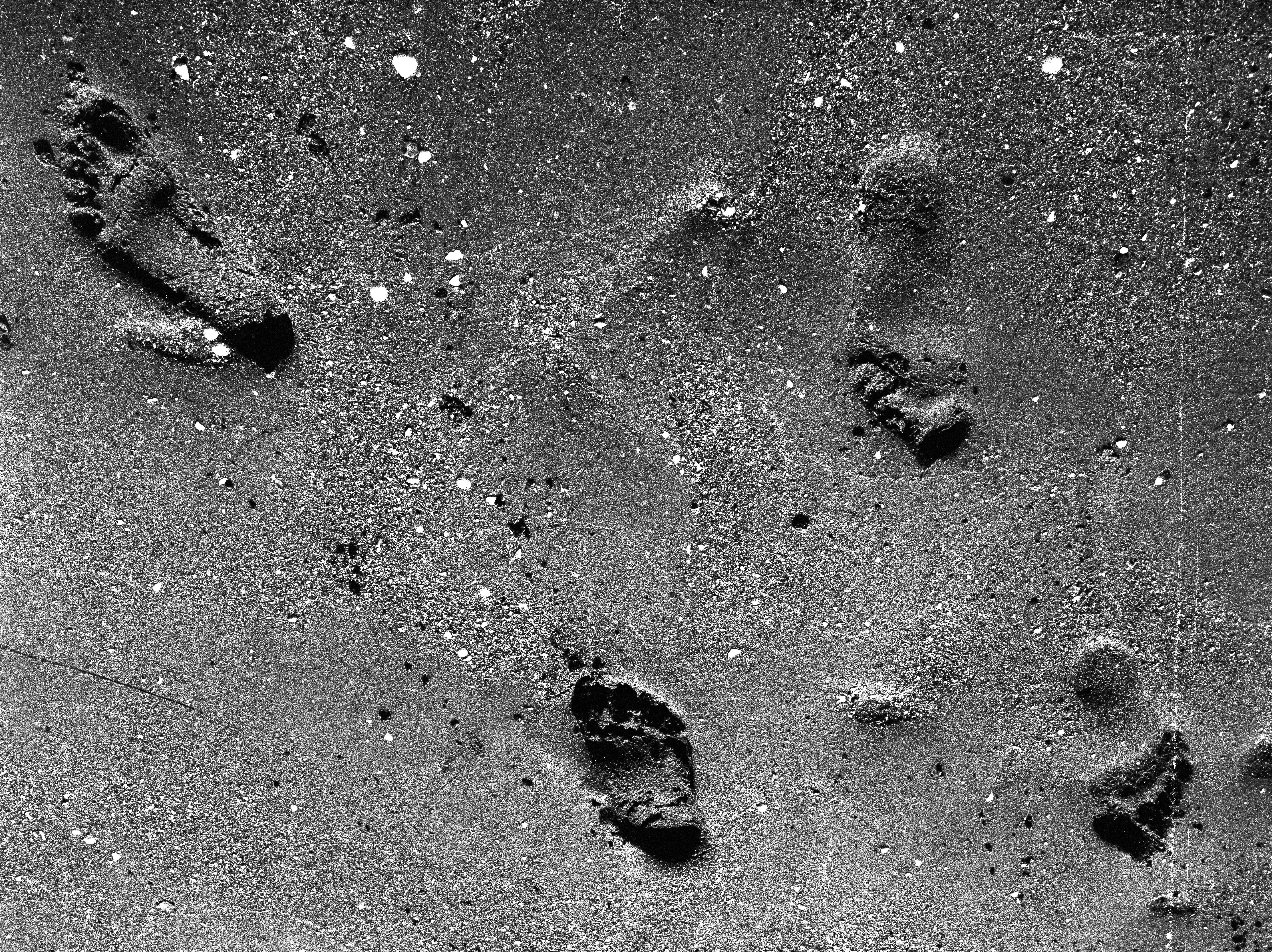
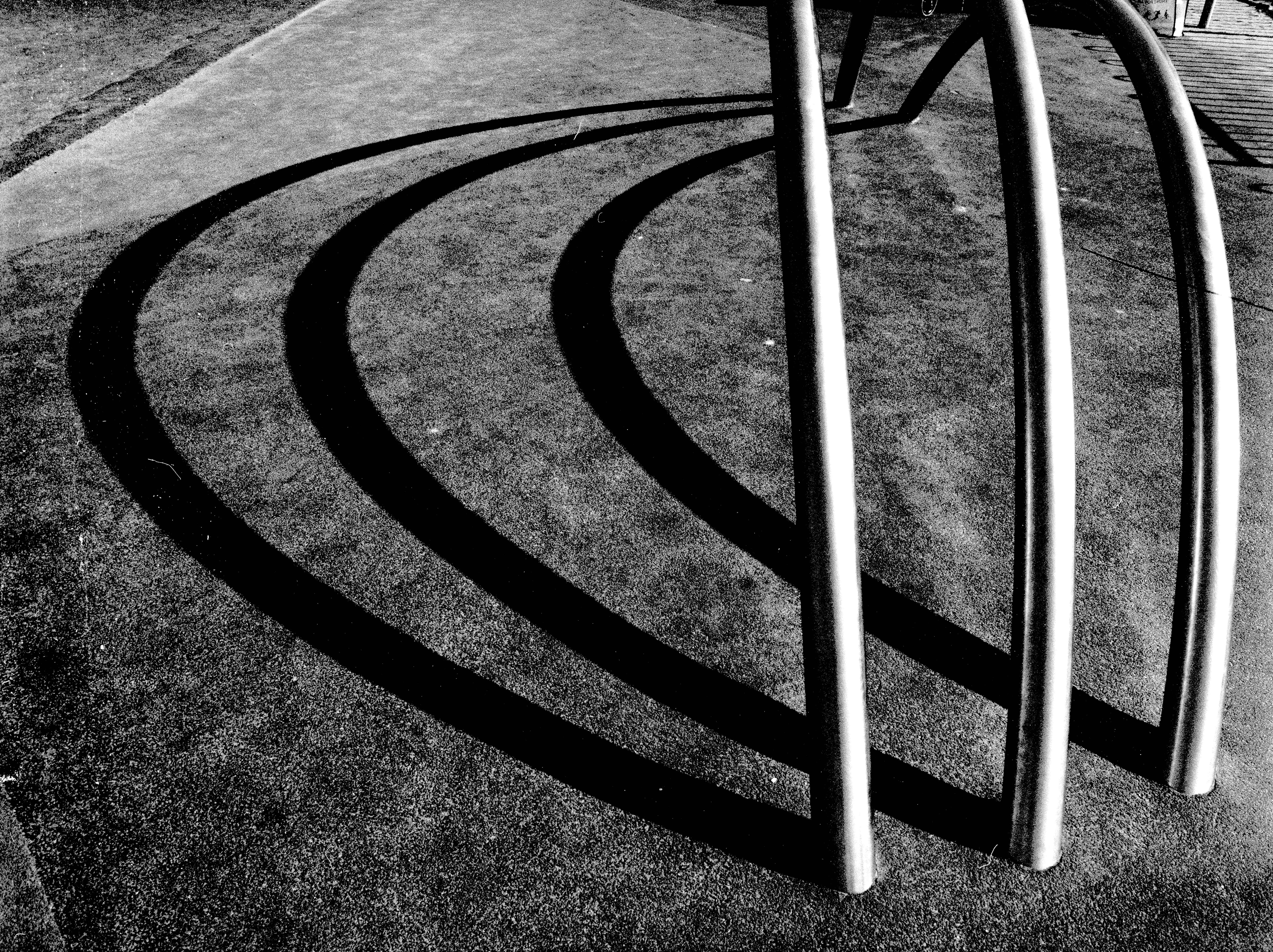
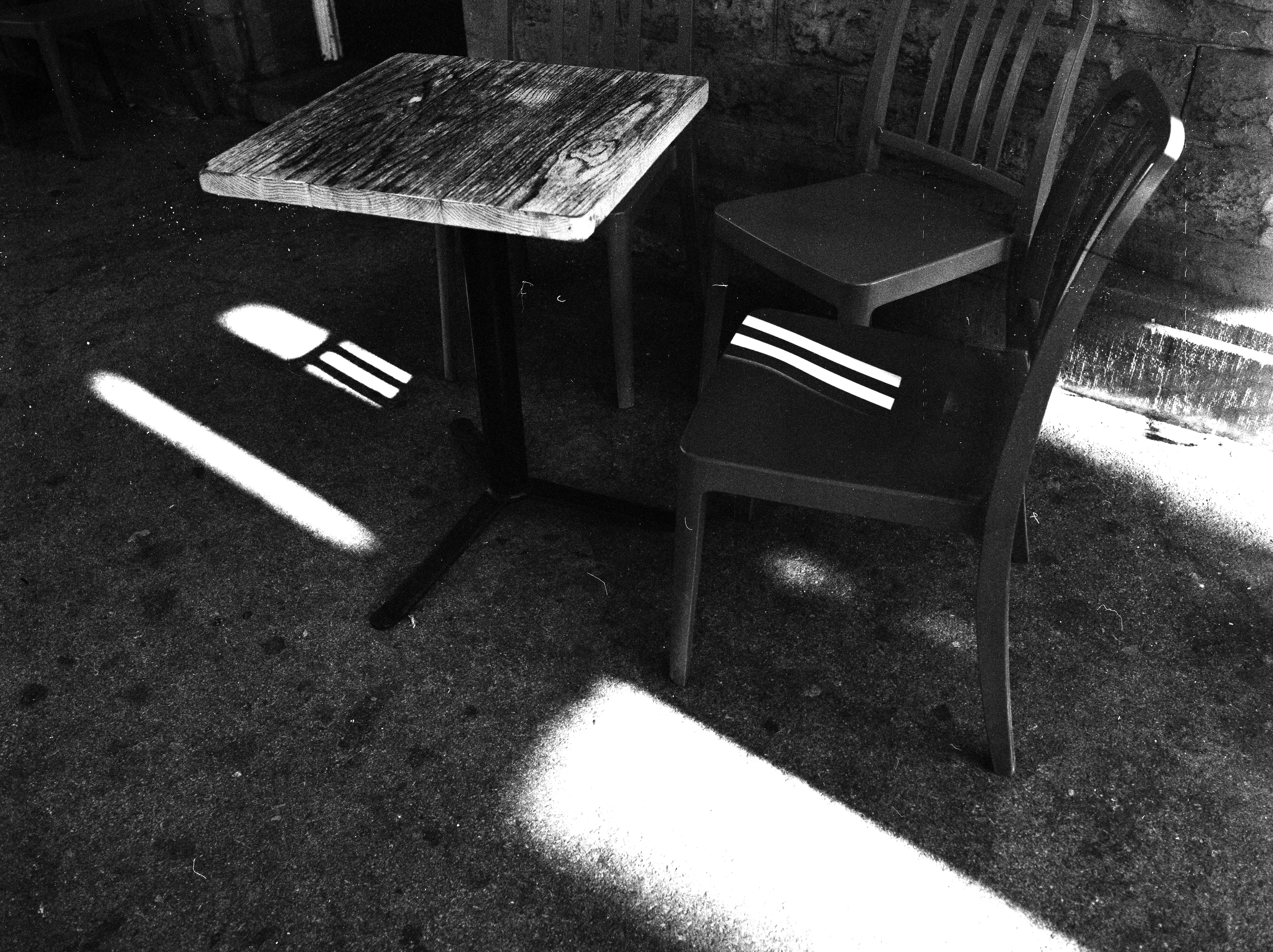
CONTACT SHEET
RESULTS FROM SHOOTING MAMIYA 654 PRO TL (beach film 2 + shooting hourglass at home)
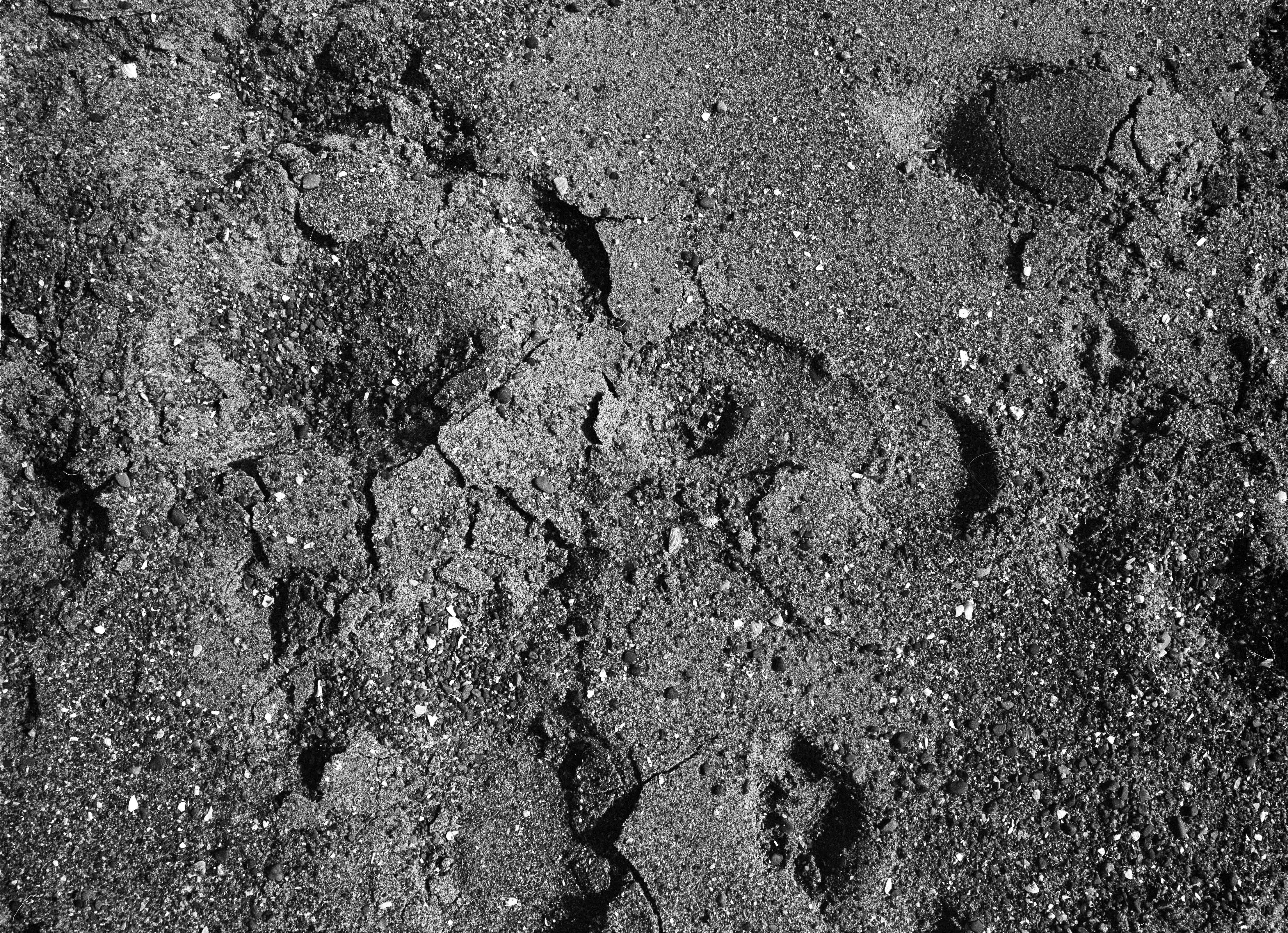
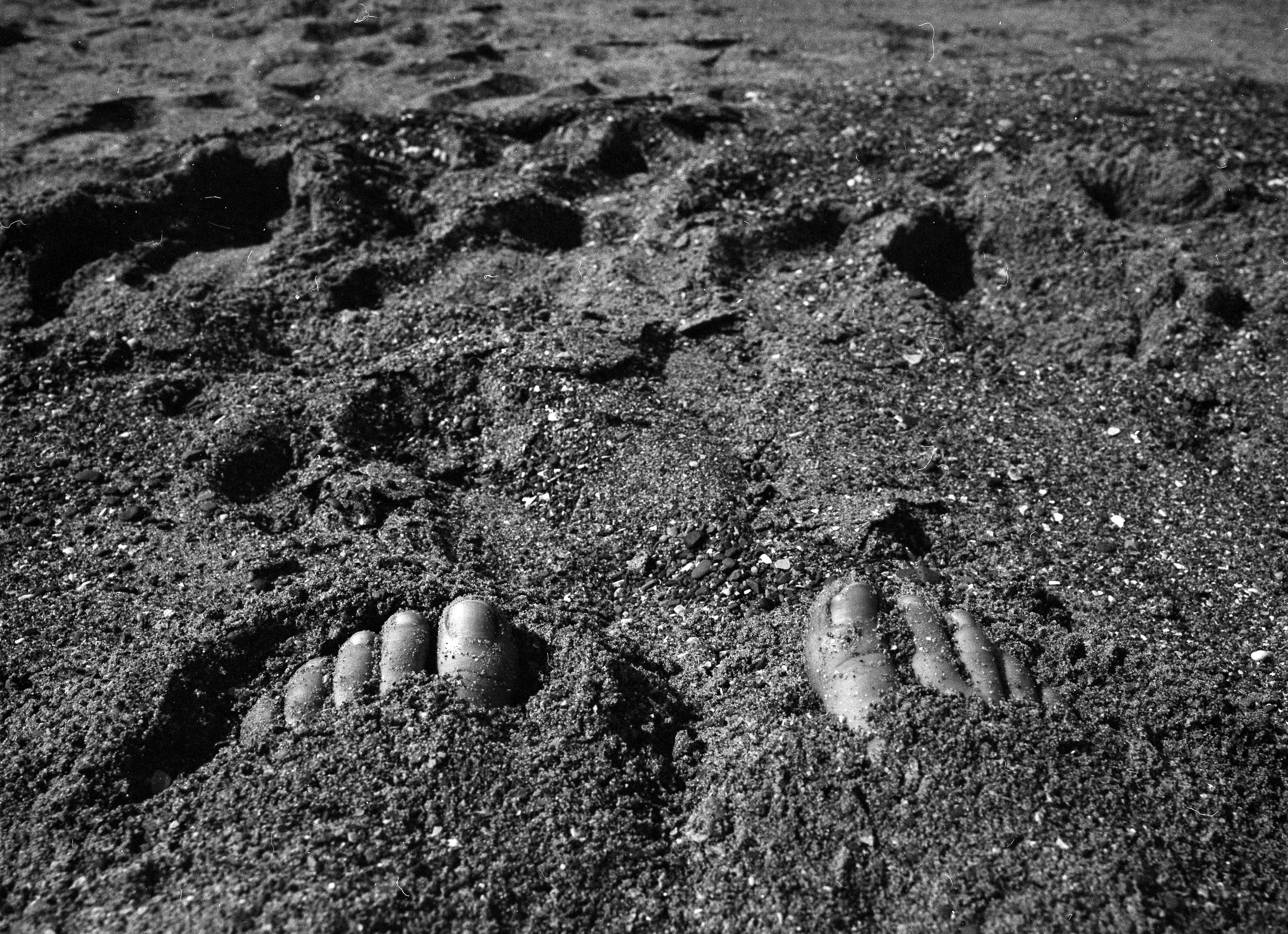
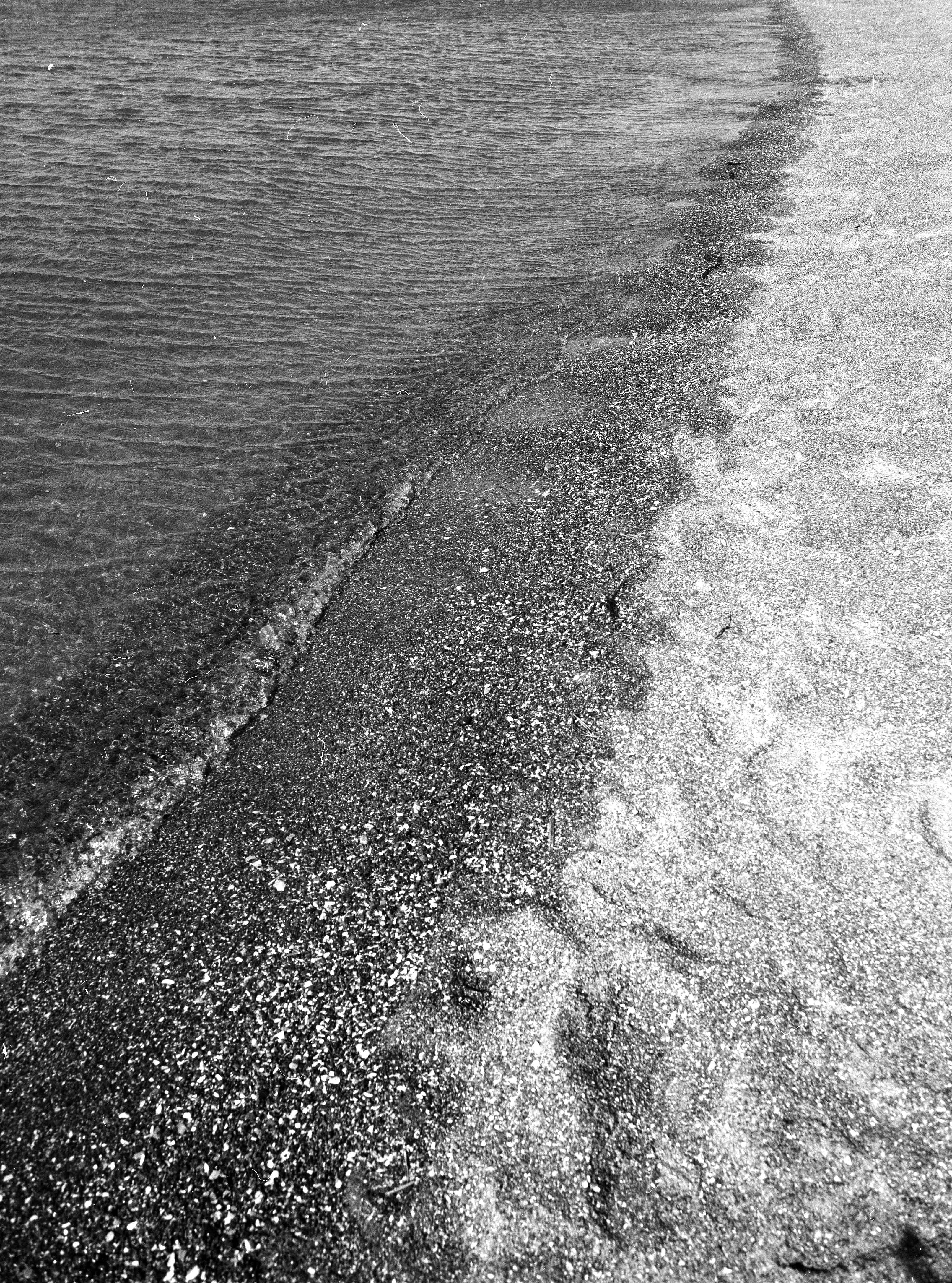
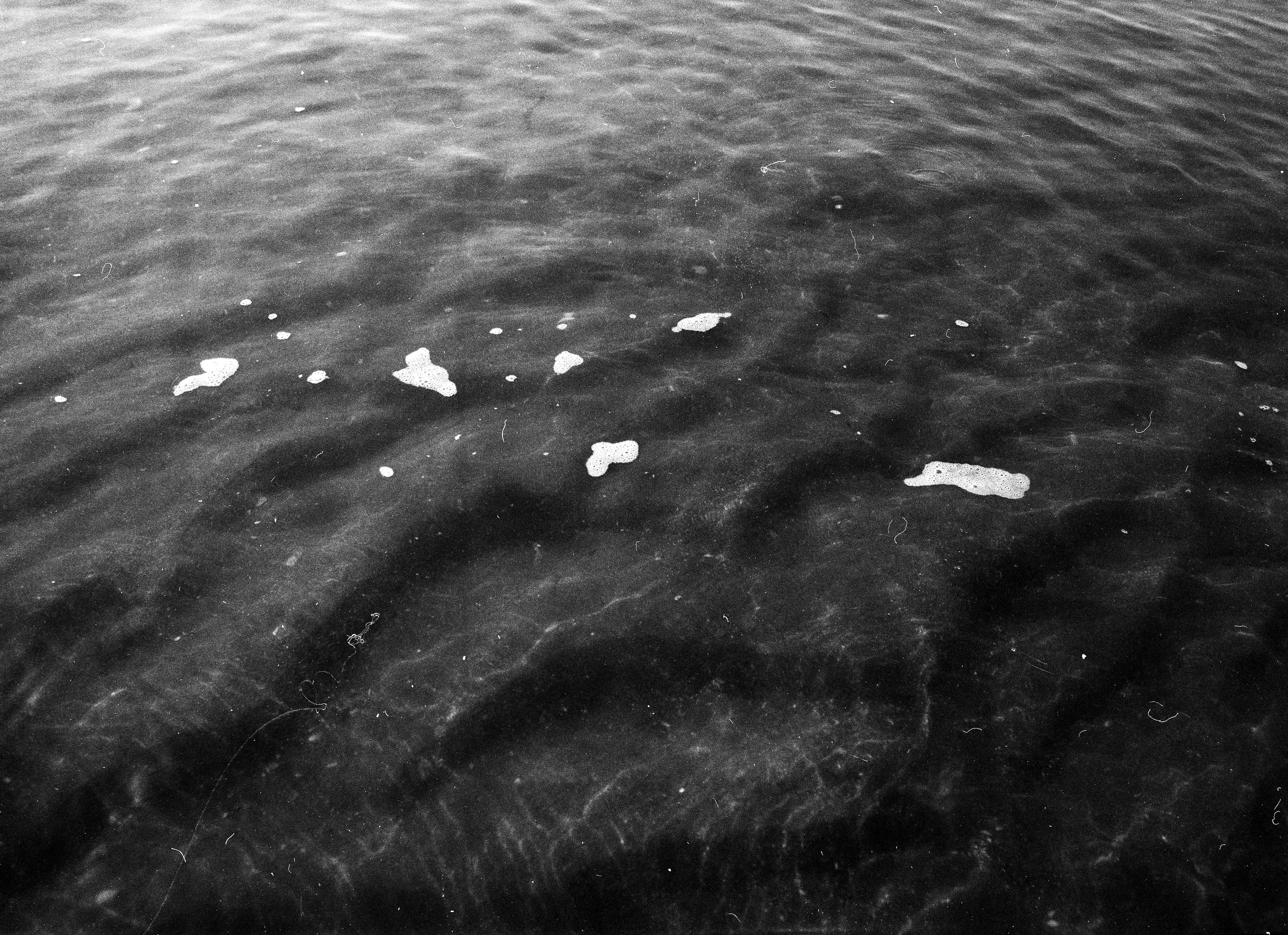
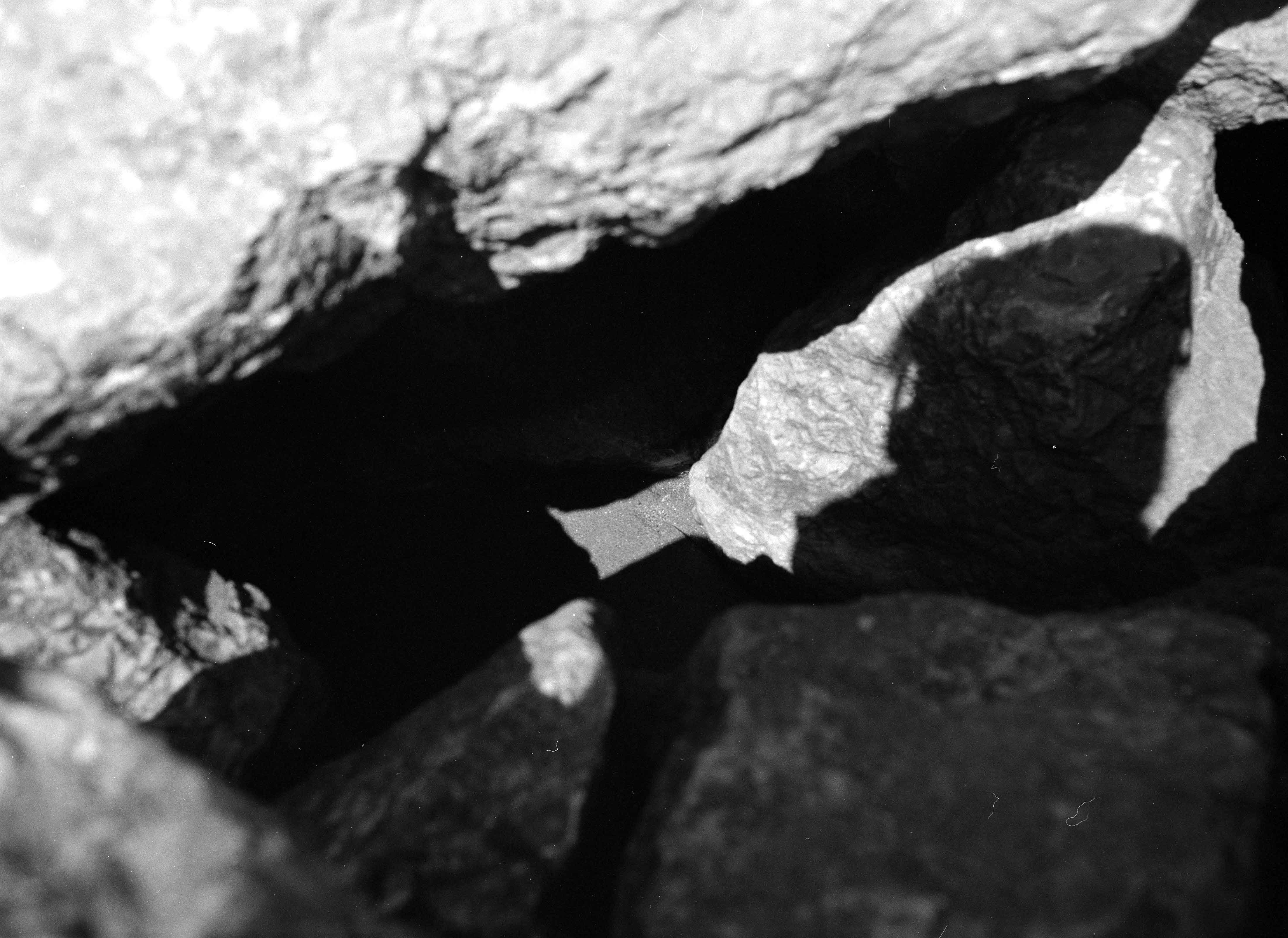
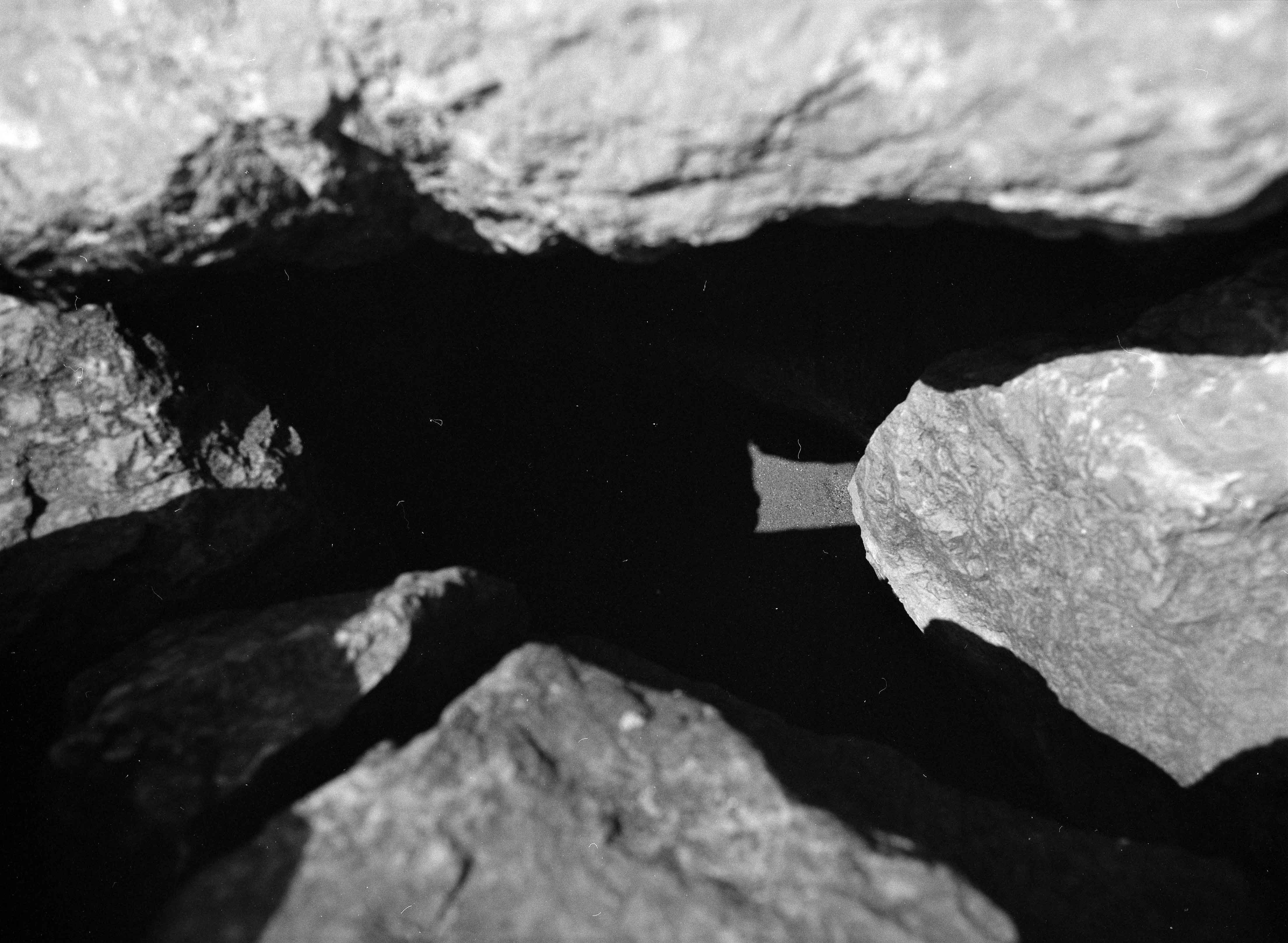

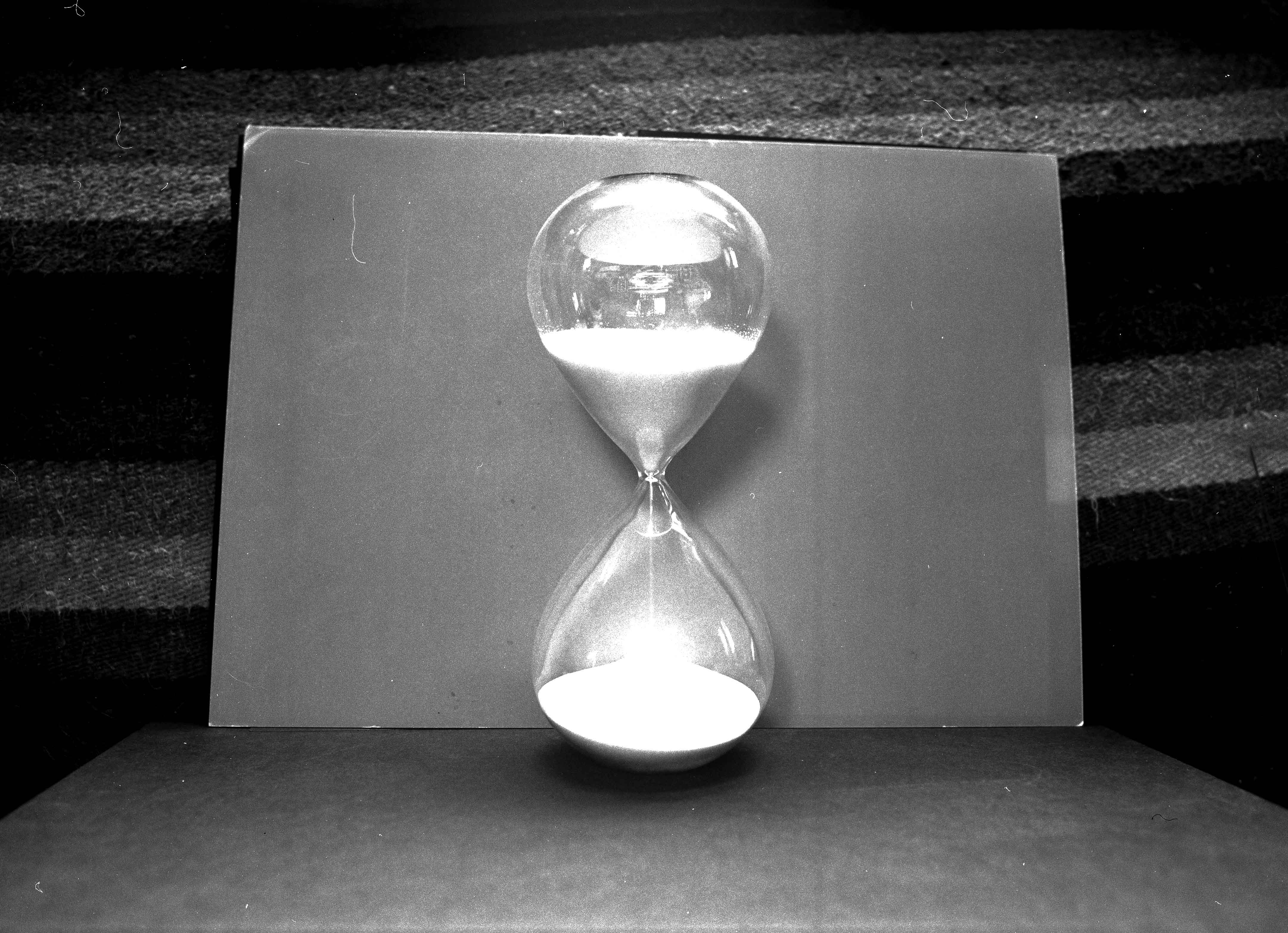
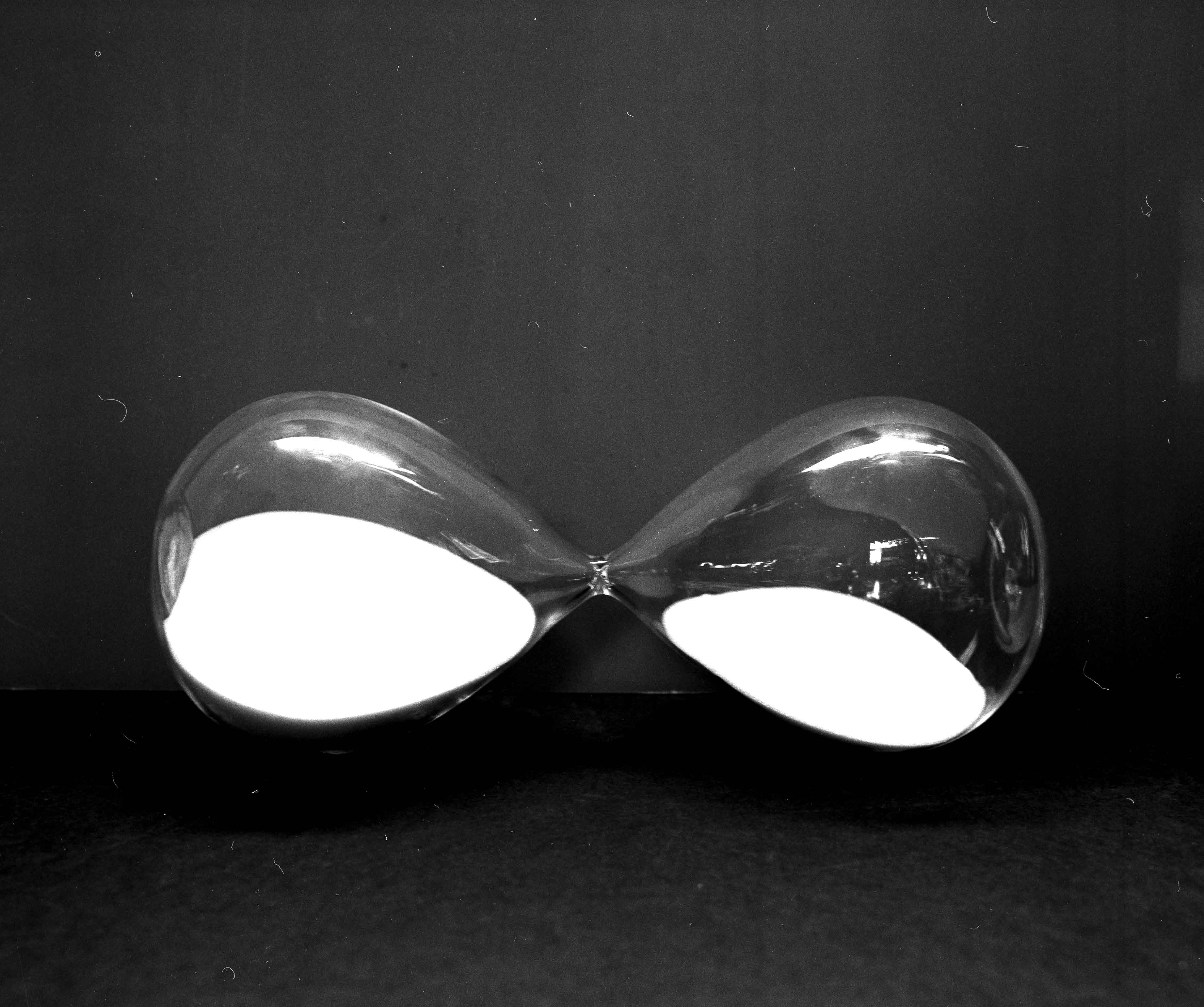
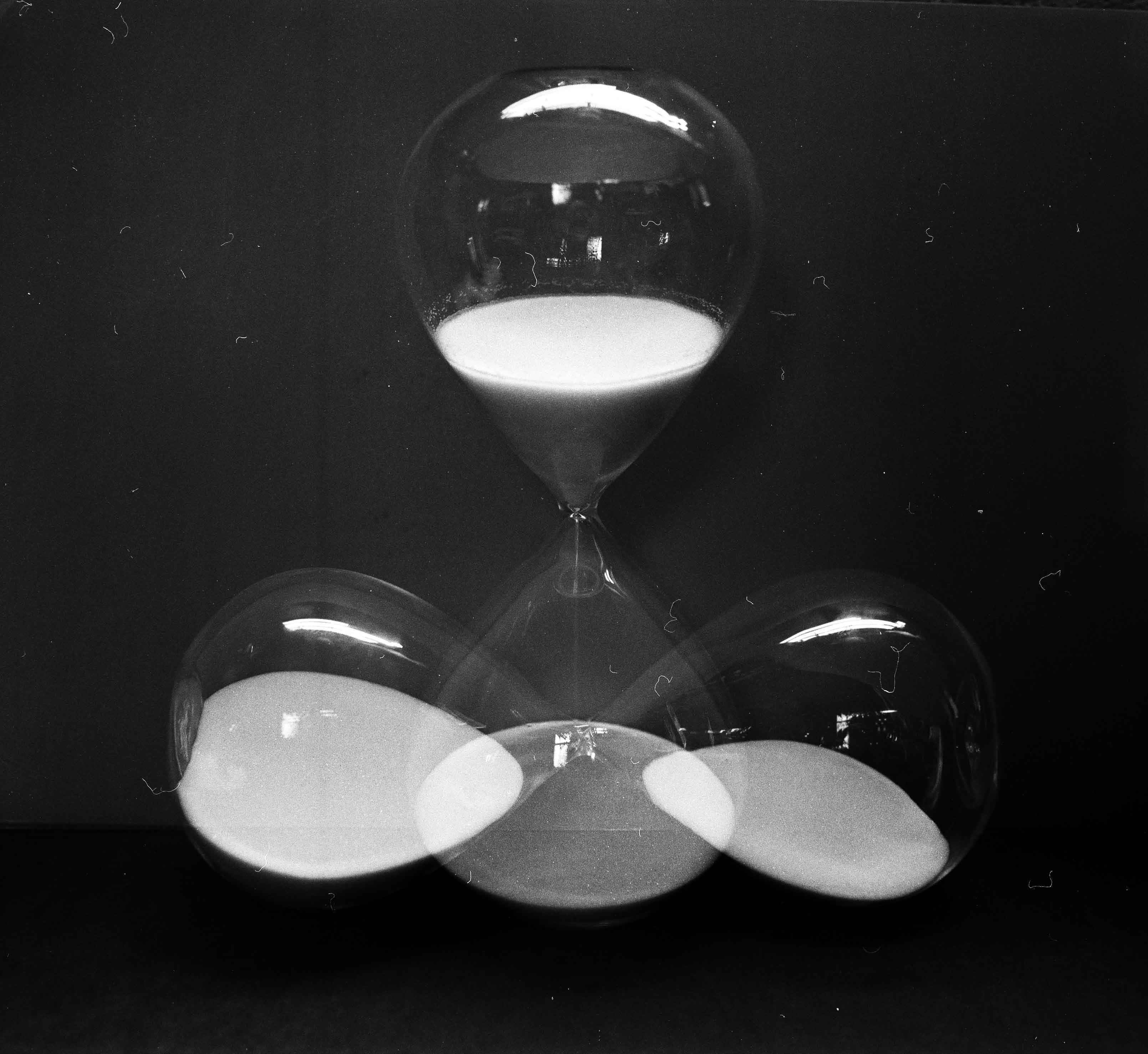

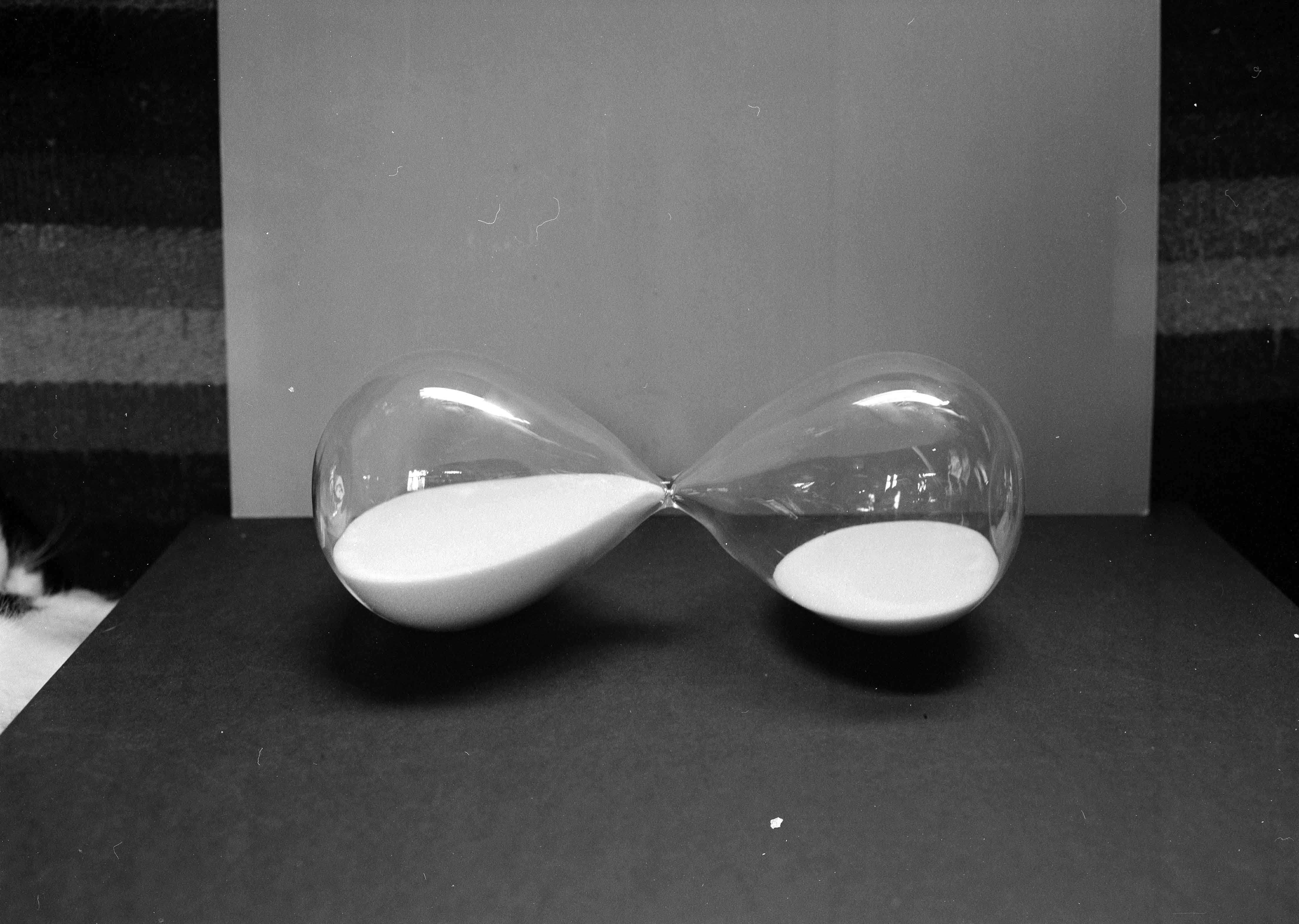
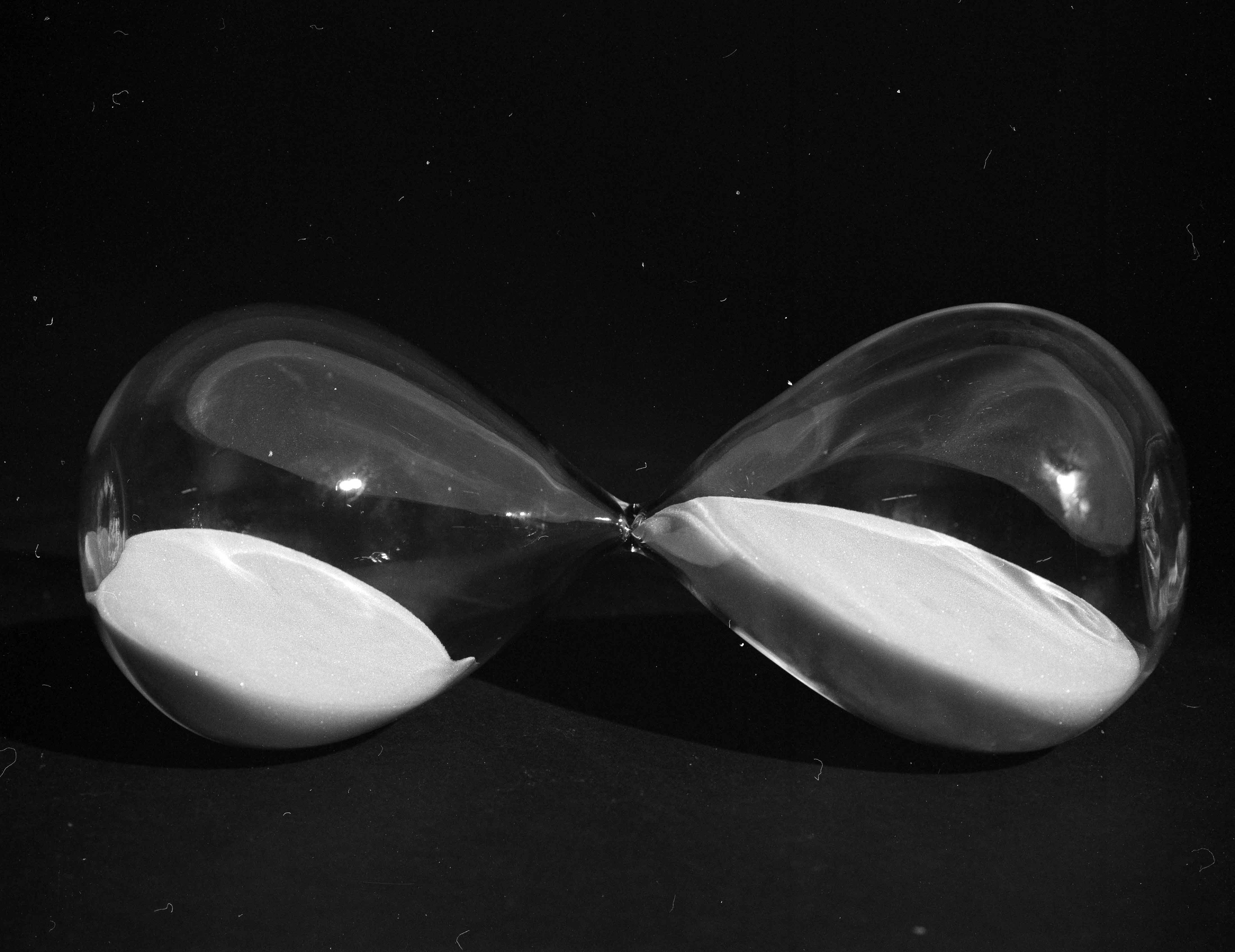

CONTACT SHEET
LONDON TATE MODERN BEYOND SURREALISM EXHIBITION
On this day, my partner and I travelled to London to visit the Surrealism Beyond Borders Exhibition in Tate Modern and then attended a music and visual show at the Barbican.
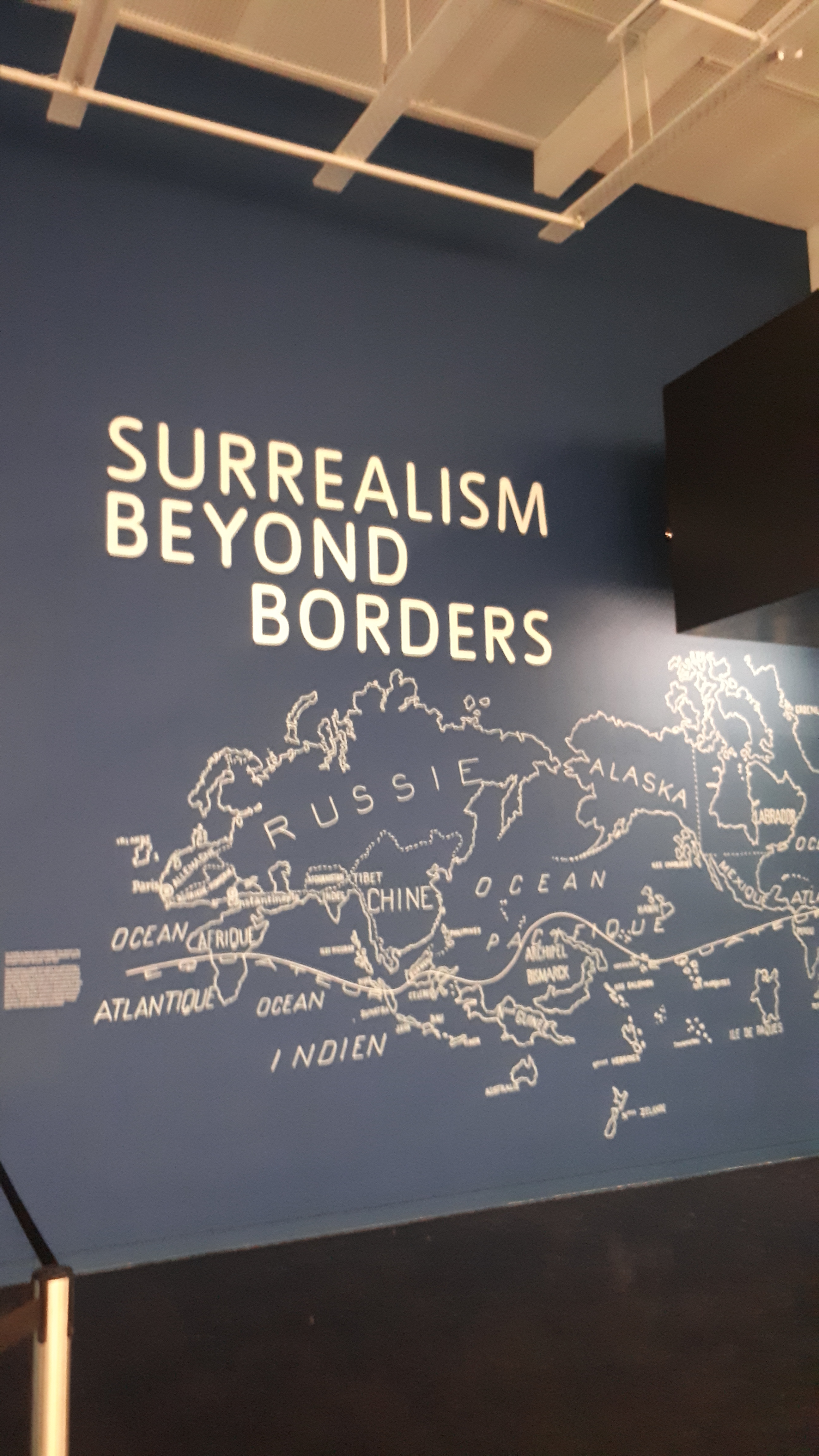
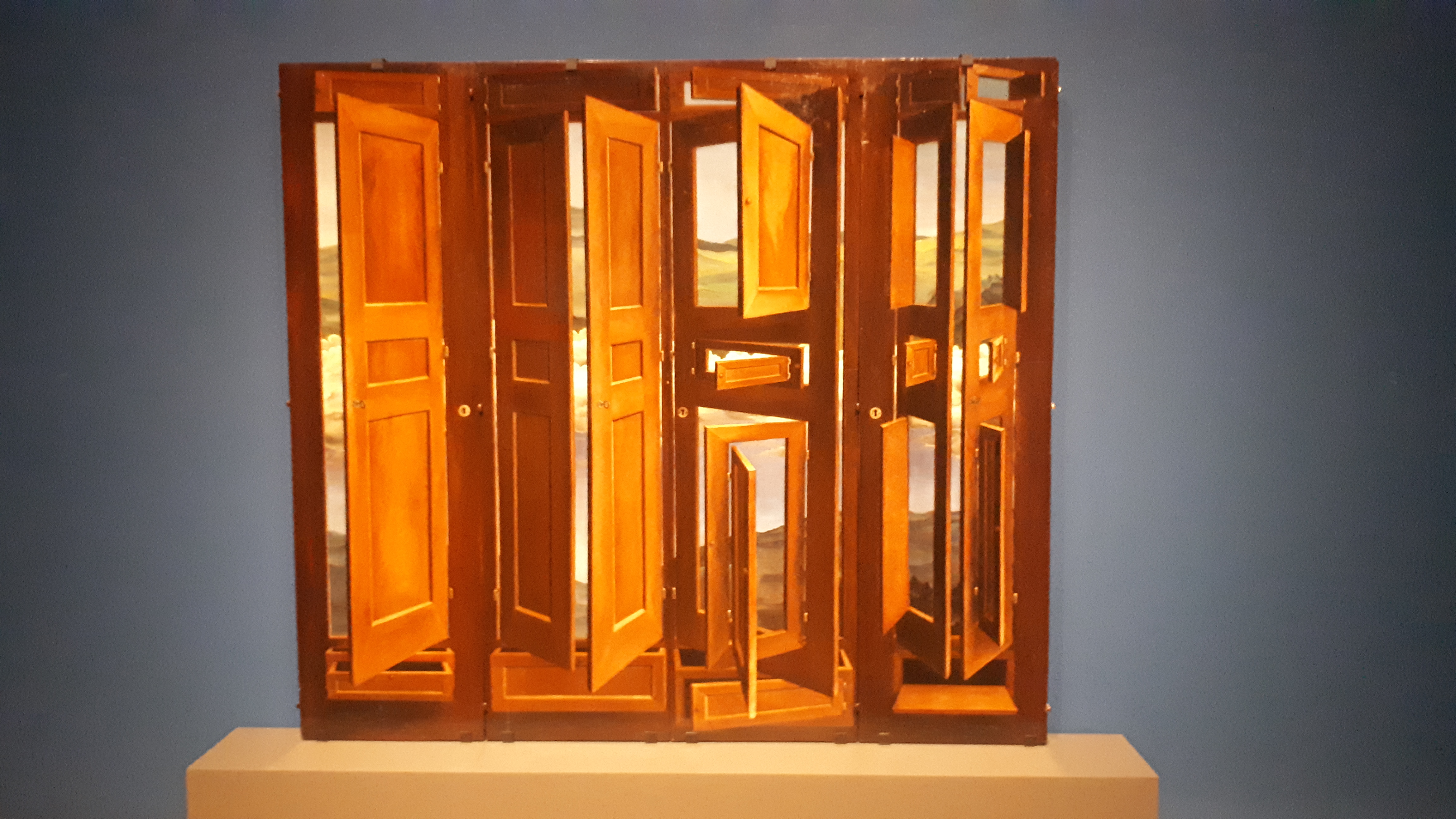
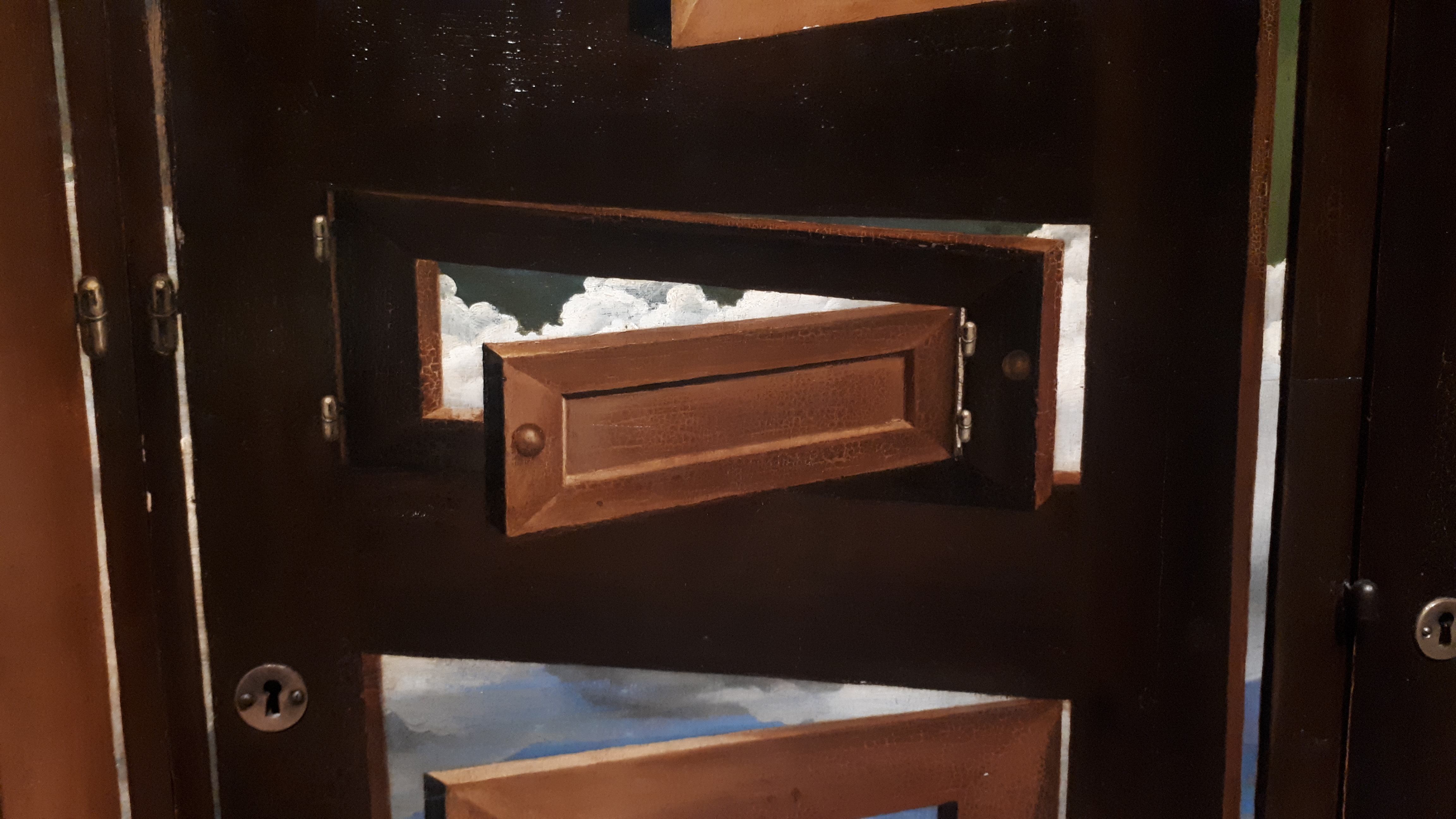
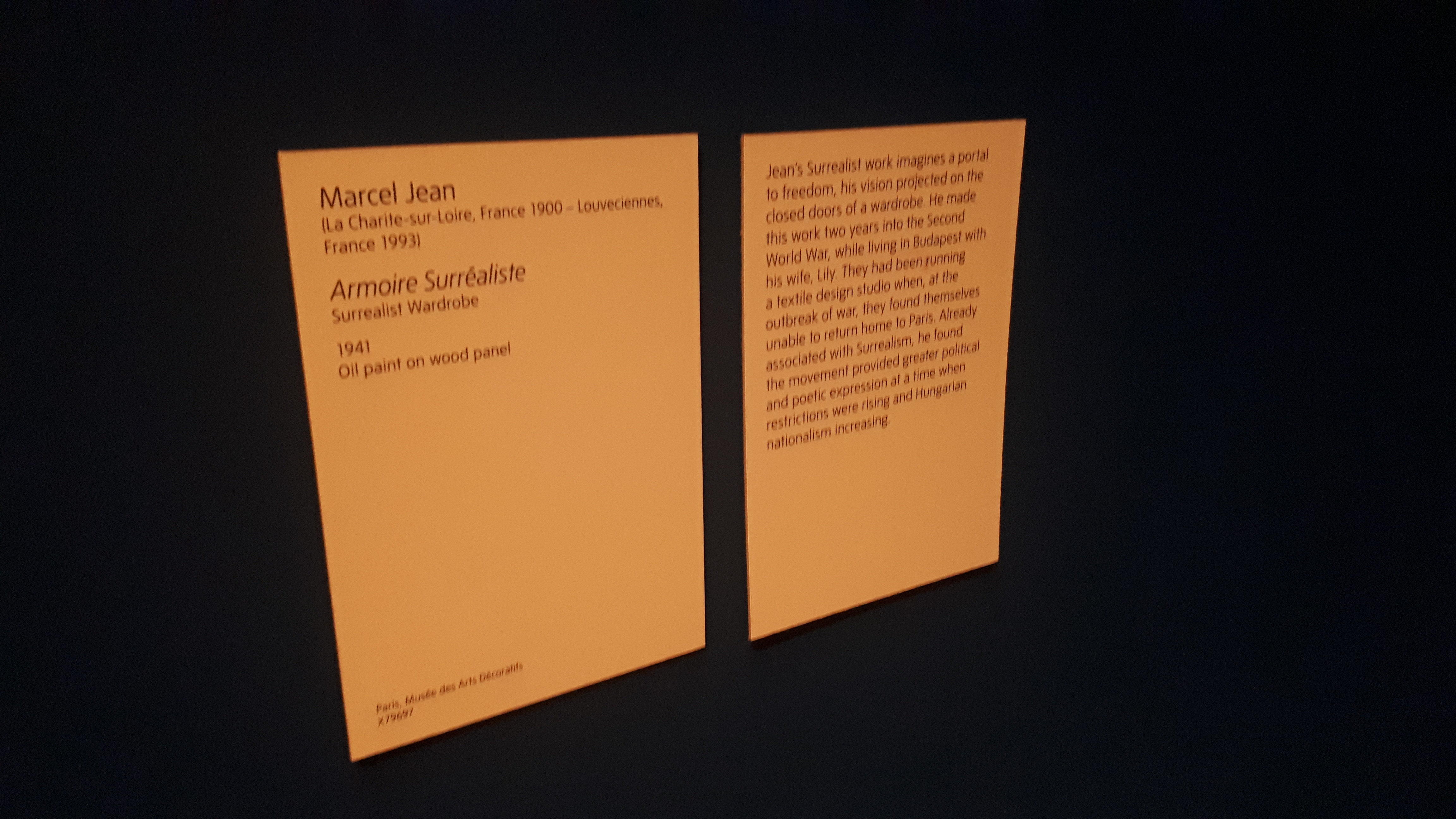
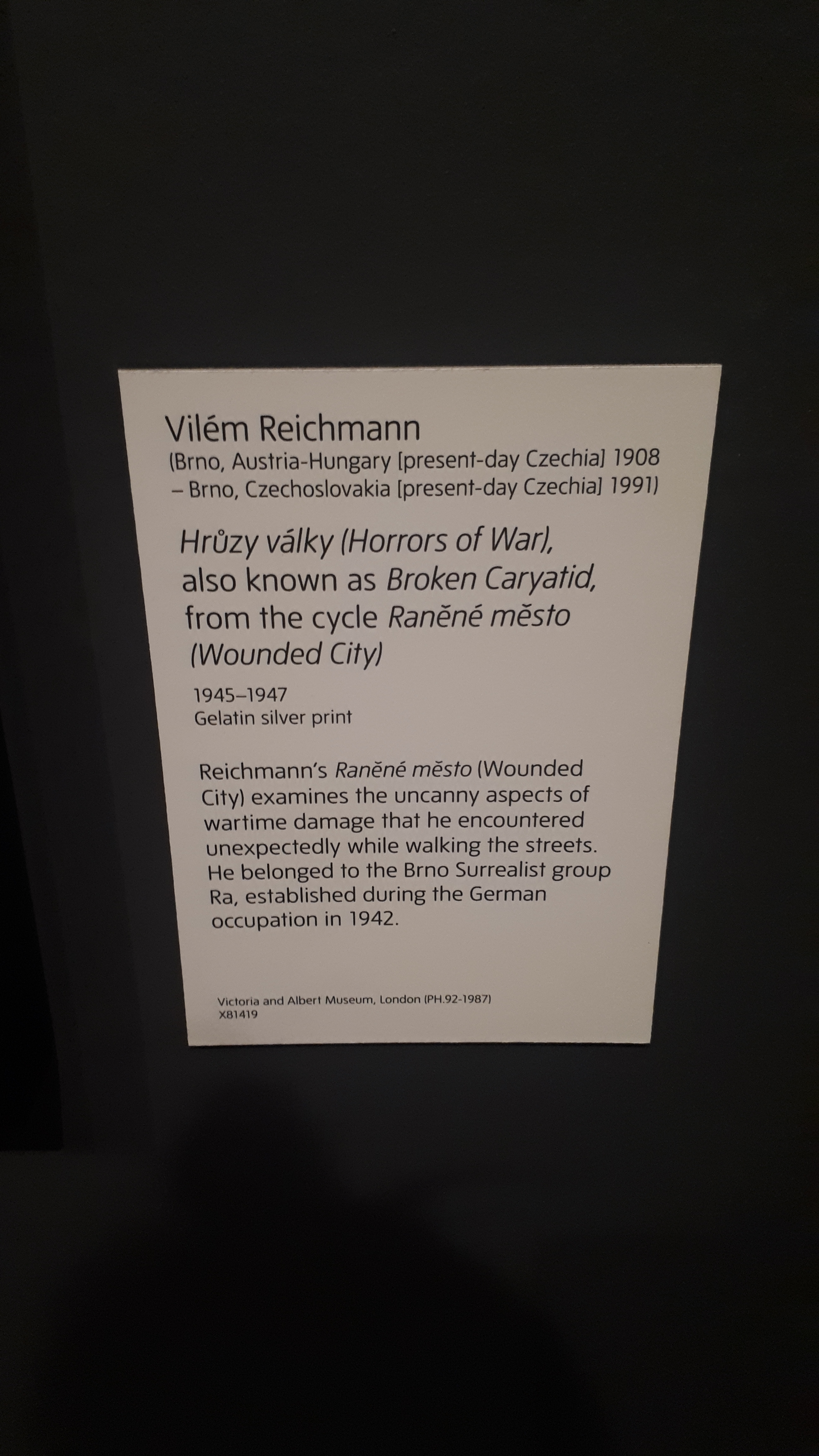
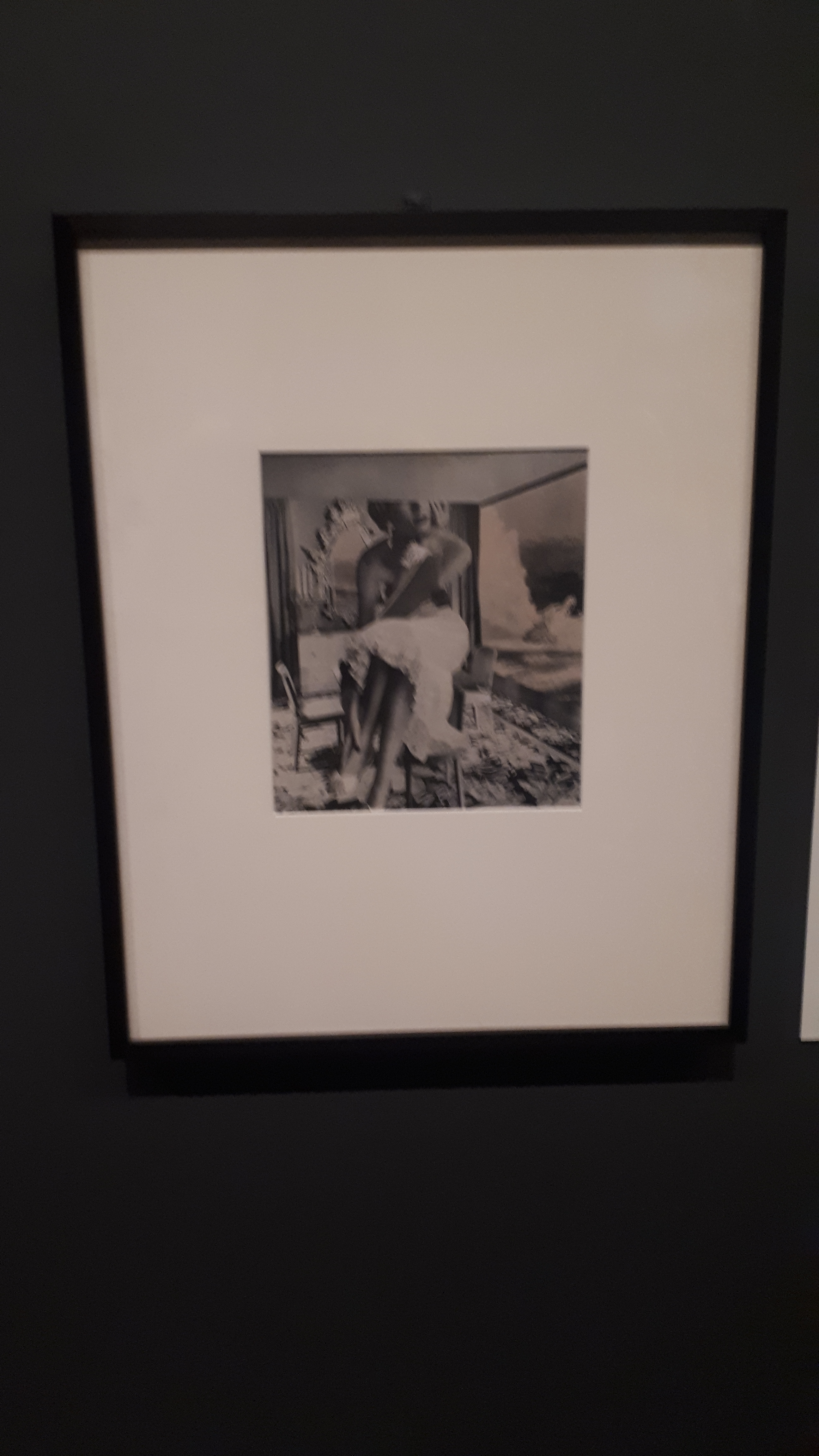
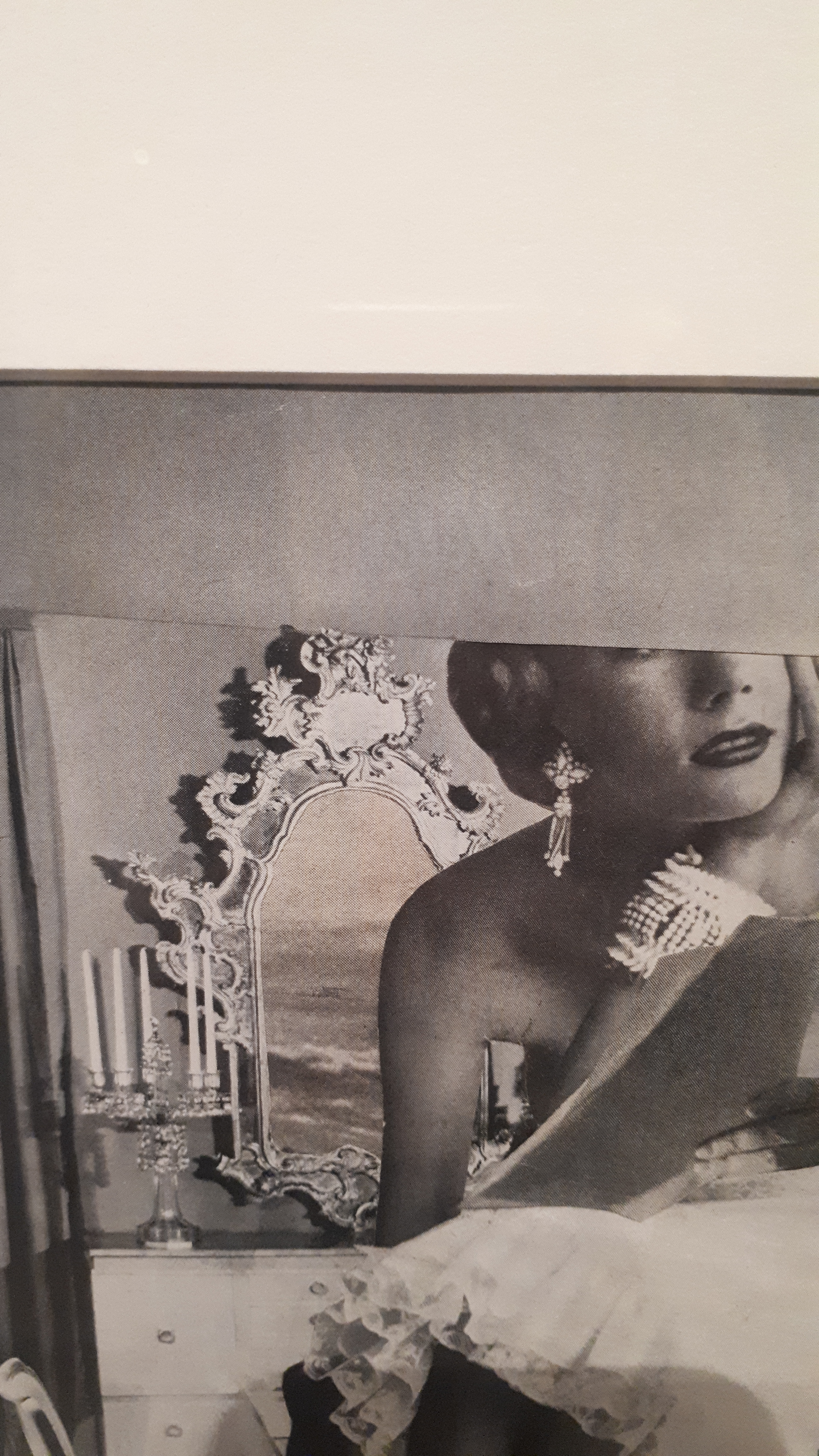
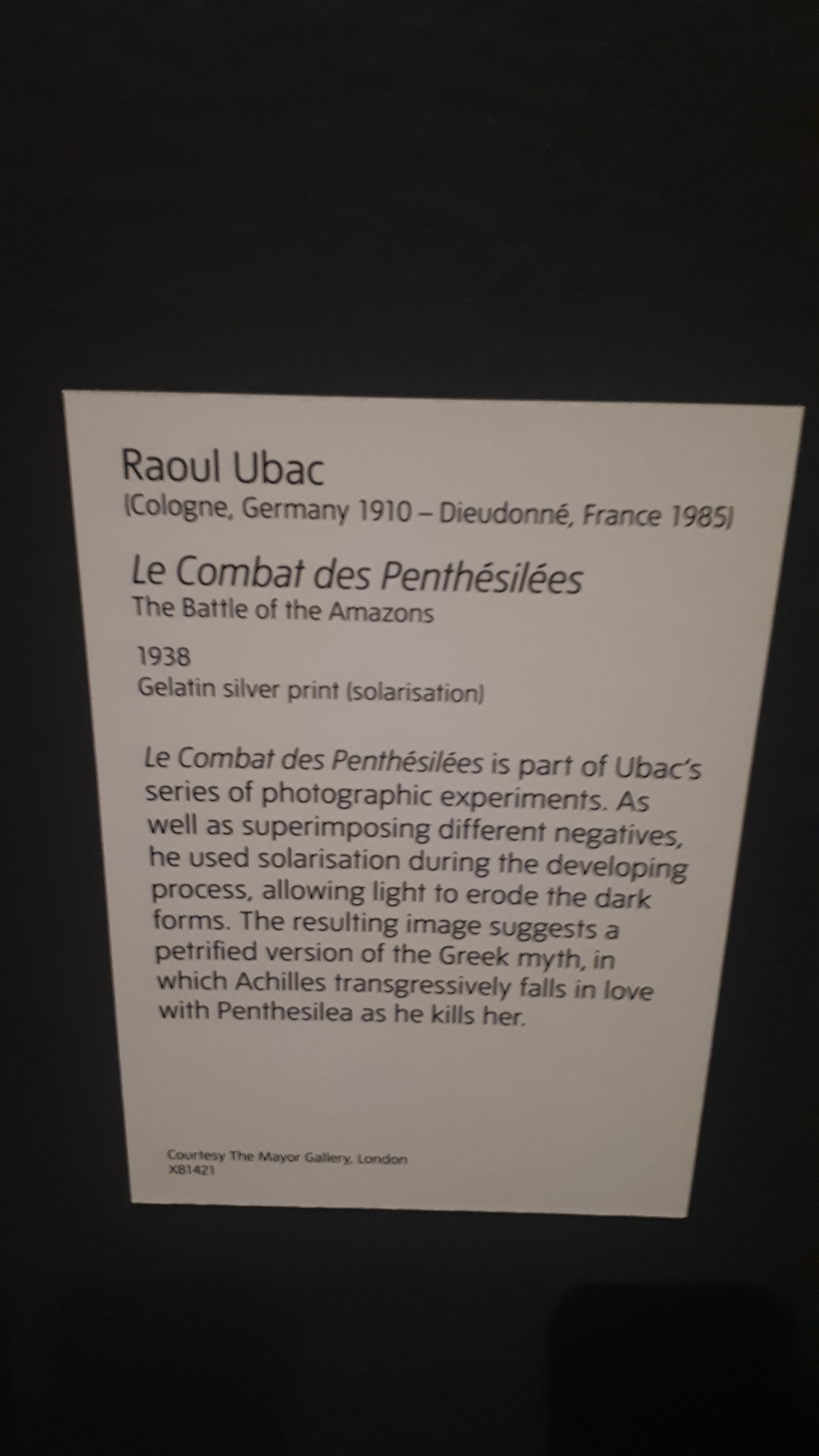
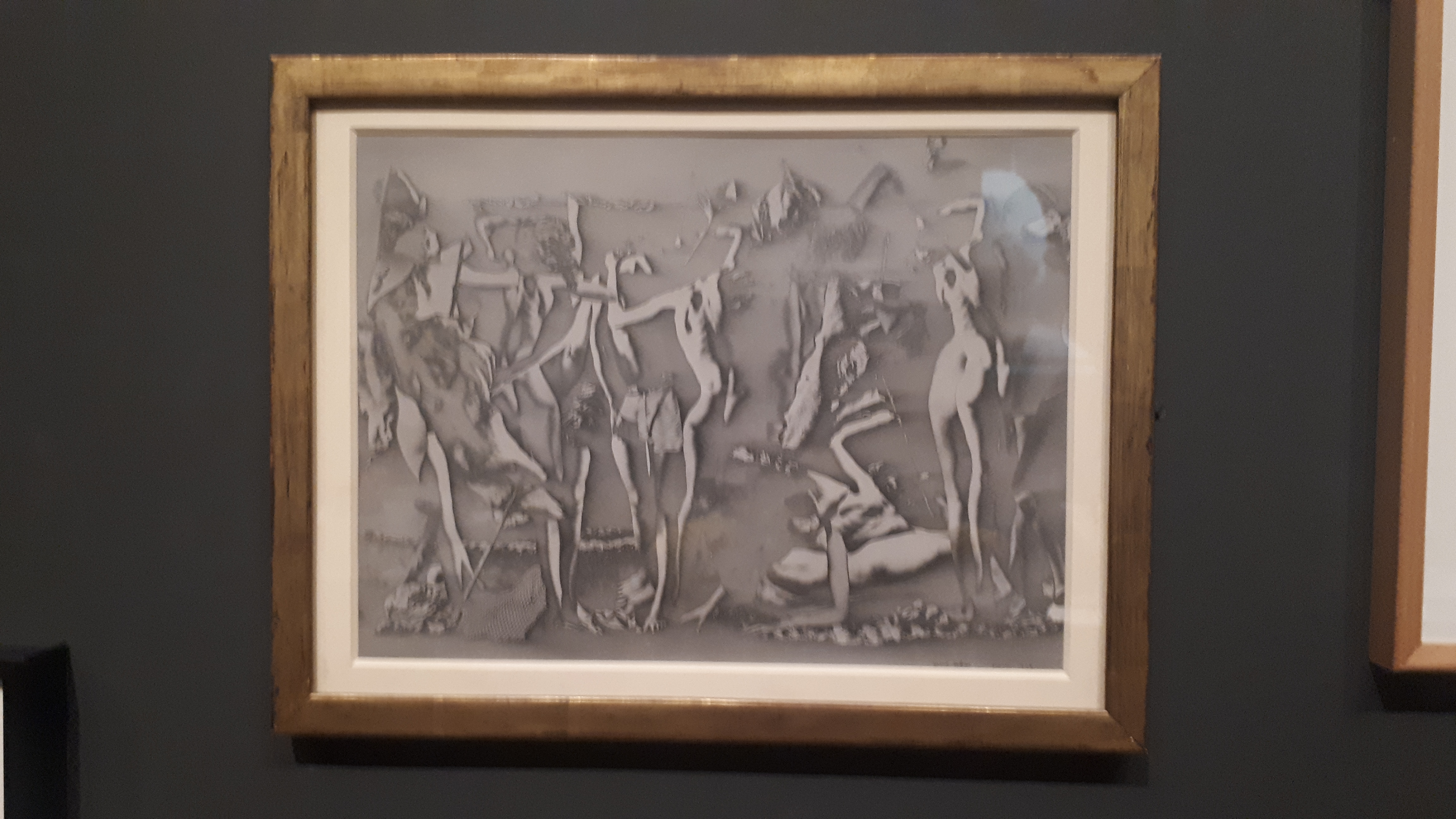
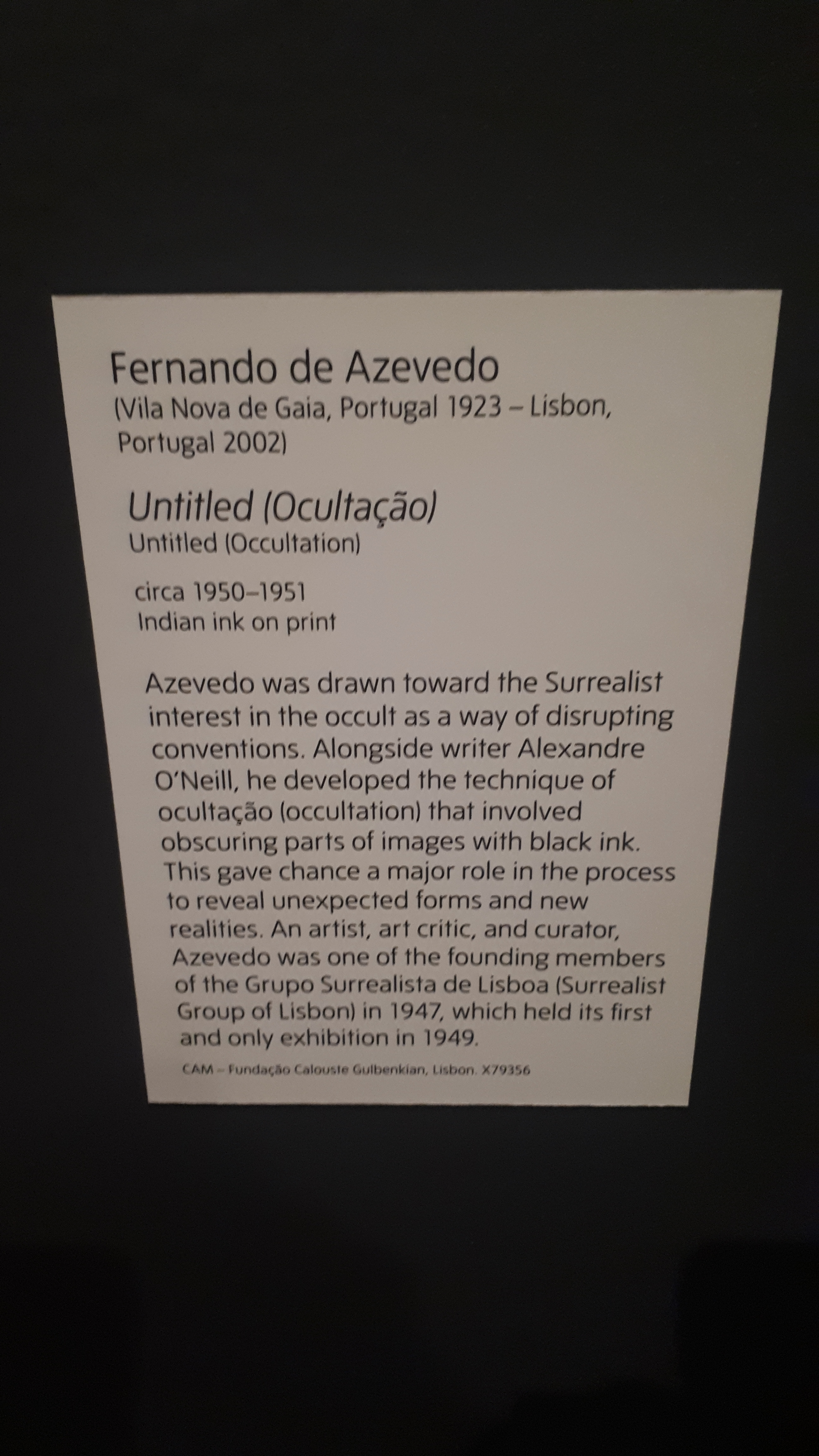
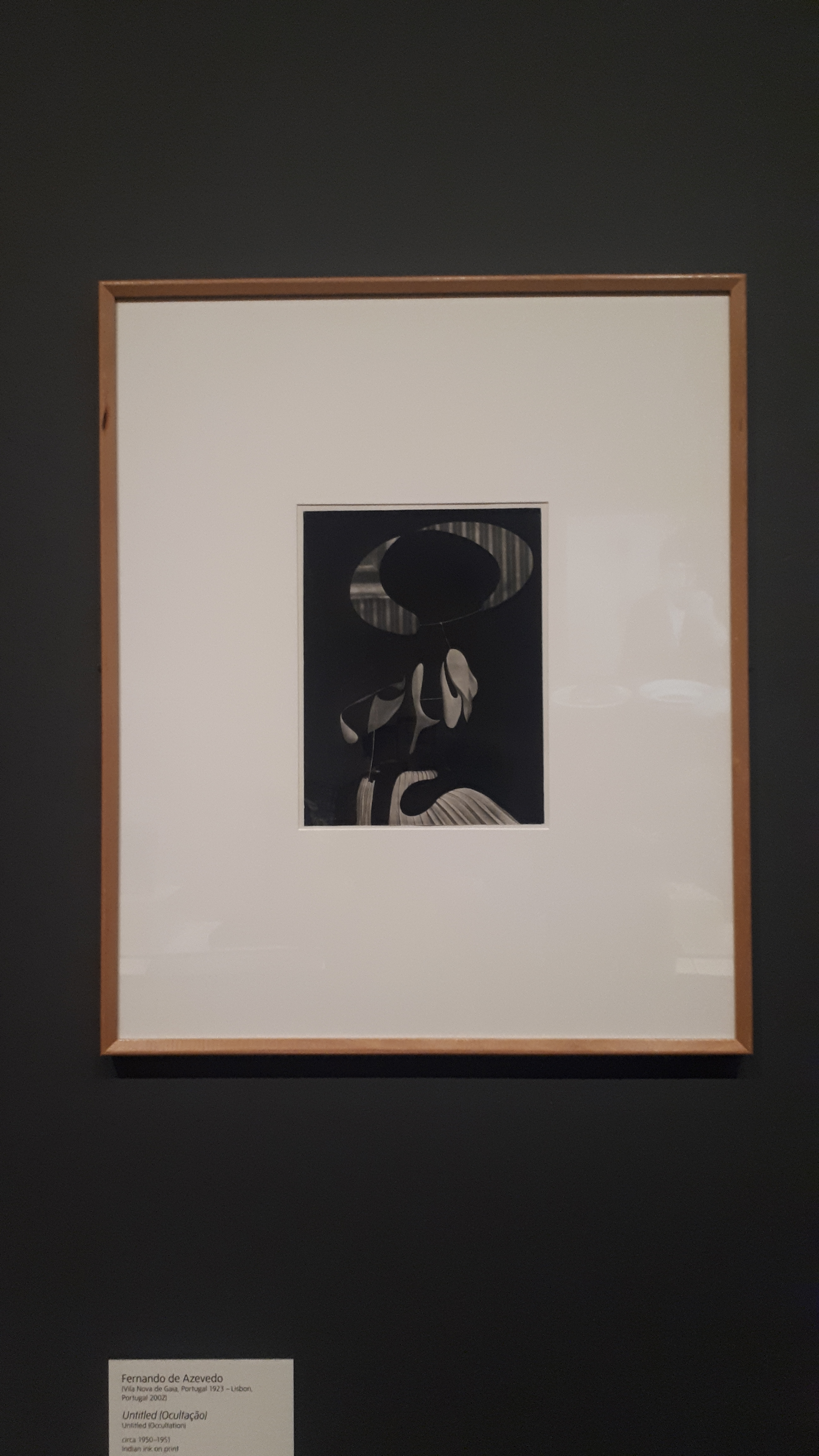
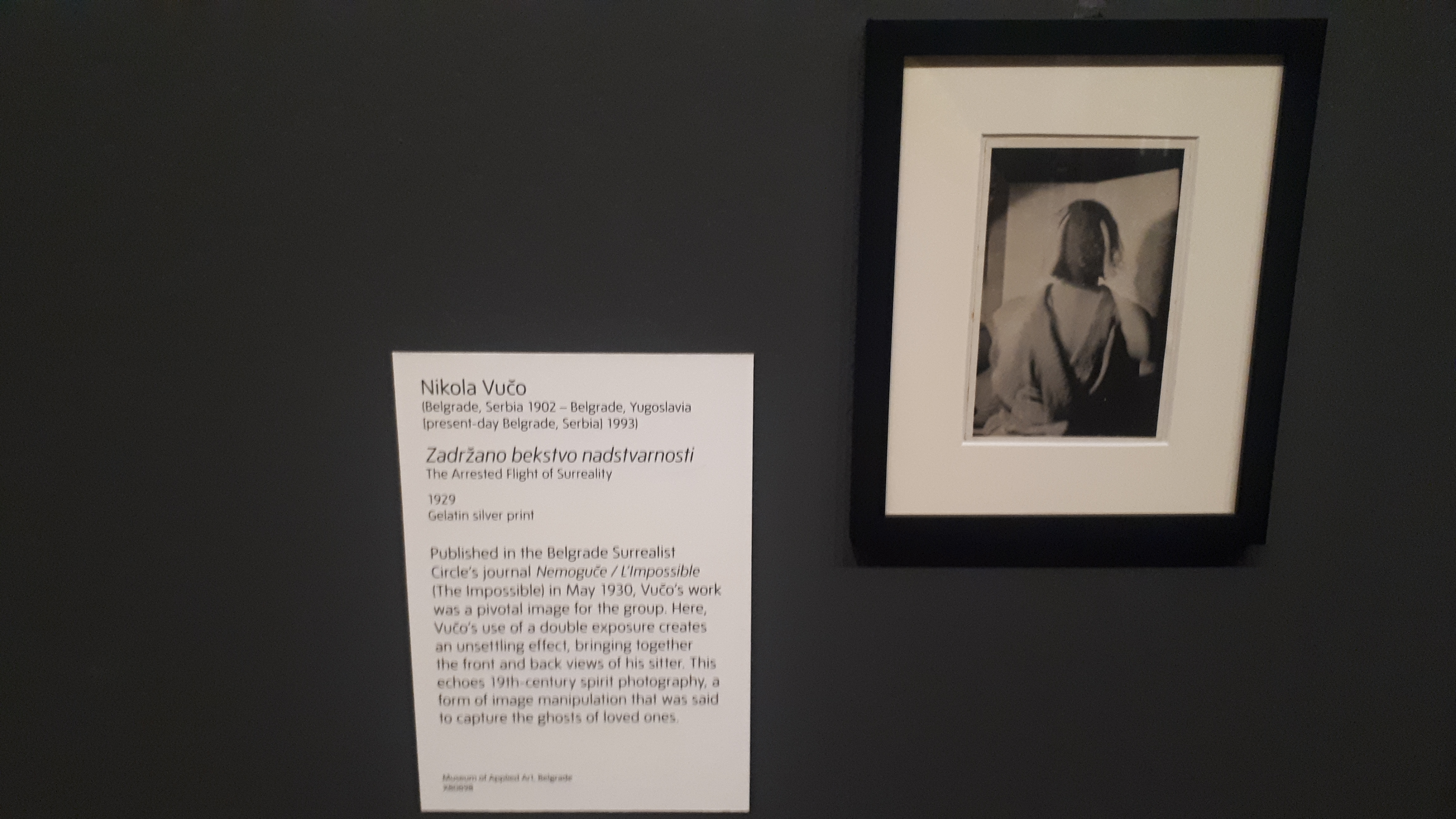
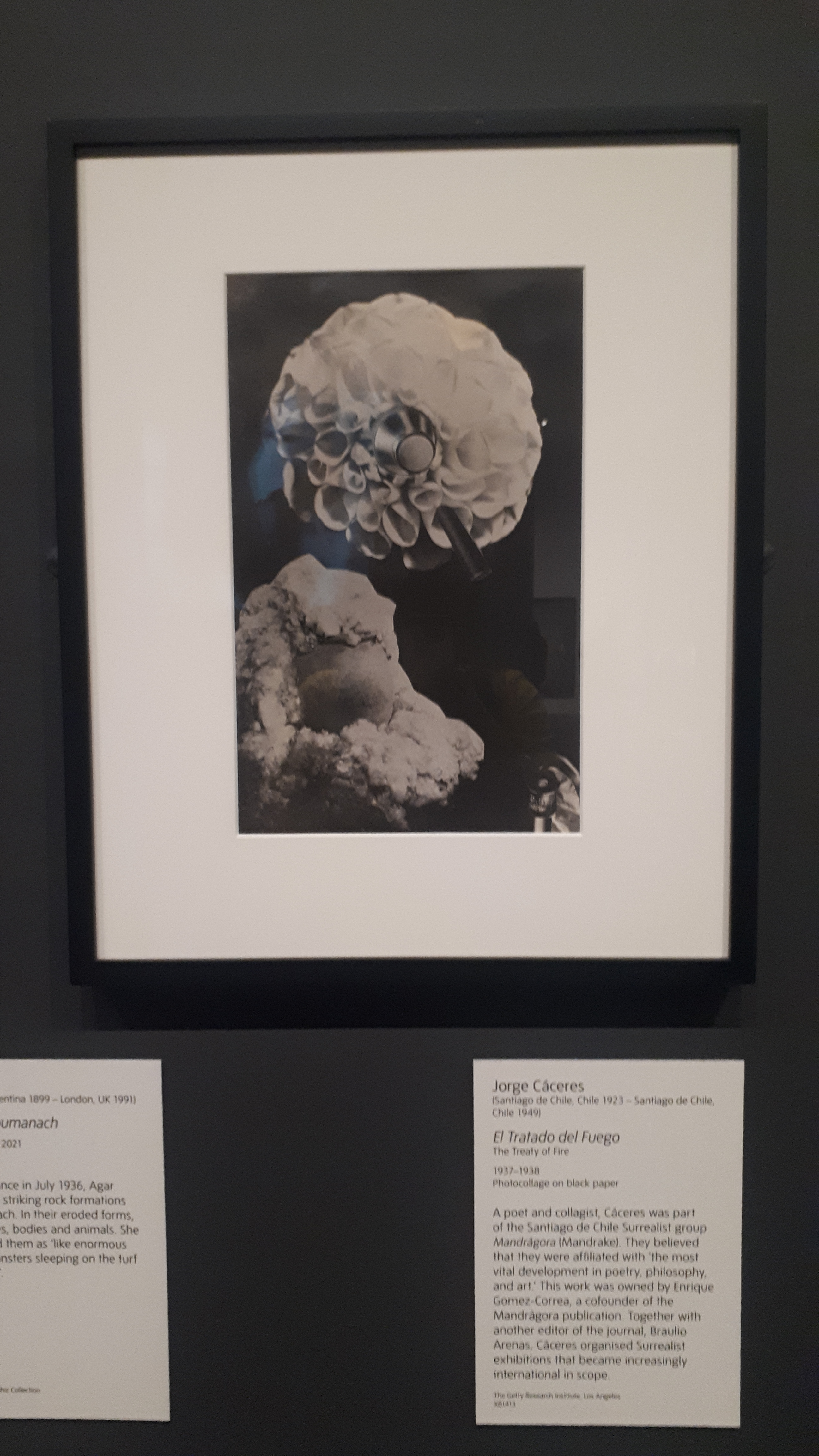
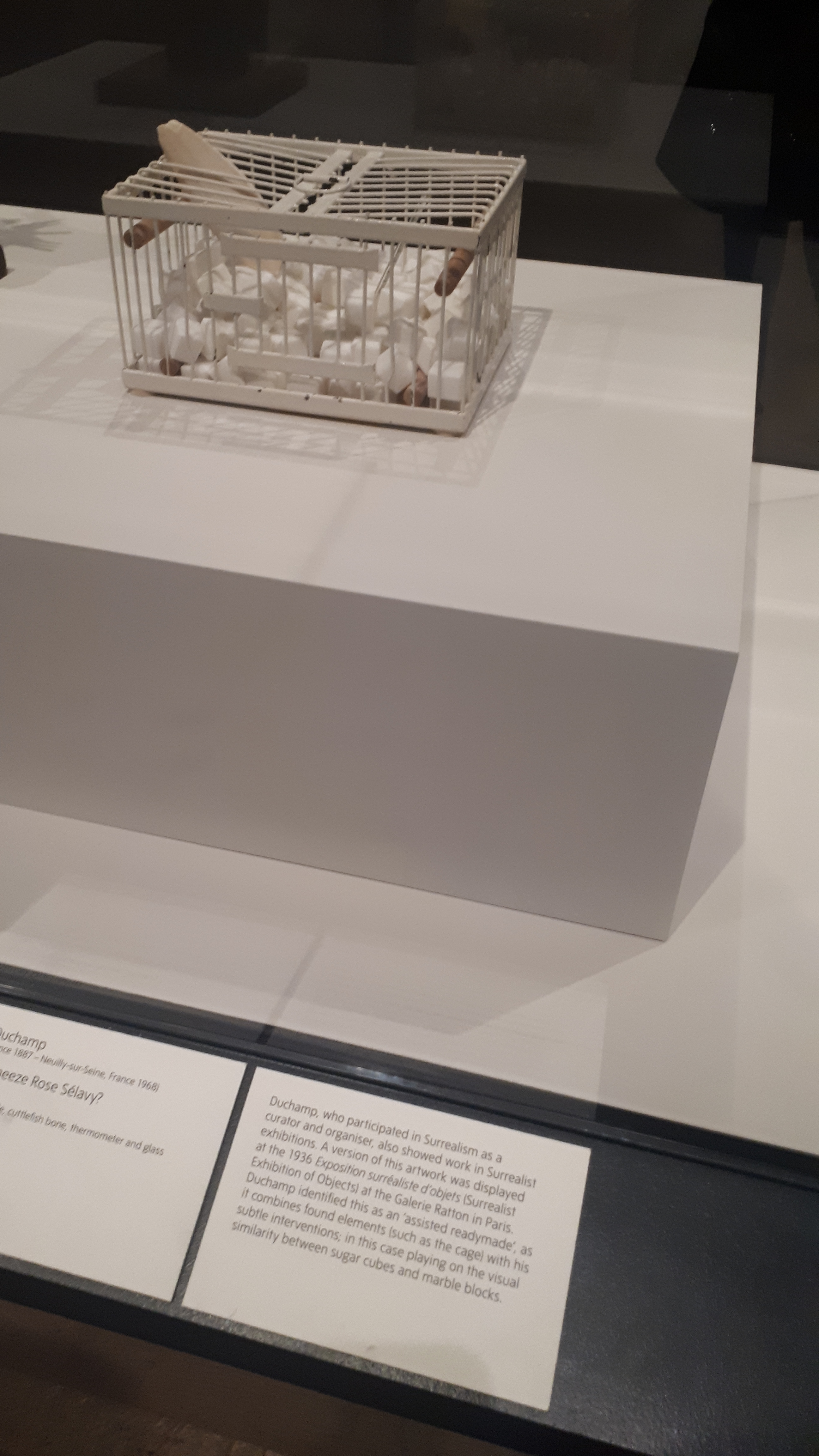
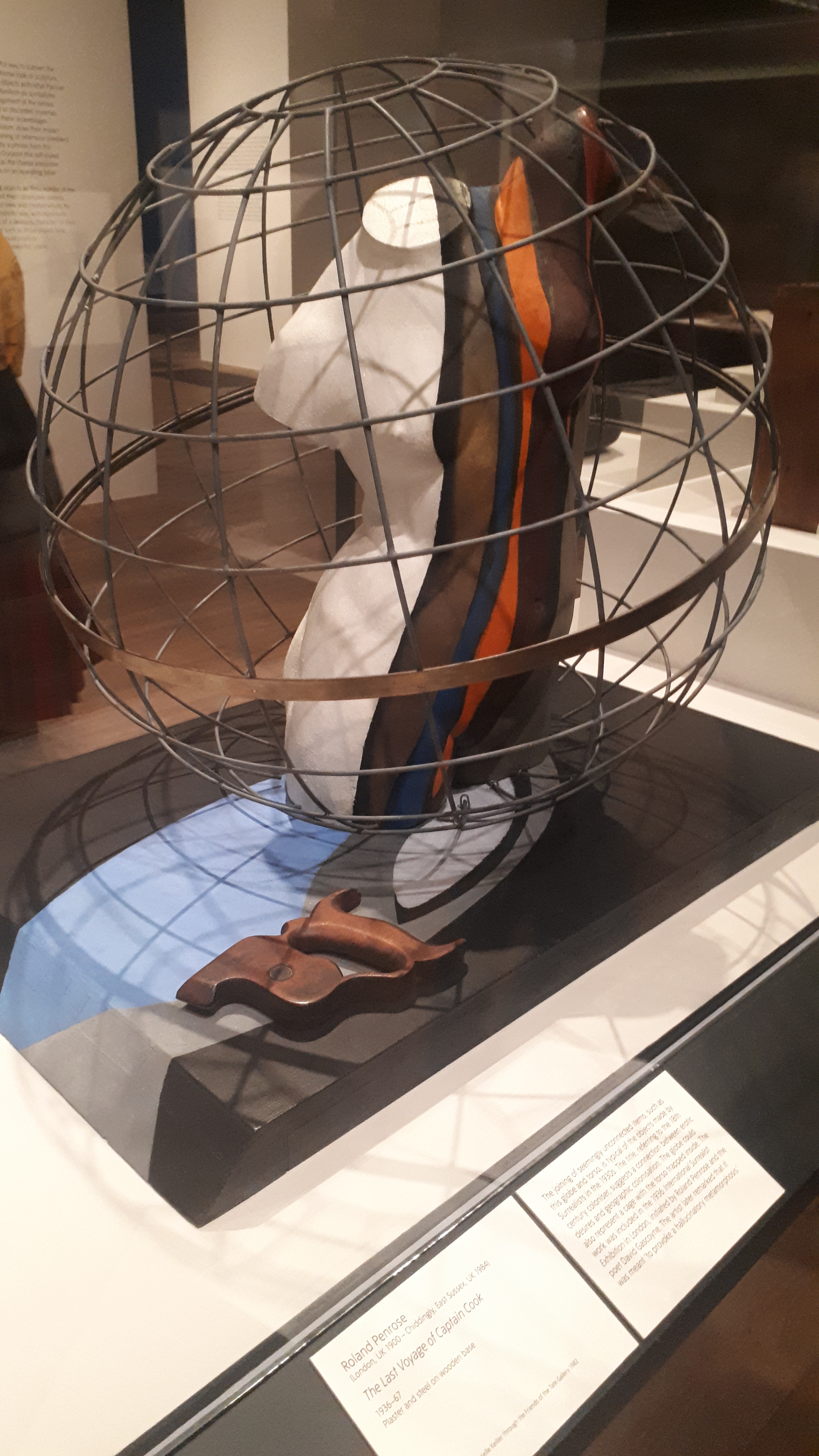
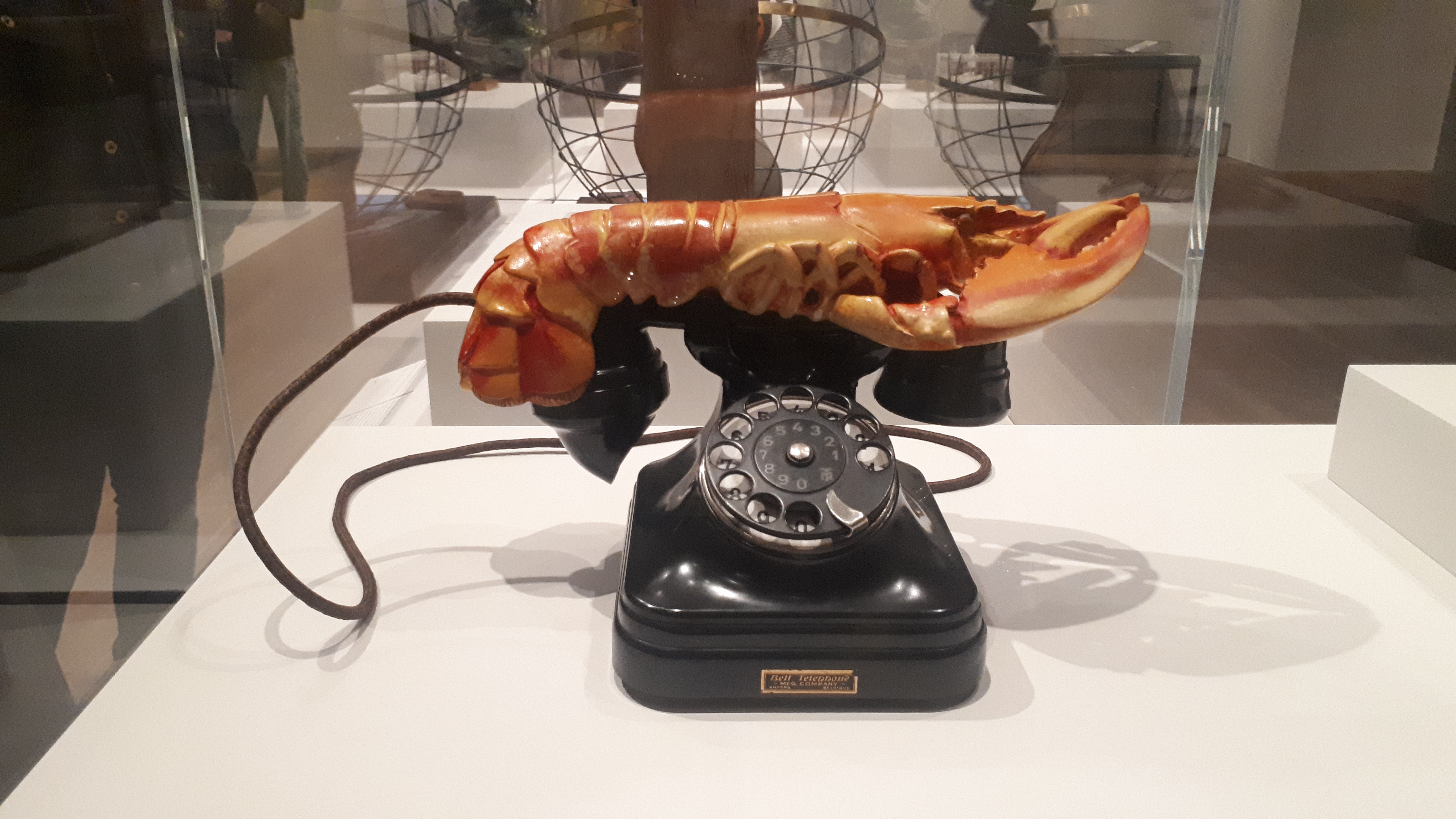
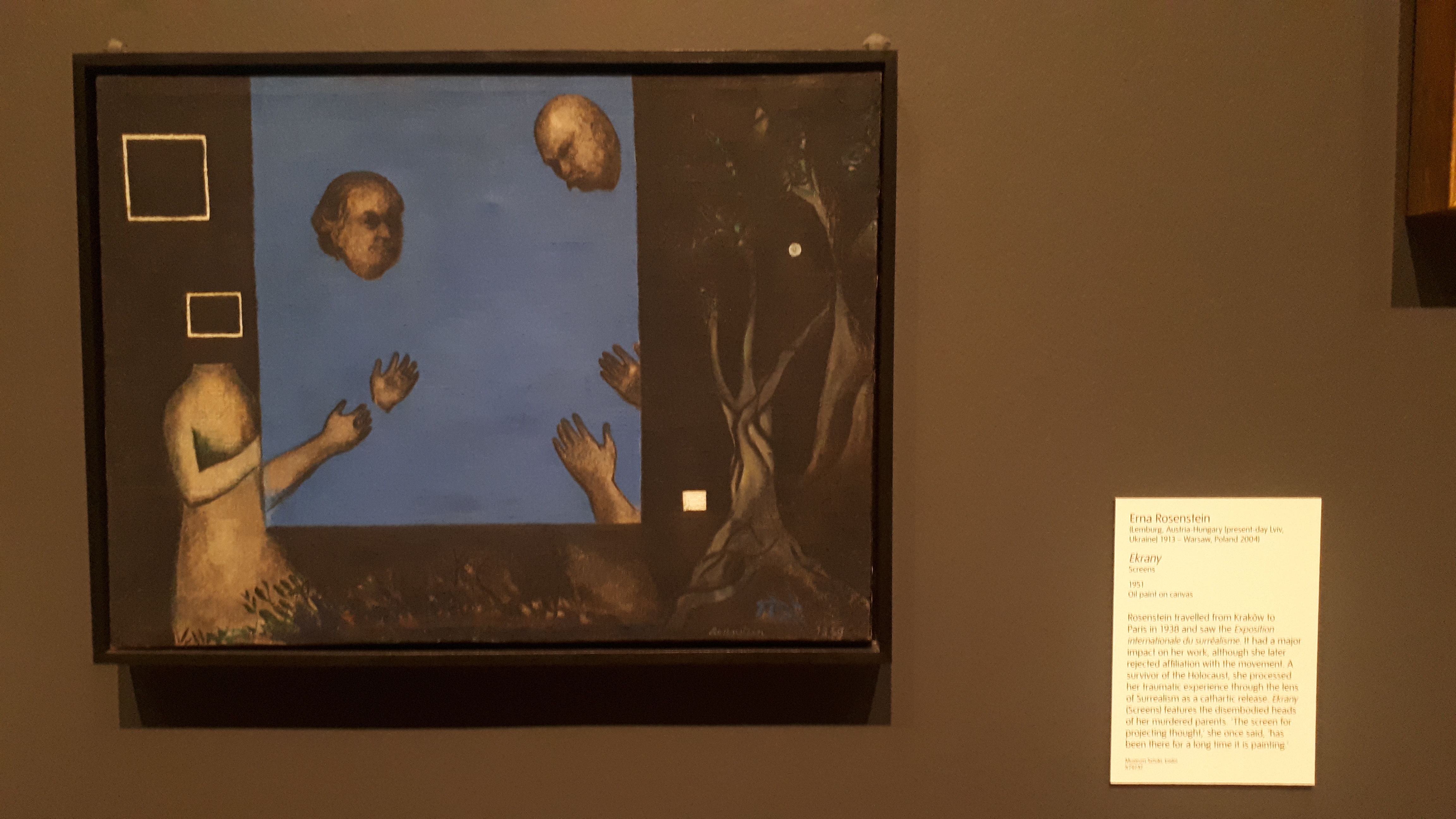
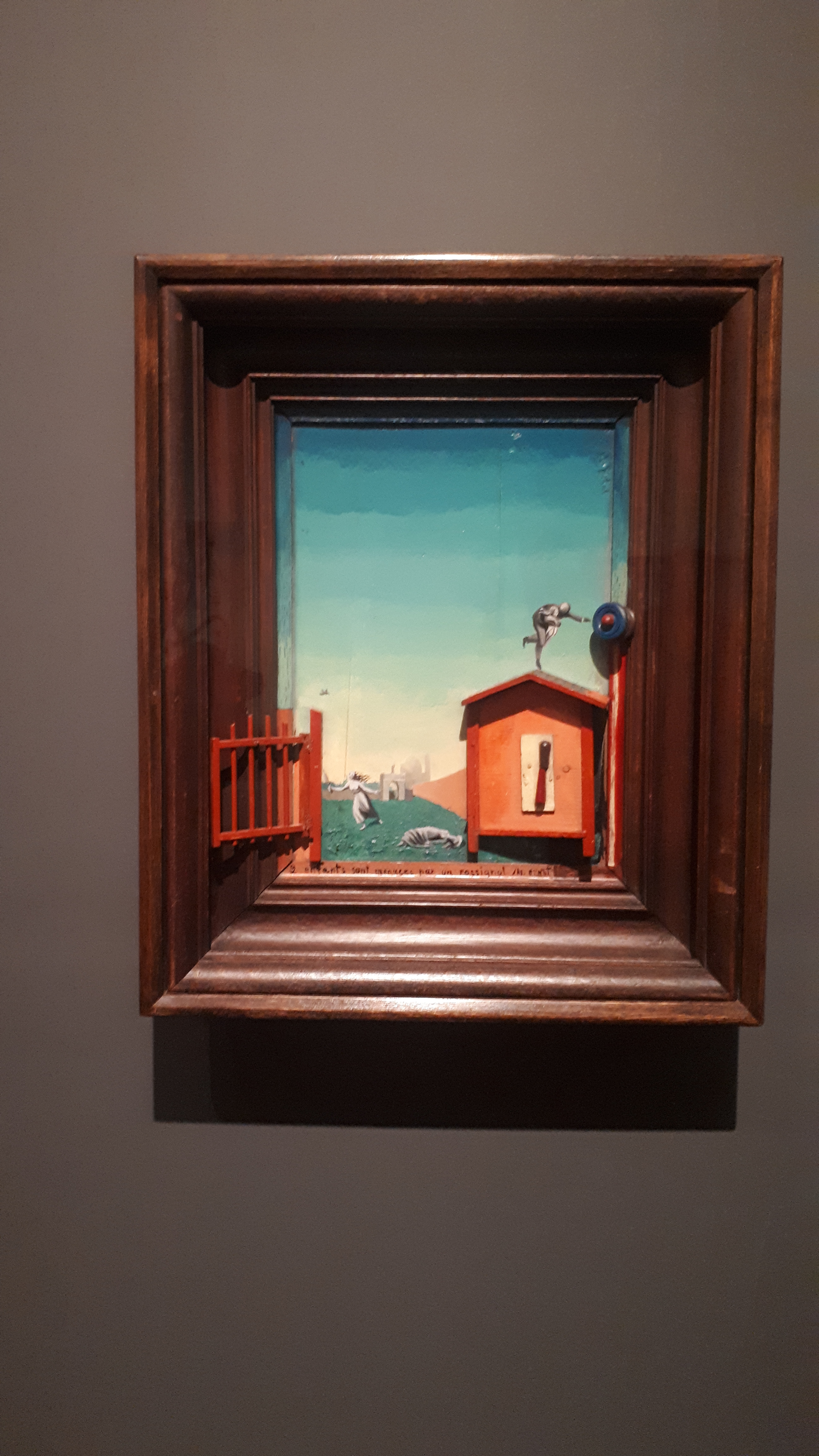
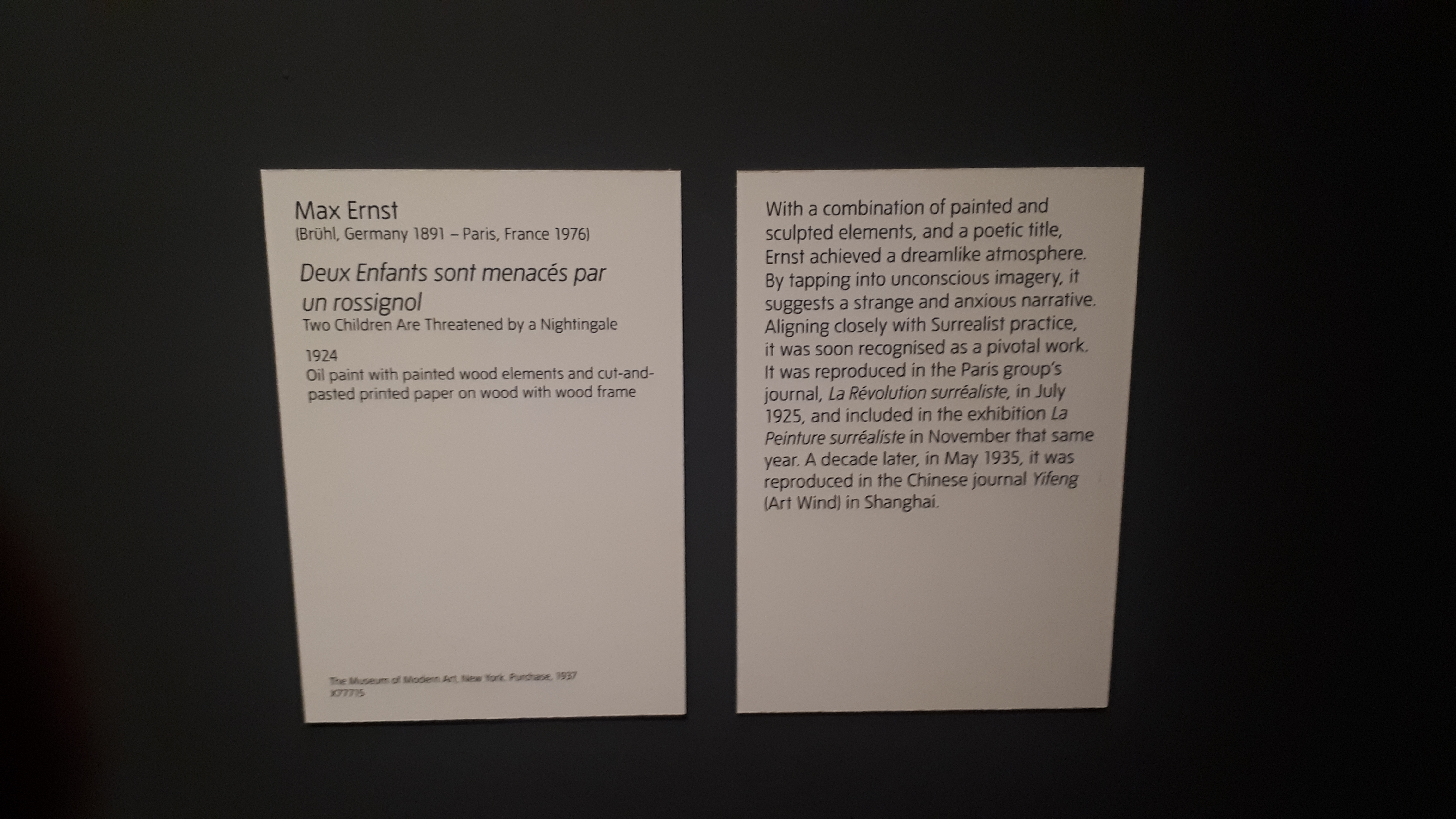
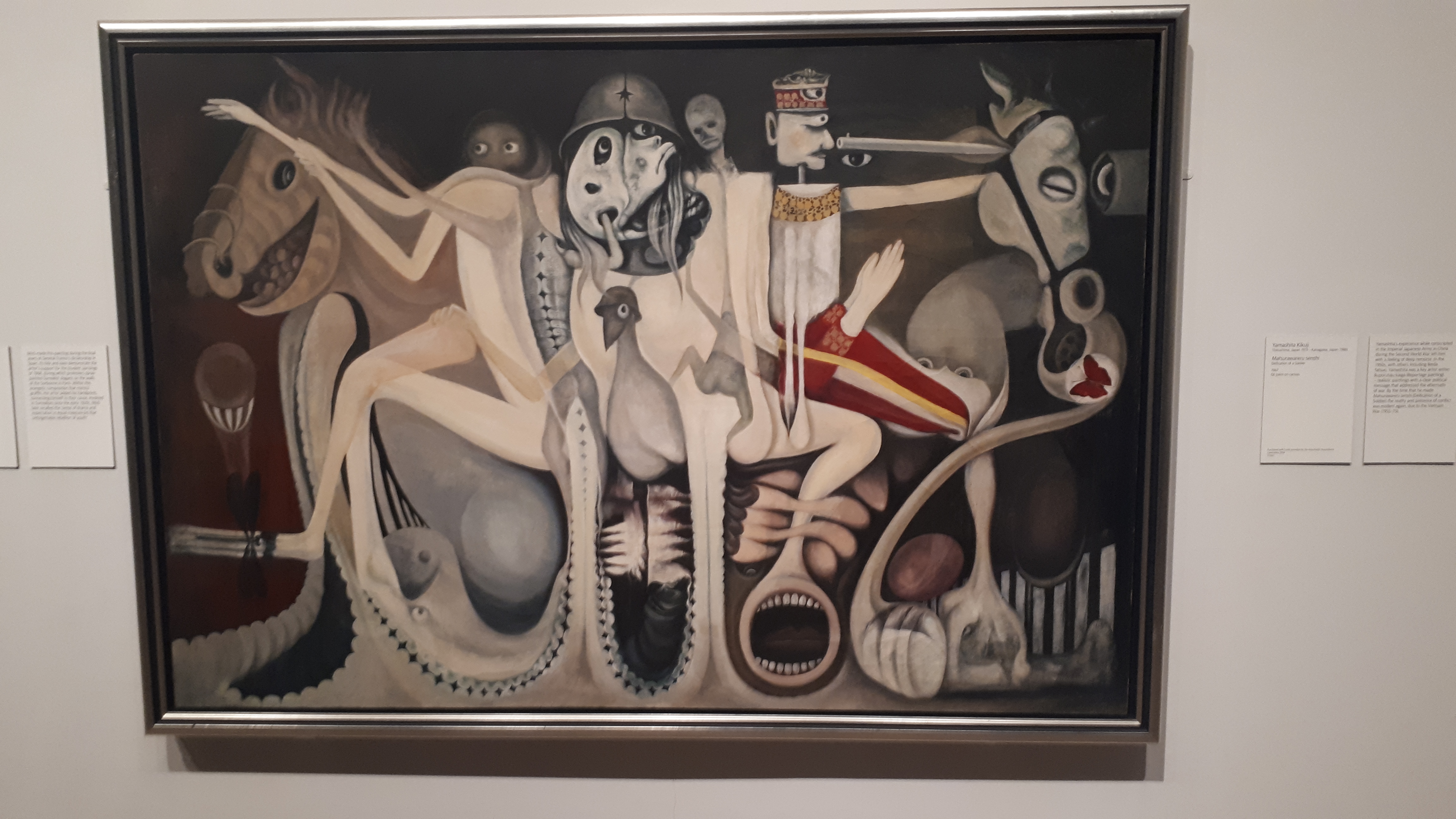
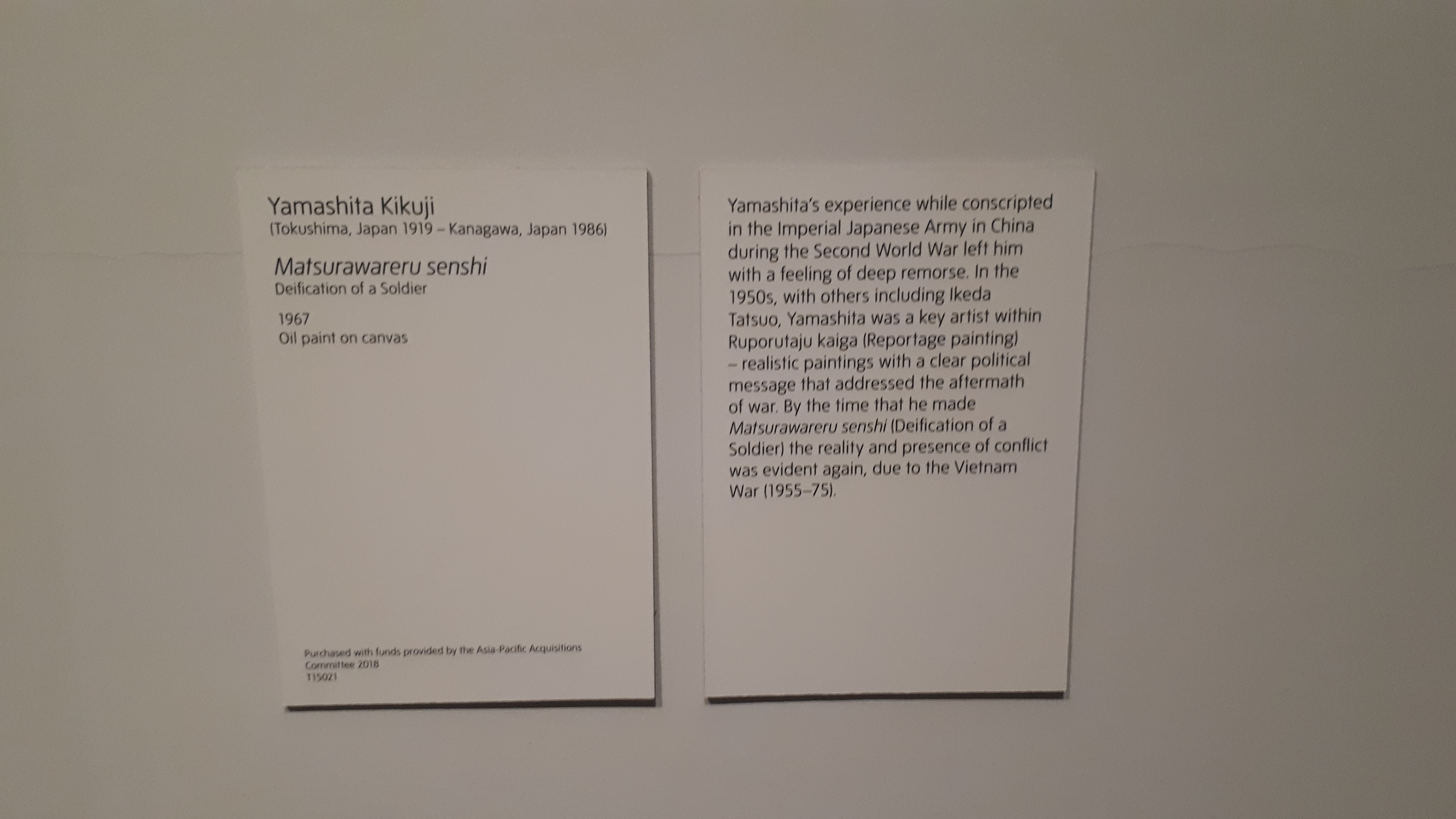
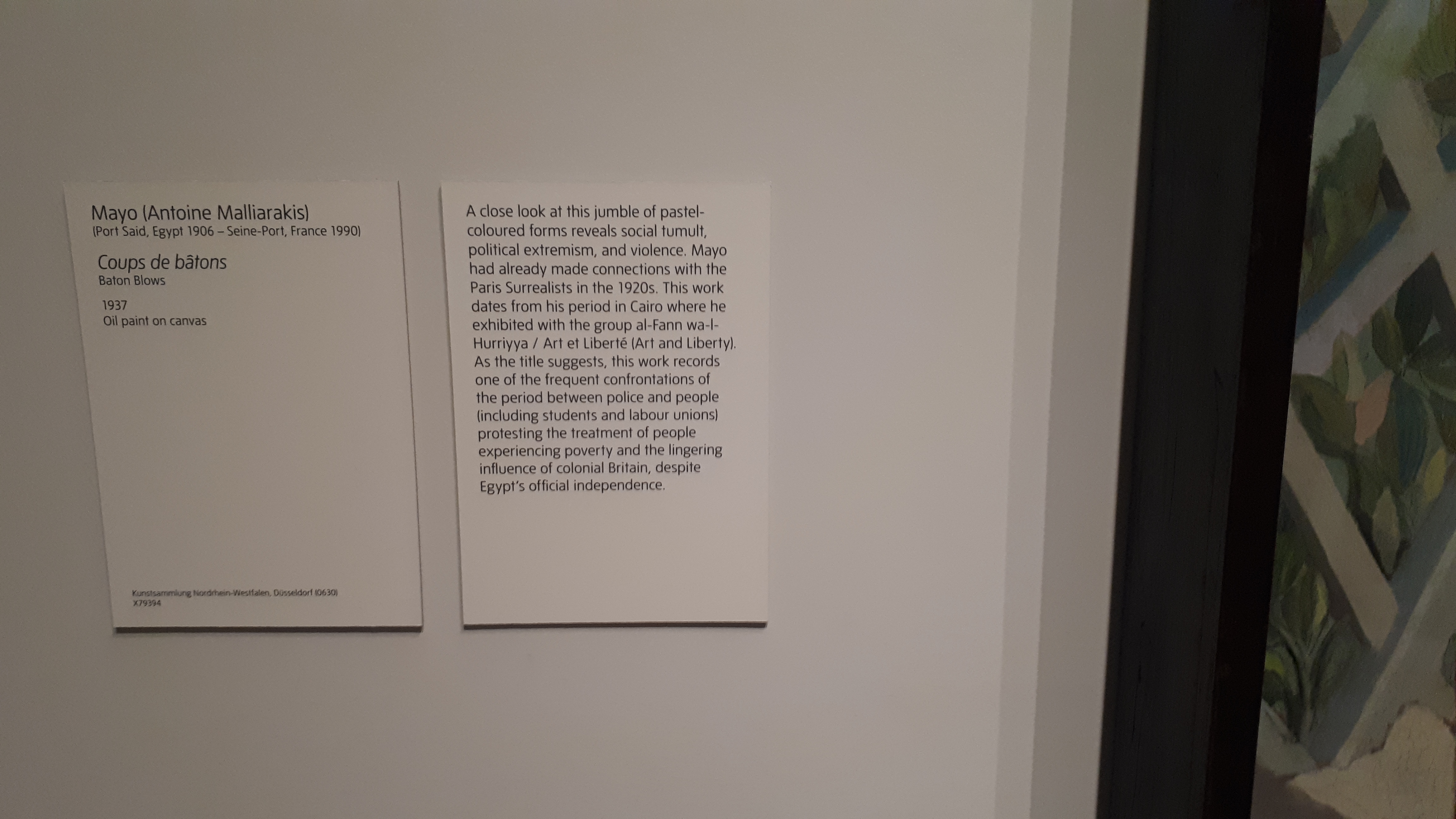
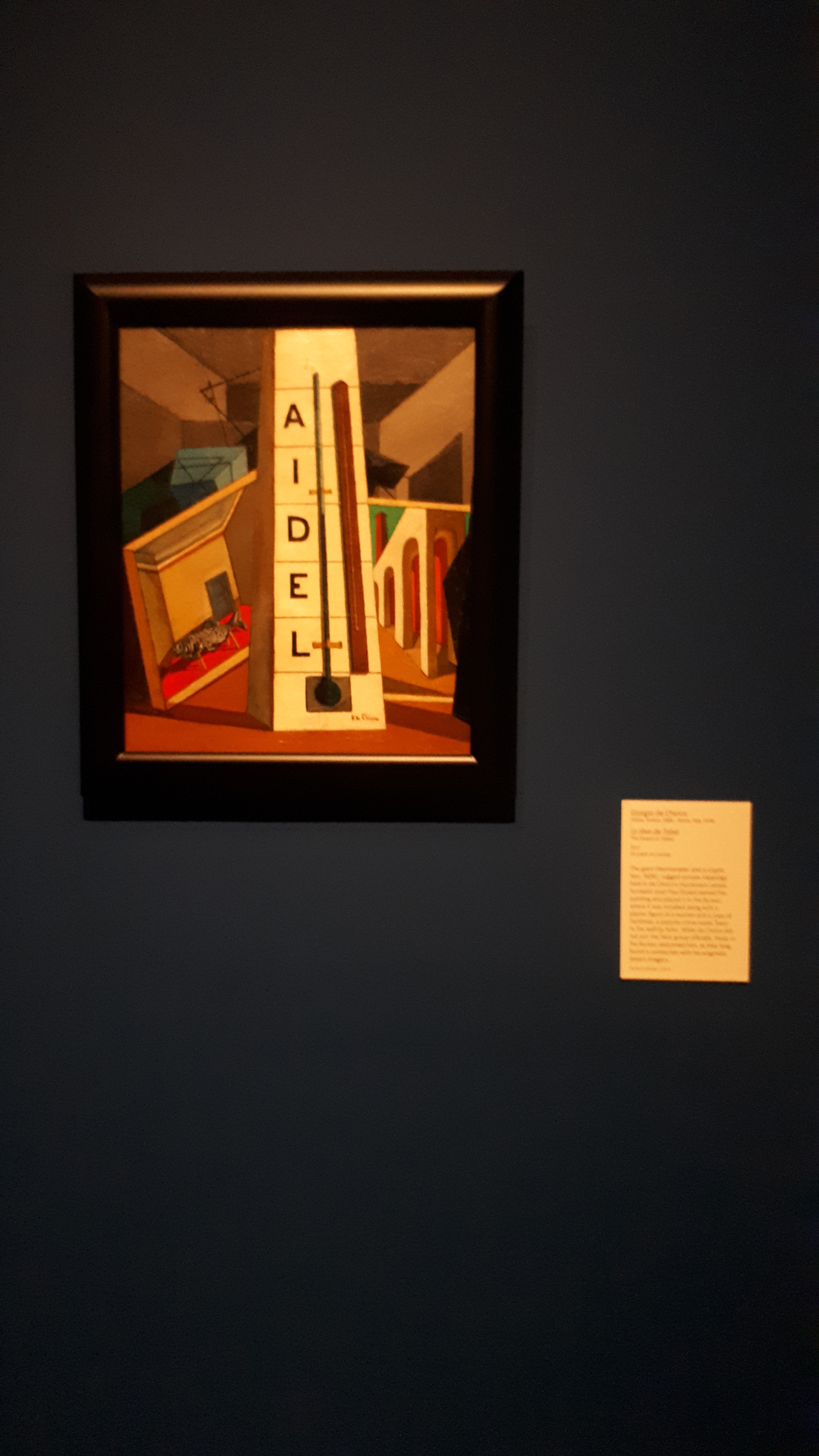
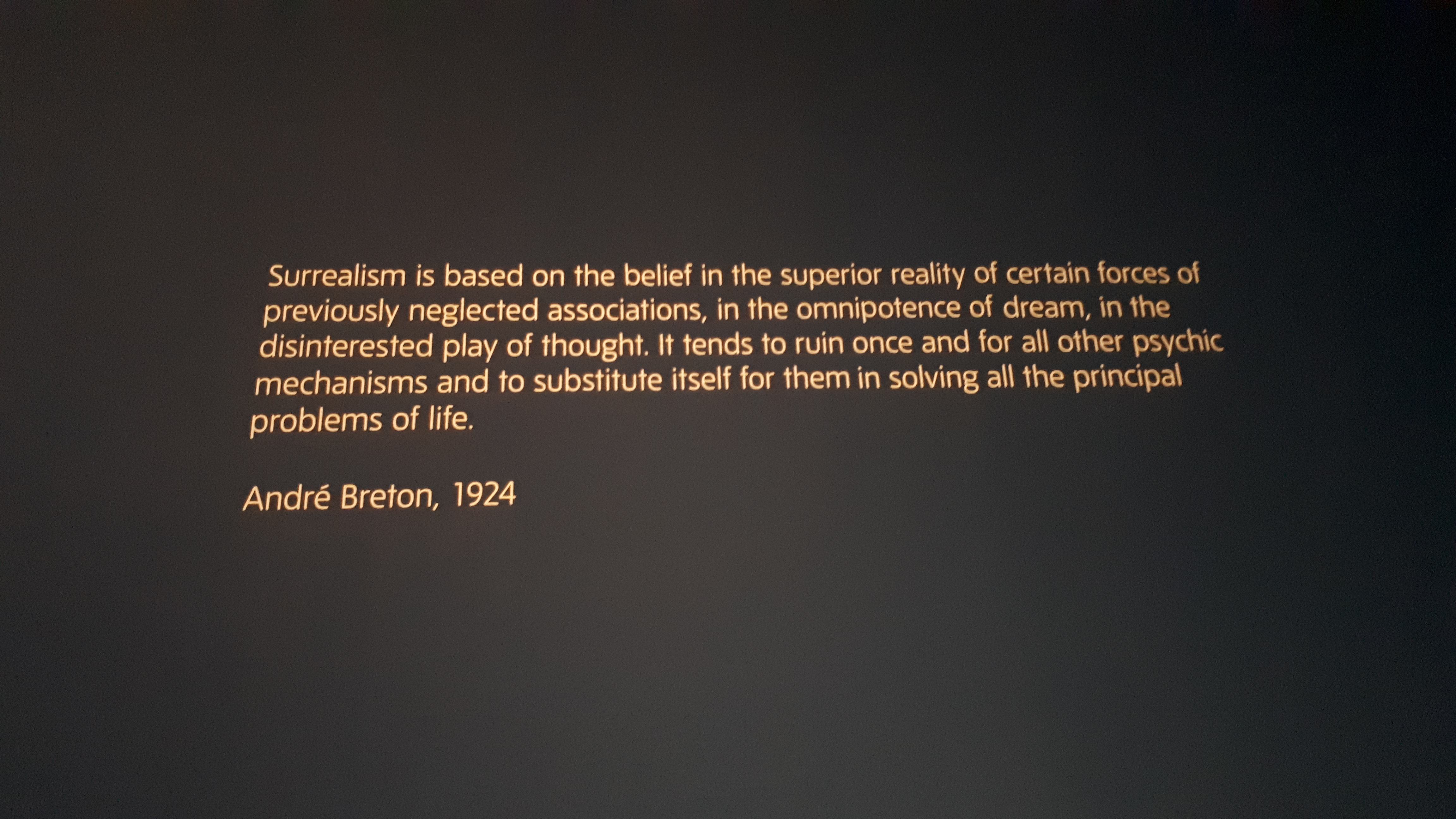
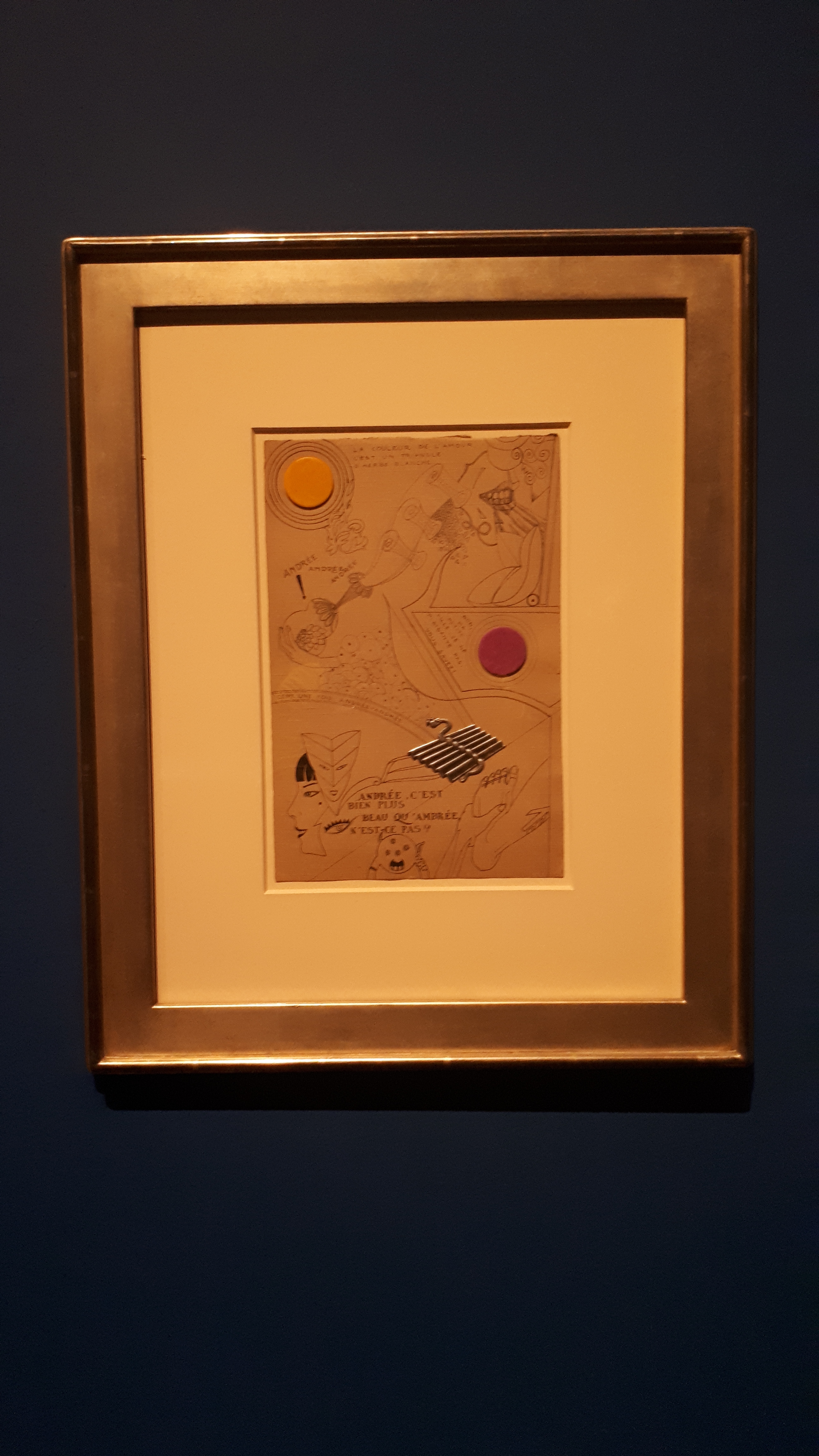
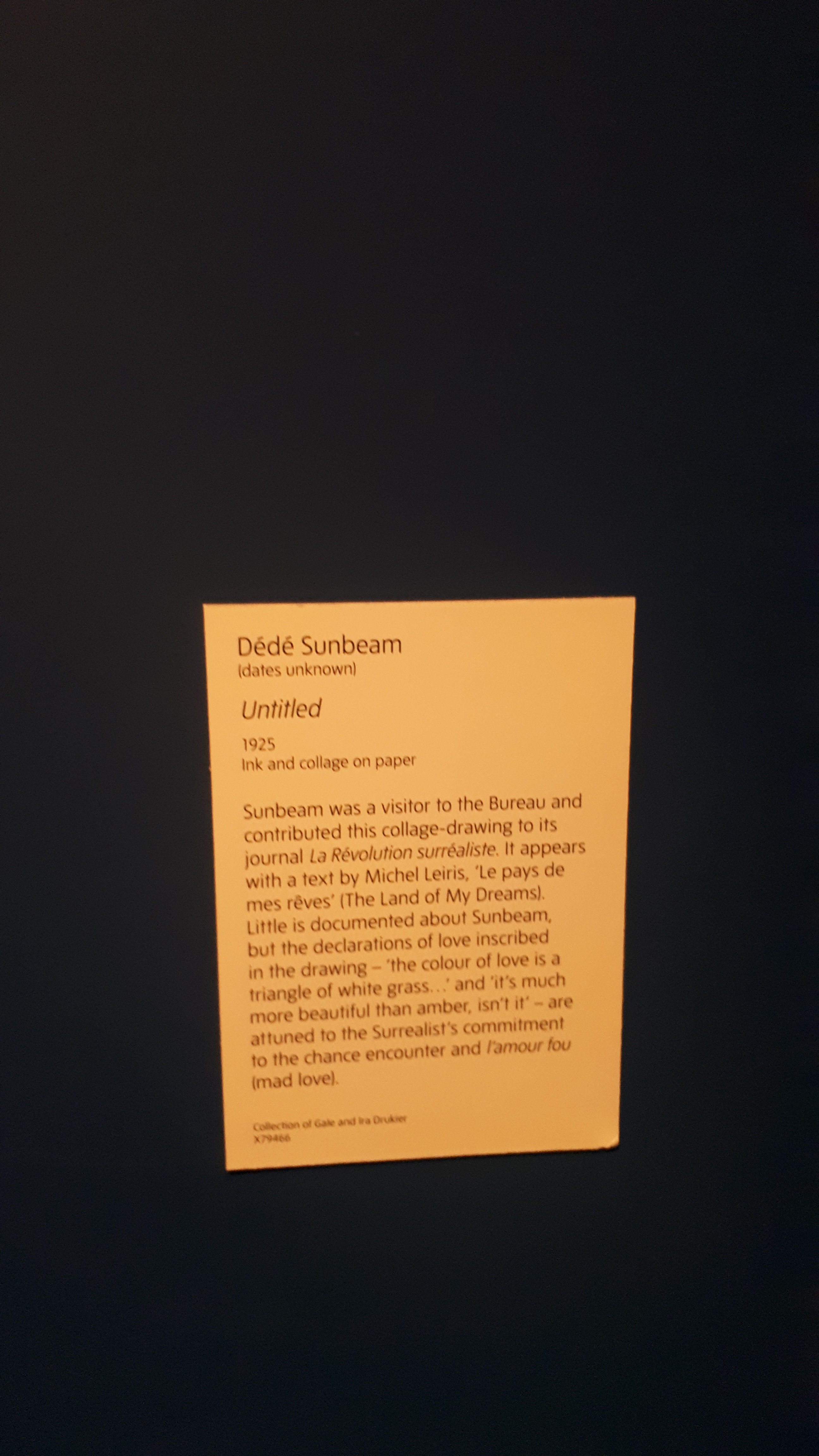
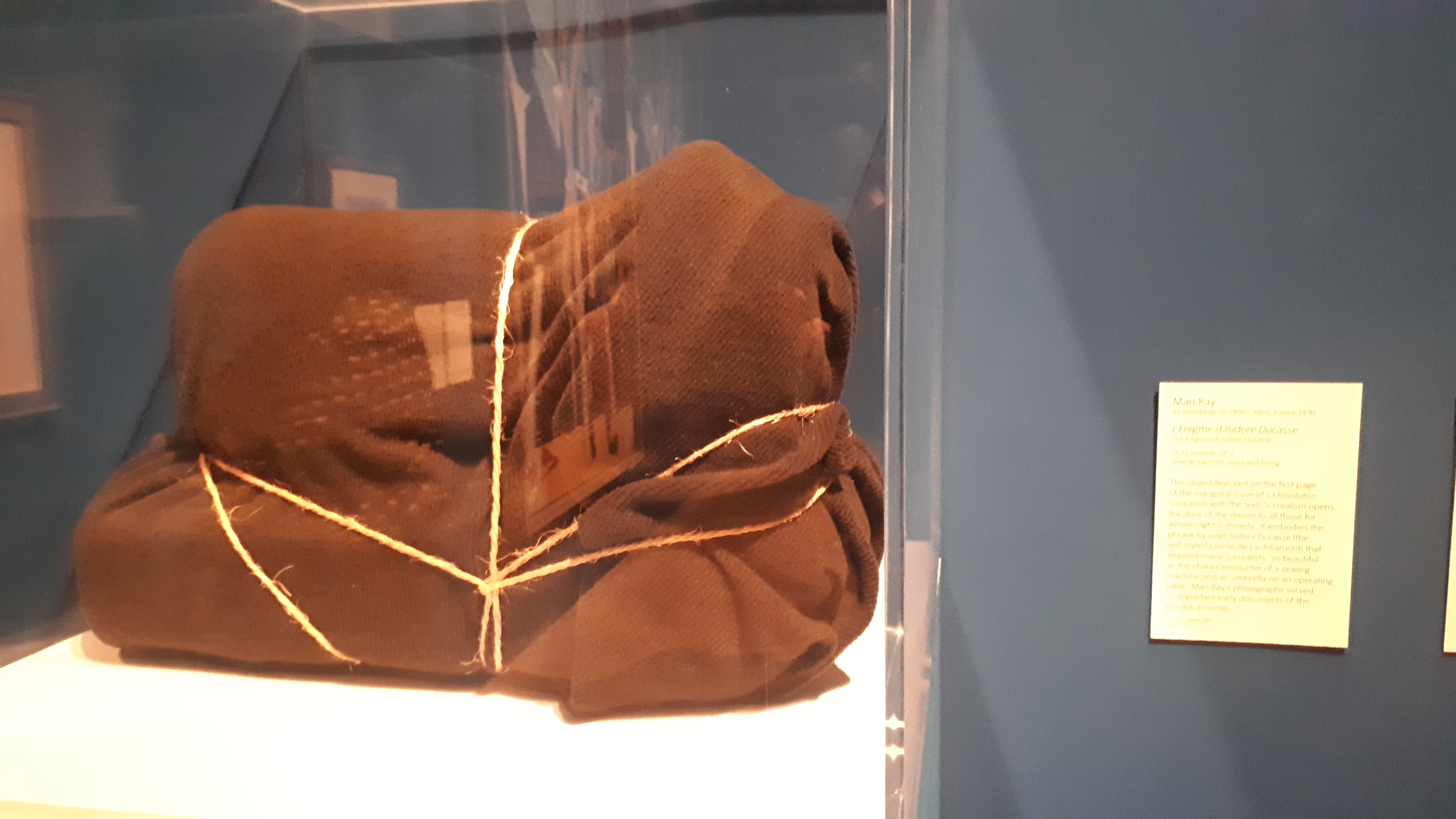
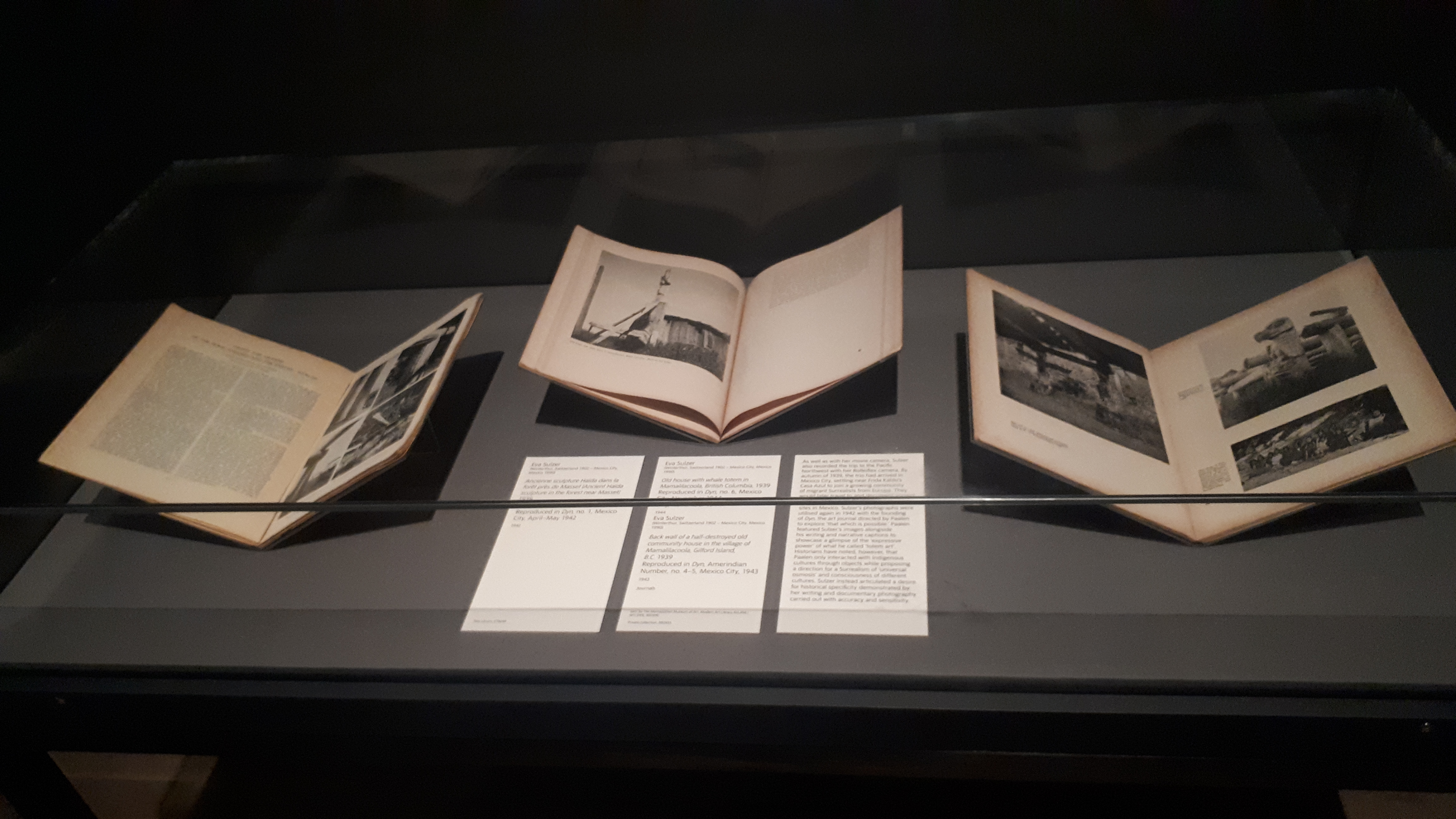
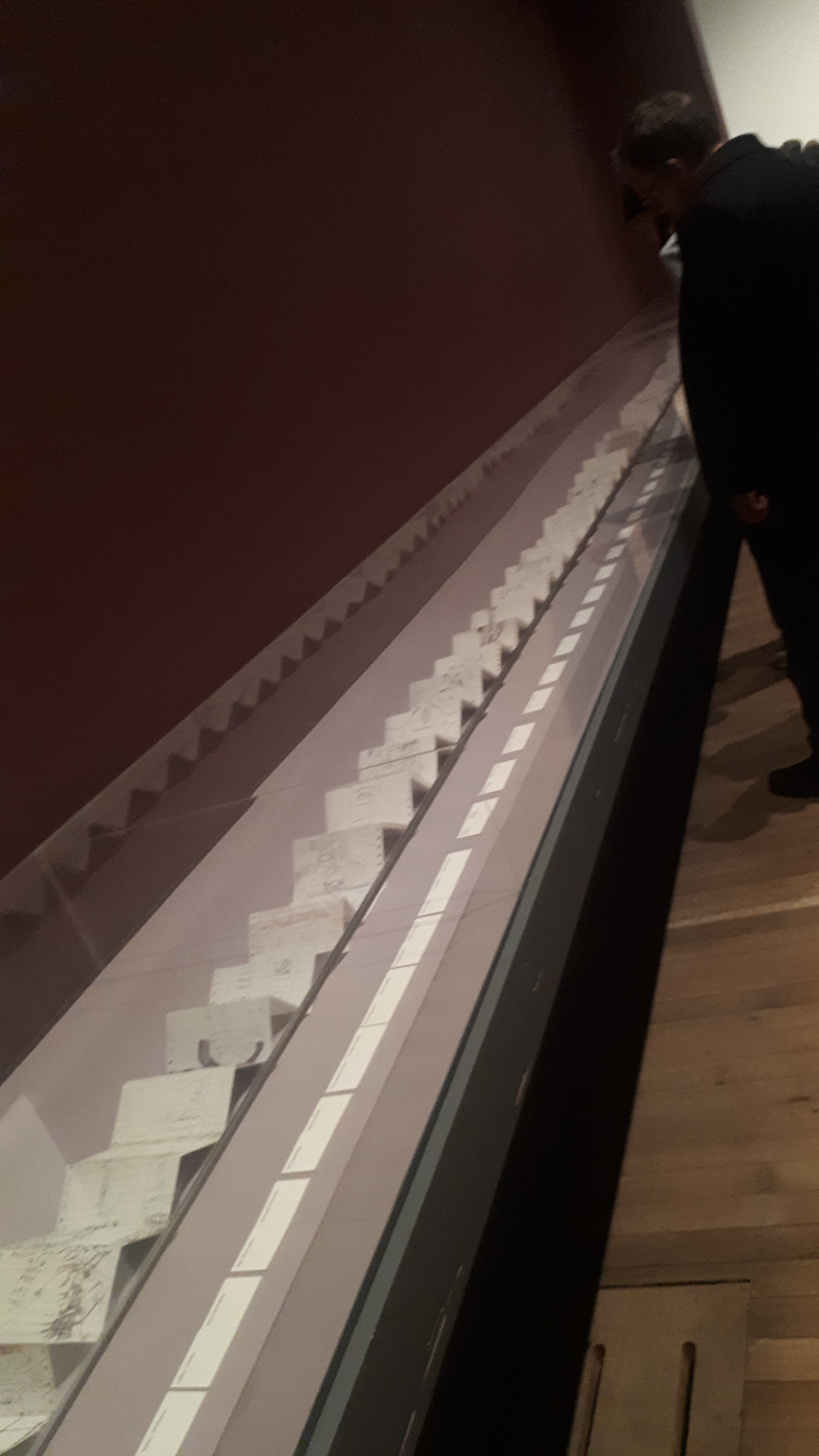
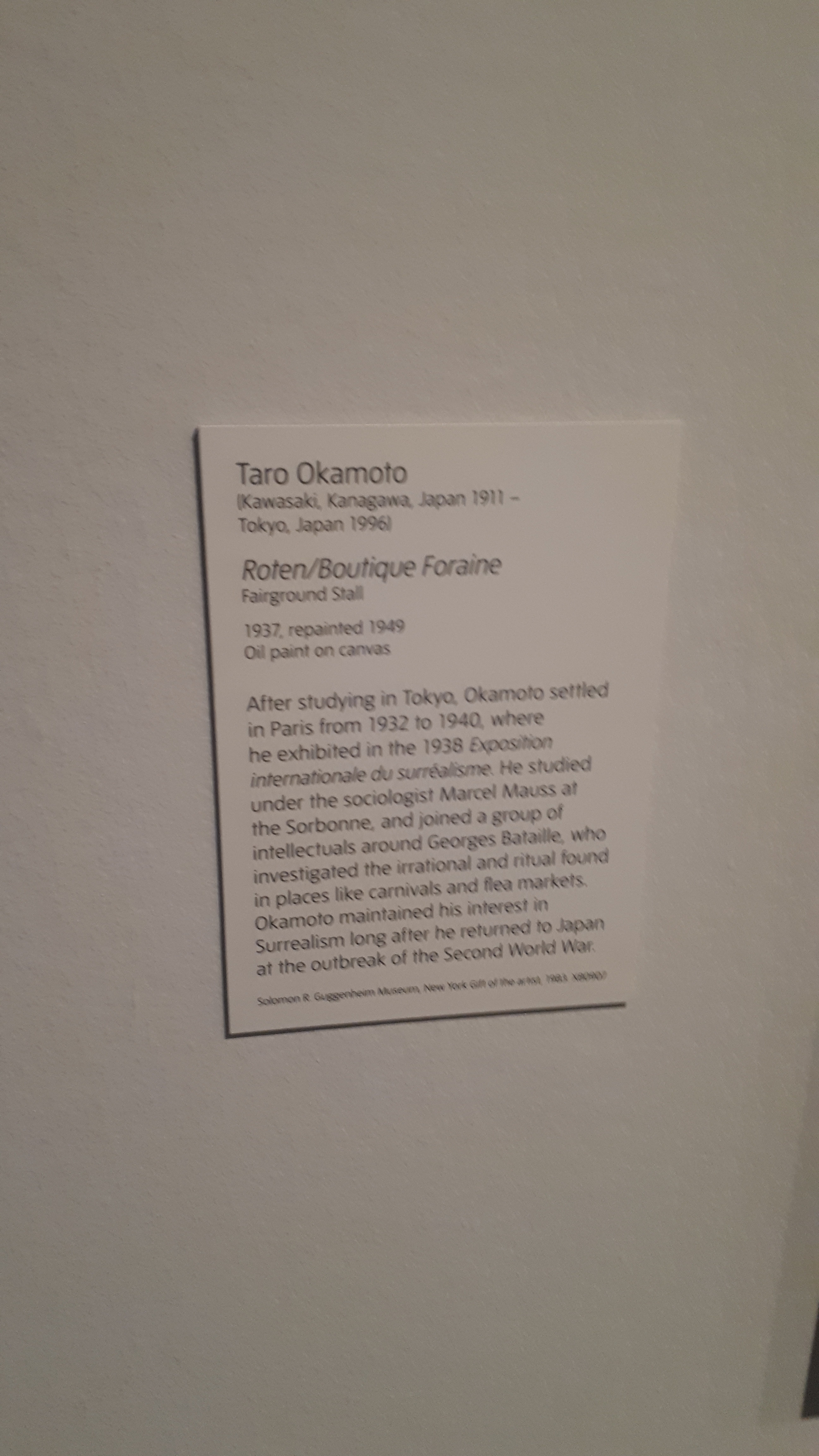
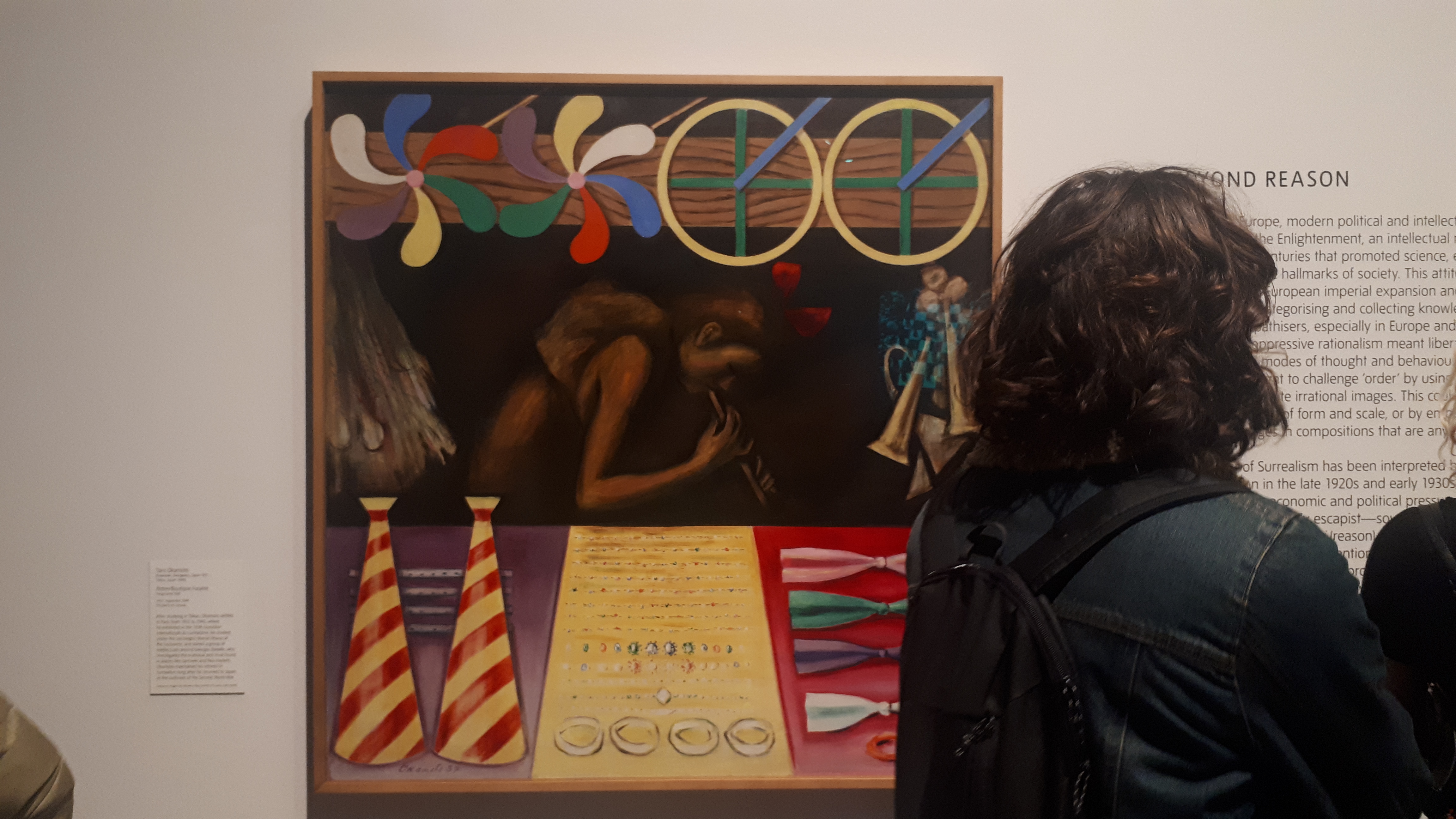
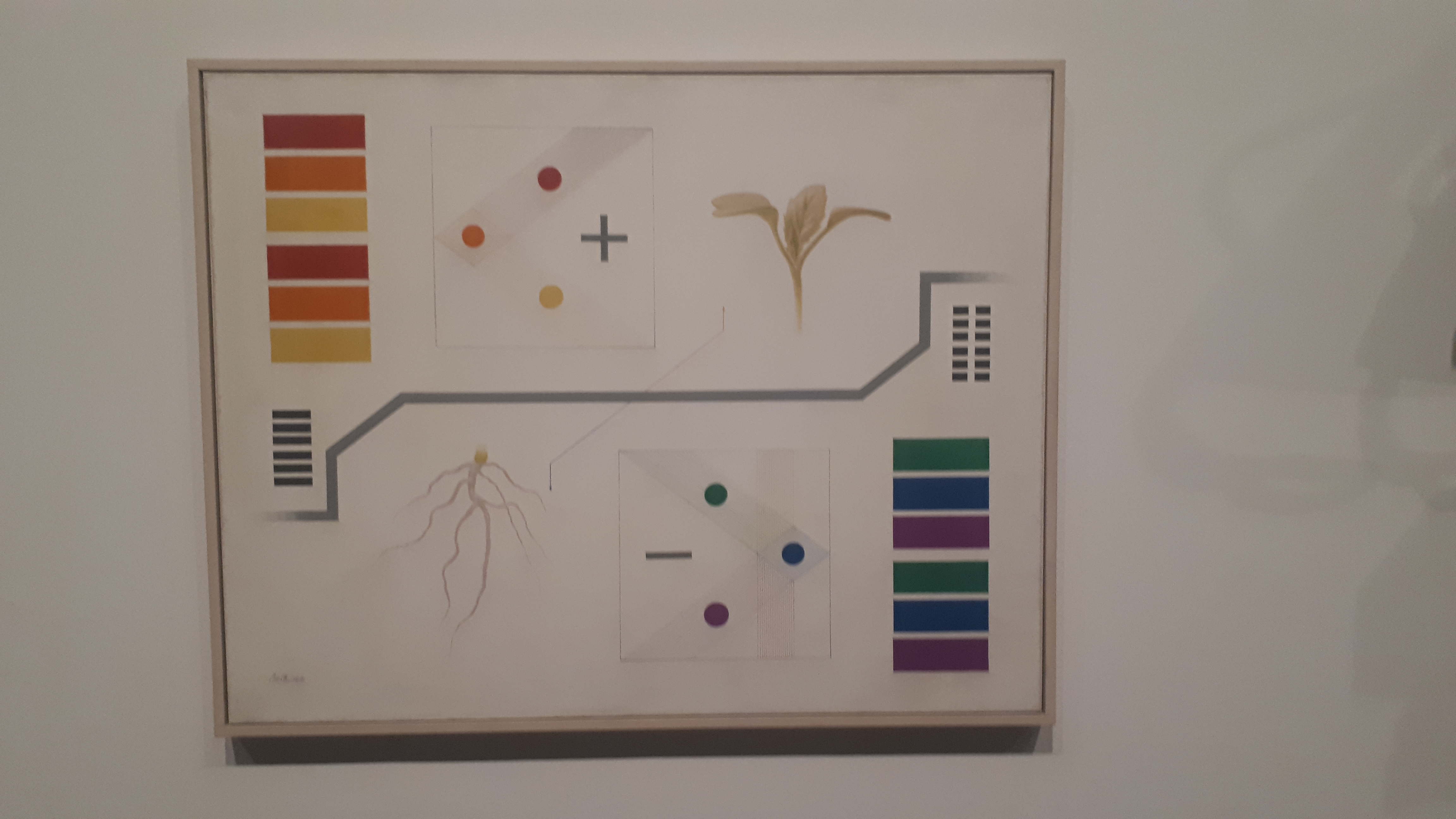
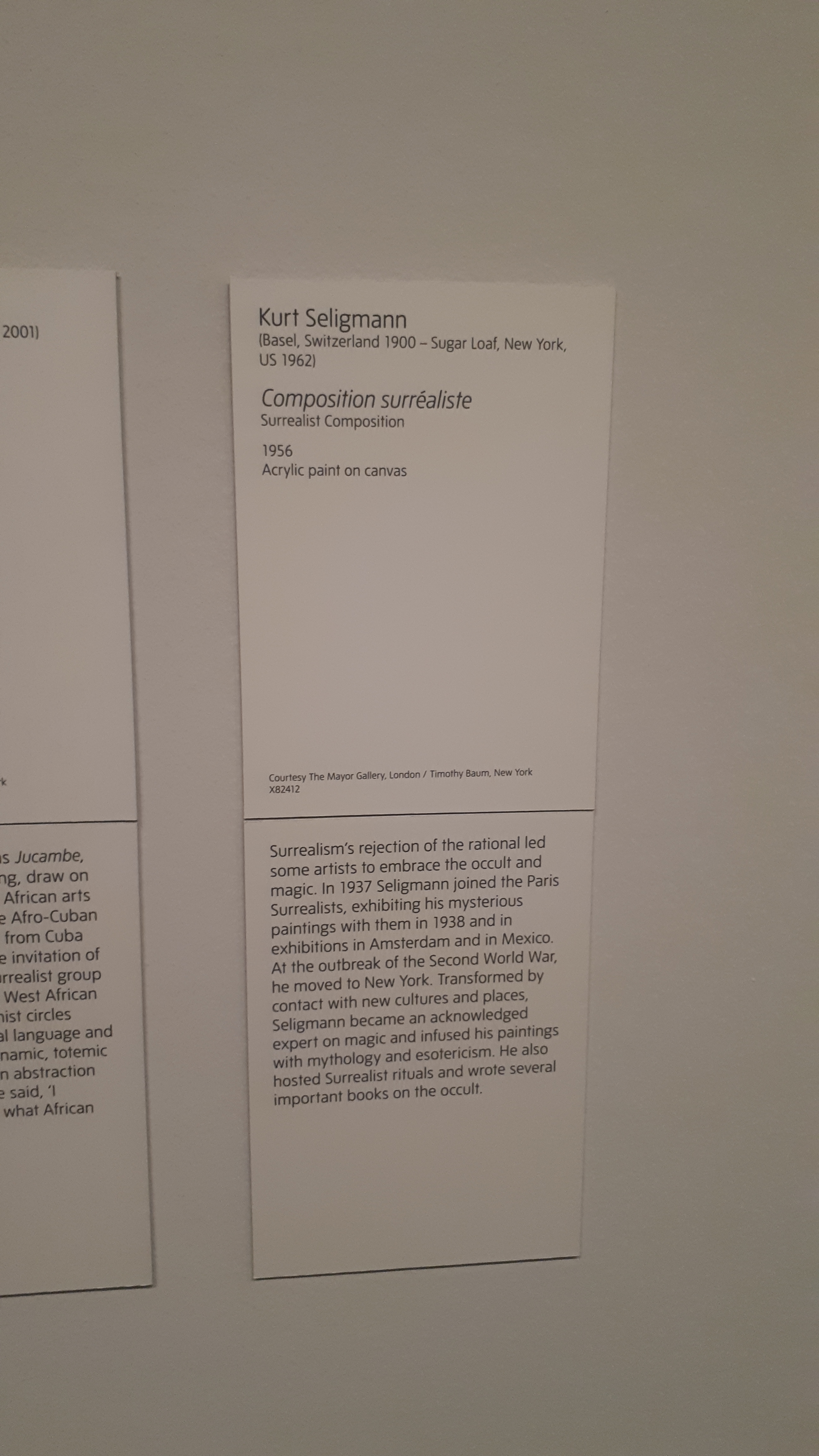
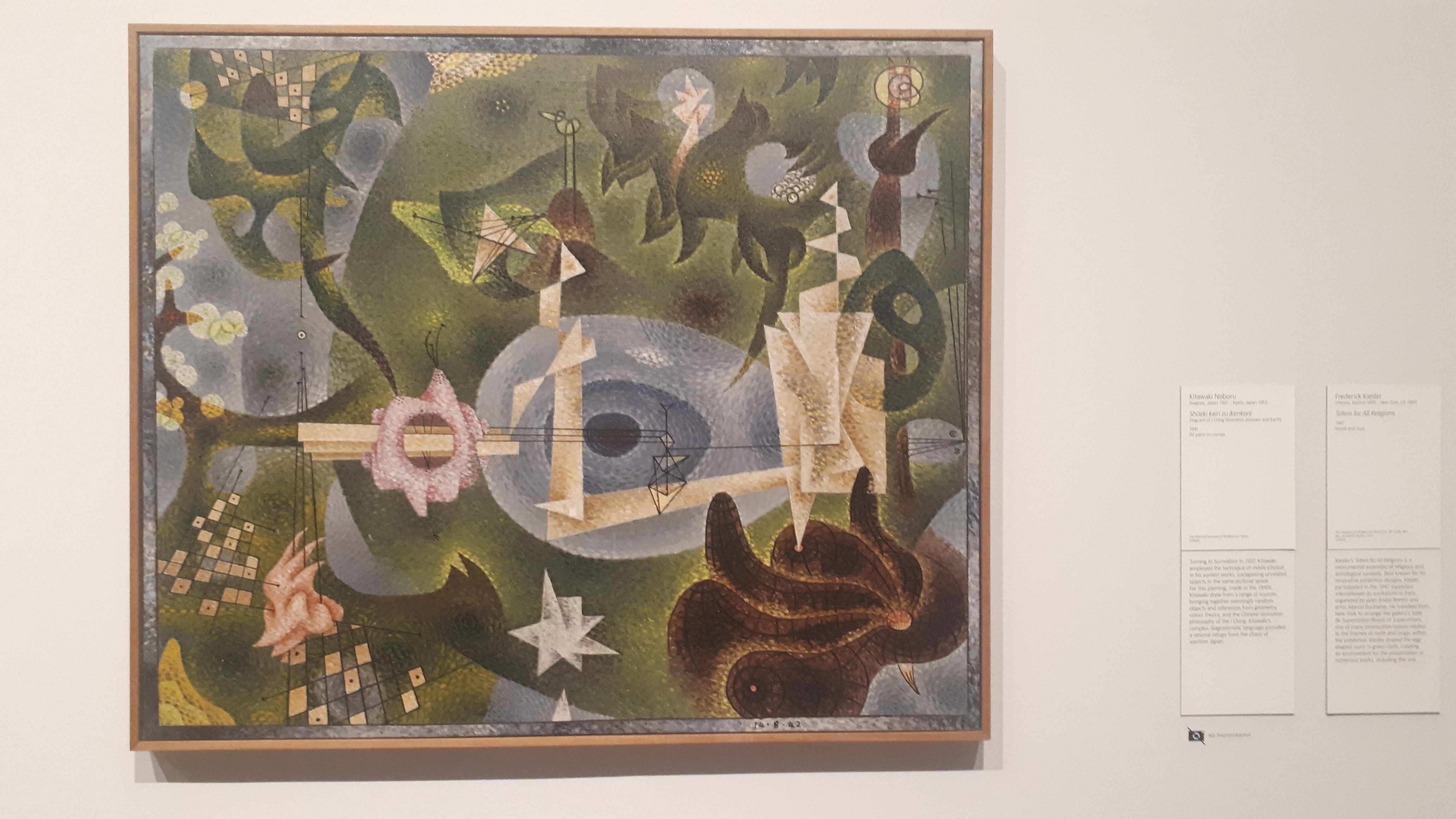
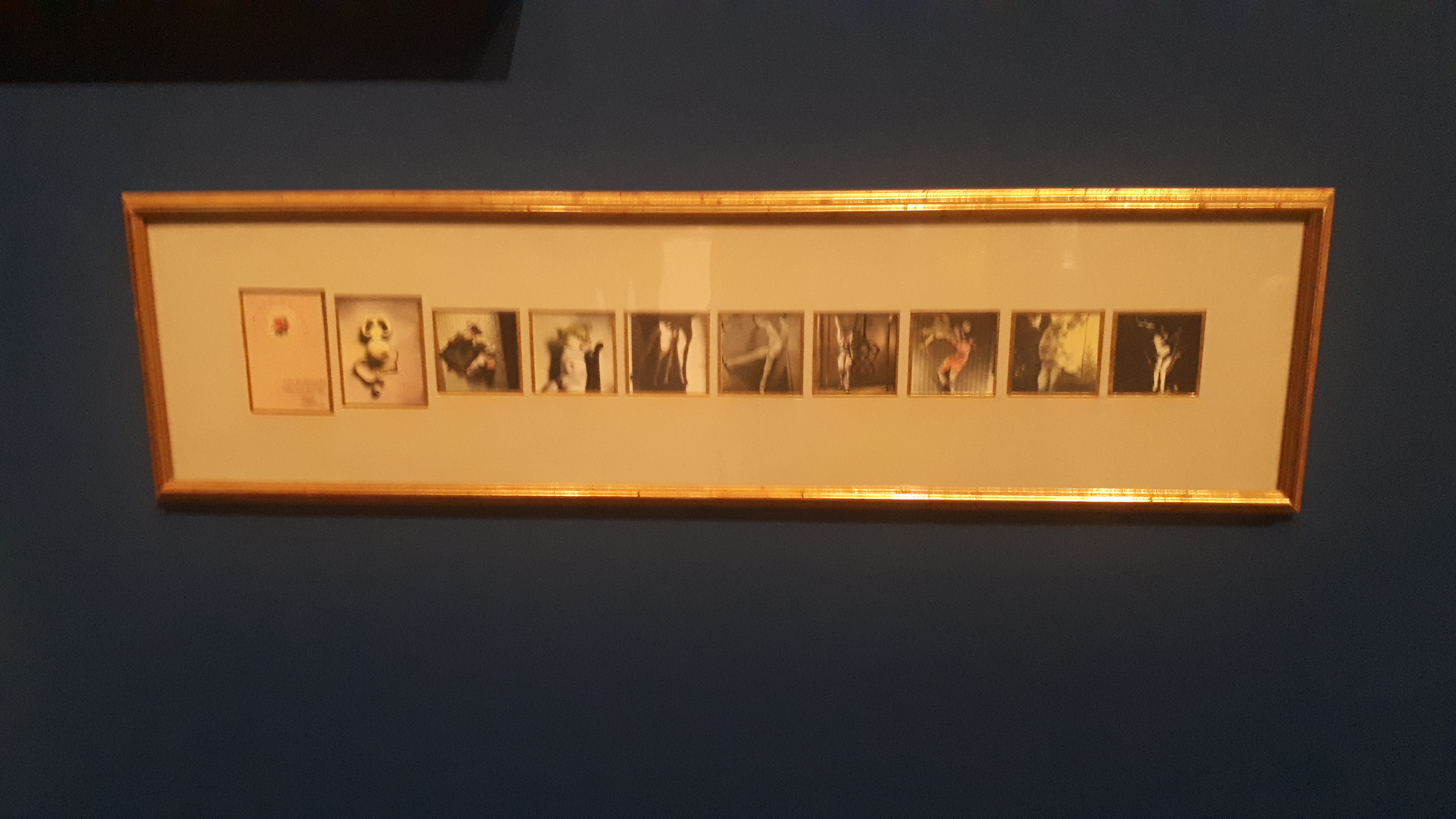
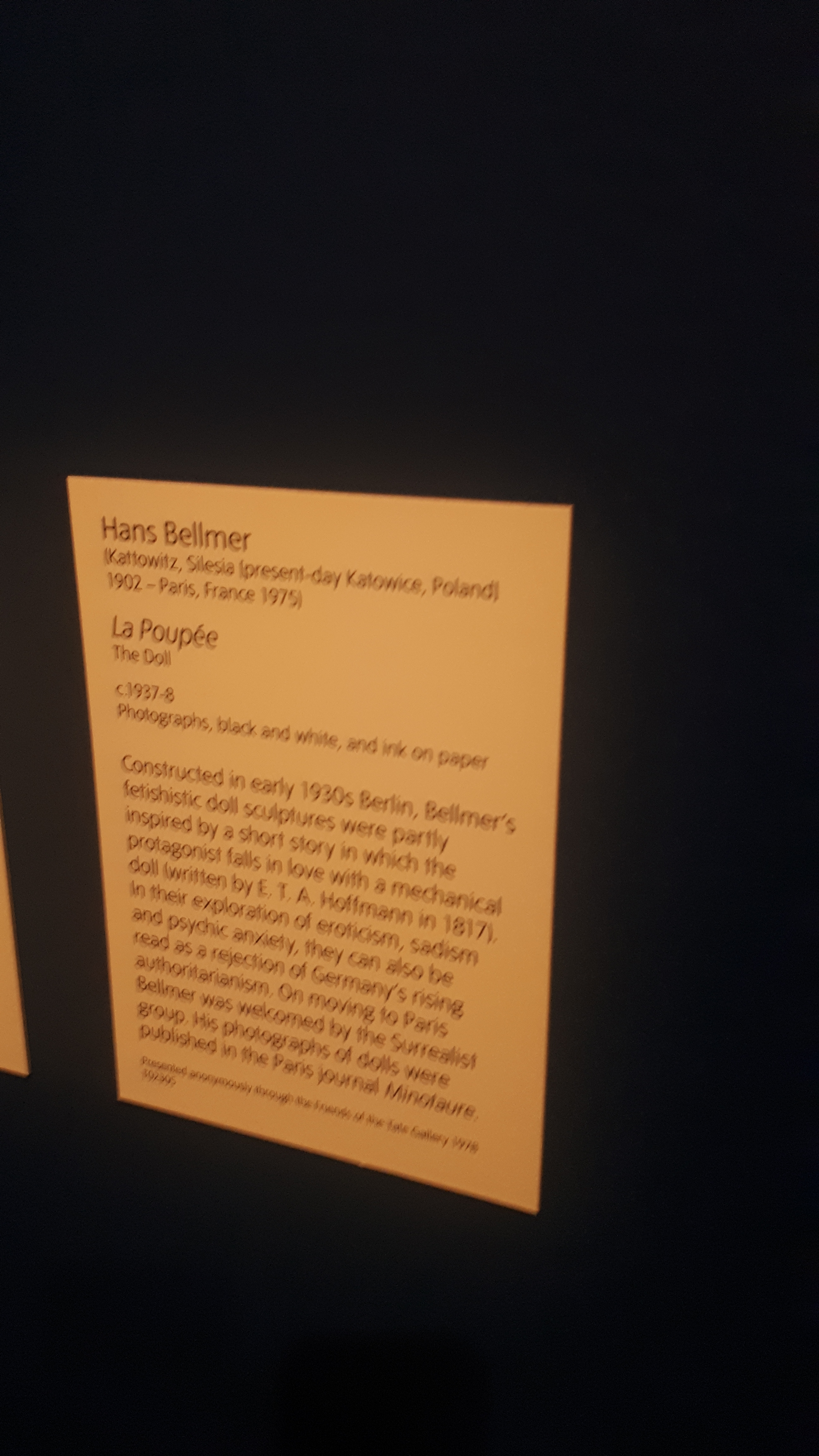
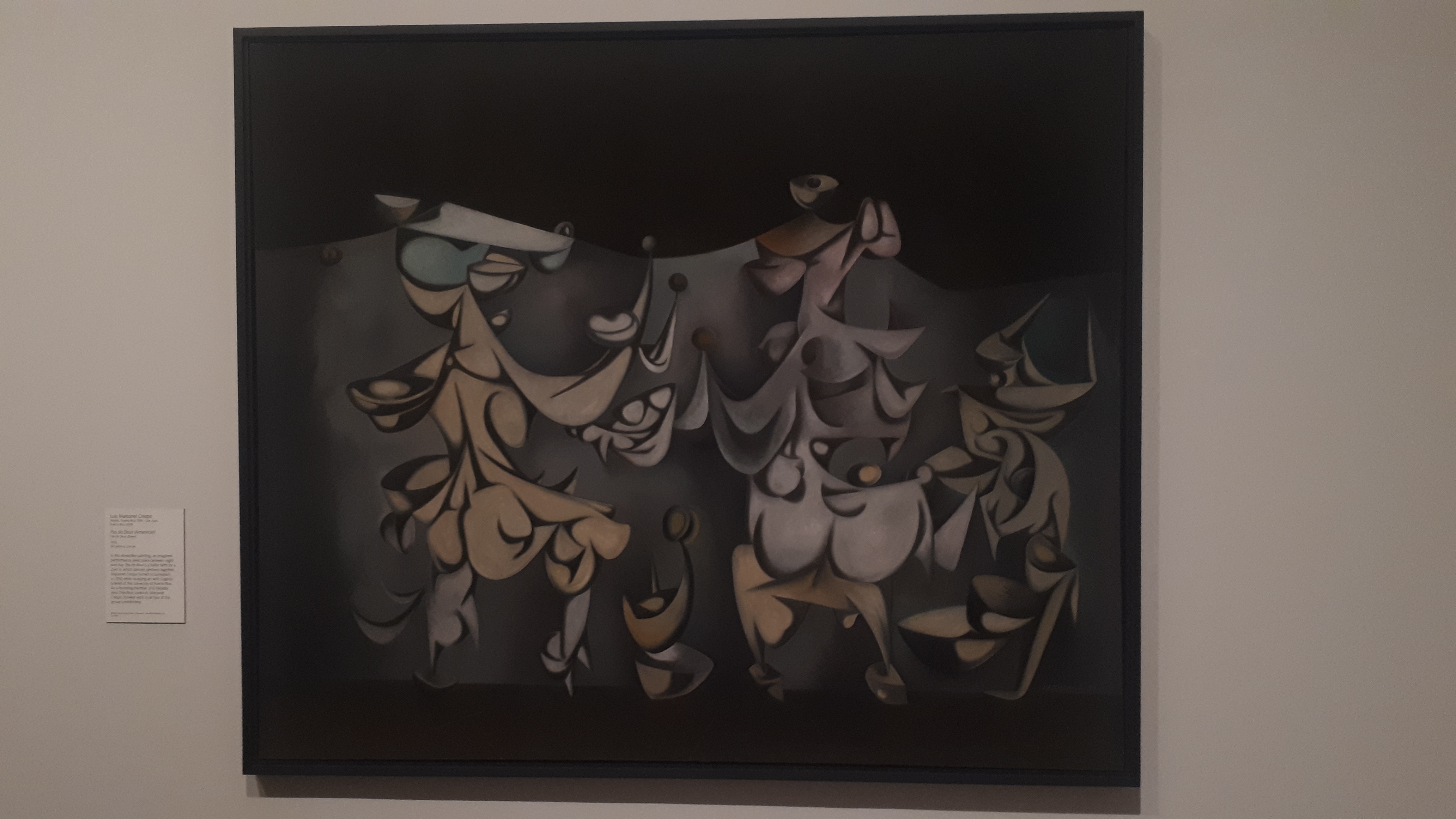
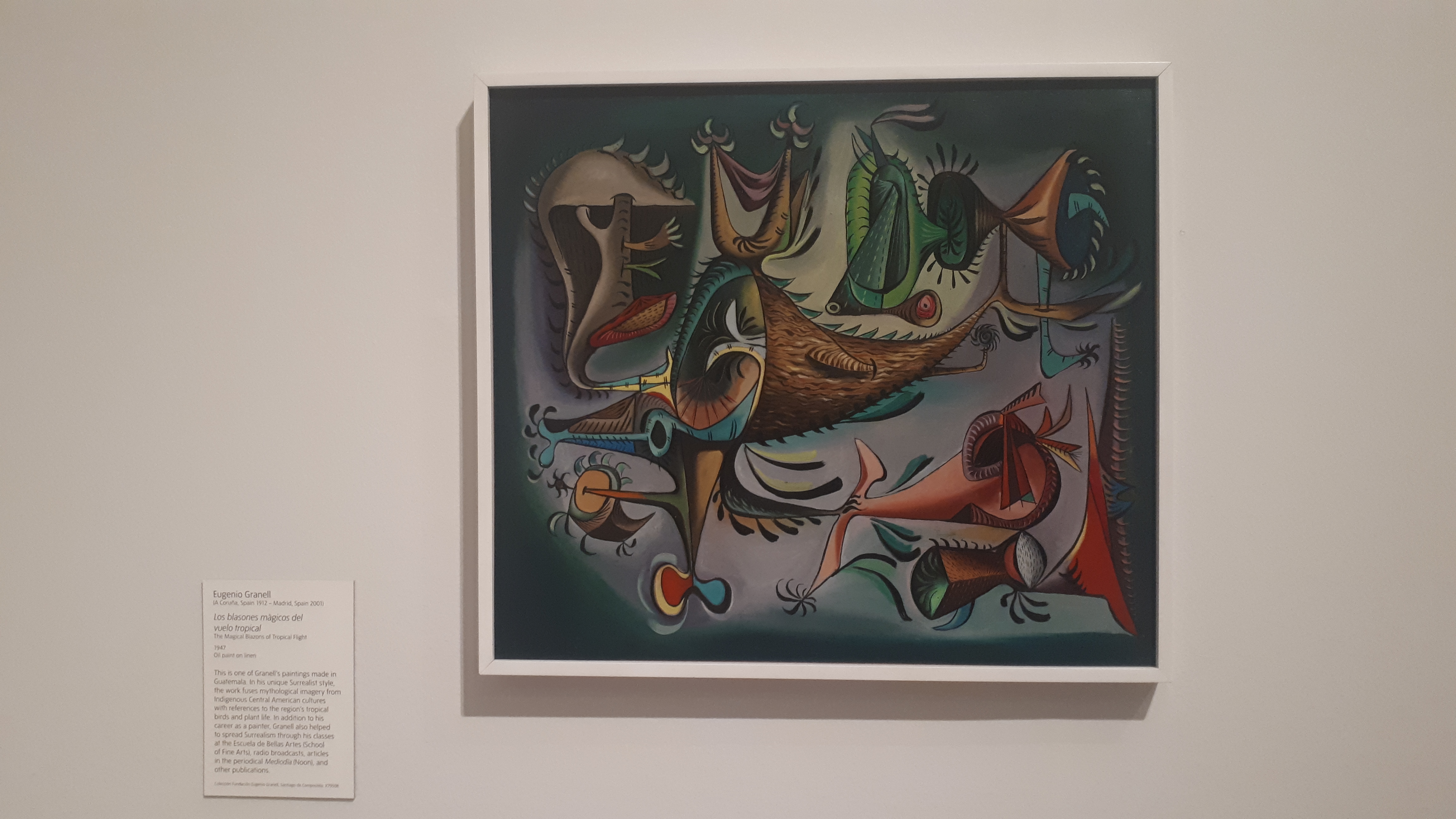
It was an unforgettable experience. What I love about it is that it had a lot of famous works that I admire and was very happy to see, but simultaneously I discovered so many new, incredible artists, techniques and ways of displaying art. My favourite room was the photography one, not because I am a photographer, but because it was so groundbreaking and inspiring with the way the images were created and played with in-camera and post-process, ways that I intend to investigate myself in the future! This very forward-thinking and experimenting that happened from the 20’s to the 40’s made me feel like we are not doing enough, not pushing it enough, and we don’t challenge as much! It is perhaps the truth, but I hope this is about to change, and I will have something to do with it.
LAST SEMINAR WITH THOMAS DUKES 25.04
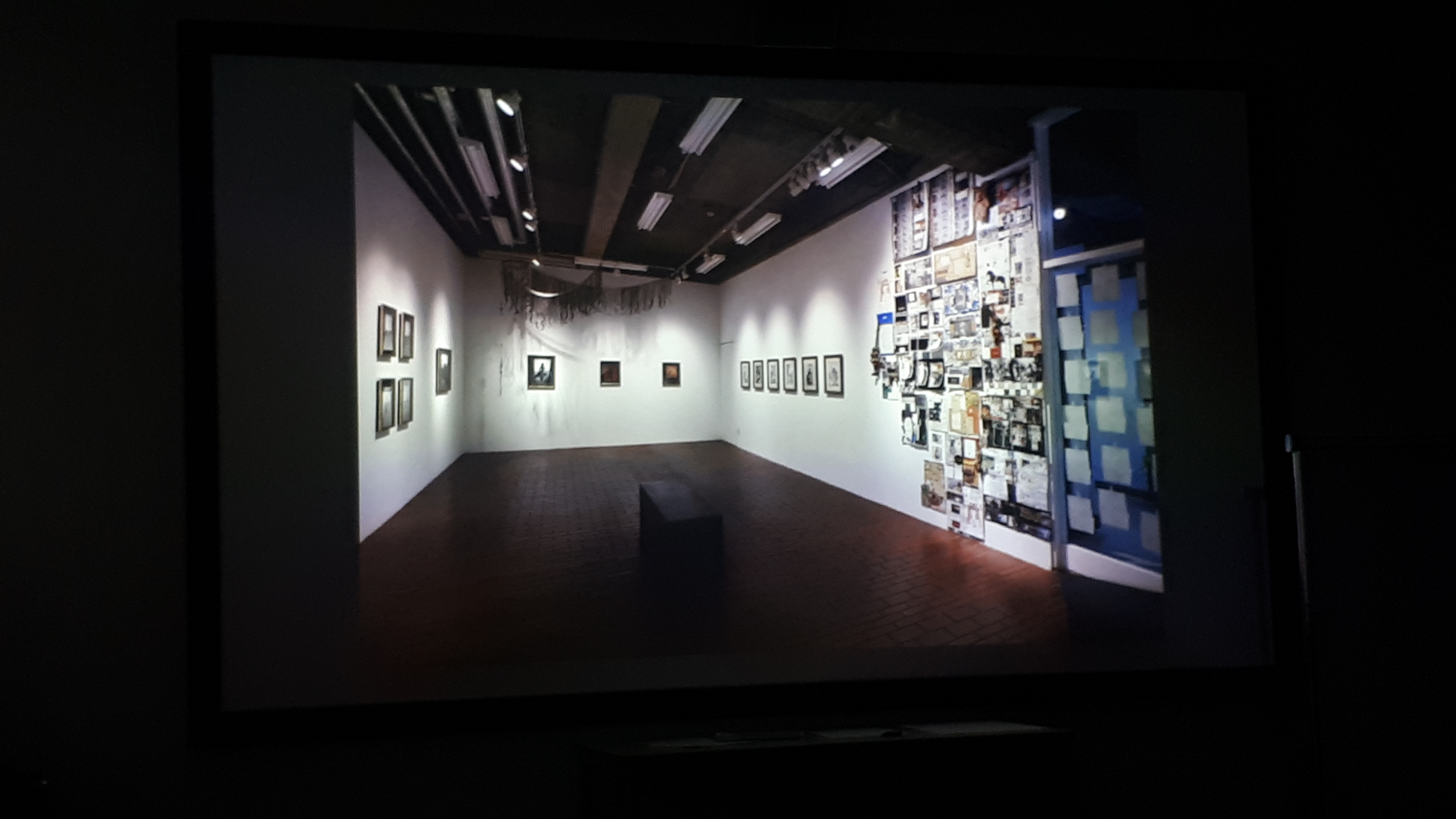
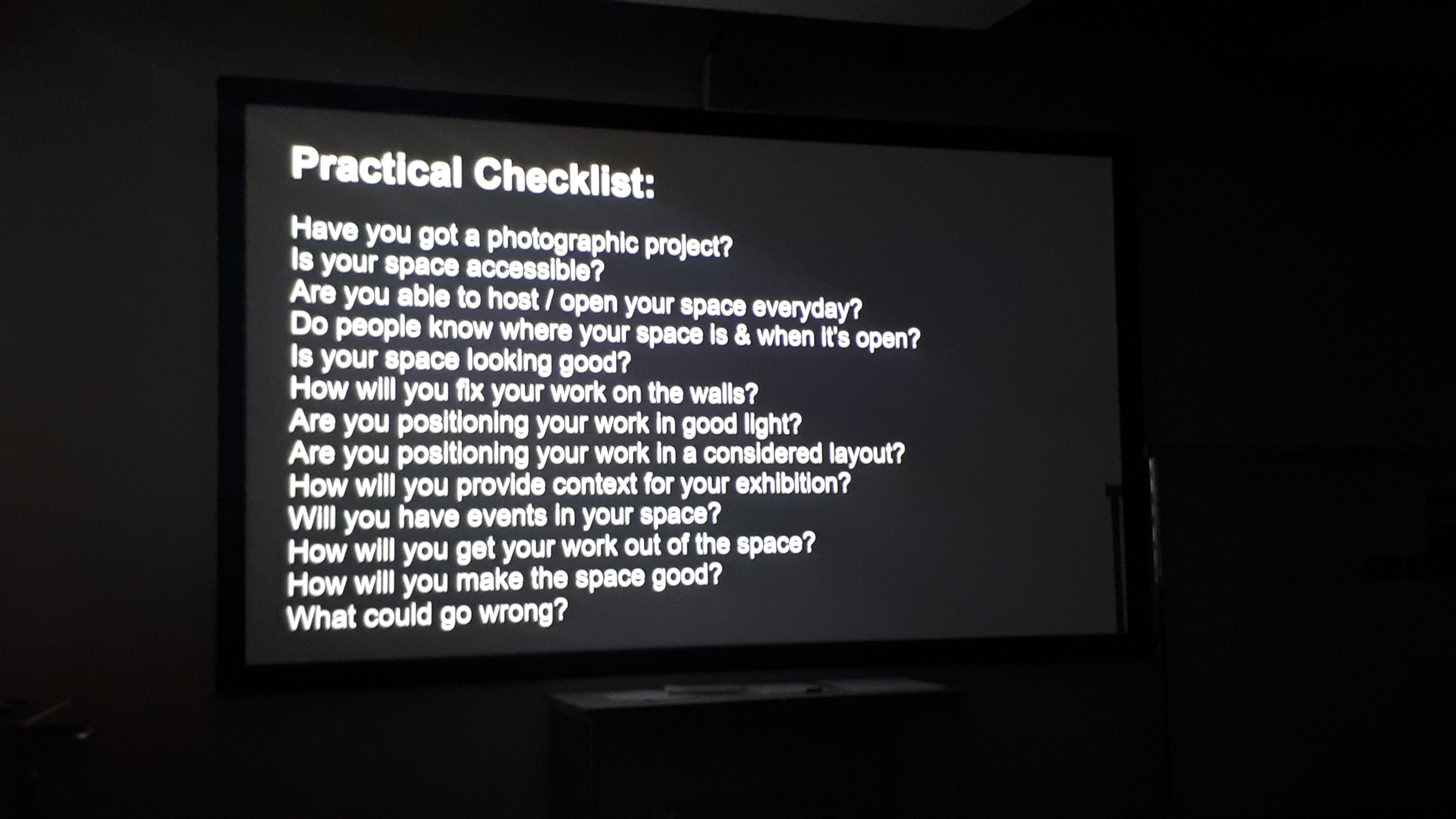
A very applicable seminar in which Thomas showed us a few examples of curatorial strategies and artists that successfully represent how to use them. It made me reflect on my future work and consider not just a single exhibition but how one can lead to another, the connections they make and the story they tell. In the second part of the seminar, we sat in our exhibition groups analysing the questions and final checklist that Thomas prepared for us. It was a great way of seeing where we stand and what else we need to sort out. I will definitely utilise this method to address/resolve final tasks and issues while putting on an exhibition.
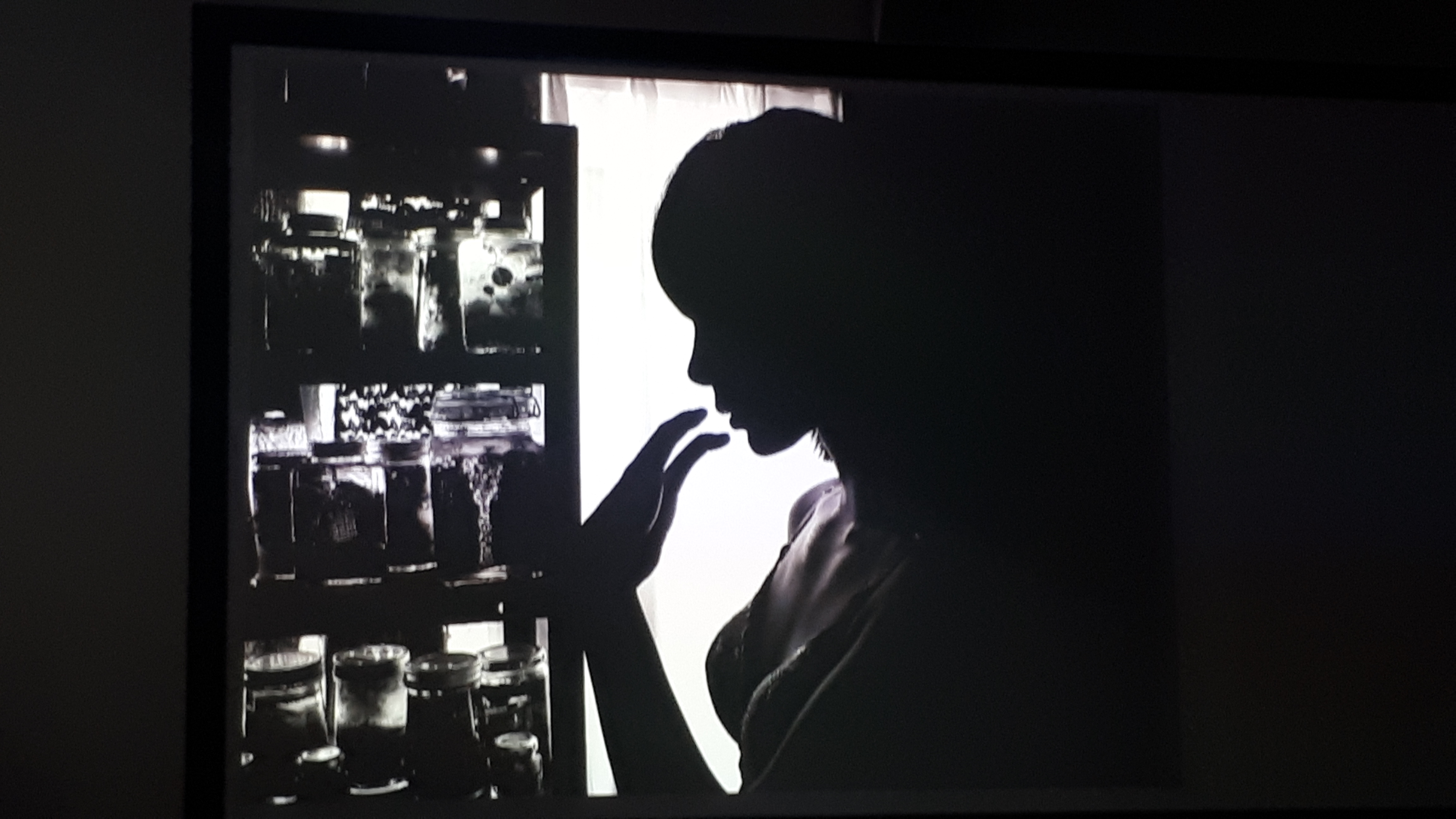
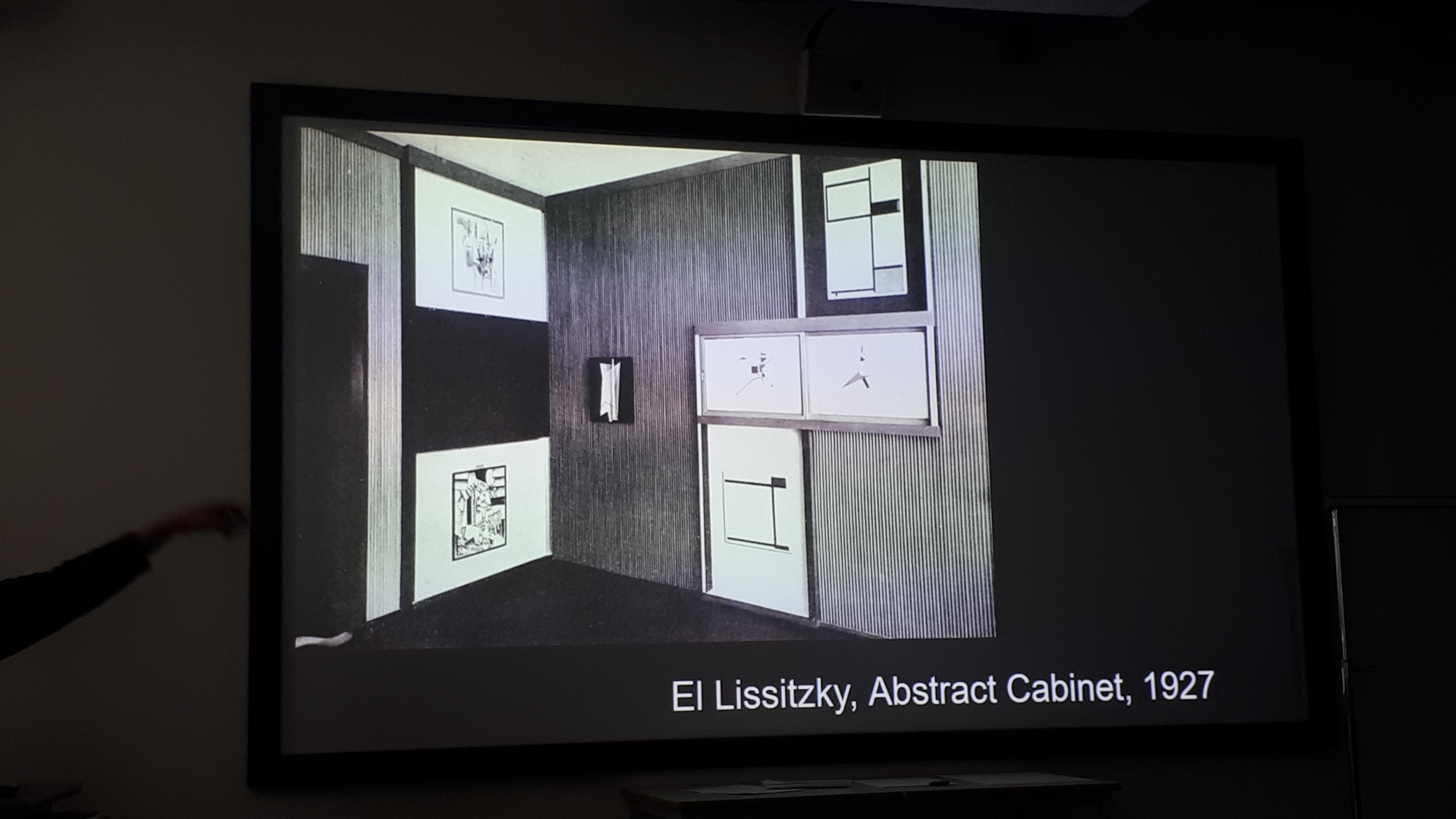
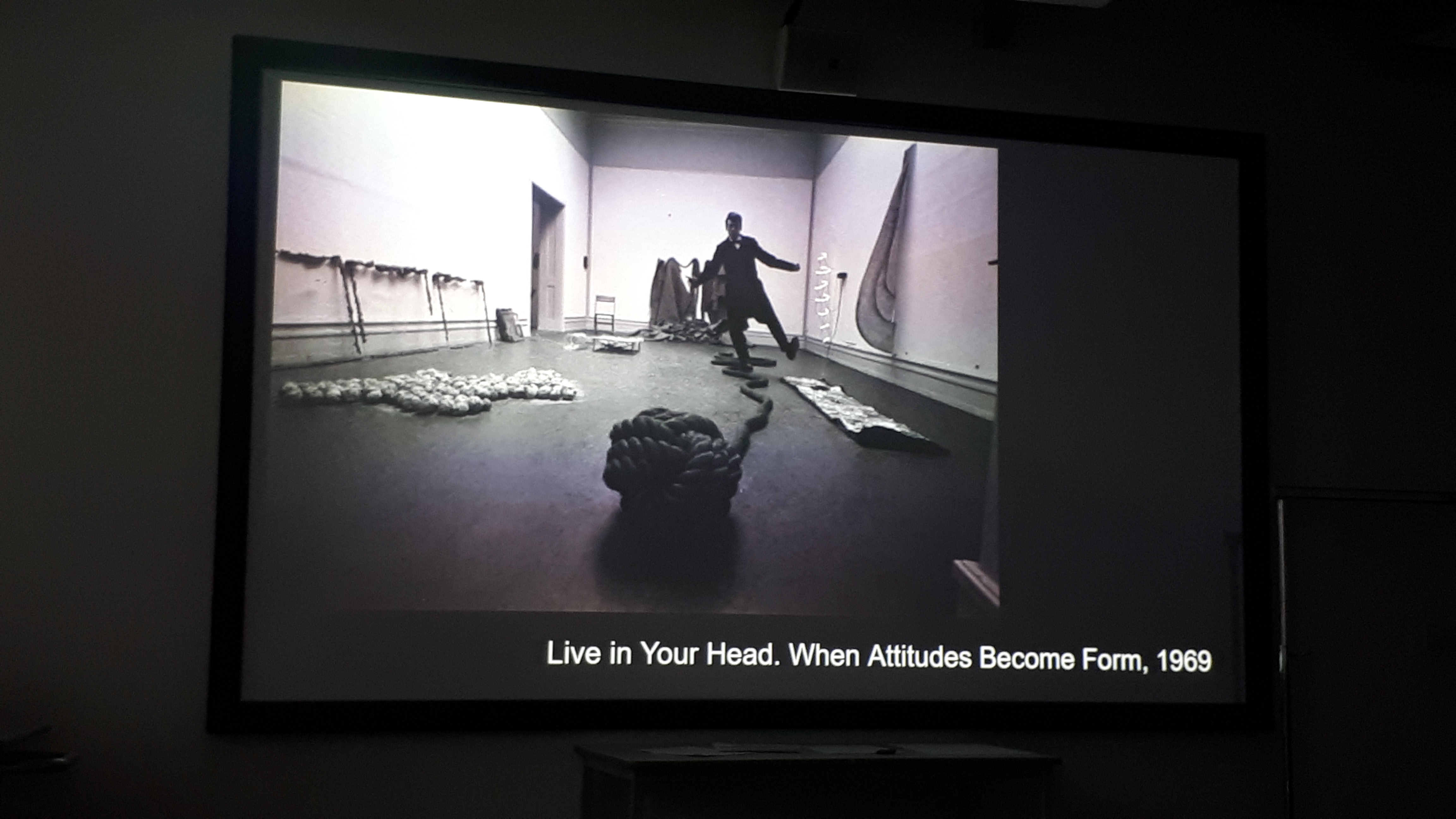
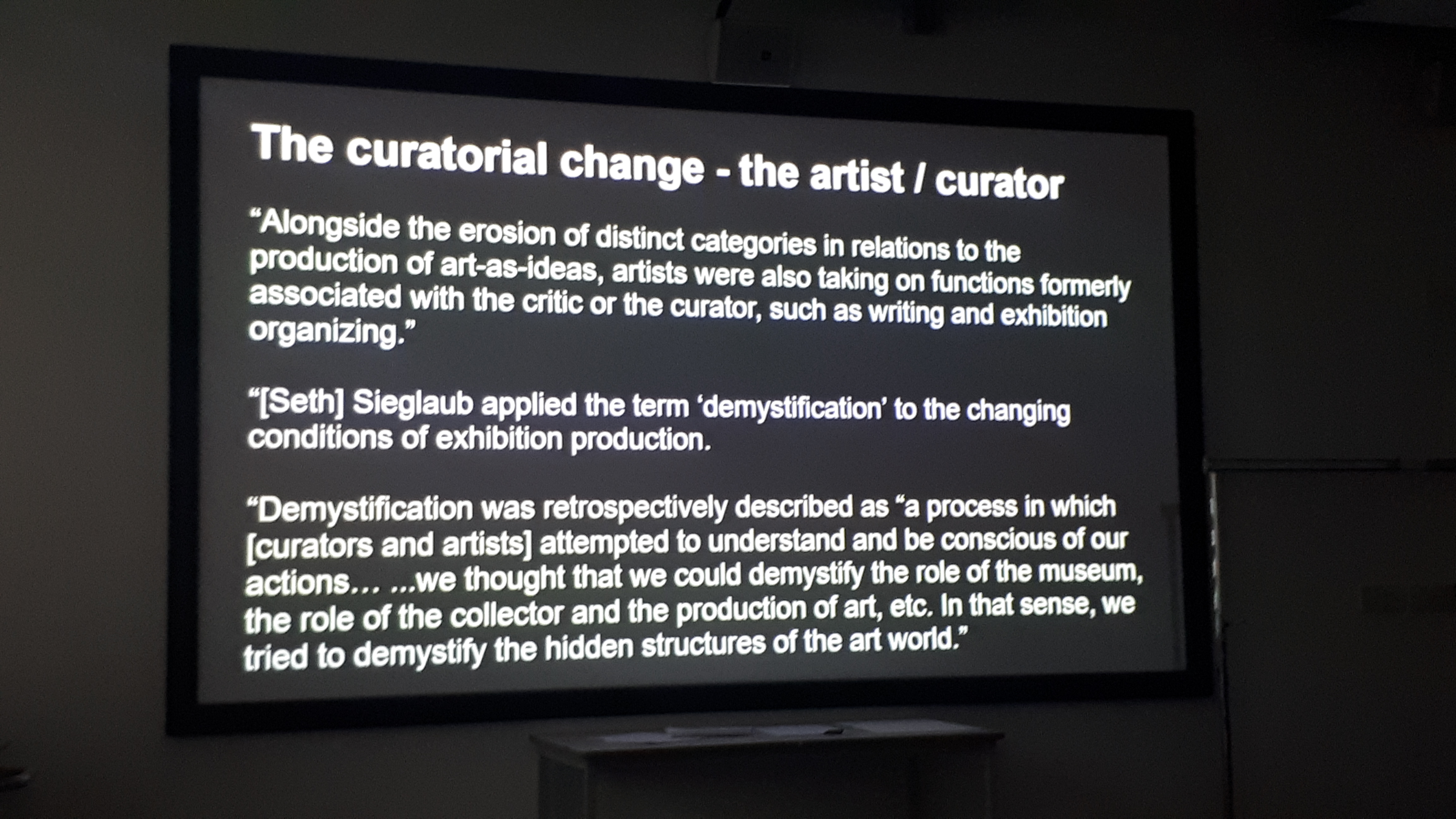
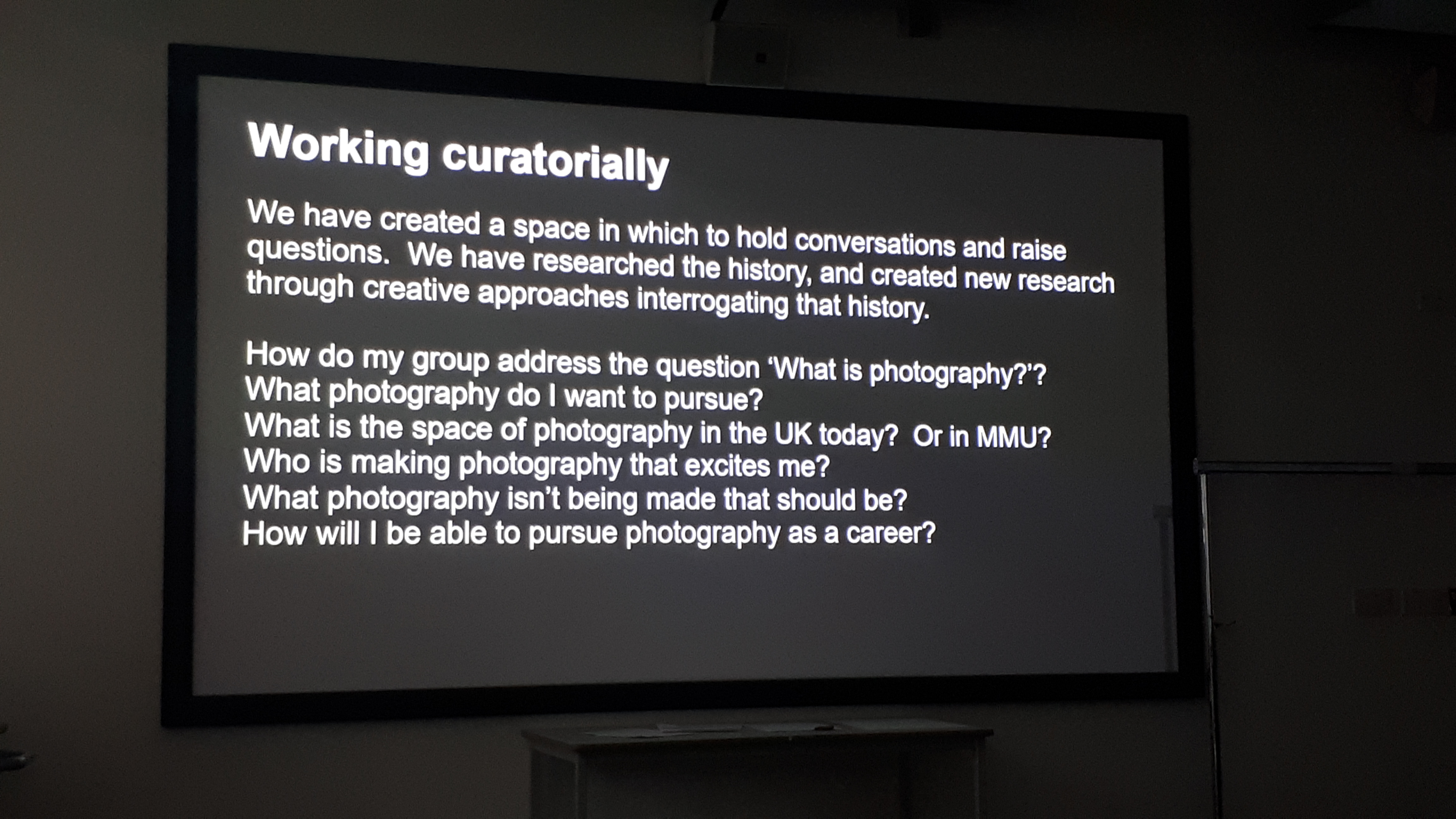
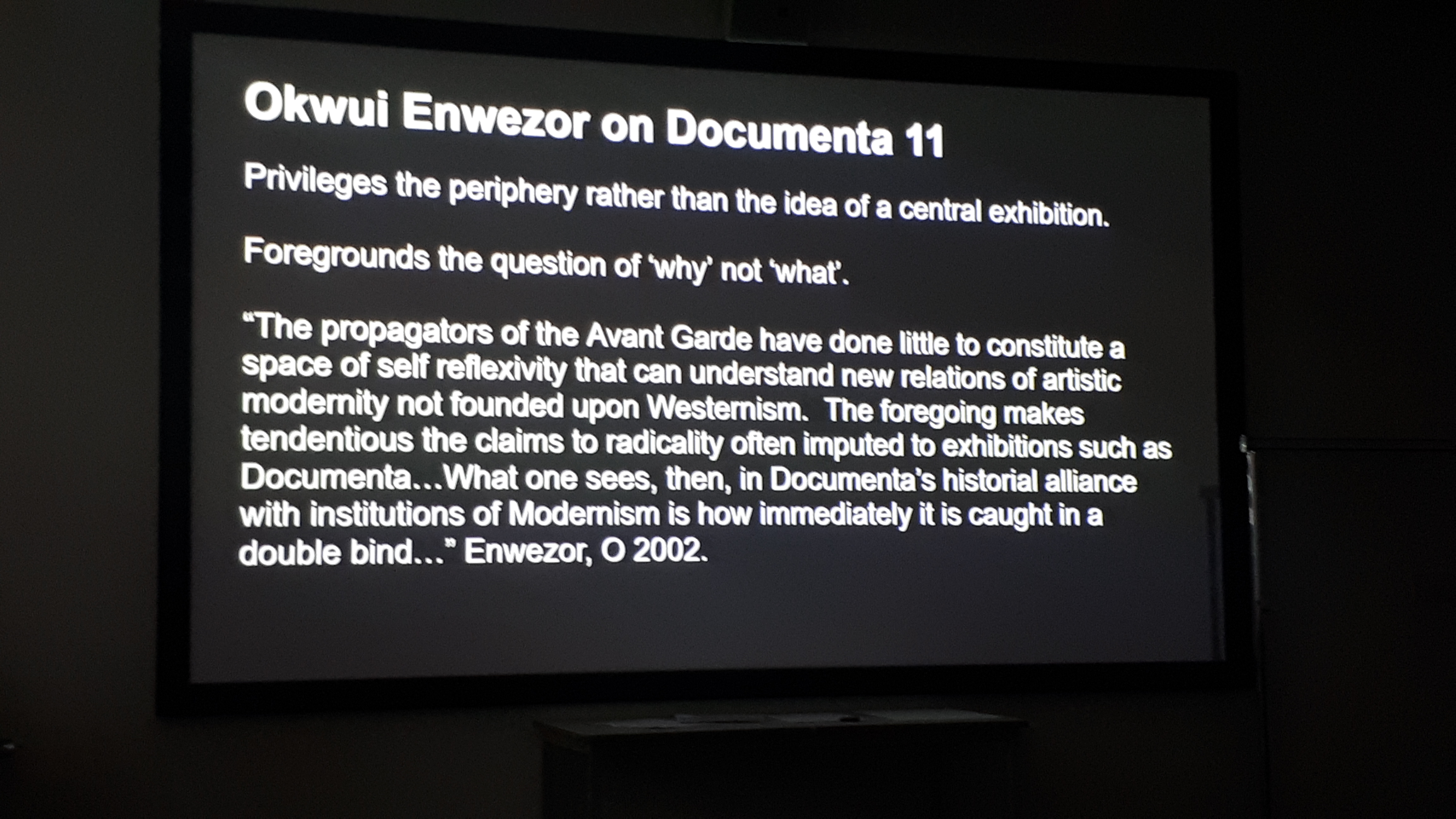
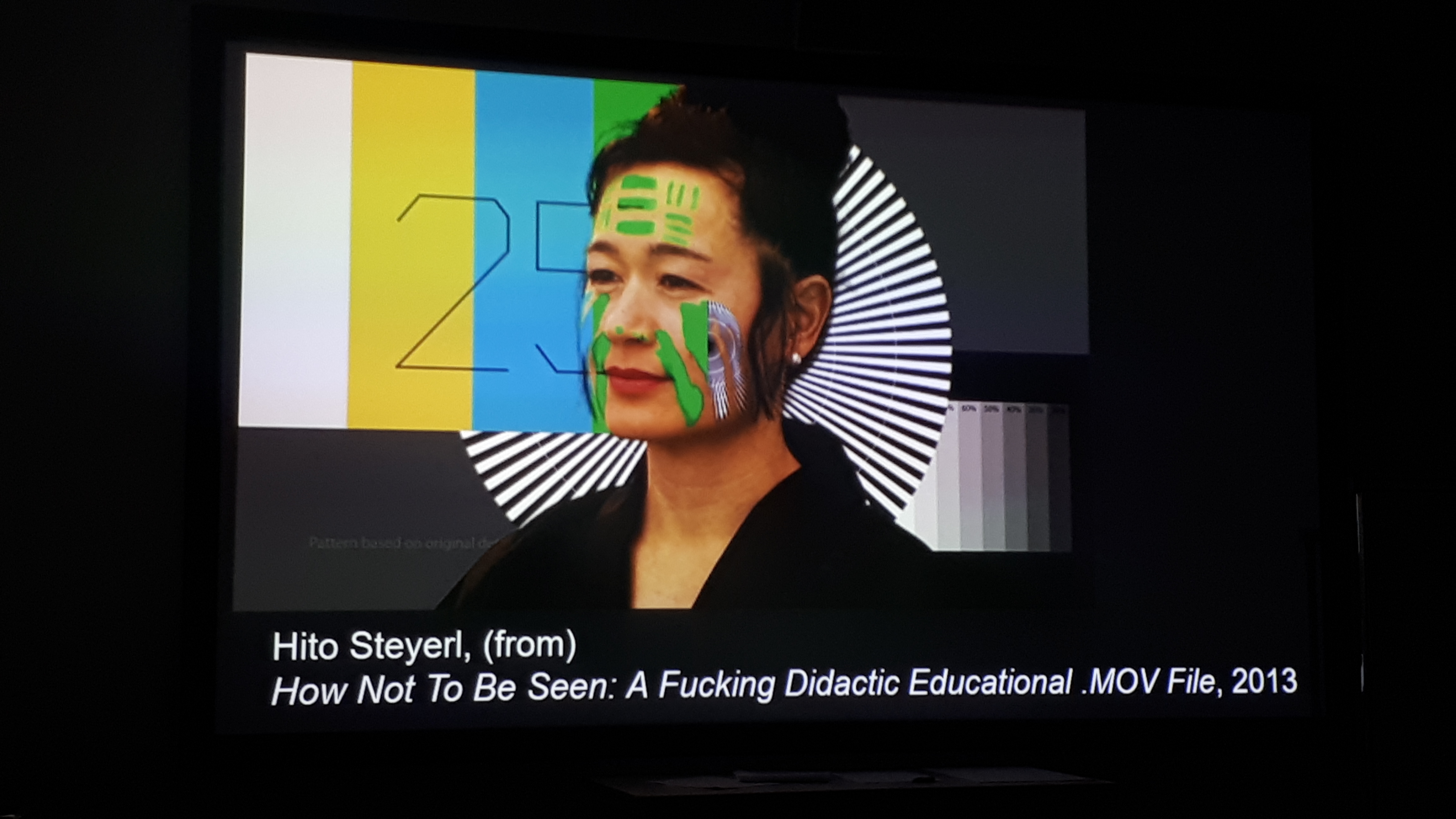
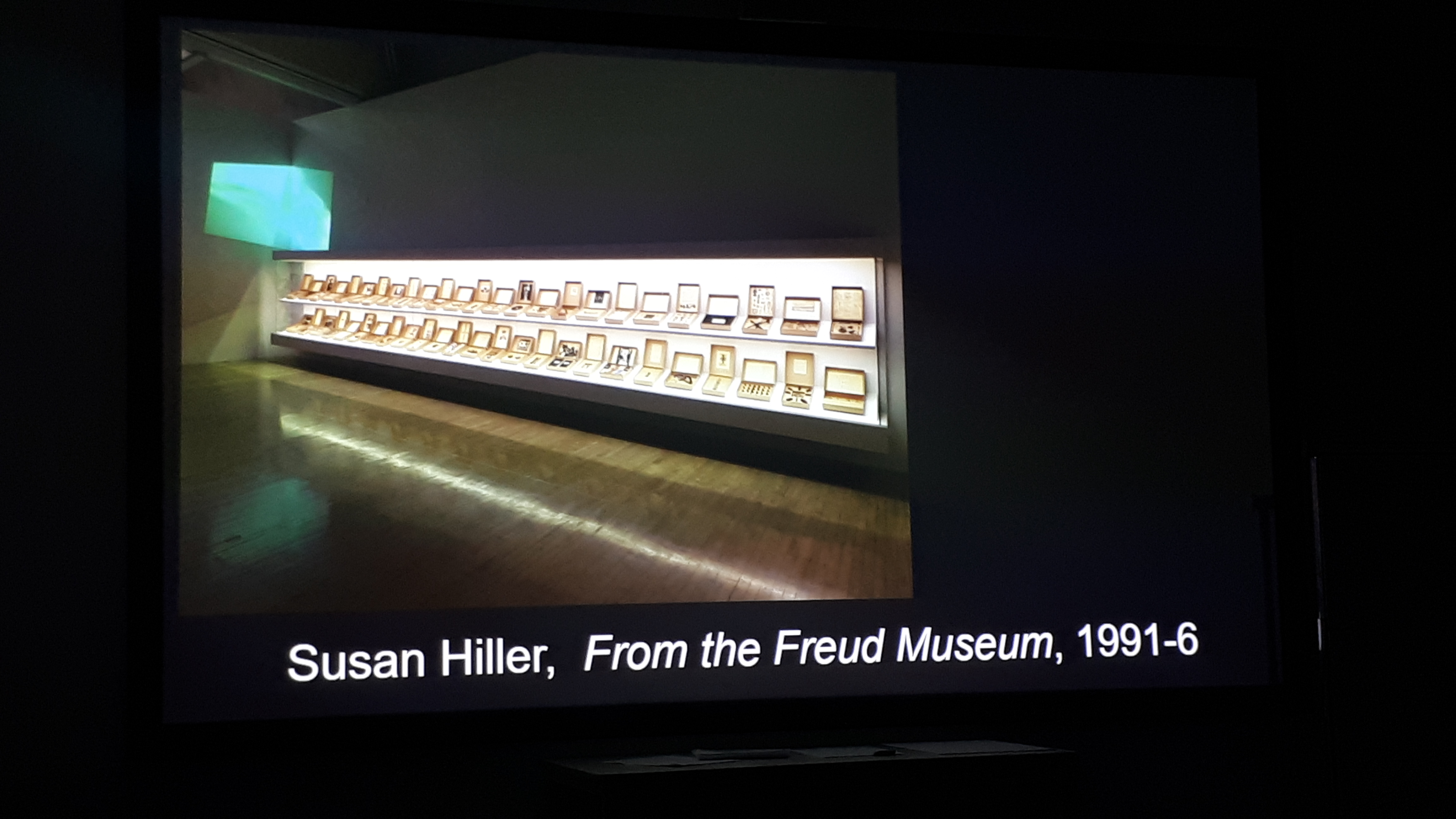
As a way to get my creative juices flowing I amde a severl trips to Manchester to shoot, looking for inspiration, finding a new way of looking at things and reflecting on outr exhibition tjemes and asking myself what photographt is.
pivtutes hee
SHOOTING HOURGLASS WITH LARGE FORMAT
SHOOTING AT HOME 27.04
I decided to do two large-format shoots. First – a warm-up one, at home in a comfortable environment, with no pressure, no stress, all the time on my hands and expired film to work with.
The aim was to get refamiliarised with this medium and make friends with the camera, which in an ideal world will result in great pictures being taken the following day in the studio. I spent most of the day shooting, which, as expected, was crucial preparation for an important day in the studio the following day.
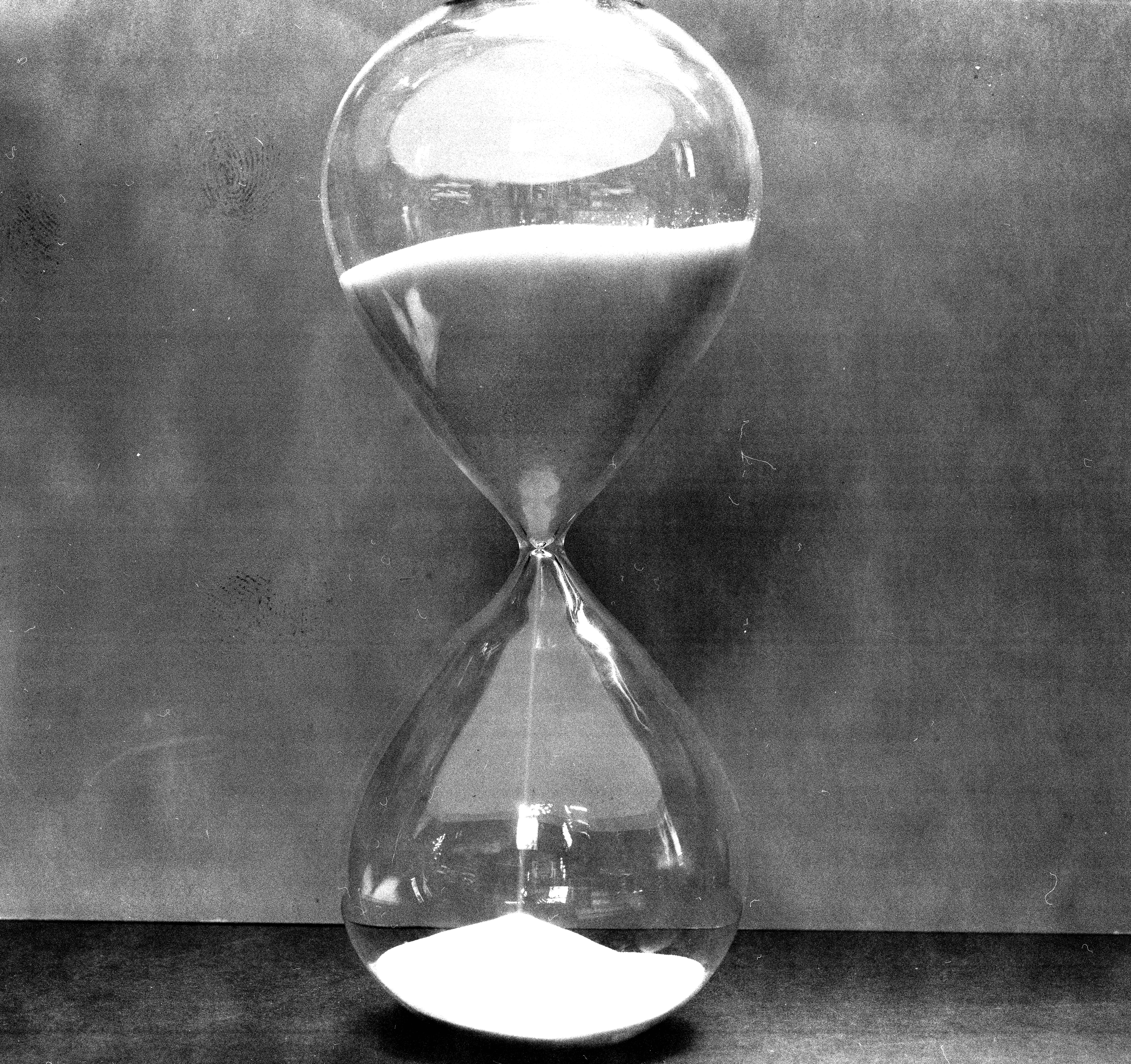
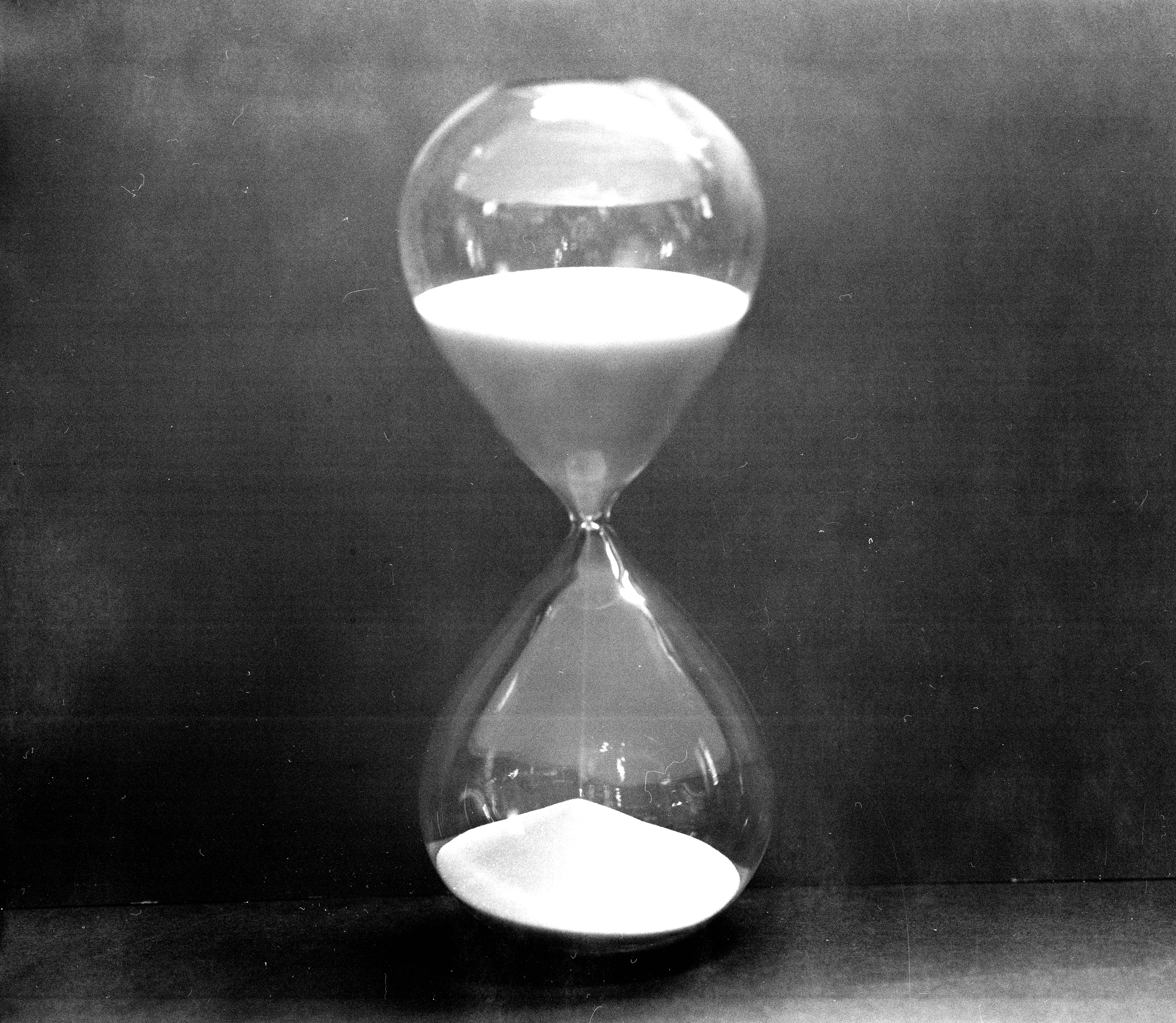
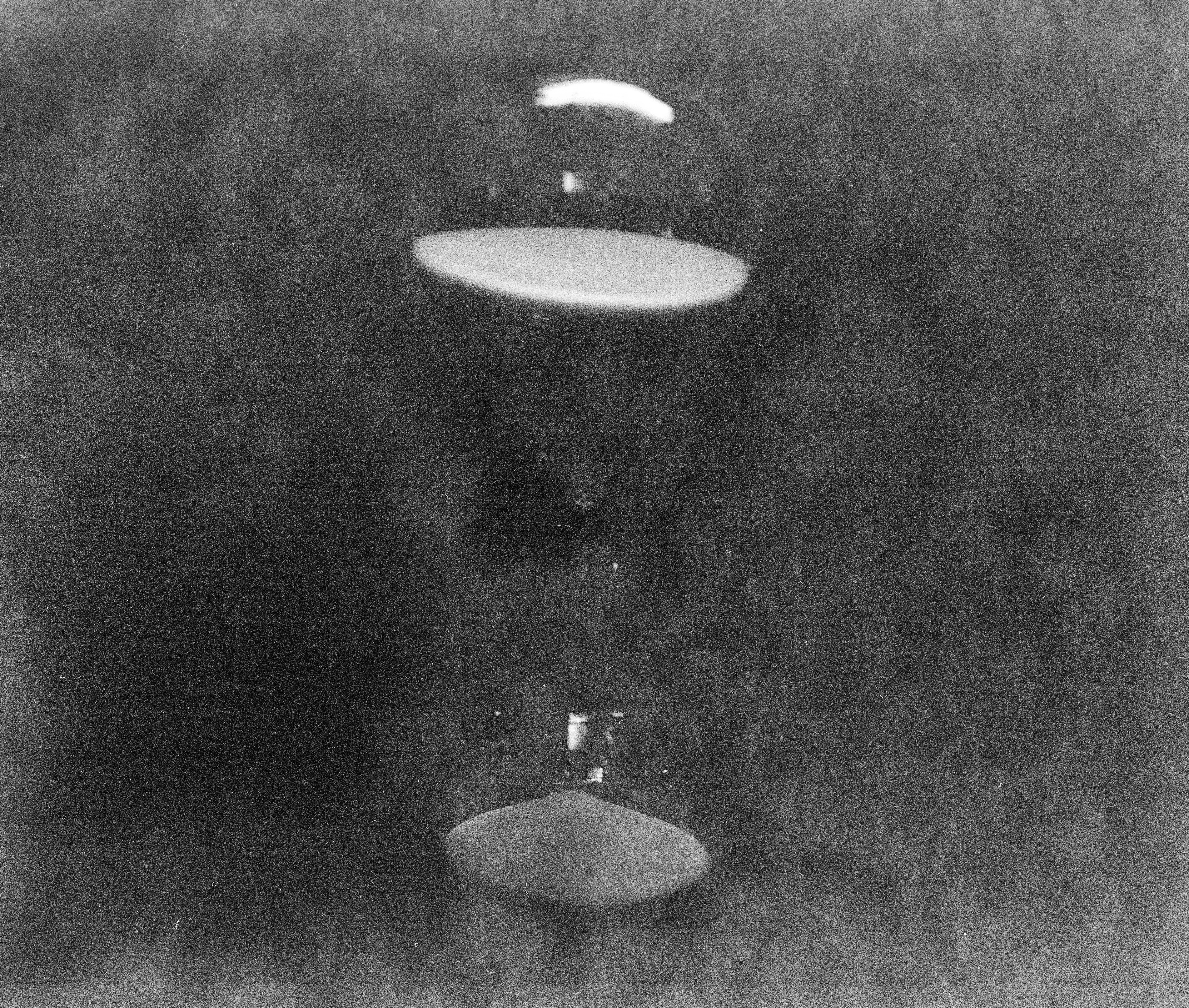
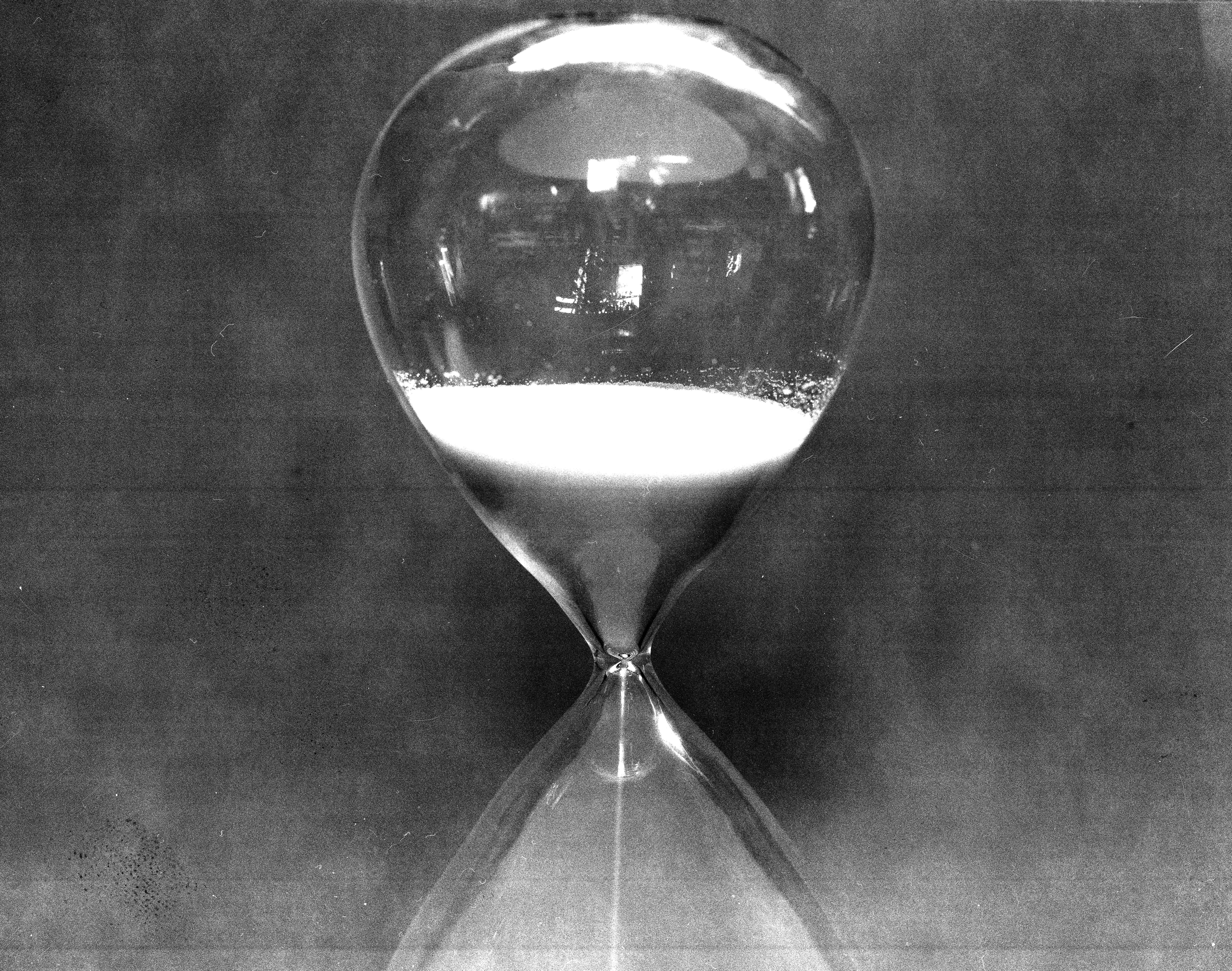
CONTACT SHEET
Today has been a valuable experience from which I learned that if I feel a bit intimidated/not confident, a bit of test shooting in a comfortable environment will loosen me and allow the knowledge to sink in for the main shots.
SHOOTING LARGE FORMAT IN THE STUDIO 28.04
I booked the studio for a few hours, arrived earlier to set up and load large format film and commenced shooting. After taking some time to test the light, I set up the settings and shot six images of the hourglass and different F stops (f.6/f.11/f.16). After I finished shooting, I went straight into the processing room and processed all the images from the last two days of shooting. After that, I scanned them all on Hasselblad and decided which photograph was most satisfactory to develop in the darkroom the next day.





CONTACT SHEET
After these two days I feel very confident with large format photography and I am certain that I will be shooting in this medium very soon and reAfter these two days, I feel very confident with large format photography, and I am sure that I will be shooting in this medium very soon and repeatedly. I learned the importance of pushing yourself and trying things even if they are intimidating. Only this way you can learn and progress, constantly pushing!peatedly. I learned the imporantce of pushing yourself, and trying things even if they are intimdating. Only this way you can learn and progress, constantly pushing!
TRIP TO THE BEACH NR 2 (29.04)
RESULTS MAMIYA 645 PRO TL + MACRO LENS 120mm


CONTACT SHEET
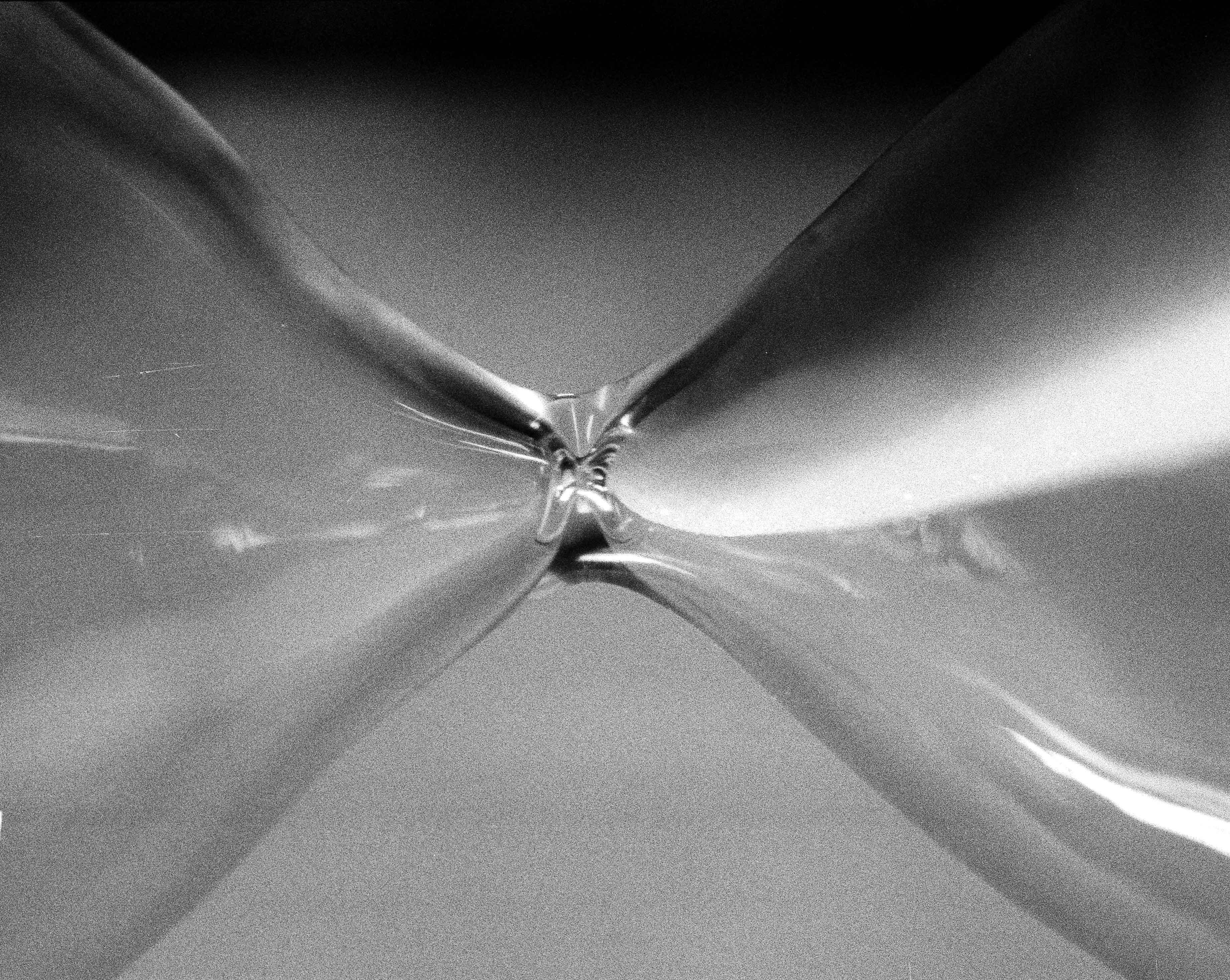
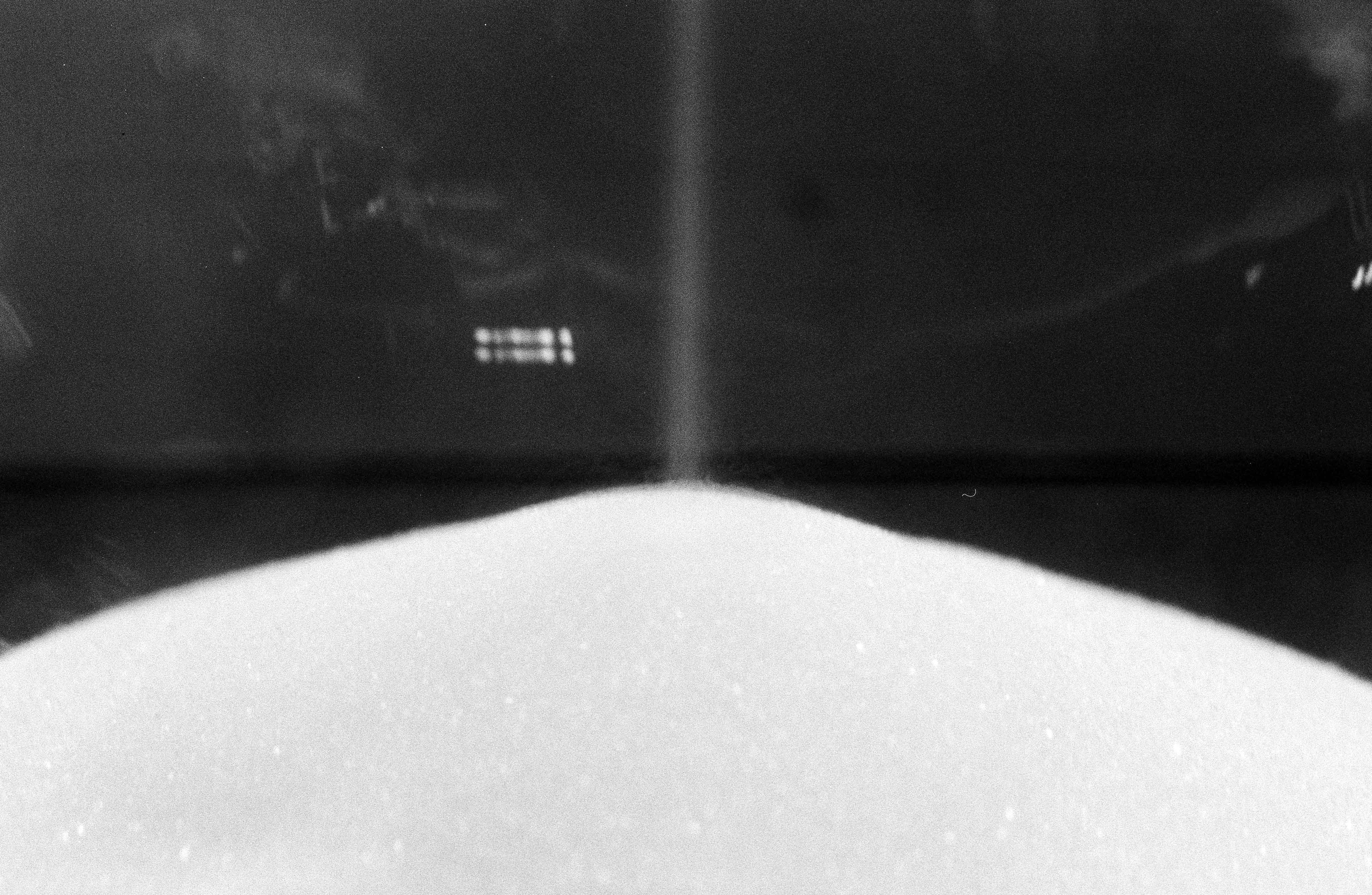
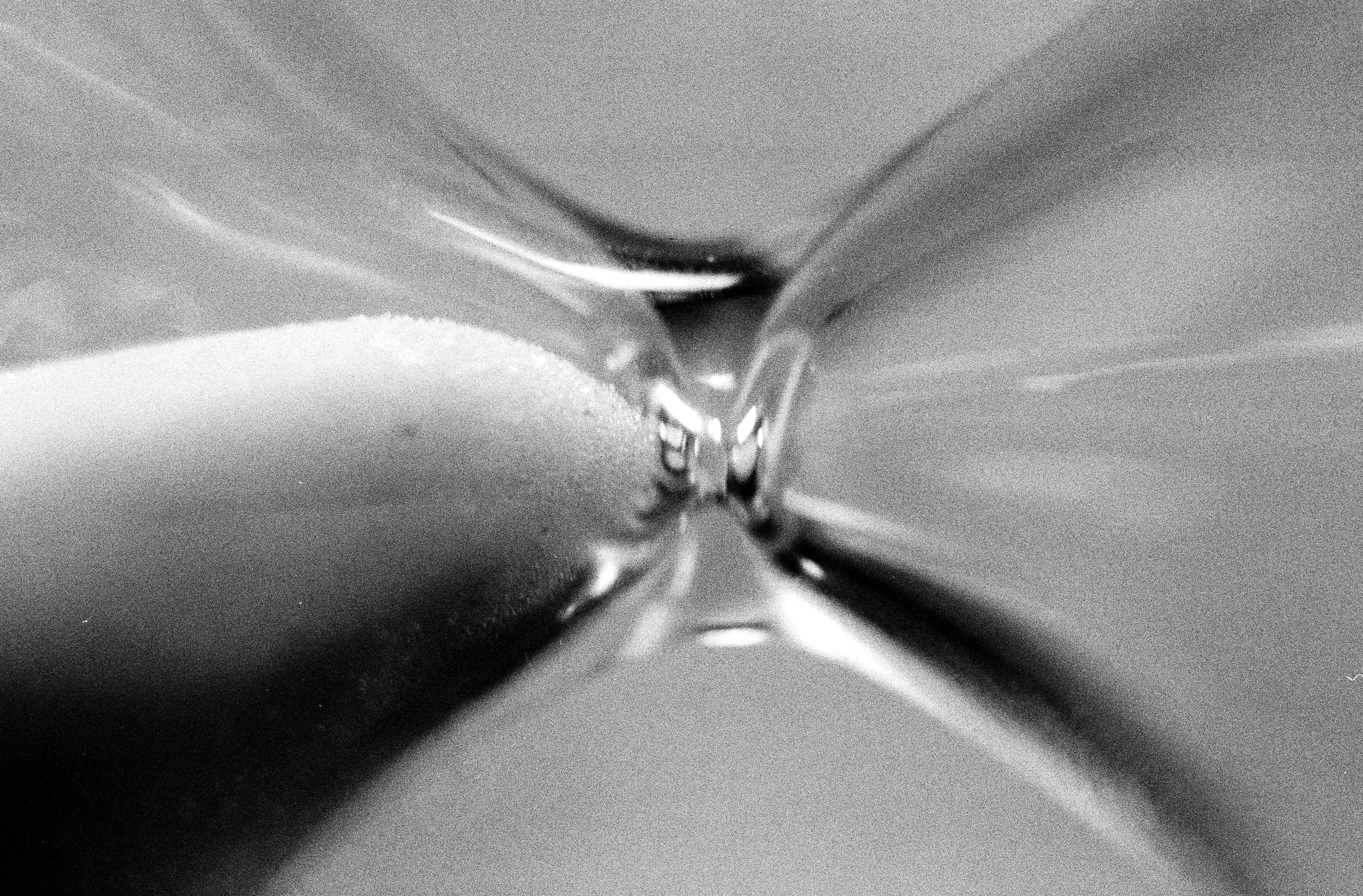
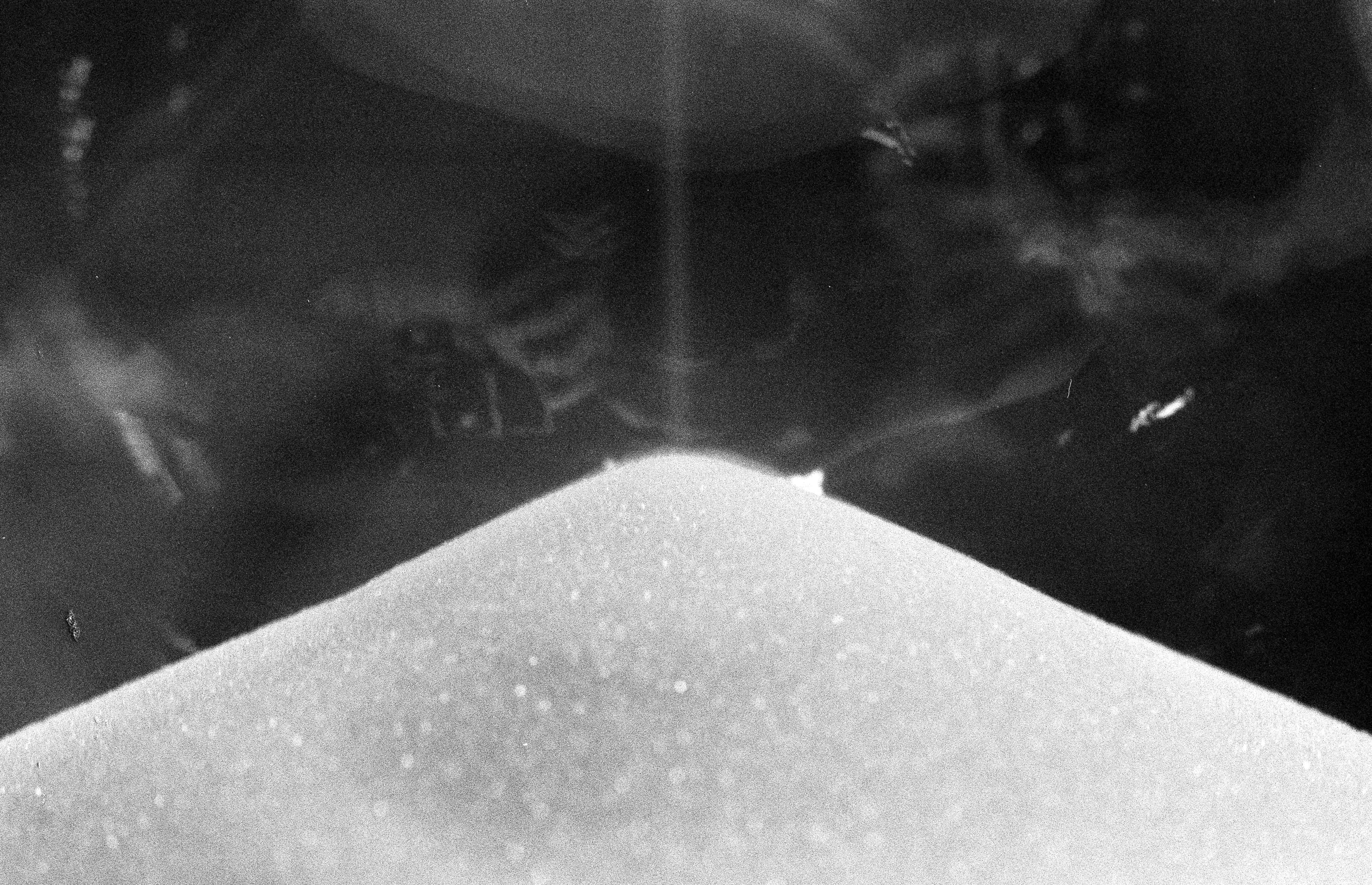
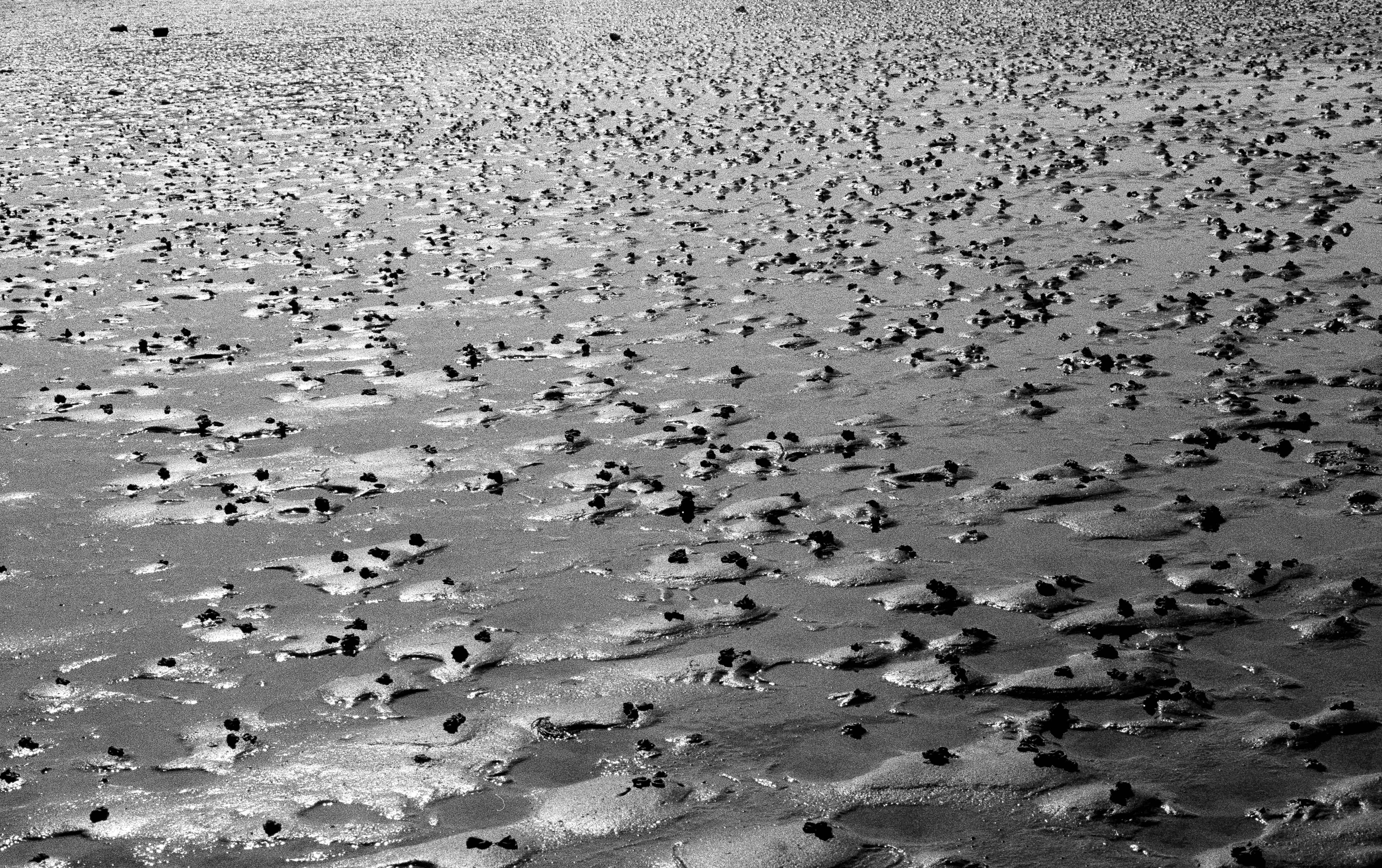
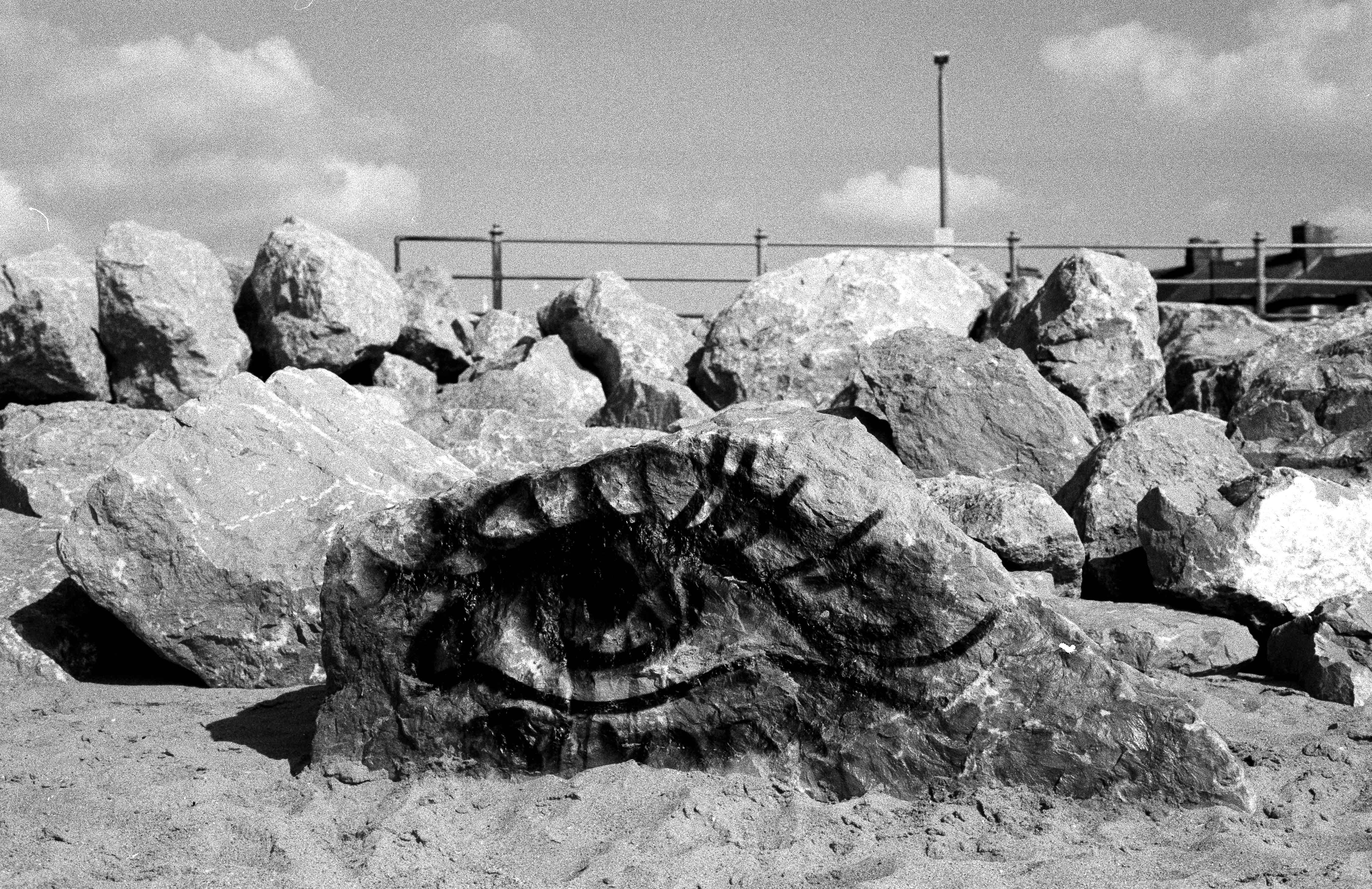
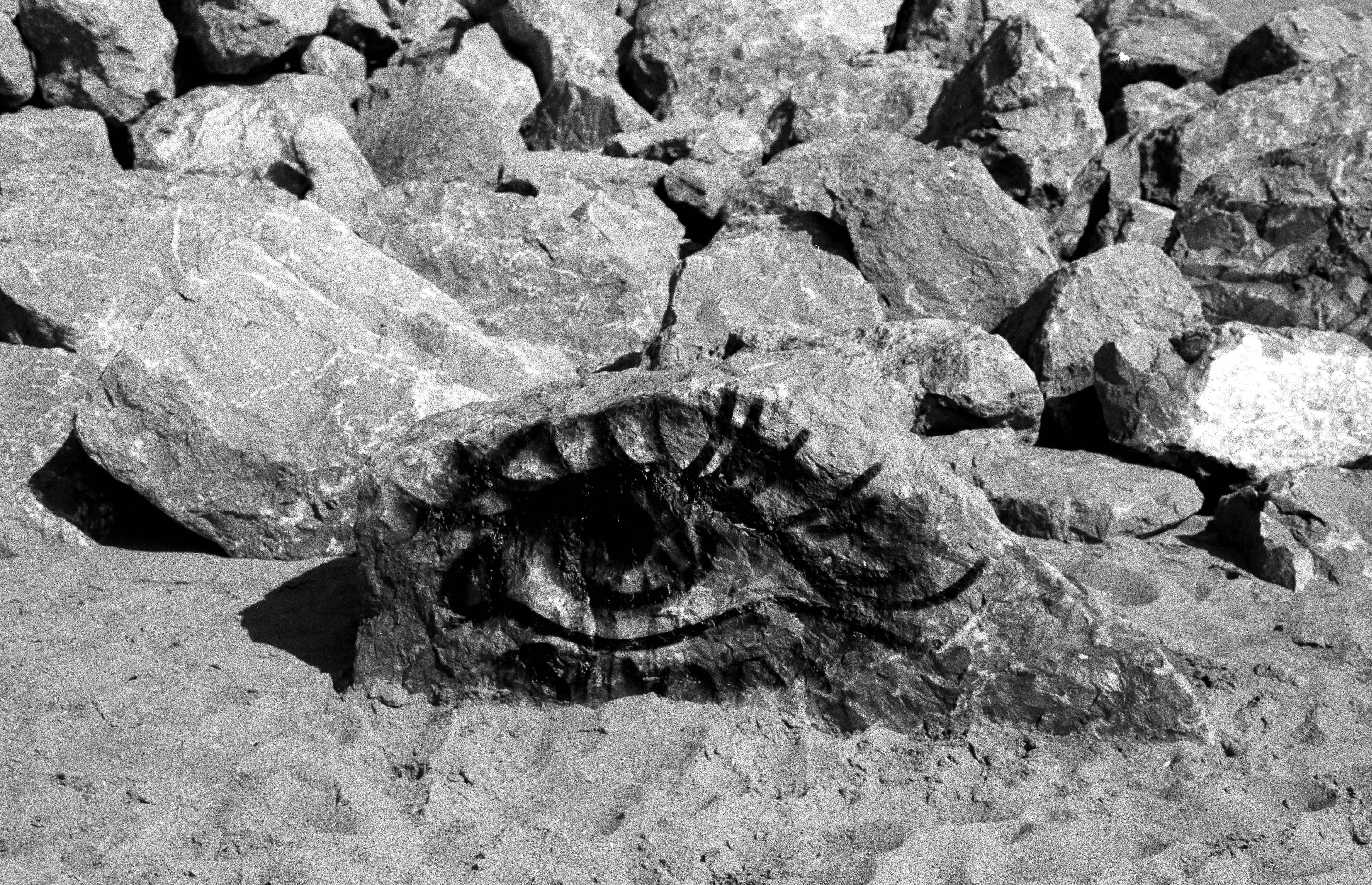
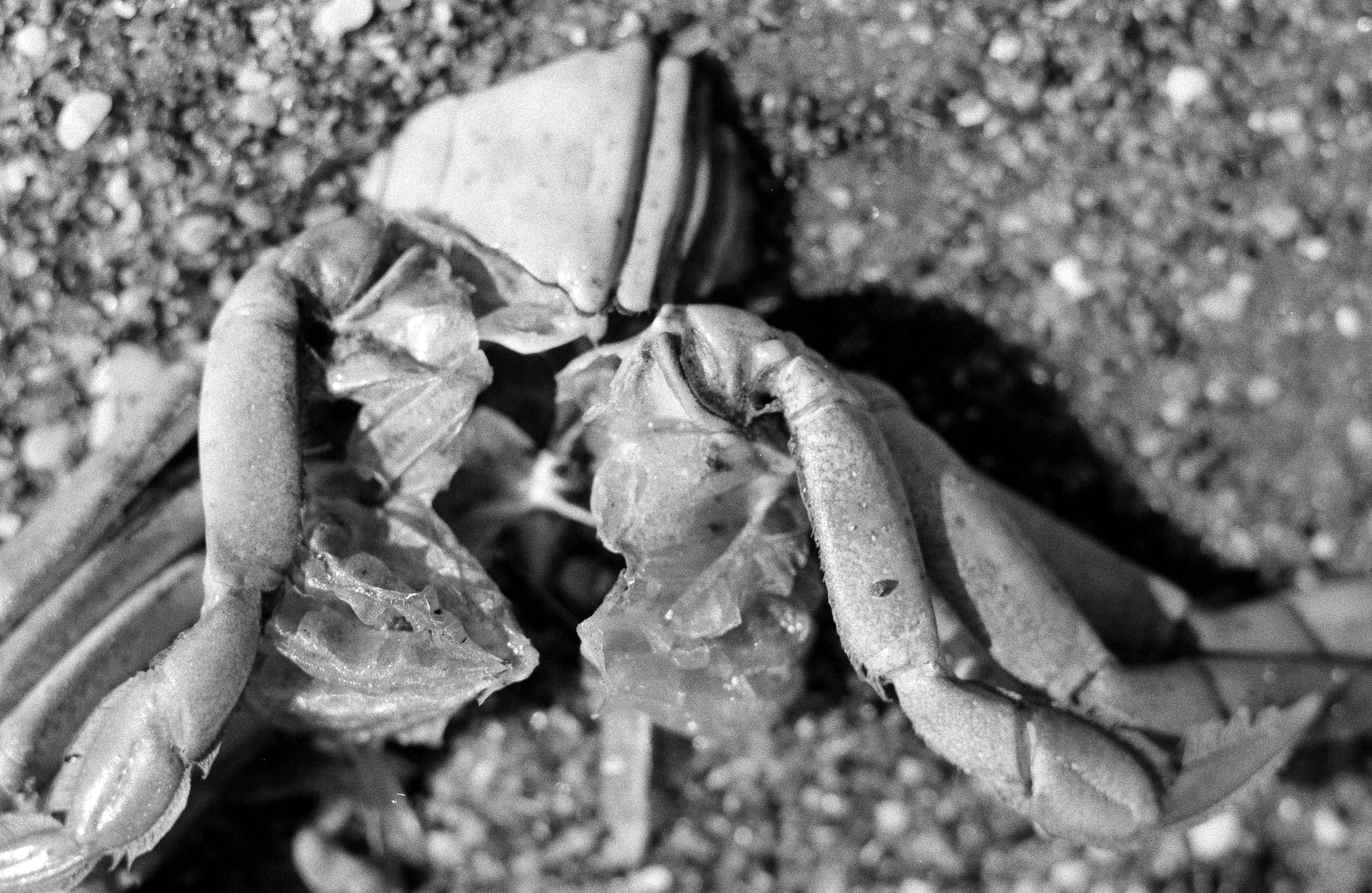
RESULTS FROM SHOOTING NIKON FM 2 WITH MACRO LENS
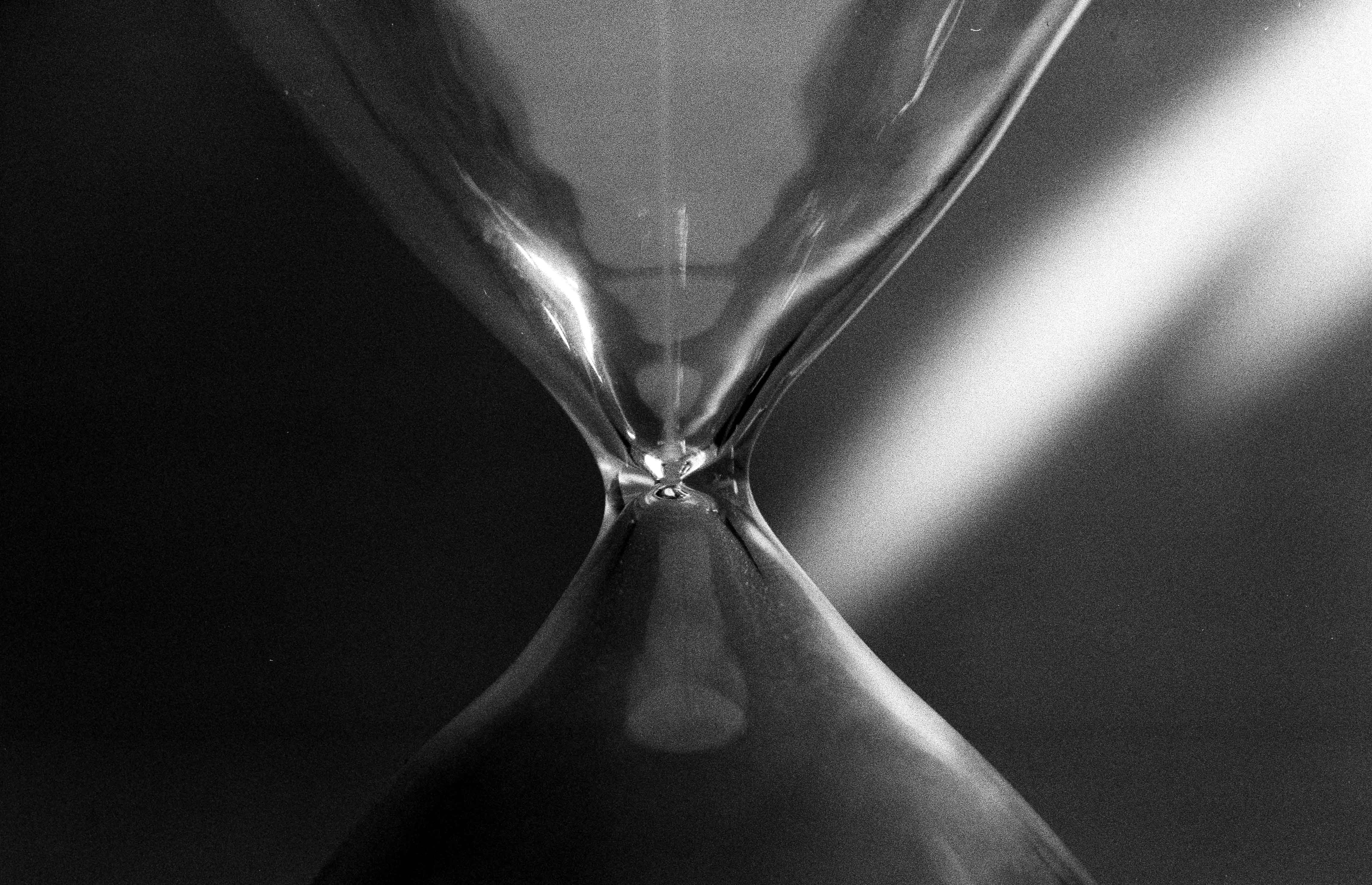
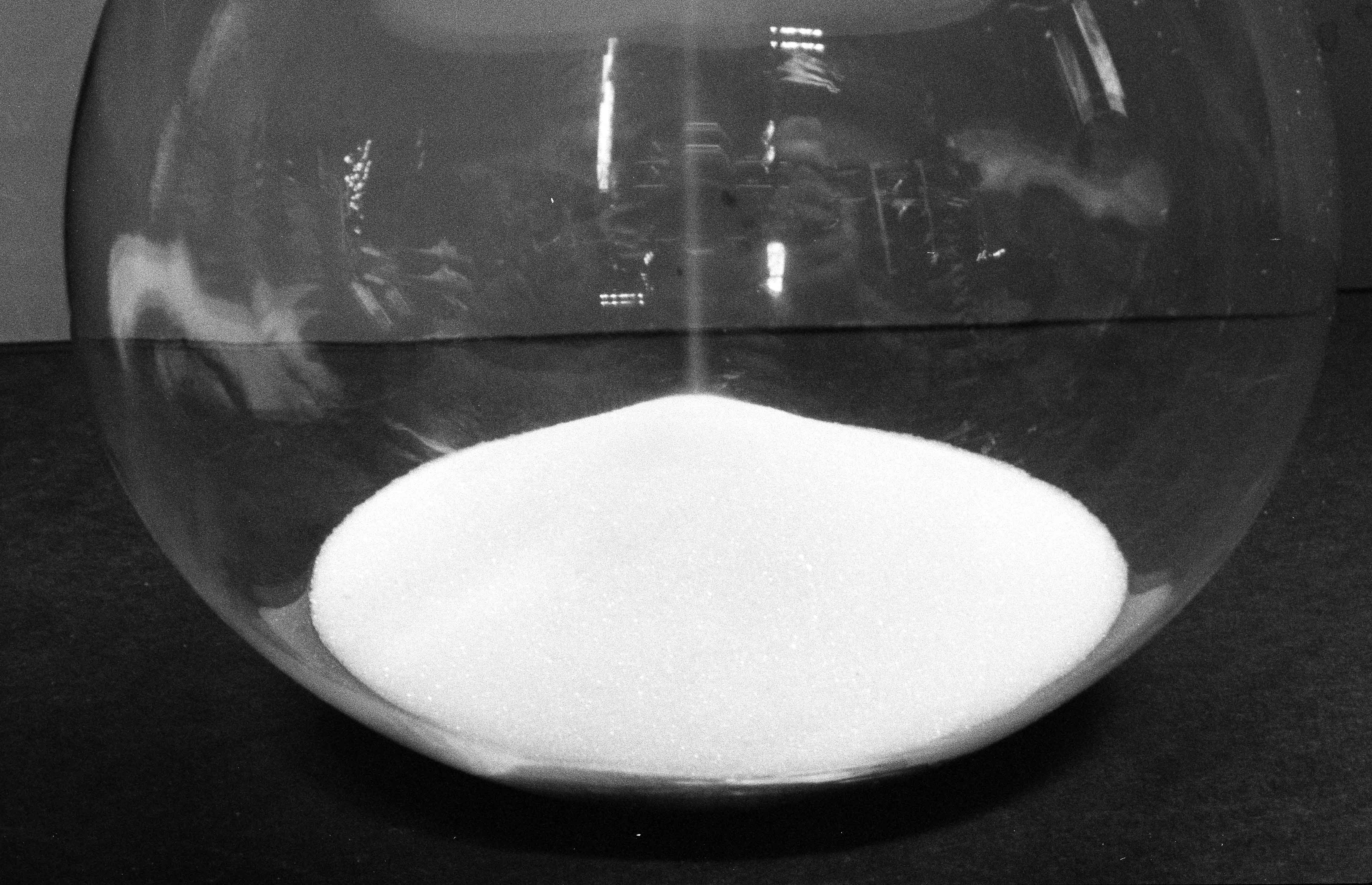
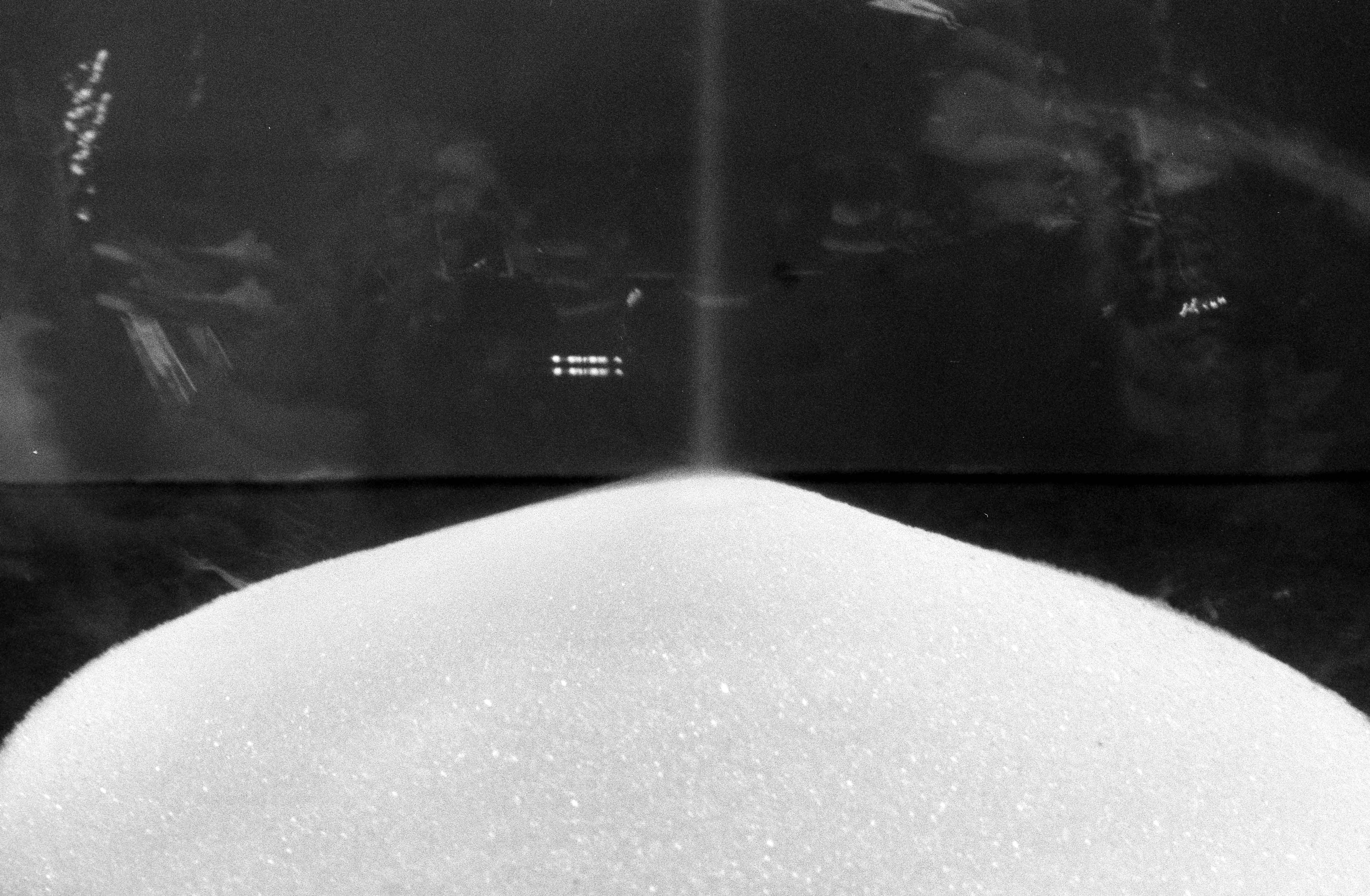


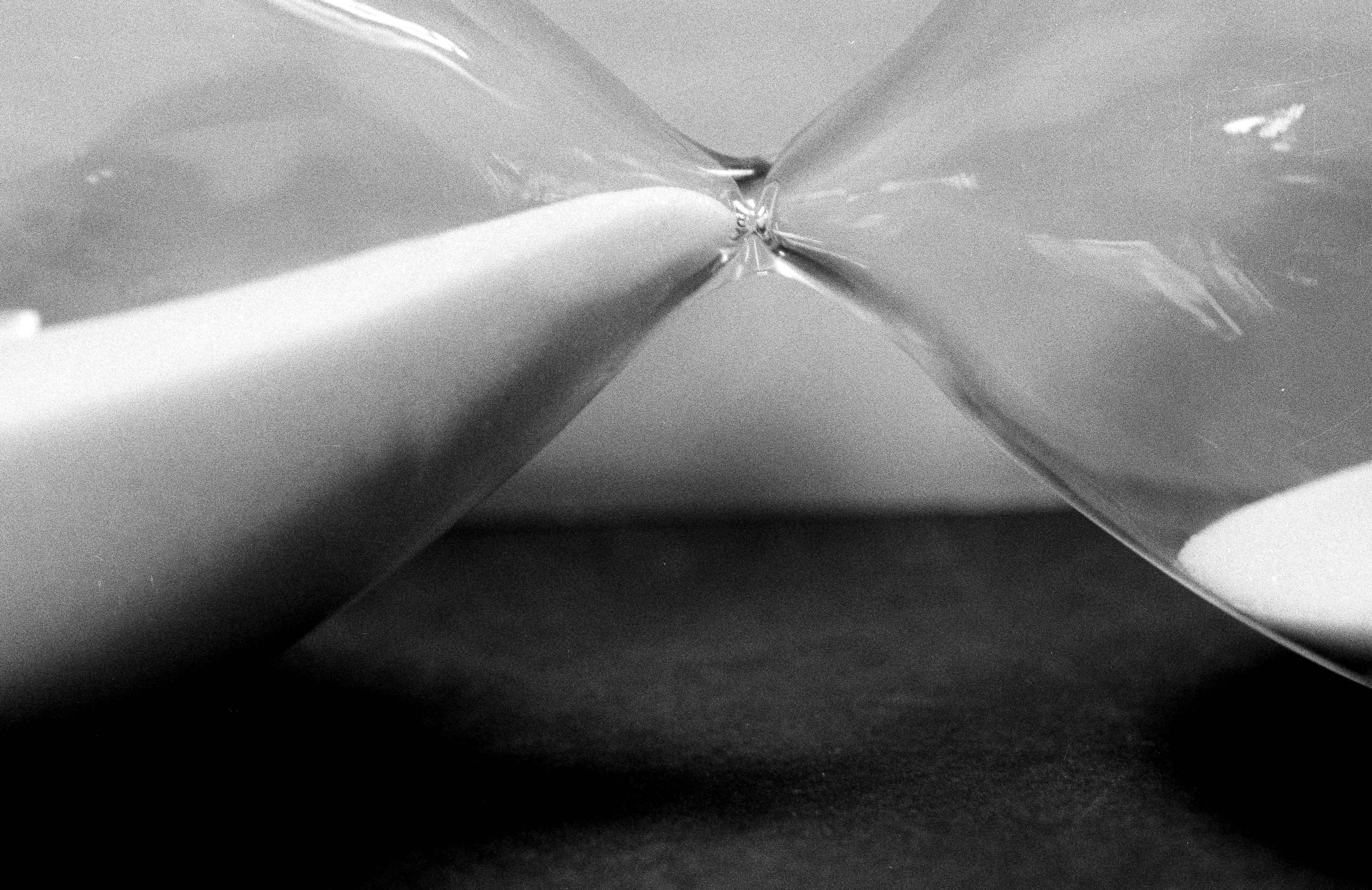


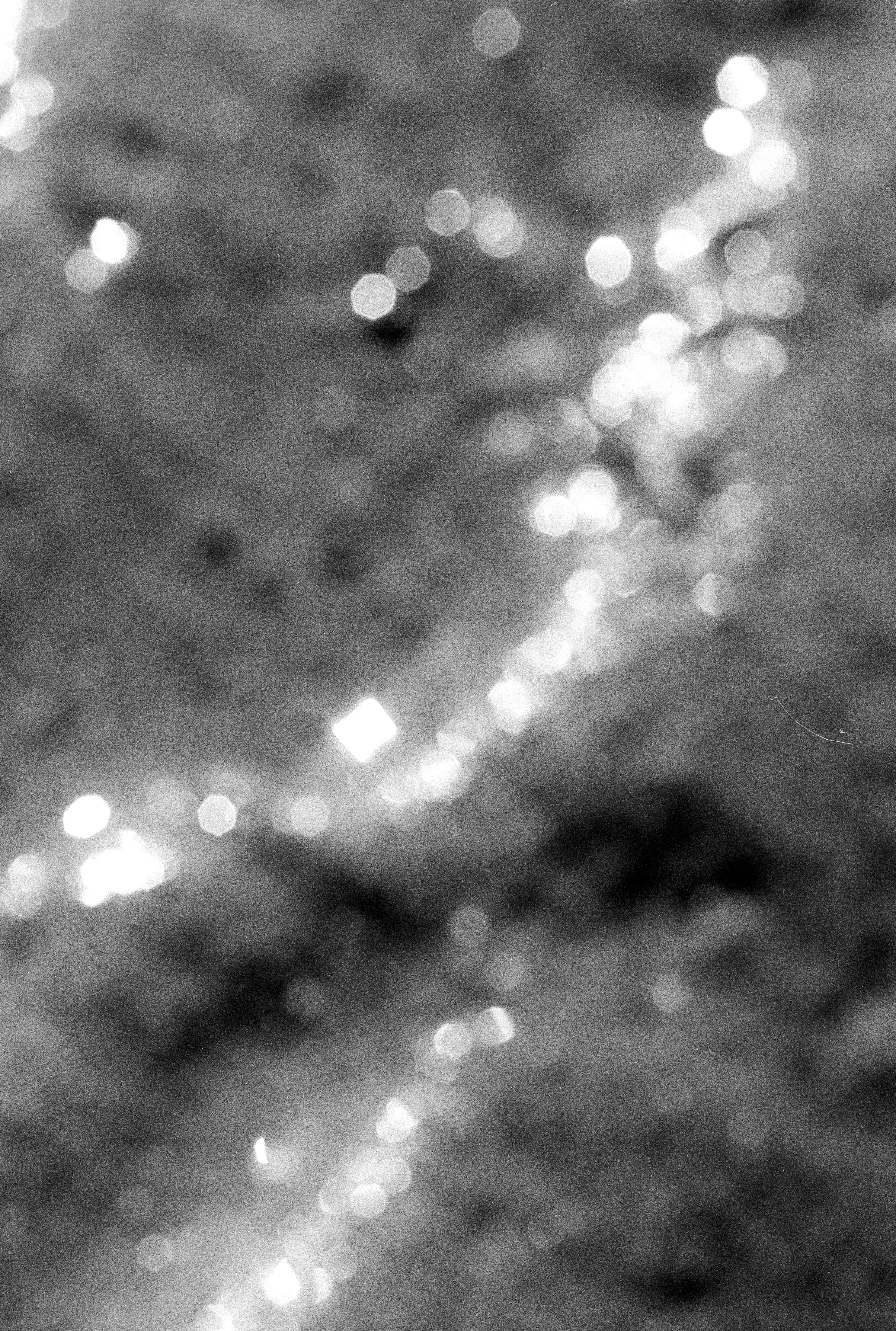

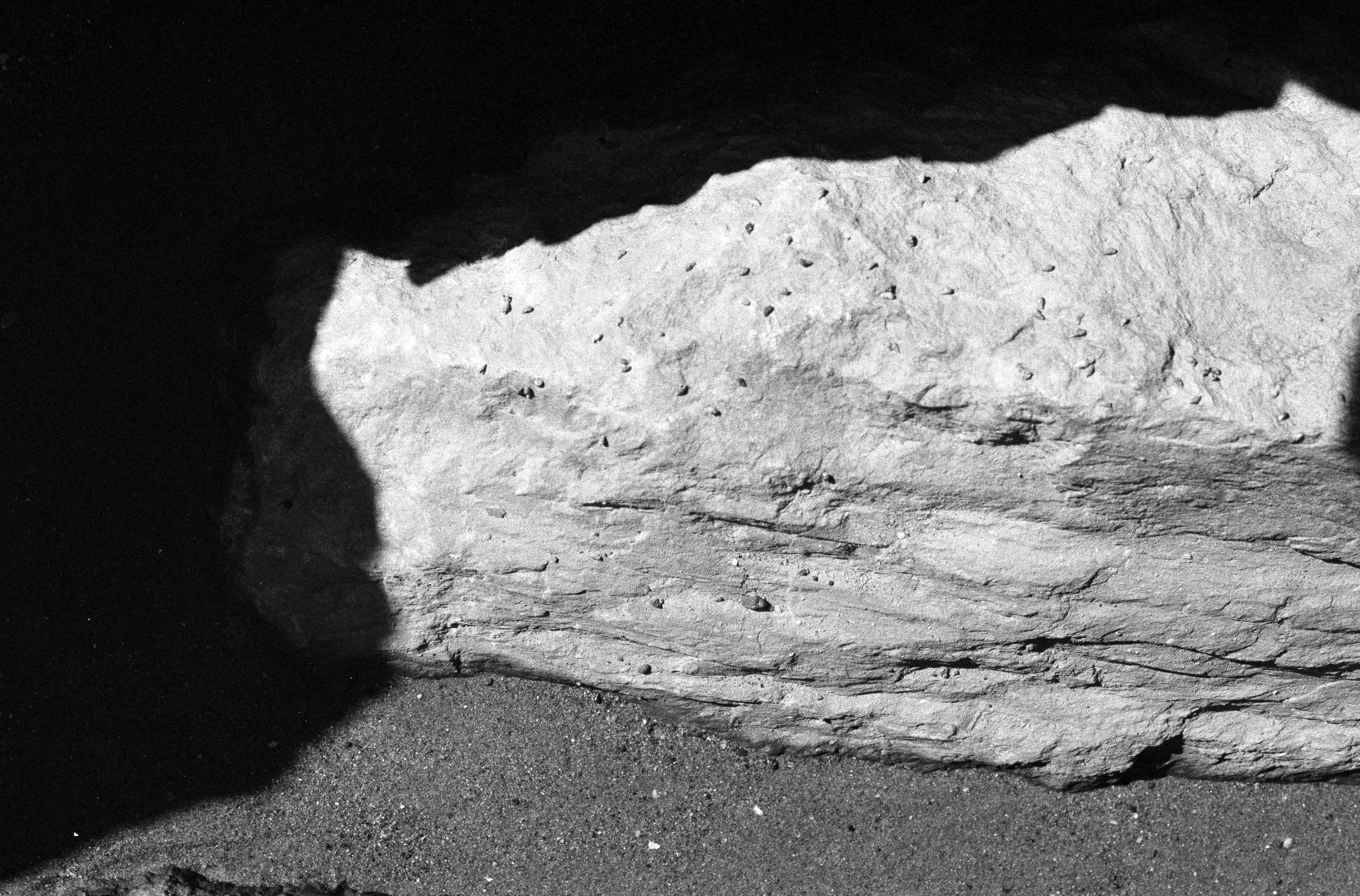
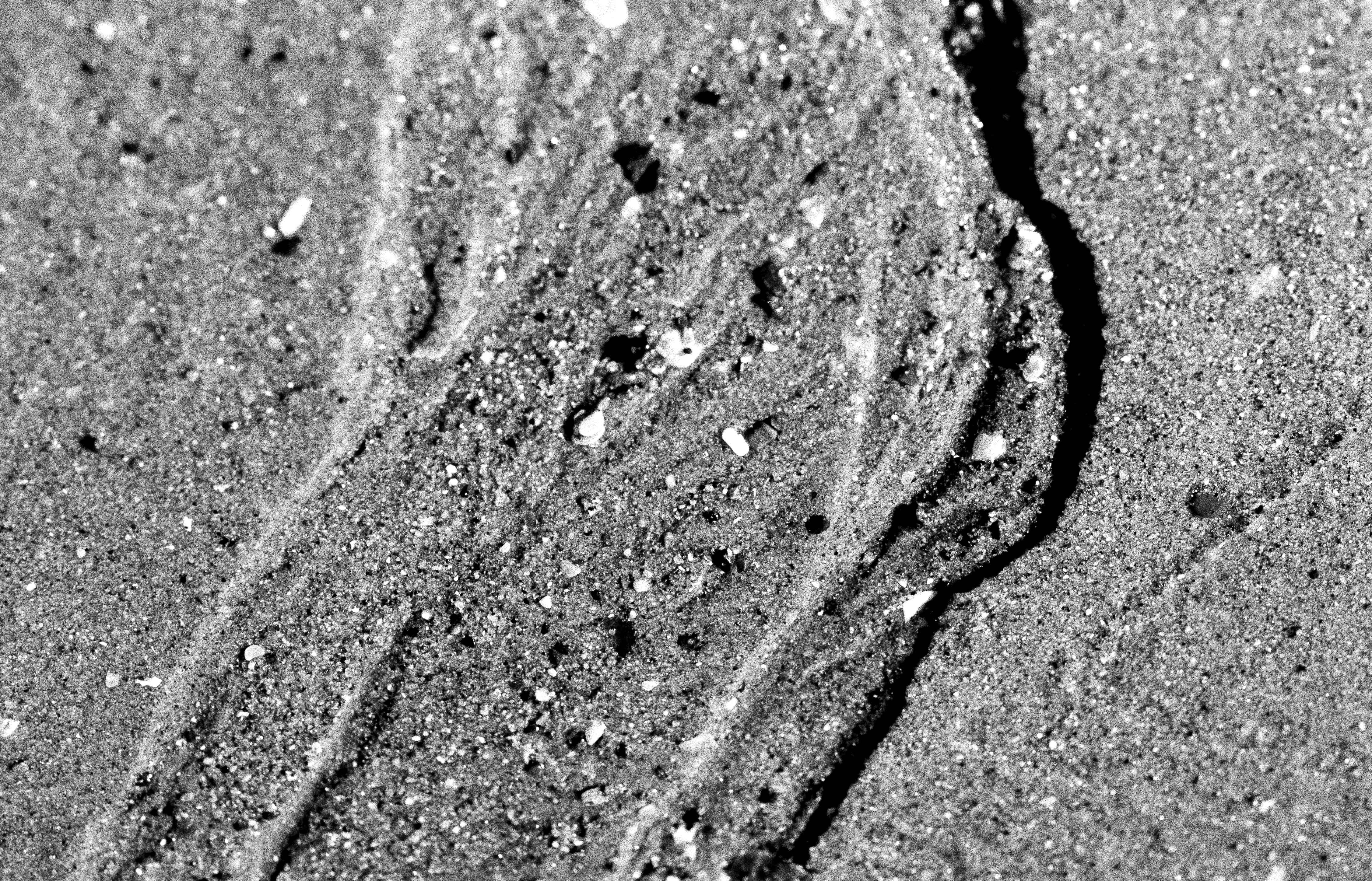
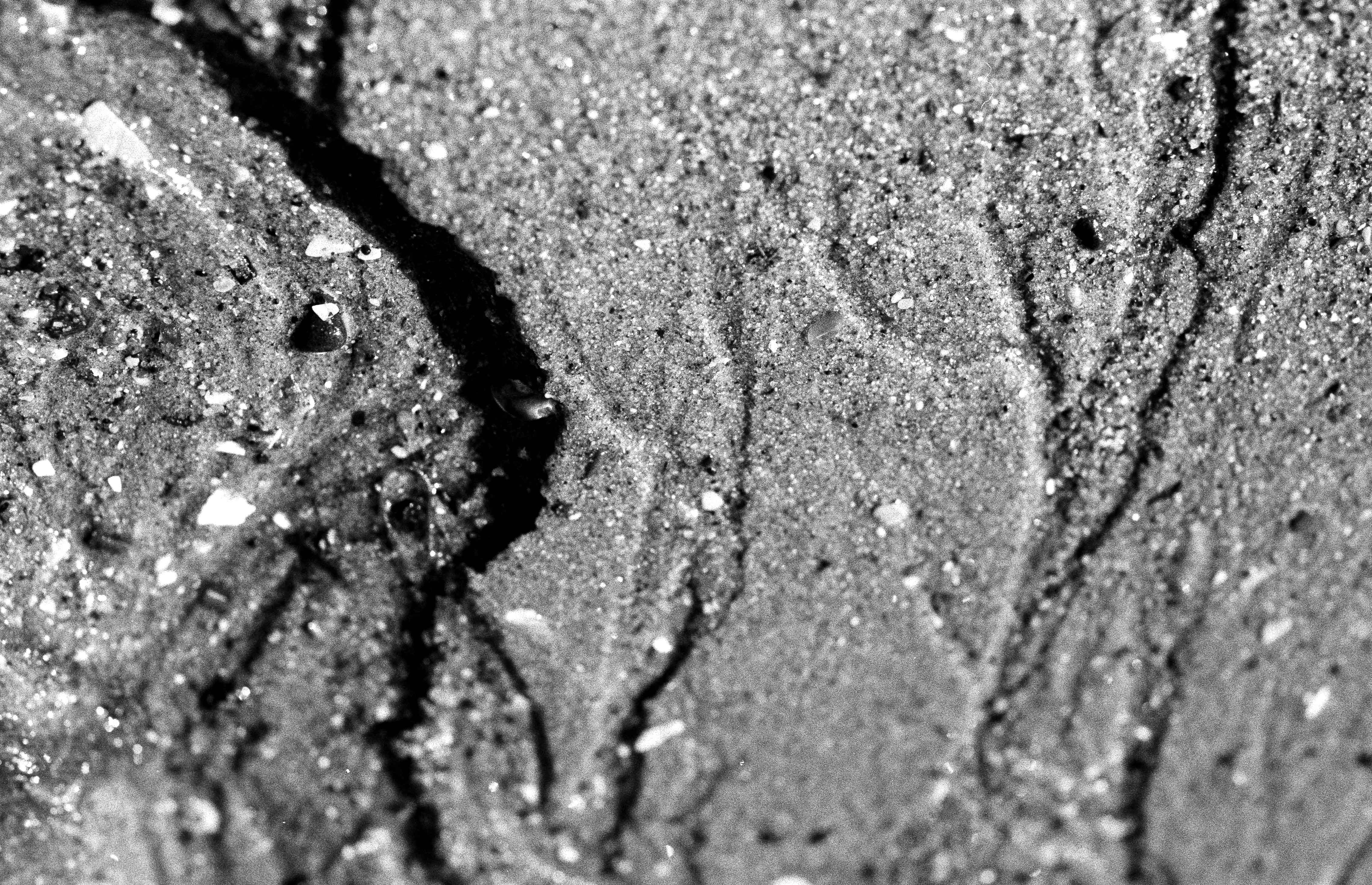
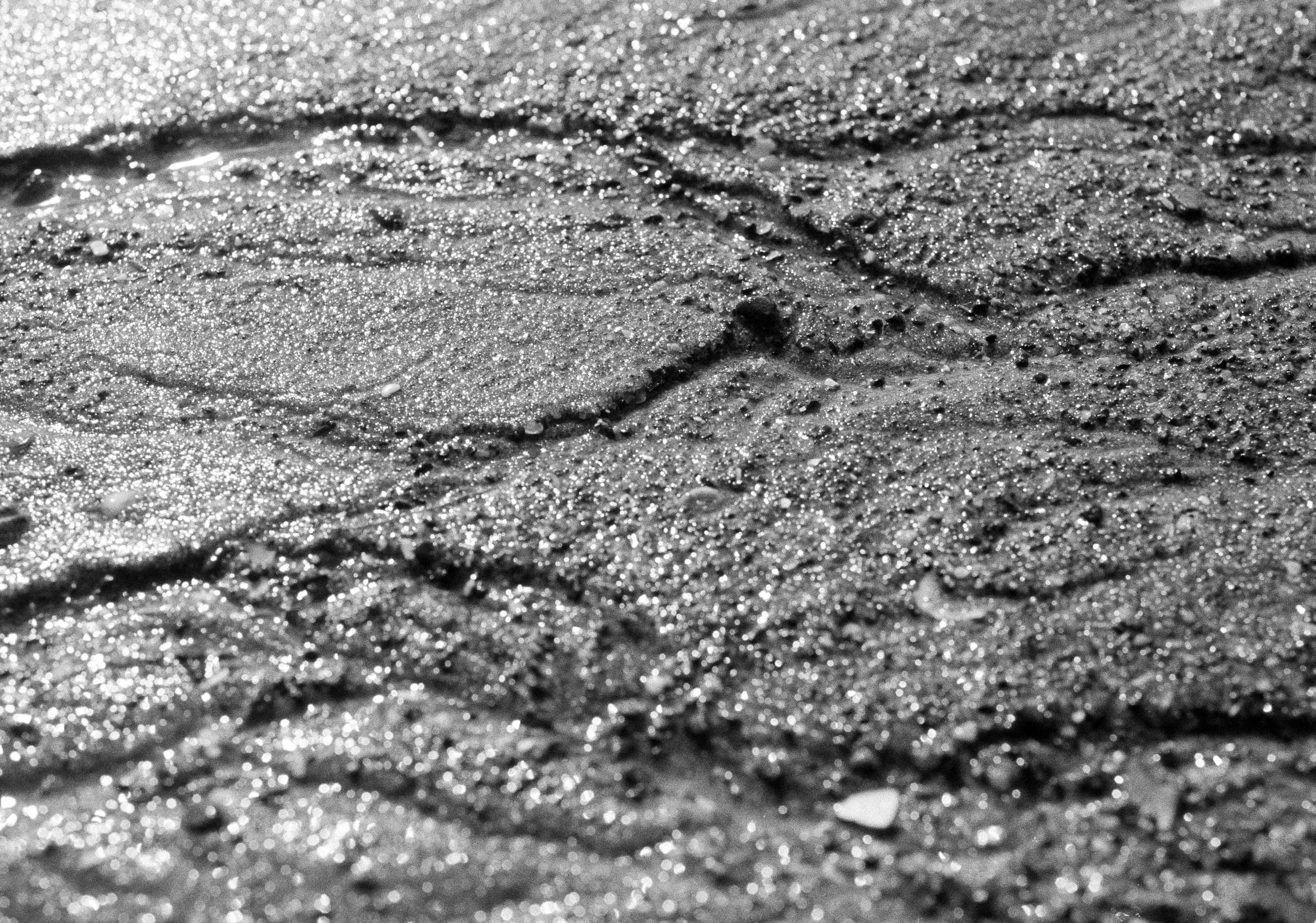
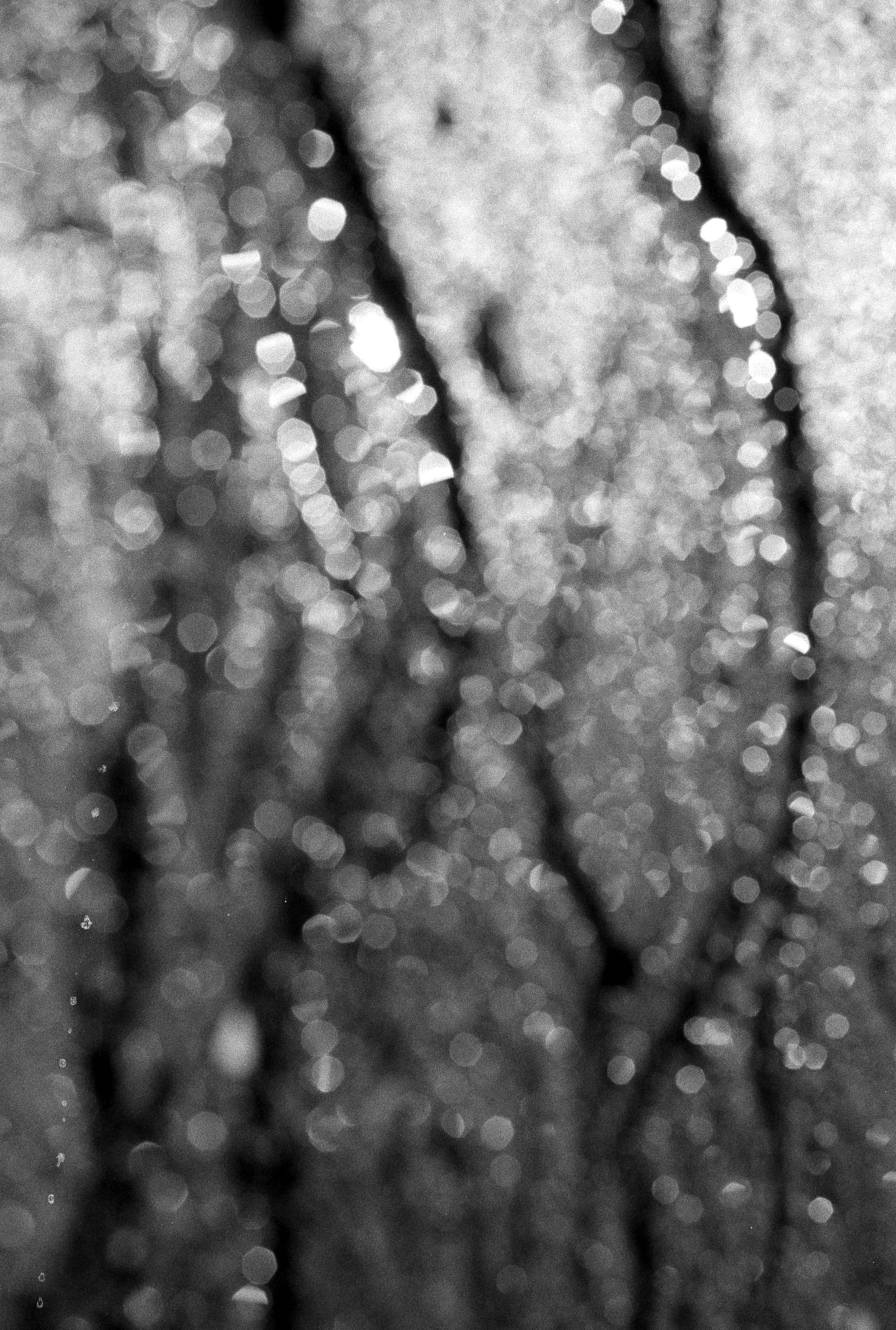
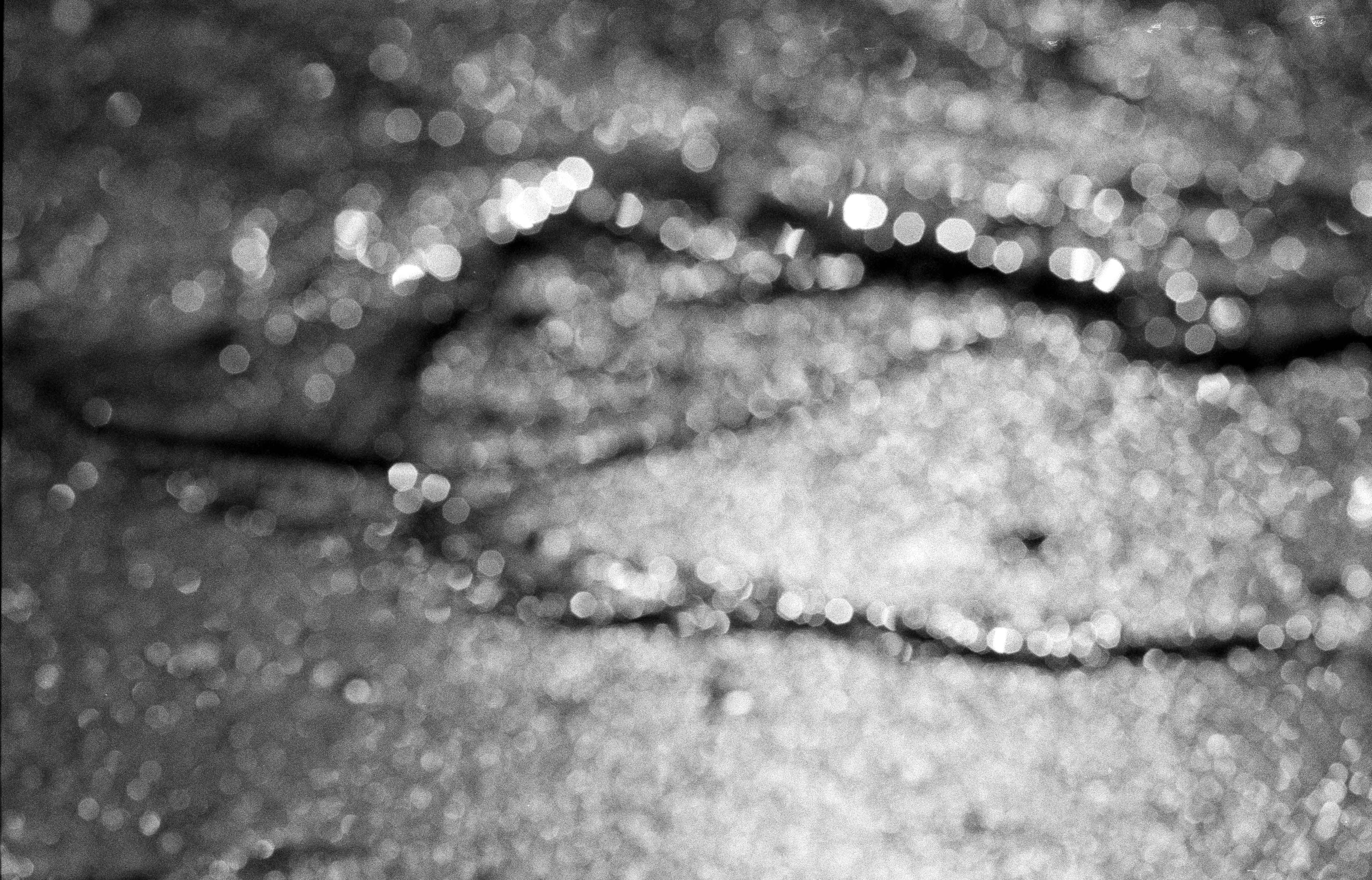
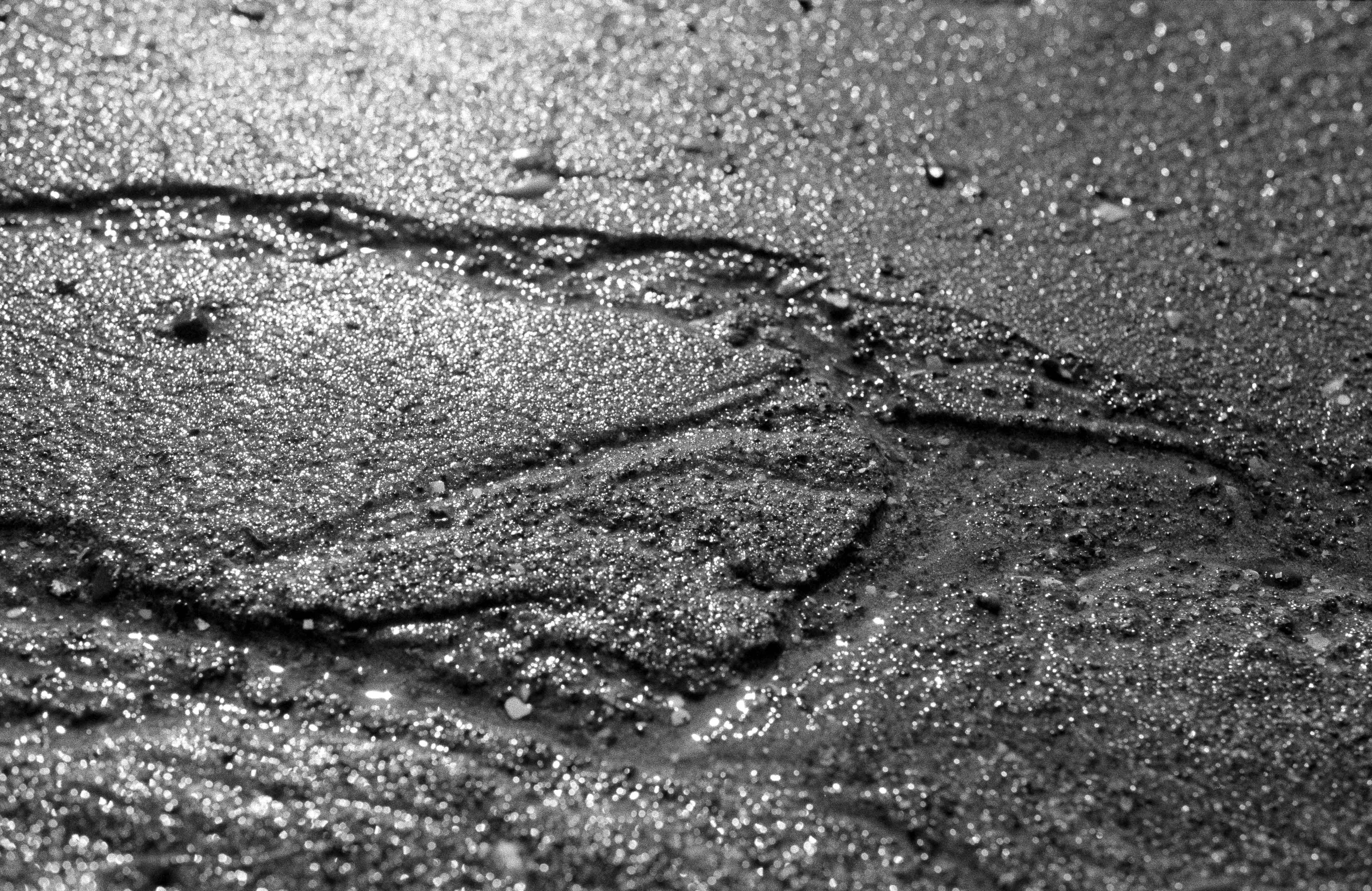
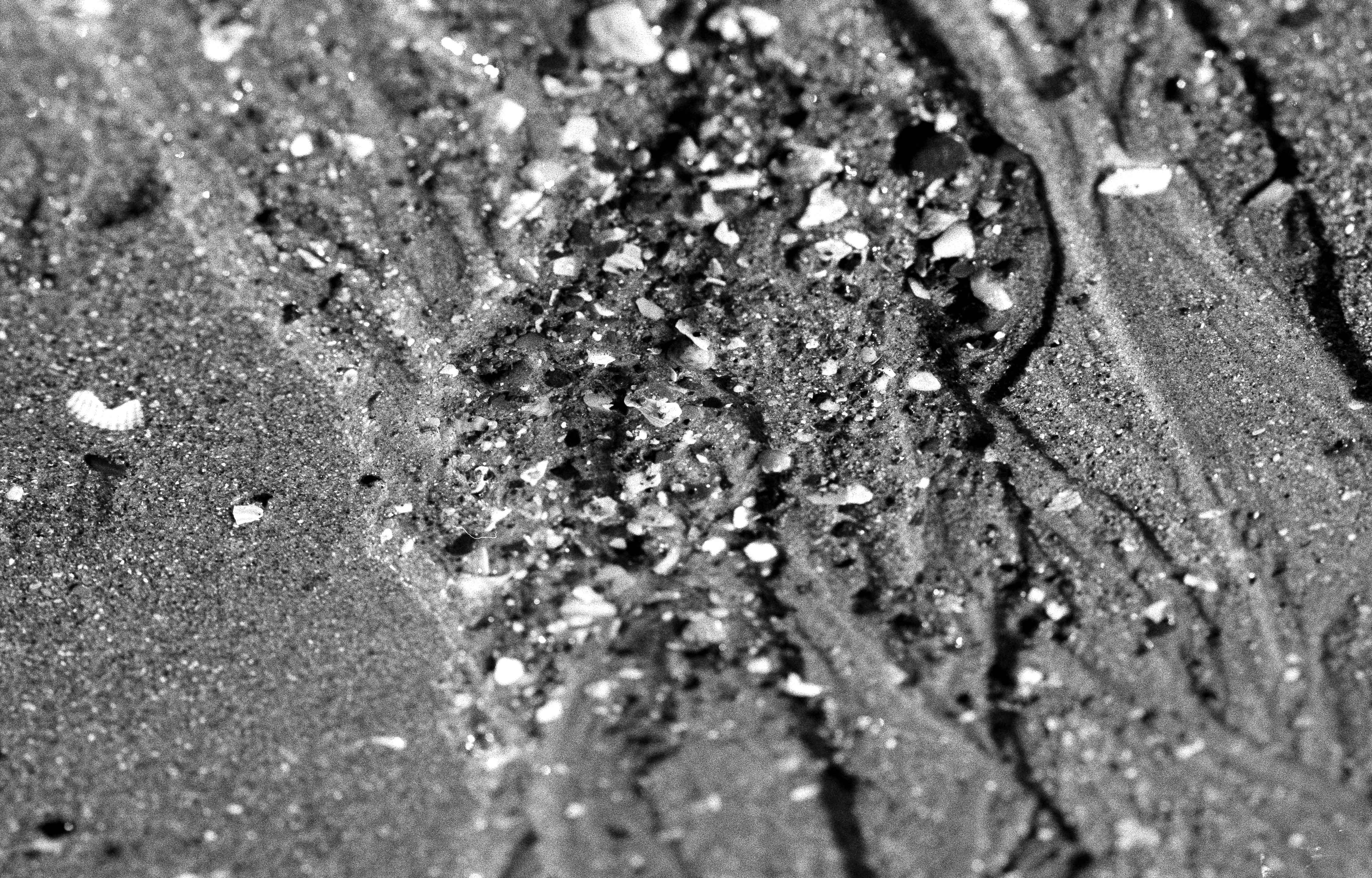
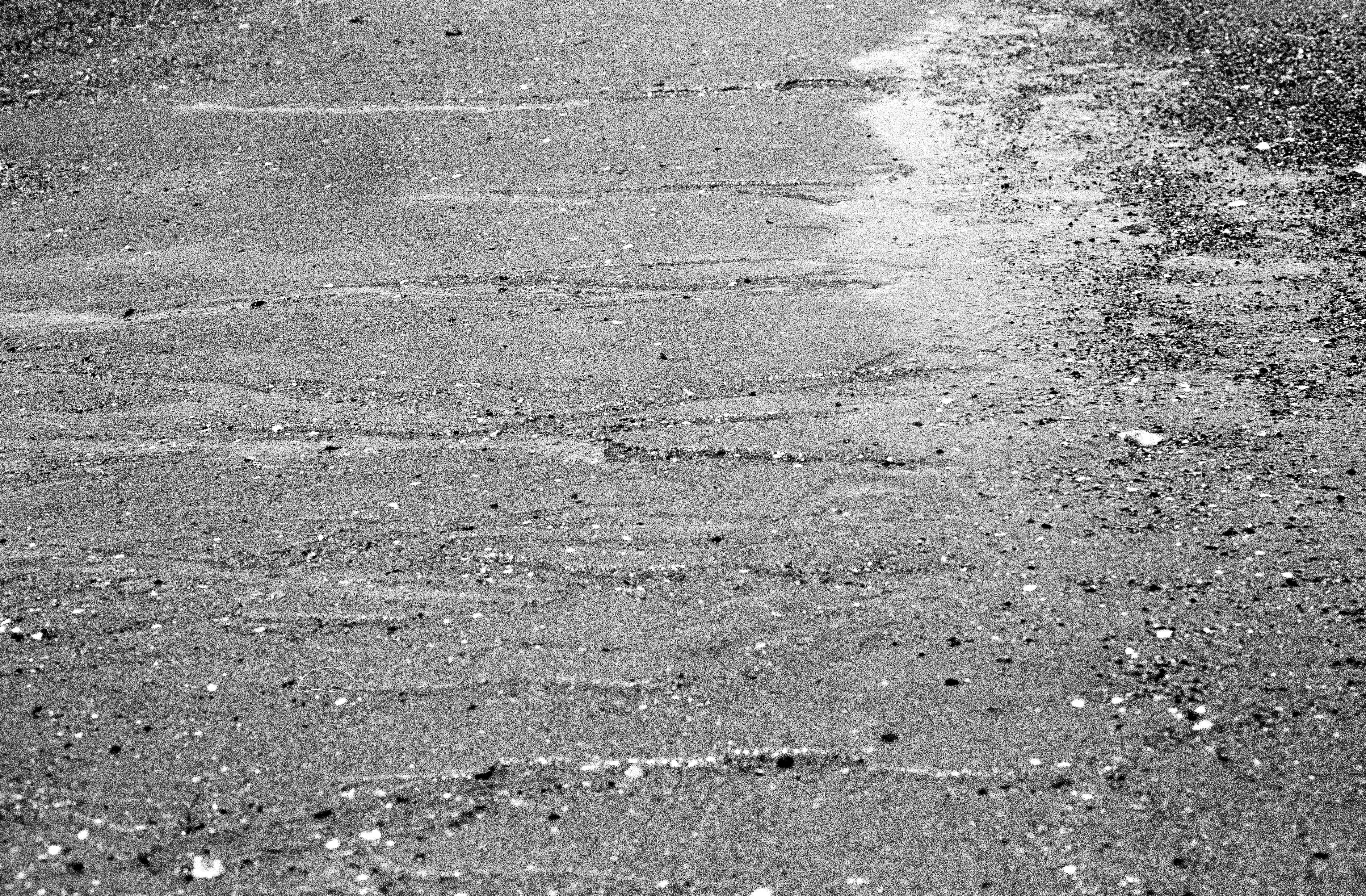
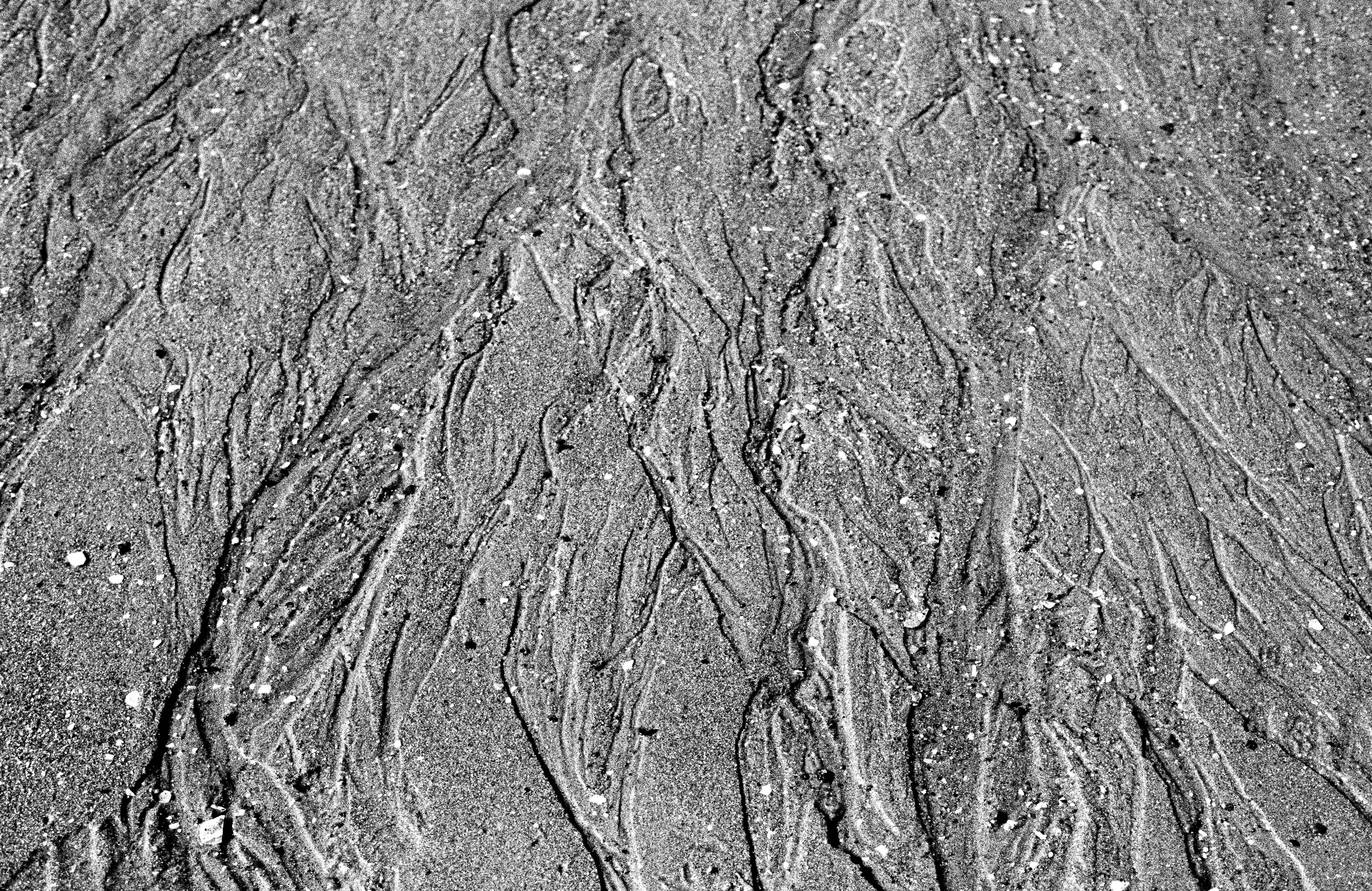
CONTACT SHEET
LAST TUTORIAL WITH YAN PRESTON 03.05
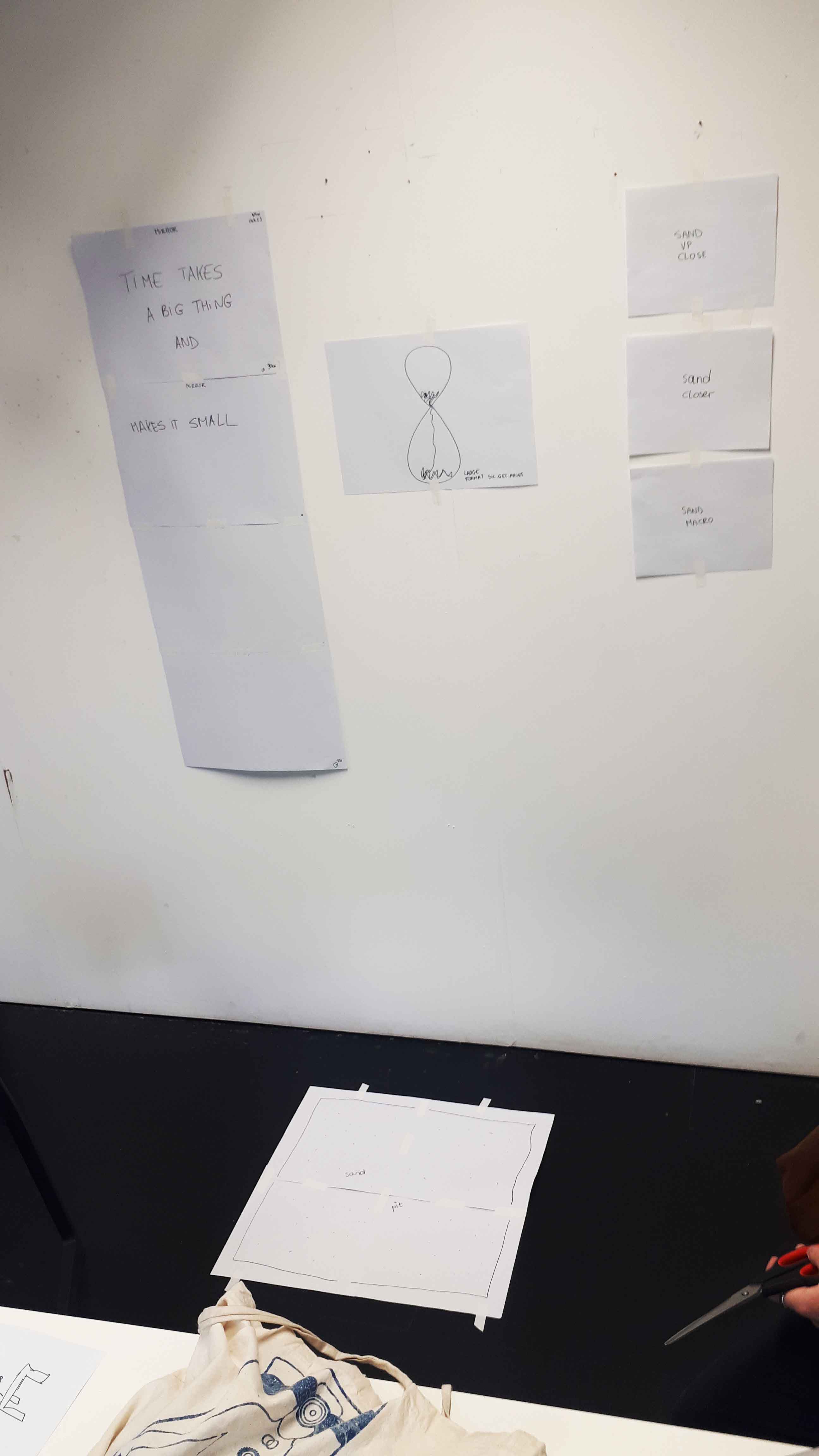
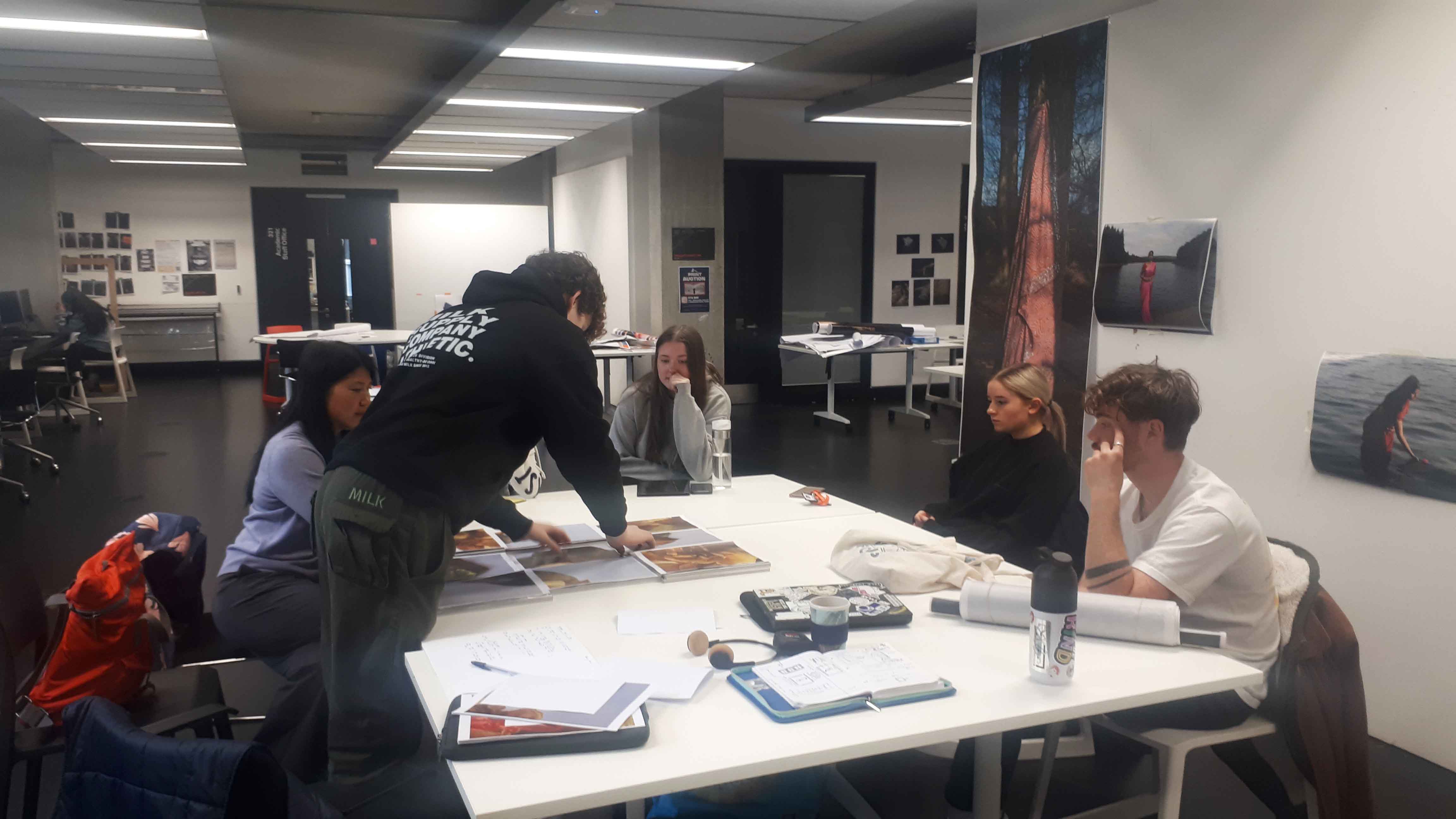
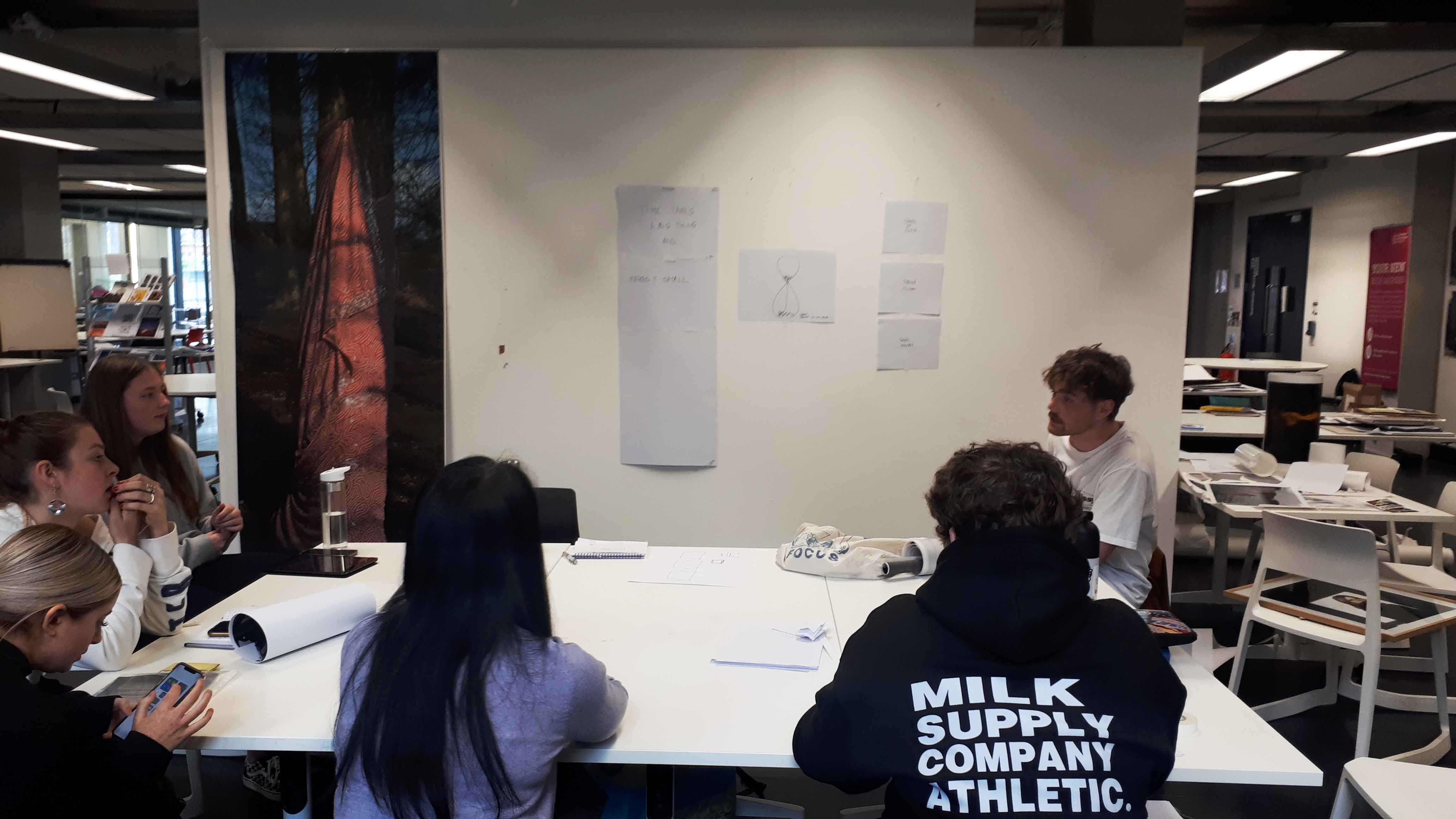
TUTORIAL ALAN 04.05
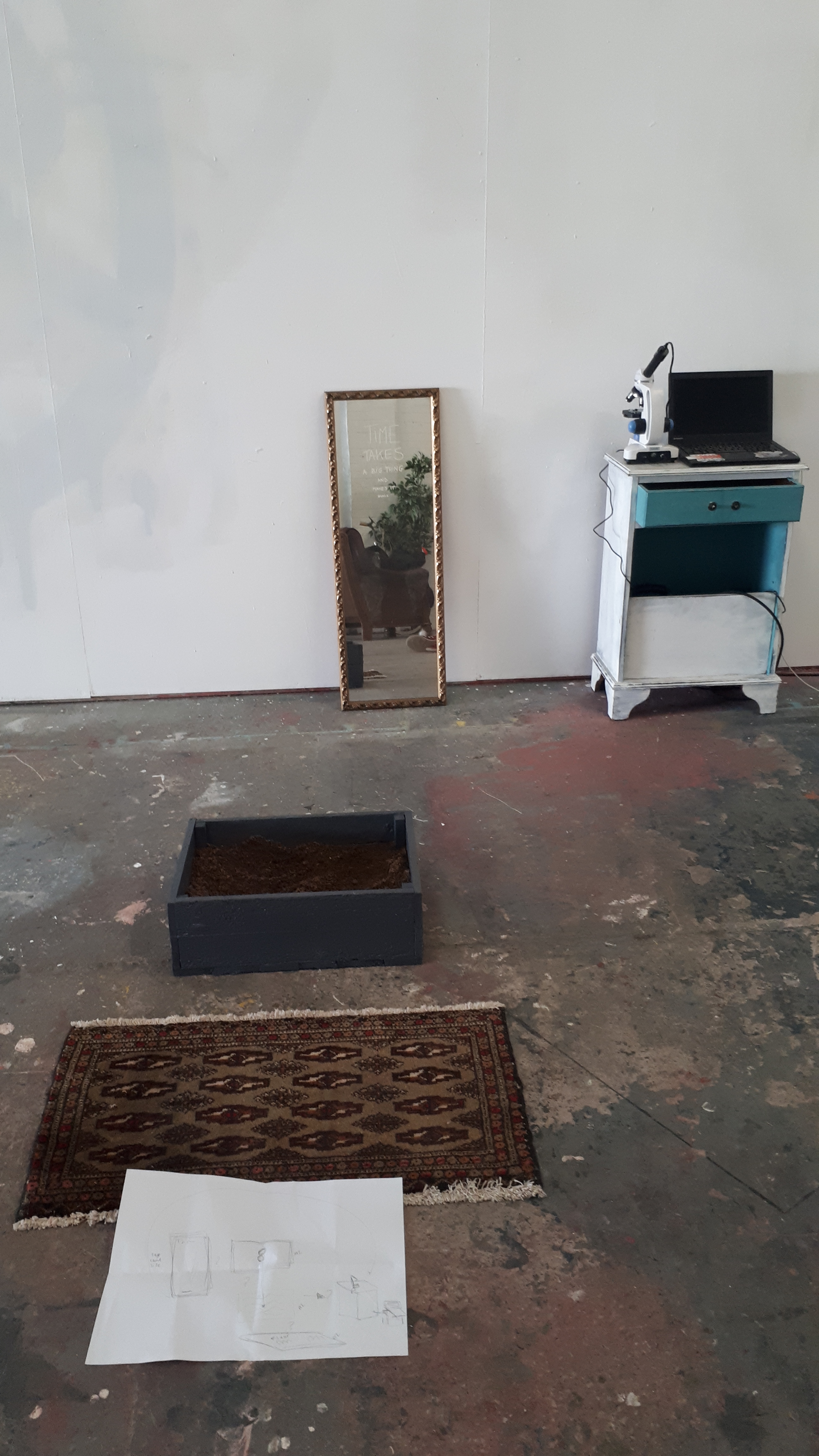
On this day, I had a very good tutorial with Alan. I spoke to him about my concept and how I imagined it curated at the exhibition. I had many images of sand from my trips to the beach, so Alan helped me by looking at all of them and selecting potential ones to be used in the exhibition. After we discussed everything, we changed my display set up slightly with Alan’s advice, not to repeat the message I have written on the mirror (time takes a big thing and makes it small) with the set of three images. I agreed with him, and we made amendments.
changes from plan 1
to plan 2
From Alan’s suggestion I wanted to use this font and style to write my quote on the mirror. According to Google ”Optician Sans is a font that completes the eye test chart alphabet.” However I couldn’t find stickers or other way to replicate this font so I decided to handwrite it for personal touch, still using the method of making letters smaller as you read.
ARTIST RESEARCH IN RELATION TO MOMENT, MEMORY AND MATERIALITY
Chiharu Shiota
Born in Osaka, Japan (1972), lives and works in Berlin. Confronting fundamental human concerns such as life, death and relationships, Shiota explores human existence throughout various dimensions by creating an existence in the absence either in her large-scale thread installations that include a variety of common objects and external memorabilia or through her drawings, sculptures, photography and videos. (https://www.chiharu-shiota.com/)
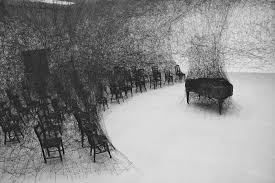
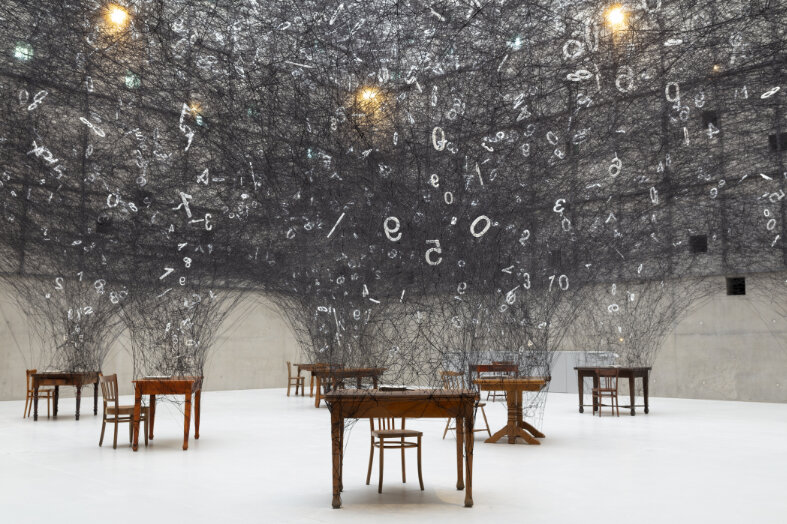
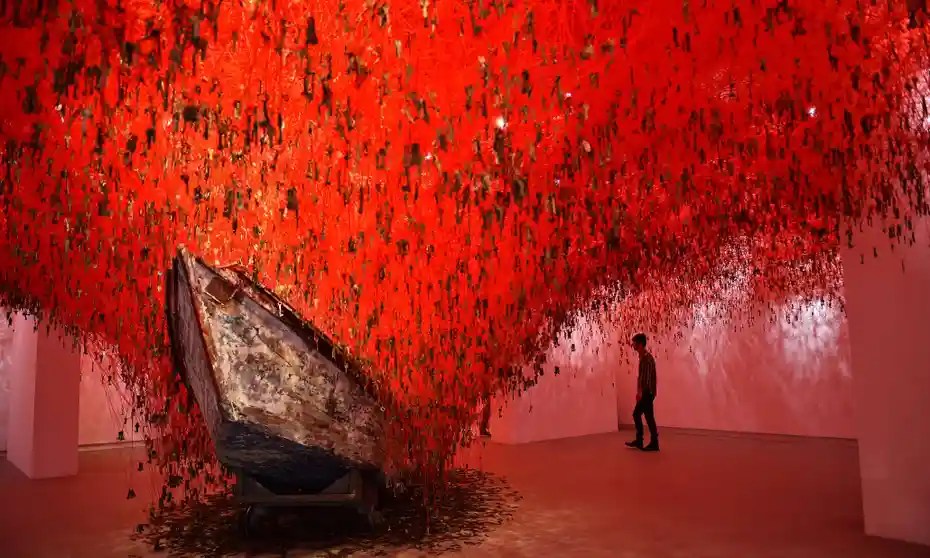
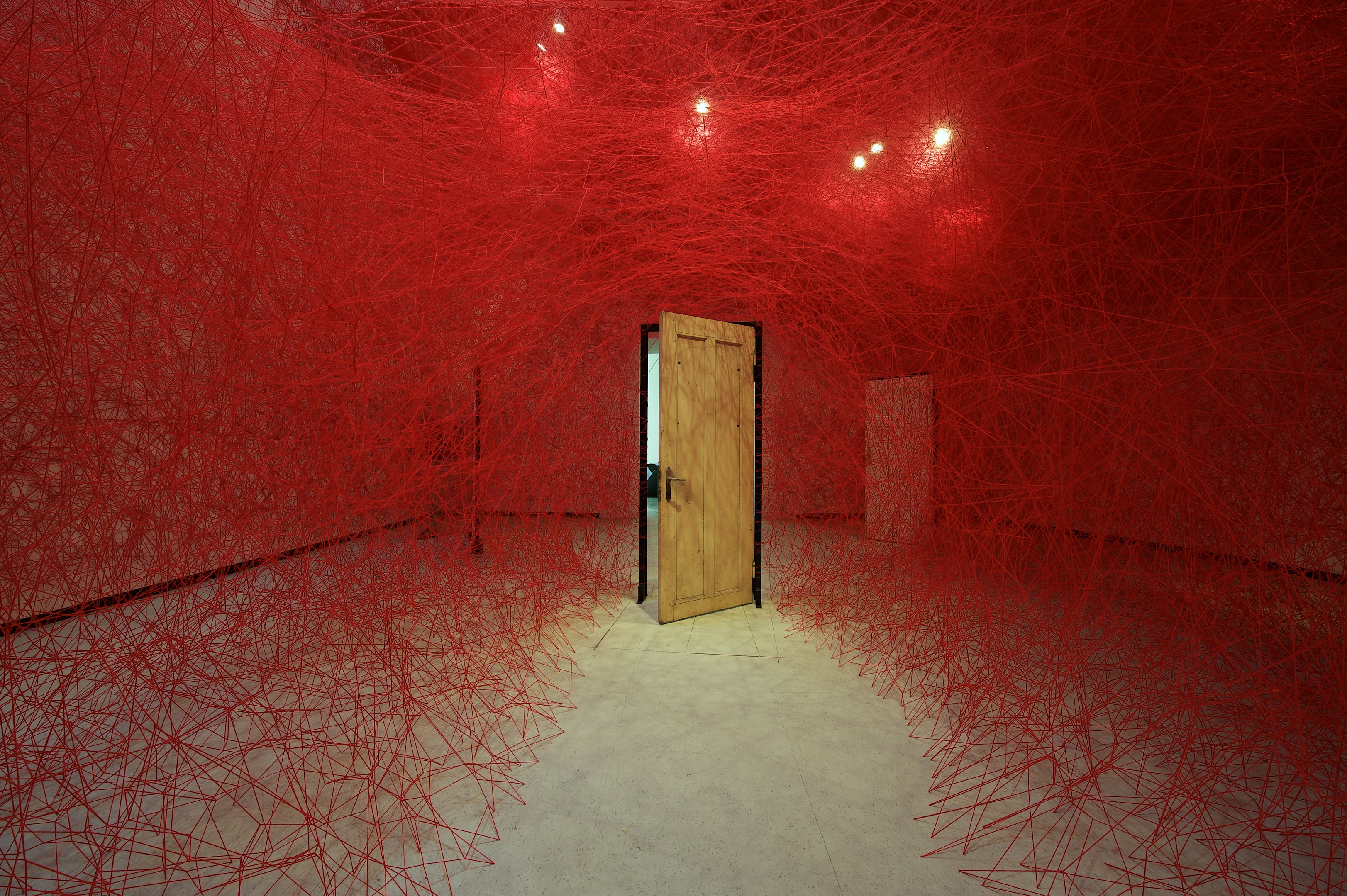
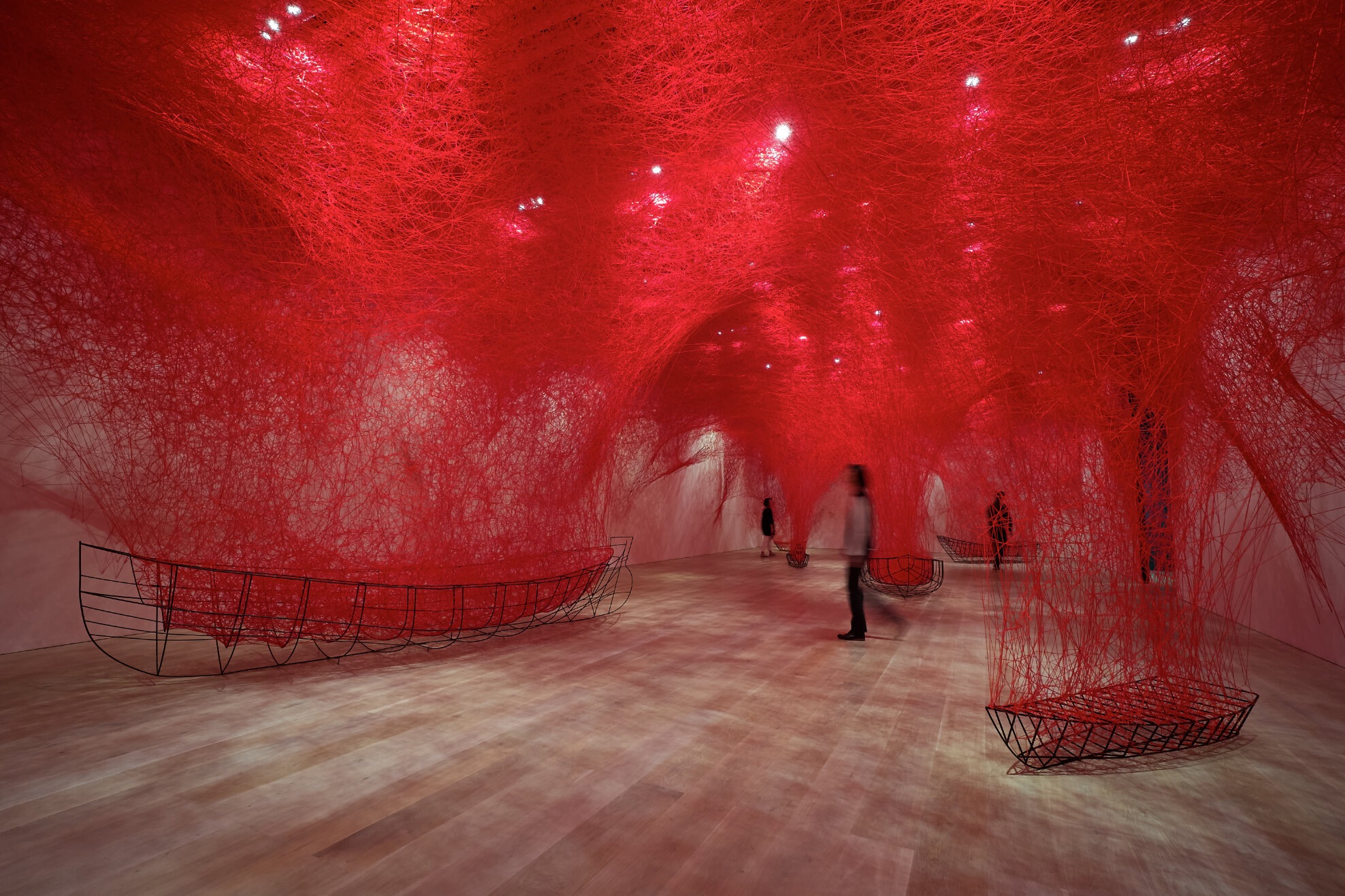
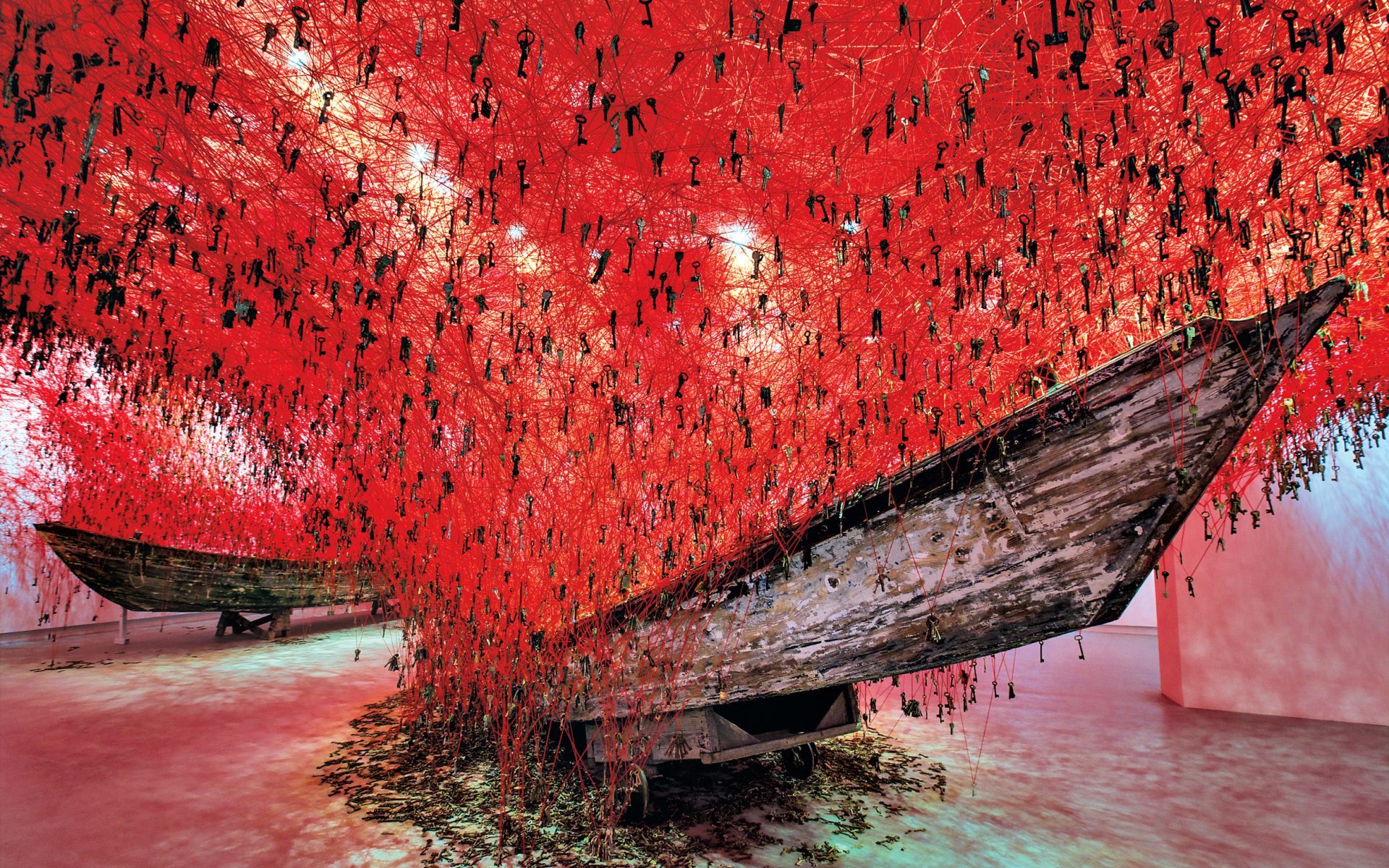
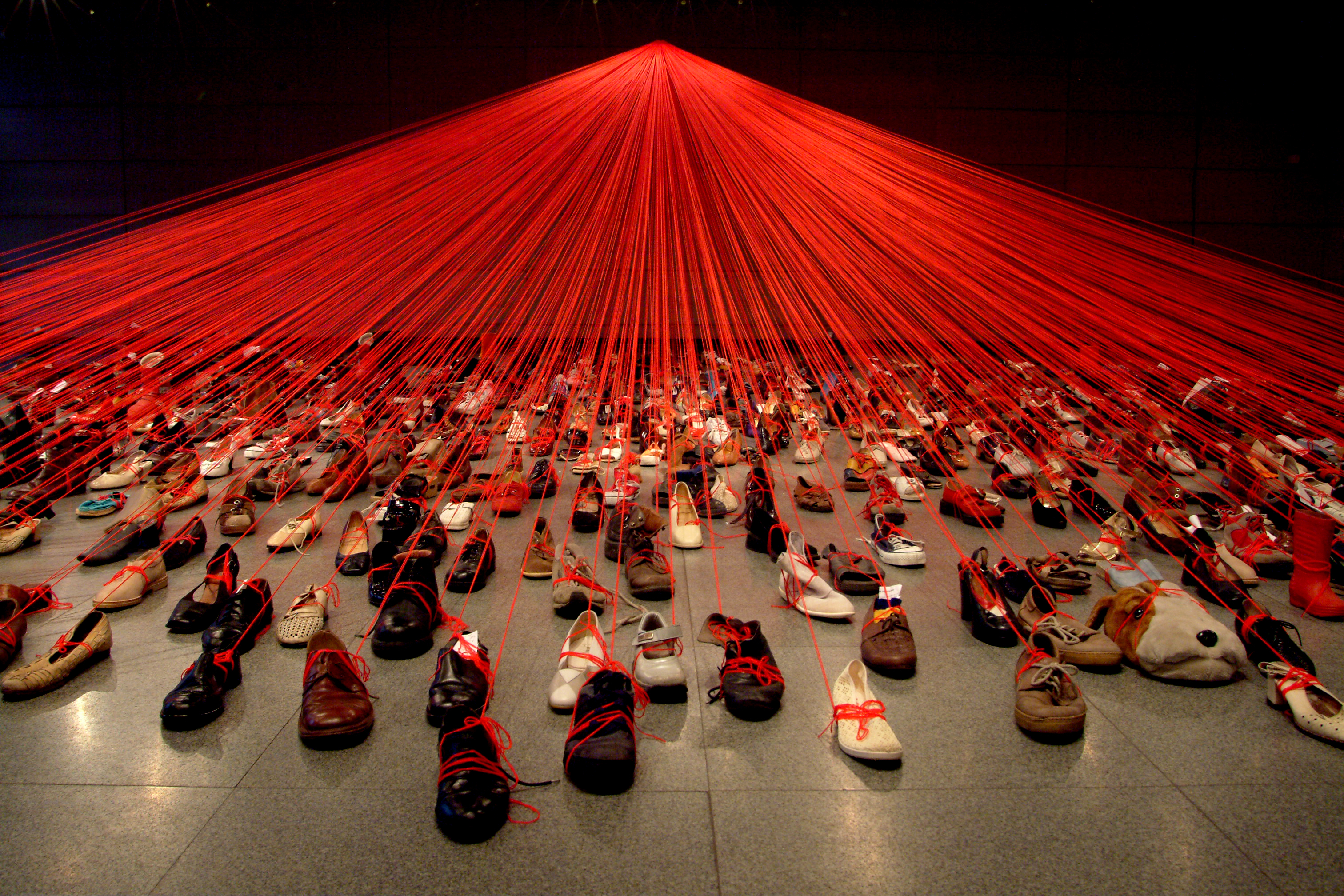
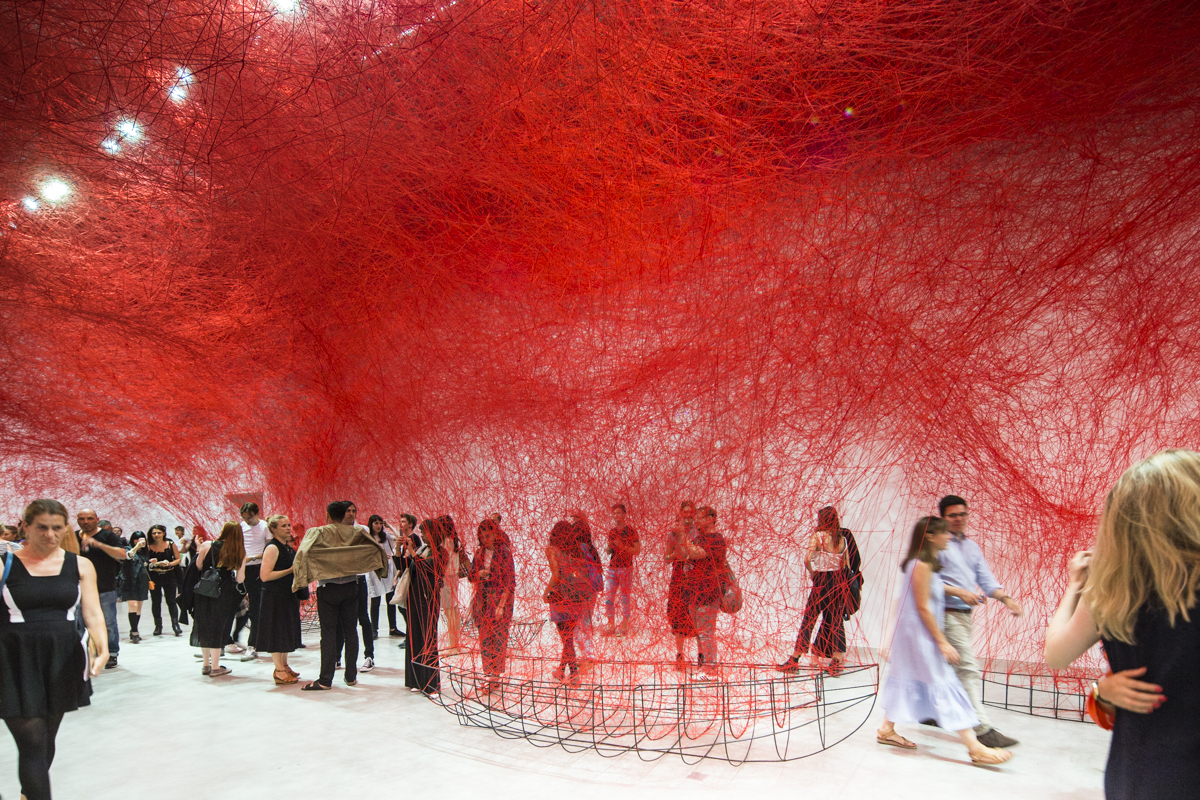
The Theatricality of Chiharu Shiota’s Art | Brilliant Ideas Ep. 52 (2017)
Shiota is an artist that ” interweaves materiality and the psychic perception of the space to explore ideas around the body and flesh, personal narratives, that engage with memory, territory, and alienation.” I absolutely love her work and think it’s extremely relevant to the themes we are exploring for our exhibition. It is very inspiring to see an artist who takes materiality to another level by creating sculptures from yarn. Additionally, I am very impressed and inspired with how true to herself Shiota is. Even after being advised by a renowned artist to stop creating with yarn, she never did. It really makes me reflect on how important it is to trust your instinct, simultaneously an eye-opening encounter with an artist that breaks boundaries and stimulates thinking of what moment, materiality, and memory are as seen through her eyes.
John Blakemore https://www.johnblakemore.co.uk/
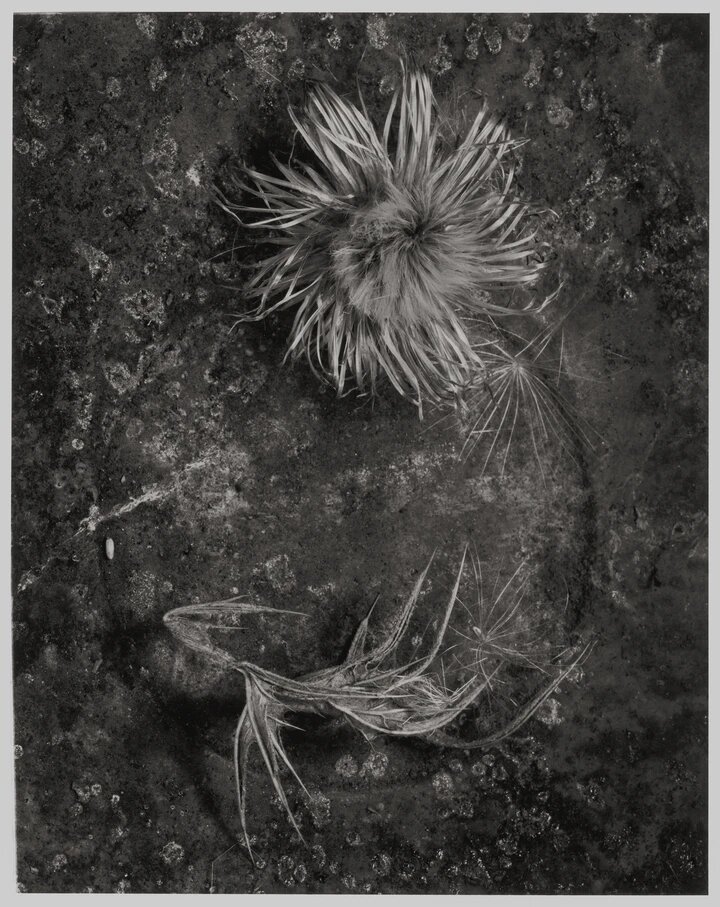
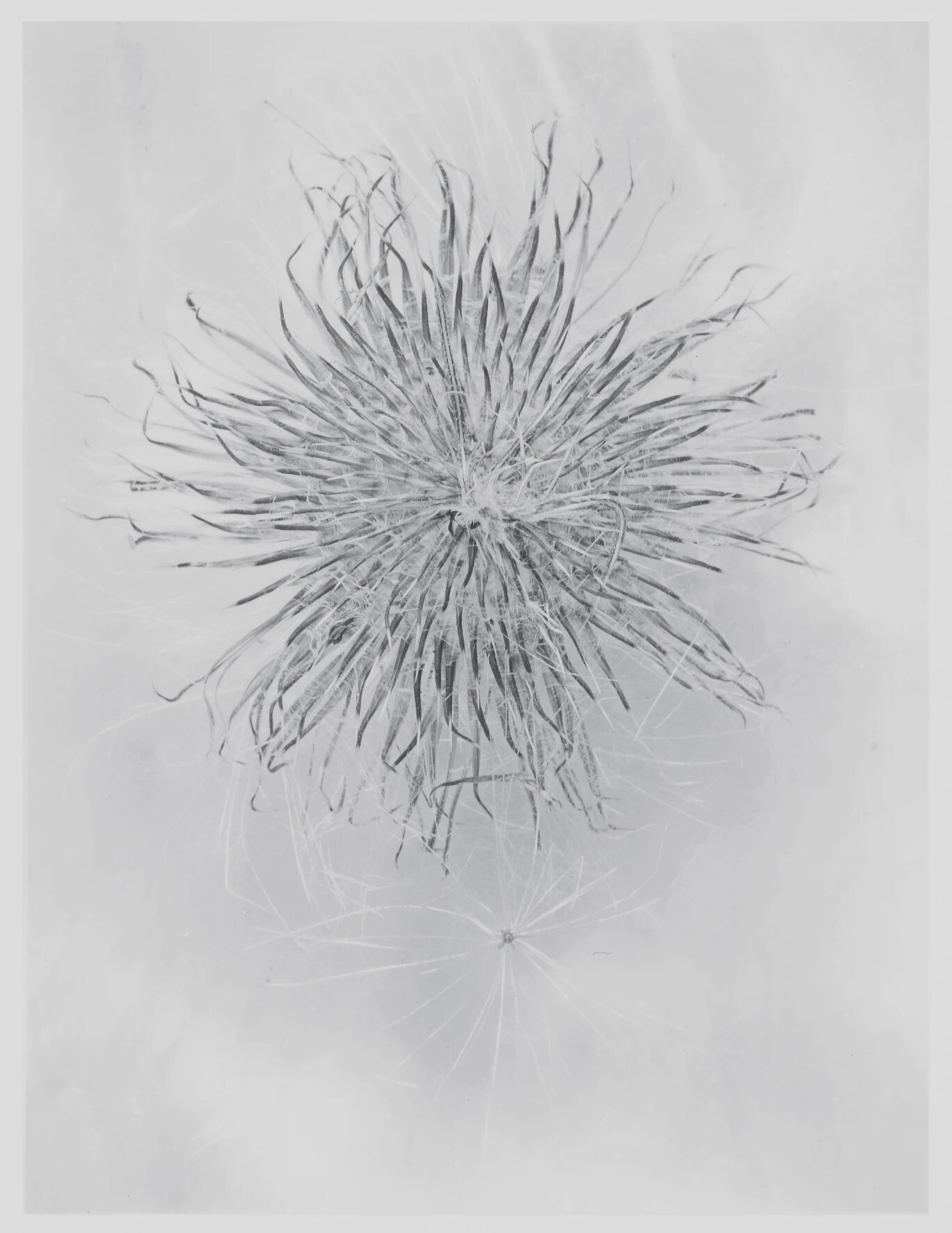
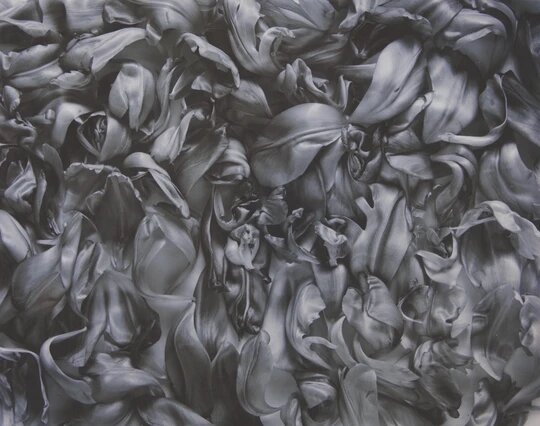
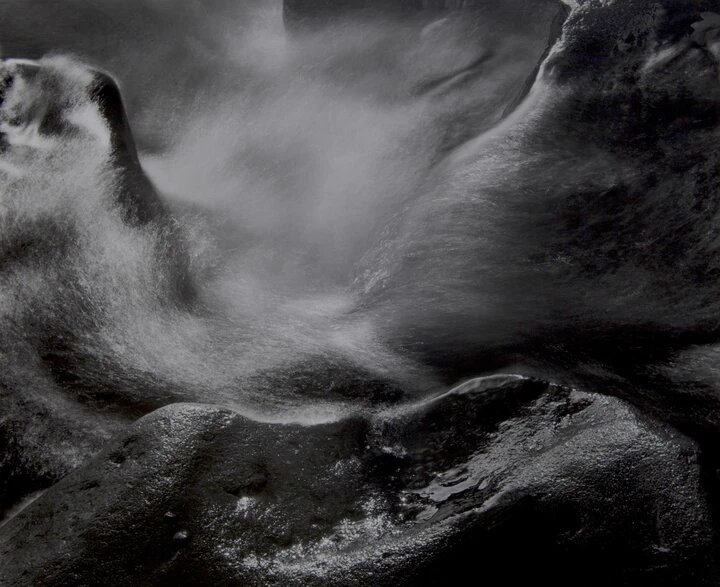
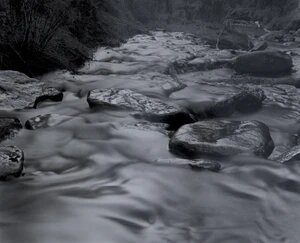
John Blakemore is a photographer whom I revisit regularly and when investigating Moment, Materiality and Memory, it seemed more than obvious to me to once again look at his timeless work. Whether it is his documentary, landscape or still life work, Blakemore mastered the capturing of the moment and materiality like nobody else, elevating the everyday objects/materials to a status of sublime art pieces, something I strive for in my practice, an approach that I definitely own to Blakemore.
John Blakemore – Master Photographer (2014)
I watched a very insightful interview with John Blakemore. I learned about his technical process, note-taking, and difficult experience while he was running a photography studio and shooting portraits. Weirdly, it is reassuring to know that even the greatest of photographers have been through challenges and moments of doubt. It makes them more human and us, aspiring artists, more resilient, knowing that when times are hard it’s just a part of it all.
Jem Southam
Another artist that comes to mind when thinking of the subjects of our exhibition is Jem Southam.
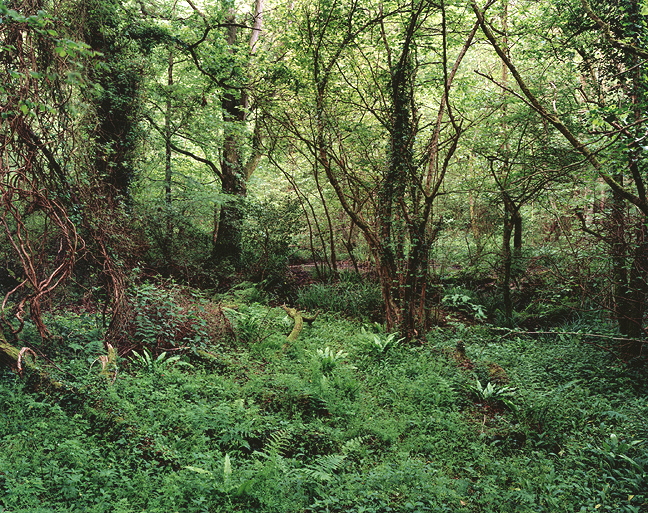
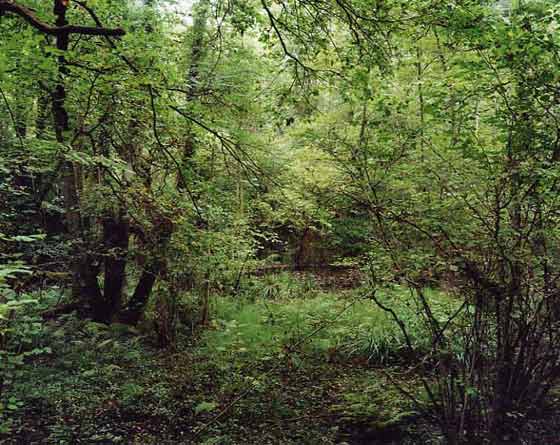
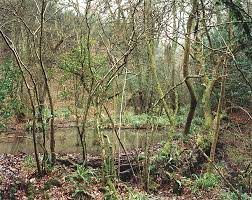
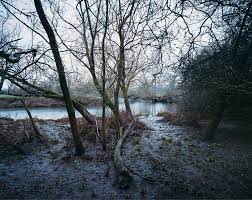
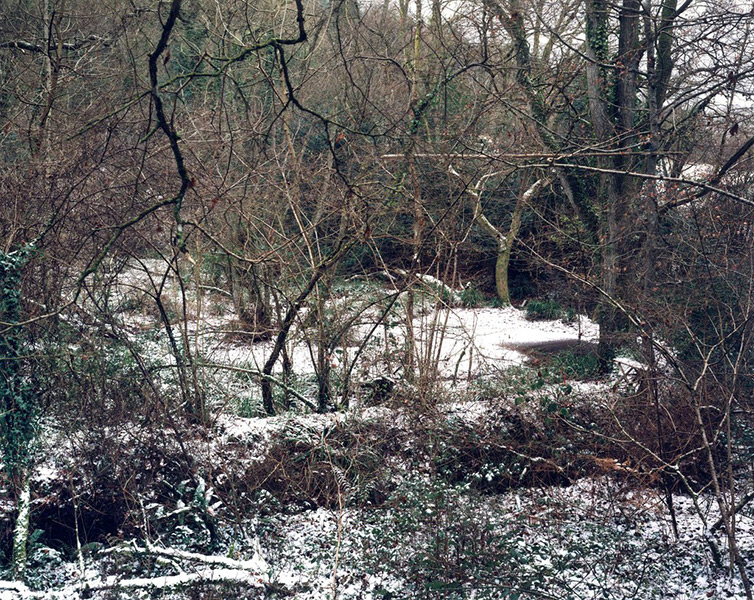
Photographer Jem Southam makes rural landscape images that document man’s intervention in nature. Photographing the same locations over months and years with a large format camera, Southam records transitions as they unfold. (https://www.artsy.net/artist/jem-southam). His trademark is the patient observation of changes at a single location over many months or years.
When thinking of our theme, this photographer is a must! He encapsulates all of it within his practice and does what I love so much and what I strive to ‘do’ to my viewer – brings the ordinary, overlooked, every day to attend, elevate it, give it time, praise its beauty, and shout about that beauty to the world! Say, hey you, stop, breath, come closer, contemplate, don’t just look – SEE!
Painters Pool is just one of many projects of this kind. Jem unfolds the magic and beauty of this wooden area, painting with his camera time, life, death and everything in between.
WHAT IS PHOTOGRAPHY RESEARCH
My main research on this matter was focused on visiting various museums and galleries, seeing what photography is to others, which I documented earlier in the reflective journal.
Another very important source was Susan Sontag’s book On Photography, which tackles exactly this subject throughout. There are moments of pure genius in it, but also a few things I disagree with, however, it was an insightful and beneficial read that stimulated my thinking on what photography is for me, and in general. This influenced my approach and consideration for my main project, the way I was shooting and what I was shooting.
Halfway through our exhibition, I was sitting on a train making my way to the venue, and I reflected on how different and amazing our group’s work is in that building and one thing came to mind as a response to this reflection.
PHOTOGRAPHY IS ENDLESS. Like the grains of sand that were a foundation to my project, photography is in perpetuum mobile notion with capability to be anything, anywhere, forever.
I really hope that comes through in our exhibition, and the viewer can feel the endlessness of the medium of photography via our work.
One more book worth mentioning, on a completely different spectrum is Misha Henner’s Photography Is. After we had a lecture with Mishka I immediately bought the book as I found the concept very clever and was very interested in what I could find there. What I found was, again, endlessness of sentences, definition and opinions, which additionally proves my point and conclusion.
Sadly I didn’ have time for more research as managing the group and the exhibition took so much of my time I didn’t get to focus on my investigation as much as I would like t. However, I do not intend to stop here and will continue diving deeper into the philosophical subject of what photography is to me, studying more books and artist, not just of the photographic kind.
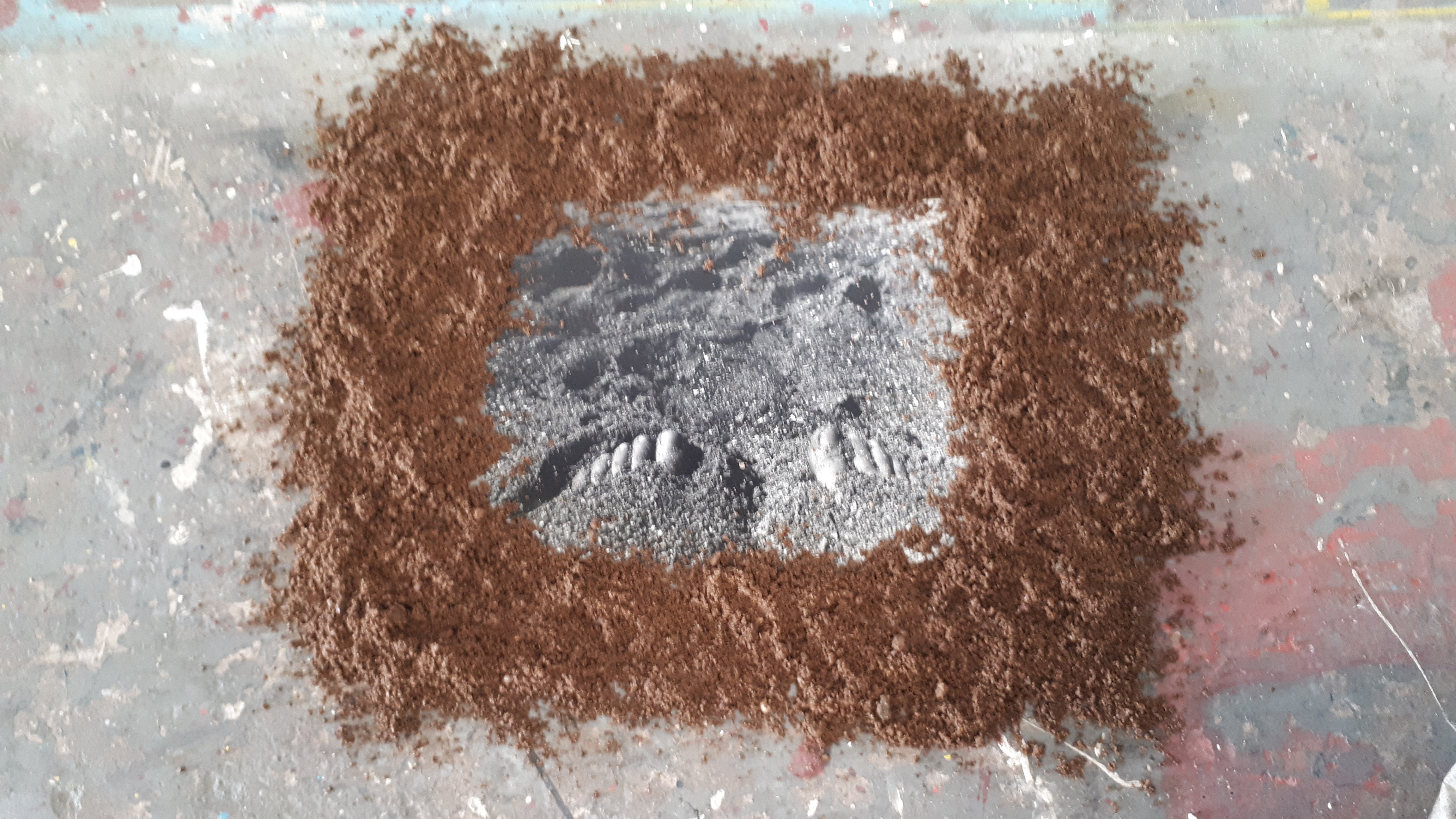
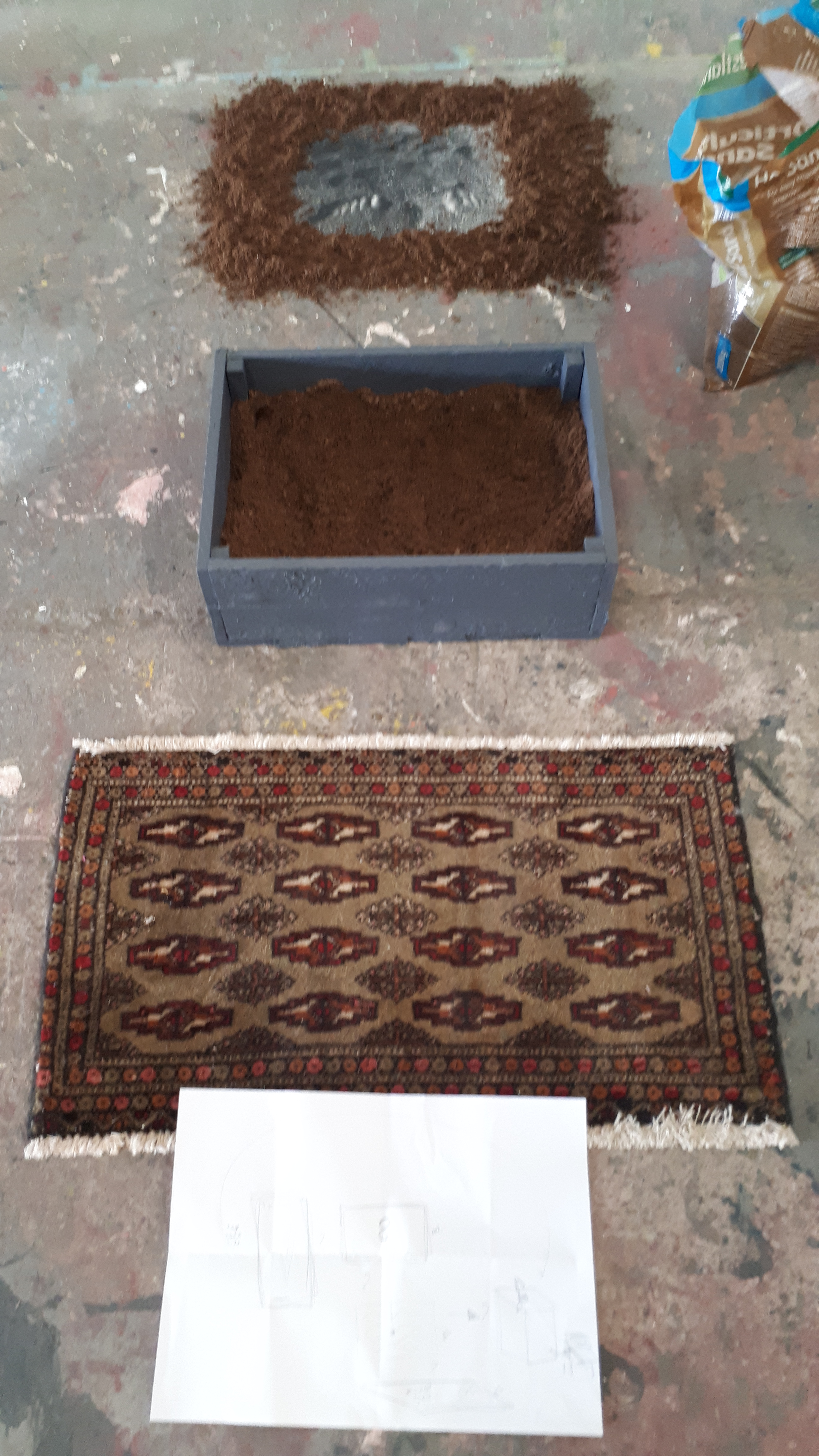
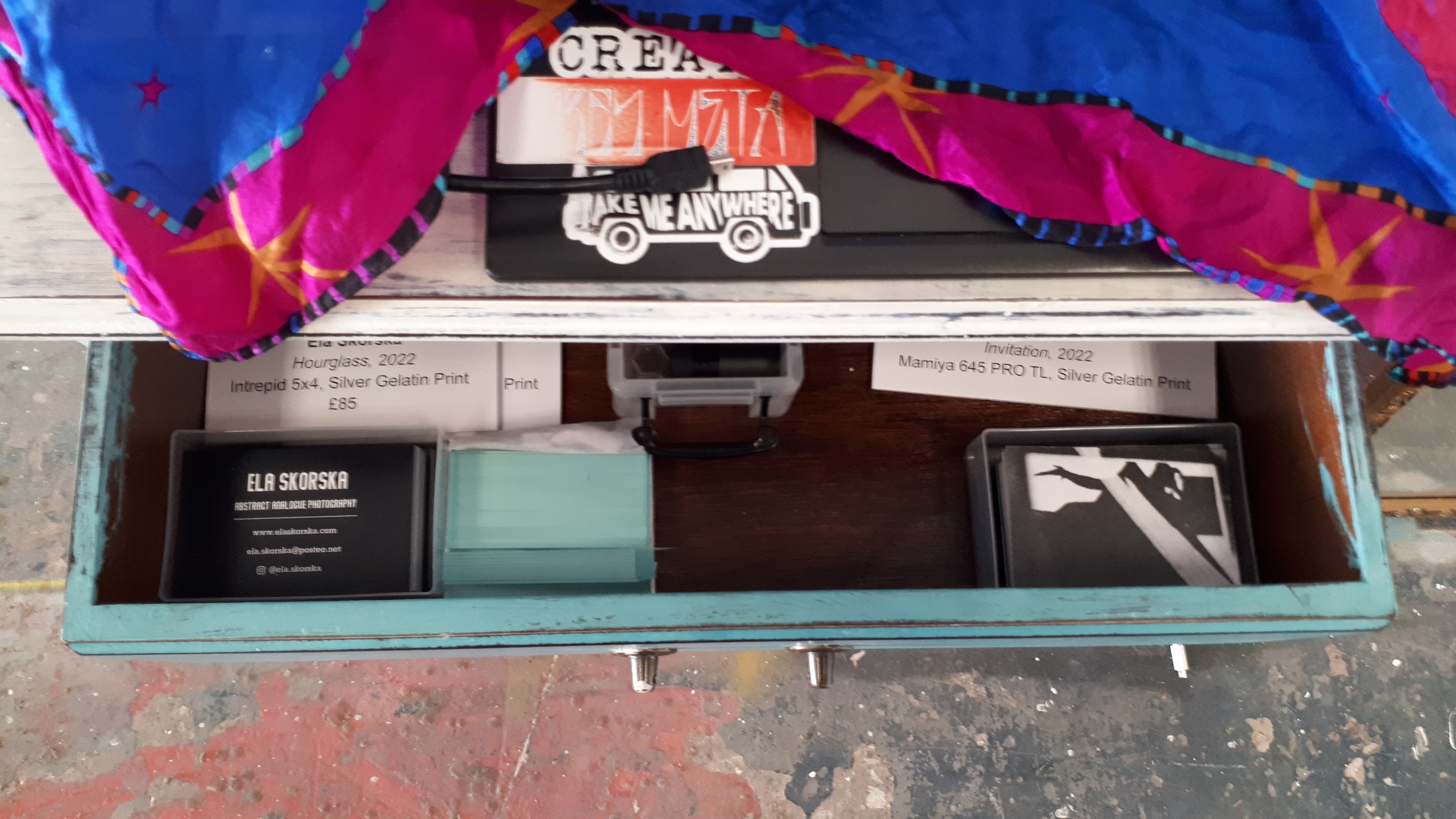
SETTING UP FOR THE EXHIBITION SUNDAY 10.05
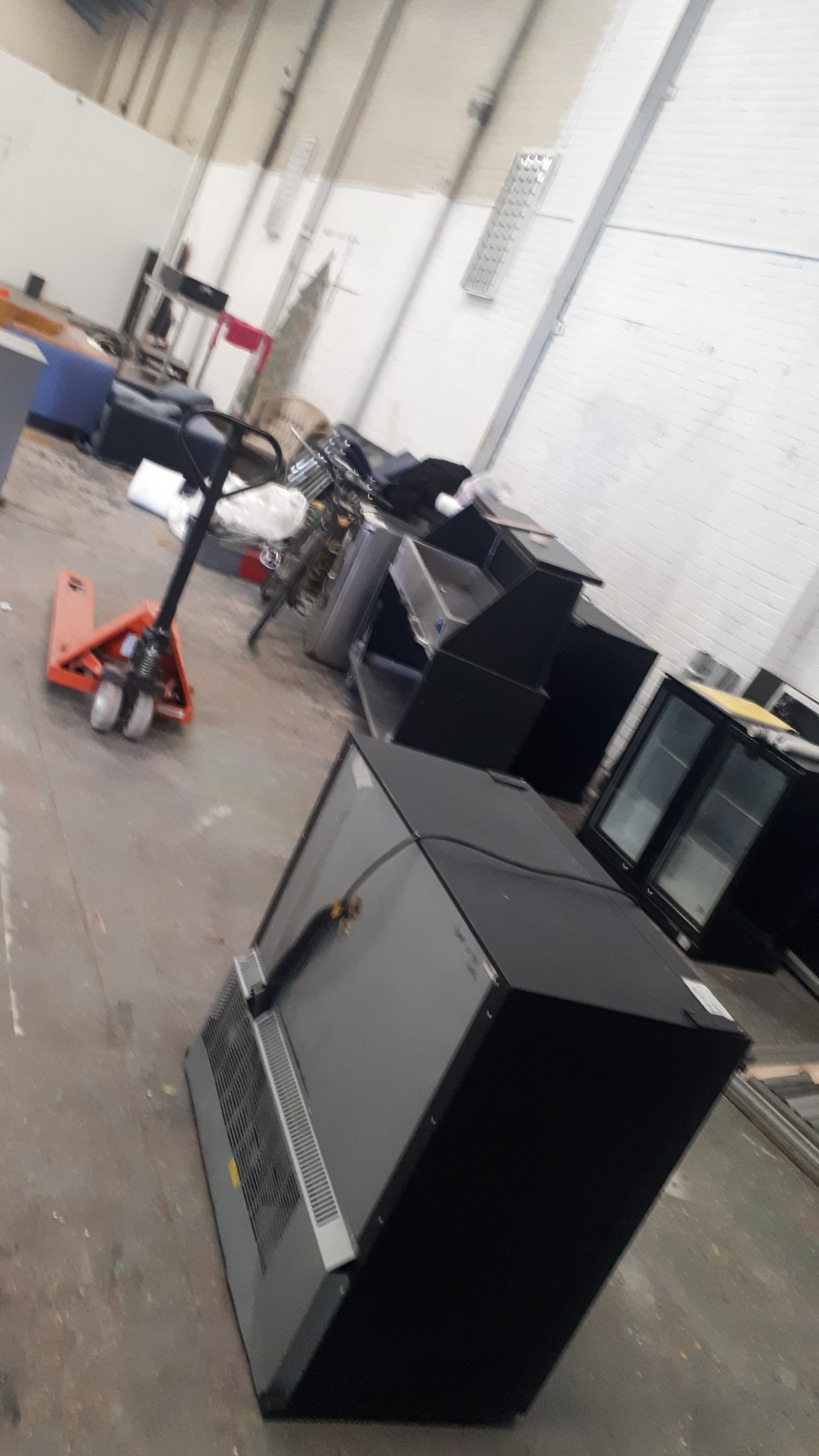
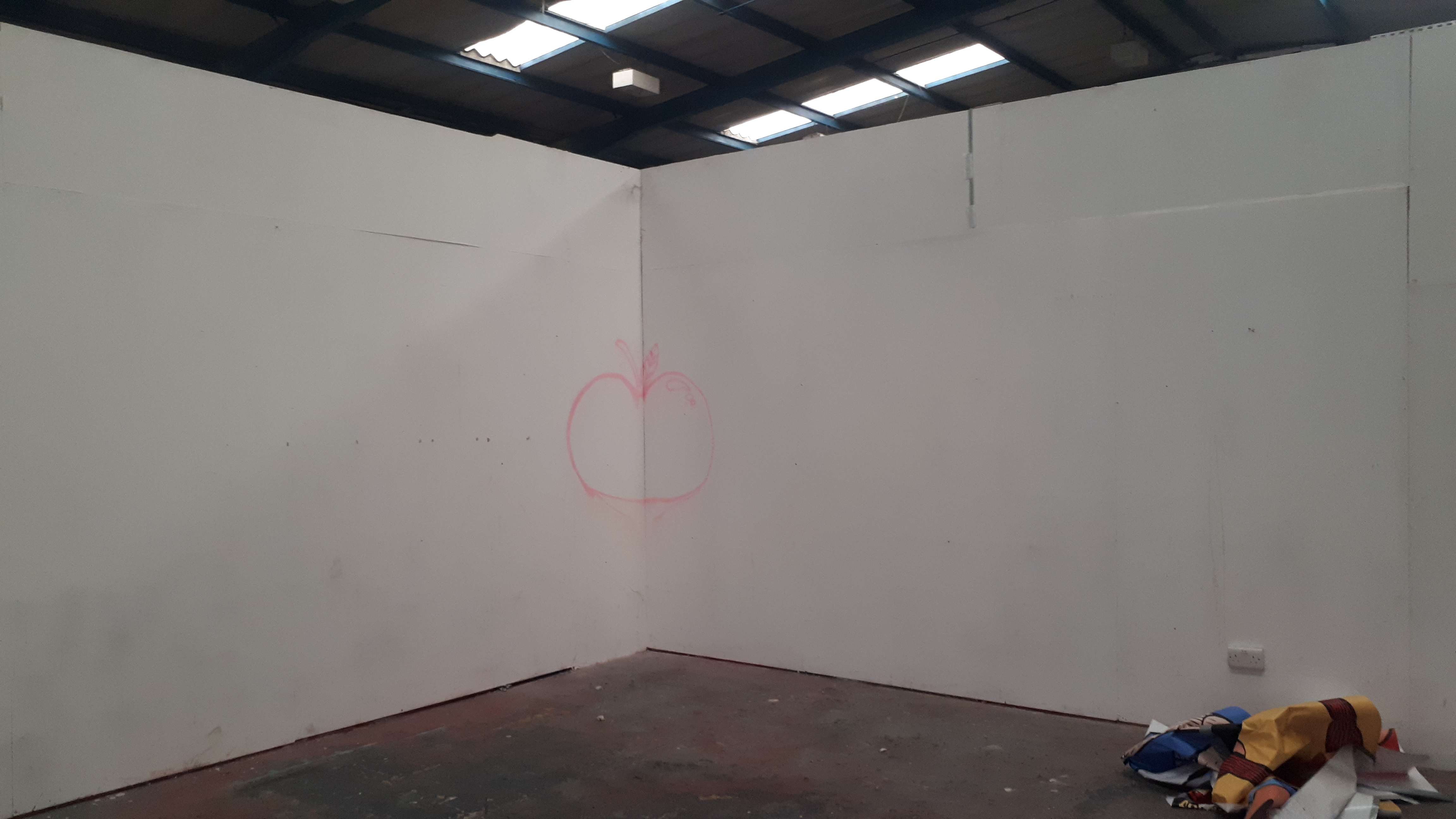
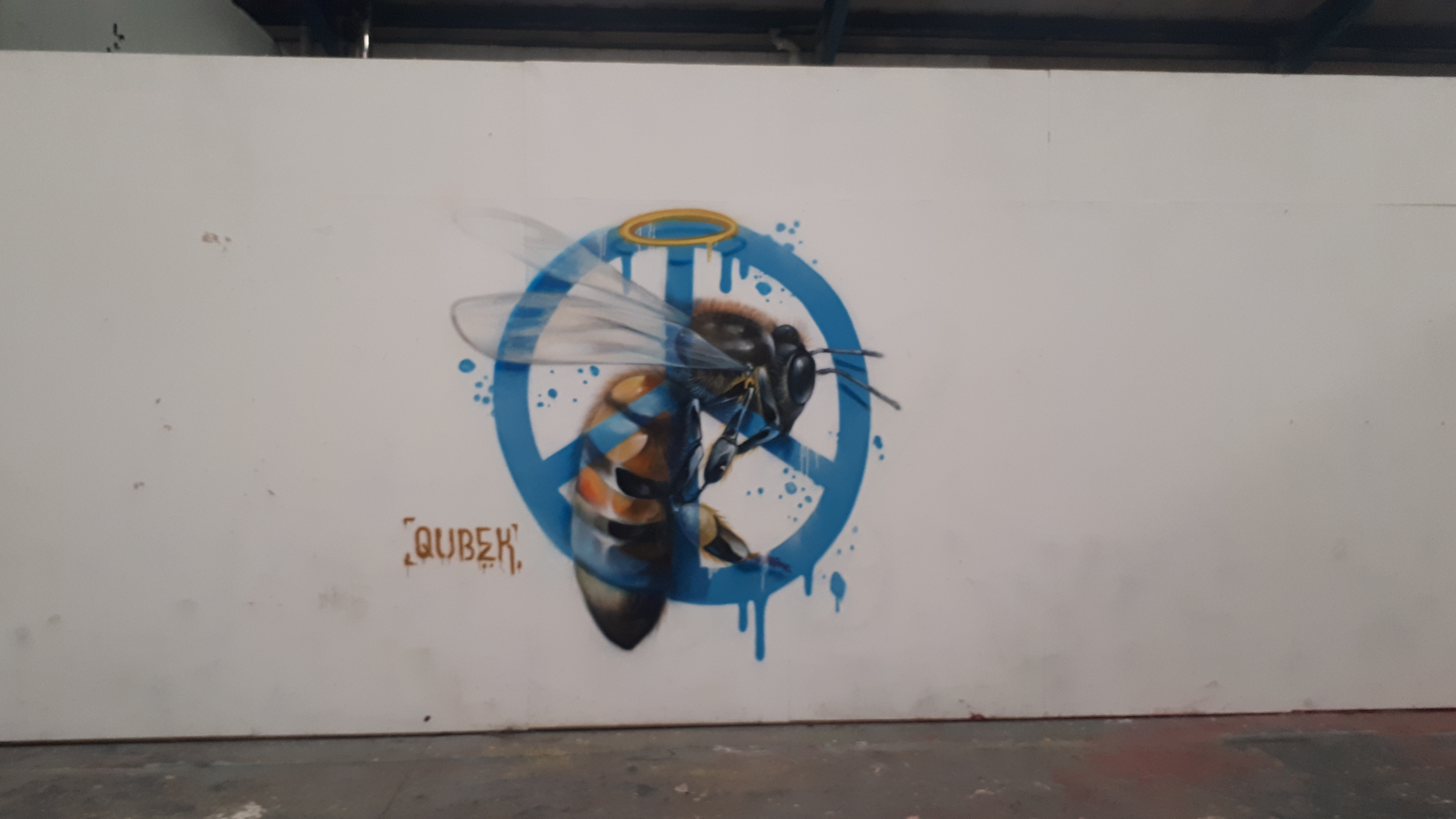
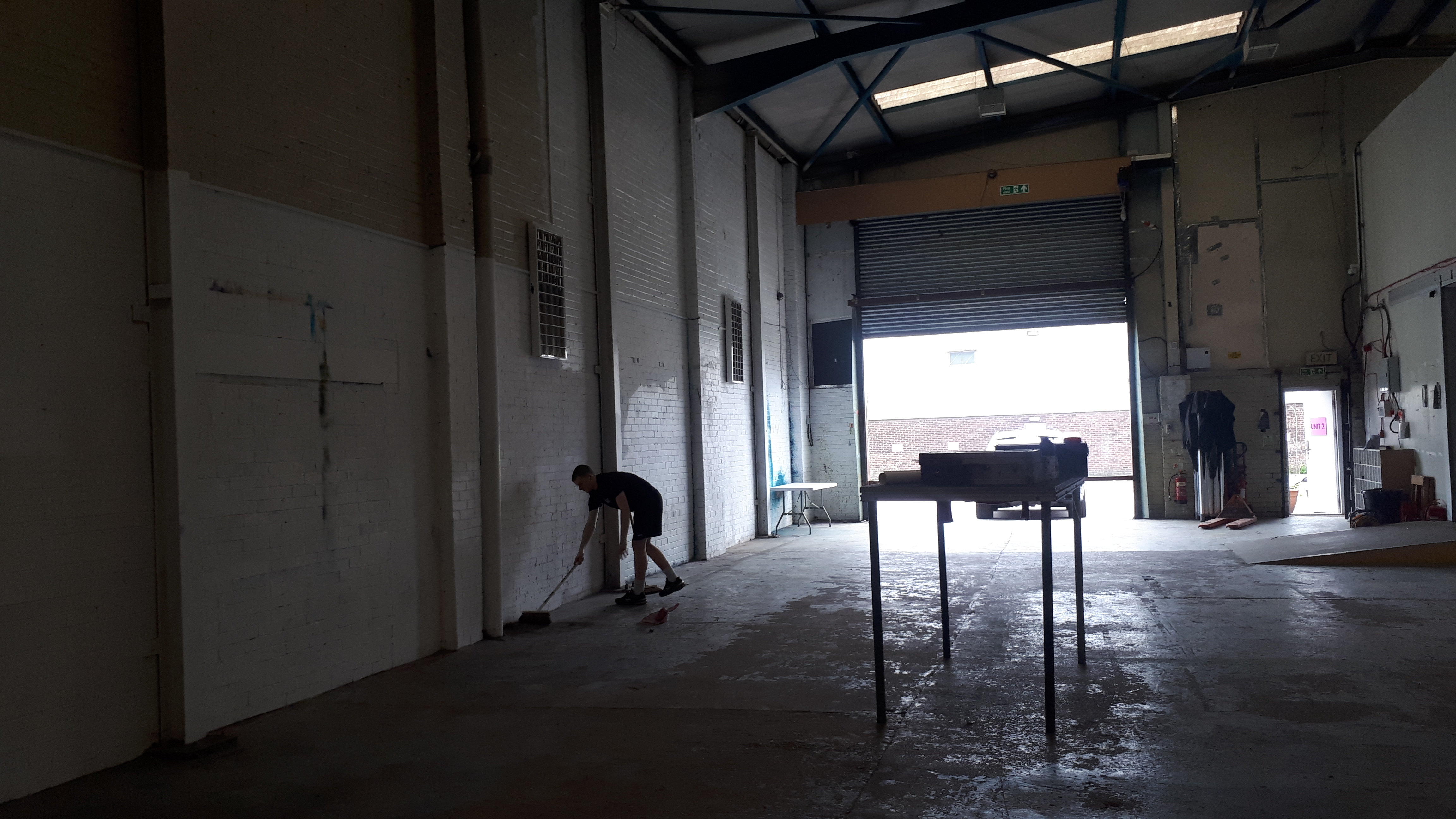
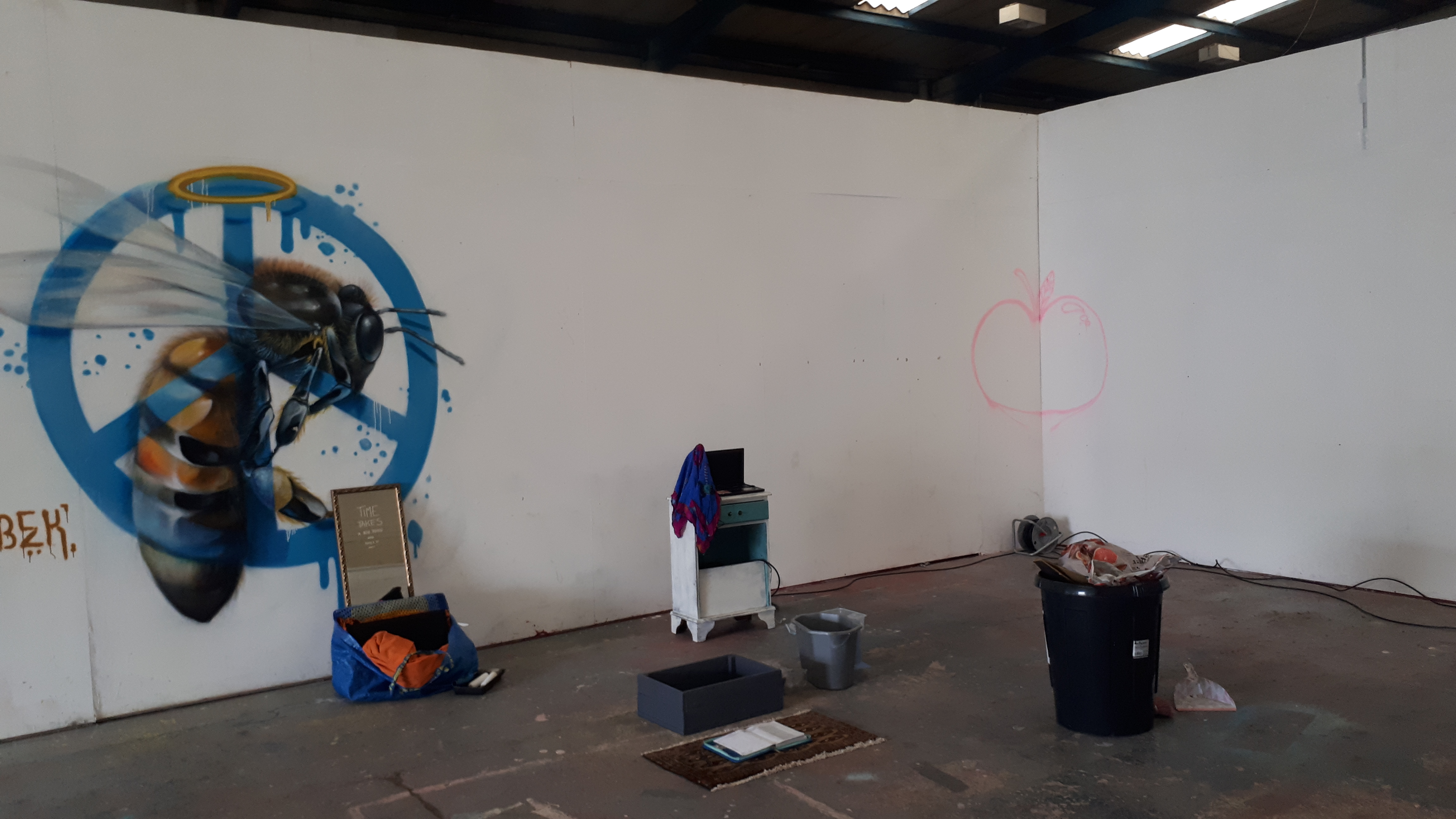
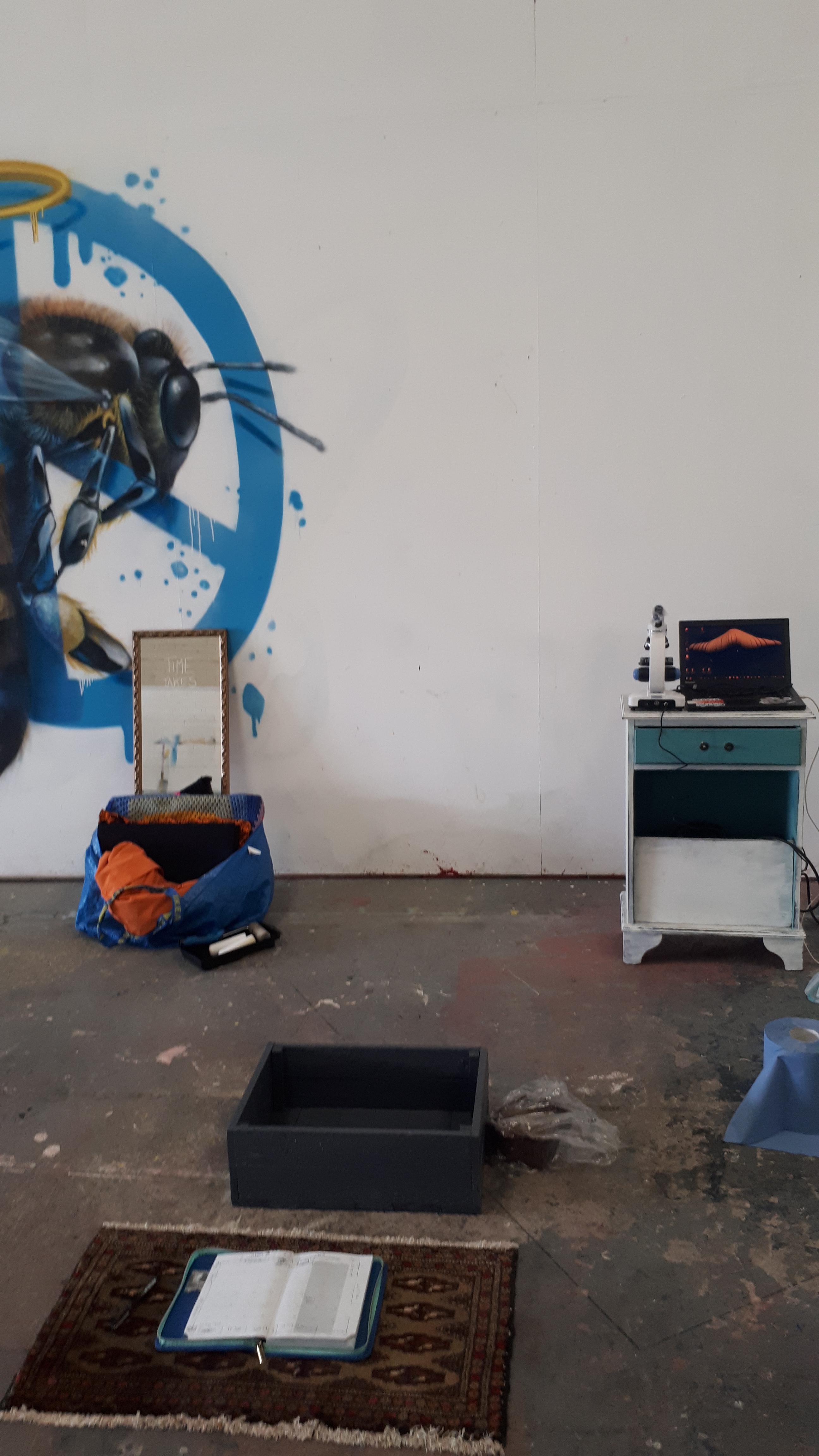
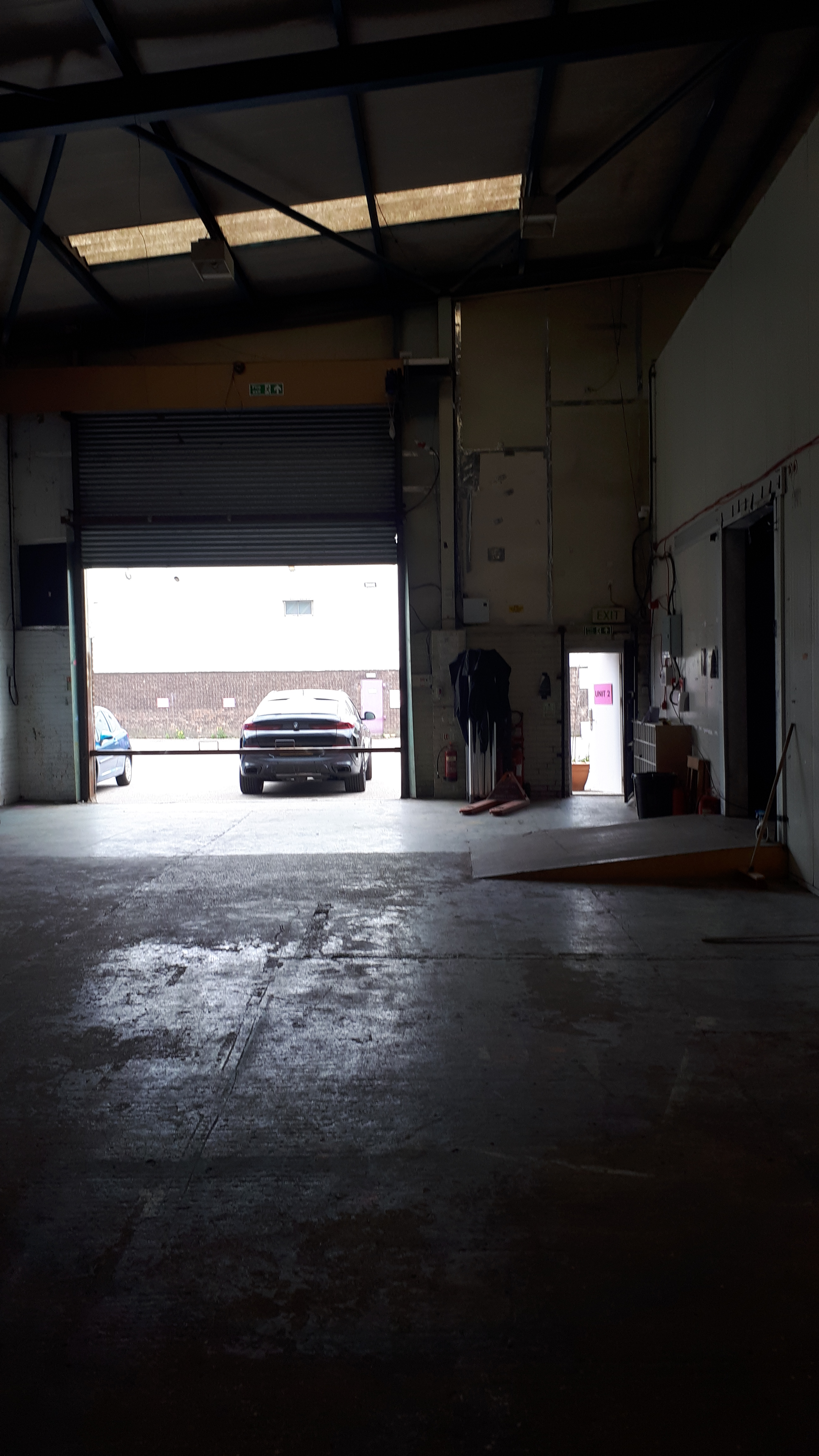
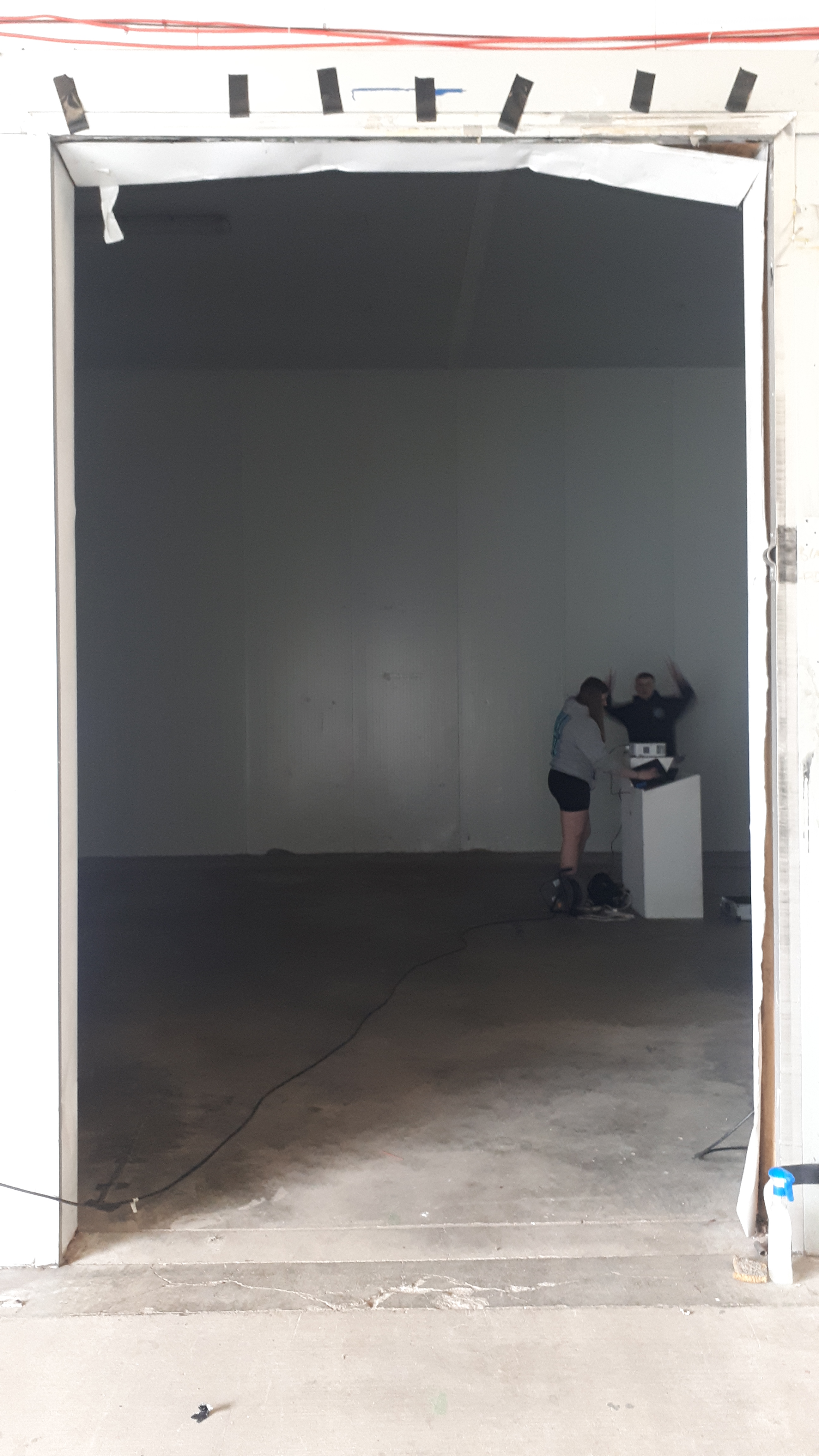
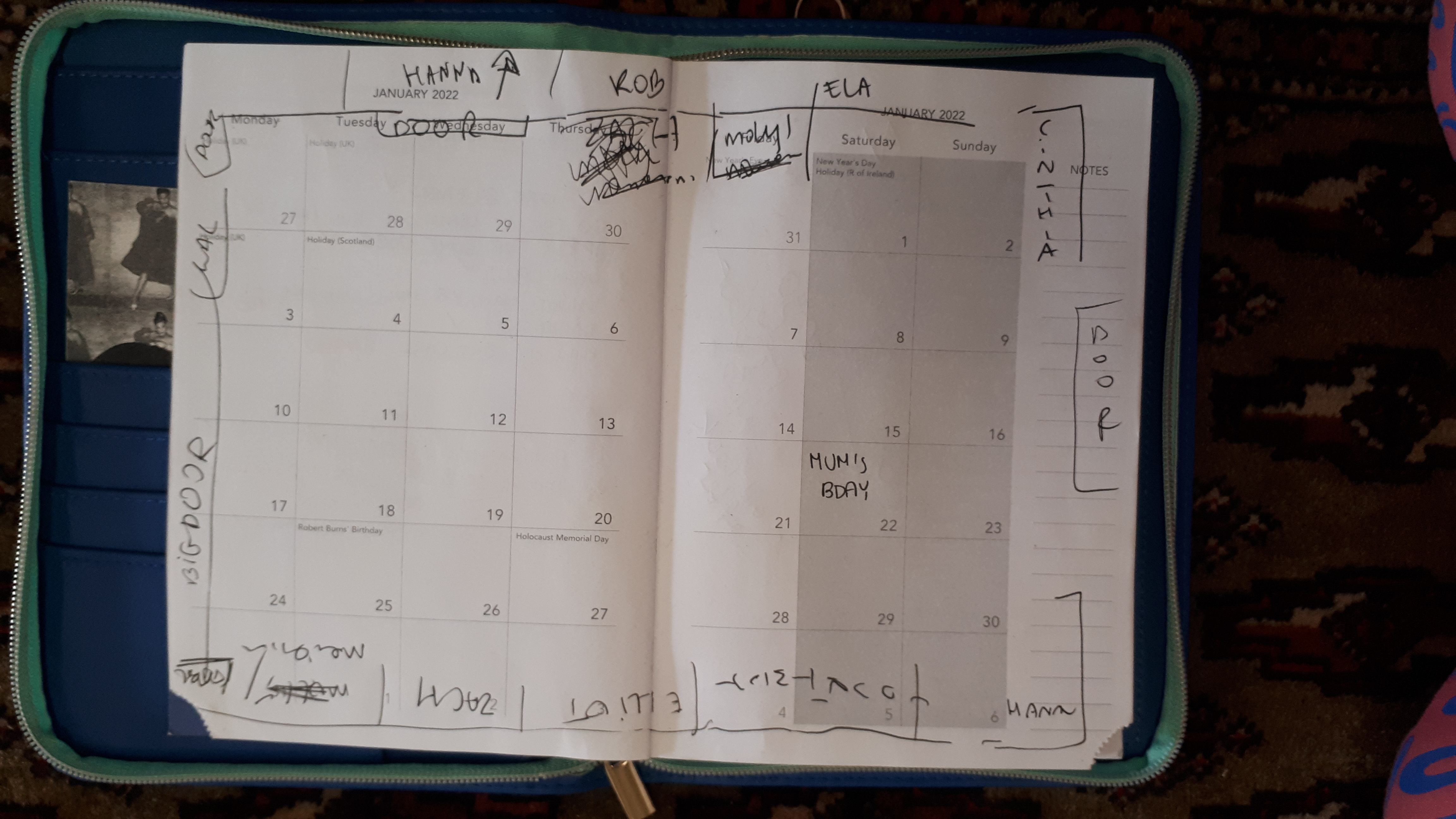
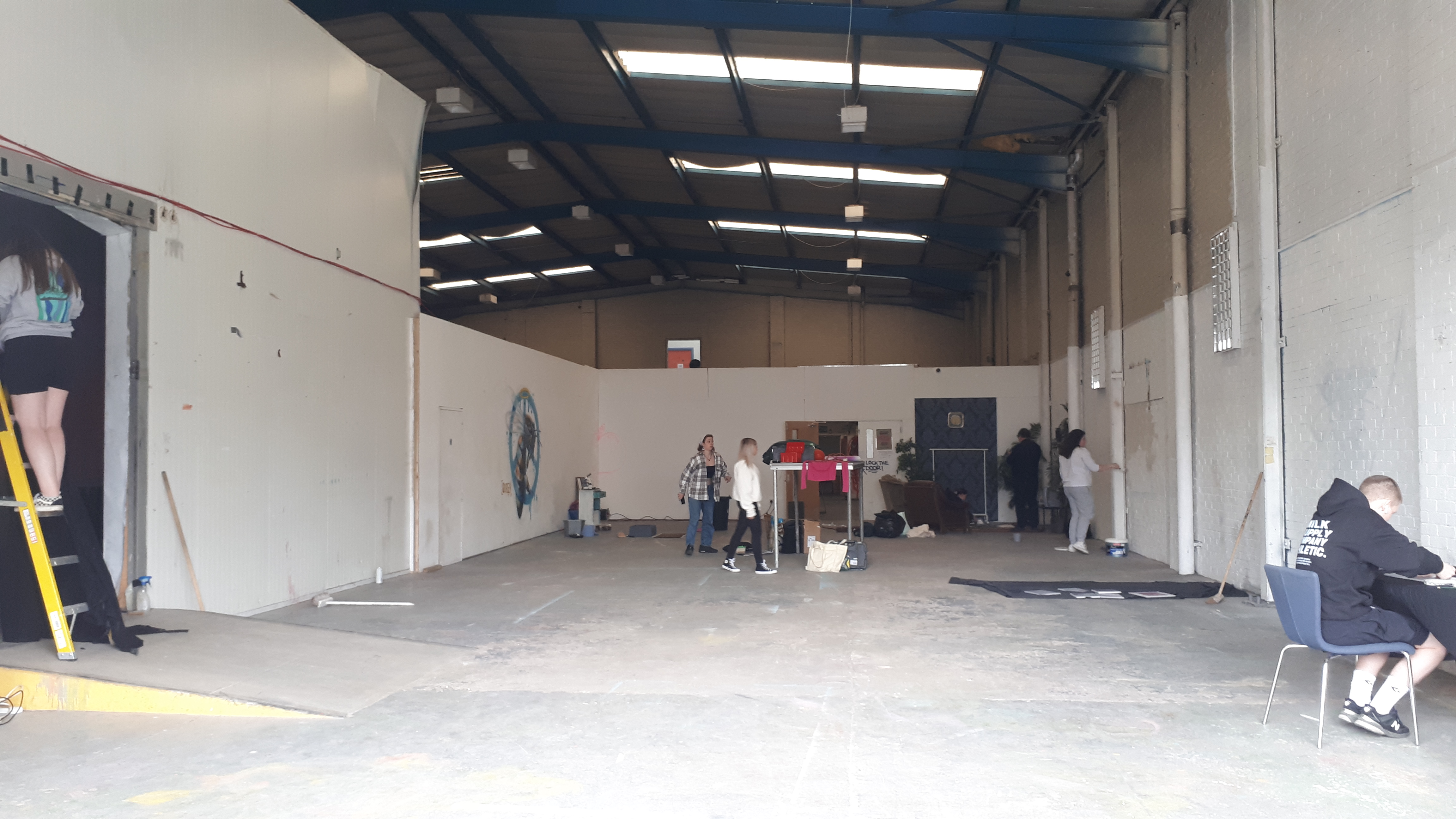
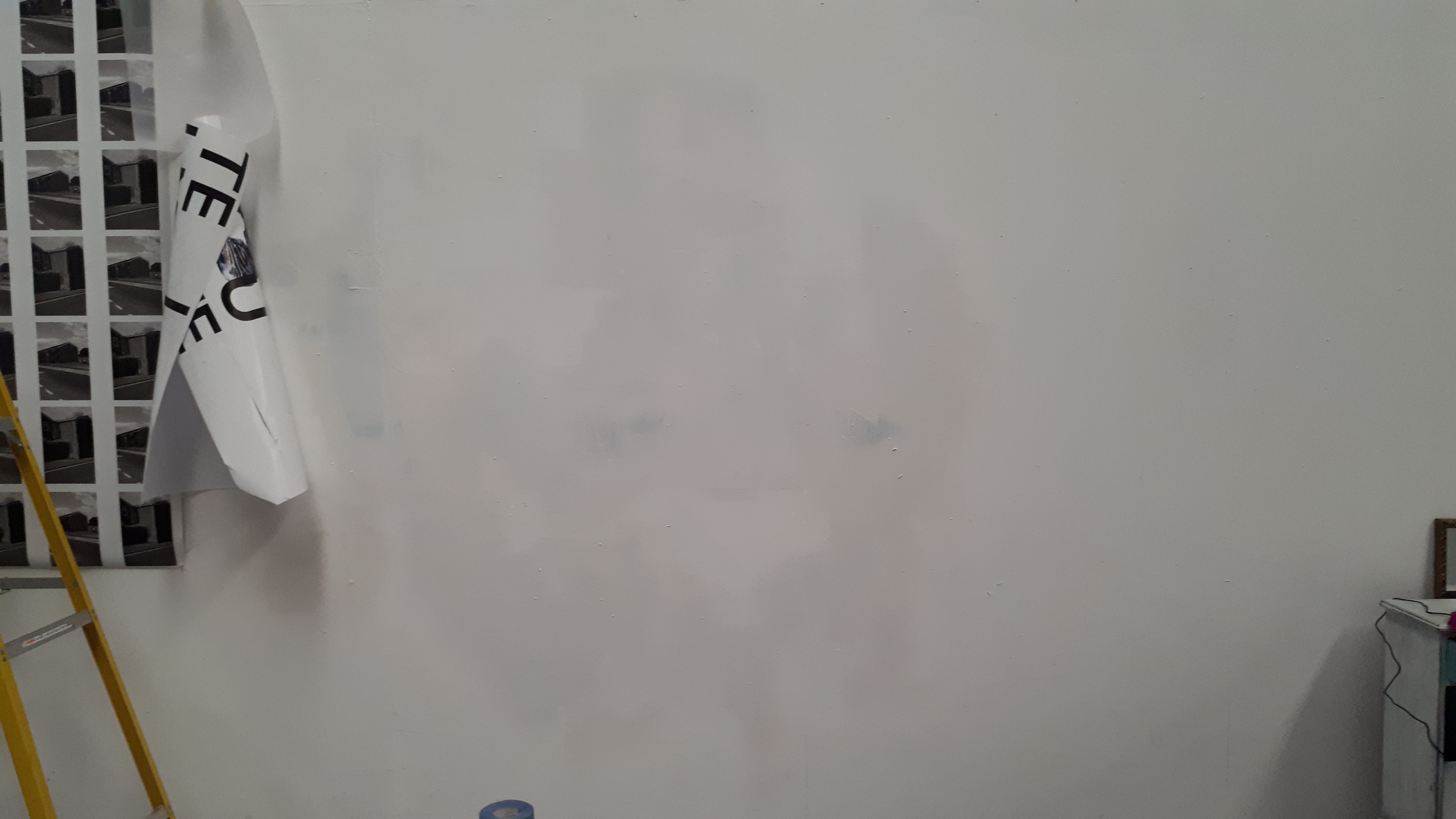
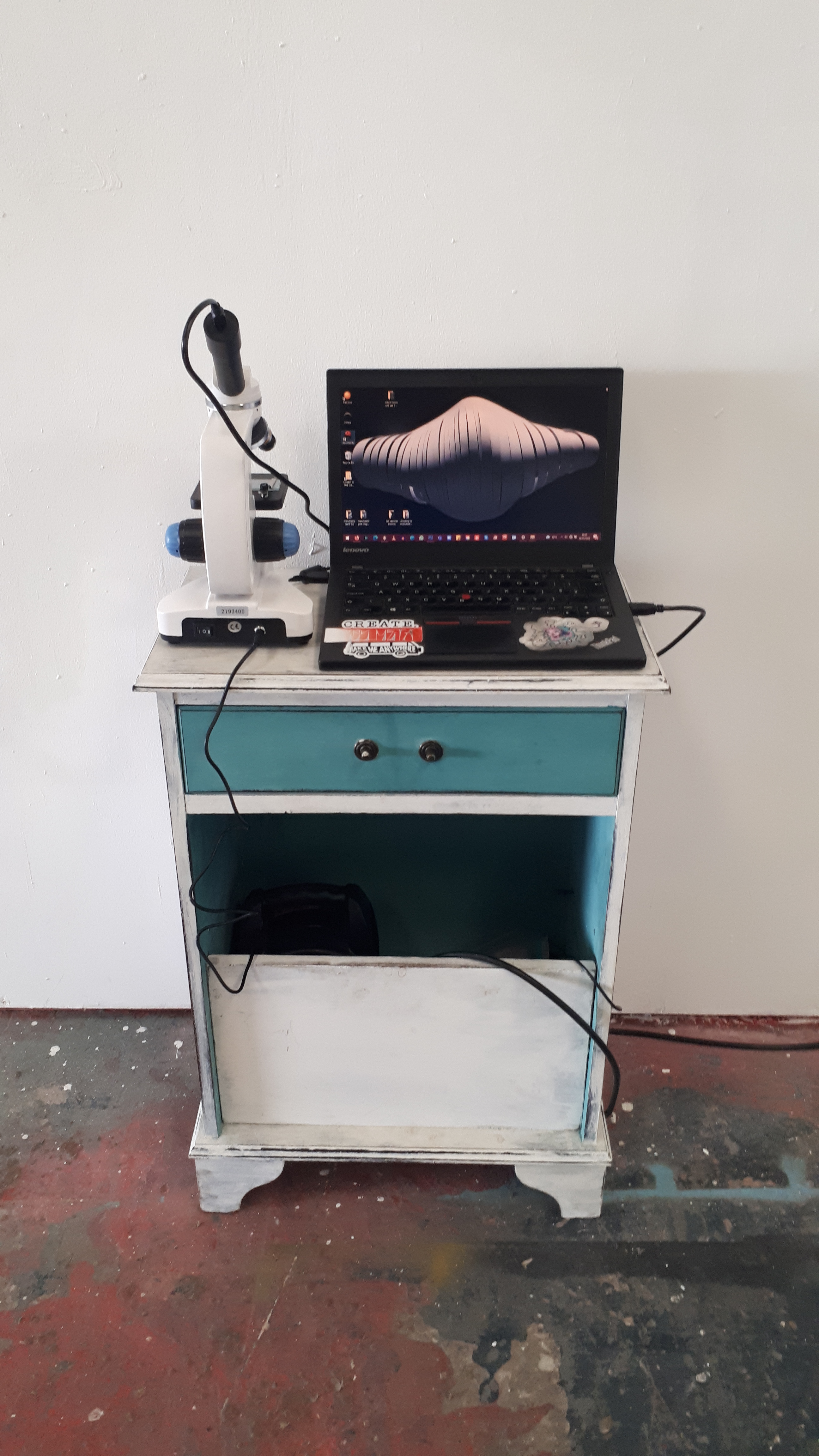
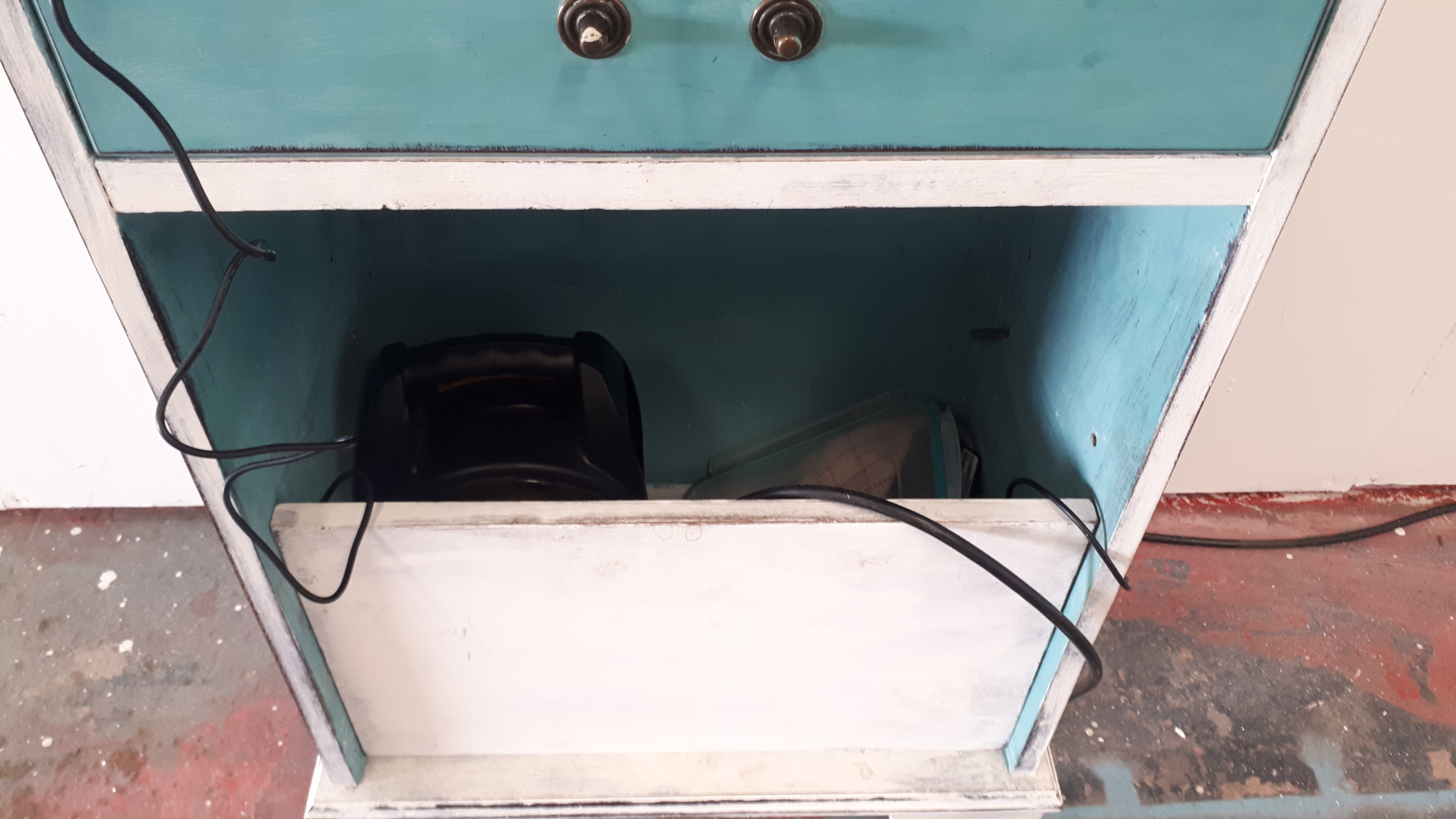
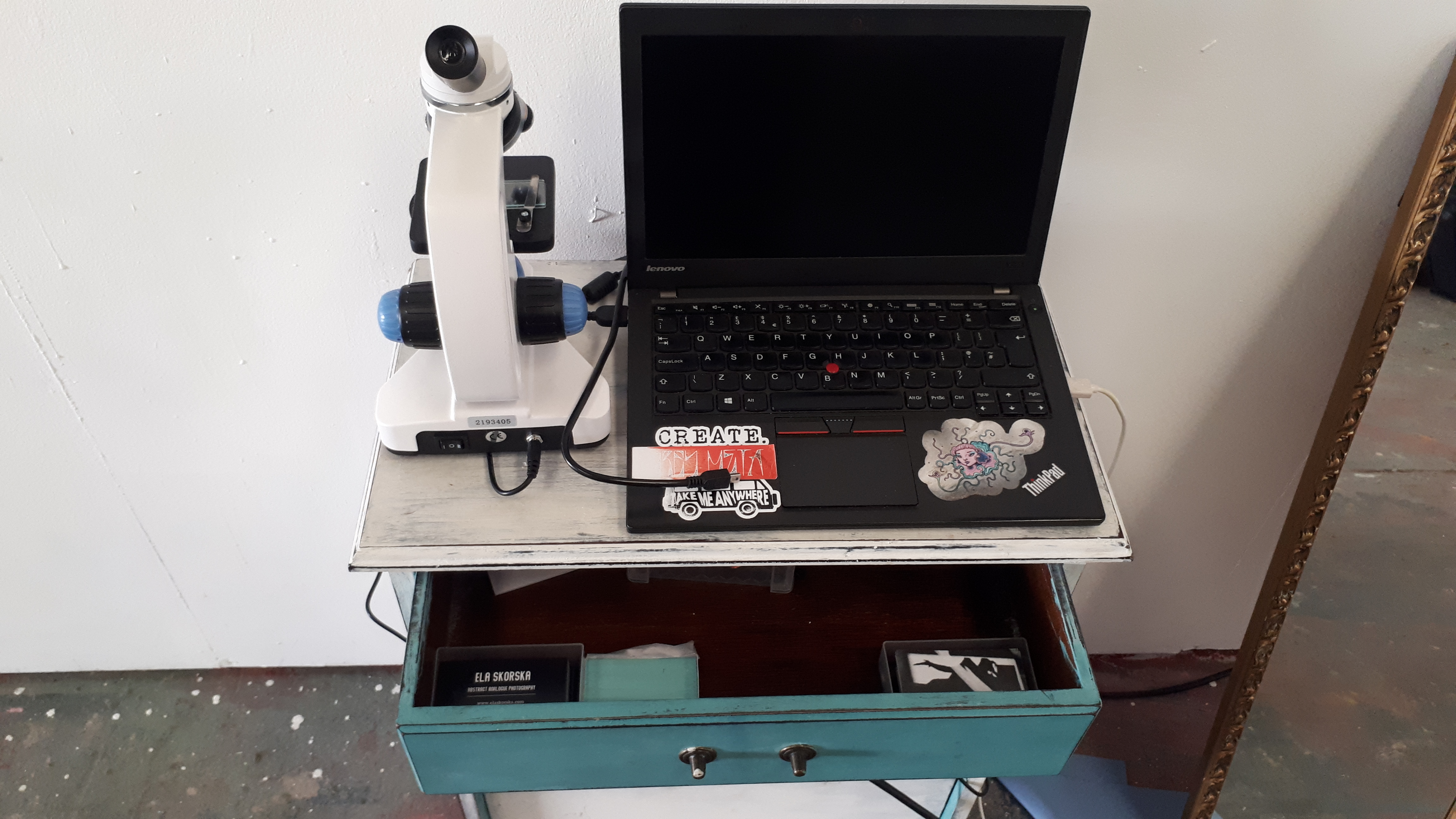
It has been a very hard day as not many people showed up to help, including curator, so I impromptu curated our exhibition, project managed the whole thing and as a person in charge of the venue, I was there first and left last every single day.

CONCLUSION
I have very mixed feelings about this unit. On one side I have learned so much and grown so much as an artist and a person but had to pay the price. I am saddened that I didn’t have more time for research as it is one of my favourite things, it’s the way I grow , learn and get inspired. Unfortunately a lot of my time I spent managing a group of unwilling, uncollaborative people and completely running the exhibition, almost on my own. Yes, I do enjoy project management and see myself pursuing that path to some extent in the future, at the same time it almost broke me having no help and enthusiasm for this huge and important thing for us. My conclusion is that I will always choose my collaborators wisely, as it is a key to success. I have taken my organisation skills to another level, fulfilling long lists of tasks and busy days. I am very proud of myself for that reason as I did feel overwhelmed a few times, but handled it through proper planning and hard work. I will definitely carry acquired skills into my future endeavours as a photographer and project manager, and I do try to focus on that when thinking of the past unit. I thoroughly enjoyed working on my sand project, and will definitely continue to explore it further. Inspired by some great talks and my thirst for knowledge I am curious to investigate incorporating more science into my photography, how? Only the future can tell, but I am very excited about it!
REFERENCES
A History of Time – Seconds, Minutes, Hours, Days & Weeks. History Tea Time with Lindsay Holiday. [Online video] [Accessed on 20/04/22] https://youtu.be/PRqccGG-AYo
Augmented Reality (AR) and Virtual Reality (VR) Explained |. Technology In Short. (2020). [Online video] [Accessed on 15/04/22] https://youtu.be/h3rKvsFTfPA
Best Time To Post On Instagram 2022 | New Instagram Chronological Feed Update | Statusbrew. Statusbrew. (2022). [Online video] [Accessed on 09/04/22] https://youtu.be/AoCyNkQKu_g
Chiharu Shiota. [Online] [Accessed on 04/05/22]. https://www.chiharu-shiota.com/
Photon Galerija. Eva Petrič. [Online] [Accessed on 05/04/22]. https://photon.si/artists/eva-petric-en/?lang=en PHOTON
5 Things to Do AFTER You Post on Instagram (Instagram Growth!). Natalia Kalinska. (2021). [Online video] [Accessed on 09/04/22] https://youtu.be/8wH5MwJbPsU
5 things you didn’t know about sand. BASF. (2019). [Online video] [Accessed on 17/04/22] https://youtu.be/Ee2pE72kaDI
Hiroshi Sugimoto Interview: Between Sea and Sky. Louisiana Channel. (2018). [Online video] [Accessed on 17/04/22] https://youtu.be/JWh4t67e5GM
How To Add A Title Under Your Instagram Name. Tutorial Milenial. (2021). [Online video] [Accessed on 09/04/22] https://youtu.be/tZU6Whm9w_s
How to Exhibit Art – 8 Easy places to showcase your artwork!. In the Studio with Michele Webber. (2019). [Online video] [Accessed on 20/03/22] https://youtu.be/wBwg86a9NBk
How to Hang Your Photo Exhibit. Jordan Matter. (2017). [Online video] [Accessed on 20/03/22] https://youtu.be/Qi0AJ7Nv7iQ
How to Make a Linktree on Instagram. NoIntro Tutorials. (2020). [Online video] [Accessed on 09/04/22] https://youtu.be/186l50UboXw
How to Scan Polaroids. Dan Finnen.(2021). [Online video] [Accessed on 11/04/22] https://youtu.be/JuLRz4plmis
How to Set Up an Art Exhibition?. Very Private Gallery. (2019). [Online video] [Accessed on 20/03/22]https://youtu.be/xBpIpqvZk8g
Impermanence of Sacred Earth: The Cycle of the Sand Mandala. KeiaJinFilms.(2013). [Online video] [Accessed on 24/04/22] https://youtu.be/R4TXh8jHsrA
Instagram Marketing 101: Using Hashtags, Stories, and More to Grow Your Business. Learn With Shopify. (2021). [Online video] [Accessed on 10/04/22] https://youtu.be/6skg3U8y2nM
John Blakemore – Master Photographer. E ī h w a z. (2014). [Online video] [Accessed 16/04/22] https://youtu.be/HBVgetVIXd4
‘Ladislav Postupa’. Artsper. [Online] [Accessed on 03/04/22] https://www.artsper.com/gb/contemporary-artists/czech-republic/5806/ladislav-postupa
Mark, J.J. (2021). ‘Tibetan Sand Mandalas’. World History Encyclopedia. [Online] 15 July 2021. [Accessed on 19/04/22]. https://www.worldhistory.org/article/1052/tibetan-sand-mandalas/
Mirrors – How its made. rvd4always. [Online video] [Accessed on 12/04/22] https://youtu.be/u03S1Nmslw4. [
Monica Alcazar-Duarte (photography) Second Nature – 2020. Aesthetica Short Film Festival. (2021). [Online video] [Accessed on 15/04/22] https://vimeo.com/522438695
Nishii, K. 2001. Daido Moriyama 55. London. Phaidon Press Limited.
Pettinger, T. (2020). ‘Degrowth – definition, examples and criticisms’. Economics. [Online] 26 April 2020. [Accessed on 17/04/22]. https://www.economicshelp.org/blog/164203/economics/degrowth/
Possible Landscapes | Monica Alcazar Duarte | TEDxUAL. TEDx Talks. (2017). [Online video] [Accessed on 15/04/22] https://youtu.be/4yW3emga9TI
Sand Mandala – A Time To Build, A Time To Destroy. Mantai Chow. (2016). [Online video] [Accessed on 24/04/22] https://youtu.be/8ov4-Fwhy5o
Sand Mandalas Explained, with Losang Samten | Big Think. Big Think. (2014). [Online video] [Accessed on 24/04/22] https://youtu.be/yHcntfFN9FY
Scanning & Instagramming Polaroids [Instant Lounge]. In An Instant. (2020) [Online video] [Accessed on 14/04/22] https://youtu.be/v4o24tsrTwg
Tate. Provoke Era. [Online] [Accessed on 19/04/22]. https://www.tate.org.uk/art/art-terms/p/provoke-era
The Amazing Life of Sand | Deep Look. Deep Look. (2014). [Online video] [Accessed on 15/04/22] https://youtu.be/VkrQ9QuKprE
‘The Best Time To Post On Instagram In 2022’. Statusbrew. [Online] [Accessed on 19/04/22]. https://statusbrew.com/insights/best-time-to-post-on-instagram/#best-day-and-time-to-post-on-instagram-by-days-of-week:
The song of the dunes. Mathias Théry. [Online video] [Accessed on 15/04/22] https://youtu.be/4yFaMsUawi4.
The Theatricality of Chiharu Shiota’s Art | Brilliant Ideas Ep. 52. Bloomberg Quicktake. (2017). [Online video] [Accessed on 04/05/22] https://youtu.be/ULpxdHy0eZc
What is Augmented Reality (AR) In 60 Seconds. Bernard Marr. (2021). [Online video] [Accessed on 15/04/22] https://youtu.be/XPNUmcEOYW0
Where Does Sand Come From? | COLOSSAL QUESTIONS. Colossal Cranium. (2021). [Online video] [Accessed on 15/04/22] https://youtu.be/MDzsxBE8hZI
Wikipedia. Hourglass. [Online] [Accessed on 17/04/22]. https://en.wikipedia.org/wiki/Hourglass
 Ela Skorska